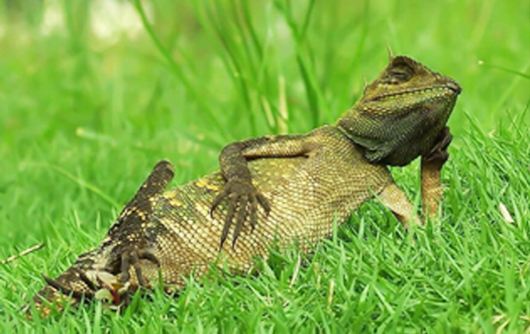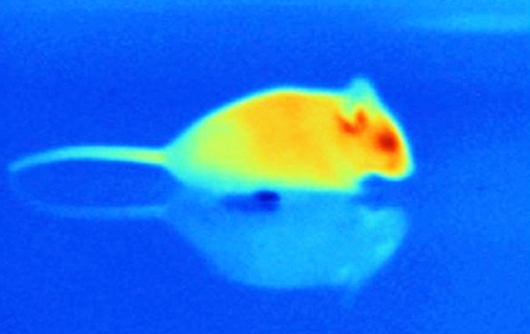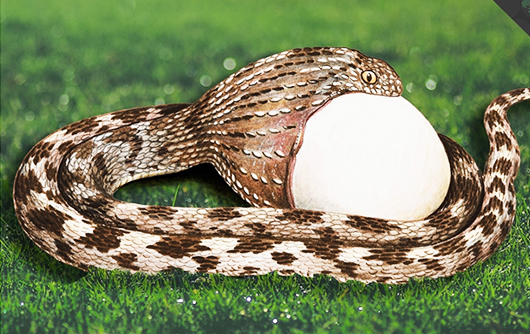

Reptiles—cold-blooded animals, made distinct by the scales or plates on their bodies—are a diverse group of animals that includes tortoises and turtles, tuataras, lizards, snakes, crocodiles, and alligators. They inhabit a range of habitats on every continent, except Antarctica. They have a host of amazing adaptations and abilities—there are lizards that sprint on water, tortoises that can live for a few hundred years, and chameleons that can move their eyes in different directions at once.

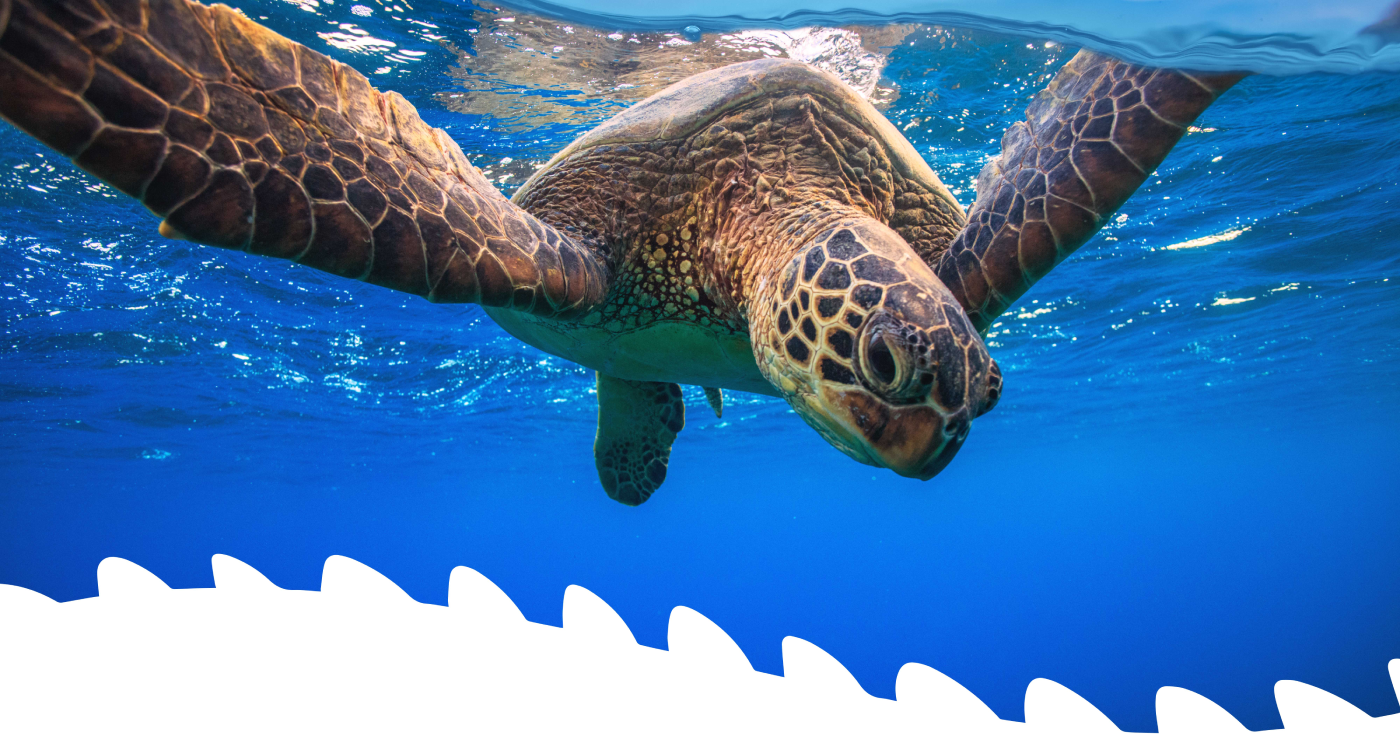
Marine environments present their own set of challenges, and reptiles such as sea turtles have developed remarkable adaptations to navigate these vast waters. Leatherback turtles, for example, possess a unique adaptation in their blubber layer, which helps them regulate body temperature and venture into colder waters. They also have powerful front flippers that make them excellent swimmers, capable of traveling thousands of miles across oceans. Saltwater crocodiles, on the other hand, have salt glands that allow them to excrete excess salt from their bodies, enabling them to thrive in both freshwater and marine environments.
Read More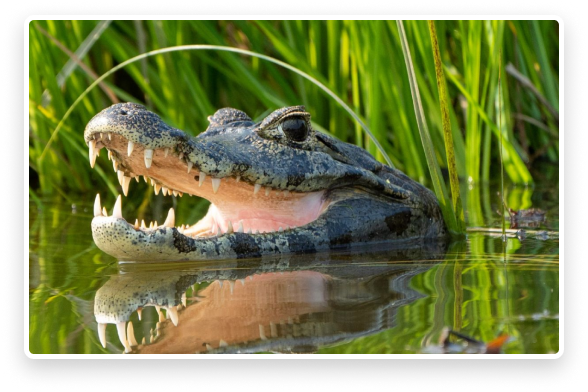

Burrow into the lives of reptiles and discover their architectural genius! Many reptiles, like tortoises and certain lizards, are expert diggers. They create intricate tunnels and burrows to escape the heat, hide from predators, and create safe places to lay their eggs. These burrows can be quite complex, with multiple chambers and entrances.
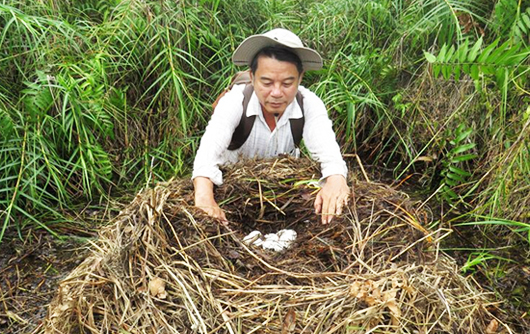
Nest Building Reptiles are also skilled nest builders. Female crocodiles and alligators construct large nests out of mud and vegetation to lay their eggs. These nests are carefully guarded to protect the eggs from predators. Read More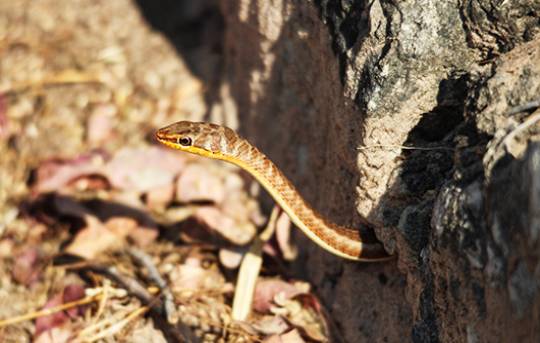
some reptiles decide if their babies will be boys or girls based on the temperature! For creatures like sea turtles, the temperature of the sand where their eggs are buried determines the sex of the hatchlings. Warmer sand means more females and cooler sand means more males. This amazing trait is called temperature-dependent sex determination (TSD). It’s a clever way to balance populations. But there’s a hitch—climate change. Rising temperatures could mean more female turtles, leading to imbalances. Scientists are racing against time to find solutions and protect these incredible species from the impacts of climate change.
Read More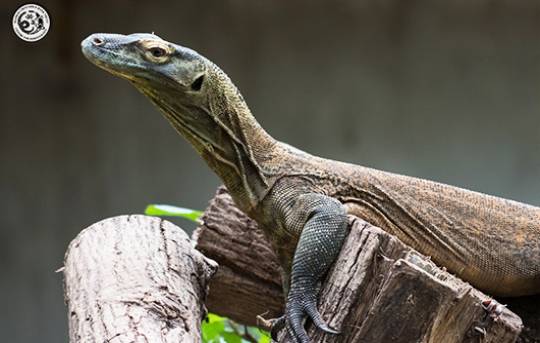
Illegal wildlife trade poses a significant threat to reptile species, driven by demand for exotic pets, traditional medicine, and fashion. This black market trade leads to overexploitation, with species such as turtles and snakes being captured in large numbers, often resulting in severe population declines and disrupted ecosystems.
Habitat Loss Habitat loss, primarily due to deforestation, urbanization, and agricultural expansion, is a critical threat to reptiles. As their natural habitats are destroyed or fragmented, reptiles struggle to find food, shelter, and breeding sites. This loss of habitat leads to reduced population sizes and increased vulnerability to predators and environmental changes. Read More
Marine environments present their own set of challenges, and reptiles such as sea turtles have developed remarkable adaptations to navigate these vast waters. Leatherback turtles, for example, possess a unique adaptation in their blubber layer, which helps them regulate body temperature and venture into colder waters. They also have powerful front flippers that make them excellent swimmers, capable of traveling thousands of miles across oceans. Saltwater crocodiles, on the other hand, have salt glands that allow them to excrete excess salt from their bodies, enabling them to thrive in both freshwater and marine environments.
Read More
Burrow into the lives of reptiles and discover their architectural genius! Many reptiles, like tortoises and certain lizards, are expert diggers. They create intricate tunnels and burrows to escape the heat, hide from predators, and create safe places to lay their eggs. These burrows can be quite complex, with multiple chambers and entrances.
Read More
some reptiles decide if their babies will be boys or girls based on the temperature! For creatures like sea turtles, the temperature of the sand where their eggs are buried determines the sex of the hatchlings. Warmer sand means more females and cooler sand means more males. This amazing trait is called temperature-dependent sex determination (TSD). It’s a clever way to balance populations. But there’s a hitch—climate change. Rising temperatures could mean more female turtles, leading to imbalances. Scientists are racing against time to find solutions and protect these incredible species from the impacts of climate change.
Read More
Reptiles face numerous threats that jeopardize their survival and biodiversity. Among the most pressing are illegal wildlife trade, habitat loss, and pollution. These threats, driven largely by human activities, have severe impacts on reptile populations worldwide, leading to declines and, in some cases, extinction.
Illegal Wildlife TradeIllegal wildlife trade poses a significant threat to reptile species, driven by demand for exotic pets, traditional medicine, and fashion. This black market trade leads to overexploitation, with species such as turtles and snakes being captured in large numbers, often resulting in severe population declines and disrupted ecosystems.
Read More
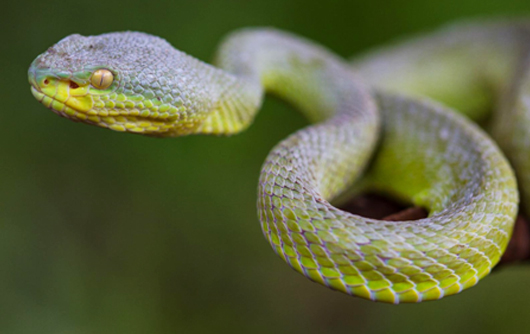
Snakes are elongated, legless reptiles found in a wide range of habitats across the globe. They are known for their unique mode of locomotion and diverse adaptations that enable them to thrive in various environments. Snakes play crucial roles in ecosystems as predators and prey, contributing to the balance of natural systems.
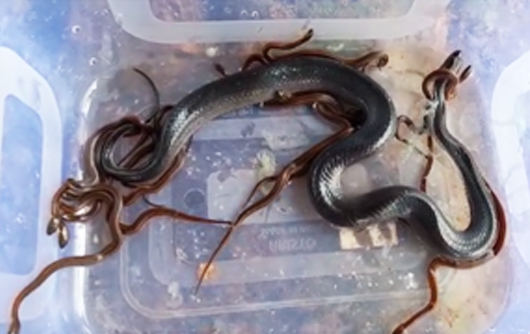
Reproduction Snakes exhibit diverse reproductive strategies, including oviparity (laying eggs), viviparity (giving birth to live young), and ovoviviparity (where eggs develop inside the mother and young are born live). Read More
Think crocodiles are lone hunters? Think again! These crafty creatures often team up to catch their prey. Crocodiles communicate using sounds and body language to coordinate their hunting strategies. One crocodile might scare fish toward waiting teammates, while others lie in ambush, ready to snap their powerful jaws shut. This teamwork makes them some of the most sophisticated predators in the animal kingdom. Watching a group of crocodiles hunt together is like seeing a perfectly synchronized performance, showcasing their intelligence and adaptability.
Read More
Lizards are a diverse group of reptiles found on every continent except Antarctica. They exhibit a wide range of sizes, shapes, and behaviors, adapted to various environments from deserts to rainforests. Known for their agility and sometimes vibrant colors, lizards play crucial roles in their ecosystems.
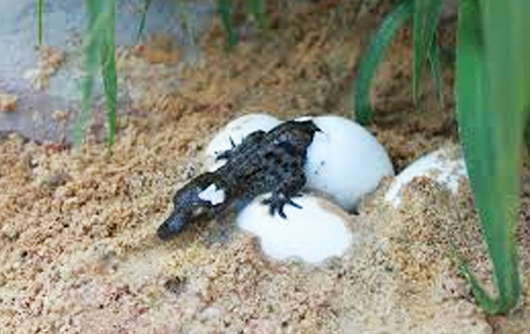
ReproductionLizards employ various reproductive strategies, including oviparity (laying eggs) and viviparity (giving birth to live young). Many species lay eggs in concealed or protected locations, such as under rocks or in burrows, to safeguard them from predators.
Read More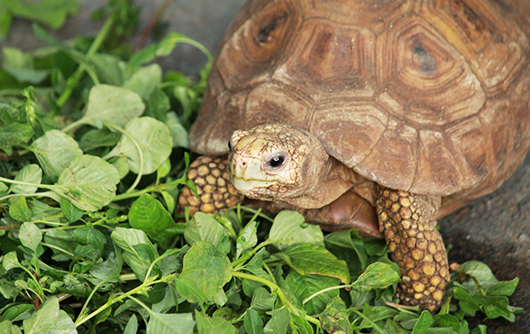
Turtles and tortoises are fascinating reptiles known for their distinctive shells, which provide protection and aid in their survival. While turtles are generally adapted to aquatic or semi-aquatic environments, tortoises are land-dwellers. These creatures have existed for millions of years, showcasing a wide range of adaptations that enable them to thrive in diverse habitats.
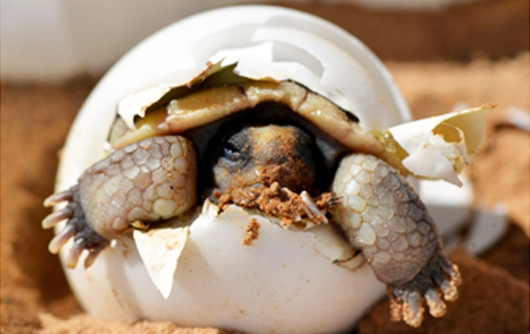
ReproductionTurtles and tortoises have varied reproductive strategies, typically involving laying eggs on land. Females dig nests in sand or soil to deposit their eggs, covering them to protect from predators.
Read More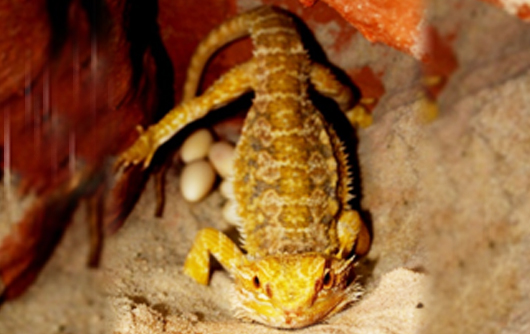
Tuataras are unique reptiles endemic to New Zealand, often referred to as living fossils due to their ancient lineage dating back to the Mesozoic era. Despite resembling lizards, they belong to a distinct order, Sphenodontia, and are the only surviving members of this group. Tuataras are notable for their longevity and slow growth.
ReproductionTuataras have a slow and unique reproductive process. They reach sexual maturity around 10–20 years of age and reproduce infrequently. Females lay eggs every 2-5 years, with a clutch size of 5–15 eggs.
Read More
Snakes are elongated, legless reptiles found in a wide range of habitats across the globe. They are known for their unique mode of locomotion and diverse adaptations that enable them to thrive in various environments. Snakes play crucial roles in ecosystems as predators and prey, contributing to the balance of natural systems.
Read More
Think crocodiles are lone hunters? Think again! These crafty creatures often team up to catch their prey. Crocodiles communicate using sounds and body language to coordinate their hunting strategies. One crocodile might scare fish toward waiting teammates, while others lie in ambush, ready to snap their powerful jaws shut. This teamwork makes them some of the most sophisticated predators in the animal kingdom. Watching a group of crocodiles hunt together is like seeing a perfectly synchronized performance, showcasing their intelligence and adaptability.
Read More
Lizards are a diverse group of reptiles found on every continent except Antarctica. They exhibit a wide range of sizes, shapes, and behaviors, adapted to various environments from deserts to rainforests. Known for their agility and sometimes vibrant colors, lizards play crucial roles in their ecosystems.
ReproductionLizards employ various reproductive strategies, including oviparity (laying eggs) and viviparity (giving birth to live young). Many species lay eggs in concealed or protected locations, such as under rocks or in burrows, to safeguard them from predators. Some lizards exhibit parental care, with behaviors like guarding their eggs. In some species, environmental factors like temperature can influence the sex of the offspring, a phenomenon known as temperature-dependent sex determination.
Read More
Turtles and tortoises are fascinating reptiles known for their distinctive shells, which provide protection and aid in their survival. While turtles are generally adapted to aquatic or semi-aquatic environments, tortoises are land-dwellers. These creatures have existed for millions of years, showcasing a wide range of adaptations that enable them to thrive in diverse habitats.
ReproductionTurtles and tortoises have varied reproductive strategies, typically involving laying eggs on land. Females dig nests in sand or soil to deposit their eggs, covering them to protect from predators. Temperature plays a crucial role in determining the sex of the hatchlings, with warmer temperatures usually producing females and cooler temperatures producing males. After laying eggs, most species leave them to develop on their own, though some, like the female tortoises, may guard their nests for a short period.
Read More
Tuataras are unique reptiles endemic to New Zealand, often referred to as living fossils due to their ancient lineage dating back to the Mesozoic era. Despite resembling lizards, they belong to a distinct order, Sphenodontia, and are the only surviving members of this group. Tuataras are notable for their longevity and slow growth.
ReproductionTuataras have a slow and unique reproductive process. They reach sexual maturity around 10–20 years of age and reproduce infrequently. Females lay eggs every 2-5 years, with a clutch size of 5–15 eggs. The eggs are buried in the soil and incubate for 12-15 months, one of the longest incubation periods of any reptile. Temperature influences the sex of the offspring, with warmer temperatures typically producing males.
Read More
 Wild Wisdom Gear Up Series: Exploring Realms of Reptiles with Nikhil Whitaker
Watch
Video
Wild Wisdom Gear Up Series: Exploring Realms of Reptiles with Nikhil Whitaker
Watch
Video
Wild Wisdom Gear up Series: "Decoding Reptiles with Gerry Martin"
Watch
Video
Wild Wisdom Gear Up Series: Discovering Wonderful World of Lizards by Dr. Varad Giri
Watch
Video
Wild Wisdom Gear Up Series: Mastering Reptile Knowledge featuring Dr. Gowri Shankar!
Watch
Video


Copyright @ Wild Wisdom Global Challenge 2024 | All rights reserved
Design and Development by Digital Fueled IT Pvt Ltd