


At Panda HQ, we spend our days sharing stories about nature with you. But sometimes, nature decides to bring a story to us.
Recently, in the middle of a meeting, we noticed something unusual on the table. At first glance it looked like a giant mosquito. The kind that makes you say “eek!” and move your chair back a little. But instead, we leaned closer. And what we saw was spectacular.
An intricate insect lay on the white tabletop, its dark body stark against the surface. Its delicate wings looked almost like lace, patterned with criss-cross veins. Long, thread-like extensions trailed from its body. It had already completed its life cycle and had somehow drifted indoors to rest there.
Notes, deadlines, and work plans were instantly forgotten! Everyone was fascinated by this tiny creature. It belonged to the insect order Neuroptera, a group that includes lacewings and antlions.
And just like that, our busy meeting paused as we found ourselves captivated by something we might otherwise have missed. The moment lasted only a minute, but it reminded us of something important: extraordinary pieces of nature are often right in front of us…if we pause long enough to notice them!
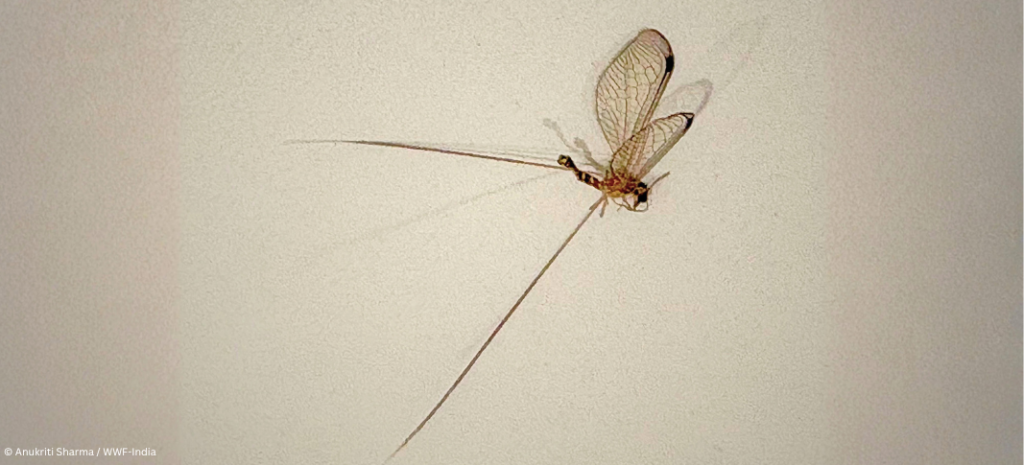
So, are you ready to pause and observe too? Read on to get started.
An Indomitable Planet
That tree in your neighbourhood? Its ancestors were around before dinosaurs existed. The ant crossing your footpath? It belongs to a group of insects that has been on this planet for nearly 100 million years. And the clouds forming overhead? They are part of a water cycle that has been running, without a break, for billions of years
Everything alive today—every plant, animal, fungus, and micro-organism—is the result life surviving, adapting, and evolving on Earth. And that journey was anything but easy.

Over the past 500 million years, mass extinction events have wiped out species on Earth at least five times. Imagine that! Asteroid impacts. Volcanic eruptions lasting hundreds of thousands of years. Dramatic shifts in climate.
But each time, a small number of species held on, and life slowly built itself back up. The world you see around you, with forests and rivers and unique creatures, is what came out of that long, difficult process.

So, where do humans fit in all of this? Pretty close to the end, actually! Scientists estimate that our species has existed only for roughly the last 0.006% of Earth’s history. We are very new here. The planet was already ancient and extraordinarily complex long before we arrived.
Fast Forward to 2026! And Look Closer…It Gets More Interesting
Once you know this, even ordinary things start to look different.
A patch of soil in your garden could hold more micro-organisms than there are people on Earth. A crow solving a problem is using a brain moulded by millennia of evolution. Right now, life on Earth can breathe comfortably because of billions of tiny phytoplankton in the ocean. Everything is connected, and it is genuinely remarkable!

Has this made you a little curious? Keen to look closer, understand more, or feel part of something bigger? Well, you’re in luck! April 22 is Earth Day, and there’s no better time to reconnect with our extraordinary planet.
The good news is, you don’t have to go far. Nature isn’t only in wildlife reserves or mountain ranges. It’s in the weeds pushing through a crack in the pavement, in a spider rebuilding its web after rain, in the breeze you probably didn’t notice on your way here. It’s everywhere…once you start looking.
So, let’s look. Here’s how to connect with nature a little more mindfully today.

3 Things to Do This Earth Day to Connect with the Earth
1. Adopt a patch!
Choose one square metre of ground: a corner of your garden, a balcony pot, or a crack in the pavement.
Now, spend 15 minutes observing it closely. Look for insects, worms, fungi, moss, or birds visiting. Notice what is eating what, what is growing on what, and what is hiding under what.
Grab a notebook, and write down or sketch everything you find. A rough drawing makes you look more carefully than a photo ever will!

2. Follow a food chain
Head to your garden or a nearby park and look for connections between living things. A leaf with bite marks or a bird watching the ground.
Try to build a chain of at least three links: a plant, something that eats it, and something that eats that.
Then, attempt to draw it out as a diagram with arrows. You’re not just observing nature. You’re reading it!

3. Venture out on a sensory walk and play bingo!
Step outside with your phone away and your notebook open. Walk slowly for 10 minutes and engage all your senses, one at a time.
- What can you see? What is moving, what is growing, what is hidden?
- What can you hear? How many distinct sounds, and how far away are they?
- What can you smell? Does it change as you move?
- What textures can you find by touching bark, soil, leaves, or grass?
For each sense, pause and write down at least three things you notice. Most of us move through the natural world with our senses half switched off. This is a simple way to turn them back on!
And to make it more fun, we’ve put together a Nature Bingo card to take with you. How many squares can you tick off before you get home?

One Last Thing…
This Earth Day, take a moment to truly notice and appreciate the nature around you. Connect with it, enjoy it, and remember that we are part of it too. It is our home.
And as you do, make a simple pledge to do something good for it: today, and a little more every day that follows.
Happy Earth Day!







We’re a group of volunteers and opening a new scheme
in our community. Your web site provided us with valuable info
to work on. You’ve done an impressive job and our entire community will be thankful to you.
«Билайн» в Ульяновске предоставляют:
• пакет из 150+ ТВ каналов;
• бесплатный монтаж оборудования;
• Подбор оптимального тарифа под ваши задачи;
• Анализ возможности подключения по вашему адресу.
[url=https://ulyanovsk-beeline.ru/]проверка домашнего интернета билайн[/url]
интернет билайн тарифы для компьютера – [url=https://www.ulyanovsk-beeline.ru/]https://www.ulyanovsk-beeline.ru[/url]
[url=https://images.google.la/url?sa=t&url=https://ulyanovsk-beeline.ru/]https://www.google.lv/url?sa=t&url=https://ulyanovsk-beeline.ru/[/url]
[url=http://www2.saganet.ne.jp/cgi-bin/hatto/board/wwwboard.pl/www.pelsh.forum24.ru/dtcc.edu.vn/www.1xbet-10.com/www.frei-diplom13.ru]Домашний интернет и цифровое ТВ от «Билайн» в Ульяновске[/url] 49cb901
Way cool! Some extremely valid points! I appreciate you writing this write-up
and also the rest of the site is extremely good.
«Билайн» в Брянске предлагают:
• пакет из 150+ ТВ каналов;
• поддержки 24/7;
• Определение оптимального тарифа под ваши задачи;
• Анализ инфраструктуры по вашему адресу.
[url=https://bryansk-beeline.ru/]билайн тарифы на интернет и телевидение брянск[/url]
билайн домашний интернет и тв тарифы – [url=http://bryansk-beeline.ru]http://www.bryansk-beeline.ru/[/url]
[url=https://clients1.google.ms/url?sa=t&url=https://bryansk-beeline.ru/]https://www.google.com.sl/url?q=https://bryansk-beeline.ru/[/url]
[url=http://www.freifliegendehexe.de/viewtopic.php?f=18&t=1088&p=208635#p208635]Интернет и цифровое ТВ от «Билайн» в Брянске[/url] 791de49
Ищете надежный [url=https://avtomaticheskienozhi.ru]ножи складные автоматические выкидные[/url] — у нас широкий выбор моделей для охоты, туризма и повседневного ношения.
Надежность конструкции во многом зависит от качества материалов и точности сборки.
Experience an unforgettable night as [url=https://drones-show-0.com/]drone light show companies[/url] transforms the sky into a dazzling ballet of light and motion.
The technical coordination behind a drone show involves precise timing and reliable communication.
Improvements in LEDs and battery technology have broadened artistic options.
Regulations differ across countries and typically set altitude ceilings, restricted zones, and pilot certification requirements.
Event organizers often schedule shows to avoid sensitive wildlife periods and migratory paths.
Если вы или ваши близкие оказались в запое, не знаете, как вырваться из этого круга, обращайтесь за помощью на площадке [url=https://vivodizzapoya.asia]вывод из запоя наурызбайский район[/url].
Силы, позволяющие вернуться к нормальной жизни – это результат долгих трудов и упорствующих усилий.
Чтобы понять, как обратиться за помощью, нужно признать, что проблема существует. Пить при этом не перестаешь, но чувствуешь себя подавленно и обессилен. Иной раз человек, выпив, не перестаёт идти далее по жизни, но он чувствует себя подавленно и обессилен.
Алкогольные запои начинаются с легкого удовольствия от выпивки. Но со временем насилие над собой становится невозможно. Человек получает возможность избавиться от вреда от алкоголизма.
Навыки самодисциплины при этом необходимы, но при этом человек часто чувствует необходимость отказа. Тогда человек начинает поисков нового блага. Человек чувствует необходимость отказа от алкоголя, и в итоге он отказывается.
Существует множество методов лечения для алкогольной зависимости. Но все они требуют усилий и времени. Если нужно излечиться от алкогольной зависимости, то существует множество различных методов лечения, которые могут ему помочь.
Одним из наиболее эффективных методов лечения является групповая терапия. Групповая терапия помогает человеку понять, что он не одинок. Используя групповую терапию, человек поймет, что у него есть сила, и начнет свою жизнь с новыми задачами.
Поддержка семьи и друзей – это ключ к выздоровлению. Человек, получающий поддержку, более легко справляется с зависимостью от алкоголя. Включая семью и друзей в процесс выздоровления, человек становится более легко устойчивым и устойчивым в борьбе с алкогольной зависимостью.
Поддержка также может быть получена от специальных центров реабилитации. Программы реабилитации помогают человеку понять причину зависимости и найти пути к выздоровлению. Поддержка центра реабилитации позволяет человеку понять причину алкоголизма и найти пути к выздоровлению, таким образом он может получить реальную поддержку в стремлении к здоровью.
Merhaba! Son zamanlarda [url=https://betkomgiris.casino]betkom[/url] takip ediyorum ve harika. Siteye erisim icin [url=https://betkomgiris.casino]betkom guncel giris[/url] buraya bakabilirsiniz. Iyi sanslar!
Savjet dana bez komplikacija — https://www.heliosgravina.it/2026/03/01/sto-je-najbolje-jesti-navecer-navedeno-je-13-namirnica-za-dobar-san-2/
.
Uma solucao rapida para o cotidiano — https://www.galashop.cz/2026/03/04/qs-sao-as-macas-mais-saudaveis-os-nutricionistas-nomearam-5-variedades/
.
How to propose to a girl private proposal in Barcelona
How to propose to a girl proposal in Barcelona
Propose to a girl in winter unique proposal ideas in Barcelona
Proposed to a girl unique proposal ideas in Barcelona
How to propose to a girl https://propose.lol
Should I propose to a girl? proposal photographer in Barcelona
How to propose to a girl https://propose.lol
Where to propose to a girl unique proposal ideas in Barcelona
Where to propose to a girl proposal in Barcelona
Descopera o metoda practica pentru sarcini zilnice — https://www.makeupbrno.cz/2026/03/08/cum-sa-transformati-o-singura-tufa-de-busuioc-intr-o-padure-verde-fara-sfarsit-pe-pervazul-ferestrei-dvs/
.
Lifehack, který šetří čas i energii — https://www.centrumzdravichrudim.cz/2026/03/09/cervena-vs-zelena-odbornici-odpovedeli-ktera-paprika-je-zdravejsi-pro-zdravi/
.
Descubra uma forma pratica de resolver tarefas — https://www.galashop.cz/2026/03/08/o-segredo-dos-rabanetes-enormes-sem-fibras-duras-nem-flores-ocas/
.
Курьер нашёл адрес сразу, вручил аккуратно. Композиция стильная, Томск доволен!
заказ цветов томск
#Interests#
купить одноразовый номер
car hire spain barcelona https://drivelity-spain.com/car-rental-barcelona-spain
Awesome issues here. I am very happy to look your article. Thanks a lot and I’m looking forward to touch you. Will you please drop me a mail?
viagraonline
It’s perfect time to make some plans for the future and it’s time to be happy.
I’ve read this post and if I could I desire to suggest you some interesting things or suggestions.
Perhaps you can write next articles referring to this article.
I wish to read even more things about it!
Visit Ureyo – I stumbled upon this and it seems quite intriguing.
Explore here – Discovered this and it seems worth a closer look.
Visit platform – Came across this page and it looks really intriguing.
Try this page – Found this site and it seems surprisingly engaging.
Visit Ureyo – I stumbled upon this and it seems quite intriguing.
Browse this – Just found this and it looks interesting enough to explore.
Click to view – Ran into this site and it caught my attention.
Visit platform – Came across this page and it looks really intriguing.
learn more – Vibrant and distinctive design makes it feel fresh compared to typical sites.
this link – Just found it, looks like a friendly site for casual browsing.
click this – Found it recently, seems like a nice place to explore at leisure.
learn more – Just came across this page, feels inviting and easy to navigate.
check it out here – Found this page today, looks like a welcoming site for browsing.
tap here – The site gives off a calm vibe, making navigation pleasant.
click for details – The site offers a gentle browsing experience with a clean layout.
browse this page – Found a tranquil, easy-to-use interface while exploring.
explore the collection – Clean presentation ensures a calm and seamless user experience.
waveharborvault.shop – The site feels calm and well-organized, making browsing easy and pleasant.
store overview – The structure is simple and intuitive, allowing users to navigate comfortably.
explore the collection – Clean presentation ensures a calm and seamless user experience.
>browse around – Navigation is straightforward, making everything easy to find and enjoyable.
>see more details – The structure is straightforward, keeping the experience stress-free.
>click to view – Everything is arranged logically, making it easy to explore the pages.
>check more info – The design is neat and well-structured, giving a pleasant experience.
>visit the site – A clean design allows for a calm and pleasant browsing experience.
>browse this site – The site feels simple and tidy, making it easy to move between pages.
Everyday Shop – Organized pages and clean design simplify exploring products.
Daily Portal – Pages are neat and user-friendly, making exploring enjoyable.
Goods Store – Clean pages and intuitive navigation make finding items effortless.
Partnership Network – Clear pages and structured layout make exploring content effortless.
click to view shop – The overall presentation is tidy and easy to follow.
see more prints – The design is clean and helps make the browsing experience easy.
learn more here – The site layout is simple, and content feels well arranged.
official print store – The design is clean and keeps everything easy to find.
explore more – Easy-to-follow layout creates a smooth and enjoyable experience.
check this shop – Everything is presented neatly, providing a calm browsing experience.
reference link – Clean interface with easy-to-follow sections helps users browse efficiently.
learn more – Navigation is straightforward and the presentation is clear, making browsing enjoyable.
learn more – Navigation is straightforward and the presentation is clear, making browsing enjoyable.
click to view – The structure allows readers to follow information smoothly.
visit site – Organized pages allow content to be understood quickly and clearly.
Start Browsing Now – Logical layout ensures a smooth and enjoyable shopping flow.
Browse Vale Collections – Everything is neatly presented for easy access.
Visit Direction Hub – Smooth interface allows quick understanding of all content.
Open Feed Hub – Organized content makes learning and exploration simple.
explore knowledge – Clean layout makes understanding concepts straightforward.
explore knowledge – Clean layout makes understanding concepts straightforward.
explore knowledge – Clean layout makes understanding concepts straightforward.
take a look here – Well-structured content allows readers to grasp ideas quickly.
check out this store – Clean menus and smooth transitions make browsing enjoyable.
see what’s inside – The structure supports quick and easy navigation throughout.
see what’s inside – The structure supports quick and easy navigation throughout.
go to this page – Browsing feels effortless thanks to the organized setup.
view this platform – The site flows smoothly and is easy to get around.
see what’s inside – The structure supports quick and easy navigation throughout.
check this site – Pages are well-organized, providing a seamless browsing experience.
check it out here – Pages load efficiently, and products are easy to browse.
explore here – Fast-loading pages and intuitive layout make exploring simple.
see this platform – Clear sections and intuitive layout make exploring content enjoyable.
this online hub – Well-structured design ensures smooth navigation throughout the site.
Potrebujete se prestehovat? stehovani nabytku Praha preprava nabytku, spotrebicu a osobnich veci. Baleni, demontaz a montaz nabytku, stehovaci sluzby a doprava. Spolehlivy servis, dostupne ceny a pecliva prace bez poskozeni.
view meadow items – Simple layout and bright design keep browsing enjoyable.
click here now – Quick visit shows layout is clean and moving through pages is easy.
check it out – Had a glance, interface is tidy and content is simple to navigate.
Последние изменения: https://drel-udarnaya.ru
Узнать больше здесь: https://ehlektrodrel.ru
Промокоды Пятёрочки https://www.time-samara.ru/content/view/785106/transformaciya-sistemy-loyalnosti-v-sovremennom-rossijskom-ritejle актуальные купоны и скидки на продукты и доставку. Получайте бонусы, снижайте стоимость заказов и экономьте на покупках. Только проверенные промокоды для выгодных покупок в Пятёрочке.
Самые актуальный новости актуальные новости — свежие события, аналитика и репортажи. Политика, экономика, технологии и общество. Будьте в курсе последних новостей и ключевых событий каждый день.
Читать расширенную версию: https://geforce-gtx-1650.ru
Последние публикации: https://geforce-gt-1030.ru
Расширенная статья здесь: https://graver-akkumulyatornyj.ru
Все лучшее здесь: https://impakt-shurupovert.ru
Подробности внутри: https://makita-shurupovert-akkumulyatornyj.ru
Обновлено сегодня: https://lentochnyj-shurupovert.ru
Последние публикации: https://mini-drel.ru
Лучший выбор дня: https://nvidia-geforce-gtx-1050-ti.ru
Подробности внутри: https://nvidia-geforce-gt-710.ru
Главные новости: https://ruchnaya-drel.ru
Последние обновления: https://shurupovert-akkumulyatornyj-v-moskve.ru
explore here – Well-organized pages made it quick to find items
Ежедневный обзор: https://shurupovert-bosch.ru
Только лучшее здесь: https://shurupovert-hilti.ru
Дополнительная информация: https://shurupovert-makita.ru
Самое полезное для вас: https://shurupovert-zubr.ru
Все лучшее здесь: https://udarnyj-shurupovert.ru
Больше на нашем сайте: https://videokarta-1050.ru
Самое важное сегодня: https://videokarta-gigabyte.ru
Все подробности: https://videokarta-1660-super.ru
Узнать больше здесь: https://videokarta-msi-gtx-970-gaming-4g.ru
Обновлено сегодня: https://perforator-i-drel-otlichiya.ru
Проверка авто по VIN https://dtf.ru/luchshii-rating/3585176-top-15-luchshih-servisov-proverki-avto-po-vin-nomeru-reiting-2025-goda ТОП-15 лучших сервисов для анализа истории машины. ДТП, пробег, владельцы и ограничения. Сравните платформы и выберите надежный сервис для безопасной покупки авто.
Проверка авто по VIN https://dtf.ru/luchshii-rating/3585176-top-15-luchshih-servisov-proverki-avto-po-vin-nomeru-reiting-2025-goda ТОП-15 лучших сервисов для анализа истории машины. ДТП, пробег, владельцы и ограничения. Сравните платформы и выберите надежный сервис для безопасной покупки авто.
Проверка авто по VIN https://dtf.ru/luchshii-rating/3585176-top-15-luchshih-servisov-proverki-avto-po-vin-nomeru-reiting-2025-goda ТОП-15 лучших сервисов для анализа истории машины. ДТП, пробег, владельцы и ограничения. Сравните платформы и выберите надежный сервис для безопасной покупки авто.
Kent Casino https://www.kentcasino.ru.com официальный сайт, регистрация и бонусы. Онлайн казино с быстрым выводом средств, слотами и играми от топ провайдеров. Получите фриспины и играйте на реальные деньги безопасно.
visionary network – Concise pages with well-presented, easy-to-follow ideas.
Специалисты компании выполнят изготовление этикеток любого формата и сложности: тканых жаккардовых, деревянных, металлических, кожаных и проч.
Чтобы [url=https://birka-market.ru/]хлопковы бирки для одежды[/url] не утратили своего первоначального вида и были износостойкими, мы используем только качественные материалы.
майнкрафт ставки казино кирки майнкрафт
https://howwwblog.info/
Stackshine https://en.stackshine.io simplifies SaaS spend management with full software visibility, renewal tracking, and employee offboarding automation. Reduce costs, eliminate unused tools, and gain control over subscriptions with a smarter, centralized platform.
Stackshine AI-Platform simplifies SaaS spend management with full software visibility, renewal tracking, and employee offboarding automation. Reduce costs, eliminate unused tools, and gain control over subscriptions with a smarter, centralized platform.
травля тараканов уничтожение тараканов обработка от тараканов
спб вип экскурсия экскурсии по неве спб
Нужна бесплатная юридическая консультация? Переходите по запросу [url=https://www.pravovik24.ru/r/mo/balashikha/]юридическая консультация 24 часа в Балашихе[/url] и получите помощь опытного юриста по любым правовым вопросам: семейные споры, долги, недвижимость, трудовые конфликты, защита прав потребителей и многое другое. Задайте вопрос онлайн или по телефону и получите подробный разбор вашей ситуации и рекомендации по дальнейшим действиям. Консультация проводится бесплатно и конфиденциально.
реабилитация алкоголиков [url=https://vyvod-iz-zapoya-na-domu-ekaterinburg-2.ru/]vyvod-iz-zapoya-na-domu-ekaterinburg-2.ru[/url] .
реабилитация наркоманов [url=https://vyvod-iz-zapoya-na-domu-ekaterinburg-1.ru/]vyvod-iz-zapoya-na-domu-ekaterinburg-1.ru[/url] .
Нужна бесплатная юридическая консультация? Переходите по запросу [url=https://www.pravovik24.ru/r/mo/]консультация юриста в Московской области[/url] и получите помощь опытного юриста по любым правовым вопросам: семейные споры, долги, недвижимость, трудовые конфликты, защита прав потребителей и многое другое. Задайте вопрос онлайн или по телефону и получите подробный разбор вашей ситуации и рекомендации по дальнейшим действиям. Консультация проводится бесплатно и конфиденциально.
пинап бет https://yitservice.ru
казино онлайн пин ап скачать пин ап
пин ап казино рабочее зеркало https://global-smm.ru
pin-up казино https://global-smm.ru
онлайн казино пин ап https://adm-neritza.ru
пинап официальный сайт казино https://pinup-casinos.ru
pinup casino https://proslang.ru
пин ап зеркало https://school33bel.ru
пин ап казино онлайн пин ап зеркало
скачать пин ап казино https://севсклон.рф
где купить капли ястреб [url=https://yastreb-kapli.ru/]yastreb-kapli.ru[/url] .
казино онлайн пин ап пин ап официальный сайт
лечение наркомании [url=https://vyvod-iz-zapoya-na-domu-ekaterinburg-2.ru/]лечение наркомании[/url] .
pin-up скачать бесплатно https://mebdv.ru
pin-up casino зеркало https://economytimes.ru
pinup bet https://liski-adm.ru
вывод из запоя на дому [url=https://vyvod-iz-zapoya-na-domu-voronezh-8.ru/]vyvod-iz-zapoya-na-domu-voronezh-8.ru[/url] .
вывод из запоя в стационаре [url=https://vyvod-iz-zapoya-na-domu-ekaterinburg-2.ru/]вывод из запоя в стационаре[/url] .
скачать пин ап казино https://жцрб.рф
официальный сайт пин ап https://mybiz04.ru
Нужна бесплатная юридическая консультация? Переходите по запросу [url=https://www.pravovik24.ru/r/mo/podolsk/]бесплатная консультация юриста по телефону круглосуточно в Подольске[/url] и получите помощь опытного юриста по любым правовым вопросам: семейные споры, долги, недвижимость, трудовые конфликты, защита прав потребителей и многое другое. Задайте вопрос онлайн или по телефону и получите подробный разбор вашей ситуации и рекомендации по дальнейшим действиям. Консультация проводится бесплатно и конфиденциально.
нарколог на дом [url=https://vyvod-iz-zapoya-na-domu-ekaterinburg-1.ru/]нарколог на дом[/url] .
DawnGoodsMart – Pages are well-arranged, finding what you need is effortless
DawnGroveMarketplace – Clean sections make navigation smooth and natural
DawnGroveHub – Interface is tidy and intuitive, shopping feels smooth
DawnGoodsOnline – Everything is structured clearly, navigation is smooth
GroveAtelierOnline – Layout is simple, yet it helps locate products quickly
DawnGroveRetail – Everything is cleanly structured, browsing is hassle-free
DawnGroveStore – Clean and tidy interface, finding items is quick
GroveRetailOnline – Pages feel structured and practical, locating products is simple
наркологическая клиника [url=https://vyvod-iz-zapoya-na-domu-voronezh-9.ru/]наркологическая клиника[/url] .
кодирование от алкоголизма [url=https://vyvod-iz-zapoya-na-domu-ekaterinburg-2.ru/]кодирование от алкоголизма[/url] .
смотреть хороший фильм фильмы топ
капельница от похмелья [url=https://vyvod-iz-zapoya-na-domu-samara-8.ru/]vyvod-iz-zapoya-na-domu-samara-8.ru[/url] .
наркологический центр [url=https://vyvod-iz-zapoya-na-domu-samara-9.ru/]наркологический центр[/url] .
наркологическая клиника [url=https://vyvod-iz-zapoya-na-domu-samara-8.ru/]наркологическая клиника[/url] .
реабилитация наркоманов [url=https://vyvod-iz-zapoya-na-domu-voronezh-9.ru/]vyvod-iz-zapoya-na-domu-voronezh-9.ru[/url] .
наркологический центр [url=https://vyvod-iz-zapoya-na-domu-samara-9.ru/]наркологический центр[/url] .
вывод из запоя в стационаре [url=https://vyvod-iz-zapoya-na-domu-voronezh-11.ru/]вывод из запоя в стационаре[/url] .
Volvo в Україні volvo co-pilot екскаватори, фронтальні навантажувачі та дорожні машини. Надійність, ефективність і сучасні рішення для будівництва. Продаж, підбір і обслуговування техніки для бізнесу.
Хочешь путешествовать? туры в грузию из спб интересные маршруты, экскурсии и комфортный отдых для путешествий и новых впечатлений. Мы поможем подобрать идеальный тур — под любые пожелания и бюджет! Работаем ежедневно с 9:00 до 21:00 — без выходных!
реабилитационный центр от алкоголизма [url=https://vyvod-iz-zapoya-na-domu-ekaterinburg-1.ru/]vyvod-iz-zapoya-na-domu-ekaterinburg-1.ru[/url] .
капельница от запоя [url=https://vyvod-iz-zapoya-na-domu-samara-8.ru/]vyvod-iz-zapoya-na-domu-samara-8.ru[/url] .
вывод из запоя на дому [url=https://vyvod-iz-zapoya-na-domu-samara-9.ru/]вывод из запоя на дому[/url] .
наркологический стационар [url=https://vyvod-iz-zapoya-na-domu-voronezh-11.ru/]vyvod-iz-zapoya-na-domu-voronezh-11.ru[/url] .
вывод из запоя в стационаре [url=https://vyvod-iz-zapoya-na-domu-samara-9.ru/]vyvod-iz-zapoya-na-domu-samara-9.ru[/url] .
лечение наркомании [url=https://vyvod-iz-zapoya-na-domu-voronezh-8.ru/]vyvod-iz-zapoya-na-domu-voronezh-8.ru[/url] .
капельница от похмелья [url=https://vyvod-iz-zapoya-na-domu-ekaterinburg-1.ru/]vyvod-iz-zapoya-na-domu-ekaterinburg-1.ru[/url] .
нарколог на дом [url=https://vyvod-iz-zapoya-na-domu-voronezh-11.ru/]нарколог на дом[/url] .
Volvo в Україні https://linktr.ee/spetstekhnika екскаватори, фронтальні навантажувачі та дорожні машини. Надійність, ефективність і сучасні рішення для будівництва. Продаж, підбір і обслуговування техніки для бізнесу.
Volvo в Україні експертний сервіс екскаватори, фронтальні навантажувачі та дорожні машини. Надійність, ефективність і сучасні рішення для будівництва. Продаж, підбір і обслуговування техніки для бізнесу.
вывод из запоя на дому [url=https://vyvod-iz-zapoya-na-domu-voronezh-9.ru/]вывод из запоя на дому[/url] .
пин ап казино вход пин ап казино рабочее зеркало
реабилитация алкоголиков [url=https://vyvod-iz-zapoya-na-domu-samara-9.ru/]vyvod-iz-zapoya-na-domu-samara-9.ru[/url] .
пин ап рабочее зеркало https://hr-kafedra.ru
наркологический стационар [url=https://vyvod-iz-zapoya-na-domu-samara-9.ru/]vyvod-iz-zapoya-na-domu-samara-9.ru[/url] .
vendor hub site – Glanced at it, interface is user-friendly and information is easy to find.
cloud brook studio – Checked it out, interface is polished and easy to move through.
cloud hub link – Opened for a quick look, layout is tidy and navigation works well.
cloud foundry site – Checked it out, interface is neat and content is easy to follow.
brook online foundry – Took a peek, content is well laid out and browsing is comfortable.
Нужна бесплатная юридическая консультация? Переходите по запросу [url=https://www.pravovik24.ru/r/mo/khimki/]консультация адвоката по телефону в Химках[/url] и получите помощь опытного юриста по любым правовым вопросам: семейные споры, долги, недвижимость, трудовые конфликты, защита прав потребителей и многое другое. Задайте вопрос онлайн или по телефону и получите подробный разбор вашей ситуации и рекомендации по дальнейшим действиям. Консультация проводится бесплатно и конфиденциально.
наркологическая помощь [url=https://vyvod-iz-zapoya-na-domu-voronezh-11.ru/]наркологическая помощь[/url] .
Профессиональная: оклейка автомобиля пленкой – сохраните родное лакокрасочное покрытие в идеальном состоянии на долгие годы.
browse Elm Harbor vendor hub – Navigation feels smooth and everything is presented clearly.
browse artisan guild – Everything feels tidy and intuitive, making navigation pleasant.
browse boutique – Clean design makes it easy to find information quickly.
view boutique online – Layout is tidy and pages respond quickly, enhancing usability.
Retail Studio Lark – Interface feels straightforward, very easy to browse.
view this page – Everything is well-arranged, making content easy to read and access.
Lemon Studio Retail – Intuitive layout, content is easy to find and read.
капельница от запоя [url=https://vyvod-iz-zapoya-na-domu-voronezh-11.ru/]капельница от запоя[/url] .
Retail Lark Lane – User-friendly interface with logical navigation.
explore here – Well-organized content makes finding information simple and quick.
Retail Studio Lark – Interface feels straightforward, very easy to browse.
see more here – Smooth page flow and clearly organized content improve usability.
start browsing – Fast, intuitive navigation with a tidy and readable interface.
view this page – Everything is well-arranged, making content easy to read and access.
Доставка цветов https://kvarz-shop.ru авторские букеты и редкие композиции с быстрой доставкой. Премиальные цветы, индивидуальный подход и стильное оформление. Закажите уникальный букет для особого случая с гарантией свежести.
Доставка цветов https://kvarz-shop.ru авторские букеты и редкие композиции с быстрой доставкой. Премиальные цветы, индивидуальный подход и стильное оформление. Закажите уникальный букет для особого случая с гарантией свежести.
наркологическая помощь [url=https://vyvod-iz-zapoya-na-domu-samara-9.ru/]наркологическая помощь[/url] .
вывод из запоя в стационаре [url=https://vyvod-iz-zapoya-na-domu-voronezh-11.ru/]вывод из запоя в стационаре[/url] .
лечение алкоголизма [url=https://vyvod-iz-zapoya-na-domu-samara-10.ru/]лечение алкоголизма[/url] .
капельница от похмелья [url=https://vyvod-iz-zapoya-na-domu-nizhnij-novgorod-6.ru/]vyvod-iz-zapoya-na-domu-nizhnij-novgorod-6.ru[/url] .
наркологический стационар [url=https://vyvod-iz-zapoya-na-domu-voronezh-9.ru/]vyvod-iz-zapoya-na-domu-voronezh-9.ru[/url] .
реабилитация наркоманов [url=https://vyvod-iz-zapoya-v-staczionare-sankt-peterburg.ru/]vyvod-iz-zapoya-v-staczionare-sankt-peterburg.ru[/url] .
реабилитация алкоголиков [url=https://vyvod-iz-zapoya-v-staczionare-sankt-peterburg-1.ru/]vyvod-iz-zapoya-v-staczionare-sankt-peterburg-1.ru[/url] .
онлайн школа 5 класс [url=https://shkola-onlajn-43.ru/]shkola-onlajn-43.ru[/url] .
вывод из запоя в стационаре [url=https://vyvod-iz-zapoya-v-staczionare-sankt-peterburg-3.ru/]вывод из запоя в стационаре[/url] .
реабилитация наркоманов [url=https://vyvod-iz-zapoya-v-staczionare-sankt-peterburg-2.ru/]vyvod-iz-zapoya-v-staczionare-sankt-peterburg-2.ru[/url] .
дистанционное образование в школе [url=https://shkola-onlajn-43.ru/]shkola-onlajn-43.ru[/url] .
капельница от похмелья [url=https://vyvod-iz-zapoya-v-staczionare-sankt-peterburg-3.ru/]vyvod-iz-zapoya-v-staczionare-sankt-peterburg-3.ru[/url] .
реабилитационный центр для наркозависимых [url=https://vyvod-iz-zapoya-na-domu-nizhnij-novgorod-5.ru/]vyvod-iz-zapoya-na-domu-nizhnij-novgorod-5.ru[/url] .
Нужны заклепки? заклепки алюминиевые вытяжные купить 5мм прочный крепеж для соединения деталей. Алюминиевые, стальные и нержавеющие варианты. Надежность, долговечность и удобство монтажа для различных задач и конструкций.
Нужны заклепки? заклепки алюминиевые вытяжные 2.4 прочный крепеж для соединения деталей. Алюминиевые, стальные и нержавеющие варианты. Надежность, долговечность и удобство монтажа для различных задач и конструкций.
Нужны заклепки? купить заклепки вытяжные алюминиевые 4 мм прочный крепеж для соединения деталей. Алюминиевые, стальные и нержавеющие варианты. Надежность, долговечность и удобство монтажа для различных задач и конструкций.
Онлайн школа [url=https://shkola-onlajn-44.ru/]Онлайн школа [/url] .
капельница от запоя [url=https://vyvod-iz-zapoya-v-staczionare-sankt-peterburg-3.ru/]капельница от запоя[/url] .
наркологическая помощь [url=https://vyvod-iz-zapoya-v-staczionare-sankt-peterburg-2.ru/]наркологическая помощь[/url] .
школы онлайн 1 класс [url=https://shkola-onlajn-43.ru/]школы онлайн 1 класс[/url] .
наркологический центр [url=https://narkolog-na-dom-moskva-1.ru/]наркологический центр[/url] .
вывод из запоя в стационаре [url=https://narkolog-na-dom-moskva-2.ru/]narkolog-na-dom-moskva-2.ru[/url] .
капельница от запоя [url=https://narkolog-na-dom-moskva-1.ru/]narkolog-na-dom-moskva-1.ru[/url] .
нарколог на дом [url=https://narkolog-na-dom-moskva-2.ru/]нарколог на дом[/url] .
Нужны заклепки? заклепка вытяжная алюминиевая 6 прочный крепеж для соединения деталей. Алюминиевые, стальные и нержавеющие варианты. Надежность, долговечность и удобство монтажа для различных задач и конструкций.
Нужны заклепки? заклепка вытяжная 3 мм алюминиевая прочный крепеж для соединения деталей. Алюминиевые, стальные и нержавеющие варианты. Надежность, долговечность и удобство монтажа для различных задач и конструкций.
Relevant tips: https://tongxiao.tech/archives/898091
Full version of the article: https://www.meinds.online/2026/03/20/telugu-romantic-sex-videos-milf-porno-movies-free-sensuous-adult-milf-intercourse-video/
Нужны заклепки? заклепка вытяжная нержавеющая 4 8 прочный крепеж для соединения деталей. Алюминиевые, стальные и нержавеющие варианты. Надежность, долговечность и удобство монтажа для различных задач и конструкций.
наркологическая помощь [url=https://narkolog-na-dom-moskva-2.ru/]наркологическая помощь[/url] .
Услуга по увеличению показателей в Дзене: подписчики, дочитки и лайки для роста активности и видимости канала. Переходите по запросу [url=https://kwork.ru/smm/47144211/kompleksnoe-prodvizhenie-yandeks-dzen-podpiska-dochitka-layki]раскрутка яндекс дзен[/url]. Поможем быстро усилить социальные сигналы, повысить привлекательность публикаций и ускорить продвижение. Подходит для новых и действующих каналов, чтобы улучшить статистику и привлечь больше реальной аудитории.
паралое [url=https://porolon-dlya-divana-2.ru/]паралое[/url] .
лечение наркомании [url=https://narkolog-na-dom-moskva-2.ru/]narkolog-na-dom-moskva-2.ru[/url] .
поролон купить мебельный [url=https://porolon-dlya-divana-3.ru/]поролон купить мебельный[/url] .
granite orchard portal – Browsing feels smooth thanks to its simple and clear structure
лист поролона [url=https://porolon-dlya-divana-2.ru/]лист поролона[/url] .
автомобильный поролон [url=https://porolon-dlya-divana-3.ru/]porolon-dlya-divana-3.ru[/url] .
Дистанционная школа [url=https://shkola-onlajn-41.ru/]Дистанционная школа [/url] .
жесткий поролон для дивана [url=https://porolon-dlya-divana-3.ru/]porolon-dlya-divana-3.ru[/url] .
где купить поролон в москве [url=https://porolon-dlya-divana-2.ru/]porolon-dlya-divana-2.ru[/url] .
Stackshine en stackshine io a SaaS cost management platform: subscription control, usage transparency, renewal tracking, and employee offboarding. Optimize your budget and reduce unnecessary software costs.
Разработка интернет-магазина на 1С-Битрикс под ключ на шаблоне. Переходите по запросу [url=https://kwork.ru/website-development/45954431/razrabotka-internet-magazina-na-1s-bitriks-na-shablone]разработка интернет магазина на Битрикс[/url] и получите удобный, быстрый и продающий сайт с адаптивным дизайном, интеграцией CRM, оплатой и доставкой. Оптимизируем под SEO и помогаем увеличить продажи. Индивидуальный подход, прозрачные сроки и поддержка на всех этапах.
купить поролон в москве [url=https://porolon-dlya-divana-2.ru/]porolon-dlya-divana-2.ru[/url] .
office space nyc office rent nyc
nyc offices nyc office buildings
rent office space office space in manhattan
Find the meaning click here of any emoji combination with detailed explanations for every messaging platform.
заказать студенческую работу [url=https://kupit-kursovuyu-105.ru/]заказать студенческую работу[/url] .
помощь в написании курсовой [url=https://kupit-kursovuyu-107.ru/]kupit-kursovuyu-107.ru[/url] .
написать курсовую на заказ [url=https://kupit-kursovuyu-106.ru/]kupit-kursovuyu-106.ru[/url] .
курсовые заказ [url=https://kupit-kursovuyu-108.ru/]курсовые заказ[/url] .
наркологический центр [url=https://vyvod-iz-zapoya-na-domu-samara-19.ru/]наркологический центр[/url] .
заказ курсовых работ [url=https://kupit-kursovuyu-107.ru/]kupit-kursovuyu-107.ru[/url] .
написать курсовую на заказ [url=https://kupit-kursovuyu-108.ru/]написать курсовую на заказ[/url] .
wish you all the best
написание курсовых работ на заказ цена [url=https://kupit-kursovuyu-107.ru/]kupit-kursovuyu-107.ru[/url] .
сайт для заказа курсовых работ [url=https://kupit-kursovuyu-108.ru/]сайт для заказа курсовых работ[/url] .
написание курсовой на заказ цена [url=https://kupit-kursovuyu-102.ru/]написание курсовой на заказ цена[/url] .
заказать курсовую работу [url=https://kupit-kursovuyu-110.ru/]заказать курсовую работу[/url] .
реабилитационный центр от алкоголизма [url=https://vyvod-iz-zapoya-na-domu-sankt-peterburg.ru/]vyvod-iz-zapoya-na-domu-sankt-peterburg.ru[/url] .
курсовые купить [url=https://kupit-kursovuyu-110.ru/]курсовые купить[/url] .
Нужен займ? займ онлайн без визита в офис оформление онлайн без справок и поручителей. Быстрое решение, удобная подача заявки и получение денег на карту. Подберите выгодное предложение и получите средства в короткие сроки.
[url=https://shumoizolyaciya-avtomobilya-1.ru]шумоизоляция автомобиля[/url]
Строительные технологии https://universalstroi.su выгодные инвестиции в доступное жилье. Стабильный доход, перспективные проекты и высокий спрос. Получайте прибыль от инновационных решений в строительстве.
реабилитационный центр от алкоголизма [url=https://vyvod-iz-zapoya-na-domu-sankt-peterburg.ru/]vyvod-iz-zapoya-na-domu-sankt-peterburg.ru[/url] .
капельница от запоя [url=https://vyvod-iz-zapoya-na-domu-sankt-peterburg-3.ru/]капельница от запоя[/url] .
написание курсовых на заказ [url=https://kupit-kursovuyu-110.ru/]написание курсовых на заказ[/url] .
покупка курсовой [url=https://kupit-kursovuyu-110.ru/]покупка курсовой[/url] .
наркологическая клиника [url=https://vyvod-iz-zapoya-na-domu-sankt-peterburg.ru/]наркологическая клиника[/url] .
ответственное хранение грузов стоимость ответственного хранения товара
капельница от запоя [url=https://vyvod-iz-zapoya-na-domu-ekaterinburg-10.ru/]капельница от запоя[/url] .
дизайн интерьера дизайн квартиры цена москва
дизайнер интерьера квартиры заказать дизайн квартиры студия
авторский дизайн интерьера https://dizayn-kvartir-msk.ru
лечение алкоголизма [url=https://vyvod-iz-zapoya-na-domu-ekaterinburg-10.ru/]лечение алкоголизма[/url] .
реабилитация наркоманов [url=https://kapelnicza-ot-zapoya-voronezh.ru/]kapelnicza-ot-zapoya-voronezh.ru[/url] .
купить базу данных [url=https://gobasego-2.ru/]купить базу данных[/url] .
[url=https://shumoizolyaciya-avtomobilya-moskva-1.ru]шумоизоляция автомобиля Москва[/url]
[url=https://shumoizolyaciya-avtomobilya-moskva-1.ru]шумоизоляция автомобиля Москва[/url]
нарколог на дом [url=https://vyvod-iz-zapoya-na-domu-ekaterinburg-10.ru/]нарколог на дом[/url] .
реабилитационный центр для наркозависимых [url=https://kapelnicza-ot-zapoya-voronezh.ru/]kapelnicza-ot-zapoya-voronezh.ru[/url] .
Office for rent https://rentofficetoday.com/en/ business premises in business centers and commercial buildings. Compare office for rent, private office space for rent, and offices to rent in prime locations. Find the best office rental solutions and rent office space that fits your business needs
капельница от похмелья [url=https://kapelnicza-ot-zapoya-voronezh.ru/]kapelnicza-ot-zapoya-voronezh.ru[/url] .
противопожарные двери https://dveri-ot-zavoda.ru с доставкой и профессиональной консультацией, посмотрите актуальные решения для разных типов помещений.
Сломалась машина? заказ эвакуатора спб техпомощь на дорогах СПб и Ленобласти: эвакуация, подвоз топлива, запуск двигателя, вытаскивание авто — 24/7. Круглосуточная мобильная служба техпомощи в Санкт?Петербурге и Ленинградской области. Оказываем выездную помощь в любое время: эвакуируем авто, подвозим топливо, помогаем завести двигатель и вытаскиваем застрявшие машины.
наркологическая помощь [url=https://kapelnicza-ot-zapoya-kalyazin-1.ru/]наркологическая помощь[/url] .
шумоизоляция автомобиля цена https://shumoizolyaciya-avtomobilya-cena-1.ru
[url=https://shumoizolyaciya-avtomobilya-cena-1.ru]шумоизоляция автомобиля цена[/url]
шумоизоляция автомобиля цена https://shumoizolyaciya-avtomobilya-cena-1.ru
сувениры с логотипом компании [url=https://suvenirnaya-produkcziya-s-logotipom-3.ru/]сувениры с логотипом компании[/url] .
вывод из запоя на дому [url=https://kapelnicza-ot-zapoya-kalyazin.ru/]вывод из запоя на дому[/url] .
капельница от запоя [url=https://kapelnicza-ot-zapoya-kalyazin-1.ru/]капельница от запоя[/url] .
наркологическая клиника [url=https://kapelnicza-ot-zapoya-kalyazin.ru/]наркологическая клиника[/url] .
наркологический центр [url=https://kapelnicza-ot-zapoya-kalyazin-1.ru/]наркологический центр[/url] .
наркологическая клиника [url=https://kapelnicza-ot-zapoya-kalyazin.ru/]наркологическая клиника[/url] .
подарки на заказ [url=https://suvenirnaya-produkcziya-s-logotipom-2.ru/]подарки на заказ[/url] .
изготовление сувенирной продукции [url=https://suvenirnaya-produkcziya-s-logotipom-3.ru/]изготовление сувенирной продукции[/url] .
снятие запоя цена [url=https://vyvod-iz-zapoya-na-domu-voronezh.ru/]vyvod-iz-zapoya-na-domu-voronezh.ru[/url] .
вывод из запоя недорого [url=https://vyvod-iz-zapoya-na-domu-voronezh-1.ru/]вывод из запоя недорого[/url] .
Проблемы с алкоголем? специалисты клиники лечения алкоголизма срочная помощь при алкогольной и наркотической интоксикации. Вывод из запоя, капельницы и поддержка 24/7. Анонимно, быстро и безопасно с выездом врача на дом.
Лучшее путешествие джип тур авто горы, каньоны и побережье. Увлекательные маршруты, опытные гиды и яркие впечатления от путешествий по Крыму.
https://transportnyj.ru/forum/topic/gidravlicheskiy-krimper-dlya-avtokonditsionera/ Шланги и кримперы для автокондиционеров
[url=http://doctors.teamforum.ru/viewtopic.php?f=2&t=4666]Теплоизоляция холодильных магистралей[/url]
Лучшее путешествие https://dzhip-tury-krym.ru горы, каньоны и побережье. Увлекательные маршруты, опытные гиды и яркие впечатления от путешествий по Крыму.
Оптовый магазин моторное масло оптом москва масел и смазок предлагает лучшие цены на бочки 200 литров.
Лучшее путешествие https://dzhip-tury-krym.ru горы, каньоны и побережье. Увлекательные маршруты, опытные гиды и яркие впечатления от путешествий по Крыму.
[url=http://ems.college-eisk.ru/?module=forum&action=topic&id=5354]диагностика холодильных систем[/url]
Написал бы раньше, но не было времени — с Monro Casino уже несколько месяцев. Зашёл случайно, остался надолго. [url=https://jrmoto.ru/]казино монро[/url] — без сюрпризов, платит.
Промокод Monri777 реально работает, проверял лично. Три этапа приветственного пакета: 150% на первый депозит, потом фриспины, потом ещё 75% — всё по регламенту.
Каталог у Монро большой — больше девяти тысяч игр. Демо без регистрации работает на большинстве слотов — удобно перед тем как вносить деньги.
Вывод — без нареканий. Минималка на вывод 500 рублей — нормально.
Зеркало Монро казино получил через поддержку — там отвечают быстро, круглосуточно.
Мобильное приложение есть для Android и iOS — скачал с главной. Чем выше уровень в VIP Club — тем интереснее персональные предложения. В общем доволен, ухожу только если найду что-то лучше — пока не нашёл.
печать флагов на заказ изготовление рекламных флагов
Хотите купить Mercedes? Тогда переходите по ссылке [url=https://mercedesbenzonline.ru/]mercedes москва цена[/url] и выбирайте идеальную модель!
Mercedes становится идеальным спутником как для города, так и для дальних путешествий.
Версии C-Class и E-Class обеспечивают прекрасное сочетание динамики, экономии и удобства для ежедневного использования.
Новые автомобили предоставляют полную гарантию и исключают скрытые проблемы, что делает владение проще.
Это позволяет удерживать свойства авто на высоте и удлинять его жизненный цикл.
вывод из алкогольного запоя нарколог24 [url=https://vyvod-iz-zapoya-na-domu-sankt-peterburg.ru/]vyvod-iz-zapoya-na-domu-sankt-peterburg.ru[/url] .
вывод из запоя на дому телефоны [url=https://vyvod-iz-zapoya-na-domu-voronezh-9.ru/]vyvod-iz-zapoya-na-domu-voronezh-9.ru[/url] .
Для строительства качественных конструкций рекомендуется использовать [url=https://www.aglona.ru/metalloprokat]лист оцинкованный[/url] высокого стандарта.
Его уникальные свойства позволяют применять металл в различных отраслях промышленности и техники.
вывод из запоя дешево [url=https://vyvod-iz-zapoya-na-domu-voronezh-10.ru/]вывод из запоя дешево[/url] .
вывод из запоя на дому цена [url=https://vyvod-iz-zapoya-na-domu-voronezh-9.ru/]вывод из запоя на дому цена[/url] .
visit platform – Found some useful direction here, I’ll explore more next time.
вывести из запоя [url=https://vyvod-iz-zapoya-na-domu-samara-10.ru/]вывести из запоя[/url] .
нарколог на дом вывод из запоя на дому [url=https://vyvod-iz-zapoya-na-domu-samara-9.ru/]нарколог на дом вывод из запоя на дому[/url] .
Нужен пластический хирург? https://plasticheskaya-hirurgiya-klinika.ru современные операции и эстетические процедуры. Опытные хирурги, безопасные методики и индивидуальный подход. Консультации, диагностика и качественный результат.
Нужен пластический хирург? центр пластической хирургии спб современные операции и эстетические процедуры. Опытные хирурги, безопасные методики и индивидуальный подход. Консультации, диагностика и качественный результат.
снять запой на дому [url=https://vyvod-iz-zapoya-na-domu-voronezh-10.ru/]снять запой на дому[/url] .
лечение алкоголизма с выездом на дом [url=https://vyvod-iz-zapoya-na-domu-samara-10.ru/]лечение алкоголизма с выездом на дом[/url] .
вывод из запоя в стационаре в воронеже [url=https://vyvod-iz-zapoya-na-domu-voronezh-9.ru/]вывод из запоя в стационаре в воронеже[/url] .
Нужна мебель? производство мебели из массива эксклюзивные изделия из натурального дерева. Индивидуальный дизайн, качественные материалы и точное изготовление. Решения для дома и бизнеса.
снятие интоксикации на дому [url=https://vyvod-iz-zapoya-na-domu-samara-10.ru/]снятие интоксикации на дому[/url] .
Нужна мебель? мебель на заказ эксклюзивные изделия из натурального дерева. Индивидуальный дизайн, качественные материалы и точное изготовление. Решения для дома и бизнеса.
Нужна премиум мебель? мебель по индивидуальному заказу изготовление на заказ. Натуральные материалы, эксклюзивный дизайн и долговечность. Решения для дома и бизнеса с высоким уровнем качества.
Нужна премиум мебель? премиальная мебель на заказ изготовление на заказ. Натуральные материалы, эксклюзивный дизайн и долговечность. Решения для дома и бизнеса с высоким уровнем качества.
lemonharbor artisan outlet – The site is easy to navigate and everything is neatly arranged.
Hazel Stone Outpost Bazaar – The interface is clean and navigation is simple and comfortable.
Hazel Stone Outpost Exchange – Everything is easy to access and the experience feels pleasant overall.
Hazel Stone Commerce Outpost – The design is simple and the experience is smooth and enjoyable.
Hazel Stone Commerce Outpost – The design is simple and the experience is smooth and enjoyable.
Opal Brook Creative Artisan Space – A creative space filled with handmade goods that feel fresh and different.
Opal Brook Handcrafted Market – I like browsing here because the handcrafted items feel original and thoughtfully made.
Opal Brook Boutique Crafts – A charming collection of crafts that feel truly original and handmade.
Opal Brook Handcrafted Market – I like browsing here because the handcrafted items feel original and thoughtfully made.
Opal Brook Craft Gallery – A great spot for handmade goods with truly distinctive pieces worth browsing.
Forest Meadow Browse Hub – the site feels tidy and very easy to move around
SunHarbor retail hub – Took a quick lunch peek and somehow stayed browsing a lot longer.
SunHarbor shopping site – Went in for a quick glance and stayed far longer than planned.
SunHarbor retail hub – Took a quick lunch peek and somehow stayed browsing a lot longer.
SunHarbor shopping site – Went in for a quick glance and stayed far longer than planned.
SunHarbor marketplace – Only meant to take a quick look but ended up exploring for a long time.
Alpine Harbor trading platform – Users can browse easily thanks to its clean and minimal design.
Alpine Harbor trading platform – Users can browse easily thanks to its clean and minimal design.
Today’s horoscope https://t.me/s/ulduz_fali daily forecasts and life surprises for all zodiac signs. Love, career, finances, and mood. Discover the future every day.
Today’s horoscope https://t.me/s/ulduz_fali daily forecasts and life surprises for all zodiac signs. Love, career, finances, and mood. Discover the future every day.
Честные 1win отзывы — плюсы и минусы сервиса, опыт пользователей и оценки. Информация о выплатах, бонусах и удобстве использования платформы.
банда казино азино казино
мебель на заказ цена https://mebel-dub-zakaz.ru
купить элитную мебель https://mebel-dub-zakaz.ru
премиальная мебель мебель из массива официальный сайт
Авто портал https://autoguide.kyiv.ua свежие новости, обзоры и тест-драйвы. Рейтинги автомобилей, советы по выбору и актуальные предложения. Все о мире авто в одном месте.
Авто портал https://autoguide.kyiv.ua свежие новости, обзоры и тест-драйвы. Рейтинги автомобилей, советы по выбору и актуальные предложения. Все о мире авто в одном месте.
вывод из запоя клиника [url=https://vyvod-iz-zapoya-na-domu-samara-17.ru/]вывод из запоя клиника[/url] .
Авто портал https://retell.info обзоры автомобилей, тест-драйвы и новости рынка. Сравнения моделей, рейтинги и советы по выбору авто для любых задач.
вызов нарколога на дом в москве [url=https://narkolog-na-dom-moskva-4.ru/]вызов нарколога на дом в москве[/url] .
Онлайн авто журнал https://simpsonsua.com.ua новости, обзоры и тест-драйвы автомобилей. Актуальная информация о рынке и новых моделях для автолюбителей.
[url=https://dubai-villas-sale.com]buy villa in dubai[/url]
[url=https://dubai-villas-sale.com]villa for sale in dubai by owner[/url]
капельница на дому цена [url=https://kapelnicza-ot-pokhmelya-voronezh-1.ru/]капельница на дому цена[/url] .
Подробности на странице: https://reklamig.ru
Все подробности: https://listai.pro
прокапаться на дому воронеж [url=https://kapelnicza-ot-pokhmelya-voronezh-1.ru/]прокапаться на дому воронеж[/url] .
Женский портал https://lubimoy.com.ua статьи о красоте, здоровье, отношениях и саморазвитии. Полезные советы, лайфхаки и актуальные темы для женщин. Все для вдохновения и гармонии каждый день.
капельницы от похмелья [url=https://kapelnicza-ot-pokhmelya-ekaterinburg-1.ru/]капельницы от похмелья[/url] .
вывод из запоя круглосуточно [url=https://kapelnicza-ot-zapoya-kalyazin-1.ru/]вывод из запоя круглосуточно[/url] .
вывод из запоя на дому в екатеринбурге [url=https://kapelnicza-ot-zapoya-kalyazin.ru/]вывод из запоя на дому в екатеринбурге[/url] .
клиника лечения зависимостей [url=https://narkologicheskaya-pomoshh-nizhnij-novgorod-1.ru/]клиника лечения зависимостей[/url] .
кодирование от алкоголизма [url=https://narkologicheskaya-pomoshh-nizhnij-novgorod-1.ru/]кодирование от алкоголизма[/url] .
тестовые ключи [url=https://gobasego-2.ru/]gobasego-2.ru[/url] .
дома капсульного типа [url=http://gnezdoparanoika.ru/news/50704-kapelnyy-dom-bystroe-reshenie-dlya-zhizni-i-otdyha.html]дома капсульного типа[/url] .
вытрезвитель нижний новгород [url=https://narkologicheskaya-pomoshh-nizhnij-novgorod-1.ru/]narkologicheskaya-pomoshh-nizhnij-novgorod-1.ru[/url] .
покупка данных [url=https://gobasego-2.ru/]gobasego-2.ru[/url] .
Онлайн женский журнал https://zhenskiy.kyiv.ua статьи о красоте, здоровье, моде и любви. Советы, тренды и полезный контент для женщин любого возраста.
Актуальные новости https://ktm.org.ua Украины онлайн. Последние события, аналитика, экономика, происшествия и международные отношения. Только проверенная информация и важные обновления в режиме реального времени.
лечение от алкоголизма бесплатно [url=https://narkologicheskaya-pomoshh-nizhnij-novgorod-1.ru/]narkologicheskaya-pomoshh-nizhnij-novgorod-1.ru[/url] .
Mastering TikTok Ads lookalike audience setup for scaling is essential for media buyers seeking rapid growth without exhausting core customer lists. TikTok’s lookalike feature leverages first-party data to identify users with behavioral patterns matching your best performers, multiplying reach while maintaining conversion quality. The platform’s algorithm analyzes engagement signals, purchase history, and interaction patterns to construct audiences that respond similarly to your proven customer segments. This approach dramatically reduces the time spent on manual audience segmentation and allows teams to allocate budgets toward high-intent prospects immediately. Whether scaling from thousands to millions in monthly spend, understanding source audience quality, lookalike similarity settings, and expansion tiers directly impacts your return on ad spend.
a href=”[https://laetly.com/](https://laetly.com/)” />minimalist laetly page – A sleek platform offering clean visuals and simple website structure
a href=”[https://laetly.com/](https://laetly.com/)” />laetly interface page – A minimal design website focused on clarity and ease of use
a href=”[https://laetly.com/](https://laetly.com/)” />laetly style page – A modern layout focused on user comfort and minimal design elements
a href=”[https://laetly.com/](https://laetly.com/)” />minimalist laetly page – A sleek platform offering clean visuals and simple website structure
utti dolci sweet studio – A visually rich platform centered on dessert artistry and refined branding design
utti dolci sweets collection – A dessert-focused site highlighting elegant treats and appealing visual presentation
utti dolci dessert brand – A sweet-focused platform highlighting refined dessert visuals and charming presentation
Navigating the SMM panel ecosystem for Twitter/X engagement in 2026 demands current knowledge of platform changes, vendor reliability, and the specific service combinations that deliver results while preserving account health. https://npprteam.shop/en/articles/smm-panel/smm-panel-twitter-x-2026-followers-likes-services-guide/ consolidates the critical warnings, case studies, and tactical insights that social media professionals need to make confident purchasing decisions across followers, likes, retweets, and comment services. The material covers the technical reasons why certain panel approaches fail—bot detection signatures, IP footprinting, behavioral pattern recognition—and explains why established vendors have shifted toward quality-over-quantity models that protect client accounts while delivering measurable engagement growth.
utti dolci sweet creations – A dessert-focused platform highlighting artistic branding and appealing visuals
discover social issues – A helpful hub for learning about equality and UK social dynamics
wish you best and best
букмекер мелбет [url=https://melbetbonusy.ru/]букмекер мелбет[/url] .
district goods access – Everything is structured well, making navigation feel intuitive and fast.
gilded goods portal – The structure is intuitive, and navigating through items feels natural.
goods brook access – Everything is neatly laid out, making browsing feel easy and intuitive.
gilded goods market – Everything is arranged neatly, so browsing through items feels simple and intuitive.
brook district shop – The layout feels modern and organized, so exploring items is very easy.
gilded brook portal – Everything is structured well, giving a smooth and intuitive browsing experience.
gilded goods link – The marketplace is well designed, making it simple to explore items intuitively.
gilded district page – The design is clean and structured, so users can browse smoothly and comfortably.
мел бет букмекерская [url=https://melbetbonusy.ru/]мел бет букмекерская[/url] .
brook district portal – The layout feels smooth and organized, so browsing is very easy.
gilded district page – The design is clean and structured, so users can browse smoothly and comfortably.
district goods hub – The marketplace feel is strong, and navigation is simple and fluid.
cove shop portal – The site feels organized, making exploration smooth and intuitive.
boutique hall hub – A quick look shows a clean design that’s easy to browse.
silver hall hub – A quick check shows a well-organized layout that’s easy to use.
cove boutique page – Everything seems cleanly arranged, making browsing very simple.
silver boutique hub – It appears nicely arranged, so moving through sections feels easy and smooth.
мелбет полная версия [url=https://melbetbonusy.ru/]мелбет полная версия[/url] .
мелбет мобильный сайт [url=https://melbetbonusy.ru/]мелбет мобильный сайт[/url] .
мелбет ru [url=https://melbetbonusy.ru/]мелбет ru[/url] .
мелбет games официальный сайт [url=https://melbetbonusy.ru/]мелбет games официальный сайт[/url] .
gift ideas – Layout looks solid and the information is accessible.
browse here – Simple layout and content is presented in a readable way.
handmade collection – Design is tidy and everything makes sense at a glance.
Very energetic post, I enjoyed that a lot. Will there be a part 2?
Heya i’m for the first time here. I came across this board and I find It really useful & it helped me out a lot.
I hope to give something back and aid others
like you helped me.
Se stai esplorando nuove alternative di casino online in Italia https://alfcasinowin.it con un’impostazione pratica per esplorare giochi e aree importanti puo risultare utile se cerchi una navigazione semplice e diretta se vuoi confrontare diverse alternative disponibili per includere sezioni facili da consultare, funzionamento lineare, presentazione solida, navigazione moderna, esperienza stabile, accesso intuitivo e buona organizzazione.
бонусы казино подходят для азартной игры с поддержкой криптовалют: play фортуна
Каждый спин может принести неожиданный результат: регистрация в play fortuna
https://mhp.ooo/products/tacromus-1mg
гидроизоляция подвала изнутри от грунтовых вод цена за м2 москва [url=https://remont-betona-4.ru/]remont-betona-4.ru[/url] .
Консультацию психолога https://психолог38.рф в Иркутске можно получить в центре Психолог38. Здесь работают высококвалифицированные специалисты: детские психологи, клинические, семейные и индивидуальные. Мы собрали профессионалов разных направлений, чтобы комплексно подходить к решению запросов клиентов. Бережно, деликатно, с научным подходом. Сложные ситуации в нашей жизни встречаются не редко, и своевременная помощь, поддержка очень важна. Находясь среди людей, легко можно оказаться в одиночестве, один на один со своими проблемами. Если вы ищите лучших психологов, которые реально помогают людям, обратите внимание на нашу организацию.
гидроизоляция подвала изнутри от грунтовых вод цена за м2 [url=https://remont-betona-4.ru/]remont-betona-4.ru[/url] .
Boh io uso xTradeGrok Flex saranno un mese , che dire… meglio di quello che pensavo. Certo bisogna avere pazienza cmq il rendimento c’e. L’AI fa il suo. lascio il link: https://it.xtradegrok-flex.org
Ragazzi conoscete xTradeGrok Flex?? Un mio collega me l’ha consigliata e vabbe ho iniziato da qualche giorno. Per adesso sembra funzionare.. staremo a vedere. per chi vuole il sito e questo: https://it.xtradegrok-flex.org
Покупка шаблона «Аспро Максимум» — быстрый способ запустить мощный интернет-магазин на 1С-Битрикс без долгой разработки. Переходите по запросу [url=https://magikfox.ru/catalog/shop/universalnye/aspro.max/]цена шаблона интернет-магазина Aspro Максимум[/url]. Вы получите готовую структуру, адаптивный дизайн, продуманный каталог и встроенные инструменты для продаж и SEO. Решение легко настраивается под задачи бизнеса и помогает выйти на рынок в кратчайшие сроки.
Yo everyone, I started using [url=https://it.xtradegrok-flex.org]xTradeGrok Flex platform[/url] and tbh the results are decent. Didn’t believe it at first however I saw some results. Anyone tried it?
гидроизоляция подвала изнутри от грунтовых вод цена за м2 [url=https://remont-betona-4.ru/]remont-betona-4.ru[/url] .
Howdy! This article couldn’t be written much better!
Looking through this post reminds me of my previous roommate!
He constantly kept preaching about this. I am going to forward this information to him.
Fairly certain he will have a good read.
Thank you for sharing!
Our top selection: https://sarapang.com
Action tips: https://sarapang.com
Консультацию психолога https://психолог38.рф в Иркутске можно получить в центре Психолог38. Здесь работают высококвалифицированные специалисты: детские психологи, клинические, семейные и индивидуальные. Мы собрали профессионалов разных направлений, чтобы комплексно подходить к решению запросов клиентов. Бережно, деликатно, с научным подходом. Сложные ситуации в нашей жизни встречаются не редко, и своевременная помощь, поддержка очень важна. Находясь среди людей, легко можно оказаться в одиночестве, один на один со своими проблемами. Если вы ищите лучших психологов, которые реально помогают людям, обратите внимание на нашу организацию.
Консультацию психолога https://психолог38.рф в Иркутске можно получить в центре Психолог38. Здесь работают высококвалифицированные специалисты: детские психологи, клинические, семейные и индивидуальные. Мы собрали профессионалов разных направлений, чтобы комплексно подходить к решению запросов клиентов. Бережно, деликатно, с научным подходом. Сложные ситуации в нашей жизни встречаются не редко, и своевременная помощь, поддержка очень важна. Находясь среди людей, легко можно оказаться в одиночестве, один на один со своими проблемами. Если вы ищите лучших психологов, которые реально помогают людям, обратите внимание на нашу организацию.
Good post but I was wanting to know if you could write a litte more on this topic?
I’d be very thankful if you could elaborate a little bit more.
Kudos!
согласование переоборудования квартиры [url=https://pereplanirovka-kvartir16.ru/]pereplanirovka-kvartir16.ru[/url] .
Женский онлайн журнал https://whoiswho.com.ua стиль, красота и здоровье. Полезные советы, лайфхаки и актуальные темы для женщин. Все о жизни, моде и саморазвитии.
1xbet az [url=https://ulusalgenclikparlamentosu.net/]1xbet az[/url] .
карнизы с электроприводом [url=https://elektrokarnizmoskva.ru/]карнизы с электроприводом[/url] .
Туристический портал https://swiss-watches.com.ua для путешественников: направления, маршруты, советы и лайфхаки. Подбор отелей, билетов и экскурсий, идеи для отдыха и полезные рекомендации. Планируйте поездки легко и открывайте новые страны с комфортом.
Заказывали тут https://happyholi.ru отличные кухни. Качество супер, прайс адекватные, а сроки не затягивают. Нам понравилось.
платные капельницы на дому вызов детского хирурга
Когда бизнес растет, менедж топ saas снижает хаос в процессах, документообороте и внутреннем общении между командами. Платформа собирает ключевые процессы в одной системе, чтобы руководитель получал реальную картину по команде, задачам, согласованиям и финансам без бесконечных таблиц вручную. Это практичный вариант для компаний, которым нужны контроль, прозрачность работы и развитие бизнеса без лишней рутины и лишних задержек каждый день.
Текущие рекомендации: https://aromline.ru/index.php?productID=12618
Expert construction https://trackbuilder.ru of BMX tracks, pump tracks, and dirt parks. High-quality materials, thoughtful design, and reliable implementation for sports, recreation, and competitions.
Expert construction https://trackbuilder.ru of BMX tracks, pump tracks, and dirt parks. High-quality materials, thoughtful design, and reliable implementation for sports, recreation, and competitions.
портал новин inews.in.ua висвітлює події в Україні та світі, а також теми технологій. Тут можна знайти новини про гаджети, техніку, ІТ та актуальні тренди.
Are you looking for a fast, safe and hassle-free transfer in Valencia? We offer professional transport and moving services, both for individuals and companies. Request your budget without obligation and enjoy a quality service, https://trasladoavalencia.es/
Full turnkey accounting support https://financeprofessional.ee filing declarations, calculating salaries, and reporting to the tax office. The guys work with e-Residency, everything is done online, without visiting the office. The prices are reasonable, and the reports are always on time.
Full turnkey accounting support https://financeprofessional.ee filing declarations, calculating salaries, and reporting to the tax office. The guys work with e-Residency, everything is done online, without visiting the office. The prices are reasonable, and the reports are always on time.
электрокарниз купить в москве [url=https://elektrokarnizy10.ru/]электрокарниз купить в москве[/url] .
Комплексное снабжение строек https://nerud23.ru нерудными материалами. Вы можете купить песок и щебень в Краснодаре с доставкой. Любые виды щебня, песок для бетона и засыпки. Свой парк самосвалов. Оперативная доставка в день заказа по звонку!
Завод Металл-Сервис https://zavodmc.ru надежный производитель металлоконструкций в Новосибирске. Индивидуальные проекты, выгодные цены и оперативные сроки.
статьи в СМИ для врачей сколько стоит размещение в СМИ
роликовые шторы [url=https://elektricheskie-rulonnye-shtory.ru/]роликовые шторы[/url] .
Telkom down [url=https://south-africa-outage.online/]south-africa-outage.online[/url] .
Live football matches gol-var all the games in one place. Watch live broadcasts, follow the action, and never miss a beat from your favorite teams and tournaments.
Сегодня вашему бизнесу top manage программа позволяет организовать удобную систему работы без хаоса и бесконечных таблиц. В одном решении легко ставить задачи, следить за дедлайнами, вести финансы компании, контролировать команду и понимать состояние процессов. Сервис отлично подходит для небольших компаний и развивающегося бизнеса, где ценят контроль и дисциплину. Бизнес получает порядок, а команда быстрее выполняет цели.
Сейчас вашему бизнесу top manage отзывы дает возможность организовать удобную систему работы без путаницы и лишних таблиц. В одном решении легко контролировать поручения, видеть сроки выполнения, вести финансы компании, контролировать команду и видеть реальную картину процессов в компании. Инструмент подойдет для малого бизнеса и активных команд, где нужен быстрый результат. Бизнес получает порядок, а команда быстрее выполняет цели.
Online car games https://masin-oyunlari.com.az/ racing, driving simulators, and 20+ games in one place. Get behind the wheel, navigate the tracks, and get the adrenaline rush without downloading.
Портал по инженерии https://build-industry.su и перепланировке: проекты, согласование, нормы и практические решения. Полезные статьи, сервисы и экспертиза для безопасного изменения планировок и внедрения инженерных систем
Дома и коттеджи https://orionstroy.su под ключ в Москве: от проекта до готового жилья. Профессиональный подход, контроль качества и комфортные условия сотрудничества
Дома и коттеджи https://orionstroy.su под ключ в Москве: от проекта до готового жилья. Профессиональный подход, контроль качества и комфортные условия сотрудничества
сп 2020 пожарная сигнализация пожарная безопасность сигнализация установка
ip камера wifi ip камера видеонаблюдения для дома
проектирование пожарной сигнализации пожарная сигнализация установка оборудование
пожарная сигнализация зданий установка пожарной сигнализации дома
проектирование пожарной сигнализации услуги установки пожарной сигнализации
программа для ip камер ip камера
Винтовые сваи от Главфундамент https://bss-fork.ru/kak-rasschitat-fundament-na-vintovyh-svayah-samostoyatelno/ надёжный фундамент для дома. Монтаж за 1 день, обязательное проведение геологии. Служат более 50 лет, подходят для сложных грунтов и перепадов высот.
эвакуаторы химки вызвать эвакуатор в химках рассчитать онлайн
Универсальные топливные карты для юр лиц. Скидки до 30%, более 12 000 АЗС по всей России принимают наши карты. Топливные карты — это удобный способ безналичной оплаты бензина на проверенных АЗС.
Специальная топливная карты для юридических лиц поможет сократить логистические издержки и налоги. Аренда кранов-манипуляторов для строительных и транспортных работ.
Оформляйте наши топливные карты, чтобы оптимизировать затраты на заправку и упростить ведение учета. Автоторг предлагает широкий выбор спецтехники для вашего бизнеса.
Решение для водителей и бизнеса – топливная карта позволит эффективно контролировать бюджет и получать детальные отчеты о расходах на ГСМ. Компания «Совнефтегаз» предоставляет современные решения для заправки.
Портал о металлопрокате https://metprokat.com виды продукции, характеристики, ГОСТы и применение. Обзоры, цены и советы по выбору для строительства, производства и частных задач
комплект камер видеонаблюдения wifi готовый комплект видеонаблюдения на 4 камеры
ночной комплект видеонаблюдения комплект видеонаблюдения для улицы
видеокамеры комплект видеонаблюдения уличный комплект ip видеонаблюдения
комплект видеонаблюдения уличный комплект ip камеры видеонаблюдения
комплект видеонаблюдения с монитором готовый комплект камер видеонаблюдения
комплект ip камеры видеонаблюдения комплект видеонаблюдения уличный
готовый комплект видеонаблюдения на 4 камеры wi fi комплект камеры видеонаблюдения
уличный комплект ip видеонаблюдения видеонаблюдение для дома комплект
комплекты видеонаблюдения цена комплект уличных камер видеонаблюдения
купить комплект видеонаблюдения wi fi комплект камеры видеонаблюдения
комплект камер видеонаблюдения комплект ip видеонаблюдения
комплект камер видеонаблюдения купить комплекты видеонаблюдения цена
комплект ip видеонаблюдения видеокамеры комплект видеонаблюдения
Additional Information: Where in Scripture does it mention Prophecies about John the Baptist as the forerunner of the Messiah
лента стальная 1 мм лента стальная для сип
стальная лента 3 мм лента бандажная оцинкованная
лента стальная гост 6009 лента стальная упаковочная мягкая
комплект видеонаблюдения с монитором комплект ip видеонаблюдения
Нужен ли отдельный бюджет на Гео оптимизацию сайта или это часть общего SEO? [url=https://geo-optimizaciya-sajta.ru]Гео оптимизация сайта[/url]
[url=https://9online.crforum.ru/viewtopic.php?t=35053]Продвижение сайтов в google[/url] — как связаны CTR в выдаче и позиции сайта?
[url=https://moskovsky.borda.ru/?1-7-0-00013182-000-0-0-1776944928]Разработка сайтов[/url] на WordPress — какие плюсы и минусы для бизнеса?
Как [url=https://geo-optimizaciya-sajta.ru]Гео оптимизация сайта[/url] помогает конкурировать с крупными агрегаторами типа 2ГИС?
Какие инструменты аналитики необходимы при [url=https://9online.crforum.ru/viewtopic.php?t=35053]Продвижение сайтов в google[/url]?
Как [url=https://geo-optimizaciya-sajta.ru]Гео оптимизация сайта[/url] помогает конкурировать с крупными агрегаторами типа 2ГИС?
[url=https://moskovsky.borda.ru/?1-7-0-00013182-000-0-0-1776944928]Разработка сайтов[/url] на WordPress — какие плюсы и минусы для бизнеса?
[url=https://moskovsky.borda.ru/?1-7-0-00013182-000-0-0-1776944928]Разработка сайтов[/url] с учётом SEO — как правильно подготовиться к этому заранее?
Как [url=https://domashnie-zhivotnye-1.ru]домашние животные[/url] реагируют на запах незнакомой еды на кухне?
продвижение сайта в москве заказать александр [url=https://www.innov.ru/news/it/osobennosti-prodvizheniya-sayta-v-google/]продвижение сайта в москве заказать александр[/url]
продвижение сайта раменское [url=https://mixstuff.ru/archives/309271]продвижение сайта раменское[/url]
seo partners [url=https://gamedata.club/news/technology/4616-prodvizhenie-sajtov-v-moskve-nedorogo.html]seo partners[/url]
продвижение сайтов интернет раскрутка сайтов частный [url=https://gamedata.club/news/technology/4616-prodvizhenie-sajtov-v-moskve-nedorogo.html]продвижение сайтов интернет раскрутка сайтов частный[/url]
car hire Tivat cars rent a car Tivat trusted company
Читать далее: https://nakrutka-pf-factorov.ru
Последние публикации: https://nakrutka-pf-factorov.ru
Обновлено сегодня: https://tekstum.ru
Узнать больше здесь: https://buysit.ru
Самое полезное для вас: https://kuksaproject.ru
Как внутренняя перелинковка усиливает [url=https://moypodolsk.crforum.ru/viewtopic.php?t=2209]Поисковое продвижение сайта[/url]?
Что такое [url=https://geo-optimizaciya-sajta.ru]Гео оптимизация сайта[/url] и с чего начинать, если бизнес только в одном городе?
[url=https://kapsulnyj-dom-1.ru]Капсульный дом[/url] — какова его реальная площадь и как её грамотно организовать?
Как [url=https://9online.crforum.ru/viewtopic.php?t=35054]Serm[/url] связан с SEO и влияет ли он на позиции сайта?
электропривод рулонных штор [url=https://rulonnye-shtory-s-elektroprivodom190.ru]электропривод рулонных штор[/url]
Как правильно собирать семантику под [url=https://geo-prodvizhenie-sajta.ru]Гео продвижение сайта[/url] в нескольких регионах?
рулонные шторы на заказ цена [url=https://rulonnye-shtory-s-elektroprivodom190.ru]https://rulonnye-shtory-s-elektroprivodom190.ru[/url]
Для обеспечения максимальной безопасности и оперативного доступа на склад рекомендуем использовать [url=https://www.skorostnyye-rulonnyye-vorota.ru/]скоростные ворота москва[/url].
Правильная установка рулонных ворот обеспечит их бесперебойную работу и долговечность. Настройка электроники и сенсоров играет ключевую роль в использовании ворот. Периодический осмотр и обслуживание увеличивают надёжность конструкции. Быстрота работы и надежность делают эти ворота незаменимыми в условиях интенсивного использования. Выбор в пользу рулонных ворот быстрого подъема оправдает себя на долгие годы эксплуатации
продажа базы данных [url=https://gobasego-2.ru/]gobasego-2.ru[/url] .
Нужна бесплатная юридическая консультация? Переходите по запросу [url=https://www.pravovik24.ru/r/rostovskaya-oblast/]консультация юриста адвоката в Ростовской области[/url] и получите помощь опытного юриста по любым правовым вопросам: семейные споры, долги, недвижимость, трудовые конфликты, защита прав потребителей и многое другое. Задайте вопрос онлайн или по телефону и получите подробный разбор вашей ситуации и рекомендации по дальнейшим действиям. Консультация проводится бесплатно и конфиденциально.
Нужна бесплатная юридическая консультация? Переходите по запросу [url=https://www.pravovik24.ru/r/rostovskaya-oblast/]помощь юриста по горячей линии в Ростовской области[/url] и получите помощь опытного юриста по любым правовым вопросам: семейные споры, долги, недвижимость, трудовые конфликты, защита прав потребителей и многое другое. Задайте вопрос онлайн или по телефону и получите подробный разбор вашей ситуации и рекомендации по дальнейшим действиям. Консультация проводится бесплатно и конфиденциально.
Как [url=https://domashnie-zhivotnye-1.ru]домашние животные[/url] выражают свою любовь и привязанность к хозяину?
кухни от производителя спб недорого и качественно [url=https://kuhni-spb-59.ru]https://kuhni-spb-59.ru[/url]
Как [url=https://domashnie-zhivotnye-1.ru]домашние животные[/url] ведут себя, когда хозяина долго нет дома?
рулонные шторы кухню цена [url=https://elektricheskie-rulonnye-shtory99.ru]https://elektricheskie-rulonnye-shtory99.ru[/url]
купить кухню на заказ в спб [url=https://kuhni-spb-61.ru]купить кухню на заказ в спб[/url]
роликовые шторы [url=https://rulonnye-shtory-s-elektroprivodom190.ru]роликовые шторы[/url]
Как [url=https://moypodolsk.crforum.ru/viewtopic.php?t=2210]Разработка сайтов[/url] влияет на дальнейшее SEO-продвижение?
рулонные шторы на окна на заказ [url=https://elektricheskie-rulonnye-shtory15.ru]https://elektricheskie-rulonnye-shtory15.ru[/url]
производитель рулонных штор [url=https://avtomaticheskie-rulonnye-shtory50.ru]https://avtomaticheskie-rulonnye-shtory50.ru[/url]
покупка базы данных [url=https://gobasego-3.ru/]gobasego-3.ru[/url] .
yt to wav converter | online youtube to wav convert | youtube to wav audio | yt to wav | youtube to .wav | youtube to wav converter | youtube to wav
Happy Horse Generator | Happy Horse maker | AI Happy Horse | Happy Horse Video Generator | Happy Horse to video
[url=https://aleksandrov.myqip.ru/?1-13-0-00000724-000-0-0-1776878495]Продвижение сайтов[/url] — как измерить ROI от органического трафика?
Нужна бесплатная юридическая консультация? Переходите по запросу [url=https://www.pravovik24.ru/r/sverdlovskaya-oblast/ekaterinburg/]бесплатная юридическая помощь по телефону в Екатеринбурге[/url] и получите помощь опытного юриста по любым правовым вопросам: семейные споры, долги, недвижимость, трудовые конфликты, защита прав потребителей и многое другое. Задайте вопрос онлайн или по телефону и получите подробный разбор вашей ситуации и рекомендации по дальнейшим действиям. Консультация проводится бесплатно и конфиденциально.
Нужна бесплатная юридическая консультация? Переходите по запросу [url=https://www.pravovik24.ru/r/sverdlovskaya-oblast/ekaterinburg/]помощь адвоката бесплатно онлайн в Екатеринбурге[/url] и получите помощь опытного юриста по любым правовым вопросам: семейные споры, долги, недвижимость, трудовые конфликты, защита прав потребителей и многое другое. Задайте вопрос онлайн или по телефону и получите подробный разбор вашей ситуации и рекомендации по дальнейшим действиям. Консультация проводится бесплатно и конфиденциально.
crazy time game [url=https://prispan.com/crazy-time-house-edge-how-much-the-casino-takes-on-each-bet-type-and-what-9608-rtp-really-means/]crazy time game[/url]
super cherry 5000 tricks [url=https://smudgebeautybar.ca/super-cherry-auf-dem-handy-spielen-mobile-kompatibilitat-performance-und-tipps-fur-schweizer-spieler/]super cherry 5000 tricks[/url]
оптимизация наружки [url=https://reklamnyj-kreativ19.ru]оптимизация наружки[/url]
бесплатный период upster [url=https://reklamnyj-kreativ20.ru]https://reklamnyj-kreativ20.ru[/url]
кабель цена за метр https://kabel-cena-za-metr-1.ru
светильники иркутск https://svetotekhnika-1.ru
комплексное seo продвижение [url=https://kompleksnoe-seo-prodvizhenie.ru]комплексное seo продвижение[/url] .
тест1 [url=https://gobasego-3.ru/]тест1[/url] .
crazy time demo [url=https://lu14.santacruz.gob.ar/crazy-time-bonus-games-explained-how-coin-flip-cash-hunt-pachinko-and-crazy-time-round-actually-pay/]crazy time demo[/url]
нарколог на дом [url=https://narkolog-na-dom-voronezh-11.ru]нарколог на дом[/url]
Happy Horse to video | Happy Horse Generator | Happy Horse Video Generator | Happy Horse maker | AI Happy Horse
youtube summary with chatgpt | youtube to summary | youtube summary ai | youtube video summary ai | youtube video summary | youtube video summary tool | youtube ai summary | youtube summary | youtube summaries | ai youtube summary
youtube to .wav | yt to wav | online youtube to wav convert | youtube to wav | yt to wav converter | youtube to wav audio | youtube to wav converter
charter yacht Montenegro yacht rental Montenegro
[url=https://mymoscow.forum24.ru/?1-6-0-00041955-000-0-0-1776878046]Поисковое продвижение сайта[/url] для B2B — в чём принципиальная специфика?
скачать видео с youtube в высоком качестве [url=https://skachat-video-s-youtube-11.ru]https://skachat-video-s-youtube-11.ru[/url]
Montenegro yacht charter sail Montenegro
капельница от похмелья [url=https://kapelnicza-ot-pokhmelya-samara-24.ru]https://kapelnicza-ot-pokhmelya-samara-24.ru[/url]
частный нарколог на дом [url=https://narkolog-na-dom-voronezh-11.ru]https://narkolog-na-dom-voronezh-11.ru[/url]
ai youtube summary | youtube video summary tool | youtube summary | youtube video summary ai | youtube ai summary | youtube summary ai | youtube video summary | youtube summaries | youtube to summary | youtube summary with chatgpt
youtube summaries | youtube summary | youtube to summary | youtube ai summary | youtube video summary | ChatGPT YouTube Summary | youtube video summary tool | youtube video summary ai | ai youtube summary | youtube summary ai | youtube summary with chatgpt
Для обеспечения максимальной безопасности и оперативного доступа на склад рекомендуем использовать [url=https://www.skorostnyye-rulonnyye-vorota.ru/]скоростные ворота монтаж[/url].
Таким образом, рулонные ворота быстрого подъема являются оптимальным выбором для промышленных объектов. Эти ворота выгодно выделяются на фоне других способов организации доступа благодаря своим характеристикам. Инvesting в такие системы – разумный шаг для повышения эффективности бизнеса и защиты имущества
нарколог на дом в воронеже [url=https://narkolog-na-dom-voronezh-12.ru]нарколог на дом в воронеже[/url]
Как [url=https://kompleksnoe-seo-prodvizhenie-sajta.ru]комплексное seo продвижение сайта[/url] сочетается с работой с агрегаторами?
I’m really enjoying the theme/design of your site. Do you ever run into any browser compatibility
issues? A number of my blog readers have complained about my website not
working correctly in Explorer but looks great in Chrome.
Do you have any recommendations to help fix this issue?
нарколог на дом частный [url=https://narkolog-na-dom-samara-9.ru]https://narkolog-na-dom-samara-9.ru[/url]
лечение алкоголизма вызов на дом [url=https://narkolog-na-dom-samara-10.ru]https://narkolog-na-dom-samara-10.ru[/url]
сколько стоит поставить капельницу в екатеринбурге [url=https://kapelnicza-ot-pokhmelya-ekaterinburg-14.ru]https://kapelnicza-ot-pokhmelya-ekaterinburg-14.ru[/url]
капельница на дому в екатеринбурге [url=https://kapelnicza-ot-pokhmelya-ekaterinburg-15.ru]https://kapelnicza-ot-pokhmelya-ekaterinburg-15.ru[/url]
свадебное агентство свадьба сделать свадьбу в москве
капельница от алкоголя [url=https://kapelnicza-ot-pokhmelya-ekaterinburg-16.ru]капельница от алкоголя[/url]
I’m not sure why but this blog is loading extremely slow for me.
Is anyone else having this issue or is it a issue on my end?
I’ll check back later on and see if the problem still
exists.
charter yacht Montenegro sail Montenegro
superyacht charter Montenegro premium Montenegro yacht charter experience
rent a yacht Montenegro https://rent-a-yacht-montenegro.com
Шаблоны юридических документов — удобное решение для быстрого и грамотного оформления договоров, заявлений и иных правовых бумаг. Переходите по запросу [url=https://centrbg.ru/docs/]примеры бланков правовых документов[/url]. Готовые формы разработаны с учетом законодательства и помогают избежать ошибок. Скачивайте, адаптируйте под свою ситуацию и экономьте время на подготовке документов без лишних затрат.
Шаблоны юридических документов — удобное решение для быстрого и грамотного оформления договоров, заявлений и иных правовых бумаг. Переходите по запросу [url=https://centrbg.ru/docs/]бланки юридических документов[/url]. Готовые формы разработаны с учетом законодательства и помогают избежать ошибок. Скачивайте, адаптируйте под свою ситуацию и экономьте время на подготовке документов без лишних затрат.
капельница екатеринбург цены [url=https://kapelnicza-ot-pokhmelya-ekaterinburg-18.ru]капельница екатеринбург цены[/url]
https://casinoslotuna.com/
вызвать нарколога на дом нижний новгород [url=https://narkolog-na-dom-nizhnij-novgorod-2.ru]вызвать нарколога на дом нижний новгород[/url]
вывод из запоя в стационаре анонимно [url=https://vyvod-iz-zapoya-v-staczionare-nizhnij-novgorod-17.ru]вывод из запоя в стационаре анонимно[/url]
капельница от алкоголя [url=https://kapelnicza-ot-pokhmelya-ekaterinburg-17.ru]капельница от алкоголя[/url]
наркология вывод из запоя в стационаре [url=https://vyvod-iz-zapoya-v-staczionare-nizhnij-novgorod-18.ru]наркология вывод из запоя в стационаре[/url]
наркологическая клиника стоимость [url=https://narkologicheskaya-pomoshh-nizhnij-novgorod-10.ru]https://narkologicheskaya-pomoshh-nizhnij-novgorod-10.ru[/url]
вывод из запоя стационар [url=https://vyvod-iz-zapoya-v-staczionare-nizhnij-novgorod-16.ru]вывод из запоя стационар[/url]
Компания предлагает надежные [url=https://www.skorostnyye-rulonnyye-vorota.ru/]ворота быстроподъемные рулонные[/url], которые идеально подходят для складских и промышленных помещений.
Часто эти ворота устанавливаются в промышленных и логистических комплексах.
Этот информативный текст отличается привлекательным содержанием и актуальными данными. Мы предлагаем читателям взглянуть на привычные вещи под новым углом, предоставляя интересный и доступный материал. Получите удовольствие от чтения и расширьте кругозор!
Изучить вопрос глубже – https://vivod-iz-zapoya-2.ru/
В этом информативном обзоре собраны самые интересные статистические данные и факты, которые помогут лучше понять текущие тренды. Мы представим вам цифры и графики, которые иллюстрируют, как развиваются различные сферы жизни. Эта информация станет отличной основой для глубокого анализа и принятия обоснованных решений.
Ознакомиться с деталями – https://vivod-iz-zapoya-2.ru/
Эта информационная заметка предлагает лаконичное и четкое освещение актуальных вопросов. Здесь вы найдете ключевые факты и основную информацию по теме, которые помогут вам сформировать собственное мнение и повысить уровень осведомленности.
Разобраться лучше – https://vivod-iz-zapoya-2.ru/
Этот увлекательный информационный материал подарит вам массу новых знаний и ярких эмоций. Мы собрали для вас интересные факты и сведения, которые обогатят ваш опыт. Откройте для себя увлекательный мир информации и насладитесь процессом изучения!
Получить дополнительную информацию – https://vivod-iz-zapoya-2.ru/
Эта информационная заметка предлагает лаконичное и четкое освещение актуальных вопросов. Здесь вы найдете ключевые факты и основную информацию по теме, которые помогут вам сформировать собственное мнение и повысить уровень осведомленности.
Подробнее тут – https://vivod-iz-zapoya-2.ru/
В этой статье вы найдете познавательную и занимательную информацию, которая поможет вам лучше понять мир вокруг. Мы собрали интересные данные, которые вдохновляют на размышления и побуждают к действиям. Открывайте новую информацию и получайте удовольствие от чтения!
Получить больше информации – https://vivod-iz-zapoya-2.ru/
Этот интересный отчет представляет собой сборник полезных фактов, касающихся актуальных тем. Мы проанализируем данные, чтобы вы могли сделать обоснованные выводы. Читайте, чтобы узнать больше о последних трендах и значимых событиях!
Разобраться лучше – https://vivod-iz-zapoya-2.ru/
Эта публикация погружает вас в мир увлекательных фактов и удивительных открытий. Мы расскажем о ключевых событиях, которые изменили ход истории, и приоткроем завесу над научными достижениями, которые вдохновили миллионы. Узнайте, чему может научить нас прошлое и как применить эти знания в будущем.
Подробнее можно узнать тут – https://vivod-iz-zapoya-2.ru/
rent a yacht in Montenegro https://rent-a-yacht-montenegro.com
Montenegro yacht rental Montenegro yacht charter
В этом информативном тексте представлены захватывающие события и факты, которые заставят вас задуматься. Мы обращаем внимание на важные моменты, которые часто остаются незамеченными, и предлагаем новые перспективы на привычные вещи. Подготовьтесь к тому, чтобы быть поглощенным увлекательными рассказами!
Узнать больше – https://vivod-iz-zapoya-2.ru/
yacht charter in Montenegro https://rent-a-yacht-montenegro.com
В данной обзорной статье представлены интригующие факты, которые не оставят вас равнодушными. Мы критикуем и анализируем события, которые изменили наше восприятие мира. Узнайте, что стоит за новыми открытиями и как они могут изменить ваше восприятие реальности.
Получить дополнительные сведения – https://vivod-iz-zapoya-2.ru/
В обзорной статье вы найдете собрание важных фактов и аналитики по самым разнообразным темам. Мы рассматриваем как современные исследования, так и исторические контексты, чтобы вы могли получить полное представление о предмете. Погрузитесь в мир знаний и сделайте шаг к пониманию!
Разобраться лучше – https://vivod-iz-zapoya-2.ru/
В этом интересном тексте собраны обширные сведения, которые помогут вам понять различные аспекты обсуждаемой темы. Мы разбираем детали и факты, делая акцент на важности каждого элемента. Не упустите возможность расширить свои знания и взглянуть на мир по-новому!
Изучить вопрос глубже – https://vivod-iz-zapoya-2.ru/
Эта статья для ознакомления предлагает читателям общее представление об актуальной теме. Мы стремимся представить ключевые факты и идеи, которые помогут читателям получить представление о предмете и решить, стоит ли углубляться в изучение.
Получить дополнительные сведения – https://vivod-iz-zapoya-2.ru/
В этом обзорном материале представлены увлекательные детали, которые находят отражение в различных аспектах жизни. Мы исследуем непонятные и интересные моменты, позволяя читателю увидеть картину целиком. Погрузитесь в мир знаний и удивительных открытий!
Выяснить больше – https://vivod-iz-zapoya-2.ru/
Эта публикация дает возможность задействовать различные источники информации и представить их в удобной форме. Читатели смогут быстро найти нужные данные и получить ответы на интересующие их вопросы. Мы стремимся к четкости и доступности материала для всех!
Изучить вопрос глубже – https://vivod-iz-zapoya-2.ru/
Предлагаем вашему вниманию интересную справочную статью, в которой собраны ключевые моменты и нюансы по актуальным вопросам. Эта информация будет полезна как для профессионалов, так и для тех, кто только начинает изучать тему. Узнайте ответы на важные вопросы и расширьте свои знания!
Исследовать вопрос подробнее – https://vivod-iz-zapoya-2.ru/
В этой статье представлен занимательный и актуальный контент, который заставит вас задуматься. Мы обсуждаем насущные вопросы и проблемы, а также освещаем истории, которые вдохновляют на действия и изменения. Узнайте, что стоит за событиями нашего времени!
Получить дополнительную информацию – https://vivod-iz-zapoya-2.ru/
Эта статья сочетает познавательный и занимательный контент, что делает ее идеальной для любителей глубоких исследований. Мы рассмотрим увлекательные аспекты различных тем и предоставим вам новые знания, которые могут оказаться полезными в будущем.
Получить больше информации – https://vivod-iz-zapoya-2.ru/
[url=https://marketingovoe-agentstvo-1.ru]Маркетинговое агентство[/url] — как проверить реальные кейсы, а не нарисованные результаты?
Как поведенческие факторы влияют на [url=https://aleksandrov.myqip.ru/?1-13-0-00000725-000-0-0-1776945487]Продвижение сайта в Яндексе[/url]?
В обзорной статье вы найдете собрание важных фактов и аналитики по самым разнообразным темам. Мы рассматриваем как современные исследования, так и исторические контексты, чтобы вы могли получить полное представление о предмете. Погрузитесь в мир знаний и сделайте шаг к пониманию!
Получить дополнительную информацию – https://vivod-iz-zapoya-2.ru/
новая строительная техника Volvo [url=http://tech-group.com.ua]http://tech-group.com.ua[/url]
В этой публикации мы сосредоточимся на интересных аспектах одной из самых актуальных тем современности. Совмещая факты и мнения экспертов, мы создадим полное представление о предмете, которое будет полезно как новичкам, так и тем, кто глубоко изучает вопрос.
Изучить вопрос глубже – https://vivod-iz-zapoya-2.ru/
Этот информационный обзор станет отличным путеводителем по актуальным темам, объединяющим важные факты и мнения экспертов. Мы исследуем ключевые идеи и представляем их в доступной форме для более глубокого понимания. Читайте, чтобы оставаться в курсе событий!
Получить дополнительную информацию – https://vivod-iz-zapoya-2.ru/
yacht charter Montenegro rent a yacht in Montenegro weekly rental
Этот информативный текст выделяется своими захватывающими аспектами, которые делают сложные темы доступными и понятными. Мы стремимся предложить читателям глубину знаний вместе с разнообразием интересных фактов. Откройте новые горизонты и развивайте свои способности познавать мир!
Получить больше информации – https://vivod-iz-zapoya-2.ru/
Эта разъяснительная статья содержит простые и доступные разъяснения по актуальным вопросам. Мы стремимся сделать информацию понятной для широкой аудитории, чтобы каждый смог разобраться в предмете и извлечь из него максимум пользы.
Подробнее тут – https://vivod-iz-zapoya-2.ru/
Эта обзорная заметка содержит ключевые моменты и факты по актуальным вопросам. Она поможет читателям быстро ориентироваться в теме и узнать о самых важных аспектах сегодня. Получите краткий курс по современной информации и оставайтесь в курсе событий!
Ознакомиться с деталями – https://vivod-iz-zapoya-2.ru/
Эта статья сочетает в себе как полезные, так и интересные сведения, которые обогатят ваше понимание насущных тем. Мы предлагаем практические советы и рекомендации, которые легко внедрить в повседневную жизнь. Узнайте, как улучшить свои навыки и обогатить свой опыт с помощью простых, но эффективных решений.
Подробнее – https://vivod-iz-zapoya-2.ru/
Эта информационная заметка предлагает лаконичное и четкое освещение актуальных вопросов. Здесь вы найдете ключевые факты и основную информацию по теме, которые помогут вам сформировать собственное мнение и повысить уровень осведомленности.
Узнать больше – https://vivod-iz-zapoya-2.ru/
В этой статье вы найдете познавательную и занимательную информацию, которая поможет вам лучше понять мир вокруг. Мы собрали интересные данные, которые вдохновляют на размышления и побуждают к действиям. Открывайте новую информацию и получайте удовольствие от чтения!
Выяснить больше – https://vivod-iz-zapoya-2.ru/
Предлагаем вашему вниманию интересную справочную статью, в которой собраны ключевые моменты и нюансы по актуальным вопросам. Эта информация будет полезна как для профессионалов, так и для тех, кто только начинает изучать тему. Узнайте ответы на важные вопросы и расширьте свои знания!
Подробнее можно узнать тут – https://vivod-iz-zapoya-2.ru/
Montenegro yacht rent rent a yacht Montenegro family cruise
Этот обзорный материал предоставляет информационно насыщенные данные, касающиеся актуальных тем. Мы стремимся сделать информацию доступной и структурированной, чтобы читатели могли легко ориентироваться в наших выводах. Познайте новое с нашим обзором!
Получить дополнительные сведения – https://vivod-iz-zapoya-2.ru/
Эта статья предлагает уникальную подборку занимательных фактов и необычных историй, которые вы, возможно, не знали. Мы постараемся вдохновить ваше воображение и разнообразить ваш кругозор, погружая вас в мир, полный интересных открытий. Читайте и открывайте для себя новое!
Углубиться в тему – https://vivod-iz-zapoya-2.ru/
Как [url=https://kompleksnoe-seo-prodvizhenie-sajta.ru]комплексное seo продвижение сайта[/url] сочетается с работой с агрегаторами?
Этот интересный отчет представляет собой сборник полезных фактов, касающихся актуальных тем. Мы проанализируем данные, чтобы вы могли сделать обоснованные выводы. Читайте, чтобы узнать больше о последних трендах и значимых событиях!
Получить дополнительные сведения – https://vivod-iz-zapoya-2.ru/
Эта публикация погружает вас в мир увлекательных фактов и удивительных открытий. Мы расскажем о ключевых событиях, которые изменили ход истории, и приоткроем завесу над научными достижениями, которые вдохновили миллионы. Узнайте, чему может научить нас прошлое и как применить эти знания в будущем.
Узнать больше – https://vivod-iz-zapoya-2.ru/
Этот интересный отчет представляет собой сборник полезных фактов, касающихся актуальных тем. Мы проанализируем данные, чтобы вы могли сделать обоснованные выводы. Читайте, чтобы узнать больше о последних трендах и значимых событиях!
Изучить вопрос глубже – https://vivod-iz-zapoya-2.ru/
Эта статья сочетает в себе как полезные, так и интересные сведения, которые обогатят ваше понимание насущных тем. Мы предлагаем практические советы и рекомендации, которые легко внедрить в повседневную жизнь. Узнайте, как улучшить свои навыки и обогатить свой опыт с помощью простых, но эффективных решений.
Получить дополнительную информацию – https://vivod-iz-zapoya-2.ru/
В этой статье собраны факты, которые освещают целый ряд важных вопросов. Мы стремимся предложить читателям четкую, достоверную информацию, которая поможет сформировать собственное мнение и лучше понять сложные аспекты рассматриваемой темы.
Углубиться в тему – https://vivod-iz-zapoya-2.ru/
[url=https://mytischi24.forumnow.ru/viewtopic.php?t=18078]Продвижение сайтов в яндекс[/url] — как поведенческие факторы влияют на позиции?
Этот увлекательный информационный материал подарит вам массу новых знаний и ярких эмоций. Мы собрали для вас интересные факты и сведения, которые обогатят ваш опыт. Откройте для себя увлекательный мир информации и насладитесь процессом изучения!
Детальнее – https://vivod-iz-zapoya-2.ru/
yacht charter in Montenegro Montenegro yacht rental
В этом информативном тексте представлены захватывающие события и факты, которые заставят вас задуматься. Мы обращаем внимание на важные моменты, которые часто остаются незамеченными, и предлагаем новые перспективы на привычные вещи. Подготовьтесь к тому, чтобы быть поглощенным увлекательными рассказами!
Детальнее – https://vivod-iz-zapoya-2.ru/
В этой статье собраны факты, которые освещают целый ряд важных вопросов. Мы стремимся предложить читателям четкую, достоверную информацию, которая поможет сформировать собственное мнение и лучше понять сложные аспекты рассматриваемой темы.
Исследовать вопрос подробнее – https://vivod-iz-zapoya-2.ru/
В этом информативном обзоре собраны самые интересные статистические данные и факты, которые помогут лучше понять текущие тренды. Мы представим вам цифры и графики, которые иллюстрируют, как развиваются различные сферы жизни. Эта информация станет отличной основой для глубокого анализа и принятия обоснованных решений.
Подробнее – https://vivod-iz-zapoya-2.ru/
В этом информативном обзоре собраны самые интересные статистические данные и факты, которые помогут лучше понять текущие тренды. Мы представим вам цифры и графики, которые иллюстрируют, как развиваются различные сферы жизни. Эта информация станет отличной основой для глубокого анализа и принятия обоснованных решений.
Подробнее – https://vivod-iz-zapoya-2.ru/
В этом информативном обзоре собраны самые интересные статистические данные и факты, которые помогут лучше понять текущие тренды. Мы представим вам цифры и графики, которые иллюстрируют, как развиваются различные сферы жизни. Эта информация станет отличной основой для глубокого анализа и принятия обоснованных решений.
Получить больше информации – https://vivod-iz-zapoya-2.ru/
В этой статье представлен занимательный и актуальный контент, который заставит вас задуматься. Мы обсуждаем насущные вопросы и проблемы, а также освещаем истории, которые вдохновляют на действия и изменения. Узнайте, что стоит за событиями нашего времени!
Ознакомиться с деталями – https://vivod-iz-zapoya-2.ru/
Эта статья предлагает захватывающий и полезный контент, который привлечет внимание широкого круга читателей. Мы постараемся представить тебе идеи, которые вдохновят вас на изменения в жизни и предоставят практические решения для повседневных вопросов. Читайте и вдохновляйтесь!
Исследовать вопрос подробнее – https://vivod-iz-zapoya-2.ru/
Эта публикация дает возможность задействовать различные источники информации и представить их в удобной форме. Читатели смогут быстро найти нужные данные и получить ответы на интересующие их вопросы. Мы стремимся к четкости и доступности материала для всех!
Разобраться лучше – https://vivod-iz-zapoya-2.ru/
Эта разъяснительная статья содержит простые и доступные разъяснения по актуальным вопросам. Мы стремимся сделать информацию понятной для широкой аудитории, чтобы каждый смог разобраться в предмете и извлечь из него максимум пользы.
Исследовать вопрос подробнее – https://vivod-iz-zapoya-2.ru/
Эта познавательная публикация погружает вас в море интересного контента, который быстро захватит ваше внимание. Мы рассмотрим важные аспекты темы и предоставим вам уникальныеInsights и полезные сведения для дальнейшего изучения.
Подробнее можно узнать тут – https://vivod-iz-zapoya-2.ru/
Эта статья предлагает живое освещение актуальной темы с множеством интересных фактов. Мы рассмотрим ключевые моменты, которые делают данную тему важной и актуальной. Подготовьтесь к насыщенному путешествию по неизвестным аспектам и узнайте больше о значимых событиях.
Получить дополнительные сведения – https://vivod-iz-zapoya-2.ru/
В этой статье вы найдете познавательную и занимательную информацию, которая поможет вам лучше понять мир вокруг. Мы собрали интересные данные, которые вдохновляют на размышления и побуждают к действиям. Открывайте новую информацию и получайте удовольствие от чтения!
Получить дополнительные сведения – https://vivod-iz-zapoya-2.ru/
Эта статья предлагает захватывающий и полезный контент, который привлечет внимание широкого круга читателей. Мы постараемся представить тебе идеи, которые вдохновят вас на изменения в жизни и предоставят практические решения для повседневных вопросов. Читайте и вдохновляйтесь!
Подробнее тут – https://vivod-iz-zapoya-2.ru/
Этот обзорный материал предоставляет информационно насыщенные данные, касающиеся актуальных тем. Мы стремимся сделать информацию доступной и структурированной, чтобы читатели могли легко ориентироваться в наших выводах. Познайте новое с нашим обзором!
Узнать больше – https://vivod-iz-zapoya-2.ru/
Эта информационная заметка содержит увлекательные сведения, которые могут вас удивить! Мы собрали интересные факты, которые сделают вашу жизнь ярче и полнее. Узнайте нечто новое о привычных аспектах повседневности и откройте для себя удивительный мир информации.
Изучить вопрос глубже – https://vivod-iz-zapoya-2.ru/
В этом обзорном материале представлены увлекательные детали, которые находят отражение в различных аспектах жизни. Мы исследуем непонятные и интересные моменты, позволяя читателю увидеть картину целиком. Погрузитесь в мир знаний и удивительных открытий!
Подробнее тут – https://vivod-iz-zapoya-2.ru/
Эта разъяснительная статья содержит простые и доступные разъяснения по актуальным вопросам. Мы стремимся сделать информацию понятной для широкой аудитории, чтобы каждый смог разобраться в предмете и извлечь из него максимум пользы.
Разобраться лучше – https://vivod-iz-zapoya-2.ru/
Предлагаем вашему вниманию интересную справочную статью, в которой собраны ключевые моменты и нюансы по актуальным вопросам. Эта информация будет полезна как для профессионалов, так и для тех, кто только начинает изучать тему. Узнайте ответы на важные вопросы и расширьте свои знания!
Разобраться лучше – https://vivod-iz-zapoya-2.ru/
Эта статья предлагает живое освещение актуальной темы с множеством интересных фактов. Мы рассмотрим ключевые моменты, которые делают данную тему важной и актуальной. Подготовьтесь к насыщенному путешествию по неизвестным аспектам и узнайте больше о значимых событиях.
Получить дополнительные сведения – https://vivod-iz-zapoya-2.ru/
В этом обзорном материале представлены увлекательные детали, которые находят отражение в различных аспектах жизни. Мы исследуем непонятные и интересные моменты, позволяя читателю увидеть картину целиком. Погрузитесь в мир знаний и удивительных открытий!
Исследовать вопрос подробнее – https://vivod-iz-zapoya-2.ru/
Предлагаем вашему вниманию интересную справочную статью, в которой собраны ключевые моменты и нюансы по актуальным вопросам. Эта информация будет полезна как для профессионалов, так и для тех, кто только начинает изучать тему. Узнайте ответы на важные вопросы и расширьте свои знания!
Узнать больше – https://vivod-iz-zapoya-2.ru/
В этом информативном обзоре собраны самые интересные статистические данные и факты, которые помогут лучше понять текущие тренды. Мы представим вам цифры и графики, которые иллюстрируют, как развиваются различные сферы жизни. Эта информация станет отличной основой для глубокого анализа и принятия обоснованных решений.
Получить дополнительную информацию – https://vivod-iz-zapoya-2.ru/
Эта статья для ознакомления предлагает читателям общее представление об актуальной теме. Мы стремимся представить ключевые факты и идеи, которые помогут читателям получить представление о предмете и решить, стоит ли углубляться в изучение.
Получить дополнительные сведения – https://vivod-iz-zapoya-2.ru/
Этот интересный отчет представляет собой сборник полезных фактов, касающихся актуальных тем. Мы проанализируем данные, чтобы вы могли сделать обоснованные выводы. Читайте, чтобы узнать больше о последних трендах и значимых событиях!
Подробнее можно узнать тут – https://vivod-iz-zapoya-2.ru/
Эта статья сочетает познавательный и занимательный контент, что делает ее идеальной для любителей глубоких исследований. Мы рассмотрим увлекательные аспекты различных тем и предоставим вам новые знания, которые могут оказаться полезными в будущем.
Углубиться в тему – https://vivod-iz-zapoya-2.ru/
В этом интересном тексте собраны обширные сведения, которые помогут вам понять различные аспекты обсуждаемой темы. Мы разбираем детали и факты, делая акцент на важности каждого элемента. Не упустите возможность расширить свои знания и взглянуть на мир по-новому!
Ознакомиться с деталями – https://vivod-iz-zapoya-2.ru/
В этой статье представлен занимательный и актуальный контент, который заставит вас задуматься. Мы обсуждаем насущные вопросы и проблемы, а также освещаем истории, которые вдохновляют на действия и изменения. Узнайте, что стоит за событиями нашего времени!
Разобраться лучше – https://vivod-iz-zapoya-2.ru/
В этом информативном обзоре собраны самые интересные статистические данные и факты, которые помогут лучше понять текущие тренды. Мы представим вам цифры и графики, которые иллюстрируют, как развиваются различные сферы жизни. Эта информация станет отличной основой для глубокого анализа и принятия обоснованных решений.
Изучить вопрос глубже – https://vivod-iz-zapoya-2.ru/
Эта разъяснительная статья содержит простые и доступные разъяснения по актуальным вопросам. Мы стремимся сделать информацию понятной для широкой аудитории, чтобы каждый смог разобраться в предмете и извлечь из него максимум пользы.
Получить дополнительные сведения – https://vivod-iz-zapoya-2.ru/
Эта публикация дает возможность задействовать различные источники информации и представить их в удобной форме. Читатели смогут быстро найти нужные данные и получить ответы на интересующие их вопросы. Мы стремимся к четкости и доступности материала для всех!
Подробнее можно узнать тут – https://vivod-iz-zapoya-2.ru/
Эта статья предлагает уникальную подборку занимательных фактов и необычных историй, которые вы, возможно, не знали. Мы постараемся вдохновить ваше воображение и разнообразить ваш кругозор, погружая вас в мир, полный интересных открытий. Читайте и открывайте для себя новое!
Узнать больше – https://vivod-iz-zapoya-2.ru/
В этом интересном тексте собраны обширные сведения, которые помогут вам понять различные аспекты обсуждаемой темы. Мы разбираем детали и факты, делая акцент на важности каждого элемента. Не упустите возможность расширить свои знания и взглянуть на мир по-новому!
Разобраться лучше – https://vivod-iz-zapoya-2.ru/
Этот информационный материал привлекает внимание множеством интересных деталей и необычных ракурсов. Мы предлагаем уникальные взгляды на привычные вещи и рассматриваем вопросы, которые волнуют общество. Будьте в курсе актуальных тем и расширяйте свои знания!
Разобраться лучше – https://vivod-iz-zapoya-2.ru/
Эта статья предлагает захватывающий и полезный контент, который привлечет внимание широкого круга читателей. Мы постараемся представить тебе идеи, которые вдохновят вас на изменения в жизни и предоставят практические решения для повседневных вопросов. Читайте и вдохновляйтесь!
Исследовать вопрос подробнее – https://vivod-iz-zapoya-2.ru/
Этот информативный текст отличается привлекательным содержанием и актуальными данными. Мы предлагаем читателям взглянуть на привычные вещи под новым углом, предоставляя интересный и доступный материал. Получите удовольствие от чтения и расширьте кругозор!
Получить дополнительную информацию – https://vivod-iz-zapoya-2.ru/
Эта информационная заметка содержит увлекательные сведения, которые могут вас удивить! Мы собрали интересные факты, которые сделают вашу жизнь ярче и полнее. Узнайте нечто новое о привычных аспектах повседневности и откройте для себя удивительный мир информации.
Получить дополнительные сведения – https://vivod-iz-zapoya-2.ru/
Этот обзорный материал предоставляет информационно насыщенные данные, касающиеся актуальных тем. Мы стремимся сделать информацию доступной и структурированной, чтобы читатели могли легко ориентироваться в наших выводах. Познайте новое с нашим обзором!
Детальнее – https://vivod-iz-zapoya-2.ru/
Эта обзорная заметка содержит ключевые моменты и факты по актуальным вопросам. Она поможет читателям быстро ориентироваться в теме и узнать о самых важных аспектах сегодня. Получите краткий курс по современной информации и оставайтесь в курсе событий!
Получить дополнительную информацию – https://vivod-iz-zapoya-2.ru/
https://casinado22.com/
Установка брекетов — это эффективный способ исправления прикуса, и если вас интересует [url=https://implant-sar.ru/]брекеты на зубах[/url], то специалисты нашей клиники готовы подробно рассказать обо всех нюансах.
Следование всем указаниям ускоряет приход желаемого исхода.
rent a car airport palma de mallorca
Совместное банкротство супругов — законный способ списать долги семьи через одну процедуру. Переходите по запросу [url=https://centrbg.ru/services/bankrotstvo-fizicheskikh-lits/bankrotstvo-suprugov/]банкротство одного из супругов в браке чем грозит второму[/url]. Поможем подготовить документы, учесть общее имущество, защитить ваши интересы в суде и пройти процедуру с минимальными рисками. Консультация юриста — первый шаг к финансовому освобождению.
Совместное банкротство супругов — законный способ списать долги семьи через одну процедуру. Переходите по запросу [url=https://centrbg.ru/services/bankrotstvo-fizicheskikh-lits/bankrotstvo-suprugov/]может ли один из супругов подать на банкротство[/url]. Поможем подготовить документы, учесть общее имущество, защитить ваши интересы в суде и пройти процедуру с минимальными рисками. Консультация юриста — первый шаг к финансовому освобождению.
Выезд нарколога начинается с осмотра пациента. Доктора измеряют давление, пульс, оценивают уровень сознания и выраженность симптомов. На основании этих данных формируется план лечения, который реализуется сразу на месте. Такой подход позволяет быстро перейти к стабилизации состояния без лишних этапов.
Разобраться лучше – [url=https://vyvod-iz-zapoya-na-domu-sankt-peterburg-8.ru/]vyvod-iz-zapoya-na-domu-sankt-peterburg-8.ru/[/url]
В Воронеже капельница от похмелья применяется в ситуациях, когда симптомы выражены и не проходят самостоятельно, особенно после запоя или в запое. Врач проводит консультацию, оценивает состояние пациента, выраженность интоксикации и принимает решение о проведении процедуры. Важно, что лечение направлено не только на снятие симптомов, но и на восстановление организма после алкоголизма. При необходимости можно оставить заявку и уточнить цены или получить помощь бесплатно в рамках первичной консультации.
Исследовать вопрос подробнее – [url=https://kapelnicza-ot-pokhmelya-voronezh-4.ru/]капельница от похмелья вызов на дом воронеж[/url]
В Санкт-Петербурге вывод из запоя на дому используется в ситуациях, когда состояние пациента требует медицинской помощи, но позволяет обойтись без лечения в стационаре. Врач проводит консультацию, оценивает длительность запоя, выраженность симптомов и общее состояние, анализируя данные пациента, после чего принимает решение о тактике лечения при алкоголизме. При необходимости можно оформить вызов специалиста или заказать услугу заранее.
Изучить вопрос глубже – [url=https://vyvod-iz-zapoya-na-domu-sankt-peterburg-11.ru/]анонимный вывод из запоя на дому[/url]
Суть капельницы заключается в том, чтобы быстро ввести в организм необходимые растворы, которые помогают восстановить водно-солевой баланс, очищают организм от токсинов, ускоряют обмен веществ и снижают нагрузку на внутренние органы. Врачи-наркологи используют специальные составы, которые включают в себя жидкости, электролиты, витамины и лекарственные средства для снятия симптомов похмелья.
Подробнее тут – [url=https://kapelnicza-ot-pokhmelya-nizhnij-novgorod-2.ru/]капельница от похмелья на дому в нижнем новгороде[/url]
Нарколог на дом в Екатеринбурге: круглосуточный выезд, детоксикация и лечение зависимостей в наркологической клинике «НЕО+».
Детальнее – [url=https://narkolog-na-dom-ekaterinburg-1.ru/]нарколог на дом вывод екатеринбург[/url]
Капельница от похмелья в Воронеже с индивидуальной инфузионной терапией и врачебным контролем в наркологической клинике «Похмельная служба»
Разобраться лучше – [url=https://kapelnicza-ot-pokhmelya-voronezh-8.ru/]www.domen.ru[/url]
Домашняя детоксикация подходит для ранних стадий интоксикации, когда состояние пациента стабильно, а сопутствующие заболевания отсутствуют. Однако при длительном употреблении алкоголя физиологические изменения требуют более глубокого вмешательства. Стационар обеспечивает изоляцию от триггеров, исключает риск самостоятельного повторного употребления и позволяет врачам динамически корректировать терапию на основе лабораторных показателей и реакции организма. В 2026 году стандарты наркологической помощи делают акцент на превентивной безопасности: раннее выявление признаков делирия, судорожной готовности или кардиологических осложнений позволяет предотвратить критические состояния до их развития. Клиника «Стармед» выстроила работу так, чтобы каждый этап госпитализации логически вытекал из предыдущего, формируя непрерывную цепочку от острой стабилизации до планирования долгосрочной ремиссии.
Детальнее – https://vyvod-iz-zapoya-v-staczionare-nizhnij-novgorod-6.ru
Многие семьи слишком долго откладывают обращение к услугам нарколога, надеясь, что человек «отойдет сам», выспится, восстановится за день-два или просто даст очередное обещание больше не повторять употребление. На практике такие ожидания часто только отнимают время. Если зависимость уже начала формироваться, самочувствие после алкоголя становится тяжелее, а промежутки между срывами сокращаются, это говорит о том, что проблема вышла за пределы бытовой и требует профессиональной оценки.
Углубиться в тему – [url=https://narkologicheskaya-pomoshh-voronezh.ru/]наркологическая помощь анонимно в воронеже[/url]
https://verdecasino99.com/
Вывод из запоя на дому в Санкт-Петербурге с анонимным выездом врача, снятием интоксикации и поддержкой в наркологической клинике «Частный медик 24»
Исследовать вопрос подробнее – https://vyvod-iz-zapoya-na-domu-sankt-peterburg-12.ru
Помощь на дому рассматривают при состояниях, связанных с острым ухудшением самочувствия после алкоголя. Чаще всего это несколько дней запоя, тяжелое похмелье, бессонница, тревога, дрожь в руках, слабость, отсутствие аппетита, тошнота, сухость во рту и ощущение истощения. В подобных случаях врачебный осмотр нужен для оценки общего состояния и выбора безопасной тактики.
Получить дополнительную информацию – [url=https://narkolog-na-dom-ekaterinburg.ru/]врач нарколог на дом в екатеринбурге[/url]
Запойное состояние сопровождается выраженной интоксикацией, нарушением сна, слабостью и тревожностью, что характерно для алкоголизма и различных форм зависимости. При этом самостоятельный выход из него часто затруднён из-за ухудшения самочувствия и отсутствия контроля над симптомами. Выезд нарколога позволяет быстро стабилизировать состояние человека и начать восстановление без дополнительной нагрузки, связанной с поездкой в клинику, а при необходимости вовремя определить показания к лечению в стационаре.
Детальнее – [url=https://vyvod-iz-zapoya-na-domu-sankt-peterburg-9.ru/]вывод из запоя на дому анонимно санкт-петербург[/url]
Нарколог на дом в Екатеринбурге востребован в ситуациях, когда человеку нужна врачебная помощь после употребления алкоголя, при запое, выраженном похмельном синдроме, нарушении сна, тревоге, скачках давления, слабости и других признаках ухудшения самочувствия. Такой формат обращения часто выбирают семьи, которые хотят вызвать врача без поездки в клинику и быстро получить консультацию по состоянию больного. Домашний выезд особенно важен тогда, когда требуется детоксикация, наблюдение после нескольких дней употребления спиртного и оценка рисков, связанных с последствиями алкоголизма.
Получить дополнительную информацию – [url=https://narkolog-na-dom-ekaterinburg-2.ru/]www.domen.ru[/url]
В Воронеже круглосуточная помощь при похмелье востребована в ситуациях, когда симптомы появляются внезапно или усиливаются в ночное время, особенно в запое или после запоя. Врач проводит консультацию, оценивает состояние пациента и принимает решение о проведении инфузионной терапии. Такой подход позволяет своевременно устранить симптомы и предотвратить их дальнейшее развитие. При необходимости можно оставить заявку, уточнить цены или получить помощь бесплатно на первичном этапе.
Детальнее – [url=https://kapelnicza-ot-pokhmelya-voronezh-7.ru/]капельница от похмелья вызов на дом[/url]
Основой стационарной детоксикации является инфузионная терапия, направленная на ускоренное выведение токсинов, коррекцию водно-электролитного баланса и восстановление метаболических процессов. Стандартная капельница включает кристаллоидные растворы для восполнения объема циркулирующей крови, витамины группы B и C для активации ферментных систем, гепатопротекторы для защиты печени и симптоматические препараты для нормализации сна. Состав, объем и скорость введения рассчитываются индивидуально с учетом возраста, массы тела, длительности интоксикации и функции почек. При выраженной абстиненции подключаются средства для коррекции нейромедиаторного обмена, однако их применение строго дозируется для исключения риска вторичной зависимости. Дозировки пересматриваются ежедневно на основе динамики показателей, что обеспечивает безопасность и высокую клиническую эффективность.
Выяснить больше – [url=https://vyvod-iz-zapoya-v-staczionare-sankt-peterburg-17.ru/]нарколог вывод из запоя в стационаре в санкт-петербурге[/url]
Вывод из запоя в стационаре в Санкт-Петербурге: круглосуточное лечение, детоксикация и медицинский контроль в наркологической клинике «Элегия Мед».
Получить дополнительную информацию – [url=https://vyvod-iz-zapoya-v-staczionare-sankt-peterburg-16.ru/]вывод из запоя в стационаре[/url]
За выездом врача чаще обращаются тогда, когда человеку тяжело добраться до клиники, он ослаблен после нескольких дней употребления алкоголя или родственникам важно быстрее понять, какая тактика будет безопасной. После осмотра можно определить, нужна ли капельница, достаточно ли детоксикации на дому, требуется ли повторное наблюдение, а в дальнейшем — консультация по лечению алкоголизма, кодирование или реабилитация. В части случаев уже первый звонок позволяет понять, идет ли речь только о временном ухудшении самочувствия или о состоянии, при котором может потребоваться вывод из запоя в стационаре.
Подробнее можно узнать тут – [url=https://narkolog-na-dom-ekaterinburg-3.ru/]www.domen.ru[/url]
Вывод из запоя на дому с быстрым облегчением в Екатеринбурге — это процедура, направленная на быстрое снятие острых симптомов алкогольного абстинентного синдрома и возвращение пациента к нормальному состоянию, включая случаи алкоголизма и наркомании. Такая услуга удобна тем, что позволяет не только эффективно справиться с зависимостью, но и избавиться от неприятных проявлений запоя, таких как головная боль, тошнота, слабость и психоэмоциональное напряжение, в комфортной домашней обстановке, при этом оказывается наркологическая помощь. Быстрое облегчение без необходимости госпитализации делает этот метод популярным среди пациентов, которым важен быстрый и безопасный результат, а при необходимости можно заказать дальнейшее кодирование или лечение в стационаре.
Детальнее – [url=https://vyvod-iz-zapoya-na-domu-ekaterinburg-19.ru/]анонимный вывод из запоя на дому в екатеринбурге[/url]
Первоначально врач оценивает физическое и психоэмоциональное состояние пациента, что позволяет определить степень тяжести запоя и риски, с которыми может столкнуться пациент в процессе восстановления. На основе этой оценки подбирается соответствующая терапия, включая капельницы для очистки организма, введение витаминов и препаратов, способствующих нормализации давления и уровня сахара в крови.
Получить дополнительные сведения – [url=https://vyvod-iz-zapoya-na-domu-ekaterinburg-16.ru/]vyvod-iz-zapoya-na-domu-ekaterinburg-16.ru/[/url]
Для эффективной организации лечения и минимизации организационных рисков пациентам и их родственникам рекомендуется ориентироваться на следующие ключевые параметры:
Подробнее можно узнать тут – [url=https://vyvod-iz-zapoya-v-staczionare-nizhnij-novgorod-10.ru/]вывод из запоя в стационаре клиника в нижнем новгороде[/url]
Срочный вызов нарколога на дом позволяет сразу оценить состояние пациента, снять симптомы абстиненции и начать детоксикацию организма. Капельницы от запоя и интоксикации составляются индивидуально с учётом новейших медицинских протоколов 2026 года: они включают нейропротекторы, гепатопротекторы и витаминно-минеральные комплексы последнего поколения. Это не просто очищение крови — это восстановление работы мозга, печени, сердечно-сосудистой системы и психики. Вызов нарколога на дом особенно востребован, когда требуется срочное снятие абстинентного синдрома. Круглосуточная помощь работает без перерывов, поэтому помощь приезжает даже ночью. Мы предлагаем возможность вывода из запоя в домашних условиях.
Получить дополнительные сведения – [url=https://narkolog-na-dom-ekaterinburg-1.ru/]запой нарколог на дом в екатеринбурге[/url]
Вывод из запоя на дому в Санкт-Петербурге с выездом нарколога, детоксикацией и восстановлением состояния в наркологической клинике «Частный медик 24»
Подробнее тут – [url=https://vyvod-iz-zapoya-na-domu-sankt-peterburg-8.ru/]вывод из запоя на дому цена[/url]
Вывод из запоя на дому с детоксикацией необходим в тех случаях, когда человек страдает от длительного употребления алкоголя, и его состояние требует профессионального вмешательства, включая случаи наркомании. Такое состояние, как правило, сопровождается выраженными симптомами абстиненции, такими как головная боль, тошнота, рвота, тремор, а также психоэмоциональными расстройствами — тревожностью, депрессией или галлюцинациями. В этих случаях вывод из запоя на дому с детоксикацией становится оптимальным решением, позволяющим быстро снять симптомы и вернуть пациента к нормальной жизни, при этом учитываются данные больного и актуальная цена лечения.
Подробнее тут – http://vyvod-iz-zapoya-na-domu-ekaterinburg-20.ru/
Стационарное наблюдение также целесообразно тогда, когда больному трудно соблюдать рекомендации дома, состояние быстро меняется или родственники не могут обеспечить полноценный контроль. В таких условиях медицинское сопровождение позволяет своевременно оценивать динамику и корректировать лечение. При выраженных психических нарушениях, тревожно-депрессивных проявлениях или изменении поведения к оценке состояния может подключаться психиатр, поскольку у части больных запой сопровождается не только соматическими, но и психическими осложнениями алкогольной зависимости.
Выяснить больше – [url=https://vyvod-iz-zapoya-v-staczionare-sankt-peterburg-19.ru/]нарколог вывод из запоя в стационаре[/url]
Нарколог на дом в Екатеринбурге сегодня — это не просто медицинская услуга, а реальный шанс быстро и безопасно вернуть контроль над жизнью себе или своему близкому человеку. В крупном городе Урала, где ритм жизни высокий, а стресс и доступность веществ создают серьёзные риски, тысячи жителей ежегодно сталкиваются с проблемой зависимости. Алкоголь, синтетические наркотики, соли, спайсы — всё это требует немедленного профессионального вмешательства. Клиника «НЕО+» предоставляет полный выезд нарколога на дом в Екатеринбурге 24 часа в сутки, 7 дней в неделю. Мы гарантируем круглосуточный вызов нарколога, детоксикацию и лечение зависимостей, полную конфиденциальность и современные протоколы лечения 2026 года, которые позволяют купировать острое состояние уже в первые часы.
Подробнее можно узнать тут – [url=https://narkolog-na-dom-ekaterinburg-1.ru/]запой нарколог на дом в екатеринбурге[/url]
Капельница от похмелья в Воронеже с устранением слабости, тошноты и головной боли в наркологической клинике «Похмельная служба»
Получить дополнительные сведения – [url=https://kapelnicza-ot-pokhmelya-voronezh-4.ru/]капельница от похмелья анонимно в воронеже[/url]
В Санкт-Петербурге вывод из запоя на дому используется в ситуациях, когда состояние пациента требует медицинской помощи, но позволяет обойтись без лечения в стационаре. Врач проводит консультацию, оценивает длительность запоя, выраженность симптомов и общее состояние, анализируя данные пациента, после чего принимает решение о тактике лечения при алкоголизме. При необходимости можно оформить вызов специалиста или заказать услугу заранее.
Получить дополнительные сведения – [url=https://vyvod-iz-zapoya-na-domu-sankt-peterburg-11.ru/]вывод из запоя на дому круглосуточно в санкт-петербурге[/url]
В Санкт-Петербурге вывод из запоя на дому рассматривается, когда состояние пациента позволяет проводить лечение вне стационара, но требует контроля специалиста. Врач оценивает общее состояние, длительность запоя и выраженность симптомов, после чего принимает решение о формате помощи при алкоголизме. Важно, что лечение начинается сразу после осмотра, без необходимости ожидания госпитализации. При необходимости можно заказать услуги на сайте клиники или получить консультацию специалистов.
Детальнее – [url=https://vyvod-iz-zapoya-na-domu-sankt-peterburg-8.ru/]вывод из запоя на дому цена[/url]
К основным показаниям относятся:
Подробнее – [url=https://vyvod-iz-zapoya-na-domu-sankt-peterburg-8.ru/]вывод из запоя на дому цена[/url]
Эти преимущества делают вывод из запоя на дому с медицинским контролем оптимальным решением для тех, кто хочет быстро и безопасно вернуться к нормальной жизни без необходимости посещать клинику.
Углубиться в тему – [url=https://vyvod-iz-zapoya-na-domu-ekaterinburg-18.ru/]нарколог на дом вывод из запоя[/url]
После алкоголя в организме накапливаются токсичные продукты распада, нарушается водно-солевой баланс и страдает нервная система, что особенно выражено после запоя или при алкоголизме. Это проявляется головной болью, слабостью, тошнотой и нарушением сна. Капельница помогает ускорить процессы очищения и восстановить внутренние системы, обеспечивая более быстрое облегчение состояния и помогая человеку выйти из состояния запоев.
Получить дополнительные сведения – [url=https://kapelnicza-ot-pokhmelya-voronezh-8.ru/]капельница от похмелья анонимно[/url]
Затяжной запой перестает быть бытовой проблемой в тот момент, когда организм теряет способность самостоятельно восстанавливаться после интоксикации. Накопление ацетальдегида, нарушение водно-электролитного баланса, истощение запасов витаминов и перегрузка сердечно-сосудистой системы создают состояние, при котором домашние методы перестают быть безопасными. Срочно стабилизировать самочувствие и быстро купировать абстинентный синдром позволяет только контролируемая медицинская среда. Вывод из запоя в стационаре в Нижнем Новгороде становится клинически обоснованным решением, когда требуется не просто снятие симптомов, а комплексная детоксикация под круглосуточным наблюдением врачей. Наркологическая клиника «Стармед» организует процесс лечения в соответствии с актуальными стандартами доказательной медицины, обеспечивая безопасность пациента, прозрачность процедур и плавный переход к противорецидивной терапии. Мы понимаем, что решение о госпитализации часто принимается в состоянии стресса, поэтому наша работа начинается с четкой диагностики, честного объяснения плана лечения и соблюдения строгих протоколов конфиденциальности. Опытные специалисты клиники помогут вызвать доверие к процессу восстановления уже на этапе первого контакта.
Подробнее – https://vyvod-iz-zapoya-v-staczionare-nizhnij-novgorod-6.ru
Процедура начинается с осмотра пациента. Врач измеряет давление, пульс, оценивает общее состояние и выраженность симптомов. На основании этих данных формируется состав капельницы и план лечения. Такой подход позволяет учитывать индивидуальные особенности пациента и эффективно провести вывод из запоя.
Разобраться лучше – [url=https://kapelnicza-ot-pokhmelya-voronezh-4.ru/]капельница от похмелья анонимно воронеж[/url]
Непрерывный мониторинг витальных показателей — ключевое отличие стационарного формата, обеспечивающее безопасную детоксикацию. В палатах клиники «Элегия Мед» установлены системы отслеживания частоты пульса, сатурации, температуры и артериального давления, данные с которых автоматически передаются в электронную медицинскую карту. Медицинский персонал дежурит круглосуточно, что обеспечивает мгновенную реакцию на ухудшение состояния: коррекцию инфузионной терапии, введение симптоматических препаратов, привлечение смежных специалистов при необходимости. Такая организация процесса исключает хаотичное назначение средств, предотвращает полипрагмазию и гарантирует, что каждый этап детоксикации проходит под строгим клиническим контролем. При необходимости применяются дополнительные методы очищения крови, включая плазмаферез, который эффективно помогает вывести стойкие токсины и метаболиты, не удаляемые стандартной инфузионной терапией.
Исследовать вопрос подробнее – [url=https://vyvod-iz-zapoya-v-staczionare-sankt-peterburg-18.ru/]наркология вывод из запоя в стационаре санкт-петербург[/url]
Такие состояния требуют медицинского вмешательства, поскольку могут ухудшаться без лечения. Капельница позволяет стабилизировать состояние и снизить нагрузку на организм. Услуги могут предоставляться анонимно, а при тяжёлых случаях рассматривается лечение в стационаре.
Подробнее – [url=https://kapelnicza-ot-pokhmelya-voronezh-4.ru/]kapelnicza-ot-pokhmelya-voronezh-4.ru/[/url]
Выезд врача начинается с оценки состояния пациента. Доктора измеряют давление, пульс, оценивают уровень сознания и выраженность симптомов. После этого формируется план лечения, который реализуется сразу. Такой подход позволяет быстро перейти к стабилизации состояния человека.
Подробнее можно узнать тут – http://vyvod-iz-zapoya-na-domu-sankt-peterburg-11.ru
Выезд врача начинается с оценки состояния пациента. Доктора измеряют давление, пульс, оценивают уровень сознания и выраженность симптомов. После этого формируется план лечения, который реализуется сразу. Такой подход позволяет быстро перейти к стабилизации состояния человека.
Детальнее – [url=https://vyvod-iz-zapoya-na-domu-sankt-peterburg-11.ru/]вывод из запоя на дому круглосуточно[/url]
Особое внимание мы уделяем психологической составляющей. Нарколог на дом в Екатеринбурге в «НЕО+» — это не только физическое очищение, но и работа с мотивацией, разрушение психологических триггеров зависимости. Зависимость разрушает жизнь, поэтому мы предлагаем психотерапевтическое сопровождение. Родственники получают отдельную поддержку: консультации психолога помогают правильно выстроить общение с зависимым человеком и мотивировать его на дальнейшее лечение. Реабилитация может проходить амбулаторно или в стационаре партнёрских центров с комфортабельными условиями, где пациенты находятся под круглосуточным наблюдением.
Получить больше информации – [url=https://narkolog-na-dom-ekaterinburg-1.ru/]врач нарколог на дом[/url]
Капельница от похмелья в Воронеже с индивидуальной инфузионной терапией и врачебным контролем в наркологической клинике «Похмельная служба»
Углубиться в тему – https://kapelnicza-ot-pokhmelya-voronezh-8.ru
Перед началом терапии врач проводит осмотр пациента. Измеряются основные показатели, включая давление и пульс, оценивается выраженность симптомов. На основании этих данных формируется состав капельницы и определяется тактика лечения, что позволяет эффективно провести вывод из запоя.
Получить дополнительную информацию – [url=https://kapelnicza-ot-pokhmelya-voronezh-8.ru/]капельница от похмелья воронеж[/url]
Особое внимание мы уделяем психологической составляющей. Нарколог на дом в Екатеринбурге в «НЕО+» — это не только физическое очищение, но и работа с мотивацией, разрушение психологических триггеров зависимости. Зависимость разрушает жизнь, поэтому мы предлагаем психотерапевтическое сопровождение. Родственники получают отдельную поддержку: консультации психолога помогают правильно выстроить общение с зависимым человеком и мотивировать его на дальнейшее лечение. Реабилитация может проходить амбулаторно или в стационаре партнёрских центров с комфортабельными условиями, где пациенты находятся под круглосуточным наблюдением.
Подробнее можно узнать тут – [url=https://narkolog-na-dom-ekaterinburg-1.ru/]запой нарколог на дом екатеринбург[/url]
Вывод из запоя в стационаре в Санкт-Петербурге: круглосуточное лечение, детоксикация и медицинский контроль в наркологической клинике «Элегия Мед».
Изучить вопрос глубже – [url=https://vyvod-iz-zapoya-v-staczionare-sankt-peterburg-16.ru/]вывод из запоя в стационаре в санкт-петербурге[/url]
При выводе из запоя на дому с быстрым облегчением используются различные медикаменты, направленные на быстрое восстановление водно-солевого баланса, улучшение функции печени и почек, а также снижение симптомов алкогольного абстинентного синдрома. Важно, что состав препаратов подбирается в зависимости от состояния пациента, и все препараты вводятся под контролем квалифицированного медицинского специалиста.
Детальнее – [url=https://vyvod-iz-zapoya-na-domu-ekaterinburg-19.ru/]анонимный вывод из запоя на дому[/url]
Затяжной запой перестает быть бытовой проблемой в тот момент, когда организм теряет способность самостоятельно восстанавливаться после интоксикации. Накопление ацетальдегида, нарушение водно-электролитного баланса, истощение запасов витаминов и перегрузка сердечно-сосудистой системы создают состояние, при котором домашние методы перестают быть безопасными. Срочно стабилизировать самочувствие и быстро купировать абстинентный синдром позволяет только контролируемая медицинская среда. Вывод из запоя в стационаре в Нижнем Новгороде становится клинически обоснованным решением, когда требуется не просто снятие симптомов, а комплексная детоксикация под круглосуточным наблюдением врачей. Наркологическая клиника «Стармед» организует процесс лечения в соответствии с актуальными стандартами доказательной медицины, обеспечивая безопасность пациента, прозрачность процедур и плавный переход к противорецидивной терапии. Мы понимаем, что решение о госпитализации часто принимается в состоянии стресса, поэтому наша работа начинается с четкой диагностики, честного объяснения плана лечения и соблюдения строгих протоколов конфиденциальности. Опытные специалисты клиники помогут вызвать доверие к процессу восстановления уже на этапе первого контакта.
Получить больше информации – [url=https://vyvod-iz-zapoya-v-staczionare-nizhnij-novgorod-6.ru/]наркология вывод из запоя в стационаре нижний новгород[/url]
Вывод из запоя на дому в Екатеринбурге — это услуга, которая позволяет пациентам пройти лечение в удобных для них условиях, без необходимости посещать стационар. Процедура включает несколько этапов, каждый из которых направлен на снижение уровня алкогольной интоксикации и стабилизацию состояния пациента. Главным преимуществом вывода из запоя на дому является то, что это не только удобно, но и позволяет избежать лишнего стресса, который может быть вызван госпитализацией.
Подробнее можно узнать тут – http://vyvod-iz-zapoya-na-domu-ekaterinburg-17.ru
Специалисты рекомендуют не откладывать вызов врача, если симптомы похмелья сильно нарушают обычный режим жизни. Чем раньше начнется лечение, тем быстрее произойдет стабилизация состояния. Наркологи также подчеркивают, что капельница от похмелья не является решением проблемы алкоголизма, но она помогает избавиться от острого дискомфорта и подготовить организм к более длительному восстановлению.
Углубиться в тему – [url=https://kapelnicza-ot-pokhmelya-nizhnij-novgorod-2.ru/]капельница от похмелья на дом нижний новгород[/url]
Такие состояния позволяют проводить лечение на дому с контролем динамики. При выявлении рисков врач может изменить тактику и рекомендовать стационар или другие методы лечения зависимости.
Подробнее тут – [url=https://vyvod-iz-zapoya-na-domu-sankt-peterburg-8.ru/]вывод из запоя на дому в санкт-петербурге[/url]
Вывод из запоя на дому в Санкт-Петербурге с выездом нарколога, детоксикацией и восстановлением состояния в наркологической клинике «Частный медик 24»
Подробнее тут – [url=https://vyvod-iz-zapoya-na-domu-sankt-peterburg-8.ru/]вывод из запоя на дому анонимно санкт-петербург[/url]
Процедура вывода из запоя на дому включает несколько ключевых этапов, которые обеспечивают максимально быстрое и безопасное восстановление пациента. Эти этапы тщательно контролируются врачом, что минимизирует риски и помогает достичь наилучших результатов.
Углубиться в тему – [url=https://vyvod-iz-zapoya-na-domu-ekaterinburg-20.ru/]анонимный вывод из запоя на дому в екатеринбурге[/url]
Вывод из запоя на дому с быстрым облегчением в Екатеринбурге является эффективным методом для тех, кто хочет быстро избавиться от неприятных симптомов абстиненции, не выходя из дома. Основное преимущество этого метода — это быстрый результат, минимальные риски для здоровья и отсутствие необходимости в стационарном лечении. Процедура, проводимая опытным медицинским специалистом, помогает не только устранить симптомы похмелья, но и восстановить нормальное состояние организма без стресса и неудобств для пациента.
Получить дополнительную информацию – [url=https://vyvod-iz-zapoya-na-domu-ekaterinburg-19.ru/]вывод из запоя на дому анонимно[/url]
Непрерывный мониторинг витальных показателей позволяет фиксировать малейшие изменения в состоянии пациента и своевременно вносить коррективы в терапевтический план. В палатах клиники «Элегия Мед» установлены системы отслеживания частоты пульса, сатурации, температуры и артериального давления, данные с которых автоматически передаются в медицинскую карту. Медсестры и дежурные врачи проверяют состояние пациента по графику, проводят симптоматическую терапию, контролируют прием препаратов и обеспечивают комфортные условия для восстановления. Такая организация процесса исключает хаотичное назначение средств, предотвращает полипрагмазию и гарантирует, что каждый этап детоксикации проходит под строгим клиническим контролем. При необходимости применяются дополнительные методы очищения крови, включая плазмаферез, который эффективно помогает вывести стойкие токсины и метаболиты, не удаляемые стандартной инфузионной терапией.
Получить дополнительную информацию – [url=https://vyvod-iz-zapoya-v-staczionare-sankt-peterburg-16.ru/]стационар вывод из запоя[/url]
Вывод из запоя в стационаре в Санкт-Петербурге: круглосуточное лечение, детоксикация и медицинский контроль в наркологической клинике «Элегия Мед».
Разобраться лучше – http://vyvod-iz-zapoya-v-staczionare-sankt-peterburg-16.ru/
В Воронеже капельница от похмелья применяется в ситуациях, когда симптомы выражены и не проходят самостоятельно, особенно после запоя или в запое. Врач проводит консультацию, оценивает состояние пациента, выраженность интоксикации и принимает решение о проведении процедуры. Важно, что лечение направлено не только на снятие симптомов, но и на восстановление организма после алкоголизма. При необходимости можно оставить заявку и уточнить цены или получить помощь бесплатно в рамках первичной консультации.
Получить больше информации – [url=https://kapelnicza-ot-pokhmelya-voronezh-4.ru/]капельница от похмелья анонимно[/url]
Отдельно стоит выделить ситуации, когда семья сталкивается не только с алкоголем, но и с употреблением наркотиков. В таких случаях врачебная консультация особенно важна, поскольку последствия интоксикации могут отличаться, а признаки наркомании и алкоголизма иногда накладываются друг на друга. Если речь идет о смешанном употреблении, подход к помощи на дому требует особой осторожности.
Узнать больше – [url=https://narkolog-na-dom-ekaterinburg-2.ru/]врач нарколог на дом[/url]
Терапевтический процесс в стационаре строится по принципу последовательного выполнения клинических задач: диагностика, стабилизация, медикаментозная поддержка и подготовка к амбулаторному этапу. При поступлении врач проводит детальный осмотр, собирает анамнез, оценивает неврологический статус и при необходимости назначает лабораторные исследования. На основе полученных данных формируется индивидуальный протокол, учитывающий возраст, длительность интоксикации, наличие сопутствующих патологий и переносимость лекарственных компонентов. Мы применяем только сертифицированные препараты, зарегистрированные в РФ, и строго соблюдаем клинические рекомендации Минздрава, исключая псевдонаучные методики. Стандарты оказания медицинской помощи фиксируются во внутренних регламентах и регулярно проверяются независимыми аудиторами.
Получить больше информации – [url=https://vyvod-iz-zapoya-v-staczionare-sankt-peterburg-17.ru/]вывод из запоя в стационаре анонимно в санкт-петербурге[/url]
Нарколог на дом в Екатеринбурге — это формат помощи, который рассматривают при состояниях после употребления алкоголя, когда больному требуется врачебный осмотр без поездки в клинику. Обычно речь идет о запое, выраженном похмельном синдроме, нарушении сна, обезвоживании, слабости, треморе, тревоге, скачках давления, сердцебиении и общем ухудшении самочувствия. Дальнейшая тактика зависит от состояния больного на момент осмотра, длительности употребления алкоголя и наличия сопутствующих заболеваний.
Изучить вопрос глубже – [url=https://narkolog-na-dom-ekaterinburg.ru/]вызов нарколога на дом[/url]
Чаще всего домашний формат применяется при следующих состояниях:
Углубиться в тему – [url=https://vyvod-iz-zapoya-na-domu-sankt-peterburg-11.ru/]вывод из запоя на дому анонимно в санкт-петербурге[/url]
В Воронеже капельница от похмелья применяется в ситуациях, когда симптомы выражены и не проходят самостоятельно, особенно после запоя или в запое. Врач проводит консультацию, оценивает состояние пациента, выраженность интоксикации и принимает решение о проведении процедуры. Важно, что лечение направлено не только на снятие симптомов, но и на восстановление организма после алкоголизма. При необходимости можно оставить заявку и уточнить цены или получить помощь бесплатно в рамках первичной консультации.
Выяснить больше – [url=https://kapelnicza-ot-pokhmelya-voronezh-4.ru/]капельница от похмелья вызов на дом воронеж[/url]
Вывод из запоя на дому в Екатеринбурге: срочная помощь, детоксикация и восстановление под контролем специалистов в наркологической клинике «Детокс»
Узнать больше – [url=https://vyvod-iz-zapoya-na-domu-ekaterinburg-16.ru/]вывод из запоя на дому анонимно в екатеринбурге[/url]
Затяжной запой перестает быть бытовой проблемой в тот момент, когда организм теряет способность самостоятельно восстанавливаться после интоксикации. Накопление ацетальдегида, нарушение водно-электролитного баланса, истощение запасов витаминов и перегрузка сердечно-сосудистой системы создают состояние, при котором домашние методы перестают быть безопасными. Срочно стабилизировать самочувствие и быстро купировать абстинентный синдром позволяет только контролируемая медицинская среда. Вывод из запоя в стационаре в Нижнем Новгороде становится клинически обоснованным решением, когда требуется не просто снятие симптомов, а комплексная детоксикация под круглосуточным наблюдением врачей. Наркологическая клиника «Стармед» организует процесс лечения в соответствии с актуальными стандартами доказательной медицины, обеспечивая безопасность пациента, прозрачность процедур и плавный переход к противорецидивной терапии. Мы понимаем, что решение о госпитализации часто принимается в состоянии стресса, поэтому наша работа начинается с четкой диагностики, честного объяснения плана лечения и соблюдения строгих протоколов конфиденциальности. Опытные специалисты клиники помогут вызвать доверие к процессу восстановления уже на этапе первого контакта.
Изучить вопрос глубже – [url=https://vyvod-iz-zapoya-v-staczionare-nizhnij-novgorod-6.ru/]www.domen.ru[/url]
Процедура вывода из запоя на дому включает несколько ключевых этапов, которые обеспечивают максимально быстрое и безопасное восстановление пациента. Эти этапы тщательно контролируются врачом, что минимизирует риски и помогает достичь наилучших результатов.
Узнать больше – [url=https://vyvod-iz-zapoya-na-domu-ekaterinburg-20.ru/]нарколог на дом вывод из запоя[/url]
После алкоголя в организме накапливаются токсичные продукты распада, нарушается водно-солевой баланс и страдает нервная система, что особенно выражено после запоя или при алкоголизме. Это проявляется головной болью, слабостью, тошнотой и нарушением сна. Капельница помогает ускорить процессы очищения и восстановить внутренние системы, обеспечивая более быстрое облегчение состояния и помогая человеку выйти из состояния запоев.
Разобраться лучше – [url=https://kapelnicza-ot-pokhmelya-voronezh-8.ru/]капельница от похмелья на дом воронеж[/url]
Вывод из запоя на дому в Екатеринбурге: срочное восстановление, детоксикация и медицинская помощь в наркологической клинике «Детокс»
Исследовать вопрос подробнее – [url=https://vyvod-iz-zapoya-na-domu-ekaterinburg-20.ru/]вывод из запоя на дому цена екатеринбург[/url]
В Санкт-Петербурге вывод из запоя на дому используется в ситуациях, когда состояние пациента требует медицинской помощи, но позволяет обойтись без лечения в стационаре. Врач проводит консультацию, оценивает длительность запоя, выраженность симптомов и общее состояние, анализируя данные пациента, после чего принимает решение о тактике лечения при алкоголизме. При необходимости можно оформить вызов специалиста или заказать услугу заранее.
Изучить вопрос глубже – [url=https://vyvod-iz-zapoya-na-domu-sankt-peterburg-11.ru/]нарколог на дом вывод из запоя санкт-петербург[/url]
Наша клиника предлагает полный цикл услуг — от экстренного вызова нарколога до долгосрочной реабилитации. Каждый этап разрабатывается индивидуально с учётом возраста, стажа зависимости и сопутствующих заболеваний. Современные протоколы 2026 года позволяют проводить лечение максимально комфортно и эффективно, минимизируя болезненные симптомы и снижая риск срывов. В этом виде деятельности мы используем только проверенные методы медицины.
Исследовать вопрос подробнее – [url=https://narkolog-na-dom-ekaterinburg-1.ru/]нарколог на дом цена екатеринбург[/url]
Затяжной запой перестает быть бытовой проблемой в тот момент, когда организм теряет способность самостоятельно восстанавливаться после интоксикации. Накопление ацетальдегида, нарушение водно-электролитного баланса, истощение запасов витаминов и перегрузка сердечно-сосудистой системы создают состояние, при котором домашние методы перестают быть безопасными. Срочно стабилизировать самочувствие и быстро купировать абстинентный синдром позволяет только контролируемая медицинская среда. Вывод из запоя в стационаре в Нижнем Новгороде становится клинически обоснованным решением, когда требуется не просто снятие симптомов, а комплексная детоксикация под круглосуточным наблюдением врачей. Наркологическая клиника «Стармед» организует процесс лечения в соответствии с актуальными стандартами доказательной медицины, обеспечивая безопасность пациента, прозрачность процедур и плавный переход к противорецидивной терапии. Мы понимаем, что решение о госпитализации часто принимается в состоянии стресса, поэтому наша работа начинается с четкой диагностики, честного объяснения плана лечения и соблюдения строгих протоколов конфиденциальности. Опытные специалисты клиники помогут вызвать доверие к процессу восстановления уже на этапе первого контакта.
Ознакомиться с деталями – http://vyvod-iz-zapoya-v-staczionare-nizhnij-novgorod-6.ru
Лечение на дому начинается с осмотра пациента. Доктора оценивают основные показатели, включая давление и пульс, а также общее состояние человека. После этого формируется план терапии, который реализуется сразу. Такой подход позволяет очень быстро перейти к стабилизации состояния и начать лечение без лишней потери времени.
Углубиться в тему – [url=https://vyvod-iz-zapoya-na-domu-sankt-peterburg-12.ru/]анонимный вывод из запоя на дому[/url]
Основные показания для проведения процедуры:
Подробнее – [url=https://kapelnicza-ot-pokhmelya-voronezh-8.ru/]капельница от похмелья вызов на дом в воронеже[/url]
Специалисты рекомендуют не откладывать вызов врача, если симптомы похмелья сильно нарушают обычный режим жизни. Чем раньше начнется лечение, тем быстрее произойдет стабилизация состояния. Наркологи также подчеркивают, что капельница от похмелья не является решением проблемы алкоголизма, но она помогает избавиться от острого дискомфорта и подготовить организм к более длительному восстановлению.
Углубиться в тему – [url=https://kapelnicza-ot-pokhmelya-nizhnij-novgorod-2.ru/]капельница от похмелья вызов на дом в нижнем новгороде[/url]
Наркологическая помощь в Воронеже: профессиональное лечение зависимостей, выезд врача, анонимная помощь в наркологической клинике «Клиника Плюс».
Получить дополнительную информацию – [url=https://narkologicheskaya-pomoshh-voronezh.ru/]скорая наркологическая помощь[/url]
Нарколог на дом в Екатеринбурге: круглосуточный выезд, детоксикация и лечение зависимостей в наркологической клинике «НЕО+».
Получить дополнительные сведения – [url=https://narkolog-na-dom-ekaterinburg-1.ru/]нарколог на дом вывод[/url]
Нарколог на дом в Екатеринбурге: анонимная помощь при алкоголизме, вывод из запоя и поддержка специалистов в наркологической клинике «НЕО+».
Получить больше информации – https://narkolog-na-dom-ekaterinburg-2.ru
Помощь на дому рассматривают при состояниях, которые возникают после длительного употребления алкоголя или тяжелого алкогольного эпизода. Чаще всего это запой, выраженная интоксикация, бессонница, тревога, слабость, тремор, тошнота, сухость во рту, отсутствие аппетита, нестабильное давление и сердцебиение. Врачебный осмотр требуется в тех случаях, когда больному трудно восстановиться самостоятельно, а самочувствие продолжает ухудшаться.
Выяснить больше – [url=https://narkolog-na-dom-ekaterinburg-3.ru/]нарколог на дом анонимно в екатеринбурге[/url]
Процедура начинается с осмотра пациента. Врач оценивает основные показатели, включая давление и пульс, а также выраженность симптомов. После этого формируется состав капельницы и определяется тактика лечения, что позволяет эффективно провести вывод из запоя.
Разобраться лучше – [url=https://kapelnicza-ot-pokhmelya-voronezh-7.ru/]капельница от похмелья на дом воронеж[/url]
Нарколог на дом в Екатеринбурге: круглосуточный выезд, детоксикация и лечение зависимостей в наркологической клинике «НЕО+».
Получить дополнительную информацию – [url=https://narkolog-na-dom-ekaterinburg-1.ru/]нарколог на дом[/url]
Нарколог на дом в Екатеринбурге: выезд врача на дом, лечение запоя и консультации в наркологической клинике «НЕО+».
Подробнее – [url=https://narkolog-na-dom-ekaterinburg.ru/]запой нарколог на дом в екатеринбурге[/url]
Вывод из запоя на дому с быстрым облегчением в Екатеринбурге — это процедура, направленная на быстрое снятие острых симптомов алкогольного абстинентного синдрома и возвращение пациента к нормальному состоянию, включая случаи алкоголизма и наркомании. Такая услуга удобна тем, что позволяет не только эффективно справиться с зависимостью, но и избавиться от неприятных проявлений запоя, таких как головная боль, тошнота, слабость и психоэмоциональное напряжение, в комфортной домашней обстановке, при этом оказывается наркологическая помощь. Быстрое облегчение без необходимости госпитализации делает этот метод популярным среди пациентов, которым важен быстрый и безопасный результат, а при необходимости можно заказать дальнейшее кодирование или лечение в стационаре.
Изучить вопрос глубже – [url=https://vyvod-iz-zapoya-na-domu-ekaterinburg-19.ru/]вывод из запоя на дому екатеринбург[/url]
Вывод из запоя в стационаре в Нижнем Новгороде: профессиональное лечение, капельницы и контроль состояния пациента в наркологической клинике «Стармед».
Подробнее можно узнать тут – [url=https://vyvod-iz-zapoya-v-staczionare-nizhnij-novgorod-10.ru/]vyvod-iz-zapoya-v-staczionare-nizhnij-novgorod-10.ru/[/url]
Терапевтический процесс в стационаре строится по принципу последовательного выполнения клинических задач: диагностика, стабилизация, медикаментозная поддержка и подготовка к амбулаторному этапу. При поступлении врач проводит детальный осмотр, собирает анамнез, оценивает неврологический статус и при необходимости назначает лабораторные исследования. На основе полученных данных формируется индивидуальный протокол, учитывающий возраст, длительность интоксикации, наличие сопутствующих патологий и переносимость лекарственных компонентов. Мы применяем только сертифицированные препараты, зарегистрированные в РФ, и строго соблюдаем клинические рекомендации Минздрава, исключая псевдонаучные методики. Стандарты оказания медицинской помощи фиксируются во внутренних регламентах и регулярно проверяются независимыми аудиторами.
Подробнее тут – [url=https://vyvod-iz-zapoya-v-staczionare-sankt-peterburg-17.ru/]быстрый вывод из запоя в стационаре[/url]
Вывод из запоя на дому — это формат медицинской помощи, при котором лечение проводится в привычной для пациента обстановке с выездом нарколога. Такой подход используется, когда требуется срочное вмешательство, но состояние позволяет обойтись без госпитализации. В наркологической клинике «Частный медик 24» помощь оказывается круглосуточно, с возможностью начать терапию сразу после обращения и без ожидания.
Углубиться в тему – [url=https://vyvod-iz-zapoya-na-domu-sankt-peterburg-9.ru/]вывод из запоя на дому анонимно санкт-петербург[/url]
Терапевтический процесс в стационаре строится по принципу последовательного выполнения клинических задач: диагностика, стабилизация, медикаментозная поддержка и подготовка к амбулаторному этапу. При поступлении врач проводит детальный осмотр, собирает анамнез, оценивает неврологический статус и при необходимости назначает лабораторные исследования. На основе полученных данных формируется индивидуальный протокол, учитывающий возраст, длительность интоксикации, наличие сопутствующих патологий и переносимость лекарственных компонентов. Мы применяем только сертифицированные препараты, зарегистрированные в РФ, и строго соблюдаем клинические рекомендации Минздрава, исключая псевдонаучные методики. Стандарты оказания медицинской помощи фиксируются во внутренних регламентах и регулярно проверяются независимыми аудиторами.
Детальнее – https://vyvod-iz-zapoya-v-staczionare-sankt-peterburg-17.ru
Вывод из запоя в стационаре в Санкт-Петербурге: круглосуточное лечение, детоксикация и медицинский контроль в наркологической клинике «Элегия Мед».
Ознакомиться с деталями – [url=https://vyvod-iz-zapoya-v-staczionare-sankt-peterburg-16.ru/]стационар вывод из запоя[/url]
Процедура вывода из запоя на дому включает несколько этапов, каждый из которых имеет важное значение для общего улучшения состояния пациента. Главная цель — это не только устранение симптомов абстиненции, но и восстановление нормальной работы органов и систем организма. Врач, который проводит процедуру, использует медикаментозные средства для восстановления водно-солевого баланса, нормализации работы печени, почек и других органов, пострадавших от алкоголя. Также в процесс включаются препараты, которые способствуют снятию нервного напряжения и психоэмоционального стресса.
Изучить вопрос глубже – [url=https://vyvod-iz-zapoya-na-domu-ekaterinburg-19.ru/]вывод из запоя на дому круглосуточно в екатеринбурге[/url]
К показаниям относятся: запой длительностью более 72 часов, выраженная абстиненция с тахикардией, артериальной гипертензией, профузным потоотделением, наличие в анамнезе алкогольных делириев или судорожных эпизодов, сопутствующие хронические заболевания печени, сердца, поджелудочной железы. При тяжелых формах интоксикации, когда в организме накапливаются токсичные продукты распада веществ, резкое прекращение употребления без медицинской поддержки может спровоцировать отек мозга, острую сердечную недостаточность или желудочно-кишечное кровотечение. Стационар позволяет провести полноценную диагностику, включая ЭКГ, экспресс-анализы крови и мониторинг сатурации, что формирует точную картину состояния и исключает шаблонные назначения. В случаях сочетанной зависимости, когда в анамнезе присутствует наркомании, протоколы детоксикации адаптируются под специфику психоактивных соединений и включают усиленный нейрологический контроль.
Исследовать вопрос подробнее – [url=https://vyvod-iz-zapoya-v-staczionare-sankt-peterburg-16.ru/]vyvod-iz-zapoya-v-staczionare-sankt-peterburg-16.ru/[/url]
Вывод из запоя на дому в Екатеринбурге: срочная помощь, детоксикация и восстановление под контролем специалистов в наркологической клинике «Детокс»
Углубиться в тему – [url=https://vyvod-iz-zapoya-na-domu-ekaterinburg-16.ru/]анонимный вывод из запоя на дому екатеринбург[/url]
Вывод из запоя на дому в Екатеринбурге: срочная помощь, детоксикация и восстановление под контролем специалистов в наркологической клинике «Детокс»
Выяснить больше – http://vyvod-iz-zapoya-na-domu-ekaterinburg-16.ru/
Такие состояния требуют профессионального вмешательства, так как без лечения могут усиливаться и приводить к ухудшению самочувствия. При этом помощь может предоставляться анонимно, в соответствии с политикой конфиденциальности данных пациента.
Детальнее – [url=https://vyvod-iz-zapoya-na-domu-sankt-peterburg-12.ru/]вывод из запоя на дому цена[/url]
Такие состояния позволяют проводить лечение на дому с контролем динамики. При выявлении рисков врач может изменить тактику и рекомендовать стационар или другие методы лечения зависимости.
Детальнее – [url=https://vyvod-iz-zapoya-na-domu-sankt-peterburg-8.ru/]вывод из запоя на дому круглосуточно в санкт-петербурге[/url]
Эта услуга позволяет людям, которые не могут или не хотят покидать свой дом, получить профессиональную помощь и избавиться от зависимости без госпитализации. К тому же, вывод из запоя на дому позволяет избежать стресса, связанного с нахождением в медицинских учреждениях, при этом можно заказать вызов специалистов с учетом их опыта и лет работы, а также данных больного.
Углубиться в тему – [url=https://vyvod-iz-zapoya-na-domu-ekaterinburg-18.ru/]вывод из запоя на дому анонимно в екатеринбурге[/url]
За выездом врача чаще обращаются тогда, когда человеку тяжело добраться до клиники, он ослаблен после нескольких дней употребления алкоголя или родственникам важно быстрее понять, какая тактика будет безопасной. После осмотра можно определить, нужна ли капельница, достаточно ли детоксикации на дому, требуется ли повторное наблюдение, а в дальнейшем — консультация по лечению алкоголизма, кодирование или реабилитация. В части случаев уже первый звонок позволяет понять, идет ли речь только о временном ухудшении самочувствия или о состоянии, при котором может потребоваться вывод из запоя в стационаре.
Разобраться лучше – [url=https://narkolog-na-dom-ekaterinburg-3.ru/]нарколог на дом в екатеринбурге[/url]
В Санкт-Петербурге вывод из запоя на дому рассматривается, когда состояние пациента позволяет проводить лечение вне стационара, но требует контроля специалиста. Врач оценивает общее состояние, длительность запоя и выраженность симптомов, после чего принимает решение о формате помощи при алкоголизме. Важно, что лечение начинается сразу после осмотра, без необходимости ожидания госпитализации. При необходимости можно заказать услуги на сайте клиники или получить консультацию специалистов.
Получить больше информации – [url=https://vyvod-iz-zapoya-na-domu-sankt-peterburg-8.ru/]вывод из запоя на дому круглосуточно в санкт-петербурге[/url]
Процедура начинается с осмотра пациента. Врач оценивает основные показатели, включая давление и пульс, а также выраженность симптомов. После этого формируется состав капельницы и определяется тактика лечения, что позволяет эффективно провести вывод из запоя.
Детальнее – https://kapelnicza-ot-pokhmelya-voronezh-7.ru/
Процедура вывода из запоя на дому включает несколько ключевых этапов, которые обеспечивают максимально быстрое и безопасное восстановление пациента. Эти этапы тщательно контролируются врачом, что минимизирует риски и помогает достичь наилучших результатов.
Детальнее – [url=https://vyvod-iz-zapoya-na-domu-ekaterinburg-20.ru/]www.domen.ru[/url]
Стационарное наблюдение также целесообразно тогда, когда больному трудно соблюдать рекомендации дома, состояние быстро меняется или родственники не могут обеспечить полноценный контроль. В таких условиях медицинское сопровождение позволяет своевременно оценивать динамику и корректировать лечение. При выраженных психических нарушениях, тревожно-депрессивных проявлениях или изменении поведения к оценке состояния может подключаться психиатр, поскольку у части больных запой сопровождается не только соматическими, но и психическими осложнениями алкогольной зависимости.
Детальнее – [url=https://vyvod-iz-zapoya-v-staczionare-sankt-peterburg-19.ru/]вывод из запоя в стационаре анонимно в санкт-петербурге[/url]
Наркологическая помощь нужна не только тогда, когда ситуация выглядит критической со стороны. Она необходима и в тех случаях, когда зависимость повторяется циклично, а семья уже понимает, что прежние способы не работают. Чем раньше человек переходит от стихийных попыток справиться самостоятельно к профессиональной тактике, тем выше шансы стоновить процесс на менее тяжелом этапе.
Детальнее – [url=https://narkologicheskaya-pomoshh-voronezh.ru/]наркологическая помощь на дому[/url]
Вывод из запоя на дому в Екатеринбурге с детоксикацией — это востребованная услуга, которая помогает пациенту безопасно и эффективно выйти из запойного состояния без необходимости госпитализации. Запой, как длительный период бесконтрольного употребления алкоголя, представляет собой серьезную проблему для здоровья и требует незамедлительного вмешательства специалистов, при этом оказывается наркологическая помощь. Детоксикация является важнейшей частью вывода из запоя, так как она помогает очистить организм от токсинов и восстановить его нормальное функционирование. Врач, выезжающий на дом, контролирует весь процесс, что делает его безопасным и эффективным, а при необходимости можно заказать дальнейшее кодирование, обратиться в клиники или пройти лечение в стационаре, включая пациентов старшего возраста (после 40–50 лет).
Подробнее тут – [url=https://vyvod-iz-zapoya-na-domu-ekaterinburg-20.ru/]анонимный вывод из запоя на дому[/url]
Для эффективной организации лечения и минимизации организационных рисков пациентам и их родственникам рекомендуется ориентироваться на следующие ключевые параметры:
Выяснить больше – [url=https://vyvod-iz-zapoya-v-staczionare-nizhnij-novgorod-10.ru/]наркология вывод из запоя в стационаре[/url]
Особое внимание мы уделяем психологической составляющей. Нарколог на дом в Екатеринбурге в «НЕО+» — это не только физическое очищение, но и работа с мотивацией, разрушение психологических триггеров зависимости. Зависимость разрушает жизнь, поэтому мы предлагаем психотерапевтическое сопровождение. Родственники получают отдельную поддержку: консультации психолога помогают правильно выстроить общение с зависимым человеком и мотивировать его на дальнейшее лечение. Реабилитация может проходить амбулаторно или в стационаре партнёрских центров с комфортабельными условиями, где пациенты находятся под круглосуточным наблюдением.
Детальнее – [url=https://narkolog-na-dom-ekaterinburg-1.ru/]вызов нарколога на дом[/url]
Запой сопровождается выраженной интоксикацией, нарушением сна, слабостью, тревожностью и колебаниями давления, что характерно для алкоголизма и других форм зависимости. При этом самостоятельный выход из состояния часто оказывается затруднённым из-за ухудшения самочувствия и невозможности контролировать симптомы. В таких случаях выезд нарколога позволяет начать лечение без задержек и помочь пациенту снизить нагрузку на организм за счёт отсутствия транспортировки.
Получить больше информации – https://vyvod-iz-zapoya-na-domu-sankt-peterburg-8.ru/
buy property in phuket [url=https://real-estate-for-sale-in-phuket-2.com]buy property in phuket[/url]
Основные показания для проведения процедуры:
Углубиться в тему – [url=https://kapelnicza-ot-pokhmelya-voronezh-4.ru/]капельница от похмелья анонимно в воронеже[/url]
В Санкт-Петербурге услуга вывода из запоя на дому применяется в ситуациях, когда требуется медицинская помощь, но нет показаний к стационарному лечению. Врач проводит консультацию, оценивает состояние пациента, длительность употребления и выраженность симптомов, после чего принимает решение о тактике лечения при алкоголизме. Важно, что терапия начинается сразу после осмотра, а при необходимости можно заранее заказать выезд специалистов.
Получить дополнительную информацию – [url=https://vyvod-iz-zapoya-na-domu-sankt-peterburg-9.ru/]нарколог на дом вывод из запоя[/url]
condo for sale in phuket [url=apartments-for-sale-in-phuket-5.com]condo for sale in phuket[/url]
luxury phuket villas for sale [url=https://villas-for-sale-in-phuket-4.com]luxury phuket villas for sale[/url]
Решение о помещении пациента в стационар принимается на основе объективных медицинских критериев, а не только по желанию родственников. К показаниям относятся: запой длительностью более трех суток, выраженные симптомы абстиненции, наличие в анамнезе алкогольных делириев или судорожных эпизодов, сопутствующие хронические заболевания печени, поджелудочной железы, сердца или нервной системы. Отдельным фактором выступает полинаркомания или сочетание алкогольной зависимости с приемом психофармакологических препаратов без назначения врача. В таких ситуациях риск развития тяжелых осложнений возрастает многократно, и амбулаторный формат не обеспечивает необходимого уровня контроля. Госпитализация позволяет провести полноценную диагностику, включая ЭКГ, экспресс-анализы крови, оценку неврологического статуса и мониторинг сатурации, что формирует точную картину состояния и исключает назначение шаблонных схем.
Выяснить больше – [url=https://vyvod-iz-zapoya-v-staczionare-nizhnij-novgorod-6.ru/]стационар вывод из запоя нижний новгород[/url]
Такие условия позволяют начать лечение без задержек и обеспечить более мягкое восстановление. При этом помощь может предоставляться анонимно.
Детальнее – [url=https://vyvod-iz-zapoya-na-domu-sankt-peterburg-11.ru/]вывод из запоя на дому круглосуточно в санкт-петербурге[/url]
Эти преимущества делают вывод из запоя на дому с медицинским контролем оптимальным решением для тех, кто хочет быстро и безопасно вернуться к нормальной жизни без необходимости посещать клинику.
Углубиться в тему – [url=https://vyvod-iz-zapoya-na-domu-ekaterinburg-18.ru/]вывод из запоя на дому круглосуточно екатеринбург[/url]
phuket condos for sale [url=https://apartments-for-sale-in-phuket-4.com]phuket condos for sale[/url]
После алкоголя в организме накапливаются токсичные продукты распада, нарушается водно-солевой баланс и страдает нервная система, что особенно выражено после запоя или при алкоголизме. Это проявляется головной болью, слабостью, тошнотой и нарушением сна. Капельница помогает ускорить процессы очищения и восстановить внутренние системы, обеспечивая более быстрое облегчение состояния и помогая человеку выйти из состояния запоев.
Детальнее – [url=https://kapelnicza-ot-pokhmelya-voronezh-8.ru/]капельница от похмелья вызов на дом[/url]
Основные показания для проведения процедуры:
Исследовать вопрос подробнее – [url=https://kapelnicza-ot-pokhmelya-voronezh-4.ru/]капельница от похмелья на дому[/url]
Капельница от похмелья в Нижнем Новгороде: снятие симптомов похмелья, восстановление и поддержка под наблюдением врачей в наркологической клинике «Похмельная служба»
Подробнее можно узнать тут – [url=https://kapelnicza-ot-pokhmelya-nizhnij-novgorod-2.ru/]капельница от похмелья анонимно нижний новгород[/url]
Стационарное лечение рассматривают при состояниях, когда после длительного употребления алкоголя сохраняется выраженное ухудшение самочувствия и требуется наблюдение в течение более продолжительного времени. Обычно речь идет о нескольких днях запоя, тяжелой интоксикации, выраженной слабости, дрожи в руках, бессоннице, тревоге, скачках давления, сердцебиении, тошноте и признаках обезвоживания. В таких случаях значение имеет не только снятие острых симптомов, но и контроль общего состояния на протяжении всего периода выхода из запоя.
Разобраться лучше – http://vyvod-iz-zapoya-v-staczionare-sankt-peterburg-19.ru/
Домашняя детоксикация подходит для ранних стадий интоксикации, когда состояние пациента стабильно, а сопутствующие заболевания отсутствуют. Однако при длительном употреблении алкоголя физиологические изменения требуют более глубокого вмешательства. Стационар обеспечивает изоляцию от триггеров, исключает риск самостоятельного повторного употребления и позволяет врачам динамически корректировать терапию на основе лабораторных показателей и реакции организма. В 2026 году стандарты наркологической помощи делают акцент на превентивной безопасности: раннее выявление признаков делирия, судорожной готовности или кардиологических осложнений позволяет предотвратить критические состояния до их развития. Клиника «Стармед» выстроила работу так, чтобы каждый этап госпитализации логически вытекал из предыдущего, формируя непрерывную цепочку от острой стабилизации до планирования долгосрочной ремиссии.
Ознакомиться с деталями – http://vyvod-iz-zapoya-v-staczionare-nizhnij-novgorod-6.ru
phuket homes for sale thailand [url=https://real-estate-for-sale-in-phuket-2.com]phuket homes for sale thailand[/url]
Капельница от похмелья в Нижнем Новгороде: снятие симптомов похмелья, восстановление и поддержка под наблюдением врачей в наркологической клинике «Похмельная служба»
Получить дополнительные сведения – [url=https://kapelnicza-ot-pokhmelya-nizhnij-novgorod-2.ru/]капельница от похмелья на дому[/url]
В Санкт-Петербурге вывод из запоя на дому используется в ситуациях, когда состояние пациента требует медицинской помощи, но позволяет обойтись без лечения в стационаре. Врач проводит консультацию, оценивает длительность запоя, выраженность симптомов и общее состояние, анализируя данные пациента, после чего принимает решение о тактике лечения при алкоголизме. При необходимости можно оформить вызов специалиста или заказать услугу заранее.
Получить дополнительные сведения – [url=https://vyvod-iz-zapoya-na-domu-sankt-peterburg-11.ru/]вывод из запоя на дому круглосуточно санкт-петербург[/url]
Капельница от похмелья — это медицинская процедура, направленная на быстрое устранение симптомов интоксикации и восстановление работы организма после употребления алкоголя. В отличие от самостоятельных попыток справиться с состоянием, инфузионная терапия позволяет воздействовать на причину недомогания, а не только на его проявления. В наркологической клинике «Похмельная служба» помощь организуется с учётом состояния пациента и проводится под контролем врача.
Изучить вопрос глубже – [url=https://kapelnicza-ot-pokhmelya-voronezh-4.ru/]капельница от похмелья вызов на дом воронеж[/url]
apartments in phuket for sale [url=http://www.apartments-for-sale-in-phuket-5.com]apartments in phuket for sale[/url]
villas in phuket for sale [url=https://villas-for-sale-in-phuket-4.com]villas in phuket for sale[/url]
Перед началом терапии врач проводит осмотр пациента. Измеряются основные показатели, включая давление и пульс, оценивается выраженность симптомов. На основании этих данных формируется состав капельницы и определяется тактика лечения, что позволяет эффективно провести вывод из запоя.
Выяснить больше – https://kapelnicza-ot-pokhmelya-voronezh-8.ru
Основой стационарной детоксикации является инфузионная терапия, направленная на ускоренное выведение токсинов, коррекцию водно-электролитного баланса и восстановление метаболических процессов. Стандартная капельница включает кристаллоидные растворы для восполнения объема циркулирующей крови, витамины группы B и C для активации ферментных систем, гепатопротекторы для защиты печени и симптоматические препараты для нормализации сна. Состав, объем и скорость введения рассчитываются индивидуально с учетом возраста, массы тела, длительности интоксикации и функции почек. При выраженной абстиненции подключаются средства для коррекции нейромедиаторного обмена, однако их применение строго дозируется для исключения риска вторичной зависимости. Дозировки пересматриваются ежедневно на основе динамики показателей, что обеспечивает безопасность и высокую клиническую эффективность.
Получить больше информации – http://vyvod-iz-zapoya-v-staczionare-sankt-peterburg-17.ru
luxury villas in phuket for sale [url=https://villas-for-sale-in-phuket-5.com]luxury villas in phuket for sale[/url]
Решение о помещении пациента в стационар принимается на основе объективных медицинских критериев, а не только по желанию родственников. К показаниям относятся: запой длительностью более трех суток, выраженные симптомы абстиненции, наличие в анамнезе алкогольных делириев или судорожных эпизодов, сопутствующие хронические заболевания печени, поджелудочной железы, сердца или нервной системы. Отдельным фактором выступает полинаркомания или сочетание алкогольной зависимости с приемом психофармакологических препаратов без назначения врача. В таких ситуациях риск развития тяжелых осложнений возрастает многократно, и амбулаторный формат не обеспечивает необходимого уровня контроля. Госпитализация позволяет провести полноценную диагностику, включая ЭКГ, экспресс-анализы крови, оценку неврологического статуса и мониторинг сатурации, что формирует точную картину состояния и исключает назначение шаблонных схем.
Ознакомиться с деталями – [url=https://vyvod-iz-zapoya-v-staczionare-nizhnij-novgorod-6.ru/]быстрый вывод из запоя в стационаре[/url]
Вывод из запоя на дому с быстрым облегчением в Екатеринбурге является эффективным методом для тех, кто хочет быстро избавиться от неприятных симптомов абстиненции, не выходя из дома. Основное преимущество этого метода — это быстрый результат, минимальные риски для здоровья и отсутствие необходимости в стационарном лечении. Процедура, проводимая опытным медицинским специалистом, помогает не только устранить симптомы похмелья, но и восстановить нормальное состояние организма без стресса и неудобств для пациента.
Исследовать вопрос подробнее – [url=https://vyvod-iz-zapoya-na-domu-ekaterinburg-19.ru/]нарколог на дом вывод из запоя[/url]
Вывод из запоя на дому требуется в тех случаях, когда человек сталкивается с длительным непрерывным употреблением алкоголя, которое приводит к тяжелым последствиям для организма. Это состояние опасно не только для здоровья, но и для жизни, поэтому быстрое вмешательство специалистов необходимо, при этом можно заказать наркологическая помощь. Врач на дому помогает пациенту выйти из запоя безопасно, минимизируя риски для его здоровья, что является особенно важно для больного, включая случаи наркомании, а также с учетом его данных, возраста (в том числе после 40–50 лет) и актуальной цена лечения для тех, кто не хочет или не может пройти лечение в стационаре.
Выяснить больше – [url=https://vyvod-iz-zapoya-na-domu-ekaterinburg-16.ru/]вывод из запоя на дому[/url]
Вывод из запоя в стационаре в Санкт-Петербурге: круглосуточное лечение, детоксикация и медицинский контроль в наркологической клинике «Элегия Мед».
Углубиться в тему – https://vyvod-iz-zapoya-v-staczionare-sankt-peterburg-16.ru/
Чаще всего нарколога на дом вызывают при повторяющемся или длительном запое, тяжелом похмелье, бессоннице после алкоголя, треморе, выраженной слабости и ухудшении общего самочувствия. Поводом для обращения также становятся тревога, раздражительность, скачки артериального давления, учащенный пульс, обезвоживание и необходимость поставить капельницу дома под наблюдением специалиста. Во многих случаях звонок в наркологический центр поступает тогда, когда родственники понимают, что состояние больного уже не позволяет ждать следующего дня.
Изучить вопрос глубже – [url=https://narkolog-na-dom-ekaterinburg-2.ru/]запой нарколог на дом в екатеринбурге[/url]
Терапевтический процесс в стационаре строится по принципу последовательного выполнения клинических задач: диагностика, стабилизация, медикаментозная поддержка и подготовка к амбулаторному этапу. При поступлении врач проводит детальный осмотр, собирает анамнез, оценивает неврологический статус и при необходимости назначает лабораторные исследования. На основе полученных данных формируется индивидуальный протокол, учитывающий возраст, длительность интоксикации, наличие сопутствующих патологий и переносимость лекарственных компонентов. Мы применяем только сертифицированные препараты, зарегистрированные в РФ, и строго соблюдаем клинические рекомендации Минздрава, исключая псевдонаучные методики. Стандарты оказания медицинской помощи фиксируются во внутренних регламентах и регулярно проверяются независимыми аудиторами.
Получить дополнительную информацию – [url=https://vyvod-iz-zapoya-v-staczionare-sankt-peterburg-17.ru/]вывод из запоя в стационаре клиника в санкт-петербурге[/url]
Вывод из запоя на дому в Санкт-Петербурге с выездом специалиста, стабилизацией состояния и медицинской поддержкой в наркологической клинике «Частный медик 24»
Узнать больше – [url=https://vyvod-iz-zapoya-na-domu-sankt-peterburg-11.ru/]вывод из запоя на дому в санкт-петербурге[/url]
Первоначально врач оценивает физическое и психоэмоциональное состояние пациента, что позволяет определить степень тяжести запоя и риски, с которыми может столкнуться пациент в процессе восстановления. На основе этой оценки подбирается соответствующая терапия, включая капельницы для очистки организма, введение витаминов и препаратов, способствующих нормализации давления и уровня сахара в крови.
Выяснить больше – [url=https://vyvod-iz-zapoya-na-domu-ekaterinburg-16.ru/]вывод из запоя на дому анонимно[/url]
Капельница от похмелья в Воронеже с индивидуальной инфузионной терапией и врачебным контролем в наркологической клинике «Похмельная служба»
Получить дополнительную информацию – https://kapelnicza-ot-pokhmelya-voronezh-8.ru/
apartments for sale in phuket thailand [url=https://apartments-for-sale-in-phuket-4.com]apartments for sale in phuket thailand[/url]
К основным показаниям относятся:
Подробнее можно узнать тут – [url=https://vyvod-iz-zapoya-na-domu-sankt-peterburg-8.ru/]нарколог на дом вывод из запоя[/url]
Отдельно выделяют ситуации, когда проблема выходит за рамки одного эпизода. Если запои повторяются, усиливаются последствия алкоголизма, нарушается обычный режим жизни, а состояние после употребления становится тяжелее, домашний выезд часто становится первым этапом более последовательной помощи. При выраженном ухудшении самочувствия, признаках отравлении алкоголем или высокой нагрузке на системы организма может потребоваться наблюдение не только дома, но и в стационаре.
Подробнее тут – [url=https://narkolog-na-dom-ekaterinburg.ru/]нарколог на дом вывод в екатеринбурге[/url]
Нарколог на дом в Екатеринбурге: анонимная помощь при алкоголизме, вывод из запоя и поддержка специалистов в наркологической клинике «НЕО+».
Выяснить больше – [url=https://narkolog-na-dom-ekaterinburg-2.ru/]нарколог на дом цена в екатеринбурге[/url]
Процедура вывода из запоя на дому включает несколько этапов, каждый из которых имеет важное значение для общего улучшения состояния пациента. Главная цель — это не только устранение симптомов абстиненции, но и восстановление нормальной работы органов и систем организма. Врач, который проводит процедуру, использует медикаментозные средства для восстановления водно-солевого баланса, нормализации работы печени, почек и других органов, пострадавших от алкоголя. Также в процесс включаются препараты, которые способствуют снятию нервного напряжения и психоэмоционального стресса.
Получить дополнительную информацию – [url=https://vyvod-iz-zapoya-na-domu-ekaterinburg-19.ru/]vyvod-iz-zapoya-na-domu-ekaterinburg-19.ru/[/url]
Выбор между домашней помощью и стационарным лечением определяется не удобством, а медицинской целесообразностью. В условиях клиники исключаются внешние триггеры, обеспечивается изоляция от источников алкоголя и создается контролируемая среда, где терапевтические решения принимаются на основе объективных показателей, а не субъективных ощущений пациента. Такой подход критически важен для предотвращения осложнений, минимизации дискомфорта абстиненции и формирования устойчивой базы для дальнейшей противорецидивной работы.
Выяснить больше – [url=https://vyvod-iz-zapoya-v-staczionare-sankt-peterburg-18.ru/]наркология вывод из запоя в стационаре в санкт-петербурге[/url]
К показаниям относятся: запой длительностью более 72 часов, выраженная абстиненция с тахикардией, артериальной гипертензией, профузным потоотделением, наличие в анамнезе алкогольных делириев или судорожных эпизодов, сопутствующие хронические заболевания печени, сердца, поджелудочной железы. При тяжелых формах интоксикации, когда в организме накапливаются токсичные продукты распада веществ, резкое прекращение употребления без медицинской поддержки может спровоцировать отек мозга, острую сердечную недостаточность или желудочно-кишечное кровотечение. Стационар позволяет провести полноценную диагностику, включая ЭКГ, экспресс-анализы крови и мониторинг сатурации, что формирует точную картину состояния и исключает шаблонные назначения. В случаях сочетанной зависимости, когда в анамнезе присутствует наркомании, протоколы детоксикации адаптируются под специфику психоактивных соединений и включают усиленный нейрологический контроль.
Выяснить больше – [url=https://vyvod-iz-zapoya-v-staczionare-sankt-peterburg-16.ru/]вывод из запоя в стационаре клиника[/url]
merge online [url=https://bbntimes.com/technology/top-10-free-merge-games-instant-browser-fun-no-downloads-needed]https://bbntimes.com/technology/top-10-free-merge-games-instant-browser-fun-no-downloads-needed[/url]
phuket luxury villas for sale [url=https://villas-for-sale-in-phuket-5.com]phuket luxury villas for sale[/url]
Процедура вывода из запоя на дому включает несколько этапов, каждый из которых имеет важное значение для общего улучшения состояния пациента. Главная цель — это не только устранение симптомов абстиненции, но и восстановление нормальной работы органов и систем организма. Врач, который проводит процедуру, использует медикаментозные средства для восстановления водно-солевого баланса, нормализации работы печени, почек и других органов, пострадавших от алкоголя. Также в процесс включаются препараты, которые способствуют снятию нервного напряжения и психоэмоционального стресса.
Разобраться лучше – [url=https://vyvod-iz-zapoya-na-domu-ekaterinburg-19.ru/]вывод из запоя на дому в екатеринбурге[/url]
Нарколог на дом в Екатеринбурге: выезд врача на дом, лечение запоя и консультации в наркологической клинике «НЕО+».
Исследовать вопрос подробнее – [url=https://narkolog-na-dom-ekaterinburg.ru/]запой нарколог на дом[/url]
Вывод из запоя на дому — это медицинская помощь, направленная на стабилизацию состояния пациента без госпитализации. Такой формат позволяет начать лечение сразу после обращения и снизить нагрузку на организм, связанную с транспортировкой. В наркологической клинике «Частный медик 24» помощь оказывается с выездом врача, который проводит диагностику и подбирает терапию в зависимости от текущего состояния.
Ознакомиться с деталями – [url=https://vyvod-iz-zapoya-na-domu-sankt-peterburg-12.ru/]вывод из запоя на дому в санкт-петербурге[/url]
Затяжной запой — это не бытовая слабость, а медицинское состояние, требующее профессионального вмешательства. Когда человек истощен длительной интоксикацией, нарушен сон, отсутствует аппетит, а попытки самостоятельно прекратить употребление сопровождаются тремором, тревогой и скачками давления, единственным безопасным решением становится стационарная детоксикация. Наркологическая клиника «Элегия Мед» в Санкт-Петербурге предоставляет помощь круглосуточно, обеспечивая непрерывный мониторинг жизненных показателей, индивидуальный подбор медикаментозной терапии и плавный переход к противорецидивному этапу. Первичная консультация проводится дистанционно, при необходимости организуется безопасная транспортировка пациента. Все процедуры выполняются с соблюдением протоколов доказательной медицины, стандартов Минздрава РФ и строгих правил конфиденциальности. Мы понимаем, что каждый случай уникален, поэтому подход к лечению строится на тщательной диагностике и персонализированном плане терапии.
Разобраться лучше – [url=https://vyvod-iz-zapoya-v-staczionare-sankt-peterburg-16.ru/]стационар вывод из запоя в санкт-петербурге[/url]
Процедура вывода из запоя на дому включает несколько ключевых этапов, которые обеспечивают максимально быстрое и безопасное восстановление пациента. Эти этапы тщательно контролируются врачом, что минимизирует риски и помогает достичь наилучших результатов.
Узнать больше – [url=https://vyvod-iz-zapoya-na-domu-ekaterinburg-20.ru/]вывод из запоя на дому анонимно[/url]
Нарколог на дом в Екатеринбурге востребован в ситуациях, когда человеку нужна врачебная помощь после употребления алкоголя, при запое, выраженном похмельном синдроме, нарушении сна, тревоге, скачках давления, слабости и других признаках ухудшения самочувствия. Такой формат обращения часто выбирают семьи, которые хотят вызвать врача без поездки в клинику и быстро получить консультацию по состоянию больного. Домашний выезд особенно важен тогда, когда требуется детоксикация, наблюдение после нескольких дней употребления спиртного и оценка рисков, связанных с последствиями алкоголизма.
Изучить вопрос глубже – [url=https://narkolog-na-dom-ekaterinburg-2.ru/]нарколог на дом цена[/url]
Такие состояния требуют профессионального вмешательства, так как без лечения могут усиливаться и приводить к ухудшению самочувствия. При этом помощь может предоставляться анонимно, в соответствии с политикой конфиденциальности данных пациента.
Получить дополнительные сведения – http://vyvod-iz-zapoya-na-domu-sankt-peterburg-12.ru
Остался доволен тем, как всё было организовано. Девушка приятная, с хорошими манерами и лёгким характером. Время провели без напряжения. Сервис на уровне: интим досуг спб
Непрерывное наблюдение — ключевое отличие стационарного формата. В палатах клиники «Стармед» установлены системы мониторинга витальных показателей, позволяющие фиксировать изменения артериального давления, частоты пульса, температуры и дыхания в реальном времени. Медицинский персонал дежурит круглосуточно, что обеспечивает мгновенную реакцию на ухудшение состояния: коррекцию инфузионной терапии, введение симптоматических препаратов, привлечение профильного психиатра при необходимости. Кроме того, стационар создает терапевтическую среду, свободную от бытовых конфликтов, финансовых стрессов и социального давления, которые часто провоцируют срыв в первые дни трезвости. Пациент получает режим, адаптированный под этап восстановления: дозированную физическую активность, сбалансированное диетическое питание, физиотерапевтические процедуры и регулярные консультации с психотерапевтом. Такой комплексный подход минимизирует дискомфорт и формирует базу для последующей психологической работы.
Ознакомиться с деталями – [url=https://vyvod-iz-zapoya-v-staczionare-nizhnij-novgorod-6.ru/]наркология вывод из запоя в стационаре в нижнем новгороде[/url]
Помощь на дому рассматривают при состояниях, которые возникают после длительного употребления алкоголя или тяжелого алкогольного эпизода. Чаще всего это запой, выраженная интоксикация, бессонница, тревога, слабость, тремор, тошнота, сухость во рту, отсутствие аппетита, нестабильное давление и сердцебиение. Врачебный осмотр требуется в тех случаях, когда больному трудно восстановиться самостоятельно, а самочувствие продолжает ухудшаться.
Узнать больше – [url=https://narkolog-na-dom-ekaterinburg-3.ru/]нарколог на дом анонимно[/url]
Отдельно выделяют ситуации, когда проблема выходит за рамки одного эпизода. Если запои повторяются, усиливаются последствия алкоголизма, нарушается обычный режим жизни, а состояние после употребления становится тяжелее, домашний выезд часто становится первым этапом более последовательной помощи. При выраженном ухудшении самочувствия, признаках отравлении алкоголем или высокой нагрузке на системы организма может потребоваться наблюдение не только дома, но и в стационаре.
Разобраться лучше – [url=https://narkolog-na-dom-ekaterinburg.ru/]вызов нарколога на дом[/url]
Вывод из запоя на дому с детоксикацией необходим в тех случаях, когда человек страдает от длительного употребления алкоголя, и его состояние требует профессионального вмешательства, включая случаи наркомании. Такое состояние, как правило, сопровождается выраженными симптомами абстиненции, такими как головная боль, тошнота, рвота, тремор, а также психоэмоциональными расстройствами — тревожностью, депрессией или галлюцинациями. В этих случаях вывод из запоя на дому с детоксикацией становится оптимальным решением, позволяющим быстро снять симптомы и вернуть пациента к нормальной жизни, при этом учитываются данные больного и актуальная цена лечения.
Получить больше информации – https://vyvod-iz-zapoya-na-domu-ekaterinburg-20.ru
Нарколог на дом в Екатеринбурге востребован в ситуациях, когда человеку нужна врачебная помощь после употребления алкоголя, при запое, выраженном похмельном синдроме, нарушении сна, тревоге, скачках давления, слабости и других признаках ухудшения самочувствия. Такой формат обращения часто выбирают семьи, которые хотят вызвать врача без поездки в клинику и быстро получить консультацию по состоянию больного. Домашний выезд особенно важен тогда, когда требуется детоксикация, наблюдение после нескольких дней употребления спиртного и оценка рисков, связанных с последствиями алкоголизма.
Получить дополнительную информацию – [url=https://narkolog-na-dom-ekaterinburg-2.ru/]вызвать нарколога на дом в екатеринбурге[/url]
Отдельно стоит выделить ситуации, когда семья сталкивается не только с алкоголем, но и с употреблением наркотиков. В таких случаях врачебная консультация особенно важна, поскольку последствия интоксикации могут отличаться, а признаки наркомании и алкоголизма иногда накладываются друг на друга. Если речь идет о смешанном употреблении, подход к помощи на дому требует особой осторожности.
Подробнее – [url=https://narkolog-na-dom-ekaterinburg-2.ru/]врач нарколог на дом[/url]
В Воронеже круглосуточная помощь при похмелье востребована в ситуациях, когда симптомы появляются внезапно или усиливаются в ночное время, особенно в запое или после запоя. Врач проводит консультацию, оценивает состояние пациента и принимает решение о проведении инфузионной терапии. Такой подход позволяет своевременно устранить симптомы и предотвратить их дальнейшее развитие. При необходимости можно оставить заявку, уточнить цены или получить помощь бесплатно на первичном этапе.
Ознакомиться с деталями – [url=https://kapelnicza-ot-pokhmelya-voronezh-7.ru/]капельница от похмелья анонимно[/url]
Если вы ищете надежную [url=https://topstoma-sar.ru/]стоматолог терапевт[/url], мы готовы предложить квалифицированную помощь в нашем центре.
Профилактические меры направлены на предупреждение кариеса и пародонтита среди взрослых и детей.
online games [url=https://thinkofgames.com/reviews-of-thinkofgames-com-unveiling-the-gaming-experience/]online games[/url].
Капельница от похмелья в Екатеринбурге с анонимным выездом врача и восстановительной терапией в наркологической клинике «Частный медик 24»
Получить дополнительную информацию – https://kapelnicza-ot-pokhmelya-ekaterinburg-8.ru/
После алкоголя в организме накапливаются токсичные продукты распада, нарушается водно-солевой баланс и страдает нервная система, что особенно выражено после запоя или при алкоголизме. Это проявляется головной болью, слабостью, тошнотой и нарушением сна. Капельница помогает ускорить процессы очищения и восстановить внутренние системы, обеспечивая более быстрое облегчение состояния и помогая человеку выйти из состояния запоев.
Исследовать вопрос подробнее – [url=https://kapelnicza-ot-pokhmelya-voronezh-8.ru/]капельница от похмелья вызов на дом[/url]
В таких ситуациях врач оценивает риски, определяет тактику лечения и при необходимости рекомендует дальнейшую госпитализацию. Однако во многих случаях помощь на дому оказывается достаточной для стабилизации состояния.
Ознакомиться с деталями – [url=https://narkolog-na-dom-nizhnij-novgorod.ru/]вызов нарколога на дом в нижнем новгороде[/url]
Вывод из запоя на дому в Екатеринбурге: помощь при запое, снятие интоксикации и медицинская поддержка в наркологической клинике «Детокс»
Получить дополнительную информацию – [url=https://vyvod-iz-zapoya-na-domu-ekaterinburg-17.ru/]анонимный вывод из запоя на дому в екатеринбурге[/url]
Терапевтический процесс в стационаре строится по принципу последовательного выполнения клинических задач: диагностика, стабилизация, медикаментозная терапия и подготовка к амбулаторному этапу. При поступлении врач проводит детальный осмотр, собирает анамнез, оценивает неврологический статус и при необходимости назначает лабораторные исследования. На основе полученных данных формируется индивидуальный протокол, учитывающий возраст, длительность интоксикации, наличие сопутствующих патологий и переносимость лекарственных компонентов. Мы применяем только сертифицированные препараты, зарегистрированные в РФ, и строго соблюдаем клинические рекомендации Минздрава, исключая псевдонаучные методики. Стандарты оказания медицинской помощи фиксируются во внутренних регламентах и регулярно проверяются независимыми аудиторами.
Подробнее можно узнать тут – [url=https://vyvod-iz-zapoya-v-staczionare-sankt-peterburg-18.ru/]вывод из запоя в стационаре анонимно[/url]
Запой сопровождается выраженной интоксикацией, нарушением работы сердечно-сосудистой системы, тревожностью и бессонницей, что характерно для алкоголизма и хронического употребления алкоголя. При длительном течении организм человека теряет способность к самостоятельному восстановлению, и вмешательство становится необходимым. Стационар в этом случае позволяет контролировать динамику состояния больного и корректировать терапию в режиме реального времени, особенно при тяжелом течении алкоголизма.
Подробнее можно узнать тут – [url=https://vyvod-iz-zapoya-v-staczionare-nizhnij-novgorod-2.ru/]вывод из запоя в стационаре клиника в нижнем новгороде[/url]
Для эффективной организации лечения и минимизации организационных рисков пациентам и их родственникам рекомендуется ориентироваться на следующие ключевые параметры:
Выяснить больше – [url=https://vyvod-iz-zapoya-v-staczionare-nizhnij-novgorod-10.ru/]www.domen.ru[/url]
Помощь на дому рассматривают при состояниях, которые возникают после длительного употребления алкоголя или тяжелого алкогольного эпизода. Чаще всего это запой, выраженная интоксикация, бессонница, тревога, слабость, тремор, тошнота, сухость во рту, отсутствие аппетита, нестабильное давление и сердцебиение. Врачебный осмотр требуется в тех случаях, когда больному трудно восстановиться самостоятельно, а самочувствие продолжает ухудшаться.
Получить больше информации – [url=https://narkolog-na-dom-ekaterinburg-3.ru/]вызов нарколога на дом[/url]
Запой сопровождается выраженной интоксикацией, нарушением сна, слабостью и нестабильностью работы сердечно-сосудистой системы, что характерно для алкоголизма и других форм зависимости, включая наркомании. Самостоятельный выход из этого состояния может быть затруднён и сопровождаться усилением симптомов. Медицинская помощь на дому позволяет снизить риски и начать восстановление под контролем специалиста, помогая человеку быстрее стабилизировать состояние.
Ознакомиться с деталями – [url=https://vyvod-iz-zapoya-na-domu-sankt-peterburg-12.ru/]анонимный вывод из запоя на дому санкт-петербург[/url]
Вывод из запоя на дому в Екатеринбурге с детоксикацией — это востребованная услуга, которая помогает пациенту безопасно и эффективно выйти из запойного состояния без необходимости госпитализации. Запой, как длительный период бесконтрольного употребления алкоголя, представляет собой серьезную проблему для здоровья и требует незамедлительного вмешательства специалистов, при этом оказывается наркологическая помощь. Детоксикация является важнейшей частью вывода из запоя, так как она помогает очистить организм от токсинов и восстановить его нормальное функционирование. Врач, выезжающий на дом, контролирует весь процесс, что делает его безопасным и эффективным, а при необходимости можно заказать дальнейшее кодирование, обратиться в клиники или пройти лечение в стационаре, включая пациентов старшего возраста (после 40–50 лет).
Разобраться лучше – [url=https://vyvod-iz-zapoya-na-domu-ekaterinburg-20.ru/]нарколог на дом вывод из запоя в екатеринбурге[/url]
Капельница от похмелья — это медицинская процедура, направленная на быстрое устранение симптомов алкогольной интоксикации и восстановление нормальной работы организма. При выраженном похмельном синдроме самостоятельные методы часто оказываются недостаточными, поскольку не воздействуют на причины состояния. В наркологической клинике «Похмельная служба» используется инфузионная терапия с круглосуточным выездом специалиста, что позволяет начать лечение сразу после обращения.
Узнать больше – [url=https://kapelnicza-ot-pokhmelya-voronezh-7.ru/]капельница от похмелья анонимно в воронеже[/url]
Наркологическая помощь нужна не только тогда, когда ситуация выглядит критической со стороны. Она необходима и в тех случаях, когда зависимость повторяется циклично, а семья уже понимает, что прежние способы не работают. Чем раньше человек переходит от стихийных попыток справиться самостоятельно к профессиональной тактике, тем выше шансы стоновить процесс на менее тяжелом этапе.
Получить дополнительную информацию – [url=https://narkologicheskaya-pomoshh-voronezh.ru/]оказание наркологической помощи в воронеже[/url]
Помощь на дому рассматривают при состояниях, связанных с острым ухудшением самочувствия после алкоголя. Чаще всего это несколько дней запоя, тяжелое похмелье, бессонница, тревога, дрожь в руках, слабость, отсутствие аппетита, тошнота, сухость во рту и ощущение истощения. В подобных случаях врачебный осмотр нужен для оценки общего состояния и выбора безопасной тактики.
Подробнее можно узнать тут – http://narkolog-na-dom-ekaterinburg.ru/
Отдельно выделяют ситуации, когда проблема выходит за рамки одного эпизода. Если запои повторяются, усиливаются последствия алкоголизма, нарушается обычный режим жизни, а состояние после употребления становится тяжелее, домашний выезд часто становится первым этапом более последовательной помощи. При выраженном ухудшении самочувствия, признаках отравлении алкоголем или высокой нагрузке на системы организма может потребоваться наблюдение не только дома, но и в стационаре.
Исследовать вопрос подробнее – [url=https://narkolog-na-dom-ekaterinburg.ru/]нарколог на дом цена в екатеринбурге[/url]
Эта услуга позволяет людям, которые не могут или не хотят покидать свой дом, получить профессиональную помощь и избавиться от зависимости без госпитализации. К тому же, вывод из запоя на дому позволяет избежать стресса, связанного с нахождением в медицинских учреждениях, при этом можно заказать вызов специалистов с учетом их опыта и лет работы, а также данных больного.
Выяснить больше – https://vyvod-iz-zapoya-na-domu-ekaterinburg-18.ru
Выбор между домашней помощью и стационарным лечением часто определяется степенью физиологической зависимости, наличием сопутствующих патологий и риском развития осложнений. В условиях клиники исключаются внешние триггеры, обеспечивается полная изоляция от источников психоактивных веществ и создается контролируемая терапевтическая среда, где медицинские решения принимаются на основе объективных диагностических показателей, а не субъективных ощущений пациента. Такой подход критически важен для предотвращения тяжелых осложнений, минимизации дискомфорта абстиненции и формирования устойчивой базы для дальнейшей противорецидивной работы.
Выяснить больше – [url=https://vyvod-iz-zapoya-v-staczionare-nizhnij-novgorod-10.ru/]быстрый вывод из запоя в стационаре нижний новгород[/url]
Вывод из запоя на дому с быстрым облегчением — это медицинская процедура, которая проводится в домашних условиях и направлена на устранение симптомов похмелья, нормализацию работы органов, пострадавших от алкоголя, и восстановление общего самочувствия пациента, включая проведение детоксикации. В отличие от стационарного лечения, вывод из запоя на дому предоставляет пациенту возможность пройти лечение анонимно, с возможностью вызова специалиста на дом, что способствует снижению стресса и лучшему восприятию процесса восстановления, при этом учитывается состояние больного, длительность запоя (в том числе несколько дней) и актуальная цена услуг.
Получить дополнительные сведения – [url=https://vyvod-iz-zapoya-na-domu-ekaterinburg-19.ru/]вывод из запоя на дому цена[/url]
В Санкт-Петербурге услуга вывода из запоя на дому применяется в ситуациях, когда требуется медицинская помощь, но нет показаний к стационарному лечению. Врач проводит консультацию, оценивает состояние пациента, длительность употребления и выраженность симптомов, после чего принимает решение о тактике лечения при алкоголизме. Важно, что терапия начинается сразу после осмотра, а при необходимости можно заранее заказать выезд специалистов.
Разобраться лучше – [url=https://vyvod-iz-zapoya-na-domu-sankt-peterburg-9.ru/]нарколог на дом вывод из запоя[/url]
Процедура капельницы от похмелья с контролем врача в Самаре начинается с первичной консультации, на которой врач осматривает пациента, измеряет его основные показатели (давление, пульс, температуру) и оценивает общее состояние. На основе этих данных выбирается оптимальный состав капельницы, которая может включать в себя различные компоненты, такие как солевые растворы, витамины, антиоксиданты и медикаменты для снятия симптомов похмелья.
Ознакомиться с деталями – [url=https://kapelnicza-ot-pokhmelya-samara-13.ru/]капельница от похмелья вызов на дом[/url]
Вывод из запоя на дому — это медицинская помощь, направленная на стабилизацию состояния пациента без госпитализации. Такой формат позволяет начать лечение сразу после обращения и снизить нагрузку на организм, связанную с транспортировкой. В наркологической клинике «Частный медик 24» помощь оказывается с выездом врача, который проводит диагностику и подбирает терапию в зависимости от текущего состояния.
Подробнее можно узнать тут – [url=https://vyvod-iz-zapoya-na-domu-sankt-peterburg-12.ru/]вывод из запоя на дому цена санкт-петербург[/url]
Лечение на дому начинается с осмотра пациента. Доктора оценивают основные показатели, включая давление и пульс, а также общее состояние человека. После этого формируется план терапии, который реализуется сразу. Такой подход позволяет очень быстро перейти к стабилизации состояния и начать лечение без лишней потери времени.
Углубиться в тему – [url=https://vyvod-iz-zapoya-na-domu-sankt-peterburg-12.ru/]вывод из запоя на дому цена санкт-петербург[/url]
Когда родственники начинают искать помощь, они обычно хотят решить сразу несколько задач. Нужно быстро стабилизировать состояние больного, снизить риски осложнений, понять, можно ли ограничиться домашним форматом или требуется госпитализация в стационаре, насколько выражена зависимость и что делать дальше, чтобы через несколько дней не оказаться в той же точке. Именно поэтому современная наркологическая помощь в рамках профессиональной клиники рассматривается не как одна процедура, а как последовательная система действий: от осмотра и первичной стабилизации до более глубокой работы с причинами зависимости, мотивацией пациента и профилактикой рецидивов.
Исследовать вопрос подробнее – [url=https://narkologicheskaya-pomoshh-voronezh.ru/]клиника наркологической помощи в воронеже[/url]
Домашний вызов нарколога удобен в случаях, когда человеку тяжело ехать в клинику, он отказывается от поездки или родственники хотят как можно быстрее заказать медицинскую помощь на месте. Формат выезда позволяет врачу оценить самочувствие, определить тяжесть состояния и подобрать дальнейшую тактику. Если ситуация требует расширенного подхода, может обсуждаться последующая консультация в центре, лечение алкоголизма, кодирование, а в более сложных случаях — длительная реабилитация.
Изучить вопрос глубже – [url=https://narkolog-na-dom-ekaterinburg-2.ru/]запой нарколог на дом екатеринбург[/url]
Терапевтический процесс в стационаре строится по принципу последовательного выполнения клинических задач: диагностика, стабилизация, медикаментозная поддержка и подготовка к амбулаторному этапу. При поступлении врач проводит детальный осмотр, собирает анамнез, оценивает неврологический статус и при необходимости назначает лабораторные исследования. На основе полученных данных формируется индивидуальный протокол, учитывающий возраст, длительность интоксикации, наличие сопутствующих патологий и переносимость лекарственных компонентов. Мы применяем только сертифицированные препараты, зарегистрированные в РФ, и строго соблюдаем клинические рекомендации, исключая псевдонаучные методики. Стандарты оказания медицинской помощи фиксируются во внутренних регламентах и регулярно проверяются независимыми аудиторами.
Получить дополнительную информацию – [url=https://vyvod-iz-zapoya-v-staczionare-sankt-peterburg-16.ru/]быстрый вывод из запоя в стационаре[/url]
Вывод из запоя на дому с медицинским контролем — это услуга, которая позволяет пациентам избавиться от алкогольной зависимости в комфортных условиях своего дома. В Екатеринбурге эта услуга становится все более востребованной, поскольку она предоставляет безопасный и эффективный способ вывода человека из запоя, при этом не требуя госпитализации. Процедура сопровождается контролем квалифицированных специалистов, что минимизирует риски и ускоряет процесс восстановления.
Узнать больше – [url=https://vyvod-iz-zapoya-na-domu-ekaterinburg-18.ru/]нарколог на дом вывод из запоя екатеринбург[/url]
В Нижнем Новгороде выезд нарколога на дом используется при состояниях, требующих оперативной медицинской оценки и начала терапии. Врач приезжает с необходимыми препаратами, проводит осмотр и формирует план лечения на месте. Такой формат позволяет сократить время до начала помощи и снизить нагрузку на пациента.
Разобраться лучше – [url=https://narkologicheskaya-pomoshh-nizhnij-novgorod-8.ru/]оказание наркологической помощи в нижнем новгороде[/url]
Нарколог на дом в Екатеринбурге — это формат помощи, который рассматривают в тех случаях, когда после употребления алкоголя больному требуется врачебный осмотр без поездки в клинику. Обычно речь идет о запое, выраженном похмельном синдроме, обезвоживании, слабости, треморе, тревоге, бессоннице, скачках давления, сердцебиении и общем ухудшении самочувствия. В такой ситуации состояние оценивают на месте и определяют, допустима ли помощь дома или нужен другой объем наблюдения.
Подробнее тут – [url=https://narkolog-na-dom-ekaterinburg-3.ru/]запой нарколог на дом екатеринбург[/url]
Процедура начинается с осмотра пациента. Врач оценивает основные показатели, включая давление и пульс, а также выраженность симптомов. После этого формируется состав капельницы и определяется тактика лечения, что позволяет эффективно провести вывод из запоя.
Исследовать вопрос подробнее – [url=https://kapelnicza-ot-pokhmelya-voronezh-7.ru/]капельница от похмелья цена воронеж[/url]
Этот процесс не занимает много времени — обычно процедура длится от 30 до 60 минут. Важно, что врач контролирует все этапы, обеспечивая безопасность пациента и корректируя терапию по мере необходимости. Такой подход позволяет быстро и эффективно облегчить симптомы похмелья и вернуться к нормальной жизнедеятельности.
Получить дополнительную информацию – [url=https://kapelnicza-ot-pokhmelya-samara-13.ru/]капельница от похмелья анонимно в самаре[/url]
Нарколог на дом в Екатеринбурге сегодня — это не просто медицинская услуга, а реальный шанс быстро и безопасно вернуть контроль над жизнью себе или своему близкому человеку. В крупном городе Урала, где ритм жизни высокий, а стресс и доступность веществ создают серьёзные риски, тысячи жителей ежегодно сталкиваются с проблемой зависимости. Алкоголь, синтетические наркотики, соли, спайсы — всё это требует немедленного профессионального вмешательства. Клиника «НЕО+» предоставляет полный выезд нарколога на дом в Екатеринбурге 24 часа в сутки, 7 дней в неделю. Мы гарантируем круглосуточный вызов нарколога, детоксикацию и лечение зависимостей, полную конфиденциальность и современные протоколы лечения 2026 года, которые позволяют купировать острое состояние уже в первые часы.
Ознакомиться с деталями – [url=https://narkolog-na-dom-ekaterinburg-1.ru/]нарколог на дом цена[/url]
Стационарный формат отличается возможностью наблюдать состояние в динамике, своевременно корректировать лечение и контролировать течение абстинентного синдрома. Это особенно важно в ситуациях, когда домашнего наблюдения недостаточно, а риск осложнений требует более внимательного подхода. При выборе тактики учитывают не только текущее самочувствие, но и предшествующие эпизоды запоя, наличие хронических заболеваний, выраженность нарушений сна, поведения и вегетативных симптомов. В клинике такой подход позволяет организовать комплексное наблюдение, при котором состояние оценивают последовательно, а помощь выстраивают с учетом нагрузки на основные системы здоровья.
Изучить вопрос глубже – [url=https://vyvod-iz-zapoya-v-staczionare-sankt-peterburg-19.ru/]быстрый вывод из запоя в стационаре в санкт-петербурге[/url]
К ситуациям, при которых используется домашний формат, относятся:
Подробнее можно узнать тут – [url=https://vyvod-iz-zapoya-na-domu-sankt-peterburg-9.ru/]нарколог на дом вывод из запоя[/url]
Специалисты рекомендуют не откладывать вызов врача, если симптомы похмелья сильно нарушают обычный режим жизни. Чем раньше начнется лечение, тем быстрее произойдет стабилизация состояния. Наркологи также подчеркивают, что капельница от похмелья не является решением проблемы алкоголизма, но она помогает избавиться от острого дискомфорта и подготовить организм к более длительному восстановлению.
Получить больше информации – [url=https://kapelnicza-ot-pokhmelya-nizhnij-novgorod-2.ru/]капельница от похмелья на дому нижний новгород[/url]
Наиболее частыми причинами обращения становятся выраженная слабость, тремор, нарушение сна, тревога, учащенный пульс, скачки артериального давления, тошнота и признаки обезвоживания. Эти симптомы могут сочетаться между собой и усиливаться после прекращения употребления алкоголя, особенно после нескольких дней запоя.
Получить дополнительную информацию – [url=https://narkolog-na-dom-ekaterinburg.ru/]нарколог на дом анонимно[/url]
Непрерывный мониторинг витальных показателей — ключевое отличие стационарного формата, делающее его золотым стандартом при лечении запойного синдрома. В палатах клиники «Стармед» установлены автоматизированные системы отслеживания частоты пульса, уровня кислорода в крови, температуры и артериального давления, данные с которых интегрируются в единую электронную медицинскую карту. Медицинский персонал дежурит круглосуточно, что обеспечивает мгновенную реакцию на любое ухудшение состояния: оперативную коррекцию инфузионной терапии, введение симптоматических препаратов, привлечение смежных специалистов при выявлении соматических осложнений. Такой подход исключает полипрагмазию, предотвращает избыточную фармакологическую нагрузку на ослабленный организма и гарантирует, что каждая стадия детоксикации проходит под строгим клиническим контролем, минимизируя риски для жизни и здоровья пациента.
Узнать больше – https://vyvod-iz-zapoya-v-staczionare-nizhnij-novgorod-10.ru
Выбор между домашней помощью и стационарным лечением определяется не удобством, а медицинской целесообразностью. В условиях клиники исключаются внешние триггеры, обеспечивается изоляция от источников алкоголя и создается контролируемая среда, где терапевтические решения принимаются на основе объективных показателей. Такой подход критически важен для предотвращения осложнений, минимизации дискомфорта абстиненции и формирования устойчивой базы для дальнейшей работы.
Получить дополнительную информацию – [url=https://vyvod-iz-zapoya-v-staczionare-sankt-peterburg-17.ru/]быстрый вывод из запоя в стационаре[/url]
Процесс вывода из запоя на дому с выездом врача в Екатеринбурге включает несколько этапов, начиная с первичного осмотра пациента и заканчивая корректировкой лечения в зависимости от его состояния. Врач-нарколог проводит полный осмотр, анализирует симптомы и составляет план лечения, который включает детоксикацию организма, поддерживающую терапию и медикаментозное лечение для снятия симптомов абстиненции.
Разобраться лучше – [url=https://vyvod-iz-zapoya-na-domu-ekaterinburg-16.ru/]www.domen.ru[/url]
Нарколог на дом в Екатеринбурге востребован в ситуациях, когда человеку нужна врачебная помощь после употребления алкоголя, при запое, выраженном похмельном синдроме, нарушении сна, тревоге, скачках давления, слабости и других признаках ухудшения самочувствия. Такой формат обращения часто выбирают семьи, которые хотят вызвать врача без поездки в клинику и быстро получить консультацию по состоянию больного. Домашний выезд особенно важен тогда, когда требуется детоксикация, наблюдение после нескольких дней употребления спиртного и оценка рисков, связанных с последствиями алкоголизма.
Получить больше информации – [url=https://narkolog-na-dom-ekaterinburg-2.ru/]вызвать нарколога на дом в екатеринбурге[/url]
Наиболее частыми основаниями для выбора такого формата становятся длительный запой, тяжелое течение похмельного синдрома, выраженный тремор, отсутствие сна, тревога, слабость, обезвоживание и жалобы на сердцебиение. Дополнительное значение имеют хронические заболевания сердца, сосудов, печени и нервной системы, на фоне которых выход из запоя может переноситься тяжелее.
Изучить вопрос глубже – [url=https://vyvod-iz-zapoya-v-staczionare-sankt-peterburg-19.ru/]вывод из запоя в стационаре анонимно[/url]
Вывод из запоя на дому в Екатеринбурге – это услуга, которая становится необходимой, когда состояние пациента ухудшается после длительного употребления алкоголя, и медицинская помощь требуется немедленно. На дому пациенту предоставляется квалифицированная помощь, направленная на быстрое снятие интоксикации, восстановление водно-солевого баланса и стабилизацию общего состояния.
Подробнее тут – [url=https://vyvod-iz-zapoya-na-domu-ekaterinburg-17.ru/]анонимный вывод из запоя на дому екатеринбург[/url]
За выездом врача чаще обращаются тогда, когда человеку тяжело добраться до клиники, он ослаблен после нескольких дней употребления алкоголя или родственникам важно быстрее понять, какая тактика будет безопасной. После осмотра можно определить, нужна ли капельница, достаточно ли детоксикации на дому, требуется ли повторное наблюдение, а в дальнейшем — консультация по лечению алкоголизма, кодирование или реабилитация. В части случаев уже первый звонок позволяет понять, идет ли речь только о временном ухудшении самочувствия или о состоянии, при котором может потребоваться вывод из запоя в стационаре.
Получить дополнительную информацию – [url=https://narkolog-na-dom-ekaterinburg-3.ru/]нарколог на дом в екатеринбурге[/url]
Когда родственники начинают искать помощь, они обычно хотят решить сразу несколько задач. Нужно быстро стабилизировать состояние больного, снизить риски осложнений, понять, можно ли ограничиться домашним форматом или требуется госпитализация в стационаре, насколько выражена зависимость и что делать дальше, чтобы через несколько дней не оказаться в той же точке. Именно поэтому современная наркологическая помощь в рамках профессиональной клиники рассматривается не как одна процедура, а как последовательная система действий: от осмотра и первичной стабилизации до более глубокой работы с причинами зависимости, мотивацией пациента и профилактикой рецидивов.
Узнать больше – [url=https://narkologicheskaya-pomoshh-voronezh.ru/]наркологическая помощь на дому воронеж[/url]
Капельница от похмелья в Воронеже с оперативным выездом врача и устранением симптомов интоксикации в наркологической клинике «Похмельная служба»
Выяснить больше – [url=https://kapelnicza-ot-pokhmelya-voronezh-7.ru/]капельница от похмелья на дому воронеж[/url]
Эта услуга позволяет людям, которые не могут или не хотят покидать свой дом, получить профессиональную помощь и избавиться от зависимости без госпитализации. К тому же, вывод из запоя на дому позволяет избежать стресса, связанного с нахождением в медицинских учреждениях, при этом можно заказать вызов специалистов с учетом их опыта и лет работы, а также данных больного.
Ознакомиться с деталями – [url=https://vyvod-iz-zapoya-na-domu-ekaterinburg-18.ru/]вывод из запоя на дому круглосуточно екатеринбург[/url]
За выездом врача чаще обращаются тогда, когда человеку тяжело добраться до клиники, он ослаблен после нескольких дней употребления алкоголя или родственникам важно быстрее понять, какая тактика будет безопасной. После осмотра можно определить, нужна ли капельница, достаточно ли детоксикации на дому, требуется ли повторное наблюдение, а в дальнейшем — консультация по лечению алкоголизма, кодирование или реабилитация. В части случаев уже первый звонок позволяет понять, идет ли речь только о временном ухудшении самочувствия или о состоянии, при котором может потребоваться вывод из запоя в стационаре.
Получить дополнительную информацию – [url=https://narkolog-na-dom-ekaterinburg-3.ru/]narkolog-na-dom-ekaterinburg-3.ru/[/url]
В Воронеже круглосуточная помощь при похмелье востребована в ситуациях, когда симптомы появляются внезапно или усиливаются в ночное время, особенно в запое или после запоя. Врач проводит консультацию, оценивает состояние пациента и принимает решение о проведении инфузионной терапии. Такой подход позволяет своевременно устранить симптомы и предотвратить их дальнейшее развитие. При необходимости можно оставить заявку, уточнить цены или получить помощь бесплатно на первичном этапе.
Детальнее – https://kapelnicza-ot-pokhmelya-voronezh-7.ru
В Санкт-Петербурге лечение на дому применяется в ситуациях, когда состояние пациента требует медицинского вмешательства, но не требует наблюдения в стационаре. Врач проводит консультацию, анализирует данные пациента, оценивает длительность употребления, выраженность симптомов и общее состояние, после чего принимает решение о тактике лечения при алкоголизме. При необходимости можно оформить вызов специалиста, заказать услуги на сайте или уточнить детали заранее.
Изучить вопрос глубже – [url=https://vyvod-iz-zapoya-na-domu-sankt-peterburg-12.ru/]вывод из запоя на дому анонимно санкт-петербург[/url]
После оформления вызова нарколог приезжает к пациенту и проводит комплексную оценку состояния. Врач измеряет давление, частоту пульса, оценивает уровень сознания и выраженность симптомов. На основании полученных данных формируется план лечения, который реализуется сразу на месте.
Выяснить больше – [url=https://narkolog-na-dom-nizhnij-novgorod.ru/]запой нарколог на дом нижний новгород[/url]
Процесс лечения капельницей помогает улучшить состояние пациента уже через короткий период. Важно, что процедура не только снимает симптомы похмелья, но и восстанавливает нормальную работу печени, почек и других органов, пострадавших от токсического воздействия алкоголя. Это помогает предотвратить долгосрочные последствия интоксикации, такие как хроническая усталость, проблемы с органами и психоэмоциональные расстройства.
Получить дополнительные сведения – [url=https://kapelnicza-ot-pokhmelya-ekaterinburg-8.ru/]капельница от похмелья екатеринбург[/url]
Вывод из запоя на дому в Екатеринбурге: срочное восстановление, детоксикация и медицинская помощь в наркологической клинике «Детокс»
Получить больше информации – [url=https://vyvod-iz-zapoya-na-domu-ekaterinburg-20.ru/]анонимный вывод из запоя на дому[/url]
Выбор между домашней помощью и стационарным лечением часто определяется степенью физиологической зависимости, наличием сопутствующих патологий и риском развития осложнений. В условиях клиники исключаются внешние триггеры, обеспечивается полная изоляция от источников психоактивных веществ и создается контролируемая терапевтическая среда, где медицинские решения принимаются на основе объективных диагностических показателей, а не субъективных ощущений пациента. Такой подход критически важен для предотвращения тяжелых осложнений, минимизации дискомфорта абстиненции и формирования устойчивой базы для дальнейшей противорецидивной работы.
Получить дополнительные сведения – [url=https://vyvod-iz-zapoya-v-staczionare-nizhnij-novgorod-10.ru/]наркология вывод из запоя в стационаре в нижнем новгороде[/url]
Для эффективной организации лечения и минимизации организационных рисков пациентам и их родственникам рекомендуется ориентироваться на следующие ключевые параметры:
Подробнее можно узнать тут – https://vyvod-iz-zapoya-v-staczionare-nizhnij-novgorod-10.ru/
После введения капельницы пациент сразу чувствует облегчение, так как токсические вещества, отравляющие организм, начинают вымываться, а уровень обезвоживания снижается. Важно отметить, что капельница позволяет быстро снять острые симптомы и вернуть человека к нормальному состоянию.
Углубиться в тему – [url=https://kapelnicza-ot-pokhmelya-nizhnij-novgorod-2.ru/]капельница от похмелья[/url]
Помощь на дому рассматривают при состояниях, связанных с острым ухудшением самочувствия после алкоголя. Чаще всего это несколько дней запоя, тяжелое похмелье, бессонница, тревога, дрожь в руках, слабость, отсутствие аппетита, тошнота, сухость во рту и ощущение истощения. В подобных случаях врачебный осмотр нужен для оценки общего состояния и выбора безопасной тактики.
Подробнее тут – [url=https://narkolog-na-dom-ekaterinburg.ru/]запой нарколог на дом екатеринбург[/url]
Непрерывный мониторинг витальных показателей — ключевое отличие стационарного формата. В палатах клиники «Элегия Мед» установлены системы отслеживания частоты пульса, сатурации, температуры и артериального давления, данные с которых автоматически передаются в электронную медицинскую карту. Медицинский персонал дежурит круглосуточно, что обеспечивает мгновенную реакцию на ухудшение состояния: коррекцию инфузионной терапии, введение симптоматических препаратов, привлечение смежных специалистов при необходимости. Такая организация процесса исключает хаотичное назначение средств и гарантирует, что каждый этап детоксикации проходит под строгим клиническим контролем. При необходимости применяются дополнительные методы очищения крови, включая плазмаферез, который эффективно помогает вывести стойкие токсины и метаболиты, не удаляемые стандартной инфузионной терапией.
Исследовать вопрос подробнее – [url=https://vyvod-iz-zapoya-v-staczionare-sankt-peterburg-17.ru/]вывод из запоя в стационаре клиника в санкт-петербурге[/url]
Запой сопровождается выраженной интоксикацией, нарушением работы сердечно-сосудистой системы, тревожностью и бессонницей, что характерно для алкоголизма и хронического употребления алкоголя. При длительном течении организм человека теряет способность к самостоятельному восстановлению, и вмешательство становится необходимым. Стационар в этом случае позволяет контролировать динамику состояния больного и корректировать терапию в режиме реального времени, особенно при тяжелом течении алкоголизма.
Выяснить больше – [url=https://vyvod-iz-zapoya-v-staczionare-nizhnij-novgorod-2.ru/]быстрый вывод из запоя в стационаре[/url]
В Санкт-Петербурге услуга вывода из запоя на дому применяется в ситуациях, когда требуется медицинская помощь, но нет показаний к стационарному лечению. Врач проводит консультацию, оценивает состояние пациента, длительность употребления и выраженность симптомов, после чего принимает решение о тактике лечения при алкоголизме. Важно, что терапия начинается сразу после осмотра, а при необходимости можно заранее заказать выезд специалистов.
Получить дополнительные сведения – [url=https://vyvod-iz-zapoya-na-domu-sankt-peterburg-9.ru/]вывод из запоя на дому круглосуточно санкт-петербург[/url]
Вывод из запоя на дому с медицинским контролем в Екатеринбурге предлагает множество преимуществ, которые делают этот метод более удобным и безопасным для многих людей. Отсутствие необходимости в госпитализации и наличие профессионального контроля являются основными положительными аспектами этой услуги.
Получить больше информации – [url=https://vyvod-iz-zapoya-na-domu-ekaterinburg-18.ru/]вывод из запоя на дому круглосуточно в екатеринбурге[/url]
Вывод из запоя на дому в Екатеринбурге с выездом врача — это специализированная медицинская услуга, которая помогает человеку безопасно и эффективно выйти из запойного состояния без необходимости госпитализации. Запой является состоянием, при котором человек не может контролировать потребление алкоголя, и последствия могут быть крайне серьезными, как для физического, так и для психоэмоционального здоровья. В таких случаях помощь врача на дому становится важным и необходимым шагом для восстановления здоровья пациента и предотвращения осложнений.
Получить дополнительную информацию – http://vyvod-iz-zapoya-na-domu-ekaterinburg-16.ru
Эта услуга позволяет людям, которые не могут или не хотят покидать свой дом, получить профессиональную помощь и избавиться от зависимости без госпитализации. К тому же, вывод из запоя на дому позволяет избежать стресса, связанного с нахождением в медицинских учреждениях, при этом можно заказать вызов специалистов с учетом их опыта и лет работы, а также данных больного.
Подробнее тут – [url=https://vyvod-iz-zapoya-na-domu-ekaterinburg-18.ru/]вывод из запоя на дому цена в екатеринбурге[/url]
Многие семьи слишком долго откладывают обращение к услугам нарколога, надеясь, что человек «отойдет сам», выспится, восстановится за день-два или просто даст очередное обещание больше не повторять употребление. На практике такие ожидания часто только отнимают время. Если зависимость уже начала формироваться, самочувствие после алкоголя становится тяжелее, а промежутки между срывами сокращаются, это говорит о том, что проблема вышла за пределы бытовой и требует профессиональной оценки.
Исследовать вопрос подробнее – [url=https://narkologicheskaya-pomoshh-voronezh.ru/]клиника наркологической помощи[/url]
Наркологическая помощь нужна не только тогда, когда ситуация выглядит критической со стороны. Она необходима и в тех случаях, когда зависимость повторяется циклично, а семья уже понимает, что прежние способы не работают. Чем раньше человек переходит от стихийных попыток справиться самостоятельно к профессиональной тактике, тем выше шансы стоновить процесс на менее тяжелом этапе.
Детальнее – [url=https://narkologicheskaya-pomoshh-voronezh.ru/]вызов наркологической помощи в воронеже[/url]
Стационарный формат отличается возможностью наблюдать состояние в динамике, своевременно корректировать лечение и контролировать течение абстинентного синдрома. Это особенно важно в ситуациях, когда домашнего наблюдения недостаточно, а риск осложнений требует более внимательного подхода. При выборе тактики учитывают не только текущее самочувствие, но и предшествующие эпизоды запоя, наличие хронических заболеваний, выраженность нарушений сна, поведения и вегетативных симптомов. В клинике такой подход позволяет организовать комплексное наблюдение, при котором состояние оценивают последовательно, а помощь выстраивают с учетом нагрузки на основные системы здоровья.
Подробнее можно узнать тут – [url=https://vyvod-iz-zapoya-v-staczionare-sankt-peterburg-19.ru/]быстрый вывод из запоя в стационаре в санкт-петербурге[/url]
Чаще всего нарколога на дом вызывают при повторяющемся или длительном запое, тяжелом похмелье, бессоннице после алкоголя, треморе, выраженной слабости и ухудшении общего самочувствия. Поводом для обращения также становятся тревога, раздражительность, скачки артериального давления, учащенный пульс, обезвоживание и необходимость поставить капельницу дома под наблюдением специалиста. Во многих случаях звонок в наркологический центр поступает тогда, когда родственники понимают, что состояние больного уже не позволяет ждать следующего дня.
Получить дополнительную информацию – [url=https://narkolog-na-dom-ekaterinburg-2.ru/]narkolog-na-dom-ekaterinburg-2.ru/[/url]
Суть капельницы заключается в том, чтобы быстро ввести в организм необходимые растворы, которые помогают восстановить водно-солевой баланс, очищают организм от токсинов, ускоряют обмен веществ и снижают нагрузку на внутренние органы. Врачи-наркологи используют специальные составы, которые включают в себя жидкости, электролиты, витамины и лекарственные средства для снятия симптомов похмелья.
Углубиться в тему – [url=https://kapelnicza-ot-pokhmelya-nizhnij-novgorod-2.ru/]капельница от похмелья в нижнем новгороде[/url]
Терапевтический процесс в стационаре строится по принципу последовательного выполнения клинических задач: диагностика, стабилизация, медикаментозная поддержка и подготовка к амбулаторному этапу. При поступлении врач проводит детальный осмотр, собирает анамнез, оценивает неврологический статус и при необходимости назначает лабораторные исследования. На основе полученных данных формируется индивидуальный протокол, учитывающий возраст, длительность интоксикации, наличие сопутствующих патологий и переносимость лекарственных компонентов. Мы применяем только сертифицированные препараты, зарегистрированные в РФ, и строго соблюдаем клинические рекомендации Минздрава, исключая псевдонаучные методики. Стандарты оказания медицинской помощи фиксируются во внутренних регламентах и регулярно проверяются независимыми аудиторами.
Ознакомиться с деталями – [url=https://vyvod-iz-zapoya-v-staczionare-sankt-peterburg-17.ru/]стационар вывод из запоя в санкт-петербурге[/url]
Нарколог на дом в Нижнем Новгороде с быстрым приездом специалиста, детоксикацией и медицинской поддержкой в наркологической клинике «Частный медик 24»
Подробнее можно узнать тут – [url=https://narkolog-na-dom-nizhnij-novgorod.ru/]запой нарколог на дом нижний новгород[/url]
Алкогольная интоксикация оказывает серьёзное влияние на организм, вызывая головную боль, тошноту, слабость и головокружение. Капельница помогает организму быстро избавиться от продуктов распада алкоголя, восстановить нормальное функционирование органов и минимизировать последствия для здоровья. Важно, что мы обеспечиваем полное наблюдение врача на протяжении всей процедуры, что помогает гарантировать безопасность пациента и максимальную эффективность лечения.
Получить дополнительные сведения – [url=https://kapelnicza-ot-pokhmelya-ekaterinburg-8.ru/]капельница от похмелья анонимно[/url]
После оформления вызова нарколог приезжает к пациенту и проводит комплексную оценку состояния. Врач измеряет давление, частоту пульса, оценивает уровень сознания и выраженность симптомов. На основании полученных данных формируется план лечения, который реализуется сразу на месте.
Узнать больше – [url=https://narkolog-na-dom-nizhnij-novgorod.ru/]нарколог на дом цена в нижнем новгороде[/url]
Процесс лечения капельницей помогает улучшить состояние пациента уже через короткий период. Важно, что процедура не только снимает симптомы похмелья, но и восстанавливает нормальную работу печени, почек и других органов, пострадавших от токсического воздействия алкоголя. Это помогает предотвратить долгосрочные последствия интоксикации, такие как хроническая усталость, проблемы с органами и психоэмоциональные расстройства.
Подробнее – [url=https://kapelnicza-ot-pokhmelya-ekaterinburg-8.ru/]капельница от похмелья анонимно екатеринбург[/url]
Вывод из запоя на дому в Екатеринбурге: срочная помощь, детоксикация и восстановление под контролем специалистов в наркологической клинике «Детокс»
Разобраться лучше – [url=https://vyvod-iz-zapoya-na-domu-ekaterinburg-16.ru/]нарколог на дом вывод из запоя екатеринбург[/url]
Такие состояния требуют профессионального вмешательства, так как без лечения могут усиливаться и приводить к ухудшению самочувствия. При этом помощь может предоставляться анонимно, в соответствии с политикой конфиденциальности данных пациента.
Исследовать вопрос подробнее – [url=https://vyvod-iz-zapoya-na-domu-sankt-peterburg-12.ru/]вывод из запоя на дому санкт-петербург[/url]
Нарколог на дом в Екатеринбурге: круглосуточный выезд, детоксикация и лечение зависимостей в наркологической клинике «НЕО+».
Исследовать вопрос подробнее – http://narkolog-na-dom-ekaterinburg-1.ru/
Капельница от похмелья — это медицинская процедура, направленная на быстрое устранение симптомов алкогольной интоксикации и восстановление нормальной работы организма. При выраженном похмельном синдроме самостоятельные методы часто оказываются недостаточными, поскольку не воздействуют на причины состояния. В наркологической клинике «Похмельная служба» используется инфузионная терапия с круглосуточным выездом специалиста, что позволяет начать лечение сразу после обращения.
Ознакомиться с деталями – [url=https://kapelnicza-ot-pokhmelya-voronezh-7.ru/]капельница от похмелья вызов на дом[/url]
Помощь на дому рассматривают при состояниях, которые возникают после длительного употребления алкоголя или тяжелого алкогольного эпизода. Чаще всего это запой, выраженная интоксикация, бессонница, тревога, слабость, тремор, тошнота, сухость во рту, отсутствие аппетита, нестабильное давление и сердцебиение. Врачебный осмотр требуется в тех случаях, когда больному трудно восстановиться самостоятельно, а самочувствие продолжает ухудшаться.
Выяснить больше – [url=https://narkolog-na-dom-ekaterinburg-3.ru/]запой нарколог на дом екатеринбург[/url]
В Санкт-Петербурге услуга вывода из запоя на дому применяется в ситуациях, когда требуется медицинская помощь, но нет показаний к стационарному лечению. Врач проводит консультацию, оценивает состояние пациента, длительность употребления и выраженность симптомов, после чего принимает решение о тактике лечения при алкоголизме. Важно, что терапия начинается сразу после осмотра, а при необходимости можно заранее заказать выезд специалистов.
Получить дополнительную информацию – [url=https://vyvod-iz-zapoya-na-domu-sankt-peterburg-9.ru/]вывод из запоя на дому цена[/url]
Выезд нарколога начинается с оценки состояния пациента. Доктора измеряют давление, пульс, оценивают уровень сознания и выраженность симптомов. На основании этих данных формируется план лечения, который реализуется сразу на месте. Такой подход позволяет очень быстро перейти к стабилизации состояния и начать основные этапы работы.
Разобраться лучше – [url=https://vyvod-iz-zapoya-na-domu-sankt-peterburg-9.ru/]вывод из запоя на дому анонимно санкт-петербург[/url]
Вывод из запоя в стационаре в Нижнем Новгороде с медицинским сопровождением и контролем показателей в наркологической клинике «Частный медик 24»
Получить дополнительную информацию – [url=https://vyvod-iz-zapoya-v-staczionare-nizhnij-novgorod-2.ru/]наркология вывод из запоя в стационаре в нижнем новгороде[/url]
К основным показаниям относятся:
Детальнее – [url=https://vyvod-iz-zapoya-v-staczionare-nizhnij-novgorod-2.ru/]быстрый вывод из запоя в стационаре нижний новгород[/url]
Стационарное наблюдение также целесообразно тогда, когда больному трудно соблюдать рекомендации дома, состояние быстро меняется или родственники не могут обеспечить полноценный контроль. В таких условиях медицинское сопровождение позволяет своевременно оценивать динамику и корректировать лечение. При выраженных психических нарушениях, тревожно-депрессивных проявлениях или изменении поведения к оценке состояния может подключаться психиатр, поскольку у части больных запой сопровождается не только соматическими, но и психическими осложнениями алкогольной зависимости.
Подробнее тут – http://vyvod-iz-zapoya-v-staczionare-sankt-peterburg-19.ru
Помощь на дому рассматривают при состояниях, связанных с острым ухудшением самочувствия после алкоголя. Чаще всего это несколько дней запоя, тяжелое похмелье, бессонница, тревога, дрожь в руках, слабость, отсутствие аппетита, тошнота, сухость во рту и ощущение истощения. В подобных случаях врачебный осмотр нужен для оценки общего состояния и выбора безопасной тактики.
Углубиться в тему – [url=https://narkolog-na-dom-ekaterinburg.ru/]врач нарколог на дом в екатеринбурге[/url]
Стационарное наблюдение также целесообразно тогда, когда больному трудно соблюдать рекомендации дома, состояние быстро меняется или родственники не могут обеспечить полноценный контроль. В таких условиях медицинское сопровождение позволяет своевременно оценивать динамику и корректировать лечение. При выраженных психических нарушениях, тревожно-депрессивных проявлениях или изменении поведения к оценке состояния может подключаться психиатр, поскольку у части больных запой сопровождается не только соматическими, но и психическими осложнениями алкогольной зависимости.
Подробнее тут – [url=https://vyvod-iz-zapoya-v-staczionare-sankt-peterburg-19.ru/]нарколог вывод из запоя в стационаре[/url]
Вывод из запоя в стационаре в Нижнем Новгороде: профессиональное лечение, капельницы и контроль состояния пациента в наркологической клинике «Стармед».
Выяснить больше – [url=https://vyvod-iz-zapoya-v-staczionare-nizhnij-novgorod-10.ru/]наркология вывод из запоя в стационаре[/url]
Отдельно стоит выделить ситуации, когда семья сталкивается не только с алкоголем, но и с употреблением наркотиков. В таких случаях врачебная консультация особенно важна, поскольку последствия интоксикации могут отличаться, а признаки наркомании и алкоголизма иногда накладываются друг на друга. Если речь идет о смешанном употреблении, подход к помощи на дому требует особой осторожности.
Углубиться в тему – [url=https://narkolog-na-dom-ekaterinburg-2.ru/]нарколог на дом цена[/url]
Useful information. Lucky me I discovered your site by chance, and I’m surprised why this accident did not happened in advance! I bookmarked it.
在线购买他达拉非片用于肛交XXX色情
Вывод из запоя на дому с медицинским контролем — это процесс, при котором нарколог или медсестра приезжает к пациенту на дом для проведения необходимых процедур. Основной задачей является снятие абстинентного синдрома, восстановление водно-электролитного баланса и нормализация общего состояния пациента, при этом оказывается наркологическая помощь. Этот процесс проходит под наблюдением квалифицированных специалистов, что помогает избежать осложнений, часто возникающих при самостоятельном выходе из запоя, а в дальнейшем может потребоваться кодирование и реабилитация.
Узнать больше – [url=https://vyvod-iz-zapoya-na-domu-ekaterinburg-18.ru/]вывод из запоя на дому круглосуточно екатеринбург[/url]
Наркологическая помощь нужна не только тогда, когда ситуация выглядит критической со стороны. Она необходима и в тех случаях, когда зависимость повторяется циклично, а семья уже понимает, что прежние способы не работают. Чем раньше человек переходит от стихийных попыток справиться самостоятельно к профессиональной тактике, тем выше шансы стоновить процесс на менее тяжелом этапе.
Исследовать вопрос подробнее – [url=https://narkologicheskaya-pomoshh-voronezh.ru/]narkologicheskaya-pomoshh-voronezh.ru/[/url]
Капельница от похмелья в Воронеже с оперативным выездом врача и устранением симптомов интоксикации в наркологической клинике «Похмельная служба»
Подробнее можно узнать тут – [url=https://kapelnicza-ot-pokhmelya-voronezh-7.ru/]капельница от похмелья на дому воронеж[/url]
Вывод из запоя на дому — это медицинская помощь, направленная на стабилизацию состояния пациента без госпитализации. Такой формат позволяет начать лечение сразу после обращения и снизить нагрузку на организм, связанную с транспортировкой. В наркологической клинике «Частный медик 24» помощь оказывается с выездом врача, который проводит диагностику и подбирает терапию в зависимости от текущего состояния.
Подробнее – [url=https://vyvod-iz-zapoya-na-domu-sankt-peterburg-12.ru/]нарколог на дом вывод из запоя в санкт-петербурге[/url]
Отдельно выделяют ситуации, когда родственники вызывают врача не только из-за текущего состояния, но и потому, что подобные эпизоды повторяются. Если накапливаются последствия алкоголизма, нарушается сон, меняется поведение, появляются устойчивые проблемы дома и в повседневной жизни, разовая помощь обычно рассматривается как первый этап последующей тактики. При тяжелом состоянии, признаках отравлении алкоголем или сочетании нескольких рисков сразу может понадобиться более интенсивное наблюдение в стационаре.
Подробнее тут – [url=https://narkolog-na-dom-ekaterinburg-3.ru/]www.domen.ru[/url]
Выезд нарколога начинается с осмотра пациента. Доктора измеряют давление, пульс, оценивают уровень сознания и выраженность симптомов. На основании этих данных формируется план лечения, который реализуется сразу на месте. Такой подход позволяет быстро перейти к стабилизации состояния без лишних этапов.
Разобраться лучше – [url=https://vyvod-iz-zapoya-na-domu-sankt-peterburg-8.ru/]вывод из запоя на дому цена[/url]
Нарколог на дом в Екатеринбурге: выезд врача на дом, лечение запоя и консультации в наркологической клинике «НЕО+».
Получить дополнительную информацию – [url=https://narkolog-na-dom-ekaterinburg.ru/]запой нарколог на дом в екатеринбурге[/url]
Непрерывный мониторинг витальных показателей — ключевое отличие стационарного формата, делающее его золотым стандартом при лечении запойного синдрома. В палатах клиники «Стармед» установлены автоматизированные системы отслеживания частоты пульса, уровня кислорода в крови, температуры и артериального давления, данные с которых интегрируются в единую электронную медицинскую карту. Медицинский персонал дежурит круглосуточно, что обеспечивает мгновенную реакцию на любое ухудшение состояния: оперативную коррекцию инфузионной терапии, введение симптоматических препаратов, привлечение смежных специалистов при выявлении соматических осложнений. Такой подход исключает полипрагмазию, предотвращает избыточную фармакологическую нагрузку на ослабленный организма и гарантирует, что каждая стадия детоксикации проходит под строгим клиническим контролем, минимизируя риски для жизни и здоровья пациента.
Подробнее можно узнать тут – [url=https://vyvod-iz-zapoya-v-staczionare-nizhnij-novgorod-10.ru/]вывод из запоя в стационаре анонимно[/url]
Процесс лечения капельницей помогает улучшить состояние пациента уже через короткий период. Важно, что процедура не только снимает симптомы похмелья, но и восстанавливает нормальную работу печени, почек и других органов, пострадавших от токсического воздействия алкоголя. Это помогает предотвратить долгосрочные последствия интоксикации, такие как хроническая усталость, проблемы с органами и психоэмоциональные расстройства.
Подробнее тут – [url=https://kapelnicza-ot-pokhmelya-ekaterinburg-8.ru/]капельница от похмелья вызов на дом екатеринбург[/url]
بوكر تكساس [url=http://www.888starz-egypt9.com]https://888starz-egypt9.com/[/url]
Существует ряд ситуаций, при которых вызов специалиста на дом является обоснованным решением:
Выяснить больше – [url=https://narkolog-na-dom-nizhnij-novgorod.ru/]врач нарколог на дом нижний новгород[/url]
В Санкт-Петербурге услуга вывода из запоя на дому применяется в ситуациях, когда требуется медицинская помощь, но нет показаний к стационарному лечению. Врач проводит консультацию, оценивает состояние пациента, длительность употребления и выраженность симптомов, после чего принимает решение о тактике лечения при алкоголизме. Важно, что терапия начинается сразу после осмотра, а при необходимости можно заранее заказать выезд специалистов.
Выяснить больше – [url=https://vyvod-iz-zapoya-na-domu-sankt-peterburg-9.ru/]www.domen.ru[/url]
Эта услуга позволяет людям, которые не могут или не хотят покидать свой дом, получить профессиональную помощь и избавиться от зависимости без госпитализации. К тому же, вывод из запоя на дому позволяет избежать стресса, связанного с нахождением в медицинских учреждениях, при этом можно заказать вызов специалистов с учетом их опыта и лет работы, а также данных больного.
Подробнее тут – [url=https://vyvod-iz-zapoya-na-domu-ekaterinburg-18.ru/]вывод из запоя на дому цена[/url]
Процесс лечения капельницей помогает улучшить состояние пациента уже через короткий период. Важно, что процедура не только снимает симптомы похмелья, но и восстанавливает нормальную работу печени, почек и других органов, пострадавших от токсического воздействия алкоголя. Это помогает предотвратить долгосрочные последствия интоксикации, такие как хроническая усталость, проблемы с органами и психоэмоциональные расстройства.
Подробнее можно узнать тут – [url=https://kapelnicza-ot-pokhmelya-ekaterinburg-8.ru/]капельница от похмелья[/url]
рабочее зеркало 888starz [url=www.888starz-uz1.org]www.888starz-uz1.org[/url] .
Нарколог на дом в Екатеринбурге: круглосуточный выезд, детоксикация и лечение зависимостей в наркологической клинике «НЕО+».
Детальнее – [url=https://narkolog-na-dom-ekaterinburg-1.ru/]нарколог на дом анонимно екатеринбург[/url]
Стационарный формат отличается возможностью наблюдать состояние в динамике, своевременно корректировать лечение и контролировать течение абстинентного синдрома. Это особенно важно в ситуациях, когда домашнего наблюдения недостаточно, а риск осложнений требует более внимательного подхода. При выборе тактики учитывают не только текущее самочувствие, но и предшествующие эпизоды запоя, наличие хронических заболеваний, выраженность нарушений сна, поведения и вегетативных симптомов. В клинике такой подход позволяет организовать комплексное наблюдение, при котором состояние оценивают последовательно, а помощь выстраивают с учетом нагрузки на основные системы здоровья.
Изучить вопрос глубже – [url=https://vyvod-iz-zapoya-v-staczionare-sankt-peterburg-19.ru/]нарколог вывод из запоя в стационаре[/url]
Нарколог на дом в Нижнем Новгороде с быстрым приездом специалиста, детоксикацией и медицинской поддержкой в наркологической клинике «Частный медик 24»
Узнать больше – [url=https://narkolog-na-dom-nizhnij-novgorod.ru/]вызов нарколога на дом в нижнем новгороде[/url]
Запой сопровождается выраженной интоксикацией, нарушением работы сердечно-сосудистой системы, тревожностью и бессонницей, что характерно для алкоголизма и хронического употребления алкоголя. При длительном течении организм человека теряет способность к самостоятельному восстановлению, и вмешательство становится необходимым. Стационар в этом случае позволяет контролировать динамику состояния больного и корректировать терапию в режиме реального времени, особенно при тяжелом течении алкоголизма.
Изучить вопрос глубже – [url=https://vyvod-iz-zapoya-v-staczionare-nizhnij-novgorod-2.ru/]www.domen.ru[/url]
Запой сопровождается выраженной интоксикацией, нарушением сна, слабостью и нестабильностью работы сердечно-сосудистой системы, что характерно для алкоголизма и других форм зависимости, включая наркомании. Самостоятельный выход из этого состояния может быть затруднён и сопровождаться усилением симптомов. Медицинская помощь на дому позволяет снизить риски и начать восстановление под контролем специалиста, помогая человеку быстрее стабилизировать состояние.
Получить дополнительную информацию – [url=https://vyvod-iz-zapoya-na-domu-sankt-peterburg-12.ru/]нарколог на дом вывод из запоя[/url]
Непрерывный мониторинг витальных показателей — ключевое отличие стационарного формата, обеспечивающее безопасную детоксикацию. В палатах клиники «Элегия Мед» установлены системы отслеживания частоты пульса, сатурации, температуры и артериального давления, данные с которых автоматически передаются в электронную медицинскую карту. Медицинский персонал дежурит круглосуточно, что обеспечивает мгновенную реакцию на ухудшение состояния: коррекцию инфузионной терапии, введение симптоматических препаратов, привлечение смежных специалистов при необходимости. Такая организация процесса исключает хаотичное назначение средств, предотвращает полипрагмазию и гарантирует, что каждый этап детоксикации проходит под строгим клиническим контролем. При необходимости применяются дополнительные методы очищения крови, включая плазмаферез, который эффективно помогает вывести стойкие токсины и метаболиты, не удаляемые стандартной инфузионной терапией.
Подробнее можно узнать тут – [url=https://vyvod-iz-zapoya-v-staczionare-sankt-peterburg-18.ru/]наркология вывод из запоя в стационаре санкт-петербург[/url]
Наркологическая помощь нужна не только тогда, когда ситуация выглядит критической со стороны. Она необходима и в тех случаях, когда зависимость повторяется циклично, а семья уже понимает, что прежние способы не работают. Чем раньше человек переходит от стихийных попыток справиться самостоятельно к профессиональной тактике, тем выше шансы стоновить процесс на менее тяжелом этапе.
Выяснить больше – [url=https://narkologicheskaya-pomoshh-voronezh.ru/]наркологическая помощь на дому воронеж[/url]
I’ve been looking into this exact trend and your points on 2026 embroidery is exactly what I needed.
Appreciate the detail!
Вывод из запоя в стационаре — это медицинская помощь, при которой лечение проводится в условиях постоянного врачебного контроля и поэтапной стабилизации состояния. Такой формат применяется, когда состояние пациента требует наблюдения и быстрого реагирования на изменения. В наркологической клинике «Частный медик 24» в Нижнем Новгороде лечение выстраивается на основе клинической оценки и последовательного подхода: каждый этап направлен на достижение конкретного результата без избыточной нагрузки на организм.
Подробнее можно узнать тут – [url=https://vyvod-iz-zapoya-v-staczionare-nizhnij-novgorod-2.ru/]нарколог вывод из запоя в стационаре в нижнем новгороде[/url]
Капельница от похмелья — это медицинская процедура, направленная на быстрое устранение симптомов алкогольной интоксикации и восстановление нормальной работы организма. При выраженном похмельном синдроме самостоятельные методы часто оказываются недостаточными, поскольку не воздействуют на причины состояния. В наркологической клинике «Похмельная служба» используется инфузионная терапия с круглосуточным выездом специалиста, что позволяет начать лечение сразу после обращения.
Ознакомиться с деталями – [url=https://kapelnicza-ot-pokhmelya-voronezh-7.ru/]капельница от похмелья цена в воронеже[/url]
ازاي اسحب فلوس من 888starz [url=http://www.888starz-egypt9.com]https://888starz-egypt9.com/[/url]
Терапевтический процесс в стационаре строится по принципу последовательного выполнения клинических задач: диагностика, стабилизация, медикаментозная поддержка и подготовка к амбулаторному этапу. При поступлении врач проводит детальный осмотр, собирает анамнез, оценивает неврологический статус и при необходимости назначает лабораторные исследования. На основе полученных данных формируется индивидуальный протокол, учитывающий возраст, длительность интоксикации, наличие сопутствующих патологий и переносимость лекарственных компонентов. Мы применяем только сертифицированные препараты, зарегистрированные в РФ, и строго соблюдаем клинические рекомендации Минздрава, исключая псевдонаучные методики. Стандарты оказания медицинской помощи фиксируются во внутренних регламентах и регулярно проверяются независимыми аудиторами.
Углубиться в тему – [url=https://vyvod-iz-zapoya-v-staczionare-sankt-peterburg-17.ru/]вывод из запоя в стационаре анонимно в санкт-петербурге[/url]
Помощь на дому рассматривают при состояниях, которые возникают после длительного употребления алкоголя или тяжелого алкогольного эпизода. Чаще всего это запой, выраженная интоксикация, бессонница, тревога, слабость, тремор, тошнота, сухость во рту, отсутствие аппетита, нестабильное давление и сердцебиение. Врачебный осмотр требуется в тех случаях, когда больному трудно восстановиться самостоятельно, а самочувствие продолжает ухудшаться.
Исследовать вопрос подробнее – [url=https://narkolog-na-dom-ekaterinburg-3.ru/]врач нарколог на дом в екатеринбурге[/url]
Особое внимание мы уделяем психологической составляющей. Нарколог на дом в Екатеринбурге в «НЕО+» — это не только физическое очищение, но и работа с мотивацией, разрушение психологических триггеров зависимости. Зависимость разрушает жизнь, поэтому мы предлагаем психотерапевтическое сопровождение. Родственники получают отдельную поддержку: консультации психолога помогают правильно выстроить общение с зависимым человеком и мотивировать его на дальнейшее лечение. Реабилитация может проходить амбулаторно или в стационаре партнёрских центров с комфортабельными условиями, где пациенты находятся под круглосуточным наблюдением.
Выяснить больше – [url=https://narkolog-na-dom-ekaterinburg-1.ru/]нарколог на дом анонимно екатеринбург[/url]
Терапевтический процесс в стационаре строится по принципу последовательного выполнения клинических задач: диагностика, стабилизация, медикаментозная терапия и подготовка к амбулаторному этапу. При поступлении врач проводит детальный осмотр, собирает анамнез, оценивает неврологический статус и при необходимости назначает лабораторные исследования. На основе полученных данных формируется индивидуальный протокол, учитывающий возраст, длительность интоксикации, наличие сопутствующих патологий и переносимость лекарственных компонентов. Мы применяем только сертифицированные препараты, зарегистрированные в РФ, и строго соблюдаем клинические рекомендации Минздрава, исключая псевдонаучные методики. Стандарты оказания медицинской помощи фиксируются во внутренних регламентах и регулярно проверяются независимыми аудиторами.
Исследовать вопрос подробнее – https://vyvod-iz-zapoya-v-staczionare-sankt-peterburg-18.ru
Первоначально врач оценивает физическое и психоэмоциональное состояние пациента, что позволяет определить степень тяжести запоя и риски, с которыми может столкнуться пациент в процессе восстановления. На основе этой оценки подбирается соответствующая терапия, включая капельницы для очистки организма, введение витаминов и препаратов, способствующих нормализации давления и уровня сахара в крови.
Узнать больше – [url=https://vyvod-iz-zapoya-na-domu-ekaterinburg-16.ru/]анонимный вывод из запоя на дому[/url]
888starz букмекерская контора [url=http://www.888starz-uz1.org]http://www.888starz-uz1.org[/url] .
Вывод из запоя в стационаре в Санкт-Петербурге: эффективная помощь при алкоголизме, капельницы и наблюдение врачей в наркологической клинике «Элегия Мед».
Исследовать вопрос подробнее – https://vyvod-iz-zapoya-v-staczionare-sankt-peterburg-17.ru/
Банк требует погашения долга с поручителя? Даже если заемщик не платит, у вас есть законные способы защитить свои права. Переходите по запросу [url=https://centrbg.ru/services/bankrotstvo-fizicheskikh-lits/bankrotstvo-poruchitelya/]юридическая услуги по банкротству поручителя[/url]. Процедура помогает списать неподъемные долги, остановить взыскания, звонки и судебные претензии. Поможем разобраться в ситуации, подготовим документы и сопроводим процесс на каждом этапе. Консультация — конфиденциально и с учетом вашей ситуации.
Процесс вывода из запоя на дому с выездом врача в Екатеринбурге включает несколько этапов, начиная с первичного осмотра пациента и заканчивая корректировкой лечения в зависимости от его состояния. Врач-нарколог проводит полный осмотр, анализирует симптомы и составляет план лечения, который включает детоксикацию организма, поддерживающую терапию и медикаментозное лечение для снятия симптомов абстиненции.
Выяснить больше – [url=https://vyvod-iz-zapoya-na-domu-ekaterinburg-16.ru/]vyvod-iz-zapoya-na-domu-ekaterinburg-16.ru/[/url]
Решение о помещении пациента в стационар принимается на основе объективных медицинских критериев, а не только по желанию родственников. К прямым показаниям относятся: запой длительностью более 72 часов, выраженная абстиненция с тахикардией, стойкой артериальной гипертензией, профузным потоотделением и тремором, наличие в анамнезе перенесенных алкогольных делириев или судорожных эпизодов. В тяжелых случаях, когда интоксикация затрагивает несколько физиологических систем одновременно, резкое прекращение употребления без медицинской поддержки может спровоцировать отек головного мозга, острую сердечную недостаточность, панкреонекроз или желудочно-кишечное кровотечение. В таких случаях стационар позволяет провести полноценную диагностику, включая ЭКГ, экспресс-анализы крови, ультразвуковое исследование внутренних органов и мониторинг сатурации. Это формирует точную картину состояния, исключает шаблонные назначения и позволяет врачам динамически корректировать дозировки препаратов на основе лабораторных данных в реальном времени.
Углубиться в тему – [url=https://vyvod-iz-zapoya-v-staczionare-nizhnij-novgorod-10.ru/]вывод из запоя в стационаре нижний новгород[/url]
К ситуациям, при которых используется домашний формат, относятся:
Подробнее тут – [url=https://vyvod-iz-zapoya-na-domu-sankt-peterburg-9.ru/]нарколог на дом вывод из запоя в санкт-петербурге[/url]
Вызов капельницы от похмелья с контролем врача в Самаре рекомендуется, когда симптомы похмелья становятся особенно тяжелыми и мешают нормальной жизнедеятельности. Несмотря на то, что многие пытаются справиться с похмельем с помощью домашних методов, такие как прием жидкости или таблеток, они не всегда оказываются достаточно эффективными. В случае сильных симптомов похмелья, капельница с врачебным контролем — это более безопасное и быстрое решение, при этом возможен вывод в стационаре, анонимное лечение и консультации по вопросам наркомании с учетом актуальной цены услуг.
Подробнее можно узнать тут – https://kapelnicza-ot-pokhmelya-samara-13.ru
Банк требует погашения долга с поручителя? Даже если заемщик не платит, у вас есть законные способы защитить свои права. Переходите по запросу [url=https://centrbg.ru/services/bankrotstvo-fizicheskikh-lits/bankrotstvo-poruchitelya/]банкротство поручителя по кредиту[/url]. Процедура помогает списать неподъемные долги, остановить взыскания, звонки и судебные претензии. Поможем разобраться в ситуации, подготовим документы и сопроводим процесс на каждом этапе. Консультация — конфиденциально и с учетом вашей ситуации.
Суть капельницы заключается в том, чтобы быстро ввести в организм необходимые растворы, которые помогают восстановить водно-солевой баланс, очищают организм от токсинов, ускоряют обмен веществ и снижают нагрузку на внутренние органы. Врачи-наркологи используют специальные составы, которые включают в себя жидкости, электролиты, витамины и лекарственные средства для снятия симптомов похмелья.
Детальнее – [url=https://kapelnicza-ot-pokhmelya-nizhnij-novgorod-2.ru/]капельница от похмелья цена в нижнем новгороде[/url]
Банк требует погашения долга с поручителя? Даже если заемщик не платит, у вас есть законные способы защитить свои права. Переходите по запросу [url=https://centrbg.ru/services/bankrotstvo-fizicheskikh-lits/bankrotstvo-poruchitelya/]юрист по банкротству поручителя[/url]. Процедура помогает списать неподъемные долги, остановить взыскания, звонки и судебные претензии. Поможем разобраться в ситуации, подготовим документы и сопроводим процесс на каждом этапе. Консультация — конфиденциально и с учетом вашей ситуации.
Вывод из запоя в стационаре в Санкт-Петербурге: круглосуточная помощь, лечение запоя и восстановление организма в наркологической клинике «Элегия Мед».
Подробнее тут – [url=https://vyvod-iz-zapoya-v-staczionare-sankt-peterburg-19.ru/]вывод из запоя в стационаре клиника в санкт-петербурге[/url]
Затяжной запой перестает быть бытовой проблемой в тот момент, когда организм теряет способность самостоятельно восстанавливаться после интоксикации. Накопление ацетальдегида, нарушение водно-электролитного баланса, истощение запасов витаминов и перегрузка сердечно-сосудистой системы создают состояние, при котором домашние методы перестают быть безопасными. Срочно стабилизировать самочувствие и быстро купировать абстинентный синдром позволяет только контролируемая медицинская среда. Вывод из запоя в стационаре в Нижнем Новгороде становится клинически обоснованным решением, когда требуется не просто снятие симптомов, а комплексная детоксикация под круглосуточным наблюдением врачей. Наркологическая клиника «Стармед» организует процесс лечения в соответствии с актуальными стандартами доказательной медицины, обеспечивая безопасность пациента, прозрачность процедур и плавный переход к противорецидивной терапии. Мы понимаем, что решение о госпитализации часто принимается в состоянии стресса, поэтому наша работа начинается с четкой диагностики, честного объяснения плана лечения и соблюдения строгих протоколов конфиденциальности. Опытные специалисты клиники помогут вызвать доверие к процессу восстановления уже на этапе первого контакта.
Получить дополнительные сведения – http://vyvod-iz-zapoya-v-staczionare-nizhnij-novgorod-6.ru
Нарколог на дом в Екатеринбурге востребован в ситуациях, когда человеку нужна врачебная помощь после употребления алкоголя, при запое, выраженном похмельном синдроме, нарушении сна, тревоге, скачках давления, слабости и других признаках ухудшения самочувствия. Такой формат обращения часто выбирают семьи, которые хотят вызвать врача без поездки в клинику и быстро получить консультацию по состоянию больного. Домашний выезд особенно важен тогда, когда требуется детоксикация, наблюдение после нескольких дней употребления спиртного и оценка рисков, связанных с последствиями алкоголизма.
Разобраться лучше – [url=https://narkolog-na-dom-ekaterinburg-2.ru/]врач нарколог на дом[/url]
Вывод из запоя на дому с медицинским контролем в Екатеринбурге предлагает множество преимуществ, которые делают этот метод более удобным и безопасным для многих людей. Отсутствие необходимости в госпитализации и наличие профессионального контроля являются основными положительными аспектами этой услуги.
Разобраться лучше – http://vyvod-iz-zapoya-na-domu-ekaterinburg-18.ru
Такие симптомы требуют медицинского вмешательства, поскольку могут приводить к ухудшению состояния. Капельница помогает стабилизировать самочувствие и снизить нагрузку на организм. Услуги могут предоставляться анонимно, а при необходимости пациент направляется на лечение в стационаре.
Получить дополнительные сведения – [url=https://kapelnicza-ot-pokhmelya-voronezh-7.ru/]капельница от похмелья на дом[/url]
Наша клиника предлагает полный цикл услуг — от экстренного вызова нарколога до долгосрочной реабилитации. Каждый этап разрабатывается индивидуально с учётом возраста, стажа зависимости и сопутствующих заболеваний. Современные протоколы 2026 года позволяют проводить лечение максимально комфортно и эффективно, минимизируя болезненные симптомы и снижая риск срывов. В этом виде деятельности мы используем только проверенные методы медицины.
Получить дополнительные сведения – [url=https://narkolog-na-dom-ekaterinburg-1.ru/]нарколог на дом вывод[/url]
Капельница от похмелья в Воронеже с устранением слабости, тошноты и головной боли в наркологической клинике «Похмельная служба»
Углубиться в тему – [url=https://kapelnicza-ot-pokhmelya-voronezh-4.ru/]kapelnicza-ot-pokhmelya-voronezh-4.ru/[/url]
Домашний вызов нарколога удобен в случаях, когда человеку тяжело ехать в клинику, он отказывается от поездки или родственники хотят как можно быстрее заказать медицинскую помощь на месте. Формат выезда позволяет врачу оценить самочувствие, определить тяжесть состояния и подобрать дальнейшую тактику. Если ситуация требует расширенного подхода, может обсуждаться последующая консультация в центре, лечение алкоголизма, кодирование, а в более сложных случаях — длительная реабилитация.
Получить больше информации – [url=https://narkolog-na-dom-ekaterinburg-2.ru/]нарколог на дом вывод[/url]
Чаще всего нарколога на дом вызывают при повторяющемся или длительном запое, тяжелом похмелье, бессоннице после алкоголя, треморе, выраженной слабости и ухудшении общего самочувствия. Поводом для обращения также становятся тревога, раздражительность, скачки артериального давления, учащенный пульс, обезвоживание и необходимость поставить капельницу дома под наблюдением специалиста. Во многих случаях звонок в наркологический центр поступает тогда, когда родственники понимают, что состояние больного уже не позволяет ждать следующего дня.
Углубиться в тему – [url=https://narkolog-na-dom-ekaterinburg-2.ru/]запой нарколог на дом екатеринбург[/url]
За выездом врача чаще обращаются тогда, когда человеку тяжело добраться до клиники, он ослаблен после нескольких дней употребления алкоголя или родственникам важно быстрее понять, какая тактика будет безопасной. После осмотра можно определить, нужна ли капельница, достаточно ли детоксикации на дому, требуется ли повторное наблюдение, а в дальнейшем — консультация по лечению алкоголизма, кодирование или реабилитация. В части случаев уже первый звонок позволяет понять, идет ли речь только о временном ухудшении самочувствия или о состоянии, при котором может потребоваться вывод из запоя в стационаре.
Получить больше информации – [url=https://narkolog-na-dom-ekaterinburg-3.ru/]запой нарколог на дом екатеринбург[/url]
Наша клиника предлагает полный цикл услуг — от экстренного вызова нарколога до долгосрочной реабилитации. Каждый этап разрабатывается индивидуально с учётом возраста, стажа зависимости и сопутствующих заболеваний. Современные протоколы 2026 года позволяют проводить лечение максимально комфортно и эффективно, минимизируя болезненные симптомы и снижая риск срывов. В этом виде деятельности мы используем только проверенные методы медицины.
Получить дополнительную информацию – [url=https://narkolog-na-dom-ekaterinburg-1.ru/]вызвать нарколога на дом екатеринбург[/url]
Нарколог на дом в Екатеринбурге востребован в ситуациях, когда человеку нужна врачебная помощь после употребления алкоголя, при запое, выраженном похмельном синдроме, нарушении сна, тревоге, скачках давления, слабости и других признаках ухудшения самочувствия. Такой формат обращения часто выбирают семьи, которые хотят вызвать врача без поездки в клинику и быстро получить консультацию по состоянию больного. Домашний выезд особенно важен тогда, когда требуется детоксикация, наблюдение после нескольких дней употребления спиртного и оценка рисков, связанных с последствиями алкоголизма.
Подробнее тут – [url=https://narkolog-na-dom-ekaterinburg-2.ru/]врач нарколог на дом[/url]
Наркологическая помощь в Воронеже: профессиональное лечение зависимостей, выезд врача, анонимная помощь в наркологической клинике «Клиника Плюс».
Получить дополнительные сведения – [url=https://narkologicheskaya-pomoshh-voronezh.ru/]клиника наркологической помощи[/url]
Выезд нарколога начинается с осмотра пациента. Доктора измеряют давление, пульс, оценивают уровень сознания и выраженность симптомов. На основании этих данных формируется план лечения, который реализуется сразу на месте. Такой подход позволяет быстро перейти к стабилизации состояния без лишних этапов.
Выяснить больше – [url=https://vyvod-iz-zapoya-na-domu-sankt-peterburg-8.ru/]вывод из запоя на дому[/url]
вывод из запоя в спб [url=https://vyvod-iz-zapoya-na-domu-sankt-peterburg-19.ru]https://vyvod-iz-zapoya-na-domu-sankt-peterburg-19.ru[/url]
Нарколог на дом в Екатеринбурге: круглосуточный выезд, детоксикация и лечение зависимостей в наркологической клинике «НЕО+».
Выяснить больше – [url=https://narkolog-na-dom-ekaterinburg-1.ru/]нарколог на дом цена в екатеринбурге[/url]
Необходимость обращения за наркологической помощью определяется по совокупности симптомов и их выраженности. При ухудшении состояния важно ориентироваться на объективные признаки, а не ждать самостоятельного улучшения.
Получить больше информации – [url=https://narkologicheskaya-pomoshh-nizhnij-novgorod-8.ru/]клиника наркологической помощи в нижнем новгороде[/url]
запой помощь [url=https://vyvod-iz-zapoya-na-domu-sankt-peterburg-18.ru]https://vyvod-iz-zapoya-na-domu-sankt-peterburg-18.ru[/url]
Вывод из запоя в стационаре в Нижнем Новгороде: профессиональное лечение, капельницы и контроль состояния пациента в наркологической клинике «Стармед».
Подробнее можно узнать тут – [url=https://vyvod-iz-zapoya-v-staczionare-nizhnij-novgorod-10.ru/]вывод из запоя в стационаре анонимно нижний новгород[/url]
Эти преимущества делают вывод из запоя на дому с медицинским контролем оптимальным решением для тех, кто хочет быстро и безопасно вернуться к нормальной жизни без необходимости посещать клинику.
Получить дополнительную информацию – [url=https://vyvod-iz-zapoya-na-domu-ekaterinburg-18.ru/]вывод из запоя на дому анонимно в екатеринбурге[/url]
Такие симптомы требуют медицинского вмешательства, поскольку могут усиливаться и приводить к ухудшению состояния. Капельница позволяет стабилизировать самочувствие и снизить нагрузку на организм. Услуги могут предоставляться анонимно, а при необходимости пациент направляется на лечение в стационаре.
Узнать больше – [url=https://kapelnicza-ot-pokhmelya-voronezh-8.ru/]капельница от похмелья анонимно воронеж[/url]
Выбор между домашней помощью и стационарным лечением определяется не удобством, а медицинской целесообразностью. В условиях клиники исключаются внешние триггеры, обеспечивается изоляция от источников алкоголя и создается контролируемая среда, где терапевтические решения принимаются на основе объективных показателей, а не субъективных ощущений пациента. Такой подход критически важен для предотвращения осложнений, минимизации дискомфорта абстиненции и формирования устойчивой базы для дальнейшей противорецидивной работы.
Ознакомиться с деталями – http://vyvod-iz-zapoya-v-staczionare-sankt-peterburg-18.ru
Нарколог на дом в Екатеринбурге востребован в ситуациях, когда человеку нужна врачебная помощь после употребления алкоголя, при запое, выраженном похмельном синдроме, нарушении сна, тревоге, скачках давления, слабости и других признаках ухудшения самочувствия. Такой формат обращения часто выбирают семьи, которые хотят вызвать врача без поездки в клинику и быстро получить консультацию по состоянию больного. Домашний выезд особенно важен тогда, когда требуется детоксикация, наблюдение после нескольких дней употребления спиртного и оценка рисков, связанных с последствиями алкоголизма.
Выяснить больше – [url=https://narkolog-na-dom-ekaterinburg-2.ru/]запой нарколог на дом[/url]
Нарколог на дом в Екатеринбурге: выезд врача на дом, лечение запоя и консультации в наркологической клинике «НЕО+».
Изучить вопрос глубже – [url=https://narkolog-na-dom-ekaterinburg.ru/]вызов нарколога на дом екатеринбург[/url]
Срочный вызов нарколога на дом позволяет сразу оценить состояние пациента, снять симптомы абстиненции и начать детоксикацию организма. Капельницы от запоя и интоксикации составляются индивидуально с учётом новейших медицинских протоколов 2026 года: они включают нейропротекторы, гепатопротекторы и витаминно-минеральные комплексы последнего поколения. Это не просто очищение крови — это восстановление работы мозга, печени, сердечно-сосудистой системы и психики. Вызов нарколога на дом особенно востребован, когда требуется срочное снятие абстинентного синдрома. Круглосуточная помощь работает без перерывов, поэтому помощь приезжает даже ночью. Мы предлагаем возможность вывода из запоя в домашних условиях.
Изучить вопрос глубже – [url=https://narkolog-na-dom-ekaterinburg-1.ru/]нарколог на дом вывод[/url]
Процесс вывода из запоя на дому состоит из нескольких этапов, которые тщательно подбираются врачом-наркологом в зависимости от состояния пациента. Важно, чтобы весь процесс был под контролем специалиста, чтобы избежать осложнений и гарантировать безопасное восстановление.
Узнать больше – [url=https://vyvod-iz-zapoya-na-domu-ekaterinburg-17.ru/]вывод из запоя на дому цена[/url]
Помощь на дому рассматривают при состояниях, связанных с острым ухудшением самочувствия после алкоголя. Чаще всего это несколько дней запоя, тяжелое похмелье, бессонница, тревога, дрожь в руках, слабость, отсутствие аппетита, тошнота, сухость во рту и ощущение истощения. В подобных случаях врачебный осмотр нужен для оценки общего состояния и выбора безопасной тактики.
Детальнее – [url=https://narkolog-na-dom-ekaterinburg.ru/]вызов нарколога на дом в екатеринбурге[/url]
Выезд врача начинается с оценки состояния пациента. Доктора измеряют давление, пульс, оценивают уровень сознания и выраженность симптомов. После этого формируется план лечения, который реализуется сразу. Такой подход позволяет быстро перейти к стабилизации состояния человека.
Выяснить больше – http://vyvod-iz-zapoya-na-domu-sankt-peterburg-11.ru
Вывод из запоя на дому с быстрым облегчением в Екатеринбурге является эффективным методом для тех, кто хочет быстро избавиться от неприятных симптомов абстиненции, не выходя из дома. Основное преимущество этого метода — это быстрый результат, минимальные риски для здоровья и отсутствие необходимости в стационарном лечении. Процедура, проводимая опытным медицинским специалистом, помогает не только устранить симптомы похмелья, но и восстановить нормальное состояние организма без стресса и неудобств для пациента.
Подробнее тут – [url=https://vyvod-iz-zapoya-na-domu-ekaterinburg-19.ru/]вывод из запоя на дому анонимно[/url]
Существует ряд ситуаций, при которых вызов специалиста на дом является обоснованным решением:
Получить дополнительную информацию – [url=https://narkolog-na-dom-nizhnij-novgorod.ru/]нарколог на дом анонимно[/url]
Дополнительным поводом для вызова врача становится состояние, при котором больному трудно вставать, пить воду, есть, сохранять спокойствие или ориентироваться в самочувствии. В таких случаях осмотр на дому позволяет быстрее определить дальнейший маршрут помощи. Иногда уже первый звонок помогает понять, допустим ли домашний формат или лучше сразу рассматривать вывод в стационаре.
Подробнее тут – [url=https://narkolog-na-dom-ekaterinburg.ru/]нарколог на дом[/url]
Вывод из запоя на дому — это формат медицинской помощи, при котором лечение проводится в привычной для пациента обстановке с выездом нарколога. Такой подход используется, когда требуется срочное вмешательство, но состояние позволяет обойтись без госпитализации. В наркологической клинике «Частный медик 24» помощь оказывается круглосуточно, с возможностью начать терапию сразу после обращения и без ожидания.
Подробнее – [url=https://vyvod-iz-zapoya-na-domu-sankt-peterburg-9.ru/]анонимный вывод из запоя на дому[/url]
выведение из запоя на дому [url=https://vyvod-iz-zapoya-na-domu-sankt-peterburg-19.ru]выведение из запоя на дому[/url]
Процесс лечения капельницей помогает улучшить состояние пациента уже через короткий период. Важно, что процедура не только снимает симптомы похмелья, но и восстанавливает нормальную работу печени, почек и других органов, пострадавших от токсического воздействия алкоголя. Это помогает предотвратить долгосрочные последствия интоксикации, такие как хроническая усталость, проблемы с органами и психоэмоциональные расстройства.
Ознакомиться с деталями – https://kapelnicza-ot-pokhmelya-ekaterinburg-8.ru/
Стационарное наблюдение также целесообразно тогда, когда больному трудно соблюдать рекомендации дома, состояние быстро меняется или родственники не могут обеспечить полноценный контроль. В таких условиях медицинское сопровождение позволяет своевременно оценивать динамику и корректировать лечение. При выраженных психических нарушениях, тревожно-депрессивных проявлениях или изменении поведения к оценке состояния может подключаться психиатр, поскольку у части больных запой сопровождается не только соматическими, но и психическими осложнениями алкогольной зависимости.
Получить дополнительную информацию – http://vyvod-iz-zapoya-v-staczionare-sankt-peterburg-19.ru
вывести из запоя цена [url=https://vyvod-iz-zapoya-na-domu-sankt-peterburg-18.ru]https://vyvod-iz-zapoya-na-domu-sankt-peterburg-18.ru[/url]
Нарколог на дом в Екатеринбурге: выезд врача на дом, лечение запоя и консультации в наркологической клинике «НЕО+».
Подробнее тут – [url=https://narkolog-na-dom-ekaterinburg.ru/]врач нарколог на дом[/url]
Наша клиника предлагает полный цикл услуг — от экстренного вызова нарколога до долгосрочной реабилитации. Каждый этап разрабатывается индивидуально с учётом возраста, стажа зависимости и сопутствующих заболеваний. Современные протоколы 2026 года позволяют проводить лечение максимально комфортно и эффективно, минимизируя болезненные симптомы и снижая риск срывов. В этом виде деятельности мы используем только проверенные методы медицины.
Подробнее – [url=https://narkolog-na-dom-ekaterinburg-1.ru/]www.domen.ru[/url]
Наркологическая помощь в Воронеже востребована в тех ситуациях, когда проблема с алкоголем или наркотическими веществами уже перестает быть эпизодом и начинает влиять на здоровье, поведение, работу, отношения с близкими и повседневную жизнь. Для одних семей поводом для обращения становится запой, который затягивается на несколько дней. Для других — тяжелое состояние после употребления, ломки, тревога, бессонница, дрожь, скачки давления, агрессия, потеря контроля над количеством выпитого или повторяющиеся срывы после попыток остановиться самостоятельно. Во всех этих случаях важна не формальная услуга, а реальная медицинская помощь со стороны квалифицированных специалистов, которая подбирается под состояние человека и помогает не только снять остроту ситуации, но и определить дальнейший маршрут лечения.
Разобраться лучше – [url=https://narkologicheskaya-pomoshh-voronezh.ru/]круглосуточная наркологическая помощь воронеж[/url]
Лечение на дому начинается с осмотра пациента. Доктора оценивают основные показатели, включая давление и пульс, а также общее состояние человека. После этого формируется план терапии, который реализуется сразу. Такой подход позволяет очень быстро перейти к стабилизации состояния и начать лечение без лишней потери времени.
Получить дополнительную информацию – [url=https://vyvod-iz-zapoya-na-domu-sankt-peterburg-12.ru/]нарколог на дом вывод из запоя в санкт-петербурге[/url]
Особое внимание мы уделяем психологической составляющей. Нарколог на дом в Екатеринбурге в «НЕО+» — это не только физическое очищение, но и работа с мотивацией, разрушение психологических триггеров зависимости. Зависимость разрушает жизнь, поэтому мы предлагаем психотерапевтическое сопровождение. Родственники получают отдельную поддержку: консультации психолога помогают правильно выстроить общение с зависимым человеком и мотивировать его на дальнейшее лечение. Реабилитация может проходить амбулаторно или в стационаре партнёрских центров с комфортабельными условиями, где пациенты находятся под круглосуточным наблюдением.
Подробнее можно узнать тут – [url=https://narkolog-na-dom-ekaterinburg-1.ru/]нарколог на дом[/url]
Наша клиника предлагает полный цикл услуг — от экстренного вызова нарколога до долгосрочной реабилитации. Каждый этап разрабатывается индивидуально с учётом возраста, стажа зависимости и сопутствующих заболеваний. Современные протоколы 2026 года позволяют проводить лечение максимально комфортно и эффективно, минимизируя болезненные симптомы и снижая риск срывов. В этом виде деятельности мы используем только проверенные методы медицины.
Получить дополнительные сведения – [url=https://narkolog-na-dom-ekaterinburg-1.ru/]narkolog-na-dom-ekaterinburg-1.ru/[/url]
Выбор между домашней помощью и стационарным лечением определяется не удобством, а медицинской целесообразностью. В условиях клиники исключаются внешние триггеры, обеспечивается изоляция от источников алкоголя и создается контролируемая среда, где терапевтические решения принимаются на основе объективных показателей, а не субъективных ощущений пациента. Такой подход критически важен для предотвращения осложнений, минимизации дискомфорта абстиненции и формирования устойчивой базы для дальнейшей противорецидивной работы.
Подробнее – [url=https://vyvod-iz-zapoya-v-staczionare-sankt-peterburg-18.ru/]вывод из запоя в стационаре[/url]
Затяжной запой — это не бытовая слабость, а медицинское состояние, требующее профессионального вмешательства. Когда организм истощен длительной интоксикацией, нарушен сон, отсутствует аппетит, а попытки самостоятельно прекратить употребление сопровождаются тремором, тревогой и скачками давления, единственным безопасным решением становится стационарная детоксикация. Наркологическая клиника «Элегия Мед» в Санкт-Петербурге предоставляет безопасную детоксикацию, индивидуальную медикаментозную терапию и всестороннюю поддержку специалистов на всех этапах восстановления. Мы работаем круглосуточно, обеспечивая быстрое реагирование на обращения, четкую диагностику при поступлении и прозрачное взаимодействие с родственниками. Все процедуры выполняются с соблюдением протоколов доказательной медицины, стандартов Минздрава РФ и строгих правил конфиденциальности. Первичная оценка состояния начинается с дистанционной консультации, что позволяет врачам заранее подготовить необходимое оборудование и скорректировать план госпитализации еще до прибытия пациента. При необходимости позвонить на горячую линию или оформить вызов бригады, помощь доступна в любое время суток.
Исследовать вопрос подробнее – [url=https://vyvod-iz-zapoya-v-staczionare-sankt-peterburg-18.ru/]вывод из запоя в стационаре[/url]
Вывод из запоя на дому — это медицинская помощь, направленная на стабилизацию состояния пациента без госпитализации. Такой формат позволяет начать лечение сразу после обращения и снизить нагрузку на организм, связанную с транспортировкой. В наркологической клинике «Частный медик 24» помощь оказывается с выездом врача, который проводит диагностику и подбирает терапию в зависимости от текущего состояния.
Ознакомиться с деталями – [url=https://vyvod-iz-zapoya-na-domu-sankt-peterburg-12.ru/]вывод из запоя на дому анонимно в санкт-петербурге[/url]
Первый этап вывода из запоя на дому – это первичная оценка состояния пациента. Врач, прибывший на вызов, осматривает пациента, проверяет уровень алкоголя в крови, измеряет артериальное давление, пульс и температуру. Это необходимо для того, чтобы определить степень алкогольной интоксикации и выбрать правильную тактику лечения.
Углубиться в тему – [url=https://vyvod-iz-zapoya-na-domu-ekaterinburg-17.ru/]анонимный вывод из запоя на дому[/url]
Нарколог на дом в Нижнем Новгороде с быстрым приездом специалиста, детоксикацией и медицинской поддержкой в наркологической клинике «Частный медик 24»
Получить больше информации – http://narkolog-na-dom-nizhnij-novgorod.ru
Первый этап лечения направлен на стабилизацию состояния. Он начинается с оценки витальных показателей и клинической картины. После этого формируется план терапии, в котором определены цели и временные интервалы для оценки результата. Такой подход позволяет контролировать процесс и избегать хаотичных назначений, особенно при лечении алкоголизма.
Получить больше информации – [url=https://vyvod-iz-zapoya-v-staczionare-nizhnij-novgorod-2.ru/]нарколог вывод из запоя в стационаре в нижнем новгороде[/url]
Вывод из запоя на дому в Санкт-Петербурге с анонимным выездом врача, снятием интоксикации и поддержкой в наркологической клинике «Частный медик 24»
Ознакомиться с деталями – http://vyvod-iz-zapoya-na-domu-sankt-peterburg-12.ru/
К показаниям относятся: запой длительностью более 72 часов, выраженная абстиненция с тахикардией, артериальной гипертензией, профузным потоотделением, наличие в анамнезе алкогольных делириев или судорожных эпизодов, сопутствующие хронические заболевания печени, сердца, поджелудочной железы. При тяжелых формах интоксикации, когда в организме накапливаются токсичные продукты распада веществ, резкое прекращение употребления без медицинской поддержки может спровоцировать отек мозга, острую сердечную недостаточность или желудочно-кишечное кровотечение. Стационар позволяет провести полноценную диагностику, включая ЭКГ, экспресс-анализы крови и мониторинг сатурации, что формирует точную картину состояния и исключает шаблонные назначения. В случаях сочетанной зависимости, когда в анамнезе присутствует наркомании, протоколы детоксикации адаптируются под специфику психоактивных соединений и включают усиленный нейрологический контроль.
Подробнее тут – [url=https://vyvod-iz-zapoya-v-staczionare-sankt-peterburg-16.ru/]вывод из запоя в стационаре анонимно в санкт-петербурге[/url]
Нарколог на дом в Екатеринбурге — это формат помощи, который рассматривают при состояниях после употребления алкоголя, когда больному требуется врачебный осмотр без поездки в клинику. Обычно речь идет о запое, выраженном похмельном синдроме, нарушении сна, обезвоживании, слабости, треморе, тревоге, скачках давления, сердцебиении и общем ухудшении самочувствия. Дальнейшая тактика зависит от состояния больного на момент осмотра, длительности употребления алкоголя и наличия сопутствующих заболеваний.
Изучить вопрос глубже – [url=https://narkolog-na-dom-ekaterinburg.ru/]вызвать нарколога на дом[/url]
Выезд нарколога на дом позволяет быстро устранить эти симптомы, нормализовать состояние пациента и предотвратить дальнейшее ухудшение здоровья.
Разобраться лучше – [url=https://kapelnicza-ot-pokhmelya-ekaterinburg-8.ru/]капельница от похмелья на дом[/url]
Чаще всего помощь требуется при следующих состояниях:
Получить больше информации – [url=https://vyvod-iz-zapoya-na-domu-sankt-peterburg-12.ru/]вывод из запоя на дому анонимно в санкт-петербурге[/url]
Стационарный формат отличается возможностью наблюдать состояние в динамике, своевременно корректировать лечение и контролировать течение абстинентного синдрома. Это особенно важно в ситуациях, когда домашнего наблюдения недостаточно, а риск осложнений требует более внимательного подхода. При выборе тактики учитывают не только текущее самочувствие, но и предшествующие эпизоды запоя, наличие хронических заболеваний, выраженность нарушений сна, поведения и вегетативных симптомов. В клинике такой подход позволяет организовать комплексное наблюдение, при котором состояние оценивают последовательно, а помощь выстраивают с учетом нагрузки на основные системы здоровья.
Подробнее можно узнать тут – [url=https://vyvod-iz-zapoya-v-staczionare-sankt-peterburg-19.ru/]стационар вывод из запоя[/url]
Запойное состояние сопровождается выраженной интоксикацией, нарушением сна, слабостью и тревожностью, что характерно для алкоголизма и различных форм зависимости. При этом самостоятельный выход из него часто затруднён из-за ухудшения самочувствия и отсутствия контроля над симптомами. Выезд нарколога позволяет быстро стабилизировать состояние человека и начать восстановление без дополнительной нагрузки, связанной с поездкой в клинику, а при необходимости вовремя определить показания к лечению в стационаре.
Исследовать вопрос подробнее – [url=https://vyvod-iz-zapoya-na-domu-sankt-peterburg-9.ru/]вывод из запоя на дому[/url]
Детоксикация в стационаре — это не разовая процедура, а последовательный процесс, разделенный на диагностику, активное выведение токсинов, стабилизацию функций и подготовку к противорецидивному этапу. При поступлении врач проводит первичный осмотр, собирает подробный анамнез, оценивает неврологический статус и при необходимости назначает лабораторные исследования. На основе полученных данных формируется индивидуальный протокол, учитывающий возраст, вес, длительность запоя, наличие сопутствующих патологий и переносимость лекарственных средств. Мы применяем только сертифицированные медикаменты, зарегистрированные в РФ, и строго соблюдаем клинические рекомендации Минздрава, исключая псевдонаучные методики. Все вмешательства документируются в электронной медицинской карте, доступ к которой имеют только лечащие специалисты.
Выяснить больше – http://vyvod-iz-zapoya-v-staczionare-nizhnij-novgorod-6.ru/
Вывод из запоя в стационаре в Нижнем Новгороде с медицинским сопровождением и контролем показателей в наркологической клинике «Частный медик 24»
Подробнее – [url=https://vyvod-iz-zapoya-v-staczionare-nizhnij-novgorod-2.ru/]нарколог вывод из запоя в стационаре[/url]
Лечение на дому начинается с осмотра пациента. Доктора оценивают основные показатели, включая давление и пульс, а также общее состояние человека. После этого формируется план терапии, который реализуется сразу. Такой подход позволяет очень быстро перейти к стабилизации состояния и начать лечение без лишней потери времени.
Получить дополнительную информацию – [url=https://vyvod-iz-zapoya-na-domu-sankt-peterburg-12.ru/]вывод из запоя на дому анонимно санкт-петербург[/url]
Запой сопровождается выраженной интоксикацией, нарушением сна, слабостью, тревожностью и колебаниями давления, что характерно для алкоголизма и других форм зависимости. При этом самостоятельный выход из состояния часто оказывается затруднённым из-за ухудшения самочувствия и невозможности контролировать симптомы. В таких случаях выезд нарколога позволяет начать лечение без задержек и помочь пациенту снизить нагрузку на организм за счёт отсутствия транспортировки.
Подробнее тут – [url=https://vyvod-iz-zapoya-na-domu-sankt-peterburg-8.ru/]вывод из запоя на дому круглосуточно санкт-петербург[/url]
В Воронеже капельница от похмелья применяется в ситуациях, когда симптомы выражены и не проходят самостоятельно, особенно после запоя или в запое. Врач проводит консультацию, оценивает состояние пациента, выраженность интоксикации и принимает решение о проведении процедуры. Важно, что лечение направлено не только на снятие симптомов, но и на восстановление организма после алкоголизма. При необходимости можно оставить заявку и уточнить цены или получить помощь бесплатно в рамках первичной консультации.
Получить дополнительную информацию – [url=https://kapelnicza-ot-pokhmelya-voronezh-4.ru/]капельница от похмелья цена[/url]
Показания для обращения за помощью включают:
Изучить вопрос глубже – https://kapelnicza-ot-pokhmelya-voronezh-7.ru
Процедура начинается с осмотра пациента. Врач оценивает основные показатели, включая давление и пульс, а также выраженность симптомов. После этого формируется состав капельницы и определяется тактика лечения, что позволяет эффективно провести вывод из запоя.
Ознакомиться с деталями – [url=https://kapelnicza-ot-pokhmelya-voronezh-7.ru/]капельница от похмелья анонимно[/url]
Вывод из запоя на дому в Екатеринбурге: срочное восстановление, детоксикация и медицинская помощь в наркологической клинике «Детокс»
Получить дополнительную информацию – [url=https://vyvod-iz-zapoya-na-domu-ekaterinburg-20.ru/]вывод из запоя на дому цена в екатеринбурге[/url]
Процедура начинается с осмотра пациента. Врач оценивает основные показатели, включая давление и пульс, а также выраженность симптомов. После этого формируется состав капельницы и определяется тактика лечения, что позволяет эффективно провести вывод из запоя.
Ознакомиться с деталями – [url=https://kapelnicza-ot-pokhmelya-voronezh-7.ru/]капельница от похмелья в воронеже[/url]
Запой – это состояние, при котором человек продолжает употреблять алкоголь в течение длительного времени, не в состоянии прекратить употребление самостоятельно, что является проявлением алкоголизма. Это может привести к серьезным проблемам со здоровьем, и в таком случае необходим вывод из запоя с помощью наркологической помощи, при этом в дальнейшем может рассматриваться кодирование.
Выяснить больше – [url=https://vyvod-iz-zapoya-na-domu-ekaterinburg-17.ru/]вывод из запоя на дому анонимно екатеринбург[/url]
Показания для обращения за помощью включают:
Углубиться в тему – [url=https://kapelnicza-ot-pokhmelya-voronezh-7.ru/]капельница от похмелья на дом в воронеже[/url]
Нарколог на дом в Екатеринбурге сегодня — это не просто медицинская услуга, а реальный шанс быстро и безопасно вернуть контроль над жизнью себе или своему близкому человеку. В крупном городе Урала, где ритм жизни высокий, а стресс и доступность веществ создают серьёзные риски, тысячи жителей ежегодно сталкиваются с проблемой зависимости. Алкоголь, синтетические наркотики, соли, спайсы — всё это требует немедленного профессионального вмешательства. Клиника «НЕО+» предоставляет полный выезд нарколога на дом в Екатеринбурге 24 часа в сутки, 7 дней в неделю. Мы гарантируем круглосуточный вызов нарколога, детоксикацию и лечение зависимостей, полную конфиденциальность и современные протоколы лечения 2026 года, которые позволяют купировать острое состояние уже в первые часы.
Углубиться в тему – [url=https://narkolog-na-dom-ekaterinburg-1.ru/]нарколог на дом анонимно в екатеринбурге[/url]
Капельница от похмелья с контролем врача в Самаре представляет собой эффективную терапевтическую процедуру, позволяющую значительно улучшить самочувствие пациента за короткий срок. Врач, контролируя весь процесс, может точно определить, какие компоненты необходимы для каждого пациента. Состав капельницы зависит от симптомов похмелья, состояния пациента и его индивидуальных потребностей. Это позволяет обеспечить максимально безопасное и эффективное лечение, которое помогает организму быстро восстановиться.
Получить больше информации – [url=https://kapelnicza-ot-pokhmelya-samara-13.ru/]капельница от похмелья цена в самаре[/url]
Затяжной запой — это не бытовая слабость, а медицинское состояние, требующее профессионального вмешательства. Когда организм истощен длительной интоксикацией, нарушен сон, отсутствует аппетит, а попытки самостоятельно прекратить употребление сопровождаются тремором, тревогой и скачками давления, единственным безопасным решением становится стационарная детоксикация. Наркологическая клиника «Элегия Мед» в Санкт-Петербурге предоставляет безопасную детоксикацию, индивидуальную медикаментозную терапию и всестороннюю поддержку специалистов на всех этапах восстановления. Мы работаем круглосуточно, обеспечивая быстрое реагирование на обращения, четкую диагностику при поступлении и прозрачное взаимодействие с родственниками. Все процедуры выполняются с соблюдением протоколов доказательной медицины, стандартов Минздрава РФ и строгих правил конфиденциальности. Первичная оценка состояния начинается с дистанционной консультации, что позволяет врачам заранее подготовить необходимое оборудование и скорректировать план госпитализации еще до прибытия пациента. При необходимости позвонить на горячую линию или оформить вызов бригады, помощь доступна в любое время суток.
Изучить вопрос глубже – [url=https://vyvod-iz-zapoya-v-staczionare-sankt-peterburg-18.ru/]вывод из запоя в стационаре клиника в санкт-петербурге[/url]
Перед началом терапии врач проводит осмотр пациента. Измеряются основные показатели, включая давление и пульс, оценивается выраженность симптомов. На основании этих данных формируется состав капельницы и определяется тактика лечения, что позволяет эффективно провести вывод из запоя.
Подробнее можно узнать тут – [url=https://kapelnicza-ot-pokhmelya-voronezh-8.ru/]капельница от похмелья в воронеже[/url]
За выездом врача чаще обращаются тогда, когда человеку тяжело добраться до клиники, он ослаблен после нескольких дней употребления алкоголя или родственникам важно быстрее понять, какая тактика будет безопасной. После осмотра можно определить, нужна ли капельница, достаточно ли детоксикации на дому, требуется ли повторное наблюдение, а в дальнейшем — консультация по лечению алкоголизма, кодирование или реабилитация. В части случаев уже первый звонок позволяет понять, идет ли речь только о временном ухудшении самочувствия или о состоянии, при котором может потребоваться вывод из запоя в стационаре.
Узнать больше – [url=https://narkolog-na-dom-ekaterinburg-3.ru/]запой нарколог на дом в екатеринбурге[/url]
Эти преимущества делают вывод из запоя на дому с медицинским контролем оптимальным решением для тех, кто хочет быстро и безопасно вернуться к нормальной жизни без необходимости посещать клинику.
Детальнее – https://vyvod-iz-zapoya-na-domu-ekaterinburg-18.ru/
Выезд нарколога начинается с осмотра пациента. Доктора измеряют давление, пульс, оценивают уровень сознания и выраженность симптомов. На основании этих данных формируется план лечения, который реализуется сразу на месте. Такой подход позволяет быстро перейти к стабилизации состояния без лишних этапов.
Узнать больше – https://vyvod-iz-zapoya-na-domu-sankt-peterburg-8.ru/
Процедура вывода из запоя на дому включает несколько этапов, каждый из которых имеет важное значение для общего улучшения состояния пациента. Главная цель — это не только устранение симптомов абстиненции, но и восстановление нормальной работы органов и систем организма. Врач, который проводит процедуру, использует медикаментозные средства для восстановления водно-солевого баланса, нормализации работы печени, почек и других органов, пострадавших от алкоголя. Также в процесс включаются препараты, которые способствуют снятию нервного напряжения и психоэмоционального стресса.
Исследовать вопрос подробнее – [url=https://vyvod-iz-zapoya-na-domu-ekaterinburg-19.ru/]вывод из запоя на дому в екатеринбурге[/url]
Выбор между домашней помощью и стационарным лечением часто определяется степенью физиологической зависимости, наличием сопутствующих патологий и риском развития осложнений. В условиях клиники исключаются внешние триггеры, обеспечивается полная изоляция от источников психоактивных веществ и создается контролируемая терапевтическая среда, где медицинские решения принимаются на основе объективных диагностических показателей, а не субъективных ощущений пациента. Такой подход критически важен для предотвращения тяжелых осложнений, минимизации дискомфорта абстиненции и формирования устойчивой базы для дальнейшей противорецидивной работы.
Подробнее – [url=https://vyvod-iz-zapoya-v-staczionare-nizhnij-novgorod-10.ru/]наркология вывод из запоя в стационаре нижний новгород[/url]
За выездом врача чаще обращаются тогда, когда человеку тяжело добраться до клиники, он ослаблен после нескольких дней употребления алкоголя или родственникам важно быстрее понять, какая тактика будет безопасной. После осмотра можно определить, нужна ли капельница, достаточно ли детоксикации на дому, требуется ли повторное наблюдение, а в дальнейшем — консультация по лечению алкоголизма, кодирование или реабилитация. В части случаев уже первый звонок позволяет понять, идет ли речь только о временном ухудшении самочувствия или о состоянии, при котором может потребоваться вывод из запоя в стационаре.
Подробнее – [url=https://narkolog-na-dom-ekaterinburg-3.ru/]врач нарколог на дом[/url]
Эти преимущества делают вывод из запоя на дому с медицинским контролем оптимальным решением для тех, кто хочет быстро и безопасно вернуться к нормальной жизни без необходимости посещать клинику.
Получить дополнительную информацию – [url=https://vyvod-iz-zapoya-na-domu-ekaterinburg-18.ru/]нарколог на дом вывод из запоя[/url]
Помощь на дому рассматривают при состояниях, которые возникают после длительного употребления алкоголя или тяжелого алкогольного эпизода. Чаще всего это запой, выраженная интоксикация, бессонница, тревога, слабость, тремор, тошнота, сухость во рту, отсутствие аппетита, нестабильное давление и сердцебиение. Врачебный осмотр требуется в тех случаях, когда больному трудно восстановиться самостоятельно, а самочувствие продолжает ухудшаться.
Разобраться лучше – [url=https://narkolog-na-dom-ekaterinburg-3.ru/]запой нарколог на дом екатеринбург[/url]
Такие симптомы требуют медицинского вмешательства, поскольку могут приводить к ухудшению состояния. Капельница помогает стабилизировать самочувствие и снизить нагрузку на организм. Услуги могут предоставляться анонимно, а при необходимости пациент направляется на лечение в стационаре.
Подробнее – [url=https://kapelnicza-ot-pokhmelya-voronezh-7.ru/]www.domen.ru[/url]
Вывод из запоя на дому — это формат медицинской помощи, при котором лечение проводится в привычной для пациента обстановке с использованием инфузионной терапии и врачебного контроля. Такой подход позволяет начать детоксикацию без задержек и снизить нагрузку на организм, связанную с транспортировкой. В наркологической клинике «Частный медик 24» выезд специалиста организуется круглосуточно, а терапия подбирается с учётом текущего состояния пациента.
Исследовать вопрос подробнее – [url=https://vyvod-iz-zapoya-na-domu-sankt-peterburg-11.ru/]анонимный вывод из запоя на дому[/url]
Выбор между домашней помощью и стационарным лечением часто определяется степенью физиологической зависимости, наличием сопутствующих патологий и риском развития осложнений. В условиях клиники исключаются внешние триггеры, обеспечивается полная изоляция от источников психоактивных веществ и создается контролируемая терапевтическая среда, где медицинские решения принимаются на основе объективных диагностических показателей, а не субъективных ощущений пациента. Такой подход критически важен для предотвращения тяжелых осложнений, минимизации дискомфорта абстиненции и формирования устойчивой базы для дальнейшей противорецидивной работы.
Получить дополнительную информацию – [url=https://vyvod-iz-zapoya-v-staczionare-nizhnij-novgorod-10.ru/]vyvod-iz-zapoya-v-staczionare-nizhnij-novgorod-10.ru/[/url]
Эта услуга позволяет людям, которые не могут или не хотят покидать свой дом, получить профессиональную помощь и избавиться от зависимости без госпитализации. К тому же, вывод из запоя на дому позволяет избежать стресса, связанного с нахождением в медицинских учреждениях, при этом можно заказать вызов специалистов с учетом их опыта и лет работы, а также данных больного.
Детальнее – [url=https://vyvod-iz-zapoya-na-domu-ekaterinburg-18.ru/]www.domen.ru[/url]
Этот процесс не занимает много времени — обычно процедура длится от 30 до 60 минут. Важно, что врач контролирует все этапы, обеспечивая безопасность пациента и корректируя терапию по мере необходимости. Такой подход позволяет быстро и эффективно облегчить симптомы похмелья и вернуться к нормальной жизнедеятельности.
Исследовать вопрос подробнее – [url=https://kapelnicza-ot-pokhmelya-samara-13.ru/]капельница от похмелья вызов на дом в самаре[/url]
Вывод из запоя в стационаре в Нижнем Новгороде: профессиональное лечение, капельницы и контроль состояния пациента в наркологической клинике «Стармед».
Ознакомиться с деталями – [url=https://vyvod-iz-zapoya-v-staczionare-nizhnij-novgorod-10.ru/]вывод из запоя в стационаре клиника нижний новгород[/url]
Отдельно выделяют ситуации, когда родственники вызывают врача не только из-за текущего состояния, но и потому, что подобные эпизоды повторяются. Если накапливаются последствия алкоголизма, нарушается сон, меняется поведение, появляются устойчивые проблемы дома и в повседневной жизни, разовая помощь обычно рассматривается как первый этап последующей тактики. При тяжелом состоянии, признаках отравлении алкоголем или сочетании нескольких рисков сразу может понадобиться более интенсивное наблюдение в стационаре.
Разобраться лучше – [url=https://narkolog-na-dom-ekaterinburg-3.ru/]нарколог на дом анонимно екатеринбург[/url]
Вывод из запоя на дому с медицинским контролем в Екатеринбурге предлагает множество преимуществ, которые делают этот метод более удобным и безопасным для многих людей. Отсутствие необходимости в госпитализации и наличие профессионального контроля являются основными положительными аспектами этой услуги.
Выяснить больше – [url=https://vyvod-iz-zapoya-na-domu-ekaterinburg-18.ru/]анонимный вывод из запоя на дому в екатеринбурге[/url]
В Нижнем Новгороде услуга выезда нарколога чаще всего используется при состояниях, когда пациент физически не может посетить клинику или требуется срочное медицинское вмешательство. Врач приезжает с необходимыми препаратами и оборудованием, проводит осмотр и сразу приступает к лечению. Такой формат особенно важен при выраженной интоксикации и нестабильном состоянии.
Подробнее тут – [url=https://narkolog-na-dom-nizhnij-novgorod.ru/]нарколог на дом вывод[/url]
Алкогольная интоксикация оказывает серьёзное влияние на организм, вызывая головную боль, тошноту, слабость и головокружение. Капельница помогает организму быстро избавиться от продуктов распада алкоголя, восстановить нормальное функционирование органов и минимизировать последствия для здоровья. Важно, что мы обеспечиваем полное наблюдение врача на протяжении всей процедуры, что помогает гарантировать безопасность пациента и максимальную эффективность лечения.
Получить больше информации – [url=https://kapelnicza-ot-pokhmelya-ekaterinburg-8.ru/]капельница от похмелья анонимно в екатеринбурге[/url]
Продолжительное употребление алкоголя неизбежно переводит организм в состояние хронической интоксикации, при котором собственные компенсаторные механизмы перестают справиться с нарастающей токсической нагрузкой. Накапливающиеся продукты метаболизма этанола, дефицит электролитов, нарушение работы ферментных систем и дисфункция центральной нервной системы формируют клиническую картину, требующую не симптоматического облегчения, а комплексного медицинского вмешательства. Вывод из запоя в стационаре в Нижнем Новгороде в наркологической клинике «Стармед» организован с соблюдением современных протоколов доказательной медицины, где безопасность пациента, непрерывный мониторинг и персонализированный подбор терапии являются абсолютным приоритетом. Мы понимаем, что кризисные состояния не терпят отлагательств, поэтому наши квалифицированные специалисты готовы быстро оценить клиническую ситуацию, организовать безопасную транспортировку и запустить детоксикационный протокол без задержек. Все манипуляции проводятся в лицензированных условиях, с непрерывным отслеживанием витальных показателей и строгим соблюдением врачебной этики. Первичная оценка состояния начинается с дистанционной консультации, что позволяет врачам заранее подготовить необходимое оборудование, скорректировать план госпитализации и минимизировать время между обращением и началом терапии. Такой подход исключает хаотичные решения и фокусирует внимание на реальных медицинских проблемах, требующих системного решения.
Ознакомиться с деталями – [url=https://vyvod-iz-zapoya-v-staczionare-nizhnij-novgorod-10.ru/]вывод из запоя в стационаре нижний новгород[/url]
Первый этап вывода из запоя на дому – это первичная оценка состояния пациента. Врач, прибывший на вызов, осматривает пациента, проверяет уровень алкоголя в крови, измеряет артериальное давление, пульс и температуру. Это необходимо для того, чтобы определить степень алкогольной интоксикации и выбрать правильную тактику лечения.
Подробнее тут – [url=https://vyvod-iz-zapoya-na-domu-ekaterinburg-17.ru/]нарколог на дом вывод из запоя екатеринбург[/url]
В Нижнем Новгороде услуга выезда нарколога чаще всего используется при состояниях, когда пациент физически не может посетить клинику или требуется срочное медицинское вмешательство. Врач приезжает с необходимыми препаратами и оборудованием, проводит осмотр и сразу приступает к лечению. Такой формат особенно важен при выраженной интоксикации и нестабильном состоянии.
Углубиться в тему – [url=https://narkolog-na-dom-nizhnij-novgorod.ru/]нарколог на дом цена[/url]
Вывод из запоя на дому в Екатеринбурге — это услуга, которая позволяет пациентам пройти лечение в удобных для них условиях, без необходимости посещать стационар. Процедура включает несколько этапов, каждый из которых направлен на снижение уровня алкогольной интоксикации и стабилизацию состояния пациента. Главным преимуществом вывода из запоя на дому является то, что это не только удобно, но и позволяет избежать лишнего стресса, который может быть вызван госпитализацией.
Изучить вопрос глубже – [url=https://vyvod-iz-zapoya-na-domu-ekaterinburg-17.ru/]вывод из запоя на дому круглосуточно[/url]
Выезд нарколога на дом позволяет быстро устранить эти симптомы, нормализовать состояние пациента и предотвратить дальнейшее ухудшение здоровья.
Подробнее – [url=https://kapelnicza-ot-pokhmelya-ekaterinburg-8.ru/]капельница от похмелья анонимно екатеринбург[/url]
Вывод из запоя на дому — это формат наркологической помощи, при котором лечение проводится в привычной для пациента обстановке с выездом врача. Такой подход применяется в ситуациях, когда состояние требует медицинского вмешательства, но не предполагает обязательной госпитализации. В наркологической клинике «Частный медик 24» помощь на дому выстраивается по принципу поэтапной стабилизации: сначала устраняются острые проявления, затем оценивается динамика и при необходимости корректируется терапия.
Подробнее – [url=https://vyvod-iz-zapoya-na-domu-sankt-peterburg-8.ru/]вывод из запоя на дому цена санкт-петербург[/url]
Основой стационарной детоксикации является инфузионная терапия, направленная на выведение токсинов, коррекцию водно-электролитного баланса и восстановление метаболических процессов. Капельницы включают кристаллоидные растворы, витамины группы B и C, гепатопротекторы, антиоксиданты и симптоматические препараты для нормализации сна. Состав и скорость введения рассчитываются индивидуально, чтобы избежать перегрузки сердечно-сосудистой системы. При выраженной абстиненции подключаются средства для коррекции нейромедиаторного обмена, однако их применение строго дозируется. Дозировки пересматриваются ежедневно на основе динамики показателей, что обеспечивает безопасность и эффективность терапии.
Подробнее можно узнать тут – [url=https://vyvod-iz-zapoya-v-staczionare-sankt-peterburg-16.ru/]стационар вывод из запоя в санкт-петербурге[/url]
Нарколог на дом в Екатеринбурге: круглосуточный выезд, детоксикация и лечение зависимостей в наркологической клинике «НЕО+».
Исследовать вопрос подробнее – [url=https://narkolog-na-dom-ekaterinburg-1.ru/]нарколог на дом в екатеринбурге[/url]
Домашняя детоксикация подходит для ранних стадий интоксикации, когда состояние пациента стабильно, а сопутствующие заболевания отсутствуют. Однако при длительном употреблении алкоголя физиологические изменения требуют более глубокого вмешательства. Стационар обеспечивает изоляцию от триггеров, исключает риск самостоятельного повторного употребления и позволяет врачам динамически корректировать терапию на основе лабораторных показателей и реакции организма. В 2026 году стандарты наркологической помощи делают акцент на превентивной безопасности: раннее выявление признаков делирия, судорожной готовности или кардиологических осложнений позволяет предотвратить критические состояния до их развития. Клиника «Стармед» выстроила работу так, чтобы каждый этап госпитализации логически вытекал из предыдущего, формируя непрерывную цепочку от острой стабилизации до планирования долгосрочной ремиссии.
Исследовать вопрос подробнее – [url=https://vyvod-iz-zapoya-v-staczionare-nizhnij-novgorod-6.ru/]быстрый вывод из запоя в стационаре[/url]
Нарколог на дом в Екатеринбурге — это формат помощи, который рассматривают в тех случаях, когда после употребления алкоголя больному требуется врачебный осмотр без поездки в клинику. Обычно речь идет о запое, выраженном похмельном синдроме, обезвоживании, слабости, треморе, тревоге, бессоннице, скачках давления, сердцебиении и общем ухудшении самочувствия. В такой ситуации состояние оценивают на месте и определяют, допустима ли помощь дома или нужен другой объем наблюдения.
Получить больше информации – [url=https://narkolog-na-dom-ekaterinburg-3.ru/]вызов нарколога на дом[/url]
В Нижнем Новгороде выезд нарколога на дом используется при состояниях, требующих оперативной медицинской оценки и начала терапии. Врач приезжает с необходимыми препаратами, проводит осмотр и формирует план лечения на месте. Такой формат позволяет сократить время до начала помощи и снизить нагрузку на пациента.
Разобраться лучше – [url=https://narkologicheskaya-pomoshh-nizhnij-novgorod-8.ru/]наркологическая помощь анонимно[/url]
Эти преимущества делают вывод из запоя на дому с медицинским контролем оптимальным решением для тех, кто хочет быстро и безопасно вернуться к нормальной жизни без необходимости посещать клинику.
Получить дополнительные сведения – [url=https://vyvod-iz-zapoya-na-domu-ekaterinburg-18.ru/]вывод из запоя на дому[/url]
Под этим направлением обычно понимают не один универсальный сценарий, а несколько форматов помощи, которые применяются в зависимости от состояния пациента. На первом этапе часто решается задача стабилизации: нужно оценить выраженность интоксикации, общее самочувствие, понять степень риска и определить, какой объем вмешательства уместен именно сейчас (например, необходима ли очищающая капельница). Но даже если речь идет о срочном обращении, грамотный подход не ограничивается только кратковременным облегчением.
Узнать больше – [url=https://narkologicheskaya-pomoshh-voronezh.ru/]наркологическая помощь анонимно в воронеже[/url]
Решение о помещении пациента в стационар принимается на основе объективных медицинских критериев, а не только по желанию родственников. К показаниям относятся: запой длительностью более 72 часов, выраженная абстиненция с тахикардией, артериальной гипертензией, профузным потоотделением, наличие в анамнезе алкогольных делириев или судорожных эпизодов, сопутствующие хронические заболевания печени, сердца, поджелудочной железы. В сложные ситуации, когда интоксикация затрагивает несколько систем одновременно, резкое прекращение употребления без медицинской поддержки может спровоцировать отек мозга, острую сердечную недостаточность или желудочно-кишечное кровотечение. При сочетанных расстройствах, когда в анамнезе присутствует наркомании, протоколы адаптируются под специфику психоактивных соединений и включают усиленный нейрологический контроль. Стационар позволяет провести полноценную диагностику, включая ЭКГ, экспресс-анализы крови, УЗИ внутренних органов и мониторинг сатурации, что формирует точную картину состояния и исключает шаблонные назначения.
Подробнее можно узнать тут – [url=https://vyvod-iz-zapoya-v-staczionare-sankt-peterburg-18.ru/]наркология вывод из запоя в стационаре[/url]
Непрерывный мониторинг витальных показателей — ключевое отличие стационарного формата, делающее его золотым стандартом при лечении запойного синдрома. В палатах клиники «Стармед» установлены автоматизированные системы отслеживания частоты пульса, уровня кислорода в крови, температуры и артериального давления, данные с которых интегрируются в единую электронную медицинскую карту. Медицинский персонал дежурит круглосуточно, что обеспечивает мгновенную реакцию на любое ухудшение состояния: оперативную коррекцию инфузионной терапии, введение симптоматических препаратов, привлечение смежных специалистов при выявлении соматических осложнений. Такой подход исключает полипрагмазию, предотвращает избыточную фармакологическую нагрузку на ослабленный организма и гарантирует, что каждая стадия детоксикации проходит под строгим клиническим контролем, минимизируя риски для жизни и здоровья пациента.
Получить дополнительные сведения – [url=https://vyvod-iz-zapoya-v-staczionare-nizhnij-novgorod-10.ru/]вывод из запоя в стационаре анонимно нижний новгород[/url]
Запой сопровождается выраженной интоксикацией, нарушением сна, слабостью, тревожностью и колебаниями давления, что характерно для алкоголизма и других форм зависимости. При этом самостоятельный выход из состояния часто оказывается затруднённым из-за ухудшения самочувствия и невозможности контролировать симптомы. В таких случаях выезд нарколога позволяет начать лечение без задержек и помочь пациенту снизить нагрузку на организм за счёт отсутствия транспортировки.
Разобраться лучше – [url=https://vyvod-iz-zapoya-na-domu-sankt-peterburg-8.ru/]вывод из запоя на дому круглосуточно в санкт-петербурге[/url]
Нарколог на дом в Екатеринбурге: круглосуточный выезд, детоксикация и лечение зависимостей в наркологической клинике «НЕО+».
Подробнее тут – [url=https://narkolog-na-dom-ekaterinburg-1.ru/]нарколог на дом цена[/url]
Этот процесс не занимает много времени — обычно процедура длится от 30 до 60 минут. Важно, что врач контролирует все этапы, обеспечивая безопасность пациента и корректируя терапию по мере необходимости. Такой подход позволяет быстро и эффективно облегчить симптомы похмелья и вернуться к нормальной жизнедеятельности.
Выяснить больше – [url=https://kapelnicza-ot-pokhmelya-samara-13.ru/]капельница от похмелья цена[/url]
Наркологическая помощь нужна не только тогда, когда ситуация выглядит критической со стороны. Она необходима и в тех случаях, когда зависимость повторяется циклично, а семья уже понимает, что прежние способы не работают. Чем раньше человек переходит от стихийных попыток справиться самостоятельно к профессиональной тактике, тем выше шансы стоновить процесс на менее тяжелом этапе.
Узнать больше – [url=https://narkologicheskaya-pomoshh-voronezh.ru/]круглосуточная наркологическая помощь воронеж[/url]
В Санкт-Петербурге вывод из запоя на дому рассматривается, когда состояние пациента позволяет проводить лечение вне стационара, но требует контроля специалиста. Врач оценивает общее состояние, длительность запоя и выраженность симптомов, после чего принимает решение о формате помощи при алкоголизме. Важно, что лечение начинается сразу после осмотра, без необходимости ожидания госпитализации. При необходимости можно заказать услуги на сайте клиники или получить консультацию специалистов.
Ознакомиться с деталями – [url=https://vyvod-iz-zapoya-na-domu-sankt-peterburg-8.ru/]нарколог на дом вывод из запоя санкт-петербург[/url]
К основным показаниям относятся:
Разобраться лучше – [url=https://vyvod-iz-zapoya-v-staczionare-nizhnij-novgorod-2.ru/]вывод из запоя в стационаре анонимно нижний новгород[/url]
Процедура начинается с осмотра пациента. Врач измеряет давление, пульс, оценивает общее состояние и выраженность симптомов. На основании этих данных формируется состав капельницы и план лечения. Такой подход позволяет учитывать индивидуальные особенности пациента и эффективно провести вывод из запоя.
Получить больше информации – [url=https://kapelnicza-ot-pokhmelya-voronezh-4.ru/]капельница от похмелья анонимно[/url]
Наркологическая помощь в Воронеже востребована в тех ситуациях, когда проблема с алкоголем или наркотическими веществами уже перестает быть эпизодом и начинает влиять на здоровье, поведение, работу, отношения с близкими и повседневную жизнь. Для одних семей поводом для обращения становится запой, который затягивается на несколько дней. Для других — тяжелое состояние после употребления, ломки, тревога, бессонница, дрожь, скачки давления, агрессия, потеря контроля над количеством выпитого или повторяющиеся срывы после попыток остановиться самостоятельно. Во всех этих случаях важна не формальная услуга, а реальная медицинская помощь со стороны квалифицированных специалистов, которая подбирается под состояние человека и помогает не только снять остроту ситуации, но и определить дальнейший маршрут лечения.
Получить больше информации – [url=https://narkologicheskaya-pomoshh-voronezh.ru/]оказание наркологической помощи[/url]
Вывод из запоя в стационаре в Нижнем Новгороде с медицинским сопровождением и контролем показателей в наркологической клинике «Частный медик 24»
Получить дополнительные сведения – [url=https://vyvod-iz-zapoya-v-staczionare-nizhnij-novgorod-2.ru/]наркология вывод из запоя в стационаре[/url]
Состояние пациента при интоксикации может развиваться по-разному: от умеренной слабости и головной боли до выраженной дезориентации, тахикардии и нарушений сна. В таких ситуациях важно не откладывать обращение за помощью. Наркологическая помощь на дому рассматривается, когда требуется быстрое вмешательство и контроль состояния без транспортировки пациента.
Разобраться лучше – [url=https://narkologicheskaya-pomoshh-nizhnij-novgorod-8.ru/]оказание наркологической помощи в нижнем новгороде[/url]
Наркологическая помощь нужна не только тогда, когда ситуация выглядит критической со стороны. Она необходима и в тех случаях, когда зависимость повторяется циклично, а семья уже понимает, что прежние способы не работают. Чем раньше человек переходит от стихийных попыток справиться самостоятельно к профессиональной тактике, тем выше шансы стоновить процесс на менее тяжелом этапе.
Получить дополнительные сведения – [url=https://narkologicheskaya-pomoshh-voronezh.ru/]клиника наркологической помощи[/url]
Вывод из запоя в стационаре в Санкт-Петербурге: круглосуточная помощь, лечение запоя и восстановление организма в наркологической клинике «Элегия Мед».
Выяснить больше – [url=https://vyvod-iz-zapoya-v-staczionare-sankt-peterburg-19.ru/]стационар вывод из запоя в санкт-петербурге[/url]
Вывод из запоя на дому в Санкт-Петербурге с выездом нарколога, детоксикацией и восстановлением состояния в наркологической клинике «Частный медик 24»
Подробнее тут – https://vyvod-iz-zapoya-na-domu-sankt-peterburg-8.ru
В Санкт-Петербурге услуга вывода из запоя на дому применяется в ситуациях, когда требуется медицинская помощь, но нет показаний к стационарному лечению. Врач проводит консультацию, оценивает состояние пациента, длительность употребления и выраженность симптомов, после чего принимает решение о тактике лечения при алкоголизме. Важно, что терапия начинается сразу после осмотра, а при необходимости можно заранее заказать выезд специалистов.
Получить дополнительные сведения – [url=https://vyvod-iz-zapoya-na-domu-sankt-peterburg-9.ru/]вывод из запоя на дому цена санкт-петербург[/url]
Затяжной запой перестает быть бытовой проблемой в тот момент, когда организм теряет способность самостоятельно восстанавливаться после интоксикации. Накопление ацетальдегида, нарушение водно-электролитного баланса, истощение запасов витаминов и перегрузка сердечно-сосудистой системы создают состояние, при котором домашние методы перестают быть безопасными. Срочно стабилизировать самочувствие и быстро купировать абстинентный синдром позволяет только контролируемая медицинская среда. Вывод из запоя в стационаре в Нижнем Новгороде становится клинически обоснованным решением, когда требуется не просто снятие симптомов, а комплексная детоксикация под круглосуточным наблюдением врачей. Наркологическая клиника «Стармед» организует процесс лечения в соответствии с актуальными стандартами доказательной медицины, обеспечивая безопасность пациента, прозрачность процедур и плавный переход к противорецидивной терапии. Мы понимаем, что решение о госпитализации часто принимается в состоянии стресса, поэтому наша работа начинается с четкой диагностики, честного объяснения плана лечения и соблюдения строгих протоколов конфиденциальности. Опытные специалисты клиники помогут вызвать доверие к процессу восстановления уже на этапе первого контакта.
Выяснить больше – http://vyvod-iz-zapoya-v-staczionare-nizhnij-novgorod-6.ru/
Процедура капельницы от похмелья с контролем врача в Самаре начинается с первичной консультации, на которой врач осматривает пациента, измеряет его основные показатели (давление, пульс, температуру) и оценивает общее состояние. На основе этих данных выбирается оптимальный состав капельницы, которая может включать в себя различные компоненты, такие как солевые растворы, витамины, антиоксиданты и медикаменты для снятия симптомов похмелья.
Разобраться лучше – [url=https://kapelnicza-ot-pokhmelya-samara-13.ru/]www.domen.ru[/url]
Этот процесс не занимает много времени — обычно процедура длится от 30 до 60 минут. Важно, что врач контролирует все этапы, обеспечивая безопасность пациента и корректируя терапию по мере необходимости. Такой подход позволяет быстро и эффективно облегчить симптомы похмелья и вернуться к нормальной жизнедеятельности.
Выяснить больше – [url=https://kapelnicza-ot-pokhmelya-samara-13.ru/]капельница от похмелья на дому в самаре[/url]
Отдельно стационар рассматривают в тех ситуациях, когда уже были тяжелые эпизоды, осложнения после прекращения употребления алкоголя или выраженное ухудшение состояния дома. Если у больного ранее отмечались судороги, спутанность сознания, тяжелая бессонница, психомоторное возбуждение или нестабильные показатели давления, стационарный формат позволяет проводить помощь в более контролируемых условиях. В подобных случаях задача состоит не только в том, чтобы вывести человека из запоя, но и снизить риск повторного ухудшения в первые сутки и далее.
Получить дополнительную информацию – [url=https://vyvod-iz-zapoya-v-staczionare-sankt-peterburg-19.ru/]www.domen.ru[/url]
Основные показания для проведения процедуры:
Подробнее можно узнать тут – [url=https://kapelnicza-ot-pokhmelya-voronezh-8.ru/]капельница от похмелья в воронеже[/url]
Процесс вывода из запоя начинается с первичной консультации врача, который проводит осмотр пациента, оценивает его состояние и собирает анамнез. На основе полученной информации специалист подбирает индивидуальный план детоксикации, который может включать капельницы с инфузионными растворами, витамины, препараты для нормализации давления, а также средства для снижения симптомов абстиненции, таких как тошнота, головная боль и слабость. Важно, что весь процесс выводится под контролем врача, что гарантирует безопасность и эффективность.
Подробнее тут – [url=https://vyvod-iz-zapoya-na-domu-ekaterinburg-20.ru/]вывод из запоя на дому цена в екатеринбурге[/url]
Стационарный формат отличается возможностью наблюдать состояние в динамике, своевременно корректировать лечение и контролировать течение абстинентного синдрома. Это особенно важно в ситуациях, когда домашнего наблюдения недостаточно, а риск осложнений требует более внимательного подхода. При выборе тактики учитывают не только текущее самочувствие, но и предшествующие эпизоды запоя, наличие хронических заболеваний, выраженность нарушений сна, поведения и вегетативных симптомов. В клинике такой подход позволяет организовать комплексное наблюдение, при котором состояние оценивают последовательно, а помощь выстраивают с учетом нагрузки на основные системы здоровья.
Исследовать вопрос подробнее – [url=https://vyvod-iz-zapoya-v-staczionare-sankt-peterburg-19.ru/]вывод из запоя в стационаре анонимно в санкт-петербурге[/url]
В Санкт-Петербурге услуга вывода из запоя на дому применяется в ситуациях, когда требуется медицинская помощь, но нет показаний к стационарному лечению. Врач проводит консультацию, оценивает состояние пациента, длительность употребления и выраженность симптомов, после чего принимает решение о тактике лечения при алкоголизме. Важно, что терапия начинается сразу после осмотра, а при необходимости можно заранее заказать выезд специалистов.
Разобраться лучше – [url=https://vyvod-iz-zapoya-na-domu-sankt-peterburg-9.ru/]вывод из запоя на дому анонимно санкт-петербург[/url]
Наркологическая помощь нужна не только тогда, когда ситуация выглядит критической со стороны. Она необходима и в тех случаях, когда зависимость повторяется циклично, а семья уже понимает, что прежние способы не работают. Чем раньше человек переходит от стихийных попыток справиться самостоятельно к профессиональной тактике, тем выше шансы стоновить процесс на менее тяжелом этапе.
Получить дополнительные сведения – [url=https://narkologicheskaya-pomoshh-voronezh.ru/]наркологическая помощь анонимно[/url]
Вывод из запоя на дому в Санкт-Петербурге с подбором терапии, наблюдением врача и комфортным лечением в наркологической клинике «Частный медик 24»
Изучить вопрос глубже – [url=https://vyvod-iz-zapoya-na-domu-sankt-peterburg-9.ru/]анонимный вывод из запоя на дому в санкт-петербурге[/url]
При выводе из запоя на дому с быстрым облегчением используются различные медикаменты, направленные на быстрое восстановление водно-солевого баланса, улучшение функции печени и почек, а также снижение симптомов алкогольного абстинентного синдрома. Важно, что состав препаратов подбирается в зависимости от состояния пациента, и все препараты вводятся под контролем квалифицированного медицинского специалиста.
Углубиться в тему – [url=https://vyvod-iz-zapoya-na-domu-ekaterinburg-19.ru/]нарколог на дом вывод из запоя[/url]
Капельница от похмелья — это медицинская процедура, направленная на быстрое устранение симптомов интоксикации и восстановление работы организма после употребления алкоголя. В отличие от самостоятельных попыток справиться с состоянием, инфузионная терапия позволяет воздействовать на причину недомогания, а не только на его проявления. В наркологической клинике «Похмельная служба» помощь организуется с учётом состояния пациента и проводится под контролем врача.
Выяснить больше – [url=https://kapelnicza-ot-pokhmelya-voronezh-4.ru/]капельница от похмелья вызов на дом в воронеже[/url]
К основным показаниям относятся:
Изучить вопрос глубже – [url=https://vyvod-iz-zapoya-na-domu-sankt-peterburg-8.ru/]нарколог на дом вывод из запоя санкт-петербург[/url]
Стационарный формат отличается возможностью наблюдать состояние в динамике, своевременно корректировать лечение и контролировать течение абстинентного синдрома. Это особенно важно в ситуациях, когда домашнего наблюдения недостаточно, а риск осложнений требует более внимательного подхода. При выборе тактики учитывают не только текущее самочувствие, но и предшествующие эпизоды запоя, наличие хронических заболеваний, выраженность нарушений сна, поведения и вегетативных симптомов. В клинике такой подход позволяет организовать комплексное наблюдение, при котором состояние оценивают последовательно, а помощь выстраивают с учетом нагрузки на основные системы здоровья.
Узнать больше – [url=https://vyvod-iz-zapoya-v-staczionare-sankt-peterburg-19.ru/]наркология вывод из запоя в стационаре[/url]
Такие условия позволяют начать лечение без задержек и обеспечить более мягкое восстановление. При этом помощь может предоставляться анонимно.
Изучить вопрос глубже – [url=https://vyvod-iz-zapoya-na-domu-sankt-peterburg-11.ru/]www.domen.ru[/url]
Такие состояния позволяют проводить лечение на дому с контролем динамики. При выявлении рисков врач может изменить тактику и рекомендовать стационар или другие методы лечения зависимости.
Разобраться лучше – [url=https://vyvod-iz-zapoya-na-domu-sankt-peterburg-8.ru/]анонимный вывод из запоя на дому санкт-петербург[/url]
В Санкт-Петербурге услуга вывода из запоя на дому применяется в ситуациях, когда требуется медицинская помощь, но нет показаний к стационарному лечению. Врач проводит консультацию, оценивает состояние пациента, длительность употребления и выраженность симптомов, после чего принимает решение о тактике лечения при алкоголизме. Важно, что терапия начинается сразу после осмотра, а при необходимости можно заранее заказать выезд специалистов.
Получить дополнительную информацию – [url=https://vyvod-iz-zapoya-na-domu-sankt-peterburg-9.ru/]вывод из запоя на дому анонимно в санкт-петербурге[/url]
Состояние пациента при интоксикации может развиваться по-разному: от умеренной слабости и головной боли до выраженной дезориентации, тахикардии и нарушений сна. В таких ситуациях важно не откладывать обращение за помощью. Наркологическая помощь на дому рассматривается, когда требуется быстрое вмешательство и контроль состояния без транспортировки пациента.
Выяснить больше – [url=https://narkologicheskaya-pomoshh-nizhnij-novgorod-8.ru/]клиника наркологической помощи[/url]
Вывод из запоя на дому — это формат наркологической помощи, при котором лечение проводится в привычной для пациента обстановке с выездом врача. Такой подход применяется в ситуациях, когда состояние требует медицинского вмешательства, но не предполагает обязательной госпитализации. В наркологической клинике «Частный медик 24» помощь на дому выстраивается по принципу поэтапной стабилизации: сначала устраняются острые проявления, затем оценивается динамика и при необходимости корректируется терапия.
Исследовать вопрос подробнее – [url=https://vyvod-iz-zapoya-na-domu-sankt-peterburg-8.ru/]www.domen.ru[/url]
Процесс вывода из запоя на дому состоит из нескольких этапов, которые тщательно подбираются врачом-наркологом в зависимости от состояния пациента. Важно, чтобы весь процесс был под контролем специалиста, чтобы избежать осложнений и гарантировать безопасное восстановление.
Ознакомиться с деталями – [url=https://vyvod-iz-zapoya-na-domu-ekaterinburg-17.ru/]нарколог на дом вывод из запоя[/url]
Непрерывное наблюдение — ключевое отличие стационарного формата. В палатах клиники «Стармед» установлены системы мониторинга витальных показателей, позволяющие фиксировать изменения артериального давления, частоты пульса, температуры и дыхания в реальном времени. Медицинский персонал дежурит круглосуточно, что обеспечивает мгновенную реакцию на ухудшение состояния: коррекцию инфузионной терапии, введение симптоматических препаратов, привлечение профильного психиатра при необходимости. Кроме того, стационар создает терапевтическую среду, свободную от бытовых конфликтов, финансовых стрессов и социального давления, которые часто провоцируют срыв в первые дни трезвости. Пациент получает режим, адаптированный под этап восстановления: дозированную физическую активность, сбалансированное диетическое питание, физиотерапевтические процедуры и регулярные консультации с психотерапевтом. Такой комплексный подход минимизирует дискомфорт и формирует базу для последующей психологической работы.
Ознакомиться с деталями – [url=https://vyvod-iz-zapoya-v-staczionare-nizhnij-novgorod-6.ru/]стационар вывод из запоя в нижнем новгороде[/url]
Выбор между домашней помощью и стационарным лечением определяется не удобством, а медицинской целесообразностью. В условиях клиники исключаются внешние триггеры, обеспечивается изоляция от источников алкоголя и создается контролируемая среда, где терапевтические решения принимаются на основе объективных показателей, а не субъективных ощущений пациента. Такой подход критически важен для предотвращения осложнений, минимизации дискомфорта абстиненции и формирования устойчивой базы для дальнейшей противорецидивной работы.
Узнать больше – [url=https://vyvod-iz-zapoya-v-staczionare-sankt-peterburg-18.ru/]вывод из запоя в стационаре анонимно санкт-петербург[/url]
Стационарное лечение рассматривают при состояниях, когда после длительного употребления алкоголя сохраняется выраженное ухудшение самочувствия и требуется наблюдение в течение более продолжительного времени. Обычно речь идет о нескольких днях запоя, тяжелой интоксикации, выраженной слабости, дрожи в руках, бессоннице, тревоге, скачках давления, сердцебиении, тошноте и признаках обезвоживания. В таких случаях значение имеет не только снятие острых симптомов, но и контроль общего состояния на протяжении всего периода выхода из запоя.
Подробнее тут – [url=https://vyvod-iz-zapoya-v-staczionare-sankt-peterburg-19.ru/]вывод из запоя в стационаре санкт-петербург[/url]
Решение о помещении пациента в стационар принимается на основе объективных медицинских критериев, а не только по желанию родственников. К показаниям относятся: запой длительностью более трех суток, выраженные симптомы абстиненции, наличие в анамнезе алкогольных делириев или судорожных эпизодов, сопутствующие хронические заболевания печени, поджелудочной железы, сердца или нервной системы. Отдельным фактором выступает полинаркомания или сочетание алкогольной зависимости с приемом психофармакологических препаратов без назначения врача. В таких ситуациях риск развития тяжелых осложнений возрастает многократно, и амбулаторный формат не обеспечивает необходимого уровня контроля. Госпитализация позволяет провести полноценную диагностику, включая ЭКГ, экспресс-анализы крови, оценку неврологического статуса и мониторинг сатурации, что формирует точную картину состояния и исключает назначение шаблонных схем.
Углубиться в тему – [url=https://vyvod-iz-zapoya-v-staczionare-nizhnij-novgorod-6.ru/]вывод из запоя в стационаре анонимно нижний новгород[/url]
После алкоголя в организме накапливаются токсичные продукты распада, нарушается водно-солевой баланс и страдает нервная система, что особенно выражено после запоя или при алкоголизме. Это проявляется головной болью, слабостью, тошнотой и нарушением сна. Капельница помогает ускорить процессы очищения и восстановить внутренние системы, обеспечивая более быстрое облегчение состояния и помогая человеку выйти из состояния запоев.
Подробнее можно узнать тут – [url=https://kapelnicza-ot-pokhmelya-voronezh-8.ru/]капельница от похмелья[/url]
В Санкт-Петербурге услуга вывода из запоя на дому применяется в ситуациях, когда требуется медицинская помощь, но нет показаний к стационарному лечению. Врач проводит консультацию, оценивает состояние пациента, длительность употребления и выраженность симптомов, после чего принимает решение о тактике лечения при алкоголизме. Важно, что терапия начинается сразу после осмотра, а при необходимости можно заранее заказать выезд специалистов.
Разобраться лучше – [url=https://vyvod-iz-zapoya-na-domu-sankt-peterburg-9.ru/]анонимный вывод из запоя на дому в санкт-петербурге[/url]
Процедура начинается с осмотра пациента. Врач измеряет давление, пульс, оценивает общее состояние и выраженность симптомов. На основании этих данных формируется состав капельницы и план лечения. Такой подход позволяет учитывать индивидуальные особенности пациента и эффективно провести вывод из запоя.
Подробнее – [url=https://kapelnicza-ot-pokhmelya-voronezh-4.ru/]капельница от похмелья на дому в воронеже[/url]
Этот процесс не занимает много времени — обычно процедура длится от 30 до 60 минут. Важно, что врач контролирует все этапы, обеспечивая безопасность пациента и корректируя терапию по мере необходимости. Такой подход позволяет быстро и эффективно облегчить симптомы похмелья и вернуться к нормальной жизнедеятельности.
Подробнее тут – [url=https://kapelnicza-ot-pokhmelya-samara-13.ru/]капельница от похмелья на дому в самаре[/url]
Домашняя детоксикация подходит для ранних стадий интоксикации, когда состояние пациента стабильно, а сопутствующие заболевания отсутствуют. Однако при длительном употреблении алкоголя физиологические изменения требуют более глубокого вмешательства. Стационар обеспечивает изоляцию от триггеров, исключает риск самостоятельного повторного употребления и позволяет врачам динамически корректировать терапию на основе лабораторных показателей и реакции организма. В 2026 году стандарты наркологической помощи делают акцент на превентивной безопасности: раннее выявление признаков делирия, судорожной готовности или кардиологических осложнений позволяет предотвратить критические состояния до их развития. Клиника «Стармед» выстроила работу так, чтобы каждый этап госпитализации логически вытекал из предыдущего, формируя непрерывную цепочку от острой стабилизации до планирования долгосрочной ремиссии.
Узнать больше – [url=https://vyvod-iz-zapoya-v-staczionare-nizhnij-novgorod-6.ru/]вывод из запоя в стационаре клиника нижний новгород[/url]
Необходимость обращения за наркологической помощью определяется по совокупности симптомов и их выраженности. При ухудшении состояния важно ориентироваться на объективные признаки, а не ждать самостоятельного улучшения.
Изучить вопрос глубже – [url=https://narkologicheskaya-pomoshh-nizhnij-novgorod-8.ru/]оказание наркологической помощи[/url]
При наличии этих симптомов помощь должна быть оказана в кратчайшие сроки. Выезд нарколога позволяет не только стабилизировать состояние, но и определить дальнейшую тактику лечения.
Разобраться лучше – [url=https://narkologicheskaya-pomoshh-nizhnij-novgorod-8.ru/]оказание наркологической помощи нижний новгород[/url]
Процедура проходит под наблюдением квалифицированного врача, что минимизирует риски для здоровья пациента и помогает ускорить процесс восстановления. Важно, что такой подход позволяет избежать госпитализации, что для многих пациентов является дополнительным комфортом.
Получить больше информации – [url=https://vyvod-iz-zapoya-na-domu-ekaterinburg-19.ru/]вывод из запоя на дому в екатеринбурге[/url]
Вывод из запоя на дому в Санкт-Петербурге с выездом специалиста, стабилизацией состояния и медицинской поддержкой в наркологической клинике «Частный медик 24»
Углубиться в тему – [url=https://vyvod-iz-zapoya-na-domu-sankt-peterburg-11.ru/]нарколог на дом вывод из запоя в санкт-петербурге[/url]
Срочный вызов нарколога на дом позволяет сразу оценить состояние пациента, снять симптомы абстиненции и начать детоксикацию организма. Капельницы от запоя и интоксикации составляются индивидуально с учётом новейших медицинских протоколов 2026 года: они включают нейропротекторы, гепатопротекторы и витаминно-минеральные комплексы последнего поколения. Это не просто очищение крови — это восстановление работы мозга, печени, сердечно-сосудистой системы и психики. Вызов нарколога на дом особенно востребован, когда требуется срочное снятие абстинентного синдрома. Круглосуточная помощь работает без перерывов, поэтому помощь приезжает даже ночью. Мы предлагаем возможность вывода из запоя в домашних условиях.
Подробнее тут – [url=https://narkolog-na-dom-ekaterinburg-1.ru/]нарколог на дом анонимно екатеринбург[/url]
Капельница от похмелья в Воронеже с устранением слабости, тошноты и головной боли в наркологической клинике «Похмельная служба»
Узнать больше – [url=https://kapelnicza-ot-pokhmelya-voronezh-4.ru/]капельница от похмелья[/url]
Непрерывное наблюдение — ключевое отличие стационарного формата. В палатах клиники «Стармед» установлены системы мониторинга витальных показателей, позволяющие фиксировать изменения артериального давления, частоты пульса, температуры и дыхания в реальном времени. Медицинский персонал дежурит круглосуточно, что обеспечивает мгновенную реакцию на ухудшение состояния: коррекцию инфузионной терапии, введение симптоматических препаратов, привлечение профильного психиатра при необходимости. Кроме того, стационар создает терапевтическую среду, свободную от бытовых конфликтов, финансовых стрессов и социального давления, которые часто провоцируют срыв в первые дни трезвости. Пациент получает режим, адаптированный под этап восстановления: дозированную физическую активность, сбалансированное диетическое питание, физиотерапевтические процедуры и регулярные консультации с психотерапевтом. Такой комплексный подход минимизирует дискомфорт и формирует базу для последующей психологической работы.
Углубиться в тему – [url=https://vyvod-iz-zapoya-v-staczionare-nizhnij-novgorod-6.ru/]быстрый вывод из запоя в стационаре[/url]
Процедура начинается с осмотра пациента. Врач измеряет давление, пульс, оценивает общее состояние и выраженность симптомов. На основании этих данных формируется состав капельницы и план лечения. Такой подход позволяет учитывать индивидуальные особенности пациента и эффективно провести вывод из запоя.
Подробнее – http://kapelnicza-ot-pokhmelya-voronezh-4.ru
Нарколог на дом в Екатеринбурге: анонимная помощь при алкоголизме, вывод из запоя и поддержка специалистов в наркологической клинике «НЕО+».
Узнать больше – [url=https://narkolog-na-dom-ekaterinburg-2.ru/]врач нарколог на дом екатеринбург[/url]
После алкоголя в организме накапливаются токсичные продукты распада, нарушается водно-солевой баланс и страдает нервная система, что особенно выражено после запоя или при алкоголизме. Это проявляется головной болью, слабостью, тошнотой и нарушением сна. Капельница помогает ускорить процессы очищения и восстановить внутренние системы, обеспечивая более быстрое облегчение состояния и помогая человеку выйти из состояния запоев.
Подробнее тут – [url=https://kapelnicza-ot-pokhmelya-voronezh-8.ru/]капельница от похмелья на дом в воронеже[/url]
Решение о помещении пациента в стационар принимается на основе объективных медицинских критериев, а не только по желанию родственников. К показаниям относятся: запой длительностью более 72 часов, выраженная абстиненция с тахикардией, артериальной гипертензией, профузным потоотделением, наличие в анамнезе алкогольных делириев или судорожных эпизодов, сопутствующие хронические заболевания печени, сердца, поджелудочной железы. В сложные ситуации, когда интоксикация затрагивает несколько систем одновременно, резкое прекращение употребления без медицинской поддержки может спровоцировать отек мозга, острую сердечную недостаточность или желудочно-кишечное кровотечение. При сочетанных расстройствах, когда в анамнезе присутствует наркомании, протоколы адаптируются под специфику психоактивных соединений и включают усиленный нейрологический контроль. Стационар позволяет провести полноценную диагностику, включая ЭКГ, экспресс-анализы крови, УЗИ внутренних органов и мониторинг сатурации, что формирует точную картину состояния и исключает шаблонные назначения.
Узнать больше – [url=https://vyvod-iz-zapoya-v-staczionare-sankt-peterburg-18.ru/]vyvod-iz-zapoya-v-staczionare-sankt-peterburg-18.ru/[/url]
Вывод из запоя на дому в Екатеринбурге — это услуга, которая позволяет пациентам пройти лечение в удобных для них условиях, без необходимости посещать стационар. Процедура включает несколько этапов, каждый из которых направлен на снижение уровня алкогольной интоксикации и стабилизацию состояния пациента. Главным преимуществом вывода из запоя на дому является то, что это не только удобно, но и позволяет избежать лишнего стресса, который может быть вызван госпитализацией.
Получить больше информации – http://vyvod-iz-zapoya-na-domu-ekaterinburg-17.ru
К показаниям относятся: запой длительностью более 72 часов, выраженная абстиненция с тахикардией, артериальной гипертензией, профузным потоотделением, наличие в анамнезе алкогольных делириев или судорожных эпизодов, сопутствующие хронические заболевания печени, сердца, поджелудочной железы. При тяжелых формах интоксикации, когда в организме накапливаются токсичные продукты распада веществ, резкое прекращение употребления без медицинской поддержки может спровоцировать отек мозга, острую сердечную недостаточность или желудочно-кишечное кровотечение. Стационар позволяет провести полноценную диагностику, включая ЭКГ, экспресс-анализы крови и мониторинг сатурации, что формирует точную картину состояния и исключает шаблонные назначения. В случаях сочетанной зависимости, когда в анамнезе присутствует наркомании, протоколы детоксикации адаптируются под специфику психоактивных соединений и включают усиленный нейрологический контроль.
Узнать больше – [url=https://vyvod-iz-zapoya-v-staczionare-sankt-peterburg-16.ru/]вывод из запоя в стационаре клиника[/url]
При выводе из запоя на дому с быстрым облегчением используются различные медикаменты, направленные на быстрое восстановление водно-солевого баланса, улучшение функции печени и почек, а также снижение симптомов алкогольного абстинентного синдрома. Важно, что состав препаратов подбирается в зависимости от состояния пациента, и все препараты вводятся под контролем квалифицированного медицинского специалиста.
Углубиться в тему – [url=https://vyvod-iz-zapoya-na-domu-ekaterinburg-19.ru/]вывод из запоя на дому цена в екатеринбурге[/url]
Процедура капельницы от похмелья с контролем врача в Самаре начинается с первичной консультации, на которой врач осматривает пациента, измеряет его основные показатели (давление, пульс, температуру) и оценивает общее состояние. На основе этих данных выбирается оптимальный состав капельницы, которая может включать в себя различные компоненты, такие как солевые растворы, витамины, антиоксиданты и медикаменты для снятия симптомов похмелья.
Подробнее тут – [url=https://kapelnicza-ot-pokhmelya-samara-13.ru/]капельница от похмелья на дому самара[/url]
Чаще всего домашний формат применяется при следующих состояниях:
Выяснить больше – [url=https://vyvod-iz-zapoya-na-domu-sankt-peterburg-11.ru/]анонимный вывод из запоя на дому санкт-петербург[/url]
Процедура вывода из запоя на дому включает несколько ключевых этапов, которые обеспечивают максимально быстрое и безопасное восстановление пациента. Эти этапы тщательно контролируются врачом, что минимизирует риски и помогает достичь наилучших результатов.
Ознакомиться с деталями – [url=https://vyvod-iz-zapoya-na-domu-ekaterinburg-20.ru/]вывод из запоя на дому круглосуточно[/url]
Капельница от похмелья в Воронеже с индивидуальной инфузионной терапией и врачебным контролем в наркологической клинике «Похмельная служба»
Подробнее можно узнать тут – [url=https://kapelnicza-ot-pokhmelya-voronezh-8.ru/]капельница от похмелья на дом воронеж[/url]
Капельница от похмелья в Воронеже с устранением слабости, тошноты и головной боли в наркологической клинике «Похмельная служба»
Узнать больше – https://kapelnicza-ot-pokhmelya-voronezh-4.ru
Решение о помещении пациента в стационар принимается на основе объективных медицинских критериев, а не только по желанию родственников. К показаниям относятся: запой длительностью более трех суток, выраженные симптомы абстиненции, наличие в анамнезе алкогольных делириев или судорожных эпизодов, сопутствующие хронические заболевания печени, поджелудочной железы, сердца или нервной системы. Отдельным фактором выступает полинаркомания или сочетание алкогольной зависимости с приемом психофармакологических препаратов без назначения врача. В таких ситуациях риск развития тяжелых осложнений возрастает многократно, и амбулаторный формат не обеспечивает необходимого уровня контроля. Госпитализация позволяет провести полноценную диагностику, включая ЭКГ, экспресс-анализы крови, оценку неврологического статуса и мониторинг сатурации, что формирует точную картину состояния и исключает назначение шаблонных схем.
Подробнее тут – [url=https://vyvod-iz-zapoya-v-staczionare-nizhnij-novgorod-6.ru/]вывод из запоя в стационаре нижний новгород[/url]
Особое внимание мы уделяем психологической составляющей. Нарколог на дом в Екатеринбурге в «НЕО+» — это не только физическое очищение, но и работа с мотивацией, разрушение психологических триггеров зависимости. Зависимость разрушает жизнь, поэтому мы предлагаем психотерапевтическое сопровождение. Родственники получают отдельную поддержку: консультации психолога помогают правильно выстроить общение с зависимым человеком и мотивировать его на дальнейшее лечение. Реабилитация может проходить амбулаторно или в стационаре партнёрских центров с комфортабельными условиями, где пациенты находятся под круглосуточным наблюдением.
Ознакомиться с деталями – [url=https://narkolog-na-dom-ekaterinburg-1.ru/]врач нарколог на дом[/url]
Нарколог на дом в Екатеринбурге востребован в ситуациях, когда человеку нужна врачебная помощь после употребления алкоголя, при запое, выраженном похмельном синдроме, нарушении сна, тревоге, скачках давления, слабости и других признаках ухудшения самочувствия. Такой формат обращения часто выбирают семьи, которые хотят вызвать врача без поездки в клинику и быстро получить консультацию по состоянию больного. Домашний выезд особенно важен тогда, когда требуется детоксикация, наблюдение после нескольких дней употребления спиртного и оценка рисков, связанных с последствиями алкоголизма.
Детальнее – [url=https://narkolog-na-dom-ekaterinburg-2.ru/]narkolog-na-dom-ekaterinburg-2.ru/[/url]
После алкоголя в организме накапливаются токсичные продукты распада, нарушается водно-солевой баланс и страдает нервная система, что особенно выражено после запоя или при алкоголизме. Это проявляется головной болью, слабостью, тошнотой и нарушением сна. Капельница помогает ускорить процессы очищения и восстановить внутренние системы, обеспечивая более быстрое облегчение состояния и помогая человеку выйти из состояния запоев.
Изучить вопрос глубже – [url=https://kapelnicza-ot-pokhmelya-voronezh-8.ru/]капельница от похмелья анонимно в воронеже[/url]
Домашняя детоксикация подходит для ранних стадий интоксикации, когда состояние пациента стабильно, а сопутствующие заболевания отсутствуют. Однако при длительном употреблении алкоголя физиологические изменения требуют более глубокого вмешательства. Стационар обеспечивает изоляцию от триггеров, исключает риск самостоятельного повторного употребления и позволяет врачам динамически корректировать терапию на основе лабораторных показателей и реакции организма. В 2026 году стандарты наркологической помощи делают акцент на превентивной безопасности: раннее выявление признаков делирия, судорожной готовности или кардиологических осложнений позволяет предотвратить критические состояния до их развития. Клиника «Стармед» выстроила работу так, чтобы каждый этап госпитализации логически вытекал из предыдущего, формируя непрерывную цепочку от острой стабилизации до планирования долгосрочной ремиссии.
Детальнее – [url=https://vyvod-iz-zapoya-v-staczionare-nizhnij-novgorod-6.ru/]быстрый вывод из запоя в стационаре[/url]
Затяжной запой перестает быть бытовой проблемой в тот момент, когда организм теряет способность самостоятельно восстанавливаться после интоксикации. Накопление ацетальдегида, нарушение водно-электролитного баланса, истощение запасов витаминов и перегрузка сердечно-сосудистой системы создают состояние, при котором домашние методы перестают быть безопасными. Срочно стабилизировать самочувствие и быстро купировать абстинентный синдром позволяет только контролируемая медицинская среда. Вывод из запоя в стационаре в Нижнем Новгороде становится клинически обоснованным решением, когда требуется не просто снятие симптомов, а комплексная детоксикация под круглосуточным наблюдением врачей. Наркологическая клиника «Стармед» организует процесс лечения в соответствии с актуальными стандартами доказательной медицины, обеспечивая безопасность пациента, прозрачность процедур и плавный переход к противорецидивной терапии. Мы понимаем, что решение о госпитализации часто принимается в состоянии стресса, поэтому наша работа начинается с четкой диагностики, честного объяснения плана лечения и соблюдения строгих протоколов конфиденциальности. Опытные специалисты клиники помогут вызвать доверие к процессу восстановления уже на этапе первого контакта.
Разобраться лучше – [url=https://vyvod-iz-zapoya-v-staczionare-nizhnij-novgorod-6.ru/]вывод из запоя в стационаре клиника[/url]
Вывод из запоя на дому с быстрым облегчением — это медицинская процедура, которая проводится в домашних условиях и направлена на устранение симптомов похмелья, нормализацию работы органов, пострадавших от алкоголя, и восстановление общего самочувствия пациента, включая проведение детоксикации. В отличие от стационарного лечения, вывод из запоя на дому предоставляет пациенту возможность пройти лечение анонимно, с возможностью вызова специалиста на дом, что способствует снижению стресса и лучшему восприятию процесса восстановления, при этом учитывается состояние больного, длительность запоя (в том числе несколько дней) и актуальная цена услуг.
Подробнее можно узнать тут – [url=https://vyvod-iz-zapoya-na-domu-ekaterinburg-19.ru/]вывод из запоя на дому цена в екатеринбурге[/url]
Особое внимание мы уделяем психологической составляющей. Нарколог на дом в Екатеринбурге в «НЕО+» — это не только физическое очищение, но и работа с мотивацией, разрушение психологических триггеров зависимости. Зависимость разрушает жизнь, поэтому мы предлагаем психотерапевтическое сопровождение. Родственники получают отдельную поддержку: консультации психолога помогают правильно выстроить общение с зависимым человеком и мотивировать его на дальнейшее лечение. Реабилитация может проходить амбулаторно или в стационаре партнёрских центров с комфортабельными условиями, где пациенты находятся под круглосуточным наблюдением.
Получить больше информации – [url=https://narkolog-na-dom-ekaterinburg-1.ru/]запой нарколог на дом[/url]
Чаще всего домашний формат применяется при следующих состояниях:
Исследовать вопрос подробнее – [url=https://vyvod-iz-zapoya-na-domu-sankt-peterburg-11.ru/]вывод из запоя на дому анонимно[/url]
Вывод из запоя на дому — это формат наркологической помощи, при котором лечение проводится в привычной для пациента обстановке с выездом врача. Такой подход применяется в ситуациях, когда состояние требует медицинского вмешательства, но не предполагает обязательной госпитализации. В наркологической клинике «Частный медик 24» помощь на дому выстраивается по принципу поэтапной стабилизации: сначала устраняются острые проявления, затем оценивается динамика и при необходимости корректируется терапия.
Подробнее – [url=https://vyvod-iz-zapoya-na-domu-sankt-peterburg-8.ru/]вывод из запоя на дому[/url]
Процедура проходит под наблюдением квалифицированного врача, что минимизирует риски для здоровья пациента и помогает ускорить процесс восстановления. Важно, что такой подход позволяет избежать госпитализации, что для многих пациентов является дополнительным комфортом.
Подробнее тут – [url=https://vyvod-iz-zapoya-na-domu-ekaterinburg-19.ru/]www.domen.ru[/url]
Наркологическая помощь — это комплекс медицинских мероприятий, направленных на стабилизацию состояния пациента при алкогольной или наркотической интоксикации, а также при абстинентном синдроме. В наркологической клинике «Частный медик 24» в Нижнем Новгороде помощь оказывается с учётом текущего состояния пациента, без избыточных вмешательств и с чёткой ориентацией на клинические показатели. Выезд нарколога позволяет начать лечение в первые часы ухудшения самочувствия, что снижает риски осложнений и облегчает восстановление.
Подробнее можно узнать тут – http://narkologicheskaya-pomoshh-nizhnij-novgorod-8.ru/
Похмельный синдром сопровождается головной болью, слабостью, нарушением сна, сухостью во рту и нестабильностью давления, что часто наблюдается после запоя или при алкоголизме. Эти симптомы связаны с накоплением токсинов и нарушением водно-солевого баланса. Капельница позволяет ускорить выведение вредных веществ и восстановить нормальное функционирование организма, помогая человеку быстрее выйти из состояния запоев.
Подробнее тут – [url=https://kapelnicza-ot-pokhmelya-voronezh-4.ru/]капельница от похмелья цена[/url]
Запой сопровождается интоксикацией, нарушением сна, слабостью, тревожностью и нестабильностью работы сердечно-сосудистой системы, что характерно для алкоголизма и других форм зависимости, включая наркомании. При этом самостоятельный выход из состояния может сопровождаться усилением симптомов, что требует медицинского вмешательства. Капельницы на дому позволяют очень быстро снизить выраженность проявлений и начать восстановление под наблюдением врача, помогая человеку стабилизировать состояние.
Детальнее – [url=https://vyvod-iz-zapoya-na-domu-sankt-peterburg-11.ru/]вывод из запоя на дому в санкт-петербурге[/url]
К показаниям относятся: запой длительностью более 72 часов, выраженная абстиненция с тахикардией, артериальной гипертензией, профузным потоотделением, наличие в анамнезе алкогольных делириев или судорожных эпизодов, сопутствующие хронические заболевания печени, сердца, поджелудочной железы. При тяжелых формах интоксикации, когда в организме накапливаются токсичные продукты распада веществ, резкое прекращение употребления без медицинской поддержки может спровоцировать отек мозга, острую сердечную недостаточность или желудочно-кишечное кровотечение. Стационар позволяет провести полноценную диагностику, включая ЭКГ, экспресс-анализы крови и мониторинг сатурации, что формирует точную картину состояния и исключает шаблонные назначения. В случаях сочетанной зависимости, когда в анамнезе присутствует наркомании, протоколы детоксикации адаптируются под специфику психоактивных соединений и включают усиленный нейрологический контроль.
Углубиться в тему – [url=https://vyvod-iz-zapoya-v-staczionare-sankt-peterburg-16.ru/]вывод из запоя в стационаре клиника в санкт-петербурге[/url]
Капельница от похмелья в Воронеже с устранением слабости, тошноты и головной боли в наркологической клинике «Похмельная служба»
Исследовать вопрос подробнее – [url=https://kapelnicza-ot-pokhmelya-voronezh-4.ru/]капельница от похмелья на дом[/url]
После алкоголя в организме накапливаются токсичные продукты распада, нарушается водно-солевой баланс и страдает нервная система, что особенно выражено после запоя или при алкоголизме. Это проявляется головной болью, слабостью, тошнотой и нарушением сна. Капельница помогает ускорить процессы очищения и восстановить внутренние системы, обеспечивая более быстрое облегчение состояния и помогая человеку выйти из состояния запоев.
Изучить вопрос глубже – [url=https://kapelnicza-ot-pokhmelya-voronezh-8.ru/]капельница от похмелья на дом[/url]
Нарколог на дом в Екатеринбурге: круглосуточный выезд, детоксикация и лечение зависимостей в наркологической клинике «НЕО+».
Изучить вопрос глубже – [url=https://narkolog-na-dom-ekaterinburg-1.ru/]вызвать нарколога на дом екатеринбург[/url]
В Воронеже капельница от похмелья применяется в ситуациях, когда симптомы выражены и не проходят самостоятельно, особенно после запоя или в запое. Врач проводит консультацию, оценивает состояние пациента, выраженность интоксикации и принимает решение о проведении процедуры. Важно, что лечение направлено не только на снятие симптомов, но и на восстановление организма после алкоголизма. При необходимости можно оставить заявку и уточнить цены или получить помощь бесплатно в рамках первичной консультации.
Узнать больше – https://kapelnicza-ot-pokhmelya-voronezh-4.ru
Отдельно выделяют ситуации, когда проблема выходит за рамки одного эпизода. Если запои повторяются, усиливаются последствия алкоголизма, нарушается обычный режим жизни, а состояние после употребления становится тяжелее, домашний выезд часто становится первым этапом более последовательной помощи. При выраженном ухудшении самочувствия, признаках отравлении алкоголем или высокой нагрузке на системы организма может потребоваться наблюдение не только дома, но и в стационаре.
Узнать больше – http://narkolog-na-dom-ekaterinburg.ru/
Нарколог на дом в Екатеринбурге: круглосуточный выезд, детоксикация и лечение зависимостей в наркологической клинике «НЕО+».
Подробнее тут – [url=https://narkolog-na-dom-ekaterinburg-1.ru/]запой нарколог на дом екатеринбург[/url]
Особое внимание мы уделяем психологической составляющей. Нарколог на дом в Екатеринбурге в «НЕО+» — это не только физическое очищение, но и работа с мотивацией, разрушение психологических триггеров зависимости. Зависимость разрушает жизнь, поэтому мы предлагаем психотерапевтическое сопровождение. Родственники получают отдельную поддержку: консультации психолога помогают правильно выстроить общение с зависимым человеком и мотивировать его на дальнейшее лечение. Реабилитация может проходить амбулаторно или в стационаре партнёрских центров с комфортабельными условиями, где пациенты находятся под круглосуточным наблюдением.
Углубиться в тему – [url=https://narkolog-na-dom-ekaterinburg-1.ru/]нарколог на дом вывод[/url]
Вывод из запоя на дому с быстрым облегчением в Екатеринбурге является эффективным методом для тех, кто хочет быстро избавиться от неприятных симптомов абстиненции, не выходя из дома. Основное преимущество этого метода — это быстрый результат, минимальные риски для здоровья и отсутствие необходимости в стационарном лечении. Процедура, проводимая опытным медицинским специалистом, помогает не только устранить симптомы похмелья, но и восстановить нормальное состояние организма без стресса и неудобств для пациента.
Выяснить больше – [url=https://vyvod-iz-zapoya-na-domu-ekaterinburg-19.ru/]вывод из запоя на дому анонимно[/url]
Процедура вывода из запоя на дому включает несколько ключевых этапов, которые обеспечивают максимально быстрое и безопасное восстановление пациента. Эти этапы тщательно контролируются врачом, что минимизирует риски и помогает достичь наилучших результатов.
Ознакомиться с деталями – [url=https://vyvod-iz-zapoya-na-domu-ekaterinburg-20.ru/]вывод из запоя на дому цена в екатеринбурге[/url]
Процесс вывода из запоя на дому с выездом врача в Екатеринбурге включает несколько этапов, начиная с первичного осмотра пациента и заканчивая корректировкой лечения в зависимости от его состояния. Врач-нарколог проводит полный осмотр, анализирует симптомы и составляет план лечения, который включает детоксикацию организма, поддерживающую терапию и медикаментозное лечение для снятия симптомов абстиненции.
Ознакомиться с деталями – [url=https://vyvod-iz-zapoya-na-domu-ekaterinburg-16.ru/]анонимный вывод из запоя на дому екатеринбург[/url]
Терапевтический процесс в стационаре строится по принципу последовательного выполнения клинических задач: диагностика, стабилизация, медикаментозная поддержка и подготовка к амбулаторному этапу. При поступлении врач проводит детальный осмотр, собирает анамнез, оценивает неврологический статус и при необходимости назначает лабораторные исследования. На основе полученных данных формируется индивидуальный протокол, учитывающий возраст, длительность интоксикации, наличие сопутствующих патологий и переносимость лекарственных компонентов. Мы применяем только сертифицированные препараты, зарегистрированные в РФ, и строго соблюдаем клинические рекомендации Минздрава, исключая псевдонаучные методики. Стандарты оказания медицинской помощи фиксируются во внутренних регламентах и регулярно проверяются независимыми аудиторами.
Узнать больше – [url=https://vyvod-iz-zapoya-v-staczionare-sankt-peterburg-17.ru/]вывод из запоя в стационаре санкт-петербург[/url]
Чаще всего домашний формат применяется при следующих состояниях:
Получить больше информации – [url=https://vyvod-iz-zapoya-na-domu-sankt-peterburg-11.ru/]www.domen.ru[/url]
Этот процесс не занимает много времени — обычно процедура длится от 30 до 60 минут. Важно, что врач контролирует все этапы, обеспечивая безопасность пациента и корректируя терапию по мере необходимости. Такой подход позволяет быстро и эффективно облегчить симптомы похмелья и вернуться к нормальной жизнедеятельности.
Детальнее – [url=https://kapelnicza-ot-pokhmelya-samara-13.ru/]капельница от похмелья[/url]
Терапевтический процесс в стационаре строится по принципу последовательного выполнения клинических задач: диагностика, стабилизация, медикаментозная поддержка и подготовка к амбулаторному этапу. При поступлении врач проводит детальный осмотр, собирает анамнез, оценивает неврологический статус и при необходимости назначает лабораторные исследования. На основе полученных данных формируется индивидуальный протокол, учитывающий возраст, длительность интоксикации, наличие сопутствующих патологий и переносимость лекарственных компонентов. Мы применяем только сертифицированные препараты, зарегистрированные в РФ, и строго соблюдаем клинические рекомендации, исключая псевдонаучные методики. Стандарты оказания медицинской помощи фиксируются во внутренних регламентах и регулярно проверяются независимыми аудиторами.
Детальнее – [url=https://vyvod-iz-zapoya-v-staczionare-sankt-peterburg-16.ru/]вывод из запоя в стационаре анонимно санкт-петербург[/url]
К показаниям относятся: запой длительностью более 72 часов, выраженная абстиненция с тахикардией, артериальной гипертензией, профузным потоотделением, наличие в анамнезе алкогольных делириев или судорожных эпизодов, сопутствующие хронические заболевания печени, сердца, поджелудочной железы. При тяжелых формах интоксикации, когда в организме накапливаются токсичные продукты распада веществ, резкое прекращение употребления без медицинской поддержки может спровоцировать отек мозга, острую сердечную недостаточность или желудочно-кишечное кровотечение. Стационар позволяет провести полноценную диагностику, включая ЭКГ, экспресс-анализы крови и мониторинг сатурации, что формирует точную картину состояния и исключает шаблонные назначения. В случаях сочетанной зависимости, когда в анамнезе присутствует наркомании, протоколы детоксикации адаптируются под специфику психоактивных соединений и включают усиленный нейрологический контроль.
Получить больше информации – [url=https://vyvod-iz-zapoya-v-staczionare-sankt-peterburg-16.ru/]вывод из запоя в стационаре анонимно[/url]
Перед началом терапии врач проводит осмотр пациента. Измеряются основные показатели, включая давление и пульс, оценивается выраженность симптомов. На основании этих данных формируется состав капельницы и определяется тактика лечения, что позволяет эффективно провести вывод из запоя.
Выяснить больше – [url=https://kapelnicza-ot-pokhmelya-voronezh-8.ru/]капельница от похмелья[/url]
За выездом врача обращаются в тех случаях, когда человеку тяжело добраться до клиники, он ослаблен после нескольких дней употребления спиртного или родственникам важно быстрее получить медицинскую консультацию на месте. После осмотра определяют, допустим ли домашний формат, требуется ли капельница, достаточно ли наблюдения на дому или нужен другой объем помощи. Если эпизоды повторяются, в дальнейшем могут обсуждаться лечение алкоголизма, кодирование, участие психолога, реабилитация и более широкая программа помощи при зависимости. Уже на этапе первичного обращения нередко уточняют, как вызвать специалиста, какие услуги доступны на дому и в каких случаях вывод из запоя рассматривают не дома, а в стационаре.
Разобраться лучше – [url=https://narkolog-na-dom-ekaterinburg.ru/]вызвать нарколога на дом[/url]
Вывод из запоя на дому с быстрым облегчением — это медицинская процедура, которая проводится в домашних условиях и направлена на устранение симптомов похмелья, нормализацию работы органов, пострадавших от алкоголя, и восстановление общего самочувствия пациента, включая проведение детоксикации. В отличие от стационарного лечения, вывод из запоя на дому предоставляет пациенту возможность пройти лечение анонимно, с возможностью вызова специалиста на дом, что способствует снижению стресса и лучшему восприятию процесса восстановления, при этом учитывается состояние больного, длительность запоя (в том числе несколько дней) и актуальная цена услуг.
Подробнее тут – [url=https://vyvod-iz-zapoya-na-domu-ekaterinburg-19.ru/]вывод из запоя на дому круглосуточно в екатеринбурге[/url]
Основные показания для проведения процедуры:
Исследовать вопрос подробнее – [url=https://kapelnicza-ot-pokhmelya-voronezh-8.ru/]капельница от похмелья анонимно[/url]
Основные показания для проведения процедуры:
Получить дополнительные сведения – [url=https://kapelnicza-ot-pokhmelya-voronezh-8.ru/]капельница от похмелья на дом в воронеже[/url]
Вывод из запоя на дому — это медицинская помощь, направленная на стабилизацию состояния пациента без госпитализации. Такой формат позволяет начать лечение сразу после обращения и снизить нагрузку на организм, связанную с транспортировкой. В наркологической клинике «Частный медик 24» помощь оказывается с выездом врача, который проводит диагностику и подбирает терапию в зависимости от текущего состояния.
Выяснить больше – [url=https://vyvod-iz-zapoya-na-domu-sankt-peterburg-12.ru/]вывод из запоя на дому анонимно санкт-петербург[/url]
Особое внимание мы уделяем психологической составляющей. Нарколог на дом в Екатеринбурге в «НЕО+» — это не только физическое очищение, но и работа с мотивацией, разрушение психологических триггеров зависимости. Зависимость разрушает жизнь, поэтому мы предлагаем психотерапевтическое сопровождение. Родственники получают отдельную поддержку: консультации психолога помогают правильно выстроить общение с зависимым человеком и мотивировать его на дальнейшее лечение. Реабилитация может проходить амбулаторно или в стационаре партнёрских центров с комфортабельными условиями, где пациенты находятся под круглосуточным наблюдением.
Детальнее – [url=https://narkolog-na-dom-ekaterinburg-1.ru/]нарколог на дом вывод екатеринбург[/url]
Процедура вывода из запоя на дому включает несколько этапов, каждый из которых имеет важное значение для общего улучшения состояния пациента. Главная цель — это не только устранение симптомов абстиненции, но и восстановление нормальной работы органов и систем организма. Врач, который проводит процедуру, использует медикаментозные средства для восстановления водно-солевого баланса, нормализации работы печени, почек и других органов, пострадавших от алкоголя. Также в процесс включаются препараты, которые способствуют снятию нервного напряжения и психоэмоционального стресса.
Детальнее – [url=https://vyvod-iz-zapoya-na-domu-ekaterinburg-19.ru/]www.domen.ru[/url]
Выезд нарколога начинается с осмотра пациента. Доктора измеряют давление, пульс, оценивают уровень сознания и выраженность симптомов. На основании этих данных формируется план лечения, который реализуется сразу на месте. Такой подход позволяет быстро перейти к стабилизации состояния без лишних этапов.
Изучить вопрос глубже – [url=https://vyvod-iz-zapoya-na-domu-sankt-peterburg-8.ru/]нарколог на дом вывод из запоя[/url]
Вывод из запоя на дому в Екатеринбурге — это услуга, которая позволяет пациентам пройти лечение в удобных для них условиях, без необходимости посещать стационар. Процедура включает несколько этапов, каждый из которых направлен на снижение уровня алкогольной интоксикации и стабилизацию состояния пациента. Главным преимуществом вывода из запоя на дому является то, что это не только удобно, но и позволяет избежать лишнего стресса, который может быть вызван госпитализацией.
Подробнее тут – [url=https://vyvod-iz-zapoya-na-domu-ekaterinburg-17.ru/]www.domen.ru[/url]
Чаще всего домашний формат применяется при следующих состояниях:
Выяснить больше – [url=https://vyvod-iz-zapoya-na-domu-sankt-peterburg-11.ru/]вывод из запоя на дому цена санкт-петербург[/url]
Нарколог на дом в Екатеринбурге: круглосуточный выезд, детоксикация и лечение зависимостей в наркологической клинике «НЕО+».
Получить дополнительную информацию – [url=https://narkolog-na-dom-ekaterinburg-1.ru/]нарколог на дом[/url]
Наркологическая помощь в Нижнем Новгороде с выездом врача, капельницами и наблюдением пациента в наркологической клинике «Частный медик 24»
Разобраться лучше – [url=https://narkologicheskaya-pomoshh-nizhnij-novgorod-8.ru/]наркологическая помощь анонимно в нижнем новгороде[/url]
После введения капельницы пациент сразу чувствует облегчение, так как токсические вещества, отравляющие организм, начинают вымываться, а уровень обезвоживания снижается. Важно отметить, что капельница позволяет быстро снять острые симптомы и вернуть человека к нормальному состоянию.
Получить больше информации – [url=https://kapelnicza-ot-pokhmelya-nizhnij-novgorod-2.ru/]капельница от похмелья вызов на дом нижний новгород[/url]
Процедура вывода из запоя на дому включает несколько ключевых этапов, которые обеспечивают максимально быстрое и безопасное восстановление пациента. Эти этапы тщательно контролируются врачом, что минимизирует риски и помогает достичь наилучших результатов.
Получить дополнительные сведения – [url=https://vyvod-iz-zapoya-na-domu-ekaterinburg-20.ru/]вывод из запоя на дому анонимно[/url]
При выводе из запоя на дому с быстрым облегчением используются различные медикаменты, направленные на быстрое восстановление водно-солевого баланса, улучшение функции печени и почек, а также снижение симптомов алкогольного абстинентного синдрома. Важно, что состав препаратов подбирается в зависимости от состояния пациента, и все препараты вводятся под контролем квалифицированного медицинского специалиста.
Исследовать вопрос подробнее – [url=https://vyvod-iz-zapoya-na-domu-ekaterinburg-19.ru/]www.domen.ru[/url]
В Санкт-Петербурге вывод из запоя на дому используется в ситуациях, когда состояние пациента требует медицинской помощи, но позволяет обойтись без лечения в стационаре. Врач проводит консультацию, оценивает длительность запоя, выраженность симптомов и общее состояние, анализируя данные пациента, после чего принимает решение о тактике лечения при алкоголизме. При необходимости можно оформить вызов специалиста или заказать услугу заранее.
Подробнее тут – [url=https://vyvod-iz-zapoya-na-domu-sankt-peterburg-11.ru/]нарколог на дом вывод из запоя в санкт-петербурге[/url]
Терапевтический процесс в стационаре строится по принципу последовательного выполнения клинических задач: диагностика, стабилизация, медикаментозная поддержка и подготовка к амбулаторному этапу. При поступлении врач проводит детальный осмотр, собирает анамнез, оценивает неврологический статус и при необходимости назначает лабораторные исследования. На основе полученных данных формируется индивидуальный протокол, учитывающий возраст, длительность интоксикации, наличие сопутствующих патологий и переносимость лекарственных компонентов. Мы применяем только сертифицированные препараты, зарегистрированные в РФ, и строго соблюдаем клинические рекомендации, исключая псевдонаучные методики. Стандарты оказания медицинской помощи фиксируются во внутренних регламентах и регулярно проверяются независимыми аудиторами.
Выяснить больше – [url=https://vyvod-iz-zapoya-v-staczionare-sankt-peterburg-16.ru/]вывод из запоя в стационаре клиника санкт-петербург[/url]
Выезд врача начинается с оценки состояния пациента. Доктора измеряют давление, пульс, оценивают уровень сознания и выраженность симптомов. После этого формируется план лечения, который реализуется сразу. Такой подход позволяет быстро перейти к стабилизации состояния человека.
Получить больше информации – [url=https://vyvod-iz-zapoya-na-domu-sankt-peterburg-11.ru/]вывод из запоя на дому цена санкт-петербург[/url]
Вывод из запоя на дому в Санкт-Петербурге с выездом нарколога, детоксикацией и восстановлением состояния в наркологической клинике «Частный медик 24»
Получить дополнительную информацию – [url=https://vyvod-iz-zapoya-na-domu-sankt-peterburg-8.ru/]анонимный вывод из запоя на дому санкт-петербург[/url]
Этот процесс не занимает много времени — обычно процедура длится от 30 до 60 минут. Важно, что врач контролирует все этапы, обеспечивая безопасность пациента и корректируя терапию по мере необходимости. Такой подход позволяет быстро и эффективно облегчить симптомы похмелья и вернуться к нормальной жизнедеятельности.
Получить больше информации – [url=https://kapelnicza-ot-pokhmelya-samara-13.ru/]капельница от похмелья цена[/url]
Вывод из запоя на дому в Екатеринбурге: срочное восстановление, детоксикация и медицинская помощь в наркологической клинике «Детокс»
Разобраться лучше – [url=https://vyvod-iz-zapoya-na-domu-ekaterinburg-20.ru/]вывод из запоя на дому анонимно в екатеринбурге[/url]
Чаще всего помощь требуется при следующих состояниях:
Изучить вопрос глубже – [url=https://vyvod-iz-zapoya-na-domu-sankt-peterburg-12.ru/]вывод из запоя на дому круглосуточно санкт-петербург[/url]
Процедура вывода из запоя на дому включает несколько ключевых этапов, которые обеспечивают максимально быстрое и безопасное восстановление пациента. Эти этапы тщательно контролируются врачом, что минимизирует риски и помогает достичь наилучших результатов.
Узнать больше – [url=https://vyvod-iz-zapoya-na-domu-ekaterinburg-20.ru/]вывод из запоя на дому анонимно в екатеринбурге[/url]
Решение о помещении пациента в стационар принимается на основе объективных медицинских критериев, а не только по желанию родственников. К показаниям относятся: запой длительностью более трех суток, выраженные симптомы абстиненции, наличие в анамнезе алкогольных делириев или судорожных эпизодов, сопутствующие хронические заболевания печени, поджелудочной железы, сердца или нервной системы. Отдельным фактором выступает полинаркомания или сочетание алкогольной зависимости с приемом психофармакологических препаратов без назначения врача. В таких ситуациях риск развития тяжелых осложнений возрастает многократно, и амбулаторный формат не обеспечивает необходимого уровня контроля. Госпитализация позволяет провести полноценную диагностику, включая ЭКГ, экспресс-анализы крови, оценку неврологического статуса и мониторинг сатурации, что формирует точную картину состояния и исключает назначение шаблонных схем.
Изучить вопрос глубже – [url=https://vyvod-iz-zapoya-v-staczionare-nizhnij-novgorod-6.ru/]вывод из запоя в стационаре анонимно нижний новгород[/url]
Нарколог на дом в Екатеринбурге востребован в ситуациях, когда человеку нужна врачебная помощь после употребления алкоголя, при запое, выраженном похмельном синдроме, нарушении сна, тревоге, скачках давления, слабости и других признаках ухудшения самочувствия. Такой формат обращения часто выбирают семьи, которые хотят вызвать врача без поездки в клинику и быстро получить консультацию по состоянию больного. Домашний выезд особенно важен тогда, когда требуется детоксикация, наблюдение после нескольких дней употребления спиртного и оценка рисков, связанных с последствиями алкоголизма.
Получить дополнительную информацию – [url=https://narkolog-na-dom-ekaterinburg-2.ru/]www.domen.ru[/url]
Основой стационарной детоксикации является инфузионная терапия, направленная на выведение токсинов, коррекцию водно-электролитного баланса и восстановление метаболических процессов. Капельницы включают кристаллоидные растворы, витамины группы B и C, гепатопротекторы, антиоксиданты и симптоматические препараты для нормализации сна. Состав и скорость введения рассчитываются индивидуально, чтобы избежать перегрузки сердечно-сосудистой системы. При выраженной абстиненции подключаются средства для коррекции нейромедиаторного обмена, однако их применение строго дозируется. Дозировки пересматриваются ежедневно на основе динамики показателей, что обеспечивает безопасность и эффективность терапии.
Подробнее – [url=https://vyvod-iz-zapoya-v-staczionare-sankt-peterburg-16.ru/]быстрый вывод из запоя в стационаре[/url]
К показаниям относятся: запой длительностью более 72 часов, выраженная абстиненция с тахикардией, артериальной гипертензией, профузным потоотделением, наличие в анамнезе алкогольных делириев или судорожных эпизодов, сопутствующие хронические заболевания печени, сердца, поджелудочной железы. При тяжелых формах интоксикации, когда в организме накапливаются токсичные продукты распада веществ, резкое прекращение употребления без медицинской поддержки может спровоцировать отек мозга, острую сердечную недостаточность или желудочно-кишечное кровотечение. Стационар позволяет провести полноценную диагностику, включая ЭКГ, экспресс-анализы крови и мониторинг сатурации, что формирует точную картину состояния и исключает шаблонные назначения. В случаях сочетанной зависимости, когда в анамнезе присутствует наркомании, протоколы детоксикации адаптируются под специфику психоактивных соединений и включают усиленный нейрологический контроль.
Узнать больше – [url=https://vyvod-iz-zapoya-v-staczionare-sankt-peterburg-16.ru/]вывод из запоя в стационаре анонимно санкт-петербург[/url]
Отдельно стоит выделить ситуации, когда семья сталкивается не только с алкоголем, но и с употреблением наркотиков. В таких случаях врачебная консультация особенно важна, поскольку последствия интоксикации могут отличаться, а признаки наркомании и алкоголизма иногда накладываются друг на друга. Если речь идет о смешанном употреблении, подход к помощи на дому требует особой осторожности.
Подробнее тут – [url=https://narkolog-na-dom-ekaterinburg-2.ru/]вызвать нарколога на дом[/url]
Основой стационарной детоксикации является инфузионная терапия, направленная на выведение токсинов, коррекцию водно-электролитного баланса и восстановление метаболических процессов. Капельницы включают кристаллоидные растворы, витамины группы B и C, гепатопротекторы, антиоксиданты и симптоматические препараты для нормализации сна. Состав и скорость введения рассчитываются индивидуально, чтобы избежать перегрузки сердечно-сосудистой системы. При выраженной абстиненции подключаются средства для коррекции нейромедиаторного обмена, однако их применение строго дозируется. Дозировки пересматриваются ежедневно на основе динамики показателей, что обеспечивает безопасность и эффективность терапии.
Разобраться лучше – [url=https://vyvod-iz-zapoya-v-staczionare-sankt-peterburg-16.ru/]стационар вывод из запоя в санкт-петербурге[/url]
В Санкт-Петербурге вывод из запоя на дому рассматривается, когда состояние пациента позволяет проводить лечение вне стационара, но требует контроля специалиста. Врач оценивает общее состояние, длительность запоя и выраженность симптомов, после чего принимает решение о формате помощи при алкоголизме. Важно, что лечение начинается сразу после осмотра, без необходимости ожидания госпитализации. При необходимости можно заказать услуги на сайте клиники или получить консультацию специалистов.
Ознакомиться с деталями – [url=https://vyvod-iz-zapoya-na-domu-sankt-peterburg-8.ru/]вывод из запоя на дому круглосуточно в санкт-петербурге[/url]
Существует ряд ситуаций, при которых вызов специалиста на дом является обоснованным решением:
Узнать больше – [url=https://narkolog-na-dom-nizhnij-novgorod.ru/]нарколог на дом цена[/url]
Вывод из запоя на дому с детоксикацией в Екатеринбурге представляет собой сложную медицинскую процедуру, направленную на очищение организма от токсинов и восстановление нормального состояния пациента. Важной частью этого процесса является контроль врача, который следит за состоянием пациента, регулирует дозировку препаратов и корректирует лечение по мере необходимости. Процедура обычно включает в себя использование инфузионных растворов, витаминов и медикаментов, направленных на стабилизацию физического состояния пациента и облегчение симптомов абстиненции.
Подробнее – [url=https://vyvod-iz-zapoya-na-domu-ekaterinburg-20.ru/]вывод из запоя на дому анонимно екатеринбург[/url]
Вывод из запоя на дому в Екатеринбурге: помощь при запое, снятие интоксикации и медицинская поддержка в наркологической клинике «Детокс»
Получить больше информации – [url=https://vyvod-iz-zapoya-na-domu-ekaterinburg-17.ru/]вывод из запоя на дому цена екатеринбург[/url]
Нарколог на дом в Екатеринбурге востребован в ситуациях, когда человеку нужна врачебная помощь после употребления алкоголя, при запое, выраженном похмельном синдроме, нарушении сна, тревоге, скачках давления, слабости и других признаках ухудшения самочувствия. Такой формат обращения часто выбирают семьи, которые хотят вызвать врача без поездки в клинику и быстро получить консультацию по состоянию больного. Домашний выезд особенно важен тогда, когда требуется детоксикация, наблюдение после нескольких дней употребления спиртного и оценка рисков, связанных с последствиями алкоголизма.
Выяснить больше – [url=https://narkolog-na-dom-ekaterinburg-2.ru/]нарколог на дом цена в екатеринбурге[/url]
Капельница от похмелья — это медицинская процедура, направленная на быстрое устранение симптомов алкогольной интоксикации и восстановление нормальной работы организма. При выраженном похмельном синдроме самостоятельные методы часто оказываются недостаточными, поскольку не воздействуют на причины состояния. В наркологической клинике «Похмельная служба» используется инфузионная терапия с круглосуточным выездом специалиста, что позволяет начать лечение сразу после обращения.
Выяснить больше – [url=https://kapelnicza-ot-pokhmelya-voronezh-7.ru/]капельница от похмелья на дому воронеж[/url]
Капельница от похмелья в Воронеже с устранением слабости, тошноты и головной боли в наркологической клинике «Похмельная служба»
Разобраться лучше – [url=https://kapelnicza-ot-pokhmelya-voronezh-4.ru/]капельница от похмелья на дому воронеж[/url]
Наркологическая помощь в Нижнем Новгороде с выездом врача, капельницами и наблюдением пациента в наркологической клинике «Частный медик 24»
Узнать больше – [url=https://narkologicheskaya-pomoshh-nizhnij-novgorod-8.ru/]клиника наркологической помощи[/url]
Капельница от похмелья в Екатеринбурге с анонимным выездом врача и восстановительной терапией в наркологической клинике «Частный медик 24»
Выяснить больше – [url=https://kapelnicza-ot-pokhmelya-ekaterinburg-8.ru/]капельница от похмелья на дому[/url]
Терапевтический процесс в стационаре строится по принципу последовательного выполнения клинических задач: диагностика, стабилизация, медикаментозная терапия и подготовка к амбулаторному этапу. При поступлении врач проводит детальный осмотр, собирает анамнез, оценивает неврологический статус и при необходимости назначает лабораторные исследования. На основе полученных данных формируется индивидуальный протокол, учитывающий возраст, длительность интоксикации, наличие сопутствующих патологий и переносимость лекарственных компонентов. Мы применяем только сертифицированные препараты, зарегистрированные в РФ, и строго соблюдаем клинические рекомендации Минздрава, исключая псевдонаучные методики. Стандарты оказания медицинской помощи фиксируются во внутренних регламентах и регулярно проверяются независимыми аудиторами.
Получить дополнительную информацию – http://vyvod-iz-zapoya-v-staczionare-sankt-peterburg-18.ru
Вывод из запоя на дому в Екатеринбурге: срочное восстановление, детоксикация и медицинская помощь в наркологической клинике «Детокс»
Получить больше информации – http://vyvod-iz-zapoya-na-domu-ekaterinburg-20.ru
Эти преимущества делают вывод из запоя на дому с медицинским контролем оптимальным решением для тех, кто хочет быстро и безопасно вернуться к нормальной жизни без необходимости посещать клинику.
Исследовать вопрос подробнее – [url=https://vyvod-iz-zapoya-na-domu-ekaterinburg-18.ru/]вывод из запоя на дому цена екатеринбург[/url]
Выбор между домашней помощью и стационарным лечением определяется не удобством, а медицинской целесообразностью. В условиях клиники исключаются внешние триггеры, обеспечивается изоляция от источников алкоголя и создается контролируемая среда, где терапевтические решения принимаются на основе объективных показателей, а не субъективных ощущений пациента. Такой подход критически важен для предотвращения осложнений, минимизации дискомфорта абстиненции и формирования устойчивой базы для дальнейшей противорецидивной работы.
Изучить вопрос глубже – [url=https://vyvod-iz-zapoya-v-staczionare-sankt-peterburg-18.ru/]быстрый вывод из запоя в стационаре в санкт-петербурге[/url]
Процедура вывода из запоя на дому включает несколько ключевых этапов, которые обеспечивают максимально быстрое и безопасное восстановление пациента. Эти этапы тщательно контролируются врачом, что минимизирует риски и помогает достичь наилучших результатов.
Углубиться в тему – [url=https://vyvod-iz-zapoya-na-domu-ekaterinburg-20.ru/]нарколог на дом вывод из запоя екатеринбург[/url]
Вывод из запоя на дому с детоксикацией в Екатеринбурге представляет собой сложную медицинскую процедуру, направленную на очищение организма от токсинов и восстановление нормального состояния пациента. Важной частью этого процесса является контроль врача, который следит за состоянием пациента, регулирует дозировку препаратов и корректирует лечение по мере необходимости. Процедура обычно включает в себя использование инфузионных растворов, витаминов и медикаментов, направленных на стабилизацию физического состояния пациента и облегчение симптомов абстиненции.
Получить дополнительные сведения – [url=https://vyvod-iz-zapoya-na-domu-ekaterinburg-20.ru/]анонимный вывод из запоя на дому екатеринбург[/url]
Отдельно стоит выделить ситуации, когда семья сталкивается не только с алкоголем, но и с употреблением наркотиков. В таких случаях врачебная консультация особенно важна, поскольку последствия интоксикации могут отличаться, а признаки наркомании и алкоголизма иногда накладываются друг на друга. Если речь идет о смешанном употреблении, подход к помощи на дому требует особой осторожности.
Детальнее – [url=https://narkolog-na-dom-ekaterinburg-2.ru/]нарколог на дом цена екатеринбург[/url]
Процедура начинается с осмотра пациента. Врач оценивает основные показатели, включая давление и пульс, а также выраженность симптомов. После этого формируется состав капельницы и определяется тактика лечения, что позволяет эффективно провести вывод из запоя.
Изучить вопрос глубже – [url=https://kapelnicza-ot-pokhmelya-voronezh-7.ru/]капельница от похмелья на дом воронеж[/url]
Решение о помещении пациента в стационар принимается на основе объективных медицинских критериев, а не только по желанию родственников. К показаниям относятся: запой длительностью более трех суток, выраженные симптомы абстиненции, наличие в анамнезе алкогольных делириев или судорожных эпизодов, сопутствующие хронические заболевания печени, поджелудочной железы, сердца или нервной системы. Отдельным фактором выступает полинаркомания или сочетание алкогольной зависимости с приемом психофармакологических препаратов без назначения врача. В таких ситуациях риск развития тяжелых осложнений возрастает многократно, и амбулаторный формат не обеспечивает необходимого уровня контроля. Госпитализация позволяет провести полноценную диагностику, включая ЭКГ, экспресс-анализы крови, оценку неврологического статуса и мониторинг сатурации, что формирует точную картину состояния и исключает назначение шаблонных схем.
Подробнее тут – [url=https://vyvod-iz-zapoya-v-staczionare-nizhnij-novgorod-6.ru/]стационар вывод из запоя в нижнем новгороде[/url]
Нарколог на дом в Екатеринбурге — это формат помощи, который рассматривают при состояниях после употребления алкоголя, когда больному требуется врачебный осмотр без поездки в клинику. Обычно речь идет о запое, выраженном похмельном синдроме, нарушении сна, обезвоживании, слабости, треморе, тревоге, скачках давления, сердцебиении и общем ухудшении самочувствия. Дальнейшая тактика зависит от состояния больного на момент осмотра, длительности употребления алкоголя и наличия сопутствующих заболеваний.
Углубиться в тему – [url=https://narkolog-na-dom-ekaterinburg.ru/]вызов нарколога на дом екатеринбург[/url]
Непрерывный мониторинг витальных показателей — ключевое отличие стационарного формата, обеспечивающее безопасную детоксикацию. В палатах клиники «Элегия Мед» установлены системы отслеживания частоты пульса, сатурации, температуры и артериального давления, данные с которых автоматически передаются в электронную медицинскую карту. Медицинский персонал дежурит круглосуточно, что обеспечивает мгновенную реакцию на ухудшение состояния: коррекцию инфузионной терапии, введение симптоматических препаратов, привлечение смежных специалистов при необходимости. Такая организация процесса исключает хаотичное назначение средств, предотвращает полипрагмазию и гарантирует, что каждый этап детоксикации проходит под строгим клиническим контролем. При необходимости применяются дополнительные методы очищения крови, включая плазмаферез, который эффективно помогает вывести стойкие токсины и метаболиты, не удаляемые стандартной инфузионной терапией.
Разобраться лучше – [url=https://vyvod-iz-zapoya-v-staczionare-sankt-peterburg-18.ru/]вывод из запоя в стационаре анонимно[/url]
Нарколог на дом в Екатеринбурге: срочная медицинская помощь, капельницы и восстановление состояния в наркологической клинике «НЕО+».
Подробнее тут – [url=https://narkolog-na-dom-ekaterinburg-3.ru/]нарколог на дом цена в екатеринбурге[/url]
Нарколог на дом в Екатеринбурге: круглосуточный выезд, детоксикация и лечение зависимостей в наркологической клинике «НЕО+».
Получить больше информации – [url=https://narkolog-na-dom-ekaterinburg-1.ru/]нарколог на дом екатеринбург[/url]
После алкоголя в организме накапливаются токсичные продукты распада, нарушается водно-солевой баланс и страдает нервная система, что особенно выражено после запоя или при алкоголизме. Это проявляется головной болью, слабостью, тошнотой и нарушением сна. Капельница помогает ускорить процессы очищения и восстановить внутренние системы, обеспечивая более быстрое облегчение состояния и помогая человеку выйти из состояния запоев.
Получить дополнительную информацию – [url=https://kapelnicza-ot-pokhmelya-voronezh-8.ru/]капельница от похмелья вызов на дом воронеж[/url]
Наша клиника предлагает полный цикл услуг — от экстренного вызова нарколога до долгосрочной реабилитации. Каждый этап разрабатывается индивидуально с учётом возраста, стажа зависимости и сопутствующих заболеваний. Современные протоколы 2026 года позволяют проводить лечение максимально комфортно и эффективно, минимизируя болезненные симптомы и снижая риск срывов. В этом виде деятельности мы используем только проверенные методы медицины.
Получить дополнительные сведения – http://narkolog-na-dom-ekaterinburg-1.ru
Вывод из запоя на дому в Екатеринбурге: круглосуточная помощь, снятие симптомов и поддержка специалистов в наркологической клинике «Детокс»
Получить дополнительную информацию – [url=https://vyvod-iz-zapoya-na-domu-ekaterinburg-19.ru/]вывод из запоя на дому круглосуточно в екатеринбурге[/url]
Наиболее частыми причинами обращения становятся выраженная слабость, тремор, нарушение сна, тревога, учащенный пульс, скачки артериального давления, тошнота и признаки обезвоживания. Эти симптомы могут сочетаться между собой и усиливаться после прекращения употребления алкоголя, особенно после нескольких дней запоя.
Изучить вопрос глубже – [url=https://narkolog-na-dom-ekaterinburg.ru/]врач нарколог на дом в екатеринбурге[/url]
Чаще всего нарколога на дом вызывают при повторяющемся или длительном запое, тяжелом похмелье, бессоннице после алкоголя, треморе, выраженной слабости и ухудшении общего самочувствия. Поводом для обращения также становятся тревога, раздражительность, скачки артериального давления, учащенный пульс, обезвоживание и необходимость поставить капельницу дома под наблюдением специалиста. Во многих случаях звонок в наркологический центр поступает тогда, когда родственники понимают, что состояние больного уже не позволяет ждать следующего дня.
Получить дополнительные сведения – [url=https://narkolog-na-dom-ekaterinburg-2.ru/]нарколог на дом анонимно екатеринбург[/url]
Запой сопровождается интоксикацией, нарушением сна, слабостью, тревожностью и нестабильностью работы сердечно-сосудистой системы, что характерно для алкоголизма и других форм зависимости, включая наркомании. При этом самостоятельный выход из состояния может сопровождаться усилением симптомов, что требует медицинского вмешательства. Капельницы на дому позволяют очень быстро снизить выраженность проявлений и начать восстановление под наблюдением врача, помогая человеку стабилизировать состояние.
Углубиться в тему – [url=https://vyvod-iz-zapoya-na-domu-sankt-peterburg-11.ru/]вывод из запоя на дому санкт-петербург[/url]
Фармакологическая поддержка в стационаре направлена на решение конкретных клинических задач: восполнение дефицита жидкости и электролитов, защиту гепатоцитов, нормализацию сна, снижение тревожности и купирование болевого синдрома. Стандартная капельница для вывода из запоя включает кристаллоиды для восстановления объема циркулирующей крови, витамины группы B и C для поддержки метаболизма, гепатопротекторы для снижения токсической нагрузки, седативные и противорвотные препараты для стабилизации нервной системы. При выраженном похмелья или тяжелой абстиненции могут назначаться препараты для коррекции нейромедиаторного обмена, однако их применение строго дозируется и контролируется. Дозировки корректируются ежедневно на основе динамики показателей, что обеспечивает безопасность и эффективность терапии без перегрузки организма. Стандарты качества в клинике «Стармед» исключают «универсальные» схемы и требуют строгого врачебного контроля на каждом этапе инфузии.
Получить дополнительные сведения – [url=https://vyvod-iz-zapoya-v-staczionare-nizhnij-novgorod-6.ru/]вывод из запоя в стационаре нижний новгород[/url]
Вывод из запоя на дому с медицинским контролем в Екатеринбурге предлагает множество преимуществ, которые делают этот метод более удобным и безопасным для многих людей. Отсутствие необходимости в госпитализации и наличие профессионального контроля являются основными положительными аспектами этой услуги.
Ознакомиться с деталями – http://vyvod-iz-zapoya-na-domu-ekaterinburg-18.ru
Состояние пациента при интоксикации может развиваться по-разному: от умеренной слабости и головной боли до выраженной дезориентации, тахикардии и нарушений сна. В таких ситуациях важно не откладывать обращение за помощью. Наркологическая помощь на дому рассматривается, когда требуется быстрое вмешательство и контроль состояния без транспортировки пациента.
Подробнее тут – https://narkologicheskaya-pomoshh-nizhnij-novgorod-8.ru/
Продолжительное употребление алкоголя неизбежно переводит организм в состояние хронической интоксикации, при котором собственные компенсаторные механизмы перестают справиться с нарастающей токсической нагрузкой. Накапливающиеся продукты метаболизма этанола, дефицит электролитов, нарушение работы ферментных систем и дисфункция центральной нервной системы формируют клиническую картину, требующую не симптоматического облегчения, а комплексного медицинского вмешательства. Вывод из запоя в стационаре в Нижнем Новгороде в наркологической клинике «Стармед» организован с соблюдением современных протоколов доказательной медицины, где безопасность пациента, непрерывный мониторинг и персонализированный подбор терапии являются абсолютным приоритетом. Мы понимаем, что кризисные состояния не терпят отлагательств, поэтому наши квалифицированные специалисты готовы быстро оценить клиническую ситуацию, организовать безопасную транспортировку и запустить детоксикационный протокол без задержек. Все манипуляции проводятся в лицензированных условиях, с непрерывным отслеживанием витальных показателей и строгим соблюдением врачебной этики. Первичная оценка состояния начинается с дистанционной консультации, что позволяет врачам заранее подготовить необходимое оборудование, скорректировать план госпитализации и минимизировать время между обращением и началом терапии. Такой подход исключает хаотичные решения и фокусирует внимание на реальных медицинских проблемах, требующих системного решения.
Детальнее – https://vyvod-iz-zapoya-v-staczionare-nizhnij-novgorod-10.ru
Решение о помещении пациента в стационар принимается на основе объективных медицинских критериев, а не только по желанию родственников. К показаниям относятся: запой длительностью более 72 часов, выраженная абстиненция с тахикардией, артериальной гипертензией, профузным потоотделением, наличие в анамнезе алкогольных делириев или судорожных эпизодов, сопутствующие хронические заболевания печени, сердца, поджелудочной железы. В сложные ситуации, когда интоксикация затрагивает несколько систем одновременно, резкое прекращение употребления без медицинской поддержки может спровоцировать отек мозга, острую сердечную недостаточность или желудочно-кишечное кровотечение. При сочетанных расстройствах, когда в анамнезе присутствует наркомании, протоколы адаптируются под специфику психоактивных соединений и включают усиленный нейрологический контроль. Стационар позволяет провести полноценную диагностику, включая ЭКГ, экспресс-анализы крови, УЗИ внутренних органов и мониторинг сатурации, что формирует точную картину состояния и исключает шаблонные назначения.
Узнать больше – http://vyvod-iz-zapoya-v-staczionare-sankt-peterburg-18.ru
Нарколог на дом в Екатеринбурге — это формат помощи, который рассматривают при состояниях после употребления алкоголя, когда больному требуется врачебный осмотр без поездки в клинику. Обычно речь идет о запое, выраженном похмельном синдроме, нарушении сна, обезвоживании, слабости, треморе, тревоге, скачках давления, сердцебиении и общем ухудшении самочувствия. Дальнейшая тактика зависит от состояния больного на момент осмотра, длительности употребления алкоголя и наличия сопутствующих заболеваний.
Подробнее тут – [url=https://narkolog-na-dom-ekaterinburg.ru/]нарколог на дом цена в екатеринбурге[/url]
Нарколог на дом в Екатеринбурге: срочная медицинская помощь, капельницы и восстановление состояния в наркологической клинике «НЕО+».
Подробнее можно узнать тут – [url=https://narkolog-na-dom-ekaterinburg-3.ru/]вызвать нарколога на дом в екатеринбурге[/url]
Нарколог на дом в Екатеринбурге: круглосуточный выезд, детоксикация и лечение зависимостей в наркологической клинике «НЕО+».
Углубиться в тему – [url=https://narkolog-na-dom-ekaterinburg-1.ru/]нарколог на дом цена в екатеринбурге[/url]
Основные показания для проведения процедуры:
Углубиться в тему – [url=https://kapelnicza-ot-pokhmelya-voronezh-4.ru/]капельница от похмелья воронеж[/url]
Вывод из запоя на дому в Екатеринбурге: срочная помощь, детоксикация и восстановление под контролем специалистов в наркологической клинике «Детокс»
Подробнее можно узнать тут – [url=https://vyvod-iz-zapoya-na-domu-ekaterinburg-16.ru/]www.domen.ru[/url]
В Санкт-Петербурге лечение на дому применяется в ситуациях, когда состояние пациента требует медицинского вмешательства, но не требует наблюдения в стационаре. Врач проводит консультацию, анализирует данные пациента, оценивает длительность употребления, выраженность симптомов и общее состояние, после чего принимает решение о тактике лечения при алкоголизме. При необходимости можно оформить вызов специалиста, заказать услуги на сайте или уточнить детали заранее.
Исследовать вопрос подробнее – [url=https://vyvod-iz-zapoya-na-domu-sankt-peterburg-12.ru/]анонимный вывод из запоя на дому санкт-петербург[/url]
Непрерывный мониторинг витальных показателей — ключевое отличие стационарного формата. В палатах клиники «Элегия Мед» установлены системы отслеживания частоты пульса, сатурации, температуры и артериального давления, данные с которых автоматически передаются в электронную медицинскую карту. Медицинский персонал дежурит круглосуточно, что обеспечивает мгновенную реакцию на ухудшение состояния: коррекцию инфузионной терапии, введение симптоматических препаратов, привлечение смежных специалистов при необходимости. Такая организация процесса исключает хаотичное назначение средств и гарантирует, что каждый этап детоксикации проходит под строгим клиническим контролем. При необходимости применяются дополнительные методы очищения крови, включая плазмаферез, который эффективно помогает вывести стойкие токсины и метаболиты, не удаляемые стандартной инфузионной терапией.
Исследовать вопрос подробнее – [url=https://vyvod-iz-zapoya-v-staczionare-sankt-peterburg-17.ru/]vyvod-iz-zapoya-v-staczionare-sankt-peterburg-17.ru/[/url]
Вывод из запоя на дому — это формат наркологической помощи, при котором лечение проводится в привычной для пациента обстановке с выездом врача. Такой подход применяется в ситуациях, когда состояние требует медицинского вмешательства, но не предполагает обязательной госпитализации. В наркологической клинике «Частный медик 24» помощь на дому выстраивается по принципу поэтапной стабилизации: сначала устраняются острые проявления, затем оценивается динамика и при необходимости корректируется терапия.
Детальнее – [url=https://vyvod-iz-zapoya-na-domu-sankt-peterburg-8.ru/]www.domen.ru[/url]
Первый этап лечения направлен на стабилизацию состояния. Он начинается с оценки витальных показателей и клинической картины. После этого формируется план терапии, в котором определены цели и временные интервалы для оценки результата. Такой подход позволяет контролировать процесс и избегать хаотичных назначений, особенно при лечении алкоголизма.
Детальнее – http://vyvod-iz-zapoya-v-staczionare-nizhnij-novgorod-2.ru
Терапевтический алгоритм в стационаре не сводится к единой разовой манипуляции. Это последовательная система диагностики, стабилизации, медикаментозной поддержки и подготовки к амбулаторному этапу, выстроенная с учетом современных стандартов наркологии 2026 года. При поступлении врач проводит детальный неврологический и соматический осмотр, собирает развернутый анамнез, оценивает когнитивные функции и при необходимости назначает лабораторные исследования. На основе полученных данных формируется индивидуальный протокол, учитывающий возраст, длительность интоксикации, наличие хронических заболеваний и переносимость лекарственных компонентов. Мы отказываемся от универсальных схем в пользу точного дозирования, что ускоряет восстановление метаболических функций и снижает вероятность побочных реакций.
Детальнее – [url=https://vyvod-iz-zapoya-v-staczionare-nizhnij-novgorod-10.ru/]наркология вывод из запоя в стационаре нижний новгород[/url]
Терапевтический процесс в стационаре строится по принципу последовательного выполнения клинических задач: диагностика, стабилизация, медикаментозная терапия и подготовка к амбулаторному этапу. При поступлении врач проводит детальный осмотр, собирает анамнез, оценивает неврологический статус и при необходимости назначает лабораторные исследования. На основе полученных данных формируется индивидуальный протокол, учитывающий возраст, длительность интоксикации, наличие сопутствующих патологий и переносимость лекарственных компонентов. Мы применяем только сертифицированные препараты, зарегистрированные в РФ, и строго соблюдаем клинические рекомендации Минздрава, исключая псевдонаучные методики. Стандарты оказания медицинской помощи фиксируются во внутренних регламентах и регулярно проверяются независимыми аудиторами.
Узнать больше – [url=https://vyvod-iz-zapoya-v-staczionare-sankt-peterburg-18.ru/]наркология вывод из запоя в стационаре в санкт-петербурге[/url]
Когда человек или его родственники понимают, что нужен нарколог на дом в Екатеринбурге, время становится решающим фактором. Запой, ломка, тяжёлая интоксикация — в таких ситуациях промедление может привести к необратимым последствиям для здоровья и жизни. Наша клиника создана именно для того, чтобы оказывать эффективную круглосуточную помощь в самых сложных случаях. Мы не заставляем ждать в очередях государственных учреждений, не ставим на учёт и не разглашаем информацию. Всё происходит анонимно, в домашних условиях или в комфортных условиях нашей партнёрской клиники. Пациенты из Екатеринбурга, Свердловской области, а также соседних регионов уже более 12 лет выбирают «НЕО+» благодаря сочетанию скорости, профессионализма, полной анонимности и доказанной результативности. Алкогольной зависимости и проблем с наркотиками подвержены как алкоголиков, так и наркозависимых, и мы помогаем всем.
Подробнее тут – [url=https://narkolog-na-dom-ekaterinburg-1.ru/]врач нарколог на дом[/url]
Наша клиника предлагает полный цикл услуг — от экстренного вызова нарколога до долгосрочной реабилитации. Каждый этап разрабатывается индивидуально с учётом возраста, стажа зависимости и сопутствующих заболеваний. Современные протоколы 2026 года позволяют проводить лечение максимально комфортно и эффективно, минимизируя болезненные симптомы и снижая риск срывов. В этом виде деятельности мы используем только проверенные методы медицины.
Получить дополнительные сведения – [url=https://narkolog-na-dom-ekaterinburg-1.ru/]нарколог на дом цена[/url]
Такие состояния требуют профессионального вмешательства, так как без лечения могут усиливаться и приводить к ухудшению самочувствия. При этом помощь может предоставляться анонимно, в соответствии с политикой конфиденциальности данных пациента.
Получить больше информации – [url=https://vyvod-iz-zapoya-na-domu-sankt-peterburg-12.ru/]вывод из запоя на дому круглосуточно санкт-петербург[/url]
Капельница от похмелья в Воронеже с устранением слабости, тошноты и головной боли в наркологической клинике «Похмельная служба»
Подробнее – [url=https://kapelnicza-ot-pokhmelya-voronezh-4.ru/]капельница от похмелья на дому[/url]
Капельница от похмелья с контролем врача в Самаре является одной из самых популярных и эффективных услуг для тех, кто сталкивается с выраженными симптомами похмельного синдрома. Похмелье может проявляться не только головной болью и усталостью, но и более серьезными проблемами, такими как тошнота, рвота, учащенное сердцебиение и повышение давления. Когда симптомы становятся особенно острыми, капельница помогает организму справиться с токсинами, восстановить водно-электролитный баланс и нормализовать состояние пациента, в том числе при запое. Важно, что контроль врача на протяжении всей процедуры обеспечивает безопасность и эффективность, при этом помощь может оказываться как на дому, так и в клинике при лечении алкоголизма.
Получить дополнительные сведения – [url=https://kapelnicza-ot-pokhmelya-samara-13.ru/]капельница от похмелья анонимно[/url]
Решение о помещении пациента в стационар принимается на основе объективных медицинских критериев, а не только по желанию родственников. К показаниям относятся: запой длительностью более трех суток, выраженные симптомы абстиненции, наличие в анамнезе алкогольных делириев или судорожных эпизодов, сопутствующие хронические заболевания печени, поджелудочной железы, сердца или нервной системы. Отдельным фактором выступает полинаркомания или сочетание алкогольной зависимости с приемом психофармакологических препаратов без назначения врача. В таких ситуациях риск развития тяжелых осложнений возрастает многократно, и амбулаторный формат не обеспечивает необходимого уровня контроля. Госпитализация позволяет провести полноценную диагностику, включая ЭКГ, экспресс-анализы крови, оценку неврологического статуса и мониторинг сатурации, что формирует точную картину состояния и исключает назначение шаблонных схем.
Подробнее – [url=https://vyvod-iz-zapoya-v-staczionare-nizhnij-novgorod-6.ru/]нарколог вывод из запоя в стационаре в нижнем новгороде[/url]
Непрерывный мониторинг витальных показателей позволяет фиксировать малейшие изменения в состоянии пациента и своевременно вносить коррективы в терапевтический план. В палатах клиники «Элегия Мед» установлены системы отслеживания частоты пульса, сатурации, температуры и артериального давления, данные с которых автоматически передаются в медицинскую карту. Медсестры и дежурные врачи проверяют состояние пациента по графику, проводят симптоматическую терапию, контролируют прием препаратов и обеспечивают комфортные условия для восстановления. Такая организация процесса исключает хаотичное назначение средств, предотвращает полипрагмазию и гарантирует, что каждый этап детоксикации проходит под строгим клиническим контролем. При необходимости применяются дополнительные методы очищения крови, включая плазмаферез, который эффективно помогает вывести стойкие токсины и метаболиты, не удаляемые стандартной инфузионной терапией.
Получить дополнительную информацию – [url=https://vyvod-iz-zapoya-v-staczionare-sankt-peterburg-16.ru/]вывод из запоя в стационаре санкт-петербург[/url]
Нарколог на дом в Екатеринбурге: выезд врача на дом, лечение запоя и консультации в наркологической клинике «НЕО+».
Узнать больше – [url=https://narkolog-na-dom-ekaterinburg.ru/]врач нарколог на дом екатеринбург[/url]
Этот процесс не занимает много времени — обычно процедура длится от 30 до 60 минут. Важно, что врач контролирует все этапы, обеспечивая безопасность пациента и корректируя терапию по мере необходимости. Такой подход позволяет быстро и эффективно облегчить симптомы похмелья и вернуться к нормальной жизнедеятельности.
Выяснить больше – [url=https://kapelnicza-ot-pokhmelya-samara-13.ru/]капельница от похмелья анонимно в самаре[/url]
Вывод из запоя на дому — это медицинская помощь, направленная на стабилизацию состояния пациента без госпитализации. Такой формат позволяет начать лечение сразу после обращения и снизить нагрузку на организм, связанную с транспортировкой. В наркологической клинике «Частный медик 24» помощь оказывается с выездом врача, который проводит диагностику и подбирает терапию в зависимости от текущего состояния.
Получить больше информации – [url=https://vyvod-iz-zapoya-na-domu-sankt-peterburg-12.ru/]вывод из запоя на дому цена в санкт-петербурге[/url]
Капельница от похмелья в Воронеже с индивидуальной инфузионной терапией и врачебным контролем в наркологической клинике «Похмельная служба»
Узнать больше – [url=https://kapelnicza-ot-pokhmelya-voronezh-8.ru/]kapelnicza-ot-pokhmelya-voronezh-8.ru/[/url]
Капельница от похмелья с контролем врача в Самаре является одной из самых популярных и эффективных услуг для тех, кто сталкивается с выраженными симптомами похмельного синдрома. Похмелье может проявляться не только головной болью и усталостью, но и более серьезными проблемами, такими как тошнота, рвота, учащенное сердцебиение и повышение давления. Когда симптомы становятся особенно острыми, капельница помогает организму справиться с токсинами, восстановить водно-электролитный баланс и нормализовать состояние пациента, в том числе при запое. Важно, что контроль врача на протяжении всей процедуры обеспечивает безопасность и эффективность, при этом помощь может оказываться как на дому, так и в клинике при лечении алкоголизма.
Получить дополнительные сведения – https://kapelnicza-ot-pokhmelya-samara-13.ru/
Процедура проходит под наблюдением квалифицированного врача, что минимизирует риски для здоровья пациента и помогает ускорить процесс восстановления. Важно, что такой подход позволяет избежать госпитализации, что для многих пациентов является дополнительным комфортом.
Подробнее – [url=https://vyvod-iz-zapoya-na-domu-ekaterinburg-19.ru/]вывод из запоя на дому цена[/url]
За выездом врача обращаются в тех случаях, когда человеку тяжело добраться до клиники, он ослаблен после нескольких дней употребления спиртного или родственникам важно быстрее получить медицинскую консультацию на месте. После осмотра определяют, допустим ли домашний формат, требуется ли капельница, достаточно ли наблюдения на дому или нужен другой объем помощи. Если эпизоды повторяются, в дальнейшем могут обсуждаться лечение алкоголизма, кодирование, участие психолога, реабилитация и более широкая программа помощи при зависимости. Уже на этапе первичного обращения нередко уточняют, как вызвать специалиста, какие услуги доступны на дому и в каких случаях вывод из запоя рассматривают не дома, а в стационаре.
Подробнее – [url=https://narkolog-na-dom-ekaterinburg.ru/]врач нарколог на дом в екатеринбурге[/url]
Такие условия позволяют начать лечение без задержек и обеспечить более мягкое восстановление. При этом помощь может предоставляться анонимно.
Выяснить больше – http://vyvod-iz-zapoya-na-domu-sankt-peterburg-11.ru
После введения капельницы пациент сразу чувствует облегчение, так как токсические вещества, отравляющие организм, начинают вымываться, а уровень обезвоживания снижается. Важно отметить, что капельница позволяет быстро снять острые симптомы и вернуть человека к нормальному состоянию.
Подробнее можно узнать тут – [url=https://kapelnicza-ot-pokhmelya-nizhnij-novgorod-2.ru/]капельница от похмелья на дом[/url]
Состояние после длительного употребления алкоголя или наркотических веществ сопровождается комплексом симптомов: обезвоживание, нарушение работы сердечно-сосудистой системы, тревожность, бессонница, слабость. В таких случаях важно не откладывать помощь, поскольку самостоятельное восстановление организма может быть затруднено. Наркологическая помощь на дому позволяет быстро стабилизировать показатели и начать контролируемое лечение.
Получить дополнительные сведения – http://narkolog-na-dom-nizhnij-novgorod.ru/
Этот процесс не занимает много времени — обычно процедура длится от 30 до 60 минут. Важно, что врач контролирует все этапы, обеспечивая безопасность пациента и корректируя терапию по мере необходимости. Такой подход позволяет быстро и эффективно облегчить симптомы похмелья и вернуться к нормальной жизнедеятельности.
Разобраться лучше – [url=https://kapelnicza-ot-pokhmelya-samara-13.ru/]капельница от похмелья анонимно в самаре[/url]
После алкоголя в организме накапливаются токсичные продукты распада, нарушается водно-солевой баланс и страдает нервная система, что особенно выражено после запоя или при алкоголизме. Это проявляется головной болью, слабостью, тошнотой и нарушением сна. Капельница помогает ускорить процессы очищения и восстановить внутренние системы, обеспечивая более быстрое облегчение состояния и помогая человеку выйти из состояния запоев.
Подробнее можно узнать тут – [url=https://kapelnicza-ot-pokhmelya-voronezh-8.ru/]капельница от похмелья вызов на дом[/url]
Нарколог на дом в Екатеринбурге востребован в ситуациях, когда человеку нужна врачебная помощь после употребления алкоголя, при запое, выраженном похмельном синдроме, нарушении сна, тревоге, скачках давления, слабости и других признаках ухудшения самочувствия. Такой формат обращения часто выбирают семьи, которые хотят вызвать врача без поездки в клинику и быстро получить консультацию по состоянию больного. Домашний выезд особенно важен тогда, когда требуется детоксикация, наблюдение после нескольких дней употребления спиртного и оценка рисков, связанных с последствиями алкоголизма.
Выяснить больше – [url=https://narkolog-na-dom-ekaterinburg-2.ru/]нарколог на дом в екатеринбурге[/url]
При выводе из запоя на дому с быстрым облегчением используются различные медикаменты, направленные на быстрое восстановление водно-солевого баланса, улучшение функции печени и почек, а также снижение симптомов алкогольного абстинентного синдрома. Важно, что состав препаратов подбирается в зависимости от состояния пациента, и все препараты вводятся под контролем квалифицированного медицинского специалиста.
Исследовать вопрос подробнее – [url=https://vyvod-iz-zapoya-na-domu-ekaterinburg-19.ru/]нарколог на дом вывод из запоя в екатеринбурге[/url]
В Воронеже капельница от похмелья применяется в ситуациях, когда симптомы выражены и не проходят самостоятельно, особенно после запоя или в запое. Врач проводит консультацию, оценивает состояние пациента, выраженность интоксикации и принимает решение о проведении процедуры. Важно, что лечение направлено не только на снятие симптомов, но и на восстановление организма после алкоголизма. При необходимости можно оставить заявку и уточнить цены или получить помощь бесплатно в рамках первичной консультации.
Получить дополнительные сведения – [url=https://kapelnicza-ot-pokhmelya-voronezh-4.ru/]капельница от похмелья анонимно воронеж[/url]
Вывод из запоя на дому — это формат медицинской помощи, при котором лечение проводится в привычной для пациента обстановке с использованием инфузионной терапии и врачебного контроля. Такой подход позволяет начать детоксикацию без задержек и снизить нагрузку на организм, связанную с транспортировкой. В наркологической клинике «Частный медик 24» выезд специалиста организуется круглосуточно, а терапия подбирается с учётом текущего состояния пациента.
Разобраться лучше – [url=https://vyvod-iz-zapoya-na-domu-sankt-peterburg-11.ru/]вывод из запоя на дому цена санкт-петербург[/url]
Алкогольная интоксикация оказывает серьёзное влияние на организм, вызывая головную боль, тошноту, слабость и головокружение. Капельница помогает организму быстро избавиться от продуктов распада алкоголя, восстановить нормальное функционирование органов и минимизировать последствия для здоровья. Важно, что мы обеспечиваем полное наблюдение врача на протяжении всей процедуры, что помогает гарантировать безопасность пациента и максимальную эффективность лечения.
Выяснить больше – [url=https://kapelnicza-ot-pokhmelya-ekaterinburg-8.ru/]капельница от похмелья[/url]
Особое внимание мы уделяем психологической составляющей. Нарколог на дом в Екатеринбурге в «НЕО+» — это не только физическое очищение, но и работа с мотивацией, разрушение психологических триггеров зависимости. Зависимость разрушает жизнь, поэтому мы предлагаем психотерапевтическое сопровождение. Родственники получают отдельную поддержку: консультации психолога помогают правильно выстроить общение с зависимым человеком и мотивировать его на дальнейшее лечение. Реабилитация может проходить амбулаторно или в стационаре партнёрских центров с комфортабельными условиями, где пациенты находятся под круглосуточным наблюдением.
Разобраться лучше – [url=https://narkolog-na-dom-ekaterinburg-1.ru/]нарколог на дом анонимно в екатеринбурге[/url]
Наркологическая помощь нужна не только тогда, когда ситуация выглядит критической со стороны. Она необходима и в тех случаях, когда зависимость повторяется циклично, а семья уже понимает, что прежние способы не работают. Чем раньше человек переходит от стихийных попыток справиться самостоятельно к профессиональной тактике, тем выше шансы стоновить процесс на менее тяжелом этапе.
Исследовать вопрос подробнее – [url=https://narkologicheskaya-pomoshh-voronezh.ru/]наркологическая помощь в воронеже[/url]
Лечение на дому начинается с осмотра пациента. Доктора оценивают основные показатели, включая давление и пульс, а также общее состояние человека. После этого формируется план терапии, который реализуется сразу. Такой подход позволяет очень быстро перейти к стабилизации состояния и начать лечение без лишней потери времени.
Углубиться в тему – https://vyvod-iz-zapoya-na-domu-sankt-peterburg-12.ru
К основным показаниям относятся:
Получить больше информации – [url=https://vyvod-iz-zapoya-na-domu-sankt-peterburg-8.ru/]вывод из запоя на дому анонимно[/url]
Вывод из запоя на дому в Екатеринбурге: срочное восстановление, детоксикация и медицинская помощь в наркологической клинике «Детокс»
Подробнее можно узнать тут – [url=https://vyvod-iz-zapoya-na-domu-ekaterinburg-20.ru/]вывод из запоя на дому анонимно в екатеринбурге[/url]
Капельница от похмелья с контролем врача в Самаре представляет собой эффективную терапевтическую процедуру, позволяющую значительно улучшить самочувствие пациента за короткий срок. Врач, контролируя весь процесс, может точно определить, какие компоненты необходимы для каждого пациента. Состав капельницы зависит от симптомов похмелья, состояния пациента и его индивидуальных потребностей. Это позволяет обеспечить максимально безопасное и эффективное лечение, которое помогает организму быстро восстановиться.
Разобраться лучше – [url=https://kapelnicza-ot-pokhmelya-samara-13.ru/]капельница от похмелья вызов на дом[/url]
Капельница от похмелья — это медицинская процедура, направленная на быстрое устранение симптомов алкогольной интоксикации и восстановление нормальной работы организма. При выраженном похмельном синдроме самостоятельные методы часто оказываются недостаточными, поскольку не воздействуют на причины состояния. В наркологической клинике «Похмельная служба» используется инфузионная терапия с круглосуточным выездом специалиста, что позволяет начать лечение сразу после обращения.
Подробнее – [url=https://kapelnicza-ot-pokhmelya-voronezh-7.ru/]капельница от похмелья на дом[/url]
Чаще всего помощь требуется при следующих состояниях:
Ознакомиться с деталями – http://vyvod-iz-zapoya-na-domu-sankt-peterburg-12.ru/
К основным показаниям относятся:
Углубиться в тему – [url=https://vyvod-iz-zapoya-na-domu-sankt-peterburg-8.ru/]вывод из запоя на дому круглосуточно санкт-петербург[/url]
Непрерывный мониторинг витальных показателей позволяет фиксировать малейшие изменения в состоянии пациента и своевременно вносить коррективы в терапевтический план. В палатах клиники «Элегия Мед» установлены системы отслеживания частоты пульса, сатурации, температуры и артериального давления, данные с которых автоматически передаются в медицинскую карту. Медсестры и дежурные врачи проверяют состояние пациента по графику, проводят симптоматическую терапию, контролируют прием препаратов и обеспечивают комфортные условия для восстановления. Такая организация процесса исключает хаотичное назначение средств, предотвращает полипрагмазию и гарантирует, что каждый этап детоксикации проходит под строгим клиническим контролем. При необходимости применяются дополнительные методы очищения крови, включая плазмаферез, который эффективно помогает вывести стойкие токсины и метаболиты, не удаляемые стандартной инфузионной терапией.
Подробнее можно узнать тут – [url=https://vyvod-iz-zapoya-v-staczionare-sankt-peterburg-16.ru/]вывод из запоя в стационаре анонимно в санкт-петербурге[/url]
В Воронеже медицинская помощь при похмелье необходима, когда симптомы выражены и не проходят самостоятельно, особенно после запоя или в запое. Врач проводит консультацию, оценивает общее состояние пациента и принимает решение о проведении инфузионной терапии. Такой подход позволяет избежать осложнений и ускорить восстановление при алкоголизме и других формах зависимости. При необходимости можно оставить заявку, уточнить цены или получить помощь бесплатно на первичном этапе.
Получить дополнительные сведения – https://kapelnicza-ot-pokhmelya-voronezh-8.ru
Эти преимущества делают вывод из запоя на дому с медицинским контролем оптимальным решением для тех, кто хочет быстро и безопасно вернуться к нормальной жизни без необходимости посещать клинику.
Ознакомиться с деталями – [url=https://vyvod-iz-zapoya-na-domu-ekaterinburg-18.ru/]нарколог на дом вывод из запоя[/url]
В Воронеже круглосуточная помощь при похмелье востребована в ситуациях, когда симптомы появляются внезапно или усиливаются в ночное время, особенно в запое или после запоя. Врач проводит консультацию, оценивает состояние пациента и принимает решение о проведении инфузионной терапии. Такой подход позволяет своевременно устранить симптомы и предотвратить их дальнейшее развитие. При необходимости можно оставить заявку, уточнить цены или получить помощь бесплатно на первичном этапе.
Ознакомиться с деталями – [url=https://kapelnicza-ot-pokhmelya-voronezh-7.ru/]капельница от похмелья на дом воронеж[/url]
Наша клиника предлагает полный цикл услуг — от экстренного вызова нарколога до долгосрочной реабилитации. Каждый этап разрабатывается индивидуально с учётом возраста, стажа зависимости и сопутствующих заболеваний. Современные протоколы 2026 года позволяют проводить лечение максимально комфортно и эффективно, минимизируя болезненные симптомы и снижая риск срывов. В этом виде деятельности мы используем только проверенные методы медицины.
Углубиться в тему – [url=https://narkolog-na-dom-ekaterinburg-1.ru/]нарколог на дом вывод екатеринбург[/url]
Вывод из запоя на дому — это формат медицинской помощи, при котором лечение проводится в привычной для пациента обстановке с использованием инфузионной терапии и врачебного контроля. Такой подход позволяет начать детоксикацию без задержек и снизить нагрузку на организм, связанную с транспортировкой. В наркологической клинике «Частный медик 24» выезд специалиста организуется круглосуточно, а терапия подбирается с учётом текущего состояния пациента.
Подробнее – [url=https://vyvod-iz-zapoya-na-domu-sankt-peterburg-11.ru/]вывод из запоя на дому санкт-петербург[/url]
Процедура проходит под наблюдением квалифицированного врача, что минимизирует риски для здоровья пациента и помогает ускорить процесс восстановления. Важно, что такой подход позволяет избежать госпитализации, что для многих пациентов является дополнительным комфортом.
Разобраться лучше – https://vyvod-iz-zapoya-na-domu-ekaterinburg-19.ru/
Наркологическая помощь нужна не только тогда, когда ситуация выглядит критической со стороны. Она необходима и в тех случаях, когда зависимость повторяется циклично, а семья уже понимает, что прежние способы не работают. Чем раньше человек переходит от стихийных попыток справиться самостоятельно к профессиональной тактике, тем выше шансы стоновить процесс на менее тяжелом этапе.
Подробнее тут – [url=https://narkologicheskaya-pomoshh-voronezh.ru/]narkologicheskaya-pomoshh-voronezh.ru/[/url]
Вывод из запоя на дому в Екатеринбурге: эффективное лечение, детоксикация и восстановление организма в наркологической клинике «Детокс»
Подробнее – http://vyvod-iz-zapoya-na-domu-ekaterinburg-18.ru/
Капельница от похмелья в Воронеже с оперативным выездом врача и устранением симптомов интоксикации в наркологической клинике «Похмельная служба»
Исследовать вопрос подробнее – [url=https://kapelnicza-ot-pokhmelya-voronezh-7.ru/]капельница от похмелья вызов на дом в воронеже[/url]
Стационарный формат отличается возможностью наблюдать состояние в динамике, своевременно корректировать лечение и контролировать течение абстинентного синдрома. Это особенно важно в ситуациях, когда домашнего наблюдения недостаточно, а риск осложнений требует более внимательного подхода. При выборе тактики учитывают не только текущее самочувствие, но и предшествующие эпизоды запоя, наличие хронических заболеваний, выраженность нарушений сна, поведения и вегетативных симптомов. В клинике такой подход позволяет организовать комплексное наблюдение, при котором состояние оценивают последовательно, а помощь выстраивают с учетом нагрузки на основные системы здоровья.
Ознакомиться с деталями – [url=https://vyvod-iz-zapoya-v-staczionare-sankt-peterburg-19.ru/]быстрый вывод из запоя в стационаре санкт-петербург[/url]
Непрерывный мониторинг витальных показателей позволяет фиксировать малейшие изменения в состоянии пациента и своевременно вносить коррективы в терапевтический план. В палатах клиники «Элегия Мед» установлены системы отслеживания частоты пульса, сатурации, температуры и артериального давления, данные с которых автоматически передаются в медицинскую карту. Медсестры и дежурные врачи проверяют состояние пациента по графику, проводят симптоматическую терапию, контролируют прием препаратов и обеспечивают комфортные условия для восстановления. Такая организация процесса исключает хаотичное назначение средств, предотвращает полипрагмазию и гарантирует, что каждый этап детоксикации проходит под строгим клиническим контролем. При необходимости применяются дополнительные методы очищения крови, включая плазмаферез, который эффективно помогает вывести стойкие токсины и метаболиты, не удаляемые стандартной инфузионной терапией.
Подробнее можно узнать тут – [url=https://vyvod-iz-zapoya-v-staczionare-sankt-peterburg-16.ru/]наркология вывод из запоя в стационаре в санкт-петербурге[/url]
В Санкт-Петербурге вывод из запоя на дому рассматривается, когда состояние пациента позволяет проводить лечение вне стационара, но требует контроля специалиста. Врач оценивает общее состояние, длительность запоя и выраженность симптомов, после чего принимает решение о формате помощи при алкоголизме. Важно, что лечение начинается сразу после осмотра, без необходимости ожидания госпитализации. При необходимости можно заказать услуги на сайте клиники или получить консультацию специалистов.
Исследовать вопрос подробнее – [url=https://vyvod-iz-zapoya-na-domu-sankt-peterburg-8.ru/]нарколог на дом вывод из запоя в санкт-петербурге[/url]
Нарколог на дом в Екатеринбурге — это формат помощи, который рассматривают в тех случаях, когда после употребления алкоголя больному требуется врачебный осмотр без поездки в клинику. Обычно речь идет о запое, выраженном похмельном синдроме, обезвоживании, слабости, треморе, тревоге, бессоннице, скачках давления, сердцебиении и общем ухудшении самочувствия. В такой ситуации состояние оценивают на месте и определяют, допустима ли помощь дома или нужен другой объем наблюдения.
Ознакомиться с деталями – https://narkolog-na-dom-ekaterinburg-3.ru
В Санкт-Петербурге услуга вывода из запоя на дому применяется в ситуациях, когда требуется медицинская помощь, но нет показаний к стационарному лечению. Врач проводит консультацию, оценивает состояние пациента, длительность употребления и выраженность симптомов, после чего принимает решение о тактике лечения при алкоголизме. Важно, что терапия начинается сразу после осмотра, а при необходимости можно заранее заказать выезд специалистов.
Изучить вопрос глубже – http://vyvod-iz-zapoya-na-domu-sankt-peterburg-9.ru/
В Санкт-Петербурге вывод из запоя на дому рассматривается, когда состояние пациента позволяет проводить лечение вне стационара, но требует контроля специалиста. Врач оценивает общее состояние, длительность запоя и выраженность симптомов, после чего принимает решение о формате помощи при алкоголизме. Важно, что лечение начинается сразу после осмотра, без необходимости ожидания госпитализации. При необходимости можно заказать услуги на сайте клиники или получить консультацию специалистов.
Получить дополнительные сведения – https://vyvod-iz-zapoya-na-domu-sankt-peterburg-8.ru
Эти преимущества делают вывод из запоя на дому с медицинским контролем оптимальным решением для тех, кто хочет быстро и безопасно вернуться к нормальной жизни без необходимости посещать клинику.
Подробнее тут – [url=https://vyvod-iz-zapoya-na-domu-ekaterinburg-18.ru/]анонимный вывод из запоя на дому екатеринбург[/url]
Выезд нарколога начинается с осмотра пациента. Доктора измеряют давление, пульс, оценивают уровень сознания и выраженность симптомов. На основании этих данных формируется план лечения, который реализуется сразу на месте. Такой подход позволяет быстро перейти к стабилизации состояния без лишних этапов.
Изучить вопрос глубже – [url=https://vyvod-iz-zapoya-na-domu-sankt-peterburg-8.ru/]анонимный вывод из запоя на дому[/url]
Наиболее частыми причинами обращения становятся выраженная слабость, тремор, нарушение сна, тревога, учащенный пульс, скачки артериального давления, тошнота и признаки обезвоживания. Эти симптомы могут сочетаться между собой и усиливаться после прекращения употребления алкоголя, особенно после нескольких дней запоя.
Разобраться лучше – [url=https://narkolog-na-dom-ekaterinburg.ru/]запой нарколог на дом екатеринбург[/url]
Когда человек или его родственники понимают, что нужен нарколог на дом в Екатеринбурге, время становится решающим фактором. Запой, ломка, тяжёлая интоксикация — в таких ситуациях промедление может привести к необратимым последствиям для здоровья и жизни. Наша клиника создана именно для того, чтобы оказывать эффективную круглосуточную помощь в самых сложных случаях. Мы не заставляем ждать в очередях государственных учреждений, не ставим на учёт и не разглашаем информацию. Всё происходит анонимно, в домашних условиях или в комфортных условиях нашей партнёрской клиники. Пациенты из Екатеринбурга, Свердловской области, а также соседних регионов уже более 12 лет выбирают «НЕО+» благодаря сочетанию скорости, профессионализма, полной анонимности и доказанной результативности. Алкогольной зависимости и проблем с наркотиками подвержены как алкоголиков, так и наркозависимых, и мы помогаем всем.
Изучить вопрос глубже – [url=https://narkolog-na-dom-ekaterinburg-1.ru/]нарколог на дом вывод екатеринбург[/url]
Домашняя детоксикация подходит для ранних стадий интоксикации, когда состояние пациента стабильно, а сопутствующие заболевания отсутствуют. Однако при длительном употреблении алкоголя физиологические изменения требуют более глубокого вмешательства. Стационар обеспечивает изоляцию от триггеров, исключает риск самостоятельного повторного употребления и позволяет врачам динамически корректировать терапию на основе лабораторных показателей и реакции организма. В 2026 году стандарты наркологической помощи делают акцент на превентивной безопасности: раннее выявление признаков делирия, судорожной готовности или кардиологических осложнений позволяет предотвратить критические состояния до их развития. Клиника «Стармед» выстроила работу так, чтобы каждый этап госпитализации логически вытекал из предыдущего, формируя непрерывную цепочку от острой стабилизации до планирования долгосрочной ремиссии.
Получить дополнительные сведения – https://vyvod-iz-zapoya-v-staczionare-nizhnij-novgorod-6.ru/
Помощь на дому рассматривают при состояниях, которые возникают после длительного употребления алкоголя или тяжелого алкогольного эпизода. Чаще всего это запой, выраженная интоксикация, бессонница, тревога, слабость, тремор, тошнота, сухость во рту, отсутствие аппетита, нестабильное давление и сердцебиение. Врачебный осмотр требуется в тех случаях, когда больному трудно восстановиться самостоятельно, а самочувствие продолжает ухудшаться.
Получить дополнительную информацию – [url=https://narkolog-na-dom-ekaterinburg-3.ru/]нарколог на дом анонимно в екатеринбурге[/url]
Вывод из запоя на дому в Санкт-Петербурге с выездом нарколога, детоксикацией и восстановлением состояния в наркологической клинике «Частный медик 24»
Подробнее можно узнать тут – [url=https://vyvod-iz-zapoya-na-domu-sankt-peterburg-8.ru/]анонимный вывод из запоя на дому[/url]
Вывод из запоя на дому в Екатеринбурге — это услуга, которая позволяет пациентам пройти лечение в удобных для них условиях, без необходимости посещать стационар. Процедура включает несколько этапов, каждый из которых направлен на снижение уровня алкогольной интоксикации и стабилизацию состояния пациента. Главным преимуществом вывода из запоя на дому является то, что это не только удобно, но и позволяет избежать лишнего стресса, который может быть вызван госпитализацией.
Получить больше информации – [url=https://vyvod-iz-zapoya-na-domu-ekaterinburg-17.ru/]вывод из запоя на дому[/url]
Продолжительное употребление алкоголя неизбежно переводит организм в состояние хронической интоксикации, при котором собственные компенсаторные механизмы перестают справиться с нарастающей токсической нагрузкой. Накапливающиеся продукты метаболизма этанола, дефицит электролитов, нарушение работы ферментных систем и дисфункция центральной нервной системы формируют клиническую картину, требующую не симптоматического облегчения, а комплексного медицинского вмешательства. Вывод из запоя в стационаре в Нижнем Новгороде в наркологической клинике «Стармед» организован с соблюдением современных протоколов доказательной медицины, где безопасность пациента, непрерывный мониторинг и персонализированный подбор терапии являются абсолютным приоритетом. Мы понимаем, что кризисные состояния не терпят отлагательств, поэтому наши квалифицированные специалисты готовы быстро оценить клиническую ситуацию, организовать безопасную транспортировку и запустить детоксикационный протокол без задержек. Все манипуляции проводятся в лицензированных условиях, с непрерывным отслеживанием витальных показателей и строгим соблюдением врачебной этики. Первичная оценка состояния начинается с дистанционной консультации, что позволяет врачам заранее подготовить необходимое оборудование, скорректировать план госпитализации и минимизировать время между обращением и началом терапии. Такой подход исключает хаотичные решения и фокусирует внимание на реальных медицинских проблемах, требующих системного решения.
Исследовать вопрос подробнее – [url=https://vyvod-iz-zapoya-v-staczionare-nizhnij-novgorod-10.ru/]вывод из запоя в стационаре анонимно нижний новгород[/url]
Особое внимание мы уделяем психологической составляющей. Нарколог на дом в Екатеринбурге в «НЕО+» — это не только физическое очищение, но и работа с мотивацией, разрушение психологических триггеров зависимости. Зависимость разрушает жизнь, поэтому мы предлагаем психотерапевтическое сопровождение. Родственники получают отдельную поддержку: консультации психолога помогают правильно выстроить общение с зависимым человеком и мотивировать его на дальнейшее лечение. Реабилитация может проходить амбулаторно или в стационаре партнёрских центров с комфортабельными условиями, где пациенты находятся под круглосуточным наблюдением.
Подробнее – [url=https://narkolog-na-dom-ekaterinburg-1.ru/]нарколог на дом в екатеринбурге[/url]
В Нижнем Новгороде выезд нарколога на дом используется при состояниях, требующих оперативной медицинской оценки и начала терапии. Врач приезжает с необходимыми препаратами, проводит осмотр и формирует план лечения на месте. Такой формат позволяет сократить время до начала помощи и снизить нагрузку на пациента.
Подробнее – [url=https://narkologicheskaya-pomoshh-nizhnij-novgorod-8.ru/]вызов наркологической помощи[/url]
Вывод из запоя на дому с детоксикацией в Екатеринбурге представляет собой сложную медицинскую процедуру, направленную на очищение организма от токсинов и восстановление нормального состояния пациента. Важной частью этого процесса является контроль врача, который следит за состоянием пациента, регулирует дозировку препаратов и корректирует лечение по мере необходимости. Процедура обычно включает в себя использование инфузионных растворов, витаминов и медикаментов, направленных на стабилизацию физического состояния пациента и облегчение симптомов абстиненции.
Получить дополнительную информацию – [url=https://vyvod-iz-zapoya-na-domu-ekaterinburg-20.ru/]www.domen.ru[/url]
За выездом врача чаще обращаются тогда, когда человеку тяжело добраться до клиники, он ослаблен после нескольких дней употребления алкоголя или родственникам важно быстрее понять, какая тактика будет безопасной. После осмотра можно определить, нужна ли капельница, достаточно ли детоксикации на дому, требуется ли повторное наблюдение, а в дальнейшем — консультация по лечению алкоголизма, кодирование или реабилитация. В части случаев уже первый звонок позволяет понять, идет ли речь только о временном ухудшении самочувствия или о состоянии, при котором может потребоваться вывод из запоя в стационаре.
Получить дополнительные сведения – http://narkolog-na-dom-ekaterinburg-3.ru/
Наиболее частыми основаниями для выбора такого формата становятся длительный запой, тяжелое течение похмельного синдрома, выраженный тремор, отсутствие сна, тревога, слабость, обезвоживание и жалобы на сердцебиение. Дополнительное значение имеют хронические заболевания сердца, сосудов, печени и нервной системы, на фоне которых выход из запоя может переноситься тяжелее.
Разобраться лучше – [url=https://vyvod-iz-zapoya-v-staczionare-sankt-peterburg-19.ru/]наркология вывод из запоя в стационаре в санкт-петербурге[/url]
В Воронеже круглосуточная помощь при похмелье востребована в ситуациях, когда симптомы появляются внезапно или усиливаются в ночное время, особенно в запое или после запоя. Врач проводит консультацию, оценивает состояние пациента и принимает решение о проведении инфузионной терапии. Такой подход позволяет своевременно устранить симптомы и предотвратить их дальнейшее развитие. При необходимости можно оставить заявку, уточнить цены или получить помощь бесплатно на первичном этапе.
Получить дополнительные сведения – [url=https://kapelnicza-ot-pokhmelya-voronezh-7.ru/]капельница от похмелья вызов на дом[/url]
Выбор между домашней помощью и стационарным лечением часто определяется степенью физиологической зависимости, наличием сопутствующих патологий и риском развития осложнений. В условиях клиники исключаются внешние триггеры, обеспечивается полная изоляция от источников психоактивных веществ и создается контролируемая терапевтическая среда, где медицинские решения принимаются на основе объективных диагностических показателей, а не субъективных ощущений пациента. Такой подход критически важен для предотвращения тяжелых осложнений, минимизации дискомфорта абстиненции и формирования устойчивой базы для дальнейшей противорецидивной работы.
Подробнее можно узнать тут – [url=https://vyvod-iz-zapoya-v-staczionare-nizhnij-novgorod-10.ru/]www.domen.ru[/url]
В Нижнем Новгороде выезд нарколога на дом используется при состояниях, требующих оперативной медицинской оценки и начала терапии. Врач приезжает с необходимыми препаратами, проводит осмотр и формирует план лечения на месте. Такой формат позволяет сократить время до начала помощи и снизить нагрузку на пациента.
Получить дополнительные сведения – [url=https://narkologicheskaya-pomoshh-nizhnij-novgorod-8.ru/]скорая наркологическая помощь нижний новгород[/url]
Вывод из запоя на дому в Екатеринбурге — это услуга, которая позволяет пациентам пройти лечение в удобных для них условиях, без необходимости посещать стационар. Процедура включает несколько этапов, каждый из которых направлен на снижение уровня алкогольной интоксикации и стабилизацию состояния пациента. Главным преимуществом вывода из запоя на дому является то, что это не только удобно, но и позволяет избежать лишнего стресса, который может быть вызван госпитализацией.
Выяснить больше – [url=https://vyvod-iz-zapoya-na-domu-ekaterinburg-17.ru/]анонимный вывод из запоя на дому[/url]
Запой сопровождается выраженной интоксикацией, нарушением работы сердечно-сосудистой системы, тревожностью и бессонницей, что характерно для алкоголизма и хронического употребления алкоголя. При длительном течении организм человека теряет способность к самостоятельному восстановлению, и вмешательство становится необходимым. Стационар в этом случае позволяет контролировать динамику состояния больного и корректировать терапию в режиме реального времени, особенно при тяжелом течении алкоголизма.
Ознакомиться с деталями – https://vyvod-iz-zapoya-v-staczionare-nizhnij-novgorod-2.ru/
В Санкт-Петербурге услуга вывода из запоя на дому применяется в ситуациях, когда требуется медицинская помощь, но нет показаний к стационарному лечению. Врач проводит консультацию, оценивает состояние пациента, длительность употребления и выраженность симптомов, после чего принимает решение о тактике лечения при алкоголизме. Важно, что терапия начинается сразу после осмотра, а при необходимости можно заранее заказать выезд специалистов.
Подробнее тут – [url=https://vyvod-iz-zapoya-na-domu-sankt-peterburg-9.ru/]www.domen.ru[/url]
Вывод из запоя на дому требуется в тех случаях, когда человек сталкивается с длительным непрерывным употреблением алкоголя, которое приводит к тяжелым последствиям для организма. Это состояние опасно не только для здоровья, но и для жизни, поэтому быстрое вмешательство специалистов необходимо, при этом можно заказать наркологическая помощь. Врач на дому помогает пациенту выйти из запоя безопасно, минимизируя риски для его здоровья, что является особенно важно для больного, включая случаи наркомании, а также с учетом его данных, возраста (в том числе после 40–50 лет) и актуальной цена лечения для тех, кто не хочет или не может пройти лечение в стационаре.
Получить дополнительные сведения – [url=https://vyvod-iz-zapoya-na-domu-ekaterinburg-16.ru/]вывод из запоя на дому круглосуточно в екатеринбурге[/url]
Непрерывный мониторинг витальных показателей позволяет фиксировать малейшие изменения в состоянии пациента и своевременно вносить коррективы в терапевтический план. В палатах клиники «Элегия Мед» установлены системы отслеживания частоты пульса, сатурации, температуры и артериального давления, данные с которых автоматически передаются в медицинскую карту. Медсестры и дежурные врачи проверяют состояние пациента по графику, проводят симптоматическую терапию, контролируют прием препаратов и обеспечивают комфортные условия для восстановления. Такая организация процесса исключает хаотичное назначение средств, предотвращает полипрагмазию и гарантирует, что каждый этап детоксикации проходит под строгим клиническим контролем. При необходимости применяются дополнительные методы очищения крови, включая плазмаферез, который эффективно помогает вывести стойкие токсины и метаболиты, не удаляемые стандартной инфузионной терапией.
Детальнее – [url=https://vyvod-iz-zapoya-v-staczionare-sankt-peterburg-16.ru/]быстрый вывод из запоя в стационаре в санкт-петербурге[/url]
В Нижнем Новгороде выезд нарколога на дом используется при состояниях, требующих оперативной медицинской оценки и начала терапии. Врач приезжает с необходимыми препаратами, проводит осмотр и формирует план лечения на месте. Такой формат позволяет сократить время до начала помощи и снизить нагрузку на пациента.
Подробнее можно узнать тут – [url=https://narkologicheskaya-pomoshh-nizhnij-novgorod-8.ru/]вызов наркологической помощи нижний новгород[/url]
Вывод из запоя на дому с медицинским контролем в Екатеринбурге предлагает множество преимуществ, которые делают этот метод более удобным и безопасным для многих людей. Отсутствие необходимости в госпитализации и наличие профессионального контроля являются основными положительными аспектами этой услуги.
Изучить вопрос глубже – [url=https://vyvod-iz-zapoya-na-domu-ekaterinburg-18.ru/]vyvod-iz-zapoya-na-domu-ekaterinburg-18.ru/[/url]
Нарколог на дом в Екатеринбурге: анонимная помощь при алкоголизме, вывод из запоя и поддержка специалистов в наркологической клинике «НЕО+».
Получить дополнительную информацию – [url=https://narkolog-na-dom-ekaterinburg-2.ru/]нарколог на дом анонимно в екатеринбурге[/url]
Запой – это состояние, при котором человек продолжает употреблять алкоголь в течение длительного времени, не в состоянии прекратить употребление самостоятельно, что является проявлением алкоголизма. Это может привести к серьезным проблемам со здоровьем, и в таком случае необходим вывод из запоя с помощью наркологической помощи, при этом в дальнейшем может рассматриваться кодирование.
Выяснить больше – [url=https://vyvod-iz-zapoya-na-domu-ekaterinburg-17.ru/]вывод из запоя на дому анонимно екатеринбург[/url]
Вывод из запоя на дому в Екатеринбурге: срочное восстановление, детоксикация и медицинская помощь в наркологической клинике «Детокс»
Исследовать вопрос подробнее – http://vyvod-iz-zapoya-na-domu-ekaterinburg-20.ru/
Процедура вывода из запоя на дому включает несколько ключевых этапов, которые обеспечивают максимально быстрое и безопасное восстановление пациента. Эти этапы тщательно контролируются врачом, что минимизирует риски и помогает достичь наилучших результатов.
Подробнее – [url=https://vyvod-iz-zapoya-na-domu-ekaterinburg-20.ru/]вывод из запоя на дому цена в екатеринбурге[/url]
Вывод из запоя на дому — это медицинская помощь, направленная на стабилизацию состояния пациента без госпитализации. Такой формат позволяет начать лечение сразу после обращения и снизить нагрузку на организм, связанную с транспортировкой. В наркологической клинике «Частный медик 24» помощь оказывается с выездом врача, который проводит диагностику и подбирает терапию в зависимости от текущего состояния.
Получить дополнительную информацию – [url=https://vyvod-iz-zapoya-na-domu-sankt-peterburg-12.ru/]анонимный вывод из запоя на дому санкт-петербург[/url]
Процедура начинается с осмотра пациента. Врач оценивает основные показатели, включая давление и пульс, а также выраженность симптомов. После этого формируется состав капельницы и определяется тактика лечения, что позволяет эффективно провести вывод из запоя.
Получить дополнительную информацию – [url=https://kapelnicza-ot-pokhmelya-voronezh-7.ru/]капельница от похмелья вызов на дом в воронеже[/url]
Непрерывный мониторинг витальных показателей — ключевое отличие стационарного формата. В палатах клиники «Элегия Мед» установлены системы отслеживания частоты пульса, сатурации, температуры и артериального давления, данные с которых автоматически передаются в электронную медицинскую карту. Медицинский персонал дежурит круглосуточно, что обеспечивает мгновенную реакцию на ухудшение состояния: коррекцию инфузионной терапии, введение симптоматических препаратов, привлечение смежных специалистов при необходимости. Такая организация процесса исключает хаотичное назначение средств и гарантирует, что каждый этап детоксикации проходит под строгим клиническим контролем. При необходимости применяются дополнительные методы очищения крови, включая плазмаферез, который эффективно помогает вывести стойкие токсины и метаболиты, не удаляемые стандартной инфузионной терапией.
Получить больше информации – http://vyvod-iz-zapoya-v-staczionare-sankt-peterburg-17.ru/
Вывод из запоя в стационаре в Нижнем Новгороде: профессиональное лечение, капельницы и контроль состояния пациента в наркологической клинике «Стармед».
Узнать больше – [url=https://vyvod-iz-zapoya-v-staczionare-nizhnij-novgorod-10.ru/]вывод из запоя в стационаре анонимно[/url]
Запой сопровождается выраженной интоксикацией, нарушением сна, слабостью, тревожностью и колебаниями давления, что характерно для алкоголизма и других форм зависимости. При этом самостоятельный выход из состояния часто оказывается затруднённым из-за ухудшения самочувствия и невозможности контролировать симптомы. В таких случаях выезд нарколога позволяет начать лечение без задержек и помочь пациенту снизить нагрузку на организм за счёт отсутствия транспортировки.
Ознакомиться с деталями – [url=https://vyvod-iz-zapoya-na-domu-sankt-peterburg-8.ru/]вывод из запоя на дому санкт-петербург[/url]
После оформления вызова нарколог приезжает к пациенту и проводит комплексную оценку состояния. Врач измеряет давление, частоту пульса, оценивает уровень сознания и выраженность симптомов. На основании полученных данных формируется план лечения, который реализуется сразу на месте.
Узнать больше – [url=https://narkolog-na-dom-nizhnij-novgorod.ru/]нарколог на дом анонимно в нижнем новгороде[/url]
Выезд нарколога начинается с осмотра пациента. Доктора измеряют давление, пульс, оценивают уровень сознания и выраженность симптомов. На основании этих данных формируется план лечения, который реализуется сразу на месте. Такой подход позволяет быстро перейти к стабилизации состояния без лишних этапов.
Получить дополнительные сведения – https://vyvod-iz-zapoya-na-domu-sankt-peterburg-8.ru/
Такие состояния требуют медицинского вмешательства, поскольку могут ухудшаться без лечения. Капельница позволяет стабилизировать состояние и снизить нагрузку на организм. Услуги могут предоставляться анонимно, а при тяжёлых случаях рассматривается лечение в стационаре.
Подробнее – [url=https://kapelnicza-ot-pokhmelya-voronezh-4.ru/]капельница от похмелья анонимно в воронеже[/url]
Состояние пациента при интоксикации может развиваться по-разному: от умеренной слабости и головной боли до выраженной дезориентации, тахикардии и нарушений сна. В таких ситуациях важно не откладывать обращение за помощью. Наркологическая помощь на дому рассматривается, когда требуется быстрое вмешательство и контроль состояния без транспортировки пациента.
Получить дополнительную информацию – http://narkologicheskaya-pomoshh-nizhnij-novgorod-8.ru
Эта услуга позволяет людям, которые не могут или не хотят покидать свой дом, получить профессиональную помощь и избавиться от зависимости без госпитализации. К тому же, вывод из запоя на дому позволяет избежать стресса, связанного с нахождением в медицинских учреждениях, при этом можно заказать вызов специалистов с учетом их опыта и лет работы, а также данных больного.
Детальнее – http://vyvod-iz-zapoya-na-domu-ekaterinburg-18.ru/
Если у пациента наблюдаются эти симптомы, важно своевременно обратиться к специалисту для назначения вывода из запоя на дому, что поможет предотвратить более серьезные осложнения и ускорить процесс восстановления, при этом можно заранее заказать помощь с учетом возраста пациента (в том числе после 40–50 лет), данных больного и особенностей его состояния.
Подробнее можно узнать тут – [url=https://vyvod-iz-zapoya-na-domu-ekaterinburg-17.ru/]вывод из запоя на дому цена екатеринбург[/url]
За выездом врача чаще обращаются тогда, когда человеку тяжело добраться до клиники, он ослаблен после нескольких дней употребления алкоголя или родственникам важно быстрее понять, какая тактика будет безопасной. После осмотра можно определить, нужна ли капельница, достаточно ли детоксикации на дому, требуется ли повторное наблюдение, а в дальнейшем — консультация по лечению алкоголизма, кодирование или реабилитация. В части случаев уже первый звонок позволяет понять, идет ли речь только о временном ухудшении самочувствия или о состоянии, при котором может потребоваться вывод из запоя в стационаре.
Подробнее – [url=https://narkolog-na-dom-ekaterinburg-3.ru/]запой нарколог на дом екатеринбург[/url]
Решение о помещении пациента в стационар принимается на основе объективных медицинских критериев, а не только по желанию родственников. К показаниям относятся: запой длительностью более трех суток, выраженные симптомы абстиненции, наличие в анамнезе алкогольных делириев или судорожных эпизодов, сопутствующие хронические заболевания печени, поджелудочной железы, сердца или нервной системы. Отдельным фактором выступает полинаркомания или сочетание алкогольной зависимости с приемом психофармакологических препаратов без назначения врача. В таких ситуациях риск развития тяжелых осложнений возрастает многократно, и амбулаторный формат не обеспечивает необходимого уровня контроля. Госпитализация позволяет провести полноценную диагностику, включая ЭКГ, экспресс-анализы крови, оценку неврологического статуса и мониторинг сатурации, что формирует точную картину состояния и исключает назначение шаблонных схем.
Ознакомиться с деталями – [url=https://vyvod-iz-zapoya-v-staczionare-nizhnij-novgorod-6.ru/]наркология вывод из запоя в стационаре в нижнем новгороде[/url]
Отдельно стоит выделить ситуации, когда семья сталкивается не только с алкоголем, но и с употреблением наркотиков. В таких случаях врачебная консультация особенно важна, поскольку последствия интоксикации могут отличаться, а признаки наркомании и алкоголизма иногда накладываются друг на друга. Если речь идет о смешанном употреблении, подход к помощи на дому требует особой осторожности.
Подробнее – [url=https://narkolog-na-dom-ekaterinburg-2.ru/]вызвать нарколога на дом[/url]
Алкогольная интоксикация оказывает серьёзное влияние на организм, вызывая головную боль, тошноту, слабость и головокружение. Капельница помогает организму быстро избавиться от продуктов распада алкоголя, восстановить нормальное функционирование органов и минимизировать последствия для здоровья. Важно, что мы обеспечиваем полное наблюдение врача на протяжении всей процедуры, что помогает гарантировать безопасность пациента и максимальную эффективность лечения.
Углубиться в тему – [url=https://kapelnicza-ot-pokhmelya-ekaterinburg-8.ru/]капельница от похмелья цена екатеринбург[/url]
Помощь на дому рассматривают при состояниях, которые возникают после длительного употребления алкоголя или тяжелого алкогольного эпизода. Чаще всего это запой, выраженная интоксикация, бессонница, тревога, слабость, тремор, тошнота, сухость во рту, отсутствие аппетита, нестабильное давление и сердцебиение. Врачебный осмотр требуется в тех случаях, когда больному трудно восстановиться самостоятельно, а самочувствие продолжает ухудшаться.
Разобраться лучше – http://narkolog-na-dom-ekaterinburg-3.ru/
Первичный осмотр включает оценку витальных показателей, уровня сознания, выраженности симптомов и факторов риска. После этого врач определяет объём вмешательства и приступает к терапии. В большинстве случаев применяется инфузионное лечение, направленное на восстановление водного баланса и выведение токсинов.
Подробнее – [url=https://narkologicheskaya-pomoshh-nizhnij-novgorod-8.ru/]круглосуточная наркологическая помощь[/url]
Домашняя детоксикация подходит для ранних стадий интоксикации, когда состояние пациента стабильно, а сопутствующие заболевания отсутствуют. Однако при длительном употреблении алкоголя физиологические изменения требуют более глубокого вмешательства. Стационар обеспечивает изоляцию от триггеров, исключает риск самостоятельного повторного употребления и позволяет врачам динамически корректировать терапию на основе лабораторных показателей и реакции организма. В 2026 году стандарты наркологической помощи делают акцент на превентивной безопасности: раннее выявление признаков делирия, судорожной готовности или кардиологических осложнений позволяет предотвратить критические состояния до их развития. Клиника «Стармед» выстроила работу так, чтобы каждый этап госпитализации логически вытекал из предыдущего, формируя непрерывную цепочку от острой стабилизации до планирования долгосрочной ремиссии.
Исследовать вопрос подробнее – [url=https://vyvod-iz-zapoya-v-staczionare-nizhnij-novgorod-6.ru/]вывод из запоя в стационаре анонимно[/url]
В Воронеже медицинская помощь при похмелье необходима, когда симптомы выражены и не проходят самостоятельно, особенно после запоя или в запое. Врач проводит консультацию, оценивает общее состояние пациента и принимает решение о проведении инфузионной терапии. Такой подход позволяет избежать осложнений и ускорить восстановление при алкоголизме и других формах зависимости. При необходимости можно оставить заявку, уточнить цены или получить помощь бесплатно на первичном этапе.
Выяснить больше – http://kapelnicza-ot-pokhmelya-voronezh-8.ru
Непрерывный мониторинг витальных показателей — ключевое отличие стационарного формата, делающее его золотым стандартом при лечении запойного синдрома. В палатах клиники «Стармед» установлены автоматизированные системы отслеживания частоты пульса, уровня кислорода в крови, температуры и артериального давления, данные с которых интегрируются в единую электронную медицинскую карту. Медицинский персонал дежурит круглосуточно, что обеспечивает мгновенную реакцию на любое ухудшение состояния: оперативную коррекцию инфузионной терапии, введение симптоматических препаратов, привлечение смежных специалистов при выявлении соматических осложнений. Такой подход исключает полипрагмазию, предотвращает избыточную фармакологическую нагрузку на ослабленный организма и гарантирует, что каждая стадия детоксикации проходит под строгим клиническим контролем, минимизируя риски для жизни и здоровья пациента.
Разобраться лучше – [url=https://vyvod-iz-zapoya-v-staczionare-nizhnij-novgorod-10.ru/]быстрый вывод из запоя в стационаре нижний новгород[/url]
Процедура вывода из запоя на дому включает несколько ключевых этапов, которые обеспечивают максимально быстрое и безопасное восстановление пациента. Эти этапы тщательно контролируются врачом, что минимизирует риски и помогает достичь наилучших результатов.
Узнать больше – [url=https://vyvod-iz-zapoya-na-domu-ekaterinburg-20.ru/]нарколог на дом вывод из запоя в екатеринбурге[/url]
Такие состояния требуют медицинского вмешательства, поскольку могут ухудшаться без лечения. Капельница позволяет стабилизировать состояние и снизить нагрузку на организм. Услуги могут предоставляться анонимно, а при тяжёлых случаях рассматривается лечение в стационаре.
Детальнее – [url=https://kapelnicza-ot-pokhmelya-voronezh-4.ru/]капельница от похмелья цена воронеж[/url]
После введения капельницы пациент сразу чувствует облегчение, так как токсические вещества, отравляющие организм, начинают вымываться, а уровень обезвоживания снижается. Важно отметить, что капельница позволяет быстро снять острые симптомы и вернуть человека к нормальному состоянию.
Получить больше информации – [url=https://kapelnicza-ot-pokhmelya-nizhnij-novgorod-2.ru/]капельница от похмелья[/url]
В Санкт-Петербурге вывод из запоя на дому используется в ситуациях, когда состояние пациента требует медицинской помощи, но позволяет обойтись без лечения в стационаре. Врач проводит консультацию, оценивает длительность запоя, выраженность симптомов и общее состояние, анализируя данные пациента, после чего принимает решение о тактике лечения при алкоголизме. При необходимости можно оформить вызов специалиста или заказать услугу заранее.
Углубиться в тему – [url=https://vyvod-iz-zapoya-na-domu-sankt-peterburg-11.ru/]анонимный вывод из запоя на дому в санкт-петербурге[/url]
Продолжительное употребление алкоголя неизбежно переводит организм в состояние хронической интоксикации, при котором собственные компенсаторные механизмы перестают справиться с нарастающей токсической нагрузкой. Накапливающиеся продукты метаболизма этанола, дефицит электролитов, нарушение работы ферментных систем и дисфункция центральной нервной системы формируют клиническую картину, требующую не симптоматического облегчения, а комплексного медицинского вмешательства. Вывод из запоя в стационаре в Нижнем Новгороде в наркологической клинике «Стармед» организован с соблюдением современных протоколов доказательной медицины, где безопасность пациента, непрерывный мониторинг и персонализированный подбор терапии являются абсолютным приоритетом. Мы понимаем, что кризисные состояния не терпят отлагательств, поэтому наши квалифицированные специалисты готовы быстро оценить клиническую ситуацию, организовать безопасную транспортировку и запустить детоксикационный протокол без задержек. Все манипуляции проводятся в лицензированных условиях, с непрерывным отслеживанием витальных показателей и строгим соблюдением врачебной этики. Первичная оценка состояния начинается с дистанционной консультации, что позволяет врачам заранее подготовить необходимое оборудование, скорректировать план госпитализации и минимизировать время между обращением и началом терапии. Такой подход исключает хаотичные решения и фокусирует внимание на реальных медицинских проблемах, требующих системного решения.
Подробнее – http://vyvod-iz-zapoya-v-staczionare-nizhnij-novgorod-10.ru
Вывод из запоя на дому в Екатеринбурге — это услуга, которая позволяет пациентам пройти лечение в удобных для них условиях, без необходимости посещать стационар. Процедура включает несколько этапов, каждый из которых направлен на снижение уровня алкогольной интоксикации и стабилизацию состояния пациента. Главным преимуществом вывода из запоя на дому является то, что это не только удобно, но и позволяет избежать лишнего стресса, который может быть вызван госпитализацией.
Подробнее – [url=https://vyvod-iz-zapoya-na-domu-ekaterinburg-17.ru/]нарколог на дом вывод из запоя[/url]
Процедура вывода из запоя на дому включает несколько этапов, каждый из которых имеет важное значение для общего улучшения состояния пациента. Главная цель — это не только устранение симптомов абстиненции, но и восстановление нормальной работы органов и систем организма. Врач, который проводит процедуру, использует медикаментозные средства для восстановления водно-солевого баланса, нормализации работы печени, почек и других органов, пострадавших от алкоголя. Также в процесс включаются препараты, которые способствуют снятию нервного напряжения и психоэмоционального стресса.
Изучить вопрос глубже – https://vyvod-iz-zapoya-na-domu-ekaterinburg-19.ru
Нарколог на дом в Нижнем Новгороде с быстрым приездом специалиста, детоксикацией и медицинской поддержкой в наркологической клинике «Частный медик 24»
Получить дополнительные сведения – [url=https://narkolog-na-dom-nizhnij-novgorod.ru/]нарколог на дом в нижнем новгороде[/url]
Нарколог на дом в Екатеринбурге — это формат помощи, который рассматривают при состояниях после употребления алкоголя, когда больному требуется врачебный осмотр без поездки в клинику. Обычно речь идет о запое, выраженном похмельном синдроме, нарушении сна, обезвоживании, слабости, треморе, тревоге, скачках давления, сердцебиении и общем ухудшении самочувствия. Дальнейшая тактика зависит от состояния больного на момент осмотра, длительности употребления алкоголя и наличия сопутствующих заболеваний.
Ознакомиться с деталями – http://narkolog-na-dom-ekaterinburg.ru/
Затяжной запой перестает быть бытовой проблемой в тот момент, когда организм теряет способность самостоятельно восстанавливаться после интоксикации. Накопление ацетальдегида, нарушение водно-электролитного баланса, истощение запасов витаминов и перегрузка сердечно-сосудистой системы создают состояние, при котором домашние методы перестают быть безопасными. Срочно стабилизировать самочувствие и быстро купировать абстинентный синдром позволяет только контролируемая медицинская среда. Вывод из запоя в стационаре в Нижнем Новгороде становится клинически обоснованным решением, когда требуется не просто снятие симптомов, а комплексная детоксикация под круглосуточным наблюдением врачей. Наркологическая клиника «Стармед» организует процесс лечения в соответствии с актуальными стандартами доказательной медицины, обеспечивая безопасность пациента, прозрачность процедур и плавный переход к противорецидивной терапии. Мы понимаем, что решение о госпитализации часто принимается в состоянии стресса, поэтому наша работа начинается с четкой диагностики, честного объяснения плана лечения и соблюдения строгих протоколов конфиденциальности. Опытные специалисты клиники помогут вызвать доверие к процессу восстановления уже на этапе первого контакта.
Разобраться лучше – [url=https://vyvod-iz-zapoya-v-staczionare-nizhnij-novgorod-6.ru/]вывод из запоя в стационаре клиника в нижнем новгороде[/url]
Капельница от похмелья в Воронеже с устранением слабости, тошноты и головной боли в наркологической клинике «Похмельная служба»
Углубиться в тему – [url=https://kapelnicza-ot-pokhmelya-voronezh-4.ru/]капельница от похмелья анонимно в воронеже[/url]
[url=https://mytischi24.forumnow.ru/viewtopic.php?t=18079]Разработка сайтов[/url] для стартапа — MVP или сразу полноценный сайт?
Наша клиника предлагает полный цикл услуг — от экстренного вызова нарколога до долгосрочной реабилитации. Каждый этап разрабатывается индивидуально с учётом возраста, стажа зависимости и сопутствующих заболеваний. Современные протоколы 2026 года позволяют проводить лечение максимально комфортно и эффективно, минимизируя болезненные симптомы и снижая риск срывов. В этом виде деятельности мы используем только проверенные методы медицины.
Изучить вопрос глубже – [url=https://narkolog-na-dom-ekaterinburg-1.ru/]врач нарколог на дом в екатеринбурге[/url]
Вывод из запоя на дому в Екатеринбурге: срочная помощь, детоксикация и восстановление под контролем специалистов в наркологической клинике «Детокс»
Изучить вопрос глубже – http://vyvod-iz-zapoya-na-domu-ekaterinburg-16.ru
Затяжной запой перестает быть бытовой проблемой в тот момент, когда организм теряет способность самостоятельно восстанавливаться после интоксикации. Накопление ацетальдегида, нарушение водно-электролитного баланса, истощение запасов витаминов и перегрузка сердечно-сосудистой системы создают состояние, при котором домашние методы перестают быть безопасными. Срочно стабилизировать самочувствие и быстро купировать абстинентный синдром позволяет только контролируемая медицинская среда. Вывод из запоя в стационаре в Нижнем Новгороде становится клинически обоснованным решением, когда требуется не просто снятие симптомов, а комплексная детоксикация под круглосуточным наблюдением врачей. Наркологическая клиника «Стармед» организует процесс лечения в соответствии с актуальными стандартами доказательной медицины, обеспечивая безопасность пациента, прозрачность процедур и плавный переход к противорецидивной терапии. Мы понимаем, что решение о госпитализации часто принимается в состоянии стресса, поэтому наша работа начинается с четкой диагностики, честного объяснения плана лечения и соблюдения строгих протоколов конфиденциальности. Опытные специалисты клиники помогут вызвать доверие к процессу восстановления уже на этапе первого контакта.
Исследовать вопрос подробнее – [url=https://vyvod-iz-zapoya-v-staczionare-nizhnij-novgorod-6.ru/]стационар вывод из запоя нижний новгород[/url]
Особое внимание мы уделяем психологической составляющей. Нарколог на дом в Екатеринбурге в «НЕО+» — это не только физическое очищение, но и работа с мотивацией, разрушение психологических триггеров зависимости. Зависимость разрушает жизнь, поэтому мы предлагаем психотерапевтическое сопровождение. Родственники получают отдельную поддержку: консультации психолога помогают правильно выстроить общение с зависимым человеком и мотивировать его на дальнейшее лечение. Реабилитация может проходить амбулаторно или в стационаре партнёрских центров с комфортабельными условиями, где пациенты находятся под круглосуточным наблюдением.
Изучить вопрос глубже – [url=https://narkolog-na-dom-ekaterinburg-1.ru/]нарколог на дом в екатеринбурге[/url]
Детоксикация в стационаре — это не разовая процедура, а последовательный процесс, разделенный на диагностику, активное выведение токсинов, стабилизацию функций и подготовку к противорецидивному этапу. При поступлении врач проводит первичный осмотр, собирает подробный анамнез, оценивает неврологический статус и при необходимости назначает лабораторные исследования. На основе полученных данных формируется индивидуальный протокол, учитывающий возраст, вес, длительность запоя, наличие сопутствующих патологий и переносимость лекарственных средств. Мы применяем только сертифицированные медикаменты, зарегистрированные в РФ, и строго соблюдаем клинические рекомендации Минздрава, исключая псевдонаучные методики. Все вмешательства документируются в электронной медицинской карте, доступ к которой имеют только лечащие специалисты.
Углубиться в тему – [url=https://vyvod-iz-zapoya-v-staczionare-nizhnij-novgorod-6.ru/]быстрый вывод из запоя в стационаре в нижнем новгороде[/url]
Непрерывный мониторинг витальных показателей — ключевое отличие стационарного формата. В палатах клиники «Элегия Мед» установлены системы отслеживания частоты пульса, сатурации, температуры и артериального давления, данные с которых автоматически передаются в электронную медицинскую карту. Медицинский персонал дежурит круглосуточно, что обеспечивает мгновенную реакцию на ухудшение состояния: коррекцию инфузионной терапии, введение симптоматических препаратов, привлечение смежных специалистов при необходимости. Такая организация процесса исключает хаотичное назначение средств и гарантирует, что каждый этап детоксикации проходит под строгим клиническим контролем. При необходимости применяются дополнительные методы очищения крови, включая плазмаферез, который эффективно помогает вывести стойкие токсины и метаболиты, не удаляемые стандартной инфузионной терапией.
Детальнее – http://vyvod-iz-zapoya-v-staczionare-sankt-peterburg-17.ru/
В Воронеже медицинская помощь при похмелье необходима, когда симптомы выражены и не проходят самостоятельно, особенно после запоя или в запое. Врач проводит консультацию, оценивает общее состояние пациента и принимает решение о проведении инфузионной терапии. Такой подход позволяет избежать осложнений и ускорить восстановление при алкоголизме и других формах зависимости. При необходимости можно оставить заявку, уточнить цены или получить помощь бесплатно на первичном этапе.
Подробнее – [url=https://kapelnicza-ot-pokhmelya-voronezh-8.ru/]капельница от похмелья вызов на дом в воронеже[/url]
Нарколог на дом в Екатеринбурге: круглосуточный выезд, детоксикация и лечение зависимостей в наркологической клинике «НЕО+».
Изучить вопрос глубже – [url=https://narkolog-na-dom-ekaterinburg-1.ru/]вызвать нарколога на дом[/url]
Решение о помещении пациента в стационар принимается на основе объективных медицинских критериев, а не только по желанию родственников. К показаниям относятся: запой длительностью более трех суток, выраженные симптомы абстиненции, наличие в анамнезе алкогольных делириев или судорожных эпизодов, сопутствующие хронические заболевания печени, поджелудочной железы, сердца или нервной системы. Отдельным фактором выступает полинаркомания или сочетание алкогольной зависимости с приемом психофармакологических препаратов без назначения врача. В таких ситуациях риск развития тяжелых осложнений возрастает многократно, и амбулаторный формат не обеспечивает необходимого уровня контроля. Госпитализация позволяет провести полноценную диагностику, включая ЭКГ, экспресс-анализы крови, оценку неврологического статуса и мониторинг сатурации, что формирует точную картину состояния и исключает назначение шаблонных схем.
Исследовать вопрос подробнее – [url=https://vyvod-iz-zapoya-v-staczionare-nizhnij-novgorod-6.ru/]www.domen.ru[/url]
Капельница от похмелья — это медицинская процедура, направленная на быстрое устранение симптомов алкогольной интоксикации и восстановление нормальной работы организма. При выраженном похмельном синдроме самостоятельные методы часто оказываются недостаточными, поскольку не воздействуют на причины состояния. В наркологической клинике «Похмельная служба» используется инфузионная терапия с круглосуточным выездом специалиста, что позволяет начать лечение сразу после обращения.
Подробнее можно узнать тут – [url=https://kapelnicza-ot-pokhmelya-voronezh-7.ru/]капельница от похмелья на дом воронеж[/url]
Наркологическая помощь в Воронеже: профессиональное лечение зависимостей, выезд врача, анонимная помощь в наркологической клинике «Клиника Плюс».
Узнать больше – [url=https://narkologicheskaya-pomoshh-voronezh.ru/]наркологическая помощь[/url]
Алкогольная интоксикация оказывает серьёзное влияние на организм, вызывая головную боль, тошноту, слабость и головокружение. Капельница помогает организму быстро избавиться от продуктов распада алкоголя, восстановить нормальное функционирование органов и минимизировать последствия для здоровья. Важно, что мы обеспечиваем полное наблюдение врача на протяжении всей процедуры, что помогает гарантировать безопасность пациента и максимальную эффективность лечения.
Получить дополнительную информацию – [url=https://kapelnicza-ot-pokhmelya-ekaterinburg-8.ru/]капельница от похмелья цена в екатеринбурге[/url]
Такие состояния требуют медицинского вмешательства, поскольку могут ухудшаться без лечения. Капельница позволяет стабилизировать состояние и снизить нагрузку на организм. Услуги могут предоставляться анонимно, а при тяжёлых случаях рассматривается лечение в стационаре.
Подробнее тут – [url=https://kapelnicza-ot-pokhmelya-voronezh-4.ru/]капельница от похмелья на дом в воронеже[/url]
Нарколог на дом в Екатеринбурге: анонимная помощь при алкоголизме, вывод из запоя и поддержка специалистов в наркологической клинике «НЕО+».
Изучить вопрос глубже – [url=https://narkolog-na-dom-ekaterinburg-2.ru/]вызвать нарколога на дом в екатеринбурге[/url]
Наиболее частыми причинами обращения становятся выраженная слабость, тремор, нарушение сна, тревога, учащенный пульс, скачки артериального давления, тошнота и признаки обезвоживания. Эти симптомы могут сочетаться между собой и усиливаться после прекращения употребления алкоголя, особенно после нескольких дней запоя.
Подробнее можно узнать тут – [url=https://narkolog-na-dom-ekaterinburg.ru/]нарколог на дом[/url]
Вывод из запоя на дому с медицинским контролем в Екатеринбурге — это удобный и безопасный способ для людей, страдающих от алкоголизма, пройти детоксикацию и восстановление в комфортных домашних условиях. Этот процесс включает в себя применение медицинских препаратов, направленных на снижение симптомов абстиненции, а также тщательное наблюдение за состоянием пациента. Большинство пациентов предпочитают такую услугу, поскольку она исключает необходимость госпитализации и дает возможность восстановиться без стресса, связанного с нахождением в больнице.
Разобраться лучше – http://vyvod-iz-zapoya-na-domu-ekaterinburg-18.ru/
Чаще всего домашний формат применяется при следующих состояниях:
Углубиться в тему – [url=https://vyvod-iz-zapoya-na-domu-sankt-peterburg-11.ru/]нарколог на дом вывод из запоя[/url]
В Воронеже медицинская помощь при похмелье необходима, когда симптомы выражены и не проходят самостоятельно, особенно после запоя или в запое. Врач проводит консультацию, оценивает общее состояние пациента и принимает решение о проведении инфузионной терапии. Такой подход позволяет избежать осложнений и ускорить восстановление при алкоголизме и других формах зависимости. При необходимости можно оставить заявку, уточнить цены или получить помощь бесплатно на первичном этапе.
Углубиться в тему – [url=https://kapelnicza-ot-pokhmelya-voronezh-8.ru/]www.domen.ru[/url]
Процедура проходит под наблюдением квалифицированного врача, что минимизирует риски для здоровья пациента и помогает ускорить процесс восстановления. Важно, что такой подход позволяет избежать госпитализации, что для многих пациентов является дополнительным комфортом.
Изучить вопрос глубже – http://vyvod-iz-zapoya-na-domu-ekaterinburg-19.ru/
Когда родственники начинают искать помощь, они обычно хотят решить сразу несколько задач. Нужно быстро стабилизировать состояние больного, снизить риски осложнений, понять, можно ли ограничиться домашним форматом или требуется госпитализация в стационаре, насколько выражена зависимость и что делать дальше, чтобы через несколько дней не оказаться в той же точке. Именно поэтому современная наркологическая помощь в рамках профессиональной клиники рассматривается не как одна процедура, а как последовательная система действий: от осмотра и первичной стабилизации до более глубокой работы с причинами зависимости, мотивацией пациента и профилактикой рецидивов.
Узнать больше – [url=https://narkologicheskaya-pomoshh-voronezh.ru/]клиника наркологической помощи в воронеже[/url]
Как [url=https://prodvizhenie-sajtov-1.ru]продвижение сайтов[/url] влияет на стоимость бизнеса при его продаже?
Чаще всего помощь требуется при следующих состояниях:
Узнать больше – [url=https://vyvod-iz-zapoya-na-domu-sankt-peterburg-12.ru/]анонимный вывод из запоя на дому в санкт-петербурге[/url]
Нарколог на дом — это формат медицинской помощи, при котором пациент получает лечение без посещения стационара. В наркологической клинике «Частный медик 24» в Нижнем Новгороде такая услуга используется при острых состояниях: запой, выраженная алкогольная интоксикация, абстинентный синдром, а также при необходимости срочного вмешательства без транспортировки больного. Выезд врача позволяет начать терапию в первые часы ухудшения состояния, что снижает риск осложнений и облегчает переносимость лечения.
Получить больше информации – [url=https://narkolog-na-dom-nizhnij-novgorod.ru/]врач нарколог на дом[/url]
К показаниям относятся: запой длительностью более 72 часов, выраженная абстиненция с тахикардией, артериальной гипертензией, профузным потоотделением, наличие в анамнезе алкогольных делириев или судорожных эпизодов, сопутствующие хронические заболевания печени, сердца, поджелудочной железы. При тяжелых формах интоксикации, когда в организме накапливаются токсичные продукты распада веществ, резкое прекращение употребления без медицинской поддержки может спровоцировать отек мозга, острую сердечную недостаточность или желудочно-кишечное кровотечение. Стационар позволяет провести полноценную диагностику, включая ЭКГ, экспресс-анализы крови и мониторинг сатурации, что формирует точную картину состояния и исключает шаблонные назначения. В случаях сочетанной зависимости, когда в анамнезе присутствует наркомании, протоколы детоксикации адаптируются под специфику психоактивных соединений и включают усиленный нейрологический контроль.
Получить больше информации – [url=https://vyvod-iz-zapoya-v-staczionare-sankt-peterburg-16.ru/]вывод из запоя в стационаре клиника санкт-петербург[/url]
Чаще всего домашний формат применяется при следующих состояниях:
Ознакомиться с деталями – https://vyvod-iz-zapoya-na-domu-sankt-peterburg-11.ru
Перед началом терапии врач проводит осмотр пациента. Измеряются основные показатели, включая давление и пульс, оценивается выраженность симптомов. На основании этих данных формируется состав капельницы и определяется тактика лечения, что позволяет эффективно провести вывод из запоя.
Изучить вопрос глубже – [url=https://kapelnicza-ot-pokhmelya-voronezh-8.ru/]капельница от похмелья на дому воронеж[/url]
Отдельного внимания требуют случаи, когда больной почти не ест, плохо пьет воду, не может спокойно лежать, жалуется на сильное сердцебиение, нехватку сна или выраженное внутреннее напряжение. В такой ситуации осмотр помогает определить, безопасно ли оставаться дома и какого объема помощи достаточно на текущем этапе. Если речь идет о выраженных проявлениях абстинентного синдрома, затягивать с обращением нецелесообразно.
Детальнее – http://narkolog-na-dom-ekaterinburg-3.ru
Такие состояния требуют медицинского вмешательства, поскольку могут ухудшаться без лечения. Капельница позволяет стабилизировать состояние и снизить нагрузку на организм. Услуги могут предоставляться анонимно, а при тяжёлых случаях рассматривается лечение в стационаре.
Подробнее можно узнать тут – [url=https://kapelnicza-ot-pokhmelya-voronezh-4.ru/]капельница от похмелья на дом[/url]
Наркологическая помощь нужна не только тогда, когда ситуация выглядит критической со стороны. Она необходима и в тех случаях, когда зависимость повторяется циклично, а семья уже понимает, что прежние способы не работают. Чем раньше человек переходит от стихийных попыток справиться самостоятельно к профессиональной тактике, тем выше шансы стоновить процесс на менее тяжелом этапе.
Получить дополнительные сведения – https://narkologicheskaya-pomoshh-voronezh.ru
Такие состояния требуют не только лечения, но и наблюдения, поскольку динамика может меняться в течение короткого времени. Стационар позволяет минимизировать риски и обеспечить безопасность пациента. При этом услуга может предоставляться анонимно, а цена лечения зависит от состояния пациента.
Углубиться в тему – https://vyvod-iz-zapoya-v-staczionare-nizhnij-novgorod-2.ru/
Детоксикация в стационаре — это не разовая процедура, а последовательный процесс, разделенный на диагностику, активное выведение токсинов, стабилизацию функций и подготовку к противорецидивному этапу. При поступлении врач проводит первичный осмотр, собирает подробный анамнез, оценивает неврологический статус и при необходимости назначает лабораторные исследования. На основе полученных данных формируется индивидуальный протокол, учитывающий возраст, вес, длительность запоя, наличие сопутствующих патологий и переносимость лекарственных средств. Мы применяем только сертифицированные медикаменты, зарегистрированные в РФ, и строго соблюдаем клинические рекомендации Минздрава, исключая псевдонаучные методики. Все вмешательства документируются в электронной медицинской карте, доступ к которой имеют только лечащие специалисты.
Разобраться лучше – http://vyvod-iz-zapoya-v-staczionare-nizhnij-novgorod-6.ru/
Процедура проходит под наблюдением квалифицированного врача, что минимизирует риски для здоровья пациента и помогает ускорить процесс восстановления. Важно, что такой подход позволяет избежать госпитализации, что для многих пациентов является дополнительным комфортом.
Исследовать вопрос подробнее – [url=https://vyvod-iz-zapoya-na-domu-ekaterinburg-19.ru/]нарколог на дом вывод из запоя екатеринбург[/url]
Вывод из запоя на дому требуется в тех случаях, когда человек сталкивается с длительным непрерывным употреблением алкоголя, которое приводит к тяжелым последствиям для организма. Это состояние опасно не только для здоровья, но и для жизни, поэтому быстрое вмешательство специалистов необходимо, при этом можно заказать наркологическая помощь. Врач на дому помогает пациенту выйти из запоя безопасно, минимизируя риски для его здоровья, что является особенно важно для больного, включая случаи наркомании, а также с учетом его данных, возраста (в том числе после 40–50 лет) и актуальной цена лечения для тех, кто не хочет или не может пройти лечение в стационаре.
Изучить вопрос глубже – [url=https://vyvod-iz-zapoya-na-domu-ekaterinburg-16.ru/]нарколог на дом вывод из запоя[/url]
Детоксикация в стационаре — это не разовая процедура, а последовательный процесс, разделенный на диагностику, активное выведение токсинов, стабилизацию функций и подготовку к противорецидивному этапу. При поступлении врач проводит первичный осмотр, собирает подробный анамнез, оценивает неврологический статус и при необходимости назначает лабораторные исследования. На основе полученных данных формируется индивидуальный протокол, учитывающий возраст, вес, длительность запоя, наличие сопутствующих патологий и переносимость лекарственных средств. Мы применяем только сертифицированные медикаменты, зарегистрированные в РФ, и строго соблюдаем клинические рекомендации Минздрава, исключая псевдонаучные методики. Все вмешательства документируются в электронной медицинской карте, доступ к которой имеют только лечащие специалисты.
Исследовать вопрос подробнее – http://vyvod-iz-zapoya-v-staczionare-nizhnij-novgorod-6.ru
После введения капельницы пациент сразу чувствует облегчение, так как токсические вещества, отравляющие организм, начинают вымываться, а уровень обезвоживания снижается. Важно отметить, что капельница позволяет быстро снять острые симптомы и вернуть человека к нормальному состоянию.
Изучить вопрос глубже – [url=https://kapelnicza-ot-pokhmelya-nizhnij-novgorod-2.ru/]капельница от похмелья анонимно нижний новгород[/url]
Процедура начинается с осмотра пациента. Врач измеряет давление, пульс, оценивает общее состояние и выраженность симптомов. На основании этих данных формируется состав капельницы и план лечения. Такой подход позволяет учитывать индивидуальные особенности пациента и эффективно провести вывод из запоя.
Разобраться лучше – https://kapelnicza-ot-pokhmelya-voronezh-4.ru
Такие состояния требуют медицинского вмешательства, поскольку могут ухудшаться без лечения. Капельница позволяет стабилизировать состояние и снизить нагрузку на организм. Услуги могут предоставляться анонимно, а при тяжёлых случаях рассматривается лечение в стационаре.
Получить дополнительные сведения – [url=https://kapelnicza-ot-pokhmelya-voronezh-4.ru/]капельница от похмелья на дому воронеж[/url]
Основой стационарной детоксикации является инфузионная терапия, направленная на ускоренное выведение токсинов, коррекцию водно-электролитного баланса и восстановление метаболических процессов. Стандартная капельница включает кристаллоидные растворы для восполнения объема циркулирующей крови, витамины группы B и C для активации ферментных систем, гепатопротекторы для защиты печени и симптоматические препараты для нормализации сна. Состав, объем и скорость введения рассчитываются индивидуально с учетом возраста, массы тела, длительности интоксикации и функции почек. При выраженной абстиненции подключаются средства для коррекции нейромедиаторного обмена, однако их применение строго дозируется для исключения риска вторичной зависимости. Дозировки пересматриваются ежедневно на основе динамики показателей, что обеспечивает безопасность и высокую клиническую эффективность.
Разобраться лучше – [url=https://vyvod-iz-zapoya-v-staczionare-sankt-peterburg-17.ru/]нарколог вывод из запоя в стационаре[/url]
Нарколог на дом в Нижнем Новгороде с быстрым приездом специалиста, детоксикацией и медицинской поддержкой в наркологической клинике «Частный медик 24»
Получить дополнительные сведения – [url=https://narkolog-na-dom-nizhnij-novgorod.ru/]нарколог на дом нижний новгород[/url]
Капельница от похмелья в Екатеринбурге с анонимным выездом врача и восстановительной терапией в наркологической клинике «Частный медик 24»
Получить дополнительные сведения – [url=https://kapelnicza-ot-pokhmelya-ekaterinburg-8.ru/]капельница от похмелья цена в екатеринбурге[/url]
Чаще всего помощь требуется при следующих состояниях:
Получить дополнительные сведения – [url=https://vyvod-iz-zapoya-na-domu-sankt-peterburg-12.ru/]вывод из запоя на дому цена[/url]
Выезд врача начинается с оценки состояния пациента. Доктора измеряют давление, пульс, оценивают уровень сознания и выраженность симптомов. После этого формируется план лечения, который реализуется сразу. Такой подход позволяет быстро перейти к стабилизации состояния человека.
Углубиться в тему – [url=https://vyvod-iz-zapoya-na-domu-sankt-peterburg-11.ru/]вывод из запоя на дому цена санкт-петербург[/url]
Отдельно стоит выделить ситуации, когда семья сталкивается не только с алкоголем, но и с употреблением наркотиков. В таких случаях врачебная консультация особенно важна, поскольку последствия интоксикации могут отличаться, а признаки наркомании и алкоголизма иногда накладываются друг на друга. Если речь идет о смешанном употреблении, подход к помощи на дому требует особой осторожности.
Выяснить больше – [url=https://narkolog-na-dom-ekaterinburg-2.ru/]врач нарколог на дом екатеринбург[/url]
Стационарный формат отличается возможностью наблюдать состояние в динамике, своевременно корректировать лечение и контролировать течение абстинентного синдрома. Это особенно важно в ситуациях, когда домашнего наблюдения недостаточно, а риск осложнений требует более внимательного подхода. При выборе тактики учитывают не только текущее самочувствие, но и предшествующие эпизоды запоя, наличие хронических заболеваний, выраженность нарушений сна, поведения и вегетативных симптомов. В клинике такой подход позволяет организовать комплексное наблюдение, при котором состояние оценивают последовательно, а помощь выстраивают с учетом нагрузки на основные системы здоровья.
Получить дополнительную информацию – [url=https://vyvod-iz-zapoya-v-staczionare-sankt-peterburg-19.ru/]вывод из запоя в стационаре клиника[/url]
Процедура начинается с осмотра пациента. Врач измеряет давление, пульс, оценивает общее состояние и выраженность симптомов. На основании этих данных формируется состав капельницы и план лечения. Такой подход позволяет учитывать индивидуальные особенности пациента и эффективно провести вывод из запоя.
Детальнее – [url=https://kapelnicza-ot-pokhmelya-voronezh-4.ru/]капельница от похмелья анонимно в воронеже[/url]
Особое внимание мы уделяем психологической составляющей. Нарколог на дом в Екатеринбурге в «НЕО+» — это не только физическое очищение, но и работа с мотивацией, разрушение психологических триггеров зависимости. Зависимость разрушает жизнь, поэтому мы предлагаем психотерапевтическое сопровождение. Родственники получают отдельную поддержку: консультации психолога помогают правильно выстроить общение с зависимым человеком и мотивировать его на дальнейшее лечение. Реабилитация может проходить амбулаторно или в стационаре партнёрских центров с комфортабельными условиями, где пациенты находятся под круглосуточным наблюдением.
Детальнее – [url=https://narkolog-na-dom-ekaterinburg-1.ru/]вызвать нарколога на дом екатеринбург[/url]
Вывод из запоя на дому — это формат наркологической помощи, при котором лечение проводится в привычной для пациента обстановке с выездом врача. Такой подход применяется в ситуациях, когда состояние требует медицинского вмешательства, но не предполагает обязательной госпитализации. В наркологической клинике «Частный медик 24» помощь на дому выстраивается по принципу поэтапной стабилизации: сначала устраняются острые проявления, затем оценивается динамика и при необходимости корректируется терапия.
Получить дополнительную информацию – [url=https://vyvod-iz-zapoya-na-domu-sankt-peterburg-8.ru/]вывод из запоя на дому круглосуточно санкт-петербург[/url]
Терапевтический алгоритм в стационаре не сводится к единой разовой манипуляции. Это последовательная система диагностики, стабилизации, медикаментозной поддержки и подготовки к амбулаторному этапу, выстроенная с учетом современных стандартов наркологии 2026 года. При поступлении врач проводит детальный неврологический и соматический осмотр, собирает развернутый анамнез, оценивает когнитивные функции и при необходимости назначает лабораторные исследования. На основе полученных данных формируется индивидуальный протокол, учитывающий возраст, длительность интоксикации, наличие хронических заболеваний и переносимость лекарственных компонентов. Мы отказываемся от универсальных схем в пользу точного дозирования, что ускоряет восстановление метаболических функций и снижает вероятность побочных реакций.
Углубиться в тему – [url=https://vyvod-iz-zapoya-v-staczionare-nizhnij-novgorod-10.ru/]вывод из запоя в стационаре анонимно в нижнем новгороде[/url]
При выводе из запоя на дому с быстрым облегчением используются различные медикаменты, направленные на быстрое восстановление водно-солевого баланса, улучшение функции печени и почек, а также снижение симптомов алкогольного абстинентного синдрома. Важно, что состав препаратов подбирается в зависимости от состояния пациента, и все препараты вводятся под контролем квалифицированного медицинского специалиста.
Подробнее – [url=https://vyvod-iz-zapoya-na-domu-ekaterinburg-19.ru/]вывод из запоя на дому[/url]
Выезд нарколога начинается с оценки состояния пациента. Доктора измеряют давление, пульс, оценивают уровень сознания и выраженность симптомов. На основании этих данных формируется план лечения, который реализуется сразу на месте. Такой подход позволяет очень быстро перейти к стабилизации состояния и начать основные этапы работы.
Выяснить больше – [url=https://vyvod-iz-zapoya-na-domu-sankt-peterburg-9.ru/]вывод из запоя на дому анонимно санкт-петербург[/url]
Особое внимание мы уделяем психологической составляющей. Нарколог на дом в Екатеринбурге в «НЕО+» — это не только физическое очищение, но и работа с мотивацией, разрушение психологических триггеров зависимости. Зависимость разрушает жизнь, поэтому мы предлагаем психотерапевтическое сопровождение. Родственники получают отдельную поддержку: консультации психолога помогают правильно выстроить общение с зависимым человеком и мотивировать его на дальнейшее лечение. Реабилитация может проходить амбулаторно или в стационаре партнёрских центров с комфортабельными условиями, где пациенты находятся под круглосуточным наблюдением.
Детальнее – [url=https://narkolog-na-dom-ekaterinburg-1.ru/]запой нарколог на дом[/url]
К основным показаниям относятся:
Выяснить больше – [url=https://vyvod-iz-zapoya-na-domu-sankt-peterburg-8.ru/]вывод из запоя на дому круглосуточно в санкт-петербурге[/url]
Нарколог на дом в Екатеринбурге востребован в ситуациях, когда человеку нужна врачебная помощь после употребления алкоголя, при запое, выраженном похмельном синдроме, нарушении сна, тревоге, скачках давления, слабости и других признаках ухудшения самочувствия. Такой формат обращения часто выбирают семьи, которые хотят вызвать врача без поездки в клинику и быстро получить консультацию по состоянию больного. Домашний выезд особенно важен тогда, когда требуется детоксикация, наблюдение после нескольких дней употребления спиртного и оценка рисков, связанных с последствиями алкоголизма.
Изучить вопрос глубже – [url=https://narkolog-na-dom-ekaterinburg-2.ru/]врач нарколог на дом в екатеринбурге[/url]
Капельница от похмелья в Воронеже с индивидуальной инфузионной терапией и врачебным контролем в наркологической клинике «Похмельная служба»
Подробнее можно узнать тут – https://kapelnicza-ot-pokhmelya-voronezh-8.ru/
Отдельно стационар рассматривают в тех ситуациях, когда уже были тяжелые эпизоды, осложнения после прекращения употребления алкоголя или выраженное ухудшение состояния дома. Если у больного ранее отмечались судороги, спутанность сознания, тяжелая бессонница, психомоторное возбуждение или нестабильные показатели давления, стационарный формат позволяет проводить помощь в более контролируемых условиях. В подобных случаях задача состоит не только в том, чтобы вывести человека из запоя, но и снизить риск повторного ухудшения в первые сутки и далее.
Изучить вопрос глубже – [url=https://vyvod-iz-zapoya-v-staczionare-sankt-peterburg-19.ru/]стационар вывод из запоя санкт-петербург[/url]
Процесс вывода из запоя на дому с выездом врача в Екатеринбурге включает несколько этапов, начиная с первичного осмотра пациента и заканчивая корректировкой лечения в зависимости от его состояния. Врач-нарколог проводит полный осмотр, анализирует симптомы и составляет план лечения, который включает детоксикацию организма, поддерживающую терапию и медикаментозное лечение для снятия симптомов абстиненции.
Ознакомиться с деталями – [url=https://vyvod-iz-zapoya-na-domu-ekaterinburg-16.ru/]www.domen.ru[/url]
Вывод из запоя на дому в Екатеринбурге: срочное восстановление, детоксикация и медицинская помощь в наркологической клинике «Детокс»
Разобраться лучше – http://vyvod-iz-zapoya-na-domu-ekaterinburg-20.ru/
Алкогольная интоксикация оказывает серьёзное влияние на организм, вызывая головную боль, тошноту, слабость и головокружение. Капельница помогает организму быстро избавиться от продуктов распада алкоголя, восстановить нормальное функционирование органов и минимизировать последствия для здоровья. Важно, что мы обеспечиваем полное наблюдение врача на протяжении всей процедуры, что помогает гарантировать безопасность пациента и максимальную эффективность лечения.
Подробнее – [url=https://kapelnicza-ot-pokhmelya-ekaterinburg-8.ru/]капельница от похмелья анонимно екатеринбург[/url]
Такие симптомы требуют медицинского вмешательства, поскольку могут усиливаться и приводить к ухудшению состояния. Капельница позволяет стабилизировать самочувствие и снизить нагрузку на организм. Услуги могут предоставляться анонимно, а при необходимости пациент направляется на лечение в стационаре.
Получить дополнительные сведения – [url=https://kapelnicza-ot-pokhmelya-voronezh-8.ru/]капельница от похмелья воронеж[/url]
Вывод из запоя в стационаре в Санкт-Петербурге: эффективная помощь при алкоголизме, капельницы и наблюдение врачей в наркологической клинике «Элегия Мед».
Ознакомиться с деталями – [url=https://vyvod-iz-zapoya-v-staczionare-sankt-peterburg-17.ru/]наркология вывод из запоя в стационаре санкт-петербург[/url]
Дополнительным поводом для вызова врача становится состояние, при котором больному трудно вставать, пить воду, есть, сохранять спокойствие или ориентироваться в самочувствии. В таких случаях осмотр на дому позволяет быстрее определить дальнейший маршрут помощи. Иногда уже первый звонок помогает понять, допустим ли домашний формат или лучше сразу рассматривать вывод в стационаре.
Ознакомиться с деталями – [url=https://narkolog-na-dom-ekaterinburg.ru/]нарколог на дом цена екатеринбург[/url]
В Воронеже медицинская помощь при похмелье необходима, когда симптомы выражены и не проходят самостоятельно, особенно после запоя или в запое. Врач проводит консультацию, оценивает общее состояние пациента и принимает решение о проведении инфузионной терапии. Такой подход позволяет избежать осложнений и ускорить восстановление при алкоголизме и других формах зависимости. При необходимости можно оставить заявку, уточнить цены или получить помощь бесплатно на первичном этапе.
Детальнее – http://kapelnicza-ot-pokhmelya-voronezh-8.ru/
В Санкт-Петербурге услуга вывода из запоя на дому применяется в ситуациях, когда требуется медицинская помощь, но нет показаний к стационарному лечению. Врач проводит консультацию, оценивает состояние пациента, длительность употребления и выраженность симптомов, после чего принимает решение о тактике лечения при алкоголизме. Важно, что терапия начинается сразу после осмотра, а при необходимости можно заранее заказать выезд специалистов.
Детальнее – [url=https://vyvod-iz-zapoya-na-domu-sankt-peterburg-9.ru/]www.domen.ru[/url]
Такие условия позволяют начать лечение без задержек и обеспечить более мягкое восстановление. При этом помощь может предоставляться анонимно.
Детальнее – [url=https://vyvod-iz-zapoya-na-domu-sankt-peterburg-11.ru/]www.domen.ru[/url]
Многие семьи слишком долго откладывают обращение к услугам нарколога, надеясь, что человек «отойдет сам», выспится, восстановится за день-два или просто даст очередное обещание больше не повторять употребление. На практике такие ожидания часто только отнимают время. Если зависимость уже начала формироваться, самочувствие после алкоголя становится тяжелее, а промежутки между срывами сокращаются, это говорит о том, что проблема вышла за пределы бытовой и требует профессиональной оценки.
Подробнее тут – http://narkologicheskaya-pomoshh-voronezh.ru/
Наиболее частыми основаниями для выбора такого формата становятся длительный запой, тяжелое течение похмельного синдрома, выраженный тремор, отсутствие сна, тревога, слабость, обезвоживание и жалобы на сердцебиение. Дополнительное значение имеют хронические заболевания сердца, сосудов, печени и нервной системы, на фоне которых выход из запоя может переноситься тяжелее.
Исследовать вопрос подробнее – [url=https://vyvod-iz-zapoya-v-staczionare-sankt-peterburg-19.ru/]наркология вывод из запоя в стационаре санкт-петербург[/url]
После оформления вызова нарколог приезжает к пациенту и проводит комплексную оценку состояния. Врач измеряет давление, частоту пульса, оценивает уровень сознания и выраженность симптомов. На основании полученных данных формируется план лечения, который реализуется сразу на месте.
Детальнее – [url=https://narkolog-na-dom-nizhnij-novgorod.ru/]www.domen.ru[/url]
В Воронеже медицинская помощь при похмелье необходима, когда симптомы выражены и не проходят самостоятельно, особенно после запоя или в запое. Врач проводит консультацию, оценивает общее состояние пациента и принимает решение о проведении инфузионной терапии. Такой подход позволяет избежать осложнений и ускорить восстановление при алкоголизме и других формах зависимости. При необходимости можно оставить заявку, уточнить цены или получить помощь бесплатно на первичном этапе.
Детальнее – [url=https://kapelnicza-ot-pokhmelya-voronezh-8.ru/]капельница от похмелья анонимно в воронеже[/url]
Вывод из запоя на дому — это формат медицинской помощи, при котором лечение проводится в привычной для пациента обстановке с использованием инфузионной терапии и врачебного контроля. Такой подход позволяет начать детоксикацию без задержек и снизить нагрузку на организм, связанную с транспортировкой. В наркологической клинике «Частный медик 24» выезд специалиста организуется круглосуточно, а терапия подбирается с учётом текущего состояния пациента.
Получить больше информации – [url=https://vyvod-iz-zapoya-na-domu-sankt-peterburg-11.ru/]анонимный вывод из запоя на дому санкт-петербург[/url]
Вывод из запоя на дому — это формат медицинской помощи, при котором лечение проводится в привычной для пациента обстановке с использованием инфузионной терапии и врачебного контроля. Такой подход позволяет начать детоксикацию без задержек и снизить нагрузку на организм, связанную с транспортировкой. В наркологической клинике «Частный медик 24» выезд специалиста организуется круглосуточно, а терапия подбирается с учётом текущего состояния пациента.
Ознакомиться с деталями – [url=https://vyvod-iz-zapoya-na-domu-sankt-peterburg-11.ru/]анонимный вывод из запоя на дому в санкт-петербурге[/url]
В Санкт-Петербурге услуга вывода из запоя на дому применяется в ситуациях, когда требуется медицинская помощь, но нет показаний к стационарному лечению. Врач проводит консультацию, оценивает состояние пациента, длительность употребления и выраженность симптомов, после чего принимает решение о тактике лечения при алкоголизме. Важно, что терапия начинается сразу после осмотра, а при необходимости можно заранее заказать выезд специалистов.
Получить дополнительную информацию – [url=https://vyvod-iz-zapoya-na-domu-sankt-peterburg-9.ru/]вывод из запоя на дому[/url]
Такие состояния требуют медицинского вмешательства, поскольку могут ухудшаться без лечения. Капельница позволяет стабилизировать состояние и снизить нагрузку на организм. Услуги могут предоставляться анонимно, а при тяжёлых случаях рассматривается лечение в стационаре.
Ознакомиться с деталями – https://kapelnicza-ot-pokhmelya-voronezh-4.ru/
Нарколог на дом в Екатеринбурге: анонимная помощь при алкоголизме, вывод из запоя и поддержка специалистов в наркологической клинике «НЕО+».
Ознакомиться с деталями – [url=https://narkolog-na-dom-ekaterinburg-2.ru/]нарколог на дом вывод в екатеринбурге[/url]
Процедура проходит под наблюдением квалифицированного врача, что минимизирует риски для здоровья пациента и помогает ускорить процесс восстановления. Важно, что такой подход позволяет избежать госпитализации, что для многих пациентов является дополнительным комфортом.
Получить дополнительную информацию – [url=https://vyvod-iz-zapoya-na-domu-ekaterinburg-19.ru/]вывод из запоя на дому[/url]
После введения капельницы пациент сразу чувствует облегчение, так как токсические вещества, отравляющие организм, начинают вымываться, а уровень обезвоживания снижается. Важно отметить, что капельница позволяет быстро снять острые симптомы и вернуть человека к нормальному состоянию.
Углубиться в тему – [url=https://kapelnicza-ot-pokhmelya-nizhnij-novgorod-2.ru/]капельница от похмелья в нижнем новгороде[/url]
Такие состояния требуют медицинского вмешательства, поскольку могут ухудшаться без лечения. Капельница позволяет стабилизировать состояние и снизить нагрузку на организм. Услуги могут предоставляться анонимно, а при тяжёлых случаях рассматривается лечение в стационаре.
Подробнее можно узнать тут – [url=https://kapelnicza-ot-pokhmelya-voronezh-4.ru/]капельница от похмелья вызов на дом в воронеже[/url]
Запой сопровождается выраженной интоксикацией, нарушением сна, слабостью, тревожностью и колебаниями давления, что характерно для алкоголизма и других форм зависимости. При этом самостоятельный выход из состояния часто оказывается затруднённым из-за ухудшения самочувствия и невозможности контролировать симптомы. В таких случаях выезд нарколога позволяет начать лечение без задержек и помочь пациенту снизить нагрузку на организм за счёт отсутствия транспортировки.
Подробнее можно узнать тут – [url=https://vyvod-iz-zapoya-na-domu-sankt-peterburg-8.ru/]вывод из запоя на дому цена в санкт-петербурге[/url]
Острые состояния могут проявляться по-разному: от выраженной слабости, тошноты, тремора и бессонницы до мучительной ломки, резкой тревоги, скачков артериального давления, учащенного сердцебиения, раздражительности и спутанности сознания. У пациентов с хроническими заболеваниями, в пожилом возрасте или после длительного употребления риски возрастают еще сильнее. Особенно опасно ориентироваться только на внешнее впечатление, потому что даже в тех случаях, когда человек находится дома и формально «в сознании», его состояние уже может требовать медицинского вмешательства.
Выяснить больше – [url=https://narkologicheskaya-pomoshh-voronezh.ru/]клиника наркологической помощи в воронеже[/url]
Вывод из запоя в стационаре в Нижнем Новгороде с медицинским сопровождением и контролем показателей в наркологической клинике «Частный медик 24»
Получить больше информации – [url=https://vyvod-iz-zapoya-v-staczionare-nizhnij-novgorod-2.ru/]вывод из запоя в стационаре клиника нижний новгород[/url]
В Санкт-Петербурге вывод из запоя на дому используется в ситуациях, когда состояние пациента требует медицинской помощи, но позволяет обойтись без лечения в стационаре. Врач проводит консультацию, оценивает длительность запоя, выраженность симптомов и общее состояние, анализируя данные пациента, после чего принимает решение о тактике лечения при алкоголизме. При необходимости можно оформить вызов специалиста или заказать услугу заранее.
Разобраться лучше – https://vyvod-iz-zapoya-na-domu-sankt-peterburg-11.ru/
Процедура проходит под наблюдением квалифицированного врача, что минимизирует риски для здоровья пациента и помогает ускорить процесс восстановления. Важно, что такой подход позволяет избежать госпитализации, что для многих пациентов является дополнительным комфортом.
Разобраться лучше – [url=https://vyvod-iz-zapoya-na-domu-ekaterinburg-19.ru/]вывод из запоя на дому цена екатеринбург[/url]
Вывод из запоя на дому с быстрым облегчением в Екатеринбурге — это процедура, направленная на быстрое снятие острых симптомов алкогольного абстинентного синдрома и возвращение пациента к нормальному состоянию, включая случаи алкоголизма и наркомании. Такая услуга удобна тем, что позволяет не только эффективно справиться с зависимостью, но и избавиться от неприятных проявлений запоя, таких как головная боль, тошнота, слабость и психоэмоциональное напряжение, в комфортной домашней обстановке, при этом оказывается наркологическая помощь. Быстрое облегчение без необходимости госпитализации делает этот метод популярным среди пациентов, которым важен быстрый и безопасный результат, а при необходимости можно заказать дальнейшее кодирование или лечение в стационаре.
Ознакомиться с деталями – [url=https://vyvod-iz-zapoya-na-domu-ekaterinburg-19.ru/]анонимный вывод из запоя на дому[/url]
Нарколог на дом в Екатеринбурге — это формат помощи, который рассматривают в тех случаях, когда после употребления алкоголя больному требуется врачебный осмотр без поездки в клинику. Обычно речь идет о запое, выраженном похмельном синдроме, обезвоживании, слабости, треморе, тревоге, бессоннице, скачках давления, сердцебиении и общем ухудшении самочувствия. В такой ситуации состояние оценивают на месте и определяют, допустима ли помощь дома или нужен другой объем наблюдения.
Исследовать вопрос подробнее – [url=https://narkolog-na-dom-ekaterinburg-3.ru/]запой нарколог на дом[/url]
Непрерывный мониторинг витальных показателей позволяет фиксировать малейшие изменения в состоянии пациента и своевременно вносить коррективы в терапевтический план. В палатах клиники «Элегия Мед» установлены системы отслеживания частоты пульса, сатурации, температуры и артериального давления, данные с которых автоматически передаются в медицинскую карту. Медсестры и дежурные врачи проверяют состояние пациента по графику, проводят симптоматическую терапию, контролируют прием препаратов и обеспечивают комфортные условия для восстановления. Такая организация процесса исключает хаотичное назначение средств, предотвращает полипрагмазию и гарантирует, что каждый этап детоксикации проходит под строгим клиническим контролем. При необходимости применяются дополнительные методы очищения крови, включая плазмаферез, который эффективно помогает вывести стойкие токсины и метаболиты, не удаляемые стандартной инфузионной терапией.
Получить больше информации – http://vyvod-iz-zapoya-v-staczionare-sankt-peterburg-16.ru
Вывод из запоя на дому с медицинским контролем в Екатеринбурге предлагает множество преимуществ, которые делают этот метод более удобным и безопасным для многих людей. Отсутствие необходимости в госпитализации и наличие профессионального контроля являются основными положительными аспектами этой услуги.
Получить больше информации – [url=https://vyvod-iz-zapoya-na-domu-ekaterinburg-18.ru/]вывод из запоя на дому анонимно екатеринбург[/url]
Показания для обращения за помощью включают:
Ознакомиться с деталями – [url=https://kapelnicza-ot-pokhmelya-voronezh-7.ru/]капельница от похмелья воронеж[/url]
Процесс вывода из запоя начинается с первичной консультации врача, который проводит осмотр пациента, оценивает его состояние и собирает анамнез. На основе полученной информации специалист подбирает индивидуальный план детоксикации, который может включать капельницы с инфузионными растворами, витамины, препараты для нормализации давления, а также средства для снижения симптомов абстиненции, таких как тошнота, головная боль и слабость. Важно, что весь процесс выводится под контролем врача, что гарантирует безопасность и эффективность.
Выяснить больше – https://vyvod-iz-zapoya-na-domu-ekaterinburg-20.ru
Процесс лечения капельницей помогает улучшить состояние пациента уже через короткий период. Важно, что процедура не только снимает симптомы похмелья, но и восстанавливает нормальную работу печени, почек и других органов, пострадавших от токсического воздействия алкоголя. Это помогает предотвратить долгосрочные последствия интоксикации, такие как хроническая усталость, проблемы с органами и психоэмоциональные расстройства.
Подробнее можно узнать тут – [url=https://kapelnicza-ot-pokhmelya-ekaterinburg-8.ru/]капельница от похмелья[/url]
Процесс вывода из запоя на дому с выездом врача в Екатеринбурге включает несколько этапов, начиная с первичного осмотра пациента и заканчивая корректировкой лечения в зависимости от его состояния. Врач-нарколог проводит полный осмотр, анализирует симптомы и составляет план лечения, который включает детоксикацию организма, поддерживающую терапию и медикаментозное лечение для снятия симптомов абстиненции.
Исследовать вопрос подробнее – https://vyvod-iz-zapoya-na-domu-ekaterinburg-16.ru/
Процедура вывода из запоя на дому включает несколько этапов, каждый из которых имеет важное значение для общего улучшения состояния пациента. Главная цель — это не только устранение симптомов абстиненции, но и восстановление нормальной работы органов и систем организма. Врач, который проводит процедуру, использует медикаментозные средства для восстановления водно-солевого баланса, нормализации работы печени, почек и других органов, пострадавших от алкоголя. Также в процесс включаются препараты, которые способствуют снятию нервного напряжения и психоэмоционального стресса.
Получить больше информации – http://vyvod-iz-zapoya-na-domu-ekaterinburg-19.ru
В Нижнем Новгороде услуга выезда нарколога чаще всего используется при состояниях, когда пациент физически не может посетить клинику или требуется срочное медицинское вмешательство. Врач приезжает с необходимыми препаратами и оборудованием, проводит осмотр и сразу приступает к лечению. Такой формат особенно важен при выраженной интоксикации и нестабильном состоянии.
Подробнее можно узнать тут – [url=https://narkolog-na-dom-nizhnij-novgorod.ru/]запой нарколог на дом в нижнем новгороде[/url]
Запой сопровождается выраженной интоксикацией, нарушением сна, слабостью, тревожностью и колебаниями давления, что характерно для алкоголизма и других форм зависимости. При этом самостоятельный выход из состояния часто оказывается затруднённым из-за ухудшения самочувствия и невозможности контролировать симптомы. В таких случаях выезд нарколога позволяет начать лечение без задержек и помочь пациенту снизить нагрузку на организм за счёт отсутствия транспортировки.
Подробнее можно узнать тут – [url=https://vyvod-iz-zapoya-na-domu-sankt-peterburg-8.ru/]вывод из запоя на дому анонимно в санкт-петербурге[/url]
Нарколог на дом в Екатеринбурге: выезд врача на дом, лечение запоя и консультации в наркологической клинике «НЕО+».
Подробнее можно узнать тут – [url=https://narkolog-na-dom-ekaterinburg.ru/]нарколог на дом[/url]
Срочный вызов нарколога на дом позволяет сразу оценить состояние пациента, снять симптомы абстиненции и начать детоксикацию организма. Капельницы от запоя и интоксикации составляются индивидуально с учётом новейших медицинских протоколов 2026 года: они включают нейропротекторы, гепатопротекторы и витаминно-минеральные комплексы последнего поколения. Это не просто очищение крови — это восстановление работы мозга, печени, сердечно-сосудистой системы и психики. Вызов нарколога на дом особенно востребован, когда требуется срочное снятие абстинентного синдрома. Круглосуточная помощь работает без перерывов, поэтому помощь приезжает даже ночью. Мы предлагаем возможность вывода из запоя в домашних условиях.
Разобраться лучше – [url=https://narkolog-na-dom-ekaterinburg-1.ru/]вызвать нарколога на дом екатеринбург[/url]
В Санкт-Петербурге лечение на дому применяется в ситуациях, когда состояние пациента требует медицинского вмешательства, но не требует наблюдения в стационаре. Врач проводит консультацию, анализирует данные пациента, оценивает длительность употребления, выраженность симптомов и общее состояние, после чего принимает решение о тактике лечения при алкоголизме. При необходимости можно оформить вызов специалиста, заказать услуги на сайте или уточнить детали заранее.
Подробнее – [url=https://vyvod-iz-zapoya-na-domu-sankt-peterburg-12.ru/]вывод из запоя на дому круглосуточно[/url]
Такие состояния позволяют проводить лечение на дому с контролем динамики. При выявлении рисков врач может изменить тактику и рекомендовать стационар или другие методы лечения зависимости.
Получить дополнительную информацию – [url=https://vyvod-iz-zapoya-na-domu-sankt-peterburg-8.ru/]анонимный вывод из запоя на дому в санкт-петербурге[/url]
Терапевтический процесс в стационаре строится по принципу последовательного выполнения клинических задач: диагностика, стабилизация, медикаментозная поддержка и подготовка к амбулаторному этапу. При поступлении врач проводит детальный осмотр, собирает анамнез, оценивает неврологический статус и при необходимости назначает лабораторные исследования. На основе полученных данных формируется индивидуальный протокол, учитывающий возраст, длительность интоксикации, наличие сопутствующих патологий и переносимость лекарственных компонентов. Мы применяем только сертифицированные препараты, зарегистрированные в РФ, и строго соблюдаем клинические рекомендации Минздрава, исключая псевдонаучные методики. Стандарты оказания медицинской помощи фиксируются во внутренних регламентах и регулярно проверяются независимыми аудиторами.
Подробнее можно узнать тут – [url=https://vyvod-iz-zapoya-v-staczionare-sankt-peterburg-17.ru/]вывод из запоя в стационаре анонимно в санкт-петербурге[/url]
Капельница от похмелья в Нижнем Новгороде: снятие симптомов похмелья, восстановление и поддержка под наблюдением врачей в наркологической клинике «Похмельная служба»
Исследовать вопрос подробнее – [url=https://kapelnicza-ot-pokhmelya-nizhnij-novgorod-2.ru/]капельница от похмелья на дом в нижнем новгороде[/url]
После оформления вызова нарколог приезжает к пациенту и проводит комплексную оценку состояния. Врач измеряет давление, частоту пульса, оценивает уровень сознания и выраженность симптомов. На основании полученных данных формируется план лечения, который реализуется сразу на месте.
Подробнее тут – [url=https://narkolog-na-dom-nizhnij-novgorod.ru/]нарколог на дом вывод нижний новгород[/url]
После алкоголя в организме накапливаются токсичные продукты распада, нарушается водно-солевой баланс и страдает нервная система, что особенно выражено после запоя или при алкоголизме. Это проявляется головной болью, слабостью, тошнотой и нарушением сна. Капельница помогает ускорить процессы очищения и восстановить внутренние системы, обеспечивая более быстрое облегчение состояния и помогая человеку выйти из состояния запоев.
Разобраться лучше – [url=https://kapelnicza-ot-pokhmelya-voronezh-8.ru/]www.domen.ru[/url]
Стационарный формат отличается возможностью наблюдать состояние в динамике, своевременно корректировать лечение и контролировать течение абстинентного синдрома. Это особенно важно в ситуациях, когда домашнего наблюдения недостаточно, а риск осложнений требует более внимательного подхода. При выборе тактики учитывают не только текущее самочувствие, но и предшествующие эпизоды запоя, наличие хронических заболеваний, выраженность нарушений сна, поведения и вегетативных симптомов. В клинике такой подход позволяет организовать комплексное наблюдение, при котором состояние оценивают последовательно, а помощь выстраивают с учетом нагрузки на основные системы здоровья.
Получить дополнительную информацию – [url=https://vyvod-iz-zapoya-v-staczionare-sankt-peterburg-19.ru/]вывод из запоя в стационаре анонимно в санкт-петербурге[/url]
После алкоголя в организме накапливаются токсичные продукты распада, нарушается водно-солевой баланс и страдает нервная система, что особенно выражено после запоя или при алкоголизме. Это проявляется головной болью, слабостью, тошнотой и нарушением сна. Капельница помогает ускорить процессы очищения и восстановить внутренние системы, обеспечивая более быстрое облегчение состояния и помогая человеку выйти из состояния запоев.
Подробнее – [url=https://kapelnicza-ot-pokhmelya-voronezh-8.ru/]капельница от похмелья цена в воронеже[/url]
Помощь на дому рассматривают при состояниях, связанных с острым ухудшением самочувствия после алкоголя. Чаще всего это несколько дней запоя, тяжелое похмелье, бессонница, тревога, дрожь в руках, слабость, отсутствие аппетита, тошнота, сухость во рту и ощущение истощения. В подобных случаях врачебный осмотр нужен для оценки общего состояния и выбора безопасной тактики.
Получить дополнительную информацию – [url=https://narkolog-na-dom-ekaterinburg.ru/]нарколог на дом вывод в екатеринбурге[/url]
Существует ряд ситуаций, при которых вызов специалиста на дом является обоснованным решением:
Углубиться в тему – [url=https://narkolog-na-dom-nizhnij-novgorod.ru/]нарколог на дом цена нижний новгород[/url]
Продолжительное употребление алкоголя неизбежно переводит организм в состояние хронической интоксикации, при котором собственные компенсаторные механизмы перестают справиться с нарастающей токсической нагрузкой. Накапливающиеся продукты метаболизма этанола, дефицит электролитов, нарушение работы ферментных систем и дисфункция центральной нервной системы формируют клиническую картину, требующую не симптоматического облегчения, а комплексного медицинского вмешательства. Вывод из запоя в стационаре в Нижнем Новгороде в наркологической клинике «Стармед» организован с соблюдением современных протоколов доказательной медицины, где безопасность пациента, непрерывный мониторинг и персонализированный подбор терапии являются абсолютным приоритетом. Мы понимаем, что кризисные состояния не терпят отлагательств, поэтому наши квалифицированные специалисты готовы быстро оценить клиническую ситуацию, организовать безопасную транспортировку и запустить детоксикационный протокол без задержек. Все манипуляции проводятся в лицензированных условиях, с непрерывным отслеживанием витальных показателей и строгим соблюдением врачебной этики. Первичная оценка состояния начинается с дистанционной консультации, что позволяет врачам заранее подготовить необходимое оборудование, скорректировать план госпитализации и минимизировать время между обращением и началом терапии. Такой подход исключает хаотичные решения и фокусирует внимание на реальных медицинских проблемах, требующих системного решения.
Подробнее тут – [url=https://vyvod-iz-zapoya-v-staczionare-nizhnij-novgorod-10.ru/]вывод из запоя в стационаре[/url]
Вывод из запоя на дому с детоксикацией необходим в тех случаях, когда человек страдает от длительного употребления алкоголя, и его состояние требует профессионального вмешательства, включая случаи наркомании. Такое состояние, как правило, сопровождается выраженными симптомами абстиненции, такими как головная боль, тошнота, рвота, тремор, а также психоэмоциональными расстройствами — тревожностью, депрессией или галлюцинациями. В этих случаях вывод из запоя на дому с детоксикацией становится оптимальным решением, позволяющим быстро снять симптомы и вернуть пациента к нормальной жизни, при этом учитываются данные больного и актуальная цена лечения.
Подробнее тут – [url=https://vyvod-iz-zapoya-na-domu-ekaterinburg-20.ru/]анонимный вывод из запоя на дому в екатеринбурге[/url]
Эти преимущества делают вывод из запоя на дому с медицинским контролем оптимальным решением для тех, кто хочет быстро и безопасно вернуться к нормальной жизни без необходимости посещать клинику.
Изучить вопрос глубже – [url=https://vyvod-iz-zapoya-na-domu-ekaterinburg-18.ru/]вывод из запоя на дому круглосуточно екатеринбург[/url]
Запойное состояние сопровождается выраженной интоксикацией, нарушением сна, слабостью и тревожностью, что характерно для алкоголизма и различных форм зависимости. При этом самостоятельный выход из него часто затруднён из-за ухудшения самочувствия и отсутствия контроля над симптомами. Выезд нарколога позволяет быстро стабилизировать состояние человека и начать восстановление без дополнительной нагрузки, связанной с поездкой в клинику, а при необходимости вовремя определить показания к лечению в стационаре.
Подробнее – [url=https://vyvod-iz-zapoya-na-domu-sankt-peterburg-9.ru/]нарколог на дом вывод из запоя[/url]
Капельница от похмелья — это медицинская процедура, направленная на быстрое устранение симптомов алкогольной интоксикации и восстановление нормальной работы организма. При выраженном похмельном синдроме самостоятельные методы часто оказываются недостаточными, поскольку не воздействуют на причины состояния. В наркологической клинике «Похмельная служба» используется инфузионная терапия с круглосуточным выездом специалиста, что позволяет начать лечение сразу после обращения.
Узнать больше – [url=https://kapelnicza-ot-pokhmelya-voronezh-7.ru/]капельница от похмелья вызов на дом воронеж[/url]
Основой стационарной детоксикации является инфузионная терапия, направленная на выведение токсинов, коррекцию водно-электролитного баланса и восстановление метаболических процессов. Капельницы включают кристаллоидные растворы, витамины группы B и C, гепатопротекторы, антиоксиданты и симптоматические препараты для нормализации сна. Состав и скорость введения рассчитываются индивидуально, чтобы избежать перегрузки сердечно-сосудистой системы. При выраженной абстиненции подключаются средства для коррекции нейромедиаторного обмена, однако их применение строго дозируется. Дозировки пересматриваются ежедневно на основе динамики показателей, что обеспечивает безопасность и эффективность терапии.
Ознакомиться с деталями – [url=https://vyvod-iz-zapoya-v-staczionare-sankt-peterburg-16.ru/]быстрый вывод из запоя в стационаре в санкт-петербурге[/url]
Чаще всего домашний формат применяется при следующих состояниях:
Получить больше информации – [url=https://vyvod-iz-zapoya-na-domu-sankt-peterburg-11.ru/]вывод из запоя на дому[/url]
Такие условия позволяют начать лечение без задержек и обеспечить более мягкое восстановление. При этом помощь может предоставляться анонимно.
Исследовать вопрос подробнее – https://vyvod-iz-zapoya-na-domu-sankt-peterburg-11.ru/
Непрерывный мониторинг витальных показателей позволяет фиксировать малейшие изменения в состоянии пациента и своевременно вносить коррективы в терапевтический план. В палатах клиники «Элегия Мед» установлены системы отслеживания частоты пульса, сатурации, температуры и артериального давления, данные с которых автоматически передаются в медицинскую карту. Медсестры и дежурные врачи проверяют состояние пациента по графику, проводят симптоматическую терапию, контролируют прием препаратов и обеспечивают комфортные условия для восстановления. Такая организация процесса исключает хаотичное назначение средств, предотвращает полипрагмазию и гарантирует, что каждый этап детоксикации проходит под строгим клиническим контролем. При необходимости применяются дополнительные методы очищения крови, включая плазмаферез, который эффективно помогает вывести стойкие токсины и метаболиты, не удаляемые стандартной инфузионной терапией.
Получить больше информации – [url=https://vyvod-iz-zapoya-v-staczionare-sankt-peterburg-16.ru/]быстрый вывод из запоя в стационаре санкт-петербург[/url]
Нарколог на дом в Екатеринбурге — это формат помощи, который рассматривают в тех случаях, когда после употребления алкоголя больному требуется врачебный осмотр без поездки в клинику. Обычно речь идет о запое, выраженном похмельном синдроме, обезвоживании, слабости, треморе, тревоге, бессоннице, скачках давления, сердцебиении и общем ухудшении самочувствия. В такой ситуации состояние оценивают на месте и определяют, допустима ли помощь дома или нужен другой объем наблюдения.
Получить дополнительную информацию – [url=https://narkolog-na-dom-ekaterinburg-3.ru/]нарколог на дом[/url]
Капельница от похмелья в Екатеринбурге с анонимным выездом врача и восстановительной терапией в наркологической клинике «Частный медик 24»
Получить дополнительные сведения – http://kapelnicza-ot-pokhmelya-ekaterinburg-8.ru/
К основным показаниям относятся:
Выяснить больше – [url=https://vyvod-iz-zapoya-v-staczionare-nizhnij-novgorod-2.ru/]вывод из запоя в стационаре клиника[/url]
Стационарное наблюдение также целесообразно тогда, когда больному трудно соблюдать рекомендации дома, состояние быстро меняется или родственники не могут обеспечить полноценный контроль. В таких условиях медицинское сопровождение позволяет своевременно оценивать динамику и корректировать лечение. При выраженных психических нарушениях, тревожно-депрессивных проявлениях или изменении поведения к оценке состояния может подключаться психиатр, поскольку у части больных запой сопровождается не только соматическими, но и психическими осложнениями алкогольной зависимости.
Подробнее тут – [url=https://vyvod-iz-zapoya-v-staczionare-sankt-peterburg-19.ru/]вывод из запоя в стационаре санкт-петербург[/url]
Вывод из запоя в стационаре в Санкт-Петербурге: круглосуточное лечение, детоксикация и медицинский контроль в наркологической клинике «Элегия Мед».
Выяснить больше – http://vyvod-iz-zapoya-v-staczionare-sankt-peterburg-16.ru/
Вывод из запоя на дому в Екатеринбурге: срочное восстановление, детоксикация и медицинская помощь в наркологической клинике «Детокс»
Подробнее – http://vyvod-iz-zapoya-na-domu-ekaterinburg-20.ru/
Особое внимание мы уделяем психологической составляющей. Нарколог на дом в Екатеринбурге в «НЕО+» — это не только физическое очищение, но и работа с мотивацией, разрушение психологических триггеров зависимости. Зависимость разрушает жизнь, поэтому мы предлагаем психотерапевтическое сопровождение. Родственники получают отдельную поддержку: консультации психолога помогают правильно выстроить общение с зависимым человеком и мотивировать его на дальнейшее лечение. Реабилитация может проходить амбулаторно или в стационаре партнёрских центров с комфортабельными условиями, где пациенты находятся под круглосуточным наблюдением.
Детальнее – [url=https://narkolog-na-dom-ekaterinburg-1.ru/]нарколог на дом цена в екатеринбурге[/url]
Капельница от похмелья может быть необходима в самых разных ситуациях, когда симптомы становятся слишком выраженными и мешают нормальному функционированию пациента. Если вы или ваши близкие сталкиваетесь с такими признаками, как сильная головная боль, рвота, слабость и головокружение, то немедленный вызов нарколога на дом станет необходимостью. Важно не откладывать помощь, так как интоксикация может усугубить состояние пациента и привести к осложнениям, таким как обезвоживание или нарушения работы сердца.
Подробнее – https://kapelnicza-ot-pokhmelya-ekaterinburg-8.ru
Запойное состояние сопровождается выраженной интоксикацией, нарушением сна, слабостью и тревожностью, что характерно для алкоголизма и различных форм зависимости. При этом самостоятельный выход из него часто затруднён из-за ухудшения самочувствия и отсутствия контроля над симптомами. Выезд нарколога позволяет быстро стабилизировать состояние человека и начать восстановление без дополнительной нагрузки, связанной с поездкой в клинику, а при необходимости вовремя определить показания к лечению в стационаре.
Выяснить больше – [url=https://vyvod-iz-zapoya-na-domu-sankt-peterburg-9.ru/]вывод из запоя на дому цена в санкт-петербурге[/url]
Вывод из запоя на дому в Екатеринбурге: срочная помощь, детоксикация и восстановление под контролем специалистов в наркологической клинике «Детокс»
Узнать больше – [url=https://vyvod-iz-zapoya-na-domu-ekaterinburg-16.ru/]нарколог на дом вывод из запоя в екатеринбурге[/url]
При выводе из запоя на дому с быстрым облегчением используются различные медикаменты, направленные на быстрое восстановление водно-солевого баланса, улучшение функции печени и почек, а также снижение симптомов алкогольного абстинентного синдрома. Важно, что состав препаратов подбирается в зависимости от состояния пациента, и все препараты вводятся под контролем квалифицированного медицинского специалиста.
Детальнее – [url=https://vyvod-iz-zapoya-na-domu-ekaterinburg-19.ru/]анонимный вывод из запоя на дому в екатеринбурге[/url]
Терапевтический процесс в стационаре строится по принципу последовательного выполнения клинических задач: диагностика, стабилизация, медикаментозная поддержка и подготовка к амбулаторному этапу. При поступлении врач проводит детальный осмотр, собирает анамнез, оценивает неврологический статус и при необходимости назначает лабораторные исследования. На основе полученных данных формируется индивидуальный протокол, учитывающий возраст, длительность интоксикации, наличие сопутствующих патологий и переносимость лекарственных компонентов. Мы применяем только сертифицированные препараты, зарегистрированные в РФ, и строго соблюдаем клинические рекомендации, исключая псевдонаучные методики. Стандарты оказания медицинской помощи фиксируются во внутренних регламентах и регулярно проверяются независимыми аудиторами.
Углубиться в тему – http://vyvod-iz-zapoya-v-staczionare-sankt-peterburg-16.ru/
Выезд нарколога на дом позволяет быстро устранить эти симптомы, нормализовать состояние пациента и предотвратить дальнейшее ухудшение здоровья.
Подробнее тут – [url=https://kapelnicza-ot-pokhmelya-ekaterinburg-8.ru/]капельница от похмелья на дом[/url]
Вывод из запоя на дому в Екатеринбурге: круглосуточная помощь, снятие симптомов и поддержка специалистов в наркологической клинике «Детокс»
Выяснить больше – [url=https://vyvod-iz-zapoya-na-domu-ekaterinburg-19.ru/]вывод из запоя на дому[/url]
Решение о помещении пациента в стационар принимается на основе объективных медицинских критериев. К показаниям относятся: запой длительностью более 72 часов, выраженная абстиненция с тахикардией и артериальной гипертензией, наличие в анамнезе алкогольных делириев или судорожных эпизодов, сопутствующие хронические заболевания печени, сердца или поджелудочной железы. В тяжелых случаях, когда интоксикация затрагивает несколько систем одновременно, резкое прекращение употребления без медицинской поддержки может спровоцировать отек мозга, острую сердечную недостаточность или желудочно-кишечное кровотечение. При сочетанных расстройствах, когда в анамнезе присутствует наркомании, протоколы адаптируются под специфику психоактивных веществ и включают усиленный нейрологический контроль. Стационар позволяет провести полноценную диагностику, включая ЭКГ, экспресс-анализы крови и мониторинг сатурации, что формирует точную картину состояния и исключает шаблонные назначения.
Изучить вопрос глубже – [url=https://vyvod-iz-zapoya-v-staczionare-sankt-peterburg-17.ru/]вывод из запоя в стационаре клиника[/url]
Особое внимание мы уделяем психологической составляющей. Нарколог на дом в Екатеринбурге в «НЕО+» — это не только физическое очищение, но и работа с мотивацией, разрушение психологических триггеров зависимости. Зависимость разрушает жизнь, поэтому мы предлагаем психотерапевтическое сопровождение. Родственники получают отдельную поддержку: консультации психолога помогают правильно выстроить общение с зависимым человеком и мотивировать его на дальнейшее лечение. Реабилитация может проходить амбулаторно или в стационаре партнёрских центров с комфортабельными условиями, где пациенты находятся под круглосуточным наблюдением.
Выяснить больше – [url=https://narkolog-na-dom-ekaterinburg-1.ru/]нарколог на дом цена в екатеринбурге[/url]
Помощь на дому рассматривают при состояниях, связанных с острым ухудшением самочувствия после алкоголя. Чаще всего это несколько дней запоя, тяжелое похмелье, бессонница, тревога, дрожь в руках, слабость, отсутствие аппетита, тошнота, сухость во рту и ощущение истощения. В подобных случаях врачебный осмотр нужен для оценки общего состояния и выбора безопасной тактики.
Выяснить больше – [url=https://narkolog-na-dom-ekaterinburg.ru/]врач нарколог на дом в екатеринбурге[/url]
Вывод из запоя на дому — это медицинская помощь, направленная на стабилизацию состояния пациента без госпитализации. Такой формат позволяет начать лечение сразу после обращения и снизить нагрузку на организм, связанную с транспортировкой. В наркологической клинике «Частный медик 24» помощь оказывается с выездом врача, который проводит диагностику и подбирает терапию в зависимости от текущего состояния.
Исследовать вопрос подробнее – [url=https://vyvod-iz-zapoya-na-domu-sankt-peterburg-12.ru/]vyvod-iz-zapoya-na-domu-sankt-peterburg-12.ru/[/url]
Решение о помещении пациента в стационар принимается на основе объективных медицинских критериев, а не только по желанию родственников. К показаниям относятся: запой длительностью более трех суток, выраженные симптомы абстиненции, наличие в анамнезе алкогольных делириев или судорожных эпизодов, сопутствующие хронические заболевания печени, поджелудочной железы, сердца или нервной системы. Отдельным фактором выступает полинаркомания или сочетание алкогольной зависимости с приемом психофармакологических препаратов без назначения врача. В таких ситуациях риск развития тяжелых осложнений возрастает многократно, и амбулаторный формат не обеспечивает необходимого уровня контроля. Госпитализация позволяет провести полноценную диагностику, включая ЭКГ, экспресс-анализы крови, оценку неврологического статуса и мониторинг сатурации, что формирует точную картину состояния и исключает назначение шаблонных схем.
Углубиться в тему – http://vyvod-iz-zapoya-v-staczionare-nizhnij-novgorod-6.ru
Вывод из запоя на дому в Екатеринбурге: срочная помощь, детоксикация и восстановление под контролем специалистов в наркологической клинике «Детокс»
Подробнее тут – [url=https://vyvod-iz-zapoya-na-domu-ekaterinburg-16.ru/]вывод из запоя на дому в екатеринбурге[/url]
Непрерывное наблюдение — ключевое отличие стационарного формата. В палатах клиники «Стармед» установлены системы мониторинга витальных показателей, позволяющие фиксировать изменения артериального давления, частоты пульса, температуры и дыхания в реальном времени. Медицинский персонал дежурит круглосуточно, что обеспечивает мгновенную реакцию на ухудшение состояния: коррекцию инфузионной терапии, введение симптоматических препаратов, привлечение профильного психиатра при необходимости. Кроме того, стационар создает терапевтическую среду, свободную от бытовых конфликтов, финансовых стрессов и социального давления, которые часто провоцируют срыв в первые дни трезвости. Пациент получает режим, адаптированный под этап восстановления: дозированную физическую активность, сбалансированное диетическое питание, физиотерапевтические процедуры и регулярные консультации с психотерапевтом. Такой комплексный подход минимизирует дискомфорт и формирует базу для последующей психологической работы.
Получить дополнительные сведения – [url=https://vyvod-iz-zapoya-v-staczionare-nizhnij-novgorod-6.ru/]наркология вывод из запоя в стационаре[/url]
Похмельный синдром — это не просто неприятное ощущение, а целый комплекс симптомов, которые могут варьироваться от легкого дискомфорта до тяжелых состояний. Капельница от похмелья используется в случаях, когда симптомы становятся особенно выраженными и требуют вмешательства профессионала. Врачи отмечают, что капельница помогает значительно ускорить процесс восстановления организма после алкоголя, избавляя от боли, тошноты и слабости.
Получить дополнительную информацию – [url=https://kapelnicza-ot-pokhmelya-nizhnij-novgorod-2.ru/]капельница от похмелья на дому нижний новгород[/url]
Процесс вывода из запоя на дому с выездом врача в Екатеринбурге включает несколько этапов, начиная с первичного осмотра пациента и заканчивая корректировкой лечения в зависимости от его состояния. Врач-нарколог проводит полный осмотр, анализирует симптомы и составляет план лечения, который включает детоксикацию организма, поддерживающую терапию и медикаментозное лечение для снятия симптомов абстиненции.
Ознакомиться с деталями – http://vyvod-iz-zapoya-na-domu-ekaterinburg-16.ru/
Вывод из запоя в стационаре в Санкт-Петербурге: эффективная помощь при алкоголизме, капельницы и наблюдение врачей в наркологической клинике «Элегия Мед».
Детальнее – [url=https://vyvod-iz-zapoya-v-staczionare-sankt-peterburg-17.ru/]вывод из запоя в стационаре в санкт-петербурге[/url]
Вывод из запоя в стационаре в Нижнем Новгороде с медицинским сопровождением и контролем показателей в наркологической клинике «Частный медик 24»
Подробнее – [url=https://vyvod-iz-zapoya-v-staczionare-nizhnij-novgorod-2.ru/]vyvod-iz-zapoya-v-staczionare-nizhnij-novgorod-2.ru/[/url]
За выездом врача чаще обращаются тогда, когда человеку тяжело добраться до клиники, он ослаблен после нескольких дней употребления алкоголя или родственникам важно быстрее понять, какая тактика будет безопасной. После осмотра можно определить, нужна ли капельница, достаточно ли детоксикации на дому, требуется ли повторное наблюдение, а в дальнейшем — консультация по лечению алкоголизма, кодирование или реабилитация. В части случаев уже первый звонок позволяет понять, идет ли речь только о временном ухудшении самочувствия или о состоянии, при котором может потребоваться вывод из запоя в стационаре.
Получить больше информации – [url=https://narkolog-na-dom-ekaterinburg-3.ru/]вызов нарколога на дом[/url]
К основным показаниям относятся:
Получить дополнительную информацию – [url=https://vyvod-iz-zapoya-na-domu-sankt-peterburg-8.ru/]вывод из запоя на дому цена в санкт-петербурге[/url]
Решение о помещении пациента в стационар принимается на основе объективных медицинских критериев, а не только по желанию родственников. К прямым показаниям относятся: запой длительностью более 72 часов, выраженная абстиненция с тахикардией, стойкой артериальной гипертензией, профузным потоотделением и тремором, наличие в анамнезе перенесенных алкогольных делириев или судорожных эпизодов. В тяжелых случаях, когда интоксикация затрагивает несколько физиологических систем одновременно, резкое прекращение употребления без медицинской поддержки может спровоцировать отек головного мозга, острую сердечную недостаточность, панкреонекроз или желудочно-кишечное кровотечение. В таких случаях стационар позволяет провести полноценную диагностику, включая ЭКГ, экспресс-анализы крови, ультразвуковое исследование внутренних органов и мониторинг сатурации. Это формирует точную картину состояния, исключает шаблонные назначения и позволяет врачам динамически корректировать дозировки препаратов на основе лабораторных данных в реальном времени.
Выяснить больше – [url=https://vyvod-iz-zapoya-v-staczionare-nizhnij-novgorod-10.ru/]стационар вывод из запоя в нижнем новгороде[/url]
Выбор между домашней помощью и стационарным лечением определяется не удобством, а медицинской целесообразностью. В условиях клиники исключаются внешние триггеры, обеспечивается изоляция от источников алкоголя и создается контролируемая среда, где терапевтические решения принимаются на основе объективных показателей. Такой подход критически важен для предотвращения осложнений, минимизации дискомфорта абстиненции и формирования устойчивой базы для дальнейшей работы.
Подробнее можно узнать тут – [url=https://vyvod-iz-zapoya-v-staczionare-sankt-peterburg-17.ru/]наркология вывод из запоя в стационаре в санкт-петербурге[/url]
Запой сопровождается выраженной интоксикацией, нарушением сна, слабостью и нестабильностью работы сердечно-сосудистой системы, что характерно для алкоголизма и других форм зависимости, включая наркомании. Самостоятельный выход из этого состояния может быть затруднён и сопровождаться усилением симптомов. Медицинская помощь на дому позволяет снизить риски и начать восстановление под контролем специалиста, помогая человеку быстрее стабилизировать состояние.
Разобраться лучше – [url=https://vyvod-iz-zapoya-na-domu-sankt-peterburg-12.ru/]вывод из запоя на дому санкт-петербург[/url]
Особое внимание мы уделяем психологической составляющей. Нарколог на дом в Екатеринбурге в «НЕО+» — это не только физическое очищение, но и работа с мотивацией, разрушение психологических триггеров зависимости. Зависимость разрушает жизнь, поэтому мы предлагаем психотерапевтическое сопровождение. Родственники получают отдельную поддержку: консультации психолога помогают правильно выстроить общение с зависимым человеком и мотивировать его на дальнейшее лечение. Реабилитация может проходить амбулаторно или в стационаре партнёрских центров с комфортабельными условиями, где пациенты находятся под круглосуточным наблюдением.
Изучить вопрос глубже – [url=https://narkolog-na-dom-ekaterinburg-1.ru/]запой нарколог на дом[/url]
Вывод из запоя на дому с детоксикацией необходим в тех случаях, когда человек страдает от длительного употребления алкоголя, и его состояние требует профессионального вмешательства, включая случаи наркомании. Такое состояние, как правило, сопровождается выраженными симптомами абстиненции, такими как головная боль, тошнота, рвота, тремор, а также психоэмоциональными расстройствами — тревожностью, депрессией или галлюцинациями. В этих случаях вывод из запоя на дому с детоксикацией становится оптимальным решением, позволяющим быстро снять симптомы и вернуть пациента к нормальной жизни, при этом учитываются данные больного и актуальная цена лечения.
Исследовать вопрос подробнее – [url=https://vyvod-iz-zapoya-na-domu-ekaterinburg-20.ru/]нарколог на дом вывод из запоя в екатеринбурге[/url]
Процедура вывода из запоя на дому включает несколько ключевых этапов, которые обеспечивают максимально быстрое и безопасное восстановление пациента. Эти этапы тщательно контролируются врачом, что минимизирует риски и помогает достичь наилучших результатов.
Выяснить больше – [url=https://vyvod-iz-zapoya-na-domu-ekaterinburg-20.ru/]вывод из запоя на дому круглосуточно[/url]
Острые состояния могут проявляться по-разному: от выраженной слабости, тошноты, тремора и бессонницы до мучительной ломки, резкой тревоги, скачков артериального давления, учащенного сердцебиения, раздражительности и спутанности сознания. У пациентов с хроническими заболеваниями, в пожилом возрасте или после длительного употребления риски возрастают еще сильнее. Особенно опасно ориентироваться только на внешнее впечатление, потому что даже в тех случаях, когда человек находится дома и формально «в сознании», его состояние уже может требовать медицинского вмешательства.
Подробнее тут – [url=https://narkologicheskaya-pomoshh-voronezh.ru/]круглосуточная наркологическая помощь[/url]
Основой стационарной детоксикации является инфузионная терапия, направленная на выведение токсинов, коррекцию водно-электролитного баланса и восстановление метаболических процессов. Капельницы включают кристаллоидные растворы, витамины группы B и C, гепатопротекторы, антиоксиданты и симптоматические препараты для нормализации сна. Состав и скорость введения рассчитываются индивидуально, чтобы избежать перегрузки сердечно-сосудистой системы. При выраженной абстиненции подключаются средства для коррекции нейромедиаторного обмена, однако их применение строго дозируется. Дозировки пересматриваются ежедневно на основе динамики показателей, что обеспечивает безопасность и эффективность терапии.
Разобраться лучше – [url=https://vyvod-iz-zapoya-v-staczionare-sankt-peterburg-16.ru/]стационар вывод из запоя[/url]
Нарколог на дом в Екатеринбурге: анонимная помощь при алкоголизме, вывод из запоя и поддержка специалистов в наркологической клинике «НЕО+».
Детальнее – [url=https://narkolog-na-dom-ekaterinburg-2.ru/]нарколог на дом цена екатеринбург[/url]
Вывод из запоя на дому в Екатеринбурге: срочное восстановление, детоксикация и медицинская помощь в наркологической клинике «Детокс»
Ознакомиться с деталями – https://vyvod-iz-zapoya-na-domu-ekaterinburg-20.ru
Вывод из запоя в стационаре в Санкт-Петербурге: круглосуточное лечение, детоксикация и медицинский контроль в наркологической клинике «Элегия Мед».
Изучить вопрос глубже – https://vyvod-iz-zapoya-v-staczionare-sankt-peterburg-16.ru
Домашний вызов нарколога удобен в случаях, когда человеку тяжело ехать в клинику, он отказывается от поездки или родственники хотят как можно быстрее заказать медицинскую помощь на месте. Формат выезда позволяет врачу оценить самочувствие, определить тяжесть состояния и подобрать дальнейшую тактику. Если ситуация требует расширенного подхода, может обсуждаться последующая консультация в центре, лечение алкоголизма, кодирование, а в более сложных случаях — длительная реабилитация.
Получить больше информации – http://narkolog-na-dom-ekaterinburg-2.ru
Эта услуга позволяет людям, которые не могут или не хотят покидать свой дом, получить профессиональную помощь и избавиться от зависимости без госпитализации. К тому же, вывод из запоя на дому позволяет избежать стресса, связанного с нахождением в медицинских учреждениях, при этом можно заказать вызов специалистов с учетом их опыта и лет работы, а также данных больного.
Разобраться лучше – [url=https://vyvod-iz-zapoya-na-domu-ekaterinburg-18.ru/]анонимный вывод из запоя на дому в екатеринбурге[/url]
Выбор между домашней помощью и стационарным лечением часто определяется степенью физиологической зависимости, наличием сопутствующих патологий и риском развития осложнений. В условиях клиники исключаются внешние триггеры, обеспечивается полная изоляция от источников психоактивных веществ и создается контролируемая терапевтическая среда, где медицинские решения принимаются на основе объективных диагностических показателей, а не субъективных ощущений пациента. Такой подход критически важен для предотвращения тяжелых осложнений, минимизации дискомфорта абстиненции и формирования устойчивой базы для дальнейшей противорецидивной работы.
Подробнее – https://vyvod-iz-zapoya-v-staczionare-nizhnij-novgorod-10.ru/
Процедура вывода из запоя на дому включает несколько ключевых этапов, которые обеспечивают максимально быстрое и безопасное восстановление пациента. Эти этапы тщательно контролируются врачом, что минимизирует риски и помогает достичь наилучших результатов.
Подробнее можно узнать тут – [url=https://vyvod-iz-zapoya-na-domu-ekaterinburg-20.ru/]нарколог на дом вывод из запоя в екатеринбурге[/url]
В Воронеже круглосуточная помощь при похмелье востребована в ситуациях, когда симптомы появляются внезапно или усиливаются в ночное время, особенно в запое или после запоя. Врач проводит консультацию, оценивает состояние пациента и принимает решение о проведении инфузионной терапии. Такой подход позволяет своевременно устранить симптомы и предотвратить их дальнейшее развитие. При необходимости можно оставить заявку, уточнить цены или получить помощь бесплатно на первичном этапе.
Подробнее – [url=https://kapelnicza-ot-pokhmelya-voronezh-7.ru/]капельница от похмелья анонимно в воронеже[/url]
Вывод из запоя на дому в Санкт-Петербурге с анонимным выездом врача, снятием интоксикации и поддержкой в наркологической клинике «Частный медик 24»
Получить дополнительную информацию – [url=https://vyvod-iz-zapoya-na-domu-sankt-peterburg-12.ru/]www.domen.ru[/url]
Если симптомы похмелья становятся настолько выраженными, что мешают нормальному функционированию, капельница становится необходимостью. Это особенно важно, если организм не справляется с токсинами самостоятельно.
Углубиться в тему – [url=https://kapelnicza-ot-pokhmelya-nizhnij-novgorod-2.ru/]kapelnicza-ot-pokhmelya-nizhnij-novgorod-2.ru/[/url]
Вывод из запоя на дому — это формат наркологической помощи, при котором лечение проводится в привычной для пациента обстановке с выездом врача. Такой подход применяется в ситуациях, когда состояние требует медицинского вмешательства, но не предполагает обязательной госпитализации. В наркологической клинике «Частный медик 24» помощь на дому выстраивается по принципу поэтапной стабилизации: сначала устраняются острые проявления, затем оценивается динамика и при необходимости корректируется терапия.
Углубиться в тему – [url=https://vyvod-iz-zapoya-na-domu-sankt-peterburg-8.ru/]нарколог на дом вывод из запоя в санкт-петербурге[/url]
Затяжной запой перестает быть бытовой проблемой в тот момент, когда организм теряет способность самостоятельно восстанавливаться после интоксикации. Накопление ацетальдегида, нарушение водно-электролитного баланса, истощение запасов витаминов и перегрузка сердечно-сосудистой системы создают состояние, при котором домашние методы перестают быть безопасными. Срочно стабилизировать самочувствие и быстро купировать абстинентный синдром позволяет только контролируемая медицинская среда. Вывод из запоя в стационаре в Нижнем Новгороде становится клинически обоснованным решением, когда требуется не просто снятие симптомов, а комплексная детоксикация под круглосуточным наблюдением врачей. Наркологическая клиника «Стармед» организует процесс лечения в соответствии с актуальными стандартами доказательной медицины, обеспечивая безопасность пациента, прозрачность процедур и плавный переход к противорецидивной терапии. Мы понимаем, что решение о госпитализации часто принимается в состоянии стресса, поэтому наша работа начинается с четкой диагностики, честного объяснения плана лечения и соблюдения строгих протоколов конфиденциальности. Опытные специалисты клиники помогут вызвать доверие к процессу восстановления уже на этапе первого контакта.
Углубиться в тему – [url=https://vyvod-iz-zapoya-v-staczionare-nizhnij-novgorod-6.ru/]быстрый вывод из запоя в стационаре[/url]
Такие состояния требуют не только лечения, но и наблюдения, поскольку динамика может меняться в течение короткого времени. Стационар позволяет минимизировать риски и обеспечить безопасность пациента. При этом услуга может предоставляться анонимно, а цена лечения зависит от состояния пациента.
Углубиться в тему – [url=https://vyvod-iz-zapoya-v-staczionare-nizhnij-novgorod-2.ru/]вывод из запоя в стационаре анонимно нижний новгород[/url]
Суть капельницы заключается в том, чтобы быстро ввести в организм необходимые растворы, которые помогают восстановить водно-солевой баланс, очищают организм от токсинов, ускоряют обмен веществ и снижают нагрузку на внутренние органы. Врачи-наркологи используют специальные составы, которые включают в себя жидкости, электролиты, витамины и лекарственные средства для снятия симптомов похмелья.
Выяснить больше – [url=https://kapelnicza-ot-pokhmelya-nizhnij-novgorod-2.ru/]капельница от похмелья вызов на дом в нижнем новгороде[/url]
Капельница от похмелья с контролем врача в Самаре является одной из самых популярных и эффективных услуг для тех, кто сталкивается с выраженными симптомами похмельного синдрома. Похмелье может проявляться не только головной болью и усталостью, но и более серьезными проблемами, такими как тошнота, рвота, учащенное сердцебиение и повышение давления. Когда симптомы становятся особенно острыми, капельница помогает организму справиться с токсинами, восстановить водно-электролитный баланс и нормализовать состояние пациента, в том числе при запое. Важно, что контроль врача на протяжении всей процедуры обеспечивает безопасность и эффективность, при этом помощь может оказываться как на дому, так и в клинике при лечении алкоголизма.
Подробнее – [url=https://kapelnicza-ot-pokhmelya-samara-13.ru/]капельница от похмелья цена в самаре[/url]
Решение о помещении пациента в стационар принимается на основе объективных медицинских критериев, а не только по желанию родственников. К показаниям относятся: запой длительностью более трех суток, выраженные симптомы абстиненции, наличие в анамнезе алкогольных делириев или судорожных эпизодов, сопутствующие хронические заболевания печени, поджелудочной железы, сердца или нервной системы. Отдельным фактором выступает полинаркомания или сочетание алкогольной зависимости с приемом психофармакологических препаратов без назначения врача. В таких ситуациях риск развития тяжелых осложнений возрастает многократно, и амбулаторный формат не обеспечивает необходимого уровня контроля. Госпитализация позволяет провести полноценную диагностику, включая ЭКГ, экспресс-анализы крови, оценку неврологического статуса и мониторинг сатурации, что формирует точную картину состояния и исключает назначение шаблонных схем.
Исследовать вопрос подробнее – [url=https://vyvod-iz-zapoya-v-staczionare-nizhnij-novgorod-6.ru/]вывод из запоя в стационаре анонимно в нижнем новгороде[/url]
После введения капельницы пациент сразу чувствует облегчение, так как токсические вещества, отравляющие организм, начинают вымываться, а уровень обезвоживания снижается. Важно отметить, что капельница позволяет быстро снять острые симптомы и вернуть человека к нормальному состоянию.
Подробнее тут – [url=https://kapelnicza-ot-pokhmelya-nizhnij-novgorod-2.ru/]капельница от похмелья анонимно в нижнем новгороде[/url]
Особое внимание мы уделяем психологической составляющей. Нарколог на дом в Екатеринбурге в «НЕО+» — это не только физическое очищение, но и работа с мотивацией, разрушение психологических триггеров зависимости. Зависимость разрушает жизнь, поэтому мы предлагаем психотерапевтическое сопровождение. Родственники получают отдельную поддержку: консультации психолога помогают правильно выстроить общение с зависимым человеком и мотивировать его на дальнейшее лечение. Реабилитация может проходить амбулаторно или в стационаре партнёрских центров с комфортабельными условиями, где пациенты находятся под круглосуточным наблюдением.
Детальнее – [url=https://narkolog-na-dom-ekaterinburg-1.ru/]нарколог на дом анонимно екатеринбург[/url]
Решение о помещении пациента в стационар принимается на основе объективных медицинских критериев, а не только по желанию родственников. К показаниям относятся: запой длительностью более трех суток, выраженные симптомы абстиненции, наличие в анамнезе алкогольных делириев или судорожных эпизодов, сопутствующие хронические заболевания печени, поджелудочной железы, сердца или нервной системы. Отдельным фактором выступает полинаркомания или сочетание алкогольной зависимости с приемом психофармакологических препаратов без назначения врача. В таких ситуациях риск развития тяжелых осложнений возрастает многократно, и амбулаторный формат не обеспечивает необходимого уровня контроля. Госпитализация позволяет провести полноценную диагностику, включая ЭКГ, экспресс-анализы крови, оценку неврологического статуса и мониторинг сатурации, что формирует точную картину состояния и исключает назначение шаблонных схем.
Получить дополнительные сведения – [url=https://vyvod-iz-zapoya-v-staczionare-nizhnij-novgorod-6.ru/]вывод из запоя в стационаре анонимно нижний новгород[/url]
Капельница от похмелья — это медицинская процедура, направленная на быстрое устранение симптомов интоксикации и восстановление работы организма после употребления алкоголя. В отличие от самостоятельных попыток справиться с состоянием, инфузионная терапия позволяет воздействовать на причину недомогания, а не только на его проявления. В наркологической клинике «Похмельная служба» помощь организуется с учётом состояния пациента и проводится под контролем врача.
Углубиться в тему – [url=https://kapelnicza-ot-pokhmelya-voronezh-4.ru/]капельница от похмелья анонимно воронеж[/url]
К основным показаниям относятся:
Получить дополнительные сведения – [url=https://vyvod-iz-zapoya-na-domu-sankt-peterburg-8.ru/]вывод из запоя на дому анонимно[/url]
Основные показания для проведения процедуры:
Получить больше информации – [url=https://kapelnicza-ot-pokhmelya-voronezh-4.ru/]капельница от похмелья цена[/url]
Стационарный формат отличается возможностью наблюдать состояние в динамике, своевременно корректировать лечение и контролировать течение абстинентного синдрома. Это особенно важно в ситуациях, когда домашнего наблюдения недостаточно, а риск осложнений требует более внимательного подхода. При выборе тактики учитывают не только текущее самочувствие, но и предшествующие эпизоды запоя, наличие хронических заболеваний, выраженность нарушений сна, поведения и вегетативных симптомов. В клинике такой подход позволяет организовать комплексное наблюдение, при котором состояние оценивают последовательно, а помощь выстраивают с учетом нагрузки на основные системы здоровья.
Углубиться в тему – [url=https://vyvod-iz-zapoya-v-staczionare-sankt-peterburg-19.ru/]быстрый вывод из запоя в стационаре[/url]
Особое внимание мы уделяем психологической составляющей. Нарколог на дом в Екатеринбурге в «НЕО+» — это не только физическое очищение, но и работа с мотивацией, разрушение психологических триггеров зависимости. Зависимость разрушает жизнь, поэтому мы предлагаем психотерапевтическое сопровождение. Родственники получают отдельную поддержку: консультации психолога помогают правильно выстроить общение с зависимым человеком и мотивировать его на дальнейшее лечение. Реабилитация может проходить амбулаторно или в стационаре партнёрских центров с комфортабельными условиями, где пациенты находятся под круглосуточным наблюдением.
Ознакомиться с деталями – [url=https://narkolog-na-dom-ekaterinburg-1.ru/]нарколог на дом вывод в екатеринбурге[/url]
Отдельно выделяют ситуации, когда родственники вызывают врача не только из-за текущего состояния, но и потому, что подобные эпизоды повторяются. Если накапливаются последствия алкоголизма, нарушается сон, меняется поведение, появляются устойчивые проблемы дома и в повседневной жизни, разовая помощь обычно рассматривается как первый этап последующей тактики. При тяжелом состоянии, признаках отравлении алкоголем или сочетании нескольких рисков сразу может понадобиться более интенсивное наблюдение в стационаре.
Подробнее можно узнать тут – [url=https://narkolog-na-dom-ekaterinburg-3.ru/]нарколог на дом вывод[/url]
Вывод из запоя на дому с детоксикацией в Екатеринбурге представляет собой сложную медицинскую процедуру, направленную на очищение организма от токсинов и восстановление нормального состояния пациента. Важной частью этого процесса является контроль врача, который следит за состоянием пациента, регулирует дозировку препаратов и корректирует лечение по мере необходимости. Процедура обычно включает в себя использование инфузионных растворов, витаминов и медикаментов, направленных на стабилизацию физического состояния пациента и облегчение симптомов абстиненции.
Получить больше информации – http://vyvod-iz-zapoya-na-domu-ekaterinburg-20.ru
Эти преимущества делают вывод из запоя на дому с медицинским контролем оптимальным решением для тех, кто хочет быстро и безопасно вернуться к нормальной жизни без необходимости посещать клинику.
Узнать больше – [url=https://vyvod-iz-zapoya-na-domu-ekaterinburg-18.ru/]анонимный вывод из запоя на дому екатеринбург[/url]
Домашний вызов нарколога удобен в случаях, когда человеку тяжело ехать в клинику, он отказывается от поездки или родственники хотят как можно быстрее заказать медицинскую помощь на месте. Формат выезда позволяет врачу оценить самочувствие, определить тяжесть состояния и подобрать дальнейшую тактику. Если ситуация требует расширенного подхода, может обсуждаться последующая консультация в центре, лечение алкоголизма, кодирование, а в более сложных случаях — длительная реабилитация.
Узнать больше – [url=https://narkolog-na-dom-ekaterinburg-2.ru/]нарколог на дом вывод[/url]
Нарколог на дом — это формат медицинской помощи, при котором пациент получает лечение без посещения стационара. В наркологической клинике «Частный медик 24» в Нижнем Новгороде такая услуга используется при острых состояниях: запой, выраженная алкогольная интоксикация, абстинентный синдром, а также при необходимости срочного вмешательства без транспортировки больного. Выезд врача позволяет начать терапию в первые часы ухудшения состояния, что снижает риск осложнений и облегчает переносимость лечения.
Исследовать вопрос подробнее – [url=https://narkolog-na-dom-nizhnij-novgorod.ru/]нарколог на дом вывод в нижнем новгороде[/url]
Первый этап лечения направлен на стабилизацию состояния. Он начинается с оценки витальных показателей и клинической картины. После этого формируется план терапии, в котором определены цели и временные интервалы для оценки результата. Такой подход позволяет контролировать процесс и избегать хаотичных назначений, особенно при лечении алкоголизма.
Получить дополнительную информацию – [url=https://vyvod-iz-zapoya-v-staczionare-nizhnij-novgorod-2.ru/]вывод из запоя в стационаре клиника нижний новгород[/url]
Процедура вывода из запоя на дому включает несколько ключевых этапов, которые обеспечивают максимально быстрое и безопасное восстановление пациента. Эти этапы тщательно контролируются врачом, что минимизирует риски и помогает достичь наилучших результатов.
Исследовать вопрос подробнее – [url=https://vyvod-iz-zapoya-na-domu-ekaterinburg-20.ru/]вывод из запоя на дому круглосуточно екатеринбург[/url]
Выезд нарколога начинается с оценки состояния пациента. Доктора измеряют давление, пульс, оценивают уровень сознания и выраженность симптомов. На основании этих данных формируется план лечения, который реализуется сразу на месте. Такой подход позволяет очень быстро перейти к стабилизации состояния и начать основные этапы работы.
Изучить вопрос глубже – [url=https://vyvod-iz-zapoya-na-domu-sankt-peterburg-9.ru/]вывод из запоя на дому анонимно в санкт-петербурге[/url]
К основным показаниям относятся:
Разобраться лучше – [url=https://vyvod-iz-zapoya-na-domu-sankt-peterburg-8.ru/]вывод из запоя на дому круглосуточно в санкт-петербурге[/url]
В Воронеже круглосуточная помощь при похмелье востребована в ситуациях, когда симптомы появляются внезапно или усиливаются в ночное время, особенно в запое или после запоя. Врач проводит консультацию, оценивает состояние пациента и принимает решение о проведении инфузионной терапии. Такой подход позволяет своевременно устранить симптомы и предотвратить их дальнейшее развитие. При необходимости можно оставить заявку, уточнить цены или получить помощь бесплатно на первичном этапе.
Получить дополнительную информацию – [url=https://kapelnicza-ot-pokhmelya-voronezh-7.ru/]капельница от похмелья цена в воронеже[/url]
Эта услуга позволяет людям, которые не могут или не хотят покидать свой дом, получить профессиональную помощь и избавиться от зависимости без госпитализации. К тому же, вывод из запоя на дому позволяет избежать стресса, связанного с нахождением в медицинских учреждениях, при этом можно заказать вызов специалистов с учетом их опыта и лет работы, а также данных больного.
Разобраться лучше – [url=https://vyvod-iz-zapoya-na-domu-ekaterinburg-18.ru/]нарколог на дом вывод из запоя екатеринбург[/url]
Этот процесс не занимает много времени — обычно процедура длится от 30 до 60 минут. Важно, что врач контролирует все этапы, обеспечивая безопасность пациента и корректируя терапию по мере необходимости. Такой подход позволяет быстро и эффективно облегчить симптомы похмелья и вернуться к нормальной жизнедеятельности.
Детальнее – [url=https://kapelnicza-ot-pokhmelya-samara-13.ru/]капельница от похмелья вызов на дом[/url]
Такие состояния требуют не только лечения, но и наблюдения, поскольку динамика может меняться в течение короткого времени. Стационар позволяет минимизировать риски и обеспечить безопасность пациента. При этом услуга может предоставляться анонимно, а цена лечения зависит от состояния пациента.
Узнать больше – [url=https://vyvod-iz-zapoya-v-staczionare-nizhnij-novgorod-2.ru/]нарколог вывод из запоя в стационаре[/url]
Нарколог на дом в Екатеринбурге — это формат помощи, который рассматривают при состояниях после употребления алкоголя, когда больному требуется врачебный осмотр без поездки в клинику. Обычно речь идет о запое, выраженном похмельном синдроме, нарушении сна, обезвоживании, слабости, треморе, тревоге, скачках давления, сердцебиении и общем ухудшении самочувствия. Дальнейшая тактика зависит от состояния больного на момент осмотра, длительности употребления алкоголя и наличия сопутствующих заболеваний.
Получить дополнительную информацию – https://narkolog-na-dom-ekaterinburg.ru
После алкоголя в организме накапливаются токсичные продукты распада, нарушается водно-солевой баланс и страдает нервная система, что особенно выражено после запоя или при алкоголизме. Это проявляется головной болью, слабостью, тошнотой и нарушением сна. Капельница помогает ускорить процессы очищения и восстановить внутренние системы, обеспечивая более быстрое облегчение состояния и помогая человеку выйти из состояния запоев.
Углубиться в тему – [url=https://kapelnicza-ot-pokhmelya-voronezh-8.ru/]капельница от похмелья цена воронеж[/url]
Запой сопровождается выраженной интоксикацией, нарушением работы сердечно-сосудистой системы, тревожностью и бессонницей, что характерно для алкоголизма и хронического употребления алкоголя. При длительном течении организм человека теряет способность к самостоятельному восстановлению, и вмешательство становится необходимым. Стационар в этом случае позволяет контролировать динамику состояния больного и корректировать терапию в режиме реального времени, особенно при тяжелом течении алкоголизма.
Подробнее можно узнать тут – [url=https://vyvod-iz-zapoya-v-staczionare-nizhnij-novgorod-2.ru/]нарколог вывод из запоя в стационаре нижний новгород[/url]
Такие симптомы требуют медицинского вмешательства, поскольку могут приводить к ухудшению состояния. Капельница помогает стабилизировать самочувствие и снизить нагрузку на организм. Услуги могут предоставляться анонимно, а при необходимости пациент направляется на лечение в стационаре.
Исследовать вопрос подробнее – [url=https://kapelnicza-ot-pokhmelya-voronezh-7.ru/]капельница от похмелья вызов на дом воронеж[/url]
Капельница от похмелья в Воронеже с индивидуальной инфузионной терапией и врачебным контролем в наркологической клинике «Похмельная служба»
Подробнее можно узнать тут – [url=https://kapelnicza-ot-pokhmelya-voronezh-8.ru/]капельница от похмелья анонимно в воронеже[/url]
Наиболее частыми причинами обращения становятся выраженная слабость, тремор, нарушение сна, тревога, учащенный пульс, скачки артериального давления, тошнота и признаки обезвоживания. Эти симптомы могут сочетаться между собой и усиливаться после прекращения употребления алкоголя, особенно после нескольких дней запоя.
Изучить вопрос глубже – [url=https://narkolog-na-dom-ekaterinburg.ru/]нарколог на дом в екатеринбурге[/url]
Для эффективной организации лечения и минимизации организационных рисков пациентам и их родственникам рекомендуется ориентироваться на следующие ключевые параметры:
Изучить вопрос глубже – [url=https://vyvod-iz-zapoya-v-staczionare-nizhnij-novgorod-10.ru/]нарколог вывод из запоя в стационаре нижний новгород[/url]
продажа базы данных [url=https://gobasego-2.ru/]gobasego-2.ru[/url] .
Наша клиника предлагает полный цикл услуг — от экстренного вызова нарколога до долгосрочной реабилитации. Каждый этап разрабатывается индивидуально с учётом возраста, стажа зависимости и сопутствующих заболеваний. Современные протоколы 2026 года позволяют проводить лечение максимально комфортно и эффективно, минимизируя болезненные симптомы и снижая риск срывов. В этом виде деятельности мы используем только проверенные методы медицины.
Получить дополнительную информацию – https://narkolog-na-dom-ekaterinburg-1.ru
Когда родственники начинают искать помощь, они обычно хотят решить сразу несколько задач. Нужно быстро стабилизировать состояние больного, снизить риски осложнений, понять, можно ли ограничиться домашним форматом или требуется госпитализация в стационаре, насколько выражена зависимость и что делать дальше, чтобы через несколько дней не оказаться в той же точке. Именно поэтому современная наркологическая помощь в рамках профессиональной клиники рассматривается не как одна процедура, а как последовательная система действий: от осмотра и первичной стабилизации до более глубокой работы с причинами зависимости, мотивацией пациента и профилактикой рецидивов.
Подробнее – [url=https://narkologicheskaya-pomoshh-voronezh.ru/]наркологическая помощь анонимно[/url]
Вывод из запоя на дому — это формат медицинской помощи, при котором лечение проводится в привычной для пациента обстановке с использованием инфузионной терапии и врачебного контроля. Такой подход позволяет начать детоксикацию без задержек и снизить нагрузку на организм, связанную с транспортировкой. В наркологической клинике «Частный медик 24» выезд специалиста организуется круглосуточно, а терапия подбирается с учётом текущего состояния пациента.
Получить дополнительную информацию – http://vyvod-iz-zapoya-na-domu-sankt-peterburg-11.ru/
Такие состояния требуют медицинского вмешательства, поскольку могут ухудшаться без лечения. Капельница позволяет стабилизировать состояние и снизить нагрузку на организм. Услуги могут предоставляться анонимно, а при тяжёлых случаях рассматривается лечение в стационаре.
Получить дополнительные сведения – [url=https://kapelnicza-ot-pokhmelya-voronezh-4.ru/]kapelnicza-ot-pokhmelya-voronezh-4.ru/[/url]
Нарколог на дом в Екатеринбурге востребован в ситуациях, когда человеку нужна врачебная помощь после употребления алкоголя, при запое, выраженном похмельном синдроме, нарушении сна, тревоге, скачках давления, слабости и других признаках ухудшения самочувствия. Такой формат обращения часто выбирают семьи, которые хотят вызвать врача без поездки в клинику и быстро получить консультацию по состоянию больного. Домашний выезд особенно важен тогда, когда требуется детоксикация, наблюдение после нескольких дней употребления спиртного и оценка рисков, связанных с последствиями алкоголизма.
Углубиться в тему – [url=https://narkolog-na-dom-ekaterinburg-2.ru/]вызов нарколога на дом[/url]
Алкогольная интоксикация оказывает серьёзное влияние на организм, вызывая головную боль, тошноту, слабость и головокружение. Капельница помогает организму быстро избавиться от продуктов распада алкоголя, восстановить нормальное функционирование органов и минимизировать последствия для здоровья. Важно, что мы обеспечиваем полное наблюдение врача на протяжении всей процедуры, что помогает гарантировать безопасность пациента и максимальную эффективность лечения.
Исследовать вопрос подробнее – [url=https://kapelnicza-ot-pokhmelya-ekaterinburg-8.ru/]капельница от похмелья на дому в екатеринбурге[/url]
Чаще всего домашний формат применяется при следующих состояниях:
Получить больше информации – [url=https://vyvod-iz-zapoya-na-domu-sankt-peterburg-11.ru/]вывод из запоя на дому анонимно[/url]
Фармакологическая поддержка в стационаре направлена на решение конкретных клинических задач: восполнение дефицита жидкости и электролитов, защиту гепатоцитов, нормализацию сна, снижение тревожности и купирование болевого синдрома. Стандартная капельница для вывода из запоя включает кристаллоиды для восстановления объема циркулирующей крови, витамины группы B и C для поддержки метаболизма, гепатопротекторы для снижения токсической нагрузки, седативные и противорвотные препараты для стабилизации нервной системы. При выраженном похмелья или тяжелой абстиненции могут назначаться препараты для коррекции нейромедиаторного обмена, однако их применение строго дозируется и контролируется. Дозировки корректируются ежедневно на основе динамики показателей, что обеспечивает безопасность и эффективность терапии без перегрузки организма. Стандарты качества в клинике «Стармед» исключают «универсальные» схемы и требуют строгого врачебного контроля на каждом этапе инфузии.
Получить дополнительную информацию – [url=https://vyvod-iz-zapoya-v-staczionare-nizhnij-novgorod-6.ru/]стационар вывод из запоя нижний новгород[/url]
Вывод из запоя на дому с медицинским контролем — это процесс, при котором нарколог или медсестра приезжает к пациенту на дом для проведения необходимых процедур. Основной задачей является снятие абстинентного синдрома, восстановление водно-электролитного баланса и нормализация общего состояния пациента, при этом оказывается наркологическая помощь. Этот процесс проходит под наблюдением квалифицированных специалистов, что помогает избежать осложнений, часто возникающих при самостоятельном выходе из запоя, а в дальнейшем может потребоваться кодирование и реабилитация.
Детальнее – http://vyvod-iz-zapoya-na-domu-ekaterinburg-18.ru
После нескольких дней употребления алкоголя организм работает с перегрузкой. Усиливается обезвоживание, ухудшается сон, появляется дрожь, растет тревожность, нарушается аппетит, могут беспокоить скачки давления, сердцебиение, слабость и тошнота. В такой ситуации состояние нередко требует осмотра врача, особенно если самочувствие продолжает ухудшаться или уже были неудачные попытки справиться своими силами. Подобные состояния встречаются не только при последствиях алкоголизма, но и у людей, которые впервые столкнулись с тяжелой интоксикацией после приема спиртного.
Подробнее можно узнать тут – [url=https://narkolog-na-dom-ekaterinburg-2.ru/]вызвать нарколога на дом екатеринбург[/url]
После нескольких дней употребления алкоголя организм работает с перегрузкой. Усиливается обезвоживание, ухудшается сон, появляется дрожь, растет тревожность, нарушается аппетит, могут беспокоить скачки давления, сердцебиение, слабость и тошнота. В такой ситуации состояние нередко требует осмотра врача, особенно если самочувствие продолжает ухудшаться или уже были неудачные попытки справиться своими силами. Подобные состояния встречаются не только при последствиях алкоголизма, но и у людей, которые впервые столкнулись с тяжелой интоксикацией после приема спиртного.
Получить больше информации – [url=https://narkolog-na-dom-ekaterinburg-2.ru/]запой нарколог на дом в екатеринбурге[/url]
За выездом врача чаще обращаются тогда, когда человеку тяжело добраться до клиники, он ослаблен после нескольких дней употребления алкоголя или родственникам важно быстрее понять, какая тактика будет безопасной. После осмотра можно определить, нужна ли капельница, достаточно ли детоксикации на дому, требуется ли повторное наблюдение, а в дальнейшем — консультация по лечению алкоголизма, кодирование или реабилитация. В части случаев уже первый звонок позволяет понять, идет ли речь только о временном ухудшении самочувствия или о состоянии, при котором может потребоваться вывод из запоя в стационаре.
Узнать больше – [url=https://narkolog-na-dom-ekaterinburg-3.ru/]нарколог на дом екатеринбург[/url]
покупка базы данных [url=https://gobasego-2.ru/]покупка базы данных[/url] .
Выбор между домашней помощью и стационарным лечением определяется не удобством, а медицинской целесообразностью. В условиях клиники исключаются внешние триггеры, обеспечивается изоляция от источников алкоголя и создается контролируемая среда, где терапевтические решения принимаются на основе объективных показателей, а не субъективных ощущений пациента. Такой подход критически важен для предотвращения осложнений, минимизации дискомфорта абстиненции и формирования устойчивой базы для дальнейшей противорецидивной работы.
Выяснить больше – [url=https://vyvod-iz-zapoya-v-staczionare-sankt-peterburg-18.ru/]быстрый вывод из запоя в стационаре[/url]
Такие состояния требуют медицинского вмешательства, поскольку могут ухудшаться без лечения. Капельница позволяет стабилизировать состояние и снизить нагрузку на организм. Услуги могут предоставляться анонимно, а при тяжёлых случаях рассматривается лечение в стационаре.
Подробнее – [url=https://kapelnicza-ot-pokhmelya-voronezh-4.ru/]капельница от похмелья на дом в воронеже[/url]
Капельница от похмелья — это медицинская процедура, направленная на быстрое устранение симптомов алкогольной интоксикации и восстановление нормальной работы организма. При выраженном похмельном синдроме самостоятельные методы часто оказываются недостаточными, поскольку не воздействуют на причины состояния. В наркологической клинике «Похмельная служба» используется инфузионная терапия с круглосуточным выездом специалиста, что позволяет начать лечение сразу после обращения.
Разобраться лучше – [url=https://kapelnicza-ot-pokhmelya-voronezh-7.ru/]капельница от похмелья на дому в воронеже[/url]
Вывод из запоя на дому с быстрым облегчением в Екатеринбурге — это процедура, направленная на быстрое снятие острых симптомов алкогольного абстинентного синдрома и возвращение пациента к нормальному состоянию, включая случаи алкоголизма и наркомании. Такая услуга удобна тем, что позволяет не только эффективно справиться с зависимостью, но и избавиться от неприятных проявлений запоя, таких как головная боль, тошнота, слабость и психоэмоциональное напряжение, в комфортной домашней обстановке, при этом оказывается наркологическая помощь. Быстрое облегчение без необходимости госпитализации делает этот метод популярным среди пациентов, которым важен быстрый и безопасный результат, а при необходимости можно заказать дальнейшее кодирование или лечение в стационаре.
Получить больше информации – [url=https://vyvod-iz-zapoya-na-domu-ekaterinburg-19.ru/]вывод из запоя на дому цена в екатеринбурге[/url]
Нарколог на дом в Екатеринбурге востребован в ситуациях, когда человеку нужна врачебная помощь после употребления алкоголя, при запое, выраженном похмельном синдроме, нарушении сна, тревоге, скачках давления, слабости и других признаках ухудшения самочувствия. Такой формат обращения часто выбирают семьи, которые хотят вызвать врача без поездки в клинику и быстро получить консультацию по состоянию больного. Домашний выезд особенно важен тогда, когда требуется детоксикация, наблюдение после нескольких дней употребления спиртного и оценка рисков, связанных с последствиями алкоголизма.
Подробнее можно узнать тут – https://narkolog-na-dom-ekaterinburg-2.ru
За выездом врача чаще обращаются тогда, когда человеку тяжело добраться до клиники, он ослаблен после нескольких дней употребления алкоголя или родственникам важно быстрее понять, какая тактика будет безопасной. После осмотра можно определить, нужна ли капельница, достаточно ли детоксикации на дому, требуется ли повторное наблюдение, а в дальнейшем — консультация по лечению алкоголизма, кодирование или реабилитация. В части случаев уже первый звонок позволяет понять, идет ли речь только о временном ухудшении самочувствия или о состоянии, при котором может потребоваться вывод из запоя в стационаре.
Разобраться лучше – [url=https://narkolog-na-dom-ekaterinburg-3.ru/]вызвать нарколога на дом[/url]
Запой сопровождается выраженной интоксикацией, нарушением сна, слабостью и нестабильностью работы сердечно-сосудистой системы, что характерно для алкоголизма и других форм зависимости, включая наркомании. Самостоятельный выход из этого состояния может быть затруднён и сопровождаться усилением симптомов. Медицинская помощь на дому позволяет снизить риски и начать восстановление под контролем специалиста, помогая человеку быстрее стабилизировать состояние.
Подробнее – https://vyvod-iz-zapoya-na-domu-sankt-peterburg-12.ru/
Капельница от похмелья — это медицинская процедура, позволяющая быстро снизить выраженность симптомов после употребления алкоголя и восстановить работу организма. В отличие от самостоятельных методов, инфузионная терапия направлена на устранение причин ухудшения состояния, а не только на облегчение отдельных проявлений. В наркологической клинике «Похмельная служба» процедура проводится под контролем врача, что обеспечивает безопасность и предсказуемый результат.
Детальнее – [url=https://kapelnicza-ot-pokhmelya-voronezh-8.ru/]капельница от похмелья на дом[/url]
Вывод из запоя на дому с быстрым облегчением в Екатеринбурге — это процедура, направленная на быстрое снятие острых симптомов алкогольного абстинентного синдрома и возвращение пациента к нормальному состоянию, включая случаи алкоголизма и наркомании. Такая услуга удобна тем, что позволяет не только эффективно справиться с зависимостью, но и избавиться от неприятных проявлений запоя, таких как головная боль, тошнота, слабость и психоэмоциональное напряжение, в комфортной домашней обстановке, при этом оказывается наркологическая помощь. Быстрое облегчение без необходимости госпитализации делает этот метод популярным среди пациентов, которым важен быстрый и безопасный результат, а при необходимости можно заказать дальнейшее кодирование или лечение в стационаре.
Получить больше информации – http://vyvod-iz-zapoya-na-domu-ekaterinburg-19.ru/
Нарколог на дом в Екатеринбурге сегодня — это не просто медицинская услуга, а реальный шанс быстро и безопасно вернуть контроль над жизнью себе или своему близкому человеку. В крупном городе Урала, где ритм жизни высокий, а стресс и доступность веществ создают серьёзные риски, тысячи жителей ежегодно сталкиваются с проблемой зависимости. Алкоголь, синтетические наркотики, соли, спайсы — всё это требует немедленного профессионального вмешательства. Клиника «НЕО+» предоставляет полный выезд нарколога на дом в Екатеринбурге 24 часа в сутки, 7 дней в неделю. Мы гарантируем круглосуточный вызов нарколога, детоксикацию и лечение зависимостей, полную конфиденциальность и современные протоколы лечения 2026 года, которые позволяют купировать острое состояние уже в первые часы.
Детальнее – [url=https://narkolog-na-dom-ekaterinburg-1.ru/]врач нарколог на дом екатеринбург[/url]
Решение о помещении пациента в стационар принимается на основе объективных медицинских критериев, а не только по желанию родственников. К показаниям относятся: запой длительностью более трех суток, выраженные симптомы абстиненции, наличие в анамнезе алкогольных делириев или судорожных эпизодов, сопутствующие хронические заболевания печени, поджелудочной железы, сердца или нервной системы. Отдельным фактором выступает полинаркомания или сочетание алкогольной зависимости с приемом психофармакологических препаратов без назначения врача. В таких ситуациях риск развития тяжелых осложнений возрастает многократно, и амбулаторный формат не обеспечивает необходимого уровня контроля. Госпитализация позволяет провести полноценную диагностику, включая ЭКГ, экспресс-анализы крови, оценку неврологического статуса и мониторинг сатурации, что формирует точную картину состояния и исключает назначение шаблонных схем.
Изучить вопрос глубже – https://vyvod-iz-zapoya-v-staczionare-nizhnij-novgorod-6.ru
Стационарное наблюдение также целесообразно тогда, когда больному трудно соблюдать рекомендации дома, состояние быстро меняется или родственники не могут обеспечить полноценный контроль. В таких условиях медицинское сопровождение позволяет своевременно оценивать динамику и корректировать лечение. При выраженных психических нарушениях, тревожно-депрессивных проявлениях или изменении поведения к оценке состояния может подключаться психиатр, поскольку у части больных запой сопровождается не только соматическими, но и психическими осложнениями алкогольной зависимости.
Подробнее – [url=https://vyvod-iz-zapoya-v-staczionare-sankt-peterburg-19.ru/]нарколог вывод из запоя в стационаре санкт-петербург[/url]
Под этим направлением обычно понимают не один универсальный сценарий, а несколько форматов помощи, которые применяются в зависимости от состояния пациента. На первом этапе часто решается задача стабилизации: нужно оценить выраженность интоксикации, общее самочувствие, понять степень риска и определить, какой объем вмешательства уместен именно сейчас (например, необходима ли очищающая капельница). Но даже если речь идет о срочном обращении, грамотный подход не ограничивается только кратковременным облегчением.
Изучить вопрос глубже – http://narkologicheskaya-pomoshh-voronezh.ru
Нарколог на дом в Екатеринбурге — это формат помощи, который рассматривают при состояниях после употребления алкоголя, когда больному требуется врачебный осмотр без поездки в клинику. Обычно речь идет о запое, выраженном похмельном синдроме, нарушении сна, обезвоживании, слабости, треморе, тревоге, скачках давления, сердцебиении и общем ухудшении самочувствия. Дальнейшая тактика зависит от состояния больного на момент осмотра, длительности употребления алкоголя и наличия сопутствующих заболеваний.
Получить дополнительные сведения – [url=https://narkolog-na-dom-ekaterinburg.ru/]нарколог на дом[/url]
Нарколог на дом в Екатеринбурге: анонимная помощь при алкоголизме, вывод из запоя и поддержка специалистов в наркологической клинике «НЕО+».
Получить больше информации – [url=https://narkolog-na-dom-ekaterinburg-2.ru/]вызвать нарколога на дом екатеринбург[/url]
В Санкт-Петербурге вывод из запоя на дому используется в ситуациях, когда состояние пациента требует медицинской помощи, но позволяет обойтись без лечения в стационаре. Врач проводит консультацию, оценивает длительность запоя, выраженность симптомов и общее состояние, анализируя данные пациента, после чего принимает решение о тактике лечения при алкоголизме. При необходимости можно оформить вызов специалиста или заказать услугу заранее.
Подробнее тут – [url=https://vyvod-iz-zapoya-na-domu-sankt-peterburg-11.ru/]вывод из запоя на дому санкт-петербург[/url]
Вывод из запоя в стационаре в Нижнем Новгороде: профессиональное лечение, капельницы и контроль состояния пациента в наркологической клинике «Стармед».
Узнать больше – [url=https://vyvod-iz-zapoya-v-staczionare-nizhnij-novgorod-10.ru/]вывод из запоя в стационаре в нижнем новгороде[/url]
Вывод из запоя на дому — это формат медицинской помощи, при котором лечение проводится в привычной для пациента обстановке с выездом нарколога. Такой подход используется, когда требуется срочное вмешательство, но состояние позволяет обойтись без госпитализации. В наркологической клинике «Частный медик 24» помощь оказывается круглосуточно, с возможностью начать терапию сразу после обращения и без ожидания.
Узнать больше – http://vyvod-iz-zapoya-na-domu-sankt-peterburg-9.ru/
Вывод из запоя на дому в Екатеринбурге: срочная помощь, детоксикация и восстановление под контролем специалистов в наркологической клинике «Детокс»
Детальнее – [url=https://vyvod-iz-zapoya-na-domu-ekaterinburg-16.ru/]вывод из запоя на дому цена екатеринбург[/url]
В Нижнем Новгороде услуга выезда нарколога чаще всего используется при состояниях, когда пациент физически не может посетить клинику или требуется срочное медицинское вмешательство. Врач приезжает с необходимыми препаратами и оборудованием, проводит осмотр и сразу приступает к лечению. Такой формат особенно важен при выраженной интоксикации и нестабильном состоянии.
Подробнее тут – [url=https://narkolog-na-dom-nizhnij-novgorod.ru/]нарколог на дом вывод нижний новгород[/url]
После нескольких дней употребления алкоголя организм работает с перегрузкой. Усиливается обезвоживание, ухудшается сон, появляется дрожь, растет тревожность, нарушается аппетит, могут беспокоить скачки давления, сердцебиение, слабость и тошнота. В такой ситуации состояние нередко требует осмотра врача, особенно если самочувствие продолжает ухудшаться или уже были неудачные попытки справиться своими силами. Подобные состояния встречаются не только при последствиях алкоголизма, но и у людей, которые впервые столкнулись с тяжелой интоксикацией после приема спиртного.
Подробнее – [url=https://narkolog-na-dom-ekaterinburg-2.ru/]нарколог на дом цена[/url]
Терапевтический процесс в стационаре строится по принципу последовательного выполнения клинических задач: диагностика, стабилизация, медикаментозная поддержка и подготовка к амбулаторному этапу. При поступлении врач проводит детальный осмотр, собирает анамнез, оценивает неврологический статус и при необходимости назначает лабораторные исследования. На основе полученных данных формируется индивидуальный протокол, учитывающий возраст, длительность интоксикации, наличие сопутствующих патологий и переносимость лекарственных компонентов. Мы применяем только сертифицированные препараты, зарегистрированные в РФ, и строго соблюдаем клинические рекомендации Минздрава, исключая псевдонаучные методики. Стандарты оказания медицинской помощи фиксируются во внутренних регламентах и регулярно проверяются независимыми аудиторами.
Углубиться в тему – [url=https://vyvod-iz-zapoya-v-staczionare-sankt-peterburg-17.ru/]нарколог вывод из запоя в стационаре[/url]
Перед началом терапии врач проводит осмотр пациента. Измеряются основные показатели, включая давление и пульс, оценивается выраженность симптомов. На основании этих данных формируется состав капельницы и определяется тактика лечения, что позволяет эффективно провести вывод из запоя.
Узнать больше – [url=https://kapelnicza-ot-pokhmelya-voronezh-8.ru/]kapelnicza-ot-pokhmelya-voronezh-8.ru/[/url]
Непрерывный мониторинг витальных показателей — ключевое отличие стационарного формата, делающее его золотым стандартом при лечении запойного синдрома. В палатах клиники «Стармед» установлены автоматизированные системы отслеживания частоты пульса, уровня кислорода в крови, температуры и артериального давления, данные с которых интегрируются в единую электронную медицинскую карту. Медицинский персонал дежурит круглосуточно, что обеспечивает мгновенную реакцию на любое ухудшение состояния: оперативную коррекцию инфузионной терапии, введение симптоматических препаратов, привлечение смежных специалистов при выявлении соматических осложнений. Такой подход исключает полипрагмазию, предотвращает избыточную фармакологическую нагрузку на ослабленный организма и гарантирует, что каждая стадия детоксикации проходит под строгим клиническим контролем, минимизируя риски для жизни и здоровья пациента.
Подробнее – [url=https://vyvod-iz-zapoya-v-staczionare-nizhnij-novgorod-10.ru/]нарколог вывод из запоя в стационаре в нижнем новгороде[/url]
Выбор между домашней помощью и стационарным лечением определяется не удобством, а медицинской целесообразностью. В условиях клиники исключаются внешние триггеры, обеспечивается изоляция от источников алкоголя и создается контролируемая среда, где терапевтические решения принимаются на основе объективных показателей, а не субъективных ощущений пациента. Такой подход критически важен для предотвращения осложнений, минимизации дискомфорта абстиненции и формирования устойчивой базы для дальнейшей противорецидивной работы.
Подробнее тут – [url=https://vyvod-iz-zapoya-v-staczionare-sankt-peterburg-18.ru/]наркология вывод из запоя в стационаре в санкт-петербурге[/url]
Терапевтический процесс в стационаре строится по принципу последовательного выполнения клинических задач: диагностика, стабилизация, медикаментозная поддержка и подготовка к амбулаторному этапу. При поступлении врач проводит детальный осмотр, собирает анамнез, оценивает неврологический статус и при необходимости назначает лабораторные исследования. На основе полученных данных формируется индивидуальный протокол, учитывающий возраст, длительность интоксикации, наличие сопутствующих патологий и переносимость лекарственных компонентов. Мы применяем только сертифицированные препараты, зарегистрированные в РФ, и строго соблюдаем клинические рекомендации, исключая псевдонаучные методики. Стандарты оказания медицинской помощи фиксируются во внутренних регламентах и регулярно проверяются независимыми аудиторами.
Изучить вопрос глубже – [url=https://vyvod-iz-zapoya-v-staczionare-sankt-peterburg-16.ru/]вывод из запоя в стационаре в санкт-петербурге[/url]
За выездом врача чаще обращаются тогда, когда человеку тяжело добраться до клиники, он ослаблен после нескольких дней употребления алкоголя или родственникам важно быстрее понять, какая тактика будет безопасной. После осмотра можно определить, нужна ли капельница, достаточно ли детоксикации на дому, требуется ли повторное наблюдение, а в дальнейшем — консультация по лечению алкоголизма, кодирование или реабилитация. В части случаев уже первый звонок позволяет понять, идет ли речь только о временном ухудшении самочувствия или о состоянии, при котором может потребоваться вывод из запоя в стационаре.
Получить больше информации – [url=https://narkolog-na-dom-ekaterinburg-3.ru/]врач нарколог на дом в екатеринбурге[/url]
Когда человек или его родственники понимают, что нужен нарколог на дом в Екатеринбурге, время становится решающим фактором. Запой, ломка, тяжёлая интоксикация — в таких ситуациях промедление может привести к необратимым последствиям для здоровья и жизни. Наша клиника создана именно для того, чтобы оказывать эффективную круглосуточную помощь в самых сложных случаях. Мы не заставляем ждать в очередях государственных учреждений, не ставим на учёт и не разглашаем информацию. Всё происходит анонимно, в домашних условиях или в комфортных условиях нашей партнёрской клиники. Пациенты из Екатеринбурга, Свердловской области, а также соседних регионов уже более 12 лет выбирают «НЕО+» благодаря сочетанию скорости, профессионализма, полной анонимности и доказанной результативности. Алкогольной зависимости и проблем с наркотиками подвержены как алкоголиков, так и наркозависимых, и мы помогаем всем.
Подробнее можно узнать тут – [url=https://narkolog-na-dom-ekaterinburg-1.ru/]вызов нарколога на дом[/url]
Основой стационарной детоксикации является инфузионная терапия, направленная на выведение токсинов, коррекцию водно-электролитного баланса и восстановление метаболических процессов. Капельницы включают кристаллоидные растворы, витамины группы B и C, гепатопротекторы, антиоксиданты и симптоматические препараты для нормализации сна. Состав и скорость введения рассчитываются индивидуально, чтобы избежать перегрузки сердечно-сосудистой системы. При выраженной абстиненции подключаются средства для коррекции нейромедиаторного обмена, однако их применение строго дозируется. Дозировки пересматриваются ежедневно на основе динамики показателей, что обеспечивает безопасность и эффективность терапии.
Подробнее можно узнать тут – https://vyvod-iz-zapoya-v-staczionare-sankt-peterburg-16.ru
Нарколог на дом в Екатеринбурге: круглосуточный выезд, детоксикация и лечение зависимостей в наркологической клинике «НЕО+».
Подробнее тут – [url=https://narkolog-na-dom-ekaterinburg-1.ru/]запой нарколог на дом в екатеринбурге[/url]
Отдельно стоит выделить ситуации, когда семья сталкивается не только с алкоголем, но и с употреблением наркотиков. В таких случаях врачебная консультация особенно важна, поскольку последствия интоксикации могут отличаться, а признаки наркомании и алкоголизма иногда накладываются друг на друга. Если речь идет о смешанном употреблении, подход к помощи на дому требует особой осторожности.
Подробнее тут – [url=https://narkolog-na-dom-ekaterinburg-2.ru/]вызвать нарколога на дом в екатеринбурге[/url]
После оформления вызова нарколог приезжает к пациенту и проводит комплексную оценку состояния. Врач измеряет давление, частоту пульса, оценивает уровень сознания и выраженность симптомов. На основании полученных данных формируется план лечения, который реализуется сразу на месте.
Исследовать вопрос подробнее – [url=https://narkolog-na-dom-nizhnij-novgorod.ru/]вызвать нарколога на дом в нижнем новгороде[/url]
В Санкт-Петербурге вывод из запоя на дому используется в ситуациях, когда состояние пациента требует медицинской помощи, но позволяет обойтись без лечения в стационаре. Врач проводит консультацию, оценивает длительность запоя, выраженность симптомов и общее состояние, анализируя данные пациента, после чего принимает решение о тактике лечения при алкоголизме. При необходимости можно оформить вызов специалиста или заказать услугу заранее.
Исследовать вопрос подробнее – [url=https://vyvod-iz-zapoya-na-domu-sankt-peterburg-11.ru/]анонимный вывод из запоя на дому[/url]
Нарколог на дом — это формат медицинской помощи, при котором пациент получает лечение без посещения стационара. В наркологической клинике «Частный медик 24» в Нижнем Новгороде такая услуга используется при острых состояниях: запой, выраженная алкогольная интоксикация, абстинентный синдром, а также при необходимости срочного вмешательства без транспортировки больного. Выезд врача позволяет начать терапию в первые часы ухудшения состояния, что снижает риск осложнений и облегчает переносимость лечения.
Получить дополнительные сведения – [url=https://narkolog-na-dom-nizhnij-novgorod.ru/]нарколог на дом цена[/url]
Затяжной запой перестает быть бытовой проблемой в тот момент, когда организм теряет способность самостоятельно восстанавливаться после интоксикации. Накопление ацетальдегида, нарушение водно-электролитного баланса, истощение запасов витаминов и перегрузка сердечно-сосудистой системы создают состояние, при котором домашние методы перестают быть безопасными. Срочно стабилизировать самочувствие и быстро купировать абстинентный синдром позволяет только контролируемая медицинская среда. Вывод из запоя в стационаре в Нижнем Новгороде становится клинически обоснованным решением, когда требуется не просто снятие симптомов, а комплексная детоксикация под круглосуточным наблюдением врачей. Наркологическая клиника «Стармед» организует процесс лечения в соответствии с актуальными стандартами доказательной медицины, обеспечивая безопасность пациента, прозрачность процедур и плавный переход к противорецидивной терапии. Мы понимаем, что решение о госпитализации часто принимается в состоянии стресса, поэтому наша работа начинается с четкой диагностики, честного объяснения плана лечения и соблюдения строгих протоколов конфиденциальности. Опытные специалисты клиники помогут вызвать доверие к процессу восстановления уже на этапе первого контакта.
Получить больше информации – [url=https://vyvod-iz-zapoya-v-staczionare-nizhnij-novgorod-6.ru/]наркология вывод из запоя в стационаре в нижнем новгороде[/url]
Когда родственники начинают искать помощь, они обычно хотят решить сразу несколько задач. Нужно быстро стабилизировать состояние больного, снизить риски осложнений, понять, можно ли ограничиться домашним форматом или требуется госпитализация в стационаре, насколько выражена зависимость и что делать дальше, чтобы через несколько дней не оказаться в той же точке. Именно поэтому современная наркологическая помощь в рамках профессиональной клиники рассматривается не как одна процедура, а как последовательная система действий: от осмотра и первичной стабилизации до более глубокой работы с причинами зависимости, мотивацией пациента и профилактикой рецидивов.
Подробнее – [url=https://narkologicheskaya-pomoshh-voronezh.ru/]вызов наркологической помощи в воронеже[/url]
Наиболее частыми причинами обращения становятся выраженная слабость, тремор, нарушение сна, тревога, учащенный пульс, скачки артериального давления, тошнота и признаки обезвоживания. Эти симптомы могут сочетаться между собой и усиливаться после прекращения употребления алкоголя, особенно после нескольких дней запоя.
Исследовать вопрос подробнее – [url=https://narkolog-na-dom-ekaterinburg.ru/]вызов нарколога на дом екатеринбург[/url]
Вывод из запоя на дому с быстрым облегчением в Екатеринбурге является эффективным методом для тех, кто хочет быстро избавиться от неприятных симптомов абстиненции, не выходя из дома. Основное преимущество этого метода — это быстрый результат, минимальные риски для здоровья и отсутствие необходимости в стационарном лечении. Процедура, проводимая опытным медицинским специалистом, помогает не только устранить симптомы похмелья, но и восстановить нормальное состояние организма без стресса и неудобств для пациента.
Исследовать вопрос подробнее – [url=https://vyvod-iz-zapoya-na-domu-ekaterinburg-19.ru/]вывод из запоя на дому анонимно[/url]
Процесс лечения капельницей помогает улучшить состояние пациента уже через короткий период. Важно, что процедура не только снимает симптомы похмелья, но и восстанавливает нормальную работу печени, почек и других органов, пострадавших от токсического воздействия алкоголя. Это помогает предотвратить долгосрочные последствия интоксикации, такие как хроническая усталость, проблемы с органами и психоэмоциональные расстройства.
Выяснить больше – [url=https://kapelnicza-ot-pokhmelya-ekaterinburg-8.ru/]капельница от похмелья на дом в екатеринбурге[/url]
Вывод из запоя на дому в Санкт-Петербурге с выездом нарколога, детоксикацией и восстановлением состояния в наркологической клинике «Частный медик 24»
Изучить вопрос глубже – [url=https://vyvod-iz-zapoya-na-domu-sankt-peterburg-8.ru/]www.domen.ru[/url]
Наиболее частыми причинами обращения становятся выраженная слабость, тремор, нарушение сна, тревога, учащенный пульс, скачки артериального давления, тошнота и признаки обезвоживания. Эти симптомы могут сочетаться между собой и усиливаться после прекращения употребления алкоголя, особенно после нескольких дней запоя.
Изучить вопрос глубже – [url=https://narkolog-na-dom-ekaterinburg.ru/]запой нарколог на дом[/url]
Стационарное наблюдение также целесообразно тогда, когда больному трудно соблюдать рекомендации дома, состояние быстро меняется или родственники не могут обеспечить полноценный контроль. В таких условиях медицинское сопровождение позволяет своевременно оценивать динамику и корректировать лечение. При выраженных психических нарушениях, тревожно-депрессивных проявлениях или изменении поведения к оценке состояния может подключаться психиатр, поскольку у части больных запой сопровождается не только соматическими, но и психическими осложнениями алкогольной зависимости.
Получить дополнительную информацию – http://vyvod-iz-zapoya-v-staczionare-sankt-peterburg-19.ru
Чаще всего помощь требуется при следующих состояниях:
Узнать больше – [url=https://vyvod-iz-zapoya-na-domu-sankt-peterburg-12.ru/]анонимный вывод из запоя на дому[/url]
Нарколог на дом в Екатеринбурге: выезд врача на дом, лечение запоя и консультации в наркологической клинике «НЕО+».
Выяснить больше – [url=https://narkolog-na-dom-ekaterinburg.ru/]врач нарколог на дом екатеринбург[/url]
Такие состояния позволяют проводить лечение на дому с контролем динамики. При выявлении рисков врач может изменить тактику и рекомендовать стационар или другие методы лечения зависимости.
Разобраться лучше – [url=https://vyvod-iz-zapoya-na-domu-sankt-peterburg-8.ru/]вывод из запоя на дому цена[/url]
Основные показания для проведения процедуры:
Подробнее – https://kapelnicza-ot-pokhmelya-voronezh-4.ru
Решение о помещении пациента в стационар принимается на основе объективных медицинских критериев, а не только по желанию родственников. К показаниям относятся: запой длительностью более трех суток, выраженные симптомы абстиненции, наличие в анамнезе алкогольных делириев или судорожных эпизодов, сопутствующие хронические заболевания печени, поджелудочной железы, сердца или нервной системы. Отдельным фактором выступает полинаркомания или сочетание алкогольной зависимости с приемом психофармакологических препаратов без назначения врача. В таких ситуациях риск развития тяжелых осложнений возрастает многократно, и амбулаторный формат не обеспечивает необходимого уровня контроля. Госпитализация позволяет провести полноценную диагностику, включая ЭКГ, экспресс-анализы крови, оценку неврологического статуса и мониторинг сатурации, что формирует точную картину состояния и исключает назначение шаблонных схем.
Разобраться лучше – [url=https://vyvod-iz-zapoya-v-staczionare-nizhnij-novgorod-6.ru/]вывод из запоя в стационаре нижний новгород[/url]
Суть капельницы заключается в том, чтобы быстро ввести в организм необходимые растворы, которые помогают восстановить водно-солевой баланс, очищают организм от токсинов, ускоряют обмен веществ и снижают нагрузку на внутренние органы. Врачи-наркологи используют специальные составы, которые включают в себя жидкости, электролиты, витамины и лекарственные средства для снятия симптомов похмелья.
Узнать больше – [url=https://kapelnicza-ot-pokhmelya-nizhnij-novgorod-2.ru/]капельница от похмелья[/url]
Непрерывный мониторинг витальных показателей — ключевое отличие стационарного формата, делающее его золотым стандартом при лечении запойного синдрома. В палатах клиники «Стармед» установлены автоматизированные системы отслеживания частоты пульса, уровня кислорода в крови, температуры и артериального давления, данные с которых интегрируются в единую электронную медицинскую карту. Медицинский персонал дежурит круглосуточно, что обеспечивает мгновенную реакцию на любое ухудшение состояния: оперативную коррекцию инфузионной терапии, введение симптоматических препаратов, привлечение смежных специалистов при выявлении соматических осложнений. Такой подход исключает полипрагмазию, предотвращает избыточную фармакологическую нагрузку на ослабленный организма и гарантирует, что каждая стадия детоксикации проходит под строгим клиническим контролем, минимизируя риски для жизни и здоровья пациента.
Узнать больше – [url=https://vyvod-iz-zapoya-v-staczionare-nizhnij-novgorod-10.ru/]вывод из запоя в стационаре[/url]
Выезд нарколога начинается с оценки состояния пациента. Доктора измеряют давление, пульс, оценивают уровень сознания и выраженность симптомов. На основании этих данных формируется план лечения, который реализуется сразу на месте. Такой подход позволяет очень быстро перейти к стабилизации состояния и начать основные этапы работы.
Подробнее можно узнать тут – [url=https://vyvod-iz-zapoya-na-domu-sankt-peterburg-9.ru/]вывод из запоя на дому круглосуточно санкт-петербург[/url]
Вывод из запоя на дому с быстрым облегчением в Екатеринбурге — это процедура, направленная на быстрое снятие острых симптомов алкогольного абстинентного синдрома и возвращение пациента к нормальному состоянию, включая случаи алкоголизма и наркомании. Такая услуга удобна тем, что позволяет не только эффективно справиться с зависимостью, но и избавиться от неприятных проявлений запоя, таких как головная боль, тошнота, слабость и психоэмоциональное напряжение, в комфортной домашней обстановке, при этом оказывается наркологическая помощь. Быстрое облегчение без необходимости госпитализации делает этот метод популярным среди пациентов, которым важен быстрый и безопасный результат, а при необходимости можно заказать дальнейшее кодирование или лечение в стационаре.
Подробнее – [url=https://vyvod-iz-zapoya-na-domu-ekaterinburg-19.ru/]вывод из запоя на дому круглосуточно в екатеринбурге[/url]
Алкогольная интоксикация оказывает серьёзное влияние на организм, вызывая головную боль, тошноту, слабость и головокружение. Капельница помогает организму быстро избавиться от продуктов распада алкоголя, восстановить нормальное функционирование органов и минимизировать последствия для здоровья. Важно, что мы обеспечиваем полное наблюдение врача на протяжении всей процедуры, что помогает гарантировать безопасность пациента и максимальную эффективность лечения.
Узнать больше – [url=https://kapelnicza-ot-pokhmelya-ekaterinburg-8.ru/]капельница от похмелья на дому в екатеринбурге[/url]
Процедура вывода из запоя на дому включает несколько этапов, каждый из которых имеет важное значение для общего улучшения состояния пациента. Главная цель — это не только устранение симптомов абстиненции, но и восстановление нормальной работы органов и систем организма. Врач, который проводит процедуру, использует медикаментозные средства для восстановления водно-солевого баланса, нормализации работы печени, почек и других органов, пострадавших от алкоголя. Также в процесс включаются препараты, которые способствуют снятию нервного напряжения и психоэмоционального стресса.
Получить дополнительную информацию – [url=https://vyvod-iz-zapoya-na-domu-ekaterinburg-19.ru/]анонимный вывод из запоя на дому екатеринбург[/url]
За выездом врача обращаются в тех случаях, когда человеку тяжело добраться до клиники, он ослаблен после нескольких дней употребления спиртного или родственникам важно быстрее получить медицинскую консультацию на месте. После осмотра определяют, допустим ли домашний формат, требуется ли капельница, достаточно ли наблюдения на дому или нужен другой объем помощи. Если эпизоды повторяются, в дальнейшем могут обсуждаться лечение алкоголизма, кодирование, участие психолога, реабилитация и более широкая программа помощи при зависимости. Уже на этапе первичного обращения нередко уточняют, как вызвать специалиста, какие услуги доступны на дому и в каких случаях вывод из запоя рассматривают не дома, а в стационаре.
Исследовать вопрос подробнее – [url=https://narkolog-na-dom-ekaterinburg.ru/]врач нарколог на дом екатеринбург[/url]
Капельница от похмелья в Екатеринбурге с анонимным выездом врача и восстановительной терапией в наркологической клинике «Частный медик 24»
Получить дополнительную информацию – https://kapelnicza-ot-pokhmelya-ekaterinburg-8.ru/
Непрерывный мониторинг витальных показателей позволяет фиксировать малейшие изменения в состоянии пациента и своевременно вносить коррективы в терапевтический план. В палатах клиники «Элегия Мед» установлены системы отслеживания частоты пульса, сатурации, температуры и артериального давления, данные с которых автоматически передаются в медицинскую карту. Медсестры и дежурные врачи проверяют состояние пациента по графику, проводят симптоматическую терапию, контролируют прием препаратов и обеспечивают комфортные условия для восстановления. Такая организация процесса исключает хаотичное назначение средств, предотвращает полипрагмазию и гарантирует, что каждый этап детоксикации проходит под строгим клиническим контролем. При необходимости применяются дополнительные методы очищения крови, включая плазмаферез, который эффективно помогает вывести стойкие токсины и метаболиты, не удаляемые стандартной инфузионной терапией.
Углубиться в тему – [url=https://vyvod-iz-zapoya-v-staczionare-sankt-peterburg-16.ru/]вывод из запоя в стационаре в санкт-петербурге[/url]
Эти преимущества делают вывод из запоя на дому с медицинским контролем оптимальным решением для тех, кто хочет быстро и безопасно вернуться к нормальной жизни без необходимости посещать клинику.
Получить дополнительные сведения – [url=https://vyvod-iz-zapoya-na-domu-ekaterinburg-18.ru/]вывод из запоя на дому екатеринбург[/url]
Наиболее частыми основаниями для выбора такого формата становятся длительный запой, тяжелое течение похмельного синдрома, выраженный тремор, отсутствие сна, тревога, слабость, обезвоживание и жалобы на сердцебиение. Дополнительное значение имеют хронические заболевания сердца, сосудов, печени и нервной системы, на фоне которых выход из запоя может переноситься тяжелее.
Подробнее – [url=https://vyvod-iz-zapoya-v-staczionare-sankt-peterburg-19.ru/]быстрый вывод из запоя в стационаре[/url]
В Нижнем Новгороде услуга выезда нарколога чаще всего используется при состояниях, когда пациент физически не может посетить клинику или требуется срочное медицинское вмешательство. Врач приезжает с необходимыми препаратами и оборудованием, проводит осмотр и сразу приступает к лечению. Такой формат особенно важен при выраженной интоксикации и нестабильном состоянии.
Разобраться лучше – [url=https://narkolog-na-dom-nizhnij-novgorod.ru/]запой нарколог на дом[/url]
Вызов капельницы от похмелья с контролем врача в Самаре рекомендуется, когда симптомы похмелья становятся особенно тяжелыми и мешают нормальной жизнедеятельности. Несмотря на то, что многие пытаются справиться с похмельем с помощью домашних методов, такие как прием жидкости или таблеток, они не всегда оказываются достаточно эффективными. В случае сильных симптомов похмелья, капельница с врачебным контролем — это более безопасное и быстрое решение, при этом возможен вывод в стационаре, анонимное лечение и консультации по вопросам наркомании с учетом актуальной цены услуг.
Исследовать вопрос подробнее – [url=https://kapelnicza-ot-pokhmelya-samara-13.ru/]капельница от похмелья анонимно в самаре[/url]
Запой сопровождается выраженной интоксикацией, нарушением сна, слабостью и нестабильностью работы сердечно-сосудистой системы, что характерно для алкоголизма и других форм зависимости, включая наркомании. Самостоятельный выход из этого состояния может быть затруднён и сопровождаться усилением симптомов. Медицинская помощь на дому позволяет снизить риски и начать восстановление под контролем специалиста, помогая человеку быстрее стабилизировать состояние.
Выяснить больше – [url=https://vyvod-iz-zapoya-na-domu-sankt-peterburg-12.ru/]вывод из запоя на дому круглосуточно санкт-петербург[/url]
Перед началом терапии врач проводит осмотр пациента. Измеряются основные показатели, включая давление и пульс, оценивается выраженность симптомов. На основании этих данных формируется состав капельницы и определяется тактика лечения, что позволяет эффективно провести вывод из запоя.
Ознакомиться с деталями – [url=https://kapelnicza-ot-pokhmelya-voronezh-8.ru/]капельница от похмелья на дом в воронеже[/url]
Наркологическая помощь в Нижнем Новгороде с выездом врача, капельницами и наблюдением пациента в наркологической клинике «Частный медик 24»
Ознакомиться с деталями – [url=https://narkologicheskaya-pomoshh-nizhnij-novgorod-8.ru/]круглосуточная наркологическая помощь[/url]
Вывод из запоя на дому в Екатеринбурге с детоксикацией — это востребованная услуга, которая помогает пациенту безопасно и эффективно выйти из запойного состояния без необходимости госпитализации. Запой, как длительный период бесконтрольного употребления алкоголя, представляет собой серьезную проблему для здоровья и требует незамедлительного вмешательства специалистов, при этом оказывается наркологическая помощь. Детоксикация является важнейшей частью вывода из запоя, так как она помогает очистить организм от токсинов и восстановить его нормальное функционирование. Врач, выезжающий на дом, контролирует весь процесс, что делает его безопасным и эффективным, а при необходимости можно заказать дальнейшее кодирование, обратиться в клиники или пройти лечение в стационаре, включая пациентов старшего возраста (после 40–50 лет).
Изучить вопрос глубже – [url=https://vyvod-iz-zapoya-na-domu-ekaterinburg-20.ru/]вывод из запоя на дому в екатеринбурге[/url]
Нарколог на дом в Екатеринбурге: выезд врача на дом, лечение запоя и консультации в наркологической клинике «НЕО+».
Получить дополнительную информацию – https://narkolog-na-dom-ekaterinburg.ru
Первый этап лечения направлен на стабилизацию состояния. Он начинается с оценки витальных показателей и клинической картины. После этого формируется план терапии, в котором определены цели и временные интервалы для оценки результата. Такой подход позволяет контролировать процесс и избегать хаотичных назначений, особенно при лечении алкоголизма.
Подробнее – [url=https://vyvod-iz-zapoya-v-staczionare-nizhnij-novgorod-2.ru/]нарколог вывод из запоя в стационаре[/url]
Процесс вывода из запоя начинается с первичной консультации врача, который проводит осмотр пациента, оценивает его состояние и собирает анамнез. На основе полученной информации специалист подбирает индивидуальный план детоксикации, который может включать капельницы с инфузионными растворами, витамины, препараты для нормализации давления, а также средства для снижения симптомов абстиненции, таких как тошнота, головная боль и слабость. Важно, что весь процесс выводится под контролем врача, что гарантирует безопасность и эффективность.
Узнать больше – [url=https://vyvod-iz-zapoya-na-domu-ekaterinburg-20.ru/]вывод из запоя на дому анонимно в екатеринбурге[/url]
Нарколог на дом в Екатеринбурге: анонимная помощь при алкоголизме, вывод из запоя и поддержка специалистов в наркологической клинике «НЕО+».
Получить дополнительные сведения – [url=https://narkolog-na-dom-ekaterinburg-2.ru/]врач нарколог на дом в екатеринбурге[/url]
Такие состояния требуют медицинского вмешательства, поскольку могут ухудшаться без лечения. Капельница позволяет стабилизировать состояние и снизить нагрузку на организм. Услуги могут предоставляться анонимно, а при тяжёлых случаях рассматривается лечение в стационаре.
Ознакомиться с деталями – [url=https://kapelnicza-ot-pokhmelya-voronezh-4.ru/]капельница от похмелья цена в воронеже[/url]
В Санкт-Петербурге услуга вывода из запоя на дому применяется в ситуациях, когда требуется медицинская помощь, но нет показаний к стационарному лечению. Врач проводит консультацию, оценивает состояние пациента, длительность употребления и выраженность симптомов, после чего принимает решение о тактике лечения при алкоголизме. Важно, что терапия начинается сразу после осмотра, а при необходимости можно заранее заказать выезд специалистов.
Получить дополнительные сведения – http://vyvod-iz-zapoya-na-domu-sankt-peterburg-9.ru
В Санкт-Петербурге лечение на дому применяется в ситуациях, когда состояние пациента требует медицинского вмешательства, но не требует наблюдения в стационаре. Врач проводит консультацию, анализирует данные пациента, оценивает длительность употребления, выраженность симптомов и общее состояние, после чего принимает решение о тактике лечения при алкоголизме. При необходимости можно оформить вызов специалиста, заказать услуги на сайте или уточнить детали заранее.
Узнать больше – [url=https://vyvod-iz-zapoya-na-domu-sankt-peterburg-12.ru/]вывод из запоя на дому цена в санкт-петербурге[/url]
Нарколог на дом в Екатеринбурге: круглосуточный выезд, детоксикация и лечение зависимостей в наркологической клинике «НЕО+».
Подробнее тут – [url=https://narkolog-na-dom-ekaterinburg-1.ru/]запой нарколог на дом екатеринбург[/url]
В Санкт-Петербурге лечение на дому применяется в ситуациях, когда состояние пациента требует медицинского вмешательства, но не требует наблюдения в стационаре. Врач проводит консультацию, анализирует данные пациента, оценивает длительность употребления, выраженность симптомов и общее состояние, после чего принимает решение о тактике лечения при алкоголизме. При необходимости можно оформить вызов специалиста, заказать услуги на сайте или уточнить детали заранее.
Подробнее тут – [url=https://vyvod-iz-zapoya-na-domu-sankt-peterburg-12.ru/]анонимный вывод из запоя на дому санкт-петербург[/url]
Нарколог на дом в Екатеринбурге: выезд врача на дом, лечение запоя и консультации в наркологической клинике «НЕО+».
Детальнее – [url=https://narkolog-na-dom-ekaterinburg.ru/]www.domen.ru[/url]
Капельница от похмелья с контролем врача в Самаре представляет собой эффективную терапевтическую процедуру, позволяющую значительно улучшить самочувствие пациента за короткий срок. Врач, контролируя весь процесс, может точно определить, какие компоненты необходимы для каждого пациента. Состав капельницы зависит от симптомов похмелья, состояния пациента и его индивидуальных потребностей. Это позволяет обеспечить максимально безопасное и эффективное лечение, которое помогает организму быстро восстановиться.
Изучить вопрос глубже – [url=https://kapelnicza-ot-pokhmelya-samara-13.ru/]капельница от похмелья цена самара[/url]
Чаще всего домашний формат применяется при следующих состояниях:
Подробнее можно узнать тут – [url=https://vyvod-iz-zapoya-na-domu-sankt-peterburg-11.ru/]вывод из запоя на дому анонимно[/url]
Непрерывный мониторинг витальных показателей позволяет фиксировать малейшие изменения в состоянии пациента и своевременно вносить коррективы в терапевтический план. В палатах клиники «Элегия Мед» установлены системы отслеживания частоты пульса, сатурации, температуры и артериального давления, данные с которых автоматически передаются в медицинскую карту. Медсестры и дежурные врачи проверяют состояние пациента по графику, проводят симптоматическую терапию, контролируют прием препаратов и обеспечивают комфортные условия для восстановления. Такая организация процесса исключает хаотичное назначение средств, предотвращает полипрагмазию и гарантирует, что каждый этап детоксикации проходит под строгим клиническим контролем. При необходимости применяются дополнительные методы очищения крови, включая плазмаферез, который эффективно помогает вывести стойкие токсины и метаболиты, не удаляемые стандартной инфузионной терапией.
Подробнее – http://vyvod-iz-zapoya-v-staczionare-sankt-peterburg-16.ru/
Капельница от похмелья — это медицинская процедура, направленная на быстрое устранение симптомов алкогольной интоксикации и восстановление нормальной работы организма. При выраженном похмельном синдроме самостоятельные методы часто оказываются недостаточными, поскольку не воздействуют на причины состояния. В наркологической клинике «Похмельная служба» используется инфузионная терапия с круглосуточным выездом специалиста, что позволяет начать лечение сразу после обращения.
Получить дополнительную информацию – [url=https://kapelnicza-ot-pokhmelya-voronezh-7.ru/]капельница от похмелья на дому в воронеже[/url]
Процесс вывода из запоя на дому с выездом врача в Екатеринбурге включает несколько этапов, начиная с первичного осмотра пациента и заканчивая корректировкой лечения в зависимости от его состояния. Врач-нарколог проводит полный осмотр, анализирует симптомы и составляет план лечения, который включает детоксикацию организма, поддерживающую терапию и медикаментозное лечение для снятия симптомов абстиненции.
Получить больше информации – [url=https://vyvod-iz-zapoya-na-domu-ekaterinburg-16.ru/]вывод из запоя на дому цена[/url]
Терапевтический процесс в стационаре строится по принципу последовательного выполнения клинических задач: диагностика, стабилизация, медикаментозная поддержка и подготовка к амбулаторному этапу. При поступлении врач проводит детальный осмотр, собирает анамнез, оценивает неврологический статус и при необходимости назначает лабораторные исследования. На основе полученных данных формируется индивидуальный протокол, учитывающий возраст, длительность интоксикации, наличие сопутствующих патологий и переносимость лекарственных компонентов. Мы применяем только сертифицированные препараты, зарегистрированные в РФ, и строго соблюдаем клинические рекомендации Минздрава, исключая псевдонаучные методики. Стандарты оказания медицинской помощи фиксируются во внутренних регламентах и регулярно проверяются независимыми аудиторами.
Разобраться лучше – [url=https://vyvod-iz-zapoya-v-staczionare-sankt-peterburg-17.ru/]быстрый вывод из запоя в стационаре санкт-петербург[/url]
Вывод из запоя на дому в Санкт-Петербурге с анонимным выездом врача, снятием интоксикации и поддержкой в наркологической клинике «Частный медик 24»
Узнать больше – [url=https://vyvod-iz-zapoya-na-domu-sankt-peterburg-12.ru/]вывод из запоя на дому цена[/url]
Капельница от похмелья с контролем врача в Самаре является одной из самых популярных и эффективных услуг для тех, кто сталкивается с выраженными симптомами похмельного синдрома. Похмелье может проявляться не только головной болью и усталостью, но и более серьезными проблемами, такими как тошнота, рвота, учащенное сердцебиение и повышение давления. Когда симптомы становятся особенно острыми, капельница помогает организму справиться с токсинами, восстановить водно-электролитный баланс и нормализовать состояние пациента, в том числе при запое. Важно, что контроль врача на протяжении всей процедуры обеспечивает безопасность и эффективность, при этом помощь может оказываться как на дому, так и в клинике при лечении алкоголизма.
Исследовать вопрос подробнее – [url=https://kapelnicza-ot-pokhmelya-samara-13.ru/]www.domen.ru[/url]
Нарколог на дом в Екатеринбурге — это формат помощи, который рассматривают при состояниях после употребления алкоголя, когда больному требуется врачебный осмотр без поездки в клинику. Обычно речь идет о запое, выраженном похмельном синдроме, нарушении сна, обезвоживании, слабости, треморе, тревоге, скачках давления, сердцебиении и общем ухудшении самочувствия. Дальнейшая тактика зависит от состояния больного на момент осмотра, длительности употребления алкоголя и наличия сопутствующих заболеваний.
Ознакомиться с деталями – [url=https://narkolog-na-dom-ekaterinburg.ru/]вызов нарколога на дом в екатеринбурге[/url]
Процесс лечения капельницей помогает улучшить состояние пациента уже через короткий период. Важно, что процедура не только снимает симптомы похмелья, но и восстанавливает нормальную работу печени, почек и других органов, пострадавших от токсического воздействия алкоголя. Это помогает предотвратить долгосрочные последствия интоксикации, такие как хроническая усталость, проблемы с органами и психоэмоциональные расстройства.
Выяснить больше – [url=https://kapelnicza-ot-pokhmelya-ekaterinburg-8.ru/]капельница от похмелья цена в екатеринбурге[/url]
Отдельно стоит выделить ситуации, когда семья сталкивается не только с алкоголем, но и с употреблением наркотиков. В таких случаях врачебная консультация особенно важна, поскольку последствия интоксикации могут отличаться, а признаки наркомании и алкоголизма иногда накладываются друг на друга. Если речь идет о смешанном употреблении, подход к помощи на дому требует особой осторожности.
Узнать больше – [url=https://narkolog-na-dom-ekaterinburg-2.ru/]нарколог на дом анонимно[/url]
Я думаю, что Вы не правы. Я уверен. Предлагаю это обсудить. Пишите мне в PM, пообщаемся.
септик для частного дома, [url=https://vc.ru/life/2794757-luchshie-septiki-dlya-chastnogo-doma]Как выбрать септик[/url] – важный элемент автономной системы очистки сточных вод. Оптимизация системы способствует на эффективность и надежную работу. Правильный выбор установки обеспечит чистоту и комфорт. Для эффективного использования важно следить за работой устройства.
В Воронеже медицинская помощь при похмелье необходима, когда симптомы выражены и не проходят самостоятельно, особенно после запоя или в запое. Врач проводит консультацию, оценивает общее состояние пациента и принимает решение о проведении инфузионной терапии. Такой подход позволяет избежать осложнений и ускорить восстановление при алкоголизме и других формах зависимости. При необходимости можно оставить заявку, уточнить цены или получить помощь бесплатно на первичном этапе.
Изучить вопрос глубже – https://kapelnicza-ot-pokhmelya-voronezh-8.ru/
Когда родственники начинают искать помощь, они обычно хотят решить сразу несколько задач. Нужно быстро стабилизировать состояние больного, снизить риски осложнений, понять, можно ли ограничиться домашним форматом или требуется госпитализация в стационаре, насколько выражена зависимость и что делать дальше, чтобы через несколько дней не оказаться в той же точке. Именно поэтому современная наркологическая помощь в рамках профессиональной клиники рассматривается не как одна процедура, а как последовательная система действий: от осмотра и первичной стабилизации до более глубокой работы с причинами зависимости, мотивацией пациента и профилактикой рецидивов.
Подробнее можно узнать тут – [url=https://narkologicheskaya-pomoshh-voronezh.ru/]скорая наркологическая помощь в воронеже[/url]
Запой сопровождается выраженной интоксикацией, нарушением сна, слабостью, тревожностью и колебаниями давления, что характерно для алкоголизма и других форм зависимости. При этом самостоятельный выход из состояния часто оказывается затруднённым из-за ухудшения самочувствия и невозможности контролировать симптомы. В таких случаях выезд нарколога позволяет начать лечение без задержек и помочь пациенту снизить нагрузку на организм за счёт отсутствия транспортировки.
Подробнее можно узнать тут – [url=https://vyvod-iz-zapoya-na-domu-sankt-peterburg-8.ru/]анонимный вывод из запоя на дому санкт-петербург[/url]
Первичный осмотр включает оценку витальных показателей, уровня сознания, выраженности симптомов и факторов риска. После этого врач определяет объём вмешательства и приступает к терапии. В большинстве случаев применяется инфузионное лечение, направленное на восстановление водного баланса и выведение токсинов.
Узнать больше – https://narkologicheskaya-pomoshh-nizhnij-novgorod-8.ru/
Основные показания для проведения процедуры:
Узнать больше – [url=https://kapelnicza-ot-pokhmelya-voronezh-4.ru/]капельница от похмелья анонимно воронеж[/url]
Похмельный синдром сопровождается головной болью, слабостью, нарушением сна, сухостью во рту и нестабильностью давления, что часто наблюдается после запоя или при алкоголизме. Эти симптомы связаны с накоплением токсинов и нарушением водно-солевого баланса. Капельница позволяет ускорить выведение вредных веществ и восстановить нормальное функционирование организма, помогая человеку быстрее выйти из состояния запоев.
Получить больше информации – http://kapelnicza-ot-pokhmelya-voronezh-4.ru
Вывод из запоя на дому с быстрым облегчением в Екатеринбурге является эффективным методом для тех, кто хочет быстро избавиться от неприятных симптомов абстиненции, не выходя из дома. Основное преимущество этого метода — это быстрый результат, минимальные риски для здоровья и отсутствие необходимости в стационарном лечении. Процедура, проводимая опытным медицинским специалистом, помогает не только устранить симптомы похмелья, но и восстановить нормальное состояние организма без стресса и неудобств для пациента.
Узнать больше – [url=https://vyvod-iz-zapoya-na-domu-ekaterinburg-19.ru/]вывод из запоя на дому анонимно[/url]
Нарколог на дом в Екатеринбурге: круглосуточный выезд, детоксикация и лечение зависимостей в наркологической клинике «НЕО+».
Выяснить больше – [url=https://narkolog-na-dom-ekaterinburg-1.ru/]вызвать нарколога на дом екатеринбург[/url]
Запой сопровождается выраженной интоксикацией, нарушением сна, слабостью и нестабильностью работы сердечно-сосудистой системы, что характерно для алкоголизма и других форм зависимости, включая наркомании. Самостоятельный выход из этого состояния может быть затруднён и сопровождаться усилением симптомов. Медицинская помощь на дому позволяет снизить риски и начать восстановление под контролем специалиста, помогая человеку быстрее стабилизировать состояние.
Получить дополнительную информацию – [url=https://vyvod-iz-zapoya-na-domu-sankt-peterburg-12.ru/]vyvod-iz-zapoya-na-domu-sankt-peterburg-12.ru/[/url]
Эти преимущества делают вывод из запоя на дому с медицинским контролем оптимальным решением для тех, кто хочет быстро и безопасно вернуться к нормальной жизни без необходимости посещать клинику.
Получить больше информации – https://vyvod-iz-zapoya-na-domu-ekaterinburg-18.ru/
Такие условия позволяют начать лечение без задержек и обеспечить более мягкое восстановление. При этом помощь может предоставляться анонимно.
Подробнее тут – [url=https://vyvod-iz-zapoya-na-domu-sankt-peterburg-11.ru/]анонимный вывод из запоя на дому в санкт-петербурге[/url]
Запой сопровождается выраженной интоксикацией, нарушением сна, слабостью, тревожностью и колебаниями давления, что характерно для алкоголизма и других форм зависимости. При этом самостоятельный выход из состояния часто оказывается затруднённым из-за ухудшения самочувствия и невозможности контролировать симптомы. В таких случаях выезд нарколога позволяет начать лечение без задержек и помочь пациенту снизить нагрузку на организм за счёт отсутствия транспортировки.
Разобраться лучше – http://vyvod-iz-zapoya-na-domu-sankt-peterburg-8.ru
Вывод из запоя на дому в Екатеринбурге: срочная помощь, детоксикация и восстановление под контролем специалистов в наркологической клинике «Детокс»
Выяснить больше – [url=https://vyvod-iz-zapoya-na-domu-ekaterinburg-16.ru/]вывод из запоя на дому екатеринбург[/url]
Вывод из запоя на дому в Екатеринбурге: срочное восстановление, детоксикация и медицинская помощь в наркологической клинике «Детокс»
Получить дополнительную информацию – [url=https://vyvod-iz-zapoya-na-domu-ekaterinburg-20.ru/]нарколог на дом вывод из запоя екатеринбург[/url]
Вывод из запоя в стационаре в Санкт-Петербурге: эффективная помощь при алкоголизме, капельницы и наблюдение врачей в наркологической клинике «Элегия Мед».
Изучить вопрос глубже – [url=https://vyvod-iz-zapoya-v-staczionare-sankt-peterburg-17.ru/]нарколог вывод из запоя в стационаре[/url]
Вывод из запоя на дому — это медицинская помощь, направленная на стабилизацию состояния пациента без госпитализации. Такой формат позволяет начать лечение сразу после обращения и снизить нагрузку на организм, связанную с транспортировкой. В наркологической клинике «Частный медик 24» помощь оказывается с выездом врача, который проводит диагностику и подбирает терапию в зависимости от текущего состояния.
Углубиться в тему – [url=https://vyvod-iz-zapoya-na-domu-sankt-peterburg-12.ru/]вывод из запоя на дому анонимно санкт-петербург[/url]
Особое внимание мы уделяем психологической составляющей. Нарколог на дом в Екатеринбурге в «НЕО+» — это не только физическое очищение, но и работа с мотивацией, разрушение психологических триггеров зависимости. Зависимость разрушает жизнь, поэтому мы предлагаем психотерапевтическое сопровождение. Родственники получают отдельную поддержку: консультации психолога помогают правильно выстроить общение с зависимым человеком и мотивировать его на дальнейшее лечение. Реабилитация может проходить амбулаторно или в стационаре партнёрских центров с комфортабельными условиями, где пациенты находятся под круглосуточным наблюдением.
Подробнее можно узнать тут – [url=https://narkolog-na-dom-ekaterinburg-1.ru/]запой нарколог на дом[/url]
Наркологическая помощь нужна не только тогда, когда ситуация выглядит критической со стороны. Она необходима и в тех случаях, когда зависимость повторяется циклично, а семья уже понимает, что прежние способы не работают. Чем раньше человек переходит от стихийных попыток справиться самостоятельно к профессиональной тактике, тем выше шансы стоновить процесс на менее тяжелом этапе.
Исследовать вопрос подробнее – [url=https://narkologicheskaya-pomoshh-voronezh.ru/]оказание наркологической помощи[/url]
Отдельного внимания требуют случаи, когда больной почти не ест, плохо пьет воду, не может спокойно лежать, жалуется на сильное сердцебиение, нехватку сна или выраженное внутреннее напряжение. В такой ситуации осмотр помогает определить, безопасно ли оставаться дома и какого объема помощи достаточно на текущем этапе. Если речь идет о выраженных проявлениях абстинентного синдрома, затягивать с обращением нецелесообразно.
Получить больше информации – [url=https://narkolog-na-dom-ekaterinburg-3.ru/]нарколог на дом вывод екатеринбург[/url]
Помощь на дому рассматривают при состояниях, которые возникают после длительного употребления алкоголя или тяжелого алкогольного эпизода. Чаще всего это запой, выраженная интоксикация, бессонница, тревога, слабость, тремор, тошнота, сухость во рту, отсутствие аппетита, нестабильное давление и сердцебиение. Врачебный осмотр требуется в тех случаях, когда больному трудно восстановиться самостоятельно, а самочувствие продолжает ухудшаться.
Узнать больше – [url=https://narkolog-na-dom-ekaterinburg-3.ru/]нарколог на дом цена[/url]
В Воронеже капельница от похмелья применяется в ситуациях, когда симптомы выражены и не проходят самостоятельно, особенно после запоя или в запое. Врач проводит консультацию, оценивает состояние пациента, выраженность интоксикации и принимает решение о проведении процедуры. Важно, что лечение направлено не только на снятие симптомов, но и на восстановление организма после алкоголизма. При необходимости можно оставить заявку и уточнить цены или получить помощь бесплатно в рамках первичной консультации.
Детальнее – https://kapelnicza-ot-pokhmelya-voronezh-4.ru/
Суть капельницы заключается в том, чтобы быстро ввести в организм необходимые растворы, которые помогают восстановить водно-солевой баланс, очищают организм от токсинов, ускоряют обмен веществ и снижают нагрузку на внутренние органы. Врачи-наркологи используют специальные составы, которые включают в себя жидкости, электролиты, витамины и лекарственные средства для снятия симптомов похмелья.
Подробнее тут – [url=https://kapelnicza-ot-pokhmelya-nizhnij-novgorod-2.ru/]капельница от похмелья на дом в нижнем новгороде[/url]
Вывод из запоя на дому — это медицинская помощь, направленная на стабилизацию состояния пациента без госпитализации. Такой формат позволяет начать лечение сразу после обращения и снизить нагрузку на организм, связанную с транспортировкой. В наркологической клинике «Частный медик 24» помощь оказывается с выездом врача, который проводит диагностику и подбирает терапию в зависимости от текущего состояния.
Получить больше информации – [url=https://vyvod-iz-zapoya-na-domu-sankt-peterburg-12.ru/]анонимный вывод из запоя на дому[/url]
Капельница от похмелья — это медицинская процедура, позволяющая быстро снизить выраженность симптомов после употребления алкоголя и восстановить работу организма. В отличие от самостоятельных методов, инфузионная терапия направлена на устранение причин ухудшения состояния, а не только на облегчение отдельных проявлений. В наркологической клинике «Похмельная служба» процедура проводится под контролем врача, что обеспечивает безопасность и предсказуемый результат.
Разобраться лучше – [url=https://kapelnicza-ot-pokhmelya-voronezh-8.ru/]www.domen.ru[/url]
Процедура вывода из запоя на дому включает несколько ключевых этапов, которые обеспечивают максимально быстрое и безопасное восстановление пациента. Эти этапы тщательно контролируются врачом, что минимизирует риски и помогает достичь наилучших результатов.
Разобраться лучше – [url=https://vyvod-iz-zapoya-na-domu-ekaterinburg-20.ru/]vyvod-iz-zapoya-na-domu-ekaterinburg-20.ru/[/url]
Процедура капельницы от похмелья с контролем врача в Самаре начинается с первичной консультации, на которой врач осматривает пациента, измеряет его основные показатели (давление, пульс, температуру) и оценивает общее состояние. На основе этих данных выбирается оптимальный состав капельницы, которая может включать в себя различные компоненты, такие как солевые растворы, витамины, антиоксиданты и медикаменты для снятия симптомов похмелья.
Получить больше информации – [url=https://kapelnicza-ot-pokhmelya-samara-13.ru/]капельница от похмелья цена в самаре[/url]
Вывод из запоя в стационаре в Санкт-Петербурге рассматривают в тех случаях, когда состояние больного требует не только разовой помощи, но и более длительного медицинского наблюдения. Такой формат выбирают при затяжном употреблении алкоголя, выраженной интоксикации, нестабильном давлении, нарушении сна, треморе, слабости, обезвоживании, тошноте, тревоге и общем ухудшении самочувствия. Дальнейшая тактика зависит от состояния больного на момент осмотра, длительности запоя, возраста, сопутствующих заболеваний и реакции организма на прекращение употребления алкоголя.
Разобраться лучше – [url=https://vyvod-iz-zapoya-v-staczionare-sankt-peterburg-19.ru/]быстрый вывод из запоя в стационаре[/url]
Вывод из запоя на дому с детоксикацией необходим в тех случаях, когда человек страдает от длительного употребления алкоголя, и его состояние требует профессионального вмешательства, включая случаи наркомании. Такое состояние, как правило, сопровождается выраженными симптомами абстиненции, такими как головная боль, тошнота, рвота, тремор, а также психоэмоциональными расстройствами — тревожностью, депрессией или галлюцинациями. В этих случаях вывод из запоя на дому с детоксикацией становится оптимальным решением, позволяющим быстро снять симптомы и вернуть пациента к нормальной жизни, при этом учитываются данные больного и актуальная цена лечения.
Подробнее – [url=https://vyvod-iz-zapoya-na-domu-ekaterinburg-20.ru/]вывод из запоя на дому цена в екатеринбурге[/url]
Непрерывное наблюдение — ключевое отличие стационарного формата. В палатах клиники «Стармед» установлены системы мониторинга витальных показателей, позволяющие фиксировать изменения артериального давления, частоты пульса, температуры и дыхания в реальном времени. Медицинский персонал дежурит круглосуточно, что обеспечивает мгновенную реакцию на ухудшение состояния: коррекцию инфузионной терапии, введение симптоматических препаратов, привлечение профильного психиатра при необходимости. Кроме того, стационар создает терапевтическую среду, свободную от бытовых конфликтов, финансовых стрессов и социального давления, которые часто провоцируют срыв в первые дни трезвости. Пациент получает режим, адаптированный под этап восстановления: дозированную физическую активность, сбалансированное диетическое питание, физиотерапевтические процедуры и регулярные консультации с психотерапевтом. Такой комплексный подход минимизирует дискомфорт и формирует базу для последующей психологической работы.
Получить дополнительную информацию – [url=https://vyvod-iz-zapoya-v-staczionare-nizhnij-novgorod-6.ru/]быстрый вывод из запоя в стационаре в нижнем новгороде[/url]
Непрерывный мониторинг витальных показателей позволяет фиксировать малейшие изменения в состоянии пациента и своевременно вносить коррективы в терапевтический план. В палатах клиники «Элегия Мед» установлены системы отслеживания частоты пульса, сатурации, температуры и артериального давления, данные с которых автоматически передаются в медицинскую карту. Медсестры и дежурные врачи проверяют состояние пациента по графику, проводят симптоматическую терапию, контролируют прием препаратов и обеспечивают комфортные условия для восстановления. Такая организация процесса исключает хаотичное назначение средств, предотвращает полипрагмазию и гарантирует, что каждый этап детоксикации проходит под строгим клиническим контролем. При необходимости применяются дополнительные методы очищения крови, включая плазмаферез, который эффективно помогает вывести стойкие токсины и метаболиты, не удаляемые стандартной инфузионной терапией.
Подробнее – [url=https://vyvod-iz-zapoya-v-staczionare-sankt-peterburg-16.ru/]вывод из запоя в стационаре[/url]
Такие симптомы требуют медицинского вмешательства, поскольку могут приводить к ухудшению состояния. Капельница помогает стабилизировать самочувствие и снизить нагрузку на организм. Услуги могут предоставляться анонимно, а при необходимости пациент направляется на лечение в стационаре.
Ознакомиться с деталями – [url=https://kapelnicza-ot-pokhmelya-voronezh-7.ru/]капельница от похмелья вызов на дом воронеж[/url]
Эти преимущества делают вывод из запоя на дому с медицинским контролем оптимальным решением для тех, кто хочет быстро и безопасно вернуться к нормальной жизни без необходимости посещать клинику.
Углубиться в тему – [url=https://vyvod-iz-zapoya-na-domu-ekaterinburg-18.ru/]анонимный вывод из запоя на дому в екатеринбурге[/url]
Вывод из запоя на дому в Екатеринбурге: круглосуточная помощь, снятие симптомов и поддержка специалистов в наркологической клинике «Детокс»
Ознакомиться с деталями – http://vyvod-iz-zapoya-na-domu-ekaterinburg-19.ru/
Затяжной запой перестает быть бытовой проблемой в тот момент, когда организм теряет способность самостоятельно восстанавливаться после интоксикации. Накопление ацетальдегида, нарушение водно-электролитного баланса, истощение запасов витаминов и перегрузка сердечно-сосудистой системы создают состояние, при котором домашние методы перестают быть безопасными. Срочно стабилизировать самочувствие и быстро купировать абстинентный синдром позволяет только контролируемая медицинская среда. Вывод из запоя в стационаре в Нижнем Новгороде становится клинически обоснованным решением, когда требуется не просто снятие симптомов, а комплексная детоксикация под круглосуточным наблюдением врачей. Наркологическая клиника «Стармед» организует процесс лечения в соответствии с актуальными стандартами доказательной медицины, обеспечивая безопасность пациента, прозрачность процедур и плавный переход к противорецидивной терапии. Мы понимаем, что решение о госпитализации часто принимается в состоянии стресса, поэтому наша работа начинается с четкой диагностики, честного объяснения плана лечения и соблюдения строгих протоколов конфиденциальности. Опытные специалисты клиники помогут вызвать доверие к процессу восстановления уже на этапе первого контакта.
Выяснить больше – [url=https://vyvod-iz-zapoya-v-staczionare-nizhnij-novgorod-6.ru/]наркология вывод из запоя в стационаре нижний новгород[/url]
В Санкт-Петербурге вывод из запоя на дому используется в ситуациях, когда состояние пациента требует медицинской помощи, но позволяет обойтись без лечения в стационаре. Врач проводит консультацию, оценивает длительность запоя, выраженность симптомов и общее состояние, анализируя данные пациента, после чего принимает решение о тактике лечения при алкоголизме. При необходимости можно оформить вызов специалиста или заказать услугу заранее.
Получить дополнительные сведения – [url=https://vyvod-iz-zapoya-na-domu-sankt-peterburg-11.ru/]нарколог на дом вывод из запоя[/url]
Вывод из запоя на дому — это формат медицинской помощи, при котором лечение проводится в привычной для пациента обстановке с использованием инфузионной терапии и врачебного контроля. Такой подход позволяет начать детоксикацию без задержек и снизить нагрузку на организм, связанную с транспортировкой. В наркологической клинике «Частный медик 24» выезд специалиста организуется круглосуточно, а терапия подбирается с учётом текущего состояния пациента.
Подробнее можно узнать тут – [url=https://vyvod-iz-zapoya-na-domu-sankt-peterburg-11.ru/]вывод из запоя на дому анонимно в санкт-петербурге[/url]
Суть капельницы заключается в том, чтобы быстро ввести в организм необходимые растворы, которые помогают восстановить водно-солевой баланс, очищают организм от токсинов, ускоряют обмен веществ и снижают нагрузку на внутренние органы. Врачи-наркологи используют специальные составы, которые включают в себя жидкости, электролиты, витамины и лекарственные средства для снятия симптомов похмелья.
Подробнее тут – https://kapelnicza-ot-pokhmelya-nizhnij-novgorod-2.ru/
Если вы ищете надежную [url=https://topstoma-sar.ru/]профессиональная чистка зубов[/url], мы готовы предложить квалифицированную помощь в нашем центре.
Стоматология в Саратове развивается и внедряет инновационные методы лечения.
Нарколог на дом в Екатеринбурге востребован в ситуациях, когда человеку нужна врачебная помощь после употребления алкоголя, при запое, выраженном похмельном синдроме, нарушении сна, тревоге, скачках давления, слабости и других признаках ухудшения самочувствия. Такой формат обращения часто выбирают семьи, которые хотят вызвать врача без поездки в клинику и быстро получить консультацию по состоянию больного. Домашний выезд особенно важен тогда, когда требуется детоксикация, наблюдение после нескольких дней употребления спиртного и оценка рисков, связанных с последствиями алкоголизма.
Подробнее тут – [url=https://narkolog-na-dom-ekaterinburg-2.ru/]нарколог на дом анонимно[/url]
Эти преимущества делают вывод из запоя на дому с медицинским контролем оптимальным решением для тех, кто хочет быстро и безопасно вернуться к нормальной жизни без необходимости посещать клинику.
Исследовать вопрос подробнее – http://vyvod-iz-zapoya-na-domu-ekaterinburg-18.ru
В Санкт-Петербурге услуга вывода из запоя на дому применяется в ситуациях, когда требуется медицинская помощь, но нет показаний к стационарному лечению. Врач проводит консультацию, оценивает состояние пациента, длительность употребления и выраженность симптомов, после чего принимает решение о тактике лечения при алкоголизме. Важно, что терапия начинается сразу после осмотра, а при необходимости можно заранее заказать выезд специалистов.
Ознакомиться с деталями – [url=https://vyvod-iz-zapoya-na-domu-sankt-peterburg-9.ru/]вывод из запоя на дому санкт-петербург[/url]
Помощь на дому рассматривают при состояниях, связанных с острым ухудшением самочувствия после алкоголя. Чаще всего это несколько дней запоя, тяжелое похмелье, бессонница, тревога, дрожь в руках, слабость, отсутствие аппетита, тошнота, сухость во рту и ощущение истощения. В подобных случаях врачебный осмотр нужен для оценки общего состояния и выбора безопасной тактики.
Узнать больше – [url=https://narkolog-na-dom-ekaterinburg.ru/]вызов нарколога на дом[/url]
Когда симптомы становятся настолько выраженными, что они мешают нормальному функционированию, капельница становится необходимостью. Она помогает избавиться от дискомфорта и значительно ускоряет процесс восстановления, давая организму все необходимые вещества для нормализации его работы, при этом может проводиться наркологическая детоксикация. Контроль врача на протяжении всей процедуры гарантирует, что капельница будет введена правильно и безопасно, с учетом всех показателей пациента, а при необходимости можно заказать дальнейшую реабилитацию и кодирование.
Подробнее можно узнать тут – https://kapelnicza-ot-pokhmelya-samara-13.ru
Эти преимущества делают вывод из запоя на дому с медицинским контролем оптимальным решением для тех, кто хочет быстро и безопасно вернуться к нормальной жизни без необходимости посещать клинику.
Изучить вопрос глубже – [url=https://vyvod-iz-zapoya-na-domu-ekaterinburg-18.ru/]vyvod-iz-zapoya-na-domu-ekaterinburg-18.ru/[/url]
После алкоголя в организме накапливаются токсичные продукты распада, нарушается водно-солевой баланс и страдает нервная система, что особенно выражено после запоя или при алкоголизме. Это проявляется головной болью, слабостью, тошнотой и нарушением сна. Капельница помогает ускорить процессы очищения и восстановить внутренние системы, обеспечивая более быстрое облегчение состояния и помогая человеку выйти из состояния запоев.
Разобраться лучше – [url=https://kapelnicza-ot-pokhmelya-voronezh-8.ru/]капельница от похмелья цена воронеж[/url]
Наркологическая помощь в Воронеже востребована в тех ситуациях, когда проблема с алкоголем или наркотическими веществами уже перестает быть эпизодом и начинает влиять на здоровье, поведение, работу, отношения с близкими и повседневную жизнь. Для одних семей поводом для обращения становится запой, который затягивается на несколько дней. Для других — тяжелое состояние после употребления, ломки, тревога, бессонница, дрожь, скачки давления, агрессия, потеря контроля над количеством выпитого или повторяющиеся срывы после попыток остановиться самостоятельно. Во всех этих случаях важна не формальная услуга, а реальная медицинская помощь со стороны квалифицированных специалистов, которая подбирается под состояние человека и помогает не только снять остроту ситуации, но и определить дальнейший маршрут лечения.
Исследовать вопрос подробнее – http://narkologicheskaya-pomoshh-voronezh.ru/
Вывод из запоя в стационаре в Нижнем Новгороде: профессиональное лечение, капельницы и контроль состояния пациента в наркологической клинике «Стармед».
Получить дополнительную информацию – [url=https://vyvod-iz-zapoya-v-staczionare-nizhnij-novgorod-10.ru/]vyvod-iz-zapoya-v-staczionare-nizhnij-novgorod-10.ru/[/url]
Запой сопровождается выраженной интоксикацией, нарушением работы сердечно-сосудистой системы, тревожностью и бессонницей, что характерно для алкоголизма и хронического употребления алкоголя. При длительном течении организм человека теряет способность к самостоятельному восстановлению, и вмешательство становится необходимым. Стационар в этом случае позволяет контролировать динамику состояния больного и корректировать терапию в режиме реального времени, особенно при тяжелом течении алкоголизма.
Подробнее можно узнать тут – http://vyvod-iz-zapoya-v-staczionare-nizhnij-novgorod-2.ru
Отдельно стоит выделить ситуации, когда семья сталкивается не только с алкоголем, но и с употреблением наркотиков. В таких случаях врачебная консультация особенно важна, поскольку последствия интоксикации могут отличаться, а признаки наркомании и алкоголизма иногда накладываются друг на друга. Если речь идет о смешанном употреблении, подход к помощи на дому требует особой осторожности.
Разобраться лучше – [url=https://narkolog-na-dom-ekaterinburg-2.ru/]вызов нарколога на дом в екатеринбурге[/url]
Стационарное лечение рассматривают при состояниях, когда после длительного употребления алкоголя сохраняется выраженное ухудшение самочувствия и требуется наблюдение в течение более продолжительного времени. Обычно речь идет о нескольких днях запоя, тяжелой интоксикации, выраженной слабости, дрожи в руках, бессоннице, тревоге, скачках давления, сердцебиении, тошноте и признаках обезвоживания. В таких случаях значение имеет не только снятие острых симптомов, но и контроль общего состояния на протяжении всего периода выхода из запоя.
Узнать больше – [url=https://vyvod-iz-zapoya-v-staczionare-sankt-peterburg-19.ru/]наркология вывод из запоя в стационаре санкт-петербург[/url]
Продолжительное употребление алкоголя неизбежно переводит организм в состояние хронической интоксикации, при котором собственные компенсаторные механизмы перестают справиться с нарастающей токсической нагрузкой. Накапливающиеся продукты метаболизма этанола, дефицит электролитов, нарушение работы ферментных систем и дисфункция центральной нервной системы формируют клиническую картину, требующую не симптоматического облегчения, а комплексного медицинского вмешательства. Вывод из запоя в стационаре в Нижнем Новгороде в наркологической клинике «Стармед» организован с соблюдением современных протоколов доказательной медицины, где безопасность пациента, непрерывный мониторинг и персонализированный подбор терапии являются абсолютным приоритетом. Мы понимаем, что кризисные состояния не терпят отлагательств, поэтому наши квалифицированные специалисты готовы быстро оценить клиническую ситуацию, организовать безопасную транспортировку и запустить детоксикационный протокол без задержек. Все манипуляции проводятся в лицензированных условиях, с непрерывным отслеживанием витальных показателей и строгим соблюдением врачебной этики. Первичная оценка состояния начинается с дистанционной консультации, что позволяет врачам заранее подготовить необходимое оборудование, скорректировать план госпитализации и минимизировать время между обращением и началом терапии. Такой подход исключает хаотичные решения и фокусирует внимание на реальных медицинских проблемах, требующих системного решения.
Ознакомиться с деталями – [url=https://vyvod-iz-zapoya-v-staczionare-nizhnij-novgorod-10.ru/]вывод из запоя в стационаре в нижнем новгороде[/url]
Вывод из запоя на дому — это формат медицинской помощи, при котором лечение проводится в привычной для пациента обстановке с использованием инфузионной терапии и врачебного контроля. Такой подход позволяет начать детоксикацию без задержек и снизить нагрузку на организм, связанную с транспортировкой. В наркологической клинике «Частный медик 24» выезд специалиста организуется круглосуточно, а терапия подбирается с учётом текущего состояния пациента.
Получить дополнительную информацию – [url=https://vyvod-iz-zapoya-na-domu-sankt-peterburg-11.ru/]www.domen.ru[/url]
Нарколог на дом в Екатеринбурге сегодня — это не просто медицинская услуга, а реальный шанс быстро и безопасно вернуть контроль над жизнью себе или своему близкому человеку. В крупном городе Урала, где ритм жизни высокий, а стресс и доступность веществ создают серьёзные риски, тысячи жителей ежегодно сталкиваются с проблемой зависимости. Алкоголь, синтетические наркотики, соли, спайсы — всё это требует немедленного профессионального вмешательства. Клиника «НЕО+» предоставляет полный выезд нарколога на дом в Екатеринбурге 24 часа в сутки, 7 дней в неделю. Мы гарантируем круглосуточный вызов нарколога, детоксикацию и лечение зависимостей, полную конфиденциальность и современные протоколы лечения 2026 года, которые позволяют купировать острое состояние уже в первые часы.
Детальнее – [url=https://narkolog-na-dom-ekaterinburg-1.ru/]нарколог на дом вывод екатеринбург[/url]
Под этим направлением обычно понимают не один универсальный сценарий, а несколько форматов помощи, которые применяются в зависимости от состояния пациента. На первом этапе часто решается задача стабилизации: нужно оценить выраженность интоксикации, общее самочувствие, понять степень риска и определить, какой объем вмешательства уместен именно сейчас (например, необходима ли очищающая капельница). Но даже если речь идет о срочном обращении, грамотный подход не ограничивается только кратковременным облегчением.
Подробнее можно узнать тут – [url=https://narkologicheskaya-pomoshh-voronezh.ru/]наркологическая помощь в воронеже[/url]
Нарколог на дом в Екатеринбурге: круглосуточный выезд, детоксикация и лечение зависимостей в наркологической клинике «НЕО+».
Подробнее – [url=https://narkolog-na-dom-ekaterinburg-1.ru/]нарколог на дом цена в екатеринбурге[/url]
Эта услуга позволяет людям, которые не могут или не хотят покидать свой дом, получить профессиональную помощь и избавиться от зависимости без госпитализации. К тому же, вывод из запоя на дому позволяет избежать стресса, связанного с нахождением в медицинских учреждениях, при этом можно заказать вызов специалистов с учетом их опыта и лет работы, а также данных больного.
Получить дополнительную информацию – [url=https://vyvod-iz-zapoya-na-domu-ekaterinburg-18.ru/]анонимный вывод из запоя на дому екатеринбург[/url]
Выбор между домашней помощью и стационарным лечением определяется не удобством, а медицинской целесообразностью. В условиях клиники исключаются внешние триггеры, обеспечивается изоляция от источников алкоголя и создается контролируемая среда, где терапевтические решения принимаются на основе объективных показателей, а не субъективных ощущений пациента. Такой подход критически важен для предотвращения осложнений, минимизации дискомфорта абстиненции и формирования устойчивой базы для дальнейшей противорецидивной работы.
Узнать больше – [url=https://vyvod-iz-zapoya-v-staczionare-sankt-peterburg-18.ru/]стационар вывод из запоя[/url]
Запойное состояние сопровождается выраженной интоксикацией, нарушением сна, слабостью и тревожностью, что характерно для алкоголизма и различных форм зависимости. При этом самостоятельный выход из него часто затруднён из-за ухудшения самочувствия и отсутствия контроля над симптомами. Выезд нарколога позволяет быстро стабилизировать состояние человека и начать восстановление без дополнительной нагрузки, связанной с поездкой в клинику, а при необходимости вовремя определить показания к лечению в стационаре.
Подробнее тут – [url=https://vyvod-iz-zapoya-na-domu-sankt-peterburg-9.ru/]нарколог на дом вывод из запоя[/url]
В Воронеже круглосуточная помощь при похмелье востребована в ситуациях, когда симптомы появляются внезапно или усиливаются в ночное время, особенно в запое или после запоя. Врач проводит консультацию, оценивает состояние пациента и принимает решение о проведении инфузионной терапии. Такой подход позволяет своевременно устранить симптомы и предотвратить их дальнейшее развитие. При необходимости можно оставить заявку, уточнить цены или получить помощь бесплатно на первичном этапе.
Получить дополнительную информацию – [url=https://kapelnicza-ot-pokhmelya-voronezh-7.ru/]капельница от похмелья вызов на дом воронеж[/url]
Терапевтический процесс в стационаре строится по принципу последовательного выполнения клинических задач: диагностика, стабилизация, медикаментозная поддержка и подготовка к амбулаторному этапу. При поступлении врач проводит детальный осмотр, собирает анамнез, оценивает неврологический статус и при необходимости назначает лабораторные исследования. На основе полученных данных формируется индивидуальный протокол, учитывающий возраст, длительность интоксикации, наличие сопутствующих патологий и переносимость лекарственных компонентов. Мы применяем только сертифицированные препараты, зарегистрированные в РФ, и строго соблюдаем клинические рекомендации Минздрава, исключая псевдонаучные методики. Стандарты оказания медицинской помощи фиксируются во внутренних регламентах и регулярно проверяются независимыми аудиторами.
Узнать больше – [url=https://vyvod-iz-zapoya-v-staczionare-sankt-peterburg-17.ru/]вывод из запоя в стационаре анонимно в санкт-петербурге[/url]
Вывод из запоя на дому в Екатеринбурге: срочная помощь, детоксикация и восстановление под контролем специалистов в наркологической клинике «Детокс»
Детальнее – http://vyvod-iz-zapoya-na-domu-ekaterinburg-16.ru/
К ситуациям, при которых используется домашний формат, относятся:
Разобраться лучше – [url=https://vyvod-iz-zapoya-na-domu-sankt-peterburg-9.ru/]вывод из запоя на дому цена в санкт-петербурге[/url]
Запой сопровождается выраженной интоксикацией, нарушением работы сердечно-сосудистой системы, тревожностью и бессонницей, что характерно для алкоголизма и хронического употребления алкоголя. При длительном течении организм человека теряет способность к самостоятельному восстановлению, и вмешательство становится необходимым. Стационар в этом случае позволяет контролировать динамику состояния больного и корректировать терапию в режиме реального времени, особенно при тяжелом течении алкоголизма.
Исследовать вопрос подробнее – [url=https://vyvod-iz-zapoya-v-staczionare-nizhnij-novgorod-2.ru/]наркология вывод из запоя в стационаре нижний новгород[/url]
Если у пациента наблюдаются эти симптомы, важно своевременно обратиться к специалисту для назначения вывода из запоя на дому, что поможет предотвратить более серьезные осложнения и ускорить процесс восстановления, при этом можно заранее заказать помощь с учетом возраста пациента (в том числе после 40–50 лет), данных больного и особенностей его состояния.
Подробнее – [url=https://vyvod-iz-zapoya-na-domu-ekaterinburg-17.ru/]вывод из запоя на дому цена в екатеринбурге[/url]
Терапевтический процесс в стационаре строится по принципу последовательного выполнения клинических задач: диагностика, стабилизация, медикаментозная поддержка и подготовка к амбулаторному этапу. При поступлении врач проводит детальный осмотр, собирает анамнез, оценивает неврологический статус и при необходимости назначает лабораторные исследования. На основе полученных данных формируется индивидуальный протокол, учитывающий возраст, длительность интоксикации, наличие сопутствующих патологий и переносимость лекарственных компонентов. Мы применяем только сертифицированные препараты, зарегистрированные в РФ, и строго соблюдаем клинические рекомендации, исключая псевдонаучные методики. Стандарты оказания медицинской помощи фиксируются во внутренних регламентах и регулярно проверяются независимыми аудиторами.
Подробнее можно узнать тут – [url=https://vyvod-iz-zapoya-v-staczionare-sankt-peterburg-16.ru/]вывод из запоя в стационаре санкт-петербург[/url]
Вывод из запоя на дому с быстрым облегчением в Екатеринбурге является эффективным методом для тех, кто хочет быстро избавиться от неприятных симптомов абстиненции, не выходя из дома. Основное преимущество этого метода — это быстрый результат, минимальные риски для здоровья и отсутствие необходимости в стационарном лечении. Процедура, проводимая опытным медицинским специалистом, помогает не только устранить симптомы похмелья, но и восстановить нормальное состояние организма без стресса и неудобств для пациента.
Получить больше информации – [url=https://vyvod-iz-zapoya-na-domu-ekaterinburg-19.ru/]вывод из запоя на дому круглосуточно[/url]
Дополнительным поводом для вызова врача становится состояние, при котором больному трудно вставать, пить воду, есть, сохранять спокойствие или ориентироваться в самочувствии. В таких случаях осмотр на дому позволяет быстрее определить дальнейший маршрут помощи. Иногда уже первый звонок помогает понять, допустим ли домашний формат или лучше сразу рассматривать вывод в стационаре.
Получить дополнительные сведения – https://narkolog-na-dom-ekaterinburg.ru/
За выездом врача чаще обращаются тогда, когда человеку тяжело добраться до клиники, он ослаблен после нескольких дней употребления алкоголя или родственникам важно быстрее понять, какая тактика будет безопасной. После осмотра можно определить, нужна ли капельница, достаточно ли детоксикации на дому, требуется ли повторное наблюдение, а в дальнейшем — консультация по лечению алкоголизма, кодирование или реабилитация. В части случаев уже первый звонок позволяет понять, идет ли речь только о временном ухудшении самочувствия или о состоянии, при котором может потребоваться вывод из запоя в стационаре.
Подробнее тут – [url=https://narkolog-na-dom-ekaterinburg-3.ru/]вызвать нарколога на дом в екатеринбурге[/url]
Нарколог на дом в Нижнем Новгороде с быстрым приездом специалиста, детоксикацией и медицинской поддержкой в наркологической клинике «Частный медик 24»
Углубиться в тему – [url=https://narkolog-na-dom-nizhnij-novgorod.ru/]нарколог на дом цена нижний новгород[/url]
При выводе из запоя на дому с быстрым облегчением используются различные медикаменты, направленные на быстрое восстановление водно-солевого баланса, улучшение функции печени и почек, а также снижение симптомов алкогольного абстинентного синдрома. Важно, что состав препаратов подбирается в зависимости от состояния пациента, и все препараты вводятся под контролем квалифицированного медицинского специалиста.
Узнать больше – [url=https://vyvod-iz-zapoya-na-domu-ekaterinburg-19.ru/]анонимный вывод из запоя на дому[/url]
Капельница от похмелья — это медицинская процедура, направленная на быстрое устранение симптомов алкогольной интоксикации и восстановление нормальной работы организма. При выраженном похмельном синдроме самостоятельные методы часто оказываются недостаточными, поскольку не воздействуют на причины состояния. В наркологической клинике «Похмельная служба» используется инфузионная терапия с круглосуточным выездом специалиста, что позволяет начать лечение сразу после обращения.
Подробнее можно узнать тут – https://kapelnicza-ot-pokhmelya-voronezh-7.ru/
Такие симптомы требуют медицинского вмешательства, поскольку могут приводить к ухудшению состояния. Капельница помогает стабилизировать самочувствие и снизить нагрузку на организм. Услуги могут предоставляться анонимно, а при необходимости пациент направляется на лечение в стационаре.
Выяснить больше – [url=https://kapelnicza-ot-pokhmelya-voronezh-7.ru/]капельница от похмелья вызов на дом воронеж[/url]
Непрерывный мониторинг витальных показателей — ключевое отличие стационарного формата, обеспечивающее безопасную детоксикацию. В палатах клиники «Элегия Мед» установлены системы отслеживания частоты пульса, сатурации, температуры и артериального давления, данные с которых автоматически передаются в электронную медицинскую карту. Медицинский персонал дежурит круглосуточно, что обеспечивает мгновенную реакцию на ухудшение состояния: коррекцию инфузионной терапии, введение симптоматических препаратов, привлечение смежных специалистов при необходимости. Такая организация процесса исключает хаотичное назначение средств, предотвращает полипрагмазию и гарантирует, что каждый этап детоксикации проходит под строгим клиническим контролем. При необходимости применяются дополнительные методы очищения крови, включая плазмаферез, который эффективно помогает вывести стойкие токсины и метаболиты, не удаляемые стандартной инфузионной терапией.
Разобраться лучше – [url=https://vyvod-iz-zapoya-v-staczionare-sankt-peterburg-18.ru/]vyvod-iz-zapoya-v-staczionare-sankt-peterburg-18.ru/[/url]
Вывод из запоя на дому с медицинским контролем в Екатеринбурге предлагает множество преимуществ, которые делают этот метод более удобным и безопасным для многих людей. Отсутствие необходимости в госпитализации и наличие профессионального контроля являются основными положительными аспектами этой услуги.
Изучить вопрос глубже – [url=https://vyvod-iz-zapoya-na-domu-ekaterinburg-18.ru/]нарколог на дом вывод из запоя[/url]
Вывод из запоя на дому в Санкт-Петербурге с анонимным выездом врача, снятием интоксикации и поддержкой в наркологической клинике «Частный медик 24»
Узнать больше – [url=https://vyvod-iz-zapoya-na-domu-sankt-peterburg-12.ru/]vyvod-iz-zapoya-na-domu-sankt-peterburg-12.ru/[/url]
Нарколог на дом в Екатеринбурге: круглосуточный выезд, детоксикация и лечение зависимостей в наркологической клинике «НЕО+».
Выяснить больше – [url=https://narkolog-na-dom-ekaterinburg-1.ru/]нарколог на дом анонимно[/url]
Эти преимущества делают вывод из запоя на дому с медицинским контролем оптимальным решением для тех, кто хочет быстро и безопасно вернуться к нормальной жизни без необходимости посещать клинику.
Подробнее тут – https://vyvod-iz-zapoya-na-domu-ekaterinburg-18.ru/
Наиболее частыми основаниями для выбора такого формата становятся длительный запой, тяжелое течение похмельного синдрома, выраженный тремор, отсутствие сна, тревога, слабость, обезвоживание и жалобы на сердцебиение. Дополнительное значение имеют хронические заболевания сердца, сосудов, печени и нервной системы, на фоне которых выход из запоя может переноситься тяжелее.
Подробнее тут – https://vyvod-iz-zapoya-v-staczionare-sankt-peterburg-19.ru
При выводе из запоя на дому с быстрым облегчением используются различные медикаменты, направленные на быстрое восстановление водно-солевого баланса, улучшение функции печени и почек, а также снижение симптомов алкогольного абстинентного синдрома. Важно, что состав препаратов подбирается в зависимости от состояния пациента, и все препараты вводятся под контролем квалифицированного медицинского специалиста.
Ознакомиться с деталями – [url=https://vyvod-iz-zapoya-na-domu-ekaterinburg-19.ru/]анонимный вывод из запоя на дому екатеринбург[/url]
Капельница от похмелья — это медицинская процедура, направленная на быстрое устранение симптомов алкогольной интоксикации и восстановление нормальной работы организма. При выраженном похмельном синдроме самостоятельные методы часто оказываются недостаточными, поскольку не воздействуют на причины состояния. В наркологической клинике «Похмельная служба» используется инфузионная терапия с круглосуточным выездом специалиста, что позволяет начать лечение сразу после обращения.
Подробнее можно узнать тут – [url=https://kapelnicza-ot-pokhmelya-voronezh-7.ru/]капельница от похмелья на дом в воронеже[/url]
Особое внимание мы уделяем психологической составляющей. Нарколог на дом в Екатеринбурге в «НЕО+» — это не только физическое очищение, но и работа с мотивацией, разрушение психологических триггеров зависимости. Зависимость разрушает жизнь, поэтому мы предлагаем психотерапевтическое сопровождение. Родственники получают отдельную поддержку: консультации психолога помогают правильно выстроить общение с зависимым человеком и мотивировать его на дальнейшее лечение. Реабилитация может проходить амбулаторно или в стационаре партнёрских центров с комфортабельными условиями, где пациенты находятся под круглосуточным наблюдением.
Получить дополнительную информацию – https://narkolog-na-dom-ekaterinburg-1.ru/
Если симптомы похмелья становятся настолько выраженными, что мешают нормальному функционированию, капельница становится необходимостью. Это особенно важно, если организм не справляется с токсинами самостоятельно.
Изучить вопрос глубже – [url=https://kapelnicza-ot-pokhmelya-nizhnij-novgorod-2.ru/]капельница от похмелья на дому в нижнем новгороде[/url]
Под этим направлением обычно понимают не один универсальный сценарий, а несколько форматов помощи, которые применяются в зависимости от состояния пациента. На первом этапе часто решается задача стабилизации: нужно оценить выраженность интоксикации, общее самочувствие, понять степень риска и определить, какой объем вмешательства уместен именно сейчас (например, необходима ли очищающая капельница). Но даже если речь идет о срочном обращении, грамотный подход не ограничивается только кратковременным облегчением.
Получить дополнительную информацию – [url=https://narkologicheskaya-pomoshh-voronezh.ru/]оказание наркологической помощи в воронеже[/url]
Решение о помещении пациента в стационар принимается на основе объективных медицинских критериев, а не только по желанию родственников. К показаниям относятся: запой длительностью более 72 часов, выраженная абстиненция с тахикардией, артериальной гипертензией, профузным потоотделением, наличие в анамнезе алкогольных делириев или судорожных эпизодов, сопутствующие хронические заболевания печени, сердца, поджелудочной железы. В сложные ситуации, когда интоксикация затрагивает несколько систем одновременно, резкое прекращение употребления без медицинской поддержки может спровоцировать отек мозга, острую сердечную недостаточность или желудочно-кишечное кровотечение. При сочетанных расстройствах, когда в анамнезе присутствует наркомании, протоколы адаптируются под специфику психоактивных соединений и включают усиленный нейрологический контроль. Стационар позволяет провести полноценную диагностику, включая ЭКГ, экспресс-анализы крови, УЗИ внутренних органов и мониторинг сатурации, что формирует точную картину состояния и исключает шаблонные назначения.
Изучить вопрос глубже – http://vyvod-iz-zapoya-v-staczionare-sankt-peterburg-18.ru
Вывод из запоя на дому — это формат медицинской помощи, при котором лечение проводится в привычной для пациента обстановке с выездом нарколога. Такой подход используется, когда требуется срочное вмешательство, но состояние позволяет обойтись без госпитализации. В наркологической клинике «Частный медик 24» помощь оказывается круглосуточно, с возможностью начать терапию сразу после обращения и без ожидания.
Узнать больше – https://vyvod-iz-zapoya-na-domu-sankt-peterburg-9.ru
Отдельно стационар рассматривают в тех ситуациях, когда уже были тяжелые эпизоды, осложнения после прекращения употребления алкоголя или выраженное ухудшение состояния дома. Если у больного ранее отмечались судороги, спутанность сознания, тяжелая бессонница, психомоторное возбуждение или нестабильные показатели давления, стационарный формат позволяет проводить помощь в более контролируемых условиях. В подобных случаях задача состоит не только в том, чтобы вывести человека из запоя, но и снизить риск повторного ухудшения в первые сутки и далее.
Подробнее – [url=https://vyvod-iz-zapoya-v-staczionare-sankt-peterburg-19.ru/]вывод из запоя в стационаре анонимно в санкт-петербурге[/url]
Вывод из запоя на дому в Екатеринбурге с детоксикацией — это востребованная услуга, которая помогает пациенту безопасно и эффективно выйти из запойного состояния без необходимости госпитализации. Запой, как длительный период бесконтрольного употребления алкоголя, представляет собой серьезную проблему для здоровья и требует незамедлительного вмешательства специалистов, при этом оказывается наркологическая помощь. Детоксикация является важнейшей частью вывода из запоя, так как она помогает очистить организм от токсинов и восстановить его нормальное функционирование. Врач, выезжающий на дом, контролирует весь процесс, что делает его безопасным и эффективным, а при необходимости можно заказать дальнейшее кодирование, обратиться в клиники или пройти лечение в стационаре, включая пациентов старшего возраста (после 40–50 лет).
Узнать больше – [url=https://vyvod-iz-zapoya-na-domu-ekaterinburg-20.ru/]вывод из запоя на дому анонимно екатеринбург[/url]
Вывод из запоя на дому в Екатеринбурге: эффективное лечение, детоксикация и восстановление организма в наркологической клинике «Детокс»
Подробнее можно узнать тут – [url=https://vyvod-iz-zapoya-na-domu-ekaterinburg-18.ru/]анонимный вывод из запоя на дому в екатеринбурге[/url]
Нарколог на дом в Екатеринбурге: срочная медицинская помощь, капельницы и восстановление состояния в наркологической клинике «НЕО+».
Подробнее можно узнать тут – [url=https://narkolog-na-dom-ekaterinburg-3.ru/]www.domen.ru[/url]
Непрерывный мониторинг витальных показателей позволяет фиксировать малейшие изменения в состоянии пациента и своевременно вносить коррективы в терапевтический план. В палатах клиники «Элегия Мед» установлены системы отслеживания частоты пульса, сатурации, температуры и артериального давления, данные с которых автоматически передаются в медицинскую карту. Медсестры и дежурные врачи проверяют состояние пациента по графику, проводят симптоматическую терапию, контролируют прием препаратов и обеспечивают комфортные условия для восстановления. Такая организация процесса исключает хаотичное назначение средств, предотвращает полипрагмазию и гарантирует, что каждый этап детоксикации проходит под строгим клиническим контролем. При необходимости применяются дополнительные методы очищения крови, включая плазмаферез, который эффективно помогает вывести стойкие токсины и метаболиты, не удаляемые стандартной инфузионной терапией.
Выяснить больше – [url=https://vyvod-iz-zapoya-v-staczionare-sankt-peterburg-16.ru/]вывод из запоя в стационаре клиника в санкт-петербурге[/url]
Процесс лечения капельницей помогает улучшить состояние пациента уже через короткий период. Важно, что процедура не только снимает симптомы похмелья, но и восстанавливает нормальную работу печени, почек и других органов, пострадавших от токсического воздействия алкоголя. Это помогает предотвратить долгосрочные последствия интоксикации, такие как хроническая усталость, проблемы с органами и психоэмоциональные расстройства.
Получить больше информации – [url=https://kapelnicza-ot-pokhmelya-ekaterinburg-8.ru/]капельница от похмелья цена екатеринбург[/url]
К показаниям относятся: запой длительностью более 72 часов, выраженная абстиненция с тахикардией, артериальной гипертензией, профузным потоотделением, наличие в анамнезе алкогольных делириев или судорожных эпизодов, сопутствующие хронические заболевания печени, сердца, поджелудочной железы. При тяжелых формах интоксикации, когда в организме накапливаются токсичные продукты распада веществ, резкое прекращение употребления без медицинской поддержки может спровоцировать отек мозга, острую сердечную недостаточность или желудочно-кишечное кровотечение. Стационар позволяет провести полноценную диагностику, включая ЭКГ, экспресс-анализы крови и мониторинг сатурации, что формирует точную картину состояния и исключает шаблонные назначения. В случаях сочетанной зависимости, когда в анамнезе присутствует наркомании, протоколы детоксикации адаптируются под специфику психоактивных соединений и включают усиленный нейрологический контроль.
Детальнее – [url=https://vyvod-iz-zapoya-v-staczionare-sankt-peterburg-16.ru/]быстрый вывод из запоя в стационаре в санкт-петербурге[/url]
Затяжной запой перестает быть бытовой проблемой в тот момент, когда организм теряет способность самостоятельно восстанавливаться после интоксикации. Накопление ацетальдегида, нарушение водно-электролитного баланса, истощение запасов витаминов и перегрузка сердечно-сосудистой системы создают состояние, при котором домашние методы перестают быть безопасными. Срочно стабилизировать самочувствие и быстро купировать абстинентный синдром позволяет только контролируемая медицинская среда. Вывод из запоя в стационаре в Нижнем Новгороде становится клинически обоснованным решением, когда требуется не просто снятие симптомов, а комплексная детоксикация под круглосуточным наблюдением врачей. Наркологическая клиника «Стармед» организует процесс лечения в соответствии с актуальными стандартами доказательной медицины, обеспечивая безопасность пациента, прозрачность процедур и плавный переход к противорецидивной терапии. Мы понимаем, что решение о госпитализации часто принимается в состоянии стресса, поэтому наша работа начинается с четкой диагностики, честного объяснения плана лечения и соблюдения строгих протоколов конфиденциальности. Опытные специалисты клиники помогут вызвать доверие к процессу восстановления уже на этапе первого контакта.
Получить больше информации – [url=https://vyvod-iz-zapoya-v-staczionare-nizhnij-novgorod-6.ru/]вывод из запоя в стационаре в нижнем новгороде[/url]
Решение о помещении пациента в стационар принимается на основе объективных медицинских критериев, а не только по желанию родственников. К прямым показаниям относятся: запой длительностью более 72 часов, выраженная абстиненция с тахикардией, стойкой артериальной гипертензией, профузным потоотделением и тремором, наличие в анамнезе перенесенных алкогольных делириев или судорожных эпизодов. В тяжелых случаях, когда интоксикация затрагивает несколько физиологических систем одновременно, резкое прекращение употребления без медицинской поддержки может спровоцировать отек головного мозга, острую сердечную недостаточность, панкреонекроз или желудочно-кишечное кровотечение. В таких случаях стационар позволяет провести полноценную диагностику, включая ЭКГ, экспресс-анализы крови, ультразвуковое исследование внутренних органов и мониторинг сатурации. Это формирует точную картину состояния, исключает шаблонные назначения и позволяет врачам динамически корректировать дозировки препаратов на основе лабораторных данных в реальном времени.
Детальнее – [url=https://vyvod-iz-zapoya-v-staczionare-nizhnij-novgorod-10.ru/]стационар вывод из запоя в нижнем новгороде[/url]
В Санкт-Петербурге лечение на дому применяется в ситуациях, когда состояние пациента требует медицинского вмешательства, но не требует наблюдения в стационаре. Врач проводит консультацию, анализирует данные пациента, оценивает длительность употребления, выраженность симптомов и общее состояние, после чего принимает решение о тактике лечения при алкоголизме. При необходимости можно оформить вызов специалиста, заказать услуги на сайте или уточнить детали заранее.
Узнать больше – https://vyvod-iz-zapoya-na-domu-sankt-peterburg-12.ru/
Капельница от похмелья — это медицинская процедура, направленная на быстрое устранение симптомов алкогольной интоксикации и восстановление нормальной работы организма. При выраженном похмельном синдроме самостоятельные методы часто оказываются недостаточными, поскольку не воздействуют на причины состояния. В наркологической клинике «Похмельная служба» используется инфузионная терапия с круглосуточным выездом специалиста, что позволяет начать лечение сразу после обращения.
Выяснить больше – [url=https://kapelnicza-ot-pokhmelya-voronezh-7.ru/]капельница от похмелья на дом в воронеже[/url]
Вывод из запоя на дому в Санкт-Петербурге с подбором терапии, наблюдением врача и комфортным лечением в наркологической клинике «Частный медик 24»
Исследовать вопрос подробнее – [url=https://vyvod-iz-zapoya-na-domu-sankt-peterburg-9.ru/]вывод из запоя на дому цена[/url]
Затяжной запой перестает быть бытовой проблемой в тот момент, когда организм теряет способность самостоятельно восстанавливаться после интоксикации. Накопление ацетальдегида, нарушение водно-электролитного баланса, истощение запасов витаминов и перегрузка сердечно-сосудистой системы создают состояние, при котором домашние методы перестают быть безопасными. Срочно стабилизировать самочувствие и быстро купировать абстинентный синдром позволяет только контролируемая медицинская среда. Вывод из запоя в стационаре в Нижнем Новгороде становится клинически обоснованным решением, когда требуется не просто снятие симптомов, а комплексная детоксикация под круглосуточным наблюдением врачей. Наркологическая клиника «Стармед» организует процесс лечения в соответствии с актуальными стандартами доказательной медицины, обеспечивая безопасность пациента, прозрачность процедур и плавный переход к противорецидивной терапии. Мы понимаем, что решение о госпитализации часто принимается в состоянии стресса, поэтому наша работа начинается с четкой диагностики, честного объяснения плана лечения и соблюдения строгих протоколов конфиденциальности. Опытные специалисты клиники помогут вызвать доверие к процессу восстановления уже на этапе первого контакта.
Углубиться в тему – [url=https://vyvod-iz-zapoya-v-staczionare-nizhnij-novgorod-6.ru/]вывод из запоя в стационаре[/url]
За выездом врача чаще обращаются тогда, когда человеку тяжело добраться до клиники, он ослаблен после нескольких дней употребления алкоголя или родственникам важно быстрее понять, какая тактика будет безопасной. После осмотра можно определить, нужна ли капельница, достаточно ли детоксикации на дому, требуется ли повторное наблюдение, а в дальнейшем — консультация по лечению алкоголизма, кодирование или реабилитация. В части случаев уже первый звонок позволяет понять, идет ли речь только о временном ухудшении самочувствия или о состоянии, при котором может потребоваться вывод из запоя в стационаре.
Получить дополнительную информацию – [url=https://narkolog-na-dom-ekaterinburg-3.ru/]вызов нарколога на дом в екатеринбурге[/url]
После нескольких дней употребления алкоголя организм работает с перегрузкой. Усиливается обезвоживание, ухудшается сон, появляется дрожь, растет тревожность, нарушается аппетит, могут беспокоить скачки давления, сердцебиение, слабость и тошнота. В такой ситуации состояние нередко требует осмотра врача, особенно если самочувствие продолжает ухудшаться или уже были неудачные попытки справиться своими силами. Подобные состояния встречаются не только при последствиях алкоголизма, но и у людей, которые впервые столкнулись с тяжелой интоксикацией после приема спиртного.
Получить больше информации – [url=https://narkolog-na-dom-ekaterinburg-2.ru/]нарколог на дом цена[/url]
В Санкт-Петербурге вывод из запоя на дому рассматривается, когда состояние пациента позволяет проводить лечение вне стационара, но требует контроля специалиста. Врач оценивает общее состояние, длительность запоя и выраженность симптомов, после чего принимает решение о формате помощи при алкоголизме. Важно, что лечение начинается сразу после осмотра, без необходимости ожидания госпитализации. При необходимости можно заказать услуги на сайте клиники или получить консультацию специалистов.
Ознакомиться с деталями – [url=https://vyvod-iz-zapoya-na-domu-sankt-peterburg-8.ru/]вывод из запоя на дому[/url]
В Нижнем Новгороде услуга выезда нарколога чаще всего используется при состояниях, когда пациент физически не может посетить клинику или требуется срочное медицинское вмешательство. Врач приезжает с необходимыми препаратами и оборудованием, проводит осмотр и сразу приступает к лечению. Такой формат особенно важен при выраженной интоксикации и нестабильном состоянии.
Подробнее – [url=https://narkolog-na-dom-nizhnij-novgorod.ru/]нарколог на дом анонимно в нижнем новгороде[/url]
ToLife household dehumidifiers https://tolifedehumidifier.com are designed to effectively reduce indoor humidity. These units use semiconductor condensation and feature automatic shutoff, a night mode, a backlight, and a removable tank. Documentation is available on the official website.
В Воронеже круглосуточная помощь при похмелье востребована в ситуациях, когда симптомы появляются внезапно или усиливаются в ночное время, особенно в запое или после запоя. Врач проводит консультацию, оценивает состояние пациента и принимает решение о проведении инфузионной терапии. Такой подход позволяет своевременно устранить симптомы и предотвратить их дальнейшее развитие. При необходимости можно оставить заявку, уточнить цены или получить помощь бесплатно на первичном этапе.
Углубиться в тему – https://kapelnicza-ot-pokhmelya-voronezh-7.ru/
Вывод из запоя на дому в Екатеринбурге — это услуга, которая позволяет пациентам пройти лечение в удобных для них условиях, без необходимости посещать стационар. Процедура включает несколько этапов, каждый из которых направлен на снижение уровня алкогольной интоксикации и стабилизацию состояния пациента. Главным преимуществом вывода из запоя на дому является то, что это не только удобно, но и позволяет избежать лишнего стресса, который может быть вызван госпитализацией.
Узнать больше – [url=https://vyvod-iz-zapoya-na-domu-ekaterinburg-17.ru/]анонимный вывод из запоя на дому в екатеринбурге[/url]
Нарколог на дом в Екатеринбурге: срочная медицинская помощь, капельницы и восстановление состояния в наркологической клинике «НЕО+».
Получить дополнительные сведения – [url=https://narkolog-na-dom-ekaterinburg-3.ru/]нарколог на дом анонимно екатеринбург[/url]
Вывод из запоя на дому в Екатеринбурге с детоксикацией — это востребованная услуга, которая помогает пациенту безопасно и эффективно выйти из запойного состояния без необходимости госпитализации. Запой, как длительный период бесконтрольного употребления алкоголя, представляет собой серьезную проблему для здоровья и требует незамедлительного вмешательства специалистов, при этом оказывается наркологическая помощь. Детоксикация является важнейшей частью вывода из запоя, так как она помогает очистить организм от токсинов и восстановить его нормальное функционирование. Врач, выезжающий на дом, контролирует весь процесс, что делает его безопасным и эффективным, а при необходимости можно заказать дальнейшее кодирование, обратиться в клиники или пройти лечение в стационаре, включая пациентов старшего возраста (после 40–50 лет).
Ознакомиться с деталями – http://vyvod-iz-zapoya-na-domu-ekaterinburg-20.ru
Первый этап лечения направлен на стабилизацию состояния. Он начинается с оценки витальных показателей и клинической картины. После этого формируется план терапии, в котором определены цели и временные интервалы для оценки результата. Такой подход позволяет контролировать процесс и избегать хаотичных назначений, особенно при лечении алкоголизма.
Изучить вопрос глубже – [url=https://vyvod-iz-zapoya-v-staczionare-nizhnij-novgorod-2.ru/]вывод из запоя в стационаре анонимно в нижнем новгороде[/url]
Вывод из запоя на дому — это формат наркологической помощи, при котором лечение проводится в привычной для пациента обстановке с выездом врача. Такой подход применяется в ситуациях, когда состояние требует медицинского вмешательства, но не предполагает обязательной госпитализации. В наркологической клинике «Частный медик 24» помощь на дому выстраивается по принципу поэтапной стабилизации: сначала устраняются острые проявления, затем оценивается динамика и при необходимости корректируется терапия.
Узнать больше – [url=https://vyvod-iz-zapoya-na-domu-sankt-peterburg-8.ru/]анонимный вывод из запоя на дому санкт-петербург[/url]
Решение о госпитализации принимается на основе объективных медицинских критериев, а не только по желанию родственников. Стационарный формат оптимален, когда амбулаторная помощь не способна обеспечить должный уровень безопасности из-за тяжести состояния или риска осложнений. В условиях клиники исключается доступ к алкоголю, создается терапевтическая среда без бытовых триггеров и обеспечивается возможность динамической коррекции терапии на основе лабораторных данных. Такой подход критически важен для предотвращения осложнений, минимизации дискомфорта абстиненции и формирования устойчивой базы для дальнейшей противорецидивной работы.
Узнать больше – http://vyvod-iz-zapoya-v-staczionare-sankt-peterburg-16.ru/
Отдельно выделяют ситуации, когда проблема выходит за рамки одного эпизода. Если запои повторяются, усиливаются последствия алкоголизма, нарушается обычный режим жизни, а состояние после употребления становится тяжелее, домашний выезд часто становится первым этапом более последовательной помощи. При выраженном ухудшении самочувствия, признаках отравлении алкоголем или высокой нагрузке на системы организма может потребоваться наблюдение не только дома, но и в стационаре.
Детальнее – [url=https://narkolog-na-dom-ekaterinburg.ru/]врач нарколог на дом в екатеринбурге[/url]
Капельница от похмелья — это медицинская процедура, направленная на быстрое устранение симптомов алкогольной интоксикации и восстановление нормальной работы организма. При выраженном похмельном синдроме самостоятельные методы часто оказываются недостаточными, поскольку не воздействуют на причины состояния. В наркологической клинике «Похмельная служба» используется инфузионная терапия с круглосуточным выездом специалиста, что позволяет начать лечение сразу после обращения.
Подробнее можно узнать тут – [url=https://kapelnicza-ot-pokhmelya-voronezh-7.ru/]капельница от похмелья анонимно воронеж[/url]
Стационарное наблюдение также целесообразно тогда, когда больному трудно соблюдать рекомендации дома, состояние быстро меняется или родственники не могут обеспечить полноценный контроль. В таких условиях медицинское сопровождение позволяет своевременно оценивать динамику и корректировать лечение. При выраженных психических нарушениях, тревожно-депрессивных проявлениях или изменении поведения к оценке состояния может подключаться психиатр, поскольку у части больных запой сопровождается не только соматическими, но и психическими осложнениями алкогольной зависимости.
Углубиться в тему – [url=https://vyvod-iz-zapoya-v-staczionare-sankt-peterburg-19.ru/]вывод из запоя в стационаре санкт-петербург[/url]
За выездом врача обращаются в тех случаях, когда человеку тяжело добраться до клиники, он ослаблен после нескольких дней употребления спиртного или родственникам важно быстрее получить медицинскую консультацию на месте. После осмотра определяют, допустим ли домашний формат, требуется ли капельница, достаточно ли наблюдения на дому или нужен другой объем помощи. Если эпизоды повторяются, в дальнейшем могут обсуждаться лечение алкоголизма, кодирование, участие психолога, реабилитация и более широкая программа помощи при зависимости. Уже на этапе первичного обращения нередко уточняют, как вызвать специалиста, какие услуги доступны на дому и в каких случаях вывод из запоя рассматривают не дома, а в стационаре.
Подробнее тут – [url=https://narkolog-na-dom-ekaterinburg.ru/]врач нарколог на дом екатеринбург[/url]
Существует ряд ситуаций, при которых вызов специалиста на дом является обоснованным решением:
Выяснить больше – [url=https://narkolog-na-dom-nizhnij-novgorod.ru/]нарколог на дом анонимно[/url]
Капельница от похмелья в Воронеже с устранением слабости, тошноты и головной боли в наркологической клинике «Похмельная служба»
Выяснить больше – https://kapelnicza-ot-pokhmelya-voronezh-4.ru
Если пациент не может самостоятельно выйти из запоя или симптомы похмелья слишком сильны, вызов нарколога для вывода из запоя на дому с детоксикацией помогает избежать осложнений и минимизировать риски для здоровья. Врач на дому подберет индивидуальный план лечения и проведет все необходимые процедуры для безопасного восстановления организма.
Изучить вопрос глубже – [url=https://vyvod-iz-zapoya-na-domu-ekaterinburg-20.ru/]анонимный вывод из запоя на дому[/url]
Этот процесс не занимает много времени — обычно процедура длится от 30 до 60 минут. Важно, что врач контролирует все этапы, обеспечивая безопасность пациента и корректируя терапию по мере необходимости. Такой подход позволяет быстро и эффективно облегчить симптомы похмелья и вернуться к нормальной жизнедеятельности.
Разобраться лучше – http://kapelnicza-ot-pokhmelya-samara-13.ru
Особое внимание мы уделяем психологической составляющей. Нарколог на дом в Екатеринбурге в «НЕО+» — это не только физическое очищение, но и работа с мотивацией, разрушение психологических триггеров зависимости. Зависимость разрушает жизнь, поэтому мы предлагаем психотерапевтическое сопровождение. Родственники получают отдельную поддержку: консультации психолога помогают правильно выстроить общение с зависимым человеком и мотивировать его на дальнейшее лечение. Реабилитация может проходить амбулаторно или в стационаре партнёрских центров с комфортабельными условиями, где пациенты находятся под круглосуточным наблюдением.
Детальнее – [url=https://narkolog-na-dom-ekaterinburg-1.ru/]вызов нарколога на дом в екатеринбурге[/url]
Выбор между домашней помощью и стационарным лечением часто определяется степенью физиологической зависимости, наличием сопутствующих патологий и риском развития осложнений. В условиях клиники исключаются внешние триггеры, обеспечивается полная изоляция от источников психоактивных веществ и создается контролируемая терапевтическая среда, где медицинские решения принимаются на основе объективных диагностических показателей, а не субъективных ощущений пациента. Такой подход критически важен для предотвращения тяжелых осложнений, минимизации дискомфорта абстиненции и формирования устойчивой базы для дальнейшей противорецидивной работы.
Изучить вопрос глубже – [url=https://vyvod-iz-zapoya-v-staczionare-nizhnij-novgorod-10.ru/]вывод из запоя в стационаре клиника нижний новгород[/url]
Непрерывный мониторинг витальных показателей позволяет фиксировать малейшие изменения в состоянии пациента и своевременно вносить коррективы в терапевтический план. В палатах клиники «Элегия Мед» установлены системы отслеживания частоты пульса, сатурации, температуры и артериального давления, данные с которых автоматически передаются в медицинскую карту. Медсестры и дежурные врачи проверяют состояние пациента по графику, проводят симптоматическую терапию, контролируют прием препаратов и обеспечивают комфортные условия для восстановления. Такая организация процесса исключает хаотичное назначение средств, предотвращает полипрагмазию и гарантирует, что каждый этап детоксикации проходит под строгим клиническим контролем. При необходимости применяются дополнительные методы очищения крови, включая плазмаферез, который эффективно помогает вывести стойкие токсины и метаболиты, не удаляемые стандартной инфузионной терапией.
Выяснить больше – [url=https://vyvod-iz-zapoya-v-staczionare-sankt-peterburg-16.ru/]вывод из запоя в стационаре[/url]
Особое внимание мы уделяем психологической составляющей. Нарколог на дом в Екатеринбурге в «НЕО+» — это не только физическое очищение, но и работа с мотивацией, разрушение психологических триггеров зависимости. Зависимость разрушает жизнь, поэтому мы предлагаем психотерапевтическое сопровождение. Родственники получают отдельную поддержку: консультации психолога помогают правильно выстроить общение с зависимым человеком и мотивировать его на дальнейшее лечение. Реабилитация может проходить амбулаторно или в стационаре партнёрских центров с комфортабельными условиями, где пациенты находятся под круглосуточным наблюдением.
Ознакомиться с деталями – [url=https://narkolog-na-dom-ekaterinburg-1.ru/]нарколог на дом анонимно[/url]
Процедура начинается с осмотра пациента. Врач измеряет давление, пульс, оценивает общее состояние и выраженность симптомов. На основании этих данных формируется состав капельницы и план лечения. Такой подход позволяет учитывать индивидуальные особенности пациента и эффективно провести вывод из запоя.
Ознакомиться с деталями – http://kapelnicza-ot-pokhmelya-voronezh-4.ru
Запой сопровождается выраженной интоксикацией, нарушением сна, слабостью, тревожностью и колебаниями давления, что характерно для алкоголизма и других форм зависимости. При этом самостоятельный выход из состояния часто оказывается затруднённым из-за ухудшения самочувствия и невозможности контролировать симптомы. В таких случаях выезд нарколога позволяет начать лечение без задержек и помочь пациенту снизить нагрузку на организм за счёт отсутствия транспортировки.
Получить больше информации – [url=https://vyvod-iz-zapoya-na-domu-sankt-peterburg-8.ru/]вывод из запоя на дому анонимно в санкт-петербурге[/url]
Вывод из запоя на дому — это формат наркологической помощи, при котором лечение проводится в привычной для пациента обстановке с выездом врача. Такой подход применяется в ситуациях, когда состояние требует медицинского вмешательства, но не предполагает обязательной госпитализации. В наркологической клинике «Частный медик 24» помощь на дому выстраивается по принципу поэтапной стабилизации: сначала устраняются острые проявления, затем оценивается динамика и при необходимости корректируется терапия.
Получить дополнительные сведения – [url=https://vyvod-iz-zapoya-na-domu-sankt-peterburg-8.ru/]вывод из запоя на дому цена санкт-петербург[/url]
Запой – это состояние, при котором человек продолжает употреблять алкоголь в течение длительного времени, не в состоянии прекратить употребление самостоятельно, что является проявлением алкоголизма. Это может привести к серьезным проблемам со здоровьем, и в таком случае необходим вывод из запоя с помощью наркологической помощи, при этом в дальнейшем может рассматриваться кодирование.
Подробнее тут – [url=https://vyvod-iz-zapoya-na-domu-ekaterinburg-17.ru/]вывод из запоя на дому цена в екатеринбурге[/url]
Особое внимание мы уделяем психологической составляющей. Нарколог на дом в Екатеринбурге в «НЕО+» — это не только физическое очищение, но и работа с мотивацией, разрушение психологических триггеров зависимости. Зависимость разрушает жизнь, поэтому мы предлагаем психотерапевтическое сопровождение. Родственники получают отдельную поддержку: консультации психолога помогают правильно выстроить общение с зависимым человеком и мотивировать его на дальнейшее лечение. Реабилитация может проходить амбулаторно или в стационаре партнёрских центров с комфортабельными условиями, где пациенты находятся под круглосуточным наблюдением.
Изучить вопрос глубже – [url=https://narkolog-na-dom-ekaterinburg-1.ru/]запой нарколог на дом екатеринбург[/url]
Вывод из запоя на дому с быстрым облегчением в Екатеринбурге — это процедура, направленная на быстрое снятие острых симптомов алкогольного абстинентного синдрома и возвращение пациента к нормальному состоянию, включая случаи алкоголизма и наркомании. Такая услуга удобна тем, что позволяет не только эффективно справиться с зависимостью, но и избавиться от неприятных проявлений запоя, таких как головная боль, тошнота, слабость и психоэмоциональное напряжение, в комфортной домашней обстановке, при этом оказывается наркологическая помощь. Быстрое облегчение без необходимости госпитализации делает этот метод популярным среди пациентов, которым важен быстрый и безопасный результат, а при необходимости можно заказать дальнейшее кодирование или лечение в стационаре.
Подробнее можно узнать тут – [url=https://vyvod-iz-zapoya-na-domu-ekaterinburg-19.ru/]vyvod-iz-zapoya-na-domu-ekaterinburg-19.ru/[/url]
Запойное состояние сопровождается выраженной интоксикацией, нарушением сна, слабостью и тревожностью, что характерно для алкоголизма и различных форм зависимости. При этом самостоятельный выход из него часто затруднён из-за ухудшения самочувствия и отсутствия контроля над симптомами. Выезд нарколога позволяет быстро стабилизировать состояние человека и начать восстановление без дополнительной нагрузки, связанной с поездкой в клинику, а при необходимости вовремя определить показания к лечению в стационаре.
Изучить вопрос глубже – [url=https://vyvod-iz-zapoya-na-domu-sankt-peterburg-9.ru/]анонимный вывод из запоя на дому в санкт-петербурге[/url]
Процесс вывода из запоя на дому с выездом врача в Екатеринбурге включает несколько этапов, начиная с первичного осмотра пациента и заканчивая корректировкой лечения в зависимости от его состояния. Врач-нарколог проводит полный осмотр, анализирует симптомы и составляет план лечения, который включает детоксикацию организма, поддерживающую терапию и медикаментозное лечение для снятия симптомов абстиненции.
Получить дополнительную информацию – [url=https://vyvod-iz-zapoya-na-domu-ekaterinburg-16.ru/]вывод из запоя на дому круглосуточно в екатеринбурге[/url]
Решение о помещении пациента в стационар принимается на основе объективных медицинских критериев, а не только по желанию родственников. К показаниям относятся: запой длительностью более трех суток, выраженные симптомы абстиненции, наличие в анамнезе алкогольных делириев или судорожных эпизодов, сопутствующие хронические заболевания печени, поджелудочной железы, сердца или нервной системы. Отдельным фактором выступает полинаркомания или сочетание алкогольной зависимости с приемом психофармакологических препаратов без назначения врача. В таких ситуациях риск развития тяжелых осложнений возрастает многократно, и амбулаторный формат не обеспечивает необходимого уровня контроля. Госпитализация позволяет провести полноценную диагностику, включая ЭКГ, экспресс-анализы крови, оценку неврологического статуса и мониторинг сатурации, что формирует точную картину состояния и исключает назначение шаблонных схем.
Изучить вопрос глубже – [url=https://vyvod-iz-zapoya-v-staczionare-nizhnij-novgorod-6.ru/]вывод из запоя в стационаре анонимно в нижнем новгороде[/url]
Непрерывный мониторинг витальных показателей — ключевое отличие стационарного формата, делающее его золотым стандартом при лечении запойного синдрома. В палатах клиники «Стармед» установлены автоматизированные системы отслеживания частоты пульса, уровня кислорода в крови, температуры и артериального давления, данные с которых интегрируются в единую электронную медицинскую карту. Медицинский персонал дежурит круглосуточно, что обеспечивает мгновенную реакцию на любое ухудшение состояния: оперативную коррекцию инфузионной терапии, введение симптоматических препаратов, привлечение смежных специалистов при выявлении соматических осложнений. Такой подход исключает полипрагмазию, предотвращает избыточную фармакологическую нагрузку на ослабленный организма и гарантирует, что каждая стадия детоксикации проходит под строгим клиническим контролем, минимизируя риски для жизни и здоровья пациента.
Узнать больше – [url=https://vyvod-iz-zapoya-v-staczionare-nizhnij-novgorod-10.ru/]наркология вывод из запоя в стационаре[/url]
Выезд нарколога начинается с осмотра пациента. Доктора измеряют давление, пульс, оценивают уровень сознания и выраженность симптомов. На основании этих данных формируется план лечения, который реализуется сразу на месте. Такой подход позволяет быстро перейти к стабилизации состояния без лишних этапов.
Получить больше информации – [url=https://vyvod-iz-zapoya-na-domu-sankt-peterburg-8.ru/]вывод из запоя на дому анонимно санкт-петербург[/url]
Нарколог на дом в Екатеринбурге: выезд врача на дом, лечение запоя и консультации в наркологической клинике «НЕО+».
Углубиться в тему – [url=https://narkolog-na-dom-ekaterinburg.ru/]вызов нарколога на дом екатеринбург[/url]
Наркологическая помощь — это комплекс медицинских мероприятий, направленных на стабилизацию состояния пациента при алкогольной или наркотической интоксикации, а также при абстинентном синдроме. В наркологической клинике «Частный медик 24» в Нижнем Новгороде помощь оказывается с учётом текущего состояния пациента, без избыточных вмешательств и с чёткой ориентацией на клинические показатели. Выезд нарколога позволяет начать лечение в первые часы ухудшения самочувствия, что снижает риски осложнений и облегчает восстановление.
Разобраться лучше – http://narkologicheskaya-pomoshh-nizhnij-novgorod-8.ru
Терапевтический процесс в стационаре строится по принципу последовательного выполнения клинических задач: диагностика, стабилизация, медикаментозная поддержка и подготовка к амбулаторному этапу. При поступлении врач проводит детальный осмотр, собирает анамнез, оценивает неврологический статус и при необходимости назначает лабораторные исследования. На основе полученных данных формируется индивидуальный протокол, учитывающий возраст, длительность интоксикации, наличие сопутствующих патологий и переносимость лекарственных компонентов. Мы применяем только сертифицированные препараты, зарегистрированные в РФ, и строго соблюдаем клинические рекомендации Минздрава, исключая псевдонаучные методики. Стандарты оказания медицинской помощи фиксируются во внутренних регламентах и регулярно проверяются независимыми аудиторами.
Исследовать вопрос подробнее – [url=https://vyvod-iz-zapoya-v-staczionare-sankt-peterburg-17.ru/]наркология вывод из запоя в стационаре[/url]
Непрерывный мониторинг витальных показателей — ключевое отличие стационарного формата, делающее его золотым стандартом при лечении запойного синдрома. В палатах клиники «Стармед» установлены автоматизированные системы отслеживания частоты пульса, уровня кислорода в крови, температуры и артериального давления, данные с которых интегрируются в единую электронную медицинскую карту. Медицинский персонал дежурит круглосуточно, что обеспечивает мгновенную реакцию на любое ухудшение состояния: оперативную коррекцию инфузионной терапии, введение симптоматических препаратов, привлечение смежных специалистов при выявлении соматических осложнений. Такой подход исключает полипрагмазию, предотвращает избыточную фармакологическую нагрузку на ослабленный организма и гарантирует, что каждая стадия детоксикации проходит под строгим клиническим контролем, минимизируя риски для жизни и здоровья пациента.
Получить дополнительные сведения – [url=https://vyvod-iz-zapoya-v-staczionare-nizhnij-novgorod-10.ru/]нарколог вывод из запоя в стационаре нижний новгород[/url]
Выбор между домашней помощью и стационарным лечением определяется не удобством, а медицинской целесообразностью. В условиях клиники исключаются внешние триггеры, обеспечивается изоляция от источников алкоголя и создается контролируемая среда, где терапевтические решения принимаются на основе объективных показателей, а не субъективных ощущений пациента. Такой подход критически важен для предотвращения осложнений, минимизации дискомфорта абстиненции и формирования устойчивой базы для дальнейшей противорецидивной работы.
Разобраться лучше – [url=https://vyvod-iz-zapoya-v-staczionare-sankt-peterburg-18.ru/]вывод из запоя в стационаре в санкт-петербурге[/url]
Отдельно выделяют ситуации, когда родственники вызывают врача не только из-за текущего состояния, но и потому, что подобные эпизоды повторяются. Если накапливаются последствия алкоголизма, нарушается сон, меняется поведение, появляются устойчивые проблемы дома и в повседневной жизни, разовая помощь обычно рассматривается как первый этап последующей тактики. При тяжелом состоянии, признаках отравлении алкоголем или сочетании нескольких рисков сразу может понадобиться более интенсивное наблюдение в стационаре.
Исследовать вопрос подробнее – [url=https://narkolog-na-dom-ekaterinburg-3.ru/]нарколог на дом вывод[/url]
Эта услуга позволяет людям, которые не могут или не хотят покидать свой дом, получить профессиональную помощь и избавиться от зависимости без госпитализации. К тому же, вывод из запоя на дому позволяет избежать стресса, связанного с нахождением в медицинских учреждениях, при этом можно заказать вызов специалистов с учетом их опыта и лет работы, а также данных больного.
Подробнее можно узнать тут – [url=https://vyvod-iz-zapoya-na-domu-ekaterinburg-18.ru/]вывод из запоя на дому анонимно в екатеринбурге[/url]
Перед началом терапии врач проводит осмотр пациента. Измеряются основные показатели, включая давление и пульс, оценивается выраженность симптомов. На основании этих данных формируется состав капельницы и определяется тактика лечения, что позволяет эффективно провести вывод из запоя.
Выяснить больше – [url=https://kapelnicza-ot-pokhmelya-voronezh-8.ru/]kapelnicza-ot-pokhmelya-voronezh-8.ru/[/url]
После нескольких дней употребления алкоголя организм работает с перегрузкой. Усиливается обезвоживание, ухудшается сон, появляется дрожь, растет тревожность, нарушается аппетит, могут беспокоить скачки давления, сердцебиение, слабость и тошнота. В такой ситуации состояние нередко требует осмотра врача, особенно если самочувствие продолжает ухудшаться или уже были неудачные попытки справиться своими силами. Подобные состояния встречаются не только при последствиях алкоголизма, но и у людей, которые впервые столкнулись с тяжелой интоксикацией после приема спиртного.
Подробнее можно узнать тут – [url=https://narkolog-na-dom-ekaterinburg-2.ru/]запой нарколог на дом екатеринбург[/url]
За выездом врача чаще обращаются тогда, когда человеку тяжело добраться до клиники, он ослаблен после нескольких дней употребления алкоголя или родственникам важно быстрее понять, какая тактика будет безопасной. После осмотра можно определить, нужна ли капельница, достаточно ли детоксикации на дому, требуется ли повторное наблюдение, а в дальнейшем — консультация по лечению алкоголизма, кодирование или реабилитация. В части случаев уже первый звонок позволяет понять, идет ли речь только о временном ухудшении самочувствия или о состоянии, при котором может потребоваться вывод из запоя в стационаре.
Получить дополнительные сведения – [url=https://narkolog-na-dom-ekaterinburg-3.ru/]вызвать нарколога на дом екатеринбург[/url]
После алкоголя в организме накапливаются токсичные продукты распада, нарушается водно-солевой баланс и страдает нервная система, что особенно выражено после запоя или при алкоголизме. Это проявляется головной болью, слабостью, тошнотой и нарушением сна. Капельница помогает ускорить процессы очищения и восстановить внутренние системы, обеспечивая более быстрое облегчение состояния и помогая человеку выйти из состояния запоев.
Детальнее – [url=https://kapelnicza-ot-pokhmelya-voronezh-8.ru/]капельница от похмелья на дому в воронеже[/url]
Запой сопровождается выраженной интоксикацией, нарушением сна, слабостью и нестабильностью работы сердечно-сосудистой системы, что характерно для алкоголизма и других форм зависимости, включая наркомании. Самостоятельный выход из этого состояния может быть затруднён и сопровождаться усилением симптомов. Медицинская помощь на дому позволяет снизить риски и начать восстановление под контролем специалиста, помогая человеку быстрее стабилизировать состояние.
Получить больше информации – [url=https://vyvod-iz-zapoya-na-domu-sankt-peterburg-12.ru/]вывод из запоя на дому круглосуточно санкт-петербург[/url]
Наркологическая помощь в Нижнем Новгороде с выездом врача, капельницами и наблюдением пациента в наркологической клинике «Частный медик 24»
Получить дополнительную информацию – http://narkologicheskaya-pomoshh-nizhnij-novgorod-8.ru/
Суть капельницы заключается в том, чтобы быстро ввести в организм необходимые растворы, которые помогают восстановить водно-солевой баланс, очищают организм от токсинов, ускоряют обмен веществ и снижают нагрузку на внутренние органы. Врачи-наркологи используют специальные составы, которые включают в себя жидкости, электролиты, витамины и лекарственные средства для снятия симптомов похмелья.
Углубиться в тему – [url=https://kapelnicza-ot-pokhmelya-nizhnij-novgorod-2.ru/]капельница от похмелья нижний новгород[/url]
Непрерывный мониторинг витальных показателей — ключевое отличие стационарного формата, обеспечивающее безопасную детоксикацию. В палатах клиники «Элегия Мед» установлены системы отслеживания частоты пульса, сатурации, температуры и артериального давления, данные с которых автоматически передаются в электронную медицинскую карту. Медицинский персонал дежурит круглосуточно, что обеспечивает мгновенную реакцию на ухудшение состояния: коррекцию инфузионной терапии, введение симптоматических препаратов, привлечение смежных специалистов при необходимости. Такая организация процесса исключает хаотичное назначение средств, предотвращает полипрагмазию и гарантирует, что каждый этап детоксикации проходит под строгим клиническим контролем. При необходимости применяются дополнительные методы очищения крови, включая плазмаферез, который эффективно помогает вывести стойкие токсины и метаболиты, не удаляемые стандартной инфузионной терапией.
Изучить вопрос глубже – [url=https://vyvod-iz-zapoya-v-staczionare-sankt-peterburg-18.ru/]вывод из запоя в стационаре[/url]
Терапевтический процесс в стационаре строится по принципу последовательного выполнения клинических задач: диагностика, стабилизация, медикаментозная терапия и подготовка к амбулаторному этапу. При поступлении врач проводит детальный осмотр, собирает анамнез, оценивает неврологический статус и при необходимости назначает лабораторные исследования. На основе полученных данных формируется индивидуальный протокол, учитывающий возраст, длительность интоксикации, наличие сопутствующих патологий и переносимость лекарственных компонентов. Мы применяем только сертифицированные препараты, зарегистрированные в РФ, и строго соблюдаем клинические рекомендации Минздрава, исключая псевдонаучные методики. Стандарты оказания медицинской помощи фиксируются во внутренних регламентах и регулярно проверяются независимыми аудиторами.
Углубиться в тему – [url=https://vyvod-iz-zapoya-v-staczionare-sankt-peterburg-18.ru/]быстрый вывод из запоя в стационаре в санкт-петербурге[/url]
Процесс лечения капельницей помогает улучшить состояние пациента уже через короткий период. Важно, что процедура не только снимает симптомы похмелья, но и восстанавливает нормальную работу печени, почек и других органов, пострадавших от токсического воздействия алкоголя. Это помогает предотвратить долгосрочные последствия интоксикации, такие как хроническая усталость, проблемы с органами и психоэмоциональные расстройства.
Разобраться лучше – [url=https://kapelnicza-ot-pokhmelya-ekaterinburg-8.ru/]капельница от похмелья цена в екатеринбурге[/url]
Вывод из запоя на дому — это медицинская помощь, направленная на стабилизацию состояния пациента без госпитализации. Такой формат позволяет начать лечение сразу после обращения и снизить нагрузку на организм, связанную с транспортировкой. В наркологической клинике «Частный медик 24» помощь оказывается с выездом врача, который проводит диагностику и подбирает терапию в зависимости от текущего состояния.
Получить больше информации – [url=https://vyvod-iz-zapoya-na-domu-sankt-peterburg-12.ru/]вывод из запоя на дому[/url]
В Санкт-Петербурге вывод из запоя на дому используется в ситуациях, когда состояние пациента требует медицинской помощи, но позволяет обойтись без лечения в стационаре. Врач проводит консультацию, оценивает длительность запоя, выраженность симптомов и общее состояние, анализируя данные пациента, после чего принимает решение о тактике лечения при алкоголизме. При необходимости можно оформить вызов специалиста или заказать услугу заранее.
Подробнее тут – [url=https://vyvod-iz-zapoya-na-domu-sankt-peterburg-11.ru/]нарколог на дом вывод из запоя[/url]
Если пациент не может самостоятельно выйти из запоя или симптомы похмелья слишком сильны, вызов нарколога для вывода из запоя на дому с детоксикацией помогает избежать осложнений и минимизировать риски для здоровья. Врач на дому подберет индивидуальный план лечения и проведет все необходимые процедуры для безопасного восстановления организма.
Подробнее можно узнать тут – [url=https://vyvod-iz-zapoya-na-domu-ekaterinburg-20.ru/]вывод из запоя на дому круглосуточно екатеринбург[/url]
Процедура вывода из запоя на дому включает несколько ключевых этапов, которые обеспечивают максимально быстрое и безопасное восстановление пациента. Эти этапы тщательно контролируются врачом, что минимизирует риски и помогает достичь наилучших результатов.
Получить дополнительную информацию – https://vyvod-iz-zapoya-na-domu-ekaterinburg-20.ru
Нарколог на дом в Екатеринбурге востребован в ситуациях, когда человеку нужна врачебная помощь после употребления алкоголя, при запое, выраженном похмельном синдроме, нарушении сна, тревоге, скачках давления, слабости и других признаках ухудшения самочувствия. Такой формат обращения часто выбирают семьи, которые хотят вызвать врача без поездки в клинику и быстро получить консультацию по состоянию больного. Домашний выезд особенно важен тогда, когда требуется детоксикация, наблюдение после нескольких дней употребления спиртного и оценка рисков, связанных с последствиями алкоголизма.
Исследовать вопрос подробнее – [url=https://narkolog-na-dom-ekaterinburg-2.ru/]нарколог на дом анонимно в екатеринбурге[/url]
Терапевтический процесс в стационаре строится по принципу последовательного выполнения клинических задач: диагностика, стабилизация, медикаментозная поддержка и подготовка к амбулаторному этапу. При поступлении врач проводит детальный осмотр, собирает анамнез, оценивает неврологический статус и при необходимости назначает лабораторные исследования. На основе полученных данных формируется индивидуальный протокол, учитывающий возраст, длительность интоксикации, наличие сопутствующих патологий и переносимость лекарственных компонентов. Мы применяем только сертифицированные препараты, зарегистрированные в РФ, и строго соблюдаем клинические рекомендации, исключая псевдонаучные методики. Стандарты оказания медицинской помощи фиксируются во внутренних регламентах и регулярно проверяются независимыми аудиторами.
Подробнее можно узнать тут – [url=https://vyvod-iz-zapoya-v-staczionare-sankt-peterburg-16.ru/]стационар вывод из запоя в санкт-петербурге[/url]
Вывод из запоя на дому с детоксикацией необходим в тех случаях, когда человек страдает от длительного употребления алкоголя, и его состояние требует профессионального вмешательства, включая случаи наркомании. Такое состояние, как правило, сопровождается выраженными симптомами абстиненции, такими как головная боль, тошнота, рвота, тремор, а также психоэмоциональными расстройствами — тревожностью, депрессией или галлюцинациями. В этих случаях вывод из запоя на дому с детоксикацией становится оптимальным решением, позволяющим быстро снять симптомы и вернуть пациента к нормальной жизни, при этом учитываются данные больного и актуальная цена лечения.
Подробнее можно узнать тут – [url=https://vyvod-iz-zapoya-na-domu-ekaterinburg-20.ru/]вывод из запоя на дому круглосуточно в екатеринбурге[/url]
Запой сопровождается интоксикацией, нарушением сна, слабостью, тревожностью и нестабильностью работы сердечно-сосудистой системы, что характерно для алкоголизма и других форм зависимости, включая наркомании. При этом самостоятельный выход из состояния может сопровождаться усилением симптомов, что требует медицинского вмешательства. Капельницы на дому позволяют очень быстро снизить выраженность проявлений и начать восстановление под наблюдением врача, помогая человеку стабилизировать состояние.
Исследовать вопрос подробнее – [url=https://vyvod-iz-zapoya-na-domu-sankt-peterburg-11.ru/]вывод из запоя на дому круглосуточно в санкт-петербурге[/url]
88 starz bet [url=https://888starz-uzbekistan4.com/]https://888starz-uzbekistan4.com/[/url] .
Отдельного внимания требуют случаи, когда больной почти не ест, плохо пьет воду, не может спокойно лежать, жалуется на сильное сердцебиение, нехватку сна или выраженное внутреннее напряжение. В такой ситуации осмотр помогает определить, безопасно ли оставаться дома и какого объема помощи достаточно на текущем этапе. Если речь идет о выраженных проявлениях абстинентного синдрома, затягивать с обращением нецелесообразно.
Получить дополнительные сведения – [url=https://narkolog-na-dom-ekaterinburg-3.ru/]нарколог на дом анонимно[/url]
Непрерывный мониторинг витальных показателей позволяет фиксировать малейшие изменения в состоянии пациента и своевременно вносить коррективы в терапевтический план. В палатах клиники «Элегия Мед» установлены системы отслеживания частоты пульса, сатурации, температуры и артериального давления, данные с которых автоматически передаются в медицинскую карту. Медсестры и дежурные врачи проверяют состояние пациента по графику, проводят симптоматическую терапию, контролируют прием препаратов и обеспечивают комфортные условия для восстановления. Такая организация процесса исключает хаотичное назначение средств, предотвращает полипрагмазию и гарантирует, что каждый этап детоксикации проходит под строгим клиническим контролем. При необходимости применяются дополнительные методы очищения крови, включая плазмаферез, который эффективно помогает вывести стойкие токсины и метаболиты, не удаляемые стандартной инфузионной терапией.
Получить дополнительные сведения – [url=https://vyvod-iz-zapoya-v-staczionare-sankt-peterburg-16.ru/]быстрый вывод из запоя в стационаре[/url]
Затяжной запой перестает быть бытовой проблемой в тот момент, когда организм теряет способность самостоятельно восстанавливаться после интоксикации. Накопление ацетальдегида, нарушение водно-электролитного баланса, истощение запасов витаминов и перегрузка сердечно-сосудистой системы создают состояние, при котором домашние методы перестают быть безопасными. Срочно стабилизировать самочувствие и быстро купировать абстинентный синдром позволяет только контролируемая медицинская среда. Вывод из запоя в стационаре в Нижнем Новгороде становится клинически обоснованным решением, когда требуется не просто снятие симптомов, а комплексная детоксикация под круглосуточным наблюдением врачей. Наркологическая клиника «Стармед» организует процесс лечения в соответствии с актуальными стандартами доказательной медицины, обеспечивая безопасность пациента, прозрачность процедур и плавный переход к противорецидивной терапии. Мы понимаем, что решение о госпитализации часто принимается в состоянии стресса, поэтому наша работа начинается с четкой диагностики, честного объяснения плана лечения и соблюдения строгих протоколов конфиденциальности. Опытные специалисты клиники помогут вызвать доверие к процессу восстановления уже на этапе первого контакта.
Получить дополнительные сведения – [url=https://vyvod-iz-zapoya-v-staczionare-nizhnij-novgorod-6.ru/]стационар вывод из запоя[/url]
При наличии этих симптомов помощь должна быть оказана в кратчайшие сроки. Выезд нарколога позволяет не только стабилизировать состояние, но и определить дальнейшую тактику лечения.
Выяснить больше – [url=https://narkologicheskaya-pomoshh-nizhnij-novgorod-8.ru/]наркологическая помощь анонимно[/url]
Особое внимание мы уделяем психологической составляющей. Нарколог на дом в Екатеринбурге в «НЕО+» — это не только физическое очищение, но и работа с мотивацией, разрушение психологических триггеров зависимости. Зависимость разрушает жизнь, поэтому мы предлагаем психотерапевтическое сопровождение. Родственники получают отдельную поддержку: консультации психолога помогают правильно выстроить общение с зависимым человеком и мотивировать его на дальнейшее лечение. Реабилитация может проходить амбулаторно или в стационаре партнёрских центров с комфортабельными условиями, где пациенты находятся под круглосуточным наблюдением.
Подробнее – [url=https://narkolog-na-dom-ekaterinburg-1.ru/]нарколог на дом вывод в екатеринбурге[/url]
Состояние после длительного употребления алкоголя или наркотических веществ сопровождается комплексом симптомов: обезвоживание, нарушение работы сердечно-сосудистой системы, тревожность, бессонница, слабость. В таких случаях важно не откладывать помощь, поскольку самостоятельное восстановление организма может быть затруднено. Наркологическая помощь на дому позволяет быстро стабилизировать показатели и начать контролируемое лечение.
Ознакомиться с деталями – [url=https://narkolog-na-dom-nizhnij-novgorod.ru/]врач нарколог на дом в нижнем новгороде[/url]
Для эффективной организации лечения и минимизации организационных рисков пациентам и их родственникам рекомендуется ориентироваться на следующие ключевые параметры:
Подробнее – http://vyvod-iz-zapoya-v-staczionare-nizhnij-novgorod-10.ru/
Запой сопровождается выраженной интоксикацией, нарушением сна, слабостью и нестабильностью работы сердечно-сосудистой системы, что характерно для алкоголизма и других форм зависимости, включая наркомании. Самостоятельный выход из этого состояния может быть затруднён и сопровождаться усилением симптомов. Медицинская помощь на дому позволяет снизить риски и начать восстановление под контролем специалиста, помогая человеку быстрее стабилизировать состояние.
Подробнее – [url=https://vyvod-iz-zapoya-na-domu-sankt-peterburg-12.ru/]нарколог на дом вывод из запоя санкт-петербург[/url]
Процедура вывода из запоя на дому включает несколько ключевых этапов, которые обеспечивают максимально быстрое и безопасное восстановление пациента. Эти этапы тщательно контролируются врачом, что минимизирует риски и помогает достичь наилучших результатов.
Подробнее – [url=https://vyvod-iz-zapoya-na-domu-ekaterinburg-20.ru/]вывод из запоя на дому цена в екатеринбурге[/url]
Эта услуга позволяет людям, которые не могут или не хотят покидать свой дом, получить профессиональную помощь и избавиться от зависимости без госпитализации. К тому же, вывод из запоя на дому позволяет избежать стресса, связанного с нахождением в медицинских учреждениях, при этом можно заказать вызов специалистов с учетом их опыта и лет работы, а также данных больного.
Разобраться лучше – [url=https://vyvod-iz-zapoya-na-domu-ekaterinburg-18.ru/]нарколог на дом вывод из запоя в екатеринбурге[/url]
Показания для обращения за помощью включают:
Разобраться лучше – [url=https://kapelnicza-ot-pokhmelya-voronezh-7.ru/]капельница от похмелья[/url]
Решение о помещении пациента в стационар принимается на основе объективных медицинских критериев, а не только по желанию родственников. К прямым показаниям относятся: запой длительностью более 72 часов, выраженная абстиненция с тахикардией, стойкой артериальной гипертензией, профузным потоотделением и тремором, наличие в анамнезе перенесенных алкогольных делириев или судорожных эпизодов. В тяжелых случаях, когда интоксикация затрагивает несколько физиологических систем одновременно, резкое прекращение употребления без медицинской поддержки может спровоцировать отек головного мозга, острую сердечную недостаточность, панкреонекроз или желудочно-кишечное кровотечение. В таких случаях стационар позволяет провести полноценную диагностику, включая ЭКГ, экспресс-анализы крови, ультразвуковое исследование внутренних органов и мониторинг сатурации. Это формирует точную картину состояния, исключает шаблонные назначения и позволяет врачам динамически корректировать дозировки препаратов на основе лабораторных данных в реальном времени.
Изучить вопрос глубже – http://vyvod-iz-zapoya-v-staczionare-nizhnij-novgorod-10.ru
Помощь на дому рассматривают при состояниях, связанных с острым ухудшением самочувствия после алкоголя. Чаще всего это несколько дней запоя, тяжелое похмелье, бессонница, тревога, дрожь в руках, слабость, отсутствие аппетита, тошнота, сухость во рту и ощущение истощения. В подобных случаях врачебный осмотр нужен для оценки общего состояния и выбора безопасной тактики.
Разобраться лучше – [url=https://narkolog-na-dom-ekaterinburg.ru/]врач нарколог на дом[/url]
Такие состояния требуют не только лечения, но и наблюдения, поскольку динамика может меняться в течение короткого времени. Стационар позволяет минимизировать риски и обеспечить безопасность пациента. При этом услуга может предоставляться анонимно, а цена лечения зависит от состояния пациента.
Подробнее тут – [url=https://vyvod-iz-zapoya-v-staczionare-nizhnij-novgorod-2.ru/]быстрый вывод из запоя в стационаре нижний новгород[/url]
После оформления вызова нарколог приезжает к пациенту и проводит комплексную оценку состояния. Врач измеряет давление, частоту пульса, оценивает уровень сознания и выраженность симптомов. На основании полученных данных формируется план лечения, который реализуется сразу на месте.
Получить больше информации – [url=https://narkolog-na-dom-nizhnij-novgorod.ru/]нарколог на дом цена в нижнем новгороде[/url]
Вывод из запоя на дому в Екатеринбурге — это услуга, которая позволяет пациентам пройти лечение в удобных для них условиях, без необходимости посещать стационар. Процедура включает несколько этапов, каждый из которых направлен на снижение уровня алкогольной интоксикации и стабилизацию состояния пациента. Главным преимуществом вывода из запоя на дому является то, что это не только удобно, но и позволяет избежать лишнего стресса, который может быть вызван госпитализацией.
Исследовать вопрос подробнее – https://vyvod-iz-zapoya-na-domu-ekaterinburg-17.ru/
Особое внимание мы уделяем психологической составляющей. Нарколог на дом в Екатеринбурге в «НЕО+» — это не только физическое очищение, но и работа с мотивацией, разрушение психологических триггеров зависимости. Зависимость разрушает жизнь, поэтому мы предлагаем психотерапевтическое сопровождение. Родственники получают отдельную поддержку: консультации психолога помогают правильно выстроить общение с зависимым человеком и мотивировать его на дальнейшее лечение. Реабилитация может проходить амбулаторно или в стационаре партнёрских центров с комфортабельными условиями, где пациенты находятся под круглосуточным наблюдением.
Разобраться лучше – [url=https://narkolog-na-dom-ekaterinburg-1.ru/]нарколог на дом вывод екатеринбург[/url]
После оформления вызова нарколог приезжает к пациенту и проводит комплексную оценку состояния. Врач измеряет давление, частоту пульса, оценивает уровень сознания и выраженность симптомов. На основании полученных данных формируется план лечения, который реализуется сразу на месте.
Получить дополнительную информацию – [url=https://narkolog-na-dom-nizhnij-novgorod.ru/]нарколог на дом анонимно в нижнем новгороде[/url]
К основным показаниям относятся:
Узнать больше – [url=https://vyvod-iz-zapoya-na-domu-sankt-peterburg-8.ru/]нарколог на дом вывод из запоя санкт-петербург[/url]
Вывод из запоя на дому с быстрым облегчением в Екатеринбурге — это процедура, направленная на быстрое снятие острых симптомов алкогольного абстинентного синдрома и возвращение пациента к нормальному состоянию, включая случаи алкоголизма и наркомании. Такая услуга удобна тем, что позволяет не только эффективно справиться с зависимостью, но и избавиться от неприятных проявлений запоя, таких как головная боль, тошнота, слабость и психоэмоциональное напряжение, в комфортной домашней обстановке, при этом оказывается наркологическая помощь. Быстрое облегчение без необходимости госпитализации делает этот метод популярным среди пациентов, которым важен быстрый и безопасный результат, а при необходимости можно заказать дальнейшее кодирование или лечение в стационаре.
Получить больше информации – [url=https://vyvod-iz-zapoya-na-domu-ekaterinburg-19.ru/]вывод из запоя на дому круглосуточно екатеринбург[/url]
888starz kirish [url=https://888starz-uzbekistan4.com/]888starz kirish[/url] .
Помощь на дому рассматривают при состояниях, связанных с острым ухудшением самочувствия после алкоголя. Чаще всего это несколько дней запоя, тяжелое похмелье, бессонница, тревога, дрожь в руках, слабость, отсутствие аппетита, тошнота, сухость во рту и ощущение истощения. В подобных случаях врачебный осмотр нужен для оценки общего состояния и выбора безопасной тактики.
Узнать больше – [url=https://narkolog-na-dom-ekaterinburg.ru/]вызвать нарколога на дом екатеринбург[/url]
Наркологическая помощь в Воронеже востребована в тех ситуациях, когда проблема с алкоголем или наркотическими веществами уже перестает быть эпизодом и начинает влиять на здоровье, поведение, работу, отношения с близкими и повседневную жизнь. Для одних семей поводом для обращения становится запой, который затягивается на несколько дней. Для других — тяжелое состояние после употребления, ломки, тревога, бессонница, дрожь, скачки давления, агрессия, потеря контроля над количеством выпитого или повторяющиеся срывы после попыток остановиться самостоятельно. Во всех этих случаях важна не формальная услуга, а реальная медицинская помощь со стороны квалифицированных специалистов, которая подбирается под состояние человека и помогает не только снять остроту ситуации, но и определить дальнейший маршрут лечения.
Разобраться лучше – [url=https://narkologicheskaya-pomoshh-voronezh.ru/]вызов наркологической помощи воронеж[/url]
При выводе из запоя на дому с быстрым облегчением используются различные медикаменты, направленные на быстрое восстановление водно-солевого баланса, улучшение функции печени и почек, а также снижение симптомов алкогольного абстинентного синдрома. Важно, что состав препаратов подбирается в зависимости от состояния пациента, и все препараты вводятся под контролем квалифицированного медицинского специалиста.
Ознакомиться с деталями – [url=https://vyvod-iz-zapoya-na-domu-ekaterinburg-19.ru/]вывод из запоя на дому в екатеринбурге[/url]
Этот процесс не занимает много времени — обычно процедура длится от 30 до 60 минут. Важно, что врач контролирует все этапы, обеспечивая безопасность пациента и корректируя терапию по мере необходимости. Такой подход позволяет быстро и эффективно облегчить симптомы похмелья и вернуться к нормальной жизнедеятельности.
Исследовать вопрос подробнее – [url=https://kapelnicza-ot-pokhmelya-samara-13.ru/]капельница от похмелья на дому в самаре[/url]
Существует ряд ситуаций, при которых вызов специалиста на дом является обоснованным решением:
Выяснить больше – [url=https://narkolog-na-dom-nizhnij-novgorod.ru/]врач нарколог на дом[/url]
Запой сопровождается выраженной интоксикацией, нарушением сна, слабостью, тревожностью и колебаниями давления, что характерно для алкоголизма и других форм зависимости. При этом самостоятельный выход из состояния часто оказывается затруднённым из-за ухудшения самочувствия и невозможности контролировать симптомы. В таких случаях выезд нарколога позволяет начать лечение без задержек и помочь пациенту снизить нагрузку на организм за счёт отсутствия транспортировки.
Разобраться лучше – https://vyvod-iz-zapoya-na-domu-sankt-peterburg-8.ru
Нарколог на дом в Екатеринбурге востребован в ситуациях, когда человеку нужна врачебная помощь после употребления алкоголя, при запое, выраженном похмельном синдроме, нарушении сна, тревоге, скачках давления, слабости и других признаках ухудшения самочувствия. Такой формат обращения часто выбирают семьи, которые хотят вызвать врача без поездки в клинику и быстро получить консультацию по состоянию больного. Домашний выезд особенно важен тогда, когда требуется детоксикация, наблюдение после нескольких дней употребления спиртного и оценка рисков, связанных с последствиями алкоголизма.
Выяснить больше – [url=https://narkolog-na-dom-ekaterinburg-2.ru/]вызвать нарколога на дом[/url]
Капельница от похмелья в Воронеже с устранением слабости, тошноты и головной боли в наркологической клинике «Похмельная служба»
Подробнее можно узнать тут – [url=https://kapelnicza-ot-pokhmelya-voronezh-4.ru/]капельница от похмелья на дому воронеж[/url]
Вывод из запоя на дому в Екатеринбурге: срочное восстановление, детоксикация и медицинская помощь в наркологической клинике «Детокс»
Ознакомиться с деталями – [url=https://vyvod-iz-zapoya-na-domu-ekaterinburg-20.ru/]нарколог на дом вывод из запоя[/url]
Продолжительное употребление алкоголя неизбежно переводит организм в состояние хронической интоксикации, при котором собственные компенсаторные механизмы перестают справиться с нарастающей токсической нагрузкой. Накапливающиеся продукты метаболизма этанола, дефицит электролитов, нарушение работы ферментных систем и дисфункция центральной нервной системы формируют клиническую картину, требующую не симптоматического облегчения, а комплексного медицинского вмешательства. Вывод из запоя в стационаре в Нижнем Новгороде в наркологической клинике «Стармед» организован с соблюдением современных протоколов доказательной медицины, где безопасность пациента, непрерывный мониторинг и персонализированный подбор терапии являются абсолютным приоритетом. Мы понимаем, что кризисные состояния не терпят отлагательств, поэтому наши квалифицированные специалисты готовы быстро оценить клиническую ситуацию, организовать безопасную транспортировку и запустить детоксикационный протокол без задержек. Все манипуляции проводятся в лицензированных условиях, с непрерывным отслеживанием витальных показателей и строгим соблюдением врачебной этики. Первичная оценка состояния начинается с дистанционной консультации, что позволяет врачам заранее подготовить необходимое оборудование, скорректировать план госпитализации и минимизировать время между обращением и началом терапии. Такой подход исключает хаотичные решения и фокусирует внимание на реальных медицинских проблемах, требующих системного решения.
Подробнее можно узнать тут – [url=https://vyvod-iz-zapoya-v-staczionare-nizhnij-novgorod-10.ru/]вывод из запоя в стационаре анонимно[/url]
Непрерывный мониторинг витальных показателей — ключевое отличие стационарного формата. В палатах клиники «Элегия Мед» установлены системы отслеживания частоты пульса, сатурации, температуры и артериального давления, данные с которых автоматически передаются в электронную медицинскую карту. Медицинский персонал дежурит круглосуточно, что обеспечивает мгновенную реакцию на ухудшение состояния: коррекцию инфузионной терапии, введение симптоматических препаратов, привлечение смежных специалистов при необходимости. Такая организация процесса исключает хаотичное назначение средств и гарантирует, что каждый этап детоксикации проходит под строгим клиническим контролем. При необходимости применяются дополнительные методы очищения крови, включая плазмаферез, который эффективно помогает вывести стойкие токсины и метаболиты, не удаляемые стандартной инфузионной терапией.
Получить больше информации – [url=https://vyvod-iz-zapoya-v-staczionare-sankt-peterburg-17.ru/]стационар вывод из запоя санкт-петербург[/url]
Наркологическая помощь нужна не только тогда, когда ситуация выглядит критической со стороны. Она необходима и в тех случаях, когда зависимость повторяется циклично, а семья уже понимает, что прежние способы не работают. Чем раньше человек переходит от стихийных попыток справиться самостоятельно к профессиональной тактике, тем выше шансы стоновить процесс на менее тяжелом этапе.
Выяснить больше – [url=https://narkologicheskaya-pomoshh-voronezh.ru/]www.domen.ru[/url]
Капельница от похмелья — это медицинская процедура, направленная на быстрое устранение симптомов интоксикации и восстановление работы организма после употребления алкоголя. В отличие от самостоятельных попыток справиться с состоянием, инфузионная терапия позволяет воздействовать на причину недомогания, а не только на его проявления. В наркологической клинике «Похмельная служба» помощь организуется с учётом состояния пациента и проводится под контролем врача.
Изучить вопрос глубже – [url=https://kapelnicza-ot-pokhmelya-voronezh-4.ru/]капельница от похмелья в воронеже[/url]
За выездом врача обращаются в тех случаях, когда человеку тяжело добраться до клиники, он ослаблен после нескольких дней употребления спиртного или родственникам важно быстрее получить медицинскую консультацию на месте. После осмотра определяют, допустим ли домашний формат, требуется ли капельница, достаточно ли наблюдения на дому или нужен другой объем помощи. Если эпизоды повторяются, в дальнейшем могут обсуждаться лечение алкоголизма, кодирование, участие психолога, реабилитация и более широкая программа помощи при зависимости. Уже на этапе первичного обращения нередко уточняют, как вызвать специалиста, какие услуги доступны на дому и в каких случаях вывод из запоя рассматривают не дома, а в стационаре.
Получить больше информации – [url=https://narkolog-na-dom-ekaterinburg.ru/]вызов нарколога на дом[/url]
В Санкт-Петербурге вывод из запоя на дому рассматривается, когда состояние пациента позволяет проводить лечение вне стационара, но требует контроля специалиста. Врач оценивает общее состояние, длительность запоя и выраженность симптомов, после чего принимает решение о формате помощи при алкоголизме. Важно, что лечение начинается сразу после осмотра, без необходимости ожидания госпитализации. При необходимости можно заказать услуги на сайте клиники или получить консультацию специалистов.
Углубиться в тему – [url=https://vyvod-iz-zapoya-na-domu-sankt-peterburg-8.ru/]вывод из запоя на дому круглосуточно санкт-петербург[/url]
Острые состояния могут проявляться по-разному: от выраженной слабости, тошноты, тремора и бессонницы до мучительной ломки, резкой тревоги, скачков артериального давления, учащенного сердцебиения, раздражительности и спутанности сознания. У пациентов с хроническими заболеваниями, в пожилом возрасте или после длительного употребления риски возрастают еще сильнее. Особенно опасно ориентироваться только на внешнее впечатление, потому что даже в тех случаях, когда человек находится дома и формально «в сознании», его состояние уже может требовать медицинского вмешательства.
Изучить вопрос глубже – [url=https://narkologicheskaya-pomoshh-voronezh.ru/]скорая наркологическая помощь в воронеже[/url]
Решение о помещении пациента в стационар принимается на основе объективных медицинских критериев, а не только по желанию родственников. К показаниям относятся: запой длительностью более трех суток, выраженные симптомы абстиненции, наличие в анамнезе алкогольных делириев или судорожных эпизодов, сопутствующие хронические заболевания печени, поджелудочной железы, сердца или нервной системы. Отдельным фактором выступает полинаркомания или сочетание алкогольной зависимости с приемом психофармакологических препаратов без назначения врача. В таких ситуациях риск развития тяжелых осложнений возрастает многократно, и амбулаторный формат не обеспечивает необходимого уровня контроля. Госпитализация позволяет провести полноценную диагностику, включая ЭКГ, экспресс-анализы крови, оценку неврологического статуса и мониторинг сатурации, что формирует точную картину состояния и исключает назначение шаблонных схем.
Изучить вопрос глубже – [url=https://vyvod-iz-zapoya-v-staczionare-nizhnij-novgorod-6.ru/]наркология вывод из запоя в стационаре нижний новгород[/url]
Для жителей Екатеринбурга наркологическая клиника «Частный медик 24» предлагает услуги выезда нарколога на дом для проведения капельницы от похмелья. Это удобный и эффективный способ лечения, особенно если пациент испытывает тяжёлые симптомы похмелья и не может поехать в клинику. Выезд нарколога на дом позволяет начать лечение сразу, не тратя время на поездку и ожидания в клинике. Врач приезжает с необходимыми препаратами и оборудованием, проводит осмотр и назначает необходимую терапию.
Изучить вопрос глубже – [url=https://kapelnicza-ot-pokhmelya-ekaterinburg-8.ru/]капельница от похмелья на дому в екатеринбурге[/url]
Процедура начинается с осмотра пациента. Врач измеряет давление, пульс, оценивает общее состояние и выраженность симптомов. На основании этих данных формируется состав капельницы и план лечения. Такой подход позволяет учитывать индивидуальные особенности пациента и эффективно провести вывод из запоя.
Получить больше информации – http://kapelnicza-ot-pokhmelya-voronezh-4.ru
После нескольких дней употребления алкоголя организм работает с перегрузкой. Усиливается обезвоживание, ухудшается сон, появляется дрожь, растет тревожность, нарушается аппетит, могут беспокоить скачки давления, сердцебиение, слабость и тошнота. В такой ситуации состояние нередко требует осмотра врача, особенно если самочувствие продолжает ухудшаться или уже были неудачные попытки справиться своими силами. Подобные состояния встречаются не только при последствиях алкоголизма, но и у людей, которые впервые столкнулись с тяжелой интоксикацией после приема спиртного.
Получить дополнительную информацию – [url=https://narkolog-na-dom-ekaterinburg-2.ru/]нарколог на дом вывод екатеринбург[/url]
Суть капельницы заключается в том, чтобы быстро ввести в организм необходимые растворы, которые помогают восстановить водно-солевой баланс, очищают организм от токсинов, ускоряют обмен веществ и снижают нагрузку на внутренние органы. Врачи-наркологи используют специальные составы, которые включают в себя жидкости, электролиты, витамины и лекарственные средства для снятия симптомов похмелья.
Получить дополнительную информацию – [url=https://kapelnicza-ot-pokhmelya-nizhnij-novgorod-2.ru/]капельница от похмелья вызов на дом нижний новгород[/url]
Такие симптомы требуют медицинского вмешательства, поскольку могут приводить к ухудшению состояния. Капельница помогает стабилизировать самочувствие и снизить нагрузку на организм. Услуги могут предоставляться анонимно, а при необходимости пациент направляется на лечение в стационаре.
Получить больше информации – https://kapelnicza-ot-pokhmelya-voronezh-7.ru/
Решение о помещении пациента в стационар принимается на основе объективных медицинских критериев, а не только по желанию родственников. К показаниям относятся: запой длительностью более трех суток, выраженные симптомы абстиненции, наличие в анамнезе алкогольных делириев или судорожных эпизодов, сопутствующие хронические заболевания печени, поджелудочной железы, сердца или нервной системы. Отдельным фактором выступает полинаркомания или сочетание алкогольной зависимости с приемом психофармакологических препаратов без назначения врача. В таких ситуациях риск развития тяжелых осложнений возрастает многократно, и амбулаторный формат не обеспечивает необходимого уровня контроля. Госпитализация позволяет провести полноценную диагностику, включая ЭКГ, экспресс-анализы крови, оценку неврологического статуса и мониторинг сатурации, что формирует точную картину состояния и исключает назначение шаблонных схем.
Подробнее тут – [url=https://vyvod-iz-zapoya-v-staczionare-nizhnij-novgorod-6.ru/]наркология вывод из запоя в стационаре нижний новгород[/url]
Капельница от похмелья в Екатеринбурге с анонимным выездом врача и восстановительной терапией в наркологической клинике «Частный медик 24»
Подробнее – [url=https://kapelnicza-ot-pokhmelya-ekaterinburg-8.ru/]капельница от похмелья на дом екатеринбург[/url]
После алкоголя в организме накапливаются токсичные продукты распада, нарушается водно-солевой баланс и страдает нервная система, что особенно выражено после запоя или при алкоголизме. Это проявляется головной болью, слабостью, тошнотой и нарушением сна. Капельница помогает ускорить процессы очищения и восстановить внутренние системы, обеспечивая более быстрое облегчение состояния и помогая человеку выйти из состояния запоев.
Углубиться в тему – http://kapelnicza-ot-pokhmelya-voronezh-8.ru/
Капельница от похмелья может быть необходима в самых разных ситуациях, когда симптомы становятся слишком выраженными и мешают нормальному функционированию пациента. Если вы или ваши близкие сталкиваетесь с такими признаками, как сильная головная боль, рвота, слабость и головокружение, то немедленный вызов нарколога на дом станет необходимостью. Важно не откладывать помощь, так как интоксикация может усугубить состояние пациента и привести к осложнениям, таким как обезвоживание или нарушения работы сердца.
Ознакомиться с деталями – [url=https://kapelnicza-ot-pokhmelya-ekaterinburg-8.ru/]капельница от похмелья на дому в екатеринбурге[/url]
Запой сопровождается выраженной интоксикацией, нарушением сна, слабостью и нестабильностью работы сердечно-сосудистой системы, что характерно для алкоголизма и других форм зависимости, включая наркомании. Самостоятельный выход из этого состояния может быть затруднён и сопровождаться усилением симптомов. Медицинская помощь на дому позволяет снизить риски и начать восстановление под контролем специалиста, помогая человеку быстрее стабилизировать состояние.
Получить больше информации – [url=https://vyvod-iz-zapoya-na-domu-sankt-peterburg-12.ru/]нарколог на дом вывод из запоя санкт-петербург[/url]
Вывод из запоя в стационаре — это медицинская помощь, при которой лечение проводится в условиях постоянного врачебного контроля и поэтапной стабилизации состояния. Такой формат применяется, когда состояние пациента требует наблюдения и быстрого реагирования на изменения. В наркологической клинике «Частный медик 24» в Нижнем Новгороде лечение выстраивается на основе клинической оценки и последовательного подхода: каждый этап направлен на достижение конкретного результата без избыточной нагрузки на организм.
Получить дополнительную информацию – [url=https://vyvod-iz-zapoya-v-staczionare-nizhnij-novgorod-2.ru/]нарколог вывод из запоя в стационаре в нижнем новгороде[/url]
Перед началом терапии врач проводит осмотр пациента. Измеряются основные показатели, включая давление и пульс, оценивается выраженность симптомов. На основании этих данных формируется состав капельницы и определяется тактика лечения, что позволяет эффективно провести вывод из запоя.
Углубиться в тему – [url=https://kapelnicza-ot-pokhmelya-voronezh-8.ru/]капельница от похмелья воронеж[/url]
Чаще всего помощь требуется при следующих состояниях:
Получить дополнительные сведения – [url=https://vyvod-iz-zapoya-na-domu-sankt-peterburg-12.ru/]вывод из запоя на дому круглосуточно санкт-петербург[/url]
Вывод из запоя в стационаре в Санкт-Петербурге: круглосуточное лечение, детоксикация и медицинский контроль в наркологической клинике «Элегия Мед».
Подробнее тут – [url=https://vyvod-iz-zapoya-v-staczionare-sankt-peterburg-16.ru/]www.domen.ru[/url]
Стационарное наблюдение также целесообразно тогда, когда больному трудно соблюдать рекомендации дома, состояние быстро меняется или родственники не могут обеспечить полноценный контроль. В таких условиях медицинское сопровождение позволяет своевременно оценивать динамику и корректировать лечение. При выраженных психических нарушениях, тревожно-депрессивных проявлениях или изменении поведения к оценке состояния может подключаться психиатр, поскольку у части больных запой сопровождается не только соматическими, но и психическими осложнениями алкогольной зависимости.
Подробнее – [url=https://vyvod-iz-zapoya-v-staczionare-sankt-peterburg-19.ru/]стационар вывод из запоя в санкт-петербурге[/url]
За выездом врача чаще обращаются тогда, когда человеку тяжело добраться до клиники, он ослаблен после нескольких дней употребления алкоголя или родственникам важно быстрее понять, какая тактика будет безопасной. После осмотра можно определить, нужна ли капельница, достаточно ли детоксикации на дому, требуется ли повторное наблюдение, а в дальнейшем — консультация по лечению алкоголизма, кодирование или реабилитация. В части случаев уже первый звонок позволяет понять, идет ли речь только о временном ухудшении самочувствия или о состоянии, при котором может потребоваться вывод из запоя в стационаре.
Детальнее – [url=https://narkolog-na-dom-ekaterinburg-3.ru/]вызвать нарколога на дом екатеринбург[/url]
Вывод из запоя на дому с медицинским контролем в Екатеринбурге предлагает множество преимуществ, которые делают этот метод более удобным и безопасным для многих людей. Отсутствие необходимости в госпитализации и наличие профессионального контроля являются основными положительными аспектами этой услуги.
Выяснить больше – [url=https://vyvod-iz-zapoya-na-domu-ekaterinburg-18.ru/]вывод из запоя на дому анонимно екатеринбург[/url]
1xbet yeni giriş adresi [url=https://hhnbigger.com]1xbet yeni giriş adresi[/url]
Терапевтический процесс в стационаре строится по принципу последовательного выполнения клинических задач: диагностика, стабилизация, медикаментозная поддержка и подготовка к амбулаторному этапу. При поступлении врач проводит детальный осмотр, собирает анамнез, оценивает неврологический статус и при необходимости назначает лабораторные исследования. На основе полученных данных формируется индивидуальный протокол, учитывающий возраст, длительность интоксикации, наличие сопутствующих патологий и переносимость лекарственных компонентов. Мы применяем только сертифицированные препараты, зарегистрированные в РФ, и строго соблюдаем клинические рекомендации, исключая псевдонаучные методики. Стандарты оказания медицинской помощи фиксируются во внутренних регламентах и регулярно проверяются независимыми аудиторами.
Ознакомиться с деталями – [url=https://vyvod-iz-zapoya-v-staczionare-sankt-peterburg-16.ru/]вывод из запоя в стационаре клиника в санкт-петербурге[/url]
Алкогольная интоксикация оказывает серьёзное влияние на организм, вызывая головную боль, тошноту, слабость и головокружение. Капельница помогает организму быстро избавиться от продуктов распада алкоголя, восстановить нормальное функционирование органов и минимизировать последствия для здоровья. Важно, что мы обеспечиваем полное наблюдение врача на протяжении всей процедуры, что помогает гарантировать безопасность пациента и максимальную эффективность лечения.
Подробнее тут – [url=https://kapelnicza-ot-pokhmelya-ekaterinburg-8.ru/]kapelnicza-ot-pokhmelya-ekaterinburg-8.ru/[/url]
Капельница от похмелья в Воронеже с индивидуальной инфузионной терапией и врачебным контролем в наркологической клинике «Похмельная служба»
Получить дополнительную информацию – http://kapelnicza-ot-pokhmelya-voronezh-8.ru/
Вывод из запоя на дому — это формат медицинской помощи, при котором лечение проводится в привычной для пациента обстановке с использованием инфузионной терапии и врачебного контроля. Такой подход позволяет начать детоксикацию без задержек и снизить нагрузку на организм, связанную с транспортировкой. В наркологической клинике «Частный медик 24» выезд специалиста организуется круглосуточно, а терапия подбирается с учётом текущего состояния пациента.
Подробнее – [url=https://vyvod-iz-zapoya-na-domu-sankt-peterburg-11.ru/]вывод из запоя на дому анонимно[/url]
Процедура вывода из запоя на дому включает несколько ключевых этапов, которые обеспечивают максимально быстрое и безопасное восстановление пациента. Эти этапы тщательно контролируются врачом, что минимизирует риски и помогает достичь наилучших результатов.
Ознакомиться с деталями – [url=https://vyvod-iz-zapoya-na-domu-ekaterinburg-20.ru/]вывод из запоя на дому круглосуточно екатеринбург[/url]
Существует ряд ситуаций, при которых вызов специалиста на дом является обоснованным решением:
Получить дополнительные сведения – [url=https://narkolog-na-dom-nizhnij-novgorod.ru/]вызвать нарколога на дом[/url]
После нескольких дней употребления алкоголя организм работает с перегрузкой. Усиливается обезвоживание, ухудшается сон, появляется дрожь, растет тревожность, нарушается аппетит, могут беспокоить скачки давления, сердцебиение, слабость и тошнота. В такой ситуации состояние нередко требует осмотра врача, особенно если самочувствие продолжает ухудшаться или уже были неудачные попытки справиться своими силами. Подобные состояния встречаются не только при последствиях алкоголизма, но и у людей, которые впервые столкнулись с тяжелой интоксикацией после приема спиртного.
Разобраться лучше – [url=https://narkolog-na-dom-ekaterinburg-2.ru/]вызов нарколога на дом екатеринбург[/url]
Вывод из запоя на дому с медицинским контролем в Екатеринбурге предлагает множество преимуществ, которые делают этот метод более удобным и безопасным для многих людей. Отсутствие необходимости в госпитализации и наличие профессионального контроля являются основными положительными аспектами этой услуги.
Получить больше информации – http://vyvod-iz-zapoya-na-domu-ekaterinburg-18.ru
Запойное состояние сопровождается выраженной интоксикацией, нарушением сна, слабостью и тревожностью, что характерно для алкоголизма и различных форм зависимости. При этом самостоятельный выход из него часто затруднён из-за ухудшения самочувствия и отсутствия контроля над симптомами. Выезд нарколога позволяет быстро стабилизировать состояние человека и начать восстановление без дополнительной нагрузки, связанной с поездкой в клинику, а при необходимости вовремя определить показания к лечению в стационаре.
Подробнее можно узнать тут – [url=https://vyvod-iz-zapoya-na-domu-sankt-peterburg-9.ru/]вывод из запоя на дому цена в санкт-петербурге[/url]
Наркологическая помощь — это комплекс медицинских мероприятий, направленных на стабилизацию состояния пациента при алкогольной или наркотической интоксикации, а также при абстинентном синдроме. В наркологической клинике «Частный медик 24» в Нижнем Новгороде помощь оказывается с учётом текущего состояния пациента, без избыточных вмешательств и с чёткой ориентацией на клинические показатели. Выезд нарколога позволяет начать лечение в первые часы ухудшения самочувствия, что снижает риски осложнений и облегчает восстановление.
Выяснить больше – http://narkologicheskaya-pomoshh-nizhnij-novgorod-8.ru/
Нарколог на дом в Нижнем Новгороде с быстрым приездом специалиста, детоксикацией и медицинской поддержкой в наркологической клинике «Частный медик 24»
Подробнее можно узнать тут – [url=https://narkolog-na-dom-nizhnij-novgorod.ru/]нарколог на дом вывод[/url]
Дополнительным поводом для вызова врача становится состояние, при котором больному трудно вставать, пить воду, есть, сохранять спокойствие или ориентироваться в самочувствии. В таких случаях осмотр на дому позволяет быстрее определить дальнейший маршрут помощи. Иногда уже первый звонок помогает понять, допустим ли домашний формат или лучше сразу рассматривать вывод в стационаре.
Выяснить больше – [url=https://narkolog-na-dom-ekaterinburg.ru/]нарколог на дом вывод[/url]
Первичный осмотр включает оценку витальных показателей, уровня сознания, выраженности симптомов и факторов риска. После этого врач определяет объём вмешательства и приступает к терапии. В большинстве случаев применяется инфузионное лечение, направленное на восстановление водного баланса и выведение токсинов.
Получить больше информации – http://narkologicheskaya-pomoshh-nizhnij-novgorod-8.ru
Если пациент не может самостоятельно выйти из запоя или симптомы похмелья слишком сильны, вызов нарколога для вывода из запоя на дому с детоксикацией помогает избежать осложнений и минимизировать риски для здоровья. Врач на дому подберет индивидуальный план лечения и проведет все необходимые процедуры для безопасного восстановления организма.
Получить дополнительную информацию – [url=https://vyvod-iz-zapoya-na-domu-ekaterinburg-20.ru/]вывод из запоя на дому цена в екатеринбурге[/url]
Этот процесс не занимает много времени — обычно процедура длится от 30 до 60 минут. Важно, что врач контролирует все этапы, обеспечивая безопасность пациента и корректируя терапию по мере необходимости. Такой подход позволяет быстро и эффективно облегчить симптомы похмелья и вернуться к нормальной жизнедеятельности.
Углубиться в тему – [url=https://kapelnicza-ot-pokhmelya-samara-13.ru/]капельница от похмелья вызов на дом[/url]
К основным показаниям относятся:
Ознакомиться с деталями – [url=https://vyvod-iz-zapoya-v-staczionare-nizhnij-novgorod-2.ru/]www.domen.ru[/url]
Нарколог на дом в Екатеринбурге: круглосуточный выезд, детоксикация и лечение зависимостей в наркологической клинике «НЕО+».
Углубиться в тему – http://narkolog-na-dom-ekaterinburg-1.ru
Чаще всего домашний формат применяется при следующих состояниях:
Узнать больше – [url=https://vyvod-iz-zapoya-na-domu-sankt-peterburg-11.ru/]вывод из запоя на дому цена санкт-петербург[/url]
Непрерывное наблюдение — ключевое отличие стационарного формата. В палатах клиники «Стармед» установлены системы мониторинга витальных показателей, позволяющие фиксировать изменения артериального давления, частоты пульса, температуры и дыхания в реальном времени. Медицинский персонал дежурит круглосуточно, что обеспечивает мгновенную реакцию на ухудшение состояния: коррекцию инфузионной терапии, введение симптоматических препаратов, привлечение профильного психиатра при необходимости. Кроме того, стационар создает терапевтическую среду, свободную от бытовых конфликтов, финансовых стрессов и социального давления, которые часто провоцируют срыв в первые дни трезвости. Пациент получает режим, адаптированный под этап восстановления: дозированную физическую активность, сбалансированное диетическое питание, физиотерапевтические процедуры и регулярные консультации с психотерапевтом. Такой комплексный подход минимизирует дискомфорт и формирует базу для последующей психологической работы.
Получить больше информации – [url=https://vyvod-iz-zapoya-v-staczionare-nizhnij-novgorod-6.ru/]быстрый вывод из запоя в стационаре в нижнем новгороде[/url]
Решение о помещении пациента в стационар принимается на основе объективных медицинских критериев, а не только по желанию родственников. К показаниям относятся: запой длительностью более трех суток, выраженные симптомы абстиненции, наличие в анамнезе алкогольных делириев или судорожных эпизодов, сопутствующие хронические заболевания печени, поджелудочной железы, сердца или нервной системы. Отдельным фактором выступает полинаркомания или сочетание алкогольной зависимости с приемом психофармакологических препаратов без назначения врача. В таких ситуациях риск развития тяжелых осложнений возрастает многократно, и амбулаторный формат не обеспечивает необходимого уровня контроля. Госпитализация позволяет провести полноценную диагностику, включая ЭКГ, экспресс-анализы крови, оценку неврологического статуса и мониторинг сатурации, что формирует точную картину состояния и исключает назначение шаблонных схем.
Подробнее тут – [url=https://vyvod-iz-zapoya-v-staczionare-nizhnij-novgorod-6.ru/]www.domen.ru[/url]
Вывод из запоя в стационаре в Санкт-Петербурге рассматривают в тех случаях, когда состояние больного требует не только разовой помощи, но и более длительного медицинского наблюдения. Такой формат выбирают при затяжном употреблении алкоголя, выраженной интоксикации, нестабильном давлении, нарушении сна, треморе, слабости, обезвоживании, тошноте, тревоге и общем ухудшении самочувствия. Дальнейшая тактика зависит от состояния больного на момент осмотра, длительности запоя, возраста, сопутствующих заболеваний и реакции организма на прекращение употребления алкоголя.
Разобраться лучше – [url=https://vyvod-iz-zapoya-v-staczionare-sankt-peterburg-19.ru/]вывод из запоя в стационаре анонимно[/url]
К основным показаниям относятся:
Разобраться лучше – [url=https://vyvod-iz-zapoya-na-domu-sankt-peterburg-8.ru/]анонимный вывод из запоя на дому в санкт-петербурге[/url]
Особое внимание мы уделяем психологической составляющей. Нарколог на дом в Екатеринбурге в «НЕО+» — это не только физическое очищение, но и работа с мотивацией, разрушение психологических триггеров зависимости. Зависимость разрушает жизнь, поэтому мы предлагаем психотерапевтическое сопровождение. Родственники получают отдельную поддержку: консультации психолога помогают правильно выстроить общение с зависимым человеком и мотивировать его на дальнейшее лечение. Реабилитация может проходить амбулаторно или в стационаре партнёрских центров с комфортабельными условиями, где пациенты находятся под круглосуточным наблюдением.
Детальнее – [url=https://narkolog-na-dom-ekaterinburg-1.ru/]нарколог на дом вывод в екатеринбурге[/url]
Вывод из запоя на дому — это медицинская помощь, направленная на стабилизацию состояния пациента без госпитализации. Такой формат позволяет начать лечение сразу после обращения и снизить нагрузку на организм, связанную с транспортировкой. В наркологической клинике «Частный медик 24» помощь оказывается с выездом врача, который проводит диагностику и подбирает терапию в зависимости от текущего состояния.
Исследовать вопрос подробнее – [url=https://vyvod-iz-zapoya-na-domu-sankt-peterburg-12.ru/]вывод из запоя на дому цена[/url]
Фармакологическая поддержка в стационаре направлена на решение конкретных клинических задач: восполнение дефицита жидкости и электролитов, защиту гепатоцитов, нормализацию сна, снижение тревожности и купирование болевого синдрома. Стандартная капельница для вывода из запоя включает кристаллоиды для восстановления объема циркулирующей крови, витамины группы B и C для поддержки метаболизма, гепатопротекторы для снижения токсической нагрузки, седативные и противорвотные препараты для стабилизации нервной системы. При выраженном похмелья или тяжелой абстиненции могут назначаться препараты для коррекции нейромедиаторного обмена, однако их применение строго дозируется и контролируется. Дозировки корректируются ежедневно на основе динамики показателей, что обеспечивает безопасность и эффективность терапии без перегрузки организма. Стандарты качества в клинике «Стармед» исключают «универсальные» схемы и требуют строгого врачебного контроля на каждом этапе инфузии.
Детальнее – [url=https://vyvod-iz-zapoya-v-staczionare-nizhnij-novgorod-6.ru/]стационар вывод из запоя[/url]
К основным показаниям относятся:
Выяснить больше – [url=https://vyvod-iz-zapoya-na-domu-sankt-peterburg-8.ru/]вывод из запоя на дому в санкт-петербурге[/url]
Основные показания для проведения процедуры:
Получить дополнительную информацию – [url=https://kapelnicza-ot-pokhmelya-voronezh-4.ru/]капельница от похмелья[/url]
Вывод из запоя на дому с медицинским контролем в Екатеринбурге — это удобный и безопасный способ для людей, страдающих от алкоголизма, пройти детоксикацию и восстановление в комфортных домашних условиях. Этот процесс включает в себя применение медицинских препаратов, направленных на снижение симптомов абстиненции, а также тщательное наблюдение за состоянием пациента. Большинство пациентов предпочитают такую услугу, поскольку она исключает необходимость госпитализации и дает возможность восстановиться без стресса, связанного с нахождением в больнице.
Ознакомиться с деталями – [url=https://vyvod-iz-zapoya-na-domu-ekaterinburg-18.ru/]анонимный вывод из запоя на дому екатеринбург[/url]
К ситуациям, при которых используется домашний формат, относятся:
Получить дополнительную информацию – [url=https://vyvod-iz-zapoya-na-domu-sankt-peterburg-9.ru/]анонимный вывод из запоя на дому[/url]
1xbet türkiye [url=https://hhnbigger.com]1xbet türkiye[/url]
Отдельно выделяют ситуации, когда проблема выходит за рамки одного эпизода. Если запои повторяются, усиливаются последствия алкоголизма, нарушается обычный режим жизни, а состояние после употребления становится тяжелее, домашний выезд часто становится первым этапом более последовательной помощи. При выраженном ухудшении самочувствия, признаках отравлении алкоголем или высокой нагрузке на системы организма может потребоваться наблюдение не только дома, но и в стационаре.
Выяснить больше – [url=https://narkolog-na-dom-ekaterinburg.ru/]запой нарколог на дом в екатеринбурге[/url]
Затяжной запой — это не бытовая слабость, а медицинское состояние, требующее профессионального вмешательства. Когда организм истощен длительной интоксикацией, нарушен сон, отсутствует аппетит, а попытки самостоятельно прекратить употребление сопровождаются тремором, тревогой и скачками давления, единственным безопасным решением становится стационарная детоксикация. Наркологическая клиника «Элегия Мед» в Санкт-Петербурге предоставляет безопасную детоксикацию, индивидуальную медикаментозную терапию и всестороннюю поддержку специалистов на всех этапах восстановления. Мы работаем круглосуточно, обеспечивая быстрое реагирование на обращения, четкую диагностику при поступлении и прозрачное взаимодействие с родственниками. Все процедуры выполняются с соблюдением протоколов доказательной медицины, стандартов Минздрава РФ и строгих правил конфиденциальности. Первичная оценка состояния начинается с дистанционной консультации, что позволяет врачам заранее подготовить необходимое оборудование и скорректировать план госпитализации еще до прибытия пациента. При необходимости позвонить на горячую линию или оформить вызов бригады, помощь доступна в любое время суток.
Подробнее тут – https://vyvod-iz-zapoya-v-staczionare-sankt-peterburg-18.ru
Процедура проходит под наблюдением квалифицированного врача, что минимизирует риски для здоровья пациента и помогает ускорить процесс восстановления. Важно, что такой подход позволяет избежать госпитализации, что для многих пациентов является дополнительным комфортом.
Получить дополнительные сведения – [url=https://vyvod-iz-zapoya-na-domu-ekaterinburg-19.ru/]вывод из запоя на дому круглосуточно в екатеринбурге[/url]
Запойное состояние сопровождается выраженной интоксикацией, нарушением сна, слабостью и тревожностью, что характерно для алкоголизма и различных форм зависимости. При этом самостоятельный выход из него часто затруднён из-за ухудшения самочувствия и отсутствия контроля над симптомами. Выезд нарколога позволяет быстро стабилизировать состояние человека и начать восстановление без дополнительной нагрузки, связанной с поездкой в клинику, а при необходимости вовремя определить показания к лечению в стационаре.
Получить дополнительные сведения – http://vyvod-iz-zapoya-na-domu-sankt-peterburg-9.ru/
Продолжительное употребление алкоголя неизбежно переводит организм в состояние хронической интоксикации, при котором собственные компенсаторные механизмы перестают справиться с нарастающей токсической нагрузкой. Накапливающиеся продукты метаболизма этанола, дефицит электролитов, нарушение работы ферментных систем и дисфункция центральной нервной системы формируют клиническую картину, требующую не симптоматического облегчения, а комплексного медицинского вмешательства. Вывод из запоя в стационаре в Нижнем Новгороде в наркологической клинике «Стармед» организован с соблюдением современных протоколов доказательной медицины, где безопасность пациента, непрерывный мониторинг и персонализированный подбор терапии являются абсолютным приоритетом. Мы понимаем, что кризисные состояния не терпят отлагательств, поэтому наши квалифицированные специалисты готовы быстро оценить клиническую ситуацию, организовать безопасную транспортировку и запустить детоксикационный протокол без задержек. Все манипуляции проводятся в лицензированных условиях, с непрерывным отслеживанием витальных показателей и строгим соблюдением врачебной этики. Первичная оценка состояния начинается с дистанционной консультации, что позволяет врачам заранее подготовить необходимое оборудование, скорректировать план госпитализации и минимизировать время между обращением и началом терапии. Такой подход исключает хаотичные решения и фокусирует внимание на реальных медицинских проблемах, требующих системного решения.
Получить дополнительные сведения – [url=https://vyvod-iz-zapoya-v-staczionare-nizhnij-novgorod-10.ru/]вывод из запоя в стационаре[/url]
Процедура проходит под наблюдением квалифицированного врача, что минимизирует риски для здоровья пациента и помогает ускорить процесс восстановления. Важно, что такой подход позволяет избежать госпитализации, что для многих пациентов является дополнительным комфортом.
Подробнее – http://vyvod-iz-zapoya-na-domu-ekaterinburg-19.ru
Наркологическая помощь в Воронеже востребована в тех ситуациях, когда проблема с алкоголем или наркотическими веществами уже перестает быть эпизодом и начинает влиять на здоровье, поведение, работу, отношения с близкими и повседневную жизнь. Для одних семей поводом для обращения становится запой, который затягивается на несколько дней. Для других — тяжелое состояние после употребления, ломки, тревога, бессонница, дрожь, скачки давления, агрессия, потеря контроля над количеством выпитого или повторяющиеся срывы после попыток остановиться самостоятельно. Во всех этих случаях важна не формальная услуга, а реальная медицинская помощь со стороны квалифицированных специалистов, которая подбирается под состояние человека и помогает не только снять остроту ситуации, но и определить дальнейший маршрут лечения.
Разобраться лучше – [url=https://narkologicheskaya-pomoshh-voronezh.ru/]вызов наркологической помощи воронеж[/url]
Нарколог на дом в Екатеринбурге: срочная медицинская помощь, капельницы и восстановление состояния в наркологической клинике «НЕО+».
Исследовать вопрос подробнее – [url=https://narkolog-na-dom-ekaterinburg-3.ru/]вызов нарколога на дом[/url]
После алкоголя в организме накапливаются токсичные продукты распада, нарушается водно-солевой баланс и страдает нервная система, что особенно выражено после запоя или при алкоголизме. Это проявляется головной болью, слабостью, тошнотой и нарушением сна. Капельница помогает ускорить процессы очищения и восстановить внутренние системы, обеспечивая более быстрое облегчение состояния и помогая человеку выйти из состояния запоев.
Выяснить больше – [url=https://kapelnicza-ot-pokhmelya-voronezh-8.ru/]капельница от похмелья[/url]
После введения капельницы пациент сразу чувствует облегчение, так как токсические вещества, отравляющие организм, начинают вымываться, а уровень обезвоживания снижается. Важно отметить, что капельница позволяет быстро снять острые симптомы и вернуть человека к нормальному состоянию.
Подробнее тут – [url=https://kapelnicza-ot-pokhmelya-nizhnij-novgorod-2.ru/]капельница от похмелья нижний новгород[/url]
Особое внимание мы уделяем психологической составляющей. Нарколог на дом в Екатеринбурге в «НЕО+» — это не только физическое очищение, но и работа с мотивацией, разрушение психологических триггеров зависимости. Зависимость разрушает жизнь, поэтому мы предлагаем психотерапевтическое сопровождение. Родственники получают отдельную поддержку: консультации психолога помогают правильно выстроить общение с зависимым человеком и мотивировать его на дальнейшее лечение. Реабилитация может проходить амбулаторно или в стационаре партнёрских центров с комфортабельными условиями, где пациенты находятся под круглосуточным наблюдением.
Получить дополнительные сведения – [url=https://narkolog-na-dom-ekaterinburg-1.ru/]запой нарколог на дом екатеринбург[/url]
Процедура начинается с осмотра пациента. Врач оценивает основные показатели, включая давление и пульс, а также выраженность симптомов. После этого формируется состав капельницы и определяется тактика лечения, что позволяет эффективно провести вывод из запоя.
Выяснить больше – https://kapelnicza-ot-pokhmelya-voronezh-7.ru/
Наркологическая помощь нужна не только тогда, когда ситуация выглядит критической со стороны. Она необходима и в тех случаях, когда зависимость повторяется циклично, а семья уже понимает, что прежние способы не работают. Чем раньше человек переходит от стихийных попыток справиться самостоятельно к профессиональной тактике, тем выше шансы стоновить процесс на менее тяжелом этапе.
Выяснить больше – [url=https://narkologicheskaya-pomoshh-voronezh.ru/]круглосуточная наркологическая помощь воронеж[/url]
Вызов капельницы от похмелья с контролем врача в Самаре рекомендуется, когда симптомы похмелья становятся особенно тяжелыми и мешают нормальной жизнедеятельности. Несмотря на то, что многие пытаются справиться с похмельем с помощью домашних методов, такие как прием жидкости или таблеток, они не всегда оказываются достаточно эффективными. В случае сильных симптомов похмелья, капельница с врачебным контролем — это более безопасное и быстрое решение, при этом возможен вывод в стационаре, анонимное лечение и консультации по вопросам наркомании с учетом актуальной цены услуг.
Ознакомиться с деталями – https://kapelnicza-ot-pokhmelya-samara-13.ru/
Вывод из запоя на дому с быстрым облегчением — это медицинская процедура, которая проводится в домашних условиях и направлена на устранение симптомов похмелья, нормализацию работы органов, пострадавших от алкоголя, и восстановление общего самочувствия пациента, включая проведение детоксикации. В отличие от стационарного лечения, вывод из запоя на дому предоставляет пациенту возможность пройти лечение анонимно, с возможностью вызова специалиста на дом, что способствует снижению стресса и лучшему восприятию процесса восстановления, при этом учитывается состояние больного, длительность запоя (в том числе несколько дней) и актуальная цена услуг.
Подробнее – [url=https://vyvod-iz-zapoya-na-domu-ekaterinburg-19.ru/]нарколог на дом вывод из запоя в екатеринбурге[/url]
Капельница от похмелья в Екатеринбурге с анонимным выездом врача и восстановительной терапией в наркологической клинике «Частный медик 24»
Углубиться в тему – [url=https://kapelnicza-ot-pokhmelya-ekaterinburg-8.ru/]капельница от похмелья в екатеринбурге[/url]
Такие симптомы требуют медицинского вмешательства, поскольку могут приводить к ухудшению состояния. Капельница помогает стабилизировать самочувствие и снизить нагрузку на организм. Услуги могут предоставляться анонимно, а при необходимости пациент направляется на лечение в стационаре.
Изучить вопрос глубже – http://kapelnicza-ot-pokhmelya-voronezh-7.ru/
Лечение на дому начинается с осмотра пациента. Доктора оценивают основные показатели, включая давление и пульс, а также общее состояние человека. После этого формируется план терапии, который реализуется сразу. Такой подход позволяет очень быстро перейти к стабилизации состояния и начать лечение без лишней потери времени.
Получить дополнительную информацию – [url=https://vyvod-iz-zapoya-na-domu-sankt-peterburg-12.ru/]анонимный вывод из запоя на дому[/url]
Вывод из запоя на дому в Екатеринбурге — это услуга, которая позволяет пациентам пройти лечение в удобных для них условиях, без необходимости посещать стационар. Процедура включает несколько этапов, каждый из которых направлен на снижение уровня алкогольной интоксикации и стабилизацию состояния пациента. Главным преимуществом вывода из запоя на дому является то, что это не только удобно, но и позволяет избежать лишнего стресса, который может быть вызван госпитализацией.
Углубиться в тему – [url=https://vyvod-iz-zapoya-na-domu-ekaterinburg-17.ru/]вывод из запоя на дому цена[/url]
Капельница от похмелья в Екатеринбурге с анонимным выездом врача и восстановительной терапией в наркологической клинике «Частный медик 24»
Ознакомиться с деталями – [url=https://kapelnicza-ot-pokhmelya-ekaterinburg-8.ru/]капельница от похмелья вызов на дом екатеринбург[/url]
Такие условия позволяют начать лечение без задержек и обеспечить более мягкое восстановление. При этом помощь может предоставляться анонимно.
Ознакомиться с деталями – [url=https://vyvod-iz-zapoya-na-domu-sankt-peterburg-11.ru/]вывод из запоя на дому цена в санкт-петербурге[/url]
Терапевтический процесс в стационаре строится по принципу последовательного выполнения клинических задач: диагностика, стабилизация, медикаментозная поддержка и подготовка к амбулаторному этапу. При поступлении врач проводит детальный осмотр, собирает анамнез, оценивает неврологический статус и при необходимости назначает лабораторные исследования. На основе полученных данных формируется индивидуальный протокол, учитывающий возраст, длительность интоксикации, наличие сопутствующих патологий и переносимость лекарственных компонентов. Мы применяем только сертифицированные препараты, зарегистрированные в РФ, и строго соблюдаем клинические рекомендации Минздрава, исключая псевдонаучные методики. Стандарты оказания медицинской помощи фиксируются во внутренних регламентах и регулярно проверяются независимыми аудиторами.
Исследовать вопрос подробнее – [url=https://vyvod-iz-zapoya-v-staczionare-sankt-peterburg-17.ru/]стационар вывод из запоя[/url]
Процедура начинается с осмотра пациента. Врач измеряет давление, пульс, оценивает общее состояние и выраженность симптомов. На основании этих данных формируется состав капельницы и план лечения. Такой подход позволяет учитывать индивидуальные особенности пациента и эффективно провести вывод из запоя.
Подробнее можно узнать тут – [url=https://kapelnicza-ot-pokhmelya-voronezh-4.ru/]капельница от похмелья на дом воронеж[/url]
Отдельно стоит выделить ситуации, когда семья сталкивается не только с алкоголем, но и с употреблением наркотиков. В таких случаях врачебная консультация особенно важна, поскольку последствия интоксикации могут отличаться, а признаки наркомании и алкоголизма иногда накладываются друг на друга. Если речь идет о смешанном употреблении, подход к помощи на дому требует особой осторожности.
Получить дополнительную информацию – [url=https://narkolog-na-dom-ekaterinburg-2.ru/]врач нарколог на дом в екатеринбурге[/url]
Нарколог на дом в Екатеринбурге: выезд врача на дом, лечение запоя и консультации в наркологической клинике «НЕО+».
Подробнее тут – [url=https://narkolog-na-dom-ekaterinburg.ru/]запой нарколог на дом[/url]
Вывод из запоя на дому в Екатеринбурге — это услуга, которая позволяет пациентам пройти лечение в удобных для них условиях, без необходимости посещать стационар. Процедура включает несколько этапов, каждый из которых направлен на снижение уровня алкогольной интоксикации и стабилизацию состояния пациента. Главным преимуществом вывода из запоя на дому является то, что это не только удобно, но и позволяет избежать лишнего стресса, который может быть вызван госпитализацией.
Подробнее тут – [url=https://vyvod-iz-zapoya-na-domu-ekaterinburg-17.ru/]вывод из запоя на дому анонимно в екатеринбурге[/url]
вывод из запоя в спб [url=https://vyvod-iz-zapoya-na-domu-sankt-peterburg-20.ru]вывод из запоя в спб[/url]
Специалисты рекомендуют не откладывать вызов врача, если симптомы похмелья сильно нарушают обычный режим жизни. Чем раньше начнется лечение, тем быстрее произойдет стабилизация состояния. Наркологи также подчеркивают, что капельница от похмелья не является решением проблемы алкоголизма, но она помогает избавиться от острого дискомфорта и подготовить организм к более длительному восстановлению.
Разобраться лучше – [url=https://kapelnicza-ot-pokhmelya-nizhnij-novgorod-2.ru/]капельница от похмелья цена в нижнем новгороде[/url]
Процедура начинается с осмотра пациента. Врач оценивает основные показатели, включая давление и пульс, а также выраженность симптомов. После этого формируется состав капельницы и определяется тактика лечения, что позволяет эффективно провести вывод из запоя.
Исследовать вопрос подробнее – [url=https://kapelnicza-ot-pokhmelya-voronezh-7.ru/]капельница от похмелья цена воронеж[/url]
Вывод из запоя на дому — это формат наркологической помощи, при котором лечение проводится в привычной для пациента обстановке с выездом врача. Такой подход применяется в ситуациях, когда состояние требует медицинского вмешательства, но не предполагает обязательной госпитализации. В наркологической клинике «Частный медик 24» помощь на дому выстраивается по принципу поэтапной стабилизации: сначала устраняются острые проявления, затем оценивается динамика и при необходимости корректируется терапия.
Выяснить больше – [url=https://vyvod-iz-zapoya-na-domu-sankt-peterburg-8.ru/]вывод из запоя на дому круглосуточно в санкт-петербурге[/url]
Вывод из запоя на дому с медицинским контролем в Екатеринбурге — это удобный и безопасный способ для людей, страдающих от алкоголизма, пройти детоксикацию и восстановление в комфортных домашних условиях. Этот процесс включает в себя применение медицинских препаратов, направленных на снижение симптомов абстиненции, а также тщательное наблюдение за состоянием пациента. Большинство пациентов предпочитают такую услугу, поскольку она исключает необходимость госпитализации и дает возможность восстановиться без стресса, связанного с нахождением в больнице.
Подробнее можно узнать тут – [url=https://vyvod-iz-zapoya-na-domu-ekaterinburg-18.ru/]анонимный вывод из запоя на дому екатеринбург[/url]
Вывод из запоя на дому в Санкт-Петербурге с анонимным выездом врача, снятием интоксикации и поддержкой в наркологической клинике «Частный медик 24»
Разобраться лучше – [url=https://vyvod-iz-zapoya-na-domu-sankt-peterburg-12.ru/]вывод из запоя на дому анонимно в санкт-петербурге[/url]
Первый этап вывода из запоя на дому – это первичная оценка состояния пациента. Врач, прибывший на вызов, осматривает пациента, проверяет уровень алкоголя в крови, измеряет артериальное давление, пульс и температуру. Это необходимо для того, чтобы определить степень алкогольной интоксикации и выбрать правильную тактику лечения.
Ознакомиться с деталями – [url=https://vyvod-iz-zapoya-na-domu-ekaterinburg-17.ru/]вывод из запоя на дому в екатеринбурге[/url]
Вывод из запоя в стационаре в Нижнем Новгороде: профессиональное лечение, капельницы и контроль состояния пациента в наркологической клинике «Стармед».
Получить дополнительную информацию – http://vyvod-iz-zapoya-v-staczionare-nizhnij-novgorod-10.ru
Детоксикация в стационаре — это не разовая процедура, а последовательный процесс, разделенный на диагностику, активное выведение токсинов, стабилизацию функций и подготовку к противорецидивному этапу. При поступлении врач проводит первичный осмотр, собирает подробный анамнез, оценивает неврологический статус и при необходимости назначает лабораторные исследования. На основе полученных данных формируется индивидуальный протокол, учитывающий возраст, вес, длительность запоя, наличие сопутствующих патологий и переносимость лекарственных средств. Мы применяем только сертифицированные медикаменты, зарегистрированные в РФ, и строго соблюдаем клинические рекомендации Минздрава, исключая псевдонаучные методики. Все вмешательства документируются в электронной медицинской карте, доступ к которой имеют только лечащие специалисты.
Изучить вопрос глубже – [url=https://vyvod-iz-zapoya-v-staczionare-nizhnij-novgorod-6.ru/]стационар вывод из запоя[/url]
Вывод из запоя на дому в Екатеринбурге: эффективное лечение, детоксикация и восстановление организма в наркологической клинике «Детокс»
Выяснить больше – https://vyvod-iz-zapoya-na-domu-ekaterinburg-18.ru
Вывод из запоя на дому с детоксикацией в Екатеринбурге представляет собой сложную медицинскую процедуру, направленную на очищение организма от токсинов и восстановление нормального состояния пациента. Важной частью этого процесса является контроль врача, который следит за состоянием пациента, регулирует дозировку препаратов и корректирует лечение по мере необходимости. Процедура обычно включает в себя использование инфузионных растворов, витаминов и медикаментов, направленных на стабилизацию физического состояния пациента и облегчение симптомов абстиненции.
Получить дополнительные сведения – [url=https://vyvod-iz-zapoya-na-domu-ekaterinburg-20.ru/]вывод из запоя на дому анонимно в екатеринбурге[/url]
Вывод из запоя в стационаре в Санкт-Петербурге: круглосуточное лечение, детоксикация и медицинский контроль в наркологической клинике «Элегия Мед».
Детальнее – [url=https://vyvod-iz-zapoya-v-staczionare-sankt-peterburg-16.ru/]вывод из запоя в стационаре анонимно санкт-петербург[/url]
Нарколог на дом в Екатеринбурге: круглосуточный выезд, детоксикация и лечение зависимостей в наркологической клинике «НЕО+».
Узнать больше – [url=https://narkolog-na-dom-ekaterinburg-1.ru/]запой нарколог на дом[/url]
Первичный осмотр включает оценку витальных показателей, уровня сознания, выраженности симптомов и факторов риска. После этого врач определяет объём вмешательства и приступает к терапии. В большинстве случаев применяется инфузионное лечение, направленное на восстановление водного баланса и выведение токсинов.
Ознакомиться с деталями – [url=https://narkologicheskaya-pomoshh-nizhnij-novgorod-8.ru/]оказание наркологической помощи нижний новгород[/url]
Вывод из запоя на дому с быстрым облегчением в Екатеринбурге является эффективным методом для тех, кто хочет быстро избавиться от неприятных симптомов абстиненции, не выходя из дома. Основное преимущество этого метода — это быстрый результат, минимальные риски для здоровья и отсутствие необходимости в стационарном лечении. Процедура, проводимая опытным медицинским специалистом, помогает не только устранить симптомы похмелья, но и восстановить нормальное состояние организма без стресса и неудобств для пациента.
Подробнее можно узнать тут – [url=https://vyvod-iz-zapoya-na-domu-ekaterinburg-19.ru/]анонимный вывод из запоя на дому в екатеринбурге[/url]
Отдельно стационар рассматривают в тех ситуациях, когда уже были тяжелые эпизоды, осложнения после прекращения употребления алкоголя или выраженное ухудшение состояния дома. Если у больного ранее отмечались судороги, спутанность сознания, тяжелая бессонница, психомоторное возбуждение или нестабильные показатели давления, стационарный формат позволяет проводить помощь в более контролируемых условиях. В подобных случаях задача состоит не только в том, чтобы вывести человека из запоя, но и снизить риск повторного ухудшения в первые сутки и далее.
Изучить вопрос глубже – http://vyvod-iz-zapoya-v-staczionare-sankt-peterburg-19.ru
После алкоголя в организме накапливаются токсичные продукты распада, нарушается водно-солевой баланс и страдает нервная система, что особенно выражено после запоя или при алкоголизме. Это проявляется головной болью, слабостью, тошнотой и нарушением сна. Капельница помогает ускорить процессы очищения и восстановить внутренние системы, обеспечивая более быстрое облегчение состояния и помогая человеку выйти из состояния запоев.
Подробнее тут – [url=https://kapelnicza-ot-pokhmelya-voronezh-8.ru/]капельница от похмелья воронеж[/url]
Под этим направлением обычно понимают не один универсальный сценарий, а несколько форматов помощи, которые применяются в зависимости от состояния пациента. На первом этапе часто решается задача стабилизации: нужно оценить выраженность интоксикации, общее самочувствие, понять степень риска и определить, какой объем вмешательства уместен именно сейчас (например, необходима ли очищающая капельница). Но даже если речь идет о срочном обращении, грамотный подход не ограничивается только кратковременным облегчением.
Углубиться в тему – [url=https://narkologicheskaya-pomoshh-voronezh.ru/]наркологическая помощь на дому воронеж[/url]
Вывод из запоя на дому в Екатеринбурге: срочное восстановление, детоксикация и медицинская помощь в наркологической клинике «Детокс»
Подробнее – [url=https://vyvod-iz-zapoya-na-domu-ekaterinburg-20.ru/]вывод из запоя на дому цена[/url]
Решение о помещении пациента в стационар принимается на основе объективных медицинских критериев, а не только по желанию родственников. К показаниям относятся: запой длительностью более трех суток, выраженные симптомы абстиненции, наличие в анамнезе алкогольных делириев или судорожных эпизодов, сопутствующие хронические заболевания печени, поджелудочной железы, сердца или нервной системы. Отдельным фактором выступает полинаркомания или сочетание алкогольной зависимости с приемом психофармакологических препаратов без назначения врача. В таких ситуациях риск развития тяжелых осложнений возрастает многократно, и амбулаторный формат не обеспечивает необходимого уровня контроля. Госпитализация позволяет провести полноценную диагностику, включая ЭКГ, экспресс-анализы крови, оценку неврологического статуса и мониторинг сатурации, что формирует точную картину состояния и исключает назначение шаблонных схем.
Узнать больше – [url=https://vyvod-iz-zapoya-v-staczionare-nizhnij-novgorod-6.ru/]наркология вывод из запоя в стационаре[/url]
Непрерывный мониторинг витальных показателей позволяет фиксировать малейшие изменения в состоянии пациента и своевременно вносить коррективы в терапевтический план. В палатах клиники «Элегия Мед» установлены системы отслеживания частоты пульса, сатурации, температуры и артериального давления, данные с которых автоматически передаются в медицинскую карту. Медсестры и дежурные врачи проверяют состояние пациента по графику, проводят симптоматическую терапию, контролируют прием препаратов и обеспечивают комфортные условия для восстановления. Такая организация процесса исключает хаотичное назначение средств, предотвращает полипрагмазию и гарантирует, что каждый этап детоксикации проходит под строгим клиническим контролем. При необходимости применяются дополнительные методы очищения крови, включая плазмаферез, который эффективно помогает вывести стойкие токсины и метаболиты, не удаляемые стандартной инфузионной терапией.
Ознакомиться с деталями – [url=https://vyvod-iz-zapoya-v-staczionare-sankt-peterburg-16.ru/]вывод из запоя в стационаре[/url]
Вывод из запоя в стационаре в Санкт-Петербурге рассматривают в тех случаях, когда состояние больного требует не только разовой помощи, но и более длительного медицинского наблюдения. Такой формат выбирают при затяжном употреблении алкоголя, выраженной интоксикации, нестабильном давлении, нарушении сна, треморе, слабости, обезвоживании, тошноте, тревоге и общем ухудшении самочувствия. Дальнейшая тактика зависит от состояния больного на момент осмотра, длительности запоя, возраста, сопутствующих заболеваний и реакции организма на прекращение употребления алкоголя.
Получить больше информации – [url=https://vyvod-iz-zapoya-v-staczionare-sankt-peterburg-19.ru/]www.domen.ru[/url]
Наиболее частыми причинами обращения становятся выраженная слабость, тремор, нарушение сна, тревога, учащенный пульс, скачки артериального давления, тошнота и признаки обезвоживания. Эти симптомы могут сочетаться между собой и усиливаться после прекращения употребления алкоголя, особенно после нескольких дней запоя.
Изучить вопрос глубже – [url=https://narkolog-na-dom-ekaterinburg.ru/]нарколог на дом вывод в екатеринбурге[/url]
К основным показаниям относятся:
Узнать больше – https://vyvod-iz-zapoya-v-staczionare-nizhnij-novgorod-2.ru
Основой стационарной детоксикации является инфузионная терапия, направленная на выведение токсинов, коррекцию водно-электролитного баланса и восстановление метаболических процессов. Капельницы включают кристаллоидные растворы, витамины группы B и C, гепатопротекторы, антиоксиданты и симптоматические препараты для нормализации сна. Состав и скорость введения рассчитываются индивидуально, чтобы избежать перегрузки сердечно-сосудистой системы. При выраженной абстиненции подключаются средства для коррекции нейромедиаторного обмена, однако их применение строго дозируется. Дозировки пересматриваются ежедневно на основе динамики показателей, что обеспечивает безопасность и эффективность терапии.
Подробнее – [url=https://vyvod-iz-zapoya-v-staczionare-sankt-peterburg-16.ru/]стационар вывод из запоя санкт-петербург[/url]
Наркологическая помощь нужна не только тогда, когда ситуация выглядит критической со стороны. Она необходима и в тех случаях, когда зависимость повторяется циклично, а семья уже понимает, что прежние способы не работают. Чем раньше человек переходит от стихийных попыток справиться самостоятельно к профессиональной тактике, тем выше шансы стоновить процесс на менее тяжелом этапе.
Исследовать вопрос подробнее – [url=https://narkologicheskaya-pomoshh-voronezh.ru/]наркологическая помощь в воронеже[/url]
Решение о помещении пациента в стационар принимается на основе объективных медицинских критериев, а не только по желанию родственников. К показаниям относятся: запой длительностью более трех суток, выраженные симптомы абстиненции, наличие в анамнезе алкогольных делириев или судорожных эпизодов, сопутствующие хронические заболевания печени, поджелудочной железы, сердца или нервной системы. Отдельным фактором выступает полинаркомания или сочетание алкогольной зависимости с приемом психофармакологических препаратов без назначения врача. В таких ситуациях риск развития тяжелых осложнений возрастает многократно, и амбулаторный формат не обеспечивает необходимого уровня контроля. Госпитализация позволяет провести полноценную диагностику, включая ЭКГ, экспресс-анализы крови, оценку неврологического статуса и мониторинг сатурации, что формирует точную картину состояния и исключает назначение шаблонных схем.
Изучить вопрос глубже – [url=https://vyvod-iz-zapoya-v-staczionare-nizhnij-novgorod-6.ru/]вывод из запоя в стационаре нижний новгород[/url]
Эта услуга позволяет людям, которые не могут или не хотят покидать свой дом, получить профессиональную помощь и избавиться от зависимости без госпитализации. К тому же, вывод из запоя на дому позволяет избежать стресса, связанного с нахождением в медицинских учреждениях, при этом можно заказать вызов специалистов с учетом их опыта и лет работы, а также данных больного.
Углубиться в тему – [url=https://vyvod-iz-zapoya-na-domu-ekaterinburg-18.ru/]вывод из запоя на дому[/url]
Запойное состояние сопровождается выраженной интоксикацией, нарушением сна, слабостью и тревожностью, что характерно для алкоголизма и различных форм зависимости. При этом самостоятельный выход из него часто затруднён из-за ухудшения самочувствия и отсутствия контроля над симптомами. Выезд нарколога позволяет быстро стабилизировать состояние человека и начать восстановление без дополнительной нагрузки, связанной с поездкой в клинику, а при необходимости вовремя определить показания к лечению в стационаре.
Получить дополнительную информацию – [url=https://vyvod-iz-zapoya-na-domu-sankt-peterburg-9.ru/]анонимный вывод из запоя на дому[/url]
Процесс вывода из запоя на дому состоит из нескольких этапов, которые тщательно подбираются врачом-наркологом в зависимости от состояния пациента. Важно, чтобы весь процесс был под контролем специалиста, чтобы избежать осложнений и гарантировать безопасное восстановление.
Детальнее – [url=https://vyvod-iz-zapoya-na-domu-ekaterinburg-17.ru/]вывод из запоя на дому круглосуточно екатеринбург[/url]
Помощь на дому рассматривают при состояниях, которые возникают после длительного употребления алкоголя или тяжелого алкогольного эпизода. Чаще всего это запой, выраженная интоксикация, бессонница, тревога, слабость, тремор, тошнота, сухость во рту, отсутствие аппетита, нестабильное давление и сердцебиение. Врачебный осмотр требуется в тех случаях, когда больному трудно восстановиться самостоятельно, а самочувствие продолжает ухудшаться.
Подробнее тут – [url=https://narkolog-na-dom-ekaterinburg-3.ru/]нарколог на дом анонимно в екатеринбурге[/url]
Вывод из запоя на дому — это формат медицинской помощи, при котором лечение проводится в привычной для пациента обстановке с использованием инфузионной терапии и врачебного контроля. Такой подход позволяет начать детоксикацию без задержек и снизить нагрузку на организм, связанную с транспортировкой. В наркологической клинике «Частный медик 24» выезд специалиста организуется круглосуточно, а терапия подбирается с учётом текущего состояния пациента.
Получить дополнительную информацию – [url=https://vyvod-iz-zapoya-na-domu-sankt-peterburg-11.ru/]вывод из запоя на дому цена в санкт-петербурге[/url]
Стационарное наблюдение также целесообразно тогда, когда больному трудно соблюдать рекомендации дома, состояние быстро меняется или родственники не могут обеспечить полноценный контроль. В таких условиях медицинское сопровождение позволяет своевременно оценивать динамику и корректировать лечение. При выраженных психических нарушениях, тревожно-депрессивных проявлениях или изменении поведения к оценке состояния может подключаться психиатр, поскольку у части больных запой сопровождается не только соматическими, но и психическими осложнениями алкогольной зависимости.
Исследовать вопрос подробнее – [url=https://vyvod-iz-zapoya-v-staczionare-sankt-peterburg-19.ru/]стационар вывод из запоя[/url]
Вывод из запоя на дому — это формат медицинской помощи, при котором лечение проводится в привычной для пациента обстановке с выездом нарколога. Такой подход используется, когда требуется срочное вмешательство, но состояние позволяет обойтись без госпитализации. В наркологической клинике «Частный медик 24» помощь оказывается круглосуточно, с возможностью начать терапию сразу после обращения и без ожидания.
Детальнее – https://vyvod-iz-zapoya-na-domu-sankt-peterburg-9.ru
Нарколог на дом в Екатеринбурге: срочная медицинская помощь, капельницы и восстановление состояния в наркологической клинике «НЕО+».
Разобраться лучше – [url=https://narkolog-na-dom-ekaterinburg-3.ru/]нарколог на дом цена в екатеринбурге[/url]
В Воронеже капельница от похмелья применяется в ситуациях, когда симптомы выражены и не проходят самостоятельно, особенно после запоя или в запое. Врач проводит консультацию, оценивает состояние пациента, выраженность интоксикации и принимает решение о проведении процедуры. Важно, что лечение направлено не только на снятие симптомов, но и на восстановление организма после алкоголизма. При необходимости можно оставить заявку и уточнить цены или получить помощь бесплатно в рамках первичной консультации.
Получить дополнительные сведения – [url=https://kapelnicza-ot-pokhmelya-voronezh-4.ru/]капельница от похмелья вызов на дом в воронеже[/url]
К основным показаниям относятся:
Ознакомиться с деталями – [url=https://vyvod-iz-zapoya-na-domu-sankt-peterburg-8.ru/]нарколог на дом вывод из запоя в санкт-петербурге[/url]
Такие состояния позволяют проводить лечение на дому с контролем динамики. При выявлении рисков врач может изменить тактику и рекомендовать стационар или другие методы лечения зависимости.
Подробнее – [url=https://vyvod-iz-zapoya-na-domu-sankt-peterburg-8.ru/]вывод из запоя на дому анонимно санкт-петербург[/url]
Запой сопровождается выраженной интоксикацией, нарушением сна, слабостью и нестабильностью работы сердечно-сосудистой системы, что характерно для алкоголизма и других форм зависимости, включая наркомании. Самостоятельный выход из этого состояния может быть затруднён и сопровождаться усилением симптомов. Медицинская помощь на дому позволяет снизить риски и начать восстановление под контролем специалиста, помогая человеку быстрее стабилизировать состояние.
Углубиться в тему – [url=https://vyvod-iz-zapoya-na-domu-sankt-peterburg-12.ru/]вывод из запоя на дому анонимно санкт-петербург[/url]
Дополнительным поводом для вызова врача становится состояние, при котором больному трудно вставать, пить воду, есть, сохранять спокойствие или ориентироваться в самочувствии. В таких случаях осмотр на дому позволяет быстрее определить дальнейший маршрут помощи. Иногда уже первый звонок помогает понять, допустим ли домашний формат или лучше сразу рассматривать вывод в стационаре.
Детальнее – [url=https://narkolog-na-dom-ekaterinburg.ru/]нарколог на дом цена екатеринбург[/url]
Нарколог на дом в Екатеринбурге: анонимная помощь при алкоголизме, вывод из запоя и поддержка специалистов в наркологической клинике «НЕО+».
Разобраться лучше – [url=https://narkolog-na-dom-ekaterinburg-2.ru/]вызвать нарколога на дом[/url]
Отдельно стоит выделить ситуации, когда семья сталкивается не только с алкоголем, но и с употреблением наркотиков. В таких случаях врачебная консультация особенно важна, поскольку последствия интоксикации могут отличаться, а признаки наркомании и алкоголизма иногда накладываются друг на друга. Если речь идет о смешанном употреблении, подход к помощи на дому требует особой осторожности.
Ознакомиться с деталями – https://narkolog-na-dom-ekaterinburg-2.ru
Наша клиника предлагает полный цикл услуг — от экстренного вызова нарколога до долгосрочной реабилитации. Каждый этап разрабатывается индивидуально с учётом возраста, стажа зависимости и сопутствующих заболеваний. Современные протоколы 2026 года позволяют проводить лечение максимально комфортно и эффективно, минимизируя болезненные симптомы и снижая риск срывов. В этом виде деятельности мы используем только проверенные методы медицины.
Углубиться в тему – [url=https://narkolog-na-dom-ekaterinburg-1.ru/]нарколог на дом вывод екатеринбург[/url]
Запойное состояние сопровождается выраженной интоксикацией, нарушением сна, слабостью и тревожностью, что характерно для алкоголизма и различных форм зависимости. При этом самостоятельный выход из него часто затруднён из-за ухудшения самочувствия и отсутствия контроля над симптомами. Выезд нарколога позволяет быстро стабилизировать состояние человека и начать восстановление без дополнительной нагрузки, связанной с поездкой в клинику, а при необходимости вовремя определить показания к лечению в стационаре.
Получить дополнительную информацию – https://vyvod-iz-zapoya-na-domu-sankt-peterburg-9.ru
Процедура начинается с осмотра пациента. Врач измеряет давление, пульс, оценивает общее состояние и выраженность симптомов. На основании этих данных формируется состав капельницы и план лечения. Такой подход позволяет учитывать индивидуальные особенности пациента и эффективно провести вывод из запоя.
Узнать больше – [url=https://kapelnicza-ot-pokhmelya-voronezh-4.ru/]капельница от похмелья на дому в воронеже[/url]
Вывод из запоя на дому в Екатеринбурге: круглосуточная помощь, снятие симптомов и поддержка специалистов в наркологической клинике «Детокс»
Детальнее – https://vyvod-iz-zapoya-na-domu-ekaterinburg-19.ru/
Капельница от похмелья в Воронеже с оперативным выездом врача и устранением симптомов интоксикации в наркологической клинике «Похмельная служба»
Ознакомиться с деталями – [url=https://kapelnicza-ot-pokhmelya-voronezh-7.ru/]капельница от похмелья анонимно[/url]
Необходимость обращения за наркологической помощью определяется по совокупности симптомов и их выраженности. При ухудшении состояния важно ориентироваться на объективные признаки, а не ждать самостоятельного улучшения.
Узнать больше – [url=https://narkologicheskaya-pomoshh-nizhnij-novgorod-8.ru/]наркологическая помощь на дому в нижнем новгороде[/url]
Капельница от похмелья в Нижнем Новгороде: снятие симптомов похмелья, восстановление и поддержка под наблюдением врачей в наркологической клинике «Похмельная служба»
Детальнее – [url=https://kapelnicza-ot-pokhmelya-nizhnij-novgorod-2.ru/]капельница от похмелья на дом нижний новгород[/url]
Наиболее частыми основаниями для выбора такого формата становятся длительный запой, тяжелое течение похмельного синдрома, выраженный тремор, отсутствие сна, тревога, слабость, обезвоживание и жалобы на сердцебиение. Дополнительное значение имеют хронические заболевания сердца, сосудов, печени и нервной системы, на фоне которых выход из запоя может переноситься тяжелее.
Углубиться в тему – [url=https://vyvod-iz-zapoya-v-staczionare-sankt-peterburg-19.ru/]нарколог вывод из запоя в стационаре санкт-петербург[/url]
Непрерывный мониторинг витальных показателей — ключевое отличие стационарного формата. В палатах клиники «Элегия Мед» установлены системы отслеживания частоты пульса, сатурации, температуры и артериального давления, данные с которых автоматически передаются в электронную медицинскую карту. Медицинский персонал дежурит круглосуточно, что обеспечивает мгновенную реакцию на ухудшение состояния: коррекцию инфузионной терапии, введение симптоматических препаратов, привлечение смежных специалистов при необходимости. Такая организация процесса исключает хаотичное назначение средств и гарантирует, что каждый этап детоксикации проходит под строгим клиническим контролем. При необходимости применяются дополнительные методы очищения крови, включая плазмаферез, который эффективно помогает вывести стойкие токсины и метаболиты, не удаляемые стандартной инфузионной терапией.
Углубиться в тему – [url=https://vyvod-iz-zapoya-v-staczionare-sankt-peterburg-17.ru/]быстрый вывод из запоя в стационаре санкт-петербург[/url]
Нарколог на дом в Екатеринбурге — это формат помощи, который рассматривают в тех случаях, когда после употребления алкоголя больному требуется врачебный осмотр без поездки в клинику. Обычно речь идет о запое, выраженном похмельном синдроме, обезвоживании, слабости, треморе, тревоге, бессоннице, скачках давления, сердцебиении и общем ухудшении самочувствия. В такой ситуации состояние оценивают на месте и определяют, допустима ли помощь дома или нужен другой объем наблюдения.
Подробнее тут – [url=https://narkolog-na-dom-ekaterinburg-3.ru/]вызвать нарколога на дом[/url]
Капельница от похмелья в Воронеже с оперативным выездом врача и устранением симптомов интоксикации в наркологической клинике «Похмельная служба»
Детальнее – [url=https://kapelnicza-ot-pokhmelya-voronezh-7.ru/]kapelnicza-ot-pokhmelya-voronezh-7.ru/[/url]
После алкоголя в организме накапливаются токсичные продукты распада, нарушается водно-солевой баланс и страдает нервная система, что особенно выражено после запоя или при алкоголизме. Это проявляется головной болью, слабостью, тошнотой и нарушением сна. Капельница помогает ускорить процессы очищения и восстановить внутренние системы, обеспечивая более быстрое облегчение состояния и помогая человеку выйти из состояния запоев.
Получить дополнительные сведения – [url=https://kapelnicza-ot-pokhmelya-voronezh-8.ru/]капельница от похмелья цена воронеж[/url]
Капельница от похмелья с контролем врача в Самаре является одной из самых популярных и эффективных услуг для тех, кто сталкивается с выраженными симптомами похмельного синдрома. Похмелье может проявляться не только головной болью и усталостью, но и более серьезными проблемами, такими как тошнота, рвота, учащенное сердцебиение и повышение давления. Когда симптомы становятся особенно острыми, капельница помогает организму справиться с токсинами, восстановить водно-электролитный баланс и нормализовать состояние пациента, в том числе при запое. Важно, что контроль врача на протяжении всей процедуры обеспечивает безопасность и эффективность, при этом помощь может оказываться как на дому, так и в клинике при лечении алкоголизма.
Подробнее тут – [url=https://kapelnicza-ot-pokhmelya-samara-13.ru/]капельница от похмелья вызов на дом в самаре[/url]
Такие состояния позволяют проводить лечение на дому с контролем динамики. При выявлении рисков врач может изменить тактику и рекомендовать стационар или другие методы лечения зависимости.
Исследовать вопрос подробнее – [url=https://vyvod-iz-zapoya-na-domu-sankt-peterburg-8.ru/]вывод из запоя на дому круглосуточно в санкт-петербурге[/url]
Вывод из запоя на дому с медицинским контролем — это процесс, при котором нарколог или медсестра приезжает к пациенту на дом для проведения необходимых процедур. Основной задачей является снятие абстинентного синдрома, восстановление водно-электролитного баланса и нормализация общего состояния пациента, при этом оказывается наркологическая помощь. Этот процесс проходит под наблюдением квалифицированных специалистов, что помогает избежать осложнений, часто возникающих при самостоятельном выходе из запоя, а в дальнейшем может потребоваться кодирование и реабилитация.
Получить дополнительную информацию – https://vyvod-iz-zapoya-na-domu-ekaterinburg-18.ru
Такие состояния требуют профессионального вмешательства, так как без лечения могут усиливаться и приводить к ухудшению самочувствия. При этом помощь может предоставляться анонимно, в соответствии с политикой конфиденциальности данных пациента.
Подробнее – [url=https://vyvod-iz-zapoya-na-domu-sankt-peterburg-12.ru/]вывод из запоя на дому анонимно в санкт-петербурге[/url]
Специалисты рекомендуют не откладывать вызов врача, если симптомы похмелья сильно нарушают обычный режим жизни. Чем раньше начнется лечение, тем быстрее произойдет стабилизация состояния. Наркологи также подчеркивают, что капельница от похмелья не является решением проблемы алкоголизма, но она помогает избавиться от острого дискомфорта и подготовить организм к более длительному восстановлению.
Получить дополнительные сведения – [url=https://kapelnicza-ot-pokhmelya-nizhnij-novgorod-2.ru/]капельница от похмелья нижний новгород[/url]
Терапевтический процесс в стационаре строится по принципу последовательного выполнения клинических задач: диагностика, стабилизация, медикаментозная терапия и подготовка к амбулаторному этапу. При поступлении врач проводит детальный осмотр, собирает анамнез, оценивает неврологический статус и при необходимости назначает лабораторные исследования. На основе полученных данных формируется индивидуальный протокол, учитывающий возраст, длительность интоксикации, наличие сопутствующих патологий и переносимость лекарственных компонентов. Мы применяем только сертифицированные препараты, зарегистрированные в РФ, и строго соблюдаем клинические рекомендации Минздрава, исключая псевдонаучные методики. Стандарты оказания медицинской помощи фиксируются во внутренних регламентах и регулярно проверяются независимыми аудиторами.
Углубиться в тему – [url=https://vyvod-iz-zapoya-v-staczionare-sankt-peterburg-18.ru/]вывод из запоя в стационаре в санкт-петербурге[/url]
Решение о помещении пациента в стационар принимается на основе объективных медицинских критериев, а не только по желанию родственников. К показаниям относятся: запой длительностью более трех суток, выраженные симптомы абстиненции, наличие в анамнезе алкогольных делириев или судорожных эпизодов, сопутствующие хронические заболевания печени, поджелудочной железы, сердца или нервной системы. Отдельным фактором выступает полинаркомания или сочетание алкогольной зависимости с приемом психофармакологических препаратов без назначения врача. В таких ситуациях риск развития тяжелых осложнений возрастает многократно, и амбулаторный формат не обеспечивает необходимого уровня контроля. Госпитализация позволяет провести полноценную диагностику, включая ЭКГ, экспресс-анализы крови, оценку неврологического статуса и мониторинг сатурации, что формирует точную картину состояния и исключает назначение шаблонных схем.
Подробнее – [url=https://vyvod-iz-zapoya-v-staczionare-nizhnij-novgorod-6.ru/]вывод из запоя в стационаре анонимно нижний новгород[/url]
Терапевтический процесс в стационаре строится по принципу последовательного выполнения клинических задач: диагностика, стабилизация, медикаментозная поддержка и подготовка к амбулаторному этапу. При поступлении врач проводит детальный осмотр, собирает анамнез, оценивает неврологический статус и при необходимости назначает лабораторные исследования. На основе полученных данных формируется индивидуальный протокол, учитывающий возраст, длительность интоксикации, наличие сопутствующих патологий и переносимость лекарственных компонентов. Мы применяем только сертифицированные препараты, зарегистрированные в РФ, и строго соблюдаем клинические рекомендации, исключая псевдонаучные методики. Стандарты оказания медицинской помощи фиксируются во внутренних регламентах и регулярно проверяются независимыми аудиторами.
Подробнее – [url=https://vyvod-iz-zapoya-v-staczionare-sankt-peterburg-16.ru/]стационар вывод из запоя санкт-петербург[/url]
Такие симптомы требуют медицинского вмешательства, поскольку могут усиливаться и приводить к ухудшению состояния. Капельница позволяет стабилизировать самочувствие и снизить нагрузку на организм. Услуги могут предоставляться анонимно, а при необходимости пациент направляется на лечение в стационаре.
Выяснить больше – https://kapelnicza-ot-pokhmelya-voronezh-8.ru/
Такие состояния требуют медицинского вмешательства, поскольку могут ухудшаться без лечения. Капельница позволяет стабилизировать состояние и снизить нагрузку на организм. Услуги могут предоставляться анонимно, а при тяжёлых случаях рассматривается лечение в стационаре.
Получить дополнительные сведения – https://kapelnicza-ot-pokhmelya-voronezh-4.ru/
Вывод из запоя в стационаре в Санкт-Петербурге: эффективная помощь при алкоголизме, капельницы и наблюдение врачей в наркологической клинике «Элегия Мед».
Получить дополнительную информацию – [url=https://vyvod-iz-zapoya-v-staczionare-sankt-peterburg-17.ru/]нарколог вывод из запоя в стационаре в санкт-петербурге[/url]
Продолжительное употребление алкоголя неизбежно переводит организм в состояние хронической интоксикации, при котором собственные компенсаторные механизмы перестают справиться с нарастающей токсической нагрузкой. Накапливающиеся продукты метаболизма этанола, дефицит электролитов, нарушение работы ферментных систем и дисфункция центральной нервной системы формируют клиническую картину, требующую не симптоматического облегчения, а комплексного медицинского вмешательства. Вывод из запоя в стационаре в Нижнем Новгороде в наркологической клинике «Стармед» организован с соблюдением современных протоколов доказательной медицины, где безопасность пациента, непрерывный мониторинг и персонализированный подбор терапии являются абсолютным приоритетом. Мы понимаем, что кризисные состояния не терпят отлагательств, поэтому наши квалифицированные специалисты готовы быстро оценить клиническую ситуацию, организовать безопасную транспортировку и запустить детоксикационный протокол без задержек. Все манипуляции проводятся в лицензированных условиях, с непрерывным отслеживанием витальных показателей и строгим соблюдением врачебной этики. Первичная оценка состояния начинается с дистанционной консультации, что позволяет врачам заранее подготовить необходимое оборудование, скорректировать план госпитализации и минимизировать время между обращением и началом терапии. Такой подход исключает хаотичные решения и фокусирует внимание на реальных медицинских проблемах, требующих системного решения.
Узнать больше – [url=https://vyvod-iz-zapoya-v-staczionare-nizhnij-novgorod-10.ru/]быстрый вывод из запоя в стационаре в нижнем новгороде[/url]
Стационарное наблюдение также целесообразно тогда, когда больному трудно соблюдать рекомендации дома, состояние быстро меняется или родственники не могут обеспечить полноценный контроль. В таких условиях медицинское сопровождение позволяет своевременно оценивать динамику и корректировать лечение. При выраженных психических нарушениях, тревожно-депрессивных проявлениях или изменении поведения к оценке состояния может подключаться психиатр, поскольку у части больных запой сопровождается не только соматическими, но и психическими осложнениями алкогольной зависимости.
Получить больше информации – [url=https://vyvod-iz-zapoya-v-staczionare-sankt-peterburg-19.ru/]вывод из запоя в стационаре клиника[/url]
Фармакологическая поддержка в стационаре направлена на решение конкретных клинических задач: восполнение дефицита жидкости и электролитов, защиту гепатоцитов, нормализацию сна, снижение тревожности и купирование болевого синдрома. Стандартная капельница для вывода из запоя включает кристаллоиды для восстановления объема циркулирующей крови, витамины группы B и C для поддержки метаболизма, гепатопротекторы для снижения токсической нагрузки, седативные и противорвотные препараты для стабилизации нервной системы. При выраженном похмелья или тяжелой абстиненции могут назначаться препараты для коррекции нейромедиаторного обмена, однако их применение строго дозируется и контролируется. Дозировки корректируются ежедневно на основе динамики показателей, что обеспечивает безопасность и эффективность терапии без перегрузки организма. Стандарты качества в клинике «Стармед» исключают «универсальные» схемы и требуют строгого врачебного контроля на каждом этапе инфузии.
Детальнее – http://vyvod-iz-zapoya-v-staczionare-nizhnij-novgorod-6.ru
Запой сопровождается выраженной интоксикацией, нарушением работы сердечно-сосудистой системы, тревожностью и бессонницей, что характерно для алкоголизма и хронического употребления алкоголя. При длительном течении организм человека теряет способность к самостоятельному восстановлению, и вмешательство становится необходимым. Стационар в этом случае позволяет контролировать динамику состояния больного и корректировать терапию в режиме реального времени, особенно при тяжелом течении алкоголизма.
Узнать больше – https://vyvod-iz-zapoya-v-staczionare-nizhnij-novgorod-2.ru/
В Санкт-Петербурге услуга вывода из запоя на дому применяется в ситуациях, когда требуется медицинская помощь, но нет показаний к стационарному лечению. Врач проводит консультацию, оценивает состояние пациента, длительность употребления и выраженность симптомов, после чего принимает решение о тактике лечения при алкоголизме. Важно, что терапия начинается сразу после осмотра, а при необходимости можно заранее заказать выезд специалистов.
Углубиться в тему – [url=https://vyvod-iz-zapoya-na-domu-sankt-peterburg-9.ru/]вывод из запоя на дому анонимно[/url]
Наркологическая помощь в Воронеже: профессиональное лечение зависимостей, выезд врача, анонимная помощь в наркологической клинике «Клиника Плюс».
Изучить вопрос глубже – [url=https://narkologicheskaya-pomoshh-voronezh.ru/]наркологическая помощь на дому[/url]
Капельница от похмелья в Нижнем Новгороде: снятие симптомов похмелья, восстановление и поддержка под наблюдением врачей в наркологической клинике «Похмельная служба»
Подробнее – http://kapelnicza-ot-pokhmelya-nizhnij-novgorod-2.ru
Продолжительное употребление алкоголя неизбежно переводит организм в состояние хронической интоксикации, при котором собственные компенсаторные механизмы перестают справиться с нарастающей токсической нагрузкой. Накапливающиеся продукты метаболизма этанола, дефицит электролитов, нарушение работы ферментных систем и дисфункция центральной нервной системы формируют клиническую картину, требующую не симптоматического облегчения, а комплексного медицинского вмешательства. Вывод из запоя в стационаре в Нижнем Новгороде в наркологической клинике «Стармед» организован с соблюдением современных протоколов доказательной медицины, где безопасность пациента, непрерывный мониторинг и персонализированный подбор терапии являются абсолютным приоритетом. Мы понимаем, что кризисные состояния не терпят отлагательств, поэтому наши квалифицированные специалисты готовы быстро оценить клиническую ситуацию, организовать безопасную транспортировку и запустить детоксикационный протокол без задержек. Все манипуляции проводятся в лицензированных условиях, с непрерывным отслеживанием витальных показателей и строгим соблюдением врачебной этики. Первичная оценка состояния начинается с дистанционной консультации, что позволяет врачам заранее подготовить необходимое оборудование, скорректировать план госпитализации и минимизировать время между обращением и началом терапии. Такой подход исключает хаотичные решения и фокусирует внимание на реальных медицинских проблемах, требующих системного решения.
Получить дополнительную информацию – [url=https://vyvod-iz-zapoya-v-staczionare-nizhnij-novgorod-10.ru/]www.domen.ru[/url]
Процедура начинается с осмотра пациента. Врач оценивает основные показатели, включая давление и пульс, а также выраженность симптомов. После этого формируется состав капельницы и определяется тактика лечения, что позволяет эффективно провести вывод из запоя.
Подробнее тут – [url=https://kapelnicza-ot-pokhmelya-voronezh-7.ru/]капельница от похмелья на дом воронеж[/url]
Основные показания для проведения процедуры:
Детальнее – [url=https://kapelnicza-ot-pokhmelya-voronezh-4.ru/]капельница от похмелья анонимно[/url]
Выезд врача начинается с оценки состояния пациента. Доктора измеряют давление, пульс, оценивают уровень сознания и выраженность симптомов. После этого формируется план лечения, который реализуется сразу. Такой подход позволяет быстро перейти к стабилизации состояния человека.
Подробнее – [url=https://vyvod-iz-zapoya-na-domu-sankt-peterburg-11.ru/]vyvod-iz-zapoya-na-domu-sankt-peterburg-11.ru/[/url]
Суть капельницы заключается в том, чтобы быстро ввести в организм необходимые растворы, которые помогают восстановить водно-солевой баланс, очищают организм от токсинов, ускоряют обмен веществ и снижают нагрузку на внутренние органы. Врачи-наркологи используют специальные составы, которые включают в себя жидкости, электролиты, витамины и лекарственные средства для снятия симптомов похмелья.
Узнать больше – [url=https://kapelnicza-ot-pokhmelya-nizhnij-novgorod-2.ru/]капельница от похмелья на дом[/url]
Капельница от похмелья в Воронеже с устранением слабости, тошноты и головной боли в наркологической клинике «Похмельная служба»
Получить больше информации – [url=https://kapelnicza-ot-pokhmelya-voronezh-4.ru/]капельница от похмелья вызов на дом[/url]
Выбор между домашней помощью и стационарным лечением определяется не удобством, а медицинской целесообразностью. В условиях клиники исключаются внешние триггеры, обеспечивается изоляция от источников алкоголя и создается контролируемая среда, где терапевтические решения принимаются на основе объективных показателей. Такой подход критически важен для предотвращения осложнений, минимизации дискомфорта абстиненции и формирования устойчивой базы для дальнейшей работы.
Получить дополнительную информацию – [url=https://vyvod-iz-zapoya-v-staczionare-sankt-peterburg-17.ru/]наркология вывод из запоя в стационаре в санкт-петербурге[/url]
После нескольких дней употребления алкоголя организм работает с перегрузкой. Усиливается обезвоживание, ухудшается сон, появляется дрожь, растет тревожность, нарушается аппетит, могут беспокоить скачки давления, сердцебиение, слабость и тошнота. В такой ситуации состояние нередко требует осмотра врача, особенно если самочувствие продолжает ухудшаться или уже были неудачные попытки справиться своими силами. Подобные состояния встречаются не только при последствиях алкоголизма, но и у людей, которые впервые столкнулись с тяжелой интоксикацией после приема спиртного.
Подробнее можно узнать тут – [url=https://narkolog-na-dom-ekaterinburg-2.ru/]www.domen.ru[/url]
Вывод из запоя на дому с детоксикацией необходим в тех случаях, когда человек страдает от длительного употребления алкоголя, и его состояние требует профессионального вмешательства, включая случаи наркомании. Такое состояние, как правило, сопровождается выраженными симптомами абстиненции, такими как головная боль, тошнота, рвота, тремор, а также психоэмоциональными расстройствами — тревожностью, депрессией или галлюцинациями. В этих случаях вывод из запоя на дому с детоксикацией становится оптимальным решением, позволяющим быстро снять симптомы и вернуть пациента к нормальной жизни, при этом учитываются данные больного и актуальная цена лечения.
Углубиться в тему – [url=https://vyvod-iz-zapoya-na-domu-ekaterinburg-20.ru/]вывод из запоя на дому[/url]
Наша клиника предлагает полный цикл услуг — от экстренного вызова нарколога до долгосрочной реабилитации. Каждый этап разрабатывается индивидуально с учётом возраста, стажа зависимости и сопутствующих заболеваний. Современные протоколы 2026 года позволяют проводить лечение максимально комфортно и эффективно, минимизируя болезненные симптомы и снижая риск срывов. В этом виде деятельности мы используем только проверенные методы медицины.
Ознакомиться с деталями – [url=https://narkolog-na-dom-ekaterinburg-1.ru/]запой нарколог на дом в екатеринбурге[/url]
Решение о помещении пациента в стационар принимается на основе объективных медицинских критериев. К показаниям относятся: запой длительностью более 72 часов, выраженная абстиненция с тахикардией и артериальной гипертензией, наличие в анамнезе алкогольных делириев или судорожных эпизодов, сопутствующие хронические заболевания печени, сердца или поджелудочной железы. В тяжелых случаях, когда интоксикация затрагивает несколько систем одновременно, резкое прекращение употребления без медицинской поддержки может спровоцировать отек мозга, острую сердечную недостаточность или желудочно-кишечное кровотечение. При сочетанных расстройствах, когда в анамнезе присутствует наркомании, протоколы адаптируются под специфику психоактивных веществ и включают усиленный нейрологический контроль. Стационар позволяет провести полноценную диагностику, включая ЭКГ, экспресс-анализы крови и мониторинг сатурации, что формирует точную картину состояния и исключает шаблонные назначения.
Подробнее можно узнать тут – [url=https://vyvod-iz-zapoya-v-staczionare-sankt-peterburg-17.ru/]vyvod-iz-zapoya-v-staczionare-sankt-peterburg-17.ru/[/url]
Наркологическая помощь в Воронеже востребована в тех ситуациях, когда проблема с алкоголем или наркотическими веществами уже перестает быть эпизодом и начинает влиять на здоровье, поведение, работу, отношения с близкими и повседневную жизнь. Для одних семей поводом для обращения становится запой, который затягивается на несколько дней. Для других — тяжелое состояние после употребления, ломки, тревога, бессонница, дрожь, скачки давления, агрессия, потеря контроля над количеством выпитого или повторяющиеся срывы после попыток остановиться самостоятельно. Во всех этих случаях важна не формальная услуга, а реальная медицинская помощь со стороны квалифицированных специалистов, которая подбирается под состояние человека и помогает не только снять остроту ситуации, но и определить дальнейший маршрут лечения.
Узнать больше – [url=https://narkologicheskaya-pomoshh-voronezh.ru/]наркологическая помощь[/url]
Процедура капельницы от похмелья с контролем врача в Самаре начинается с первичной консультации, на которой врач осматривает пациента, измеряет его основные показатели (давление, пульс, температуру) и оценивает общее состояние. На основе этих данных выбирается оптимальный состав капельницы, которая может включать в себя различные компоненты, такие как солевые растворы, витамины, антиоксиданты и медикаменты для снятия симптомов похмелья.
Исследовать вопрос подробнее – [url=https://kapelnicza-ot-pokhmelya-samara-13.ru/]капельница от похмелья[/url]
Вывод из запоя на дому с медицинским контролем — это услуга, которая позволяет пациентам избавиться от алкогольной зависимости в комфортных условиях своего дома. В Екатеринбурге эта услуга становится все более востребованной, поскольку она предоставляет безопасный и эффективный способ вывода человека из запоя, при этом не требуя госпитализации. Процедура сопровождается контролем квалифицированных специалистов, что минимизирует риски и ускоряет процесс восстановления.
Получить дополнительные сведения – [url=https://vyvod-iz-zapoya-na-domu-ekaterinburg-18.ru/]вывод из запоя на дому анонимно[/url]
Капельница от похмелья в Воронеже с индивидуальной инфузионной терапией и врачебным контролем в наркологической клинике «Похмельная служба»
Узнать больше – [url=https://kapelnicza-ot-pokhmelya-voronezh-8.ru/]капельница от похмелья анонимно в воронеже[/url]
Суть капельницы заключается в том, чтобы быстро ввести в организм необходимые растворы, которые помогают восстановить водно-солевой баланс, очищают организм от токсинов, ускоряют обмен веществ и снижают нагрузку на внутренние органы. Врачи-наркологи используют специальные составы, которые включают в себя жидкости, электролиты, витамины и лекарственные средства для снятия симптомов похмелья.
Получить дополнительные сведения – [url=https://kapelnicza-ot-pokhmelya-nizhnij-novgorod-2.ru/]капельница от похмелья цена[/url]
Такие состояния требуют не только лечения, но и наблюдения, поскольку динамика может меняться в течение короткого времени. Стационар позволяет минимизировать риски и обеспечить безопасность пациента. При этом услуга может предоставляться анонимно, а цена лечения зависит от состояния пациента.
Детальнее – [url=https://vyvod-iz-zapoya-v-staczionare-nizhnij-novgorod-2.ru/]vyvod-iz-zapoya-v-staczionare-nizhnij-novgorod-2.ru/[/url]
Нарколог на дом в Екатеринбурге: анонимная помощь при алкоголизме, вывод из запоя и поддержка специалистов в наркологической клинике «НЕО+».
Получить дополнительную информацию – https://narkolog-na-dom-ekaterinburg-2.ru/
Основные показания для проведения процедуры:
Детальнее – [url=https://kapelnicza-ot-pokhmelya-voronezh-4.ru/]капельница от похмелья анонимно воронеж[/url]
В Санкт-Петербурге вывод из запоя на дому используется в ситуациях, когда состояние пациента требует медицинской помощи, но позволяет обойтись без лечения в стационаре. Врач проводит консультацию, оценивает длительность запоя, выраженность симптомов и общее состояние, анализируя данные пациента, после чего принимает решение о тактике лечения при алкоголизме. При необходимости можно оформить вызов специалиста или заказать услугу заранее.
Разобраться лучше – [url=https://vyvod-iz-zapoya-na-domu-sankt-peterburg-11.ru/]вывод из запоя на дому круглосуточно в санкт-петербурге[/url]
Вызов капельницы от похмелья с контролем врача в Самаре рекомендуется, когда симптомы похмелья становятся особенно тяжелыми и мешают нормальной жизнедеятельности. Несмотря на то, что многие пытаются справиться с похмельем с помощью домашних методов, такие как прием жидкости или таблеток, они не всегда оказываются достаточно эффективными. В случае сильных симптомов похмелья, капельница с врачебным контролем — это более безопасное и быстрое решение, при этом возможен вывод в стационаре, анонимное лечение и консультации по вопросам наркомании с учетом актуальной цены услуг.
Подробнее можно узнать тут – [url=https://kapelnicza-ot-pokhmelya-samara-13.ru/]капельница от похмелья на дому самара[/url]
Вывод из запоя на дому — это формат медицинской помощи, при котором лечение проводится в привычной для пациента обстановке с выездом нарколога. Такой подход используется, когда требуется срочное вмешательство, но состояние позволяет обойтись без госпитализации. В наркологической клинике «Частный медик 24» помощь оказывается круглосуточно, с возможностью начать терапию сразу после обращения и без ожидания.
Ознакомиться с деталями – http://vyvod-iz-zapoya-na-domu-sankt-peterburg-9.ru
Непрерывный мониторинг витальных показателей — ключевое отличие стационарного формата. В палатах клиники «Элегия Мед» установлены системы отслеживания частоты пульса, сатурации, температуры и артериального давления, данные с которых автоматически передаются в электронную медицинскую карту. Медицинский персонал дежурит круглосуточно, что обеспечивает мгновенную реакцию на ухудшение состояния: коррекцию инфузионной терапии, введение симптоматических препаратов, привлечение смежных специалистов при необходимости. Такая организация процесса исключает хаотичное назначение средств и гарантирует, что каждый этап детоксикации проходит под строгим клиническим контролем. При необходимости применяются дополнительные методы очищения крови, включая плазмаферез, который эффективно помогает вывести стойкие токсины и метаболиты, не удаляемые стандартной инфузионной терапией.
Подробнее можно узнать тут – [url=https://vyvod-iz-zapoya-v-staczionare-sankt-peterburg-17.ru/]нарколог вывод из запоя в стационаре санкт-петербург[/url]
Запой сопровождается выраженной интоксикацией, нарушением сна, слабостью и нестабильностью работы сердечно-сосудистой системы, что характерно для алкоголизма и других форм зависимости, включая наркомании. Самостоятельный выход из этого состояния может быть затруднён и сопровождаться усилением симптомов. Медицинская помощь на дому позволяет снизить риски и начать восстановление под контролем специалиста, помогая человеку быстрее стабилизировать состояние.
Ознакомиться с деталями – [url=https://vyvod-iz-zapoya-na-domu-sankt-peterburg-12.ru/]вывод из запоя на дому анонимно[/url]
Суть капельницы заключается в том, чтобы быстро ввести в организм необходимые растворы, которые помогают восстановить водно-солевой баланс, очищают организм от токсинов, ускоряют обмен веществ и снижают нагрузку на внутренние органы. Врачи-наркологи используют специальные составы, которые включают в себя жидкости, электролиты, витамины и лекарственные средства для снятия симптомов похмелья.
Получить дополнительную информацию – [url=https://kapelnicza-ot-pokhmelya-nizhnij-novgorod-2.ru/]капельница от похмелья в нижнем новгороде[/url]
Перед началом терапии врач проводит осмотр пациента. Измеряются основные показатели, включая давление и пульс, оценивается выраженность симптомов. На основании этих данных формируется состав капельницы и определяется тактика лечения, что позволяет эффективно провести вывод из запоя.
Ознакомиться с деталями – [url=https://kapelnicza-ot-pokhmelya-voronezh-8.ru/]капельница от похмелья на дому[/url]
Вывод из запоя на дому с быстрым облегчением в Екатеринбурге является эффективным методом для тех, кто хочет быстро избавиться от неприятных симптомов абстиненции, не выходя из дома. Основное преимущество этого метода — это быстрый результат, минимальные риски для здоровья и отсутствие необходимости в стационарном лечении. Процедура, проводимая опытным медицинским специалистом, помогает не только устранить симптомы похмелья, но и восстановить нормальное состояние организма без стресса и неудобств для пациента.
Подробнее можно узнать тут – [url=https://vyvod-iz-zapoya-na-domu-ekaterinburg-19.ru/]вывод из запоя на дому анонимно екатеринбург[/url]
К основным показаниям относятся:
Получить дополнительную информацию – https://vyvod-iz-zapoya-v-staczionare-nizhnij-novgorod-2.ru
Капельница от похмелья — это медицинская процедура, позволяющая быстро снизить выраженность симптомов после употребления алкоголя и восстановить работу организма. В отличие от самостоятельных методов, инфузионная терапия направлена на устранение причин ухудшения состояния, а не только на облегчение отдельных проявлений. В наркологической клинике «Похмельная служба» процедура проводится под контролем врача, что обеспечивает безопасность и предсказуемый результат.
Углубиться в тему – [url=https://kapelnicza-ot-pokhmelya-voronezh-8.ru/]капельница от похмелья цена воронеж[/url]
Такие состояния требуют не только лечения, но и наблюдения, поскольку динамика может меняться в течение короткого времени. Стационар позволяет минимизировать риски и обеспечить безопасность пациента. При этом услуга может предоставляться анонимно, а цена лечения зависит от состояния пациента.
Углубиться в тему – https://vyvod-iz-zapoya-v-staczionare-nizhnij-novgorod-2.ru
Выбор между домашней помощью и стационарным лечением часто определяется степенью физиологической зависимости, наличием сопутствующих патологий и риском развития осложнений. В условиях клиники исключаются внешние триггеры, обеспечивается полная изоляция от источников психоактивных веществ и создается контролируемая терапевтическая среда, где медицинские решения принимаются на основе объективных диагностических показателей, а не субъективных ощущений пациента. Такой подход критически важен для предотвращения тяжелых осложнений, минимизации дискомфорта абстиненции и формирования устойчивой базы для дальнейшей противорецидивной работы.
Подробнее – [url=https://vyvod-iz-zapoya-v-staczionare-nizhnij-novgorod-10.ru/]vyvod-iz-zapoya-v-staczionare-nizhnij-novgorod-10.ru/[/url]
Терапевтический процесс в стационаре строится по принципу последовательного выполнения клинических задач: диагностика, стабилизация, медикаментозная поддержка и подготовка к амбулаторному этапу. При поступлении врач проводит детальный осмотр, собирает анамнез, оценивает неврологический статус и при необходимости назначает лабораторные исследования. На основе полученных данных формируется индивидуальный протокол, учитывающий возраст, длительность интоксикации, наличие сопутствующих патологий и переносимость лекарственных компонентов. Мы применяем только сертифицированные препараты, зарегистрированные в РФ, и строго соблюдаем клинические рекомендации Минздрава, исключая псевдонаучные методики. Стандарты оказания медицинской помощи фиксируются во внутренних регламентах и регулярно проверяются независимыми аудиторами.
Получить больше информации – [url=https://vyvod-iz-zapoya-v-staczionare-sankt-peterburg-17.ru/]вывод из запоя в стационаре клиника в санкт-петербурге[/url]
Такие состояния требуют не только лечения, но и наблюдения, поскольку динамика может меняться в течение короткого времени. Стационар позволяет минимизировать риски и обеспечить безопасность пациента. При этом услуга может предоставляться анонимно, а цена лечения зависит от состояния пациента.
Ознакомиться с деталями – [url=https://vyvod-iz-zapoya-v-staczionare-nizhnij-novgorod-2.ru/]наркология вывод из запоя в стационаре[/url]
Нарколог на дом в Екатеринбурге: выезд врача на дом, лечение запоя и консультации в наркологической клинике «НЕО+».
Получить дополнительную информацию – [url=https://narkolog-na-dom-ekaterinburg.ru/]вызов нарколога на дом екатеринбург[/url]
Капельница от похмелья в Воронеже с индивидуальной инфузионной терапией и врачебным контролем в наркологической клинике «Похмельная служба»
Изучить вопрос глубже – http://kapelnicza-ot-pokhmelya-voronezh-8.ru/
Процедура вывода из запоя на дому включает несколько ключевых этапов, которые обеспечивают максимально быстрое и безопасное восстановление пациента. Эти этапы тщательно контролируются врачом, что минимизирует риски и помогает достичь наилучших результатов.
Узнать больше – [url=https://vyvod-iz-zapoya-na-domu-ekaterinburg-20.ru/]вывод из запоя на дому цена[/url]
Процедура проходит под наблюдением квалифицированного врача, что минимизирует риски для здоровья пациента и помогает ускорить процесс восстановления. Важно, что такой подход позволяет избежать госпитализации, что для многих пациентов является дополнительным комфортом.
Получить больше информации – [url=https://vyvod-iz-zapoya-na-domu-ekaterinburg-19.ru/]вывод из запоя на дому анонимно екатеринбург[/url]
Выезд врача начинается с оценки состояния пациента. Доктора измеряют давление, пульс, оценивают уровень сознания и выраженность симптомов. После этого формируется план лечения, который реализуется сразу. Такой подход позволяет быстро перейти к стабилизации состояния человека.
Разобраться лучше – [url=https://vyvod-iz-zapoya-na-domu-sankt-peterburg-11.ru/]нарколог на дом вывод из запоя санкт-петербург[/url]
Состояние после длительного употребления алкоголя или наркотических веществ сопровождается комплексом симптомов: обезвоживание, нарушение работы сердечно-сосудистой системы, тревожность, бессонница, слабость. В таких случаях важно не откладывать помощь, поскольку самостоятельное восстановление организма может быть затруднено. Наркологическая помощь на дому позволяет быстро стабилизировать показатели и начать контролируемое лечение.
Детальнее – [url=https://narkolog-na-dom-nizhnij-novgorod.ru/]запой нарколог на дом нижний новгород[/url]
Помощь на дому рассматривают при состояниях, которые возникают после длительного употребления алкоголя или тяжелого алкогольного эпизода. Чаще всего это запой, выраженная интоксикация, бессонница, тревога, слабость, тремор, тошнота, сухость во рту, отсутствие аппетита, нестабильное давление и сердцебиение. Врачебный осмотр требуется в тех случаях, когда больному трудно восстановиться самостоятельно, а самочувствие продолжает ухудшаться.
Углубиться в тему – [url=https://narkolog-na-dom-ekaterinburg-3.ru/]нарколог на дом анонимно екатеринбург[/url]
Такие состояния требуют не только лечения, но и наблюдения, поскольку динамика может меняться в течение короткого времени. Стационар позволяет минимизировать риски и обеспечить безопасность пациента. При этом услуга может предоставляться анонимно, а цена лечения зависит от состояния пациента.
Подробнее можно узнать тут – [url=https://vyvod-iz-zapoya-v-staczionare-nizhnij-novgorod-2.ru/]вывод из запоя в стационаре клиника нижний новгород[/url]
Существует ряд ситуаций, при которых вызов специалиста на дом является обоснованным решением:
Получить дополнительные сведения – http://narkolog-na-dom-nizhnij-novgorod.ru
Основой стационарной детоксикации является инфузионная терапия, направленная на выведение токсинов, коррекцию водно-электролитного баланса и восстановление метаболических процессов. Капельницы включают кристаллоидные растворы, витамины группы B и C, гепатопротекторы, антиоксиданты и симптоматические препараты для нормализации сна. Состав и скорость введения рассчитываются индивидуально, чтобы избежать перегрузки сердечно-сосудистой системы. При выраженной абстиненции подключаются средства для коррекции нейромедиаторного обмена, однако их применение строго дозируется. Дозировки пересматриваются ежедневно на основе динамики показателей, что обеспечивает безопасность и эффективность терапии.
Узнать больше – http://vyvod-iz-zapoya-v-staczionare-sankt-peterburg-16.ru
Отдельно стоит выделить ситуации, когда семья сталкивается не только с алкоголем, но и с употреблением наркотиков. В таких случаях врачебная консультация особенно важна, поскольку последствия интоксикации могут отличаться, а признаки наркомании и алкоголизма иногда накладываются друг на друга. Если речь идет о смешанном употреблении, подход к помощи на дому требует особой осторожности.
Подробнее можно узнать тут – [url=https://narkolog-na-dom-ekaterinburg-2.ru/]запой нарколог на дом[/url]
Наиболее частыми основаниями для выбора такого формата становятся длительный запой, тяжелое течение похмельного синдрома, выраженный тремор, отсутствие сна, тревога, слабость, обезвоживание и жалобы на сердцебиение. Дополнительное значение имеют хронические заболевания сердца, сосудов, печени и нервной системы, на фоне которых выход из запоя может переноситься тяжелее.
Детальнее – http://vyvod-iz-zapoya-v-staczionare-sankt-peterburg-19.ru
В Санкт-Петербурге вывод из запоя на дому используется в ситуациях, когда состояние пациента требует медицинской помощи, но позволяет обойтись без лечения в стационаре. Врач проводит консультацию, оценивает длительность запоя, выраженность симптомов и общее состояние, анализируя данные пациента, после чего принимает решение о тактике лечения при алкоголизме. При необходимости можно оформить вызов специалиста или заказать услугу заранее.
Узнать больше – [url=https://vyvod-iz-zapoya-na-domu-sankt-peterburg-11.ru/]вывод из запоя на дому анонимно в санкт-петербурге[/url]
Вывод из запоя на дому с детоксикацией в Екатеринбурге представляет собой сложную медицинскую процедуру, направленную на очищение организма от токсинов и восстановление нормального состояния пациента. Важной частью этого процесса является контроль врача, который следит за состоянием пациента, регулирует дозировку препаратов и корректирует лечение по мере необходимости. Процедура обычно включает в себя использование инфузионных растворов, витаминов и медикаментов, направленных на стабилизацию физического состояния пациента и облегчение симптомов абстиненции.
Выяснить больше – [url=https://vyvod-iz-zapoya-na-domu-ekaterinburg-20.ru/]вывод из запоя на дому екатеринбург[/url]
выведение из запоя в спб [url=https://vyvod-iz-zapoya-na-domu-sankt-peterburg-20.ru]https://vyvod-iz-zapoya-na-domu-sankt-peterburg-20.ru[/url]
Капельница от похмелья в Воронеже с оперативным выездом врача и устранением симптомов интоксикации в наркологической клинике «Похмельная служба»
Исследовать вопрос подробнее – [url=https://kapelnicza-ot-pokhmelya-voronezh-7.ru/]капельница от похмелья воронеж[/url]
Существует ряд ситуаций, при которых вызов специалиста на дом является обоснованным решением:
Разобраться лучше – [url=https://narkolog-na-dom-nizhnij-novgorod.ru/]нарколог на дом[/url]
Первый этап вывода из запоя на дому – это первичная оценка состояния пациента. Врач, прибывший на вызов, осматривает пациента, проверяет уровень алкоголя в крови, измеряет артериальное давление, пульс и температуру. Это необходимо для того, чтобы определить степень алкогольной интоксикации и выбрать правильную тактику лечения.
Узнать больше – [url=https://vyvod-iz-zapoya-na-domu-ekaterinburg-17.ru/]вывод из запоя на дому круглосуточно в екатеринбурге[/url]
Чаще всего домашний формат применяется при следующих состояниях:
Исследовать вопрос подробнее – [url=https://vyvod-iz-zapoya-na-domu-sankt-peterburg-11.ru/]анонимный вывод из запоя на дому[/url]
Запой сопровождается выраженной интоксикацией, нарушением сна, слабостью, тревожностью и колебаниями давления, что характерно для алкоголизма и других форм зависимости. При этом самостоятельный выход из состояния часто оказывается затруднённым из-за ухудшения самочувствия и невозможности контролировать симптомы. В таких случаях выезд нарколога позволяет начать лечение без задержек и помочь пациенту снизить нагрузку на организм за счёт отсутствия транспортировки.
Узнать больше – https://vyvod-iz-zapoya-na-domu-sankt-peterburg-8.ru/
Вызов капельницы от похмелья с контролем врача в Самаре рекомендуется, когда симптомы похмелья становятся особенно тяжелыми и мешают нормальной жизнедеятельности. Несмотря на то, что многие пытаются справиться с похмельем с помощью домашних методов, такие как прием жидкости или таблеток, они не всегда оказываются достаточно эффективными. В случае сильных симптомов похмелья, капельница с врачебным контролем — это более безопасное и быстрое решение, при этом возможен вывод в стационаре, анонимное лечение и консультации по вопросам наркомании с учетом актуальной цены услуг.
Ознакомиться с деталями – [url=https://kapelnicza-ot-pokhmelya-samara-13.ru/]капельница от похмелья на дом в самаре[/url]
Наиболее частыми основаниями для выбора такого формата становятся длительный запой, тяжелое течение похмельного синдрома, выраженный тремор, отсутствие сна, тревога, слабость, обезвоживание и жалобы на сердцебиение. Дополнительное значение имеют хронические заболевания сердца, сосудов, печени и нервной системы, на фоне которых выход из запоя может переноситься тяжелее.
Узнать больше – http://vyvod-iz-zapoya-v-staczionare-sankt-peterburg-19.ru
При выводе из запоя на дому с быстрым облегчением используются различные медикаменты, направленные на быстрое восстановление водно-солевого баланса, улучшение функции печени и почек, а также снижение симптомов алкогольного абстинентного синдрома. Важно, что состав препаратов подбирается в зависимости от состояния пациента, и все препараты вводятся под контролем квалифицированного медицинского специалиста.
Подробнее тут – [url=https://vyvod-iz-zapoya-na-domu-ekaterinburg-19.ru/]www.domen.ru[/url]
Терапевтический процесс в стационаре строится по принципу последовательного выполнения клинических задач: диагностика, стабилизация, медикаментозная терапия и подготовка к амбулаторному этапу. При поступлении врач проводит детальный осмотр, собирает анамнез, оценивает неврологический статус и при необходимости назначает лабораторные исследования. На основе полученных данных формируется индивидуальный протокол, учитывающий возраст, длительность интоксикации, наличие сопутствующих патологий и переносимость лекарственных компонентов. Мы применяем только сертифицированные препараты, зарегистрированные в РФ, и строго соблюдаем клинические рекомендации Минздрава, исключая псевдонаучные методики. Стандарты оказания медицинской помощи фиксируются во внутренних регламентах и регулярно проверяются независимыми аудиторами.
Ознакомиться с деталями – [url=https://vyvod-iz-zapoya-v-staczionare-sankt-peterburg-18.ru/]наркология вывод из запоя в стационаре[/url]
Эти преимущества делают вывод из запоя на дому с медицинским контролем оптимальным решением для тех, кто хочет быстро и безопасно вернуться к нормальной жизни без необходимости посещать клинику.
Подробнее тут – [url=https://vyvod-iz-zapoya-na-domu-ekaterinburg-18.ru/]вывод из запоя на дому екатеринбург[/url]
Выезд врача начинается с оценки состояния пациента. Доктора измеряют давление, пульс, оценивают уровень сознания и выраженность симптомов. После этого формируется план лечения, который реализуется сразу. Такой подход позволяет быстро перейти к стабилизации состояния человека.
Подробнее можно узнать тут – [url=https://vyvod-iz-zapoya-na-domu-sankt-peterburg-11.ru/]вывод из запоя на дому цена[/url]
Процедура вывода из запоя на дому включает несколько ключевых этапов, которые обеспечивают максимально быстрое и безопасное восстановление пациента. Эти этапы тщательно контролируются врачом, что минимизирует риски и помогает достичь наилучших результатов.
Получить дополнительную информацию – [url=https://vyvod-iz-zapoya-na-domu-ekaterinburg-20.ru/]вывод из запоя на дому екатеринбург[/url]
Острые состояния могут проявляться по-разному: от выраженной слабости, тошноты, тремора и бессонницы до мучительной ломки, резкой тревоги, скачков артериального давления, учащенного сердцебиения, раздражительности и спутанности сознания. У пациентов с хроническими заболеваниями, в пожилом возрасте или после длительного употребления риски возрастают еще сильнее. Особенно опасно ориентироваться только на внешнее впечатление, потому что даже в тех случаях, когда человек находится дома и формально «в сознании», его состояние уже может требовать медицинского вмешательства.
Подробнее – [url=https://narkologicheskaya-pomoshh-voronezh.ru/]клиника наркологической помощи[/url]
Существует ряд ситуаций, при которых вызов специалиста на дом является обоснованным решением:
Изучить вопрос глубже – [url=https://narkolog-na-dom-nizhnij-novgorod.ru/]narkolog-na-dom-nizhnij-novgorod.ru/[/url]
Вывод из запоя на дому с быстрым облегчением в Екатеринбурге является эффективным методом для тех, кто хочет быстро избавиться от неприятных симптомов абстиненции, не выходя из дома. Основное преимущество этого метода — это быстрый результат, минимальные риски для здоровья и отсутствие необходимости в стационарном лечении. Процедура, проводимая опытным медицинским специалистом, помогает не только устранить симптомы похмелья, но и восстановить нормальное состояние организма без стресса и неудобств для пациента.
Разобраться лучше – [url=https://vyvod-iz-zapoya-na-domu-ekaterinburg-19.ru/]vyvod-iz-zapoya-na-domu-ekaterinburg-19.ru/[/url]
Процедура проходит под наблюдением квалифицированного врача, что минимизирует риски для здоровья пациента и помогает ускорить процесс восстановления. Важно, что такой подход позволяет избежать госпитализации, что для многих пациентов является дополнительным комфортом.
Подробнее можно узнать тут – [url=https://vyvod-iz-zapoya-na-domu-ekaterinburg-19.ru/]вывод из запоя на дому анонимно екатеринбург[/url]
Процедура капельницы от похмелья с контролем врача в Самаре начинается с первичной консультации, на которой врач осматривает пациента, измеряет его основные показатели (давление, пульс, температуру) и оценивает общее состояние. На основе этих данных выбирается оптимальный состав капельницы, которая может включать в себя различные компоненты, такие как солевые растворы, витамины, антиоксиданты и медикаменты для снятия симптомов похмелья.
Изучить вопрос глубже – [url=https://kapelnicza-ot-pokhmelya-samara-13.ru/]капельница от похмелья на дому самара[/url]
Вызов капельницы от похмелья с контролем врача в Самаре рекомендуется, когда симптомы похмелья становятся особенно тяжелыми и мешают нормальной жизнедеятельности. Несмотря на то, что многие пытаются справиться с похмельем с помощью домашних методов, такие как прием жидкости или таблеток, они не всегда оказываются достаточно эффективными. В случае сильных симптомов похмелья, капельница с врачебным контролем — это более безопасное и быстрое решение, при этом возможен вывод в стационаре, анонимное лечение и консультации по вопросам наркомании с учетом актуальной цены услуг.
Подробнее тут – [url=https://kapelnicza-ot-pokhmelya-samara-13.ru/]капельница от похмелья цена в самаре[/url]
Процедура начинается с осмотра пациента. Врач оценивает основные показатели, включая давление и пульс, а также выраженность симптомов. После этого формируется состав капельницы и определяется тактика лечения, что позволяет эффективно провести вывод из запоя.
Выяснить больше – [url=https://kapelnicza-ot-pokhmelya-voronezh-7.ru/]капельница от похмелья цена[/url]
Отдельно выделяют ситуации, когда родственники вызывают врача не только из-за текущего состояния, но и потому, что подобные эпизоды повторяются. Если накапливаются последствия алкоголизма, нарушается сон, меняется поведение, появляются устойчивые проблемы дома и в повседневной жизни, разовая помощь обычно рассматривается как первый этап последующей тактики. При тяжелом состоянии, признаках отравлении алкоголем или сочетании нескольких рисков сразу может понадобиться более интенсивное наблюдение в стационаре.
Детальнее – [url=https://narkolog-na-dom-ekaterinburg-3.ru/]нарколог на дом анонимно екатеринбург[/url]
При выводе из запоя на дому с быстрым облегчением используются различные медикаменты, направленные на быстрое восстановление водно-солевого баланса, улучшение функции печени и почек, а также снижение симптомов алкогольного абстинентного синдрома. Важно, что состав препаратов подбирается в зависимости от состояния пациента, и все препараты вводятся под контролем квалифицированного медицинского специалиста.
Ознакомиться с деталями – [url=https://vyvod-iz-zapoya-na-domu-ekaterinburg-19.ru/]вывод из запоя на дому цена екатеринбург[/url]
В Санкт-Петербурге услуга вывода из запоя на дому применяется в ситуациях, когда требуется медицинская помощь, но нет показаний к стационарному лечению. Врач проводит консультацию, оценивает состояние пациента, длительность употребления и выраженность симптомов, после чего принимает решение о тактике лечения при алкоголизме. Важно, что терапия начинается сразу после осмотра, а при необходимости можно заранее заказать выезд специалистов.
Получить дополнительную информацию – [url=https://vyvod-iz-zapoya-na-domu-sankt-peterburg-9.ru/]анонимный вывод из запоя на дому в санкт-петербурге[/url]
Первый этап вывода из запоя на дому – это первичная оценка состояния пациента. Врач, прибывший на вызов, осматривает пациента, проверяет уровень алкоголя в крови, измеряет артериальное давление, пульс и температуру. Это необходимо для того, чтобы определить степень алкогольной интоксикации и выбрать правильную тактику лечения.
Изучить вопрос глубже – [url=https://vyvod-iz-zapoya-na-domu-ekaterinburg-17.ru/]вывод из запоя на дому круглосуточно екатеринбург[/url]
круглосуточный вывод из запоя [url=https://vyvod-iz-zapoya-na-domu-sankt-peterburg-22.ru]круглосуточный вывод из запоя[/url]
К основным показаниям относятся:
Получить дополнительную информацию – https://vyvod-iz-zapoya-na-domu-sankt-peterburg-8.ru/
Вывод из запоя на дому в Екатеринбурге: эффективное лечение, детоксикация и восстановление организма в наркологической клинике «Детокс»
Исследовать вопрос подробнее – [url=https://vyvod-iz-zapoya-na-domu-ekaterinburg-18.ru/]анонимный вывод из запоя на дому в екатеринбурге[/url]
Специалисты рекомендуют не откладывать вызов врача, если симптомы похмелья сильно нарушают обычный режим жизни. Чем раньше начнется лечение, тем быстрее произойдет стабилизация состояния. Наркологи также подчеркивают, что капельница от похмелья не является решением проблемы алкоголизма, но она помогает избавиться от острого дискомфорта и подготовить организм к более длительному восстановлению.
Изучить вопрос глубже – [url=https://kapelnicza-ot-pokhmelya-nizhnij-novgorod-2.ru/]капельница от похмелья цена[/url]
Выезд нарколога начинается с оценки состояния пациента. Доктора измеряют давление, пульс, оценивают уровень сознания и выраженность симптомов. На основании этих данных формируется план лечения, который реализуется сразу на месте. Такой подход позволяет очень быстро перейти к стабилизации состояния и начать основные этапы работы.
Подробнее тут – [url=https://vyvod-iz-zapoya-na-domu-sankt-peterburg-9.ru/]анонимный вывод из запоя на дому[/url]
За выездом врача чаще обращаются тогда, когда человеку тяжело добраться до клиники, он ослаблен после нескольких дней употребления алкоголя или родственникам важно быстрее понять, какая тактика будет безопасной. После осмотра можно определить, нужна ли капельница, достаточно ли детоксикации на дому, требуется ли повторное наблюдение, а в дальнейшем — консультация по лечению алкоголизма, кодирование или реабилитация. В части случаев уже первый звонок позволяет понять, идет ли речь только о временном ухудшении самочувствия или о состоянии, при котором может потребоваться вывод из запоя в стационаре.
Получить дополнительную информацию – [url=https://narkolog-na-dom-ekaterinburg-3.ru/]нарколог на дом вывод екатеринбург[/url]
1xbet güncel adres [url=https://sillecomlek.com]1xbet güncel adres[/url]
Дополнительным поводом для вызова врача становится состояние, при котором больному трудно вставать, пить воду, есть, сохранять спокойствие или ориентироваться в самочувствии. В таких случаях осмотр на дому позволяет быстрее определить дальнейший маршрут помощи. Иногда уже первый звонок помогает понять, допустим ли домашний формат или лучше сразу рассматривать вывод в стационаре.
Получить дополнительные сведения – [url=https://narkolog-na-dom-ekaterinburg.ru/]запой нарколог на дом в екатеринбурге[/url]
Похмельный синдром — это не просто неприятное ощущение, а целый комплекс симптомов, которые могут варьироваться от легкого дискомфорта до тяжелых состояний. Капельница от похмелья используется в случаях, когда симптомы становятся особенно выраженными и требуют вмешательства профессионала. Врачи отмечают, что капельница помогает значительно ускорить процесс восстановления организма после алкоголя, избавляя от боли, тошноты и слабости.
Углубиться в тему – [url=https://kapelnicza-ot-pokhmelya-nizhnij-novgorod-2.ru/]капельница от похмелья анонимно в нижнем новгороде[/url]
вывод из запоя нарколог 24 [url=https://vyvod-iz-zapoya-na-domu-sankt-peterburg-21.ru]вывод из запоя нарколог 24[/url]
Состояние пациента при интоксикации может развиваться по-разному: от умеренной слабости и головной боли до выраженной дезориентации, тахикардии и нарушений сна. В таких ситуациях важно не откладывать обращение за помощью. Наркологическая помощь на дому рассматривается, когда требуется быстрое вмешательство и контроль состояния без транспортировки пациента.
Изучить вопрос глубже – [url=https://narkologicheskaya-pomoshh-nizhnij-novgorod-8.ru/]наркологическая помощь анонимно[/url]
Нарколог на дом в Екатеринбурге — это формат помощи, который рассматривают при состояниях после употребления алкоголя, когда больному требуется врачебный осмотр без поездки в клинику. Обычно речь идет о запое, выраженном похмельном синдроме, нарушении сна, обезвоживании, слабости, треморе, тревоге, скачках давления, сердцебиении и общем ухудшении самочувствия. Дальнейшая тактика зависит от состояния больного на момент осмотра, длительности употребления алкоголя и наличия сопутствующих заболеваний.
Ознакомиться с деталями – [url=https://narkolog-na-dom-ekaterinburg.ru/]www.domen.ru[/url]
Процедура начинается с осмотра пациента. Врач измеряет давление, пульс, оценивает общее состояние и выраженность симптомов. На основании этих данных формируется состав капельницы и план лечения. Такой подход позволяет учитывать индивидуальные особенности пациента и эффективно провести вывод из запоя.
Изучить вопрос глубже – [url=https://kapelnicza-ot-pokhmelya-voronezh-4.ru/]капельница от похмелья цена[/url]
Непрерывный мониторинг витальных показателей — ключевое отличие стационарного формата, делающее его золотым стандартом при лечении запойного синдрома. В палатах клиники «Стармед» установлены автоматизированные системы отслеживания частоты пульса, уровня кислорода в крови, температуры и артериального давления, данные с которых интегрируются в единую электронную медицинскую карту. Медицинский персонал дежурит круглосуточно, что обеспечивает мгновенную реакцию на любое ухудшение состояния: оперативную коррекцию инфузионной терапии, введение симптоматических препаратов, привлечение смежных специалистов при выявлении соматических осложнений. Такой подход исключает полипрагмазию, предотвращает избыточную фармакологическую нагрузку на ослабленный организма и гарантирует, что каждая стадия детоксикации проходит под строгим клиническим контролем, минимизируя риски для жизни и здоровья пациента.
Подробнее тут – [url=https://vyvod-iz-zapoya-v-staczionare-nizhnij-novgorod-10.ru/]вывод из запоя в стационаре клиника[/url]
Капельница от похмелья в Екатеринбурге с анонимным выездом врача и восстановительной терапией в наркологической клинике «Частный медик 24»
Получить дополнительную информацию – http://kapelnicza-ot-pokhmelya-ekaterinburg-8.ru
К основным показаниям относятся:
Углубиться в тему – http://vyvod-iz-zapoya-na-domu-sankt-peterburg-8.ru
Чаще всего помощь требуется при следующих состояниях:
Разобраться лучше – [url=https://vyvod-iz-zapoya-na-domu-sankt-peterburg-12.ru/]вывод из запоя на дому круглосуточно санкт-петербург[/url]
Вывод из запоя в стационаре в Санкт-Петербурге: эффективная помощь при алкоголизме, капельницы и наблюдение врачей в наркологической клинике «Элегия Мед».
Исследовать вопрос подробнее – https://vyvod-iz-zapoya-v-staczionare-sankt-peterburg-17.ru/
После оформления вызова нарколог приезжает к пациенту и проводит комплексную оценку состояния. Врач измеряет давление, частоту пульса, оценивает уровень сознания и выраженность симптомов. На основании полученных данных формируется план лечения, который реализуется сразу на месте.
Подробнее можно узнать тут – [url=https://narkolog-na-dom-nizhnij-novgorod.ru/]нарколог на дом в нижнем новгороде[/url]
Стационарное наблюдение также целесообразно тогда, когда больному трудно соблюдать рекомендации дома, состояние быстро меняется или родственники не могут обеспечить полноценный контроль. В таких условиях медицинское сопровождение позволяет своевременно оценивать динамику и корректировать лечение. При выраженных психических нарушениях, тревожно-депрессивных проявлениях или изменении поведения к оценке состояния может подключаться психиатр, поскольку у части больных запой сопровождается не только соматическими, но и психическими осложнениями алкогольной зависимости.
Исследовать вопрос подробнее – [url=https://vyvod-iz-zapoya-v-staczionare-sankt-peterburg-19.ru/]вывод из запоя в стационаре в санкт-петербурге[/url]
Решение о помещении пациента в стационар принимается на основе объективных медицинских критериев. К показаниям относятся: запой длительностью более 72 часов, выраженная абстиненция с тахикардией и артериальной гипертензией, наличие в анамнезе алкогольных делириев или судорожных эпизодов, сопутствующие хронические заболевания печени, сердца или поджелудочной железы. В тяжелых случаях, когда интоксикация затрагивает несколько систем одновременно, резкое прекращение употребления без медицинской поддержки может спровоцировать отек мозга, острую сердечную недостаточность или желудочно-кишечное кровотечение. При сочетанных расстройствах, когда в анамнезе присутствует наркомании, протоколы адаптируются под специфику психоактивных веществ и включают усиленный нейрологический контроль. Стационар позволяет провести полноценную диагностику, включая ЭКГ, экспресс-анализы крови и мониторинг сатурации, что формирует точную картину состояния и исключает шаблонные назначения.
Углубиться в тему – [url=https://vyvod-iz-zapoya-v-staczionare-sankt-peterburg-17.ru/]наркология вывод из запоя в стационаре[/url]
Алкогольная интоксикация оказывает серьёзное влияние на организм, вызывая головную боль, тошноту, слабость и головокружение. Капельница помогает организму быстро избавиться от продуктов распада алкоголя, восстановить нормальное функционирование органов и минимизировать последствия для здоровья. Важно, что мы обеспечиваем полное наблюдение врача на протяжении всей процедуры, что помогает гарантировать безопасность пациента и максимальную эффективность лечения.
Подробнее тут – [url=https://kapelnicza-ot-pokhmelya-ekaterinburg-8.ru/]капельница от похмелья на дому[/url]
Затяжной запой — это не бытовая слабость, а медицинское состояние, требующее профессионального вмешательства. Когда человек истощен длительной интоксикацией, нарушен сон, отсутствует аппетит, а попытки самостоятельно прекратить употребление сопровождаются тремором, тревогой и скачками давления, единственным безопасным решением становится стационарная детоксикация. Наркологическая клиника «Элегия Мед» в Санкт-Петербурге предоставляет помощь круглосуточно, обеспечивая непрерывный мониторинг жизненных показателей, индивидуальный подбор медикаментозной терапии и плавный переход к противорецидивному этапу. Первичная консультация проводится дистанционно, при необходимости организуется безопасная транспортировка пациента. Все процедуры выполняются с соблюдением протоколов доказательной медицины, стандартов Минздрава РФ и строгих правил конфиденциальности. Мы понимаем, что каждый случай уникален, поэтому подход к лечению строится на тщательной диагностике и персонализированном плане терапии.
Детальнее – [url=https://vyvod-iz-zapoya-v-staczionare-sankt-peterburg-16.ru/]стационар вывод из запоя санкт-петербург[/url]
Основные показания для проведения процедуры:
Исследовать вопрос подробнее – [url=https://kapelnicza-ot-pokhmelya-voronezh-4.ru/]капельница от похмелья анонимно[/url]
Такие состояния требуют не только лечения, но и наблюдения, поскольку динамика может меняться в течение короткого времени. Стационар позволяет минимизировать риски и обеспечить безопасность пациента. При этом услуга может предоставляться анонимно, а цена лечения зависит от состояния пациента.
Подробнее – [url=https://vyvod-iz-zapoya-v-staczionare-nizhnij-novgorod-2.ru/]наркология вывод из запоя в стационаре нижний новгород[/url]
Наиболее частыми причинами обращения становятся выраженная слабость, тремор, нарушение сна, тревога, учащенный пульс, скачки артериального давления, тошнота и признаки обезвоживания. Эти симптомы могут сочетаться между собой и усиливаться после прекращения употребления алкоголя, особенно после нескольких дней запоя.
Углубиться в тему – [url=https://narkolog-na-dom-ekaterinburg.ru/]врач нарколог на дом екатеринбург[/url]
Выезд нарколога начинается с осмотра пациента. Доктора измеряют давление, пульс, оценивают уровень сознания и выраженность симптомов. На основании этих данных формируется план лечения, который реализуется сразу на месте. Такой подход позволяет быстро перейти к стабилизации состояния без лишних этапов.
Подробнее – [url=https://vyvod-iz-zapoya-na-domu-sankt-peterburg-8.ru/]вывод из запоя на дому[/url]
Для жителей Екатеринбурга наркологическая клиника «Частный медик 24» предлагает услуги выезда нарколога на дом для проведения капельницы от похмелья. Это удобный и эффективный способ лечения, особенно если пациент испытывает тяжёлые симптомы похмелья и не может поехать в клинику. Выезд нарколога на дом позволяет начать лечение сразу, не тратя время на поездку и ожидания в клинике. Врач приезжает с необходимыми препаратами и оборудованием, проводит осмотр и назначает необходимую терапию.
Изучить вопрос глубже – [url=https://kapelnicza-ot-pokhmelya-ekaterinburg-8.ru/]капельница от похмелья на дому екатеринбург[/url]
Непрерывное наблюдение — ключевое отличие стационарного формата. В палатах клиники «Стармед» установлены системы мониторинга витальных показателей, позволяющие фиксировать изменения артериального давления, частоты пульса, температуры и дыхания в реальном времени. Медицинский персонал дежурит круглосуточно, что обеспечивает мгновенную реакцию на ухудшение состояния: коррекцию инфузионной терапии, введение симптоматических препаратов, привлечение профильного психиатра при необходимости. Кроме того, стационар создает терапевтическую среду, свободную от бытовых конфликтов, финансовых стрессов и социального давления, которые часто провоцируют срыв в первые дни трезвости. Пациент получает режим, адаптированный под этап восстановления: дозированную физическую активность, сбалансированное диетическое питание, физиотерапевтические процедуры и регулярные консультации с психотерапевтом. Такой комплексный подход минимизирует дискомфорт и формирует базу для последующей психологической работы.
Исследовать вопрос подробнее – http://vyvod-iz-zapoya-v-staczionare-nizhnij-novgorod-6.ru
Перед началом терапии врач проводит осмотр пациента. Измеряются основные показатели, включая давление и пульс, оценивается выраженность симптомов. На основании этих данных формируется состав капельницы и определяется тактика лечения, что позволяет эффективно провести вывод из запоя.
Получить больше информации – [url=https://kapelnicza-ot-pokhmelya-voronezh-8.ru/]капельница от похмелья на дому[/url]
Фармакологическая поддержка в стационаре направлена на решение конкретных клинических задач: восполнение дефицита жидкости и электролитов, защиту гепатоцитов, нормализацию сна, снижение тревожности и купирование болевого синдрома. Стандартная капельница для вывода из запоя включает кристаллоиды для восстановления объема циркулирующей крови, витамины группы B и C для поддержки метаболизма, гепатопротекторы для снижения токсической нагрузки, седативные и противорвотные препараты для стабилизации нервной системы. При выраженном похмелья или тяжелой абстиненции могут назначаться препараты для коррекции нейромедиаторного обмена, однако их применение строго дозируется и контролируется. Дозировки корректируются ежедневно на основе динамики показателей, что обеспечивает безопасность и эффективность терапии без перегрузки организма. Стандарты качества в клинике «Стармед» исключают «универсальные» схемы и требуют строгого врачебного контроля на каждом этапе инфузии.
Узнать больше – [url=https://vyvod-iz-zapoya-v-staczionare-nizhnij-novgorod-6.ru/]www.domen.ru[/url]
Такие состояния требуют не только лечения, но и наблюдения, поскольку динамика может меняться в течение короткого времени. Стационар позволяет минимизировать риски и обеспечить безопасность пациента. При этом услуга может предоставляться анонимно, а цена лечения зависит от состояния пациента.
Изучить вопрос глубже – [url=https://vyvod-iz-zapoya-v-staczionare-nizhnij-novgorod-2.ru/]www.domen.ru[/url]
Вывод из запоя в стационаре в Санкт-Петербурге: круглосуточное лечение, детоксикация и медицинский контроль в наркологической клинике «Элегия Мед».
Исследовать вопрос подробнее – [url=https://vyvod-iz-zapoya-v-staczionare-sankt-peterburg-16.ru/]вывод из запоя в стационаре санкт-петербург[/url]
Вывод из запоя на дому с медицинским контролем в Екатеринбурге предлагает множество преимуществ, которые делают этот метод более удобным и безопасным для многих людей. Отсутствие необходимости в госпитализации и наличие профессионального контроля являются основными положительными аспектами этой услуги.
Детальнее – [url=https://vyvod-iz-zapoya-na-domu-ekaterinburg-18.ru/]вывод из запоя на дому цена екатеринбург[/url]
Затяжной запой — это не бытовая слабость, а медицинское состояние, требующее профессионального вмешательства. Когда человек истощен длительной интоксикацией, нарушен сон, отсутствует аппетит, а попытки самостоятельно прекратить употребление сопровождаются тремором, тревогой и скачками давления, единственным безопасным решением становится стационарная детоксикация. Наркологическая клиника «Элегия Мед» в Санкт-Петербурге предоставляет помощь круглосуточно, обеспечивая непрерывный мониторинг жизненных показателей, индивидуальный подбор медикаментозной терапии и плавный переход к противорецидивному этапу. Первичная консультация проводится дистанционно, при необходимости организуется безопасная транспортировка пациента. Все процедуры выполняются с соблюдением протоколов доказательной медицины, стандартов Минздрава РФ и строгих правил конфиденциальности. Мы понимаем, что каждый случай уникален, поэтому подход к лечению строится на тщательной диагностике и персонализированном плане терапии.
Получить дополнительную информацию – http://vyvod-iz-zapoya-v-staczionare-sankt-peterburg-16.ru
Нарколог на дом в Екатеринбурге востребован в ситуациях, когда человеку нужна врачебная помощь после употребления алкоголя, при запое, выраженном похмельном синдроме, нарушении сна, тревоге, скачках давления, слабости и других признаках ухудшения самочувствия. Такой формат обращения часто выбирают семьи, которые хотят вызвать врача без поездки в клинику и быстро получить консультацию по состоянию больного. Домашний выезд особенно важен тогда, когда требуется детоксикация, наблюдение после нескольких дней употребления спиртного и оценка рисков, связанных с последствиями алкоголизма.
Ознакомиться с деталями – https://narkolog-na-dom-ekaterinburg-2.ru/
Процедура капельницы от похмелья с контролем врача в Самаре начинается с первичной консультации, на которой врач осматривает пациента, измеряет его основные показатели (давление, пульс, температуру) и оценивает общее состояние. На основе этих данных выбирается оптимальный состав капельницы, которая может включать в себя различные компоненты, такие как солевые растворы, витамины, антиоксиданты и медикаменты для снятия симптомов похмелья.
Получить дополнительную информацию – [url=https://kapelnicza-ot-pokhmelya-samara-13.ru/]kapelnicza-ot-pokhmelya-samara-13.ru/[/url]
Процедура вывода из запоя на дому включает несколько ключевых этапов, которые обеспечивают максимально быстрое и безопасное восстановление пациента. Эти этапы тщательно контролируются врачом, что минимизирует риски и помогает достичь наилучших результатов.
Получить дополнительные сведения – http://vyvod-iz-zapoya-na-domu-ekaterinburg-20.ru
Такие состояния требуют медицинского вмешательства, поскольку могут ухудшаться без лечения. Капельница позволяет стабилизировать состояние и снизить нагрузку на организм. Услуги могут предоставляться анонимно, а при тяжёлых случаях рассматривается лечение в стационаре.
Получить дополнительные сведения – http://kapelnicza-ot-pokhmelya-voronezh-4.ru/
Выезд нарколога на дом позволяет быстро устранить эти симптомы, нормализовать состояние пациента и предотвратить дальнейшее ухудшение здоровья.
Подробнее тут – [url=https://kapelnicza-ot-pokhmelya-ekaterinburg-8.ru/]капельница от похмелья вызов на дом[/url]
За выездом врача чаще обращаются тогда, когда человеку тяжело добраться до клиники, он ослаблен после нескольких дней употребления алкоголя или родственникам важно быстрее понять, какая тактика будет безопасной. После осмотра можно определить, нужна ли капельница, достаточно ли детоксикации на дому, требуется ли повторное наблюдение, а в дальнейшем — консультация по лечению алкоголизма, кодирование или реабилитация. В части случаев уже первый звонок позволяет понять, идет ли речь только о временном ухудшении самочувствия или о состоянии, при котором может потребоваться вывод из запоя в стационаре.
Углубиться в тему – [url=https://narkolog-na-dom-ekaterinburg-3.ru/]нарколог на дом вывод екатеринбург[/url]
В Воронеже круглосуточная помощь при похмелье востребована в ситуациях, когда симптомы появляются внезапно или усиливаются в ночное время, особенно в запое или после запоя. Врач проводит консультацию, оценивает состояние пациента и принимает решение о проведении инфузионной терапии. Такой подход позволяет своевременно устранить симптомы и предотвратить их дальнейшее развитие. При необходимости можно оставить заявку, уточнить цены или получить помощь бесплатно на первичном этапе.
Подробнее – http://kapelnicza-ot-pokhmelya-voronezh-7.ru
Перед началом терапии врач проводит осмотр пациента. Измеряются основные показатели, включая давление и пульс, оценивается выраженность симптомов. На основании этих данных формируется состав капельницы и определяется тактика лечения, что позволяет эффективно провести вывод из запоя.
Углубиться в тему – [url=https://kapelnicza-ot-pokhmelya-voronezh-8.ru/]капельница от похмелья анонимно[/url]
После нескольких дней употребления алкоголя организм работает с перегрузкой. Усиливается обезвоживание, ухудшается сон, появляется дрожь, растет тревожность, нарушается аппетит, могут беспокоить скачки давления, сердцебиение, слабость и тошнота. В такой ситуации состояние нередко требует осмотра врача, особенно если самочувствие продолжает ухудшаться или уже были неудачные попытки справиться своими силами. Подобные состояния встречаются не только при последствиях алкоголизма, но и у людей, которые впервые столкнулись с тяжелой интоксикацией после приема спиртного.
Выяснить больше – [url=https://narkolog-na-dom-ekaterinburg-2.ru/]врач нарколог на дом в екатеринбурге[/url]
Помощь на дому рассматривают при состояниях, связанных с острым ухудшением самочувствия после алкоголя. Чаще всего это несколько дней запоя, тяжелое похмелье, бессонница, тревога, дрожь в руках, слабость, отсутствие аппетита, тошнота, сухость во рту и ощущение истощения. В подобных случаях врачебный осмотр нужен для оценки общего состояния и выбора безопасной тактики.
Получить дополнительную информацию – [url=https://narkolog-na-dom-ekaterinburg.ru/]нарколог на дом екатеринбург[/url]
Острые состояния могут проявляться по-разному: от выраженной слабости, тошноты, тремора и бессонницы до мучительной ломки, резкой тревоги, скачков артериального давления, учащенного сердцебиения, раздражительности и спутанности сознания. У пациентов с хроническими заболеваниями, в пожилом возрасте или после длительного употребления риски возрастают еще сильнее. Особенно опасно ориентироваться только на внешнее впечатление, потому что даже в тех случаях, когда человек находится дома и формально «в сознании», его состояние уже может требовать медицинского вмешательства.
Подробнее тут – https://narkologicheskaya-pomoshh-voronezh.ru/
Для эффективной организации лечения и минимизации организационных рисков пациентам и их родственникам рекомендуется ориентироваться на следующие ключевые параметры:
Углубиться в тему – [url=https://vyvod-iz-zapoya-v-staczionare-nizhnij-novgorod-10.ru/]вывод из запоя в стационаре нижний новгород[/url]
Вывод из запоя на дому — это формат медицинской помощи, при котором лечение проводится в привычной для пациента обстановке с использованием инфузионной терапии и врачебного контроля. Такой подход позволяет начать детоксикацию без задержек и снизить нагрузку на организм, связанную с транспортировкой. В наркологической клинике «Частный медик 24» выезд специалиста организуется круглосуточно, а терапия подбирается с учётом текущего состояния пациента.
Получить дополнительную информацию – https://vyvod-iz-zapoya-na-domu-sankt-peterburg-11.ru/
Нарколог на дом в Екатеринбурге: выезд врача на дом, лечение запоя и консультации в наркологической клинике «НЕО+».
Подробнее – [url=https://narkolog-na-dom-ekaterinburg.ru/]нарколог на дом анонимно екатеринбург[/url]
Нарколог на дом в Нижнем Новгороде с быстрым приездом специалиста, детоксикацией и медицинской поддержкой в наркологической клинике «Частный медик 24»
Узнать больше – [url=https://narkolog-na-dom-nizhnij-novgorod.ru/]нарколог на дом вывод[/url]
Выезд нарколога начинается с осмотра пациента. Доктора измеряют давление, пульс, оценивают уровень сознания и выраженность симптомов. На основании этих данных формируется план лечения, который реализуется сразу на месте. Такой подход позволяет быстро перейти к стабилизации состояния без лишних этапов.
Получить больше информации – [url=https://vyvod-iz-zapoya-na-domu-sankt-peterburg-8.ru/]вывод из запоя на дому[/url]
Фармакологическая поддержка в стационаре направлена на решение конкретных клинических задач: восполнение дефицита жидкости и электролитов, защиту гепатоцитов, нормализацию сна, снижение тревожности и купирование болевого синдрома. Стандартная капельница для вывода из запоя включает кристаллоиды для восстановления объема циркулирующей крови, витамины группы B и C для поддержки метаболизма, гепатопротекторы для снижения токсической нагрузки, седативные и противорвотные препараты для стабилизации нервной системы. При выраженном похмелья или тяжелой абстиненции могут назначаться препараты для коррекции нейромедиаторного обмена, однако их применение строго дозируется и контролируется. Дозировки корректируются ежедневно на основе динамики показателей, что обеспечивает безопасность и эффективность терапии без перегрузки организма. Стандарты качества в клинике «Стармед» исключают «универсальные» схемы и требуют строгого врачебного контроля на каждом этапе инфузии.
Исследовать вопрос подробнее – [url=https://vyvod-iz-zapoya-v-staczionare-nizhnij-novgorod-6.ru/]вывод из запоя в стационаре[/url]
покупка базы [url=https://gobasego-2.ru/]покупка базы[/url] .
Вывод из запоя в стационаре в Санкт-Петербурге: круглосуточное лечение, детоксикация и медицинский контроль в наркологической клинике «Элегия Мед».
Подробнее – https://vyvod-iz-zapoya-v-staczionare-sankt-peterburg-16.ru
К ситуациям, при которых используется домашний формат, относятся:
Ознакомиться с деталями – [url=https://vyvod-iz-zapoya-na-domu-sankt-peterburg-9.ru/]вывод из запоя на дому цена[/url]
После алкоголя в организме накапливаются токсичные продукты распада, нарушается водно-солевой баланс и страдает нервная система, что особенно выражено после запоя или при алкоголизме. Это проявляется головной болью, слабостью, тошнотой и нарушением сна. Капельница помогает ускорить процессы очищения и восстановить внутренние системы, обеспечивая более быстрое облегчение состояния и помогая человеку выйти из состояния запоев.
Подробнее тут – [url=https://kapelnicza-ot-pokhmelya-voronezh-8.ru/]капельница от похмелья цена в воронеже[/url]
Непрерывный мониторинг витальных показателей — ключевое отличие стационарного формата, делающее его золотым стандартом при лечении запойного синдрома. В палатах клиники «Стармед» установлены автоматизированные системы отслеживания частоты пульса, уровня кислорода в крови, температуры и артериального давления, данные с которых интегрируются в единую электронную медицинскую карту. Медицинский персонал дежурит круглосуточно, что обеспечивает мгновенную реакцию на любое ухудшение состояния: оперативную коррекцию инфузионной терапии, введение симптоматических препаратов, привлечение смежных специалистов при выявлении соматических осложнений. Такой подход исключает полипрагмазию, предотвращает избыточную фармакологическую нагрузку на ослабленный организма и гарантирует, что каждая стадия детоксикации проходит под строгим клиническим контролем, минимизируя риски для жизни и здоровья пациента.
Узнать больше – [url=https://vyvod-iz-zapoya-v-staczionare-nizhnij-novgorod-10.ru/]вывод из запоя в стационаре анонимно нижний новгород[/url]
Наркологическая помощь нужна не только тогда, когда ситуация выглядит критической со стороны. Она необходима и в тех случаях, когда зависимость повторяется циклично, а семья уже понимает, что прежние способы не работают. Чем раньше человек переходит от стихийных попыток справиться самостоятельно к профессиональной тактике, тем выше шансы стоновить процесс на менее тяжелом этапе.
Подробнее тут – http://narkologicheskaya-pomoshh-voronezh.ru/
В Санкт-Петербурге вывод из запоя на дому используется в ситуациях, когда состояние пациента требует медицинской помощи, но позволяет обойтись без лечения в стационаре. Врач проводит консультацию, оценивает длительность запоя, выраженность симптомов и общее состояние, анализируя данные пациента, после чего принимает решение о тактике лечения при алкоголизме. При необходимости можно оформить вызов специалиста или заказать услугу заранее.
Разобраться лучше – https://vyvod-iz-zapoya-na-domu-sankt-peterburg-11.ru
Первый этап вывода из запоя на дому – это первичная оценка состояния пациента. Врач, прибывший на вызов, осматривает пациента, проверяет уровень алкоголя в крови, измеряет артериальное давление, пульс и температуру. Это необходимо для того, чтобы определить степень алкогольной интоксикации и выбрать правильную тактику лечения.
Узнать больше – http://vyvod-iz-zapoya-na-domu-ekaterinburg-17.ru/
При выводе из запоя на дому с быстрым облегчением используются различные медикаменты, направленные на быстрое восстановление водно-солевого баланса, улучшение функции печени и почек, а также снижение симптомов алкогольного абстинентного синдрома. Важно, что состав препаратов подбирается в зависимости от состояния пациента, и все препараты вводятся под контролем квалифицированного медицинского специалиста.
Ознакомиться с деталями – [url=https://vyvod-iz-zapoya-na-domu-ekaterinburg-19.ru/]вывод из запоя на дому цена екатеринбург[/url]
К показаниям относятся: запой длительностью более 72 часов, выраженная абстиненция с тахикардией, артериальной гипертензией, профузным потоотделением, наличие в анамнезе алкогольных делириев или судорожных эпизодов, сопутствующие хронические заболевания печени, сердца, поджелудочной железы. При тяжелых формах интоксикации, когда в организме накапливаются токсичные продукты распада веществ, резкое прекращение употребления без медицинской поддержки может спровоцировать отек мозга, острую сердечную недостаточность или желудочно-кишечное кровотечение. Стационар позволяет провести полноценную диагностику, включая ЭКГ, экспресс-анализы крови и мониторинг сатурации, что формирует точную картину состояния и исключает шаблонные назначения. В случаях сочетанной зависимости, когда в анамнезе присутствует наркомании, протоколы детоксикации адаптируются под специфику психоактивных соединений и включают усиленный нейрологический контроль.
Ознакомиться с деталями – [url=https://vyvod-iz-zapoya-v-staczionare-sankt-peterburg-16.ru/]стационар вывод из запоя[/url]
Решение о госпитализации принимается на основе объективных медицинских критериев, а не только по желанию родственников. Стационарный формат оптимален, когда амбулаторная помощь не способна обеспечить должный уровень безопасности из-за тяжести состояния или риска осложнений. В условиях клиники исключается доступ к алкоголю, создается терапевтическая среда без бытовых триггеров и обеспечивается возможность динамической коррекции терапии на основе лабораторных данных. Такой подход критически важен для предотвращения осложнений, минимизации дискомфорта абстиненции и формирования устойчивой базы для дальнейшей противорецидивной работы.
Выяснить больше – [url=https://vyvod-iz-zapoya-v-staczionare-sankt-peterburg-16.ru/]www.domen.ru[/url]
Помощь на дому рассматривают при состояниях, которые возникают после длительного употребления алкоголя или тяжелого алкогольного эпизода. Чаще всего это запой, выраженная интоксикация, бессонница, тревога, слабость, тремор, тошнота, сухость во рту, отсутствие аппетита, нестабильное давление и сердцебиение. Врачебный осмотр требуется в тех случаях, когда больному трудно восстановиться самостоятельно, а самочувствие продолжает ухудшаться.
Изучить вопрос глубже – [url=https://narkolog-na-dom-ekaterinburg-3.ru/]запой нарколог на дом в екатеринбурге[/url]
В Воронеже круглосуточная помощь при похмелье востребована в ситуациях, когда симптомы появляются внезапно или усиливаются в ночное время, особенно в запое или после запоя. Врач проводит консультацию, оценивает состояние пациента и принимает решение о проведении инфузионной терапии. Такой подход позволяет своевременно устранить симптомы и предотвратить их дальнейшее развитие. При необходимости можно оставить заявку, уточнить цены или получить помощь бесплатно на первичном этапе.
Получить дополнительную информацию – [url=https://kapelnicza-ot-pokhmelya-voronezh-7.ru/]www.domen.ru[/url]
Основой стационарной детоксикации является инфузионная терапия, направленная на выведение токсинов, коррекцию водно-электролитного баланса и восстановление метаболических процессов. Капельницы включают кристаллоидные растворы, витамины группы B и C, гепатопротекторы, антиоксиданты и симптоматические препараты для нормализации сна. Состав и скорость введения рассчитываются индивидуально, чтобы избежать перегрузки сердечно-сосудистой системы. При выраженной абстиненции подключаются средства для коррекции нейромедиаторного обмена, однако их применение строго дозируется. Дозировки пересматриваются ежедневно на основе динамики показателей, что обеспечивает безопасность и эффективность терапии.
Подробнее можно узнать тут – [url=https://vyvod-iz-zapoya-v-staczionare-sankt-peterburg-16.ru/]наркология вывод из запоя в стационаре санкт-петербург[/url]
Вывод из запоя на дому — это медицинская помощь, направленная на стабилизацию состояния пациента без госпитализации. Такой формат позволяет начать лечение сразу после обращения и снизить нагрузку на организм, связанную с транспортировкой. В наркологической клинике «Частный медик 24» помощь оказывается с выездом врача, который проводит диагностику и подбирает терапию в зависимости от текущего состояния.
Изучить вопрос глубже – [url=https://vyvod-iz-zapoya-na-domu-sankt-peterburg-12.ru/]вывод из запоя на дому цена[/url]
В Нижнем Новгороде выезд нарколога на дом используется при состояниях, требующих оперативной медицинской оценки и начала терапии. Врач приезжает с необходимыми препаратами, проводит осмотр и формирует план лечения на месте. Такой формат позволяет сократить время до начала помощи и снизить нагрузку на пациента.
Подробнее – [url=https://narkologicheskaya-pomoshh-nizhnij-novgorod-8.ru/]круглосуточная наркологическая помощь нижний новгород[/url]
Вывод из запоя на дому — это медицинская помощь, направленная на стабилизацию состояния пациента без госпитализации. Такой формат позволяет начать лечение сразу после обращения и снизить нагрузку на организм, связанную с транспортировкой. В наркологической клинике «Частный медик 24» помощь оказывается с выездом врача, который проводит диагностику и подбирает терапию в зависимости от текущего состояния.
Получить больше информации – [url=https://vyvod-iz-zapoya-na-domu-sankt-peterburg-12.ru/]vyvod-iz-zapoya-na-domu-sankt-peterburg-12.ru/[/url]
Для жителей Екатеринбурга наркологическая клиника «Частный медик 24» предлагает услуги выезда нарколога на дом для проведения капельницы от похмелья. Это удобный и эффективный способ лечения, особенно если пациент испытывает тяжёлые симптомы похмелья и не может поехать в клинику. Выезд нарколога на дом позволяет начать лечение сразу, не тратя время на поездку и ожидания в клинике. Врач приезжает с необходимыми препаратами и оборудованием, проводит осмотр и назначает необходимую терапию.
Получить дополнительную информацию – [url=https://kapelnicza-ot-pokhmelya-ekaterinburg-8.ru/]капельница от похмелья на дому в екатеринбурге[/url]
При выводе из запоя на дому с быстрым облегчением используются различные медикаменты, направленные на быстрое восстановление водно-солевого баланса, улучшение функции печени и почек, а также снижение симптомов алкогольного абстинентного синдрома. Важно, что состав препаратов подбирается в зависимости от состояния пациента, и все препараты вводятся под контролем квалифицированного медицинского специалиста.
Ознакомиться с деталями – [url=https://vyvod-iz-zapoya-na-domu-ekaterinburg-19.ru/]вывод из запоя на дому цена в екатеринбурге[/url]
Выезд врача начинается с оценки состояния пациента. Доктора измеряют давление, пульс, оценивают уровень сознания и выраженность симптомов. После этого формируется план лечения, который реализуется сразу. Такой подход позволяет быстро перейти к стабилизации состояния человека.
Узнать больше – [url=https://vyvod-iz-zapoya-na-domu-sankt-peterburg-11.ru/]вывод из запоя на дому санкт-петербург[/url]
1xbet spor bahislerinin adresi [url=https://alokitabevi.com]1xbet spor bahislerinin adresi[/url]
Нарколог на дом в Екатеринбурге: выезд врача на дом, лечение запоя и консультации в наркологической клинике «НЕО+».
Подробнее тут – [url=https://narkolog-na-dom-ekaterinburg.ru/]нарколог на дом анонимно екатеринбург[/url]
Похмельный синдром — это не просто неприятное ощущение, а целый комплекс симптомов, которые могут варьироваться от легкого дискомфорта до тяжелых состояний. Капельница от похмелья используется в случаях, когда симптомы становятся особенно выраженными и требуют вмешательства профессионала. Врачи отмечают, что капельница помогает значительно ускорить процесс восстановления организма после алкоголя, избавляя от боли, тошноты и слабости.
Узнать больше – [url=https://kapelnicza-ot-pokhmelya-nizhnij-novgorod-2.ru/]www.domen.ru[/url]
Стационарный формат отличается возможностью наблюдать состояние в динамике, своевременно корректировать лечение и контролировать течение абстинентного синдрома. Это особенно важно в ситуациях, когда домашнего наблюдения недостаточно, а риск осложнений требует более внимательного подхода. При выборе тактики учитывают не только текущее самочувствие, но и предшествующие эпизоды запоя, наличие хронических заболеваний, выраженность нарушений сна, поведения и вегетативных симптомов. В клинике такой подход позволяет организовать комплексное наблюдение, при котором состояние оценивают последовательно, а помощь выстраивают с учетом нагрузки на основные системы здоровья.
Ознакомиться с деталями – [url=https://vyvod-iz-zapoya-v-staczionare-sankt-peterburg-19.ru/]стационар вывод из запоя[/url]
Капельница от похмелья в Воронеже с устранением слабости, тошноты и головной боли в наркологической клинике «Похмельная служба»
Детальнее – [url=https://kapelnicza-ot-pokhmelya-voronezh-4.ru/]капельница от похмелья на дом воронеж[/url]
Длительное употребление алкоголя переводит организм в состояние хронической интоксикации, при котором собственные компенсаторные механизмы перестают справляться с токсической нагрузкой. Накопление ацетальдегида, нарушение водно-электролитного баланса, истощение витаминных резервов и перегрузка сердечно-сосудистой системы создают клиническую картину, требующую не симптоматического облегчения, а комплексного медицинского вмешательства. Вывод из запоя в стационаре в Санкт-Петербурге в наркологической клинике «Элегия Мед» организован с соблюдением современных протоколов доказательной медицины, где безопасность пациента, непрерывный мониторинг и персонализированный подбор терапии являются приоритетом. Мы обеспечиваем эффективную помощь при алкоголизме на всех этапах: от экстренной детоксикации до противорецидивной поддержки. Первичная оценка состояния проводится дистанционно, при необходимости организуется безопасная транспортировка. Все процедуры выполняются с применением сертифицированных препаратов, под непрерывным наблюдением врачей и с соблюдением строгих правил конфиденциальности. При необходимости можно заказать консультацию или звоните на круглосуточную линию для оперативного решения вопроса.
Ознакомиться с деталями – [url=https://vyvod-iz-zapoya-v-staczionare-sankt-peterburg-17.ru/]стационар вывод из запоя[/url]
Решение о помещении пациента в стационар принимается на основе объективных медицинских критериев, а не только по желанию родственников. К прямым показаниям относятся: запой длительностью более 72 часов, выраженная абстиненция с тахикардией, стойкой артериальной гипертензией, профузным потоотделением и тремором, наличие в анамнезе перенесенных алкогольных делириев или судорожных эпизодов. В тяжелых случаях, когда интоксикация затрагивает несколько физиологических систем одновременно, резкое прекращение употребления без медицинской поддержки может спровоцировать отек головного мозга, острую сердечную недостаточность, панкреонекроз или желудочно-кишечное кровотечение. В таких случаях стационар позволяет провести полноценную диагностику, включая ЭКГ, экспресс-анализы крови, ультразвуковое исследование внутренних органов и мониторинг сатурации. Это формирует точную картину состояния, исключает шаблонные назначения и позволяет врачам динамически корректировать дозировки препаратов на основе лабораторных данных в реальном времени.
Углубиться в тему – [url=https://vyvod-iz-zapoya-v-staczionare-nizhnij-novgorod-10.ru/]стационар вывод из запоя нижний новгород[/url]
Нарколог на дом в Екатеринбурге востребован в ситуациях, когда человеку нужна врачебная помощь после употребления алкоголя, при запое, выраженном похмельном синдроме, нарушении сна, тревоге, скачках давления, слабости и других признаках ухудшения самочувствия. Такой формат обращения часто выбирают семьи, которые хотят вызвать врача без поездки в клинику и быстро получить консультацию по состоянию больного. Домашний выезд особенно важен тогда, когда требуется детоксикация, наблюдение после нескольких дней употребления спиртного и оценка рисков, связанных с последствиями алкоголизма.
Выяснить больше – [url=https://narkolog-na-dom-ekaterinburg-2.ru/]www.domen.ru[/url]
Стационарный формат отличается возможностью наблюдать состояние в динамике, своевременно корректировать лечение и контролировать течение абстинентного синдрома. Это особенно важно в ситуациях, когда домашнего наблюдения недостаточно, а риск осложнений требует более внимательного подхода. При выборе тактики учитывают не только текущее самочувствие, но и предшествующие эпизоды запоя, наличие хронических заболеваний, выраженность нарушений сна, поведения и вегетативных симптомов. В клинике такой подход позволяет организовать комплексное наблюдение, при котором состояние оценивают последовательно, а помощь выстраивают с учетом нагрузки на основные системы здоровья.
Получить дополнительную информацию – [url=https://vyvod-iz-zapoya-v-staczionare-sankt-peterburg-19.ru/]вывод из запоя в стационаре анонимно санкт-петербург[/url]
Вывод из запоя на дому — это медицинская помощь, направленная на стабилизацию состояния пациента без госпитализации. Такой формат позволяет начать лечение сразу после обращения и снизить нагрузку на организм, связанную с транспортировкой. В наркологической клинике «Частный медик 24» помощь оказывается с выездом врача, который проводит диагностику и подбирает терапию в зависимости от текущего состояния.
Разобраться лучше – https://vyvod-iz-zapoya-na-domu-sankt-peterburg-12.ru
Вывод из запоя на дому с быстрым облегчением в Екатеринбурге является эффективным методом для тех, кто хочет быстро избавиться от неприятных симптомов абстиненции, не выходя из дома. Основное преимущество этого метода — это быстрый результат, минимальные риски для здоровья и отсутствие необходимости в стационарном лечении. Процедура, проводимая опытным медицинским специалистом, помогает не только устранить симптомы похмелья, но и восстановить нормальное состояние организма без стресса и неудобств для пациента.
Разобраться лучше – [url=https://vyvod-iz-zapoya-na-domu-ekaterinburg-19.ru/]нарколог на дом вывод из запоя[/url]
Капельница от похмелья в Воронеже с устранением слабости, тошноты и головной боли в наркологической клинике «Похмельная служба»
Получить больше информации – [url=https://kapelnicza-ot-pokhmelya-voronezh-4.ru/]капельница от похмелья вызов на дом в воронеже[/url]
Процедура вывода из запоя на дому включает несколько ключевых этапов, которые обеспечивают максимально быстрое и безопасное восстановление пациента. Эти этапы тщательно контролируются врачом, что минимизирует риски и помогает достичь наилучших результатов.
Получить дополнительную информацию – [url=https://vyvod-iz-zapoya-na-domu-ekaterinburg-20.ru/]вывод из запоя на дому в екатеринбурге[/url]
Когда родственники начинают искать помощь, они обычно хотят решить сразу несколько задач. Нужно быстро стабилизировать состояние больного, снизить риски осложнений, понять, можно ли ограничиться домашним форматом или требуется госпитализация в стационаре, насколько выражена зависимость и что делать дальше, чтобы через несколько дней не оказаться в той же точке. Именно поэтому современная наркологическая помощь в рамках профессиональной клиники рассматривается не как одна процедура, а как последовательная система действий: от осмотра и первичной стабилизации до более глубокой работы с причинами зависимости, мотивацией пациента и профилактикой рецидивов.
Изучить вопрос глубже – [url=https://narkologicheskaya-pomoshh-voronezh.ru/]наркологическая помощь анонимно воронеж[/url]
Чаще всего нарколога на дом вызывают при повторяющемся или длительном запое, тяжелом похмелье, бессоннице после алкоголя, треморе, выраженной слабости и ухудшении общего самочувствия. Поводом для обращения также становятся тревога, раздражительность, скачки артериального давления, учащенный пульс, обезвоживание и необходимость поставить капельницу дома под наблюдением специалиста. Во многих случаях звонок в наркологический центр поступает тогда, когда родственники понимают, что состояние больного уже не позволяет ждать следующего дня.
Узнать больше – [url=https://narkolog-na-dom-ekaterinburg-2.ru/]нарколог на дом вывод[/url]
Первый этап лечения направлен на стабилизацию состояния. Он начинается с оценки витальных показателей и клинической картины. После этого формируется план терапии, в котором определены цели и временные интервалы для оценки результата. Такой подход позволяет контролировать процесс и избегать хаотичных назначений, особенно при лечении алкоголизма.
Подробнее можно узнать тут – [url=https://vyvod-iz-zapoya-v-staczionare-nizhnij-novgorod-2.ru/]нарколог вывод из запоя в стационаре в нижнем новгороде[/url]
Нарколог на дом в Екатеринбурге востребован в ситуациях, когда человеку нужна врачебная помощь после употребления алкоголя, при запое, выраженном похмельном синдроме, нарушении сна, тревоге, скачках давления, слабости и других признаках ухудшения самочувствия. Такой формат обращения часто выбирают семьи, которые хотят вызвать врача без поездки в клинику и быстро получить консультацию по состоянию больного. Домашний выезд особенно важен тогда, когда требуется детоксикация, наблюдение после нескольких дней употребления спиртного и оценка рисков, связанных с последствиями алкоголизма.
Получить дополнительные сведения – [url=https://narkolog-na-dom-ekaterinburg-2.ru/]запой нарколог на дом екатеринбург[/url]
Процедура начинается с осмотра пациента. Врач оценивает основные показатели, включая давление и пульс, а также выраженность симптомов. После этого формируется состав капельницы и определяется тактика лечения, что позволяет эффективно провести вывод из запоя.
Получить больше информации – http://kapelnicza-ot-pokhmelya-voronezh-7.ru
Процесс лечения капельницей помогает улучшить состояние пациента уже через короткий период. Важно, что процедура не только снимает симптомы похмелья, но и восстанавливает нормальную работу печени, почек и других органов, пострадавших от токсического воздействия алкоголя. Это помогает предотвратить долгосрочные последствия интоксикации, такие как хроническая усталость, проблемы с органами и психоэмоциональные расстройства.
Узнать больше – [url=https://kapelnicza-ot-pokhmelya-ekaterinburg-8.ru/]www.domen.ru[/url]
Домашний вызов нарколога удобен в случаях, когда человеку тяжело ехать в клинику, он отказывается от поездки или родственники хотят как можно быстрее заказать медицинскую помощь на месте. Формат выезда позволяет врачу оценить самочувствие, определить тяжесть состояния и подобрать дальнейшую тактику. Если ситуация требует расширенного подхода, может обсуждаться последующая консультация в центре, лечение алкоголизма, кодирование, а в более сложных случаях — длительная реабилитация.
Получить дополнительную информацию – [url=https://narkolog-na-dom-ekaterinburg-2.ru/]врач нарколог на дом[/url]
Эти преимущества делают вывод из запоя на дому с медицинским контролем оптимальным решением для тех, кто хочет быстро и безопасно вернуться к нормальной жизни без необходимости посещать клинику.
Подробнее можно узнать тут – [url=https://vyvod-iz-zapoya-na-domu-ekaterinburg-18.ru/]анонимный вывод из запоя на дому в екатеринбурге[/url]
В Воронеже медицинская помощь при похмелье необходима, когда симптомы выражены и не проходят самостоятельно, особенно после запоя или в запое. Врач проводит консультацию, оценивает общее состояние пациента и принимает решение о проведении инфузионной терапии. Такой подход позволяет избежать осложнений и ускорить восстановление при алкоголизме и других формах зависимости. При необходимости можно оставить заявку, уточнить цены или получить помощь бесплатно на первичном этапе.
Подробнее можно узнать тут – [url=https://kapelnicza-ot-pokhmelya-voronezh-8.ru/]капельница от похмелья цена[/url]
Для жителей Екатеринбурга наркологическая клиника «Частный медик 24» предлагает услуги выезда нарколога на дом для проведения капельницы от похмелья. Это удобный и эффективный способ лечения, особенно если пациент испытывает тяжёлые симптомы похмелья и не может поехать в клинику. Выезд нарколога на дом позволяет начать лечение сразу, не тратя время на поездку и ожидания в клинике. Врач приезжает с необходимыми препаратами и оборудованием, проводит осмотр и назначает необходимую терапию.
Получить дополнительную информацию – [url=https://kapelnicza-ot-pokhmelya-ekaterinburg-8.ru/]капельница от похмелья на дом в екатеринбурге[/url]
Вывод из запоя на дому — это формат наркологической помощи, при котором лечение проводится в привычной для пациента обстановке с выездом врача. Такой подход применяется в ситуациях, когда состояние требует медицинского вмешательства, но не предполагает обязательной госпитализации. В наркологической клинике «Частный медик 24» помощь на дому выстраивается по принципу поэтапной стабилизации: сначала устраняются острые проявления, затем оценивается динамика и при необходимости корректируется терапия.
Выяснить больше – http://vyvod-iz-zapoya-na-domu-sankt-peterburg-8.ru
После алкоголя в организме накапливаются токсичные продукты распада, нарушается водно-солевой баланс и страдает нервная система, что особенно выражено после запоя или при алкоголизме. Это проявляется головной болью, слабостью, тошнотой и нарушением сна. Капельница помогает ускорить процессы очищения и восстановить внутренние системы, обеспечивая более быстрое облегчение состояния и помогая человеку выйти из состояния запоев.
Подробнее – https://kapelnicza-ot-pokhmelya-voronezh-8.ru
Запой сопровождается выраженной интоксикацией, нарушением сна, слабостью, тревожностью и колебаниями давления, что характерно для алкоголизма и других форм зависимости. При этом самостоятельный выход из состояния часто оказывается затруднённым из-за ухудшения самочувствия и невозможности контролировать симптомы. В таких случаях выезд нарколога позволяет начать лечение без задержек и помочь пациенту снизить нагрузку на организм за счёт отсутствия транспортировки.
Подробнее тут – [url=https://vyvod-iz-zapoya-na-domu-sankt-peterburg-8.ru/]вывод из запоя на дому анонимно[/url]
Запой сопровождается выраженной интоксикацией, нарушением сна, слабостью и нестабильностью работы сердечно-сосудистой системы, что характерно для алкоголизма и других форм зависимости, включая наркомании. Самостоятельный выход из этого состояния может быть затруднён и сопровождаться усилением симптомов. Медицинская помощь на дому позволяет снизить риски и начать восстановление под контролем специалиста, помогая человеку быстрее стабилизировать состояние.
Детальнее – [url=https://vyvod-iz-zapoya-na-domu-sankt-peterburg-12.ru/]вывод из запоя на дому круглосуточно в санкт-петербурге[/url]
Непрерывное наблюдение — ключевое отличие стационарного формата. В палатах клиники «Стармед» установлены системы мониторинга витальных показателей, позволяющие фиксировать изменения артериального давления, частоты пульса, температуры и дыхания в реальном времени. Медицинский персонал дежурит круглосуточно, что обеспечивает мгновенную реакцию на ухудшение состояния: коррекцию инфузионной терапии, введение симптоматических препаратов, привлечение профильного психиатра при необходимости. Кроме того, стационар создает терапевтическую среду, свободную от бытовых конфликтов, финансовых стрессов и социального давления, которые часто провоцируют срыв в первые дни трезвости. Пациент получает режим, адаптированный под этап восстановления: дозированную физическую активность, сбалансированное диетическое питание, физиотерапевтические процедуры и регулярные консультации с психотерапевтом. Такой комплексный подход минимизирует дискомфорт и формирует базу для последующей психологической работы.
Узнать больше – [url=https://vyvod-iz-zapoya-v-staczionare-nizhnij-novgorod-6.ru/]быстрый вывод из запоя в стационаре[/url]
За выездом врача чаще обращаются тогда, когда человеку тяжело добраться до клиники, он ослаблен после нескольких дней употребления алкоголя или родственникам важно быстрее понять, какая тактика будет безопасной. После осмотра можно определить, нужна ли капельница, достаточно ли детоксикации на дому, требуется ли повторное наблюдение, а в дальнейшем — консультация по лечению алкоголизма, кодирование или реабилитация. В части случаев уже первый звонок позволяет понять, идет ли речь только о временном ухудшении самочувствия или о состоянии, при котором может потребоваться вывод из запоя в стационаре.
Углубиться в тему – [url=https://narkolog-na-dom-ekaterinburg-3.ru/]нарколог на дом цена в екатеринбурге[/url]
Чаще всего помощь требуется при следующих состояниях:
Получить больше информации – [url=https://vyvod-iz-zapoya-na-domu-sankt-peterburg-12.ru/]вывод из запоя на дому круглосуточно[/url]
Вывод из запоя в стационаре в Нижнем Новгороде: профессиональное лечение, капельницы и контроль состояния пациента в наркологической клинике «Стармед».
Изучить вопрос глубже – [url=https://vyvod-iz-zapoya-v-staczionare-nizhnij-novgorod-10.ru/]вывод из запоя в стационаре клиника нижний новгород[/url]
Вывод из запоя на дому — это формат медицинской помощи, при котором лечение проводится в привычной для пациента обстановке с выездом нарколога. Такой подход используется, когда требуется срочное вмешательство, но состояние позволяет обойтись без госпитализации. В наркологической клинике «Частный медик 24» помощь оказывается круглосуточно, с возможностью начать терапию сразу после обращения и без ожидания.
Получить больше информации – [url=https://vyvod-iz-zapoya-na-domu-sankt-peterburg-9.ru/]вывод из запоя на дому цена санкт-петербург[/url]
[url=https://kompleksnoe-seo-prodvizhenie-sajta.ru]Комплексное seo продвижение сайта[/url] для ecommerce — поделитесь опытом.
Чаще всего домашний формат применяется при следующих состояниях:
Получить дополнительные сведения – [url=https://vyvod-iz-zapoya-na-domu-sankt-peterburg-11.ru/]вывод из запоя на дому анонимно[/url]
Вывод из запоя на дому — это формат наркологической помощи, при котором лечение проводится в привычной для пациента обстановке с выездом врача. Такой подход применяется в ситуациях, когда состояние требует медицинского вмешательства, но не предполагает обязательной госпитализации. В наркологической клинике «Частный медик 24» помощь на дому выстраивается по принципу поэтапной стабилизации: сначала устраняются острые проявления, затем оценивается динамика и при необходимости корректируется терапия.
Получить больше информации – [url=https://vyvod-iz-zapoya-na-domu-sankt-peterburg-8.ru/]вывод из запоя на дому цена санкт-петербург[/url]
Вывод из запоя на дому в Екатеринбурге — это услуга, которая позволяет пациентам пройти лечение в удобных для них условиях, без необходимости посещать стационар. Процедура включает несколько этапов, каждый из которых направлен на снижение уровня алкогольной интоксикации и стабилизацию состояния пациента. Главным преимуществом вывода из запоя на дому является то, что это не только удобно, но и позволяет избежать лишнего стресса, который может быть вызван госпитализацией.
Получить дополнительные сведения – [url=https://vyvod-iz-zapoya-na-domu-ekaterinburg-17.ru/]www.domen.ru[/url]
Наиболее частыми основаниями для выбора такого формата становятся длительный запой, тяжелое течение похмельного синдрома, выраженный тремор, отсутствие сна, тревога, слабость, обезвоживание и жалобы на сердцебиение. Дополнительное значение имеют хронические заболевания сердца, сосудов, печени и нервной системы, на фоне которых выход из запоя может переноситься тяжелее.
Разобраться лучше – https://vyvod-iz-zapoya-v-staczionare-sankt-peterburg-19.ru/
Запой сопровождается интоксикацией, нарушением сна, слабостью, тревожностью и нестабильностью работы сердечно-сосудистой системы, что характерно для алкоголизма и других форм зависимости, включая наркомании. При этом самостоятельный выход из состояния может сопровождаться усилением симптомов, что требует медицинского вмешательства. Капельницы на дому позволяют очень быстро снизить выраженность проявлений и начать восстановление под наблюдением врача, помогая человеку стабилизировать состояние.
Выяснить больше – https://vyvod-iz-zapoya-na-domu-sankt-peterburg-11.ru
Запойное состояние сопровождается выраженной интоксикацией, нарушением сна, слабостью и тревожностью, что характерно для алкоголизма и различных форм зависимости. При этом самостоятельный выход из него часто затруднён из-за ухудшения самочувствия и отсутствия контроля над симптомами. Выезд нарколога позволяет быстро стабилизировать состояние человека и начать восстановление без дополнительной нагрузки, связанной с поездкой в клинику, а при необходимости вовремя определить показания к лечению в стационаре.
Получить больше информации – [url=https://vyvod-iz-zapoya-na-domu-sankt-peterburg-9.ru/]вывод из запоя на дому[/url]
Терапевтический процесс в стационаре строится по принципу последовательного выполнения клинических задач: диагностика, стабилизация, медикаментозная терапия и подготовка к амбулаторному этапу. При поступлении врач проводит детальный осмотр, собирает анамнез, оценивает неврологический статус и при необходимости назначает лабораторные исследования. На основе полученных данных формируется индивидуальный протокол, учитывающий возраст, длительность интоксикации, наличие сопутствующих патологий и переносимость лекарственных компонентов. Мы применяем только сертифицированные препараты, зарегистрированные в РФ, и строго соблюдаем клинические рекомендации Минздрава, исключая псевдонаучные методики. Стандарты оказания медицинской помощи фиксируются во внутренних регламентах и регулярно проверяются независимыми аудиторами.
Получить дополнительную информацию – [url=https://vyvod-iz-zapoya-v-staczionare-sankt-peterburg-18.ru/]вывод из запоя в стационаре анонимно в санкт-петербурге[/url]
Вывод из запоя на дому с быстрым облегчением в Екатеринбурге является эффективным методом для тех, кто хочет быстро избавиться от неприятных симптомов абстиненции, не выходя из дома. Основное преимущество этого метода — это быстрый результат, минимальные риски для здоровья и отсутствие необходимости в стационарном лечении. Процедура, проводимая опытным медицинским специалистом, помогает не только устранить симптомы похмелья, но и восстановить нормальное состояние организма без стресса и неудобств для пациента.
Разобраться лучше – [url=https://vyvod-iz-zapoya-na-domu-ekaterinburg-19.ru/]анонимный вывод из запоя на дому екатеринбург[/url]
К основным показаниям относятся:
Получить больше информации – [url=https://vyvod-iz-zapoya-na-domu-sankt-peterburg-8.ru/]анонимный вывод из запоя на дому[/url]
Процедура проходит под наблюдением квалифицированного врача, что минимизирует риски для здоровья пациента и помогает ускорить процесс восстановления. Важно, что такой подход позволяет избежать госпитализации, что для многих пациентов является дополнительным комфортом.
Получить дополнительную информацию – [url=https://vyvod-iz-zapoya-na-domu-ekaterinburg-19.ru/]нарколог на дом вывод из запоя екатеринбург[/url]
Домашняя детоксикация подходит для ранних стадий интоксикации, когда состояние пациента стабильно, а сопутствующие заболевания отсутствуют. Однако при длительном употреблении алкоголя физиологические изменения требуют более глубокого вмешательства. Стационар обеспечивает изоляцию от триггеров, исключает риск самостоятельного повторного употребления и позволяет врачам динамически корректировать терапию на основе лабораторных показателей и реакции организма. В 2026 году стандарты наркологической помощи делают акцент на превентивной безопасности: раннее выявление признаков делирия, судорожной готовности или кардиологических осложнений позволяет предотвратить критические состояния до их развития. Клиника «Стармед» выстроила работу так, чтобы каждый этап госпитализации логически вытекал из предыдущего, формируя непрерывную цепочку от острой стабилизации до планирования долгосрочной ремиссии.
Подробнее тут – [url=https://vyvod-iz-zapoya-v-staczionare-nizhnij-novgorod-6.ru/]www.domen.ru[/url]
Отдельно выделяют ситуации, когда проблема выходит за рамки одного эпизода. Если запои повторяются, усиливаются последствия алкоголизма, нарушается обычный режим жизни, а состояние после употребления становится тяжелее, домашний выезд часто становится первым этапом более последовательной помощи. При выраженном ухудшении самочувствия, признаках отравлении алкоголем или высокой нагрузке на системы организма может потребоваться наблюдение не только дома, но и в стационаре.
Подробнее тут – http://narkolog-na-dom-ekaterinburg.ru
Отдельного внимания требуют случаи, когда больной почти не ест, плохо пьет воду, не может спокойно лежать, жалуется на сильное сердцебиение, нехватку сна или выраженное внутреннее напряжение. В такой ситуации осмотр помогает определить, безопасно ли оставаться дома и какого объема помощи достаточно на текущем этапе. Если речь идет о выраженных проявлениях абстинентного синдрома, затягивать с обращением нецелесообразно.
Получить дополнительную информацию – http://narkolog-na-dom-ekaterinburg-3.ru/
Вывод из запоя в стационаре в Санкт-Петербурге: круглосуточное лечение, детоксикация и медицинский контроль в наркологической клинике «Элегия Мед».
Подробнее можно узнать тут – [url=https://vyvod-iz-zapoya-v-staczionare-sankt-peterburg-16.ru/]быстрый вывод из запоя в стационаре санкт-петербург[/url]
Вывод из запоя на дому — это формат наркологической помощи, при котором лечение проводится в привычной для пациента обстановке с выездом врача. Такой подход применяется в ситуациях, когда состояние требует медицинского вмешательства, но не предполагает обязательной госпитализации. В наркологической клинике «Частный медик 24» помощь на дому выстраивается по принципу поэтапной стабилизации: сначала устраняются острые проявления, затем оценивается динамика и при необходимости корректируется терапия.
Исследовать вопрос подробнее – [url=https://vyvod-iz-zapoya-na-domu-sankt-peterburg-8.ru/]вывод из запоя на дому анонимно[/url]
Помощь на дому рассматривают при состояниях, связанных с острым ухудшением самочувствия после алкоголя. Чаще всего это несколько дней запоя, тяжелое похмелье, бессонница, тревога, дрожь в руках, слабость, отсутствие аппетита, тошнота, сухость во рту и ощущение истощения. В подобных случаях врачебный осмотр нужен для оценки общего состояния и выбора безопасной тактики.
Подробнее можно узнать тут – http://narkolog-na-dom-ekaterinburg.ru
Вывод из запоя на дому в Екатеринбурге: срочное восстановление, детоксикация и медицинская помощь в наркологической клинике «Детокс»
Изучить вопрос глубже – [url=https://vyvod-iz-zapoya-na-domu-ekaterinburg-20.ru/]анонимный вывод из запоя на дому[/url]
Вывод из запоя на дому — это медицинская помощь, направленная на стабилизацию состояния пациента без госпитализации. Такой формат позволяет начать лечение сразу после обращения и снизить нагрузку на организм, связанную с транспортировкой. В наркологической клинике «Частный медик 24» помощь оказывается с выездом врача, который проводит диагностику и подбирает терапию в зависимости от текущего состояния.
Детальнее – [url=https://vyvod-iz-zapoya-na-domu-sankt-peterburg-12.ru/]нарколог на дом вывод из запоя в санкт-петербурге[/url]
круглосуточный вывод из запоя нарколог 24 [url=https://vyvod-iz-zapoya-na-domu-sankt-peterburg-22.ru]https://vyvod-iz-zapoya-na-domu-sankt-peterburg-22.ru[/url]
Состояние после длительного употребления алкоголя или наркотических веществ сопровождается комплексом симптомов: обезвоживание, нарушение работы сердечно-сосудистой системы, тревожность, бессонница, слабость. В таких случаях важно не откладывать помощь, поскольку самостоятельное восстановление организма может быть затруднено. Наркологическая помощь на дому позволяет быстро стабилизировать показатели и начать контролируемое лечение.
Разобраться лучше – https://narkolog-na-dom-nizhnij-novgorod.ru/
Решение о помещении пациента в стационар принимается на основе объективных медицинских критериев, а не только по желанию родственников. К показаниям относятся: запой длительностью более трех суток, выраженные симптомы абстиненции, наличие в анамнезе алкогольных делириев или судорожных эпизодов, сопутствующие хронические заболевания печени, поджелудочной железы, сердца или нервной системы. Отдельным фактором выступает полинаркомания или сочетание алкогольной зависимости с приемом психофармакологических препаратов без назначения врача. В таких ситуациях риск развития тяжелых осложнений возрастает многократно, и амбулаторный формат не обеспечивает необходимого уровня контроля. Госпитализация позволяет провести полноценную диагностику, включая ЭКГ, экспресс-анализы крови, оценку неврологического статуса и мониторинг сатурации, что формирует точную картину состояния и исключает назначение шаблонных схем.
Углубиться в тему – [url=https://vyvod-iz-zapoya-v-staczionare-nizhnij-novgorod-6.ru/]вывод из запоя в стационаре клиника в нижнем новгороде[/url]
Запой сопровождается выраженной интоксикацией, нарушением сна, слабостью, тревожностью и колебаниями давления, что характерно для алкоголизма и других форм зависимости. При этом самостоятельный выход из состояния часто оказывается затруднённым из-за ухудшения самочувствия и невозможности контролировать симптомы. В таких случаях выезд нарколога позволяет начать лечение без задержек и помочь пациенту снизить нагрузку на организм за счёт отсутствия транспортировки.
Подробнее – [url=https://vyvod-iz-zapoya-na-domu-sankt-peterburg-8.ru/]вывод из запоя на дому цена[/url]
Терапевтический процесс в стационаре строится по принципу последовательного выполнения клинических задач: диагностика, стабилизация, медикаментозная поддержка и подготовка к амбулаторному этапу. При поступлении врач проводит детальный осмотр, собирает анамнез, оценивает неврологический статус и при необходимости назначает лабораторные исследования. На основе полученных данных формируется индивидуальный протокол, учитывающий возраст, длительность интоксикации, наличие сопутствующих патологий и переносимость лекарственных компонентов. Мы применяем только сертифицированные препараты, зарегистрированные в РФ, и строго соблюдаем клинические рекомендации, исключая псевдонаучные методики. Стандарты оказания медицинской помощи фиксируются во внутренних регламентах и регулярно проверяются независимыми аудиторами.
Изучить вопрос глубже – [url=https://vyvod-iz-zapoya-v-staczionare-sankt-peterburg-16.ru/]нарколог вывод из запоя в стационаре санкт-петербург[/url]
Вывод из запоя на дому с медицинским контролем в Екатеринбурге — это удобный и безопасный способ для людей, страдающих от алкоголизма, пройти детоксикацию и восстановление в комфортных домашних условиях. Этот процесс включает в себя применение медицинских препаратов, направленных на снижение симптомов абстиненции, а также тщательное наблюдение за состоянием пациента. Большинство пациентов предпочитают такую услугу, поскольку она исключает необходимость госпитализации и дает возможность восстановиться без стресса, связанного с нахождением в больнице.
Подробнее можно узнать тут – [url=https://vyvod-iz-zapoya-na-domu-ekaterinburg-18.ru/]вывод из запоя на дому анонимно[/url]
Капельница от похмелья с контролем врача в Самаре является одной из самых популярных и эффективных услуг для тех, кто сталкивается с выраженными симптомами похмельного синдрома. Похмелье может проявляться не только головной болью и усталостью, но и более серьезными проблемами, такими как тошнота, рвота, учащенное сердцебиение и повышение давления. Когда симптомы становятся особенно острыми, капельница помогает организму справиться с токсинами, восстановить водно-электролитный баланс и нормализовать состояние пациента, в том числе при запое. Важно, что контроль врача на протяжении всей процедуры обеспечивает безопасность и эффективность, при этом помощь может оказываться как на дому, так и в клинике при лечении алкоголизма.
Исследовать вопрос подробнее – [url=https://kapelnicza-ot-pokhmelya-samara-13.ru/]капельница от похмелья цена самара[/url]
вывода из запоя 24 [url=https://vyvod-iz-zapoya-na-domu-sankt-peterburg-21.ru]вывода из запоя 24[/url]
1xbet turkiye [url=https://toptancikapinda.com]1xbet turkiye[/url]
1xbet turkiye [url=https://izmireniyipsikolog.com]1xbet turkiye[/url]
Затяжной запой — это не бытовая слабость, а медицинское состояние, требующее профессионального вмешательства. Когда организм истощен длительной интоксикацией, нарушен сон, отсутствует аппетит, а попытки самостоятельно прекратить употребление сопровождаются тремором, тревогой и скачками давления, единственным безопасным решением становится стационарная детоксикация. Наркологическая клиника «Элегия Мед» в Санкт-Петербурге предоставляет безопасную детоксикацию, индивидуальную медикаментозную терапию и всестороннюю поддержку специалистов на всех этапах восстановления. Мы работаем круглосуточно, обеспечивая быстрое реагирование на обращения, четкую диагностику при поступлении и прозрачное взаимодействие с родственниками. Все процедуры выполняются с соблюдением протоколов доказательной медицины, стандартов Минздрава РФ и строгих правил конфиденциальности. Первичная оценка состояния начинается с дистанционной консультации, что позволяет врачам заранее подготовить необходимое оборудование и скорректировать план госпитализации еще до прибытия пациента. При необходимости позвонить на горячую линию или оформить вызов бригады, помощь доступна в любое время суток.
Подробнее тут – [url=https://vyvod-iz-zapoya-v-staczionare-sankt-peterburg-18.ru/]быстрый вывод из запоя в стационаре санкт-петербург[/url]
Процедура вывода из запоя на дому включает несколько ключевых этапов, которые обеспечивают максимально быстрое и безопасное восстановление пациента. Эти этапы тщательно контролируются врачом, что минимизирует риски и помогает достичь наилучших результатов.
Подробнее тут – [url=https://vyvod-iz-zapoya-na-domu-ekaterinburg-20.ru/]анонимный вывод из запоя на дому[/url]
Выбор между домашней помощью и стационарным лечением определяется не удобством, а медицинской целесообразностью. В условиях клиники исключаются внешние триггеры, обеспечивается изоляция от источников алкоголя и создается контролируемая среда, где терапевтические решения принимаются на основе объективных показателей, а не субъективных ощущений пациента. Такой подход критически важен для предотвращения осложнений, минимизации дискомфорта абстиненции и формирования устойчивой базы для дальнейшей противорецидивной работы.
Ознакомиться с деталями – [url=https://vyvod-iz-zapoya-v-staczionare-sankt-peterburg-18.ru/]стационар вывод из запоя санкт-петербург[/url]
Наркологическая помощь нужна не только тогда, когда ситуация выглядит критической со стороны. Она необходима и в тех случаях, когда зависимость повторяется циклично, а семья уже понимает, что прежние способы не работают. Чем раньше человек переходит от стихийных попыток справиться самостоятельно к профессиональной тактике, тем выше шансы стоновить процесс на менее тяжелом этапе.
Подробнее – [url=https://narkologicheskaya-pomoshh-voronezh.ru/]наркологическая помощь в воронеже[/url]
Вывод из запоя на дому в Екатеринбурге: срочное восстановление, детоксикация и медицинская помощь в наркологической клинике «Детокс»
Узнать больше – https://vyvod-iz-zapoya-na-domu-ekaterinburg-20.ru
Выбор между домашней помощью и стационарным лечением часто определяется степенью физиологической зависимости, наличием сопутствующих патологий и риском развития осложнений. В условиях клиники исключаются внешние триггеры, обеспечивается полная изоляция от источников психоактивных веществ и создается контролируемая терапевтическая среда, где медицинские решения принимаются на основе объективных диагностических показателей, а не субъективных ощущений пациента. Такой подход критически важен для предотвращения тяжелых осложнений, минимизации дискомфорта абстиненции и формирования устойчивой базы для дальнейшей противорецидивной работы.
Получить дополнительные сведения – [url=https://vyvod-iz-zapoya-v-staczionare-nizhnij-novgorod-10.ru/]вывод из запоя в стационаре в нижнем новгороде[/url]
Детоксикация в стационаре — это не разовая процедура, а последовательный процесс, разделенный на диагностику, активное выведение токсинов, стабилизацию функций и подготовку к противорецидивному этапу. При поступлении врач проводит первичный осмотр, собирает подробный анамнез, оценивает неврологический статус и при необходимости назначает лабораторные исследования. На основе полученных данных формируется индивидуальный протокол, учитывающий возраст, вес, длительность запоя, наличие сопутствующих патологий и переносимость лекарственных средств. Мы применяем только сертифицированные медикаменты, зарегистрированные в РФ, и строго соблюдаем клинические рекомендации Минздрава, исключая псевдонаучные методики. Все вмешательства документируются в электронной медицинской карте, доступ к которой имеют только лечащие специалисты.
Подробнее тут – https://vyvod-iz-zapoya-v-staczionare-nizhnij-novgorod-6.ru/
Вывод из запоя на дому — это формат медицинской помощи, при котором лечение проводится в привычной для пациента обстановке с выездом нарколога. Такой подход используется, когда требуется срочное вмешательство, но состояние позволяет обойтись без госпитализации. В наркологической клинике «Частный медик 24» помощь оказывается круглосуточно, с возможностью начать терапию сразу после обращения и без ожидания.
Исследовать вопрос подробнее – [url=https://vyvod-iz-zapoya-na-domu-sankt-peterburg-9.ru/]вывод из запоя на дому цена[/url]
Показания для обращения за помощью включают:
Исследовать вопрос подробнее – http://kapelnicza-ot-pokhmelya-voronezh-7.ru/
xbet giriş [url=https://sillecomlek.com]xbet giriş[/url]
Нарколог на дом в Екатеринбурге: анонимная помощь при алкоголизме, вывод из запоя и поддержка специалистов в наркологической клинике «НЕО+».
Ознакомиться с деталями – [url=https://narkolog-na-dom-ekaterinburg-2.ru/]нарколог на дом цена[/url]
Эти преимущества делают вывод из запоя на дому с медицинским контролем оптимальным решением для тех, кто хочет быстро и безопасно вернуться к нормальной жизни без необходимости посещать клинику.
Углубиться в тему – [url=https://vyvod-iz-zapoya-na-domu-ekaterinburg-18.ru/]вывод из запоя на дому круглосуточно екатеринбург[/url]
После оформления вызова нарколог приезжает к пациенту и проводит комплексную оценку состояния. Врач измеряет давление, частоту пульса, оценивает уровень сознания и выраженность симптомов. На основании полученных данных формируется план лечения, который реализуется сразу на месте.
Подробнее – [url=https://narkolog-na-dom-nizhnij-novgorod.ru/]www.domen.ru[/url]
Вызов капельницы от похмелья с контролем врача в Самаре рекомендуется, когда симптомы похмелья становятся особенно тяжелыми и мешают нормальной жизнедеятельности. Несмотря на то, что многие пытаются справиться с похмельем с помощью домашних методов, такие как прием жидкости или таблеток, они не всегда оказываются достаточно эффективными. В случае сильных симптомов похмелья, капельница с врачебным контролем — это более безопасное и быстрое решение, при этом возможен вывод в стационаре, анонимное лечение и консультации по вопросам наркомании с учетом актуальной цены услуг.
Разобраться лучше – [url=https://kapelnicza-ot-pokhmelya-samara-13.ru/]капельница от похмелья на дому самара[/url]
Наркологическая помощь нужна не только тогда, когда ситуация выглядит критической со стороны. Она необходима и в тех случаях, когда зависимость повторяется циклично, а семья уже понимает, что прежние способы не работают. Чем раньше человек переходит от стихийных попыток справиться самостоятельно к профессиональной тактике, тем выше шансы стоновить процесс на менее тяжелом этапе.
Подробнее – [url=https://narkologicheskaya-pomoshh-voronezh.ru/]круглосуточная наркологическая помощь в воронеже[/url]
Отдельного внимания требуют случаи, когда больной почти не ест, плохо пьет воду, не может спокойно лежать, жалуется на сильное сердцебиение, нехватку сна или выраженное внутреннее напряжение. В такой ситуации осмотр помогает определить, безопасно ли оставаться дома и какого объема помощи достаточно на текущем этапе. Если речь идет о выраженных проявлениях абстинентного синдрома, затягивать с обращением нецелесообразно.
Узнать больше – https://narkolog-na-dom-ekaterinburg-3.ru
Вызов капельницы от похмелья с контролем врача в Самаре рекомендуется, когда симптомы похмелья становятся особенно тяжелыми и мешают нормальной жизнедеятельности. Несмотря на то, что многие пытаются справиться с похмельем с помощью домашних методов, такие как прием жидкости или таблеток, они не всегда оказываются достаточно эффективными. В случае сильных симптомов похмелья, капельница с врачебным контролем — это более безопасное и быстрое решение, при этом возможен вывод в стационаре, анонимное лечение и консультации по вопросам наркомании с учетом актуальной цены услуг.
Разобраться лучше – [url=https://kapelnicza-ot-pokhmelya-samara-13.ru/]капельница от похмелья на дом[/url]
Вывод из запоя на дому с детоксикацией в Екатеринбурге представляет собой сложную медицинскую процедуру, направленную на очищение организма от токсинов и восстановление нормального состояния пациента. Важной частью этого процесса является контроль врача, который следит за состоянием пациента, регулирует дозировку препаратов и корректирует лечение по мере необходимости. Процедура обычно включает в себя использование инфузионных растворов, витаминов и медикаментов, направленных на стабилизацию физического состояния пациента и облегчение симптомов абстиненции.
Изучить вопрос глубже – [url=https://vyvod-iz-zapoya-na-domu-ekaterinburg-20.ru/]вывод из запоя на дому цена[/url]
888 starz casino [url=888starz-bet2.com]888starz-bet2.com[/url] .
Выбор между домашней помощью и стационарным лечением определяется не удобством, а медицинской целесообразностью. В условиях клиники исключаются внешние триггеры, обеспечивается изоляция от источников алкоголя и создается контролируемая среда, где терапевтические решения принимаются на основе объективных показателей, а не субъективных ощущений пациента. Такой подход критически важен для предотвращения осложнений, минимизации дискомфорта абстиненции и формирования устойчивой базы для дальнейшей противорецидивной работы.
Углубиться в тему – [url=https://vyvod-iz-zapoya-v-staczionare-sankt-peterburg-18.ru/]наркология вывод из запоя в стационаре санкт-петербург[/url]
Затяжной запой перестает быть бытовой проблемой в тот момент, когда организм теряет способность самостоятельно восстанавливаться после интоксикации. Накопление ацетальдегида, нарушение водно-электролитного баланса, истощение запасов витаминов и перегрузка сердечно-сосудистой системы создают состояние, при котором домашние методы перестают быть безопасными. Срочно стабилизировать самочувствие и быстро купировать абстинентный синдром позволяет только контролируемая медицинская среда. Вывод из запоя в стационаре в Нижнем Новгороде становится клинически обоснованным решением, когда требуется не просто снятие симптомов, а комплексная детоксикация под круглосуточным наблюдением врачей. Наркологическая клиника «Стармед» организует процесс лечения в соответствии с актуальными стандартами доказательной медицины, обеспечивая безопасность пациента, прозрачность процедур и плавный переход к противорецидивной терапии. Мы понимаем, что решение о госпитализации часто принимается в состоянии стресса, поэтому наша работа начинается с четкой диагностики, честного объяснения плана лечения и соблюдения строгих протоколов конфиденциальности. Опытные специалисты клиники помогут вызвать доверие к процессу восстановления уже на этапе первого контакта.
Подробнее тут – [url=https://vyvod-iz-zapoya-v-staczionare-nizhnij-novgorod-6.ru/]вывод из запоя в стационаре клиника нижний новгород[/url]
Вывод из запоя в стационаре в Санкт-Петербурге рассматривают в тех случаях, когда состояние больного требует не только разовой помощи, но и более длительного медицинского наблюдения. Такой формат выбирают при затяжном употреблении алкоголя, выраженной интоксикации, нестабильном давлении, нарушении сна, треморе, слабости, обезвоживании, тошноте, тревоге и общем ухудшении самочувствия. Дальнейшая тактика зависит от состояния больного на момент осмотра, длительности запоя, возраста, сопутствующих заболеваний и реакции организма на прекращение употребления алкоголя.
Получить дополнительные сведения – http://vyvod-iz-zapoya-v-staczionare-sankt-peterburg-19.ru
Вывод из запоя в стационаре в Нижнем Новгороде: профессиональное лечение, капельницы и контроль состояния пациента в наркологической клинике «Стармед».
Получить дополнительную информацию – [url=https://vyvod-iz-zapoya-v-staczionare-nizhnij-novgorod-10.ru/]наркология вывод из запоя в стационаре нижний новгород[/url]
Нарколог на дом в Екатеринбурге: выезд врача на дом, лечение запоя и консультации в наркологической клинике «НЕО+».
Ознакомиться с деталями – [url=https://narkolog-na-dom-ekaterinburg.ru/]нарколог на дом вывод[/url]
Эта услуга позволяет людям, которые не могут или не хотят покидать свой дом, получить профессиональную помощь и избавиться от зависимости без госпитализации. К тому же, вывод из запоя на дому позволяет избежать стресса, связанного с нахождением в медицинских учреждениях, при этом можно заказать вызов специалистов с учетом их опыта и лет работы, а также данных больного.
Подробнее можно узнать тут – [url=https://vyvod-iz-zapoya-na-domu-ekaterinburg-18.ru/]нарколог на дом вывод из запоя[/url]
Вывод из запоя на дому с детоксикацией необходим в тех случаях, когда человек страдает от длительного употребления алкоголя, и его состояние требует профессионального вмешательства, включая случаи наркомании. Такое состояние, как правило, сопровождается выраженными симптомами абстиненции, такими как головная боль, тошнота, рвота, тремор, а также психоэмоциональными расстройствами — тревожностью, депрессией или галлюцинациями. В этих случаях вывод из запоя на дому с детоксикацией становится оптимальным решением, позволяющим быстро снять симптомы и вернуть пациента к нормальной жизни, при этом учитываются данные больного и актуальная цена лечения.
Получить дополнительную информацию – http://vyvod-iz-zapoya-na-domu-ekaterinburg-20.ru/
888starz link [url=https://888starz-bet2.com/]https://888starz-bet2.com/[/url] .
Нарколог на дом в Екатеринбурге: выезд врача на дом, лечение запоя и консультации в наркологической клинике «НЕО+».
Ознакомиться с деталями – [url=https://narkolog-na-dom-ekaterinburg.ru/]нарколог на дом цена в екатеринбурге[/url]
Вывод из запоя на дому в Екатеринбурге: эффективное лечение, детоксикация и восстановление организма в наркологической клинике «Детокс»
Получить дополнительную информацию – [url=https://vyvod-iz-zapoya-na-domu-ekaterinburg-18.ru/]вывод из запоя на дому цена[/url]
Наркологическая помощь нужна не только тогда, когда ситуация выглядит критической со стороны. Она необходима и в тех случаях, когда зависимость повторяется циклично, а семья уже понимает, что прежние способы не работают. Чем раньше человек переходит от стихийных попыток справиться самостоятельно к профессиональной тактике, тем выше шансы стоновить процесс на менее тяжелом этапе.
Разобраться лучше – [url=https://narkologicheskaya-pomoshh-voronezh.ru/]оказание наркологической помощи воронеж[/url]
Стационарное наблюдение также целесообразно тогда, когда больному трудно соблюдать рекомендации дома, состояние быстро меняется или родственники не могут обеспечить полноценный контроль. В таких условиях медицинское сопровождение позволяет своевременно оценивать динамику и корректировать лечение. При выраженных психических нарушениях, тревожно-депрессивных проявлениях или изменении поведения к оценке состояния может подключаться психиатр, поскольку у части больных запой сопровождается не только соматическими, но и психическими осложнениями алкогольной зависимости.
Разобраться лучше – [url=https://vyvod-iz-zapoya-v-staczionare-sankt-peterburg-19.ru/]вывод из запоя в стационаре клиника санкт-петербург[/url]
Помощь на дому рассматривают при состояниях, связанных с острым ухудшением самочувствия после алкоголя. Чаще всего это несколько дней запоя, тяжелое похмелье, бессонница, тревога, дрожь в руках, слабость, отсутствие аппетита, тошнота, сухость во рту и ощущение истощения. В подобных случаях врачебный осмотр нужен для оценки общего состояния и выбора безопасной тактики.
Исследовать вопрос подробнее – [url=https://narkolog-na-dom-ekaterinburg.ru/]врач нарколог на дом в екатеринбурге[/url]
Основные показания для проведения процедуры:
Получить дополнительные сведения – [url=https://kapelnicza-ot-pokhmelya-voronezh-4.ru/]капельница от похмелья на дому в воронеже[/url]
Процедура начинается с осмотра пациента. Врач измеряет давление, пульс, оценивает общее состояние и выраженность симптомов. На основании этих данных формируется состав капельницы и план лечения. Такой подход позволяет учитывать индивидуальные особенности пациента и эффективно провести вывод из запоя.
Выяснить больше – http://kapelnicza-ot-pokhmelya-voronezh-4.ru
Наиболее частыми причинами обращения становятся выраженная слабость, тремор, нарушение сна, тревога, учащенный пульс, скачки артериального давления, тошнота и признаки обезвоживания. Эти симптомы могут сочетаться между собой и усиливаться после прекращения употребления алкоголя, особенно после нескольких дней запоя.
Получить дополнительную информацию – [url=https://narkolog-na-dom-ekaterinburg.ru/]нарколог на дом анонимно в екатеринбурге[/url]
Вывод из запоя на дому в Екатеринбурге с детоксикацией — это востребованная услуга, которая помогает пациенту безопасно и эффективно выйти из запойного состояния без необходимости госпитализации. Запой, как длительный период бесконтрольного употребления алкоголя, представляет собой серьезную проблему для здоровья и требует незамедлительного вмешательства специалистов, при этом оказывается наркологическая помощь. Детоксикация является важнейшей частью вывода из запоя, так как она помогает очистить организм от токсинов и восстановить его нормальное функционирование. Врач, выезжающий на дом, контролирует весь процесс, что делает его безопасным и эффективным, а при необходимости можно заказать дальнейшее кодирование, обратиться в клиники или пройти лечение в стационаре, включая пациентов старшего возраста (после 40–50 лет).
Исследовать вопрос подробнее – [url=https://vyvod-iz-zapoya-na-domu-ekaterinburg-20.ru/]нарколог на дом вывод из запоя[/url]
рулонная штора электро [url=https://rulonnye-shtory-s-elektroprivodom10.ru]рулонная штора электро[/url]
Алкогольная интоксикация оказывает серьёзное влияние на организм, вызывая головную боль, тошноту, слабость и головокружение. Капельница помогает организму быстро избавиться от продуктов распада алкоголя, восстановить нормальное функционирование органов и минимизировать последствия для здоровья. Важно, что мы обеспечиваем полное наблюдение врача на протяжении всей процедуры, что помогает гарантировать безопасность пациента и максимальную эффективность лечения.
Разобраться лучше – [url=https://kapelnicza-ot-pokhmelya-ekaterinburg-8.ru/]капельница от похмелья цена[/url]
После алкоголя в организме накапливаются токсичные продукты распада, нарушается водно-солевой баланс и страдает нервная система, что особенно выражено после запоя или при алкоголизме. Это проявляется головной болью, слабостью, тошнотой и нарушением сна. Капельница помогает ускорить процессы очищения и восстановить внутренние системы, обеспечивая более быстрое облегчение состояния и помогая человеку выйти из состояния запоев.
Подробнее – [url=https://kapelnicza-ot-pokhmelya-voronezh-8.ru/]капельница от похмелья на дом[/url]
Непрерывный мониторинг витальных показателей позволяет фиксировать малейшие изменения в состоянии пациента и своевременно вносить коррективы в терапевтический план. В палатах клиники «Элегия Мед» установлены системы отслеживания частоты пульса, сатурации, температуры и артериального давления, данные с которых автоматически передаются в медицинскую карту. Медсестры и дежурные врачи проверяют состояние пациента по графику, проводят симптоматическую терапию, контролируют прием препаратов и обеспечивают комфортные условия для восстановления. Такая организация процесса исключает хаотичное назначение средств, предотвращает полипрагмазию и гарантирует, что каждый этап детоксикации проходит под строгим клиническим контролем. При необходимости применяются дополнительные методы очищения крови, включая плазмаферез, который эффективно помогает вывести стойкие токсины и метаболиты, не удаляемые стандартной инфузионной терапией.
Подробнее тут – [url=https://vyvod-iz-zapoya-v-staczionare-sankt-peterburg-16.ru/]vyvod-iz-zapoya-v-staczionare-sankt-peterburg-16.ru/[/url]
К основным показаниям относятся:
Разобраться лучше – [url=https://vyvod-iz-zapoya-na-domu-sankt-peterburg-8.ru/]вывод из запоя на дому круглосуточно санкт-петербург[/url]
Наиболее частыми основаниями для выбора такого формата становятся длительный запой, тяжелое течение похмельного синдрома, выраженный тремор, отсутствие сна, тревога, слабость, обезвоживание и жалобы на сердцебиение. Дополнительное значение имеют хронические заболевания сердца, сосудов, печени и нервной системы, на фоне которых выход из запоя может переноситься тяжелее.
Выяснить больше – http://vyvod-iz-zapoya-v-staczionare-sankt-peterburg-19.ru/
Такие состояния требуют профессионального вмешательства, так как без лечения могут усиливаться и приводить к ухудшению самочувствия. При этом помощь может предоставляться анонимно, в соответствии с политикой конфиденциальности данных пациента.
Получить дополнительные сведения – [url=https://vyvod-iz-zapoya-na-domu-sankt-peterburg-12.ru/]анонимный вывод из запоя на дому санкт-петербург[/url]
Состояние после длительного употребления алкоголя или наркотических веществ сопровождается комплексом симптомов: обезвоживание, нарушение работы сердечно-сосудистой системы, тревожность, бессонница, слабость. В таких случаях важно не откладывать помощь, поскольку самостоятельное восстановление организма может быть затруднено. Наркологическая помощь на дому позволяет быстро стабилизировать показатели и начать контролируемое лечение.
Выяснить больше – [url=https://narkolog-na-dom-nizhnij-novgorod.ru/]нарколог на дом цена в нижнем новгороде[/url]
Существует ряд ситуаций, при которых вызов специалиста на дом является обоснованным решением:
Детальнее – [url=https://narkolog-na-dom-nizhnij-novgorod.ru/]нарколог на дом[/url]
Выбор между домашней помощью и стационарным лечением часто определяется степенью физиологической зависимости, наличием сопутствующих патологий и риском развития осложнений. В условиях клиники исключаются внешние триггеры, обеспечивается полная изоляция от источников психоактивных веществ и создается контролируемая терапевтическая среда, где медицинские решения принимаются на основе объективных диагностических показателей, а не субъективных ощущений пациента. Такой подход критически важен для предотвращения тяжелых осложнений, минимизации дискомфорта абстиненции и формирования устойчивой базы для дальнейшей противорецидивной работы.
Разобраться лучше – [url=https://vyvod-iz-zapoya-v-staczionare-nizhnij-novgorod-10.ru/]вывод из запоя в стационаре клиника в нижнем новгороде[/url]
Состояние пациента при интоксикации может развиваться по-разному: от умеренной слабости и головной боли до выраженной дезориентации, тахикардии и нарушений сна. В таких ситуациях важно не откладывать обращение за помощью. Наркологическая помощь на дому рассматривается, когда требуется быстрое вмешательство и контроль состояния без транспортировки пациента.
Разобраться лучше – [url=https://narkologicheskaya-pomoshh-nizhnij-novgorod-8.ru/]наркологическая помощь анонимно[/url]
Терапевтический процесс в стационаре строится по принципу последовательного выполнения клинических задач: диагностика, стабилизация, медикаментозная поддержка и подготовка к амбулаторному этапу. При поступлении врач проводит детальный осмотр, собирает анамнез, оценивает неврологический статус и при необходимости назначает лабораторные исследования. На основе полученных данных формируется индивидуальный протокол, учитывающий возраст, длительность интоксикации, наличие сопутствующих патологий и переносимость лекарственных компонентов. Мы применяем только сертифицированные препараты, зарегистрированные в РФ, и строго соблюдаем клинические рекомендации, исключая псевдонаучные методики. Стандарты оказания медицинской помощи фиксируются во внутренних регламентах и регулярно проверяются независимыми аудиторами.
Получить дополнительную информацию – [url=https://vyvod-iz-zapoya-v-staczionare-sankt-peterburg-16.ru/]наркология вывод из запоя в стационаре санкт-петербург[/url]
Существует ряд ситуаций, при которых вызов специалиста на дом является обоснованным решением:
Получить дополнительную информацию – [url=https://narkolog-na-dom-nizhnij-novgorod.ru/]нарколог на дом вывод[/url]
К основным показаниям относятся:
Подробнее тут – [url=https://vyvod-iz-zapoya-na-domu-sankt-peterburg-8.ru/]вывод из запоя на дому санкт-петербург[/url]
Такие симптомы требуют медицинского вмешательства, поскольку могут приводить к ухудшению состояния. Капельница помогает стабилизировать самочувствие и снизить нагрузку на организм. Услуги могут предоставляться анонимно, а при необходимости пациент направляется на лечение в стационаре.
Разобраться лучше – [url=https://kapelnicza-ot-pokhmelya-voronezh-7.ru/]www.domen.ru[/url]
Запой сопровождается выраженной интоксикацией, нарушением сна, слабостью и нестабильностью работы сердечно-сосудистой системы, что характерно для алкоголизма и других форм зависимости, включая наркомании. Самостоятельный выход из этого состояния может быть затруднён и сопровождаться усилением симптомов. Медицинская помощь на дому позволяет снизить риски и начать восстановление под контролем специалиста, помогая человеку быстрее стабилизировать состояние.
Подробнее можно узнать тут – [url=https://vyvod-iz-zapoya-na-domu-sankt-peterburg-12.ru/]анонимный вывод из запоя на дому[/url]
Похмельный синдром сопровождается головной болью, слабостью, нарушением сна, сухостью во рту и нестабильностью давления, что часто наблюдается после запоя или при алкоголизме. Эти симптомы связаны с накоплением токсинов и нарушением водно-солевого баланса. Капельница позволяет ускорить выведение вредных веществ и восстановить нормальное функционирование организма, помогая человеку быстрее выйти из состояния запоев.
Получить дополнительную информацию – [url=https://kapelnicza-ot-pokhmelya-voronezh-4.ru/]капельница от похмелья на дому воронеж[/url]
Терапевтический процесс в стационаре строится по принципу последовательного выполнения клинических задач: диагностика, стабилизация, медикаментозная терапия и подготовка к амбулаторному этапу. При поступлении врач проводит детальный осмотр, собирает анамнез, оценивает неврологический статус и при необходимости назначает лабораторные исследования. На основе полученных данных формируется индивидуальный протокол, учитывающий возраст, длительность интоксикации, наличие сопутствующих патологий и переносимость лекарственных компонентов. Мы применяем только сертифицированные препараты, зарегистрированные в РФ, и строго соблюдаем клинические рекомендации Минздрава, исключая псевдонаучные методики. Стандарты оказания медицинской помощи фиксируются во внутренних регламентах и регулярно проверяются независимыми аудиторами.
Подробнее можно узнать тут – [url=https://vyvod-iz-zapoya-v-staczionare-sankt-peterburg-18.ru/]vyvod-iz-zapoya-v-staczionare-sankt-peterburg-18.ru/[/url]
Вывод из запоя на дому с медицинским контролем в Екатеринбурге предлагает множество преимуществ, которые делают этот метод более удобным и безопасным для многих людей. Отсутствие необходимости в госпитализации и наличие профессионального контроля являются основными положительными аспектами этой услуги.
Получить дополнительную информацию – [url=https://vyvod-iz-zapoya-na-domu-ekaterinburg-18.ru/]вывод из запоя на дому[/url]
Запой сопровождается выраженной интоксикацией, нарушением работы сердечно-сосудистой системы, тревожностью и бессонницей, что характерно для алкоголизма и хронического употребления алкоголя. При длительном течении организм человека теряет способность к самостоятельному восстановлению, и вмешательство становится необходимым. Стационар в этом случае позволяет контролировать динамику состояния больного и корректировать терапию в режиме реального времени, особенно при тяжелом течении алкоголизма.
Изучить вопрос глубже – [url=https://vyvod-iz-zapoya-v-staczionare-nizhnij-novgorod-2.ru/]нарколог вывод из запоя в стационаре в нижнем новгороде[/url]
Капельница от похмелья — это медицинская процедура, направленная на быстрое устранение симптомов алкогольной интоксикации и восстановление нормальной работы организма. При выраженном похмельном синдроме самостоятельные методы часто оказываются недостаточными, поскольку не воздействуют на причины состояния. В наркологической клинике «Похмельная служба» используется инфузионная терапия с круглосуточным выездом специалиста, что позволяет начать лечение сразу после обращения.
Получить дополнительные сведения – [url=https://kapelnicza-ot-pokhmelya-voronezh-7.ru/]капельница от похмелья на дом воронеж[/url]
Процесс лечения капельницей помогает улучшить состояние пациента уже через короткий период. Важно, что процедура не только снимает симптомы похмелья, но и восстанавливает нормальную работу печени, почек и других органов, пострадавших от токсического воздействия алкоголя. Это помогает предотвратить долгосрочные последствия интоксикации, такие как хроническая усталость, проблемы с органами и психоэмоциональные расстройства.
Изучить вопрос глубже – [url=https://kapelnicza-ot-pokhmelya-ekaterinburg-8.ru/]kapelnicza-ot-pokhmelya-ekaterinburg-8.ru/[/url]
Такие условия позволяют начать лечение без задержек и обеспечить более мягкое восстановление. При этом помощь может предоставляться анонимно.
Изучить вопрос глубже – [url=https://vyvod-iz-zapoya-na-domu-sankt-peterburg-11.ru/]вывод из запоя на дому санкт-петербург[/url]
Вывод из запоя на дому — это формат наркологической помощи, при котором лечение проводится в привычной для пациента обстановке с выездом врача. Такой подход применяется в ситуациях, когда состояние требует медицинского вмешательства, но не предполагает обязательной госпитализации. В наркологической клинике «Частный медик 24» помощь на дому выстраивается по принципу поэтапной стабилизации: сначала устраняются острые проявления, затем оценивается динамика и при необходимости корректируется терапия.
Изучить вопрос глубже – [url=https://vyvod-iz-zapoya-na-domu-sankt-peterburg-8.ru/]vyvod-iz-zapoya-na-domu-sankt-peterburg-8.ru/[/url]
Выбор между домашней помощью и стационарным лечением определяется не удобством, а медицинской целесообразностью. В условиях клиники исключаются внешние триггеры, обеспечивается изоляция от источников алкоголя и создается контролируемая среда, где терапевтические решения принимаются на основе объективных показателей, а не субъективных ощущений пациента. Такой подход критически важен для предотвращения осложнений, минимизации дискомфорта абстиненции и формирования устойчивой базы для дальнейшей противорецидивной работы.
Подробнее тут – http://vyvod-iz-zapoya-v-staczionare-sankt-peterburg-18.ru
К основным показаниям относятся:
Получить больше информации – [url=https://vyvod-iz-zapoya-v-staczionare-nizhnij-novgorod-2.ru/]стационар вывод из запоя нижний новгород[/url]
Капельница от похмелья в Нижнем Новгороде: снятие симптомов похмелья, восстановление и поддержка под наблюдением врачей в наркологической клинике «Похмельная служба»
Получить дополнительную информацию – [url=https://kapelnicza-ot-pokhmelya-nizhnij-novgorod-2.ru/]капельница от похмелья на дом[/url]
Капельница от похмелья в Воронеже с индивидуальной инфузионной терапией и врачебным контролем в наркологической клинике «Похмельная служба»
Углубиться в тему – [url=https://kapelnicza-ot-pokhmelya-voronezh-8.ru/]капельница от похмелья вызов на дом воронеж[/url]
Терапевтический процесс в стационаре строится по принципу последовательного выполнения клинических задач: диагностика, стабилизация, медикаментозная поддержка и подготовка к амбулаторному этапу. При поступлении врач проводит детальный осмотр, собирает анамнез, оценивает неврологический статус и при необходимости назначает лабораторные исследования. На основе полученных данных формируется индивидуальный протокол, учитывающий возраст, длительность интоксикации, наличие сопутствующих патологий и переносимость лекарственных компонентов. Мы применяем только сертифицированные препараты, зарегистрированные в РФ, и строго соблюдаем клинические рекомендации Минздрава, исключая псевдонаучные методики. Стандарты оказания медицинской помощи фиксируются во внутренних регламентах и регулярно проверяются независимыми аудиторами.
Выяснить больше – [url=https://vyvod-iz-zapoya-v-staczionare-sankt-peterburg-17.ru/]быстрый вывод из запоя в стационаре[/url]
Вывод из запоя на дому с быстрым облегчением в Екатеринбурге — это процедура, направленная на быстрое снятие острых симптомов алкогольного абстинентного синдрома и возвращение пациента к нормальному состоянию, включая случаи алкоголизма и наркомании. Такая услуга удобна тем, что позволяет не только эффективно справиться с зависимостью, но и избавиться от неприятных проявлений запоя, таких как головная боль, тошнота, слабость и психоэмоциональное напряжение, в комфортной домашней обстановке, при этом оказывается наркологическая помощь. Быстрое облегчение без необходимости госпитализации делает этот метод популярным среди пациентов, которым важен быстрый и безопасный результат, а при необходимости можно заказать дальнейшее кодирование или лечение в стационаре.
Изучить вопрос глубже – [url=https://vyvod-iz-zapoya-na-domu-ekaterinburg-19.ru/]vyvod-iz-zapoya-na-domu-ekaterinburg-19.ru/[/url]
К основным показаниям относятся:
Изучить вопрос глубже – [url=https://vyvod-iz-zapoya-v-staczionare-nizhnij-novgorod-2.ru/]наркология вывод из запоя в стационаре нижний новгород[/url]
В Санкт-Петербурге услуга вывода из запоя на дому применяется в ситуациях, когда требуется медицинская помощь, но нет показаний к стационарному лечению. Врач проводит консультацию, оценивает состояние пациента, длительность употребления и выраженность симптомов, после чего принимает решение о тактике лечения при алкоголизме. Важно, что терапия начинается сразу после осмотра, а при необходимости можно заранее заказать выезд специалистов.
Изучить вопрос глубже – [url=https://vyvod-iz-zapoya-na-domu-sankt-peterburg-9.ru/]vyvod-iz-zapoya-na-domu-sankt-peterburg-9.ru/[/url]
Вывод из запоя на дому с быстрым облегчением в Екатеринбурге является эффективным методом для тех, кто хочет быстро избавиться от неприятных симптомов абстиненции, не выходя из дома. Основное преимущество этого метода — это быстрый результат, минимальные риски для здоровья и отсутствие необходимости в стационарном лечении. Процедура, проводимая опытным медицинским специалистом, помогает не только устранить симптомы похмелья, но и восстановить нормальное состояние организма без стресса и неудобств для пациента.
Исследовать вопрос подробнее – [url=https://vyvod-iz-zapoya-na-domu-ekaterinburg-19.ru/]вывод из запоя на дому цена в екатеринбурге[/url]
После оформления вызова нарколог приезжает к пациенту и проводит комплексную оценку состояния. Врач измеряет давление, частоту пульса, оценивает уровень сознания и выраженность симптомов. На основании полученных данных формируется план лечения, который реализуется сразу на месте.
Получить дополнительные сведения – [url=https://narkolog-na-dom-nizhnij-novgorod.ru/]narkolog-na-dom-nizhnij-novgorod.ru/[/url]
Вывод из запоя на дому в Екатеринбурге — это услуга, которая позволяет пациентам пройти лечение в удобных для них условиях, без необходимости посещать стационар. Процедура включает несколько этапов, каждый из которых направлен на снижение уровня алкогольной интоксикации и стабилизацию состояния пациента. Главным преимуществом вывода из запоя на дому является то, что это не только удобно, но и позволяет избежать лишнего стресса, который может быть вызван госпитализацией.
Исследовать вопрос подробнее – [url=https://vyvod-iz-zapoya-na-domu-ekaterinburg-17.ru/]vyvod-iz-zapoya-na-domu-ekaterinburg-17.ru/[/url]
Решение о помещении пациента в стационар принимается на основе объективных медицинских критериев, а не только по желанию родственников. К показаниям относятся: запой длительностью более трех суток, выраженные симптомы абстиненции, наличие в анамнезе алкогольных делириев или судорожных эпизодов, сопутствующие хронические заболевания печени, поджелудочной железы, сердца или нервной системы. Отдельным фактором выступает полинаркомания или сочетание алкогольной зависимости с приемом психофармакологических препаратов без назначения врача. В таких ситуациях риск развития тяжелых осложнений возрастает многократно, и амбулаторный формат не обеспечивает необходимого уровня контроля. Госпитализация позволяет провести полноценную диагностику, включая ЭКГ, экспресс-анализы крови, оценку неврологического статуса и мониторинг сатурации, что формирует точную картину состояния и исключает назначение шаблонных схем.
Узнать больше – [url=https://vyvod-iz-zapoya-v-staczionare-nizhnij-novgorod-6.ru/]вывод из запоя в стационаре в нижнем новгороде[/url]
В Воронеже круглосуточная помощь при похмелье востребована в ситуациях, когда симптомы появляются внезапно или усиливаются в ночное время, особенно в запое или после запоя. Врач проводит консультацию, оценивает состояние пациента и принимает решение о проведении инфузионной терапии. Такой подход позволяет своевременно устранить симптомы и предотвратить их дальнейшее развитие. При необходимости можно оставить заявку, уточнить цены или получить помощь бесплатно на первичном этапе.
Подробнее можно узнать тут – [url=https://kapelnicza-ot-pokhmelya-voronezh-7.ru/]капельница от похмелья на дом[/url]
1xbet güncel [url=https://alokitabevi.com]1xbet güncel[/url]
Суть капельницы заключается в том, чтобы быстро ввести в организм необходимые растворы, которые помогают восстановить водно-солевой баланс, очищают организм от токсинов, ускоряют обмен веществ и снижают нагрузку на внутренние органы. Врачи-наркологи используют специальные составы, которые включают в себя жидкости, электролиты, витамины и лекарственные средства для снятия симптомов похмелья.
Узнать больше – [url=https://kapelnicza-ot-pokhmelya-nizhnij-novgorod-2.ru/]капельница от похмелья нижний новгород[/url]
Процедура капельницы от похмелья с контролем врача в Самаре начинается с первичной консультации, на которой врач осматривает пациента, измеряет его основные показатели (давление, пульс, температуру) и оценивает общее состояние. На основе этих данных выбирается оптимальный состав капельницы, которая может включать в себя различные компоненты, такие как солевые растворы, витамины, антиоксиданты и медикаменты для снятия симптомов похмелья.
Получить больше информации – https://kapelnicza-ot-pokhmelya-samara-13.ru
Вывод из запоя в стационаре в Санкт-Петербурге: эффективная помощь при алкоголизме, капельницы и наблюдение врачей в наркологической клинике «Элегия Мед».
Получить больше информации – [url=https://vyvod-iz-zapoya-v-staczionare-sankt-peterburg-17.ru/]vyvod-iz-zapoya-v-staczionare-sankt-peterburg-17.ru/[/url]
рулонные шторы виды механизмов [url=https://avtomaticheskie-rulonnye-shtory50.ru]рулонные шторы виды механизмов[/url]
Чаще всего нарколога на дом вызывают при повторяющемся или длительном запое, тяжелом похмелье, бессоннице после алкоголя, треморе, выраженной слабости и ухудшении общего самочувствия. Поводом для обращения также становятся тревога, раздражительность, скачки артериального давления, учащенный пульс, обезвоживание и необходимость поставить капельницу дома под наблюдением специалиста. Во многих случаях звонок в наркологический центр поступает тогда, когда родственники понимают, что состояние больного уже не позволяет ждать следующего дня.
Выяснить больше – [url=https://narkolog-na-dom-ekaterinburg-2.ru/]нарколог на дом вывод[/url]
В Нижнем Новгороде выезд нарколога на дом используется при состояниях, требующих оперативной медицинской оценки и начала терапии. Врач приезжает с необходимыми препаратами, проводит осмотр и формирует план лечения на месте. Такой формат позволяет сократить время до начала помощи и снизить нагрузку на пациента.
Углубиться в тему – http://narkologicheskaya-pomoshh-nizhnij-novgorod-8.ru/
Домашняя детоксикация подходит для ранних стадий интоксикации, когда состояние пациента стабильно, а сопутствующие заболевания отсутствуют. Однако при длительном употреблении алкоголя физиологические изменения требуют более глубокого вмешательства. Стационар обеспечивает изоляцию от триггеров, исключает риск самостоятельного повторного употребления и позволяет врачам динамически корректировать терапию на основе лабораторных показателей и реакции организма. В 2026 году стандарты наркологической помощи делают акцент на превентивной безопасности: раннее выявление признаков делирия, судорожной готовности или кардиологических осложнений позволяет предотвратить критические состояния до их развития. Клиника «Стармед» выстроила работу так, чтобы каждый этап госпитализации логически вытекал из предыдущего, формируя непрерывную цепочку от острой стабилизации до планирования долгосрочной ремиссии.
Углубиться в тему – [url=https://vyvod-iz-zapoya-v-staczionare-nizhnij-novgorod-6.ru/]стационар вывод из запоя[/url]
Суть капельницы заключается в том, чтобы быстро ввести в организм необходимые растворы, которые помогают восстановить водно-солевой баланс, очищают организм от токсинов, ускоряют обмен веществ и снижают нагрузку на внутренние органы. Врачи-наркологи используют специальные составы, которые включают в себя жидкости, электролиты, витамины и лекарственные средства для снятия симптомов похмелья.
Получить дополнительную информацию – [url=https://kapelnicza-ot-pokhmelya-nizhnij-novgorod-2.ru/]капельница от похмелья на дом в нижнем новгороде[/url]
Выезд нарколога начинается с оценки состояния пациента. Доктора измеряют давление, пульс, оценивают уровень сознания и выраженность симптомов. На основании этих данных формируется план лечения, который реализуется сразу на месте. Такой подход позволяет очень быстро перейти к стабилизации состояния и начать основные этапы работы.
Подробнее – [url=https://vyvod-iz-zapoya-na-domu-sankt-peterburg-9.ru/]нарколог на дом вывод из запоя санкт-петербург[/url]
Непрерывный мониторинг витальных показателей — ключевое отличие стационарного формата. В палатах клиники «Элегия Мед» установлены системы отслеживания частоты пульса, сатурации, температуры и артериального давления, данные с которых автоматически передаются в электронную медицинскую карту. Медицинский персонал дежурит круглосуточно, что обеспечивает мгновенную реакцию на ухудшение состояния: коррекцию инфузионной терапии, введение симптоматических препаратов, привлечение смежных специалистов при необходимости. Такая организация процесса исключает хаотичное назначение средств и гарантирует, что каждый этап детоксикации проходит под строгим клиническим контролем. При необходимости применяются дополнительные методы очищения крови, включая плазмаферез, который эффективно помогает вывести стойкие токсины и метаболиты, не удаляемые стандартной инфузионной терапией.
Детальнее – [url=https://vyvod-iz-zapoya-v-staczionare-sankt-peterburg-17.ru/]вывод из запоя в стационаре клиника[/url]
Процедура капельницы от похмелья с контролем врача в Самаре начинается с первичной консультации, на которой врач осматривает пациента, измеряет его основные показатели (давление, пульс, температуру) и оценивает общее состояние. На основе этих данных выбирается оптимальный состав капельницы, которая может включать в себя различные компоненты, такие как солевые растворы, витамины, антиоксиданты и медикаменты для снятия симптомов похмелья.
Получить дополнительные сведения – https://kapelnicza-ot-pokhmelya-samara-13.ru
Необходимость обращения за наркологической помощью определяется по совокупности симптомов и их выраженности. При ухудшении состояния важно ориентироваться на объективные признаки, а не ждать самостоятельного улучшения.
Детальнее – [url=https://narkologicheskaya-pomoshh-nizhnij-novgorod-8.ru/]наркологическая помощь в нижнем новгороде[/url]
Запой сопровождается выраженной интоксикацией, нарушением работы сердечно-сосудистой системы, тревожностью и бессонницей, что характерно для алкоголизма и хронического употребления алкоголя. При длительном течении организм человека теряет способность к самостоятельному восстановлению, и вмешательство становится необходимым. Стационар в этом случае позволяет контролировать динамику состояния больного и корректировать терапию в режиме реального времени, особенно при тяжелом течении алкоголизма.
Подробнее можно узнать тут – [url=https://vyvod-iz-zapoya-v-staczionare-nizhnij-novgorod-2.ru/]вывод из запоя в стационаре в нижнем новгороде[/url]
В Санкт-Петербурге вывод из запоя на дому рассматривается, когда состояние пациента позволяет проводить лечение вне стационара, но требует контроля специалиста. Врач оценивает общее состояние, длительность запоя и выраженность симптомов, после чего принимает решение о формате помощи при алкоголизме. Важно, что лечение начинается сразу после осмотра, без необходимости ожидания госпитализации. При необходимости можно заказать услуги на сайте клиники или получить консультацию специалистов.
Детальнее – [url=https://vyvod-iz-zapoya-na-domu-sankt-peterburg-8.ru/]вывод из запоя на дому[/url]
Когда родственники начинают искать помощь, они обычно хотят решить сразу несколько задач. Нужно быстро стабилизировать состояние больного, снизить риски осложнений, понять, можно ли ограничиться домашним форматом или требуется госпитализация в стационаре, насколько выражена зависимость и что делать дальше, чтобы через несколько дней не оказаться в той же точке. Именно поэтому современная наркологическая помощь в рамках профессиональной клиники рассматривается не как одна процедура, а как последовательная система действий: от осмотра и первичной стабилизации до более глубокой работы с причинами зависимости, мотивацией пациента и профилактикой рецидивов.
Выяснить больше – [url=https://narkologicheskaya-pomoshh-voronezh.ru/]скорая наркологическая помощь в воронеже[/url]
В Санкт-Петербурге вывод из запоя на дому используется в ситуациях, когда состояние пациента требует медицинской помощи, но позволяет обойтись без лечения в стационаре. Врач проводит консультацию, оценивает длительность запоя, выраженность симптомов и общее состояние, анализируя данные пациента, после чего принимает решение о тактике лечения при алкоголизме. При необходимости можно оформить вызов специалиста или заказать услугу заранее.
Исследовать вопрос подробнее – [url=https://vyvod-iz-zapoya-na-domu-sankt-peterburg-11.ru/]вывод из запоя на дому круглосуточно[/url]
За выездом врача чаще обращаются тогда, когда человеку тяжело добраться до клиники, он ослаблен после нескольких дней употребления алкоголя или родственникам важно быстрее понять, какая тактика будет безопасной. После осмотра можно определить, нужна ли капельница, достаточно ли детоксикации на дому, требуется ли повторное наблюдение, а в дальнейшем — консультация по лечению алкоголизма, кодирование или реабилитация. В части случаев уже первый звонок позволяет понять, идет ли речь только о временном ухудшении самочувствия или о состоянии, при котором может потребоваться вывод из запоя в стационаре.
Детальнее – [url=https://narkolog-na-dom-ekaterinburg-3.ru/]www.domen.ru[/url]
Решение о помещении пациента в стационар принимается на основе объективных медицинских критериев, а не только по желанию родственников. К показаниям относятся: запой длительностью более трех суток, выраженные симптомы абстиненции, наличие в анамнезе алкогольных делириев или судорожных эпизодов, сопутствующие хронические заболевания печени, поджелудочной железы, сердца или нервной системы. Отдельным фактором выступает полинаркомания или сочетание алкогольной зависимости с приемом психофармакологических препаратов без назначения врача. В таких ситуациях риск развития тяжелых осложнений возрастает многократно, и амбулаторный формат не обеспечивает необходимого уровня контроля. Госпитализация позволяет провести полноценную диагностику, включая ЭКГ, экспресс-анализы крови, оценку неврологического статуса и мониторинг сатурации, что формирует точную картину состояния и исключает назначение шаблонных схем.
Узнать больше – [url=https://vyvod-iz-zapoya-v-staczionare-nizhnij-novgorod-6.ru/]наркология вывод из запоя в стационаре[/url]
Отдельно стоит выделить ситуации, когда семья сталкивается не только с алкоголем, но и с употреблением наркотиков. В таких случаях врачебная консультация особенно важна, поскольку последствия интоксикации могут отличаться, а признаки наркомании и алкоголизма иногда накладываются друг на друга. Если речь идет о смешанном употреблении, подход к помощи на дому требует особой осторожности.
Разобраться лучше – [url=https://narkolog-na-dom-ekaterinburg-2.ru/]нарколог на дом екатеринбург[/url]
Нарколог на дом в Нижнем Новгороде с быстрым приездом специалиста, детоксикацией и медицинской поддержкой в наркологической клинике «Частный медик 24»
Узнать больше – [url=https://narkolog-na-dom-nizhnij-novgorod.ru/]вызов нарколога на дом[/url]
Вывод из запоя в стационаре в Санкт-Петербурге: эффективная помощь при алкоголизме, капельницы и наблюдение врачей в наркологической клинике «Элегия Мед».
Получить дополнительную информацию – [url=https://vyvod-iz-zapoya-v-staczionare-sankt-peterburg-17.ru/]www.domen.ru[/url]
Процедура капельницы от похмелья с контролем врача в Самаре начинается с первичной консультации, на которой врач осматривает пациента, измеряет его основные показатели (давление, пульс, температуру) и оценивает общее состояние. На основе этих данных выбирается оптимальный состав капельницы, которая может включать в себя различные компоненты, такие как солевые растворы, витамины, антиоксиданты и медикаменты для снятия симптомов похмелья.
Подробнее можно узнать тут – [url=https://kapelnicza-ot-pokhmelya-samara-13.ru/]капельница от похмелья анонимно самара[/url]
В Воронеже круглосуточная помощь при похмелье востребована в ситуациях, когда симптомы появляются внезапно или усиливаются в ночное время, особенно в запое или после запоя. Врач проводит консультацию, оценивает состояние пациента и принимает решение о проведении инфузионной терапии. Такой подход позволяет своевременно устранить симптомы и предотвратить их дальнейшее развитие. При необходимости можно оставить заявку, уточнить цены или получить помощь бесплатно на первичном этапе.
Ознакомиться с деталями – http://kapelnicza-ot-pokhmelya-voronezh-7.ru/
Нарколог на дом — это формат медицинской помощи, при котором пациент получает лечение без посещения стационара. В наркологической клинике «Частный медик 24» в Нижнем Новгороде такая услуга используется при острых состояниях: запой, выраженная алкогольная интоксикация, абстинентный синдром, а также при необходимости срочного вмешательства без транспортировки больного. Выезд врача позволяет начать терапию в первые часы ухудшения состояния, что снижает риск осложнений и облегчает переносимость лечения.
Углубиться в тему – [url=https://narkolog-na-dom-nizhnij-novgorod.ru/]врач нарколог на дом[/url]
При выводе из запоя на дому с быстрым облегчением используются различные медикаменты, направленные на быстрое восстановление водно-солевого баланса, улучшение функции печени и почек, а также снижение симптомов алкогольного абстинентного синдрома. Важно, что состав препаратов подбирается в зависимости от состояния пациента, и все препараты вводятся под контролем квалифицированного медицинского специалиста.
Узнать больше – [url=https://vyvod-iz-zapoya-na-domu-ekaterinburg-19.ru/]вывод из запоя на дому круглосуточно в екатеринбурге[/url]
Специалисты рекомендуют не откладывать вызов врача, если симптомы похмелья сильно нарушают обычный режим жизни. Чем раньше начнется лечение, тем быстрее произойдет стабилизация состояния. Наркологи также подчеркивают, что капельница от похмелья не является решением проблемы алкоголизма, но она помогает избавиться от острого дискомфорта и подготовить организм к более длительному восстановлению.
Разобраться лучше – [url=https://kapelnicza-ot-pokhmelya-nizhnij-novgorod-2.ru/]капельница от похмелья в нижнем новгороде[/url]
Нарколог на дом в Екатеринбурге: выезд врача на дом, лечение запоя и консультации в наркологической клинике «НЕО+».
Выяснить больше – [url=https://narkolog-na-dom-ekaterinburg.ru/]врач нарколог на дом в екатеринбурге[/url]
Капельница от похмелья в Воронеже с оперативным выездом врача и устранением симптомов интоксикации в наркологической клинике «Похмельная служба»
Выяснить больше – [url=https://kapelnicza-ot-pokhmelya-voronezh-7.ru/]капельница от похмелья[/url]
В Нижнем Новгороде выезд нарколога на дом используется при состояниях, требующих оперативной медицинской оценки и начала терапии. Врач приезжает с необходимыми препаратами, проводит осмотр и формирует план лечения на месте. Такой формат позволяет сократить время до начала помощи и снизить нагрузку на пациента.
Получить дополнительные сведения – [url=https://narkologicheskaya-pomoshh-nizhnij-novgorod-8.ru/]наркологическая помощь на дому нижний новгород[/url]
Затяжной запой перестает быть бытовой проблемой в тот момент, когда организм теряет способность самостоятельно восстанавливаться после интоксикации. Накопление ацетальдегида, нарушение водно-электролитного баланса, истощение запасов витаминов и перегрузка сердечно-сосудистой системы создают состояние, при котором домашние методы перестают быть безопасными. Срочно стабилизировать самочувствие и быстро купировать абстинентный синдром позволяет только контролируемая медицинская среда. Вывод из запоя в стационаре в Нижнем Новгороде становится клинически обоснованным решением, когда требуется не просто снятие симптомов, а комплексная детоксикация под круглосуточным наблюдением врачей. Наркологическая клиника «Стармед» организует процесс лечения в соответствии с актуальными стандартами доказательной медицины, обеспечивая безопасность пациента, прозрачность процедур и плавный переход к противорецидивной терапии. Мы понимаем, что решение о госпитализации часто принимается в состоянии стресса, поэтому наша работа начинается с четкой диагностики, честного объяснения плана лечения и соблюдения строгих протоколов конфиденциальности. Опытные специалисты клиники помогут вызвать доверие к процессу восстановления уже на этапе первого контакта.
Изучить вопрос глубже – [url=https://vyvod-iz-zapoya-v-staczionare-nizhnij-novgorod-6.ru/]нарколог вывод из запоя в стационаре в нижнем новгороде[/url]
Вывод из запоя на дому — это формат медицинской помощи, при котором лечение проводится в привычной для пациента обстановке с выездом нарколога. Такой подход используется, когда требуется срочное вмешательство, но состояние позволяет обойтись без госпитализации. В наркологической клинике «Частный медик 24» помощь оказывается круглосуточно, с возможностью начать терапию сразу после обращения и без ожидания.
Подробнее можно узнать тут – [url=https://vyvod-iz-zapoya-na-domu-sankt-peterburg-9.ru/]вывод из запоя на дому[/url]
Процесс лечения капельницей помогает улучшить состояние пациента уже через короткий период. Важно, что процедура не только снимает симптомы похмелья, но и восстанавливает нормальную работу печени, почек и других органов, пострадавших от токсического воздействия алкоголя. Это помогает предотвратить долгосрочные последствия интоксикации, такие как хроническая усталость, проблемы с органами и психоэмоциональные расстройства.
Углубиться в тему – [url=https://kapelnicza-ot-pokhmelya-ekaterinburg-8.ru/]капельница от похмелья на дому[/url]
Для жителей Екатеринбурга наркологическая клиника «Частный медик 24» предлагает услуги выезда нарколога на дом для проведения капельницы от похмелья. Это удобный и эффективный способ лечения, особенно если пациент испытывает тяжёлые симптомы похмелья и не может поехать в клинику. Выезд нарколога на дом позволяет начать лечение сразу, не тратя время на поездку и ожидания в клинике. Врач приезжает с необходимыми препаратами и оборудованием, проводит осмотр и назначает необходимую терапию.
Выяснить больше – [url=https://kapelnicza-ot-pokhmelya-ekaterinburg-8.ru/]kapelnicza-ot-pokhmelya-ekaterinburg-8.ru/[/url]
Вывод из запоя в стационаре в Санкт-Петербурге рассматривают в тех случаях, когда состояние больного требует не только разовой помощи, но и более длительного медицинского наблюдения. Такой формат выбирают при затяжном употреблении алкоголя, выраженной интоксикации, нестабильном давлении, нарушении сна, треморе, слабости, обезвоживании, тошноте, тревоге и общем ухудшении самочувствия. Дальнейшая тактика зависит от состояния больного на момент осмотра, длительности запоя, возраста, сопутствующих заболеваний и реакции организма на прекращение употребления алкоголя.
Исследовать вопрос подробнее – [url=https://vyvod-iz-zapoya-v-staczionare-sankt-peterburg-19.ru/]стационар вывод из запоя в санкт-петербурге[/url]
Процесс лечения капельницей помогает улучшить состояние пациента уже через короткий период. Важно, что процедура не только снимает симптомы похмелья, но и восстанавливает нормальную работу печени, почек и других органов, пострадавших от токсического воздействия алкоголя. Это помогает предотвратить долгосрочные последствия интоксикации, такие как хроническая усталость, проблемы с органами и психоэмоциональные расстройства.
Исследовать вопрос подробнее – https://kapelnicza-ot-pokhmelya-ekaterinburg-8.ru/
Запой сопровождается выраженной интоксикацией, нарушением сна, слабостью и нестабильностью работы сердечно-сосудистой системы, что характерно для алкоголизма и других форм зависимости, включая наркомании. Самостоятельный выход из этого состояния может быть затруднён и сопровождаться усилением симптомов. Медицинская помощь на дому позволяет снизить риски и начать восстановление под контролем специалиста, помогая человеку быстрее стабилизировать состояние.
Получить больше информации – [url=https://vyvod-iz-zapoya-na-domu-sankt-peterburg-12.ru/]вывод из запоя на дому анонимно санкт-петербург[/url]
Процедура вывода из запоя на дому включает несколько ключевых этапов, которые обеспечивают максимально быстрое и безопасное восстановление пациента. Эти этапы тщательно контролируются врачом, что минимизирует риски и помогает достичь наилучших результатов.
Подробнее – [url=https://vyvod-iz-zapoya-na-domu-ekaterinburg-20.ru/]вывод из запоя на дому круглосуточно[/url]
Запой сопровождается выраженной интоксикацией, нарушением сна, слабостью, тревожностью и колебаниями давления, что характерно для алкоголизма и других форм зависимости. При этом самостоятельный выход из состояния часто оказывается затруднённым из-за ухудшения самочувствия и невозможности контролировать симптомы. В таких случаях выезд нарколога позволяет начать лечение без задержек и помочь пациенту снизить нагрузку на организм за счёт отсутствия транспортировки.
Исследовать вопрос подробнее – [url=https://vyvod-iz-zapoya-na-domu-sankt-peterburg-8.ru/]вывод из запоя на дому цена санкт-петербург[/url]
Запой сопровождается выраженной интоксикацией, нарушением сна, слабостью и нестабильностью работы сердечно-сосудистой системы, что характерно для алкоголизма и других форм зависимости, включая наркомании. Самостоятельный выход из этого состояния может быть затруднён и сопровождаться усилением симптомов. Медицинская помощь на дому позволяет снизить риски и начать восстановление под контролем специалиста, помогая человеку быстрее стабилизировать состояние.
Углубиться в тему – [url=https://vyvod-iz-zapoya-na-domu-sankt-peterburg-12.ru/]нарколог на дом вывод из запоя[/url]
Решение о помещении пациента в стационар принимается на основе объективных медицинских критериев, а не только по желанию родственников. К показаниям относятся: запой длительностью более трех суток, выраженные симптомы абстиненции, наличие в анамнезе алкогольных делириев или судорожных эпизодов, сопутствующие хронические заболевания печени, поджелудочной железы, сердца или нервной системы. Отдельным фактором выступает полинаркомания или сочетание алкогольной зависимости с приемом психофармакологических препаратов без назначения врача. В таких ситуациях риск развития тяжелых осложнений возрастает многократно, и амбулаторный формат не обеспечивает необходимого уровня контроля. Госпитализация позволяет провести полноценную диагностику, включая ЭКГ, экспресс-анализы крови, оценку неврологического статуса и мониторинг сатурации, что формирует точную картину состояния и исключает назначение шаблонных схем.
Выяснить больше – [url=https://vyvod-iz-zapoya-v-staczionare-nizhnij-novgorod-6.ru/]вывод из запоя в стационаре в нижнем новгороде[/url]
1xbet spor bahislerinin adresi [url=https://toptancikapinda.com]1xbet spor bahislerinin adresi[/url]
Чаще всего помощь требуется при следующих состояниях:
Углубиться в тему – [url=https://vyvod-iz-zapoya-na-domu-sankt-peterburg-12.ru/]нарколог на дом вывод из запоя в санкт-петербурге[/url]
Процедура капельницы от похмелья с контролем врача в Самаре начинается с первичной консультации, на которой врач осматривает пациента, измеряет его основные показатели (давление, пульс, температуру) и оценивает общее состояние. На основе этих данных выбирается оптимальный состав капельницы, которая может включать в себя различные компоненты, такие как солевые растворы, витамины, антиоксиданты и медикаменты для снятия симптомов похмелья.
Получить больше информации – [url=https://kapelnicza-ot-pokhmelya-samara-13.ru/]капельница от похмелья самара[/url]
Домашняя детоксикация подходит для ранних стадий интоксикации, когда состояние пациента стабильно, а сопутствующие заболевания отсутствуют. Однако при длительном употреблении алкоголя физиологические изменения требуют более глубокого вмешательства. Стационар обеспечивает изоляцию от триггеров, исключает риск самостоятельного повторного употребления и позволяет врачам динамически корректировать терапию на основе лабораторных показателей и реакции организма. В 2026 году стандарты наркологической помощи делают акцент на превентивной безопасности: раннее выявление признаков делирия, судорожной готовности или кардиологических осложнений позволяет предотвратить критические состояния до их развития. Клиника «Стармед» выстроила работу так, чтобы каждый этап госпитализации логически вытекал из предыдущего, формируя непрерывную цепочку от острой стабилизации до планирования долгосрочной ремиссии.
Ознакомиться с деталями – [url=https://vyvod-iz-zapoya-v-staczionare-nizhnij-novgorod-6.ru/]вывод из запоя в стационаре нижний новгород[/url]
Наркологическая помощь в Воронеже востребована в тех ситуациях, когда проблема с алкоголем или наркотическими веществами уже перестает быть эпизодом и начинает влиять на здоровье, поведение, работу, отношения с близкими и повседневную жизнь. Для одних семей поводом для обращения становится запой, который затягивается на несколько дней. Для других — тяжелое состояние после употребления, ломки, тревога, бессонница, дрожь, скачки давления, агрессия, потеря контроля над количеством выпитого или повторяющиеся срывы после попыток остановиться самостоятельно. Во всех этих случаях важна не формальная услуга, а реальная медицинская помощь со стороны квалифицированных специалистов, которая подбирается под состояние человека и помогает не только снять остроту ситуации, но и определить дальнейший маршрут лечения.
Ознакомиться с деталями – [url=https://narkologicheskaya-pomoshh-voronezh.ru/]вызов наркологической помощи[/url]
1xbet türkiye [url=https://izmireniyipsikolog.com]1xbet türkiye[/url]
Запой сопровождается выраженной интоксикацией, нарушением сна, слабостью и нестабильностью работы сердечно-сосудистой системы, что характерно для алкоголизма и других форм зависимости, включая наркомании. Самостоятельный выход из этого состояния может быть затруднён и сопровождаться усилением симптомов. Медицинская помощь на дому позволяет снизить риски и начать восстановление под контролем специалиста, помогая человеку быстрее стабилизировать состояние.
Узнать больше – [url=https://vyvod-iz-zapoya-na-domu-sankt-peterburg-12.ru/]вывод из запоя на дому анонимно санкт-петербург[/url]
Вывод из запоя на дому в Екатеринбурге с детоксикацией — это востребованная услуга, которая помогает пациенту безопасно и эффективно выйти из запойного состояния без необходимости госпитализации. Запой, как длительный период бесконтрольного употребления алкоголя, представляет собой серьезную проблему для здоровья и требует незамедлительного вмешательства специалистов, при этом оказывается наркологическая помощь. Детоксикация является важнейшей частью вывода из запоя, так как она помогает очистить организм от токсинов и восстановить его нормальное функционирование. Врач, выезжающий на дом, контролирует весь процесс, что делает его безопасным и эффективным, а при необходимости можно заказать дальнейшее кодирование, обратиться в клиники или пройти лечение в стационаре, включая пациентов старшего возраста (после 40–50 лет).
Исследовать вопрос подробнее – [url=https://vyvod-iz-zapoya-na-domu-ekaterinburg-20.ru/]вывод из запоя на дому круглосуточно в екатеринбурге[/url]
cheap car rental cagliari airport
Если вы ищете надежную [url=https://topstoma-sar.ru/]лечение зубов у детей[/url], мы готовы предложить квалифицированную помощь в нашем центре.
Выбор клиники в Саратове зависит от многих факторов, включая квалификацию врачей и отзывы пациентов.
Процесс лечения капельницей помогает улучшить состояние пациента уже через короткий период. Важно, что процедура не только снимает симптомы похмелья, но и восстанавливает нормальную работу печени, почек и других органов, пострадавших от токсического воздействия алкоголя. Это помогает предотвратить долгосрочные последствия интоксикации, такие как хроническая усталость, проблемы с органами и психоэмоциональные расстройства.
Подробнее можно узнать тут – [url=https://kapelnicza-ot-pokhmelya-ekaterinburg-8.ru/]капельница от похмелья на дом в екатеринбурге[/url]
К основным показаниям относятся:
Узнать больше – [url=https://vyvod-iz-zapoya-v-staczionare-nizhnij-novgorod-2.ru/]вывод из запоя в стационаре анонимно[/url]
Наркологическая помощь нужна не только тогда, когда ситуация выглядит критической со стороны. Она необходима и в тех случаях, когда зависимость повторяется циклично, а семья уже понимает, что прежние способы не работают. Чем раньше человек переходит от стихийных попыток справиться самостоятельно к профессиональной тактике, тем выше шансы стоновить процесс на менее тяжелом этапе.
Получить дополнительную информацию – [url=https://narkologicheskaya-pomoshh-voronezh.ru/]наркологическая помощь воронеж[/url]
Запой сопровождается выраженной интоксикацией, нарушением сна, слабостью, тревожностью и колебаниями давления, что характерно для алкоголизма и других форм зависимости. При этом самостоятельный выход из состояния часто оказывается затруднённым из-за ухудшения самочувствия и невозможности контролировать симптомы. В таких случаях выезд нарколога позволяет начать лечение без задержек и помочь пациенту снизить нагрузку на организм за счёт отсутствия транспортировки.
Изучить вопрос глубже – [url=https://vyvod-iz-zapoya-na-domu-sankt-peterburg-8.ru/]вывод из запоя на дому круглосуточно в санкт-петербурге[/url]
Вызов капельницы от похмелья с контролем врача в Самаре рекомендуется, когда симптомы похмелья становятся особенно тяжелыми и мешают нормальной жизнедеятельности. Несмотря на то, что многие пытаются справиться с похмельем с помощью домашних методов, такие как прием жидкости или таблеток, они не всегда оказываются достаточно эффективными. В случае сильных симптомов похмелья, капельница с врачебным контролем — это более безопасное и быстрое решение, при этом возможен вывод в стационаре, анонимное лечение и консультации по вопросам наркомании с учетом актуальной цены услуг.
Получить больше информации – [url=https://kapelnicza-ot-pokhmelya-samara-13.ru/]капельница от похмелья самара[/url]
Похмельный синдром сопровождается головной болью, слабостью, нарушением сна, сухостью во рту и нестабильностью давления, что часто наблюдается после запоя или при алкоголизме. Эти симптомы связаны с накоплением токсинов и нарушением водно-солевого баланса. Капельница позволяет ускорить выведение вредных веществ и восстановить нормальное функционирование организма, помогая человеку быстрее выйти из состояния запоев.
Детальнее – [url=https://kapelnicza-ot-pokhmelya-voronezh-4.ru/]www.domen.ru[/url]
Вывод из запоя на дому с медицинским контролем в Екатеринбурге — это удобный и безопасный способ для людей, страдающих от алкоголизма, пройти детоксикацию и восстановление в комфортных домашних условиях. Этот процесс включает в себя применение медицинских препаратов, направленных на снижение симптомов абстиненции, а также тщательное наблюдение за состоянием пациента. Большинство пациентов предпочитают такую услугу, поскольку она исключает необходимость госпитализации и дает возможность восстановиться без стресса, связанного с нахождением в больнице.
Подробнее – [url=https://vyvod-iz-zapoya-na-domu-ekaterinburg-18.ru/]нарколог на дом вывод из запоя[/url]
Стационарное наблюдение также целесообразно тогда, когда больному трудно соблюдать рекомендации дома, состояние быстро меняется или родственники не могут обеспечить полноценный контроль. В таких условиях медицинское сопровождение позволяет своевременно оценивать динамику и корректировать лечение. При выраженных психических нарушениях, тревожно-депрессивных проявлениях или изменении поведения к оценке состояния может подключаться психиатр, поскольку у части больных запой сопровождается не только соматическими, но и психическими осложнениями алкогольной зависимости.
Разобраться лучше – [url=https://vyvod-iz-zapoya-v-staczionare-sankt-peterburg-19.ru/]наркология вывод из запоя в стационаре[/url]
Непрерывный мониторинг витальных показателей — ключевое отличие стационарного формата, делающее его золотым стандартом при лечении запойного синдрома. В палатах клиники «Стармед» установлены автоматизированные системы отслеживания частоты пульса, уровня кислорода в крови, температуры и артериального давления, данные с которых интегрируются в единую электронную медицинскую карту. Медицинский персонал дежурит круглосуточно, что обеспечивает мгновенную реакцию на любое ухудшение состояния: оперативную коррекцию инфузионной терапии, введение симптоматических препаратов, привлечение смежных специалистов при выявлении соматических осложнений. Такой подход исключает полипрагмазию, предотвращает избыточную фармакологическую нагрузку на ослабленный организма и гарантирует, что каждая стадия детоксикации проходит под строгим клиническим контролем, минимизируя риски для жизни и здоровья пациента.
Ознакомиться с деталями – [url=https://vyvod-iz-zapoya-v-staczionare-nizhnij-novgorod-10.ru/]наркология вывод из запоя в стационаре[/url]
Чаще всего нарколога на дом вызывают при повторяющемся или длительном запое, тяжелом похмелье, бессоннице после алкоголя, треморе, выраженной слабости и ухудшении общего самочувствия. Поводом для обращения также становятся тревога, раздражительность, скачки артериального давления, учащенный пульс, обезвоживание и необходимость поставить капельницу дома под наблюдением специалиста. Во многих случаях звонок в наркологический центр поступает тогда, когда родственники понимают, что состояние больного уже не позволяет ждать следующего дня.
Подробнее – [url=https://narkolog-na-dom-ekaterinburg-2.ru/]нарколог на дом[/url]
После оформления вызова нарколог приезжает к пациенту и проводит комплексную оценку состояния. Врач измеряет давление, частоту пульса, оценивает уровень сознания и выраженность симптомов. На основании полученных данных формируется план лечения, который реализуется сразу на месте.
Выяснить больше – [url=https://narkolog-na-dom-nizhnij-novgorod.ru/]вызвать нарколога на дом[/url]
Непрерывный мониторинг витальных показателей — ключевое отличие стационарного формата. В палатах клиники «Элегия Мед» установлены системы отслеживания частоты пульса, сатурации, температуры и артериального давления, данные с которых автоматически передаются в электронную медицинскую карту. Медицинский персонал дежурит круглосуточно, что обеспечивает мгновенную реакцию на ухудшение состояния: коррекцию инфузионной терапии, введение симптоматических препаратов, привлечение смежных специалистов при необходимости. Такая организация процесса исключает хаотичное назначение средств и гарантирует, что каждый этап детоксикации проходит под строгим клиническим контролем. При необходимости применяются дополнительные методы очищения крови, включая плазмаферез, который эффективно помогает вывести стойкие токсины и метаболиты, не удаляемые стандартной инфузионной терапией.
Подробнее тут – [url=https://vyvod-iz-zapoya-v-staczionare-sankt-peterburg-17.ru/]вывод из запоя в стационаре санкт-петербург[/url]
В Воронеже круглосуточная помощь при похмелье востребована в ситуациях, когда симптомы появляются внезапно или усиливаются в ночное время, особенно в запое или после запоя. Врач проводит консультацию, оценивает состояние пациента и принимает решение о проведении инфузионной терапии. Такой подход позволяет своевременно устранить симптомы и предотвратить их дальнейшее развитие. При необходимости можно оставить заявку, уточнить цены или получить помощь бесплатно на первичном этапе.
Углубиться в тему – [url=https://kapelnicza-ot-pokhmelya-voronezh-7.ru/]kapelnicza-ot-pokhmelya-voronezh-7.ru/[/url]
После алкоголя в организме накапливаются токсичные продукты распада, нарушается водно-солевой баланс и страдает нервная система, что особенно выражено после запоя или при алкоголизме. Это проявляется головной болью, слабостью, тошнотой и нарушением сна. Капельница помогает ускорить процессы очищения и восстановить внутренние системы, обеспечивая более быстрое облегчение состояния и помогая человеку выйти из состояния запоев.
Исследовать вопрос подробнее – [url=https://kapelnicza-ot-pokhmelya-voronezh-8.ru/]капельница от похмелья в воронеже[/url]
В Нижнем Новгороде услуга выезда нарколога чаще всего используется при состояниях, когда пациент физически не может посетить клинику или требуется срочное медицинское вмешательство. Врач приезжает с необходимыми препаратами и оборудованием, проводит осмотр и сразу приступает к лечению. Такой формат особенно важен при выраженной интоксикации и нестабильном состоянии.
Подробнее – http://narkolog-na-dom-nizhnij-novgorod.ru
Вывод из запоя на дому в Екатеринбурге — это услуга, которая позволяет пациентам пройти лечение в удобных для них условиях, без необходимости посещать стационар. Процедура включает несколько этапов, каждый из которых направлен на снижение уровня алкогольной интоксикации и стабилизацию состояния пациента. Главным преимуществом вывода из запоя на дому является то, что это не только удобно, но и позволяет избежать лишнего стресса, который может быть вызван госпитализацией.
Детальнее – [url=https://vyvod-iz-zapoya-na-domu-ekaterinburg-17.ru/]вывод из запоя на дому цена екатеринбург[/url]
Эти преимущества делают вывод из запоя на дому с медицинским контролем оптимальным решением для тех, кто хочет быстро и безопасно вернуться к нормальной жизни без необходимости посещать клинику.
Подробнее можно узнать тут – [url=https://vyvod-iz-zapoya-na-domu-ekaterinburg-18.ru/]вывод из запоя на дому цена в екатеринбурге[/url]
В Нижнем Новгороде выезд нарколога на дом используется при состояниях, требующих оперативной медицинской оценки и начала терапии. Врач приезжает с необходимыми препаратами, проводит осмотр и формирует план лечения на месте. Такой формат позволяет сократить время до начала помощи и снизить нагрузку на пациента.
Углубиться в тему – [url=https://narkologicheskaya-pomoshh-nizhnij-novgorod-8.ru/]наркологическая помощь анонимно в нижнем новгороде[/url]
Вывод из запоя в стационаре в Санкт-Петербурге: круглосуточная помощь, лечение запоя и восстановление организма в наркологической клинике «Элегия Мед».
Детальнее – [url=https://vyvod-iz-zapoya-v-staczionare-sankt-peterburg-19.ru/]www.domen.ru[/url]
В Нижнем Новгороде выезд нарколога на дом используется при состояниях, требующих оперативной медицинской оценки и начала терапии. Врач приезжает с необходимыми препаратами, проводит осмотр и формирует план лечения на месте. Такой формат позволяет сократить время до начала помощи и снизить нагрузку на пациента.
Изучить вопрос глубже – https://narkologicheskaya-pomoshh-nizhnij-novgorod-8.ru/
После введения капельницы пациент сразу чувствует облегчение, так как токсические вещества, отравляющие организм, начинают вымываться, а уровень обезвоживания снижается. Важно отметить, что капельница позволяет быстро снять острые симптомы и вернуть человека к нормальному состоянию.
Подробнее тут – https://kapelnicza-ot-pokhmelya-nizhnij-novgorod-2.ru/
Для жителей Екатеринбурга наркологическая клиника «Частный медик 24» предлагает услуги выезда нарколога на дом для проведения капельницы от похмелья. Это удобный и эффективный способ лечения, особенно если пациент испытывает тяжёлые симптомы похмелья и не может поехать в клинику. Выезд нарколога на дом позволяет начать лечение сразу, не тратя время на поездку и ожидания в клинике. Врач приезжает с необходимыми препаратами и оборудованием, проводит осмотр и назначает необходимую терапию.
Подробнее тут – [url=https://kapelnicza-ot-pokhmelya-ekaterinburg-8.ru/]капельница от похмелья анонимно в екатеринбурге[/url]
Процесс лечения капельницей помогает улучшить состояние пациента уже через короткий период. Важно, что процедура не только снимает симптомы похмелья, но и восстанавливает нормальную работу печени, почек и других органов, пострадавших от токсического воздействия алкоголя. Это помогает предотвратить долгосрочные последствия интоксикации, такие как хроническая усталость, проблемы с органами и психоэмоциональные расстройства.
Исследовать вопрос подробнее – http://kapelnicza-ot-pokhmelya-ekaterinburg-8.ru/
888stqrz [url=888starz-bet2.com]888starz-bet2.com[/url] .
За выездом врача чаще обращаются тогда, когда человеку тяжело добраться до клиники, он ослаблен после нескольких дней употребления алкоголя или родственникам важно быстрее понять, какая тактика будет безопасной. После осмотра можно определить, нужна ли капельница, достаточно ли детоксикации на дому, требуется ли повторное наблюдение, а в дальнейшем — консультация по лечению алкоголизма, кодирование или реабилитация. В части случаев уже первый звонок позволяет понять, идет ли речь только о временном ухудшении самочувствия или о состоянии, при котором может потребоваться вывод из запоя в стационаре.
Подробнее – [url=https://narkolog-na-dom-ekaterinburg-3.ru/]вызвать нарколога на дом в екатеринбурге[/url]
Помощь на дому рассматривают при состояниях, которые возникают после длительного употребления алкоголя или тяжелого алкогольного эпизода. Чаще всего это запой, выраженная интоксикация, бессонница, тревога, слабость, тремор, тошнота, сухость во рту, отсутствие аппетита, нестабильное давление и сердцебиение. Врачебный осмотр требуется в тех случаях, когда больному трудно восстановиться самостоятельно, а самочувствие продолжает ухудшаться.
Подробнее тут – http://narkolog-na-dom-ekaterinburg-3.ru/
К основным показаниям относятся:
Подробнее – [url=https://vyvod-iz-zapoya-v-staczionare-nizhnij-novgorod-2.ru/]быстрый вывод из запоя в стационаре[/url]
рулонная штора электро [url=https://rulonnye-shtory-s-elektroprivodom10.ru]рулонная штора электро[/url]
Такие состояния требуют не только лечения, но и наблюдения, поскольку динамика может меняться в течение короткого времени. Стационар позволяет минимизировать риски и обеспечить безопасность пациента. При этом услуга может предоставляться анонимно, а цена лечения зависит от состояния пациента.
Изучить вопрос глубже – [url=https://vyvod-iz-zapoya-v-staczionare-nizhnij-novgorod-2.ru/]стационар вывод из запоя в нижнем новгороде[/url]
Такие условия позволяют начать лечение без задержек и обеспечить более мягкое восстановление. При этом помощь может предоставляться анонимно.
Исследовать вопрос подробнее – [url=https://vyvod-iz-zapoya-na-domu-sankt-peterburg-11.ru/]вывод из запоя на дому анонимно санкт-петербург[/url]
Наркологическая помощь нужна не только тогда, когда ситуация выглядит критической со стороны. Она необходима и в тех случаях, когда зависимость повторяется циклично, а семья уже понимает, что прежние способы не работают. Чем раньше человек переходит от стихийных попыток справиться самостоятельно к профессиональной тактике, тем выше шансы стоновить процесс на менее тяжелом этапе.
Углубиться в тему – [url=https://narkologicheskaya-pomoshh-voronezh.ru/]наркологическая помощь на дому воронеж[/url]
Процедура начинается с осмотра пациента. Врач измеряет давление, пульс, оценивает общее состояние и выраженность симптомов. На основании этих данных формируется состав капельницы и план лечения. Такой подход позволяет учитывать индивидуальные особенности пациента и эффективно провести вывод из запоя.
Углубиться в тему – [url=https://kapelnicza-ot-pokhmelya-voronezh-4.ru/]www.domen.ru[/url]
Вывод из запоя на дому в Санкт-Петербурге с подбором терапии, наблюдением врача и комфортным лечением в наркологической клинике «Частный медик 24»
Подробнее можно узнать тут – [url=https://vyvod-iz-zapoya-na-domu-sankt-peterburg-9.ru/]вывод из запоя на дому круглосуточно[/url]
888starz kirish [url=http://888starz-bet2.com/]888starz kirish[/url] .
При выводе из запоя на дому с быстрым облегчением используются различные медикаменты, направленные на быстрое восстановление водно-солевого баланса, улучшение функции печени и почек, а также снижение симптомов алкогольного абстинентного синдрома. Важно, что состав препаратов подбирается в зависимости от состояния пациента, и все препараты вводятся под контролем квалифицированного медицинского специалиста.
Ознакомиться с деталями – https://vyvod-iz-zapoya-na-domu-ekaterinburg-19.ru/
Наиболее частыми причинами обращения становятся выраженная слабость, тремор, нарушение сна, тревога, учащенный пульс, скачки артериального давления, тошнота и признаки обезвоживания. Эти симптомы могут сочетаться между собой и усиливаться после прекращения употребления алкоголя, особенно после нескольких дней запоя.
Получить больше информации – https://narkolog-na-dom-ekaterinburg.ru/
Терапевтический процесс в стационаре строится по принципу последовательного выполнения клинических задач: диагностика, стабилизация, медикаментозная поддержка и подготовка к амбулаторному этапу. При поступлении врач проводит детальный осмотр, собирает анамнез, оценивает неврологический статус и при необходимости назначает лабораторные исследования. На основе полученных данных формируется индивидуальный протокол, учитывающий возраст, длительность интоксикации, наличие сопутствующих патологий и переносимость лекарственных компонентов. Мы применяем только сертифицированные препараты, зарегистрированные в РФ, и строго соблюдаем клинические рекомендации Минздрава, исключая псевдонаучные методики. Стандарты оказания медицинской помощи фиксируются во внутренних регламентах и регулярно проверяются независимыми аудиторами.
Исследовать вопрос подробнее – [url=https://vyvod-iz-zapoya-v-staczionare-sankt-peterburg-17.ru/]вывод из запоя в стационаре санкт-петербург[/url]
Вывод из запоя в стационаре в Санкт-Петербурге: круглосуточное лечение, детоксикация и медицинский контроль в наркологической клинике «Элегия Мед».
Получить больше информации – [url=https://vyvod-iz-zapoya-v-staczionare-sankt-peterburg-16.ru/]быстрый вывод из запоя в стационаре санкт-петербург[/url]
Терапевтический процесс в стационаре строится по принципу последовательного выполнения клинических задач: диагностика, стабилизация, медикаментозная поддержка и подготовка к амбулаторному этапу. При поступлении врач проводит детальный осмотр, собирает анамнез, оценивает неврологический статус и при необходимости назначает лабораторные исследования. На основе полученных данных формируется индивидуальный протокол, учитывающий возраст, длительность интоксикации, наличие сопутствующих патологий и переносимость лекарственных компонентов. Мы применяем только сертифицированные препараты, зарегистрированные в РФ, и строго соблюдаем клинические рекомендации, исключая псевдонаучные методики. Стандарты оказания медицинской помощи фиксируются во внутренних регламентах и регулярно проверяются независимыми аудиторами.
Подробнее – [url=https://vyvod-iz-zapoya-v-staczionare-sankt-peterburg-16.ru/]стационар вывод из запоя[/url]
Непрерывный мониторинг витальных показателей — ключевое отличие стационарного формата. В палатах клиники «Элегия Мед» установлены системы отслеживания частоты пульса, сатурации, температуры и артериального давления, данные с которых автоматически передаются в электронную медицинскую карту. Медицинский персонал дежурит круглосуточно, что обеспечивает мгновенную реакцию на ухудшение состояния: коррекцию инфузионной терапии, введение симптоматических препаратов, привлечение смежных специалистов при необходимости. Такая организация процесса исключает хаотичное назначение средств и гарантирует, что каждый этап детоксикации проходит под строгим клиническим контролем. При необходимости применяются дополнительные методы очищения крови, включая плазмаферез, который эффективно помогает вывести стойкие токсины и метаболиты, не удаляемые стандартной инфузионной терапией.
Исследовать вопрос подробнее – [url=https://vyvod-iz-zapoya-v-staczionare-sankt-peterburg-17.ru/]вывод из запоя в стационаре анонимно санкт-петербург[/url]
Основные показания для проведения процедуры:
Разобраться лучше – http://kapelnicza-ot-pokhmelya-voronezh-8.ru/
Домашний вызов нарколога удобен в случаях, когда человеку тяжело ехать в клинику, он отказывается от поездки или родственники хотят как можно быстрее заказать медицинскую помощь на месте. Формат выезда позволяет врачу оценить самочувствие, определить тяжесть состояния и подобрать дальнейшую тактику. Если ситуация требует расширенного подхода, может обсуждаться последующая консультация в центре, лечение алкоголизма, кодирование, а в более сложных случаях — длительная реабилитация.
Углубиться в тему – [url=https://narkolog-na-dom-ekaterinburg-2.ru/]вызов нарколога на дом в екатеринбурге[/url]
Стационарный формат отличается возможностью наблюдать состояние в динамике, своевременно корректировать лечение и контролировать течение абстинентного синдрома. Это особенно важно в ситуациях, когда домашнего наблюдения недостаточно, а риск осложнений требует более внимательного подхода. При выборе тактики учитывают не только текущее самочувствие, но и предшествующие эпизоды запоя, наличие хронических заболеваний, выраженность нарушений сна, поведения и вегетативных симптомов. В клинике такой подход позволяет организовать комплексное наблюдение, при котором состояние оценивают последовательно, а помощь выстраивают с учетом нагрузки на основные системы здоровья.
Получить больше информации – [url=https://vyvod-iz-zapoya-v-staczionare-sankt-peterburg-19.ru/]вывод из запоя в стационаре клиника[/url]
Помощь на дому рассматривают при состояниях, которые возникают после длительного употребления алкоголя или тяжелого алкогольного эпизода. Чаще всего это запой, выраженная интоксикация, бессонница, тревога, слабость, тремор, тошнота, сухость во рту, отсутствие аппетита, нестабильное давление и сердцебиение. Врачебный осмотр требуется в тех случаях, когда больному трудно восстановиться самостоятельно, а самочувствие продолжает ухудшаться.
Узнать больше – [url=https://narkolog-na-dom-ekaterinburg-3.ru/]вызов нарколога на дом екатеринбург[/url]
Капельница от похмелья в Воронеже с устранением слабости, тошноты и головной боли в наркологической клинике «Похмельная служба»
Исследовать вопрос подробнее – [url=https://kapelnicza-ot-pokhmelya-voronezh-4.ru/]www.domen.ru[/url]
Капельница от похмелья с контролем врача в Самаре представляет собой эффективную терапевтическую процедуру, позволяющую значительно улучшить самочувствие пациента за короткий срок. Врач, контролируя весь процесс, может точно определить, какие компоненты необходимы для каждого пациента. Состав капельницы зависит от симптомов похмелья, состояния пациента и его индивидуальных потребностей. Это позволяет обеспечить максимально безопасное и эффективное лечение, которое помогает организму быстро восстановиться.
Подробнее – [url=https://kapelnicza-ot-pokhmelya-samara-13.ru/]kapelnicza-ot-pokhmelya-samara-13.ru/[/url]
Домашняя детоксикация подходит для ранних стадий интоксикации, когда состояние пациента стабильно, а сопутствующие заболевания отсутствуют. Однако при длительном употреблении алкоголя физиологические изменения требуют более глубокого вмешательства. Стационар обеспечивает изоляцию от триггеров, исключает риск самостоятельного повторного употребления и позволяет врачам динамически корректировать терапию на основе лабораторных показателей и реакции организма. В 2026 году стандарты наркологической помощи делают акцент на превентивной безопасности: раннее выявление признаков делирия, судорожной готовности или кардиологических осложнений позволяет предотвратить критические состояния до их развития. Клиника «Стармед» выстроила работу так, чтобы каждый этап госпитализации логически вытекал из предыдущего, формируя непрерывную цепочку от острой стабилизации до планирования долгосрочной ремиссии.
Подробнее можно узнать тут – [url=https://vyvod-iz-zapoya-v-staczionare-nizhnij-novgorod-6.ru/]vyvod-iz-zapoya-v-staczionare-nizhnij-novgorod-6.ru/[/url]
После введения капельницы пациент сразу чувствует облегчение, так как токсические вещества, отравляющие организм, начинают вымываться, а уровень обезвоживания снижается. Важно отметить, что капельница позволяет быстро снять острые симптомы и вернуть человека к нормальному состоянию.
Детальнее – [url=https://kapelnicza-ot-pokhmelya-nizhnij-novgorod-2.ru/]капельница от похмелья на дому[/url]
Помощь на дому рассматривают при состояниях, связанных с острым ухудшением самочувствия после алкоголя. Чаще всего это несколько дней запоя, тяжелое похмелье, бессонница, тревога, дрожь в руках, слабость, отсутствие аппетита, тошнота, сухость во рту и ощущение истощения. В подобных случаях врачебный осмотр нужен для оценки общего состояния и выбора безопасной тактики.
Углубиться в тему – [url=https://narkolog-na-dom-ekaterinburg.ru/]нарколог на дом цена[/url]
рулонные шторы на окна купить [url=https://avtomaticheskie-rulonnye-shtory50.ru]https://avtomaticheskie-rulonnye-shtory50.ru[/url]
После введения капельницы пациент сразу чувствует облегчение, так как токсические вещества, отравляющие организм, начинают вымываться, а уровень обезвоживания снижается. Важно отметить, что капельница позволяет быстро снять острые симптомы и вернуть человека к нормальному состоянию.
Получить дополнительную информацию – [url=https://kapelnicza-ot-pokhmelya-nizhnij-novgorod-2.ru/]капельница от похмелья нижний новгород[/url]
Домашняя детоксикация подходит для ранних стадий интоксикации, когда состояние пациента стабильно, а сопутствующие заболевания отсутствуют. Однако при длительном употреблении алкоголя физиологические изменения требуют более глубокого вмешательства. Стационар обеспечивает изоляцию от триггеров, исключает риск самостоятельного повторного употребления и позволяет врачам динамически корректировать терапию на основе лабораторных показателей и реакции организма. В 2026 году стандарты наркологической помощи делают акцент на превентивной безопасности: раннее выявление признаков делирия, судорожной готовности или кардиологических осложнений позволяет предотвратить критические состояния до их развития. Клиника «Стармед» выстроила работу так, чтобы каждый этап госпитализации логически вытекал из предыдущего, формируя непрерывную цепочку от острой стабилизации до планирования долгосрочной ремиссии.
Разобраться лучше – [url=https://vyvod-iz-zapoya-v-staczionare-nizhnij-novgorod-6.ru/]вывод из запоя в стационаре[/url]
Когда симптомы становятся настолько выраженными, что они мешают нормальному функционированию, капельница становится необходимостью. Она помогает избавиться от дискомфорта и значительно ускоряет процесс восстановления, давая организму все необходимые вещества для нормализации его работы, при этом может проводиться наркологическая детоксикация. Контроль врача на протяжении всей процедуры гарантирует, что капельница будет введена правильно и безопасно, с учетом всех показателей пациента, а при необходимости можно заказать дальнейшую реабилитацию и кодирование.
Подробнее – [url=https://kapelnicza-ot-pokhmelya-samara-13.ru/]капельница от похмелья цена самара[/url]
Основные показания для проведения процедуры:
Подробнее можно узнать тут – [url=https://kapelnicza-ot-pokhmelya-voronezh-8.ru/]капельница от похмелья цена воронеж[/url]
Затяжной запой перестает быть бытовой проблемой в тот момент, когда организм теряет способность самостоятельно восстанавливаться после интоксикации. Накопление ацетальдегида, нарушение водно-электролитного баланса, истощение запасов витаминов и перегрузка сердечно-сосудистой системы создают состояние, при котором домашние методы перестают быть безопасными. Срочно стабилизировать самочувствие и быстро купировать абстинентный синдром позволяет только контролируемая медицинская среда. Вывод из запоя в стационаре в Нижнем Новгороде становится клинически обоснованным решением, когда требуется не просто снятие симптомов, а комплексная детоксикация под круглосуточным наблюдением врачей. Наркологическая клиника «Стармед» организует процесс лечения в соответствии с актуальными стандартами доказательной медицины, обеспечивая безопасность пациента, прозрачность процедур и плавный переход к противорецидивной терапии. Мы понимаем, что решение о госпитализации часто принимается в состоянии стресса, поэтому наша работа начинается с четкой диагностики, честного объяснения плана лечения и соблюдения строгих протоколов конфиденциальности. Опытные специалисты клиники помогут вызвать доверие к процессу восстановления уже на этапе первого контакта.
Разобраться лучше – [url=https://vyvod-iz-zapoya-v-staczionare-nizhnij-novgorod-6.ru/]стационар вывод из запоя[/url]
Когда родственники начинают искать помощь, они обычно хотят решить сразу несколько задач. Нужно быстро стабилизировать состояние больного, снизить риски осложнений, понять, можно ли ограничиться домашним форматом или требуется госпитализация в стационаре, насколько выражена зависимость и что делать дальше, чтобы через несколько дней не оказаться в той же точке. Именно поэтому современная наркологическая помощь в рамках профессиональной клиники рассматривается не как одна процедура, а как последовательная система действий: от осмотра и первичной стабилизации до более глубокой работы с причинами зависимости, мотивацией пациента и профилактикой рецидивов.
Узнать больше – [url=https://narkologicheskaya-pomoshh-voronezh.ru/]наркологическая помощь[/url]
В Нижнем Новгороде выезд нарколога на дом используется при состояниях, требующих оперативной медицинской оценки и начала терапии. Врач приезжает с необходимыми препаратами, проводит осмотр и формирует план лечения на месте. Такой формат позволяет сократить время до начала помощи и снизить нагрузку на пациента.
Исследовать вопрос подробнее – [url=https://narkologicheskaya-pomoshh-nizhnij-novgorod-8.ru/]скорая наркологическая помощь в нижнем новгороде[/url]
Такие состояния требуют медицинского вмешательства, поскольку могут ухудшаться без лечения. Капельница позволяет стабилизировать состояние и снизить нагрузку на организм. Услуги могут предоставляться анонимно, а при тяжёлых случаях рассматривается лечение в стационаре.
Узнать больше – [url=https://kapelnicza-ot-pokhmelya-voronezh-4.ru/]капельница от похмелья на дом в воронеже[/url]
Процесс лечения капельницей помогает улучшить состояние пациента уже через короткий период. Важно, что процедура не только снимает симптомы похмелья, но и восстанавливает нормальную работу печени, почек и других органов, пострадавших от токсического воздействия алкоголя. Это помогает предотвратить долгосрочные последствия интоксикации, такие как хроническая усталость, проблемы с органами и психоэмоциональные расстройства.
Детальнее – [url=https://kapelnicza-ot-pokhmelya-ekaterinburg-8.ru/]www.domen.ru[/url]
Запой сопровождается интоксикацией, нарушением сна, слабостью, тревожностью и нестабильностью работы сердечно-сосудистой системы, что характерно для алкоголизма и других форм зависимости, включая наркомании. При этом самостоятельный выход из состояния может сопровождаться усилением симптомов, что требует медицинского вмешательства. Капельницы на дому позволяют очень быстро снизить выраженность проявлений и начать восстановление под наблюдением врача, помогая человеку стабилизировать состояние.
Получить дополнительную информацию – [url=https://vyvod-iz-zapoya-na-domu-sankt-peterburg-11.ru/]вывод из запоя на дому в санкт-петербурге[/url]
Вывод из запоя на дому с медицинским контролем — это процесс, при котором нарколог или медсестра приезжает к пациенту на дом для проведения необходимых процедур. Основной задачей является снятие абстинентного синдрома, восстановление водно-электролитного баланса и нормализация общего состояния пациента, при этом оказывается наркологическая помощь. Этот процесс проходит под наблюдением квалифицированных специалистов, что помогает избежать осложнений, часто возникающих при самостоятельном выходе из запоя, а в дальнейшем может потребоваться кодирование и реабилитация.
Исследовать вопрос подробнее – https://vyvod-iz-zapoya-na-domu-ekaterinburg-18.ru
Процедура вывода из запоя на дому включает несколько ключевых этапов, которые обеспечивают максимально быстрое и безопасное восстановление пациента. Эти этапы тщательно контролируются врачом, что минимизирует риски и помогает достичь наилучших результатов.
Узнать больше – [url=https://vyvod-iz-zapoya-na-domu-ekaterinburg-20.ru/]вывод из запоя на дому анонимно[/url]
Процедура проходит под наблюдением квалифицированного врача, что минимизирует риски для здоровья пациента и помогает ускорить процесс восстановления. Важно, что такой подход позволяет избежать госпитализации, что для многих пациентов является дополнительным комфортом.
Получить дополнительные сведения – [url=https://vyvod-iz-zapoya-na-domu-ekaterinburg-19.ru/]нарколог на дом вывод из запоя екатеринбург[/url]
Эта услуга позволяет людям, которые не могут или не хотят покидать свой дом, получить профессиональную помощь и избавиться от зависимости без госпитализации. К тому же, вывод из запоя на дому позволяет избежать стресса, связанного с нахождением в медицинских учреждениях, при этом можно заказать вызов специалистов с учетом их опыта и лет работы, а также данных больного.
Изучить вопрос глубже – [url=https://vyvod-iz-zapoya-na-domu-ekaterinburg-18.ru/]вывод из запоя на дому круглосуточно[/url]
Для жителей Екатеринбурга наркологическая клиника «Частный медик 24» предлагает услуги выезда нарколога на дом для проведения капельницы от похмелья. Это удобный и эффективный способ лечения, особенно если пациент испытывает тяжёлые симптомы похмелья и не может поехать в клинику. Выезд нарколога на дом позволяет начать лечение сразу, не тратя время на поездку и ожидания в клинике. Врач приезжает с необходимыми препаратами и оборудованием, проводит осмотр и назначает необходимую терапию.
Выяснить больше – [url=https://kapelnicza-ot-pokhmelya-ekaterinburg-8.ru/]капельница от похмелья анонимно екатеринбург[/url]
Для эффективной организации лечения и минимизации организационных рисков пациентам и их родственникам рекомендуется ориентироваться на следующие ключевые параметры:
Получить больше информации – [url=https://vyvod-iz-zapoya-v-staczionare-nizhnij-novgorod-10.ru/]наркология вывод из запоя в стационаре нижний новгород[/url]
Затяжной запой — это не бытовая слабость, а медицинское состояние, требующее профессионального вмешательства. Когда человек истощен длительной интоксикацией, нарушен сон, отсутствует аппетит, а попытки самостоятельно прекратить употребление сопровождаются тремором, тревогой и скачками давления, единственным безопасным решением становится стационарная детоксикация. Наркологическая клиника «Элегия Мед» в Санкт-Петербурге предоставляет помощь круглосуточно, обеспечивая непрерывный мониторинг жизненных показателей, индивидуальный подбор медикаментозной терапии и плавный переход к противорецидивному этапу. Первичная консультация проводится дистанционно, при необходимости организуется безопасная транспортировка пациента. Все процедуры выполняются с соблюдением протоколов доказательной медицины, стандартов Минздрава РФ и строгих правил конфиденциальности. Мы понимаем, что каждый случай уникален, поэтому подход к лечению строится на тщательной диагностике и персонализированном плане терапии.
Получить больше информации – [url=https://vyvod-iz-zapoya-v-staczionare-sankt-peterburg-16.ru/]www.domen.ru[/url]
В Санкт-Петербурге услуга вывода из запоя на дому применяется в ситуациях, когда требуется медицинская помощь, но нет показаний к стационарному лечению. Врач проводит консультацию, оценивает состояние пациента, длительность употребления и выраженность симптомов, после чего принимает решение о тактике лечения при алкоголизме. Важно, что терапия начинается сразу после осмотра, а при необходимости можно заранее заказать выезд специалистов.
Выяснить больше – [url=https://vyvod-iz-zapoya-na-domu-sankt-peterburg-9.ru/]анонимный вывод из запоя на дому санкт-петербург[/url]
Непрерывный мониторинг витальных показателей — ключевое отличие стационарного формата, делающее его золотым стандартом при лечении запойного синдрома. В палатах клиники «Стармед» установлены автоматизированные системы отслеживания частоты пульса, уровня кислорода в крови, температуры и артериального давления, данные с которых интегрируются в единую электронную медицинскую карту. Медицинский персонал дежурит круглосуточно, что обеспечивает мгновенную реакцию на любое ухудшение состояния: оперативную коррекцию инфузионной терапии, введение симптоматических препаратов, привлечение смежных специалистов при выявлении соматических осложнений. Такой подход исключает полипрагмазию, предотвращает избыточную фармакологическую нагрузку на ослабленный организма и гарантирует, что каждая стадия детоксикации проходит под строгим клиническим контролем, минимизируя риски для жизни и здоровья пациента.
Получить больше информации – [url=https://vyvod-iz-zapoya-v-staczionare-nizhnij-novgorod-10.ru/]наркология вывод из запоя в стационаре[/url]
Стационарный формат отличается возможностью наблюдать состояние в динамике, своевременно корректировать лечение и контролировать течение абстинентного синдрома. Это особенно важно в ситуациях, когда домашнего наблюдения недостаточно, а риск осложнений требует более внимательного подхода. При выборе тактики учитывают не только текущее самочувствие, но и предшествующие эпизоды запоя, наличие хронических заболеваний, выраженность нарушений сна, поведения и вегетативных симптомов. В клинике такой подход позволяет организовать комплексное наблюдение, при котором состояние оценивают последовательно, а помощь выстраивают с учетом нагрузки на основные системы здоровья.
Получить дополнительные сведения – [url=https://vyvod-iz-zapoya-v-staczionare-sankt-peterburg-19.ru/]стационар вывод из запоя в санкт-петербурге[/url]
Нарколог на дом в Екатеринбурге: срочная медицинская помощь, капельницы и восстановление состояния в наркологической клинике «НЕО+».
Подробнее – [url=https://narkolog-na-dom-ekaterinburg-3.ru/]нарколог на дом вывод в екатеринбурге[/url]
В Воронеже медицинская помощь при похмелье необходима, когда симптомы выражены и не проходят самостоятельно, особенно после запоя или в запое. Врач проводит консультацию, оценивает общее состояние пациента и принимает решение о проведении инфузионной терапии. Такой подход позволяет избежать осложнений и ускорить восстановление при алкоголизме и других формах зависимости. При необходимости можно оставить заявку, уточнить цены или получить помощь бесплатно на первичном этапе.
Подробнее можно узнать тут – [url=https://kapelnicza-ot-pokhmelya-voronezh-8.ru/]капельница от похмелья цена в воронеже[/url]
Процедура вывода из запоя на дому включает несколько ключевых этапов, которые обеспечивают максимально быстрое и безопасное восстановление пациента. Эти этапы тщательно контролируются врачом, что минимизирует риски и помогает достичь наилучших результатов.
Детальнее – [url=https://vyvod-iz-zapoya-na-domu-ekaterinburg-20.ru/]нарколог на дом вывод из запоя[/url]
Эти преимущества делают вывод из запоя на дому с медицинским контролем оптимальным решением для тех, кто хочет быстро и безопасно вернуться к нормальной жизни без необходимости посещать клинику.
Разобраться лучше – [url=https://vyvod-iz-zapoya-na-domu-ekaterinburg-18.ru/]нарколог на дом вывод из запоя[/url]
В Санкт-Петербурге лечение на дому применяется в ситуациях, когда состояние пациента требует медицинского вмешательства, но не требует наблюдения в стационаре. Врач проводит консультацию, анализирует данные пациента, оценивает длительность употребления, выраженность симптомов и общее состояние, после чего принимает решение о тактике лечения при алкоголизме. При необходимости можно оформить вызов специалиста, заказать услуги на сайте или уточнить детали заранее.
Разобраться лучше – [url=https://vyvod-iz-zapoya-na-domu-sankt-peterburg-12.ru/]вывод из запоя на дому анонимно в санкт-петербурге[/url]
За выездом врача чаще обращаются тогда, когда человеку тяжело добраться до клиники, он ослаблен после нескольких дней употребления алкоголя или родственникам важно быстрее понять, какая тактика будет безопасной. После осмотра можно определить, нужна ли капельница, достаточно ли детоксикации на дому, требуется ли повторное наблюдение, а в дальнейшем — консультация по лечению алкоголизма, кодирование или реабилитация. В части случаев уже первый звонок позволяет понять, идет ли речь только о временном ухудшении самочувствия или о состоянии, при котором может потребоваться вывод из запоя в стационаре.
Подробнее – [url=https://narkolog-na-dom-ekaterinburg-3.ru/]нарколог на дом[/url]
Вывод из запоя на дому с медицинским контролем в Екатеринбурге предлагает множество преимуществ, которые делают этот метод более удобным и безопасным для многих людей. Отсутствие необходимости в госпитализации и наличие профессионального контроля являются основными положительными аспектами этой услуги.
Подробнее – [url=https://vyvod-iz-zapoya-na-domu-ekaterinburg-18.ru/]вывод из запоя на дому круглосуточно в екатеринбурге[/url]
Запойное состояние сопровождается выраженной интоксикацией, нарушением сна, слабостью и тревожностью, что характерно для алкоголизма и различных форм зависимости. При этом самостоятельный выход из него часто затруднён из-за ухудшения самочувствия и отсутствия контроля над симптомами. Выезд нарколога позволяет быстро стабилизировать состояние человека и начать восстановление без дополнительной нагрузки, связанной с поездкой в клинику, а при необходимости вовремя определить показания к лечению в стационаре.
Разобраться лучше – [url=https://vyvod-iz-zapoya-na-domu-sankt-peterburg-9.ru/]анонимный вывод из запоя на дому[/url]
Вывод из запоя на дому — это формат медицинской помощи, при котором лечение проводится в привычной для пациента обстановке с использованием инфузионной терапии и врачебного контроля. Такой подход позволяет начать детоксикацию без задержек и снизить нагрузку на организм, связанную с транспортировкой. В наркологической клинике «Частный медик 24» выезд специалиста организуется круглосуточно, а терапия подбирается с учётом текущего состояния пациента.
Получить больше информации – [url=https://vyvod-iz-zapoya-na-domu-sankt-peterburg-11.ru/]вывод из запоя на дому анонимно в санкт-петербурге[/url]
При выводе из запоя на дому с быстрым облегчением используются различные медикаменты, направленные на быстрое восстановление водно-солевого баланса, улучшение функции печени и почек, а также снижение симптомов алкогольного абстинентного синдрома. Важно, что состав препаратов подбирается в зависимости от состояния пациента, и все препараты вводятся под контролем квалифицированного медицинского специалиста.
Подробнее тут – [url=https://vyvod-iz-zapoya-na-domu-ekaterinburg-19.ru/]вывод из запоя на дому екатеринбург[/url]
Процедура начинается с осмотра пациента. Врач оценивает основные показатели, включая давление и пульс, а также выраженность симптомов. После этого формируется состав капельницы и определяется тактика лечения, что позволяет эффективно провести вывод из запоя.
Подробнее можно узнать тут – [url=https://kapelnicza-ot-pokhmelya-voronezh-7.ru/]капельница от похмелья вызов на дом в воронеже[/url]
Нарколог на дом в Нижнем Новгороде с быстрым приездом специалиста, детоксикацией и медицинской поддержкой в наркологической клинике «Частный медик 24»
Исследовать вопрос подробнее – [url=https://narkolog-na-dom-nizhnij-novgorod.ru/]врач нарколог на дом в нижнем новгороде[/url]
Решение о помещении пациента в стационар принимается на основе объективных медицинских критериев, а не только по желанию родственников. К показаниям относятся: запой длительностью более трех суток, выраженные симптомы абстиненции, наличие в анамнезе алкогольных делириев или судорожных эпизодов, сопутствующие хронические заболевания печени, поджелудочной железы, сердца или нервной системы. Отдельным фактором выступает полинаркомания или сочетание алкогольной зависимости с приемом психофармакологических препаратов без назначения врача. В таких ситуациях риск развития тяжелых осложнений возрастает многократно, и амбулаторный формат не обеспечивает необходимого уровня контроля. Госпитализация позволяет провести полноценную диагностику, включая ЭКГ, экспресс-анализы крови, оценку неврологического статуса и мониторинг сатурации, что формирует точную картину состояния и исключает назначение шаблонных схем.
Подробнее – [url=https://vyvod-iz-zapoya-v-staczionare-nizhnij-novgorod-6.ru/]вывод из запоя в стационаре анонимно в нижнем новгороде[/url]
В Воронеже круглосуточная помощь при похмелье востребована в ситуациях, когда симптомы появляются внезапно или усиливаются в ночное время, особенно в запое или после запоя. Врач проводит консультацию, оценивает состояние пациента и принимает решение о проведении инфузионной терапии. Такой подход позволяет своевременно устранить симптомы и предотвратить их дальнейшее развитие. При необходимости можно оставить заявку, уточнить цены или получить помощь бесплатно на первичном этапе.
Исследовать вопрос подробнее – http://kapelnicza-ot-pokhmelya-voronezh-7.ru/
В Санкт-Петербурге вывод из запоя на дому используется в ситуациях, когда состояние пациента требует медицинской помощи, но позволяет обойтись без лечения в стационаре. Врач проводит консультацию, оценивает длительность запоя, выраженность симптомов и общее состояние, анализируя данные пациента, после чего принимает решение о тактике лечения при алкоголизме. При необходимости можно оформить вызов специалиста или заказать услугу заранее.
Разобраться лучше – [url=https://vyvod-iz-zapoya-na-domu-sankt-peterburg-11.ru/]vyvod-iz-zapoya-na-domu-sankt-peterburg-11.ru/[/url]
Выбор между домашней помощью и стационарным лечением часто определяется степенью физиологической зависимости, наличием сопутствующих патологий и риском развития осложнений. В условиях клиники исключаются внешние триггеры, обеспечивается полная изоляция от источников психоактивных веществ и создается контролируемая терапевтическая среда, где медицинские решения принимаются на основе объективных диагностических показателей, а не субъективных ощущений пациента. Такой подход критически важен для предотвращения тяжелых осложнений, минимизации дискомфорта абстиненции и формирования устойчивой базы для дальнейшей противорецидивной работы.
Получить больше информации – http://vyvod-iz-zapoya-v-staczionare-nizhnij-novgorod-10.ru
Капельница от похмелья в Воронеже с устранением слабости, тошноты и головной боли в наркологической клинике «Похмельная служба»
Узнать больше – [url=https://kapelnicza-ot-pokhmelya-voronezh-4.ru/]www.domen.ru[/url]
Процедура проходит под наблюдением квалифицированного врача, что минимизирует риски для здоровья пациента и помогает ускорить процесс восстановления. Важно, что такой подход позволяет избежать госпитализации, что для многих пациентов является дополнительным комфортом.
Ознакомиться с деталями – [url=https://vyvod-iz-zapoya-na-domu-ekaterinburg-19.ru/]вывод из запоя на дому екатеринбург[/url]
Дополнительным поводом для вызова врача становится состояние, при котором больному трудно вставать, пить воду, есть, сохранять спокойствие или ориентироваться в самочувствии. В таких случаях осмотр на дому позволяет быстрее определить дальнейший маршрут помощи. Иногда уже первый звонок помогает понять, допустим ли домашний формат или лучше сразу рассматривать вывод в стационаре.
Получить дополнительную информацию – [url=https://narkolog-na-dom-ekaterinburg.ru/]нарколог на дом анонимно екатеринбург[/url]
Перед началом терапии врач проводит осмотр пациента. Измеряются основные показатели, включая давление и пульс, оценивается выраженность симптомов. На основании этих данных формируется состав капельницы и определяется тактика лечения, что позволяет эффективно провести вывод из запоя.
Получить дополнительную информацию – [url=https://kapelnicza-ot-pokhmelya-voronezh-8.ru/]капельница от похмелья анонимно[/url]
Капельница от похмелья с контролем врача в Самаре является одной из самых популярных и эффективных услуг для тех, кто сталкивается с выраженными симптомами похмельного синдрома. Похмелье может проявляться не только головной болью и усталостью, но и более серьезными проблемами, такими как тошнота, рвота, учащенное сердцебиение и повышение давления. Когда симптомы становятся особенно острыми, капельница помогает организму справиться с токсинами, восстановить водно-электролитный баланс и нормализовать состояние пациента, в том числе при запое. Важно, что контроль врача на протяжении всей процедуры обеспечивает безопасность и эффективность, при этом помощь может оказываться как на дому, так и в клинике при лечении алкоголизма.
Подробнее тут – [url=https://kapelnicza-ot-pokhmelya-samara-13.ru/]капельница от похмелья на дому самара[/url]
Выезд нарколога начинается с осмотра пациента. Доктора измеряют давление, пульс, оценивают уровень сознания и выраженность симптомов. На основании этих данных формируется план лечения, который реализуется сразу на месте. Такой подход позволяет быстро перейти к стабилизации состояния без лишних этапов.
Получить больше информации – [url=https://vyvod-iz-zapoya-na-domu-sankt-peterburg-8.ru/]вывод из запоя на дому в санкт-петербурге[/url]
Сопровождение в торгах по банкротству — это комплексная юридическая поддержка для безопасного и выгодного участия в электронных торгах. Переходите по запросу [url=https://centrbg.ru/services/bankrotstvo-fizicheskikh-lits/soprovozhdenie-torgov-po-bankrotstvu/]сопровождение в торгах по банкротству[/url]. Проверим объект и документы, оценим риски, подготовим заявку, обеспечим сопровождение на всех этапах процедуры и поможем избежать отказа или потери задатка. Работаем с физическими и юридическими лицами по всей России.
Отдельного внимания требуют случаи, когда больной почти не ест, плохо пьет воду, не может спокойно лежать, жалуется на сильное сердцебиение, нехватку сна или выраженное внутреннее напряжение. В такой ситуации осмотр помогает определить, безопасно ли оставаться дома и какого объема помощи достаточно на текущем этапе. Если речь идет о выраженных проявлениях абстинентного синдрома, затягивать с обращением нецелесообразно.
Ознакомиться с деталями – http://narkolog-na-dom-ekaterinburg-3.ru/
Сопровождение в торгах по банкротству — это комплексная юридическая поддержка для безопасного и выгодного участия в электронных торгах. Переходите по запросу [url=https://centrbg.ru/services/bankrotstvo-fizicheskikh-lits/soprovozhdenie-torgov-po-bankrotstvu/]юридическая консультация по участию в торгах по банкротству[/url]. Проверим объект и документы, оценим риски, подготовим заявку, обеспечим сопровождение на всех этапах процедуры и поможем избежать отказа или потери задатка. Работаем с физическими и юридическими лицами по всей России.
К основным показаниям относятся:
Исследовать вопрос подробнее – [url=https://vyvod-iz-zapoya-na-domu-sankt-peterburg-8.ru/]вывод из запоя на дому анонимно санкт-петербург[/url]
Наркологическая помощь нужна не только тогда, когда ситуация выглядит критической со стороны. Она необходима и в тех случаях, когда зависимость повторяется циклично, а семья уже понимает, что прежние способы не работают. Чем раньше человек переходит от стихийных попыток справиться самостоятельно к профессиональной тактике, тем выше шансы стоновить процесс на менее тяжелом этапе.
Выяснить больше – [url=https://narkologicheskaya-pomoshh-voronezh.ru/]narkologicheskaya-pomoshh-voronezh.ru/[/url]
Вывод из запоя в стационаре в Нижнем Новгороде: профессиональное лечение, капельницы и контроль состояния пациента в наркологической клинике «Стармед».
Получить дополнительную информацию – [url=https://vyvod-iz-zapoya-v-staczionare-nizhnij-novgorod-10.ru/]наркология вывод из запоя в стационаре в нижнем новгороде[/url]
Непрерывное наблюдение — ключевое отличие стационарного формата. В палатах клиники «Стармед» установлены системы мониторинга витальных показателей, позволяющие фиксировать изменения артериального давления, частоты пульса, температуры и дыхания в реальном времени. Медицинский персонал дежурит круглосуточно, что обеспечивает мгновенную реакцию на ухудшение состояния: коррекцию инфузионной терапии, введение симптоматических препаратов, привлечение профильного психиатра при необходимости. Кроме того, стационар создает терапевтическую среду, свободную от бытовых конфликтов, финансовых стрессов и социального давления, которые часто провоцируют срыв в первые дни трезвости. Пациент получает режим, адаптированный под этап восстановления: дозированную физическую активность, сбалансированное диетическое питание, физиотерапевтические процедуры и регулярные консультации с психотерапевтом. Такой комплексный подход минимизирует дискомфорт и формирует базу для последующей психологической работы.
Узнать больше – [url=https://vyvod-iz-zapoya-v-staczionare-nizhnij-novgorod-6.ru/]стационар вывод из запоя[/url]
Наиболее частыми основаниями для выбора такого формата становятся длительный запой, тяжелое течение похмельного синдрома, выраженный тремор, отсутствие сна, тревога, слабость, обезвоживание и жалобы на сердцебиение. Дополнительное значение имеют хронические заболевания сердца, сосудов, печени и нервной системы, на фоне которых выход из запоя может переноситься тяжелее.
Углубиться в тему – [url=https://vyvod-iz-zapoya-v-staczionare-sankt-peterburg-19.ru/]стационар вывод из запоя санкт-петербург[/url]
Вывод из запоя на дому с быстрым облегчением в Екатеринбурге — это процедура, направленная на быстрое снятие острых симптомов алкогольного абстинентного синдрома и возвращение пациента к нормальному состоянию, включая случаи алкоголизма и наркомании. Такая услуга удобна тем, что позволяет не только эффективно справиться с зависимостью, но и избавиться от неприятных проявлений запоя, таких как головная боль, тошнота, слабость и психоэмоциональное напряжение, в комфортной домашней обстановке, при этом оказывается наркологическая помощь. Быстрое облегчение без необходимости госпитализации делает этот метод популярным среди пациентов, которым важен быстрый и безопасный результат, а при необходимости можно заказать дальнейшее кодирование или лечение в стационаре.
Ознакомиться с деталями – [url=https://vyvod-iz-zapoya-na-domu-ekaterinburg-19.ru/]вывод из запоя на дому цена в екатеринбурге[/url]
Запой сопровождается интоксикацией, нарушением сна, слабостью, тревожностью и нестабильностью работы сердечно-сосудистой системы, что характерно для алкоголизма и других форм зависимости, включая наркомании. При этом самостоятельный выход из состояния может сопровождаться усилением симптомов, что требует медицинского вмешательства. Капельницы на дому позволяют очень быстро снизить выраженность проявлений и начать восстановление под наблюдением врача, помогая человеку стабилизировать состояние.
Подробнее можно узнать тут – [url=https://vyvod-iz-zapoya-na-domu-sankt-peterburg-11.ru/]вывод из запоя на дому круглосуточно[/url]
Выбор между домашней помощью и стационарным лечением часто определяется степенью физиологической зависимости, наличием сопутствующих патологий и риском развития осложнений. В условиях клиники исключаются внешние триггеры, обеспечивается полная изоляция от источников психоактивных веществ и создается контролируемая терапевтическая среда, где медицинские решения принимаются на основе объективных диагностических показателей, а не субъективных ощущений пациента. Такой подход критически важен для предотвращения тяжелых осложнений, минимизации дискомфорта абстиненции и формирования устойчивой базы для дальнейшей противорецидивной работы.
Получить больше информации – [url=https://vyvod-iz-zapoya-v-staczionare-nizhnij-novgorod-10.ru/]вывод из запоя в стационаре нижний новгород[/url]
Запойное состояние сопровождается выраженной интоксикацией, нарушением сна, слабостью и тревожностью, что характерно для алкоголизма и различных форм зависимости. При этом самостоятельный выход из него часто затруднён из-за ухудшения самочувствия и отсутствия контроля над симптомами. Выезд нарколога позволяет быстро стабилизировать состояние человека и начать восстановление без дополнительной нагрузки, связанной с поездкой в клинику, а при необходимости вовремя определить показания к лечению в стационаре.
Исследовать вопрос подробнее – [url=https://vyvod-iz-zapoya-na-domu-sankt-peterburg-9.ru/]vyvod-iz-zapoya-na-domu-sankt-peterburg-9.ru/[/url]
Выбор между домашней помощью и стационарным лечением определяется не удобством, а медицинской целесообразностью. В условиях клиники исключаются внешние триггеры, обеспечивается изоляция от источников алкоголя и создается контролируемая среда, где терапевтические решения принимаются на основе объективных показателей, а не субъективных ощущений пациента. Такой подход критически важен для предотвращения осложнений, минимизации дискомфорта абстиненции и формирования устойчивой базы для дальнейшей противорецидивной работы.
Детальнее – [url=https://vyvod-iz-zapoya-v-staczionare-sankt-peterburg-18.ru/]нарколог вывод из запоя в стационаре в санкт-петербурге[/url]
Решение о помещении пациента в стационар принимается на основе объективных медицинских критериев, а не только по желанию родственников. К показаниям относятся: запой длительностью более трех суток, выраженные симптомы абстиненции, наличие в анамнезе алкогольных делириев или судорожных эпизодов, сопутствующие хронические заболевания печени, поджелудочной железы, сердца или нервной системы. Отдельным фактором выступает полинаркомания или сочетание алкогольной зависимости с приемом психофармакологических препаратов без назначения врача. В таких ситуациях риск развития тяжелых осложнений возрастает многократно, и амбулаторный формат не обеспечивает необходимого уровня контроля. Госпитализация позволяет провести полноценную диагностику, включая ЭКГ, экспресс-анализы крови, оценку неврологического статуса и мониторинг сатурации, что формирует точную картину состояния и исключает назначение шаблонных схем.
Углубиться в тему – [url=https://vyvod-iz-zapoya-v-staczionare-nizhnij-novgorod-6.ru/]вывод из запоя в стационаре нижний новгород[/url]
За выездом врача обращаются в тех случаях, когда человеку тяжело добраться до клиники, он ослаблен после нескольких дней употребления спиртного или родственникам важно быстрее получить медицинскую консультацию на месте. После осмотра определяют, допустим ли домашний формат, требуется ли капельница, достаточно ли наблюдения на дому или нужен другой объем помощи. Если эпизоды повторяются, в дальнейшем могут обсуждаться лечение алкоголизма, кодирование, участие психолога, реабилитация и более широкая программа помощи при зависимости. Уже на этапе первичного обращения нередко уточняют, как вызвать специалиста, какие услуги доступны на дому и в каких случаях вывод из запоя рассматривают не дома, а в стационаре.
Детальнее – [url=https://narkolog-na-dom-ekaterinburg.ru/]вызвать нарколога на дом екатеринбург[/url]
Капельница от похмелья — это медицинская процедура, направленная на быстрое устранение симптомов алкогольной интоксикации и восстановление нормальной работы организма. При выраженном похмельном синдроме самостоятельные методы часто оказываются недостаточными, поскольку не воздействуют на причины состояния. В наркологической клинике «Похмельная служба» используется инфузионная терапия с круглосуточным выездом специалиста, что позволяет начать лечение сразу после обращения.
Получить дополнительные сведения – [url=https://kapelnicza-ot-pokhmelya-voronezh-7.ru/]капельница от похмелья на дом в воронеже[/url]
Основой стационарной детоксикации является инфузионная терапия, направленная на выведение токсинов, коррекцию водно-электролитного баланса и восстановление метаболических процессов. Капельницы включают кристаллоидные растворы, витамины группы B и C, гепатопротекторы, антиоксиданты и симптоматические препараты для нормализации сна. Состав и скорость введения рассчитываются индивидуально, чтобы избежать перегрузки сердечно-сосудистой системы. При выраженной абстиненции подключаются средства для коррекции нейромедиаторного обмена, однако их применение строго дозируется. Дозировки пересматриваются ежедневно на основе динамики показателей, что обеспечивает безопасность и эффективность терапии.
Выяснить больше – [url=https://vyvod-iz-zapoya-v-staczionare-sankt-peterburg-16.ru/]нарколог вывод из запоя в стационаре[/url]
Когда родственники начинают искать помощь, они обычно хотят решить сразу несколько задач. Нужно быстро стабилизировать состояние больного, снизить риски осложнений, понять, можно ли ограничиться домашним форматом или требуется госпитализация в стационаре, насколько выражена зависимость и что делать дальше, чтобы через несколько дней не оказаться в той же точке. Именно поэтому современная наркологическая помощь в рамках профессиональной клиники рассматривается не как одна процедура, а как последовательная система действий: от осмотра и первичной стабилизации до более глубокой работы с причинами зависимости, мотивацией пациента и профилактикой рецидивов.
Исследовать вопрос подробнее – [url=https://narkologicheskaya-pomoshh-voronezh.ru/]наркологическая помощь[/url]
Алкогольная интоксикация сопровождается накоплением токсинов, нарушением водно-солевого баланса и изменениями в работе нервной системы, что характерно для алкоголизма и состояний после запоя. Это проявляется головной болью, слабостью, тошнотой, сухостью во рту и нарушением сна. Капельница позволяет ускорить процессы очищения организма и стабилизировать состояние пациента под контролем врача, помогая человеку быстрее выйти из состояния запоев.
Изучить вопрос глубже – [url=https://kapelnicza-ot-pokhmelya-voronezh-7.ru/]капельница от похмелья на дом в воронеже[/url]
Наиболее частыми основаниями для выбора такого формата становятся длительный запой, тяжелое течение похмельного синдрома, выраженный тремор, отсутствие сна, тревога, слабость, обезвоживание и жалобы на сердцебиение. Дополнительное значение имеют хронические заболевания сердца, сосудов, печени и нервной системы, на фоне которых выход из запоя может переноситься тяжелее.
Ознакомиться с деталями – http://vyvod-iz-zapoya-v-staczionare-sankt-peterburg-19.ru/
Процедура начинается с осмотра пациента. Врач оценивает основные показатели, включая давление и пульс, а также выраженность симптомов. После этого формируется состав капельницы и определяется тактика лечения, что позволяет эффективно провести вывод из запоя.
Подробнее тут – [url=https://kapelnicza-ot-pokhmelya-voronezh-7.ru/]капельница от похмелья цена в воронеже[/url]
Для жителей Екатеринбурга наркологическая клиника «Частный медик 24» предлагает услуги выезда нарколога на дом для проведения капельницы от похмелья. Это удобный и эффективный способ лечения, особенно если пациент испытывает тяжёлые симптомы похмелья и не может поехать в клинику. Выезд нарколога на дом позволяет начать лечение сразу, не тратя время на поездку и ожидания в клинике. Врач приезжает с необходимыми препаратами и оборудованием, проводит осмотр и назначает необходимую терапию.
Детальнее – [url=https://kapelnicza-ot-pokhmelya-ekaterinburg-8.ru/]капельница от похмелья вызов на дом[/url]
Вывод из запоя на дому — это формат медицинской помощи, при котором лечение проводится в привычной для пациента обстановке с выездом нарколога. Такой подход используется, когда требуется срочное вмешательство, но состояние позволяет обойтись без госпитализации. В наркологической клинике «Частный медик 24» помощь оказывается круглосуточно, с возможностью начать терапию сразу после обращения и без ожидания.
Подробнее можно узнать тут – [url=https://vyvod-iz-zapoya-na-domu-sankt-peterburg-9.ru/]вывод из запоя на дому анонимно[/url]
Эти преимущества делают вывод из запоя на дому с медицинским контролем оптимальным решением для тех, кто хочет быстро и безопасно вернуться к нормальной жизни без необходимости посещать клинику.
Подробнее – [url=https://vyvod-iz-zapoya-na-domu-ekaterinburg-18.ru/]вывод из запоя на дому анонимно[/url]
Капельница от похмелья — это медицинская процедура, направленная на быстрое устранение симптомов алкогольной интоксикации и восстановление нормальной работы организма. При выраженном похмельном синдроме самостоятельные методы часто оказываются недостаточными, поскольку не воздействуют на причины состояния. В наркологической клинике «Похмельная служба» используется инфузионная терапия с круглосуточным выездом специалиста, что позволяет начать лечение сразу после обращения.
Детальнее – [url=https://kapelnicza-ot-pokhmelya-voronezh-7.ru/]www.domen.ru[/url]
Лечение на дому начинается с осмотра пациента. Доктора оценивают основные показатели, включая давление и пульс, а также общее состояние человека. После этого формируется план терапии, который реализуется сразу. Такой подход позволяет очень быстро перейти к стабилизации состояния и начать лечение без лишней потери времени.
Получить дополнительные сведения – [url=https://vyvod-iz-zapoya-na-domu-sankt-peterburg-12.ru/]анонимный вывод из запоя на дому санкт-петербург[/url]
Первый этап лечения направлен на стабилизацию состояния. Он начинается с оценки витальных показателей и клинической картины. После этого формируется план терапии, в котором определены цели и временные интервалы для оценки результата. Такой подход позволяет контролировать процесс и избегать хаотичных назначений, особенно при лечении алкоголизма.
Исследовать вопрос подробнее – [url=https://vyvod-iz-zapoya-v-staczionare-nizhnij-novgorod-2.ru/]вывод из запоя в стационаре[/url]
Решение о помещении пациента в стационар принимается на основе объективных медицинских критериев, а не только по желанию родственников. К показаниям относятся: запой длительностью более 72 часов, выраженная абстиненция с тахикардией, артериальной гипертензией, профузным потоотделением, наличие в анамнезе алкогольных делириев или судорожных эпизодов, сопутствующие хронические заболевания печени, сердца, поджелудочной железы. В сложные ситуации, когда интоксикация затрагивает несколько систем одновременно, резкое прекращение употребления без медицинской поддержки может спровоцировать отек мозга, острую сердечную недостаточность или желудочно-кишечное кровотечение. При сочетанных расстройствах, когда в анамнезе присутствует наркомании, протоколы адаптируются под специфику психоактивных соединений и включают усиленный нейрологический контроль. Стационар позволяет провести полноценную диагностику, включая ЭКГ, экспресс-анализы крови, УЗИ внутренних органов и мониторинг сатурации, что формирует точную картину состояния и исключает шаблонные назначения.
Подробнее – https://vyvod-iz-zapoya-v-staczionare-sankt-peterburg-18.ru/
Продолжительное употребление алкоголя неизбежно переводит организм в состояние хронической интоксикации, при котором собственные компенсаторные механизмы перестают справиться с нарастающей токсической нагрузкой. Накапливающиеся продукты метаболизма этанола, дефицит электролитов, нарушение работы ферментных систем и дисфункция центральной нервной системы формируют клиническую картину, требующую не симптоматического облегчения, а комплексного медицинского вмешательства. Вывод из запоя в стационаре в Нижнем Новгороде в наркологической клинике «Стармед» организован с соблюдением современных протоколов доказательной медицины, где безопасность пациента, непрерывный мониторинг и персонализированный подбор терапии являются абсолютным приоритетом. Мы понимаем, что кризисные состояния не терпят отлагательств, поэтому наши квалифицированные специалисты готовы быстро оценить клиническую ситуацию, организовать безопасную транспортировку и запустить детоксикационный протокол без задержек. Все манипуляции проводятся в лицензированных условиях, с непрерывным отслеживанием витальных показателей и строгим соблюдением врачебной этики. Первичная оценка состояния начинается с дистанционной консультации, что позволяет врачам заранее подготовить необходимое оборудование, скорректировать план госпитализации и минимизировать время между обращением и началом терапии. Такой подход исключает хаотичные решения и фокусирует внимание на реальных медицинских проблемах, требующих системного решения.
Разобраться лучше – [url=https://vyvod-iz-zapoya-v-staczionare-nizhnij-novgorod-10.ru/]наркология вывод из запоя в стационаре[/url]
Терапевтический процесс в стационаре строится по принципу последовательного выполнения клинических задач: диагностика, стабилизация, медикаментозная терапия и подготовка к амбулаторному этапу. При поступлении врач проводит детальный осмотр, собирает анамнез, оценивает неврологический статус и при необходимости назначает лабораторные исследования. На основе полученных данных формируется индивидуальный протокол, учитывающий возраст, длительность интоксикации, наличие сопутствующих патологий и переносимость лекарственных компонентов. Мы применяем только сертифицированные препараты, зарегистрированные в РФ, и строго соблюдаем клинические рекомендации Минздрава, исключая псевдонаучные методики. Стандарты оказания медицинской помощи фиксируются во внутренних регламентах и регулярно проверяются независимыми аудиторами.
Подробнее – [url=https://vyvod-iz-zapoya-v-staczionare-sankt-peterburg-18.ru/]быстрый вывод из запоя в стационаре в санкт-петербурге[/url]
В Воронеже капельница от похмелья применяется в ситуациях, когда симптомы выражены и не проходят самостоятельно, особенно после запоя или в запое. Врач проводит консультацию, оценивает состояние пациента, выраженность интоксикации и принимает решение о проведении процедуры. Важно, что лечение направлено не только на снятие симптомов, но и на восстановление организма после алкоголизма. При необходимости можно оставить заявку и уточнить цены или получить помощь бесплатно в рамках первичной консультации.
Детальнее – [url=https://kapelnicza-ot-pokhmelya-voronezh-4.ru/]капельница от похмелья на дому в воронеже[/url]
Перед началом терапии врач проводит осмотр пациента. Измеряются основные показатели, включая давление и пульс, оценивается выраженность симптомов. На основании этих данных формируется состав капельницы и определяется тактика лечения, что позволяет эффективно провести вывод из запоя.
Узнать больше – https://kapelnicza-ot-pokhmelya-voronezh-8.ru
Выезд нарколога начинается с осмотра пациента. Доктора измеряют давление, пульс, оценивают уровень сознания и выраженность симптомов. На основании этих данных формируется план лечения, который реализуется сразу на месте. Такой подход позволяет быстро перейти к стабилизации состояния без лишних этапов.
Получить дополнительную информацию – [url=https://vyvod-iz-zapoya-na-domu-sankt-peterburg-8.ru/]нарколог на дом вывод из запоя в санкт-петербурге[/url]
Капельница от похмелья в Воронеже с устранением слабости, тошноты и головной боли в наркологической клинике «Похмельная служба»
Выяснить больше – [url=https://kapelnicza-ot-pokhmelya-voronezh-4.ru/]kapelnicza-ot-pokhmelya-voronezh-4.ru/[/url]
Нарколог на дом в Нижнем Новгороде с быстрым приездом специалиста, детоксикацией и медицинской поддержкой в наркологической клинике «Частный медик 24»
Исследовать вопрос подробнее – [url=https://narkolog-na-dom-nizhnij-novgorod.ru/]запой нарколог на дом в нижнем новгороде[/url]
После алкоголя в организме накапливаются токсичные продукты распада, нарушается водно-солевой баланс и страдает нервная система, что особенно выражено после запоя или при алкоголизме. Это проявляется головной болью, слабостью, тошнотой и нарушением сна. Капельница помогает ускорить процессы очищения и восстановить внутренние системы, обеспечивая более быстрое облегчение состояния и помогая человеку выйти из состояния запоев.
Разобраться лучше – [url=https://kapelnicza-ot-pokhmelya-voronezh-8.ru/]капельница от похмелья в воронеже[/url]
Вывод из запоя на дому — это медицинская помощь, направленная на стабилизацию состояния пациента без госпитализации. Такой формат позволяет начать лечение сразу после обращения и снизить нагрузку на организм, связанную с транспортировкой. В наркологической клинике «Частный медик 24» помощь оказывается с выездом врача, который проводит диагностику и подбирает терапию в зависимости от текущего состояния.
Получить дополнительную информацию – [url=https://vyvod-iz-zapoya-na-domu-sankt-peterburg-12.ru/]vyvod-iz-zapoya-na-domu-sankt-peterburg-12.ru/[/url]
Стационарное наблюдение также целесообразно тогда, когда больному трудно соблюдать рекомендации дома, состояние быстро меняется или родственники не могут обеспечить полноценный контроль. В таких условиях медицинское сопровождение позволяет своевременно оценивать динамику и корректировать лечение. При выраженных психических нарушениях, тревожно-депрессивных проявлениях или изменении поведения к оценке состояния может подключаться психиатр, поскольку у части больных запой сопровождается не только соматическими, но и психическими осложнениями алкогольной зависимости.
Детальнее – [url=https://vyvod-iz-zapoya-v-staczionare-sankt-peterburg-19.ru/]вывод из запоя в стационаре в санкт-петербурге[/url]
К показаниям относятся: запой длительностью более 72 часов, выраженная абстиненция с тахикардией, артериальной гипертензией, профузным потоотделением, наличие в анамнезе алкогольных делириев или судорожных эпизодов, сопутствующие хронические заболевания печени, сердца, поджелудочной железы. При тяжелых формах интоксикации, когда в организме накапливаются токсичные продукты распада веществ, резкое прекращение употребления без медицинской поддержки может спровоцировать отек мозга, острую сердечную недостаточность или желудочно-кишечное кровотечение. Стационар позволяет провести полноценную диагностику, включая ЭКГ, экспресс-анализы крови и мониторинг сатурации, что формирует точную картину состояния и исключает шаблонные назначения. В случаях сочетанной зависимости, когда в анамнезе присутствует наркомании, протоколы детоксикации адаптируются под специфику психоактивных соединений и включают усиленный нейрологический контроль.
Ознакомиться с деталями – [url=https://vyvod-iz-zapoya-v-staczionare-sankt-peterburg-16.ru/]вывод из запоя в стационаре анонимно в санкт-петербурге[/url]
Вывод из запоя в стационаре в Нижнем Новгороде с медицинским сопровождением и контролем показателей в наркологической клинике «Частный медик 24»
Детальнее – [url=https://vyvod-iz-zapoya-v-staczionare-nizhnij-novgorod-2.ru/]наркология вывод из запоя в стационаре[/url]
Вызов капельницы от похмелья с контролем врача в Самаре рекомендуется, когда симптомы похмелья становятся особенно тяжелыми и мешают нормальной жизнедеятельности. Несмотря на то, что многие пытаются справиться с похмельем с помощью домашних методов, такие как прием жидкости или таблеток, они не всегда оказываются достаточно эффективными. В случае сильных симптомов похмелья, капельница с врачебным контролем — это более безопасное и быстрое решение, при этом возможен вывод в стационаре, анонимное лечение и консультации по вопросам наркомании с учетом актуальной цены услуг.
Исследовать вопрос подробнее – https://kapelnicza-ot-pokhmelya-samara-13.ru
Наркологическая помощь в Воронеже: профессиональное лечение зависимостей, выезд врача, анонимная помощь в наркологической клинике «Клиника Плюс».
Детальнее – http://narkologicheskaya-pomoshh-voronezh.ru
Нарколог на дом в Екатеринбурге востребован в ситуациях, когда человеку нужна врачебная помощь после употребления алкоголя, при запое, выраженном похмельном синдроме, нарушении сна, тревоге, скачках давления, слабости и других признаках ухудшения самочувствия. Такой формат обращения часто выбирают семьи, которые хотят вызвать врача без поездки в клинику и быстро получить консультацию по состоянию больного. Домашний выезд особенно важен тогда, когда требуется детоксикация, наблюдение после нескольких дней употребления спиртного и оценка рисков, связанных с последствиями алкоголизма.
Выяснить больше – http://narkolog-na-dom-ekaterinburg-2.ru
Процедура вывода из запоя на дому включает несколько ключевых этапов, которые обеспечивают максимально быстрое и безопасное восстановление пациента. Эти этапы тщательно контролируются врачом, что минимизирует риски и помогает достичь наилучших результатов.
Получить больше информации – [url=https://vyvod-iz-zapoya-na-domu-ekaterinburg-20.ru/]вывод из запоя на дому екатеринбург[/url]
Суть капельницы заключается в том, чтобы быстро ввести в организм необходимые растворы, которые помогают восстановить водно-солевой баланс, очищают организм от токсинов, ускоряют обмен веществ и снижают нагрузку на внутренние органы. Врачи-наркологи используют специальные составы, которые включают в себя жидкости, электролиты, витамины и лекарственные средства для снятия симптомов похмелья.
Получить дополнительные сведения – https://kapelnicza-ot-pokhmelya-nizhnij-novgorod-2.ru/
Процедура начинается с осмотра пациента. Врач измеряет давление, пульс, оценивает общее состояние и выраженность симптомов. На основании этих данных формируется состав капельницы и план лечения. Такой подход позволяет учитывать индивидуальные особенности пациента и эффективно провести вывод из запоя.
Изучить вопрос глубже – [url=https://kapelnicza-ot-pokhmelya-voronezh-4.ru/]капельница от похмелья на дом воронеж[/url]
Процедура вывода из запоя на дому включает несколько этапов, каждый из которых имеет важное значение для общего улучшения состояния пациента. Главная цель — это не только устранение симптомов абстиненции, но и восстановление нормальной работы органов и систем организма. Врач, который проводит процедуру, использует медикаментозные средства для восстановления водно-солевого баланса, нормализации работы печени, почек и других органов, пострадавших от алкоголя. Также в процесс включаются препараты, которые способствуют снятию нервного напряжения и психоэмоционального стресса.
Получить больше информации – [url=https://vyvod-iz-zapoya-na-domu-ekaterinburg-19.ru/]вывод из запоя на дому анонимно екатеринбург[/url]
Вывод из запоя на дому в Екатеринбурге: срочное восстановление, детоксикация и медицинская помощь в наркологической клинике «Детокс»
Исследовать вопрос подробнее – [url=https://vyvod-iz-zapoya-na-domu-ekaterinburg-20.ru/]вывод из запоя на дому[/url]
Такие условия позволяют начать лечение без задержек и обеспечить более мягкое восстановление. При этом помощь может предоставляться анонимно.
Узнать больше – [url=https://vyvod-iz-zapoya-na-domu-sankt-peterburg-11.ru/]вывод из запоя на дому[/url]
За выездом врача чаще обращаются тогда, когда человеку тяжело добраться до клиники, он ослаблен после нескольких дней употребления алкоголя или родственникам важно быстрее понять, какая тактика будет безопасной. После осмотра можно определить, нужна ли капельница, достаточно ли детоксикации на дому, требуется ли повторное наблюдение, а в дальнейшем — консультация по лечению алкоголизма, кодирование или реабилитация. В части случаев уже первый звонок позволяет понять, идет ли речь только о временном ухудшении самочувствия или о состоянии, при котором может потребоваться вывод из запоя в стационаре.
Ознакомиться с деталями – [url=https://narkolog-na-dom-ekaterinburg-3.ru/]нарколог на дом анонимно екатеринбург[/url]
Основные показания для проведения процедуры:
Исследовать вопрос подробнее – [url=https://kapelnicza-ot-pokhmelya-voronezh-8.ru/]капельница от похмелья цена[/url]
Вывод из запоя на дому с быстрым облегчением в Екатеринбурге является эффективным методом для тех, кто хочет быстро избавиться от неприятных симптомов абстиненции, не выходя из дома. Основное преимущество этого метода — это быстрый результат, минимальные риски для здоровья и отсутствие необходимости в стационарном лечении. Процедура, проводимая опытным медицинским специалистом, помогает не только устранить симптомы похмелья, но и восстановить нормальное состояние организма без стресса и неудобств для пациента.
Подробнее можно узнать тут – [url=https://vyvod-iz-zapoya-na-domu-ekaterinburg-19.ru/]вывод из запоя на дому анонимно[/url]
Терапевтический процесс в стационаре строится по принципу последовательного выполнения клинических задач: диагностика, стабилизация, медикаментозная поддержка и подготовка к амбулаторному этапу. При поступлении врач проводит детальный осмотр, собирает анамнез, оценивает неврологический статус и при необходимости назначает лабораторные исследования. На основе полученных данных формируется индивидуальный протокол, учитывающий возраст, длительность интоксикации, наличие сопутствующих патологий и переносимость лекарственных компонентов. Мы применяем только сертифицированные препараты, зарегистрированные в РФ, и строго соблюдаем клинические рекомендации Минздрава, исключая псевдонаучные методики. Стандарты оказания медицинской помощи фиксируются во внутренних регламентах и регулярно проверяются независимыми аудиторами.
Разобраться лучше – [url=https://vyvod-iz-zapoya-v-staczionare-sankt-peterburg-17.ru/]вывод из запоя в стационаре в санкт-петербурге[/url]
Запой сопровождается интоксикацией, нарушением сна, слабостью, тревожностью и нестабильностью работы сердечно-сосудистой системы, что характерно для алкоголизма и других форм зависимости, включая наркомании. При этом самостоятельный выход из состояния может сопровождаться усилением симптомов, что требует медицинского вмешательства. Капельницы на дому позволяют очень быстро снизить выраженность проявлений и начать восстановление под наблюдением врача, помогая человеку стабилизировать состояние.
Подробнее тут – https://vyvod-iz-zapoya-na-domu-sankt-peterburg-11.ru/
Первый этап лечения направлен на стабилизацию состояния. Он начинается с оценки витальных показателей и клинической картины. После этого формируется план терапии, в котором определены цели и временные интервалы для оценки результата. Такой подход позволяет контролировать процесс и избегать хаотичных назначений, особенно при лечении алкоголизма.
Ознакомиться с деталями – [url=https://vyvod-iz-zapoya-v-staczionare-nizhnij-novgorod-2.ru/]вывод из запоя в стационаре анонимно[/url]
Нарколог на дом в Екатеринбурге: анонимная помощь при алкоголизме, вывод из запоя и поддержка специалистов в наркологической клинике «НЕО+».
Подробнее – [url=https://narkolog-na-dom-ekaterinburg-2.ru/]www.domen.ru[/url]
Нарколог на дом — это формат медицинской помощи, при котором пациент получает лечение без посещения стационара. В наркологической клинике «Частный медик 24» в Нижнем Новгороде такая услуга используется при острых состояниях: запой, выраженная алкогольная интоксикация, абстинентный синдром, а также при необходимости срочного вмешательства без транспортировки больного. Выезд врача позволяет начать терапию в первые часы ухудшения состояния, что снижает риск осложнений и облегчает переносимость лечения.
Выяснить больше – [url=https://narkolog-na-dom-nizhnij-novgorod.ru/]нарколог на дом анонимно в нижнем новгороде[/url]
Вывод из запоя в стационаре в Санкт-Петербурге: круглосуточное лечение, детоксикация и медицинский контроль в наркологической клинике «Элегия Мед».
Подробнее можно узнать тут – https://vyvod-iz-zapoya-v-staczionare-sankt-peterburg-16.ru/
Наиболее частыми поводами для вызова становятся несколько дней употребления алкоголя подряд, выраженная слабость, дрожь в руках, тревога, тошнота, нарушение сна, скачки давления, учащенный пульс и признаки обезвоживания. Эти симптомы могут сочетаться между собой и усиливаться по мере продолжения запоя или после резкого прекращения употребления.
Получить больше информации – [url=https://narkolog-na-dom-ekaterinburg-3.ru/]врач нарколог на дом екатеринбург[/url]
Основные показания для проведения процедуры:
Подробнее тут – [url=https://kapelnicza-ot-pokhmelya-voronezh-4.ru/]капельница от похмелья анонимно воронеж[/url]
В Воронеже медицинская помощь при похмелье необходима, когда симптомы выражены и не проходят самостоятельно, особенно после запоя или в запое. Врач проводит консультацию, оценивает общее состояние пациента и принимает решение о проведении инфузионной терапии. Такой подход позволяет избежать осложнений и ускорить восстановление при алкоголизме и других формах зависимости. При необходимости можно оставить заявку, уточнить цены или получить помощь бесплатно на первичном этапе.
Подробнее – https://kapelnicza-ot-pokhmelya-voronezh-8.ru/
В Нижнем Новгороде услуга выезда нарколога чаще всего используется при состояниях, когда пациент физически не может посетить клинику или требуется срочное медицинское вмешательство. Врач приезжает с необходимыми препаратами и оборудованием, проводит осмотр и сразу приступает к лечению. Такой формат особенно важен при выраженной интоксикации и нестабильном состоянии.
Исследовать вопрос подробнее – https://narkolog-na-dom-nizhnij-novgorod.ru
Вывод из запоя на дому с быстрым облегчением в Екатеринбурге — это процедура, направленная на быстрое снятие острых симптомов алкогольного абстинентного синдрома и возвращение пациента к нормальному состоянию, включая случаи алкоголизма и наркомании. Такая услуга удобна тем, что позволяет не только эффективно справиться с зависимостью, но и избавиться от неприятных проявлений запоя, таких как головная боль, тошнота, слабость и психоэмоциональное напряжение, в комфортной домашней обстановке, при этом оказывается наркологическая помощь. Быстрое облегчение без необходимости госпитализации делает этот метод популярным среди пациентов, которым важен быстрый и безопасный результат, а при необходимости можно заказать дальнейшее кодирование или лечение в стационаре.
Подробнее – http://vyvod-iz-zapoya-na-domu-ekaterinburg-19.ru
К показаниям относятся: запой длительностью более 72 часов, выраженная абстиненция с тахикардией, артериальной гипертензией, профузным потоотделением, наличие в анамнезе алкогольных делириев или судорожных эпизодов, сопутствующие хронические заболевания печени, сердца, поджелудочной железы. При тяжелых формах интоксикации, когда в организме накапливаются токсичные продукты распада веществ, резкое прекращение употребления без медицинской поддержки может спровоцировать отек мозга, острую сердечную недостаточность или желудочно-кишечное кровотечение. Стационар позволяет провести полноценную диагностику, включая ЭКГ, экспресс-анализы крови и мониторинг сатурации, что формирует точную картину состояния и исключает шаблонные назначения. В случаях сочетанной зависимости, когда в анамнезе присутствует наркомании, протоколы детоксикации адаптируются под специфику психоактивных соединений и включают усиленный нейрологический контроль.
Ознакомиться с деталями – [url=https://vyvod-iz-zapoya-v-staczionare-sankt-peterburg-16.ru/]вывод из запоя в стационаре в санкт-петербурге[/url]
Суть капельницы заключается в том, чтобы быстро ввести в организм необходимые растворы, которые помогают восстановить водно-солевой баланс, очищают организм от токсинов, ускоряют обмен веществ и снижают нагрузку на внутренние органы. Врачи-наркологи используют специальные составы, которые включают в себя жидкости, электролиты, витамины и лекарственные средства для снятия симптомов похмелья.
Детальнее – [url=https://kapelnicza-ot-pokhmelya-nizhnij-novgorod-2.ru/]капельница от похмелья анонимно[/url]
К ситуациям, при которых используется домашний формат, относятся:
Подробнее тут – https://vyvod-iz-zapoya-na-domu-sankt-peterburg-9.ru
Такие условия позволяют начать лечение без задержек и обеспечить более мягкое восстановление. При этом помощь может предоставляться анонимно.
Разобраться лучше – [url=https://vyvod-iz-zapoya-na-domu-sankt-peterburg-11.ru/]анонимный вывод из запоя на дому[/url]
Необходимость обращения за наркологической помощью определяется по совокупности симптомов и их выраженности. При ухудшении состояния важно ориентироваться на объективные признаки, а не ждать самостоятельного улучшения.
Подробнее тут – [url=https://narkologicheskaya-pomoshh-nizhnij-novgorod-8.ru/]наркологическая помощь анонимно[/url]
Основные показания для проведения процедуры:
Подробнее тут – [url=https://kapelnicza-ot-pokhmelya-voronezh-8.ru/]капельница от похмелья на дом в воронеже[/url]
Нарколог на дом в Екатеринбурге: анонимная помощь при алкоголизме, вывод из запоя и поддержка специалистов в наркологической клинике «НЕО+».
Исследовать вопрос подробнее – [url=https://narkolog-na-dom-ekaterinburg-2.ru/]запой нарколог на дом[/url]
Такие состояния требуют медицинского вмешательства, поскольку могут ухудшаться без лечения. Капельница позволяет стабилизировать состояние и снизить нагрузку на организм. Услуги могут предоставляться анонимно, а при тяжёлых случаях рассматривается лечение в стационаре.
Получить больше информации – [url=https://kapelnicza-ot-pokhmelya-voronezh-4.ru/]капельница от похмелья вызов на дом воронеж[/url]
Состояние после длительного употребления алкоголя или наркотических веществ сопровождается комплексом симптомов: обезвоживание, нарушение работы сердечно-сосудистой системы, тревожность, бессонница, слабость. В таких случаях важно не откладывать помощь, поскольку самостоятельное восстановление организма может быть затруднено. Наркологическая помощь на дому позволяет быстро стабилизировать показатели и начать контролируемое лечение.
Разобраться лучше – [url=https://narkolog-na-dom-nizhnij-novgorod.ru/]нарколог на дом анонимно в нижнем новгороде[/url]
Процедура вывода из запоя на дому включает несколько ключевых этапов, которые обеспечивают максимально быстрое и безопасное восстановление пациента. Эти этапы тщательно контролируются врачом, что минимизирует риски и помогает достичь наилучших результатов.
Получить дополнительные сведения – [url=https://vyvod-iz-zapoya-na-domu-ekaterinburg-20.ru/]вывод из запоя на дому[/url]
Непрерывный мониторинг витальных показателей — ключевое отличие стационарного формата. В палатах клиники «Элегия Мед» установлены системы отслеживания частоты пульса, сатурации, температуры и артериального давления, данные с которых автоматически передаются в электронную медицинскую карту. Медицинский персонал дежурит круглосуточно, что обеспечивает мгновенную реакцию на ухудшение состояния: коррекцию инфузионной терапии, введение симптоматических препаратов, привлечение смежных специалистов при необходимости. Такая организация процесса исключает хаотичное назначение средств и гарантирует, что каждый этап детоксикации проходит под строгим клиническим контролем. При необходимости применяются дополнительные методы очищения крови, включая плазмаферез, который эффективно помогает вывести стойкие токсины и метаболиты, не удаляемые стандартной инфузионной терапией.
Подробнее можно узнать тут – [url=https://vyvod-iz-zapoya-v-staczionare-sankt-peterburg-17.ru/]вывод из запоя в стационаре санкт-петербург[/url]
Суть капельницы заключается в том, чтобы быстро ввести в организм необходимые растворы, которые помогают восстановить водно-солевой баланс, очищают организм от токсинов, ускоряют обмен веществ и снижают нагрузку на внутренние органы. Врачи-наркологи используют специальные составы, которые включают в себя жидкости, электролиты, витамины и лекарственные средства для снятия симптомов похмелья.
Узнать больше – [url=https://kapelnicza-ot-pokhmelya-nizhnij-novgorod-2.ru/]капельница от похмелья вызов на дом в нижнем новгороде[/url]
Этот процесс не занимает много времени — обычно процедура длится от 30 до 60 минут. Важно, что врач контролирует все этапы, обеспечивая безопасность пациента и корректируя терапию по мере необходимости. Такой подход позволяет быстро и эффективно облегчить симптомы похмелья и вернуться к нормальной жизнедеятельности.
Детальнее – [url=https://kapelnicza-ot-pokhmelya-samara-13.ru/]капельница от похмелья на дому в самаре[/url]
Процедура вывода из запоя на дому включает несколько этапов, каждый из которых имеет важное значение для общего улучшения состояния пациента. Главная цель — это не только устранение симптомов абстиненции, но и восстановление нормальной работы органов и систем организма. Врач, который проводит процедуру, использует медикаментозные средства для восстановления водно-солевого баланса, нормализации работы печени, почек и других органов, пострадавших от алкоголя. Также в процесс включаются препараты, которые способствуют снятию нервного напряжения и психоэмоционального стресса.
Получить дополнительные сведения – [url=https://vyvod-iz-zapoya-na-domu-ekaterinburg-19.ru/]вывод из запоя на дому круглосуточно в екатеринбурге[/url]
Вывод из запоя на дому в Санкт-Петербурге с выездом нарколога, детоксикацией и восстановлением состояния в наркологической клинике «Частный медик 24»
Разобраться лучше – [url=https://vyvod-iz-zapoya-na-domu-sankt-peterburg-8.ru/]анонимный вывод из запоя на дому в санкт-петербурге[/url]
Капельница от похмелья в Воронеже с устранением слабости, тошноты и головной боли в наркологической клинике «Похмельная служба»
Разобраться лучше – [url=https://kapelnicza-ot-pokhmelya-voronezh-4.ru/]капельница от похмелья анонимно[/url]
Перед началом терапии врач проводит осмотр пациента. Измеряются основные показатели, включая давление и пульс, оценивается выраженность симптомов. На основании этих данных формируется состав капельницы и определяется тактика лечения, что позволяет эффективно провести вывод из запоя.
Получить больше информации – [url=https://kapelnicza-ot-pokhmelya-voronezh-8.ru/]капельница от похмелья в воронеже[/url]
Вывод из запоя на дому в Екатеринбурге — это услуга, которая позволяет пациентам пройти лечение в удобных для них условиях, без необходимости посещать стационар. Процедура включает несколько этапов, каждый из которых направлен на снижение уровня алкогольной интоксикации и стабилизацию состояния пациента. Главным преимуществом вывода из запоя на дому является то, что это не только удобно, но и позволяет избежать лишнего стресса, который может быть вызван госпитализацией.
Детальнее – [url=https://vyvod-iz-zapoya-na-domu-ekaterinburg-17.ru/]вывод из запоя на дому цена екатеринбург[/url]
Такие условия позволяют начать лечение без задержек и обеспечить более мягкое восстановление. При этом помощь может предоставляться анонимно.
Подробнее тут – https://vyvod-iz-zapoya-na-domu-sankt-peterburg-11.ru
Такие состояния требуют профессионального вмешательства, так как без лечения могут усиливаться и приводить к ухудшению самочувствия. При этом помощь может предоставляться анонимно, в соответствии с политикой конфиденциальности данных пациента.
Ознакомиться с деталями – https://vyvod-iz-zapoya-na-domu-sankt-peterburg-12.ru
Выбор между домашней помощью и стационарным лечением определяется не удобством, а медицинской целесообразностью. В условиях клиники исключаются внешние триггеры, обеспечивается изоляция от источников алкоголя и создается контролируемая среда, где терапевтические решения принимаются на основе объективных показателей. Такой подход критически важен для предотвращения осложнений, минимизации дискомфорта абстиненции и формирования устойчивой базы для дальнейшей работы.
Подробнее – [url=https://vyvod-iz-zapoya-v-staczionare-sankt-peterburg-17.ru/]стационар вывод из запоя санкт-петербург[/url]
Вывод из запоя на дому в Екатеринбурге – это услуга, которая становится необходимой, когда состояние пациента ухудшается после длительного употребления алкоголя, и медицинская помощь требуется немедленно. На дому пациенту предоставляется квалифицированная помощь, направленная на быстрое снятие интоксикации, восстановление водно-солевого баланса и стабилизацию общего состояния.
Подробнее – [url=https://vyvod-iz-zapoya-na-domu-ekaterinburg-17.ru/]вывод из запоя на дому анонимно[/url]
При выводе из запоя на дому с быстрым облегчением используются различные медикаменты, направленные на быстрое восстановление водно-солевого баланса, улучшение функции печени и почек, а также снижение симптомов алкогольного абстинентного синдрома. Важно, что состав препаратов подбирается в зависимости от состояния пациента, и все препараты вводятся под контролем квалифицированного медицинского специалиста.
Узнать больше – [url=https://vyvod-iz-zapoya-na-domu-ekaterinburg-19.ru/]вывод из запоя на дому[/url]
Процесс лечения капельницей помогает улучшить состояние пациента уже через короткий период. Важно, что процедура не только снимает симптомы похмелья, но и восстанавливает нормальную работу печени, почек и других органов, пострадавших от токсического воздействия алкоголя. Это помогает предотвратить долгосрочные последствия интоксикации, такие как хроническая усталость, проблемы с органами и психоэмоциональные расстройства.
Выяснить больше – [url=https://kapelnicza-ot-pokhmelya-ekaterinburg-8.ru/]капельница от похмелья цена[/url]
В Нижнем Новгороде выезд нарколога на дом используется при состояниях, требующих оперативной медицинской оценки и начала терапии. Врач приезжает с необходимыми препаратами, проводит осмотр и формирует план лечения на месте. Такой формат позволяет сократить время до начала помощи и снизить нагрузку на пациента.
Узнать больше – [url=https://narkologicheskaya-pomoshh-nizhnij-novgorod-8.ru/]www.domen.ru[/url]
Вывод из запоя на дому с медицинским контролем — это услуга, которая позволяет пациентам избавиться от алкогольной зависимости в комфортных условиях своего дома. В Екатеринбурге эта услуга становится все более востребованной, поскольку она предоставляет безопасный и эффективный способ вывода человека из запоя, при этом не требуя госпитализации. Процедура сопровождается контролем квалифицированных специалистов, что минимизирует риски и ускоряет процесс восстановления.
Выяснить больше – https://vyvod-iz-zapoya-na-domu-ekaterinburg-18.ru/
Такие условия позволяют начать лечение без задержек и обеспечить более мягкое восстановление. При этом помощь может предоставляться анонимно.
Ознакомиться с деталями – [url=https://vyvod-iz-zapoya-na-domu-sankt-peterburg-11.ru/]анонимный вывод из запоя на дому в санкт-петербурге[/url]
Нарколог на дом в Екатеринбурге востребован в ситуациях, когда человеку нужна врачебная помощь после употребления алкоголя, при запое, выраженном похмельном синдроме, нарушении сна, тревоге, скачках давления, слабости и других признаках ухудшения самочувствия. Такой формат обращения часто выбирают семьи, которые хотят вызвать врача без поездки в клинику и быстро получить консультацию по состоянию больного. Домашний выезд особенно важен тогда, когда требуется детоксикация, наблюдение после нескольких дней употребления спиртного и оценка рисков, связанных с последствиями алкоголизма.
Узнать больше – [url=https://narkolog-na-dom-ekaterinburg-2.ru/]нарколог на дом анонимно екатеринбург[/url]
Вывод из запоя в стационаре в Санкт-Петербурге: круглосуточное лечение, детоксикация и медицинский контроль в наркологической клинике «Элегия Мед».
Детальнее – [url=https://vyvod-iz-zapoya-v-staczionare-sankt-peterburg-16.ru/]вывод из запоя в стационаре в санкт-петербурге[/url]
Отдельно стоит выделить ситуации, когда семья сталкивается не только с алкоголем, но и с употреблением наркотиков. В таких случаях врачебная консультация особенно важна, поскольку последствия интоксикации могут отличаться, а признаки наркомании и алкоголизма иногда накладываются друг на друга. Если речь идет о смешанном употреблении, подход к помощи на дому требует особой осторожности.
Получить дополнительную информацию – [url=https://narkolog-na-dom-ekaterinburg-2.ru/]нарколог на дом анонимно[/url]
В Воронеже круглосуточная помощь при похмелье востребована в ситуациях, когда симптомы появляются внезапно или усиливаются в ночное время, особенно в запое или после запоя. Врач проводит консультацию, оценивает состояние пациента и принимает решение о проведении инфузионной терапии. Такой подход позволяет своевременно устранить симптомы и предотвратить их дальнейшее развитие. При необходимости можно оставить заявку, уточнить цены или получить помощь бесплатно на первичном этапе.
Исследовать вопрос подробнее – http://kapelnicza-ot-pokhmelya-voronezh-7.ru
Запой сопровождается выраженной интоксикацией, нарушением работы сердечно-сосудистой системы, тревожностью и бессонницей, что характерно для алкоголизма и хронического употребления алкоголя. При длительном течении организм человека теряет способность к самостоятельному восстановлению, и вмешательство становится необходимым. Стационар в этом случае позволяет контролировать динамику состояния больного и корректировать терапию в режиме реального времени, особенно при тяжелом течении алкоголизма.
Детальнее – [url=https://vyvod-iz-zapoya-v-staczionare-nizhnij-novgorod-2.ru/]вывод из запоя в стационаре в нижнем новгороде[/url]
Вывод из запоя в стационаре в Нижнем Новгороде с медицинским сопровождением и контролем показателей в наркологической клинике «Частный медик 24»
Получить дополнительную информацию – [url=https://vyvod-iz-zapoya-v-staczionare-nizhnij-novgorod-2.ru/]www.domen.ru[/url]
При выводе из запоя на дому с быстрым облегчением используются различные медикаменты, направленные на быстрое восстановление водно-солевого баланса, улучшение функции печени и почек, а также снижение симптомов алкогольного абстинентного синдрома. Важно, что состав препаратов подбирается в зависимости от состояния пациента, и все препараты вводятся под контролем квалифицированного медицинского специалиста.
Детальнее – [url=https://vyvod-iz-zapoya-na-domu-ekaterinburg-19.ru/]вывод из запоя на дому круглосуточно в екатеринбурге[/url]
В Санкт-Петербурге услуга вывода из запоя на дому применяется в ситуациях, когда требуется медицинская помощь, но нет показаний к стационарному лечению. Врач проводит консультацию, оценивает состояние пациента, длительность употребления и выраженность симптомов, после чего принимает решение о тактике лечения при алкоголизме. Важно, что терапия начинается сразу после осмотра, а при необходимости можно заранее заказать выезд специалистов.
Подробнее можно узнать тут – [url=https://vyvod-iz-zapoya-na-domu-sankt-peterburg-9.ru/]вывод из запоя на дому круглосуточно[/url]
Непрерывный мониторинг витальных показателей — ключевое отличие стационарного формата, делающее его золотым стандартом при лечении запойного синдрома. В палатах клиники «Стармед» установлены автоматизированные системы отслеживания частоты пульса, уровня кислорода в крови, температуры и артериального давления, данные с которых интегрируются в единую электронную медицинскую карту. Медицинский персонал дежурит круглосуточно, что обеспечивает мгновенную реакцию на любое ухудшение состояния: оперативную коррекцию инфузионной терапии, введение симптоматических препаратов, привлечение смежных специалистов при выявлении соматических осложнений. Такой подход исключает полипрагмазию, предотвращает избыточную фармакологическую нагрузку на ослабленный организма и гарантирует, что каждая стадия детоксикации проходит под строгим клиническим контролем, минимизируя риски для жизни и здоровья пациента.
Выяснить больше – [url=https://vyvod-iz-zapoya-v-staczionare-nizhnij-novgorod-10.ru/]вывод из запоя в стационаре[/url]
К основным показаниям относятся:
Получить дополнительную информацию – [url=https://vyvod-iz-zapoya-v-staczionare-nizhnij-novgorod-2.ru/]быстрый вывод из запоя в стационаре в нижнем новгороде[/url]
Вывод из запоя на дому — это формат медицинской помощи, при котором лечение проводится в привычной для пациента обстановке с использованием инфузионной терапии и врачебного контроля. Такой подход позволяет начать детоксикацию без задержек и снизить нагрузку на организм, связанную с транспортировкой. В наркологической клинике «Частный медик 24» выезд специалиста организуется круглосуточно, а терапия подбирается с учётом текущего состояния пациента.
Подробнее можно узнать тут – [url=https://vyvod-iz-zapoya-na-domu-sankt-peterburg-11.ru/]вывод из запоя на дому круглосуточно санкт-петербург[/url]
Фармакологическая поддержка в стационаре направлена на решение конкретных клинических задач: восполнение дефицита жидкости и электролитов, защиту гепатоцитов, нормализацию сна, снижение тревожности и купирование болевого синдрома. Стандартная капельница для вывода из запоя включает кристаллоиды для восстановления объема циркулирующей крови, витамины группы B и C для поддержки метаболизма, гепатопротекторы для снижения токсической нагрузки, седативные и противорвотные препараты для стабилизации нервной системы. При выраженном похмелья или тяжелой абстиненции могут назначаться препараты для коррекции нейромедиаторного обмена, однако их применение строго дозируется и контролируется. Дозировки корректируются ежедневно на основе динамики показателей, что обеспечивает безопасность и эффективность терапии без перегрузки организма. Стандарты качества в клинике «Стармед» исключают «универсальные» схемы и требуют строгого врачебного контроля на каждом этапе инфузии.
Подробнее можно узнать тут – https://vyvod-iz-zapoya-v-staczionare-nizhnij-novgorod-6.ru
Продолжительное употребление алкоголя неизбежно переводит организм в состояние хронической интоксикации, при котором собственные компенсаторные механизмы перестают справиться с нарастающей токсической нагрузкой. Накапливающиеся продукты метаболизма этанола, дефицит электролитов, нарушение работы ферментных систем и дисфункция центральной нервной системы формируют клиническую картину, требующую не симптоматического облегчения, а комплексного медицинского вмешательства. Вывод из запоя в стационаре в Нижнем Новгороде в наркологической клинике «Стармед» организован с соблюдением современных протоколов доказательной медицины, где безопасность пациента, непрерывный мониторинг и персонализированный подбор терапии являются абсолютным приоритетом. Мы понимаем, что кризисные состояния не терпят отлагательств, поэтому наши квалифицированные специалисты готовы быстро оценить клиническую ситуацию, организовать безопасную транспортировку и запустить детоксикационный протокол без задержек. Все манипуляции проводятся в лицензированных условиях, с непрерывным отслеживанием витальных показателей и строгим соблюдением врачебной этики. Первичная оценка состояния начинается с дистанционной консультации, что позволяет врачам заранее подготовить необходимое оборудование, скорректировать план госпитализации и минимизировать время между обращением и началом терапии. Такой подход исключает хаотичные решения и фокусирует внимание на реальных медицинских проблемах, требующих системного решения.
Ознакомиться с деталями – [url=https://vyvod-iz-zapoya-v-staczionare-nizhnij-novgorod-10.ru/]вывод из запоя в стационаре анонимно нижний новгород[/url]
Вывод из запоя на дому в Екатеринбурге — это услуга, которая позволяет пациентам пройти лечение в удобных для них условиях, без необходимости посещать стационар. Процедура включает несколько этапов, каждый из которых направлен на снижение уровня алкогольной интоксикации и стабилизацию состояния пациента. Главным преимуществом вывода из запоя на дому является то, что это не только удобно, но и позволяет избежать лишнего стресса, который может быть вызван госпитализацией.
Углубиться в тему – https://vyvod-iz-zapoya-na-domu-ekaterinburg-17.ru/
Вывод из запоя на дому в Екатеринбурге: эффективное лечение, детоксикация и восстановление организма в наркологической клинике «Детокс»
Выяснить больше – https://vyvod-iz-zapoya-na-domu-ekaterinburg-18.ru/
Отдельно выделяют ситуации, когда родственники вызывают врача не только из-за текущего состояния, но и потому, что подобные эпизоды повторяются. Если накапливаются последствия алкоголизма, нарушается сон, меняется поведение, появляются устойчивые проблемы дома и в повседневной жизни, разовая помощь обычно рассматривается как первый этап последующей тактики. При тяжелом состоянии, признаках отравлении алкоголем или сочетании нескольких рисков сразу может понадобиться более интенсивное наблюдение в стационаре.
Исследовать вопрос подробнее – [url=https://narkolog-na-dom-ekaterinburg-3.ru/]нарколог на дом цена екатеринбург[/url]
Стационарный формат отличается возможностью наблюдать состояние в динамике, своевременно корректировать лечение и контролировать течение абстинентного синдрома. Это особенно важно в ситуациях, когда домашнего наблюдения недостаточно, а риск осложнений требует более внимательного подхода. При выборе тактики учитывают не только текущее самочувствие, но и предшествующие эпизоды запоя, наличие хронических заболеваний, выраженность нарушений сна, поведения и вегетативных симптомов. В клинике такой подход позволяет организовать комплексное наблюдение, при котором состояние оценивают последовательно, а помощь выстраивают с учетом нагрузки на основные системы здоровья.
Подробнее тут – [url=https://vyvod-iz-zapoya-v-staczionare-sankt-peterburg-19.ru/]быстрый вывод из запоя в стационаре[/url]
Выезд нарколога на дом позволяет быстро устранить эти симптомы, нормализовать состояние пациента и предотвратить дальнейшее ухудшение здоровья.
Узнать больше – [url=https://kapelnicza-ot-pokhmelya-ekaterinburg-8.ru/]www.domen.ru[/url]
Выбор между домашней помощью и стационарным лечением определяется не удобством, а медицинской целесообразностью. В условиях клиники исключаются внешние триггеры, обеспечивается изоляция от источников алкоголя и создается контролируемая среда, где терапевтические решения принимаются на основе объективных показателей, а не субъективных ощущений пациента. Такой подход критически важен для предотвращения осложнений, минимизации дискомфорта абстиненции и формирования устойчивой базы для дальнейшей противорецидивной работы.
Подробнее – https://vyvod-iz-zapoya-v-staczionare-sankt-peterburg-18.ru
Наиболее частыми поводами для вызова становятся несколько дней употребления алкоголя подряд, выраженная слабость, дрожь в руках, тревога, тошнота, нарушение сна, скачки давления, учащенный пульс и признаки обезвоживания. Эти симптомы могут сочетаться между собой и усиливаться по мере продолжения запоя или после резкого прекращения употребления.
Подробнее – [url=https://narkolog-na-dom-ekaterinburg-3.ru/]врач нарколог на дом екатеринбург[/url]
Отдельно выделяют ситуации, когда проблема выходит за рамки одного эпизода. Если запои повторяются, усиливаются последствия алкоголизма, нарушается обычный режим жизни, а состояние после употребления становится тяжелее, домашний выезд часто становится первым этапом более последовательной помощи. При выраженном ухудшении самочувствия, признаках отравлении алкоголем или высокой нагрузке на системы организма может потребоваться наблюдение не только дома, но и в стационаре.
Подробнее – [url=https://narkolog-na-dom-ekaterinburg.ru/]www.domen.ru[/url]
Суть капельницы заключается в том, чтобы быстро ввести в организм необходимые растворы, которые помогают восстановить водно-солевой баланс, очищают организм от токсинов, ускоряют обмен веществ и снижают нагрузку на внутренние органы. Врачи-наркологи используют специальные составы, которые включают в себя жидкости, электролиты, витамины и лекарственные средства для снятия симптомов похмелья.
Ознакомиться с деталями – [url=https://kapelnicza-ot-pokhmelya-nizhnij-novgorod-2.ru/]капельница от похмелья цена в нижнем новгороде[/url]
К основным показаниям относятся:
Выяснить больше – [url=https://vyvod-iz-zapoya-v-staczionare-nizhnij-novgorod-2.ru/]вывод из запоя в стационаре нижний новгород[/url]
Нарколог на дом — это формат медицинской помощи, при котором пациент получает лечение без посещения стационара. В наркологической клинике «Частный медик 24» в Нижнем Новгороде такая услуга используется при острых состояниях: запой, выраженная алкогольная интоксикация, абстинентный синдром, а также при необходимости срочного вмешательства без транспортировки больного. Выезд врача позволяет начать терапию в первые часы ухудшения состояния, что снижает риск осложнений и облегчает переносимость лечения.
Изучить вопрос глубже – [url=https://narkolog-na-dom-nizhnij-novgorod.ru/]вызов нарколога на дом в нижнем новгороде[/url]
За выездом врача чаще обращаются тогда, когда человеку тяжело добраться до клиники, он ослаблен после нескольких дней употребления алкоголя или родственникам важно быстрее понять, какая тактика будет безопасной. После осмотра можно определить, нужна ли капельница, достаточно ли детоксикации на дому, требуется ли повторное наблюдение, а в дальнейшем — консультация по лечению алкоголизма, кодирование или реабилитация. В части случаев уже первый звонок позволяет понять, идет ли речь только о временном ухудшении самочувствия или о состоянии, при котором может потребоваться вывод из запоя в стационаре.
Получить больше информации – http://narkolog-na-dom-ekaterinburg-3.ru/
Специалисты рекомендуют не откладывать вызов врача, если симптомы похмелья сильно нарушают обычный режим жизни. Чем раньше начнется лечение, тем быстрее произойдет стабилизация состояния. Наркологи также подчеркивают, что капельница от похмелья не является решением проблемы алкоголизма, но она помогает избавиться от острого дискомфорта и подготовить организм к более длительному восстановлению.
Изучить вопрос глубже – http://kapelnicza-ot-pokhmelya-nizhnij-novgorod-2.ru
рулонные жалюзи с электроприводом [url=https://rulonnye-shtory-s-elektroprivodom10.ru]рулонные жалюзи с электроприводом[/url]
Многие семьи слишком долго откладывают обращение к услугам нарколога, надеясь, что человек «отойдет сам», выспится, восстановится за день-два или просто даст очередное обещание больше не повторять употребление. На практике такие ожидания часто только отнимают время. Если зависимость уже начала формироваться, самочувствие после алкоголя становится тяжелее, а промежутки между срывами сокращаются, это говорит о том, что проблема вышла за пределы бытовой и требует профессиональной оценки.
Узнать больше – [url=https://narkologicheskaya-pomoshh-voronezh.ru/]www.domen.ru[/url]
Для жителей Екатеринбурга наркологическая клиника «Частный медик 24» предлагает услуги выезда нарколога на дом для проведения капельницы от похмелья. Это удобный и эффективный способ лечения, особенно если пациент испытывает тяжёлые симптомы похмелья и не может поехать в клинику. Выезд нарколога на дом позволяет начать лечение сразу, не тратя время на поездку и ожидания в клинике. Врач приезжает с необходимыми препаратами и оборудованием, проводит осмотр и назначает необходимую терапию.
Подробнее можно узнать тут – [url=https://kapelnicza-ot-pokhmelya-ekaterinburg-8.ru/]kapelnicza-ot-pokhmelya-ekaterinburg-8.ru/[/url]
За выездом врача чаще обращаются тогда, когда человеку тяжело добраться до клиники, он ослаблен после нескольких дней употребления алкоголя или родственникам важно быстрее понять, какая тактика будет безопасной. После осмотра можно определить, нужна ли капельница, достаточно ли детоксикации на дому, требуется ли повторное наблюдение, а в дальнейшем — консультация по лечению алкоголизма, кодирование или реабилитация. В части случаев уже первый звонок позволяет понять, идет ли речь только о временном ухудшении самочувствия или о состоянии, при котором может потребоваться вывод из запоя в стационаре.
Получить дополнительную информацию – https://narkolog-na-dom-ekaterinburg-3.ru
Терапевтический процесс в стационаре строится по принципу последовательного выполнения клинических задач: диагностика, стабилизация, медикаментозная терапия и подготовка к амбулаторному этапу. При поступлении врач проводит детальный осмотр, собирает анамнез, оценивает неврологический статус и при необходимости назначает лабораторные исследования. На основе полученных данных формируется индивидуальный протокол, учитывающий возраст, длительность интоксикации, наличие сопутствующих патологий и переносимость лекарственных компонентов. Мы применяем только сертифицированные препараты, зарегистрированные в РФ, и строго соблюдаем клинические рекомендации Минздрава, исключая псевдонаучные методики. Стандарты оказания медицинской помощи фиксируются во внутренних регламентах и регулярно проверяются независимыми аудиторами.
Получить больше информации – [url=https://vyvod-iz-zapoya-v-staczionare-sankt-peterburg-18.ru/]наркология вывод из запоя в стационаре[/url]
Капельница от похмелья в Нижнем Новгороде: снятие симптомов похмелья, восстановление и поддержка под наблюдением врачей в наркологической клинике «Похмельная служба»
Получить дополнительные сведения – [url=https://kapelnicza-ot-pokhmelya-nizhnij-novgorod-2.ru/]капельница от похмелья анонимно[/url]
Лечение на дому начинается с осмотра пациента. Доктора оценивают основные показатели, включая давление и пульс, а также общее состояние человека. После этого формируется план терапии, который реализуется сразу. Такой подход позволяет очень быстро перейти к стабилизации состояния и начать лечение без лишней потери времени.
Получить больше информации – [url=https://vyvod-iz-zapoya-na-domu-sankt-peterburg-12.ru/]вывод из запоя на дому[/url]
Нарколог на дом в Екатеринбурге: выезд врача на дом, лечение запоя и консультации в наркологической клинике «НЕО+».
Изучить вопрос глубже – [url=https://narkolog-na-dom-ekaterinburg.ru/]врач нарколог на дом екатеринбург[/url]
Запой сопровождается выраженной интоксикацией, нарушением сна, слабостью, тревожностью и колебаниями давления, что характерно для алкоголизма и других форм зависимости. При этом самостоятельный выход из состояния часто оказывается затруднённым из-за ухудшения самочувствия и невозможности контролировать симптомы. В таких случаях выезд нарколога позволяет начать лечение без задержек и помочь пациенту снизить нагрузку на организм за счёт отсутствия транспортировки.
Получить больше информации – [url=https://vyvod-iz-zapoya-na-domu-sankt-peterburg-8.ru/]нарколог на дом вывод из запоя в санкт-петербурге[/url]
Процесс лечения капельницей помогает улучшить состояние пациента уже через короткий период. Важно, что процедура не только снимает симптомы похмелья, но и восстанавливает нормальную работу печени, почек и других органов, пострадавших от токсического воздействия алкоголя. Это помогает предотвратить долгосрочные последствия интоксикации, такие как хроническая усталость, проблемы с органами и психоэмоциональные расстройства.
Получить дополнительные сведения – https://kapelnicza-ot-pokhmelya-ekaterinburg-8.ru/
Вывод из запоя на дому — это формат медицинской помощи, при котором лечение проводится в привычной для пациента обстановке с выездом нарколога. Такой подход используется, когда требуется срочное вмешательство, но состояние позволяет обойтись без госпитализации. В наркологической клинике «Частный медик 24» помощь оказывается круглосуточно, с возможностью начать терапию сразу после обращения и без ожидания.
Узнать больше – [url=https://vyvod-iz-zapoya-na-domu-sankt-peterburg-9.ru/]анонимный вывод из запоя на дому[/url]
Основой стационарной детоксикации является инфузионная терапия, направленная на ускоренное выведение токсинов, коррекцию водно-электролитного баланса и восстановление метаболических процессов. Стандартная капельница включает кристаллоидные растворы для восполнения объема циркулирующей крови, витамины группы B и C для активации ферментных систем, гепатопротекторы для защиты печени и симптоматические препараты для нормализации сна. Состав, объем и скорость введения рассчитываются индивидуально с учетом возраста, массы тела, длительности интоксикации и функции почек. При выраженной абстиненции подключаются средства для коррекции нейромедиаторного обмена, однако их применение строго дозируется для исключения риска вторичной зависимости. Дозировки пересматриваются ежедневно на основе динамики показателей, что обеспечивает безопасность и высокую клиническую эффективность.
Подробнее можно узнать тут – [url=https://vyvod-iz-zapoya-v-staczionare-sankt-peterburg-17.ru/]наркология вывод из запоя в стационаре в санкт-петербурге[/url]
Терапевтический процесс в стационаре строится по принципу последовательного выполнения клинических задач: диагностика, стабилизация, медикаментозная поддержка и подготовка к амбулаторному этапу. При поступлении врач проводит детальный осмотр, собирает анамнез, оценивает неврологический статус и при необходимости назначает лабораторные исследования. На основе полученных данных формируется индивидуальный протокол, учитывающий возраст, длительность интоксикации, наличие сопутствующих патологий и переносимость лекарственных компонентов. Мы применяем только сертифицированные препараты, зарегистрированные в РФ, и строго соблюдаем клинические рекомендации Минздрава, исключая псевдонаучные методики. Стандарты оказания медицинской помощи фиксируются во внутренних регламентах и регулярно проверяются независимыми аудиторами.
Выяснить больше – [url=https://vyvod-iz-zapoya-v-staczionare-sankt-peterburg-17.ru/]www.domen.ru[/url]
Вывод из запоя в стационаре в Санкт-Петербурге: эффективная помощь при алкоголизме, капельницы и наблюдение врачей в наркологической клинике «Элегия Мед».
Подробнее – [url=https://vyvod-iz-zapoya-v-staczionare-sankt-peterburg-17.ru/]быстрый вывод из запоя в стационаре санкт-петербург[/url]
Вывод из запоя на дому с детоксикацией в Екатеринбурге представляет собой сложную медицинскую процедуру, направленную на очищение организма от токсинов и восстановление нормального состояния пациента. Важной частью этого процесса является контроль врача, который следит за состоянием пациента, регулирует дозировку препаратов и корректирует лечение по мере необходимости. Процедура обычно включает в себя использование инфузионных растворов, витаминов и медикаментов, направленных на стабилизацию физического состояния пациента и облегчение симптомов абстиненции.
Получить больше информации – [url=https://vyvod-iz-zapoya-na-domu-ekaterinburg-20.ru/]вывод из запоя на дому анонимно[/url]
Терапевтический процесс в стационаре строится по принципу последовательного выполнения клинических задач: диагностика, стабилизация, медикаментозная терапия и подготовка к амбулаторному этапу. При поступлении врач проводит детальный осмотр, собирает анамнез, оценивает неврологический статус и при необходимости назначает лабораторные исследования. На основе полученных данных формируется индивидуальный протокол, учитывающий возраст, длительность интоксикации, наличие сопутствующих патологий и переносимость лекарственных компонентов. Мы применяем только сертифицированные препараты, зарегистрированные в РФ, и строго соблюдаем клинические рекомендации Минздрава, исключая псевдонаучные методики. Стандарты оказания медицинской помощи фиксируются во внутренних регламентах и регулярно проверяются независимыми аудиторами.
Детальнее – [url=https://vyvod-iz-zapoya-v-staczionare-sankt-peterburg-18.ru/]наркология вывод из запоя в стационаре[/url]
После нескольких дней употребления алкоголя организм работает с перегрузкой. Усиливается обезвоживание, ухудшается сон, появляется дрожь, растет тревожность, нарушается аппетит, могут беспокоить скачки давления, сердцебиение, слабость и тошнота. В такой ситуации состояние нередко требует осмотра врача, особенно если самочувствие продолжает ухудшаться или уже были неудачные попытки справиться своими силами. Подобные состояния встречаются не только при последствиях алкоголизма, но и у людей, которые впервые столкнулись с тяжелой интоксикацией после приема спиртного.
Подробнее тут – [url=https://narkolog-na-dom-ekaterinburg-2.ru/]нарколог на дом анонимно[/url]
Отдельно выделяют ситуации, когда проблема выходит за рамки одного эпизода. Если запои повторяются, усиливаются последствия алкоголизма, нарушается обычный режим жизни, а состояние после употребления становится тяжелее, домашний выезд часто становится первым этапом более последовательной помощи. При выраженном ухудшении самочувствия, признаках отравлении алкоголем или высокой нагрузке на системы организма может потребоваться наблюдение не только дома, но и в стационаре.
Выяснить больше – [url=https://narkolog-na-dom-ekaterinburg.ru/]вызвать нарколога на дом[/url]
Суть капельницы заключается в том, чтобы быстро ввести в организм необходимые растворы, которые помогают восстановить водно-солевой баланс, очищают организм от токсинов, ускоряют обмен веществ и снижают нагрузку на внутренние органы. Врачи-наркологи используют специальные составы, которые включают в себя жидкости, электролиты, витамины и лекарственные средства для снятия симптомов похмелья.
Подробнее тут – [url=https://kapelnicza-ot-pokhmelya-nizhnij-novgorod-2.ru/]капельница от похмелья[/url]
Капельница от похмелья в Воронеже с индивидуальной инфузионной терапией и врачебным контролем в наркологической клинике «Похмельная служба»
Выяснить больше – http://kapelnicza-ot-pokhmelya-voronezh-8.ru
К основным показаниям относятся:
Детальнее – [url=https://vyvod-iz-zapoya-v-staczionare-nizhnij-novgorod-2.ru/]быстрый вывод из запоя в стационаре в нижнем новгороде[/url]
Этот процесс не занимает много времени — обычно процедура длится от 30 до 60 минут. Важно, что врач контролирует все этапы, обеспечивая безопасность пациента и корректируя терапию по мере необходимости. Такой подход позволяет быстро и эффективно облегчить симптомы похмелья и вернуться к нормальной жизнедеятельности.
Ознакомиться с деталями – [url=https://kapelnicza-ot-pokhmelya-samara-13.ru/]капельница от похмелья на дому[/url]
Запой сопровождается выраженной интоксикацией, нарушением работы сердечно-сосудистой системы, тревожностью и бессонницей, что характерно для алкоголизма и хронического употребления алкоголя. При длительном течении организм человека теряет способность к самостоятельному восстановлению, и вмешательство становится необходимым. Стационар в этом случае позволяет контролировать динамику состояния больного и корректировать терапию в режиме реального времени, особенно при тяжелом течении алкоголизма.
Получить дополнительную информацию – [url=https://vyvod-iz-zapoya-v-staczionare-nizhnij-novgorod-2.ru/]быстрый вывод из запоя в стационаре нижний новгород[/url]
Процедура начинается с осмотра пациента. Врач измеряет давление, пульс, оценивает общее состояние и выраженность симптомов. На основании этих данных формируется состав капельницы и план лечения. Такой подход позволяет учитывать индивидуальные особенности пациента и эффективно провести вывод из запоя.
Подробнее – [url=https://kapelnicza-ot-pokhmelya-voronezh-4.ru/]капельница от похмелья вызов на дом в воронеже[/url]
Эти преимущества делают вывод из запоя на дому с медицинским контролем оптимальным решением для тех, кто хочет быстро и безопасно вернуться к нормальной жизни без необходимости посещать клинику.
Детальнее – [url=https://vyvod-iz-zapoya-na-domu-ekaterinburg-18.ru/]вывод из запоя на дому цена екатеринбург[/url]
Основные показания для проведения процедуры:
Подробнее – https://kapelnicza-ot-pokhmelya-voronezh-8.ru
Запой – это состояние, при котором человек продолжает употреблять алкоголь в течение длительного времени, не в состоянии прекратить употребление самостоятельно, что является проявлением алкоголизма. Это может привести к серьезным проблемам со здоровьем, и в таком случае необходим вывод из запоя с помощью наркологической помощи, при этом в дальнейшем может рассматриваться кодирование.
Изучить вопрос глубже – [url=https://vyvod-iz-zapoya-na-domu-ekaterinburg-17.ru/]анонимный вывод из запоя на дому[/url]
В Воронеже капельница от похмелья применяется в ситуациях, когда симптомы выражены и не проходят самостоятельно, особенно после запоя или в запое. Врач проводит консультацию, оценивает состояние пациента, выраженность интоксикации и принимает решение о проведении процедуры. Важно, что лечение направлено не только на снятие симптомов, но и на восстановление организма после алкоголизма. При необходимости можно оставить заявку и уточнить цены или получить помощь бесплатно в рамках первичной консультации.
Получить больше информации – [url=https://kapelnicza-ot-pokhmelya-voronezh-4.ru/]капельница от похмелья на дому[/url]
Выбор между домашней помощью и стационарным лечением часто определяется степенью физиологической зависимости, наличием сопутствующих патологий и риском развития осложнений. В условиях клиники исключаются внешние триггеры, обеспечивается полная изоляция от источников психоактивных веществ и создается контролируемая терапевтическая среда, где медицинские решения принимаются на основе объективных диагностических показателей, а не субъективных ощущений пациента. Такой подход критически важен для предотвращения тяжелых осложнений, минимизации дискомфорта абстиненции и формирования устойчивой базы для дальнейшей противорецидивной работы.
Получить больше информации – [url=https://vyvod-iz-zapoya-v-staczionare-nizhnij-novgorod-10.ru/]быстрый вывод из запоя в стационаре в нижнем новгороде[/url]
Запой – это состояние, при котором человек продолжает употреблять алкоголь в течение длительного времени, не в состоянии прекратить употребление самостоятельно, что является проявлением алкоголизма. Это может привести к серьезным проблемам со здоровьем, и в таком случае необходим вывод из запоя с помощью наркологической помощи, при этом в дальнейшем может рассматриваться кодирование.
Углубиться в тему – [url=https://vyvod-iz-zapoya-na-domu-ekaterinburg-17.ru/]нарколог на дом вывод из запоя в екатеринбурге[/url]
Вывод из запоя в стационаре в Санкт-Петербурге: эффективная помощь при алкоголизме, капельницы и наблюдение врачей в наркологической клинике «Элегия Мед».
Разобраться лучше – https://vyvod-iz-zapoya-v-staczionare-sankt-peterburg-17.ru/
Решение о помещении пациента в стационар принимается на основе объективных медицинских критериев, а не только по желанию родственников. К показаниям относятся: запой длительностью более трех суток, выраженные симптомы абстиненции, наличие в анамнезе алкогольных делириев или судорожных эпизодов, сопутствующие хронические заболевания печени, поджелудочной железы, сердца или нервной системы. Отдельным фактором выступает полинаркомания или сочетание алкогольной зависимости с приемом психофармакологических препаратов без назначения врача. В таких ситуациях риск развития тяжелых осложнений возрастает многократно, и амбулаторный формат не обеспечивает необходимого уровня контроля. Госпитализация позволяет провести полноценную диагностику, включая ЭКГ, экспресс-анализы крови, оценку неврологического статуса и мониторинг сатурации, что формирует точную картину состояния и исключает назначение шаблонных схем.
Исследовать вопрос подробнее – [url=https://vyvod-iz-zapoya-v-staczionare-nizhnij-novgorod-6.ru/]вывод из запоя в стационаре анонимно в нижнем новгороде[/url]
Такие симптомы требуют медицинского вмешательства, поскольку могут усиливаться и приводить к ухудшению состояния. Капельница позволяет стабилизировать самочувствие и снизить нагрузку на организм. Услуги могут предоставляться анонимно, а при необходимости пациент направляется на лечение в стационаре.
Подробнее можно узнать тут – [url=https://kapelnicza-ot-pokhmelya-voronezh-8.ru/]капельница от похмелья воронеж[/url]
Решение о госпитализации принимается на основе объективных медицинских критериев, а не только по желанию родственников. Стационарный формат оптимален, когда амбулаторная помощь не способна обеспечить должный уровень безопасности из-за тяжести состояния или риска осложнений. В условиях клиники исключается доступ к алкоголю, создается терапевтическая среда без бытовых триггеров и обеспечивается возможность динамической коррекции терапии на основе лабораторных данных. Такой подход критически важен для предотвращения осложнений, минимизации дискомфорта абстиненции и формирования устойчивой базы для дальнейшей противорецидивной работы.
Ознакомиться с деталями – [url=https://vyvod-iz-zapoya-v-staczionare-sankt-peterburg-16.ru/]vyvod-iz-zapoya-v-staczionare-sankt-peterburg-16.ru/[/url]
Процедура начинается с осмотра пациента. Врач измеряет давление, пульс, оценивает общее состояние и выраженность симптомов. На основании этих данных формируется состав капельницы и план лечения. Такой подход позволяет учитывать индивидуальные особенности пациента и эффективно провести вывод из запоя.
Получить больше информации – [url=https://kapelnicza-ot-pokhmelya-voronezh-4.ru/]капельница от похмелья вызов на дом[/url]
Вывод из запоя в стационаре в Нижнем Новгороде: профессиональное лечение, капельницы и контроль состояния пациента в наркологической клинике «Стармед».
Получить дополнительную информацию – [url=https://vyvod-iz-zapoya-v-staczionare-nizhnij-novgorod-10.ru/]вывод из запоя в стационаре клиника[/url]
При выводе из запоя на дому с быстрым облегчением используются различные медикаменты, направленные на быстрое восстановление водно-солевого баланса, улучшение функции печени и почек, а также снижение симптомов алкогольного абстинентного синдрома. Важно, что состав препаратов подбирается в зависимости от состояния пациента, и все препараты вводятся под контролем квалифицированного медицинского специалиста.
Получить дополнительную информацию – http://vyvod-iz-zapoya-na-domu-ekaterinburg-19.ru
Непрерывный мониторинг витальных показателей позволяет фиксировать малейшие изменения в состоянии пациента и своевременно вносить коррективы в терапевтический план. В палатах клиники «Элегия Мед» установлены системы отслеживания частоты пульса, сатурации, температуры и артериального давления, данные с которых автоматически передаются в медицинскую карту. Медсестры и дежурные врачи проверяют состояние пациента по графику, проводят симптоматическую терапию, контролируют прием препаратов и обеспечивают комфортные условия для восстановления. Такая организация процесса исключает хаотичное назначение средств, предотвращает полипрагмазию и гарантирует, что каждый этап детоксикации проходит под строгим клиническим контролем. При необходимости применяются дополнительные методы очищения крови, включая плазмаферез, который эффективно помогает вывести стойкие токсины и метаболиты, не удаляемые стандартной инфузионной терапией.
Разобраться лучше – [url=https://vyvod-iz-zapoya-v-staczionare-sankt-peterburg-16.ru/]наркология вывод из запоя в стационаре санкт-петербург[/url]
Выбор между домашней помощью и стационарным лечением определяется не удобством, а медицинской целесообразностью. В условиях клиники исключаются внешние триггеры, обеспечивается изоляция от источников алкоголя и создается контролируемая среда, где терапевтические решения принимаются на основе объективных показателей, а не субъективных ощущений пациента. Такой подход критически важен для предотвращения осложнений, минимизации дискомфорта абстиненции и формирования устойчивой базы для дальнейшей противорецидивной работы.
Подробнее можно узнать тут – [url=https://vyvod-iz-zapoya-v-staczionare-sankt-peterburg-18.ru/]нарколог вывод из запоя в стационаре[/url]
Выезд врача начинается с оценки состояния пациента. Доктора измеряют давление, пульс, оценивают уровень сознания и выраженность симптомов. После этого формируется план лечения, который реализуется сразу. Такой подход позволяет быстро перейти к стабилизации состояния человека.
Подробнее – [url=https://vyvod-iz-zapoya-na-domu-sankt-peterburg-11.ru/]вывод из запоя на дому анонимно санкт-петербург[/url]
Процесс вывода из запоя начинается с первичной консультации врача, который проводит осмотр пациента, оценивает его состояние и собирает анамнез. На основе полученной информации специалист подбирает индивидуальный план детоксикации, который может включать капельницы с инфузионными растворами, витамины, препараты для нормализации давления, а также средства для снижения симптомов абстиненции, таких как тошнота, головная боль и слабость. Важно, что весь процесс выводится под контролем врача, что гарантирует безопасность и эффективность.
Разобраться лучше – [url=https://vyvod-iz-zapoya-na-domu-ekaterinburg-20.ru/]вывод из запоя на дому[/url]
Наиболее частыми причинами обращения становятся выраженная слабость, тремор, нарушение сна, тревога, учащенный пульс, скачки артериального давления, тошнота и признаки обезвоживания. Эти симптомы могут сочетаться между собой и усиливаться после прекращения употребления алкоголя, особенно после нескольких дней запоя.
Изучить вопрос глубже – [url=https://narkolog-na-dom-ekaterinburg.ru/]нарколог на дом анонимно в екатеринбурге[/url]
Вывод из запоя в стационаре в Нижнем Новгороде: профессиональное лечение, капельницы и контроль состояния пациента в наркологической клинике «Стармед».
Разобраться лучше – [url=https://vyvod-iz-zapoya-v-staczionare-nizhnij-novgorod-10.ru/]наркология вывод из запоя в стационаре нижний новгород[/url]
Нарколог на дом в Екатеринбурге: выезд врача на дом, лечение запоя и консультации в наркологической клинике «НЕО+».
Ознакомиться с деталями – [url=https://narkolog-na-dom-ekaterinburg.ru/]нарколог на дом в екатеринбурге[/url]
Стационарный формат отличается возможностью наблюдать состояние в динамике, своевременно корректировать лечение и контролировать течение абстинентного синдрома. Это особенно важно в ситуациях, когда домашнего наблюдения недостаточно, а риск осложнений требует более внимательного подхода. При выборе тактики учитывают не только текущее самочувствие, но и предшествующие эпизоды запоя, наличие хронических заболеваний, выраженность нарушений сна, поведения и вегетативных симптомов. В клинике такой подход позволяет организовать комплексное наблюдение, при котором состояние оценивают последовательно, а помощь выстраивают с учетом нагрузки на основные системы здоровья.
Изучить вопрос глубже – [url=https://vyvod-iz-zapoya-v-staczionare-sankt-peterburg-19.ru/]быстрый вывод из запоя в стационаре[/url]
Стационарное наблюдение также целесообразно тогда, когда больному трудно соблюдать рекомендации дома, состояние быстро меняется или родственники не могут обеспечить полноценный контроль. В таких условиях медицинское сопровождение позволяет своевременно оценивать динамику и корректировать лечение. При выраженных психических нарушениях, тревожно-депрессивных проявлениях или изменении поведения к оценке состояния может подключаться психиатр, поскольку у части больных запой сопровождается не только соматическими, но и психическими осложнениями алкогольной зависимости.
Получить дополнительную информацию – [url=https://vyvod-iz-zapoya-v-staczionare-sankt-peterburg-19.ru/]стационар вывод из запоя в санкт-петербурге[/url]
Процедура вывода из запоя на дому включает несколько этапов, каждый из которых имеет важное значение для общего улучшения состояния пациента. Главная цель — это не только устранение симптомов абстиненции, но и восстановление нормальной работы органов и систем организма. Врач, который проводит процедуру, использует медикаментозные средства для восстановления водно-солевого баланса, нормализации работы печени, почек и других органов, пострадавших от алкоголя. Также в процесс включаются препараты, которые способствуют снятию нервного напряжения и психоэмоционального стресса.
Подробнее – [url=https://vyvod-iz-zapoya-na-domu-ekaterinburg-19.ru/]нарколог на дом вывод из запоя екатеринбург[/url]
Для эффективной организации лечения и минимизации организационных рисков пациентам и их родственникам рекомендуется ориентироваться на следующие ключевые параметры:
Подробнее можно узнать тут – [url=https://vyvod-iz-zapoya-v-staczionare-nizhnij-novgorod-10.ru/]нарколог вывод из запоя в стационаре нижний новгород[/url]
Капельница от похмелья в Нижнем Новгороде: снятие симптомов похмелья, восстановление и поддержка под наблюдением врачей в наркологической клинике «Похмельная служба»
Получить дополнительные сведения – [url=https://kapelnicza-ot-pokhmelya-nizhnij-novgorod-2.ru/]капельница от похмелья на дому в нижнем новгороде[/url]
Выезд врача начинается с оценки состояния пациента. Доктора измеряют давление, пульс, оценивают уровень сознания и выраженность симптомов. После этого формируется план лечения, который реализуется сразу. Такой подход позволяет быстро перейти к стабилизации состояния человека.
Ознакомиться с деталями – [url=https://vyvod-iz-zapoya-na-domu-sankt-peterburg-11.ru/]вывод из запоя на дому цена в санкт-петербурге[/url]
Специалисты рекомендуют не откладывать вызов врача, если симптомы похмелья сильно нарушают обычный режим жизни. Чем раньше начнется лечение, тем быстрее произойдет стабилизация состояния. Наркологи также подчеркивают, что капельница от похмелья не является решением проблемы алкоголизма, но она помогает избавиться от острого дискомфорта и подготовить организм к более длительному восстановлению.
Детальнее – [url=https://kapelnicza-ot-pokhmelya-nizhnij-novgorod-2.ru/]капельница от похмелья анонимно[/url]
Вывод из запоя на дому с быстрым облегчением в Екатеринбурге является эффективным методом для тех, кто хочет быстро избавиться от неприятных симптомов абстиненции, не выходя из дома. Основное преимущество этого метода — это быстрый результат, минимальные риски для здоровья и отсутствие необходимости в стационарном лечении. Процедура, проводимая опытным медицинским специалистом, помогает не только устранить симптомы похмелья, но и восстановить нормальное состояние организма без стресса и неудобств для пациента.
Подробнее – [url=https://vyvod-iz-zapoya-na-domu-ekaterinburg-19.ru/]вывод из запоя на дому[/url]
Капельница от похмелья — это медицинская процедура, направленная на быстрое устранение симптомов алкогольной интоксикации и восстановление нормальной работы организма. При выраженном похмельном синдроме самостоятельные методы часто оказываются недостаточными, поскольку не воздействуют на причины состояния. В наркологической клинике «Похмельная служба» используется инфузионная терапия с круглосуточным выездом специалиста, что позволяет начать лечение сразу после обращения.
Подробнее тут – [url=https://kapelnicza-ot-pokhmelya-voronezh-7.ru/]капельница от похмелья анонимно в воронеже[/url]
Выезд врача начинается с оценки состояния пациента. Доктора измеряют давление, пульс, оценивают уровень сознания и выраженность симптомов. После этого формируется план лечения, который реализуется сразу. Такой подход позволяет быстро перейти к стабилизации состояния человека.
Получить больше информации – [url=https://vyvod-iz-zapoya-na-domu-sankt-peterburg-11.ru/]анонимный вывод из запоя на дому санкт-петербург[/url]
Выбор между домашней помощью и стационарным лечением определяется не удобством, а медицинской целесообразностью. В условиях клиники исключаются внешние триггеры, обеспечивается изоляция от источников алкоголя и создается контролируемая среда, где терапевтические решения принимаются на основе объективных показателей, а не субъективных ощущений пациента. Такой подход критически важен для предотвращения осложнений, минимизации дискомфорта абстиненции и формирования устойчивой базы для дальнейшей противорецидивной работы.
Получить дополнительную информацию – [url=https://vyvod-iz-zapoya-v-staczionare-sankt-peterburg-18.ru/]наркология вывод из запоя в стационаре[/url]
Терапевтический процесс в стационаре строится по принципу последовательного выполнения клинических задач: диагностика, стабилизация, медикаментозная поддержка и подготовка к амбулаторному этапу. При поступлении врач проводит детальный осмотр, собирает анамнез, оценивает неврологический статус и при необходимости назначает лабораторные исследования. На основе полученных данных формируется индивидуальный протокол, учитывающий возраст, длительность интоксикации, наличие сопутствующих патологий и переносимость лекарственных компонентов. Мы применяем только сертифицированные препараты, зарегистрированные в РФ, и строго соблюдаем клинические рекомендации, исключая псевдонаучные методики. Стандарты оказания медицинской помощи фиксируются во внутренних регламентах и регулярно проверяются независимыми аудиторами.
Детальнее – [url=https://vyvod-iz-zapoya-v-staczionare-sankt-peterburg-16.ru/]наркология вывод из запоя в стационаре в санкт-петербурге[/url]
Чаще всего нарколога на дом вызывают при повторяющемся или длительном запое, тяжелом похмелье, бессоннице после алкоголя, треморе, выраженной слабости и ухудшении общего самочувствия. Поводом для обращения также становятся тревога, раздражительность, скачки артериального давления, учащенный пульс, обезвоживание и необходимость поставить капельницу дома под наблюдением специалиста. Во многих случаях звонок в наркологический центр поступает тогда, когда родственники понимают, что состояние больного уже не позволяет ждать следующего дня.
Разобраться лучше – [url=https://narkolog-na-dom-ekaterinburg-2.ru/]нарколог на дом вывод в екатеринбурге[/url]
Отдельно стационар рассматривают в тех ситуациях, когда уже были тяжелые эпизоды, осложнения после прекращения употребления алкоголя или выраженное ухудшение состояния дома. Если у больного ранее отмечались судороги, спутанность сознания, тяжелая бессонница, психомоторное возбуждение или нестабильные показатели давления, стационарный формат позволяет проводить помощь в более контролируемых условиях. В подобных случаях задача состоит не только в том, чтобы вывести человека из запоя, но и снизить риск повторного ухудшения в первые сутки и далее.
Выяснить больше – http://vyvod-iz-zapoya-v-staczionare-sankt-peterburg-19.ru
Острые состояния могут проявляться по-разному: от выраженной слабости, тошноты, тремора и бессонницы до мучительной ломки, резкой тревоги, скачков артериального давления, учащенного сердцебиения, раздражительности и спутанности сознания. У пациентов с хроническими заболеваниями, в пожилом возрасте или после длительного употребления риски возрастают еще сильнее. Особенно опасно ориентироваться только на внешнее впечатление, потому что даже в тех случаях, когда человек находится дома и формально «в сознании», его состояние уже может требовать медицинского вмешательства.
Получить дополнительные сведения – [url=https://narkologicheskaya-pomoshh-voronezh.ru/]оказание наркологической помощи воронеж[/url]
Терапевтический процесс в стационаре строится по принципу последовательного выполнения клинических задач: диагностика, стабилизация, медикаментозная поддержка и подготовка к амбулаторному этапу. При поступлении врач проводит детальный осмотр, собирает анамнез, оценивает неврологический статус и при необходимости назначает лабораторные исследования. На основе полученных данных формируется индивидуальный протокол, учитывающий возраст, длительность интоксикации, наличие сопутствующих патологий и переносимость лекарственных компонентов. Мы применяем только сертифицированные препараты, зарегистрированные в РФ, и строго соблюдаем клинические рекомендации Минздрава, исключая псевдонаучные методики. Стандарты оказания медицинской помощи фиксируются во внутренних регламентах и регулярно проверяются независимыми аудиторами.
Детальнее – [url=https://vyvod-iz-zapoya-v-staczionare-sankt-peterburg-17.ru/]vyvod-iz-zapoya-v-staczionare-sankt-peterburg-17.ru/[/url]
Перед началом терапии врач проводит осмотр пациента. Измеряются основные показатели, включая давление и пульс, оценивается выраженность симптомов. На основании этих данных формируется состав капельницы и определяется тактика лечения, что позволяет эффективно провести вывод из запоя.
Выяснить больше – [url=https://kapelnicza-ot-pokhmelya-voronezh-8.ru/]капельница от похмелья анонимно в воронеже[/url]
Многие семьи слишком долго откладывают обращение к услугам нарколога, надеясь, что человек «отойдет сам», выспится, восстановится за день-два или просто даст очередное обещание больше не повторять употребление. На практике такие ожидания часто только отнимают время. Если зависимость уже начала формироваться, самочувствие после алкоголя становится тяжелее, а промежутки между срывами сокращаются, это говорит о том, что проблема вышла за пределы бытовой и требует профессиональной оценки.
Подробнее тут – [url=https://narkologicheskaya-pomoshh-voronezh.ru/]наркологическая помощь анонимно[/url]
Такие состояния требуют медицинского вмешательства, поскольку могут ухудшаться без лечения. Капельница позволяет стабилизировать состояние и снизить нагрузку на организм. Услуги могут предоставляться анонимно, а при тяжёлых случаях рассматривается лечение в стационаре.
Изучить вопрос глубже – [url=https://kapelnicza-ot-pokhmelya-voronezh-4.ru/]капельница от похмелья на дому[/url]
Вывод из запоя на дому в Екатеринбурге с детоксикацией — это востребованная услуга, которая помогает пациенту безопасно и эффективно выйти из запойного состояния без необходимости госпитализации. Запой, как длительный период бесконтрольного употребления алкоголя, представляет собой серьезную проблему для здоровья и требует незамедлительного вмешательства специалистов, при этом оказывается наркологическая помощь. Детоксикация является важнейшей частью вывода из запоя, так как она помогает очистить организм от токсинов и восстановить его нормальное функционирование. Врач, выезжающий на дом, контролирует весь процесс, что делает его безопасным и эффективным, а при необходимости можно заказать дальнейшее кодирование, обратиться в клиники или пройти лечение в стационаре, включая пациентов старшего возраста (после 40–50 лет).
Изучить вопрос глубже – [url=https://vyvod-iz-zapoya-na-domu-ekaterinburg-20.ru/]вывод из запоя на дому цена екатеринбург[/url]
[url=https://appbb.ru/viewtopic.php?t=8063]Поисковое продвижение сайта[/url] — как долго удерживаются позиции после завершения активных работ?
Непрерывный мониторинг витальных показателей — ключевое отличие стационарного формата. В палатах клиники «Элегия Мед» установлены системы отслеживания частоты пульса, сатурации, температуры и артериального давления, данные с которых автоматически передаются в электронную медицинскую карту. Медицинский персонал дежурит круглосуточно, что обеспечивает мгновенную реакцию на ухудшение состояния: коррекцию инфузионной терапии, введение симптоматических препаратов, привлечение смежных специалистов при необходимости. Такая организация процесса исключает хаотичное назначение средств и гарантирует, что каждый этап детоксикации проходит под строгим клиническим контролем. При необходимости применяются дополнительные методы очищения крови, включая плазмаферез, который эффективно помогает вывести стойкие токсины и метаболиты, не удаляемые стандартной инфузионной терапией.
Получить дополнительную информацию – [url=https://vyvod-iz-zapoya-v-staczionare-sankt-peterburg-17.ru/]нарколог вывод из запоя в стационаре[/url]
Алкогольная интоксикация сопровождается накоплением токсинов, нарушением водно-солевого баланса и изменениями в работе нервной системы, что характерно для алкоголизма и состояний после запоя. Это проявляется головной болью, слабостью, тошнотой, сухостью во рту и нарушением сна. Капельница позволяет ускорить процессы очищения организма и стабилизировать состояние пациента под контролем врача, помогая человеку быстрее выйти из состояния запоев.
Подробнее – [url=https://kapelnicza-ot-pokhmelya-voronezh-7.ru/]капельница от похмелья вызов на дом в воронеже[/url]
К показаниям относятся: запой длительностью более 72 часов, выраженная абстиненция с тахикардией, артериальной гипертензией, профузным потоотделением, наличие в анамнезе алкогольных делириев или судорожных эпизодов, сопутствующие хронические заболевания печени, сердца, поджелудочной железы. При тяжелых формах интоксикации, когда в организме накапливаются токсичные продукты распада веществ, резкое прекращение употребления без медицинской поддержки может спровоцировать отек мозга, острую сердечную недостаточность или желудочно-кишечное кровотечение. Стационар позволяет провести полноценную диагностику, включая ЭКГ, экспресс-анализы крови и мониторинг сатурации, что формирует точную картину состояния и исключает шаблонные назначения. В случаях сочетанной зависимости, когда в анамнезе присутствует наркомании, протоколы детоксикации адаптируются под специфику психоактивных соединений и включают усиленный нейрологический контроль.
Углубиться в тему – [url=https://vyvod-iz-zapoya-v-staczionare-sankt-peterburg-16.ru/]нарколог вывод из запоя в стационаре в санкт-петербурге[/url]
Вывод из запоя на дому с медицинским контролем — это процесс, при котором нарколог или медсестра приезжает к пациенту на дом для проведения необходимых процедур. Основной задачей является снятие абстинентного синдрома, восстановление водно-электролитного баланса и нормализация общего состояния пациента, при этом оказывается наркологическая помощь. Этот процесс проходит под наблюдением квалифицированных специалистов, что помогает избежать осложнений, часто возникающих при самостоятельном выходе из запоя, а в дальнейшем может потребоваться кодирование и реабилитация.
Получить дополнительную информацию – [url=https://vyvod-iz-zapoya-na-domu-ekaterinburg-18.ru/]анонимный вывод из запоя на дому екатеринбург[/url]
За выездом врача чаще обращаются тогда, когда человеку тяжело добраться до клиники, он ослаблен после нескольких дней употребления алкоголя или родственникам важно быстрее понять, какая тактика будет безопасной. После осмотра можно определить, нужна ли капельница, достаточно ли детоксикации на дому, требуется ли повторное наблюдение, а в дальнейшем — консультация по лечению алкоголизма, кодирование или реабилитация. В части случаев уже первый звонок позволяет понять, идет ли речь только о временном ухудшении самочувствия или о состоянии, при котором может потребоваться вывод из запоя в стационаре.
Получить дополнительную информацию – [url=https://narkolog-na-dom-ekaterinburg-3.ru/]врач нарколог на дом екатеринбург[/url]
При выводе из запоя на дому с быстрым облегчением используются различные медикаменты, направленные на быстрое восстановление водно-солевого баланса, улучшение функции печени и почек, а также снижение симптомов алкогольного абстинентного синдрома. Важно, что состав препаратов подбирается в зависимости от состояния пациента, и все препараты вводятся под контролем квалифицированного медицинского специалиста.
Углубиться в тему – [url=https://vyvod-iz-zapoya-na-domu-ekaterinburg-19.ru/]анонимный вывод из запоя на дому[/url]
Чаще всего домашний формат применяется при следующих состояниях:
Разобраться лучше – [url=https://vyvod-iz-zapoya-na-domu-sankt-peterburg-11.ru/]вывод из запоя на дому цена в санкт-петербурге[/url]
Вывод из запоя в стационаре в Санкт-Петербурге рассматривают в тех случаях, когда состояние больного требует не только разовой помощи, но и более длительного медицинского наблюдения. Такой формат выбирают при затяжном употреблении алкоголя, выраженной интоксикации, нестабильном давлении, нарушении сна, треморе, слабости, обезвоживании, тошноте, тревоге и общем ухудшении самочувствия. Дальнейшая тактика зависит от состояния больного на момент осмотра, длительности запоя, возраста, сопутствующих заболеваний и реакции организма на прекращение употребления алкоголя.
Подробнее можно узнать тут – [url=https://vyvod-iz-zapoya-v-staczionare-sankt-peterburg-19.ru/]наркология вывод из запоя в стационаре[/url]
Непрерывный мониторинг витальных показателей позволяет фиксировать малейшие изменения в состоянии пациента и своевременно вносить коррективы в терапевтический план. В палатах клиники «Элегия Мед» установлены системы отслеживания частоты пульса, сатурации, температуры и артериального давления, данные с которых автоматически передаются в медицинскую карту. Медсестры и дежурные врачи проверяют состояние пациента по графику, проводят симптоматическую терапию, контролируют прием препаратов и обеспечивают комфортные условия для восстановления. Такая организация процесса исключает хаотичное назначение средств, предотвращает полипрагмазию и гарантирует, что каждый этап детоксикации проходит под строгим клиническим контролем. При необходимости применяются дополнительные методы очищения крови, включая плазмаферез, который эффективно помогает вывести стойкие токсины и метаболиты, не удаляемые стандартной инфузионной терапией.
Подробнее – [url=https://vyvod-iz-zapoya-v-staczionare-sankt-peterburg-16.ru/]вывод из запоя в стационаре клиника в санкт-петербурге[/url]
Под этим направлением обычно понимают не один универсальный сценарий, а несколько форматов помощи, которые применяются в зависимости от состояния пациента. На первом этапе часто решается задача стабилизации: нужно оценить выраженность интоксикации, общее самочувствие, понять степень риска и определить, какой объем вмешательства уместен именно сейчас (например, необходима ли очищающая капельница). Но даже если речь идет о срочном обращении, грамотный подход не ограничивается только кратковременным облегчением.
Разобраться лучше – [url=https://narkologicheskaya-pomoshh-voronezh.ru/]скорая наркологическая помощь воронеж[/url]
Решение о помещении пациента в стационар принимается на основе объективных медицинских критериев, а не только по желанию родственников. К показаниям относятся: запой длительностью более трех суток, выраженные симптомы абстиненции, наличие в анамнезе алкогольных делириев или судорожных эпизодов, сопутствующие хронические заболевания печени, поджелудочной железы, сердца или нервной системы. Отдельным фактором выступает полинаркомания или сочетание алкогольной зависимости с приемом психофармакологических препаратов без назначения врача. В таких ситуациях риск развития тяжелых осложнений возрастает многократно, и амбулаторный формат не обеспечивает необходимого уровня контроля. Госпитализация позволяет провести полноценную диагностику, включая ЭКГ, экспресс-анализы крови, оценку неврологического статуса и мониторинг сатурации, что формирует точную картину состояния и исключает назначение шаблонных схем.
Исследовать вопрос подробнее – http://vyvod-iz-zapoya-v-staczionare-nizhnij-novgorod-6.ru/
Выезд нарколога начинается с оценки состояния пациента. Доктора измеряют давление, пульс, оценивают уровень сознания и выраженность симптомов. На основании этих данных формируется план лечения, который реализуется сразу на месте. Такой подход позволяет очень быстро перейти к стабилизации состояния и начать основные этапы работы.
Ознакомиться с деталями – [url=https://vyvod-iz-zapoya-na-domu-sankt-peterburg-9.ru/]вывод из запоя на дому анонимно в санкт-петербурге[/url]
Вывод из запоя на дому в Екатеринбурге — это услуга, которая позволяет пациентам пройти лечение в удобных для них условиях, без необходимости посещать стационар. Процедура включает несколько этапов, каждый из которых направлен на снижение уровня алкогольной интоксикации и стабилизацию состояния пациента. Главным преимуществом вывода из запоя на дому является то, что это не только удобно, но и позволяет избежать лишнего стресса, который может быть вызван госпитализацией.
Детальнее – [url=https://vyvod-iz-zapoya-na-domu-ekaterinburg-17.ru/]вывод из запоя на дому круглосуточно[/url]
Вывод из запоя в стационаре в Санкт-Петербурге рассматривают в тех случаях, когда состояние больного требует не только разовой помощи, но и более длительного медицинского наблюдения. Такой формат выбирают при затяжном употреблении алкоголя, выраженной интоксикации, нестабильном давлении, нарушении сна, треморе, слабости, обезвоживании, тошноте, тревоге и общем ухудшении самочувствия. Дальнейшая тактика зависит от состояния больного на момент осмотра, длительности запоя, возраста, сопутствующих заболеваний и реакции организма на прекращение употребления алкоголя.
Исследовать вопрос подробнее – [url=https://vyvod-iz-zapoya-v-staczionare-sankt-peterburg-19.ru/]вывод из запоя в стационаре анонимно в санкт-петербурге[/url]
Дополнительным поводом для вызова врача становится состояние, при котором больному трудно вставать, пить воду, есть, сохранять спокойствие или ориентироваться в самочувствии. В таких случаях осмотр на дому позволяет быстрее определить дальнейший маршрут помощи. Иногда уже первый звонок помогает понять, допустим ли домашний формат или лучше сразу рассматривать вывод в стационаре.
Узнать больше – [url=https://narkolog-na-dom-ekaterinburg.ru/]вызов нарколога на дом екатеринбург[/url]
Вывод из запоя на дому с детоксикацией необходим в тех случаях, когда человек страдает от длительного употребления алкоголя, и его состояние требует профессионального вмешательства, включая случаи наркомании. Такое состояние, как правило, сопровождается выраженными симптомами абстиненции, такими как головная боль, тошнота, рвота, тремор, а также психоэмоциональными расстройствами — тревожностью, депрессией или галлюцинациями. В этих случаях вывод из запоя на дому с детоксикацией становится оптимальным решением, позволяющим быстро снять симптомы и вернуть пациента к нормальной жизни, при этом учитываются данные больного и актуальная цена лечения.
Подробнее тут – http://vyvod-iz-zapoya-na-domu-ekaterinburg-20.ru/
Такие симптомы требуют медицинского вмешательства, поскольку могут усиливаться и приводить к ухудшению состояния. Капельница позволяет стабилизировать самочувствие и снизить нагрузку на организм. Услуги могут предоставляться анонимно, а при необходимости пациент направляется на лечение в стационаре.
Получить дополнительные сведения – [url=https://kapelnicza-ot-pokhmelya-voronezh-8.ru/]капельница от похмелья на дому воронеж[/url]
Непрерывный мониторинг витальных показателей позволяет фиксировать малейшие изменения в состоянии пациента и своевременно вносить коррективы в терапевтический план. В палатах клиники «Элегия Мед» установлены системы отслеживания частоты пульса, сатурации, температуры и артериального давления, данные с которых автоматически передаются в медицинскую карту. Медсестры и дежурные врачи проверяют состояние пациента по графику, проводят симптоматическую терапию, контролируют прием препаратов и обеспечивают комфортные условия для восстановления. Такая организация процесса исключает хаотичное назначение средств, предотвращает полипрагмазию и гарантирует, что каждый этап детоксикации проходит под строгим клиническим контролем. При необходимости применяются дополнительные методы очищения крови, включая плазмаферез, который эффективно помогает вывести стойкие токсины и метаболиты, не удаляемые стандартной инфузионной терапией.
Подробнее – [url=https://vyvod-iz-zapoya-v-staczionare-sankt-peterburg-16.ru/]vyvod-iz-zapoya-v-staczionare-sankt-peterburg-16.ru/[/url]
Капельница от похмелья — это медицинская процедура, направленная на быстрое устранение симптомов интоксикации и восстановление работы организма после употребления алкоголя. В отличие от самостоятельных попыток справиться с состоянием, инфузионная терапия позволяет воздействовать на причину недомогания, а не только на его проявления. В наркологической клинике «Похмельная служба» помощь организуется с учётом состояния пациента и проводится под контролем врача.
Подробнее тут – [url=https://kapelnicza-ot-pokhmelya-voronezh-4.ru/]капельница от похмелья на дому воронеж[/url]
Специалисты рекомендуют не откладывать вызов врача, если симптомы похмелья сильно нарушают обычный режим жизни. Чем раньше начнется лечение, тем быстрее произойдет стабилизация состояния. Наркологи также подчеркивают, что капельница от похмелья не является решением проблемы алкоголизма, но она помогает избавиться от острого дискомфорта и подготовить организм к более длительному восстановлению.
Изучить вопрос глубже – [url=https://kapelnicza-ot-pokhmelya-nizhnij-novgorod-2.ru/]капельница от похмелья на дому в нижнем новгороде[/url]
Вывод из запоя на дому с быстрым облегчением — это медицинская процедура, которая проводится в домашних условиях и направлена на устранение симптомов похмелья, нормализацию работы органов, пострадавших от алкоголя, и восстановление общего самочувствия пациента, включая проведение детоксикации. В отличие от стационарного лечения, вывод из запоя на дому предоставляет пациенту возможность пройти лечение анонимно, с возможностью вызова специалиста на дом, что способствует снижению стресса и лучшему восприятию процесса восстановления, при этом учитывается состояние больного, длительность запоя (в том числе несколько дней) и актуальная цена услуг.
Исследовать вопрос подробнее – [url=https://vyvod-iz-zapoya-na-domu-ekaterinburg-19.ru/]нарколог на дом вывод из запоя екатеринбург[/url]
Специалисты рекомендуют не откладывать вызов врача, если симптомы похмелья сильно нарушают обычный режим жизни. Чем раньше начнется лечение, тем быстрее произойдет стабилизация состояния. Наркологи также подчеркивают, что капельница от похмелья не является решением проблемы алкоголизма, но она помогает избавиться от острого дискомфорта и подготовить организм к более длительному восстановлению.
Получить больше информации – [url=https://kapelnicza-ot-pokhmelya-nizhnij-novgorod-2.ru/]капельница от похмелья на дому[/url]
Когда родственники начинают искать помощь, они обычно хотят решить сразу несколько задач. Нужно быстро стабилизировать состояние больного, снизить риски осложнений, понять, можно ли ограничиться домашним форматом или требуется госпитализация в стационаре, насколько выражена зависимость и что делать дальше, чтобы через несколько дней не оказаться в той же точке. Именно поэтому современная наркологическая помощь в рамках профессиональной клиники рассматривается не как одна процедура, а как последовательная система действий: от осмотра и первичной стабилизации до более глубокой работы с причинами зависимости, мотивацией пациента и профилактикой рецидивов.
Получить дополнительные сведения – [url=https://narkologicheskaya-pomoshh-voronezh.ru/]наркологическая помощь на дому воронеж[/url]
Выезд врача начинается с оценки состояния пациента. Доктора измеряют давление, пульс, оценивают уровень сознания и выраженность симптомов. После этого формируется план лечения, который реализуется сразу. Такой подход позволяет быстро перейти к стабилизации состояния человека.
Исследовать вопрос подробнее – [url=https://vyvod-iz-zapoya-na-domu-sankt-peterburg-11.ru/]вывод из запоя на дому круглосуточно в санкт-петербурге[/url]
рулонные шторы с электроприводом купить в москве [url=https://rulonnye-shtory-s-elektroprivodom10.ru]рулонные шторы с электроприводом купить в москве[/url]
Капельница от похмелья в Воронеже с индивидуальной инфузионной терапией и врачебным контролем в наркологической клинике «Похмельная служба»
Детальнее – [url=https://kapelnicza-ot-pokhmelya-voronezh-8.ru/]капельница от похмелья цена в воронеже[/url]
Наркологическая помощь в Воронеже: профессиональное лечение зависимостей, выезд врача, анонимная помощь в наркологической клинике «Клиника Плюс».
Ознакомиться с деталями – https://narkologicheskaya-pomoshh-voronezh.ru
Процедура начинается с осмотра пациента. Врач оценивает основные показатели, включая давление и пульс, а также выраженность симптомов. После этого формируется состав капельницы и определяется тактика лечения, что позволяет эффективно провести вывод из запоя.
Детальнее – [url=https://kapelnicza-ot-pokhmelya-voronezh-7.ru/]капельница от похмелья на дом воронеж[/url]
Похмельный синдром сопровождается головной болью, слабостью, нарушением сна, сухостью во рту и нестабильностью давления, что часто наблюдается после запоя или при алкоголизме. Эти симптомы связаны с накоплением токсинов и нарушением водно-солевого баланса. Капельница позволяет ускорить выведение вредных веществ и восстановить нормальное функционирование организма, помогая человеку быстрее выйти из состояния запоев.
Получить дополнительную информацию – [url=https://kapelnicza-ot-pokhmelya-voronezh-4.ru/]капельница от похмелья вызов на дом в воронеже[/url]
Наиболее частыми основаниями для выбора такого формата становятся длительный запой, тяжелое течение похмельного синдрома, выраженный тремор, отсутствие сна, тревога, слабость, обезвоживание и жалобы на сердцебиение. Дополнительное значение имеют хронические заболевания сердца, сосудов, печени и нервной системы, на фоне которых выход из запоя может переноситься тяжелее.
Подробнее можно узнать тут – [url=https://vyvod-iz-zapoya-v-staczionare-sankt-peterburg-19.ru/]вывод из запоя в стационаре санкт-петербург[/url]
Выбор между домашней помощью и стационарным лечением определяется не удобством, а медицинской целесообразностью. В условиях клиники исключаются внешние триггеры, обеспечивается изоляция от источников алкоголя и создается контролируемая среда, где терапевтические решения принимаются на основе объективных показателей, а не субъективных ощущений пациента. Такой подход критически важен для предотвращения осложнений, минимизации дискомфорта абстиненции и формирования устойчивой базы для дальнейшей противорецидивной работы.
Исследовать вопрос подробнее – http://vyvod-iz-zapoya-v-staczionare-sankt-peterburg-18.ru
Терапевтический процесс в стационаре строится по принципу последовательного выполнения клинических задач: диагностика, стабилизация, медикаментозная поддержка и подготовка к амбулаторному этапу. При поступлении врач проводит детальный осмотр, собирает анамнез, оценивает неврологический статус и при необходимости назначает лабораторные исследования. На основе полученных данных формируется индивидуальный протокол, учитывающий возраст, длительность интоксикации, наличие сопутствующих патологий и переносимость лекарственных компонентов. Мы применяем только сертифицированные препараты, зарегистрированные в РФ, и строго соблюдаем клинические рекомендации Минздрава, исключая псевдонаучные методики. Стандарты оказания медицинской помощи фиксируются во внутренних регламентах и регулярно проверяются независимыми аудиторами.
Разобраться лучше – [url=https://vyvod-iz-zapoya-v-staczionare-sankt-peterburg-17.ru/]нарколог вывод из запоя в стационаре в санкт-петербурге[/url]
Вывод из запоя на дому в Санкт-Петербурге с анонимным выездом врача, снятием интоксикации и поддержкой в наркологической клинике «Частный медик 24»
Углубиться в тему – [url=https://vyvod-iz-zapoya-na-domu-sankt-peterburg-12.ru/]нарколог на дом вывод из запоя в санкт-петербурге[/url]
Домашняя детоксикация подходит для ранних стадий интоксикации, когда состояние пациента стабильно, а сопутствующие заболевания отсутствуют. Однако при длительном употреблении алкоголя физиологические изменения требуют более глубокого вмешательства. Стационар обеспечивает изоляцию от триггеров, исключает риск самостоятельного повторного употребления и позволяет врачам динамически корректировать терапию на основе лабораторных показателей и реакции организма. В 2026 году стандарты наркологической помощи делают акцент на превентивной безопасности: раннее выявление признаков делирия, судорожной готовности или кардиологических осложнений позволяет предотвратить критические состояния до их развития. Клиника «Стармед» выстроила работу так, чтобы каждый этап госпитализации логически вытекал из предыдущего, формируя непрерывную цепочку от острой стабилизации до планирования долгосрочной ремиссии.
Изучить вопрос глубже – [url=https://vyvod-iz-zapoya-v-staczionare-nizhnij-novgorod-6.ru/]нарколог вывод из запоя в стационаре в нижнем новгороде[/url]
Выбор между домашней помощью и стационарным лечением определяется не удобством, а медицинской целесообразностью. В условиях клиники исключаются внешние триггеры, обеспечивается изоляция от источников алкоголя и создается контролируемая среда, где терапевтические решения принимаются на основе объективных показателей, а не субъективных ощущений пациента. Такой подход критически важен для предотвращения осложнений, минимизации дискомфорта абстиненции и формирования устойчивой базы для дальнейшей противорецидивной работы.
Углубиться в тему – https://vyvod-iz-zapoya-v-staczionare-sankt-peterburg-18.ru/
Отдельно выделяют ситуации, когда проблема выходит за рамки одного эпизода. Если запои повторяются, усиливаются последствия алкоголизма, нарушается обычный режим жизни, а состояние после употребления становится тяжелее, домашний выезд часто становится первым этапом более последовательной помощи. При выраженном ухудшении самочувствия, признаках отравлении алкоголем или высокой нагрузке на системы организма может потребоваться наблюдение не только дома, но и в стационаре.
Исследовать вопрос подробнее – [url=https://narkolog-na-dom-ekaterinburg.ru/]запой нарколог на дом екатеринбург[/url]
Вывод из запоя на дому с быстрым облегчением в Екатеринбурге является эффективным методом для тех, кто хочет быстро избавиться от неприятных симптомов абстиненции, не выходя из дома. Основное преимущество этого метода — это быстрый результат, минимальные риски для здоровья и отсутствие необходимости в стационарном лечении. Процедура, проводимая опытным медицинским специалистом, помогает не только устранить симптомы похмелья, но и восстановить нормальное состояние организма без стресса и неудобств для пациента.
Разобраться лучше – https://vyvod-iz-zapoya-na-domu-ekaterinburg-19.ru
Вывод из запоя на дому в Санкт-Петербурге с выездом специалиста, стабилизацией состояния и медицинской поддержкой в наркологической клинике «Частный медик 24»
Подробнее можно узнать тут – [url=https://vyvod-iz-zapoya-na-domu-sankt-peterburg-11.ru/]анонимный вывод из запоя на дому санкт-петербург[/url]
Непрерывный мониторинг витальных показателей — ключевое отличие стационарного формата, делающее его золотым стандартом при лечении запойного синдрома. В палатах клиники «Стармед» установлены автоматизированные системы отслеживания частоты пульса, уровня кислорода в крови, температуры и артериального давления, данные с которых интегрируются в единую электронную медицинскую карту. Медицинский персонал дежурит круглосуточно, что обеспечивает мгновенную реакцию на любое ухудшение состояния: оперативную коррекцию инфузионной терапии, введение симптоматических препаратов, привлечение смежных специалистов при выявлении соматических осложнений. Такой подход исключает полипрагмазию, предотвращает избыточную фармакологическую нагрузку на ослабленный организма и гарантирует, что каждая стадия детоксикации проходит под строгим клиническим контролем, минимизируя риски для жизни и здоровья пациента.
Получить дополнительные сведения – [url=https://vyvod-iz-zapoya-v-staczionare-nizhnij-novgorod-10.ru/]быстрый вывод из запоя в стационаре нижний новгород[/url]
Длительное употребление алкоголя переводит организм в состояние хронической интоксикации, при котором собственные компенсаторные механизмы перестают справляться с токсической нагрузкой. Накопление ацетальдегида, нарушение водно-электролитного баланса, истощение витаминных резервов и перегрузка сердечно-сосудистой системы создают клиническую картину, требующую не симптоматического облегчения, а комплексного медицинского вмешательства. Вывод из запоя в стационаре в Санкт-Петербурге в наркологической клинике «Элегия Мед» организован с соблюдением современных протоколов доказательной медицины, где безопасность пациента, непрерывный мониторинг и персонализированный подбор терапии являются приоритетом. Мы обеспечиваем эффективную помощь при алкоголизме на всех этапах: от экстренной детоксикации до противорецидивной поддержки. Первичная оценка состояния проводится дистанционно, при необходимости организуется безопасная транспортировка. Все процедуры выполняются с применением сертифицированных препаратов, под непрерывным наблюдением врачей и с соблюдением строгих правил конфиденциальности. При необходимости можно заказать консультацию или звоните на круглосуточную линию для оперативного решения вопроса.
Подробнее можно узнать тут – [url=https://vyvod-iz-zapoya-v-staczionare-sankt-peterburg-17.ru/]стационар вывод из запоя[/url]
Вывод из запоя на дому в Санкт-Петербурге с анонимным выездом врача, снятием интоксикации и поддержкой в наркологической клинике «Частный медик 24»
Подробнее тут – [url=https://vyvod-iz-zapoya-na-domu-sankt-peterburg-12.ru/]вывод из запоя на дому цена[/url]
Процедура вывода из запоя на дому включает несколько ключевых этапов, которые обеспечивают максимально быстрое и безопасное восстановление пациента. Эти этапы тщательно контролируются врачом, что минимизирует риски и помогает достичь наилучших результатов.
Подробнее тут – [url=https://vyvod-iz-zapoya-na-domu-ekaterinburg-20.ru/]www.domen.ru[/url]
Вывод из запоя на дому — это медицинская помощь, направленная на стабилизацию состояния пациента без госпитализации. Такой формат позволяет начать лечение сразу после обращения и снизить нагрузку на организм, связанную с транспортировкой. В наркологической клинике «Частный медик 24» помощь оказывается с выездом врача, который проводит диагностику и подбирает терапию в зависимости от текущего состояния.
Получить дополнительные сведения – [url=https://vyvod-iz-zapoya-na-domu-sankt-peterburg-12.ru/]анонимный вывод из запоя на дому в санкт-петербурге[/url]
Процедура вывода из запоя на дому включает несколько ключевых этапов, которые обеспечивают максимально быстрое и безопасное восстановление пациента. Эти этапы тщательно контролируются врачом, что минимизирует риски и помогает достичь наилучших результатов.
Получить дополнительную информацию – [url=https://vyvod-iz-zapoya-na-domu-ekaterinburg-20.ru/]вывод из запоя на дому анонимно в екатеринбурге[/url]
Вывод из запоя на дому — это формат медицинской помощи, при котором лечение проводится в привычной для пациента обстановке с выездом нарколога. Такой подход используется, когда требуется срочное вмешательство, но состояние позволяет обойтись без госпитализации. В наркологической клинике «Частный медик 24» помощь оказывается круглосуточно, с возможностью начать терапию сразу после обращения и без ожидания.
Получить больше информации – [url=https://vyvod-iz-zapoya-na-domu-sankt-peterburg-9.ru/]вывод из запоя на дому в санкт-петербурге[/url]
Острые состояния могут проявляться по-разному: от выраженной слабости, тошноты, тремора и бессонницы до мучительной ломки, резкой тревоги, скачков артериального давления, учащенного сердцебиения, раздражительности и спутанности сознания. У пациентов с хроническими заболеваниями, в пожилом возрасте или после длительного употребления риски возрастают еще сильнее. Особенно опасно ориентироваться только на внешнее впечатление, потому что даже в тех случаях, когда человек находится дома и формально «в сознании», его состояние уже может требовать медицинского вмешательства.
Подробнее можно узнать тут – [url=https://narkologicheskaya-pomoshh-voronezh.ru/]наркологическая помощь на дому в воронеже[/url]
Запойное состояние сопровождается выраженной интоксикацией, нарушением сна, слабостью и тревожностью, что характерно для алкоголизма и различных форм зависимости. При этом самостоятельный выход из него часто затруднён из-за ухудшения самочувствия и отсутствия контроля над симптомами. Выезд нарколога позволяет быстро стабилизировать состояние человека и начать восстановление без дополнительной нагрузки, связанной с поездкой в клинику, а при необходимости вовремя определить показания к лечению в стационаре.
Узнать больше – [url=https://vyvod-iz-zapoya-na-domu-sankt-peterburg-9.ru/]вывод из запоя на дому круглосуточно[/url]
Процедура начинается с осмотра пациента. Врач оценивает основные показатели, включая давление и пульс, а также выраженность симптомов. После этого формируется состав капельницы и определяется тактика лечения, что позволяет эффективно провести вывод из запоя.
Детальнее – [url=https://kapelnicza-ot-pokhmelya-voronezh-7.ru/]капельница от похмелья на дому в воронеже[/url]
За выездом врача чаще обращаются тогда, когда человеку тяжело добраться до клиники, он ослаблен после нескольких дней употребления алкоголя или родственникам важно быстрее понять, какая тактика будет безопасной. После осмотра можно определить, нужна ли капельница, достаточно ли детоксикации на дому, требуется ли повторное наблюдение, а в дальнейшем — консультация по лечению алкоголизма, кодирование или реабилитация. В части случаев уже первый звонок позволяет понять, идет ли речь только о временном ухудшении самочувствия или о состоянии, при котором может потребоваться вывод из запоя в стационаре.
Узнать больше – [url=https://narkolog-na-dom-ekaterinburg-3.ru/]врач нарколог на дом в екатеринбурге[/url]
Непрерывный мониторинг витальных показателей позволяет фиксировать малейшие изменения в состоянии пациента и своевременно вносить коррективы в терапевтический план. В палатах клиники «Элегия Мед» установлены системы отслеживания частоты пульса, сатурации, температуры и артериального давления, данные с которых автоматически передаются в медицинскую карту. Медсестры и дежурные врачи проверяют состояние пациента по графику, проводят симптоматическую терапию, контролируют прием препаратов и обеспечивают комфортные условия для восстановления. Такая организация процесса исключает хаотичное назначение средств, предотвращает полипрагмазию и гарантирует, что каждый этап детоксикации проходит под строгим клиническим контролем. При необходимости применяются дополнительные методы очищения крови, включая плазмаферез, который эффективно помогает вывести стойкие токсины и метаболиты, не удаляемые стандартной инфузионной терапией.
Разобраться лучше – [url=https://vyvod-iz-zapoya-v-staczionare-sankt-peterburg-16.ru/]нарколог вывод из запоя в стационаре санкт-петербург[/url]
Вывод из запоя на дому с детоксикацией в Екатеринбурге представляет собой сложную медицинскую процедуру, направленную на очищение организма от токсинов и восстановление нормального состояния пациента. Важной частью этого процесса является контроль врача, который следит за состоянием пациента, регулирует дозировку препаратов и корректирует лечение по мере необходимости. Процедура обычно включает в себя использование инфузионных растворов, витаминов и медикаментов, направленных на стабилизацию физического состояния пациента и облегчение симптомов абстиненции.
Разобраться лучше – [url=https://vyvod-iz-zapoya-na-domu-ekaterinburg-20.ru/]vyvod-iz-zapoya-na-domu-ekaterinburg-20.ru/[/url]
Запойное состояние сопровождается выраженной интоксикацией, нарушением сна, слабостью и тревожностью, что характерно для алкоголизма и различных форм зависимости. При этом самостоятельный выход из него часто затруднён из-за ухудшения самочувствия и отсутствия контроля над симптомами. Выезд нарколога позволяет быстро стабилизировать состояние человека и начать восстановление без дополнительной нагрузки, связанной с поездкой в клинику, а при необходимости вовремя определить показания к лечению в стационаре.
Ознакомиться с деталями – [url=https://vyvod-iz-zapoya-na-domu-sankt-peterburg-9.ru/]нарколог на дом вывод из запоя[/url]
Вывод из запоя в стационаре в Санкт-Петербурге: круглосуточное лечение, детоксикация и медицинский контроль в наркологической клинике «Элегия Мед».
Ознакомиться с деталями – [url=https://vyvod-iz-zapoya-v-staczionare-sankt-peterburg-16.ru/]стационар вывод из запоя[/url]
В Санкт-Петербурге лечение на дому применяется в ситуациях, когда состояние пациента требует медицинского вмешательства, но не требует наблюдения в стационаре. Врач проводит консультацию, анализирует данные пациента, оценивает длительность употребления, выраженность симптомов и общее состояние, после чего принимает решение о тактике лечения при алкоголизме. При необходимости можно оформить вызов специалиста, заказать услуги на сайте или уточнить детали заранее.
Ознакомиться с деталями – [url=https://vyvod-iz-zapoya-na-domu-sankt-peterburg-12.ru/]вывод из запоя на дому анонимно в санкт-петербурге[/url]
Вывод из запоя в стационаре в Санкт-Петербурге: круглосуточное лечение, детоксикация и медицинский контроль в наркологической клинике «Элегия Мед».
Получить дополнительную информацию – [url=https://vyvod-iz-zapoya-v-staczionare-sankt-peterburg-16.ru/]наркология вывод из запоя в стационаре санкт-петербург[/url]
Выбор между домашней помощью и стационарным лечением определяется не удобством, а медицинской целесообразностью. В условиях клиники исключаются внешние триггеры, обеспечивается изоляция от источников алкоголя и создается контролируемая среда, где терапевтические решения принимаются на основе объективных показателей, а не субъективных ощущений пациента. Такой подход критически важен для предотвращения осложнений, минимизации дискомфорта абстиненции и формирования устойчивой базы для дальнейшей противорецидивной работы.
Получить больше информации – [url=https://vyvod-iz-zapoya-v-staczionare-sankt-peterburg-18.ru/]наркология вывод из запоя в стационаре санкт-петербург[/url]
За выездом врача чаще обращаются тогда, когда человеку тяжело добраться до клиники, он ослаблен после нескольких дней употребления алкоголя или родственникам важно быстрее понять, какая тактика будет безопасной. После осмотра можно определить, нужна ли капельница, достаточно ли детоксикации на дому, требуется ли повторное наблюдение, а в дальнейшем — консультация по лечению алкоголизма, кодирование или реабилитация. В части случаев уже первый звонок позволяет понять, идет ли речь только о временном ухудшении самочувствия или о состоянии, при котором может потребоваться вывод из запоя в стационаре.
Получить дополнительную информацию – [url=https://narkolog-na-dom-ekaterinburg-3.ru/]нарколог на дом анонимно[/url]
Вывод из запоя на дому в Екатеринбурге: срочное восстановление, детоксикация и медицинская помощь в наркологической клинике «Детокс»
Получить дополнительную информацию – [url=https://vyvod-iz-zapoya-na-domu-ekaterinburg-20.ru/]вывод из запоя на дому анонимно в екатеринбурге[/url]
Отдельно стационар рассматривают в тех ситуациях, когда уже были тяжелые эпизоды, осложнения после прекращения употребления алкоголя или выраженное ухудшение состояния дома. Если у больного ранее отмечались судороги, спутанность сознания, тяжелая бессонница, психомоторное возбуждение или нестабильные показатели давления, стационарный формат позволяет проводить помощь в более контролируемых условиях. В подобных случаях задача состоит не только в том, чтобы вывести человека из запоя, но и снизить риск повторного ухудшения в первые сутки и далее.
Получить дополнительные сведения – [url=https://vyvod-iz-zapoya-v-staczionare-sankt-peterburg-19.ru/]вывод из запоя в стационаре клиника в санкт-петербурге[/url]
Вывод из запоя на дому с медицинским контролем в Екатеринбурге — это удобный и безопасный способ для людей, страдающих от алкоголизма, пройти детоксикацию и восстановление в комфортных домашних условиях. Этот процесс включает в себя применение медицинских препаратов, направленных на снижение симптомов абстиненции, а также тщательное наблюдение за состоянием пациента. Большинство пациентов предпочитают такую услугу, поскольку она исключает необходимость госпитализации и дает возможность восстановиться без стресса, связанного с нахождением в больнице.
Получить дополнительные сведения – [url=https://vyvod-iz-zapoya-na-domu-ekaterinburg-18.ru/]нарколог на дом вывод из запоя в екатеринбурге[/url]
Процедура вывода из запоя на дому включает несколько ключевых этапов, которые обеспечивают максимально быстрое и безопасное восстановление пациента. Эти этапы тщательно контролируются врачом, что минимизирует риски и помогает достичь наилучших результатов.
Исследовать вопрос подробнее – [url=https://vyvod-iz-zapoya-na-domu-ekaterinburg-20.ru/]вывод из запоя на дому анонимно екатеринбург[/url]
Суть капельницы заключается в том, чтобы быстро ввести в организм необходимые растворы, которые помогают восстановить водно-солевой баланс, очищают организм от токсинов, ускоряют обмен веществ и снижают нагрузку на внутренние органы. Врачи-наркологи используют специальные составы, которые включают в себя жидкости, электролиты, витамины и лекарственные средства для снятия симптомов похмелья.
Изучить вопрос глубже – [url=https://kapelnicza-ot-pokhmelya-nizhnij-novgorod-2.ru/]капельница от похмелья анонимно в нижнем новгороде[/url]
Вывод из запоя на дому — это формат медицинской помощи, при котором лечение проводится в привычной для пациента обстановке с выездом нарколога. Такой подход используется, когда требуется срочное вмешательство, но состояние позволяет обойтись без госпитализации. В наркологической клинике «Частный медик 24» помощь оказывается круглосуточно, с возможностью начать терапию сразу после обращения и без ожидания.
Детальнее – [url=https://vyvod-iz-zapoya-na-domu-sankt-peterburg-9.ru/]вывод из запоя на дому[/url]
Эта услуга позволяет людям, которые не могут или не хотят покидать свой дом, получить профессиональную помощь и избавиться от зависимости без госпитализации. К тому же, вывод из запоя на дому позволяет избежать стресса, связанного с нахождением в медицинских учреждениях, при этом можно заказать вызов специалистов с учетом их опыта и лет работы, а также данных больного.
Получить дополнительные сведения – [url=https://vyvod-iz-zapoya-na-domu-ekaterinburg-18.ru/]нарколог на дом вывод из запоя[/url]
Стационарное лечение рассматривают при состояниях, когда после длительного употребления алкоголя сохраняется выраженное ухудшение самочувствия и требуется наблюдение в течение более продолжительного времени. Обычно речь идет о нескольких днях запоя, тяжелой интоксикации, выраженной слабости, дрожи в руках, бессоннице, тревоге, скачках давления, сердцебиении, тошноте и признаках обезвоживания. В таких случаях значение имеет не только снятие острых симптомов, но и контроль общего состояния на протяжении всего периода выхода из запоя.
Подробнее можно узнать тут – [url=https://vyvod-iz-zapoya-v-staczionare-sankt-peterburg-19.ru/]нарколог вывод из запоя в стационаре санкт-петербург[/url]
Вывод из запоя на дому с детоксикацией в Екатеринбурге представляет собой сложную медицинскую процедуру, направленную на очищение организма от токсинов и восстановление нормального состояния пациента. Важной частью этого процесса является контроль врача, который следит за состоянием пациента, регулирует дозировку препаратов и корректирует лечение по мере необходимости. Процедура обычно включает в себя использование инфузионных растворов, витаминов и медикаментов, направленных на стабилизацию физического состояния пациента и облегчение симптомов абстиненции.
Подробнее тут – [url=https://vyvod-iz-zapoya-na-domu-ekaterinburg-20.ru/]вывод из запоя на дому круглосуточно[/url]
В Санкт-Петербурге услуга вывода из запоя на дому применяется в ситуациях, когда требуется медицинская помощь, но нет показаний к стационарному лечению. Врач проводит консультацию, оценивает состояние пациента, длительность употребления и выраженность симптомов, после чего принимает решение о тактике лечения при алкоголизме. Важно, что терапия начинается сразу после осмотра, а при необходимости можно заранее заказать выезд специалистов.
Разобраться лучше – [url=https://vyvod-iz-zapoya-na-domu-sankt-peterburg-9.ru/]вывод из запоя на дому анонимно санкт-петербург[/url]
Терапевтический процесс в стационаре строится по принципу последовательного выполнения клинических задач: диагностика, стабилизация, медикаментозная поддержка и подготовка к амбулаторному этапу. При поступлении врач проводит детальный осмотр, собирает анамнез, оценивает неврологический статус и при необходимости назначает лабораторные исследования. На основе полученных данных формируется индивидуальный протокол, учитывающий возраст, длительность интоксикации, наличие сопутствующих патологий и переносимость лекарственных компонентов. Мы применяем только сертифицированные препараты, зарегистрированные в РФ, и строго соблюдаем клинические рекомендации, исключая псевдонаучные методики. Стандарты оказания медицинской помощи фиксируются во внутренних регламентах и регулярно проверяются независимыми аудиторами.
Получить больше информации – [url=https://vyvod-iz-zapoya-v-staczionare-sankt-peterburg-16.ru/]нарколог вывод из запоя в стационаре в санкт-петербурге[/url]
Вывод из запоя в стационаре в Нижнем Новгороде: профессиональное лечение, капельницы и контроль состояния пациента в наркологической клинике «Стармед».
Исследовать вопрос подробнее – [url=https://vyvod-iz-zapoya-v-staczionare-nizhnij-novgorod-10.ru/]вывод из запоя в стационаре клиника нижний новгород[/url]
Вывод из запоя на дому с медицинским контролем — это услуга, которая позволяет пациентам избавиться от алкогольной зависимости в комфортных условиях своего дома. В Екатеринбурге эта услуга становится все более востребованной, поскольку она предоставляет безопасный и эффективный способ вывода человека из запоя, при этом не требуя госпитализации. Процедура сопровождается контролем квалифицированных специалистов, что минимизирует риски и ускоряет процесс восстановления.
Детальнее – [url=https://vyvod-iz-zapoya-na-domu-ekaterinburg-18.ru/]www.domen.ru[/url]
В Санкт-Петербурге лечение на дому применяется в ситуациях, когда состояние пациента требует медицинского вмешательства, но не требует наблюдения в стационаре. Врач проводит консультацию, анализирует данные пациента, оценивает длительность употребления, выраженность симптомов и общее состояние, после чего принимает решение о тактике лечения при алкоголизме. При необходимости можно оформить вызов специалиста, заказать услуги на сайте или уточнить детали заранее.
Подробнее тут – http://vyvod-iz-zapoya-na-domu-sankt-peterburg-12.ru
Основные показания для проведения процедуры:
Ознакомиться с деталями – [url=https://kapelnicza-ot-pokhmelya-voronezh-8.ru/]капельница от похмелья в воронеже[/url]
Многие семьи слишком долго откладывают обращение к услугам нарколога, надеясь, что человек «отойдет сам», выспится, восстановится за день-два или просто даст очередное обещание больше не повторять употребление. На практике такие ожидания часто только отнимают время. Если зависимость уже начала формироваться, самочувствие после алкоголя становится тяжелее, а промежутки между срывами сокращаются, это говорит о том, что проблема вышла за пределы бытовой и требует профессиональной оценки.
Получить больше информации – [url=https://narkologicheskaya-pomoshh-voronezh.ru/]наркологическая помощь[/url]
Терапевтический процесс в стационаре строится по принципу последовательного выполнения клинических задач: диагностика, стабилизация, медикаментозная поддержка и подготовка к амбулаторному этапу. При поступлении врач проводит детальный осмотр, собирает анамнез, оценивает неврологический статус и при необходимости назначает лабораторные исследования. На основе полученных данных формируется индивидуальный протокол, учитывающий возраст, длительность интоксикации, наличие сопутствующих патологий и переносимость лекарственных компонентов. Мы применяем только сертифицированные препараты, зарегистрированные в РФ, и строго соблюдаем клинические рекомендации Минздрава, исключая псевдонаучные методики. Стандарты оказания медицинской помощи фиксируются во внутренних регламентах и регулярно проверяются независимыми аудиторами.
Детальнее – [url=https://vyvod-iz-zapoya-v-staczionare-sankt-peterburg-17.ru/]вывод из запоя в стационаре анонимно[/url]
Нарколог на дом в Екатеринбурге — это формат помощи, который рассматривают в тех случаях, когда после употребления алкоголя больному требуется врачебный осмотр без поездки в клинику. Обычно речь идет о запое, выраженном похмельном синдроме, обезвоживании, слабости, треморе, тревоге, бессоннице, скачках давления, сердцебиении и общем ухудшении самочувствия. В такой ситуации состояние оценивают на месте и определяют, допустима ли помощь дома или нужен другой объем наблюдения.
Выяснить больше – [url=https://narkolog-na-dom-ekaterinburg-3.ru/]www.domen.ru[/url]
Непрерывный мониторинг витальных показателей — ключевое отличие стационарного формата, делающее его золотым стандартом при лечении запойного синдрома. В палатах клиники «Стармед» установлены автоматизированные системы отслеживания частоты пульса, уровня кислорода в крови, температуры и артериального давления, данные с которых интегрируются в единую электронную медицинскую карту. Медицинский персонал дежурит круглосуточно, что обеспечивает мгновенную реакцию на любое ухудшение состояния: оперативную коррекцию инфузионной терапии, введение симптоматических препаратов, привлечение смежных специалистов при выявлении соматических осложнений. Такой подход исключает полипрагмазию, предотвращает избыточную фармакологическую нагрузку на ослабленный организма и гарантирует, что каждая стадия детоксикации проходит под строгим клиническим контролем, минимизируя риски для жизни и здоровья пациента.
Выяснить больше – https://vyvod-iz-zapoya-v-staczionare-nizhnij-novgorod-10.ru
Такие состояния требуют медицинского вмешательства, поскольку могут ухудшаться без лечения. Капельница позволяет стабилизировать состояние и снизить нагрузку на организм. Услуги могут предоставляться анонимно, а при тяжёлых случаях рассматривается лечение в стационаре.
Подробнее можно узнать тут – [url=https://kapelnicza-ot-pokhmelya-voronezh-4.ru/]www.domen.ru[/url]
При выводе из запоя на дому с быстрым облегчением используются различные медикаменты, направленные на быстрое восстановление водно-солевого баланса, улучшение функции печени и почек, а также снижение симптомов алкогольного абстинентного синдрома. Важно, что состав препаратов подбирается в зависимости от состояния пациента, и все препараты вводятся под контролем квалифицированного медицинского специалиста.
Изучить вопрос глубже – [url=https://vyvod-iz-zapoya-na-domu-ekaterinburg-19.ru/]нарколог на дом вывод из запоя[/url]
Наркологическая помощь нужна не только тогда, когда ситуация выглядит критической со стороны. Она необходима и в тех случаях, когда зависимость повторяется циклично, а семья уже понимает, что прежние способы не работают. Чем раньше человек переходит от стихийных попыток справиться самостоятельно к профессиональной тактике, тем выше шансы стоновить процесс на менее тяжелом этапе.
Получить дополнительные сведения – [url=https://narkologicheskaya-pomoshh-voronezh.ru/]вызов наркологической помощи воронеж[/url]
Выезд нарколога начинается с оценки состояния пациента. Доктора измеряют давление, пульс, оценивают уровень сознания и выраженность симптомов. На основании этих данных формируется план лечения, который реализуется сразу на месте. Такой подход позволяет очень быстро перейти к стабилизации состояния и начать основные этапы работы.
Получить больше информации – http://vyvod-iz-zapoya-na-domu-sankt-peterburg-9.ru
Запой сопровождается интоксикацией, нарушением сна, слабостью, тревожностью и нестабильностью работы сердечно-сосудистой системы, что характерно для алкоголизма и других форм зависимости, включая наркомании. При этом самостоятельный выход из состояния может сопровождаться усилением симптомов, что требует медицинского вмешательства. Капельницы на дому позволяют очень быстро снизить выраженность проявлений и начать восстановление под наблюдением врача, помогая человеку стабилизировать состояние.
Подробнее можно узнать тут – [url=https://vyvod-iz-zapoya-na-domu-sankt-peterburg-11.ru/]вывод из запоя на дому круглосуточно в санкт-петербурге[/url]
Вывод из запоя в стационаре в Санкт-Петербурге: круглосуточное лечение, детоксикация и медицинский контроль в наркологической клинике «Элегия Мед».
Подробнее – [url=https://vyvod-iz-zapoya-v-staczionare-sankt-peterburg-16.ru/]вывод из запоя в стационаре анонимно[/url]
Вывод из запоя на дому в Екатеринбурге: эффективное лечение, детоксикация и восстановление организма в наркологической клинике «Детокс»
Подробнее тут – [url=https://vyvod-iz-zapoya-na-domu-ekaterinburg-18.ru/]вывод из запоя на дому круглосуточно в екатеринбурге[/url]
Первый этап вывода из запоя на дому – это первичная оценка состояния пациента. Врач, прибывший на вызов, осматривает пациента, проверяет уровень алкоголя в крови, измеряет артериальное давление, пульс и температуру. Это необходимо для того, чтобы определить степень алкогольной интоксикации и выбрать правильную тактику лечения.
Подробнее можно узнать тут – [url=https://vyvod-iz-zapoya-na-domu-ekaterinburg-17.ru/]вывод из запоя на дому анонимно в екатеринбурге[/url]
Вывод из запоя на дому с медицинским контролем в Екатеринбурге предлагает множество преимуществ, которые делают этот метод более удобным и безопасным для многих людей. Отсутствие необходимости в госпитализации и наличие профессионального контроля являются основными положительными аспектами этой услуги.
Детальнее – [url=https://vyvod-iz-zapoya-na-domu-ekaterinburg-18.ru/]вывод из запоя на дому анонимно[/url]
Наиболее частыми основаниями для выбора такого формата становятся длительный запой, тяжелое течение похмельного синдрома, выраженный тремор, отсутствие сна, тревога, слабость, обезвоживание и жалобы на сердцебиение. Дополнительное значение имеют хронические заболевания сердца, сосудов, печени и нервной системы, на фоне которых выход из запоя может переноситься тяжелее.
Получить больше информации – [url=https://vyvod-iz-zapoya-v-staczionare-sankt-peterburg-19.ru/]быстрый вывод из запоя в стационаре[/url]
Наиболее частыми основаниями для выбора такого формата становятся длительный запой, тяжелое течение похмельного синдрома, выраженный тремор, отсутствие сна, тревога, слабость, обезвоживание и жалобы на сердцебиение. Дополнительное значение имеют хронические заболевания сердца, сосудов, печени и нервной системы, на фоне которых выход из запоя может переноситься тяжелее.
Ознакомиться с деталями – [url=https://vyvod-iz-zapoya-v-staczionare-sankt-peterburg-19.ru/]стационар вывод из запоя[/url]
Стационарное лечение рассматривают при состояниях, когда после длительного употребления алкоголя сохраняется выраженное ухудшение самочувствия и требуется наблюдение в течение более продолжительного времени. Обычно речь идет о нескольких днях запоя, тяжелой интоксикации, выраженной слабости, дрожи в руках, бессоннице, тревоге, скачках давления, сердцебиении, тошноте и признаках обезвоживания. В таких случаях значение имеет не только снятие острых симптомов, но и контроль общего состояния на протяжении всего периода выхода из запоя.
Получить больше информации – [url=https://vyvod-iz-zapoya-v-staczionare-sankt-peterburg-19.ru/]вывод из запоя в стационаре клиника[/url]
Стационарное наблюдение также целесообразно тогда, когда больному трудно соблюдать рекомендации дома, состояние быстро меняется или родственники не могут обеспечить полноценный контроль. В таких условиях медицинское сопровождение позволяет своевременно оценивать динамику и корректировать лечение. При выраженных психических нарушениях, тревожно-депрессивных проявлениях или изменении поведения к оценке состояния может подключаться психиатр, поскольку у части больных запой сопровождается не только соматическими, но и психическими осложнениями алкогольной зависимости.
Разобраться лучше – [url=https://vyvod-iz-zapoya-v-staczionare-sankt-peterburg-19.ru/]наркология вывод из запоя в стационаре санкт-петербург[/url]
Непрерывный мониторинг витальных показателей позволяет фиксировать малейшие изменения в состоянии пациента и своевременно вносить коррективы в терапевтический план. В палатах клиники «Элегия Мед» установлены системы отслеживания частоты пульса, сатурации, температуры и артериального давления, данные с которых автоматически передаются в медицинскую карту. Медсестры и дежурные врачи проверяют состояние пациента по графику, проводят симптоматическую терапию, контролируют прием препаратов и обеспечивают комфортные условия для восстановления. Такая организация процесса исключает хаотичное назначение средств, предотвращает полипрагмазию и гарантирует, что каждый этап детоксикации проходит под строгим клиническим контролем. При необходимости применяются дополнительные методы очищения крови, включая плазмаферез, который эффективно помогает вывести стойкие токсины и метаболиты, не удаляемые стандартной инфузионной терапией.
Исследовать вопрос подробнее – [url=https://vyvod-iz-zapoya-v-staczionare-sankt-peterburg-16.ru/]вывод из запоя в стационаре анонимно в санкт-петербурге[/url]
Непрерывный мониторинг витальных показателей — ключевое отличие стационарного формата, обеспечивающее безопасную детоксикацию. В палатах клиники «Элегия Мед» установлены системы отслеживания частоты пульса, сатурации, температуры и артериального давления, данные с которых автоматически передаются в электронную медицинскую карту. Медицинский персонал дежурит круглосуточно, что обеспечивает мгновенную реакцию на ухудшение состояния: коррекцию инфузионной терапии, введение симптоматических препаратов, привлечение смежных специалистов при необходимости. Такая организация процесса исключает хаотичное назначение средств, предотвращает полипрагмазию и гарантирует, что каждый этап детоксикации проходит под строгим клиническим контролем. При необходимости применяются дополнительные методы очищения крови, включая плазмаферез, который эффективно помогает вывести стойкие токсины и метаболиты, не удаляемые стандартной инфузионной терапией.
Узнать больше – [url=https://vyvod-iz-zapoya-v-staczionare-sankt-peterburg-18.ru/]вывод из запоя в стационаре анонимно санкт-петербург[/url]
Вывод из запоя на дому в Екатеринбурге: срочное восстановление, детоксикация и медицинская помощь в наркологической клинике «Детокс»
Получить дополнительные сведения – [url=https://vyvod-iz-zapoya-na-domu-ekaterinburg-20.ru/]вывод из запоя на дому в екатеринбурге[/url]
Вывод из запоя на дому — это медицинская помощь, направленная на стабилизацию состояния пациента без госпитализации. Такой формат позволяет начать лечение сразу после обращения и снизить нагрузку на организм, связанную с транспортировкой. В наркологической клинике «Частный медик 24» помощь оказывается с выездом врача, который проводит диагностику и подбирает терапию в зависимости от текущего состояния.
Подробнее тут – [url=https://vyvod-iz-zapoya-na-domu-sankt-peterburg-12.ru/]vyvod-iz-zapoya-na-domu-sankt-peterburg-12.ru/[/url]
Запой – это состояние, при котором человек продолжает употреблять алкоголь в течение длительного времени, не в состоянии прекратить употребление самостоятельно, что является проявлением алкоголизма. Это может привести к серьезным проблемам со здоровьем, и в таком случае необходим вывод из запоя с помощью наркологической помощи, при этом в дальнейшем может рассматриваться кодирование.
Подробнее – [url=https://vyvod-iz-zapoya-na-domu-ekaterinburg-17.ru/]vyvod-iz-zapoya-na-domu-ekaterinburg-17.ru/[/url]
Если пациент не может самостоятельно выйти из запоя или симптомы похмелья слишком сильны, вызов нарколога для вывода из запоя на дому с детоксикацией помогает избежать осложнений и минимизировать риски для здоровья. Врач на дому подберет индивидуальный план лечения и проведет все необходимые процедуры для безопасного восстановления организма.
Подробнее тут – [url=https://vyvod-iz-zapoya-na-domu-ekaterinburg-20.ru/]вывод из запоя на дому круглосуточно в екатеринбурге[/url]
Вывод из запоя на дому с детоксикацией необходим в тех случаях, когда человек страдает от длительного употребления алкоголя, и его состояние требует профессионального вмешательства, включая случаи наркомании. Такое состояние, как правило, сопровождается выраженными симптомами абстиненции, такими как головная боль, тошнота, рвота, тремор, а также психоэмоциональными расстройствами — тревожностью, депрессией или галлюцинациями. В этих случаях вывод из запоя на дому с детоксикацией становится оптимальным решением, позволяющим быстро снять симптомы и вернуть пациента к нормальной жизни, при этом учитываются данные больного и актуальная цена лечения.
Ознакомиться с деталями – [url=https://vyvod-iz-zapoya-na-domu-ekaterinburg-20.ru/]анонимный вывод из запоя на дому[/url]
Показания для обращения за помощью включают:
Углубиться в тему – [url=https://kapelnicza-ot-pokhmelya-voronezh-7.ru/]kapelnicza-ot-pokhmelya-voronezh-7.ru/[/url]
Помощь на дому рассматривают при состояниях, которые возникают после длительного употребления алкоголя или тяжелого алкогольного эпизода. Чаще всего это запой, выраженная интоксикация, бессонница, тревога, слабость, тремор, тошнота, сухость во рту, отсутствие аппетита, нестабильное давление и сердцебиение. Врачебный осмотр требуется в тех случаях, когда больному трудно восстановиться самостоятельно, а самочувствие продолжает ухудшаться.
Получить дополнительную информацию – [url=https://narkolog-na-dom-ekaterinburg-3.ru/]вызвать нарколога на дом в екатеринбурге[/url]
Капельница от похмелья в Воронеже с индивидуальной инфузионной терапией и врачебным контролем в наркологической клинике «Похмельная служба»
Углубиться в тему – [url=https://kapelnicza-ot-pokhmelya-voronezh-8.ru/]капельница от похмелья цена[/url]
Выбор между домашней помощью и стационарным лечением часто определяется степенью физиологической зависимости, наличием сопутствующих патологий и риском развития осложнений. В условиях клиники исключаются внешние триггеры, обеспечивается полная изоляция от источников психоактивных веществ и создается контролируемая терапевтическая среда, где медицинские решения принимаются на основе объективных диагностических показателей, а не субъективных ощущений пациента. Такой подход критически важен для предотвращения тяжелых осложнений, минимизации дискомфорта абстиненции и формирования устойчивой базы для дальнейшей противорецидивной работы.
Углубиться в тему – [url=https://vyvod-iz-zapoya-v-staczionare-nizhnij-novgorod-10.ru/]вывод из запоя в стационаре нижний новгород[/url]
Суть капельницы заключается в том, чтобы быстро ввести в организм необходимые растворы, которые помогают восстановить водно-солевой баланс, очищают организм от токсинов, ускоряют обмен веществ и снижают нагрузку на внутренние органы. Врачи-наркологи используют специальные составы, которые включают в себя жидкости, электролиты, витамины и лекарственные средства для снятия симптомов похмелья.
Углубиться в тему – https://kapelnicza-ot-pokhmelya-nizhnij-novgorod-2.ru
Капельница от похмелья — это медицинская процедура, направленная на быстрое устранение симптомов алкогольной интоксикации и восстановление нормальной работы организма. При выраженном похмельном синдроме самостоятельные методы часто оказываются недостаточными, поскольку не воздействуют на причины состояния. В наркологической клинике «Похмельная служба» используется инфузионная терапия с круглосуточным выездом специалиста, что позволяет начать лечение сразу после обращения.
Исследовать вопрос подробнее – [url=https://kapelnicza-ot-pokhmelya-voronezh-7.ru/]капельница от похмелья анонимно воронеж[/url]
Вывод из запоя на дому с медицинским контролем в Екатеринбурге — это удобный и безопасный способ для людей, страдающих от алкоголизма, пройти детоксикацию и восстановление в комфортных домашних условиях. Этот процесс включает в себя применение медицинских препаратов, направленных на снижение симптомов абстиненции, а также тщательное наблюдение за состоянием пациента. Большинство пациентов предпочитают такую услугу, поскольку она исключает необходимость госпитализации и дает возможность восстановиться без стресса, связанного с нахождением в больнице.
Ознакомиться с деталями – [url=https://vyvod-iz-zapoya-na-domu-ekaterinburg-18.ru/]вывод из запоя на дому в екатеринбурге[/url]
Когда родственники начинают искать помощь, они обычно хотят решить сразу несколько задач. Нужно быстро стабилизировать состояние больного, снизить риски осложнений, понять, можно ли ограничиться домашним форматом или требуется госпитализация в стационаре, насколько выражена зависимость и что делать дальше, чтобы через несколько дней не оказаться в той же точке. Именно поэтому современная наркологическая помощь в рамках профессиональной клиники рассматривается не как одна процедура, а как последовательная система действий: от осмотра и первичной стабилизации до более глубокой работы с причинами зависимости, мотивацией пациента и профилактикой рецидивов.
Ознакомиться с деталями – [url=https://narkologicheskaya-pomoshh-voronezh.ru/]скорая наркологическая помощь в воронеже[/url]
1xbet güncel adres [url=https://parkvebahceler.com]1xbet güncel adres[/url]
1xbet tr [url=https://annelersatiyor.com]1xbet tr[/url]
Многие семьи слишком долго откладывают обращение к услугам нарколога, надеясь, что человек «отойдет сам», выспится, восстановится за день-два или просто даст очередное обещание больше не повторять употребление. На практике такие ожидания часто только отнимают время. Если зависимость уже начала формироваться, самочувствие после алкоголя становится тяжелее, а промежутки между срывами сокращаются, это говорит о том, что проблема вышла за пределы бытовой и требует профессиональной оценки.
Исследовать вопрос подробнее – [url=https://narkologicheskaya-pomoshh-voronezh.ru/]скорая наркологическая помощь воронеж[/url]
Такие состояния требуют медицинского вмешательства, поскольку могут ухудшаться без лечения. Капельница позволяет стабилизировать состояние и снизить нагрузку на организм. Услуги могут предоставляться анонимно, а при тяжёлых случаях рассматривается лечение в стационаре.
Разобраться лучше – [url=https://kapelnicza-ot-pokhmelya-voronezh-4.ru/]капельница от похмелья на дом[/url]
Запой сопровождается интоксикацией, нарушением сна, слабостью, тревожностью и нестабильностью работы сердечно-сосудистой системы, что характерно для алкоголизма и других форм зависимости, включая наркомании. При этом самостоятельный выход из состояния может сопровождаться усилением симптомов, что требует медицинского вмешательства. Капельницы на дому позволяют очень быстро снизить выраженность проявлений и начать восстановление под наблюдением врача, помогая человеку стабилизировать состояние.
Детальнее – [url=https://vyvod-iz-zapoya-na-domu-sankt-peterburg-11.ru/]вывод из запоя на дому[/url]
Когда родственники начинают искать помощь, они обычно хотят решить сразу несколько задач. Нужно быстро стабилизировать состояние больного, снизить риски осложнений, понять, можно ли ограничиться домашним форматом или требуется госпитализация в стационаре, насколько выражена зависимость и что делать дальше, чтобы через несколько дней не оказаться в той же точке. Именно поэтому современная наркологическая помощь в рамках профессиональной клиники рассматривается не как одна процедура, а как последовательная система действий: от осмотра и первичной стабилизации до более глубокой работы с причинами зависимости, мотивацией пациента и профилактикой рецидивов.
Изучить вопрос глубже – [url=https://narkologicheskaya-pomoshh-voronezh.ru/]наркологическая помощь анонимно в воронеже[/url]
Процесс вывода из запоя начинается с первичной консультации врача, который проводит осмотр пациента, оценивает его состояние и собирает анамнез. На основе полученной информации специалист подбирает индивидуальный план детоксикации, который может включать капельницы с инфузионными растворами, витамины, препараты для нормализации давления, а также средства для снижения симптомов абстиненции, таких как тошнота, головная боль и слабость. Важно, что весь процесс выводится под контролем врача, что гарантирует безопасность и эффективность.
Получить дополнительную информацию – [url=https://vyvod-iz-zapoya-na-domu-ekaterinburg-20.ru/]нарколог на дом вывод из запоя[/url]
1xbet güncel [url=https://kentseldonusumelkitabi.com]1xbet güncel[/url]
Наркологическая помощь нужна не только тогда, когда ситуация выглядит критической со стороны. Она необходима и в тех случаях, когда зависимость повторяется циклично, а семья уже понимает, что прежние способы не работают. Чем раньше человек переходит от стихийных попыток справиться самостоятельно к профессиональной тактике, тем выше шансы стоновить процесс на менее тяжелом этапе.
Выяснить больше – http://narkologicheskaya-pomoshh-voronezh.ru
Выбор между домашней помощью и стационарным лечением определяется не удобством, а медицинской целесообразностью. В условиях клиники исключаются внешние триггеры, обеспечивается изоляция от источников алкоголя и создается контролируемая среда, где терапевтические решения принимаются на основе объективных показателей, а не субъективных ощущений пациента. Такой подход критически важен для предотвращения осложнений, минимизации дискомфорта абстиненции и формирования устойчивой базы для дальнейшей противорецидивной работы.
Подробнее можно узнать тут – [url=https://vyvod-iz-zapoya-v-staczionare-sankt-peterburg-18.ru/]вывод из запоя в стационаре клиника[/url]
Такие симптомы требуют медицинского вмешательства, поскольку могут приводить к ухудшению состояния. Капельница помогает стабилизировать самочувствие и снизить нагрузку на организм. Услуги могут предоставляться анонимно, а при необходимости пациент направляется на лечение в стационаре.
Разобраться лучше – [url=https://kapelnicza-ot-pokhmelya-voronezh-7.ru/]капельница от похмелья воронеж[/url]
тканевые жалюзи рулонные на окна цена [url=https://rulonnye-shtory-s-elektroprivodom10.ru]https://rulonnye-shtory-s-elektroprivodom10.ru[/url]
Суть капельницы заключается в том, чтобы быстро ввести в организм необходимые растворы, которые помогают восстановить водно-солевой баланс, очищают организм от токсинов, ускоряют обмен веществ и снижают нагрузку на внутренние органы. Врачи-наркологи используют специальные составы, которые включают в себя жидкости, электролиты, витамины и лекарственные средства для снятия симптомов похмелья.
Разобраться лучше – [url=https://kapelnicza-ot-pokhmelya-nizhnij-novgorod-2.ru/]капельница от похмелья анонимно[/url]
1xbet giriş yapamıyorum [url=https://hhnbigger.com]1xbet giriş yapamıyorum[/url]
888stars [url=888starz-uzbekistan4.com]888stars[/url] .
Такой подход позволяет начать лечение без задержек и снизить риски, связанные с транспортировкой пациента. При этом помощь может предоставляться анонимно, что важно для многих пациентов.
Подробнее можно узнать тут – http://vyvod-iz-zapoya-na-domu-sankt-peterburg-9.ru/
Основой стационарной детоксикации является инфузионная терапия, направленная на ускоренное выведение токсинов, коррекцию водно-электролитного баланса и восстановление метаболических процессов. Стандартная капельница включает кристаллоидные растворы для восполнения объема циркулирующей крови, витамины группы B и C для активации ферментных систем, гепатопротекторы для защиты печени и симптоматические препараты для нормализации сна. Состав, объем и скорость введения рассчитываются индивидуально с учетом возраста, массы тела, длительности интоксикации и функции почек. При выраженной абстиненции подключаются средства для коррекции нейромедиаторного обмена, однако их применение строго дозируется для исключения риска вторичной зависимости. Дозировки пересматриваются ежедневно на основе динамики показателей, что обеспечивает безопасность и высокую клиническую эффективность.
Разобраться лучше – [url=https://vyvod-iz-zapoya-v-staczionare-sankt-peterburg-17.ru/]быстрый вывод из запоя в стационаре[/url]
Похмельный синдром — это не просто неприятное ощущение, а целый комплекс симптомов, которые могут варьироваться от легкого дискомфорта до тяжелых состояний. Капельница от похмелья используется в случаях, когда симптомы становятся особенно выраженными и требуют вмешательства профессионала. Врачи отмечают, что капельница помогает значительно ускорить процесс восстановления организма после алкоголя, избавляя от боли, тошноты и слабости.
Разобраться лучше – [url=https://kapelnicza-ot-pokhmelya-nizhnij-novgorod-2.ru/]капельница от похмелья нижний новгород[/url]
В Санкт-Петербурге услуга вывода из запоя на дому применяется в ситуациях, когда требуется медицинская помощь, но нет показаний к стационарному лечению. Врач проводит консультацию, оценивает состояние пациента, длительность употребления и выраженность симптомов, после чего принимает решение о тактике лечения при алкоголизме. Важно, что терапия начинается сразу после осмотра, а при необходимости можно заранее заказать выезд специалистов.
Исследовать вопрос подробнее – [url=https://vyvod-iz-zapoya-na-domu-sankt-peterburg-9.ru/]вывод из запоя на дому цена в санкт-петербурге[/url]
Для эффективной организации лечения и минимизации организационных рисков пациентам и их родственникам рекомендуется ориентироваться на следующие ключевые параметры:
Ознакомиться с деталями – [url=https://vyvod-iz-zapoya-v-staczionare-nizhnij-novgorod-10.ru/]быстрый вывод из запоя в стационаре нижний новгород[/url]
Вывод из запоя на дому с медицинским контролем — это процесс, при котором нарколог или медсестра приезжает к пациенту на дом для проведения необходимых процедур. Основной задачей является снятие абстинентного синдрома, восстановление водно-электролитного баланса и нормализация общего состояния пациента, при этом оказывается наркологическая помощь. Этот процесс проходит под наблюдением квалифицированных специалистов, что помогает избежать осложнений, часто возникающих при самостоятельном выходе из запоя, а в дальнейшем может потребоваться кодирование и реабилитация.
Исследовать вопрос подробнее – [url=https://vyvod-iz-zapoya-na-domu-ekaterinburg-18.ru/]вывод из запоя на дому цена в екатеринбурге[/url]
Процедура вывода из запоя на дому включает несколько ключевых этапов, которые обеспечивают максимально быстрое и безопасное восстановление пациента. Эти этапы тщательно контролируются врачом, что минимизирует риски и помогает достичь наилучших результатов.
Изучить вопрос глубже – [url=https://vyvod-iz-zapoya-na-domu-ekaterinburg-20.ru/]вывод из запоя на дому[/url]
Процедура начинается с осмотра пациента. Врач оценивает основные показатели, включая давление и пульс, а также выраженность симптомов. После этого формируется состав капельницы и определяется тактика лечения, что позволяет эффективно провести вывод из запоя.
Углубиться в тему – https://kapelnicza-ot-pokhmelya-voronezh-7.ru
Капельница от похмелья в Воронеже с оперативным выездом врача и устранением симптомов интоксикации в наркологической клинике «Похмельная служба»
Ознакомиться с деталями – [url=https://kapelnicza-ot-pokhmelya-voronezh-7.ru/]капельница от похмелья вызов на дом воронеж[/url]
Суть капельницы заключается в том, чтобы быстро ввести в организм необходимые растворы, которые помогают восстановить водно-солевой баланс, очищают организм от токсинов, ускоряют обмен веществ и снижают нагрузку на внутренние органы. Врачи-наркологи используют специальные составы, которые включают в себя жидкости, электролиты, витамины и лекарственные средства для снятия симптомов похмелья.
Подробнее – [url=https://kapelnicza-ot-pokhmelya-nizhnij-novgorod-2.ru/]капельница от похмелья анонимно[/url]
Стационарное наблюдение также целесообразно тогда, когда больному трудно соблюдать рекомендации дома, состояние быстро меняется или родственники не могут обеспечить полноценный контроль. В таких условиях медицинское сопровождение позволяет своевременно оценивать динамику и корректировать лечение. При выраженных психических нарушениях, тревожно-депрессивных проявлениях или изменении поведения к оценке состояния может подключаться психиатр, поскольку у части больных запой сопровождается не только соматическими, но и психическими осложнениями алкогольной зависимости.
Получить дополнительную информацию – [url=https://vyvod-iz-zapoya-v-staczionare-sankt-peterburg-19.ru/]стационар вывод из запоя в санкт-петербурге[/url]
После алкоголя в организме накапливаются токсичные продукты распада, нарушается водно-солевой баланс и страдает нервная система, что особенно выражено после запоя или при алкоголизме. Это проявляется головной болью, слабостью, тошнотой и нарушением сна. Капельница помогает ускорить процессы очищения и восстановить внутренние системы, обеспечивая более быстрое облегчение состояния и помогая человеку выйти из состояния запоев.
Углубиться в тему – [url=https://kapelnicza-ot-pokhmelya-voronezh-8.ru/]капельница от похмелья анонимно воронеж[/url]
Терапевтический процесс в стационаре строится по принципу последовательного выполнения клинических задач: диагностика, стабилизация, медикаментозная поддержка и подготовка к амбулаторному этапу. При поступлении врач проводит детальный осмотр, собирает анамнез, оценивает неврологический статус и при необходимости назначает лабораторные исследования. На основе полученных данных формируется индивидуальный протокол, учитывающий возраст, длительность интоксикации, наличие сопутствующих патологий и переносимость лекарственных компонентов. Мы применяем только сертифицированные препараты, зарегистрированные в РФ, и строго соблюдаем клинические рекомендации Минздрава, исключая псевдонаучные методики. Стандарты оказания медицинской помощи фиксируются во внутренних регламентах и регулярно проверяются независимыми аудиторами.
Изучить вопрос глубже – [url=https://vyvod-iz-zapoya-v-staczionare-sankt-peterburg-17.ru/]вывод из запоя в стационаре анонимно[/url]
Если вы ищете надежную [url=https://topstoma-sar.ru/]детская стоматология саратов[/url], мы готовы предложить квалифицированную помощь в нашем центре.
Это обеспечивает высокий уровень обслуживания и комфорт для пациентов.
Вывод из запоя на дому с детоксикацией необходим в тех случаях, когда человек страдает от длительного употребления алкоголя, и его состояние требует профессионального вмешательства, включая случаи наркомании. Такое состояние, как правило, сопровождается выраженными симптомами абстиненции, такими как головная боль, тошнота, рвота, тремор, а также психоэмоциональными расстройствами — тревожностью, депрессией или галлюцинациями. В этих случаях вывод из запоя на дому с детоксикацией становится оптимальным решением, позволяющим быстро снять симптомы и вернуть пациента к нормальной жизни, при этом учитываются данные больного и актуальная цена лечения.
Разобраться лучше – [url=https://vyvod-iz-zapoya-na-domu-ekaterinburg-20.ru/]вывод из запоя на дому в екатеринбурге[/url]
Процедура начинается с осмотра пациента. Врач измеряет давление, пульс, оценивает общее состояние и выраженность симптомов. На основании этих данных формируется состав капельницы и план лечения. Такой подход позволяет учитывать индивидуальные особенности пациента и эффективно провести вывод из запоя.
Получить больше информации – [url=https://kapelnicza-ot-pokhmelya-voronezh-4.ru/]капельница от похмелья цена в воронеже[/url]
Вывод из запоя на дому с быстрым облегчением в Екатеринбурге — это процедура, направленная на быстрое снятие острых симптомов алкогольного абстинентного синдрома и возвращение пациента к нормальному состоянию, включая случаи алкоголизма и наркомании. Такая услуга удобна тем, что позволяет не только эффективно справиться с зависимостью, но и избавиться от неприятных проявлений запоя, таких как головная боль, тошнота, слабость и психоэмоциональное напряжение, в комфортной домашней обстановке, при этом оказывается наркологическая помощь. Быстрое облегчение без необходимости госпитализации делает этот метод популярным среди пациентов, которым важен быстрый и безопасный результат, а при необходимости можно заказать дальнейшее кодирование или лечение в стационаре.
Детальнее – http://vyvod-iz-zapoya-na-domu-ekaterinburg-19.ru
В Санкт-Петербурге вывод из запоя на дому используется в ситуациях, когда состояние пациента требует медицинской помощи, но позволяет обойтись без лечения в стационаре. Врач проводит консультацию, оценивает длительность запоя, выраженность симптомов и общее состояние, анализируя данные пациента, после чего принимает решение о тактике лечения при алкоголизме. При необходимости можно оформить вызов специалиста или заказать услугу заранее.
Получить дополнительные сведения – [url=https://vyvod-iz-zapoya-na-domu-sankt-peterburg-11.ru/]вывод из запоя на дому в санкт-петербурге[/url]
Терапевтический процесс в стационаре строится по принципу последовательного выполнения клинических задач: диагностика, стабилизация, медикаментозная поддержка и подготовка к амбулаторному этапу. При поступлении врач проводит детальный осмотр, собирает анамнез, оценивает неврологический статус и при необходимости назначает лабораторные исследования. На основе полученных данных формируется индивидуальный протокол, учитывающий возраст, длительность интоксикации, наличие сопутствующих патологий и переносимость лекарственных компонентов. Мы применяем только сертифицированные препараты, зарегистрированные в РФ, и строго соблюдаем клинические рекомендации Минздрава, исключая псевдонаучные методики. Стандарты оказания медицинской помощи фиксируются во внутренних регламентах и регулярно проверяются независимыми аудиторами.
Получить дополнительную информацию – https://vyvod-iz-zapoya-v-staczionare-sankt-peterburg-17.ru/
Вывод из запоя на дому в Екатеринбурге – это услуга, которая становится необходимой, когда состояние пациента ухудшается после длительного употребления алкоголя, и медицинская помощь требуется немедленно. На дому пациенту предоставляется квалифицированная помощь, направленная на быстрое снятие интоксикации, восстановление водно-солевого баланса и стабилизацию общего состояния.
Разобраться лучше – [url=https://vyvod-iz-zapoya-na-domu-ekaterinburg-17.ru/]анонимный вывод из запоя на дому екатеринбург[/url]
Вывод из запоя на дому в Екатеринбурге: помощь при запое, снятие интоксикации и медицинская поддержка в наркологической клинике «Детокс»
Детальнее – http://vyvod-iz-zapoya-na-domu-ekaterinburg-17.ru
Терапевтический процесс в стационаре строится по принципу последовательного выполнения клинических задач: диагностика, стабилизация, медикаментозная поддержка и подготовка к амбулаторному этапу. При поступлении врач проводит детальный осмотр, собирает анамнез, оценивает неврологический статус и при необходимости назначает лабораторные исследования. На основе полученных данных формируется индивидуальный протокол, учитывающий возраст, длительность интоксикации, наличие сопутствующих патологий и переносимость лекарственных компонентов. Мы применяем только сертифицированные препараты, зарегистрированные в РФ, и строго соблюдаем клинические рекомендации Минздрава, исключая псевдонаучные методики. Стандарты оказания медицинской помощи фиксируются во внутренних регламентах и регулярно проверяются независимыми аудиторами.
Исследовать вопрос подробнее – [url=https://vyvod-iz-zapoya-v-staczionare-sankt-peterburg-17.ru/]нарколог вывод из запоя в стационаре[/url]
Вывод из запоя в стационаре в Санкт-Петербурге: круглосуточное лечение, детоксикация и медицинский контроль в наркологической клинике «Элегия Мед».
Получить дополнительную информацию – [url=https://vyvod-iz-zapoya-v-staczionare-sankt-peterburg-16.ru/]вывод из запоя в стационаре анонимно в санкт-петербурге[/url]
В Санкт-Петербурге услуга вывода из запоя на дому применяется в ситуациях, когда требуется медицинская помощь, но нет показаний к стационарному лечению. Врач проводит консультацию, оценивает состояние пациента, длительность употребления и выраженность симптомов, после чего принимает решение о тактике лечения при алкоголизме. Важно, что терапия начинается сразу после осмотра, а при необходимости можно заранее заказать выезд специалистов.
Подробнее тут – [url=https://vyvod-iz-zapoya-na-domu-sankt-peterburg-9.ru/]vyvod-iz-zapoya-na-domu-sankt-peterburg-9.ru/[/url]
888starz com [url=https://888starz-uz3.org/]https://888starz-uz3.org/[/url] .
Такие симптомы требуют медицинского вмешательства, поскольку могут приводить к ухудшению состояния. Капельница помогает стабилизировать самочувствие и снизить нагрузку на организм. Услуги могут предоставляться анонимно, а при необходимости пациент направляется на лечение в стационаре.
Изучить вопрос глубже – [url=https://kapelnicza-ot-pokhmelya-voronezh-7.ru/]капельница от похмелья цена в воронеже[/url]
Перед началом терапии врач проводит осмотр пациента. Измеряются основные показатели, включая давление и пульс, оценивается выраженность симптомов. На основании этих данных формируется состав капельницы и определяется тактика лечения, что позволяет эффективно провести вывод из запоя.
Разобраться лучше – [url=https://kapelnicza-ot-pokhmelya-voronezh-8.ru/]капельница от похмелья на дом в воронеже[/url]
Вывод из запоя на дому в Санкт-Петербурге с подбором терапии, наблюдением врача и комфортным лечением в наркологической клинике «Частный медик 24»
Узнать больше – http://vyvod-iz-zapoya-na-domu-sankt-peterburg-9.ru
Когда родственники начинают искать помощь, они обычно хотят решить сразу несколько задач. Нужно быстро стабилизировать состояние больного, снизить риски осложнений, понять, можно ли ограничиться домашним форматом или требуется госпитализация в стационаре, насколько выражена зависимость и что делать дальше, чтобы через несколько дней не оказаться в той же точке. Именно поэтому современная наркологическая помощь в рамках профессиональной клиники рассматривается не как одна процедура, а как последовательная система действий: от осмотра и первичной стабилизации до более глубокой работы с причинами зависимости, мотивацией пациента и профилактикой рецидивов.
Изучить вопрос глубже – [url=https://narkologicheskaya-pomoshh-voronezh.ru/]www.domen.ru[/url]
Непрерывный мониторинг витальных показателей — ключевое отличие стационарного формата, обеспечивающее безопасную детоксикацию. В палатах клиники «Элегия Мед» установлены системы отслеживания частоты пульса, сатурации, температуры и артериального давления, данные с которых автоматически передаются в электронную медицинскую карту. Медицинский персонал дежурит круглосуточно, что обеспечивает мгновенную реакцию на ухудшение состояния: коррекцию инфузионной терапии, введение симптоматических препаратов, привлечение смежных специалистов при необходимости. Такая организация процесса исключает хаотичное назначение средств, предотвращает полипрагмазию и гарантирует, что каждый этап детоксикации проходит под строгим клиническим контролем. При необходимости применяются дополнительные методы очищения крови, включая плазмаферез, который эффективно помогает вывести стойкие токсины и метаболиты, не удаляемые стандартной инфузионной терапией.
Подробнее – https://vyvod-iz-zapoya-v-staczionare-sankt-peterburg-18.ru
Запойное состояние сопровождается выраженной интоксикацией, нарушением сна, слабостью и тревожностью, что характерно для алкоголизма и различных форм зависимости. При этом самостоятельный выход из него часто затруднён из-за ухудшения самочувствия и отсутствия контроля над симптомами. Выезд нарколога позволяет быстро стабилизировать состояние человека и начать восстановление без дополнительной нагрузки, связанной с поездкой в клинику, а при необходимости вовремя определить показания к лечению в стационаре.
Разобраться лучше – [url=https://vyvod-iz-zapoya-na-domu-sankt-peterburg-9.ru/]вывод из запоя на дому анонимно в санкт-петербурге[/url]
Вывод из запоя на дому в Екатеринбурге: помощь при запое, снятие интоксикации и медицинская поддержка в наркологической клинике «Детокс»
Подробнее можно узнать тут – [url=https://vyvod-iz-zapoya-na-domu-ekaterinburg-17.ru/]нарколог на дом вывод из запоя[/url]
К ситуациям, при которых используется домашний формат, относятся:
Выяснить больше – [url=https://vyvod-iz-zapoya-na-domu-sankt-peterburg-9.ru/]вывод из запоя на дому цена санкт-петербург[/url]
Капельница от похмелья в Нижнем Новгороде: снятие симптомов похмелья, восстановление и поддержка под наблюдением врачей в наркологической клинике «Похмельная служба»
Изучить вопрос глубже – [url=https://kapelnicza-ot-pokhmelya-nizhnij-novgorod-2.ru/]капельница от похмелья анонимно в нижнем новгороде[/url]
1xbet giriş yapamıyorum [url=https://parkvebahceler.com]1xbet giriş yapamıyorum[/url]
Основные показания для проведения процедуры:
Детальнее – [url=https://kapelnicza-ot-pokhmelya-voronezh-4.ru/]капельница от похмелья цена в воронеже[/url]
Процедура проходит под наблюдением квалифицированного врача, что минимизирует риски для здоровья пациента и помогает ускорить процесс восстановления. Важно, что такой подход позволяет избежать госпитализации, что для многих пациентов является дополнительным комфортом.
Узнать больше – [url=https://vyvod-iz-zapoya-na-domu-ekaterinburg-19.ru/]вывод из запоя на дому круглосуточно[/url]
Терапевтический процесс в стационаре строится по принципу последовательного выполнения клинических задач: диагностика, стабилизация, медикаментозная терапия и подготовка к амбулаторному этапу. При поступлении врач проводит детальный осмотр, собирает анамнез, оценивает неврологический статус и при необходимости назначает лабораторные исследования. На основе полученных данных формируется индивидуальный протокол, учитывающий возраст, длительность интоксикации, наличие сопутствующих патологий и переносимость лекарственных компонентов. Мы применяем только сертифицированные препараты, зарегистрированные в РФ, и строго соблюдаем клинические рекомендации Минздрава, исключая псевдонаучные методики. Стандарты оказания медицинской помощи фиксируются во внутренних регламентах и регулярно проверяются независимыми аудиторами.
Изучить вопрос глубже – [url=https://vyvod-iz-zapoya-v-staczionare-sankt-peterburg-18.ru/]быстрый вывод из запоя в стационаре санкт-петербург[/url]
Чаще всего домашний формат применяется при следующих состояниях:
Углубиться в тему – [url=https://vyvod-iz-zapoya-na-domu-sankt-peterburg-11.ru/]анонимный вывод из запоя на дому[/url]
1xbet güncel giriş [url=https://annelersatiyor.com]1xbet güncel giriş[/url]
Нарколог на дом в Екатеринбурге: срочная медицинская помощь, капельницы и восстановление состояния в наркологической клинике «НЕО+».
Подробнее тут – http://narkolog-na-dom-ekaterinburg-3.ru/
Вывод из запоя в стационаре в Санкт-Петербурге: круглосуточная помощь, лечение запоя и восстановление организма в наркологической клинике «Элегия Мед».
Углубиться в тему – [url=https://vyvod-iz-zapoya-v-staczionare-sankt-peterburg-19.ru/]быстрый вывод из запоя в стационаре в санкт-петербурге[/url]
рулонные шторы с электроприводом купить в москве [url=https://rulonnye-shtory-s-elektroprivodom10.ru]рулонные шторы с электроприводом купить в москве[/url]
Запой – это состояние, при котором человек продолжает употреблять алкоголь в течение длительного времени, не в состоянии прекратить употребление самостоятельно, что является проявлением алкоголизма. Это может привести к серьезным проблемам со здоровьем, и в таком случае необходим вывод из запоя с помощью наркологической помощи, при этом в дальнейшем может рассматриваться кодирование.
Детальнее – [url=https://vyvod-iz-zapoya-na-domu-ekaterinburg-17.ru/]вывод из запоя на дому цена в екатеринбурге[/url]
Выбор между домашней помощью и стационарным лечением определяется не удобством, а медицинской целесообразностью. В условиях клиники исключаются внешние триггеры, обеспечивается изоляция от источников алкоголя и создается контролируемая среда, где терапевтические решения принимаются на основе объективных показателей, а не субъективных ощущений пациента. Такой подход критически важен для предотвращения осложнений, минимизации дискомфорта абстиненции и формирования устойчивой базы для дальнейшей противорецидивной работы.
Детальнее – [url=https://vyvod-iz-zapoya-v-staczionare-sankt-peterburg-18.ru/]нарколог вывод из запоя в стационаре санкт-петербург[/url]
За выездом врача чаще обращаются тогда, когда человеку тяжело добраться до клиники, он ослаблен после нескольких дней употребления алкоголя или родственникам важно быстрее понять, какая тактика будет безопасной. После осмотра можно определить, нужна ли капельница, достаточно ли детоксикации на дому, требуется ли повторное наблюдение, а в дальнейшем — консультация по лечению алкоголизма, кодирование или реабилитация. В части случаев уже первый звонок позволяет понять, идет ли речь только о временном ухудшении самочувствия или о состоянии, при котором может потребоваться вывод из запоя в стационаре.
Получить дополнительную информацию – http://narkolog-na-dom-ekaterinburg-3.ru/
1xbet yeni giriş adresi [url=https://kentseldonusumelkitabi.com]1xbet yeni giriş adresi[/url]
Показания для обращения за помощью включают:
Выяснить больше – [url=https://kapelnicza-ot-pokhmelya-voronezh-7.ru/]капельница от похмелья анонимно в воронеже[/url]
birxbet giriş [url=https://sillecomlek.com]birxbet giriş[/url]
Длительное употребление алкоголя переводит организм в состояние хронической интоксикации, при котором собственные компенсаторные механизмы перестают справляться с токсической нагрузкой. Накопление ацетальдегида, нарушение водно-электролитного баланса, истощение витаминных резервов и перегрузка сердечно-сосудистой системы создают клиническую картину, требующую не симптоматического облегчения, а комплексного медицинского вмешательства. Вывод из запоя в стационаре в Санкт-Петербурге в наркологической клинике «Элегия Мед» организован с соблюдением современных протоколов доказательной медицины, где безопасность пациента, непрерывный мониторинг и персонализированный подбор терапии являются приоритетом. Мы обеспечиваем эффективную помощь при алкоголизме на всех этапах: от экстренной детоксикации до противорецидивной поддержки. Первичная оценка состояния проводится дистанционно, при необходимости организуется безопасная транспортировка. Все процедуры выполняются с применением сертифицированных препаратов, под непрерывным наблюдением врачей и с соблюдением строгих правил конфиденциальности. При необходимости можно заказать консультацию или звоните на круглосуточную линию для оперативного решения вопроса.
Ознакомиться с деталями – https://vyvod-iz-zapoya-v-staczionare-sankt-peterburg-17.ru
Наиболее частыми основаниями для выбора такого формата становятся длительный запой, тяжелое течение похмельного синдрома, выраженный тремор, отсутствие сна, тревога, слабость, обезвоживание и жалобы на сердцебиение. Дополнительное значение имеют хронические заболевания сердца, сосудов, печени и нервной системы, на фоне которых выход из запоя может переноситься тяжелее.
Подробнее тут – [url=https://vyvod-iz-zapoya-v-staczionare-sankt-peterburg-19.ru/]вывод из запоя в стационаре в санкт-петербурге[/url]
рулонные шторы широкие [url=https://avtomaticheskie-rulonnye-shtory50.ru]https://avtomaticheskie-rulonnye-shtory50.ru[/url]
Первый этап вывода из запоя на дому – это первичная оценка состояния пациента. Врач, прибывший на вызов, осматривает пациента, проверяет уровень алкоголя в крови, измеряет артериальное давление, пульс и температуру. Это необходимо для того, чтобы определить степень алкогольной интоксикации и выбрать правильную тактику лечения.
Углубиться в тему – https://vyvod-iz-zapoya-na-domu-ekaterinburg-17.ru/
Затяжной запой — это не бытовая слабость, а медицинское состояние, требующее профессионального вмешательства. Когда человек истощен длительной интоксикацией, нарушен сон, отсутствует аппетит, а попытки самостоятельно прекратить употребление сопровождаются тремором, тревогой и скачками давления, единственным безопасным решением становится стационарная детоксикация. Наркологическая клиника «Элегия Мед» в Санкт-Петербурге предоставляет помощь круглосуточно, обеспечивая непрерывный мониторинг жизненных показателей, индивидуальный подбор медикаментозной терапии и плавный переход к противорецидивному этапу. Первичная консультация проводится дистанционно, при необходимости организуется безопасная транспортировка пациента. Все процедуры выполняются с соблюдением протоколов доказательной медицины, стандартов Минздрава РФ и строгих правил конфиденциальности. Мы понимаем, что каждый случай уникален, поэтому подход к лечению строится на тщательной диагностике и персонализированном плане терапии.
Подробнее можно узнать тут – [url=https://vyvod-iz-zapoya-v-staczionare-sankt-peterburg-16.ru/]быстрый вывод из запоя в стационаре в санкт-петербурге[/url]
Наиболее частыми поводами для вызова становятся несколько дней употребления алкоголя подряд, выраженная слабость, дрожь в руках, тревога, тошнота, нарушение сна, скачки давления, учащенный пульс и признаки обезвоживания. Эти симптомы могут сочетаться между собой и усиливаться по мере продолжения запоя или после резкого прекращения употребления.
Углубиться в тему – [url=https://narkolog-na-dom-ekaterinburg-3.ru/]narkolog-na-dom-ekaterinburg-3.ru/[/url]
Суть капельницы заключается в том, чтобы быстро ввести в организм необходимые растворы, которые помогают восстановить водно-солевой баланс, очищают организм от токсинов, ускоряют обмен веществ и снижают нагрузку на внутренние органы. Врачи-наркологи используют специальные составы, которые включают в себя жидкости, электролиты, витамины и лекарственные средства для снятия симптомов похмелья.
Детальнее – [url=https://kapelnicza-ot-pokhmelya-nizhnij-novgorod-2.ru/]капельница от похмелья анонимно в нижнем новгороде[/url]
Вывод из запоя на дому в Екатеринбурге: срочное восстановление, детоксикация и медицинская помощь в наркологической клинике «Детокс»
Подробнее – https://vyvod-iz-zapoya-na-domu-ekaterinburg-20.ru/
Продолжительное употребление алкоголя неизбежно переводит организм в состояние хронической интоксикации, при котором собственные компенсаторные механизмы перестают справиться с нарастающей токсической нагрузкой. Накапливающиеся продукты метаболизма этанола, дефицит электролитов, нарушение работы ферментных систем и дисфункция центральной нервной системы формируют клиническую картину, требующую не симптоматического облегчения, а комплексного медицинского вмешательства. Вывод из запоя в стационаре в Нижнем Новгороде в наркологической клинике «Стармед» организован с соблюдением современных протоколов доказательной медицины, где безопасность пациента, непрерывный мониторинг и персонализированный подбор терапии являются абсолютным приоритетом. Мы понимаем, что кризисные состояния не терпят отлагательств, поэтому наши квалифицированные специалисты готовы быстро оценить клиническую ситуацию, организовать безопасную транспортировку и запустить детоксикационный протокол без задержек. Все манипуляции проводятся в лицензированных условиях, с непрерывным отслеживанием витальных показателей и строгим соблюдением врачебной этики. Первичная оценка состояния начинается с дистанционной консультации, что позволяет врачам заранее подготовить необходимое оборудование, скорректировать план госпитализации и минимизировать время между обращением и началом терапии. Такой подход исключает хаотичные решения и фокусирует внимание на реальных медицинских проблемах, требующих системного решения.
Разобраться лучше – [url=https://vyvod-iz-zapoya-v-staczionare-nizhnij-novgorod-10.ru/]наркология вывод из запоя в стационаре в нижнем новгороде[/url]
За выездом врача чаще обращаются тогда, когда человеку тяжело добраться до клиники, он ослаблен после нескольких дней употребления алкоголя или родственникам важно быстрее понять, какая тактика будет безопасной. После осмотра можно определить, нужна ли капельница, достаточно ли детоксикации на дому, требуется ли повторное наблюдение, а в дальнейшем — консультация по лечению алкоголизма, кодирование или реабилитация. В части случаев уже первый звонок позволяет понять, идет ли речь только о временном ухудшении самочувствия или о состоянии, при котором может потребоваться вывод из запоя в стационаре.
Ознакомиться с деталями – [url=https://narkolog-na-dom-ekaterinburg-3.ru/]врач нарколог на дом екатеринбург[/url]
За выездом врача чаще обращаются тогда, когда человеку тяжело добраться до клиники, он ослаблен после нескольких дней употребления алкоголя или родственникам важно быстрее понять, какая тактика будет безопасной. После осмотра можно определить, нужна ли капельница, достаточно ли детоксикации на дому, требуется ли повторное наблюдение, а в дальнейшем — консультация по лечению алкоголизма, кодирование или реабилитация. В части случаев уже первый звонок позволяет понять, идет ли речь только о временном ухудшении самочувствия или о состоянии, при котором может потребоваться вывод из запоя в стационаре.
Детальнее – [url=https://narkolog-na-dom-ekaterinburg-3.ru/]www.domen.ru[/url]
Выбор между домашней помощью и стационарным лечением часто определяется степенью физиологической зависимости, наличием сопутствующих патологий и риском развития осложнений. В условиях клиники исключаются внешние триггеры, обеспечивается полная изоляция от источников психоактивных веществ и создается контролируемая терапевтическая среда, где медицинские решения принимаются на основе объективных диагностических показателей, а не субъективных ощущений пациента. Такой подход критически важен для предотвращения тяжелых осложнений, минимизации дискомфорта абстиненции и формирования устойчивой базы для дальнейшей противорецидивной работы.
Ознакомиться с деталями – https://vyvod-iz-zapoya-v-staczionare-nizhnij-novgorod-10.ru/
Острые состояния могут проявляться по-разному: от выраженной слабости, тошноты, тремора и бессонницы до мучительной ломки, резкой тревоги, скачков артериального давления, учащенного сердцебиения, раздражительности и спутанности сознания. У пациентов с хроническими заболеваниями, в пожилом возрасте или после длительного употребления риски возрастают еще сильнее. Особенно опасно ориентироваться только на внешнее впечатление, потому что даже в тех случаях, когда человек находится дома и формально «в сознании», его состояние уже может требовать медицинского вмешательства.
Получить больше информации – [url=https://narkologicheskaya-pomoshh-voronezh.ru/]наркологическая помощь анонимно в воронеже[/url]
запой помощь [url=https://vyvod-iz-zapoya-na-domu-sankt-peterburg-22.ru]https://vyvod-iz-zapoya-na-domu-sankt-peterburg-22.ru[/url]
круглосуточный вывод из запоя нарколог 24 [url=https://vyvod-iz-zapoya-na-domu-sankt-peterburg-20.ru]https://vyvod-iz-zapoya-na-domu-sankt-peterburg-20.ru[/url]
Такой подход позволяет начать лечение без задержек и снизить риски, связанные с транспортировкой пациента. При этом помощь может предоставляться анонимно, что важно для многих пациентов.
Подробнее тут – [url=https://vyvod-iz-zapoya-na-domu-sankt-peterburg-9.ru/]нарколог на дом вывод из запоя[/url]
Наиболее частыми основаниями для выбора такого формата становятся длительный запой, тяжелое течение похмельного синдрома, выраженный тремор, отсутствие сна, тревога, слабость, обезвоживание и жалобы на сердцебиение. Дополнительное значение имеют хронические заболевания сердца, сосудов, печени и нервной системы, на фоне которых выход из запоя может переноситься тяжелее.
Узнать больше – [url=https://vyvod-iz-zapoya-v-staczionare-sankt-peterburg-19.ru/]быстрый вывод из запоя в стационаре[/url]
Непрерывный мониторинг витальных показателей — ключевое отличие стационарного формата. В палатах клиники «Элегия Мед» установлены системы отслеживания частоты пульса, сатурации, температуры и артериального давления, данные с которых автоматически передаются в электронную медицинскую карту. Медицинский персонал дежурит круглосуточно, что обеспечивает мгновенную реакцию на ухудшение состояния: коррекцию инфузионной терапии, введение симптоматических препаратов, привлечение смежных специалистов при необходимости. Такая организация процесса исключает хаотичное назначение средств и гарантирует, что каждый этап детоксикации проходит под строгим клиническим контролем. При необходимости применяются дополнительные методы очищения крови, включая плазмаферез, который эффективно помогает вывести стойкие токсины и метаболиты, не удаляемые стандартной инфузионной терапией.
Получить дополнительную информацию – [url=https://vyvod-iz-zapoya-v-staczionare-sankt-peterburg-17.ru/]вывод из запоя в стационаре анонимно[/url]
Продолжительное употребление алкоголя неизбежно переводит организм в состояние хронической интоксикации, при котором собственные компенсаторные механизмы перестают справиться с нарастающей токсической нагрузкой. Накапливающиеся продукты метаболизма этанола, дефицит электролитов, нарушение работы ферментных систем и дисфункция центральной нервной системы формируют клиническую картину, требующую не симптоматического облегчения, а комплексного медицинского вмешательства. Вывод из запоя в стационаре в Нижнем Новгороде в наркологической клинике «Стармед» организован с соблюдением современных протоколов доказательной медицины, где безопасность пациента, непрерывный мониторинг и персонализированный подбор терапии являются абсолютным приоритетом. Мы понимаем, что кризисные состояния не терпят отлагательств, поэтому наши квалифицированные специалисты готовы быстро оценить клиническую ситуацию, организовать безопасную транспортировку и запустить детоксикационный протокол без задержек. Все манипуляции проводятся в лицензированных условиях, с непрерывным отслеживанием витальных показателей и строгим соблюдением врачебной этики. Первичная оценка состояния начинается с дистанционной консультации, что позволяет врачам заранее подготовить необходимое оборудование, скорректировать план госпитализации и минимизировать время между обращением и началом терапии. Такой подход исключает хаотичные решения и фокусирует внимание на реальных медицинских проблемах, требующих системного решения.
Подробнее – [url=https://vyvod-iz-zapoya-v-staczionare-nizhnij-novgorod-10.ru/]наркология вывод из запоя в стационаре в нижнем новгороде[/url]
Решение о помещении пациента в стационар принимается на основе объективных медицинских критериев, а не только по желанию родственников. К показаниям относятся: запой длительностью более 72 часов, выраженная абстиненция с тахикардией, артериальной гипертензией, профузным потоотделением, наличие в анамнезе алкогольных делириев или судорожных эпизодов, сопутствующие хронические заболевания печени, сердца, поджелудочной железы. В сложные ситуации, когда интоксикация затрагивает несколько систем одновременно, резкое прекращение употребления без медицинской поддержки может спровоцировать отек мозга, острую сердечную недостаточность или желудочно-кишечное кровотечение. При сочетанных расстройствах, когда в анамнезе присутствует наркомании, протоколы адаптируются под специфику психоактивных соединений и включают усиленный нейрологический контроль. Стационар позволяет провести полноценную диагностику, включая ЭКГ, экспресс-анализы крови, УЗИ внутренних органов и мониторинг сатурации, что формирует точную картину состояния и исключает шаблонные назначения.
Подробнее – [url=https://vyvod-iz-zapoya-v-staczionare-sankt-peterburg-18.ru/]нарколог вывод из запоя в стационаре санкт-петербург[/url]
Острые состояния могут проявляться по-разному: от выраженной слабости, тошноты, тремора и бессонницы до мучительной ломки, резкой тревоги, скачков артериального давления, учащенного сердцебиения, раздражительности и спутанности сознания. У пациентов с хроническими заболеваниями, в пожилом возрасте или после длительного употребления риски возрастают еще сильнее. Особенно опасно ориентироваться только на внешнее впечатление, потому что даже в тех случаях, когда человек находится дома и формально «в сознании», его состояние уже может требовать медицинского вмешательства.
Узнать больше – [url=https://narkologicheskaya-pomoshh-voronezh.ru/]оказание наркологической помощи[/url]
Терапевтический процесс в стационаре строится по принципу последовательного выполнения клинических задач: диагностика, стабилизация, медикаментозная поддержка и подготовка к амбулаторному этапу. При поступлении врач проводит детальный осмотр, собирает анамнез, оценивает неврологический статус и при необходимости назначает лабораторные исследования. На основе полученных данных формируется индивидуальный протокол, учитывающий возраст, длительность интоксикации, наличие сопутствующих патологий и переносимость лекарственных компонентов. Мы применяем только сертифицированные препараты, зарегистрированные в РФ, и строго соблюдаем клинические рекомендации, исключая псевдонаучные методики. Стандарты оказания медицинской помощи фиксируются во внутренних регламентах и регулярно проверяются независимыми аудиторами.
Детальнее – [url=https://vyvod-iz-zapoya-v-staczionare-sankt-peterburg-16.ru/]быстрый вывод из запоя в стационаре в санкт-петербурге[/url]
Вывод из запоя на дому в Екатеринбурге — это услуга, которая позволяет пациентам пройти лечение в удобных для них условиях, без необходимости посещать стационар. Процедура включает несколько этапов, каждый из которых направлен на снижение уровня алкогольной интоксикации и стабилизацию состояния пациента. Главным преимуществом вывода из запоя на дому является то, что это не только удобно, но и позволяет избежать лишнего стресса, который может быть вызван госпитализацией.
Подробнее – [url=https://vyvod-iz-zapoya-na-domu-ekaterinburg-17.ru/]вывод из запоя на дому в екатеринбурге[/url]
Если у пациента наблюдаются эти симптомы, важно своевременно обратиться к специалисту для назначения вывода из запоя на дому, что поможет предотвратить более серьезные осложнения и ускорить процесс восстановления, при этом можно заранее заказать помощь с учетом возраста пациента (в том числе после 40–50 лет), данных больного и особенностей его состояния.
Выяснить больше – [url=https://vyvod-iz-zapoya-na-domu-ekaterinburg-17.ru/]вывод из запоя на дому цена в екатеринбурге[/url]
888starz official website [url=http://888starz-uz3.org]http://888starz-uz3.org[/url] .
1xbet yeni adresi [url=https://toptancikapinda.com]1xbet yeni adresi[/url]
Суть капельницы заключается в том, чтобы быстро ввести в организм необходимые растворы, которые помогают восстановить водно-солевой баланс, очищают организм от токсинов, ускоряют обмен веществ и снижают нагрузку на внутренние органы. Врачи-наркологи используют специальные составы, которые включают в себя жидкости, электролиты, витамины и лекарственные средства для снятия симптомов похмелья.
Получить дополнительные сведения – [url=https://kapelnicza-ot-pokhmelya-nizhnij-novgorod-2.ru/]капельница от похмелья вызов на дом в нижнем новгороде[/url]
Процесс вывода из запоя начинается с первичной консультации врача, который проводит осмотр пациента, оценивает его состояние и собирает анамнез. На основе полученной информации специалист подбирает индивидуальный план детоксикации, который может включать капельницы с инфузионными растворами, витамины, препараты для нормализации давления, а также средства для снижения симптомов абстиненции, таких как тошнота, головная боль и слабость. Важно, что весь процесс выводится под контролем врача, что гарантирует безопасность и эффективность.
Получить дополнительную информацию – [url=https://vyvod-iz-zapoya-na-domu-ekaterinburg-20.ru/]вывод из запоя на дому анонимно[/url]
Терапевтический алгоритм в стационаре не сводится к единой разовой манипуляции. Это последовательная система диагностики, стабилизации, медикаментозной поддержки и подготовки к амбулаторному этапу, выстроенная с учетом современных стандартов наркологии 2026 года. При поступлении врач проводит детальный неврологический и соматический осмотр, собирает развернутый анамнез, оценивает когнитивные функции и при необходимости назначает лабораторные исследования. На основе полученных данных формируется индивидуальный протокол, учитывающий возраст, длительность интоксикации, наличие хронических заболеваний и переносимость лекарственных компонентов. Мы отказываемся от универсальных схем в пользу точного дозирования, что ускоряет восстановление метаболических функций и снижает вероятность побочных реакций.
Получить больше информации – [url=https://vyvod-iz-zapoya-v-staczionare-nizhnij-novgorod-10.ru/]быстрый вывод из запоя в стационаре нижний новгород[/url]
Стационарное наблюдение также целесообразно тогда, когда больному трудно соблюдать рекомендации дома, состояние быстро меняется или родственники не могут обеспечить полноценный контроль. В таких условиях медицинское сопровождение позволяет своевременно оценивать динамику и корректировать лечение. При выраженных психических нарушениях, тревожно-депрессивных проявлениях или изменении поведения к оценке состояния может подключаться психиатр, поскольку у части больных запой сопровождается не только соматическими, но и психическими осложнениями алкогольной зависимости.
Углубиться в тему – [url=https://vyvod-iz-zapoya-v-staczionare-sankt-peterburg-19.ru/]вывод из запоя в стационаре клиника санкт-петербург[/url]
Терапевтический алгоритм в стационаре не сводится к единой разовой манипуляции. Это последовательная система диагностики, стабилизации, медикаментозной поддержки и подготовки к амбулаторному этапу, выстроенная с учетом современных стандартов наркологии 2026 года. При поступлении врач проводит детальный неврологический и соматический осмотр, собирает развернутый анамнез, оценивает когнитивные функции и при необходимости назначает лабораторные исследования. На основе полученных данных формируется индивидуальный протокол, учитывающий возраст, длительность интоксикации, наличие хронических заболеваний и переносимость лекарственных компонентов. Мы отказываемся от универсальных схем в пользу точного дозирования, что ускоряет восстановление метаболических функций и снижает вероятность побочных реакций.
Ознакомиться с деталями – [url=https://vyvod-iz-zapoya-v-staczionare-nizhnij-novgorod-10.ru/]нарколог вывод из запоя в стационаре нижний новгород[/url]
За выездом врача чаще обращаются тогда, когда человеку тяжело добраться до клиники, он ослаблен после нескольких дней употребления алкоголя или родственникам важно быстрее понять, какая тактика будет безопасной. После осмотра можно определить, нужна ли капельница, достаточно ли детоксикации на дому, требуется ли повторное наблюдение, а в дальнейшем — консультация по лечению алкоголизма, кодирование или реабилитация. В части случаев уже первый звонок позволяет понять, идет ли речь только о временном ухудшении самочувствия или о состоянии, при котором может потребоваться вывод из запоя в стационаре.
Детальнее – [url=https://narkolog-na-dom-ekaterinburg-3.ru/]врач нарколог на дом в екатеринбурге[/url]
Похмельный синдром — это не просто неприятное ощущение, а целый комплекс симптомов, которые могут варьироваться от легкого дискомфорта до тяжелых состояний. Капельница от похмелья используется в случаях, когда симптомы становятся особенно выраженными и требуют вмешательства профессионала. Врачи отмечают, что капельница помогает значительно ускорить процесс восстановления организма после алкоголя, избавляя от боли, тошноты и слабости.
Углубиться в тему – [url=https://kapelnicza-ot-pokhmelya-nizhnij-novgorod-2.ru/]капельница от похмелья на дому[/url]
Капельница от похмелья в Нижнем Новгороде: снятие симптомов похмелья, восстановление и поддержка под наблюдением врачей в наркологической клинике «Похмельная служба»
Подробнее тут – [url=https://kapelnicza-ot-pokhmelya-nizhnij-novgorod-2.ru/]капельница от похмелья вызов на дом в нижнем новгороде[/url]
Выбор между домашней помощью и стационарным лечением определяется не удобством, а медицинской целесообразностью. В условиях клиники исключаются внешние триггеры, обеспечивается изоляция от источников алкоголя и создается контролируемая среда, где терапевтические решения принимаются на основе объективных показателей, а не субъективных ощущений пациента. Такой подход критически важен для предотвращения осложнений, минимизации дискомфорта абстиненции и формирования устойчивой базы для дальнейшей противорецидивной работы.
Подробнее можно узнать тут – [url=https://vyvod-iz-zapoya-v-staczionare-sankt-peterburg-18.ru/]вывод из запоя в стационаре в санкт-петербурге[/url]
YouTube transcript online | youtube transcript | YouTube transcript download | youtube to transcript | YouTube Video Transcript | YouTube transcript free | YouTube Transcript Generator | ai youtube transcript
xbet [url=https://izmireniyipsikolog.com]xbet[/url]
hermes agent install | hermes agent | ai-hermes-agent | ai hermes agent | hermes-agent
купить рулонные шторы москва [url=https://avtomaticheskie-rulonnye-shtory50.ru]купить рулонные шторы москва[/url]
Непрерывный мониторинг витальных показателей — ключевое отличие стационарного формата, обеспечивающее безопасную детоксикацию. В палатах клиники «Элегия Мед» установлены системы отслеживания частоты пульса, сатурации, температуры и артериального давления, данные с которых автоматически передаются в электронную медицинскую карту. Медицинский персонал дежурит круглосуточно, что обеспечивает мгновенную реакцию на ухудшение состояния: коррекцию инфузионной терапии, введение симптоматических препаратов, привлечение смежных специалистов при необходимости. Такая организация процесса исключает хаотичное назначение средств, предотвращает полипрагмазию и гарантирует, что каждый этап детоксикации проходит под строгим клиническим контролем. При необходимости применяются дополнительные методы очищения крови, включая плазмаферез, который эффективно помогает вывести стойкие токсины и метаболиты, не удаляемые стандартной инфузионной терапией.
Выяснить больше – [url=https://vyvod-iz-zapoya-v-staczionare-sankt-peterburg-18.ru/]нарколог вывод из запоя в стационаре в санкт-петербурге[/url]
Когда родственники начинают искать помощь, они обычно хотят решить сразу несколько задач. Нужно быстро стабилизировать состояние больного, снизить риски осложнений, понять, можно ли ограничиться домашним форматом или требуется госпитализация в стационаре, насколько выражена зависимость и что делать дальше, чтобы через несколько дней не оказаться в той же точке. Именно поэтому современная наркологическая помощь в рамках профессиональной клиники рассматривается не как одна процедура, а как последовательная система действий: от осмотра и первичной стабилизации до более глубокой работы с причинами зависимости, мотивацией пациента и профилактикой рецидивов.
Исследовать вопрос подробнее – https://narkologicheskaya-pomoshh-voronezh.ru/
Капельница от похмелья в Нижнем Новгороде: снятие симптомов похмелья, восстановление и поддержка под наблюдением врачей в наркологической клинике «Похмельная служба»
Получить больше информации – [url=https://kapelnicza-ot-pokhmelya-nizhnij-novgorod-2.ru/]капельница от похмелья[/url]
К показаниям относятся: запой длительностью более 72 часов, выраженная абстиненция с тахикардией, артериальной гипертензией, профузным потоотделением, наличие в анамнезе алкогольных делириев или судорожных эпизодов, сопутствующие хронические заболевания печени, сердца, поджелудочной железы. При тяжелых формах интоксикации, когда в организме накапливаются токсичные продукты распада веществ, резкое прекращение употребления без медицинской поддержки может спровоцировать отек мозга, острую сердечную недостаточность или желудочно-кишечное кровотечение. Стационар позволяет провести полноценную диагностику, включая ЭКГ, экспресс-анализы крови и мониторинг сатурации, что формирует точную картину состояния и исключает шаблонные назначения. В случаях сочетанной зависимости, когда в анамнезе присутствует наркомании, протоколы детоксикации адаптируются под специфику психоактивных соединений и включают усиленный нейрологический контроль.
Детальнее – [url=https://vyvod-iz-zapoya-v-staczionare-sankt-peterburg-16.ru/]нарколог вывод из запоя в стационаре в санкт-петербурге[/url]
Терапевтический процесс в стационаре строится по принципу последовательного выполнения клинических задач: диагностика, стабилизация, медикаментозная поддержка и подготовка к амбулаторному этапу. При поступлении врач проводит детальный осмотр, собирает анамнез, оценивает неврологический статус и при необходимости назначает лабораторные исследования. На основе полученных данных формируется индивидуальный протокол, учитывающий возраст, длительность интоксикации, наличие сопутствующих патологий и переносимость лекарственных компонентов. Мы применяем только сертифицированные препараты, зарегистрированные в РФ, и строго соблюдаем клинические рекомендации Минздрава, исключая псевдонаучные методики. Стандарты оказания медицинской помощи фиксируются во внутренних регламентах и регулярно проверяются независимыми аудиторами.
Подробнее можно узнать тут – [url=https://vyvod-iz-zapoya-v-staczionare-sankt-peterburg-17.ru/]вывод из запоя в стационаре клиника в санкт-петербурге[/url]
Первый этап вывода из запоя на дому – это первичная оценка состояния пациента. Врач, прибывший на вызов, осматривает пациента, проверяет уровень алкоголя в крови, измеряет артериальное давление, пульс и температуру. Это необходимо для того, чтобы определить степень алкогольной интоксикации и выбрать правильную тактику лечения.
Получить дополнительные сведения – [url=https://vyvod-iz-zapoya-na-domu-ekaterinburg-17.ru/]анонимный вывод из запоя на дому[/url]
Суть капельницы заключается в том, чтобы быстро ввести в организм необходимые растворы, которые помогают восстановить водно-солевой баланс, очищают организм от токсинов, ускоряют обмен веществ и снижают нагрузку на внутренние органы. Врачи-наркологи используют специальные составы, которые включают в себя жидкости, электролиты, витамины и лекарственные средства для снятия симптомов похмелья.
Выяснить больше – [url=https://kapelnicza-ot-pokhmelya-nizhnij-novgorod-2.ru/]капельница от похмелья вызов на дом[/url]
888 бет [url=http://www.888starz-uz1.org]http://www.888starz-uz1.org[/url] .
Непрерывный мониторинг витальных показателей — ключевое отличие стационарного формата. В палатах клиники «Элегия Мед» установлены системы отслеживания частоты пульса, сатурации, температуры и артериального давления, данные с которых автоматически передаются в электронную медицинскую карту. Медицинский персонал дежурит круглосуточно, что обеспечивает мгновенную реакцию на ухудшение состояния: коррекцию инфузионной терапии, введение симптоматических препаратов, привлечение смежных специалистов при необходимости. Такая организация процесса исключает хаотичное назначение средств и гарантирует, что каждый этап детоксикации проходит под строгим клиническим контролем. При необходимости применяются дополнительные методы очищения крови, включая плазмаферез, который эффективно помогает вывести стойкие токсины и метаболиты, не удаляемые стандартной инфузионной терапией.
Углубиться в тему – [url=https://vyvod-iz-zapoya-v-staczionare-sankt-peterburg-17.ru/]вывод из запоя в стационаре анонимно в санкт-петербурге[/url]
Похмельный синдром — это не просто неприятное ощущение, а целый комплекс симптомов, которые могут варьироваться от легкого дискомфорта до тяжелых состояний. Капельница от похмелья используется в случаях, когда симптомы становятся особенно выраженными и требуют вмешательства профессионала. Врачи отмечают, что капельница помогает значительно ускорить процесс восстановления организма после алкоголя, избавляя от боли, тошноты и слабости.
Углубиться в тему – [url=https://kapelnicza-ot-pokhmelya-nizhnij-novgorod-2.ru/]капельница от похмелья на дому в нижнем новгороде[/url]
Основой стационарной детоксикации является инфузионная терапия, направленная на ускоренное выведение токсинов, коррекцию водно-электролитного баланса и восстановление метаболических процессов. Стандартная капельница включает кристаллоидные растворы для восполнения объема циркулирующей крови, витамины группы B и C для активации ферментных систем, гепатопротекторы для защиты печени и симптоматические препараты для нормализации сна. Состав, объем и скорость введения рассчитываются индивидуально с учетом возраста, массы тела, длительности интоксикации и функции почек. При выраженной абстиненции подключаются средства для коррекции нейромедиаторного обмена, однако их применение строго дозируется для исключения риска вторичной зависимости. Дозировки пересматриваются ежедневно на основе динамики показателей, что обеспечивает безопасность и высокую клиническую эффективность.
Детальнее – [url=https://vyvod-iz-zapoya-v-staczionare-sankt-peterburg-17.ru/]быстрый вывод из запоя в стационаре санкт-петербург[/url]
За выездом врача чаще обращаются тогда, когда человеку тяжело добраться до клиники, он ослаблен после нескольких дней употребления алкоголя или родственникам важно быстрее понять, какая тактика будет безопасной. После осмотра можно определить, нужна ли капельница, достаточно ли детоксикации на дому, требуется ли повторное наблюдение, а в дальнейшем — консультация по лечению алкоголизма, кодирование или реабилитация. В части случаев уже первый звонок позволяет понять, идет ли речь только о временном ухудшении самочувствия или о состоянии, при котором может потребоваться вывод из запоя в стационаре.
Узнать больше – [url=https://narkolog-na-dom-ekaterinburg-3.ru/]нарколог на дом в екатеринбурге[/url]
What’s up to every single one, it’s really a pleasant for me to visit this site, it consists of helpful Information.
kasiino tervitusboonus
Вывод из запоя на дому — это формат медицинской помощи, при котором лечение проводится в привычной для пациента обстановке с выездом нарколога. Такой подход используется, когда требуется срочное вмешательство, но состояние позволяет обойтись без госпитализации. В наркологической клинике «Частный медик 24» помощь оказывается круглосуточно, с возможностью начать терапию сразу после обращения и без ожидания.
Ознакомиться с деталями – https://vyvod-iz-zapoya-na-domu-sankt-peterburg-9.ru
Вывод из запоя на дому с детоксикацией необходим в тех случаях, когда человек страдает от длительного употребления алкоголя, и его состояние требует профессионального вмешательства, включая случаи наркомании. Такое состояние, как правило, сопровождается выраженными симптомами абстиненции, такими как головная боль, тошнота, рвота, тремор, а также психоэмоциональными расстройствами — тревожностью, депрессией или галлюцинациями. В этих случаях вывод из запоя на дому с детоксикацией становится оптимальным решением, позволяющим быстро снять симптомы и вернуть пациента к нормальной жизни, при этом учитываются данные больного и актуальная цена лечения.
Подробнее тут – [url=https://vyvod-iz-zapoya-na-domu-ekaterinburg-20.ru/]вывод из запоя на дому цена[/url]
Похмельный синдром — это не просто неприятное ощущение, а целый комплекс симптомов, которые могут варьироваться от легкого дискомфорта до тяжелых состояний. Капельница от похмелья используется в случаях, когда симптомы становятся особенно выраженными и требуют вмешательства профессионала. Врачи отмечают, что капельница помогает значительно ускорить процесс восстановления организма после алкоголя, избавляя от боли, тошноты и слабости.
Исследовать вопрос подробнее – https://kapelnicza-ot-pokhmelya-nizhnij-novgorod-2.ru
Решение о помещении пациента в стационар принимается на основе объективных медицинских критериев, а не только по желанию родственников. К прямым показаниям относятся: запой длительностью более 72 часов, выраженная абстиненция с тахикардией, стойкой артериальной гипертензией, профузным потоотделением и тремором, наличие в анамнезе перенесенных алкогольных делириев или судорожных эпизодов. В тяжелых случаях, когда интоксикация затрагивает несколько физиологических систем одновременно, резкое прекращение употребления без медицинской поддержки может спровоцировать отек головного мозга, острую сердечную недостаточность, панкреонекроз или желудочно-кишечное кровотечение. В таких случаях стационар позволяет провести полноценную диагностику, включая ЭКГ, экспресс-анализы крови, ультразвуковое исследование внутренних органов и мониторинг сатурации. Это формирует точную картину состояния, исключает шаблонные назначения и позволяет врачам динамически корректировать дозировки препаратов на основе лабораторных данных в реальном времени.
Изучить вопрос глубже – [url=https://vyvod-iz-zapoya-v-staczionare-nizhnij-novgorod-10.ru/]наркология вывод из запоя в стационаре в нижнем новгороде[/url]
Затяжной запой — это не бытовая слабость, а медицинское состояние, требующее профессионального вмешательства. Когда организм истощен длительной интоксикацией, нарушен сон, отсутствует аппетит, а попытки самостоятельно прекратить употребление сопровождаются тремором, тревогой и скачками давления, единственным безопасным решением становится стационарная детоксикация. Наркологическая клиника «Элегия Мед» в Санкт-Петербурге предоставляет безопасную детоксикацию, индивидуальную медикаментозную терапию и всестороннюю поддержку специалистов на всех этапах восстановления. Мы работаем круглосуточно, обеспечивая быстрое реагирование на обращения, четкую диагностику при поступлении и прозрачное взаимодействие с родственниками. Все процедуры выполняются с соблюдением протоколов доказательной медицины, стандартов Минздрава РФ и строгих правил конфиденциальности. Первичная оценка состояния начинается с дистанционной консультации, что позволяет врачам заранее подготовить необходимое оборудование и скорректировать план госпитализации еще до прибытия пациента. При необходимости позвонить на горячую линию или оформить вызов бригады, помощь доступна в любое время суток.
Получить дополнительную информацию – [url=https://vyvod-iz-zapoya-v-staczionare-sankt-peterburg-18.ru/]вывод из запоя в стационаре санкт-петербург[/url]
Терапевтический процесс в стационаре строится по принципу последовательного выполнения клинических задач: диагностика, стабилизация, медикаментозная поддержка и подготовка к амбулаторному этапу. При поступлении врач проводит детальный осмотр, собирает анамнез, оценивает неврологический статус и при необходимости назначает лабораторные исследования. На основе полученных данных формируется индивидуальный протокол, учитывающий возраст, длительность интоксикации, наличие сопутствующих патологий и переносимость лекарственных компонентов. Мы применяем только сертифицированные препараты, зарегистрированные в РФ, и строго соблюдаем клинические рекомендации Минздрава, исключая псевдонаучные методики. Стандарты оказания медицинской помощи фиксируются во внутренних регламентах и регулярно проверяются независимыми аудиторами.
Детальнее – https://vyvod-iz-zapoya-v-staczionare-sankt-peterburg-17.ru
Вывод из запоя на дому — это формат медицинской помощи, при котором лечение проводится в привычной для пациента обстановке с выездом нарколога. Такой подход используется, когда требуется срочное вмешательство, но состояние позволяет обойтись без госпитализации. В наркологической клинике «Частный медик 24» помощь оказывается круглосуточно, с возможностью начать терапию сразу после обращения и без ожидания.
Изучить вопрос глубже – [url=https://vyvod-iz-zapoya-na-domu-sankt-peterburg-9.ru/]вывод из запоя на дому анонимно санкт-петербург[/url]
ستار 888 للمراهنات [url=https://www.888starz-egypt9.com/]https://888starz-egypt9.com/[/url]
This appeared while I was scrolling through results. this filled in some gaps for me and it didn’t feel forced or overdone. glad I found this honestly.
to be honest, this made things a bit easier to understand. i might explore more here.
Наркологическая помощь нужна не только тогда, когда ситуация выглядит критической со стороны. Она необходима и в тех случаях, когда зависимость повторяется циклично, а семья уже понимает, что прежние способы не работают. Чем раньше человек переходит от стихийных попыток справиться самостоятельно к профессиональной тактике, тем выше шансы стоновить процесс на менее тяжелом этапе.
Получить больше информации – [url=https://narkologicheskaya-pomoshh-voronezh.ru/]скорая наркологическая помощь[/url]
Основой стационарной детоксикации является инфузионная терапия, направленная на ускоренное выведение токсинов, коррекцию водно-электролитного баланса и восстановление метаболических процессов. Стандартная капельница включает кристаллоидные растворы для восполнения объема циркулирующей крови, витамины группы B и C для активации ферментных систем, гепатопротекторы для защиты печени и симптоматические препараты для нормализации сна. Состав, объем и скорость введения рассчитываются индивидуально с учетом возраста, массы тела, длительности интоксикации и функции почек. При выраженной абстиненции подключаются средства для коррекции нейромедиаторного обмена, однако их применение строго дозируется для исключения риска вторичной зависимости. Дозировки пересматриваются ежедневно на основе динамики показателей, что обеспечивает безопасность и высокую клиническую эффективность.
Ознакомиться с деталями – http://vyvod-iz-zapoya-v-staczionare-sankt-peterburg-17.ru/
Терапевтический процесс в стационаре строится по принципу последовательного выполнения клинических задач: диагностика, стабилизация, медикаментозная поддержка и подготовка к амбулаторному этапу. При поступлении врач проводит детальный осмотр, собирает анамнез, оценивает неврологический статус и при необходимости назначает лабораторные исследования. На основе полученных данных формируется индивидуальный протокол, учитывающий возраст, длительность интоксикации, наличие сопутствующих патологий и переносимость лекарственных компонентов. Мы применяем только сертифицированные препараты, зарегистрированные в РФ, и строго соблюдаем клинические рекомендации Минздрава, исключая псевдонаучные методики. Стандарты оказания медицинской помощи фиксируются во внутренних регламентах и регулярно проверяются независимыми аудиторами.
Разобраться лучше – [url=https://vyvod-iz-zapoya-v-staczionare-sankt-peterburg-17.ru/]вывод из запоя в стационаре клиника[/url]
888starz sayt [url=www.888starz-uz1.org/]888starz sayt[/url] .
Терапевтический процесс в стационаре строится по принципу последовательного выполнения клинических задач: диагностика, стабилизация, медикаментозная терапия и подготовка к амбулаторному этапу. При поступлении врач проводит детальный осмотр, собирает анамнез, оценивает неврологический статус и при необходимости назначает лабораторные исследования. На основе полученных данных формируется индивидуальный протокол, учитывающий возраст, длительность интоксикации, наличие сопутствующих патологий и переносимость лекарственных компонентов. Мы применяем только сертифицированные препараты, зарегистрированные в РФ, и строго соблюдаем клинические рекомендации Минздрава, исключая псевдонаучные методики. Стандарты оказания медицинской помощи фиксируются во внутренних регламентах и регулярно проверяются независимыми аудиторами.
Выяснить больше – [url=https://vyvod-iz-zapoya-v-staczionare-sankt-peterburg-18.ru/]быстрый вывод из запоя в стационаре[/url]
1xbet giriş adresi [url=https://udvillasantabrigida.com]1xbet giriş adresi[/url]
Для эффективной организации лечения и минимизации организационных рисков пациентам и их родственникам рекомендуется ориентироваться на следующие ключевые параметры:
Подробнее можно узнать тут – https://vyvod-iz-zapoya-v-staczionare-nizhnij-novgorod-10.ru
888 старс официальный сайт [url=https://www.888starz-bet2.com]888 старс официальный сайт[/url] .
hi, i picked up a few useful points here. i’ll save this for later.
Терапевтический процесс в стационаре строится по принципу последовательного выполнения клинических задач: диагностика, стабилизация, медикаментозная поддержка и подготовка к амбулаторному этапу. При поступлении врач проводит детальный осмотр, собирает анамнез, оценивает неврологический статус и при необходимости назначает лабораторные исследования. На основе полученных данных формируется индивидуальный протокол, учитывающий возраст, длительность интоксикации, наличие сопутствующих патологий и переносимость лекарственных компонентов. Мы применяем только сертифицированные препараты, зарегистрированные в РФ, и строго соблюдаем клинические рекомендации Минздрава, исключая псевдонаучные методики. Стандарты оказания медицинской помощи фиксируются во внутренних регламентах и регулярно проверяются независимыми аудиторами.
Углубиться в тему – [url=https://vyvod-iz-zapoya-v-staczionare-sankt-peterburg-17.ru/]вывод из запоя в стационаре санкт-петербург[/url]
888srarz [url=http://www.888starz-bet2.com]http://www.888starz-bet2.com[/url] .
рулонные шторы широкие [url=https://elektricheskie-rulonnye-shtory99.ru]https://elektricheskie-rulonnye-shtory99.ru[/url]
Процедура вывода из запоя на дому включает несколько ключевых этапов, которые обеспечивают максимально быстрое и безопасное восстановление пациента. Эти этапы тщательно контролируются врачом, что минимизирует риски и помогает достичь наилучших результатов.
Получить дополнительную информацию – https://vyvod-iz-zapoya-na-domu-ekaterinburg-20.ru/
Вывод из запоя в стационаре в Нижнем Новгороде: профессиональное лечение, капельницы и контроль состояния пациента в наркологической клинике «Стармед».
Изучить вопрос глубже – [url=https://vyvod-iz-zapoya-v-staczionare-nizhnij-novgorod-10.ru/]www.domen.ru[/url]
вывод из запоя на дому [url=https://vyvod-iz-zapoya-na-domu-sankt-peterburg-21.ru]вывод из запоя на дому[/url]
вывод из запоя в спб [url=https://vyvod-iz-zapoya-na-domu-sankt-peterburg-21.ru]вывод из запоя в спб[/url]
Отдельно стационар рассматривают в тех ситуациях, когда уже были тяжелые эпизоды, осложнения после прекращения употребления алкоголя или выраженное ухудшение состояния дома. Если у больного ранее отмечались судороги, спутанность сознания, тяжелая бессонница, психомоторное возбуждение или нестабильные показатели давления, стационарный формат позволяет проводить помощь в более контролируемых условиях. В подобных случаях задача состоит не только в том, чтобы вывести человека из запоя, но и снизить риск повторного ухудшения в первые сутки и далее.
Ознакомиться с деталями – [url=https://vyvod-iz-zapoya-v-staczionare-sankt-peterburg-19.ru/]www.domen.ru[/url]
[url=https://sozdanie-sajtov-1.ru]Создание сайтов[/url] — нужен ли прототип до начала этапа дизайна?
stars888 [url=https://www.888starz-egypt9.com]https://888starz-egypt9.com/[/url]
Вывод из запоя в стационаре в Санкт-Петербурге рассматривают в тех случаях, когда состояние больного требует не только разовой помощи, но и более длительного медицинского наблюдения. Такой формат выбирают при затяжном употреблении алкоголя, выраженной интоксикации, нестабильном давлении, нарушении сна, треморе, слабости, обезвоживании, тошноте, тревоге и общем ухудшении самочувствия. Дальнейшая тактика зависит от состояния больного на момент осмотра, длительности запоя, возраста, сопутствующих заболеваний и реакции организма на прекращение употребления алкоголя.
Получить дополнительные сведения – [url=https://vyvod-iz-zapoya-v-staczionare-sankt-peterburg-19.ru/]вывод из запоя в стационаре клиника[/url]
Наркологическая помощь в Воронеже: профессиональное лечение зависимостей, выезд врача, анонимная помощь в наркологической клинике «Клиника Плюс».
Выяснить больше – [url=https://narkologicheskaya-pomoshh-voronezh.ru/]наркологическая помощь анонимно в воронеже[/url]
Капельница от похмелья в Нижнем Новгороде: снятие симптомов похмелья, восстановление и поддержка под наблюдением врачей в наркологической клинике «Похмельная служба»
Детальнее – [url=https://kapelnicza-ot-pokhmelya-nizhnij-novgorod-2.ru/]капельница от похмелья анонимно[/url]
В Санкт-Петербурге услуга вывода из запоя на дому применяется в ситуациях, когда требуется медицинская помощь, но нет показаний к стационарному лечению. Врач проводит консультацию, оценивает состояние пациента, длительность употребления и выраженность симптомов, после чего принимает решение о тактике лечения при алкоголизме. Важно, что терапия начинается сразу после осмотра, а при необходимости можно заранее заказать выезд специалистов.
Разобраться лучше – [url=https://vyvod-iz-zapoya-na-domu-sankt-peterburg-9.ru/]вывод из запоя на дому в санкт-петербурге[/url]
Наиболее частыми основаниями для выбора такого формата становятся длительный запой, тяжелое течение похмельного синдрома, выраженный тремор, отсутствие сна, тревога, слабость, обезвоживание и жалобы на сердцебиение. Дополнительное значение имеют хронические заболевания сердца, сосудов, печени и нервной системы, на фоне которых выход из запоя может переноситься тяжелее.
Получить больше информации – https://vyvod-iz-zapoya-v-staczionare-sankt-peterburg-19.ru
Специалисты рекомендуют не откладывать вызов врача, если симптомы похмелья сильно нарушают обычный режим жизни. Чем раньше начнется лечение, тем быстрее произойдет стабилизация состояния. Наркологи также подчеркивают, что капельница от похмелья не является решением проблемы алкоголизма, но она помогает избавиться от острого дискомфорта и подготовить организм к более длительному восстановлению.
Исследовать вопрос подробнее – [url=https://kapelnicza-ot-pokhmelya-nizhnij-novgorod-2.ru/]капельница от похмелья на дом нижний новгород[/url]
Стационарный формат отличается возможностью наблюдать состояние в динамике, своевременно корректировать лечение и контролировать течение абстинентного синдрома. Это особенно важно в ситуациях, когда домашнего наблюдения недостаточно, а риск осложнений требует более внимательного подхода. При выборе тактики учитывают не только текущее самочувствие, но и предшествующие эпизоды запоя, наличие хронических заболеваний, выраженность нарушений сна, поведения и вегетативных симптомов. В клинике такой подход позволяет организовать комплексное наблюдение, при котором состояние оценивают последовательно, а помощь выстраивают с учетом нагрузки на основные системы здоровья.
Узнать больше – [url=https://vyvod-iz-zapoya-v-staczionare-sankt-peterburg-19.ru/]стационар вывод из запоя санкт-петербург[/url]
Терапевтический процесс в стационаре строится по принципу последовательного выполнения клинических задач: диагностика, стабилизация, медикаментозная поддержка и подготовка к амбулаторному этапу. При поступлении врач проводит детальный осмотр, собирает анамнез, оценивает неврологический статус и при необходимости назначает лабораторные исследования. На основе полученных данных формируется индивидуальный протокол, учитывающий возраст, длительность интоксикации, наличие сопутствующих патологий и переносимость лекарственных компонентов. Мы применяем только сертифицированные препараты, зарегистрированные в РФ, и строго соблюдаем клинические рекомендации Минздрава, исключая псевдонаучные методики. Стандарты оказания медицинской помощи фиксируются во внутренних регламентах и регулярно проверяются независимыми аудиторами.
Детальнее – [url=https://vyvod-iz-zapoya-v-staczionare-sankt-peterburg-17.ru/]нарколог вывод из запоя в стационаре[/url]
Суть капельницы заключается в том, чтобы быстро ввести в организм необходимые растворы, которые помогают восстановить водно-солевой баланс, очищают организм от токсинов, ускоряют обмен веществ и снижают нагрузку на внутренние органы. Врачи-наркологи используют специальные составы, которые включают в себя жидкости, электролиты, витамины и лекарственные средства для снятия симптомов похмелья.
Получить больше информации – [url=https://kapelnicza-ot-pokhmelya-nizhnij-novgorod-2.ru/]капельница от похмелья вызов на дом в нижнем новгороде[/url]
Затяжной запой — это не бытовая слабость, а медицинское состояние, требующее профессионального вмешательства. Когда организм истощен длительной интоксикацией, нарушен сон, отсутствует аппетит, а попытки самостоятельно прекратить употребление сопровождаются тремором, тревогой и скачками давления, единственным безопасным решением становится стационарная детоксикация. Наркологическая клиника «Элегия Мед» в Санкт-Петербурге предоставляет безопасную детоксикацию, индивидуальную медикаментозную терапию и всестороннюю поддержку специалистов на всех этапах восстановления. Мы работаем круглосуточно, обеспечивая быстрое реагирование на обращения, четкую диагностику при поступлении и прозрачное взаимодействие с родственниками. Все процедуры выполняются с соблюдением протоколов доказательной медицины, стандартов Минздрава РФ и строгих правил конфиденциальности. Первичная оценка состояния начинается с дистанционной консультации, что позволяет врачам заранее подготовить необходимое оборудование и скорректировать план госпитализации еще до прибытия пациента. При необходимости позвонить на горячую линию или оформить вызов бригады, помощь доступна в любое время суток.
Получить дополнительные сведения – [url=https://vyvod-iz-zapoya-v-staczionare-sankt-peterburg-18.ru/]стационар вывод из запоя в санкт-петербурге[/url]
Терапевтический процесс в стационаре строится по принципу последовательного выполнения клинических задач: диагностика, стабилизация, медикаментозная поддержка и подготовка к амбулаторному этапу. При поступлении врач проводит детальный осмотр, собирает анамнез, оценивает неврологический статус и при необходимости назначает лабораторные исследования. На основе полученных данных формируется индивидуальный протокол, учитывающий возраст, длительность интоксикации, наличие сопутствующих патологий и переносимость лекарственных компонентов. Мы применяем только сертифицированные препараты, зарегистрированные в РФ, и строго соблюдаем клинические рекомендации Минздрава, исключая псевдонаучные методики. Стандарты оказания медицинской помощи фиксируются во внутренних регламентах и регулярно проверяются независимыми аудиторами.
Исследовать вопрос подробнее – [url=https://vyvod-iz-zapoya-v-staczionare-sankt-peterburg-17.ru/]вывод из запоя в стационаре анонимно[/url]
Выбор между домашней помощью и стационарным лечением определяется не удобством, а медицинской целесообразностью. В условиях клиники исключаются внешние триггеры, обеспечивается изоляция от источников алкоголя и создается контролируемая среда, где терапевтические решения принимаются на основе объективных показателей. Такой подход критически важен для предотвращения осложнений, минимизации дискомфорта абстиненции и формирования устойчивой базы для дальнейшей работы.
Разобраться лучше – [url=https://vyvod-iz-zapoya-v-staczionare-sankt-peterburg-17.ru/]нарколог вывод из запоя в стационаре в санкт-петербурге[/url]
Когда родственники начинают искать помощь, они обычно хотят решить сразу несколько задач. Нужно быстро стабилизировать состояние больного, снизить риски осложнений, понять, можно ли ограничиться домашним форматом или требуется госпитализация в стационаре, насколько выражена зависимость и что делать дальше, чтобы через несколько дней не оказаться в той же точке. Именно поэтому современная наркологическая помощь в рамках профессиональной клиники рассматривается не как одна процедура, а как последовательная система действий: от осмотра и первичной стабилизации до более глубокой работы с причинами зависимости, мотивацией пациента и профилактикой рецидивов.
Изучить вопрос глубже – [url=https://narkologicheskaya-pomoshh-voronezh.ru/]наркологическая помощь анонимно воронеж[/url]
Острые состояния могут проявляться по-разному: от выраженной слабости, тошноты, тремора и бессонницы до мучительной ломки, резкой тревоги, скачков артериального давления, учащенного сердцебиения, раздражительности и спутанности сознания. У пациентов с хроническими заболеваниями, в пожилом возрасте или после длительного употребления риски возрастают еще сильнее. Особенно опасно ориентироваться только на внешнее впечатление, потому что даже в тех случаях, когда человек находится дома и формально «в сознании», его состояние уже может требовать медицинского вмешательства.
Исследовать вопрос подробнее – [url=https://narkologicheskaya-pomoshh-voronezh.ru/]скорая наркологическая помощь в воронеже[/url]
Выезд нарколога начинается с оценки состояния пациента. Доктора измеряют давление, пульс, оценивают уровень сознания и выраженность симптомов. На основании этих данных формируется план лечения, который реализуется сразу на месте. Такой подход позволяет очень быстро перейти к стабилизации состояния и начать основные этапы работы.
Получить дополнительную информацию – [url=https://vyvod-iz-zapoya-na-domu-sankt-peterburg-9.ru/]вывод из запоя на дому цена в санкт-петербурге[/url]
Наркологическая помощь нужна не только тогда, когда ситуация выглядит критической со стороны. Она необходима и в тех случаях, когда зависимость повторяется циклично, а семья уже понимает, что прежние способы не работают. Чем раньше человек переходит от стихийных попыток справиться самостоятельно к профессиональной тактике, тем выше шансы стоновить процесс на менее тяжелом этапе.
Подробнее можно узнать тут – [url=https://narkologicheskaya-pomoshh-voronezh.ru/]наркологическая помощь на дому[/url]
Суть капельницы заключается в том, чтобы быстро ввести в организм необходимые растворы, которые помогают восстановить водно-солевой баланс, очищают организм от токсинов, ускоряют обмен веществ и снижают нагрузку на внутренние органы. Врачи-наркологи используют специальные составы, которые включают в себя жидкости, электролиты, витамины и лекарственные средства для снятия симптомов похмелья.
Подробнее можно узнать тут – [url=https://kapelnicza-ot-pokhmelya-nizhnij-novgorod-2.ru/]капельница от похмелья на дому в нижнем новгороде[/url]
Под этим направлением обычно понимают не один универсальный сценарий, а несколько форматов помощи, которые применяются в зависимости от состояния пациента. На первом этапе часто решается задача стабилизации: нужно оценить выраженность интоксикации, общее самочувствие, понять степень риска и определить, какой объем вмешательства уместен именно сейчас (например, необходима ли очищающая капельница). Но даже если речь идет о срочном обращении, грамотный подход не ограничивается только кратковременным облегчением.
Подробнее – [url=https://narkologicheskaya-pomoshh-voronezh.ru/]www.domen.ru[/url]
Отдельно стационар рассматривают в тех ситуациях, когда уже были тяжелые эпизоды, осложнения после прекращения употребления алкоголя или выраженное ухудшение состояния дома. Если у больного ранее отмечались судороги, спутанность сознания, тяжелая бессонница, психомоторное возбуждение или нестабильные показатели давления, стационарный формат позволяет проводить помощь в более контролируемых условиях. В подобных случаях задача состоит не только в том, чтобы вывести человека из запоя, но и снизить риск повторного ухудшения в первые сутки и далее.
Исследовать вопрос подробнее – [url=https://vyvod-iz-zapoya-v-staczionare-sankt-peterburg-19.ru/]вывод из запоя в стационаре[/url]
Если у пациента наблюдаются эти симптомы, важно своевременно обратиться к специалисту для назначения вывода из запоя на дому, что поможет предотвратить более серьезные осложнения и ускорить процесс восстановления, при этом можно заранее заказать помощь с учетом возраста пациента (в том числе после 40–50 лет), данных больного и особенностей его состояния.
Изучить вопрос глубже – [url=https://vyvod-iz-zapoya-na-domu-ekaterinburg-17.ru/]нарколог на дом вывод из запоя екатеринбург[/url]
Непрерывный мониторинг витальных показателей — ключевое отличие стационарного формата, обеспечивающее безопасную детоксикацию. В палатах клиники «Элегия Мед» установлены системы отслеживания частоты пульса, сатурации, температуры и артериального давления, данные с которых автоматически передаются в электронную медицинскую карту. Медицинский персонал дежурит круглосуточно, что обеспечивает мгновенную реакцию на ухудшение состояния: коррекцию инфузионной терапии, введение симптоматических препаратов, привлечение смежных специалистов при необходимости. Такая организация процесса исключает хаотичное назначение средств, предотвращает полипрагмазию и гарантирует, что каждый этап детоксикации проходит под строгим клиническим контролем. При необходимости применяются дополнительные методы очищения крови, включая плазмаферез, который эффективно помогает вывести стойкие токсины и метаболиты, не удаляемые стандартной инфузионной терапией.
Получить дополнительные сведения – http://vyvod-iz-zapoya-v-staczionare-sankt-peterburg-18.ru
Основой стационарной детоксикации является инфузионная терапия, направленная на ускоренное выведение токсинов, коррекцию водно-электролитного баланса и восстановление метаболических процессов. Стандартная капельница включает кристаллоидные растворы для восполнения объема циркулирующей крови, витамины группы B и C для активации ферментных систем, гепатопротекторы для защиты печени и симптоматические препараты для нормализации сна. Состав, объем и скорость введения рассчитываются индивидуально с учетом возраста, массы тела, длительности интоксикации и функции почек. При выраженной абстиненции подключаются средства для коррекции нейромедиаторного обмена, однако их применение строго дозируется для исключения риска вторичной зависимости. Дозировки пересматриваются ежедневно на основе динамики показателей, что обеспечивает безопасность и высокую клиническую эффективность.
Детальнее – [url=https://vyvod-iz-zapoya-v-staczionare-sankt-peterburg-17.ru/]вывод из запоя в стационаре анонимно в санкт-петербурге[/url]
Запой – это состояние, при котором человек продолжает употреблять алкоголь в течение длительного времени, не в состоянии прекратить употребление самостоятельно, что является проявлением алкоголизма. Это может привести к серьезным проблемам со здоровьем, и в таком случае необходим вывод из запоя с помощью наркологической помощи, при этом в дальнейшем может рассматриваться кодирование.
Выяснить больше – [url=https://vyvod-iz-zapoya-na-domu-ekaterinburg-17.ru/]вывод из запоя на дому круглосуточно екатеринбург[/url]
Суть капельницы заключается в том, чтобы быстро ввести в организм необходимые растворы, которые помогают восстановить водно-солевой баланс, очищают организм от токсинов, ускоряют обмен веществ и снижают нагрузку на внутренние органы. Врачи-наркологи используют специальные составы, которые включают в себя жидкости, электролиты, витамины и лекарственные средства для снятия симптомов похмелья.
Получить дополнительные сведения – [url=https://kapelnicza-ot-pokhmelya-nizhnij-novgorod-2.ru/]капельница от похмелья на дому в нижнем новгороде[/url]
Вывод из запоя на дому в Санкт-Петербурге с подбором терапии, наблюдением врача и комфортным лечением в наркологической клинике «Частный медик 24»
Ознакомиться с деталями – [url=https://vyvod-iz-zapoya-na-domu-sankt-peterburg-9.ru/]нарколог на дом вывод из запоя санкт-петербург[/url]
Похмельный синдром — это не просто неприятное ощущение, а целый комплекс симптомов, которые могут варьироваться от легкого дискомфорта до тяжелых состояний. Капельница от похмелья используется в случаях, когда симптомы становятся особенно выраженными и требуют вмешательства профессионала. Врачи отмечают, что капельница помогает значительно ускорить процесс восстановления организма после алкоголя, избавляя от боли, тошноты и слабости.
Разобраться лучше – [url=https://kapelnicza-ot-pokhmelya-nizhnij-novgorod-2.ru/]капельница от похмелья вызов на дом нижний новгород[/url]
Такой подход позволяет начать лечение без задержек и снизить риски, связанные с транспортировкой пациента. При этом помощь может предоставляться анонимно, что важно для многих пациентов.
Изучить вопрос глубже – [url=https://vyvod-iz-zapoya-na-domu-sankt-peterburg-9.ru/]вывод из запоя на дому круглосуточно санкт-петербург[/url]
Основой стационарной детоксикации является инфузионная терапия, направленная на ускоренное выведение токсинов, коррекцию водно-электролитного баланса и восстановление метаболических процессов. Стандартная капельница включает кристаллоидные растворы для восполнения объема циркулирующей крови, витамины группы B и C для активации ферментных систем, гепатопротекторы для защиты печени и симптоматические препараты для нормализации сна. Состав, объем и скорость введения рассчитываются индивидуально с учетом возраста, массы тела, длительности интоксикации и функции почек. При выраженной абстиненции подключаются средства для коррекции нейромедиаторного обмена, однако их применение строго дозируется для исключения риска вторичной зависимости. Дозировки пересматриваются ежедневно на основе динамики показателей, что обеспечивает безопасность и высокую клиническую эффективность.
Ознакомиться с деталями – [url=https://vyvod-iz-zapoya-v-staczionare-sankt-peterburg-17.ru/]вывод из запоя в стационаре клиника санкт-петербург[/url]
Вывод из запоя в стационаре в Санкт-Петербурге: эффективная помощь при алкоголизме, капельницы и наблюдение врачей в наркологической клинике «Элегия Мед».
Разобраться лучше – [url=https://vyvod-iz-zapoya-v-staczionare-sankt-peterburg-17.ru/]вывод из запоя в стационаре в санкт-петербурге[/url]
Выбор между домашней помощью и стационарным лечением определяется не удобством, а медицинской целесообразностью. В условиях клиники исключаются внешние триггеры, обеспечивается изоляция от источников алкоголя и создается контролируемая среда, где терапевтические решения принимаются на основе объективных показателей, а не субъективных ощущений пациента. Такой подход критически важен для предотвращения осложнений, минимизации дискомфорта абстиненции и формирования устойчивой базы для дальнейшей противорецидивной работы.
Разобраться лучше – [url=https://vyvod-iz-zapoya-v-staczionare-sankt-peterburg-18.ru/]www.domen.ru[/url]
Запойное состояние сопровождается выраженной интоксикацией, нарушением сна, слабостью и тревожностью, что характерно для алкоголизма и различных форм зависимости. При этом самостоятельный выход из него часто затруднён из-за ухудшения самочувствия и отсутствия контроля над симптомами. Выезд нарколога позволяет быстро стабилизировать состояние человека и начать восстановление без дополнительной нагрузки, связанной с поездкой в клинику, а при необходимости вовремя определить показания к лечению в стационаре.
Детальнее – [url=https://vyvod-iz-zapoya-na-domu-sankt-peterburg-9.ru/]вывод из запоя на дому анонимно[/url]
Если вас интересует [url=https://topstoma-sar.ru/]удаление зубного камня[/url], обращайтесь в клинику с опытными специалистами и современным оборудованием.
Для постоянных пациентов разработаны выгодные программы и специальные предложения.
шрек 3 битва экстрасенсов 25 сезон смотреть
car hire chania greece
бріджертони 1 сезон сім’я
вічність фільм точка разрыва фильм
фантастична четвірка фільм онлайн
upholstery cleaning near me
1xbet giriş azerbaycan [url=https://karamanozelenvar.com]1xbet giriş azerbaycan[/url]
1xbet [url=https://bizimbaharatci.com]1xbet[/url]
Если вас интересует [url=https://topstoma-sar.ru/]профессиональная чистка зубов[/url], обращайтесь в клинику с опытными специалистами и современным оборудованием.
Пациенты имеют доступ к полному циклу услуг – от консультаций до сложного лечения зубов.
1xbet giriş [url=https://philippeauguin.org]1xbet giriş[/url]
ролевые шторы [url=https://elektricheskie-rulonnye-shtory15.ru]ролевые шторы[/url]
1xbet azərbaycan [url=https://parcabankasi.com]1xbet azərbaycan[/url]
1xbet giriş [url=https://karamanozelenvar.com]1xbet giriş[/url]
1xbet [url=https://parcabankasi.com]1xbet[/url]
1xbet giriş adresi [url=https://nupel.net]1xbet giriş adresi[/url]
1xbet giriş yapamıyorum [url=https://oksijen-konsantratoru.com]1xbet giriş yapamıyorum[/url]
Как выбрать подрядчика рейтинг-сео-компаний.рф
для рулонных штор [url=https://rulonnye-shtory-s-elektroprivodom190.ru]https://rulonnye-shtory-s-elektroprivodom190.ru[/url]
1xbet t?rkiye giri? [url=https://hhnbigger.com]1xbet t?rkiye giri?[/url]
двойные рулонные шторы с электроприводом [url=https://rulonnye-shtory-s-elektroprivodom190.ru]двойные рулонные шторы с электроприводом[/url]
[url=https://appbb.ru/viewtopic.php?t=8064]Serm[/url] — как формировать устойчивый положительный информационный фон о бренде?
1xbet [url=https://philippeauguin.org]1xbet[/url]
1xbet azərbaycan [url=https://bizimbaharatci.com]1xbet azərbaycan[/url]
1xbet giriş [url=https://parcabankasi.com]1xbet giriş[/url]
1xbet giriş linki [url=https://athenaofficial.com]1xbet giriş linki[/url]
рулонные шторы кухню цена [url=https://elektricheskie-rulonnye-shtory15.ru]https://elektricheskie-rulonnye-shtory15.ru[/url]
1xbet azerbaycan [url=https://karamanozelenvar.com]1xbet azerbaycan[/url]
рулонные шторы на окна купить [url=https://elektricheskie-rulonnye-shtory15.ru]https://elektricheskie-rulonnye-shtory15.ru[/url]
5:32 ua kino
эвакуатор заказать для авто эвакуатор заказать служба
рулонные шторы с электроприводом купить в москве [url=https://rulonnye-shtory-s-elektroprivodom190.ru]рулонные шторы с электроприводом купить в москве[/url]
888 statz [url=www.888starz-uzbekistan2.com/]888 statz[/url] .
українською uakino.club турецкий сериал невеста
1xbet tr [url=https://udvillasantabrigida.com]1xbet tr[/url]
888.starz [url=http://www.888starz-uzbekistan4.com]http://www.888starz-uzbekistan4.com[/url] .
рулонные шторы купить цены [url=https://elektricheskie-rulonnye-shtory15.ru]https://elektricheskie-rulonnye-shtory15.ru[/url]
эвакуатор по москве недорого круглосуточно эвакуатор заказать дешево эвакуатор
Plan your journey with https://th.readytotrip.com, online hotel booking for any destination worldwide. Instant reservation, transparent prices, and no hidden fees. Trusted platform for hassle-free travel arrangements. Start booking today.
карниз для штор электрический [url=https://elektrokarniz150.ru]https://elektrokarniz150.ru[/url]
рулонные шторы купить в москве [url=https://elektricheskie-rulonnye-shtory15.ru]рулонные шторы купить в москве[/url]
электрические гардины [url=https://elektrokarniz150.ru]https://elektrokarniz150.ru[/url]
ролет штора [url=https://elektricheskie-rulonnye-shtory15.ru]ролет штора[/url]
Нужен выездной ресторан? фуршет ярославль с доставкой и обслуживанием на вашей площадке. Фуршеты, банкеты, кофе-брейки и барбекю для деловых и праздничных мероприятий. Профессиональная организация питания и широкий выбор блюд для гостей.
Банкротство с ипотекой — это возможность списать долги и при этом сохранить жилье при грамотном сопровождении. Переходите по запросу [url=https://centrbg.ru/services/bankrotstvo-fizicheskikh-lits/bankrotstvo-s-ipotekoy/]списание долга по ипотеке[/url]. Разберем, можно ли пройти процедуру с действующей ипотекой, как защитить квартиру, какие есть риски и последствия. Поможем подобрать законное решение именно под вашу ситуацию, включая случаи с единственным жильем, детьми и другими кредитами.
Банкротство с ипотекой — это возможность списать долги и при этом сохранить жилье при грамотном сопровождении. Переходите по запросу [url=https://centrbg.ru/services/bankrotstvo-fizicheskikh-lits/bankrotstvo-s-ipotekoy/]банкротство с ипотечным жильем[/url]. Разберем, можно ли пройти процедуру с действующей ипотекой, как защитить квартиру, какие есть риски и последствия. Поможем подобрать законное решение именно под вашу ситуацию, включая случаи с единственным жильем, детьми и другими кредитами.
Недорогие аккумуляторы https://www.akb24v.ru 24 вольта для погрузчика, стоит обратить внимание на проверенные решения с оптимальным ресурсом и стабильной отдачей. Купить тяговую батарею 24V по доступной цене. Варианты под разные задачи и типы техники.
[url=https://upravlenie-reputaciej-1.ru]Управление репутацией[/url] — как работать с негативом в Telegram-каналах и соцсетях?
рулонные жалюзи на пластиковые окна купить [url=https://elektricheskie-rulonnye-shtory15.ru]https://elektricheskie-rulonnye-shtory15.ru[/url]
карниз с приводом для штор [url=https://elektrokarniz150.ru]https://elektrokarniz150.ru[/url]
888старз [url=http://888starz-uzbekistan2.com]888старз[/url] .
1xbet giriş linki [url=https://1xbet-67.com]1xbet giriş linki[/url]
xbet giriş [url=https://1xbet-68.com]xbet giriş[/url]
1xbet spor bahislerinin adresi [url=https://1xbet-67.com]1xbet spor bahislerinin adresi[/url]
888 стар [url=888starz-uzbekistan4.com]888starz-uzbekistan4.com[/url] .
1xbet güncel [url=https://1xbet-68.com]1xbet güncel[/url]
1xbet güncel [url=https://1xbet-69.com]1xbet güncel[/url]
birxbet giriş [url=https://1xbet-70.com]birxbet giriş[/url]
рулонные шторы это [url=https://avtomaticheskie-rulonnye-shtory5.ru]https://avtomaticheskie-rulonnye-shtory5.ru[/url]
1xbet güncel adres [url=https://1xbet-69.com]1xbet güncel adres[/url]
1xbet türkiye giriş [url=https://1xbet-70.com]1xbet türkiye giriş[/url]
рольшторы на окна купить в москве [url=https://avtomaticheskie-rulonnye-shtory5.ru]рольшторы на окна купить в москве[/url]
автоматический карниз для штор [url=https://elektrokarniz150.ru]автоматический карниз для штор[/url]
мастер стиралки мастер ремонт стиральной машины
[url=https://upravlenie-reputaciej-1.ru]Управление репутацией[/url] — как правильно мотивировать клиентов оставлять положительные отзывы?
автоматические карнизы [url=https://elektrokarniz150.ru]автоматические карнизы[/url]
ремонт стиральных маши где найти мастера по ремонту стиральных машин
1xbet giriş linki [url=https://1xbet-67.com]1xbet giriş linki[/url]
1xbet yeni giriş [url=https://1xbet-68.com]1xbet yeni giriş[/url]
1xbet giriş [url=https://ulusalgenclikparlamentosu.net]1xbet giriş[/url]
888 stars bet [url=https://www.888starz-bet1.com]https://www.888starz-bet1.com[/url] .
888starz تسجيل دخول [url=http://www.888starz-egypt8.com]https://888starz-egypt8.com/[/url]
ролл штора на пластиковое окно [url=https://avtomaticheskie-rulonnye-shtory5.ru]https://avtomaticheskie-rulonnye-shtory5.ru[/url]
1xbet güncel [url=https://1xbet-69.com]1xbet güncel[/url]
1xbet giriş adresi [url=https://1xbet-70.com]1xbet giriş adresi[/url]
электрокарниз двухрядный [url=https://elektrokarniz150.ru]электрокарниз двухрядный[/url]
Responsible gambling means keeping control over your hours and budget.
This approach involves establishing limits before you start betting.
A player should under no circumstances try to recover lost money.
Tez888
Safe play also means understanding that results are determined by luck, not strategy.
This promotes having frequent pauses and steering clear of gambling when stressed or intoxicated.
Known tools like spending limits and time-outs assist players stay in safe territory.
Ultimately, responsible gambling is focused on having fun with the game as entertainment, not as a method to earn income.
прокапаться после запоя на дому [url=https://kapelnicza-ot-pokhmelya-voronezh-15.ru]прокапаться после запоя на дому[/url]
прокапывание от алкоголя на дому [url=https://kapelnicza-ot-pokhmelya-voronezh-14.ru]прокапывание от алкоголя на дому[/url]
888starts [url=http://888starz-uzbekistan2.com/]http://888starz-uzbekistan2.com/[/url] .
автоматическая рулонная штора [url=https://avtomaticheskie-rulonnye-shtory5.ru]автоматическая рулонная штора[/url]
шторы на окна купить [url=https://avtomaticheskie-rulonnye-shtory5.ru]https://avtomaticheskie-rulonnye-shtory5.ru[/url]
Interested in UFC? Topuria vs Gaethje unique mixed martial arts tournament will take place on June 14, 2026, in Washington, D.C., on the South Lawn of the White House. It will be the first professional sporting event in history to be held directly on the grounds of the U.S. presidential residence.
карнизы с электроприводом [url=https://elektrokarniz150.ru]https://elektrokarniz150.ru[/url]
sofa cleaning near me
1xbet azerbaijan [url=https://parcabankasi.com]1xbet azerbaijan[/url]
1xbet azərbaycan [url=https://philippeauguin.org]1xbet azərbaycan[/url]
1xbet azeri [url=https://bizimbaharatci.com]1xbet azeri[/url]
1xbet azeri [url=https://karamanozelenvar.com]1xbet azeri[/url]
электрические карнизы для штор в москве [url=https://elektrokarniz150.ru]электрические карнизы для штор в москве[/url]
Interested in UFC? UFC White House Full Fight Card unique mixed martial arts tournament will take place on June 14, 2026, in Washington, D.C., on the South Lawn of the White House. It will be the first professional sporting event in history to be held directly on the grounds of the U.S. presidential residence.
تحميل كازينو 888 [url=https://888starz-egypt9.com/]https://888starz-egypt9.com/[/url]
starz 888 [url=http://www.888starz-uz3.org]http://www.888starz-uz3.org[/url] .
888starz bet официальный сайт [url=http://www.888starz-uzbekistan4.com]http://www.888starz-uzbekistan4.com[/url] .
888starz ios [url=www.888starz-uz1.org]www.888starz-uz1.org[/url] .
рулонная штора на заказ цена [url=https://avtomaticheskie-rulonnye-shtory5.ru]https://avtomaticheskie-rulonnye-shtory5.ru[/url]
карниз с приводом [url=https://elektrokarniz150.ru]https://elektrokarniz150.ru[/url]
1xbet spor bahislerinin adresi [url=https://1xbet-giris-67.com]1xbet spor bahislerinin adresi[/url]
1xbet güncel giriş [url=https://1xbet-71.com]1xbet güncel giriş[/url]
888 ستارز [url=https://888starz-egypt9.com]https://888starz-egypt9.com/[/url]
1xbet [url=https://1xbet-giris-67.com]1xbet[/url]
موقع 888 للمراهنات [url=http://www.888starz-egypt9.com]https://888starz-egypt9.com/[/url]
star 888 [url=https://888starz-egypt9.com]https://888starz-egypt9.com/[/url]
star 888 [url=https://888starz-egypt9.com]https://888starz-egypt9.com/[/url]
وكيل سحب وايداع 888starz [url=http://www.888starz-egypt9.com]https://888starz-egypt9.com/[/url]
888starz bukmacher [url=https://888starz-uz1.org/]https://888starz-uz1.org/[/url] .
استارز888 [url=888starz-egypt9.com]https://888starz-egypt9.com/[/url]
888starz букмекерская контора [url=http://www.888starz-uz1.org]http://www.888starz-uz1.org[/url] .
لعبة 888starz [url=http://www.888starz-egypt9.com/]https://888starz-egypt9.com/[/url]
888 statz [url=www.888starz-uz3.org]www.888starz-uz3.org[/url] .
88start [url=https://888starz-egypt9.com/]https://888starz-egypt9.com/[/url]
8888 [url=https://888starz-uz1.org/]https://888starz-uz1.org/[/url] .
لعبة قمار [url=https://www.888starz-egypt9.com]https://888starz-egypt9.com/[/url]
888starz ios [url=https://888starz-uz3.org]https://888starz-uz3.org[/url] .
888starz logowanie [url=http://888starz-uz1.org/]http://888starz-uz1.org/[/url] .
888starz تسجيل دخول [url=https://888starz-egypt9.com/]https://888starz-egypt9.com/[/url]
star888 [url=https://888starz-egypt9.com]https://888starz-egypt9.com/[/url]
stars 888 [url=https://888starz-uz3.org/]https://888starz-uz3.org/[/url] .
888 [url=www.888starz-uz1.org/]888[/url] .
888stars [url=www.888starz-uz1.org]888stars[/url] .
88 starz [url=https://www.888starz-uz1.org]88 starz[/url] .
рабочее зеркало 888starz [url=http://888starz-uz3.org]http://888starz-uz3.org[/url] .
888starz logowanie [url=https://888starz-uz3.org]https://888starz-uz3.org[/url] .
888старз казино [url=http://888starz-uz1.org/]http://888starz-uz1.org/[/url] .
888starz uz kirish [url=http://888starz-uz3.org/]http://888starz-uz3.org/[/url] .
1xbet spor bahislerinin adresi [url=https://1xbet-71.com]1xbet spor bahislerinin adresi[/url]
888satrz [url=888starz-uz1.org]888starz-uz1.org[/url] .
888 star bet [url=www.888starz-uz3.org/]www.888starz-uz3.org/[/url] .
888starz connexion [url=https://www.888starz-uz1.org]https://www.888starz-uz1.org[/url] .
888 stars bet [url=https://888starz-uz1.org]https://888starz-uz1.org[/url] .
888 start [url=www.888starz-uz3.org/]888 start[/url] .
8starz [url=http://888starz-uz3.org]http://888starz-uz3.org[/url] .
888stars [url=www.888starz-uz1.org]888stars[/url] .
888stazr [url=http://888starz-uz3.org/]http://888starz-uz3.org/[/url] .
8888 [url=http://www.888starz-uz3.org]http://www.888starz-uz3.org[/url] .
888starz sign up [url=https://www.888starz-egypt9.com/]https://888starz-egypt9.com/[/url]
starz88 [url=www.888starz-uz1.org]www.888starz-uz1.org[/url] .
888starz сайт [url=http://888starz-uz1.org/]http://888starz-uz1.org/[/url] .
888 starz login [url=http://888starz-uz3.org]http://888starz-uz3.org[/url] .
888 statz [url=888starz-uz1.org]888starz-uz1.org[/url] .
starz 888 [url=www.888starz-uz3.org/]www.888starz-uz3.org/[/url] .
888syarz [url=www.888starz-uz3.org]www.888starz-uz3.org[/url] .
888satrz [url=https://888starz-egypt9.com/]https://888starz-egypt9.com/[/url]
مراهنات 888 [url=https://www.888starz-egypt9.com/]https://888starz-egypt9.com/[/url]
888starz casino [url=https://888starz-uz1.org/]888starz casino[/url] .
vip starz [url=https://888starz-uz1.org/]https://888starz-uz1.org/[/url] .
888stars [url=https://888starz-egypt9.com/]https://888starz-egypt9.com/[/url]
888 star bet [url=https://888starz-uz3.org/]https://888starz-uz3.org/[/url] .
888starz. [url=https://888starz-egypt9.com/]888starz.[/url].
888 staz [url=https://888starz-egypt9.com/]888 staz[/url].
888 бет [url=www.888starz-uz3.org]www.888starz-uz3.org[/url] .
888starz kz [url=http://888starz-bet2.com/]http://888starz-bet2.com/[/url] .
star 888 [url=www.888starz-uz1.org/]star 888[/url] .
٨٨٨ ستارز [url=888starz-egypt9.com]https://888starz-egypt9.com/[/url]
starz888 login [url=http://888starz-uz3.org]http://888starz-uz3.org[/url] .
ستار ثلاث ثمانيات [url=https://888starz-egypt9.com/]https://888starz-egypt9.com/[/url]
бк 888starz [url=https://www.888starz-uz1.org]https://www.888starz-uz1.org[/url] .
ستار 888 [url=https://888starz-egypt9.com/]https://888starz-egypt9.com/[/url]
888 start [url=www.888starz-uz3.org/]888 start[/url] .
88starz [url=http://www.888starz-uz1.org]88starz[/url] .
888starz site [url=https://www.888starz-uz1.org]https://www.888starz-uz1.org[/url] .
888 бет [url=https://www.888starz-uz1.org]https://www.888starz-uz1.org[/url] .
888starz casino [url=https://www.888starz-uz3.org]888starz casino[/url] .
888 старс официальный сайт [url=https://888starz-uz3.org]888 старс официальный сайт[/url] .
888starz bet [url=www.888starz-uz3.org]888starz bet[/url] .
888starz link [url=www.888starz-uz1.org]www.888starz-uz1.org[/url] .
какие бывают рулонные шторы [url=https://avtomaticheskie-rulonnye-shtory5.ru]https://avtomaticheskie-rulonnye-shtory5.ru[/url]
8888 [url=www.888starz-uz3.org/]www.888starz-uz3.org/[/url] .
888stars [url=www.888starz-uz1.org/]888stars[/url] .
888starz official [url=http://888starz-uz1.org/]http://888starz-uz1.org/[/url] .
888 bet [url=www.888starz-uz3.org]www.888starz-uz3.org[/url] .
888. [url=http://888starz-bet2.com]http://888starz-bet2.com[/url] .
888starz букмекерская контора [url=http://www.888starz-uz3.org]http://www.888starz-uz3.org[/url] .
установить рулонные шторы цена [url=https://avtomaticheskie-rulonnye-shtory5.ru]https://avtomaticheskie-rulonnye-shtory5.ru[/url]
продвижение молодых сайтов [url=https://prodvizhenie-molodyh-sajtov.ru]продвижение молодых сайтов[/url] .
лев казино казино х
1xbet türkiye [url=https://1xbet-giris-67.com]1xbet türkiye[/url]
1xbet yeni adresi [url=https://1xbet-71.com]1xbet yeni adresi[/url]
рулонные шторы на кухню с балконом [url=https://avtomaticheskie-rulonnye-shtory5.ru]https://avtomaticheskie-rulonnye-shtory5.ru[/url]
заказать рулонные шторы в москве [url=https://rulonnye-shtory-s-elektroprivodom11.ru]заказать рулонные шторы в москве[/url]
888 вход [url=https://888starz-uz3.org]https://888starz-uz3.org[/url] .
888starz com [url=http://www.888starz-uz1.org]http://www.888starz-uz1.org[/url] .
star 888 للمراهنات [url=https://888starz-egypt9.com/]https://888starz-egypt9.com/[/url]
электрические рулонные шторы купить [url=https://rulonnye-shtory-s-elektroprivodom11.ru]электрические рулонные шторы купить[/url]
рулонные шторы купить цены [url=https://rulonnye-shtory-s-elektroprivodom11.ru]https://rulonnye-shtory-s-elektroprivodom11.ru[/url]
капельница от запоя вызов [url=https://kapelnicza-ot-pokhmelya-voronezh-16.ru]капельница от запоя вызов[/url]
рулонная штора цена [url=https://avtomaticheskie-rulonnye-shtory5.ru]рулонная штора цена[/url]
тканевые жалюзи рулонные на окна цена [url=https://avtomaticheskie-rulonnye-shtory5.ru]https://avtomaticheskie-rulonnye-shtory5.ru[/url]
откапывание на дому [url=https://kapelnicza-ot-pokhmelya-voronezh-16.ru]откапывание на дому[/url]
[url=https://prodvizhenie-molodyh-sajtov.ru]Продвижение молодых сайтов[/url] через агрегаторы — есть ли смысл?
888syarz [url=https://888starz-bet2.com]https://888starz-bet2.com[/url] .
капельница от запоя на дому цена [url=https://kapelnicza-ot-pokhmelya-voronezh-16.ru]капельница от запоя на дому цена[/url]
8888 [url=https://888starz-bet2.com/]https://888starz-bet2.com/[/url] .
xbet [url=https://1xbet-69.com]xbet[/url]
1xbet giriş adresi [url=https://1xbet-70.com]1xbet giriş adresi[/url]
шторы в оконный проем [url=https://rulonnye-shtory-s-elektroprivodom11.ru]https://rulonnye-shtory-s-elektroprivodom11.ru[/url]
тканевые жалюзи рулонные на окна цена [url=https://rulonnye-shtory-s-elektroprivodom11.ru]https://rulonnye-shtory-s-elektroprivodom11.ru[/url]
сделать капельницу на дому цена [url=https://kapelnicza-ot-pokhmelya-voronezh-17.ru]сделать капельницу на дому цена[/url]
xbet girişi [url=https://1xbet-68.com]xbet girişi[/url]
откапаться с похмелья цена воронеж [url=https://kapelnicza-ot-pokhmelya-voronezh-18.ru]откапаться с похмелья цена воронеж[/url]
сколько стоит прокапать от алкоголизма [url=https://kapelnicza-ot-pokhmelya-voronezh-17.ru]сколько стоит прокапать от алкоголизма[/url]
xbet girişi [url=https://1xbet-67.com]xbet girişi[/url]
капельница от запоя на дому круглосуточно [url=https://kapelnicza-ot-pokhmelya-voronezh-18.ru]капельница от запоя на дому круглосуточно[/url]
1xbet türkiye giriş [url=https://1xbet-giris-70.com]1xbet türkiye giriş[/url]
1xbet spor bahislerinin adresi [url=https://1xbet-giris-68.com]1xbet spor bahislerinin adresi[/url]
birxbet giriş [url=https://1xbet-giris-71.com]birxbet giriş[/url]
1xbet güncel giriş [url=https://1xbet-giris-69.com]1xbet güncel giriş[/url]
1xbet tr [url=https://1xbet-giris-71.com]1xbet tr[/url]
1xbet türkiye [url=https://1xbet-giris-70.com]1xbet türkiye[/url]
1xbet turkiye [url=https://1xbet-giris-69.com]1xbet turkiye[/url]
rent a van reykjavik
1xbet güncel giriş [url=https://1xbet-giris-68.com]1xbet güncel giriş[/url]
купить рулонные шторы в москве [url=https://rulonnye-shtory-s-elektroprivodom11.ru]купить рулонные шторы в москве[/url]
капельницы на дому воронеж [url=https://kapelnicza-ot-pokhmelya-voronezh-17.ru]капельницы на дому воронеж[/url]
капельница на дому сколько стоит [url=https://kapelnicza-ot-pokhmelya-voronezh-18.ru]капельница на дому сколько стоит[/url]
1xbet güncel adres [url=https://1xbet-giris-71.com]1xbet güncel adres[/url]
888starz casino login [url=www.888starz-uz3.org]www.888starz-uz3.org[/url] .
1xbet giriş adresi [url=https://1xbet-giris-70.com]1xbet giriş adresi[/url]
1xbet yeni adresi [url=https://1xbet-giris-68.com]1xbet yeni adresi[/url]
88starz casino [url=http://888starz-bet2.com/]http://888starz-bet2.com/[/url] .
1xbet türkiye giriş [url=https://1xbet-giris-69.com]1xbet türkiye giriş[/url]
рулонные шторы на пластиковые окна с электроприводом [url=https://rulonnye-shtory-s-elektroprivodom11.ru]рулонные шторы на пластиковые окна с электроприводом[/url]
888 starz casino [url=https://888starz-uz3.org]https://888starz-uz3.org[/url] .
888starz site [url=888starz-uz3.org]888starz-uz3.org[/url] .
888srarz [url=https://www.888starz-uz3.org]https://www.888starz-uz3.org[/url] .
888starz casino [url=https://888starz-uz3.org]888starz casino[/url] .
888starz зеркало вход [url=http://888starz-uz3.org/]http://888starz-uz3.org/[/url] .
888 казино [url=http://888starz-uz3.org]http://888starz-uz3.org[/url] .
starz 888 casino [url=http://888starz-uz3.org]http://888starz-uz3.org[/url] .
starz 888 casino [url=http://888starz-uz3.org/]http://888starz-uz3.org/[/url] .
888starz logowanie [url=https://www.888starz-uz3.org]https://www.888starz-uz3.org[/url] .
star 888 casino [url=https://888starz-uz3.org]https://888starz-uz3.org[/url] .
88 starz [url=http://www.888starz-uz3.org]http://www.888starz-uz3.org[/url] .
888 старз бэт [url=https://www.888starz-uz3.org]https://www.888starz-uz3.org[/url] .
бк 888starz [url=https://888starz-uz3.org/]https://888starz-uz3.org/[/url] .
888stqrz [url=https://www.888starz-uz3.org]https://www.888starz-uz3.org[/url] .
888starzuz [url=http://888starz-uz3.org]http://888starz-uz3.org[/url] .
электрическая рулонная штора [url=https://rulonnye-shtory-s-elektroprivodom11.ru]электрическая рулонная штора[/url]
88stars [url=https://888starz-uz3.org/]https://888starz-uz3.org/[/url] .
рольшторы на окна цена [url=https://avtomaticheskie-rulonnye-shtory5.ru]https://avtomaticheskie-rulonnye-shtory5.ru[/url]
Как скорость загрузки страниц влияет на [url=https://aprelevka.anyforum.ru/viewtopic.php?t=10264]Продвижение сайтов в яндекс[/url]?
888starz uzbekistan [url=https://888starz-bet2.com/]https://888starz-bet2.com/[/url] .
заказать рулонные шторы цена [url=https://rulonnye-shtory-s-elektroprivodom11.ru]https://rulonnye-shtory-s-elektroprivodom11.ru[/url]
Авторынок Приднестрвовья [url=https://pmr-auto.ru/]Авторынок Приднестрвовья[/url] .
Thanks a lot for sharing this with all of us you really know what you are speaking about! Bookmarked. Please additionally talk over with my web site =). We may have a hyperlink alternate arrangement between us
list of sweepstakes casinos
рулонные шторы на кухню купить [url=https://avtomaticheskie-rulonnye-shtory5.ru]https://avtomaticheskie-rulonnye-shtory5.ru[/url]
купить рольшторы цены [url=https://avtomaticheskie-rulonnye-shtory5.ru]купить рольшторы цены[/url]
1xbet güncel giriş [url=https://1xbet-71.com]1xbet güncel giriş[/url]
готовые рулонные шторы цена [url=https://avtomaticheskie-rulonnye-shtory5.ru]https://avtomaticheskie-rulonnye-shtory5.ru[/url]
1xbet giriş adresi [url=https://1xbet-giris-67.com]1xbet giriş adresi[/url]
88starz casino [url=www.888starz-bet2.com/]www.888starz-bet2.com/[/url] .
Если вас интересует [url=https://topstoma-sar.ru/]лечение зубов у детей[/url], обращайтесь в клинику с опытными специалистами и современным оборудованием.
Стоматологические услуги в Саратове объединяют высокое качество, доступные цены и современные технологии.
Купить Бу автомобиль пмр [url=http://www.pmr-auto.ru]http://www.pmr-auto.ru[/url] .
готовые рулонные шторы купить в москве [url=https://rulonnye-shtory-s-elektroprivodom10.ru]готовые рулонные шторы купить в москве[/url]
рулонные шторы производство [url=https://rulonnye-shtory-s-elektroprivodom10.ru]https://rulonnye-shtory-s-elektroprivodom10.ru[/url]
рулонные шторы на пластиковые окна купить [url=https://avtomaticheskie-rulonnye-shtory5.ru]https://avtomaticheskie-rulonnye-shtory5.ru[/url]
рулонные шторы кухню цена [url=https://avtomaticheskie-rulonnye-shtory5.ru]https://avtomaticheskie-rulonnye-shtory5.ru[/url]
88star [url=http://888starz-bet2.com/]http://888starz-bet2.com/[/url] .
прокапаться на дому от алкоголя цена [url=https://kapelnicza-ot-pokhmelya-voronezh-16.ru]прокапаться на дому от алкоголя цена[/url]
рулонные шторы на окна на заказ [url=https://rulonnye-shtory-s-elektroprivodom10.ru]https://rulonnye-shtory-s-elektroprivodom10.ru[/url]
88 stars [url=https://www.888starz-egypt5.com]https://888starz-egypt5.com/[/url]
لعبه 888 [url=https://888starz-egypt3.com]https://888starz-egypt3.com/[/url]
888starz официальный сайт [url=https://888starz-uzbekistan2.com]888starz официальный сайт[/url] .
рулонные шторы на электроприводе [url=https://avtomaticheskie-rulonnye-shtory5.ru]рулонные шторы на электроприводе[/url]
888starz logowanie [url=http://www.888stars-uz.com]http://www.888stars-uz.com[/url] .
888starz casino login [url=888starz-uz-online.com]888starz-uz-online.com[/url] .
تسجيل دخول 888 [url=http://www.888starz-egypt5.com]https://888starz-egypt5.com/[/url]
8888star [url=https://888starz-egypt3.com/]8888star[/url].
888.starz [url=www.888starz-uzbekistan2.com/]www.888starz-uzbekistan2.com/[/url] .
888 star [url=www.uz888-starz.com]888 star[/url] .
8888 website [url=http://888starz-egypt6.com/]https://888starz-egypt6.com/[/url]
888starz connexion [url=https://888stars-uz.com/]https://888stars-uz.com/[/url] .
888starz букмекерская контора [url=https://888starz-uz-online.com/]888starz букмекерская контора[/url] .
888starz [url=http://uz888-starz.com/]888starz[/url] .
ستارز ثلاث ثمانيات [url=http://888starz-egypt6.com/]https://888starz-egypt6.com/[/url]
لعبة 888starz [url=https://888starz-egypt5.com/]https://888starz-egypt5.com/[/url]
прокапаться после пьянки [url=https://kapelnicza-ot-pokhmelya-voronezh-18.ru]прокапаться после пьянки[/url]
888starz logowanie [url=http://888starz-uzbekistan2.com]http://888starz-uzbekistan2.com[/url] .
888starz bet [url=http://www.888starz-egypt3.com]https://888starz-egypt3.com/[/url]
ролл жалюзи на окна [url=https://rulonnye-shtory-s-elektroprivodom10.ru]https://rulonnye-shtory-s-elektroprivodom10.ru[/url]
888starbet [url=http://www.888stars-uz.com]http://www.888stars-uz.com[/url] .
888starz kirish [url=https://www.888starz-uz-online.com]888starz kirish[/url] .
готовые рулонные шторы цена [url=https://rulonnye-elektroshtory.ru]https://rulonnye-elektroshtory.ru[/url]
888statz [url=https://888starz-egypt6.com]https://888starz-egypt6.com/[/url]
рулонные шторы на пластиковые цена [url=https://rulonnye-shtory-s-elektroprivodom10.ru]https://rulonnye-shtory-s-elektroprivodom10.ru[/url]
888starz [url=https://uz888-starz.com]888starz[/url] .
рулонные шторы крепление на окно [url=https://rulonnye-elektroshtory.ru]https://rulonnye-elektroshtory.ru[/url]
1xbet güncel giriş [url=https://1xbet-giris-69.com]1xbet güncel giriş[/url]
xbet giriş [url=https://1xbet-giris-70.com]xbet giriş[/url]
электропривод рулонных штор [url=https://rulonnye-elektroshtory.ru]электропривод рулонных штор[/url]
рольшторы на окна цена [url=https://rulonnye-shtory-s-elektroprivodom10.ru]https://rulonnye-shtory-s-elektroprivodom10.ru[/url]
xbet [url=https://1xbet-giris-71.com]xbet[/url]
birxbet giriş [url=https://1xbet-giris-68.com]birxbet giriş[/url]
капельница от похмелья [url=https://kapelnicza-ot-pokhmelya-voronezh-17.ru]капельница от похмелья[/url]
Для оценки состояния используется расширенная диагностика: лабораторные анализы, ЭКГ, психологическое тестирование и биохимические маркеры. По результатам обследования составляется индивидуальный план, включающий детоксикацию, фармакотерапию и реабилитационные мероприятия. Ниже представлена таблица, описывающая структуру этапов лечения.
Узнать больше – [url=https://narcologicheskaya-clinika-v-rnd19.ru/]запой наркологическая клиника ростов-на-дону[/url]
Капельница от похмелья может быть необходима в самых разных ситуациях, когда симптомы становятся слишком выраженными и мешают нормальному функционированию пациента. Если вы или ваши близкие сталкиваетесь с такими признаками, как сильная головная боль, рвота, слабость и головокружение, то немедленный вызов нарколога на дом станет необходимостью. Важно не откладывать помощь, так как интоксикация может усугубить состояние пациента и привести к осложнениям, таким как обезвоживание или нарушения работы сердца.
Разобраться лучше – [url=https://kapelnicza-ot-pokhmelya-ekaterinburg-8.ru/]капельница от похмелья анонимно[/url]
Капельница от похмелья может быть необходима в самых разных ситуациях, когда симптомы становятся слишком выраженными и мешают нормальному функционированию пациента. Если вы или ваши близкие сталкиваетесь с такими признаками, как сильная головная боль, рвота, слабость и головокружение, то немедленный вызов нарколога на дом станет необходимостью. Важно не откладывать помощь, так как интоксикация может усугубить состояние пациента и привести к осложнениям, таким как обезвоживание или нарушения работы сердца.
Узнать больше – [url=https://kapelnicza-ot-pokhmelya-ekaterinburg-8.ru/]капельница от похмелья цена в екатеринбурге[/url]
Медицинская команда контролирует каждый этап лечения, отслеживая динамику и корректируя терапию при необходимости. Благодаря такому подходу удаётся добиться не временного улучшения, а устойчивого восстановления.
Выяснить больше – [url=https://narcologicheskaya-klinika-v-rostove19.ru/]лечение в наркологической клинике в ростове-на-дону[/url]
Анонимность при оказании помощи является важным условием эффективности лечения. В клинике «Чистый Баланс» нарколог на дом в Ростове-на-Дону работает в условиях строгой конфиденциальности, что снижает психологическое напряжение и сопротивление терапии. Анонимное лечение позволяет пациенту сосредоточиться на медицинском процессе без опасений социального характера, что положительно влияет на динамику состояния.
Углубиться в тему – [url=https://narkolog-na-dom-v-rnd19.ru/]выезд нарколога на дом в ростове-на-дону[/url]
Процесс выведения из запоя в клинике основан на медицинских стандартах и многолетнем опыте врачей-наркологов. Каждый случай рассматривается индивидуально: перед началом лечения проводится оценка состояния пациента, определяется степень интоксикации и подбираются препараты, подходящие именно ему. Врачи центра работают круглосуточно, а выездная помощь доступна во всех районах Ростова-на-Дону и области. Это особенно важно, когда требуется немедленная помощь, а доставить пациента в стационар невозможно.
Ознакомиться с деталями – https://vyvod-iz-zapoya-v-rnd19.ru/rostov-vyvod-iz-zapoya/
Лечение в режиме круглосуточного наблюдения выстраивается как непрерывный медицинский процесс. Даже при экстренном обращении терапия рассматривается как последовательность взаимосвязанных мероприятий с обязательным врачебным контролем.
Получить больше информации – https://narkologicheskaya-clinica-v-krd19.ru/narkologa-na-dom-krasnodar
Такой подход позволяет наркологической клинике в Ростове-на-Дону выстраивать лечение в безопасных и психологически комфортных условиях.
Детальнее – [url=https://narkologicheskaya-klinika-v-rostove19.ru/]частная наркологическая клиника ростов-на-дону[/url]
Существует ряд ситуаций, при которых вызов специалиста на дом является обоснованным решением:
Углубиться в тему – [url=https://narkolog-na-dom-nizhnij-novgorod.ru/]нарколог на дом анонимно[/url]
В таких ситуациях врач оценивает риски, определяет тактику лечения и при необходимости рекомендует дальнейшую госпитализацию. Однако во многих случаях помощь на дому оказывается достаточной для стабилизации состояния.
Выяснить больше – [url=https://narkolog-na-dom-nizhnij-novgorod.ru/]нарколог на дом вывод в нижнем новгороде[/url]
Вывод из запоя на дому — это формат наркологической помощи, при котором лечение проводится в привычной для пациента обстановке с выездом врача. Такой подход применяется в ситуациях, когда состояние требует медицинского вмешательства, но не предполагает обязательной госпитализации. В наркологической клинике «Частный медик 24» помощь на дому выстраивается по принципу поэтапной стабилизации: сначала устраняются острые проявления, затем оценивается динамика и при необходимости корректируется терапия.
Детальнее – [url=https://vyvod-iz-zapoya-na-domu-sankt-peterburg-8.ru/]вывод из запоя на дому анонимно санкт-петербург[/url]
В Санкт-Петербурге вывод из запоя на дому рассматривается, когда состояние пациента позволяет проводить лечение вне стационара, но требует контроля специалиста. Врач оценивает общее состояние, длительность запоя и выраженность симптомов, после чего принимает решение о формате помощи при алкоголизме. Важно, что лечение начинается сразу после осмотра, без необходимости ожидания госпитализации. При необходимости можно заказать услуги на сайте клиники или получить консультацию специалистов.
Изучить вопрос глубже – [url=https://vyvod-iz-zapoya-na-domu-sankt-peterburg-8.ru/]vyvod-iz-zapoya-na-domu-sankt-peterburg-8.ru/[/url]
Запой сопровождается выраженной интоксикацией, нарушением сна, слабостью, тревожностью и колебаниями давления, что характерно для алкоголизма и других форм зависимости. При этом самостоятельный выход из состояния часто оказывается затруднённым из-за ухудшения самочувствия и невозможности контролировать симптомы. В таких случаях выезд нарколога позволяет начать лечение без задержек и помочь пациенту снизить нагрузку на организм за счёт отсутствия транспортировки.
Выяснить больше – [url=https://vyvod-iz-zapoya-na-domu-sankt-peterburg-8.ru/]вывод из запоя на дому в санкт-петербурге[/url]
В Санкт-Петербурге вывод из запоя на дому рассматривается, когда состояние пациента позволяет проводить лечение вне стационара, но требует контроля специалиста. Врач оценивает общее состояние, длительность запоя и выраженность симптомов, после чего принимает решение о формате помощи при алкоголизме. Важно, что лечение начинается сразу после осмотра, без необходимости ожидания госпитализации. При необходимости можно заказать услуги на сайте клиники или получить консультацию специалистов.
Исследовать вопрос подробнее – [url=https://vyvod-iz-zapoya-na-domu-sankt-peterburg-8.ru/]вывод из запоя на дому цена санкт-петербург[/url]
Для жителей Екатеринбурга наркологическая клиника «Частный медик 24» предлагает услуги выезда нарколога на дом для проведения капельницы от похмелья. Это удобный и эффективный способ лечения, особенно если пациент испытывает тяжёлые симптомы похмелья и не может поехать в клинику. Выезд нарколога на дом позволяет начать лечение сразу, не тратя время на поездку и ожидания в клинике. Врач приезжает с необходимыми препаратами и оборудованием, проводит осмотр и назначает необходимую терапию.
Узнать больше – [url=https://kapelnicza-ot-pokhmelya-ekaterinburg-8.ru/]капельница от похмелья на дому в екатеринбурге[/url]
Капельница от похмелья может быть необходима в самых разных ситуациях, когда симптомы становятся слишком выраженными и мешают нормальному функционированию пациента. Если вы или ваши близкие сталкиваетесь с такими признаками, как сильная головная боль, рвота, слабость и головокружение, то немедленный вызов нарколога на дом станет необходимостью. Важно не откладывать помощь, так как интоксикация может усугубить состояние пациента и привести к осложнениям, таким как обезвоживание или нарушения работы сердца.
Углубиться в тему – [url=https://kapelnicza-ot-pokhmelya-ekaterinburg-8.ru/]капельница от похмелья на дому екатеринбург[/url]
Первичный осмотр включает оценку витальных показателей, уровня сознания, выраженности симптомов и факторов риска. После этого врач определяет объём вмешательства и приступает к терапии. В большинстве случаев применяется инфузионное лечение, направленное на восстановление водного баланса и выведение токсинов.
Углубиться в тему – [url=https://narkologicheskaya-pomoshh-nizhnij-novgorod-8.ru/]наркологическая помощь анонимно нижний новгород[/url]
Вывод из запоя на дому с быстрым облегчением в Екатеринбурге — это процедура, направленная на быстрое снятие острых симптомов алкогольного абстинентного синдрома и возвращение пациента к нормальному состоянию, включая случаи алкоголизма и наркомании. Такая услуга удобна тем, что позволяет не только эффективно справиться с зависимостью, но и избавиться от неприятных проявлений запоя, таких как головная боль, тошнота, слабость и психоэмоциональное напряжение, в комфортной домашней обстановке, при этом оказывается наркологическая помощь. Быстрое облегчение без необходимости госпитализации делает этот метод популярным среди пациентов, которым важен быстрый и безопасный результат, а при необходимости можно заказать дальнейшее кодирование или лечение в стационаре.
Исследовать вопрос подробнее – [url=https://vyvod-iz-zapoya-na-domu-ekaterinburg-19.ru/]www.domen.ru[/url]
За выездом врача чаще обращаются тогда, когда человеку тяжело добраться до клиники, он ослаблен после нескольких дней употребления алкоголя или родственникам важно быстрее понять, какая тактика будет безопасной. После осмотра можно определить, нужна ли капельница, достаточно ли детоксикации на дому, требуется ли повторное наблюдение, а в дальнейшем — консультация по лечению алкоголизма, кодирование или реабилитация. В части случаев уже первый звонок позволяет понять, идет ли речь только о временном ухудшении самочувствия или о состоянии, при котором может потребоваться вывод из запоя в стационаре.
Получить дополнительные сведения – [url=https://narkolog-na-dom-ekaterinburg-3.ru/]вызвать нарколога на дом екатеринбург[/url]
Нарколог на дом в Екатеринбурге — это формат помощи, который рассматривают в тех случаях, когда после употребления алкоголя больному требуется врачебный осмотр без поездки в клинику. Обычно речь идет о запое, выраженном похмельном синдроме, обезвоживании, слабости, треморе, тревоге, бессоннице, скачках давления, сердцебиении и общем ухудшении самочувствия. В такой ситуации состояние оценивают на месте и определяют, допустима ли помощь дома или нужен другой объем наблюдения.
Получить дополнительную информацию – [url=https://narkolog-na-dom-ekaterinburg-3.ru/]врач нарколог на дом в екатеринбурге[/url]
Выезд нарколога начинается с осмотра пациента. Доктора измеряют давление, пульс, оценивают уровень сознания и выраженность симптомов. На основании этих данных формируется план лечения, который реализуется сразу на месте. Такой подход позволяет быстро перейти к стабилизации состояния без лишних этапов.
Детальнее – [url=https://vyvod-iz-zapoya-na-domu-sankt-peterburg-8.ru/]нарколог на дом вывод из запоя санкт-петербург[/url]
Реализация данных задач позволяет наркологу на дом в Ростове-на-Дону оказывать помощь в контролируемом и безопасном формате.
Ознакомиться с деталями – [url=https://narkolog-na-dom-v-rnd19.ru/]выезд нарколога на дом ростов-на-дону[/url]
Наиболее частыми причинами обращения становятся выраженная слабость, тремор, нарушение сна, тревога, учащенный пульс, скачки артериального давления, тошнота и признаки обезвоживания. Эти симптомы могут сочетаться между собой и усиливаться после прекращения употребления алкоголя, особенно после нескольких дней запоя.
Разобраться лучше – [url=https://narkolog-na-dom-ekaterinburg.ru/]нарколог на дом в екатеринбурге[/url]
В Нижнем Новгороде выезд нарколога на дом используется при состояниях, требующих оперативной медицинской оценки и начала терапии. Врач приезжает с необходимыми препаратами, проводит осмотр и формирует план лечения на месте. Такой формат позволяет сократить время до начала помощи и снизить нагрузку на пациента.
Подробнее можно узнать тут – [url=https://narkologicheskaya-pomoshh-nizhnij-novgorod-8.ru/]наркологическая помощь анонимно[/url]
В таких ситуациях врач оценивает риски, определяет тактику лечения и при необходимости рекомендует дальнейшую госпитализацию. Однако во многих случаях помощь на дому оказывается достаточной для стабилизации состояния.
Получить дополнительную информацию – http://narkolog-na-dom-nizhnij-novgorod.ru/
Первичный осмотр включает оценку витальных показателей, уровня сознания, выраженности симптомов и факторов риска. После этого врач определяет объём вмешательства и приступает к терапии. В большинстве случаев применяется инфузионное лечение, направленное на восстановление водного баланса и выведение токсинов.
Получить дополнительную информацию – [url=https://narkologicheskaya-pomoshh-nizhnij-novgorod-8.ru/]оказание наркологической помощи нижний новгород[/url]
Процедура капельницы от похмелья с контролем врача в Самаре начинается с первичной консультации, на которой врач осматривает пациента, измеряет его основные показатели (давление, пульс, температуру) и оценивает общее состояние. На основе этих данных выбирается оптимальный состав капельницы, которая может включать в себя различные компоненты, такие как солевые растворы, витамины, антиоксиданты и медикаменты для снятия симптомов похмелья.
Изучить вопрос глубже – https://kapelnicza-ot-pokhmelya-samara-13.ru
Вывод из запоя на дому в Санкт-Петербурге с выездом нарколога, детоксикацией и восстановлением состояния в наркологической клинике «Частный медик 24»
Подробнее тут – [url=https://vyvod-iz-zapoya-na-domu-sankt-peterburg-8.ru/]нарколог на дом вывод из запоя[/url]
Анонимность в клинике «Северный Вектор» является неотъемлемой частью лечебного процесса. Наркологическая клиника в Ростове-на-Дону обеспечивает конфиденциальность на всех этапах взаимодействия с пациентом, начиная с первичного обращения и заканчивая медицинским наблюдением. Клиническая практика показывает, что сохранение анонимности снижает уровень тревожности и повышает готовность пациента к полноценному лечению, что напрямую влияет на стабильность результатов.
Подробнее можно узнать тут – https://narkologicheskaya-klinika-v-rostove19.ru/narkologiya-rostov-kruglosutochno/
Состояние пациента при интоксикации может развиваться по-разному: от умеренной слабости и головной боли до выраженной дезориентации, тахикардии и нарушений сна. В таких ситуациях важно не откладывать обращение за помощью. Наркологическая помощь на дому рассматривается, когда требуется быстрое вмешательство и контроль состояния без транспортировки пациента.
Получить дополнительную информацию – [url=https://narkologicheskaya-pomoshh-nizhnij-novgorod-8.ru/]наркологическая помощь нижний новгород[/url]
Вывод из запоя на дому — это формат наркологической помощи, при котором лечение проводится в привычной для пациента обстановке с выездом врача. Такой подход применяется в ситуациях, когда состояние требует медицинского вмешательства, но не предполагает обязательной госпитализации. В наркологической клинике «Частный медик 24» помощь на дому выстраивается по принципу поэтапной стабилизации: сначала устраняются острые проявления, затем оценивается динамика и при необходимости корректируется терапия.
Подробнее тут – [url=https://vyvod-iz-zapoya-na-domu-sankt-peterburg-8.ru/]вывод из запоя на дому[/url]
Ниже представлена таблица с ключевыми направлениями терапии, применяемыми в клинике, и их особенностями.
Получить дополнительную информацию – http://narcologicheskaya-klinika-v-rostove19.ru
Инфузионная терапия — ключевой метод в лечении алкогольной интоксикации. Капельницы не только очищают кровь, но и восполняют утраченные электролиты, ускоряя обмен веществ. Врачи клиники подбирают состав индивидуально, в зависимости от возраста, веса и состояния пациента. Примерный перечень используемых схем приведён в таблице ниже.
Выяснить больше – [url=https://vyvod-iz-zapoya-v-rnd19.ru/]анонимный вывод из запоя в ростове-на-дону[/url]
Вывод из запоя на дому — это формат наркологической помощи, при котором лечение проводится в привычной для пациента обстановке с выездом врача. Такой подход применяется в ситуациях, когда состояние требует медицинского вмешательства, но не предполагает обязательной госпитализации. В наркологической клинике «Частный медик 24» помощь на дому выстраивается по принципу поэтапной стабилизации: сначала устраняются острые проявления, затем оценивается динамика и при необходимости корректируется терапия.
Ознакомиться с деталями – [url=https://vyvod-iz-zapoya-na-domu-sankt-peterburg-8.ru/]вывод из запоя на дому анонимно в санкт-петербурге[/url]
В практике лечения 24/7 применяются следующие этапы:
Ознакомиться с деталями – [url=https://narkologicheskaya-clinica-v-krd19.ru/]наркологическая клиника нарколог в краснодаре[/url]
Такой подход позволяет достичь устойчивого результата без срывов и рецидивов. Пациенты получают помощь не только на уровне физиологии, но и на уровне личностных изменений, что делает лечение глубоким и эффективным.
Узнать больше – [url=https://narcologicheskaya-clinika-v-rnd19.ru/]наркологическая клиника[/url]
Вывод из запоя на дому в Санкт-Петербурге с выездом нарколога, детоксикацией и восстановлением состояния в наркологической клинике «Частный медик 24»
Выяснить больше – [url=https://vyvod-iz-zapoya-na-domu-sankt-peterburg-8.ru/]вывод из запоя на дому круглосуточно[/url]
Нарколог на дом в Екатеринбурге — это формат помощи, который рассматривают в тех случаях, когда после употребления алкоголя больному требуется врачебный осмотр без поездки в клинику. Обычно речь идет о запое, выраженном похмельном синдроме, обезвоживании, слабости, треморе, тревоге, бессоннице, скачках давления, сердцебиении и общем ухудшении самочувствия. В такой ситуации состояние оценивают на месте и определяют, допустима ли помощь дома или нужен другой объем наблюдения.
Подробнее можно узнать тут – [url=https://narkolog-na-dom-ekaterinburg-3.ru/]нарколог на дом вывод[/url]
Нарколог на дом в Нижнем Новгороде с быстрым приездом специалиста, детоксикацией и медицинской поддержкой в наркологической клинике «Частный медик 24»
Разобраться лучше – [url=https://narkolog-na-dom-nizhnij-novgorod.ru/]нарколог на дом в нижнем новгороде[/url]
Процедура капельницы от похмелья с контролем врача в Самаре начинается с первичной консультации, на которой врач осматривает пациента, измеряет его основные показатели (давление, пульс, температуру) и оценивает общее состояние. На основе этих данных выбирается оптимальный состав капельницы, которая может включать в себя различные компоненты, такие как солевые растворы, витамины, антиоксиданты и медикаменты для снятия симптомов похмелья.
Получить дополнительные сведения – [url=https://kapelnicza-ot-pokhmelya-samara-13.ru/]капельница от похмелья анонимно в самаре[/url]
Процедура вывода из запоя на дому включает несколько этапов, каждый из которых имеет важное значение для общего улучшения состояния пациента. Главная цель — это не только устранение симптомов абстиненции, но и восстановление нормальной работы органов и систем организма. Врач, который проводит процедуру, использует медикаментозные средства для восстановления водно-солевого баланса, нормализации работы печени, почек и других органов, пострадавших от алкоголя. Также в процесс включаются препараты, которые способствуют снятию нервного напряжения и психоэмоционального стресса.
Подробнее тут – [url=https://vyvod-iz-zapoya-na-domu-ekaterinburg-19.ru/]вывод из запоя на дому анонимно в екатеринбурге[/url]
При выводе из запоя на дому с быстрым облегчением используются различные медикаменты, направленные на быстрое восстановление водно-солевого баланса, улучшение функции печени и почек, а также снижение симптомов алкогольного абстинентного синдрома. Важно, что состав препаратов подбирается в зависимости от состояния пациента, и все препараты вводятся под контролем квалифицированного медицинского специалиста.
Детальнее – http://vyvod-iz-zapoya-na-domu-ekaterinburg-19.ru
Состояние пациента при интоксикации может развиваться по-разному: от умеренной слабости и головной боли до выраженной дезориентации, тахикардии и нарушений сна. В таких ситуациях важно не откладывать обращение за помощью. Наркологическая помощь на дому рассматривается, когда требуется быстрое вмешательство и контроль состояния без транспортировки пациента.
Узнать больше – [url=https://narkologicheskaya-pomoshh-nizhnij-novgorod-8.ru/]narkologicheskaya-pomoshh-nizhnij-novgorod-8.ru/[/url]
Нарколог на дом в Екатеринбурге: выезд врача на дом, лечение запоя и консультации в наркологической клинике «НЕО+».
Детальнее – https://narkolog-na-dom-ekaterinburg.ru/
При наличии этих симптомов помощь должна быть оказана в кратчайшие сроки. Выезд нарколога позволяет не только стабилизировать состояние, но и определить дальнейшую тактику лечения.
Изучить вопрос глубже – [url=https://narkologicheskaya-pomoshh-nizhnij-novgorod-8.ru/]скорая наркологическая помощь[/url]
Отдельно стоит выделить ситуации, когда семья сталкивается не только с алкоголем, но и с употреблением наркотиков. В таких случаях врачебная консультация особенно важна, поскольку последствия интоксикации могут отличаться, а признаки наркомании и алкоголизма иногда накладываются друг на друга. Если речь идет о смешанном употреблении, подход к помощи на дому требует особой осторожности.
Детальнее – [url=https://narkolog-na-dom-ekaterinburg-2.ru/]нарколог на дом вывод[/url]
Выезд нарколога начинается с осмотра пациента. Доктора измеряют давление, пульс, оценивают уровень сознания и выраженность симптомов. На основании этих данных формируется план лечения, который реализуется сразу на месте. Такой подход позволяет быстро перейти к стабилизации состояния без лишних этапов.
Подробнее можно узнать тут – https://vyvod-iz-zapoya-na-domu-sankt-peterburg-8.ru/
Круглосуточный режим работы в клинике «Чистый Баланс» обусловлен особенностями течения зависимостей, при которых острые состояния нередко развиваются внезапно. Нарколог на дом в Ростове-на-Дону обеспечивает возможность оперативной диагностики и начала лечения без временных ограничений. Клиническая практика подтверждает, что своевременное вмешательство на дому позволяет стабилизировать состояние пациента и предотвратить развитие тяжёлых последствий.
Получить дополнительную информацию – [url=https://narkolog-na-dom-v-rnd19.ru/]нарколог на дом клиника ростов-на-дону[/url]
Вывод из запоя на дому с быстрым облегчением в Екатеринбурге — это процедура, направленная на быстрое снятие острых симптомов алкогольного абстинентного синдрома и возвращение пациента к нормальному состоянию, включая случаи алкоголизма и наркомании. Такая услуга удобна тем, что позволяет не только эффективно справиться с зависимостью, но и избавиться от неприятных проявлений запоя, таких как головная боль, тошнота, слабость и психоэмоциональное напряжение, в комфортной домашней обстановке, при этом оказывается наркологическая помощь. Быстрое облегчение без необходимости госпитализации делает этот метод популярным среди пациентов, которым важен быстрый и безопасный результат, а при необходимости можно заказать дальнейшее кодирование или лечение в стационаре.
Подробнее можно узнать тут – [url=https://vyvod-iz-zapoya-na-domu-ekaterinburg-19.ru/]вывод из запоя на дому[/url]
К основным показаниям относятся:
Изучить вопрос глубже – [url=https://vyvod-iz-zapoya-na-domu-sankt-peterburg-8.ru/]анонимный вывод из запоя на дому санкт-петербург[/url]
К основным показаниям относятся:
Исследовать вопрос подробнее – [url=https://vyvod-iz-zapoya-na-domu-sankt-peterburg-8.ru/]вывод из запоя на дому санкт-петербург[/url]
Круглосуточный режим работы в клинике «Северный Вектор» обусловлен спецификой течения зависимостей, при которых ухудшение состояния может происходить внезапно. Наркологическая клиника в Ростове-на-Дону обеспечивает постоянную готовность медицинского персонала к приёму пациентов, что позволяет сократить время между возникновением симптомов и началом лечения. Такой подход снижает риск осложнений и повышает клиническую безопасность.
Детальнее – https://narkologicheskaya-klinika-v-rostove19.ru/narkologiya-rostov-kruglosutochno/
Heya! I’m at work surfing around your blog from my new iphone 4! Just wanted to say I love reading your blog and look forward to all your posts! Keep up the outstanding work!
casino banda
Несмотря на выездной формат, лечение выстраивается поэтапно и соответствует медицинским стандартам. Это обеспечивает управляемость процесса и безопасность пациента.
Получить дополнительные сведения – https://narkolog-na-dom-v-rnd19.ru/narkolog-rostov-na-donu/
Нарколог на дом в Екатеринбурге: анонимная помощь при алкоголизме, вывод из запоя и поддержка специалистов в наркологической клинике «НЕО+».
Углубиться в тему – [url=https://narkolog-na-dom-ekaterinburg-2.ru/]врач нарколог на дом[/url]
Отдельно стоит выделить ситуации, когда семья сталкивается не только с алкоголем, но и с употреблением наркотиков. В таких случаях врачебная консультация особенно важна, поскольку последствия интоксикации могут отличаться, а признаки наркомании и алкоголизма иногда накладываются друг на друга. Если речь идет о смешанном употреблении, подход к помощи на дому требует особой осторожности.
Получить дополнительную информацию – [url=https://narkolog-na-dom-ekaterinburg-2.ru/]нарколог на дом екатеринбург[/url]
Реализация данных задач позволяет наркологу на дом в Ростове-на-Дону оказывать помощь в контролируемом и безопасном формате.
Получить больше информации – [url=https://narkolog-na-dom-v-rnd19.ru/]помощь нарколога на дому ростов-на-дону[/url]
Медицинская команда контролирует каждый этап лечения, отслеживая динамику и корректируя терапию при необходимости. Благодаря такому подходу удаётся добиться не временного улучшения, а устойчивого восстановления.
Ознакомиться с деталями – [url=https://narcologicheskaya-klinika-v-rostove19.ru/]лечение в наркологической клинике ростов-на-дону[/url]
В практике лечения 24/7 применяются следующие этапы:
Получить больше информации – [url=https://narkologicheskaya-clinica-v-krd19.ru/]наркологическая клиника в краснодаре[/url]
В рамках анонимного лечения особое внимание уделяется следующим медицинским аспектам:
Исследовать вопрос подробнее – [url=https://narkologicheskaya-klinika-v-rostove19.ru/]наркологическая клиника клиника помощь[/url]
Выезд нарколога начинается с осмотра пациента. Доктора измеряют давление, пульс, оценивают уровень сознания и выраженность симптомов. На основании этих данных формируется план лечения, который реализуется сразу на месте. Такой подход позволяет быстро перейти к стабилизации состояния без лишних этапов.
Узнать больше – [url=https://vyvod-iz-zapoya-na-domu-sankt-peterburg-8.ru/]вывод из запоя на дому анонимно в санкт-петербурге[/url]
На каждом этапе лечения нарколог контролирует витальные показатели, оценивает динамику восстановления и при необходимости корректирует терапию. Такой подход исключает резкие перепады давления, нарушения сердечного ритма и другие побочные эффекты, часто возникающие при попытках вывести пациента из запоя без медицинского участия.
Подробнее – [url=https://vyvod-iz-zapoya-v-rnd19.ru/]анонимный вывод из запоя ростов-на-дону[/url]
К основным показаниям относятся:
Подробнее можно узнать тут – [url=https://vyvod-iz-zapoya-na-domu-sankt-peterburg-8.ru/]нарколог на дом вывод из запоя[/url]
Такой подход позволяет наркологической клинике в Ростове-на-Дону выстраивать лечение в безопасных и психологически комфортных условиях.
Получить дополнительную информацию – [url=https://narkologicheskaya-klinika-v-rostove19.ru/]наркологическая клиника клиника помощь ростов-на-дону[/url]
В Санкт-Петербурге вывод из запоя на дому рассматривается, когда состояние пациента позволяет проводить лечение вне стационара, но требует контроля специалиста. Врач оценивает общее состояние, длительность запоя и выраженность симптомов, после чего принимает решение о формате помощи при алкоголизме. Важно, что лечение начинается сразу после осмотра, без необходимости ожидания госпитализации. При необходимости можно заказать услуги на сайте клиники или получить консультацию специалистов.
Ознакомиться с деталями – [url=https://vyvod-iz-zapoya-na-domu-sankt-peterburg-8.ru/]вывод из запоя на дому[/url]
Наиболее частыми поводами для вызова становятся несколько дней употребления алкоголя подряд, выраженная слабость, дрожь в руках, тревога, тошнота, нарушение сна, скачки давления, учащенный пульс и признаки обезвоживания. Эти симптомы могут сочетаться между собой и усиливаться по мере продолжения запоя или после резкого прекращения употребления.
Подробнее можно узнать тут – [url=https://narkolog-na-dom-ekaterinburg-3.ru/]вызов нарколога на дом[/url]
Необходимость обращения за наркологической помощью определяется по совокупности симптомов и их выраженности. При ухудшении состояния важно ориентироваться на объективные признаки, а не ждать самостоятельного улучшения.
Разобраться лучше – [url=https://narkologicheskaya-pomoshh-nizhnij-novgorod-8.ru/]вызов наркологической помощи[/url]
Круглосуточный режим работы в клинике «Чистый Баланс» обусловлен особенностями течения зависимостей, при которых острые состояния нередко развиваются внезапно. Нарколог на дом в Ростове-на-Дону обеспечивает возможность оперативной диагностики и начала лечения без временных ограничений. Клиническая практика подтверждает, что своевременное вмешательство на дому позволяет стабилизировать состояние пациента и предотвратить развитие тяжёлых последствий.
Ознакомиться с деталями – [url=https://narkolog-na-dom-v-rnd19.ru/]запой нарколог на дом ростов-на-дону[/url]
Нарколог на дом в Екатеринбурге: срочная медицинская помощь, капельницы и восстановление состояния в наркологической клинике «НЕО+».
Получить больше информации – [url=https://narkolog-na-dom-ekaterinburg-3.ru/]врач нарколог на дом екатеринбург[/url]
Такие состояния позволяют проводить лечение на дому с контролем динамики. При выявлении рисков врач может изменить тактику и рекомендовать стационар или другие методы лечения зависимости.
Исследовать вопрос подробнее – [url=https://vyvod-iz-zapoya-na-domu-sankt-peterburg-8.ru/]нарколог на дом вывод из запоя[/url]
После оформления вызова нарколог приезжает к пациенту и проводит комплексную оценку состояния. Врач измеряет давление, частоту пульса, оценивает уровень сознания и выраженность симптомов. На основании полученных данных формируется план лечения, который реализуется сразу на месте.
Ознакомиться с деталями – [url=https://narkolog-na-dom-nizhnij-novgorod.ru/]вызов нарколога на дом[/url]
Процедура капельницы от похмелья с контролем врача в Самаре начинается с первичной консультации, на которой врач осматривает пациента, измеряет его основные показатели (давление, пульс, температуру) и оценивает общее состояние. На основе этих данных выбирается оптимальный состав капельницы, которая может включать в себя различные компоненты, такие как солевые растворы, витамины, антиоксиданты и медикаменты для снятия симптомов похмелья.
Ознакомиться с деталями – [url=https://kapelnicza-ot-pokhmelya-samara-13.ru/]капельница от похмелья цена самара[/url]
За выездом врача чаще обращаются тогда, когда человеку тяжело добраться до клиники, он ослаблен после нескольких дней употребления алкоголя или родственникам важно быстрее понять, какая тактика будет безопасной. После осмотра можно определить, нужна ли капельница, достаточно ли детоксикации на дому, требуется ли повторное наблюдение, а в дальнейшем — консультация по лечению алкоголизма, кодирование или реабилитация. В части случаев уже первый звонок позволяет понять, идет ли речь только о временном ухудшении самочувствия или о состоянии, при котором может потребоваться вывод из запоя в стационаре.
Подробнее – [url=https://narkolog-na-dom-ekaterinburg-3.ru/]нарколог на дом анонимно[/url]
Процедура капельницы от похмелья с контролем врача в Самаре начинается с первичной консультации, на которой врач осматривает пациента, измеряет его основные показатели (давление, пульс, температуру) и оценивает общее состояние. На основе этих данных выбирается оптимальный состав капельницы, которая может включать в себя различные компоненты, такие как солевые растворы, витамины, антиоксиданты и медикаменты для снятия симптомов похмелья.
Изучить вопрос глубже – [url=https://kapelnicza-ot-pokhmelya-samara-13.ru/]www.domen.ru[/url]
Вывод из запоя на дому с быстрым облегчением — это медицинская процедура, которая проводится в домашних условиях и направлена на устранение симптомов похмелья, нормализацию работы органов, пострадавших от алкоголя, и восстановление общего самочувствия пациента, включая проведение детоксикации. В отличие от стационарного лечения, вывод из запоя на дому предоставляет пациенту возможность пройти лечение анонимно, с возможностью вызова специалиста на дом, что способствует снижению стресса и лучшему восприятию процесса восстановления, при этом учитывается состояние больного, длительность запоя (в том числе несколько дней) и актуальная цена услуг.
Получить дополнительную информацию – [url=https://vyvod-iz-zapoya-na-domu-ekaterinburg-19.ru/]нарколог на дом вывод из запоя в екатеринбурге[/url]
Вывод из запоя на дому в Санкт-Петербурге с выездом нарколога, детоксикацией и восстановлением состояния в наркологической клинике «Частный медик 24»
Разобраться лучше – http://vyvod-iz-zapoya-na-domu-sankt-peterburg-8.ru/
При выводе из запоя на дому с быстрым облегчением используются различные медикаменты, направленные на быстрое восстановление водно-солевого баланса, улучшение функции печени и почек, а также снижение симптомов алкогольного абстинентного синдрома. Важно, что состав препаратов подбирается в зависимости от состояния пациента, и все препараты вводятся под контролем квалифицированного медицинского специалиста.
Получить дополнительные сведения – http://vyvod-iz-zapoya-na-domu-ekaterinburg-19.ru
Для оценки состояния используется расширенная диагностика: лабораторные анализы, ЭКГ, психологическое тестирование и биохимические маркеры. По результатам обследования составляется индивидуальный план, включающий детоксикацию, фармакотерапию и реабилитационные мероприятия. Ниже представлена таблица, описывающая структуру этапов лечения.
Исследовать вопрос подробнее – [url=https://narcologicheskaya-clinika-v-rnd19.ru/]наркологическая клиника наркологический центр ростов-на-дону[/url]
Процесс лечения капельницей помогает улучшить состояние пациента уже через короткий период. Важно, что процедура не только снимает симптомы похмелья, но и восстанавливает нормальную работу печени, почек и других органов, пострадавших от токсического воздействия алкоголя. Это помогает предотвратить долгосрочные последствия интоксикации, такие как хроническая усталость, проблемы с органами и психоэмоциональные расстройства.
Получить дополнительную информацию – [url=https://kapelnicza-ot-pokhmelya-ekaterinburg-8.ru/]капельница от похмелья анонимно[/url]
Помощь на дому рассматривают при состояниях, связанных с острым ухудшением самочувствия после алкоголя. Чаще всего это несколько дней запоя, тяжелое похмелье, бессонница, тревога, дрожь в руках, слабость, отсутствие аппетита, тошнота, сухость во рту и ощущение истощения. В подобных случаях врачебный осмотр нужен для оценки общего состояния и выбора безопасной тактики.
Детальнее – [url=https://narkolog-na-dom-ekaterinburg.ru/]нарколог на дом анонимно екатеринбург[/url]
Отдельного внимания требуют случаи, когда больной почти не ест, плохо пьет воду, не может спокойно лежать, жалуется на сильное сердцебиение, нехватку сна или выраженное внутреннее напряжение. В такой ситуации осмотр помогает определить, безопасно ли оставаться дома и какого объема помощи достаточно на текущем этапе. Если речь идет о выраженных проявлениях абстинентного синдрома, затягивать с обращением нецелесообразно.
Подробнее – [url=https://narkolog-na-dom-ekaterinburg-3.ru/]врач нарколог на дом в екатеринбурге[/url]
Нарколог на дом в Екатеринбурге востребован в ситуациях, когда человеку нужна врачебная помощь после употребления алкоголя, при запое, выраженном похмельном синдроме, нарушении сна, тревоге, скачках давления, слабости и других признаках ухудшения самочувствия. Такой формат обращения часто выбирают семьи, которые хотят вызвать врача без поездки в клинику и быстро получить консультацию по состоянию больного. Домашний выезд особенно важен тогда, когда требуется детоксикация, наблюдение после нескольких дней употребления спиртного и оценка рисков, связанных с последствиями алкоголизма.
Подробнее тут – [url=https://narkolog-na-dom-ekaterinburg-2.ru/]вызвать нарколога на дом екатеринбург[/url]
Вывод из запоя на дому с быстрым облегчением в Екатеринбурге является эффективным методом для тех, кто хочет быстро избавиться от неприятных симптомов абстиненции, не выходя из дома. Основное преимущество этого метода — это быстрый результат, минимальные риски для здоровья и отсутствие необходимости в стационарном лечении. Процедура, проводимая опытным медицинским специалистом, помогает не только устранить симптомы похмелья, но и восстановить нормальное состояние организма без стресса и неудобств для пациента.
Получить дополнительную информацию – [url=https://vyvod-iz-zapoya-na-domu-ekaterinburg-19.ru/]анонимный вывод из запоя на дому екатеринбург[/url]
Процесс лечения капельницей помогает улучшить состояние пациента уже через короткий период. Важно, что процедура не только снимает симптомы похмелья, но и восстанавливает нормальную работу печени, почек и других органов, пострадавших от токсического воздействия алкоголя. Это помогает предотвратить долгосрочные последствия интоксикации, такие как хроническая усталость, проблемы с органами и психоэмоциональные расстройства.
Получить дополнительные сведения – [url=https://kapelnicza-ot-pokhmelya-ekaterinburg-8.ru/]капельница от похмелья вызов на дом[/url]
В рамках анонимного лечения особое внимание уделяется следующим медицинским аспектам:
Изучить вопрос глубже – https://narkologicheskaya-klinika-v-rostove19.ru/chastnaya-narkologicheskaya-klinika-rostov-na-donu
Процедура вывода из запоя на дому включает несколько этапов, каждый из которых имеет важное значение для общего улучшения состояния пациента. Главная цель — это не только устранение симптомов абстиненции, но и восстановление нормальной работы органов и систем организма. Врач, который проводит процедуру, использует медикаментозные средства для восстановления водно-солевого баланса, нормализации работы печени, почек и других органов, пострадавших от алкоголя. Также в процесс включаются препараты, которые способствуют снятию нервного напряжения и психоэмоционального стресса.
Подробнее – [url=https://vyvod-iz-zapoya-na-domu-ekaterinburg-19.ru/]вывод из запоя на дому анонимно в екатеринбурге[/url]
За выездом врача чаще обращаются тогда, когда человеку тяжело добраться до клиники, он ослаблен после нескольких дней употребления алкоголя или родственникам важно быстрее понять, какая тактика будет безопасной. После осмотра можно определить, нужна ли капельница, достаточно ли детоксикации на дому, требуется ли повторное наблюдение, а в дальнейшем — консультация по лечению алкоголизма, кодирование или реабилитация. В части случаев уже первый звонок позволяет понять, идет ли речь только о временном ухудшении самочувствия или о состоянии, при котором может потребоваться вывод из запоя в стационаре.
Подробнее – [url=https://narkolog-na-dom-ekaterinburg-3.ru/]нарколог на дом вывод в екатеринбурге[/url]
Процедура капельницы от похмелья с контролем врача в Самаре начинается с первичной консультации, на которой врач осматривает пациента, измеряет его основные показатели (давление, пульс, температуру) и оценивает общее состояние. На основе этих данных выбирается оптимальный состав капельницы, которая может включать в себя различные компоненты, такие как солевые растворы, витамины, антиоксиданты и медикаменты для снятия симптомов похмелья.
Подробнее можно узнать тут – [url=https://kapelnicza-ot-pokhmelya-samara-13.ru/]капельница от похмелья самара[/url]
рулонные шторы с электроприводом купить в москве [url=https://rulonnye-elektroshtory.ru]рулонные шторы с электроприводом купить в москве[/url]
Капельница от похмелья в Екатеринбурге с анонимным выездом врача и восстановительной терапией в наркологической клинике «Частный медик 24»
Углубиться в тему – [url=https://kapelnicza-ot-pokhmelya-ekaterinburg-8.ru/]капельница от похмелья на дому в екатеринбурге[/url]
К основным показаниям относятся:
Подробнее можно узнать тут – [url=https://vyvod-iz-zapoya-na-domu-sankt-peterburg-8.ru/]www.domen.ru[/url]
Отдельного внимания требуют случаи, когда больной почти не ест, плохо пьет воду, не может спокойно лежать, жалуется на сильное сердцебиение, нехватку сна или выраженное внутреннее напряжение. В такой ситуации осмотр помогает определить, безопасно ли оставаться дома и какого объема помощи достаточно на текущем этапе. Если речь идет о выраженных проявлениях абстинентного синдрома, затягивать с обращением нецелесообразно.
Узнать больше – [url=https://narkolog-na-dom-ekaterinburg-3.ru/]запой нарколог на дом екатеринбург[/url]
Этот процесс не занимает много времени — обычно процедура длится от 30 до 60 минут. Важно, что врач контролирует все этапы, обеспечивая безопасность пациента и корректируя терапию по мере необходимости. Такой подход позволяет быстро и эффективно облегчить симптомы похмелья и вернуться к нормальной жизнедеятельности.
Подробнее – https://kapelnicza-ot-pokhmelya-samara-13.ru/
За выездом врача чаще обращаются тогда, когда человеку тяжело добраться до клиники, он ослаблен после нескольких дней употребления алкоголя или родственникам важно быстрее понять, какая тактика будет безопасной. После осмотра можно определить, нужна ли капельница, достаточно ли детоксикации на дому, требуется ли повторное наблюдение, а в дальнейшем — консультация по лечению алкоголизма, кодирование или реабилитация. В части случаев уже первый звонок позволяет понять, идет ли речь только о временном ухудшении самочувствия или о состоянии, при котором может потребоваться вывод из запоя в стационаре.
Подробнее можно узнать тут – [url=https://narkolog-na-dom-ekaterinburg-3.ru/]врач нарколог на дом[/url]
Вывод из запоя на дому — это формат наркологической помощи, при котором лечение проводится в привычной для пациента обстановке с выездом врача. Такой подход применяется в ситуациях, когда состояние требует медицинского вмешательства, но не предполагает обязательной госпитализации. В наркологической клинике «Частный медик 24» помощь на дому выстраивается по принципу поэтапной стабилизации: сначала устраняются острые проявления, затем оценивается динамика и при необходимости корректируется терапия.
Углубиться в тему – [url=https://vyvod-iz-zapoya-na-domu-sankt-peterburg-8.ru/]вывод из запоя на дому анонимно[/url]
Программы лечения в клинике «ДонМед Трезвость» направлены на полное восстановление человека — физическое, психологическое и социальное. Каждое направление терапии адаптируется под конкретного пациента, чтобы достичь максимально устойчивого результата. Врачи используют современные методы и препараты, снижающие риски побочных эффектов и ускоряющие процесс реабилитации.
Подробнее тут – http://narcologicheskaya-klinika-v-rostove19.ru/
В Санкт-Петербурге вывод из запоя на дому рассматривается, когда состояние пациента позволяет проводить лечение вне стационара, но требует контроля специалиста. Врач оценивает общее состояние, длительность запоя и выраженность симптомов, после чего принимает решение о формате помощи при алкоголизме. Важно, что лечение начинается сразу после осмотра, без необходимости ожидания госпитализации. При необходимости можно заказать услуги на сайте клиники или получить консультацию специалистов.
Выяснить больше – [url=https://vyvod-iz-zapoya-na-domu-sankt-peterburg-8.ru/]вывод из запоя на дому санкт-петербург[/url]
Наркологическая клиника в Краснодаре рассматривается как специализированное медицинское пространство, где лечение зависимостей выстраивается с приоритетом анонимности и круглосуточной доступности помощи. В клинике «Формула Трезвости» терапия организована таким образом, чтобы пациент мог получить медицинскую поддержку в любое время суток без риска разглашения персональной информации. Такой формат особенно важен при острых интоксикациях и тяжёлых абстинентных состояниях, требующих немедленного врачебного вмешательства и постоянного контроля.
Исследовать вопрос подробнее – [url=https://narkologicheskaya-clinica-v-krd19.ru/]наркологическая клиника клиника помощь[/url]
На каждом этапе лечения нарколог контролирует витальные показатели, оценивает динамику восстановления и при необходимости корректирует терапию. Такой подход исключает резкие перепады давления, нарушения сердечного ритма и другие побочные эффекты, часто возникающие при попытках вывести пациента из запоя без медицинского участия.
Выяснить больше – [url=https://vyvod-iz-zapoya-v-rnd19.ru/]вывод из запоя вызов на дом ростов-на-дону[/url]
За выездом врача чаще обращаются тогда, когда человеку тяжело добраться до клиники, он ослаблен после нескольких дней употребления алкоголя или родственникам важно быстрее понять, какая тактика будет безопасной. После осмотра можно определить, нужна ли капельница, достаточно ли детоксикации на дому, требуется ли повторное наблюдение, а в дальнейшем — консультация по лечению алкоголизма, кодирование или реабилитация. В части случаев уже первый звонок позволяет понять, идет ли речь только о временном ухудшении самочувствия или о состоянии, при котором может потребоваться вывод из запоя в стационаре.
Получить больше информации – [url=https://narkolog-na-dom-ekaterinburg-3.ru/]нарколог на дом вывод в екатеринбурге[/url]
для рулонных штор [url=https://rulonnye-elektroshtory.ru]https://rulonnye-elektroshtory.ru[/url]
Каждый элемент программы направлен на создание комплексного подхода к лечению зависимости, обеспечивая помощь не только на физическом, но и на эмоциональном уровне. Индивидуальная программа реабилитации позволяет выстроить эффективную терапию, которая соответствует конкретным потребностям пациента.
Подробнее – [url=https://reabilitacziya-alkogolikov-moskva.ru/]реабилитация алкоголиков в москве[/url]
Реабилитация алкоголиков с поддержкой специалистов в Москве представляет собой важный и сложный процесс, в котором ключевую роль играет профессиональное вмешательство. Программы реабилитации включают в себя не только медицинскую помощь, но и психологическую, социальную и эмоциональную поддержку, что способствует успешному и долгосрочному восстановлению пациента. Такая комплексная помощь является основой эффективного лечения и предотвращения рецидивов.
Ознакомиться с деталями – [url=https://reabilitacziya-alkogolikov-moskva-1.ru/]реабилитация алкоголиков в москве[/url]
Вывод из запоя на дому с быстрым облегчением в Екатеринбурге является эффективным методом для тех, кто хочет быстро избавиться от неприятных симптомов абстиненции, не выходя из дома. Основное преимущество этого метода — это быстрый результат, минимальные риски для здоровья и отсутствие необходимости в стационарном лечении. Процедура, проводимая опытным медицинским специалистом, помогает не только устранить симптомы похмелья, но и восстановить нормальное состояние организма без стресса и неудобств для пациента.
Подробнее можно узнать тут – [url=https://vyvod-iz-zapoya-na-domu-ekaterinburg-19.ru/]вывод из запоя на дому анонимно[/url]
Этот процесс не занимает много времени — обычно процедура длится от 30 до 60 минут. Важно, что врач контролирует все этапы, обеспечивая безопасность пациента и корректируя терапию по мере необходимости. Такой подход позволяет быстро и эффективно облегчить симптомы похмелья и вернуться к нормальной жизнедеятельности.
Детальнее – [url=https://kapelnicza-ot-pokhmelya-samara-13.ru/]капельница от похмелья на дому самара[/url]
Такие состояния позволяют проводить лечение на дому с контролем динамики. При выявлении рисков врач может изменить тактику и рекомендовать стационар или другие методы лечения зависимости.
Детальнее – [url=https://vyvod-iz-zapoya-na-domu-sankt-peterburg-8.ru/]анонимный вывод из запоя на дому в санкт-петербурге[/url]
Медицинская команда контролирует каждый этап лечения, отслеживая динамику и корректируя терапию при необходимости. Благодаря такому подходу удаётся добиться не временного улучшения, а устойчивого восстановления.
Получить дополнительные сведения – [url=https://narcologicheskaya-klinika-v-rostove19.ru/]наркологическая клиника нарколог в ростове-на-дону[/url]
За выездом врача чаще обращаются тогда, когда человеку тяжело добраться до клиники, он ослаблен после нескольких дней употребления алкоголя или родственникам важно быстрее понять, какая тактика будет безопасной. После осмотра можно определить, нужна ли капельница, достаточно ли детоксикации на дому, требуется ли повторное наблюдение, а в дальнейшем — консультация по лечению алкоголизма, кодирование или реабилитация. В части случаев уже первый звонок позволяет понять, идет ли речь только о временном ухудшении самочувствия или о состоянии, при котором может потребоваться вывод из запоя в стационаре.
Разобраться лучше – https://narkolog-na-dom-ekaterinburg-3.ru
Помощь на дому рассматривают при состояниях, которые сопровождаются заметным ухудшением самочувствия после алкоголя. Обычно это запой на протяжении нескольких дней, тяжелое похмелье, выраженная слабость, бессонница, тревога, дрожь в руках, сухость во рту, отсутствие аппетита, тошнота, раздражительность и ощущение истощения. В подобных случаях врачебный осмотр нужен для того, чтобы оценить тяжесть состояния и определить, безопасен ли домашний формат в конкретной ситуации.
Подробнее можно узнать тут – [url=https://narkolog-na-dom-moskva-18.ru/]вызов нарколога на дом в москве[/url]
За выездом врача чаще обращаются тогда, когда человеку тяжело добраться до клиники, он ослаблен после нескольких дней употребления алкоголя или родственникам важно быстрее понять, какая тактика будет безопасной. После осмотра можно определить, нужна ли капельница, достаточно ли детоксикации на дому, требуется ли повторное наблюдение, а в дальнейшем — консультация по лечению алкоголизма, кодирование или реабилитация. В части случаев уже первый звонок позволяет понять, идет ли речь только о временном ухудшении самочувствия или о состоянии, при котором может потребоваться вывод из запоя в стационаре.
Изучить вопрос глубже – [url=https://narkolog-na-dom-ekaterinburg-3.ru/]врач нарколог на дом екатеринбург[/url]
готовые рулонные шторы купить в москве [url=https://rulonnye-shtory-s-elektroprivodom10.ru]готовые рулонные шторы купить в москве[/url]
Помощь на дому рассматривают при состояниях, которые сопровождаются выраженным ухудшением самочувствия после алкоголя. Обычно речь идет о нескольких днях запоя, тяжелом похмелье, бессоннице, тревоге, дрожи в руках, слабости, тошноте, сухости во рту, отсутствии аппетита и признаках обезвоживания. В таких случаях врачебный осмотр нужен для оценки тяжести состояния и выбора безопасной тактики.
Получить больше информации – https://narkolog-na-dom-moskva-20.ru/
В практике лечения 24/7 применяются следующие этапы:
Выяснить больше – [url=https://narkologicheskaya-clinica-v-krd19.ru/]вывод наркологическая клиника[/url]
На каждом этапе лечения нарколог контролирует витальные показатели, оценивает динамику восстановления и при необходимости корректирует терапию. Такой подход исключает резкие перепады давления, нарушения сердечного ритма и другие побочные эффекты, часто возникающие при попытках вывести пациента из запоя без медицинского участия.
Изучить вопрос глубже – [url=https://vyvod-iz-zapoya-v-rnd19.ru/]вывод из запоя дешево[/url]
Наркологическая помощь — это комплекс медицинских мероприятий, направленных на стабилизацию состояния пациента при алкогольной или наркотической интоксикации, а также при абстинентном синдроме. В наркологической клинике «Частный медик 24» в Нижнем Новгороде помощь оказывается с учётом текущего состояния пациента, без избыточных вмешательств и с чёткой ориентацией на клинические показатели. Выезд нарколога позволяет начать лечение в первые часы ухудшения самочувствия, что снижает риски осложнений и облегчает восстановление.
Подробнее – [url=https://narkologicheskaya-pomoshh-nizhnij-novgorod-8.ru/]наркологическая помощь анонимно нижний новгород[/url]
Отдельно оценивают ситуации, когда подобные эпизоды повторяются. Если человек уже не впервые переносит запой, тяжелый выход из него или выраженное ухудшение самочувствия после алкоголя, вопрос обычно выходит за рамки разовой помощи. Тогда уже при первичном обращении рассматривают не только текущую стабилизацию состояния, но и дальнейшие шаги. При затяжном течении проблемы могут обсуждаться лечение зависимости, программа восстановления и условия, при которых потребуется наблюдение в стационаре.
Получить дополнительные сведения – [url=https://narkolog-na-dom-moskva-17.ru/]нарколог на дом в москве[/url]
Лечение алкоголизма в Сергиевом Посаде важно рассматривать не как разовую «чистку» или временный перерыв, а как последовательный маршрут. Самый уязвимый период — первые 24–72 часа после прекращения употребления: днём может стать легче, но к вечеру и ночью волной возвращаются тревога и бессонница, усиливается внутреннее напряжение, появляются телесные симптомы. В этот момент человек чаще всего срывается, потому что ему кажется, что «иначе не выдержу». Поэтому качественная помощь строится так, чтобы пациент прошёл вечер и ночь безопасно, с понятными ориентирами и медицинской поддержкой, а затем перешёл к восстановлению и профилактике рецидива.
Изучить вопрос глубже – http://lechenie-alkogolizma-sergiev-posad12.ru/lechenie-alkogolizma-stacionar-v-sergievom-posade/
Каждый этап лечения имеет конкретную цель и контролируется специалистами. Для наглядности представлен пример структуры лечебного процесса, используемого в клинике «ДонМед Трезвость».
Узнать больше – https://narcologicheskaya-klinika-v-rostove19.ru/chastnaya-narkologicheskaya-klinika-rostov-na-donu/
Отдельно оценивают ситуации, когда эпизоды повторяются и становятся частью более устойчивой проблемы. Если после алкоголя регулярно развивается тяжелое состояние, нарушается привычный режим жизни, усиливаются последствия алкоголизма и возникают сложности с контролем употребления, домашний выезд может быть только первым этапом более длинного маршрута помощи. При этом наркологическая помощь может включать не только снятие острых проявлений, но и дальнейшую программу лечения зависимости, если речь идет о длительном течении заболевания.
Получить дополнительные сведения – [url=https://narkolog-na-dom-moskva-19.ru/]нарколог на дом в москве[/url]
Как поясняет нарколог Дмитрий Кузнецов: “Реабилитация алкоголиков должна быть многогранной. Только при сочетании медицинских и психологических методов, а также поддержке со стороны специалистов на всех этапах лечения, можно добиться устойчивого результата. Психологическая работа с пациентом помогает ему не только преодолеть зависимость, но и восстановить нормальное функционирование в обществе.” Также стоит отметить, что в некоторых случаях помощь может быть предоставлена бесплатно, и пациент может получить доступ к данным о возможных вариантах бесплатной реабилитации, что значительно облегчает процесс выздоровления.
Ознакомиться с деталями – [url=https://reabilitacziya-alkogolikov-moskva-1.ru/]клиника реабилитации алкоголиков[/url]
За выездом врача чаще обращаются тогда, когда человеку тяжело добраться до клиники, он ослаблен после нескольких дней употребления алкоголя или родственникам важно быстрее понять, какая тактика будет безопасной. После осмотра можно определить, нужна ли капельница, достаточно ли детоксикации на дому, требуется ли повторное наблюдение, а в дальнейшем — консультация по лечению алкоголизма, кодирование или реабилитация. В части случаев уже первый звонок позволяет понять, идет ли речь только о временном ухудшении самочувствия или о состоянии, при котором может потребоваться вывод из запоя в стационаре.
Выяснить больше – [url=https://narkolog-na-dom-ekaterinburg-3.ru/]нарколог на дом анонимно екатеринбург[/url]
Отдельного внимания требуют повторяющиеся эпизоды. Если тяжелое состояние после алкоголя возникает не впервые, а запои становятся регулярными, вопрос обычно выходит за рамки одного обращения. Тогда домашний выезд рассматривают не только как способ уменьшить острые проявления, но и как первый этап дальнейшей оценки проблемы. В подобных ситуациях нередко обсуждают не только вывод из запоя, но и то, как дальше будет выстраиваться помощь при зависимости.
Изучить вопрос глубже – [url=https://narkolog-na-dom-moskva-21.ru/]нарколог на дом цена в москве[/url]
Запой сопровождается выраженной интоксикацией, нарушением сна, слабостью, тревожностью и колебаниями давления, что характерно для алкоголизма и других форм зависимости. При этом самостоятельный выход из состояния часто оказывается затруднённым из-за ухудшения самочувствия и невозможности контролировать симптомы. В таких случаях выезд нарколога позволяет начать лечение без задержек и помочь пациенту снизить нагрузку на организм за счёт отсутствия транспортировки.
Разобраться лучше – [url=https://vyvod-iz-zapoya-na-domu-sankt-peterburg-8.ru/]анонимный вывод из запоя на дому[/url]
Отдельно выделяют ситуации, когда родственники вызывают врача не только из-за текущего состояния, но и потому, что подобные эпизоды повторяются. Если накапливаются последствия алкоголизма, нарушается сон, меняется поведение, появляются устойчивые проблемы дома и в повседневной жизни, разовая помощь обычно рассматривается как первый этап последующей тактики. При тяжелом состоянии, признаках отравлении алкоголем или сочетании нескольких рисков сразу может понадобиться более интенсивное наблюдение в стационаре.
Углубиться в тему – [url=https://narkolog-na-dom-ekaterinburg-3.ru/]вызов нарколога на дом екатеринбург[/url]
В практике лечения 24/7 применяются следующие этапы:
Узнать больше – http://narkologicheskaya-clinica-v-krd19.ru
Процесс выведения из запоя в клинике основан на медицинских стандартах и многолетнем опыте врачей-наркологов. Каждый случай рассматривается индивидуально: перед началом лечения проводится оценка состояния пациента, определяется степень интоксикации и подбираются препараты, подходящие именно ему. Врачи центра работают круглосуточно, а выездная помощь доступна во всех районах Ростова-на-Дону и области. Это особенно важно, когда требуется немедленная помощь, а доставить пациента в стационар невозможно.
Подробнее – [url=https://vyvod-iz-zapoya-v-rnd19.ru/]нарколог вывод из запоя ростов-на-дону[/url]
Вызов капельницы от похмелья с контролем врача в Самаре рекомендуется, когда симптомы похмелья становятся особенно тяжелыми и мешают нормальной жизнедеятельности. Несмотря на то, что многие пытаются справиться с похмельем с помощью домашних методов, такие как прием жидкости или таблеток, они не всегда оказываются достаточно эффективными. В случае сильных симптомов похмелья, капельница с врачебным контролем — это более безопасное и быстрое решение, при этом возможен вывод в стационаре, анонимное лечение и консультации по вопросам наркомании с учетом актуальной цены услуг.
Изучить вопрос глубже – [url=https://kapelnicza-ot-pokhmelya-samara-13.ru/]капельница от похмелья вызов на дом в самаре[/url]
Необходимость обращения за наркологической помощью определяется по совокупности симптомов и их выраженности. При ухудшении состояния важно ориентироваться на объективные признаки, а не ждать самостоятельного улучшения.
Подробнее можно узнать тут – [url=https://narkologicheskaya-pomoshh-nizhnij-novgorod-8.ru/]клиника наркологической помощи нижний новгород[/url]
Несмотря на выездной формат, лечение выстраивается поэтапно и соответствует медицинским стандартам. Это обеспечивает управляемость процесса и безопасность пациента.
Детальнее – http://narkolog-na-dom-v-rnd19.ru
При выводе из запоя на дому с быстрым облегчением используются различные медикаменты, направленные на быстрое восстановление водно-солевого баланса, улучшение функции печени и почек, а также снижение симптомов алкогольного абстинентного синдрома. Важно, что состав препаратов подбирается в зависимости от состояния пациента, и все препараты вводятся под контролем квалифицированного медицинского специалиста.
Изучить вопрос глубже – [url=https://vyvod-iz-zapoya-na-domu-ekaterinburg-19.ru/]вывод из запоя на дому анонимно екатеринбург[/url]
Помощь на дому рассматривают при состояниях, которые возникают после длительного употребления алкоголя или тяжелого алкогольного эпизода. Чаще всего это запой, выраженная интоксикация, бессонница, тревога, слабость, тремор, тошнота, сухость во рту, отсутствие аппетита, нестабильное давление и сердцебиение. Врачебный осмотр требуется в тех случаях, когда больному трудно восстановиться самостоятельно, а самочувствие продолжает ухудшаться.
Получить дополнительные сведения – [url=https://narkolog-na-dom-ekaterinburg-3.ru/]narkolog-na-dom-ekaterinburg-3.ru/[/url]
За выездом врача чаще обращаются тогда, когда человеку тяжело добраться до клиники, он ослаблен после нескольких дней употребления алкоголя или родственникам важно быстрее понять, какая тактика будет безопасной. После осмотра можно определить, нужна ли капельница, достаточно ли детоксикации на дому, требуется ли повторное наблюдение, а в дальнейшем — консультация по лечению алкоголизма, кодирование или реабилитация. В части случаев уже первый звонок позволяет понять, идет ли речь только о временном ухудшении самочувствия или о состоянии, при котором может потребоваться вывод из запоя в стационаре.
Выяснить больше – https://narkolog-na-dom-ekaterinburg-3.ru
Процедура капельницы от похмелья с контролем врача в Самаре начинается с первичной консультации, на которой врач осматривает пациента, измеряет его основные показатели (давление, пульс, температуру) и оценивает общее состояние. На основе этих данных выбирается оптимальный состав капельницы, которая может включать в себя различные компоненты, такие как солевые растворы, витамины, антиоксиданты и медикаменты для снятия симптомов похмелья.
Исследовать вопрос подробнее – [url=https://kapelnicza-ot-pokhmelya-samara-13.ru/]капельница от похмелья вызов на дом самара[/url]
В Нижнем Новгороде выезд нарколога на дом используется при состояниях, требующих оперативной медицинской оценки и начала терапии. Врач приезжает с необходимыми препаратами, проводит осмотр и формирует план лечения на месте. Такой формат позволяет сократить время до начала помощи и снизить нагрузку на пациента.
Узнать больше – [url=https://narkologicheskaya-pomoshh-nizhnij-novgorod-8.ru/]круглосуточная наркологическая помощь[/url]
рулонные шторы на кухню с балконом [url=https://rulonnye-shtory-s-elektroprivodom10.ru]https://rulonnye-shtory-s-elektroprivodom10.ru[/url]
За выездом врача чаще обращаются тогда, когда человеку тяжело добраться до клиники, он ослаблен после нескольких дней употребления алкоголя или родственникам важно быстрее понять, какая тактика будет безопасной. После осмотра можно определить, нужна ли капельница, достаточно ли детоксикации на дому, требуется ли повторное наблюдение, а в дальнейшем — консультация по лечению алкоголизма, кодирование или реабилитация. В части случаев уже первый звонок позволяет понять, идет ли речь только о временном ухудшении самочувствия или о состоянии, при котором может потребоваться вывод из запоя в стационаре.
Ознакомиться с деталями – [url=https://narkolog-na-dom-ekaterinburg-3.ru/]нарколог на дом вывод[/url]
Нарколог на дом в Екатеринбурге — это формат помощи, который рассматривают в тех случаях, когда после употребления алкоголя больному требуется врачебный осмотр без поездки в клинику. Обычно речь идет о запое, выраженном похмельном синдроме, обезвоживании, слабости, треморе, тревоге, бессоннице, скачках давления, сердцебиении и общем ухудшении самочувствия. В такой ситуации состояние оценивают на месте и определяют, допустима ли помощь дома или нужен другой объем наблюдения.
Получить больше информации – [url=https://narkolog-na-dom-ekaterinburg-3.ru/]narkolog-na-dom-ekaterinburg-3.ru/[/url]
Домашний формат выбирают тогда, когда человеку тяжело добраться до медицинского учреждения, он ослаблен после нескольких дней употребления алкоголя или родственникам важно быстро получить врачебную оценку состояния. После осмотра определяют, допустима ли помощь на дому, требуется ли детоксикация, нужна ли капельница, достаточно ли домашнего наблюдения или следует сразу рассматривать другой объем помощи. Если эпизоды повторяются, обсуждение может выходить за рамки одного выезда и включать лечение алкоголизма, помощь при зависимости, кодирование, участие психолога и реабилитацию. Уже на этапе первичного обращения нередко уточняют, как вызвать врача, какие услуги доступны на дому и в каких условиях домашний формат остается безопасным.
Получить больше информации – [url=https://narkolog-na-dom-moskva-18.ru/]запой нарколог на дом[/url]
Лечение алкоголизма в Сергиевом Посаде важно рассматривать не как разовую «чистку» или временный перерыв, а как последовательный маршрут. Самый уязвимый период — первые 24–72 часа после прекращения употребления: днём может стать легче, но к вечеру и ночью волной возвращаются тревога и бессонница, усиливается внутреннее напряжение, появляются телесные симптомы. В этот момент человек чаще всего срывается, потому что ему кажется, что «иначе не выдержу». Поэтому качественная помощь строится так, чтобы пациент прошёл вечер и ночь безопасно, с понятными ориентирами и медицинской поддержкой, а затем перешёл к восстановлению и профилактике рецидива.
Детальнее – [url=https://lechenie-alkogolizma-sergiev-posad12.ru/]klinika-lecheniya-alkogolizma[/url]
Домашний вызов нарколога удобен в случаях, когда человеку тяжело ехать в клинику, он отказывается от поездки или родственники хотят как можно быстрее заказать медицинскую помощь на месте. Формат выезда позволяет врачу оценить самочувствие, определить тяжесть состояния и подобрать дальнейшую тактику. Если ситуация требует расширенного подхода, может обсуждаться последующая консультация в центре, лечение алкоголизма, кодирование, а в более сложных случаях — длительная реабилитация.
Детальнее – [url=https://narkolog-na-dom-ekaterinburg-2.ru/]нарколог на дом вывод в екатеринбурге[/url]
Программы лечения выстраиваются гибко: можно начать с домашнего вызова врача и продолжить терапию в клинике, либо пройти весь курс стационарно с круглосуточным наблюдением. Главный принцип — безопасность, эффективность и уважение к личности пациента.
Углубиться в тему – http://narcologicheskaya-clinika-v-rnd19.ru/narkolog-rostov-na-donu/
В практике лечения на дому применяются следующие этапы медицинского воздействия:
Получить дополнительные сведения – http://narkolog-na-dom-v-rnd19.ru/narkolog-rostov-na-donu/
Реабилитация алкоголиков с индивидуальной программой — это комплексный подход, включающий медицинскую, психотерапевтическую и социальную поддержку, направленный на восстановление человека после длительного злоупотребления алкоголем. Программа подбирается с учетом всех особенностей пациента, его состояния, сопутствующих заболеваний и эмоциональных проблем. Реабилитация не ограничивается только детоксикацией, но включает также работу с психологом и социальную адаптацию. В некоторых случаях может быть рекомендован выезд на дом для проведения лечения, а также кодирование, чтобы помочь пациенту справиться с зависимостью на всех этапах восстановления. Наркоманическая зависимость может требовать дополнительной терапии и профессиональной помощи для успешного преодоления всех трудностей.
Выяснить больше – https://reabilitacziya-alkogolikov-moskva.ru
Помощь на дому рассматривают при состояниях, которые сопровождаются заметным ухудшением самочувствия после алкоголя. Это может быть запой на протяжении нескольких дней, тяжелое похмелье, дрожь в руках, нарушение сна, выраженная слабость, тревога, тошнота, сухость во рту, снижение аппетита и признаки обезвоживания. В таких случаях осмотр врача нужен для того, чтобы оценить тяжесть состояния и понять, безопасно ли оставаться дома.
Углубиться в тему – [url=https://narkolog-na-dom-moskva-17.ru/]нарколог на дом цена москва[/url]
Домашний вызов нарколога удобен в случаях, когда человеку тяжело ехать в клинику, он отказывается от поездки или родственники хотят как можно быстрее заказать медицинскую помощь на месте. Формат выезда позволяет врачу оценить самочувствие, определить тяжесть состояния и подобрать дальнейшую тактику. Если ситуация требует расширенного подхода, может обсуждаться последующая консультация в центре, лечение алкоголизма, кодирование, а в более сложных случаях — длительная реабилитация.
Углубиться в тему – [url=https://narkolog-na-dom-ekaterinburg-2.ru/]нарколог на дом в екатеринбурге[/url]
Нарколог на дом в Екатеринбурге: выезд врача на дом, лечение запоя и консультации в наркологической клинике «НЕО+».
Углубиться в тему – [url=https://narkolog-na-dom-ekaterinburg.ru/]нарколог на дом анонимно екатеринбург[/url]
Наиболее частыми причинами обращения становятся запой, выраженная слабость, тремор, нарушение сна, тревога, учащенный пульс, нестабильное давление, тошнота и ощущение физического истощения. Эти проявления могут сочетаться между собой и усиливаться после прекращения употребления алкоголя, особенно если эпизод длился несколько дней.
Изучить вопрос глубже – [url=https://narkolog-na-dom-moskva-19.ru/]нарколог на дом вывод в москве[/url]
Нарколог на дом в Москве — это формат помощи, который рассматривают в тех случаях, когда после употребления алкоголя больному требуется врачебный осмотр без поездки в клинику. Чаще всего обращение связано с запоем, выраженным похмельным синдромом, нарушением сна, слабостью, тремором, тревогой, обезвоживанием, сердцебиением, скачками давления и общим ухудшением самочувствия. Дальнейшая тактика зависит от состояния больного на момент осмотра, длительности употребления алкоголя, возраста и сопутствующих заболеваний.
Подробнее можно узнать тут – [url=https://narkolog-na-dom-moskva-20.ru/]нарколог на дом[/url]
Ниже представлена таблица с ключевыми направлениями терапии, применяемыми в клинике, и их особенностями.
Подробнее – [url=https://narcologicheskaya-klinika-v-rostove19.ru/]наркологическая клиника цены ростов-на-дону[/url]
Как скорость загрузки страниц влияет на [url=https://aprelevka.anyforum.ru/viewtopic.php?t=10264]Продвижение сайтов в яндекс[/url]?
Нарколог на дом в Екатеринбурге востребован в ситуациях, когда человеку нужна врачебная помощь после употребления алкоголя, при запое, выраженном похмельном синдроме, нарушении сна, тревоге, скачках давления, слабости и других признаках ухудшения самочувствия. Такой формат обращения часто выбирают семьи, которые хотят вызвать врача без поездки в клинику и быстро получить консультацию по состоянию больного. Домашний выезд особенно важен тогда, когда требуется детоксикация, наблюдение после нескольких дней употребления спиртного и оценка рисков, связанных с последствиями алкоголизма.
Подробнее – [url=https://narkolog-na-dom-ekaterinburg-2.ru/]нарколог на дом цена в екатеринбурге[/url]
Реабилитация алкоголиков с поддержкой специалистов — это системный подход к лечению алкогольной зависимости, который включает в себя различные медицинские, психологические и социальные методы. В Москве существует множество наркологических центров, предлагающих такие программы, где пациентам предоставляется комплексное лечение под наблюдением квалифицированных специалистов. Процесс реабилитации направлен не только на избавление от алкогольной зависимости, но и на восстановление социальной адаптации пациента, улучшение его психоэмоционального состояния и предотвращение рецидивов. В клиниках также могут предложить кодирование от алкоголизма, что помогает значительно снизить риск возвращения к прежним привычкам и обеспечить долгосрочную трезвость пациента.
Подробнее – [url=https://reabilitacziya-alkogolikov-moskva-1.ru/]реабилитация алкоголиков стоимость москва[/url]
На каждом этапе лечения нарколог контролирует витальные показатели, оценивает динамику восстановления и при необходимости корректирует терапию. Такой подход исключает резкие перепады давления, нарушения сердечного ритма и другие побочные эффекты, часто возникающие при попытках вывести пациента из запоя без медицинского участия.
Получить дополнительные сведения – https://vyvod-iz-zapoya-v-rnd19.ru/
Лечение в режиме круглосуточного наблюдения выстраивается как непрерывный медицинский процесс. Даже при экстренном обращении терапия рассматривается как последовательность взаимосвязанных мероприятий с обязательным врачебным контролем.
Подробнее – https://narkologicheskaya-clinica-v-krd19.ru/
Нарколог на дом в Ростове-на-Дону рассматривается как специализированная форма оказания медицинской помощи пациентам с зависимостями вне стационара. В клинике «Чистый Баланс» выезд врача организуется круглосуточно, что позволяет обеспечить своевременное вмешательство при ухудшении состояния в любое время суток. Нарколог на дом в Ростове-на-Дону востребован в ситуациях, когда пациент не готов или не может обратиться в медицинское учреждение, а промедление с лечением повышает риск осложнений. Такой формат помощи требует строгого соблюдения клинических протоколов и высокой квалификации специалистов.
Детальнее – [url=https://narkolog-na-dom-v-rnd19.ru/]платный нарколог на дом в ростове-на-дону[/url]
Наркологическая клиника в Ростове-на-Дону рассматривается как специализированное медицинское учреждение, где лечение зависимостей выстраивается с учётом необходимости анонимности и круглосуточной доступности помощи. В клинике «Северный Вектор» работа организована таким образом, чтобы пациент мог обратиться за лечением в любое время суток без риска раскрытия персональной информации. Такой формат особенно важен при острых состояниях, требующих немедленного врачебного вмешательства и медицинского контроля.
Углубиться в тему – [url=https://narkologicheskaya-klinika-v-rostove19.ru/]платная наркологическая клиника ростов-на-дону[/url]
Помощь на дому рассматривают при состояниях, которые возникают после длительного употребления алкоголя или тяжелого алкогольного эпизода. Чаще всего это запой, выраженная интоксикация, бессонница, тревога, слабость, тремор, тошнота, сухость во рту, отсутствие аппетита, нестабильное давление и сердцебиение. Врачебный осмотр требуется в тех случаях, когда больному трудно восстановиться самостоятельно, а самочувствие продолжает ухудшаться.
Получить дополнительную информацию – https://narkolog-na-dom-ekaterinburg-3.ru
Реабилитация алкоголиков с поддержкой специалистов — это системный подход к лечению алкогольной зависимости, который включает в себя различные медицинские, психологические и социальные методы. В Москве существует множество наркологических центров, предлагающих такие программы, где пациентам предоставляется комплексное лечение под наблюдением квалифицированных специалистов. Процесс реабилитации направлен не только на избавление от алкогольной зависимости, но и на восстановление социальной адаптации пациента, улучшение его психоэмоционального состояния и предотвращение рецидивов. В клиниках также могут предложить кодирование от алкоголизма, что помогает значительно снизить риск возвращения к прежним привычкам и обеспечить долгосрочную трезвость пациента.
Получить дополнительные сведения – http://reabilitacziya-alkogolikov-moskva-1.ru
Нарколог на дом в Екатеринбурге: анонимная помощь при алкоголизме, вывод из запоя и поддержка специалистов в наркологической клинике «НЕО+».
Получить больше информации – [url=https://narkolog-na-dom-ekaterinburg-2.ru/]вызов нарколога на дом в екатеринбурге[/url]
Вызов капельницы от похмелья с контролем врача в Самаре рекомендуется, когда симптомы похмелья становятся особенно тяжелыми и мешают нормальной жизнедеятельности. Несмотря на то, что многие пытаются справиться с похмельем с помощью домашних методов, такие как прием жидкости или таблеток, они не всегда оказываются достаточно эффективными. В случае сильных симптомов похмелья, капельница с врачебным контролем — это более безопасное и быстрое решение, при этом возможен вывод в стационаре, анонимное лечение и консультации по вопросам наркомании с учетом актуальной цены услуг.
Углубиться в тему – https://kapelnicza-ot-pokhmelya-samara-13.ru
Наиболее частыми поводами для вызова становятся несколько дней употребления алкоголя подряд, выраженная слабость, дрожь в руках, тревога, тошнота, нарушение сна, скачки давления, учащенный пульс и признаки обезвоживания. Эти симптомы могут сочетаться между собой и усиливаться по мере продолжения запоя или после резкого прекращения употребления.
Подробнее тут – [url=https://narkolog-na-dom-ekaterinburg-3.ru/]нарколог на дом анонимно в екатеринбурге[/url]
Медицинская команда контролирует каждый этап лечения, отслеживая динамику и корректируя терапию при необходимости. Благодаря такому подходу удаётся добиться не временного улучшения, а устойчивого восстановления.
Подробнее тут – [url=https://narcologicheskaya-klinika-v-rostove19.ru/]частная наркологическая клиника ростов-на-дону[/url]
Что важнее для [url=https://aprelevka.anyforum.ru/viewtopic.php?t=10264]Продвижение сайтов в яндекс[/url] — качество текстов или поведенческие метрики?
Реабилитация включает несколько ключевых этапов, каждый из которых направлен на решение определённых проблем пациента. Важно, чтобы все этапы были комплексными и последовательными, чтобы достичь наиболее эффективного результата.
Получить дополнительные сведения – https://reabilitacziya-alkogolikov-moskva-1.ru
Клиника создана как современное пространство для безопасного восстановления. Здесь пациенты получают комплексную помощь в комфортных условиях. Основные преимущества учреждения:
Изучить вопрос глубже – https://narcologicheskaya-clinika-v-rnd19.ru/narkolog-rostov-na-donu
Выезд нарколога начинается с осмотра пациента. Доктора измеряют давление, пульс, оценивают уровень сознания и выраженность симптомов. На основании этих данных формируется план лечения, который реализуется сразу на месте. Такой подход позволяет быстро перейти к стабилизации состояния без лишних этапов.
Детальнее – [url=https://vyvod-iz-zapoya-na-domu-sankt-peterburg-8.ru/]вывод из запоя на дому цена в санкт-петербурге[/url]
Программы лечения в клинике «ДонМед Трезвость» направлены на полное восстановление человека — физическое, психологическое и социальное. Каждое направление терапии адаптируется под конкретного пациента, чтобы достичь максимально устойчивого результата. Врачи используют современные методы и препараты, снижающие риски побочных эффектов и ускоряющие процесс реабилитации.
Выяснить больше – [url=https://narcologicheskaya-klinika-v-rostove19.ru/]лечение в наркологической клинике[/url]
Режим работы 24/7 в клинике «Формула Трезвости» обусловлен клинической спецификой зависимостей, для которых характерны внезапные ухудшения состояния. Наркологическая клиника в Краснодаре обеспечивает постоянную готовность медицинского персонала к приёму пациентов и началу терапии без временных ограничений. Это позволяет существенно сократить интервал между появлением симптомов и медицинским вмешательством, снижая риск осложнений.
Углубиться в тему – [url=https://narkologicheskaya-clinica-v-krd19.ru/]вывод наркологическая клиника краснодар[/url]
Такие состояния позволяют проводить лечение на дому с контролем динамики. При выявлении рисков врач может изменить тактику и рекомендовать стационар или другие методы лечения зависимости.
Ознакомиться с деталями – [url=https://vyvod-iz-zapoya-na-domu-sankt-peterburg-8.ru/]вывод из запоя на дому анонимно[/url]
Наиболее частыми причинами обращения становятся запой, тяжелый похмельный синдром, тремор, выраженная слабость, тревога, бессонница, нестабильное давление, учащенный пульс, тошнота и признаки обезвоживания. Эти проявления могут сочетаться между собой и усиливаться после прекращения употребления алкоголя, особенно если эпизод длился несколько дней.
Подробнее тут – [url=https://narkolog-na-dom-moskva-18.ru/]нарколог на дом вывод[/url]
Помощь на дому рассматривают при состояниях, которые сопровождаются заметным ухудшением самочувствия после алкоголя. Обычно это несколько дней запоя, тяжелое похмелье, дрожь в руках, бессонница, выраженная слабость, раздражительность, тревога, тошнота, сухость во рту, отсутствие аппетита и признаки обезвоживания. В таких случаях осмотр врача нужен для оценки тяжести состояния и определения безопасной тактики.
Подробнее тут – [url=https://narkolog-na-dom-moskva-19.ru/]вызвать нарколога на дом в москве[/url]
Наиболее частыми причинами обращения становятся выраженная слабость, тремор, нарушение сна, тревога, учащенный пульс, скачки артериального давления, тошнота и признаки обезвоживания. Эти симптомы могут сочетаться между собой и усиливаться после прекращения употребления алкоголя, особенно после нескольких дней запоя.
Детальнее – [url=https://narkolog-na-dom-ekaterinburg.ru/]вызвать нарколога на дом екатеринбург[/url]
За выездом врача обращаются в тех случаях, когда человеку тяжело добраться до клиники, он ослаблен после нескольких дней употребления спиртного или родственникам важно быстрее получить медицинскую консультацию на месте. После осмотра определяют, допустим ли домашний формат, требуется ли капельница, достаточно ли наблюдения на дому или нужен другой объем помощи. Если эпизоды повторяются, в дальнейшем могут обсуждаться лечение алкоголизма, кодирование, участие психолога, реабилитация и более широкая программа помощи при зависимости. Уже на этапе первичного обращения нередко уточняют, как вызвать специалиста, какие услуги доступны на дому и в каких случаях вывод из запоя рассматривают не дома, а в стационаре.
Ознакомиться с деталями – [url=https://narkolog-na-dom-ekaterinburg.ru/]вызов нарколога на дом[/url]
Состояние запоя представляет опасность не только для физического здоровья, но и для психики человека. Продолжительное употребление алкоголя приводит к тяжёлой интоксикации, нарушению обмена веществ и психоэмоциональной нестабильности. В таких случаях самостоятельный выход из запоя может быть опасен, а иногда и невозможен. Врачи «Южного Центра Медицинского Восстановления» оказывают квалифицированную помощь с выездом на дом и круглосуточным приёмом пациентов. Используя современные методы детоксикации и мониторинга состояния, специалисты обеспечивают безопасное восстановление организма и минимизируют риски осложнений.
Подробнее можно узнать тут – [url=https://vyvod-iz-zapoya-v-rnd19.ru/]вывод из запоя клиника ростов-на-дону[/url]
Как поясняет нарколог Дмитрий Кузнецов: “Реабилитация алкоголиков должна быть многогранной. Только при сочетании медицинских и психологических методов, а также поддержке со стороны специалистов на всех этапах лечения, можно добиться устойчивого результата. Психологическая работа с пациентом помогает ему не только преодолеть зависимость, но и восстановить нормальное функционирование в обществе.” Также стоит отметить, что в некоторых случаях помощь может быть предоставлена бесплатно, и пациент может получить доступ к данным о возможных вариантах бесплатной реабилитации, что значительно облегчает процесс выздоровления.
Узнать больше – [url=https://reabilitacziya-alkogolikov-moskva-1.ru/]реабилитация алкоголиков в москве[/url]
Программы лечения выстраиваются гибко: можно начать с домашнего вызова врача и продолжить терапию в клинике, либо пройти весь курс стационарно с круглосуточным наблюдением. Главный принцип — безопасность, эффективность и уважение к личности пациента.
Подробнее можно узнать тут – http://narcologicheskaya-clinika-v-rnd19.ru/chastnaya-narkologicheskaya-klinika-rostov-na-donu/
Круглосуточный режим работы в клинике «Северный Вектор» обусловлен спецификой течения зависимостей, при которых ухудшение состояния может происходить внезапно. Наркологическая клиника в Ростове-на-Дону обеспечивает постоянную готовность медицинского персонала к приёму пациентов, что позволяет сократить время между возникновением симптомов и началом лечения. Такой подход снижает риск осложнений и повышает клиническую безопасность.
Детальнее – [url=https://narkologicheskaya-klinika-v-rostove19.ru/]лечение в наркологической клинике в ростове-на-дону[/url]
Лечение в режиме круглосуточного наблюдения выстраивается как непрерывный медицинский процесс. Даже при экстренном обращении терапия рассматривается как последовательность взаимосвязанных мероприятий с обязательным врачебным контролем.
Получить дополнительные сведения – [url=https://narkologicheskaya-clinica-v-krd19.ru/]наркологические клиники алкоголизм краснодар[/url]
За выездом врача чаще обращаются тогда, когда человеку тяжело добраться до клиники, он ослаблен после нескольких дней употребления алкоголя или родственникам важно быстрее понять, какая тактика будет безопасной. После осмотра можно определить, нужна ли капельница, достаточно ли детоксикации на дому, требуется ли повторное наблюдение, а в дальнейшем — консультация по лечению алкоголизма, кодирование или реабилитация. В части случаев уже первый звонок позволяет понять, идет ли речь только о временном ухудшении самочувствия или о состоянии, при котором может потребоваться вывод из запоя в стационаре.
Получить больше информации – https://narkolog-na-dom-ekaterinburg-3.ru
Многие откладывают лечение годами, потому что периодами удаётся «держаться». Но зависимость редко исчезает сама. Обычно она меняет форму: запои становятся длиннее, алкоголь начинает использоваться как «лекарство» от тревоги и бессонницы, утренние дозы превращаются в способ «прийти в себя», а трезвость воспринимается как постоянное напряжение.
Детальнее – http://lechenie-alkogolizma-sergiev-posad12.ru/centr-lecheniya-alkogolizma-v-sergievom-posade/
Этот процесс не занимает много времени — обычно процедура длится от 30 до 60 минут. Важно, что врач контролирует все этапы, обеспечивая безопасность пациента и корректируя терапию по мере необходимости. Такой подход позволяет быстро и эффективно облегчить симптомы похмелья и вернуться к нормальной жизнедеятельности.
Детальнее – https://kapelnicza-ot-pokhmelya-samara-13.ru/
При выводе из запоя на дому с быстрым облегчением используются различные медикаменты, направленные на быстрое восстановление водно-солевого баланса, улучшение функции печени и почек, а также снижение симптомов алкогольного абстинентного синдрома. Важно, что состав препаратов подбирается в зависимости от состояния пациента, и все препараты вводятся под контролем квалифицированного медицинского специалиста.
Углубиться в тему – [url=https://vyvod-iz-zapoya-na-domu-ekaterinburg-19.ru/]нарколог на дом вывод из запоя[/url]
Состояние после длительного употребления алкоголя или наркотических веществ сопровождается комплексом симптомов: обезвоживание, нарушение работы сердечно-сосудистой системы, тревожность, бессонница, слабость. В таких случаях важно не откладывать помощь, поскольку самостоятельное восстановление организма может быть затруднено. Наркологическая помощь на дому позволяет быстро стабилизировать показатели и начать контролируемое лечение.
Ознакомиться с деталями – [url=https://narkolog-na-dom-nizhnij-novgorod.ru/]нарколог на дом[/url]
Домашний формат помощи рассматривают тогда, когда человеку тяжело добраться до медицинского учреждения, состояние ухудшается после нескольких дней употребления спиртного или родственникам требуется очная оценка без промедления. После осмотра становится ясно, допустима ли помощь на дому, требуется ли капельница, можно ли ограничиться наблюдением в домашних условиях или нужен другой маршрут помощи. Вопрос о том, как вызвать специалиста, нередко возникает в ситуациях, когда состояние нарастает быстро и требуется решение без откладывания. Если подобные эпизоды повторяются, дальнейшее обсуждение может касаться не только текущего состояния, но и лечения алкоголизма, работы с зависимостью и более длительной программы восстановления.
Ознакомиться с деталями – [url=https://narkolog-na-dom-moskva-21.ru/]нарколог на дом анонимно в москве[/url]
Чаще всего нарколога на дом вызывают при повторяющемся или длительном запое, тяжелом похмелье, бессоннице после алкоголя, треморе, выраженной слабости и ухудшении общего самочувствия. Поводом для обращения также становятся тревога, раздражительность, скачки артериального давления, учащенный пульс, обезвоживание и необходимость поставить капельницу дома под наблюдением специалиста. Во многих случаях звонок в наркологический центр поступает тогда, когда родственники понимают, что состояние больного уже не позволяет ждать следующего дня.
Подробнее можно узнать тут – [url=https://narkolog-na-dom-ekaterinburg-2.ru/]нарколог на дом в екатеринбурге[/url]
За выездом врача чаще обращаются тогда, когда человеку тяжело добраться до клиники, он ослаблен после нескольких дней употребления алкоголя или родственникам важно быстрее понять, какая тактика будет безопасной. После осмотра можно определить, нужна ли капельница, достаточно ли детоксикации на дому, требуется ли повторное наблюдение, а в дальнейшем — консультация по лечению алкоголизма, кодирование или реабилитация. В части случаев уже первый звонок позволяет понять, идет ли речь только о временном ухудшении самочувствия или о состоянии, при котором может потребоваться вывод из запоя в стационаре.
Подробнее тут – [url=https://narkolog-na-dom-ekaterinburg-3.ru/]narkolog-na-dom-ekaterinburg-3.ru/[/url]
Реализация данных задач позволяет наркологу на дом в Ростове-на-Дону оказывать помощь в контролируемом и безопасном формате.
Подробнее – [url=https://narkolog-na-dom-v-rnd19.ru/]врач нарколог выезд на дом ростов-на-дону[/url]
Нарколог на дом в Екатеринбурге: анонимная помощь при алкоголизме, вывод из запоя и поддержка специалистов в наркологической клинике «НЕО+».
Получить больше информации – [url=https://narkolog-na-dom-ekaterinburg-2.ru/]нарколог на дом анонимно[/url]
Главный принцип работы наркологической клиники — это последовательность, безопасность и уважение к каждому пациенту. Независимо от степени зависимости, лечение строится на тщательной диагностике, определении индивидуальных особенностей и поэтапном подходе. Медицинская помощь оказывается как в условиях стационара, так и на дому, где врачи могут провести детоксикацию, стабилизировать состояние и составить дальнейший план терапии.
Получить дополнительные сведения – [url=https://narcologicheskaya-klinika-v-rostove19.ru/]наркологическая клиника цены в ростове-на-дону[/url]
Реабилитация алкоголиков в Москве: комплексное восстановление, помощь при зависимости и поддержка специалистов в наркологической клинике «Похмельная служба»
Получить больше информации – http://reabilitacziya-alkogolikov-moskva.ru
Вывод из запоя на дому — это формат наркологической помощи, при котором лечение проводится в привычной для пациента обстановке с выездом врача. Такой подход применяется в ситуациях, когда состояние требует медицинского вмешательства, но не предполагает обязательной госпитализации. В наркологической клинике «Частный медик 24» помощь на дому выстраивается по принципу поэтапной стабилизации: сначала устраняются острые проявления, затем оценивается динамика и при необходимости корректируется терапия.
Ознакомиться с деталями – http://vyvod-iz-zapoya-na-domu-sankt-peterburg-8.ru
Капельница от похмелья в Екатеринбурге с анонимным выездом врача и восстановительной терапией в наркологической клинике «Частный медик 24»
Детальнее – [url=https://kapelnicza-ot-pokhmelya-ekaterinburg-8.ru/]капельница от похмелья цена[/url]
В клинике «Вектор Восстановления» логика маршрута строится по этапам. Первый этап — оценка состояния и рисков: длительность употребления, тяжесть отмены, давление, пульс, обезвоживание, хронические заболевания, прошлые осложнения, препараты, которые пациент уже принимал дома. Второй этап — стабилизация: снижение интоксикации, коррекция состояния, восстановление сна, уменьшение тревоги. Третий этап — сопровождение первых суток и переход к восстановлению: план на 24–72 часа, контроль динамики и профилактика «вечернего отката». Четвёртый этап — работа с зависимостью как с привычкой и системой поведения: триггеры, стресс, режим, поддержка семьи, навыки отказа, профилактика рецидива.
Получить дополнительные сведения – https://lechenie-alkogolizma-sergiev-posad12.ru/lechenie-alkogolizma-platno-v-sergievom-posade
В рамках анонимного лечения особое внимание уделяется следующим аспектам медицинской организации:
Подробнее тут – http://narkologicheskaya-clinica-v-krd19.ru
Вывод из запоя на дому — это формат наркологической помощи, при котором лечение проводится в привычной для пациента обстановке с выездом врача. Такой подход применяется в ситуациях, когда состояние требует медицинского вмешательства, но не предполагает обязательной госпитализации. В наркологической клинике «Частный медик 24» помощь на дому выстраивается по принципу поэтапной стабилизации: сначала устраняются острые проявления, затем оценивается динамика и при необходимости корректируется терапия.
Разобраться лучше – [url=https://vyvod-iz-zapoya-na-domu-sankt-peterburg-8.ru/]вывод из запоя на дому круглосуточно санкт-петербург[/url]
Каждый курс лечения включает несколько этапов, направленных на постепенное улучшение состояния. Система выстроена так, чтобы обеспечить плавное восстановление функций организма без стресса. Ниже приведена таблица, показывающая основные этапы лечения и применяемые процедуры.
Изучить вопрос глубже – https://vyvod-iz-zapoya-v-rnd19.ru/vyvedenie-iz-zapoya-rostov-na-donu
Капельница от похмелья с контролем врача в Самаре представляет собой эффективную терапевтическую процедуру, позволяющую значительно улучшить самочувствие пациента за короткий срок. Врач, контролируя весь процесс, может точно определить, какие компоненты необходимы для каждого пациента. Состав капельницы зависит от симптомов похмелья, состояния пациента и его индивидуальных потребностей. Это позволяет обеспечить максимально безопасное и эффективное лечение, которое помогает организму быстро восстановиться.
Подробнее можно узнать тут – [url=https://kapelnicza-ot-pokhmelya-samara-13.ru/]капельница от похмелья на дому самара[/url]
Такой подход позволяет наркологической клинике в Ростове-на-Дону выстраивать лечение в безопасных и психологически комфортных условиях.
Изучить вопрос глубже – [url=https://narkologicheskaya-klinika-v-rostove19.ru/]narkologicheskaya-klinika-v-rostove19.ru/[/url]
В практике лечения на дому применяются следующие этапы медицинского воздействия:
Подробнее можно узнать тут – [url=https://narkolog-na-dom-v-rnd19.ru/]narkolog-na-dom-v-rnd19.ru/[/url]
В клинике «Вектор Восстановления» логика маршрута строится по этапам. Первый этап — оценка состояния и рисков: длительность употребления, тяжесть отмены, давление, пульс, обезвоживание, хронические заболевания, прошлые осложнения, препараты, которые пациент уже принимал дома. Второй этап — стабилизация: снижение интоксикации, коррекция состояния, восстановление сна, уменьшение тревоги. Третий этап — сопровождение первых суток и переход к восстановлению: план на 24–72 часа, контроль динамики и профилактика «вечернего отката». Четвёртый этап — работа с зависимостью как с привычкой и системой поведения: триггеры, стресс, режим, поддержка семьи, навыки отказа, профилактика рецидива.
Углубиться в тему – [url=https://lechenie-alkogolizma-sergiev-posad12.ru/]лечение абстинентного синдрома при алкоголизме[/url]
Домашний выезд обычно выбирают тогда, когда человеку трудно добраться до медицинского учреждения, он ослаблен после нескольких дней употребления спиртного или родственникам важно быстро получить врачебную оценку состояния. После осмотра определяют, допустим ли домашний формат, нужна ли капельница, достаточно ли наблюдения на дому или следует рассматривать другой объем помощи. Уже на этапе первичного обращения нередко уточняют, как вызвать врача, какие наркологическая услуги доступны на дому, возможен ли срочный выезд круглосуточно и в каких случаях вывод из запоя безопаснее проводить не дома, а в стационаре.
Ознакомиться с деталями – [url=https://narkolog-na-dom-moskva-17.ru/]вызов нарколога на дом[/url]
Процесс лечения капельницей помогает улучшить состояние пациента уже через короткий период. Важно, что процедура не только снимает симптомы похмелья, но и восстанавливает нормальную работу печени, почек и других органов, пострадавших от токсического воздействия алкоголя. Это помогает предотвратить долгосрочные последствия интоксикации, такие как хроническая усталость, проблемы с органами и психоэмоциональные расстройства.
Углубиться в тему – http://kapelnicza-ot-pokhmelya-ekaterinburg-8.ru/
В практике лечения на дому применяются следующие этапы медицинского воздействия:
Получить больше информации – [url=https://narkolog-na-dom-v-rnd19.ru/]вызвать нарколога на дом срочно ростов-на-дону[/url]
Нарколог на дом — это формат медицинской помощи, при котором пациент получает лечение без посещения стационара. В наркологической клинике «Частный медик 24» в Нижнем Новгороде такая услуга используется при острых состояниях: запой, выраженная алкогольная интоксикация, абстинентный синдром, а также при необходимости срочного вмешательства без транспортировки больного. Выезд врача позволяет начать терапию в первые часы ухудшения состояния, что снижает риск осложнений и облегчает переносимость лечения.
Изучить вопрос глубже – [url=https://narkolog-na-dom-nizhnij-novgorod.ru/]врач нарколог на дом нижний новгород[/url]
Отдельно стоит выделить ситуации, когда семья сталкивается не только с алкоголем, но и с употреблением наркотиков. В таких случаях врачебная консультация особенно важна, поскольку последствия интоксикации могут отличаться, а признаки наркомании и алкоголизма иногда накладываются друг на друга. Если речь идет о смешанном употреблении, подход к помощи на дому требует особой осторожности.
Подробнее – [url=https://narkolog-na-dom-ekaterinburg-2.ru/]нарколог на дом анонимно екатеринбург[/url]
Несмотря на выездной формат, лечение выстраивается поэтапно и соответствует медицинским стандартам. Это обеспечивает управляемость процесса и безопасность пациента.
Детальнее – https://narkolog-na-dom-v-rnd19.ru
Запой сопровождается выраженной интоксикацией, нарушением сна, слабостью, тревожностью и колебаниями давления, что характерно для алкоголизма и других форм зависимости. При этом самостоятельный выход из состояния часто оказывается затруднённым из-за ухудшения самочувствия и невозможности контролировать симптомы. В таких случаях выезд нарколога позволяет начать лечение без задержек и помочь пациенту снизить нагрузку на организм за счёт отсутствия транспортировки.
Изучить вопрос глубже – [url=https://vyvod-iz-zapoya-na-domu-sankt-peterburg-8.ru/]анонимный вывод из запоя на дому в санкт-петербурге[/url]
Нарколог на дом в Екатеринбурге: выезд врача на дом, лечение запоя и консультации в наркологической клинике «НЕО+».
Подробнее тут – [url=https://narkolog-na-dom-ekaterinburg.ru/]нарколог на дом екатеринбург[/url]
Нарколог на дом в Москве — это формат медицинской помощи, который рассматривают при состояниях после употребления алкоголя, когда больному требуется осмотр врача без поездки в клинику. Чаще всего обращение связано с запоем, выраженным похмельным синдромом, нарушением сна, тревогой, слабостью, тремором, обезвоживанием, скачками давления, сердцебиением и общим ухудшением самочувствия. Дальнейшая тактика зависит от состояния больного на момент осмотра, продолжительности употребления алкоголя, возраста и сопутствующих заболеваний.
Подробнее можно узнать тут – [url=https://narkolog-na-dom-moskva-19.ru/]вызов нарколога на дом в москве[/url]
Вывод из запоя на дому с быстрым облегчением — это медицинская процедура, которая проводится в домашних условиях и направлена на устранение симптомов похмелья, нормализацию работы органов, пострадавших от алкоголя, и восстановление общего самочувствия пациента, включая проведение детоксикации. В отличие от стационарного лечения, вывод из запоя на дому предоставляет пациенту возможность пройти лечение анонимно, с возможностью вызова специалиста на дом, что способствует снижению стресса и лучшему восприятию процесса восстановления, при этом учитывается состояние больного, длительность запоя (в том числе несколько дней) и актуальная цена услуг.
Детальнее – [url=https://vyvod-iz-zapoya-na-domu-ekaterinburg-19.ru/]анонимный вывод из запоя на дому екатеринбург[/url]
Нарколог на дом в Екатеринбурге — это формат помощи, который рассматривают при состояниях после употребления алкоголя, когда больному требуется врачебный осмотр без поездки в клинику. Обычно речь идет о запое, выраженном похмельном синдроме, нарушении сна, обезвоживании, слабости, треморе, тревоге, скачках давления, сердцебиении и общем ухудшении самочувствия. Дальнейшая тактика зависит от состояния больного на момент осмотра, длительности употребления алкоголя и наличия сопутствующих заболеваний.
Получить больше информации – [url=https://narkolog-na-dom-ekaterinburg.ru/]www.domen.ru[/url]
Домашний формат выбирают тогда, когда человеку тяжело добраться до медицинского учреждения, он ослаблен после нескольких дней употребления алкоголя или родственникам важно быстро получить врачебную оценку состояния. После осмотра определяют, допустима ли помощь на дому, требуется ли детоксикация, нужна ли капельница, достаточно ли домашнего наблюдения или следует сразу рассматривать другой объем помощи. Если эпизоды повторяются, обсуждение может выходить за рамки одного выезда и включать лечение алкоголизма, помощь при зависимости, кодирование, участие психолога и реабилитацию. Уже на этапе первичного обращения нередко уточняют, как вызвать врача, какие услуги доступны на дому и в каких условиях домашний формат остается безопасным.
Подробнее можно узнать тут – [url=https://narkolog-na-dom-moskva-18.ru/]нарколог на дом вывод в москве[/url]
Нарколог на дом в Москве: срочная медицинская помощь, капельницы и восстановление состояния в наркологической клинике «Клиника доктора Калюжной».
Получить больше информации – [url=https://narkolog-na-dom-moskva-20.ru/]нарколог на дом цена[/url]
Алкогольная интоксикация оказывает серьёзное влияние на организм, вызывая головную боль, тошноту, слабость и головокружение. Капельница помогает организму быстро избавиться от продуктов распада алкоголя, восстановить нормальное функционирование органов и минимизировать последствия для здоровья. Важно, что мы обеспечиваем полное наблюдение врача на протяжении всей процедуры, что помогает гарантировать безопасность пациента и максимальную эффективность лечения.
Изучить вопрос глубже – [url=https://kapelnicza-ot-pokhmelya-ekaterinburg-8.ru/]капельница от похмелья на дом в екатеринбурге[/url]
Для оценки состояния используется расширенная диагностика: лабораторные анализы, ЭКГ, психологическое тестирование и биохимические маркеры. По результатам обследования составляется индивидуальный план, включающий детоксикацию, фармакотерапию и реабилитационные мероприятия. Ниже представлена таблица, описывающая структуру этапов лечения.
Подробнее тут – http://narcologicheskaya-clinika-v-rnd19.ru/
Выезд нарколога начинается с осмотра пациента. Доктора измеряют давление, пульс, оценивают уровень сознания и выраженность симптомов. На основании этих данных формируется план лечения, который реализуется сразу на месте. Такой подход позволяет быстро перейти к стабилизации состояния без лишних этапов.
Детальнее – http://vyvod-iz-zapoya-na-domu-sankt-peterburg-8.ru
Нарколог на дом в Москве — это формат медицинской помощи, который рассматривают при состояниях после употребления алкоголя, когда больному требуется осмотр врача без поездки в клинику. Чаще всего обращение связано с запоем, выраженным похмельным синдромом, бессонницей, тревогой, слабостью, тремором, обезвоживанием, скачками давления, сердцебиением и общим ухудшением самочувствия. Дальнейшая тактика зависит от состояния больного на момент осмотра, продолжительности употребления алкоголя и сопутствующих заболеваний.
Исследовать вопрос подробнее – http://narkolog-na-dom-moskva-17.ru/
Отдельно стоит выделить ситуации, когда семья сталкивается не только с алкоголем, но и с употреблением наркотиков. В таких случаях врачебная консультация особенно важна, поскольку последствия интоксикации могут отличаться, а признаки наркомании и алкоголизма иногда накладываются друг на друга. Если речь идет о смешанном употреблении, подход к помощи на дому требует особой осторожности.
Подробнее – [url=https://narkolog-na-dom-ekaterinburg-2.ru/]вызвать нарколога на дом в екатеринбурге[/url]
В клинике «Вектор Восстановления» логика маршрута строится по этапам. Первый этап — оценка состояния и рисков: длительность употребления, тяжесть отмены, давление, пульс, обезвоживание, хронические заболевания, прошлые осложнения, препараты, которые пациент уже принимал дома. Второй этап — стабилизация: снижение интоксикации, коррекция состояния, восстановление сна, уменьшение тревоги. Третий этап — сопровождение первых суток и переход к восстановлению: план на 24–72 часа, контроль динамики и профилактика «вечернего отката». Четвёртый этап — работа с зависимостью как с привычкой и системой поведения: триггеры, стресс, режим, поддержка семьи, навыки отказа, профилактика рецидива.
Получить больше информации – [url=https://lechenie-alkogolizma-sergiev-posad12.ru/]медицина лечение алкоголизма[/url]
Осмотр на дому особенно важен в тех случаях, когда больному трудно вставать, пить воду, принимать пищу, спокойно лежать или ориентироваться в собственном состоянии. В такой ситуации очная оценка помогает понять, допустим ли домашний формат и достаточно ли его на текущем этапе. При выраженном ухудшении состояния, признаках перегрузки организма или риске осложнений может потребоваться срочный пересмотр тактики.
Подробнее можно узнать тут – [url=https://narkolog-na-dom-moskva-19.ru/]вызов нарколога на дом москва[/url]
Нарколог на дом в Москве — это формат медицинской помощи, который рассматривают при состояниях после употребления алкоголя, когда больному требуется осмотр врача без поездки в клинику. Чаще всего обращение связано с запоем, выраженным похмельным синдромом, нарушением сна, тревогой, слабостью, тремором, обезвоживанием, скачками давления, сердцебиением и общим ухудшением самочувствия. Дальнейшая тактика зависит от состояния больного на момент осмотра, продолжительности употребления алкоголя, возраста и сопутствующих заболеваний.
Изучить вопрос глубже – [url=https://narkolog-na-dom-moskva-19.ru/]запой нарколог на дом москва[/url]
Реабилитация алкоголиков в Москве с поддержкой специалистов направлена не только на избавление от зависимости, но и на восстановление полноценной жизни пациента. В процессе реабилитации особое внимание уделяется не только медицинским методам, но и психологической поддержке, что помогает пациенту разобраться в причинах своей зависимости, научиться справляться с трудными ситуациями и адаптироваться к социальной жизни без алкоголя.
Получить больше информации – [url=https://reabilitacziya-alkogolikov-moskva-1.ru/]reabilitacziya-alkogolikov-moskva-1.ru/[/url]
Нарколог на дом в Нижнем Новгороде с быстрым приездом специалиста, детоксикацией и медицинской поддержкой в наркологической клинике «Частный медик 24»
Получить больше информации – [url=https://narkolog-na-dom-nizhnij-novgorod.ru/]нарколог на дом цена нижний новгород[/url]
Помощь на дому рассматривают при состояниях, которые сопровождаются заметным ухудшением самочувствия после алкоголя. Обычно это запой на протяжении нескольких дней, тяжелое похмелье, выраженная слабость, бессонница, тревога, дрожь в руках, сухость во рту, отсутствие аппетита, тошнота, раздражительность и ощущение истощения. В подобных случаях врачебный осмотр нужен для того, чтобы оценить тяжесть состояния и определить, безопасен ли домашний формат в конкретной ситуации.
Подробнее можно узнать тут – [url=https://narkolog-na-dom-moskva-18.ru/]вызвать нарколога на дом в москве[/url]
Круглосуточный режим работы в клинике «Северный Вектор» обусловлен спецификой течения зависимостей, при которых ухудшение состояния может происходить внезапно. Наркологическая клиника в Ростове-на-Дону обеспечивает постоянную готовность медицинского персонала к приёму пациентов, что позволяет сократить время между возникновением симптомов и началом лечения. Такой подход снижает риск осложнений и повышает клиническую безопасность.
Получить больше информации – [url=https://narkologicheskaya-klinika-v-rostove19.ru/]лечение в наркологической клинике ростов-на-дону[/url]
Нарколог на дом в Москве: срочный выезд врача, капельницы и помощь при запое в наркологической клинике «Клиника доктора Калюжной».
Подробнее тут – [url=https://narkolog-na-dom-moskva-17.ru/]нарколог на дом москва[/url]
Выезд нарколога начинается с осмотра пациента. Доктора измеряют давление, пульс, оценивают уровень сознания и выраженность симптомов. На основании этих данных формируется план лечения, который реализуется сразу на месте. Такой подход позволяет быстро перейти к стабилизации состояния без лишних этапов.
Изучить вопрос глубже – [url=https://vyvod-iz-zapoya-na-domu-sankt-peterburg-8.ru/]анонимный вывод из запоя на дому в санкт-петербурге[/url]
Нарколог на дом в Ростове-на-Дону рассматривается как специализированная форма оказания медицинской помощи пациентам с зависимостями вне стационара. В клинике «Чистый Баланс» выезд врача организуется круглосуточно, что позволяет обеспечить своевременное вмешательство при ухудшении состояния в любое время суток. Нарколог на дом в Ростове-на-Дону востребован в ситуациях, когда пациент не готов или не может обратиться в медицинское учреждение, а промедление с лечением повышает риск осложнений. Такой формат помощи требует строгого соблюдения клинических протоколов и высокой квалификации специалистов.
Детальнее – [url=https://narkolog-na-dom-v-rnd19.ru/]вызов нарколога на дом[/url]
Процедура вывода из запоя на дому включает несколько этапов, каждый из которых имеет важное значение для общего улучшения состояния пациента. Главная цель — это не только устранение симптомов абстиненции, но и восстановление нормальной работы органов и систем организма. Врач, который проводит процедуру, использует медикаментозные средства для восстановления водно-солевого баланса, нормализации работы печени, почек и других органов, пострадавших от алкоголя. Также в процесс включаются препараты, которые способствуют снятию нервного напряжения и психоэмоционального стресса.
Подробнее тут – [url=https://vyvod-iz-zapoya-na-domu-ekaterinburg-19.ru/]вывод из запоя на дому круглосуточно екатеринбург[/url]
Запой сопровождается выраженной интоксикацией, нарушением сна, слабостью, тревожностью и колебаниями давления, что характерно для алкоголизма и других форм зависимости. При этом самостоятельный выход из состояния часто оказывается затруднённым из-за ухудшения самочувствия и невозможности контролировать симптомы. В таких случаях выезд нарколога позволяет начать лечение без задержек и помочь пациенту снизить нагрузку на организм за счёт отсутствия транспортировки.
Детальнее – [url=https://vyvod-iz-zapoya-na-domu-sankt-peterburg-8.ru/]вывод из запоя на дому круглосуточно санкт-петербург[/url]
Осмотр на дому особенно важен в тех случаях, когда больному трудно вставать, пить воду, принимать пищу, спокойно лежать или ориентироваться в собственном состоянии. Чем тяжелее переносится выход из употребления, тем выше значение очной оценки, потому что по телефону невозможно полноценно определить границы безопасной помощи. При выраженных симптомах может потребоваться срочный выезд, чтобы вовремя оценить риски и определить, допустим ли вывод из запоя дома или необходимо наблюдение в стационаре.
Выяснить больше – [url=https://narkolog-na-dom-moskva-18.ru/]нарколог на дом цена москва[/url]
Процедура проходит под наблюдением квалифицированного врача, что минимизирует риски для здоровья пациента и помогает ускорить процесс восстановления. Важно, что такой подход позволяет избежать госпитализации, что для многих пациентов является дополнительным комфортом.
Углубиться в тему – [url=https://vyvod-iz-zapoya-na-domu-ekaterinburg-19.ru/]вывод из запоя на дому анонимно екатеринбург[/url]
Вывод из запоя на дому в Екатеринбурге: круглосуточная помощь, снятие симптомов и поддержка специалистов в наркологической клинике «Детокс»
Разобраться лучше – [url=https://vyvod-iz-zapoya-na-domu-ekaterinburg-19.ru/]нарколог на дом вывод из запоя в екатеринбурге[/url]
В Нижнем Новгороде услуга выезда нарколога чаще всего используется при состояниях, когда пациент физически не может посетить клинику или требуется срочное медицинское вмешательство. Врач приезжает с необходимыми препаратами и оборудованием, проводит осмотр и сразу приступает к лечению. Такой формат особенно важен при выраженной интоксикации и нестабильном состоянии.
Углубиться в тему – [url=https://narkolog-na-dom-nizhnij-novgorod.ru/]нарколог на дом[/url]
Такой подход позволяет достичь устойчивого результата без срывов и рецидивов. Пациенты получают помощь не только на уровне физиологии, но и на уровне личностных изменений, что делает лечение глубоким и эффективным.
Узнать больше – https://narcologicheskaya-clinika-v-rnd19.ru/narkolog-rostov-na-donu
Медицинская команда контролирует каждый этап лечения, отслеживая динамику и корректируя терапию при необходимости. Благодаря такому подходу удаётся добиться не временного улучшения, а устойчивого восстановления.
Детальнее – https://narcologicheskaya-klinika-v-rostove19.ru/narkolog-rostov-na-donu
Реабилитация алкоголиков с поддержкой специалистов в Москве представляет собой важный и сложный процесс, в котором ключевую роль играет профессиональное вмешательство. Программы реабилитации включают в себя не только медицинскую помощь, но и психологическую, социальную и эмоциональную поддержку, что способствует успешному и долгосрочному восстановлению пациента. Такая комплексная помощь является основой эффективного лечения и предотвращения рецидивов.
Выяснить больше – [url=https://reabilitacziya-alkogolikov-moskva-1.ru/]алкоголик реабилитация наркоманов в москве[/url]
Нарколог на дом в Екатеринбурге: срочная медицинская помощь, капельницы и восстановление состояния в наркологической клинике «НЕО+».
Изучить вопрос глубже – [url=https://narkolog-na-dom-ekaterinburg-3.ru/]нарколог на дом екатеринбург[/url]
Нарколог на дом в Москве — это формат помощи, который рассматривают в тех случаях, когда после употребления алкоголя больному требуется врачебный осмотр без поездки в клинику. Чаще всего обращение связано с запоем, выраженным похмельным синдромом, нарушением сна, слабостью, тремором, тревогой, обезвоживанием, сердцебиением, скачками давления и общим ухудшением самочувствия. Дальнейшая тактика зависит от состояния больного на момент осмотра, длительности употребления алкоголя, возраста и сопутствующих заболеваний.
Получить дополнительные сведения – [url=https://narkolog-na-dom-moskva-20.ru/]врач нарколог на дом[/url]
Выбор центра для реабилитации алкоголиков с индивидуальной программой в Москве — это ключевой момент в процессе восстановления. Успех лечения во многом зависит от квалификации специалистов, качества программ и уровня условий, которые предоставляются пациенту. Важно, чтобы клиника предложила не только медицинскую помощь, но и психологическую поддержку, которая является основой для успешной реабилитации. Также стоит учитывать, что в некоторых случаях вывод из запоя или лечение может быть проведено анонимно, а стационарное лечение на летний период может стать удобным решением для более продолжительного и комфортного восстановления пациента.
Изучить вопрос глубже – [url=https://reabilitacziya-alkogolikov-moskva.ru/]реабилитация алкоголиков[/url]
Вывод из запоя на дому в Санкт-Петербурге с выездом нарколога, детоксикацией и восстановлением состояния в наркологической клинике «Частный медик 24»
Ознакомиться с деталями – [url=https://vyvod-iz-zapoya-na-domu-sankt-peterburg-8.ru/]нарколог на дом вывод из запоя в санкт-петербурге[/url]
Этот процесс не занимает много времени — обычно процедура длится от 30 до 60 минут. Важно, что врач контролирует все этапы, обеспечивая безопасность пациента и корректируя терапию по мере необходимости. Такой подход позволяет быстро и эффективно облегчить симптомы похмелья и вернуться к нормальной жизнедеятельности.
Ознакомиться с деталями – [url=https://kapelnicza-ot-pokhmelya-samara-13.ru/]капельница от похмелья цена[/url]
В рамках анонимного лечения особое внимание уделяется следующим аспектам медицинской организации:
Получить дополнительную информацию – http://
Программы лечения выстраиваются гибко: можно начать с домашнего вызова врача и продолжить терапию в клинике, либо пройти весь курс стационарно с круглосуточным наблюдением. Главный принцип — безопасность, эффективность и уважение к личности пациента.
Ознакомиться с деталями – http://narcologicheskaya-clinika-v-rnd19.ru/narkologiya-rostov-kruglosutochno/https://narcologicheskaya-clinika-v-rnd19.ru
Домашний формат выбирают в тех случаях, когда человеку тяжело добраться до медицинского учреждения, он ослаблен после нескольких дней употребления спиртного или родственникам важно быстрее получить врачебную оценку состояния. После осмотра определяют, допустима ли помощь на дому, требуется ли капельница, возможен ли вывод из запоя в домашних условиях или нужен другой объем наблюдения. Если эпизоды повторяются, обсуждение обычно выходит за рамки снятия острых симптомов и затрагивает дальнейшую помощь при алкоголизме. Уже на этапе первого обращения часто уточняют, можно ли вызвать врача срочно, доступна ли круглосуточная помощь и в каких случаях состояние требует наблюдения в стационаре.
Разобраться лучше – http://narkolog-na-dom-moskva-19.ru/
Такой подход позволяет наркологической клинике в Ростове-на-Дону выстраивать лечение в безопасных и психологически комфортных условиях.
Разобраться лучше – [url=https://narkologicheskaya-klinika-v-rostove19.ru/]наркологическая клиника ростов-на-дону[/url]
Процесс лечения капельницей помогает улучшить состояние пациента уже через короткий период. Важно, что процедура не только снимает симптомы похмелья, но и восстанавливает нормальную работу печени, почек и других органов, пострадавших от токсического воздействия алкоголя. Это помогает предотвратить долгосрочные последствия интоксикации, такие как хроническая усталость, проблемы с органами и психоэмоциональные расстройства.
Получить дополнительную информацию – https://kapelnicza-ot-pokhmelya-ekaterinburg-8.ru/
Процесс выведения из запоя в клинике основан на медицинских стандартах и многолетнем опыте врачей-наркологов. Каждый случай рассматривается индивидуально: перед началом лечения проводится оценка состояния пациента, определяется степень интоксикации и подбираются препараты, подходящие именно ему. Врачи центра работают круглосуточно, а выездная помощь доступна во всех районах Ростова-на-Дону и области. Это особенно важно, когда требуется немедленная помощь, а доставить пациента в стационар невозможно.
Изучить вопрос глубже – [url=https://vyvod-iz-zapoya-v-rnd19.ru/]вывод из запоя на дому ростов-на-дону[/url]
Реабилитация включает несколько ключевых этапов, каждый из которых направлен на решение определённых проблем пациента. Важно, чтобы все этапы были комплексными и последовательными, чтобы достичь наиболее эффективного результата.
Выяснить больше – [url=https://reabilitacziya-alkogolikov-moskva-1.ru/]реабилитация алкоголиков стоимость в москве[/url]
Капельница от похмелья с контролем врача в Самаре представляет собой эффективную терапевтическую процедуру, позволяющую значительно улучшить самочувствие пациента за короткий срок. Врач, контролируя весь процесс, может точно определить, какие компоненты необходимы для каждого пациента. Состав капельницы зависит от симптомов похмелья, состояния пациента и его индивидуальных потребностей. Это позволяет обеспечить максимально безопасное и эффективное лечение, которое помогает организму быстро восстановиться.
Разобраться лучше – https://kapelnicza-ot-pokhmelya-samara-13.ru
Нарколог на дом в Москве — это формат помощи, который рассматривают в тех случаях, когда после употребления алкоголя больному требуется врачебный осмотр без поездки в клинику. Чаще всего обращение связано с запоем, выраженным похмельным синдромом, нарушением сна, слабостью, тремором, тревогой, обезвоживанием, сердцебиением, скачками давления и общим ухудшением самочувствия. Дальнейшая тактика зависит от состояния больного на момент осмотра, длительности употребления алкоголя, возраста и сопутствующих заболеваний.
Исследовать вопрос подробнее – [url=https://narkolog-na-dom-moskva-20.ru/]нарколог на дом москва[/url]
Круглосуточный режим работы в клинике «Северный Вектор» обусловлен спецификой течения зависимостей, при которых ухудшение состояния может происходить внезапно. Наркологическая клиника в Ростове-на-Дону обеспечивает постоянную готовность медицинского персонала к приёму пациентов, что позволяет сократить время между возникновением симптомов и началом лечения. Такой подход снижает риск осложнений и повышает клиническую безопасность.
Получить дополнительные сведения – https://narkologicheskaya-klinika-v-rostove19.ru/
Помощь на дому рассматривают при состояниях, которые сопровождаются заметным ухудшением самочувствия после алкоголя. Обычно это несколько дней запоя, тяжелое похмелье, дрожь в руках, бессонница, выраженная слабость, раздражительность, тревога, тошнота, сухость во рту, отсутствие аппетита и признаки обезвоживания. В таких случаях осмотр врача нужен для оценки тяжести состояния и определения безопасной тактики.
Получить дополнительную информацию – [url=https://narkolog-na-dom-moskva-19.ru/]narkolog-na-dom-moskva-19.ru/[/url]
Поводом для обращения обычно становятся слабость, тремор, тревога, бессонница, учащенный пульс, нестабильное давление, тошнота и ощущение физического истощения. Эти проявления часто усиливаются после прекращения употребления алкоголя или на фоне затянувшегося запоя.
Разобраться лучше – [url=https://narkolog-na-dom-moskva-17.ru/]нарколог на дом цена[/url]
Нарколог на дом в Ростове-на-Дону рассматривается как специализированная форма оказания медицинской помощи пациентам с зависимостями вне стационара. В клинике «Чистый Баланс» выезд врача организуется круглосуточно, что позволяет обеспечить своевременное вмешательство при ухудшении состояния в любое время суток. Нарколог на дом в Ростове-на-Дону востребован в ситуациях, когда пациент не готов или не может обратиться в медицинское учреждение, а промедление с лечением повышает риск осложнений. Такой формат помощи требует строгого соблюдения клинических протоколов и высокой квалификации специалистов.
Ознакомиться с деталями – [url=https://narkolog-na-dom-v-rnd19.ru/]нарколог капельница на дом ростов-на-дону[/url]
Анонимность в клинике «Северный Вектор» является неотъемлемой частью лечебного процесса. Наркологическая клиника в Ростове-на-Дону обеспечивает конфиденциальность на всех этапах взаимодействия с пациентом, начиная с первичного обращения и заканчивая медицинским наблюдением. Клиническая практика показывает, что сохранение анонимности снижает уровень тревожности и повышает готовность пациента к полноценному лечению, что напрямую влияет на стабильность результатов.
Получить дополнительную информацию – [url=https://narkologicheskaya-klinika-v-rostove19.ru/]запой наркологическая клиника в ростове-на-дону[/url]
Помощь на дому рассматривают при состояниях, которые сопровождаются заметным ухудшением самочувствия после алкоголя. Обычно это запой на протяжении нескольких дней, тяжелое похмелье, выраженная слабость, бессонница, тревога, дрожь в руках, сухость во рту, отсутствие аппетита, тошнота, раздражительность и ощущение истощения. В подобных случаях врачебный осмотр нужен для того, чтобы оценить тяжесть состояния и определить, безопасен ли домашний формат в конкретной ситуации.
Получить больше информации – [url=https://narkolog-na-dom-moskva-18.ru/]нарколог на дом цена[/url]
Этот процесс не занимает много времени — обычно процедура длится от 30 до 60 минут. Важно, что врач контролирует все этапы, обеспечивая безопасность пациента и корректируя терапию по мере необходимости. Такой подход позволяет быстро и эффективно облегчить симптомы похмелья и вернуться к нормальной жизнедеятельности.
Изучить вопрос глубже – [url=https://kapelnicza-ot-pokhmelya-samara-13.ru/]капельница от похмелья вызов на дом самара[/url]
Наиболее частыми причинами обращения становятся запой, выраженная слабость, тремор, нарушение сна, тревога, учащенный пульс, нестабильное давление, тошнота и ощущение физического истощения. Эти проявления могут сочетаться между собой и усиливаться после прекращения употребления алкоголя, особенно если эпизод длился несколько дней.
Изучить вопрос глубже – [url=https://narkolog-na-dom-moskva-19.ru/]врач нарколог на дом москва[/url]
Нарколог на дом в Екатеринбурге: выезд врача на дом, лечение запоя и консультации в наркологической клинике «НЕО+».
Исследовать вопрос подробнее – [url=https://narkolog-na-dom-ekaterinburg.ru/]вызвать нарколога на дом[/url]
Реабилитация алкоголиков с индивидуальной программой — это комплексный подход, включающий медицинскую, психотерапевтическую и социальную поддержку, направленный на восстановление человека после длительного злоупотребления алкоголем. Программа подбирается с учетом всех особенностей пациента, его состояния, сопутствующих заболеваний и эмоциональных проблем. Реабилитация не ограничивается только детоксикацией, но включает также работу с психологом и социальную адаптацию. В некоторых случаях может быть рекомендован выезд на дом для проведения лечения, а также кодирование, чтобы помочь пациенту справиться с зависимостью на всех этапах восстановления. Наркоманическая зависимость может требовать дополнительной терапии и профессиональной помощи для успешного преодоления всех трудностей.
Узнать больше – [url=https://reabilitacziya-alkogolikov-moskva.ru/]алкоголик реабилитация наркоманов[/url]
В Нижнем Новгороде услуга выезда нарколога чаще всего используется при состояниях, когда пациент физически не может посетить клинику или требуется срочное медицинское вмешательство. Врач приезжает с необходимыми препаратами и оборудованием, проводит осмотр и сразу приступает к лечению. Такой формат особенно важен при выраженной интоксикации и нестабильном состоянии.
Выяснить больше – [url=https://narkolog-na-dom-nizhnij-novgorod.ru/]narkolog-na-dom-nizhnij-novgorod.ru/[/url]
Нарколог на дом в Москве — это формат врачебной помощи, который рассматривают при состояниях после употребления алкоголя, когда больному требуется осмотр без посещения клиники. Чаще всего обращение связано с запоем, тяжелым похмельным синдромом, слабостью, нарушением сна, тремором, тревогой, тошнотой, сухостью во рту, скачками давления, сердцебиением и общим ухудшением самочувствия. Дальнейшая тактика определяется после осмотра, с учетом длительности употребления алкоголя, возраста, сопутствующих заболеваний и выраженности текущих симптомов.
Подробнее тут – [url=https://narkolog-na-dom-moskva-21.ru/]narkolog-na-dom-moskva-21.ru/[/url]
В практике лечения на дому применяются следующие этапы медицинского воздействия:
Разобраться лучше – [url=https://narkolog-na-dom-v-rnd19.ru/]психиатр нарколог на дом в ростове-на-дону[/url]
Вывод из запоя на дому — это формат наркологической помощи, при котором лечение проводится в привычной для пациента обстановке с выездом врача. Такой подход применяется в ситуациях, когда состояние требует медицинского вмешательства, но не предполагает обязательной госпитализации. В наркологической клинике «Частный медик 24» помощь на дому выстраивается по принципу поэтапной стабилизации: сначала устраняются острые проявления, затем оценивается динамика и при необходимости корректируется терапия.
Исследовать вопрос подробнее – https://vyvod-iz-zapoya-na-domu-sankt-peterburg-8.ru/
Реабилитация алкоголиков в Москве: комплексное восстановление, помощь при зависимости и поддержка специалистов в наркологической клинике «Похмельная служба»
Подробнее – [url=https://reabilitacziya-alkogolikov-moskva.ru/]www.domen.ru[/url]
Осмотр на дому особенно важен в тех случаях, когда больному трудно вставать, пить воду, принимать пищу, спокойно лежать или ориентироваться в собственном состоянии. Чем тяжелее переносится выход из употребления, тем выше значение очной оценки, потому что по телефону невозможно полноценно определить границы безопасной помощи. При выраженных симптомах может потребоваться срочный выезд, чтобы вовремя оценить риски и определить, допустим ли вывод из запоя дома или необходимо наблюдение в стационаре.
Получить больше информации – [url=https://narkolog-na-dom-moskva-18.ru/]нарколог на дом цена[/url]
Реабилитация алкоголиков с поддержкой специалистов в Москве представляет собой важный и сложный процесс, в котором ключевую роль играет профессиональное вмешательство. Программы реабилитации включают в себя не только медицинскую помощь, но и психологическую, социальную и эмоциональную поддержку, что способствует успешному и долгосрочному восстановлению пациента. Такая комплексная помощь является основой эффективного лечения и предотвращения рецидивов.
Получить дополнительные сведения – [url=https://reabilitacziya-alkogolikov-moskva-1.ru/]центр реабилитации алкоголиков[/url]
Помощь на дому рассматривают при состояниях, которые сопровождаются заметным ухудшением самочувствия после алкоголя. Обычно это несколько дней запоя, тяжелое похмелье, дрожь в руках, бессонница, выраженная слабость, раздражительность, тревога, тошнота, сухость во рту, отсутствие аппетита и признаки обезвоживания. В таких случаях осмотр врача нужен для оценки тяжести состояния и определения безопасной тактики.
Изучить вопрос глубже – [url=https://narkolog-na-dom-moskva-19.ru/]narkolog-na-dom-moskva-19.ru/[/url]
Клиника создана как современное пространство для безопасного восстановления. Здесь пациенты получают комплексную помощь в комфортных условиях. Основные преимущества учреждения:
Узнать больше – https://narcologicheskaya-clinika-v-rnd19.ru/narkolog-rostov-na-donu
fat pirate online casino
If you are looking for fat pirate casino reviews before registration, this option is worth checking. I tested it personally and everything opened fine
Отдельного внимания требуют случаи, когда больной почти не ест, плохо пьет воду, не может спокойно лежать, жалуется на сильное сердцебиение, нехватку сна или выраженное внутреннее напряжение. В такой ситуации осмотр помогает определить, безопасно ли оставаться дома и какого объема помощи достаточно на текущем этапе. Если речь идет о выраженных проявлениях абстинентного синдрома, затягивать с обращением нецелесообразно.
Получить дополнительную информацию – [url=https://narkolog-na-dom-ekaterinburg-3.ru/]вызвать нарколога на дом в екатеринбурге[/url]
роликовые шторы [url=https://rulonnye-elektroshtory.ru]роликовые шторы[/url]
Нарколог на дом в Екатеринбурге: анонимная помощь при алкоголизме, вывод из запоя и поддержка специалистов в наркологической клинике «НЕО+».
Исследовать вопрос подробнее – [url=https://narkolog-na-dom-ekaterinburg-2.ru/]вызвать нарколога на дом в екатеринбурге[/url]
Домашний вызов нарколога удобен в случаях, когда человеку тяжело ехать в клинику, он отказывается от поездки или родственники хотят как можно быстрее заказать медицинскую помощь на месте. Формат выезда позволяет врачу оценить самочувствие, определить тяжесть состояния и подобрать дальнейшую тактику. Если ситуация требует расширенного подхода, может обсуждаться последующая консультация в центре, лечение алкоголизма, кодирование, а в более сложных случаях — длительная реабилитация.
Углубиться в тему – https://narkolog-na-dom-ekaterinburg-2.ru
Такие состояния позволяют проводить лечение на дому с контролем динамики. При выявлении рисков врач может изменить тактику и рекомендовать стационар или другие методы лечения зависимости.
Исследовать вопрос подробнее – [url=https://vyvod-iz-zapoya-na-domu-sankt-peterburg-8.ru/]вывод из запоя на дому в санкт-петербурге[/url]
Несмотря на выездной формат, лечение выстраивается поэтапно и соответствует медицинским стандартам. Это обеспечивает управляемость процесса и безопасность пациента.
Подробнее тут – [url=https://narkolog-na-dom-v-rnd19.ru/]нарколог на дом круглосуточно в ростове-на-дону[/url]
Несмотря на выездной формат, лечение выстраивается поэтапно и соответствует медицинским стандартам. Это обеспечивает управляемость процесса и безопасность пациента.
Подробнее можно узнать тут – [url=https://narkolog-na-dom-v-rnd19.ru/]нарколог на дом круглосуточно цены[/url]
Помощь на дому рассматривают при состояниях, которые возникают после длительного употребления алкоголя или тяжелого алкогольного эпизода. Чаще всего это запой, выраженная интоксикация, бессонница, тревога, слабость, тремор, тошнота, сухость во рту, отсутствие аппетита, нестабильное давление и сердцебиение. Врачебный осмотр требуется в тех случаях, когда больному трудно восстановиться самостоятельно, а самочувствие продолжает ухудшаться.
Подробнее – https://narkolog-na-dom-ekaterinburg-3.ru/
Домашний формат выбирают тогда, когда человеку тяжело добраться до медицинского учреждения, он ослаблен после нескольких дней употребления алкоголя или родственникам важно быстро получить врачебную оценку состояния. После осмотра определяют, допустима ли помощь на дому, требуется ли детоксикация, нужна ли капельница, достаточно ли домашнего наблюдения или следует сразу рассматривать другой объем помощи. Если эпизоды повторяются, обсуждение может выходить за рамки одного выезда и включать лечение алкоголизма, помощь при зависимости, кодирование, участие психолога и реабилитацию. Уже на этапе первичного обращения нередко уточняют, как вызвать врача, какие услуги доступны на дому и в каких условиях домашний формат остается безопасным.
Детальнее – [url=https://narkolog-na-dom-moskva-18.ru/]вызвать нарколога на дом[/url]
Такие состояния позволяют проводить лечение на дому с контролем динамики. При выявлении рисков врач может изменить тактику и рекомендовать стационар или другие методы лечения зависимости.
Подробнее можно узнать тут – [url=https://vyvod-iz-zapoya-na-domu-sankt-peterburg-8.ru/]вывод из запоя на дому круглосуточно в санкт-петербурге[/url]
Существует ряд ситуаций, при которых вызов специалиста на дом является обоснованным решением:
Подробнее тут – [url=https://narkolog-na-dom-nizhnij-novgorod.ru/]запой нарколог на дом в нижнем новгороде[/url]
Капельница от похмелья в Екатеринбурге с анонимным выездом врача и восстановительной терапией в наркологической клинике «Частный медик 24»
Изучить вопрос глубже – http://kapelnicza-ot-pokhmelya-ekaterinburg-8.ru/
Нарколог на дом — это формат медицинской помощи, при котором пациент получает лечение без посещения стационара. В наркологической клинике «Частный медик 24» в Нижнем Новгороде такая услуга используется при острых состояниях: запой, выраженная алкогольная интоксикация, абстинентный синдром, а также при необходимости срочного вмешательства без транспортировки больного. Выезд врача позволяет начать терапию в первые часы ухудшения состояния, что снижает риск осложнений и облегчает переносимость лечения.
Исследовать вопрос подробнее – [url=https://narkolog-na-dom-nizhnij-novgorod.ru/]нарколог на дом вывод[/url]
Вызов капельницы от похмелья с контролем врача в Самаре рекомендуется, когда симптомы похмелья становятся особенно тяжелыми и мешают нормальной жизнедеятельности. Несмотря на то, что многие пытаются справиться с похмельем с помощью домашних методов, такие как прием жидкости или таблеток, они не всегда оказываются достаточно эффективными. В случае сильных симптомов похмелья, капельница с врачебным контролем — это более безопасное и быстрое решение, при этом возможен вывод в стационаре, анонимное лечение и консультации по вопросам наркомании с учетом актуальной цены услуг.
Подробнее можно узнать тут – [url=https://kapelnicza-ot-pokhmelya-samara-13.ru/]капельница от похмелья вызов на дом[/url]
Как поясняет нарколог Дмитрий Кузнецов: “Реабилитация алкоголиков должна быть многогранной. Только при сочетании медицинских и психологических методов, а также поддержке со стороны специалистов на всех этапах лечения, можно добиться устойчивого результата. Психологическая работа с пациентом помогает ему не только преодолеть зависимость, но и восстановить нормальное функционирование в обществе.” Также стоит отметить, что в некоторых случаях помощь может быть предоставлена бесплатно, и пациент может получить доступ к данным о возможных вариантах бесплатной реабилитации, что значительно облегчает процесс выздоровления.
Разобраться лучше – [url=https://reabilitacziya-alkogolikov-moskva-1.ru/]реабилитация алкоголиков стоимость москва[/url]
Вызов капельницы от похмелья с контролем врача в Самаре рекомендуется, когда симптомы похмелья становятся особенно тяжелыми и мешают нормальной жизнедеятельности. Несмотря на то, что многие пытаются справиться с похмельем с помощью домашних методов, такие как прием жидкости или таблеток, они не всегда оказываются достаточно эффективными. В случае сильных симптомов похмелья, капельница с врачебным контролем — это более безопасное и быстрое решение, при этом возможен вывод в стационаре, анонимное лечение и консультации по вопросам наркомании с учетом актуальной цены услуг.
Изучить вопрос глубже – [url=https://kapelnicza-ot-pokhmelya-samara-13.ru/]капельница от похмелья анонимно в самаре[/url]
Такой подход позволяет наркологической клинике в Ростове-на-Дону выстраивать лечение в безопасных и психологически комфортных условиях.
Подробнее – [url=https://narkologicheskaya-klinika-v-rostove19.ru/]наркологическая клиника цены ростов-на-дону[/url]
Реабилитация включает несколько ключевых этапов, каждый из которых направлен на решение определённых проблем пациента. Важно, чтобы все этапы были комплексными и последовательными, чтобы достичь наиболее эффективного результата.
Получить дополнительную информацию – [url=https://reabilitacziya-alkogolikov-moskva-1.ru/]алкоголик реабилитация наркоманов город[/url]
Нарколог на дом в Ростове-на-Дону рассматривается как специализированная форма оказания медицинской помощи пациентам с зависимостями вне стационара. В клинике «Чистый Баланс» выезд врача организуется круглосуточно, что позволяет обеспечить своевременное вмешательство при ухудшении состояния в любое время суток. Нарколог на дом в Ростове-на-Дону востребован в ситуациях, когда пациент не готов или не может обратиться в медицинское учреждение, а промедление с лечением повышает риск осложнений. Такой формат помощи требует строгого соблюдения клинических протоколов и высокой квалификации специалистов.
Ознакомиться с деталями – [url=https://narkolog-na-dom-v-rnd19.ru/]врач нарколог на дом ростов-на-дону[/url]
Запой сопровождается выраженной интоксикацией, нарушением сна, слабостью, тревожностью и колебаниями давления, что характерно для алкоголизма и других форм зависимости. При этом самостоятельный выход из состояния часто оказывается затруднённым из-за ухудшения самочувствия и невозможности контролировать симптомы. В таких случаях выезд нарколога позволяет начать лечение без задержек и помочь пациенту снизить нагрузку на организм за счёт отсутствия транспортировки.
Углубиться в тему – https://vyvod-iz-zapoya-na-domu-sankt-peterburg-8.ru/
Наиболее частыми причинами обращения становятся запой, тяжелый похмельный синдром, тремор, выраженная слабость, тревога, бессонница, нестабильное давление, учащенный пульс, тошнота и признаки обезвоживания. Эти проявления могут сочетаться между собой и усиливаться после прекращения употребления алкоголя, особенно если эпизод длился несколько дней.
Исследовать вопрос подробнее – [url=https://narkolog-na-dom-moskva-18.ru/]вызвать нарколога на дом москва[/url]
После нескольких дней употребления алкоголя организм работает с перегрузкой. Усиливается обезвоживание, ухудшается сон, появляется дрожь, растет тревожность, нарушается аппетит, могут беспокоить скачки давления, сердцебиение, слабость и тошнота. В такой ситуации состояние нередко требует осмотра врача, особенно если самочувствие продолжает ухудшаться или уже были неудачные попытки справиться своими силами. Подобные состояния встречаются не только при последствиях алкоголизма, но и у людей, которые впервые столкнулись с тяжелой интоксикацией после приема спиртного.
Получить дополнительную информацию – [url=https://narkolog-na-dom-ekaterinburg-2.ru/]нарколог на дом[/url]
Нарколог на дом в Москве — это формат помощи, который рассматривают в тех случаях, когда после употребления алкоголя больному требуется врачебный осмотр без поездки в клинику. Чаще всего обращение связано с запоем, выраженным похмельным синдромом, нарушением сна, слабостью, тремором, тревогой, обезвоживанием, сердцебиением, скачками давления и общим ухудшением самочувствия. Дальнейшая тактика зависит от состояния больного на момент осмотра, длительности употребления алкоголя, возраста и сопутствующих заболеваний.
Узнать больше – [url=https://narkolog-na-dom-moskva-20.ru/]врач нарколог на дом[/url]
Реабилитация алкоголиков с поддержкой специалистов в Москве представляет собой важный и сложный процесс, в котором ключевую роль играет профессиональное вмешательство. Программы реабилитации включают в себя не только медицинскую помощь, но и психологическую, социальную и эмоциональную поддержку, что способствует успешному и долгосрочному восстановлению пациента. Такая комплексная помощь является основой эффективного лечения и предотвращения рецидивов.
Изучить вопрос глубже – [url=https://reabilitacziya-alkogolikov-moskva-1.ru/]клиника реабилитации алкоголиков[/url]
Вызов капельницы от похмелья с контролем врача в Самаре рекомендуется, когда симптомы похмелья становятся особенно тяжелыми и мешают нормальной жизнедеятельности. Несмотря на то, что многие пытаются справиться с похмельем с помощью домашних методов, такие как прием жидкости или таблеток, они не всегда оказываются достаточно эффективными. В случае сильных симптомов похмелья, капельница с врачебным контролем — это более безопасное и быстрое решение, при этом возможен вывод в стационаре, анонимное лечение и консультации по вопросам наркомании с учетом актуальной цены услуг.
Исследовать вопрос подробнее – [url=https://kapelnicza-ot-pokhmelya-samara-13.ru/]капельница от похмелья на дому самара[/url]
Многие откладывают лечение годами, потому что периодами удаётся «держаться». Но зависимость редко исчезает сама. Обычно она меняет форму: запои становятся длиннее, алкоголь начинает использоваться как «лекарство» от тревоги и бессонницы, утренние дозы превращаются в способ «прийти в себя», а трезвость воспринимается как постоянное напряжение.
Детальнее – https://lechenie-alkogolizma-sergiev-posad12.ru/lechenie-alkogolizma-platno-v-sergievom-posade/
Вывод из запоя на дому с быстрым облегчением в Екатеринбурге — это процедура, направленная на быстрое снятие острых симптомов алкогольного абстинентного синдрома и возвращение пациента к нормальному состоянию, включая случаи алкоголизма и наркомании. Такая услуга удобна тем, что позволяет не только эффективно справиться с зависимостью, но и избавиться от неприятных проявлений запоя, таких как головная боль, тошнота, слабость и психоэмоциональное напряжение, в комфортной домашней обстановке, при этом оказывается наркологическая помощь. Быстрое облегчение без необходимости госпитализации делает этот метод популярным среди пациентов, которым важен быстрый и безопасный результат, а при необходимости можно заказать дальнейшее кодирование или лечение в стационаре.
Подробнее можно узнать тут – [url=https://vyvod-iz-zapoya-na-domu-ekaterinburg-19.ru/]анонимный вывод из запоя на дому в екатеринбурге[/url]
рулонные шторы каталог цены [url=https://rulonnye-elektroshtory.ru]https://rulonnye-elektroshtory.ru[/url]
Отдельно стоит выделить ситуации, когда семья сталкивается не только с алкоголем, но и с употреблением наркотиков. В таких случаях врачебная консультация особенно важна, поскольку последствия интоксикации могут отличаться, а признаки наркомании и алкоголизма иногда накладываются друг на друга. Если речь идет о смешанном употреблении, подход к помощи на дому требует особой осторожности.
Узнать больше – [url=https://narkolog-na-dom-ekaterinburg-2.ru/]запой нарколог на дом в екатеринбурге[/url]
Процедура капельницы от похмелья с контролем врача в Самаре начинается с первичной консультации, на которой врач осматривает пациента, измеряет его основные показатели (давление, пульс, температуру) и оценивает общее состояние. На основе этих данных выбирается оптимальный состав капельницы, которая может включать в себя различные компоненты, такие как солевые растворы, витамины, антиоксиданты и медикаменты для снятия симптомов похмелья.
Разобраться лучше – [url=https://kapelnicza-ot-pokhmelya-samara-13.ru/]капельница от похмелья цена в самаре[/url]
Купите шаблон «Аспро: Шины и диски 2.0» для создания современного интернет-магазина шин, дисков и автотоваров на 1С-Битрикс. Переходите по запросу [url=https://magikfox.ru/catalog/shop/avto/aspro.tires2/]шаблон Аспро шины 2[/url]. Готовое решение включает адаптивный дизайн, удобный каталог, фильтры по параметрам, интеграцию с CRM и высокую скорость работы. Подходит для запуска нового проекта или обновления действующего магазина с минимальными затратами времени и ресурсов.
За выездом врача чаще обращаются тогда, когда человеку тяжело добраться до клиники, он ослаблен после нескольких дней употребления алкоголя или родственникам важно быстрее понять, какая тактика будет безопасной. После осмотра можно определить, нужна ли капельница, достаточно ли детоксикации на дому, требуется ли повторное наблюдение, а в дальнейшем — консультация по лечению алкоголизма, кодирование или реабилитация. В части случаев уже первый звонок позволяет понять, идет ли речь только о временном ухудшении самочувствия или о состоянии, при котором может потребоваться вывод из запоя в стационаре.
Выяснить больше – [url=https://narkolog-na-dom-ekaterinburg-3.ru/]нарколог на дом цена[/url]
Купите шаблон «Аспро: Шины и диски 2.0» для создания современного интернет-магазина шин, дисков и автотоваров на 1С-Битрикс. Переходите по запросу [url=https://magikfox.ru/catalog/shop/avto/aspro.tires2/]цена Аспро шины 2[/url]. Готовое решение включает адаптивный дизайн, удобный каталог, фильтры по параметрам, интеграцию с CRM и высокую скорость работы. Подходит для запуска нового проекта или обновления действующего магазина с минимальными затратами времени и ресурсов.
Каждый элемент программы направлен на создание комплексного подхода к лечению зависимости, обеспечивая помощь не только на физическом, но и на эмоциональном уровне. Индивидуальная программа реабилитации позволяет выстроить эффективную терапию, которая соответствует конкретным потребностям пациента.
Подробнее можно узнать тут – [url=https://reabilitacziya-alkogolikov-moskva.ru/]реабилитация алкоголиков в москве[/url]
Отдельно оценивают ситуации, когда эпизоды повторяются и становятся частью более устойчивой проблемы. Если после алкоголя регулярно развивается тяжелое состояние, нарушается привычный режим жизни, усиливаются последствия алкоголизма и возникают сложности с контролем употребления, домашний выезд может быть только первым этапом более длинного маршрута помощи. При этом наркологическая помощь может включать не только снятие острых проявлений, но и дальнейшую программу лечения зависимости, если речь идет о длительном течении заболевания.
Изучить вопрос глубже – [url=https://narkolog-na-dom-moskva-19.ru/]вызвать нарколога на дом москва[/url]
Алкогольная интоксикация оказывает серьёзное влияние на организм, вызывая головную боль, тошноту, слабость и головокружение. Капельница помогает организму быстро избавиться от продуктов распада алкоголя, восстановить нормальное функционирование органов и минимизировать последствия для здоровья. Важно, что мы обеспечиваем полное наблюдение врача на протяжении всей процедуры, что помогает гарантировать безопасность пациента и максимальную эффективность лечения.
Ознакомиться с деталями – http://kapelnicza-ot-pokhmelya-ekaterinburg-8.ru
Реабилитация включает несколько ключевых этапов, каждый из которых направлен на решение определённых проблем пациента. Важно, чтобы все этапы были комплексными и последовательными, чтобы достичь наиболее эффективного результата.
Получить дополнительную информацию – [url=https://reabilitacziya-alkogolikov-moskva-1.ru/]клиника реабилитации алкоголиков[/url]
В клинике «Вектор Восстановления» логика маршрута строится по этапам. Первый этап — оценка состояния и рисков: длительность употребления, тяжесть отмены, давление, пульс, обезвоживание, хронические заболевания, прошлые осложнения, препараты, которые пациент уже принимал дома. Второй этап — стабилизация: снижение интоксикации, коррекция состояния, восстановление сна, уменьшение тревоги. Третий этап — сопровождение первых суток и переход к восстановлению: план на 24–72 часа, контроль динамики и профилактика «вечернего отката». Четвёртый этап — работа с зависимостью как с привычкой и системой поведения: триггеры, стресс, режим, поддержка семьи, навыки отказа, профилактика рецидива.
Ознакомиться с деталями – [url=https://lechenie-alkogolizma-sergiev-posad12.ru/]lechenie-abstinentnogo-sindroma-pri-alkogolizme[/url]
Нарколог на дом в Екатеринбурге — это формат помощи, который рассматривают при состояниях после употребления алкоголя, когда больному требуется врачебный осмотр без поездки в клинику. Обычно речь идет о запое, выраженном похмельном синдроме, нарушении сна, обезвоживании, слабости, треморе, тревоге, скачках давления, сердцебиении и общем ухудшении самочувствия. Дальнейшая тактика зависит от состояния больного на момент осмотра, длительности употребления алкоголя и наличия сопутствующих заболеваний.
Ознакомиться с деталями – http://narkolog-na-dom-ekaterinburg.ru/
Состояние после длительного употребления алкоголя или наркотических веществ сопровождается комплексом симптомов: обезвоживание, нарушение работы сердечно-сосудистой системы, тревожность, бессонница, слабость. В таких случаях важно не откладывать помощь, поскольку самостоятельное восстановление организма может быть затруднено. Наркологическая помощь на дому позволяет быстро стабилизировать показатели и начать контролируемое лечение.
Получить дополнительные сведения – [url=https://narkolog-na-dom-nizhnij-novgorod.ru/]вызов нарколога на дом нижний новгород[/url]
Процедура капельницы от похмелья с контролем врача в Самаре начинается с первичной консультации, на которой врач осматривает пациента, измеряет его основные показатели (давление, пульс, температуру) и оценивает общее состояние. На основе этих данных выбирается оптимальный состав капельницы, которая может включать в себя различные компоненты, такие как солевые растворы, витамины, антиоксиданты и медикаменты для снятия симптомов похмелья.
Получить больше информации – https://kapelnicza-ot-pokhmelya-samara-13.ru
Круглосуточный режим работы в клинике «Северный Вектор» обусловлен спецификой течения зависимостей, при которых ухудшение состояния может происходить внезапно. Наркологическая клиника в Ростове-на-Дону обеспечивает постоянную готовность медицинского персонала к приёму пациентов, что позволяет сократить время между возникновением симптомов и началом лечения. Такой подход снижает риск осложнений и повышает клиническую безопасность.
Подробнее можно узнать тут – [url=https://narkologicheskaya-klinika-v-rostove19.ru/]наркологическая клиника наркологический центр ростов-на-дону[/url]
Вывод из запоя на дому с быстрым облегчением в Екатеринбурге — это процедура, направленная на быстрое снятие острых симптомов алкогольного абстинентного синдрома и возвращение пациента к нормальному состоянию, включая случаи алкоголизма и наркомании. Такая услуга удобна тем, что позволяет не только эффективно справиться с зависимостью, но и избавиться от неприятных проявлений запоя, таких как головная боль, тошнота, слабость и психоэмоциональное напряжение, в комфортной домашней обстановке, при этом оказывается наркологическая помощь. Быстрое облегчение без необходимости госпитализации делает этот метод популярным среди пациентов, которым важен быстрый и безопасный результат, а при необходимости можно заказать дальнейшее кодирование или лечение в стационаре.
Углубиться в тему – http://vyvod-iz-zapoya-na-domu-ekaterinburg-19.ru
Лечение алкоголизма в Сергиевом Посаде важно рассматривать не как разовую «чистку» или временный перерыв, а как последовательный маршрут. Самый уязвимый период — первые 24–72 часа после прекращения употребления: днём может стать легче, но к вечеру и ночью волной возвращаются тревога и бессонница, усиливается внутреннее напряжение, появляются телесные симптомы. В этот момент человек чаще всего срывается, потому что ему кажется, что «иначе не выдержу». Поэтому качественная помощь строится так, чтобы пациент прошёл вечер и ночь безопасно, с понятными ориентирами и медицинской поддержкой, а затем перешёл к восстановлению и профилактике рецидива.
Подробнее – [url=https://lechenie-alkogolizma-sergiev-posad12.ru/]alkogol-lechenie-alkogolizma[/url]
К основным показаниям относятся:
Получить дополнительные сведения – [url=https://vyvod-iz-zapoya-na-domu-sankt-peterburg-8.ru/]нарколог на дом вывод из запоя[/url]
Каждый элемент программы направлен на создание комплексного подхода к лечению зависимости, обеспечивая помощь не только на физическом, но и на эмоциональном уровне. Индивидуальная программа реабилитации позволяет выстроить эффективную терапию, которая соответствует конкретным потребностям пациента.
Получить дополнительные сведения – http://reabilitacziya-alkogolikov-moskva.ru/
Выезд нарколога начинается с осмотра пациента. Доктора измеряют давление, пульс, оценивают уровень сознания и выраженность симптомов. На основании этих данных формируется план лечения, который реализуется сразу на месте. Такой подход позволяет быстро перейти к стабилизации состояния без лишних этапов.
Подробнее тут – [url=https://vyvod-iz-zapoya-na-domu-sankt-peterburg-8.ru/]вывод из запоя на дому[/url]
За выездом врача чаще обращаются тогда, когда человеку тяжело добраться до клиники, он ослаблен после нескольких дней употребления алкоголя или родственникам важно быстрее понять, какая тактика будет безопасной. После осмотра можно определить, нужна ли капельница, достаточно ли детоксикации на дому, требуется ли повторное наблюдение, а в дальнейшем — консультация по лечению алкоголизма, кодирование или реабилитация. В части случаев уже первый звонок позволяет понять, идет ли речь только о временном ухудшении самочувствия или о состоянии, при котором может потребоваться вывод из запоя в стационаре.
Получить больше информации – http://narkolog-na-dom-ekaterinburg-3.ru
Реабилитация алкоголиков невозможна без участия высококвалифицированных специалистов. Это врачи-наркологи, психологи, психотерапевты и социальные работники, каждый из которых вносит свой вклад в восстановление пациента. Психологическая поддержка особенно важна на всех этапах лечения, поскольку помогает пациенту осознать проблему, справиться с внутренними конфликтами и выработать стратегии для предотвращения рецидивов. В некоторых случаях, например, при длительном запое или наркомании, может быть рекомендован выезд на дом для предоставления первой медицинской помощи и дальнейшей реабилитации.
Детальнее – [url=https://reabilitacziya-alkogolikov-moskva-1.ru/]реабилитация алкоголиков город[/url]
Состояние после длительного употребления алкоголя или наркотических веществ сопровождается комплексом симптомов: обезвоживание, нарушение работы сердечно-сосудистой системы, тревожность, бессонница, слабость. В таких случаях важно не откладывать помощь, поскольку самостоятельное восстановление организма может быть затруднено. Наркологическая помощь на дому позволяет быстро стабилизировать показатели и начать контролируемое лечение.
Подробнее можно узнать тут – [url=https://narkolog-na-dom-nizhnij-novgorod.ru/]нарколог на дом вывод[/url]
Такой подход позволяет наркологической клинике в Ростове-на-Дону выстраивать лечение в безопасных и психологически комфортных условиях.
Подробнее тут – [url=https://narkologicheskaya-klinika-v-rostove19.ru/]наркологическая клиника нарколог в ростове-на-дону[/url]
За выездом врача чаще обращаются тогда, когда человеку тяжело добраться до клиники, он ослаблен после нескольких дней употребления алкоголя или родственникам важно быстрее понять, какая тактика будет безопасной. После осмотра можно определить, нужна ли капельница, достаточно ли детоксикации на дому, требуется ли повторное наблюдение, а в дальнейшем — консультация по лечению алкоголизма, кодирование или реабилитация. В части случаев уже первый звонок позволяет понять, идет ли речь только о временном ухудшении самочувствия или о состоянии, при котором может потребоваться вывод из запоя в стационаре.
Разобраться лучше – http://narkolog-na-dom-ekaterinburg-3.ru/
Реабилитация алкоголиков в Москве: лечение зависимости, восстановление и поддержка под контролем специалистов в наркологической клинике «Похмельная служба»
Детальнее – [url=https://reabilitacziya-alkogolikov-moskva-1.ru/]клиника реабилитации алкоголиков в москве[/url]
Нарколог на дом в Екатеринбурге востребован в ситуациях, когда человеку нужна врачебная помощь после употребления алкоголя, при запое, выраженном похмельном синдроме, нарушении сна, тревоге, скачках давления, слабости и других признаках ухудшения самочувствия. Такой формат обращения часто выбирают семьи, которые хотят вызвать врача без поездки в клинику и быстро получить консультацию по состоянию больного. Домашний выезд особенно важен тогда, когда требуется детоксикация, наблюдение после нескольких дней употребления спиртного и оценка рисков, связанных с последствиями алкоголизма.
Изучить вопрос глубже – [url=https://narkolog-na-dom-ekaterinburg-2.ru/]вызов нарколога на дом в екатеринбурге[/url]
Вывод из запоя на дому в Санкт-Петербурге с выездом нарколога, детоксикацией и восстановлением состояния в наркологической клинике «Частный медик 24»
Подробнее – [url=https://vyvod-iz-zapoya-na-domu-sankt-peterburg-8.ru/]анонимный вывод из запоя на дому[/url]
Выезд нарколога на дом позволяет быстро устранить эти симптомы, нормализовать состояние пациента и предотвратить дальнейшее ухудшение здоровья.
Ознакомиться с деталями – [url=https://kapelnicza-ot-pokhmelya-ekaterinburg-8.ru/]капельница от похмелья вызов на дом[/url]
Нарколог на дом в Нижнем Новгороде с быстрым приездом специалиста, детоксикацией и медицинской поддержкой в наркологической клинике «Частный медик 24»
Ознакомиться с деталями – [url=https://narkolog-na-dom-nizhnij-novgorod.ru/]врач нарколог на дом[/url]
Запой сопровождается выраженной интоксикацией, нарушением сна, слабостью, тревожностью и колебаниями давления, что характерно для алкоголизма и других форм зависимости. При этом самостоятельный выход из состояния часто оказывается затруднённым из-за ухудшения самочувствия и невозможности контролировать симптомы. В таких случаях выезд нарколога позволяет начать лечение без задержек и помочь пациенту снизить нагрузку на организм за счёт отсутствия транспортировки.
Подробнее тут – https://vyvod-iz-zapoya-na-domu-sankt-peterburg-8.ru
Отдельно стоит выделить ситуации, когда семья сталкивается не только с алкоголем, но и с употреблением наркотиков. В таких случаях врачебная консультация особенно важна, поскольку последствия интоксикации могут отличаться, а признаки наркомании и алкоголизма иногда накладываются друг на друга. Если речь идет о смешанном употреблении, подход к помощи на дому требует особой осторожности.
Изучить вопрос глубже – [url=https://narkolog-na-dom-ekaterinburg-2.ru/]нарколог на дом цена в екатеринбурге[/url]
Исследования показывают, что такой подход существенно повышает шанс на долгосрочное выздоровление и уменьшает вероятность рецидивов. Это связано с тем, что пациент чувствует внимание и заботу, а также получает помощь в преодолении своих личных психологических барьеров.
Углубиться в тему – [url=https://reabilitacziya-alkogolikov-moskva.ru/]центр реабилитации алкоголиков в москве[/url]
Реабилитация алкоголиков с поддержкой специалистов в Москве представляет собой важный и сложный процесс, в котором ключевую роль играет профессиональное вмешательство. Программы реабилитации включают в себя не только медицинскую помощь, но и психологическую, социальную и эмоциональную поддержку, что способствует успешному и долгосрочному восстановлению пациента. Такая комплексная помощь является основой эффективного лечения и предотвращения рецидивов.
Получить дополнительные сведения – http://reabilitacziya-alkogolikov-moskva-1.ru/
В практике круглосуточного лечения применяются следующие этапы:
Углубиться в тему – http://narkologicheskaya-klinika-v-rostove19.ru/chastnaya-narkologicheskaya-klinika-rostov-na-donu/
Реабилитация включает несколько ключевых этапов, каждый из которых направлен на решение определённых проблем пациента. Важно, чтобы все этапы были комплексными и последовательными, чтобы достичь наиболее эффективного результата.
Выяснить больше – [url=https://reabilitacziya-alkogolikov-moskva-1.ru/]reabilitacziya-alkogolikov-moskva-1.ru/[/url]
В рамках анонимного лечения особое внимание уделяется следующим медицинским аспектам:
Исследовать вопрос подробнее – http://narkologicheskaya-klinika-v-rostove19.ru/
За выездом врача чаще обращаются тогда, когда человеку тяжело добраться до клиники, он ослаблен после нескольких дней употребления алкоголя или родственникам важно быстрее понять, какая тактика будет безопасной. После осмотра можно определить, нужна ли капельница, достаточно ли детоксикации на дому, требуется ли повторное наблюдение, а в дальнейшем — консультация по лечению алкоголизма, кодирование или реабилитация. В части случаев уже первый звонок позволяет понять, идет ли речь только о временном ухудшении самочувствия или о состоянии, при котором может потребоваться вывод из запоя в стационаре.
Подробнее можно узнать тут – [url=https://narkolog-na-dom-ekaterinburg-3.ru/]нарколог на дом цена екатеринбург[/url]
Капельница от похмелья в Екатеринбурге с анонимным выездом врача и восстановительной терапией в наркологической клинике «Частный медик 24»
Подробнее – [url=https://kapelnicza-ot-pokhmelya-ekaterinburg-8.ru/]капельница от похмелья цена в екатеринбурге[/url]
рулонные шторы с электроприводом [url=https://elektricheskie-rulonnye-shtory99.ru]рулонные шторы с электроприводом[/url]
Отдельного внимания требуют случаи, когда больной почти не ест, плохо пьет воду, не может спокойно лежать, жалуется на сильное сердцебиение, нехватку сна или выраженное внутреннее напряжение. В такой ситуации осмотр помогает определить, безопасно ли оставаться дома и какого объема помощи достаточно на текущем этапе. Если речь идет о выраженных проявлениях абстинентного синдрома, затягивать с обращением нецелесообразно.
Детальнее – http://narkolog-na-dom-ekaterinburg-3.ru
При выводе из запоя на дому с быстрым облегчением используются различные медикаменты, направленные на быстрое восстановление водно-солевого баланса, улучшение функции печени и почек, а также снижение симптомов алкогольного абстинентного синдрома. Важно, что состав препаратов подбирается в зависимости от состояния пациента, и все препараты вводятся под контролем квалифицированного медицинского специалиста.
Выяснить больше – [url=https://vyvod-iz-zapoya-na-domu-ekaterinburg-19.ru/]нарколог на дом вывод из запоя екатеринбург[/url]
В клинике «Вектор Восстановления» логика маршрута строится по этапам. Первый этап — оценка состояния и рисков: длительность употребления, тяжесть отмены, давление, пульс, обезвоживание, хронические заболевания, прошлые осложнения, препараты, которые пациент уже принимал дома. Второй этап — стабилизация: снижение интоксикации, коррекция состояния, восстановление сна, уменьшение тревоги. Третий этап — сопровождение первых суток и переход к восстановлению: план на 24–72 часа, контроль динамики и профилактика «вечернего отката». Четвёртый этап — работа с зависимостью как с привычкой и системой поведения: триггеры, стресс, режим, поддержка семьи, навыки отказа, профилактика рецидива.
Получить дополнительную информацию – https://lechenie-alkogolizma-sergiev-posad12.ru/centr-lecheniya-alkogolizma-v-sergievom-posade/
Реабилитация алкоголиков с поддержкой специалистов в Москве представляет собой важный и сложный процесс, в котором ключевую роль играет профессиональное вмешательство. Программы реабилитации включают в себя не только медицинскую помощь, но и психологическую, социальную и эмоциональную поддержку, что способствует успешному и долгосрочному восстановлению пациента. Такая комплексная помощь является основой эффективного лечения и предотвращения рецидивов.
Изучить вопрос глубже – [url=https://reabilitacziya-alkogolikov-moskva-1.ru/]reabilitacziya-alkogolikov-moskva-1.ru/[/url]
Главный принцип работы наркологической клиники — это последовательность, безопасность и уважение к каждому пациенту. Независимо от степени зависимости, лечение строится на тщательной диагностике, определении индивидуальных особенностей и поэтапном подходе. Медицинская помощь оказывается как в условиях стационара, так и на дому, где врачи могут провести детоксикацию, стабилизировать состояние и составить дальнейший план терапии.
Детальнее – [url=https://narcologicheskaya-klinika-v-rostove19.ru/]вывод наркологическая клиника ростов-на-дону[/url]
Такой подход позволяет наркологической клинике в Ростове-на-Дону выстраивать лечение в безопасных и психологически комфортных условиях.
Подробнее тут – https://narkologicheskaya-klinika-v-rostove19.ru/narkolog-rostov-na-donu
Нарколог на дом в Екатеринбурге: выезд врача на дом, лечение запоя и консультации в наркологической клинике «НЕО+».
Подробнее – [url=https://narkolog-na-dom-ekaterinburg.ru/]врач нарколог на дом[/url]
Домашний выезд обычно выбирают тогда, когда человеку трудно добраться до медицинского учреждения, он ослаблен после нескольких дней употребления спиртного или родственникам важно быстро получить врачебную оценку состояния. После осмотра определяют, допустим ли домашний формат, нужна ли капельница, достаточно ли наблюдения на дому или следует рассматривать другой объем помощи. Уже на этапе первичного обращения нередко уточняют, как вызвать врача, какие наркологическая услуги доступны на дому, возможен ли срочный выезд круглосуточно и в каких случаях вывод из запоя безопаснее проводить не дома, а в стационаре.
Получить дополнительные сведения – https://narkolog-na-dom-moskva-17.ru/
В Санкт-Петербурге вывод из запоя на дому рассматривается, когда состояние пациента позволяет проводить лечение вне стационара, но требует контроля специалиста. Врач оценивает общее состояние, длительность запоя и выраженность симптомов, после чего принимает решение о формате помощи при алкоголизме. Важно, что лечение начинается сразу после осмотра, без необходимости ожидания госпитализации. При необходимости можно заказать услуги на сайте клиники или получить консультацию специалистов.
Получить больше информации – [url=https://vyvod-iz-zapoya-na-domu-sankt-peterburg-8.ru/]вывод из запоя на дому анонимно в санкт-петербурге[/url]
Процедура вывода из запоя на дому включает несколько этапов, каждый из которых имеет важное значение для общего улучшения состояния пациента. Главная цель — это не только устранение симптомов абстиненции, но и восстановление нормальной работы органов и систем организма. Врач, который проводит процедуру, использует медикаментозные средства для восстановления водно-солевого баланса, нормализации работы печени, почек и других органов, пострадавших от алкоголя. Также в процесс включаются препараты, которые способствуют снятию нервного напряжения и психоэмоционального стресса.
Получить дополнительные сведения – [url=https://vyvod-iz-zapoya-na-domu-ekaterinburg-19.ru/]нарколог на дом вывод из запоя[/url]
Ниже представлена таблица с ключевыми направлениями терапии, применяемыми в клинике, и их особенностями.
Изучить вопрос глубже – [url=https://narcologicheskaya-klinika-v-rostove19.ru/]наркологические клиники алкоголизм ростов-на-дону[/url]
Лечение алкоголизма в Сергиевом Посаде важно рассматривать не как разовую «чистку» или временный перерыв, а как последовательный маршрут. Самый уязвимый период — первые 24–72 часа после прекращения употребления: днём может стать легче, но к вечеру и ночью волной возвращаются тревога и бессонница, усиливается внутреннее напряжение, появляются телесные симптомы. В этот момент человек чаще всего срывается, потому что ему кажется, что «иначе не выдержу». Поэтому качественная помощь строится так, чтобы пациент прошёл вечер и ночь безопасно, с понятными ориентирами и медицинской поддержкой, а затем перешёл к восстановлению и профилактике рецидива.
Подробнее тут – http://lechenie-alkogolizma-sergiev-posad12.ru/lechenie-alkogolizma-stacionar-v-sergievom-posade/
Нарколог на дом в Москве — это формат врачебной помощи, который рассматривают при состояниях после употребления алкоголя, когда больному требуется осмотр без посещения клиники. Чаще всего обращение связано с запоем, тяжелым похмельным синдромом, слабостью, нарушением сна, тремором, тревогой, тошнотой, сухостью во рту, скачками давления, сердцебиением и общим ухудшением самочувствия. Дальнейшая тактика определяется после осмотра, с учетом длительности употребления алкоголя, возраста, сопутствующих заболеваний и выраженности текущих симптомов.
Подробнее тут – [url=https://narkolog-na-dom-moskva-21.ru/]запой нарколог на дом[/url]
Вывод из запоя на дому в Санкт-Петербурге с выездом нарколога, детоксикацией и восстановлением состояния в наркологической клинике «Частный медик 24»
Узнать больше – [url=https://vyvod-iz-zapoya-na-domu-sankt-peterburg-8.ru/]вывод из запоя на дому анонимно[/url]
В Нижнем Новгороде услуга выезда нарколога чаще всего используется при состояниях, когда пациент физически не может посетить клинику или требуется срочное медицинское вмешательство. Врач приезжает с необходимыми препаратами и оборудованием, проводит осмотр и сразу приступает к лечению. Такой формат особенно важен при выраженной интоксикации и нестабильном состоянии.
Детальнее – [url=https://narkolog-na-dom-nizhnij-novgorod.ru/]narkolog-na-dom-nizhnij-novgorod.ru/[/url]
Лечение в режиме круглосуточного наблюдения выстраивается как непрерывный медицинский процесс. Даже при экстренном обращении терапия рассматривается как последовательность взаимосвязанных мероприятий с обязательным врачебным контролем.
Получить дополнительные сведения – http://narkologicheskaya-clinica-v-krd19.ru/
В практике лечения на дому применяются следующие этапы медицинского воздействия:
Подробнее – [url=https://narkolog-na-dom-v-rnd19.ru/]нарколог на дом вывод из запоя[/url]
Отдельного внимания требуют случаи, когда больной почти не ест, плохо пьет воду, не может спокойно лежать, жалуется на сильное сердцебиение, нехватку сна или выраженное внутреннее напряжение. В такой ситуации осмотр помогает определить, безопасно ли оставаться дома и какого объема помощи достаточно на текущем этапе. Если речь идет о выраженных проявлениях абстинентного синдрома, затягивать с обращением нецелесообразно.
Углубиться в тему – [url=https://narkolog-na-dom-ekaterinburg-3.ru/]вызвать нарколога на дом в екатеринбурге[/url]
Лечение алкоголизма в Сергиевом Посаде важно рассматривать не как разовую «чистку» или временный перерыв, а как последовательный маршрут. Самый уязвимый период — первые 24–72 часа после прекращения употребления: днём может стать легче, но к вечеру и ночью волной возвращаются тревога и бессонница, усиливается внутреннее напряжение, появляются телесные симптомы. В этот момент человек чаще всего срывается, потому что ему кажется, что «иначе не выдержу». Поэтому качественная помощь строится так, чтобы пациент прошёл вечер и ночь безопасно, с понятными ориентирами и медицинской поддержкой, а затем перешёл к восстановлению и профилактике рецидива.
Углубиться в тему – [url=https://lechenie-alkogolizma-sergiev-posad12.ru/]klinika-lecheniya-alkogolizma[/url]
готовые рулонные шторы цена [url=https://elektricheskie-rulonnye-shtory99.ru]https://elektricheskie-rulonnye-shtory99.ru[/url]
Многие откладывают лечение годами, потому что периодами удаётся «держаться». Но зависимость редко исчезает сама. Обычно она меняет форму: запои становятся длиннее, алкоголь начинает использоваться как «лекарство» от тревоги и бессонницы, утренние дозы превращаются в способ «прийти в себя», а трезвость воспринимается как постоянное напряжение.
Получить дополнительную информацию – https://lechenie-alkogolizma-sergiev-posad12.ru/centr-lecheniya-alkogolizma-v-sergievom-posade
Нарколог на дом в Москве: срочный выезд врача, капельницы и помощь при запое в наркологической клинике «Клиника доктора Калюжной».
Разобраться лучше – [url=https://narkolog-na-dom-moskva-17.ru/]вызов нарколога на дом москва[/url]
В практике лечения 24/7 применяются следующие этапы:
Получить дополнительную информацию – https://narkologicheskaya-clinica-v-krd19.ru/krasnodar-narkologicheskij-czentr
Несмотря на выездной формат, лечение выстраивается поэтапно и соответствует медицинским стандартам. Это обеспечивает управляемость процесса и безопасность пациента.
Ознакомиться с деталями – https://narkolog-na-dom-v-rnd19.ru/narkolog-na-dom-rostov/
Несмотря на выездной формат, лечение выстраивается поэтапно и соответствует медицинским стандартам. Это обеспечивает управляемость процесса и безопасность пациента.
Исследовать вопрос подробнее – [url=https://narkolog-na-dom-v-rnd19.ru/]вызвать врача нарколога на дом[/url]
Нарколог на дом в Екатеринбурге: срочная медицинская помощь, капельницы и восстановление состояния в наркологической клинике «НЕО+».
Узнать больше – https://narkolog-na-dom-ekaterinburg-3.ru
При выводе из запоя на дому с быстрым облегчением используются различные медикаменты, направленные на быстрое восстановление водно-солевого баланса, улучшение функции печени и почек, а также снижение симптомов алкогольного абстинентного синдрома. Важно, что состав препаратов подбирается в зависимости от состояния пациента, и все препараты вводятся под контролем квалифицированного медицинского специалиста.
Ознакомиться с деталями – http://vyvod-iz-zapoya-na-domu-ekaterinburg-19.ru/
На каждом этапе лечения нарколог контролирует витальные показатели, оценивает динамику восстановления и при необходимости корректирует терапию. Такой подход исключает резкие перепады давления, нарушения сердечного ритма и другие побочные эффекты, часто возникающие при попытках вывести пациента из запоя без медицинского участия.
Углубиться в тему – [url=https://vyvod-iz-zapoya-v-rnd19.ru/]вывод из запоя в стационаре ростов-на-дону[/url]
После оформления вызова нарколог приезжает к пациенту и проводит комплексную оценку состояния. Врач измеряет давление, частоту пульса, оценивает уровень сознания и выраженность симптомов. На основании полученных данных формируется план лечения, который реализуется сразу на месте.
Подробнее можно узнать тут – [url=https://narkolog-na-dom-nizhnij-novgorod.ru/]запой нарколог на дом в нижнем новгороде[/url]
888strz [url=https://888starz-egypt5.com]https://888starz-egypt5.com/[/url]
Нарколог на дом в Екатеринбурге востребован в ситуациях, когда человеку нужна врачебная помощь после употребления алкоголя, при запое, выраженном похмельном синдроме, нарушении сна, тревоге, скачках давления, слабости и других признаках ухудшения самочувствия. Такой формат обращения часто выбирают семьи, которые хотят вызвать врача без поездки в клинику и быстро получить консультацию по состоянию больного. Домашний выезд особенно важен тогда, когда требуется детоксикация, наблюдение после нескольких дней употребления спиртного и оценка рисков, связанных с последствиями алкоголизма.
Углубиться в тему – [url=https://narkolog-na-dom-ekaterinburg-2.ru/]нарколог на дом в екатеринбурге[/url]
Нарколог на дом в Москве: срочный выезд врача, капельницы и помощь при запое в наркологической клинике «Клиника доктора Калюжной».
Изучить вопрос глубже – [url=https://narkolog-na-dom-moskva-17.ru/]вызвать нарколога на дом москва[/url]
888stars [url=https://www.888starz-egypt5.com/]https://888starz-egypt5.com/[/url]
Вывод из запоя на дому — это формат наркологической помощи, при котором лечение проводится в привычной для пациента обстановке с выездом врача. Такой подход применяется в ситуациях, когда состояние требует медицинского вмешательства, но не предполагает обязательной госпитализации. В наркологической клинике «Частный медик 24» помощь на дому выстраивается по принципу поэтапной стабилизации: сначала устраняются острые проявления, затем оценивается динамика и при необходимости корректируется терапия.
Выяснить больше – [url=https://vyvod-iz-zapoya-na-domu-sankt-peterburg-8.ru/]вывод из запоя на дому анонимно в санкт-петербурге[/url]
Помощь на дому рассматривают при состояниях, которые сопровождаются заметным ухудшением самочувствия после алкоголя. Обычно это запой на протяжении нескольких дней, тяжелое похмелье, выраженная слабость, бессонница, тревога, дрожь в руках, сухость во рту, отсутствие аппетита, тошнота, раздражительность и ощущение истощения. В подобных случаях врачебный осмотр нужен для того, чтобы оценить тяжесть состояния и определить, безопасен ли домашний формат в конкретной ситуации.
Узнать больше – [url=https://narkolog-na-dom-moskva-18.ru/]запой нарколог на дом москва[/url]
Осмотр на дому особенно важен в тех случаях, когда больному трудно вставать, пить воду, принимать пищу, спокойно лежать или ориентироваться в собственном состоянии. В такой ситуации очная оценка помогает понять, допустим ли домашний формат и достаточно ли его на текущем этапе. При выраженном ухудшении состояния, признаках перегрузки организма или риске осложнений может потребоваться срочный пересмотр тактики.
Подробнее тут – [url=https://narkolog-na-dom-moskva-19.ru/]нарколог на дом[/url]
Такой подход обеспечивает не только устранение симптомов зависимости, но и глубокое восстановление личности. Пациенты получают поддержку врачей на каждом этапе, что делает процесс безопасным и контролируемым.
Получить дополнительные сведения – [url=https://narcologicheskaya-klinika-v-rostove19.ru/]запой наркологическая клиника в ростове-на-дону[/url]
Каждый курс лечения включает несколько этапов, направленных на постепенное улучшение состояния. Система выстроена так, чтобы обеспечить плавное восстановление функций организма без стресса. Ниже приведена таблица, показывающая основные этапы лечения и применяемые процедуры.
Выяснить больше – http://vyvod-iz-zapoya-v-rnd19.ru/rostov-vyvod-iz-zapoya/
Несмотря на выездной формат, лечение выстраивается поэтапно и соответствует медицинским стандартам. Это обеспечивает управляемость процесса и безопасность пациента.
Подробнее тут – [url=https://narkolog-na-dom-v-rnd19.ru/]нарколог на дом цены[/url]
Осмотр на дому особенно важен в тех случаях, когда больному трудно вставать, пить воду, принимать пищу, спокойно лежать или ориентироваться в собственном состоянии. В такой ситуации очная оценка помогает понять, допустим ли домашний формат и достаточно ли его на текущем этапе. При выраженном ухудшении состояния, признаках перегрузки организма или риске осложнений может потребоваться срочный пересмотр тактики.
Изучить вопрос глубже – [url=https://narkolog-na-dom-moskva-19.ru/]нарколог на дом анонимно[/url]
Нарколог на дом в Екатеринбурге — это формат помощи, который рассматривают при состояниях после употребления алкоголя, когда больному требуется врачебный осмотр без поездки в клинику. Обычно речь идет о запое, выраженном похмельном синдроме, нарушении сна, обезвоживании, слабости, треморе, тревоге, скачках давления, сердцебиении и общем ухудшении самочувствия. Дальнейшая тактика зависит от состояния больного на момент осмотра, длительности употребления алкоголя и наличия сопутствующих заболеваний.
Изучить вопрос глубже – [url=https://narkolog-na-dom-ekaterinburg.ru/]нарколог на дом екатеринбург[/url]
Нарколог на дом в Екатеринбурге востребован в ситуациях, когда человеку нужна врачебная помощь после употребления алкоголя, при запое, выраженном похмельном синдроме, нарушении сна, тревоге, скачках давления, слабости и других признаках ухудшения самочувствия. Такой формат обращения часто выбирают семьи, которые хотят вызвать врача без поездки в клинику и быстро получить консультацию по состоянию больного. Домашний выезд особенно важен тогда, когда требуется детоксикация, наблюдение после нескольких дней употребления спиртного и оценка рисков, связанных с последствиями алкоголизма.
Получить дополнительные сведения – [url=https://narkolog-na-dom-ekaterinburg-2.ru/]вызвать нарколога на дом екатеринбург[/url]
Капельница от похмелья с контролем врача в Самаре является одной из самых популярных и эффективных услуг для тех, кто сталкивается с выраженными симптомами похмельного синдрома. Похмелье может проявляться не только головной болью и усталостью, но и более серьезными проблемами, такими как тошнота, рвота, учащенное сердцебиение и повышение давления. Когда симптомы становятся особенно острыми, капельница помогает организму справиться с токсинами, восстановить водно-электролитный баланс и нормализовать состояние пациента, в том числе при запое. Важно, что контроль врача на протяжении всей процедуры обеспечивает безопасность и эффективность, при этом помощь может оказываться как на дому, так и в клинике при лечении алкоголизма.
Получить дополнительные сведения – [url=https://kapelnicza-ot-pokhmelya-samara-13.ru/]капельница от похмелья анонимно[/url]
Нарколог на дом в Екатеринбурге: срочная медицинская помощь, капельницы и восстановление состояния в наркологической клинике «НЕО+».
Разобраться лучше – [url=https://narkolog-na-dom-ekaterinburg-3.ru/]вызов нарколога на дом[/url]
Многие откладывают лечение годами, потому что периодами удаётся «держаться». Но зависимость редко исчезает сама. Обычно она меняет форму: запои становятся длиннее, алкоголь начинает использоваться как «лекарство» от тревоги и бессонницы, утренние дозы превращаются в способ «прийти в себя», а трезвость воспринимается как постоянное напряжение.
Ознакомиться с деталями – https://lechenie-alkogolizma-sergiev-posad12.ru/prinuditelnoe-lechenie-ot-alkogolizma-v-sergievom-posade/
Такие состояния позволяют проводить лечение на дому с контролем динамики. При выявлении рисков врач может изменить тактику и рекомендовать стационар или другие методы лечения зависимости.
Подробнее тут – http://vyvod-iz-zapoya-na-domu-sankt-peterburg-8.ru
Дополнительным поводом для обращения становится состояние, при котором больному тяжело вставать, пить воду, есть, спокойно лежать или переносить обычную бытовую нагрузку. В таких ситуациях домашний осмотр помогает быстрее определить, какого объема помощи достаточно на текущем этапе. Если обращение связано не только с алкоголем, но и с подозрением на употребление наркотиков, оценка проводится особенно осторожно, поскольку при наркомании клиническая картина может быть иной.
Узнать больше – [url=https://narkolog-na-dom-moskva-21.ru/]narkolog-na-dom-moskva-21.ru/[/url]
В практике лечения 24/7 применяются следующие этапы:
Изучить вопрос глубже – http://narkologicheskaya-clinica-v-krd19.ru/narkolog-i-psikhiatr-v-krasnodare/
Посетите наш [url=https://www.avtosalon-avtomobiley.ru/]премиум машины москва[/url] и выберите лучший новый автомобиль своей мечты.
При покупке авто в салоне следует подробно проанализировать все пункты предложения.
Отдельно оценивают ситуации, когда подобные эпизоды повторяются. Если человек уже не впервые переносит запой, тяжелый выход из него или выраженное ухудшение самочувствия после алкоголя, вопрос обычно выходит за рамки разовой помощи. Тогда уже при первичном обращении рассматривают не только текущую стабилизацию состояния, но и дальнейшие шаги. При затяжном течении проблемы могут обсуждаться лечение зависимости, программа восстановления и условия, при которых потребуется наблюдение в стационаре.
Изучить вопрос глубже – [url=https://narkolog-na-dom-moskva-17.ru/]нарколог на дом анонимно[/url]
Осмотр на дому особенно важен в тех случаях, когда больному трудно вставать, пить воду, принимать пищу, спокойно лежать или ориентироваться в собственном состоянии. В такой ситуации очная оценка помогает понять, допустим ли домашний формат и достаточно ли его на текущем этапе. При выраженном ухудшении состояния, признаках перегрузки организма или риске осложнений может потребоваться срочный пересмотр тактики.
Получить больше информации – http://narkolog-na-dom-moskva-19.ru
Процесс лечения капельницей помогает улучшить состояние пациента уже через короткий период. Важно, что процедура не только снимает симптомы похмелья, но и восстанавливает нормальную работу печени, почек и других органов, пострадавших от токсического воздействия алкоголя. Это помогает предотвратить долгосрочные последствия интоксикации, такие как хроническая усталость, проблемы с органами и психоэмоциональные расстройства.
Углубиться в тему – [url=https://kapelnicza-ot-pokhmelya-ekaterinburg-8.ru/]капельница от похмелья цена екатеринбург[/url]
Как поясняет нарколог Дмитрий Кузнецов: “Реабилитация алкоголиков должна быть многогранной. Только при сочетании медицинских и психологических методов, а также поддержке со стороны специалистов на всех этапах лечения, можно добиться устойчивого результата. Психологическая работа с пациентом помогает ему не только преодолеть зависимость, но и восстановить нормальное функционирование в обществе.” Также стоит отметить, что в некоторых случаях помощь может быть предоставлена бесплатно, и пациент может получить доступ к данным о возможных вариантах бесплатной реабилитации, что значительно облегчает процесс выздоровления.
Получить дополнительную информацию – [url=https://reabilitacziya-alkogolikov-moskva-1.ru/]клиника реабилитации алкоголиков в москве[/url]
Вывод из запоя на дому — это формат наркологической помощи, при котором лечение проводится в привычной для пациента обстановке с выездом врача. Такой подход применяется в ситуациях, когда состояние требует медицинского вмешательства, но не предполагает обязательной госпитализации. В наркологической клинике «Частный медик 24» помощь на дому выстраивается по принципу поэтапной стабилизации: сначала устраняются острые проявления, затем оценивается динамика и при необходимости корректируется терапия.
Разобраться лучше – http://vyvod-iz-zapoya-na-domu-sankt-peterburg-8.ru/
Нарколог на дом в Москве: срочная медицинская помощь, капельницы и восстановление состояния в наркологической клинике «Клиника доктора Калюжной».
Углубиться в тему – [url=https://narkolog-na-dom-moskva-20.ru/]нарколог на дом вывод в москве[/url]
Состояние после длительного употребления алкоголя или наркотических веществ сопровождается комплексом симптомов: обезвоживание, нарушение работы сердечно-сосудистой системы, тревожность, бессонница, слабость. В таких случаях важно не откладывать помощь, поскольку самостоятельное восстановление организма может быть затруднено. Наркологическая помощь на дому позволяет быстро стабилизировать показатели и начать контролируемое лечение.
Детальнее – [url=https://narkolog-na-dom-nizhnij-novgorod.ru/]нарколог на дом в нижнем новгороде[/url]
Как поясняет нарколог Дмитрий Кузнецов: “Реабилитация алкоголиков должна быть многогранной. Только при сочетании медицинских и психологических методов, а также поддержке со стороны специалистов на всех этапах лечения, можно добиться устойчивого результата. Психологическая работа с пациентом помогает ему не только преодолеть зависимость, но и восстановить нормальное функционирование в обществе.” Также стоит отметить, что в некоторых случаях помощь может быть предоставлена бесплатно, и пациент может получить доступ к данным о возможных вариантах бесплатной реабилитации, что значительно облегчает процесс выздоровления.
Узнать больше – [url=https://reabilitacziya-alkogolikov-moskva-1.ru/]reabilitacziya-alkogolikov-moskva-1.ru/[/url]
Каждый курс лечения включает несколько этапов, направленных на постепенное улучшение состояния. Система выстроена так, чтобы обеспечить плавное восстановление функций организма без стресса. Ниже приведена таблица, показывающая основные этапы лечения и применяемые процедуры.
Исследовать вопрос подробнее – https://vyvod-iz-zapoya-v-rnd19.ru/vyvod-iz-zapoya-na-domu-rostov-na-donu
Реабилитация включает несколько ключевых этапов, каждый из которых направлен на решение определённых проблем пациента. Важно, чтобы все этапы были комплексными и последовательными, чтобы достичь наиболее эффективного результата.
Исследовать вопрос подробнее – [url=https://reabilitacziya-alkogolikov-moskva-1.ru/]центр реабилитации алкоголиков город[/url]
Выезд нарколога начинается с осмотра пациента. Доктора измеряют давление, пульс, оценивают уровень сознания и выраженность симптомов. На основании этих данных формируется план лечения, который реализуется сразу на месте. Такой подход позволяет быстро перейти к стабилизации состояния без лишних этапов.
Подробнее тут – [url=https://vyvod-iz-zapoya-na-domu-sankt-peterburg-8.ru/]вывод из запоя на дому анонимно санкт-петербург[/url]
После оформления вызова нарколог приезжает к пациенту и проводит комплексную оценку состояния. Врач измеряет давление, частоту пульса, оценивает уровень сознания и выраженность симптомов. На основании полученных данных формируется план лечения, который реализуется сразу на месте.
Разобраться лучше – [url=https://narkolog-na-dom-nizhnij-novgorod.ru/]нарколог на дом анонимно[/url]
Отдельного внимания требуют повторяющиеся эпизоды. Если тяжелое состояние после алкоголя возникает не впервые, а запои становятся регулярными, вопрос обычно выходит за рамки одного обращения. Тогда домашний выезд рассматривают не только как способ уменьшить острые проявления, но и как первый этап дальнейшей оценки проблемы. В подобных ситуациях нередко обсуждают не только вывод из запоя, но и то, как дальше будет выстраиваться помощь при зависимости.
Получить больше информации – http://narkolog-na-dom-moskva-21.ru/
Реабилитация алкоголиков в Москве: лечение зависимости, восстановление и поддержка под контролем специалистов в наркологической клинике «Похмельная служба»
Узнать больше – [url=https://reabilitacziya-alkogolikov-moskva-1.ru/]www.domen.ru[/url]
Вывод из запоя на дому в Санкт-Петербурге с выездом нарколога, детоксикацией и восстановлением состояния в наркологической клинике «Частный медик 24»
Получить дополнительные сведения – [url=https://vyvod-iz-zapoya-na-domu-sankt-peterburg-8.ru/]вывод из запоя на дому санкт-петербург[/url]
Лечение алкоголизма в Сергиевом Посаде важно рассматривать не как разовую «чистку» или временный перерыв, а как последовательный маршрут. Самый уязвимый период — первые 24–72 часа после прекращения употребления: днём может стать легче, но к вечеру и ночью волной возвращаются тревога и бессонница, усиливается внутреннее напряжение, появляются телесные симптомы. В этот момент человек чаще всего срывается, потому что ему кажется, что «иначе не выдержу». Поэтому качественная помощь строится так, чтобы пациент прошёл вечер и ночь безопасно, с понятными ориентирами и медицинской поддержкой, а затем перешёл к восстановлению и профилактике рецидива.
Выяснить больше – [url=https://lechenie-alkogolizma-sergiev-posad12.ru/]алкоголь лечение алкоголизма[/url]
Процесс лечения капельницей помогает улучшить состояние пациента уже через короткий период. Важно, что процедура не только снимает симптомы похмелья, но и восстанавливает нормальную работу печени, почек и других органов, пострадавших от токсического воздействия алкоголя. Это помогает предотвратить долгосрочные последствия интоксикации, такие как хроническая усталость, проблемы с органами и психоэмоциональные расстройства.
Получить больше информации – [url=https://kapelnicza-ot-pokhmelya-ekaterinburg-8.ru/]капельница от похмелья вызов на дом в екатеринбурге[/url]
Нарколог на дом в Москве — это формат помощи, который рассматривают в тех случаях, когда после употребления алкоголя больному требуется врачебный осмотр без поездки в клинику. Чаще всего обращение связано с запоем, выраженным похмельным синдромом, нарушением сна, слабостью, тремором, тревогой, обезвоживанием, сердцебиением, скачками давления и общим ухудшением самочувствия. Дальнейшая тактика зависит от состояния больного на момент осмотра, длительности употребления алкоголя, возраста и сопутствующих заболеваний.
Подробнее можно узнать тут – [url=https://narkolog-na-dom-moskva-20.ru/]нарколог на дом вывод москва[/url]
Нарколог на дом в Москве: круглосуточный выезд, детоксикация и лечение зависимостей в наркологической клинике «Клиника доктора Калюжной».
Подробнее – [url=https://narkolog-na-dom-moskva-18.ru/]врач нарколог на дом в москве[/url]
Процедура вывода из запоя на дому включает несколько этапов, каждый из которых имеет важное значение для общего улучшения состояния пациента. Главная цель — это не только устранение симптомов абстиненции, но и восстановление нормальной работы органов и систем организма. Врач, который проводит процедуру, использует медикаментозные средства для восстановления водно-солевого баланса, нормализации работы печени, почек и других органов, пострадавших от алкоголя. Также в процесс включаются препараты, которые способствуют снятию нервного напряжения и психоэмоционального стресса.
Выяснить больше – [url=https://vyvod-iz-zapoya-na-domu-ekaterinburg-19.ru/]вывод из запоя на дому в екатеринбурге[/url]
Отдельно стоит выделить ситуации, когда семья сталкивается не только с алкоголем, но и с употреблением наркотиков. В таких случаях врачебная консультация особенно важна, поскольку последствия интоксикации могут отличаться, а признаки наркомании и алкоголизма иногда накладываются друг на друга. Если речь идет о смешанном употреблении, подход к помощи на дому требует особой осторожности.
Исследовать вопрос подробнее – [url=https://narkolog-na-dom-ekaterinburg-2.ru/]нарколог на дом екатеринбург[/url]
Вывод из запоя на дому с быстрым облегчением в Екатеринбурге является эффективным методом для тех, кто хочет быстро избавиться от неприятных симптомов абстиненции, не выходя из дома. Основное преимущество этого метода — это быстрый результат, минимальные риски для здоровья и отсутствие необходимости в стационарном лечении. Процедура, проводимая опытным медицинским специалистом, помогает не только устранить симптомы похмелья, но и восстановить нормальное состояние организма без стресса и неудобств для пациента.
Получить дополнительную информацию – [url=https://vyvod-iz-zapoya-na-domu-ekaterinburg-19.ru/]вывод из запоя на дому круглосуточно[/url]
Процедура проходит под наблюдением квалифицированного врача, что минимизирует риски для здоровья пациента и помогает ускорить процесс восстановления. Важно, что такой подход позволяет избежать госпитализации, что для многих пациентов является дополнительным комфортом.
Подробнее – [url=https://vyvod-iz-zapoya-na-domu-ekaterinburg-19.ru/]вывод из запоя на дому цена в екатеринбурге[/url]
888sterz [url=https://www.888starz-egypt3.com]https://888starz-egypt3.com/[/url]
Многие откладывают лечение годами, потому что периодами удаётся «держаться». Но зависимость редко исчезает сама. Обычно она меняет форму: запои становятся длиннее, алкоголь начинает использоваться как «лекарство» от тревоги и бессонницы, утренние дозы превращаются в способ «прийти в себя», а трезвость воспринимается как постоянное напряжение.
Подробнее тут – https://lechenie-alkogolizma-sergiev-posad12.ru/centr-lecheniya-alkogolizma-v-sergievom-posade/
،888 [url=http://www.888starz-egypt3.com/]https://888starz-egypt3.com/[/url]
Домашний формат выбирают тогда, когда человеку тяжело добраться до медицинского учреждения, он ослаблен после нескольких дней употребления алкоголя или родственникам важно быстро получить врачебную оценку состояния. После осмотра определяют, допустима ли помощь на дому, требуется ли детоксикация, нужна ли капельница, достаточно ли домашнего наблюдения или следует сразу рассматривать другой объем помощи. Если эпизоды повторяются, обсуждение может выходить за рамки одного выезда и включать лечение алкоголизма, помощь при зависимости, кодирование, участие психолога и реабилитацию. Уже на этапе первичного обращения нередко уточняют, как вызвать врача, какие услуги доступны на дому и в каких условиях домашний формат остается безопасным.
Получить больше информации – [url=https://narkolog-na-dom-moskva-18.ru/]нарколог на дом цена[/url]
Этот процесс не занимает много времени — обычно процедура длится от 30 до 60 минут. Важно, что врач контролирует все этапы, обеспечивая безопасность пациента и корректируя терапию по мере необходимости. Такой подход позволяет быстро и эффективно облегчить симптомы похмелья и вернуться к нормальной жизнедеятельности.
Подробнее – [url=https://kapelnicza-ot-pokhmelya-samara-13.ru/]капельница от похмелья на дом в самаре[/url]
При выводе из запоя на дому с быстрым облегчением используются различные медикаменты, направленные на быстрое восстановление водно-солевого баланса, улучшение функции печени и почек, а также снижение симптомов алкогольного абстинентного синдрома. Важно, что состав препаратов подбирается в зависимости от состояния пациента, и все препараты вводятся под контролем квалифицированного медицинского специалиста.
Углубиться в тему – [url=https://vyvod-iz-zapoya-na-domu-ekaterinburg-19.ru/]вывод из запоя на дому цена екатеринбург[/url]
Вывод из запоя на дому с быстрым облегчением в Екатеринбурге — это процедура, направленная на быстрое снятие острых симптомов алкогольного абстинентного синдрома и возвращение пациента к нормальному состоянию, включая случаи алкоголизма и наркомании. Такая услуга удобна тем, что позволяет не только эффективно справиться с зависимостью, но и избавиться от неприятных проявлений запоя, таких как головная боль, тошнота, слабость и психоэмоциональное напряжение, в комфортной домашней обстановке, при этом оказывается наркологическая помощь. Быстрое облегчение без необходимости госпитализации делает этот метод популярным среди пациентов, которым важен быстрый и безопасный результат, а при необходимости можно заказать дальнейшее кодирование или лечение в стационаре.
Углубиться в тему – [url=https://vyvod-iz-zapoya-na-domu-ekaterinburg-19.ru/]вывод из запоя на дому в екатеринбурге[/url]
Состояние после длительного употребления алкоголя или наркотических веществ сопровождается комплексом симптомов: обезвоживание, нарушение работы сердечно-сосудистой системы, тревожность, бессонница, слабость. В таких случаях важно не откладывать помощь, поскольку самостоятельное восстановление организма может быть затруднено. Наркологическая помощь на дому позволяет быстро стабилизировать показатели и начать контролируемое лечение.
Детальнее – [url=https://narkolog-na-dom-nizhnij-novgorod.ru/]врач нарколог на дом нижний новгород[/url]
Капельница от похмелья с контролем врача в Самаре представляет собой эффективную терапевтическую процедуру, позволяющую значительно улучшить самочувствие пациента за короткий срок. Врач, контролируя весь процесс, может точно определить, какие компоненты необходимы для каждого пациента. Состав капельницы зависит от симптомов похмелья, состояния пациента и его индивидуальных потребностей. Это позволяет обеспечить максимально безопасное и эффективное лечение, которое помогает организму быстро восстановиться.
Подробнее – [url=https://kapelnicza-ot-pokhmelya-samara-13.ru/]капельница от похмелья анонимно[/url]
Домашний вызов нарколога удобен в случаях, когда человеку тяжело ехать в клинику, он отказывается от поездки или родственники хотят как можно быстрее заказать медицинскую помощь на месте. Формат выезда позволяет врачу оценить самочувствие, определить тяжесть состояния и подобрать дальнейшую тактику. Если ситуация требует расширенного подхода, может обсуждаться последующая консультация в центре, лечение алкоголизма, кодирование, а в более сложных случаях — длительная реабилитация.
Подробнее тут – [url=https://narkolog-na-dom-ekaterinburg-2.ru/]нарколог на дом цена в екатеринбурге[/url]
Нарколог на дом в Москве — это формат помощи, который рассматривают в тех случаях, когда после употребления алкоголя больному требуется врачебный осмотр без поездки в клинику. Чаще всего обращение связано с запоем, выраженным похмельным синдромом, нарушением сна, слабостью, тремором, тревогой, обезвоживанием, сердцебиением, скачками давления и общим ухудшением самочувствия. Дальнейшая тактика зависит от состояния больного на момент осмотра, длительности употребления алкоголя, возраста и сопутствующих заболеваний.
Узнать больше – http://narkolog-na-dom-moskva-20.ru/
Наша компания предлагает качественное производство сэндвич панелей с использованием современных технологий [url=https://proizvodstvo-sendvich-panelej-v-moskve.ru/]производство сэндвич панелей[/url].
В будущем ожидается дальнейший рост рынка и появление еще более эффективных решений.
За выездом врача чаще обращаются тогда, когда человеку тяжело добраться до клиники, он ослаблен после нескольких дней употребления алкоголя или родственникам важно быстрее понять, какая тактика будет безопасной. После осмотра можно определить, нужна ли капельница, достаточно ли детоксикации на дому, требуется ли повторное наблюдение, а в дальнейшем — консультация по лечению алкоголизма, кодирование или реабилитация. В части случаев уже первый звонок позволяет понять, идет ли речь только о временном ухудшении самочувствия или о состоянии, при котором может потребоваться вывод из запоя в стационаре.
Ознакомиться с деталями – http://narkolog-na-dom-ekaterinburg-3.ru/
Нарколог на дом в Екатеринбурге востребован в ситуациях, когда человеку нужна врачебная помощь после употребления алкоголя, при запое, выраженном похмельном синдроме, нарушении сна, тревоге, скачках давления, слабости и других признаках ухудшения самочувствия. Такой формат обращения часто выбирают семьи, которые хотят вызвать врача без поездки в клинику и быстро получить консультацию по состоянию больного. Домашний выезд особенно важен тогда, когда требуется детоксикация, наблюдение после нескольких дней употребления спиртного и оценка рисков, связанных с последствиями алкоголизма.
Подробнее можно узнать тут – [url=https://narkolog-na-dom-ekaterinburg-2.ru/]нарколог на дом цена[/url]
Многие откладывают лечение годами, потому что периодами удаётся «держаться». Но зависимость редко исчезает сама. Обычно она меняет форму: запои становятся длиннее, алкоголь начинает использоваться как «лекарство» от тревоги и бессонницы, утренние дозы превращаются в способ «прийти в себя», а трезвость воспринимается как постоянное напряжение.
Получить больше информации – http://lechenie-alkogolizma-sergiev-posad12.ru/centr-lecheniya-alkogolizma-v-sergievom-posade/
Лечение алкоголизма в Сергиевом Посаде важно рассматривать не как разовую «чистку» или временный перерыв, а как последовательный маршрут. Самый уязвимый период — первые 24–72 часа после прекращения употребления: днём может стать легче, но к вечеру и ночью волной возвращаются тревога и бессонница, усиливается внутреннее напряжение, появляются телесные симптомы. В этот момент человек чаще всего срывается, потому что ему кажется, что «иначе не выдержу». Поэтому качественная помощь строится так, чтобы пациент прошёл вечер и ночь безопасно, с понятными ориентирами и медицинской поддержкой, а затем перешёл к восстановлению и профилактике рецидива.
Детальнее – [url=https://lechenie-alkogolizma-sergiev-posad12.ru/]bolezn-alkogolizm-lechenie[/url]
Отдельно оценивают ситуации, когда подобные эпизоды повторяются. Если человек уже не впервые переносит запой, тяжелый выход из него или выраженное ухудшение самочувствия после алкоголя, вопрос обычно выходит за рамки разовой помощи. Тогда уже при первичном обращении рассматривают не только текущую стабилизацию состояния, но и дальнейшие шаги. При затяжном течении проблемы могут обсуждаться лечение зависимости, программа восстановления и условия, при которых потребуется наблюдение в стационаре.
Узнать больше – [url=https://narkolog-na-dom-moskva-17.ru/]запой нарколог на дом москва[/url]
Чаще всего нарколога на дом вызывают при повторяющемся или длительном запое, тяжелом похмелье, бессоннице после алкоголя, треморе, выраженной слабости и ухудшении общего самочувствия. Поводом для обращения также становятся тревога, раздражительность, скачки артериального давления, учащенный пульс, обезвоживание и необходимость поставить капельницу дома под наблюдением специалиста. Во многих случаях звонок в наркологический центр поступает тогда, когда родственники понимают, что состояние больного уже не позволяет ждать следующего дня.
Подробнее – [url=https://narkolog-na-dom-ekaterinburg-2.ru/]нарколог на дом анонимно[/url]
Запой сопровождается выраженной интоксикацией, нарушением сна, слабостью, тревожностью и колебаниями давления, что характерно для алкоголизма и других форм зависимости. При этом самостоятельный выход из состояния часто оказывается затруднённым из-за ухудшения самочувствия и невозможности контролировать симптомы. В таких случаях выезд нарколога позволяет начать лечение без задержек и помочь пациенту снизить нагрузку на организм за счёт отсутствия транспортировки.
Углубиться в тему – [url=https://vyvod-iz-zapoya-na-domu-sankt-peterburg-8.ru/]вывод из запоя на дому круглосуточно[/url]
Помощь на дому рассматривают при состояниях, которые сопровождаются заметным ухудшением самочувствия после алкоголя. Обычно это запой на протяжении нескольких дней, тяжелое похмелье, выраженная слабость, бессонница, тревога, дрожь в руках, сухость во рту, отсутствие аппетита, тошнота, раздражительность и ощущение истощения. В подобных случаях врачебный осмотр нужен для того, чтобы оценить тяжесть состояния и определить, безопасен ли домашний формат в конкретной ситуации.
Узнать больше – [url=https://narkolog-na-dom-moskva-18.ru/]нарколог на дом[/url]
Наиболее частыми причинами обращения становятся запой, выраженная слабость, тремор, нарушение сна, тревога, учащенный пульс, нестабильное давление, тошнота и ощущение физического истощения. Эти проявления могут сочетаться между собой и усиливаться после прекращения употребления алкоголя, особенно если эпизод длился несколько дней.
Изучить вопрос глубже – [url=https://narkolog-na-dom-moskva-19.ru/]запой нарколог на дом в москве[/url]
В Санкт-Петербурге вывод из запоя на дому рассматривается, когда состояние пациента позволяет проводить лечение вне стационара, но требует контроля специалиста. Врач оценивает общее состояние, длительность запоя и выраженность симптомов, после чего принимает решение о формате помощи при алкоголизме. Важно, что лечение начинается сразу после осмотра, без необходимости ожидания госпитализации. При необходимости можно заказать услуги на сайте клиники или получить консультацию специалистов.
Выяснить больше – https://vyvod-iz-zapoya-na-domu-sankt-peterburg-8.ru/
Несмотря на выездной формат, лечение выстраивается поэтапно и соответствует медицинским стандартам. Это обеспечивает управляемость процесса и безопасность пациента.
Подробнее – [url=https://narkolog-na-dom-v-rnd19.ru/]нарколог на дом круглосуточно цены[/url]
Нарколог на дом в Нижнем Новгороде с быстрым приездом специалиста, детоксикацией и медицинской поддержкой в наркологической клинике «Частный медик 24»
Углубиться в тему – [url=https://narkolog-na-dom-nizhnij-novgorod.ru/]вызвать нарколога на дом[/url]
Комплексная терапия — это сочетание медицинских и психологических шагов, которые решают разные задачи. Медицинская часть помогает пройти острый период и восстановить управляемость состояния. Психологическая и реабилитационная части помогают не вернуться к прежним сценариям, когда стресс, конфликт или бессонная ночь снова толкают к алкоголю.
Подробнее тут – http://lechenie-alkogolizma-sergiev-posad12.ru
В клинике «ЮгМед Наркологический Центр» лечение зависимостей включает сразу несколько направлений, каждое из которых играет важную роль в процессе восстановления. Медицинская команда подбирает сочетание методов, позволяющее безопасно вывести человека из состояния зависимости и вернуть его к нормальной жизни. В таблице ниже представлены основные терапевтические блоки и их задачи.
Исследовать вопрос подробнее – http://narcologicheskaya-clinika-v-rnd19.ru/narkologiya-rostov-kruglosutochno/
Медицинская команда контролирует каждый этап лечения, отслеживая динамику и корректируя терапию при необходимости. Благодаря такому подходу удаётся добиться не временного улучшения, а устойчивого восстановления.
Подробнее – http://narcologicheskaya-klinika-v-rostove19.ru/narkolog-rostov-na-donu/
Процесс лечения капельницей помогает улучшить состояние пациента уже через короткий период. Важно, что процедура не только снимает симптомы похмелья, но и восстанавливает нормальную работу печени, почек и других органов, пострадавших от токсического воздействия алкоголя. Это помогает предотвратить долгосрочные последствия интоксикации, такие как хроническая усталость, проблемы с органами и психоэмоциональные расстройства.
Выяснить больше – [url=https://kapelnicza-ot-pokhmelya-ekaterinburg-8.ru/]www.domen.ru[/url]
Реабилитация алкоголиков в Москве: комплексное восстановление, помощь при зависимости и поддержка специалистов в наркологической клинике «Похмельная служба»
Подробнее – [url=https://reabilitacziya-alkogolikov-moskva.ru/]реабилитация алкоголиков город[/url]
Круглосуточный режим работы в клинике «Северный Вектор» обусловлен спецификой течения зависимостей, при которых ухудшение состояния может происходить внезапно. Наркологическая клиника в Ростове-на-Дону обеспечивает постоянную готовность медицинского персонала к приёму пациентов, что позволяет сократить время между возникновением симптомов и началом лечения. Такой подход снижает риск осложнений и повышает клиническую безопасность.
Детальнее – [url=https://narkologicheskaya-klinika-v-rostove19.ru/]наркологическая клиника наркологический центр[/url]
888starz bet официальный сайт [url=https://888starz-uzbekistan2.com]https://888starz-uzbekistan2.com[/url] .
Процедура капельницы от похмелья с контролем врача в Самаре начинается с первичной консультации, на которой врач осматривает пациента, измеряет его основные показатели (давление, пульс, температуру) и оценивает общее состояние. На основе этих данных выбирается оптимальный состав капельницы, которая может включать в себя различные компоненты, такие как солевые растворы, витамины, антиоксиданты и медикаменты для снятия симптомов похмелья.
Исследовать вопрос подробнее – [url=https://kapelnicza-ot-pokhmelya-samara-13.ru/]капельница от похмелья анонимно в самаре[/url]
888 старз бэт [url=www.888stars-uz.com/]www.888stars-uz.com/[/url] .
888srarz [url=https://888starz-uzbekistan2.com/]888srarz[/url] .
Наиболее частыми причинами обращения становятся запой, выраженная слабость, тремор, тревога, бессонница, тошнота, нестабильное давление, учащенный пульс и ощущение физического истощения. Эти проявления могут сочетаться между собой и усиливаться после прекращения употребления алкоголя, особенно если эпизод длился несколько дней подряд.
Разобраться лучше – [url=https://narkolog-na-dom-moskva-20.ru/]вызов нарколога на дом в москве[/url]
После оформления вызова нарколог приезжает к пациенту и проводит комплексную оценку состояния. Врач измеряет давление, частоту пульса, оценивает уровень сознания и выраженность симптомов. На основании полученных данных формируется план лечения, который реализуется сразу на месте.
Углубиться в тему – [url=https://narkolog-na-dom-nizhnij-novgorod.ru/]нарколог на дом вывод[/url]
бк 888starz [url=https://888stars-uz.com]https://888stars-uz.com[/url] .
888starz casino [url=888starz-egypt6.com]https://888starz-egypt6.com/[/url]
888 [url=http://uz888-starz.com/]888[/url] .
888star [url=888starz-uz-online.com]888star[/url] .
Домашний выезд обычно выбирают тогда, когда человеку трудно добраться до медицинского учреждения, он ослаблен после нескольких дней употребления спиртного или родственникам важно быстро получить врачебную оценку состояния. После осмотра определяют, допустим ли домашний формат, нужна ли капельница, достаточно ли наблюдения на дому или следует рассматривать другой объем помощи. Уже на этапе первичного обращения нередко уточняют, как вызвать врача, какие наркологическая услуги доступны на дому, возможен ли срочный выезд круглосуточно и в каких случаях вывод из запоя безопаснее проводить не дома, а в стационаре.
Углубиться в тему – [url=https://narkolog-na-dom-moskva-17.ru/]нарколог на дом цена[/url]
Реабилитация алкоголиков в Москве: лечение зависимости, восстановление и поддержка под контролем специалистов в наркологической клинике «Похмельная служба»
Углубиться в тему – https://reabilitacziya-alkogolikov-moskva-1.ru
Если вам требуется качественная и быстрая [url=https://mskdostavkaalkogolya.msk.ru/]доставка алкоголя 24[/url], наш сервис готов помочь в любое время суток.
Клиенты часто заказывают виски, водку, коньяк и различные коктейли для вечеринок.
888 مباشر [url=https://888starz-egypt6.com/]888 مباشر[/url].
Этот процесс не занимает много времени — обычно процедура длится от 30 до 60 минут. Важно, что врач контролирует все этапы, обеспечивая безопасность пациента и корректируя терапию по мере необходимости. Такой подход позволяет быстро и эффективно облегчить симптомы похмелья и вернуться к нормальной жизнедеятельности.
Узнать больше – [url=https://kapelnicza-ot-pokhmelya-samara-13.ru/]капельница от похмелья цена самара[/url]
888starz 1xbet [url=https://www.uz888-starz.com]888starz 1xbet[/url] .
888straz [url=www.888starz-uz-online.com/]888straz[/url] .
Несмотря на выездной формат, лечение выстраивается поэтапно и соответствует медицинским стандартам. Это обеспечивает управляемость процесса и безопасность пациента.
Подробнее можно узнать тут – [url=https://narkolog-na-dom-v-rnd19.ru/]вызвать нарколога на дом срочно ростов-на-дону[/url]
шумоизоляция автомобиля в Москве [url=https://shumoizolyaciya-avtomobilya-moskva-1.ru]shumoizolyaciya-avtomobilya-v-moskve-1.ru[/url]
В рамках анонимного лечения особое внимание уделяется следующим аспектам медицинской организации:
Подробнее тут – [url=https://narkologicheskaya-clinica-v-krd19.ru/]наркологическая клиника стационар[/url]
Круглосуточный режим работы в клинике «Северный Вектор» обусловлен спецификой течения зависимостей, при которых ухудшение состояния может происходить внезапно. Наркологическая клиника в Ростове-на-Дону обеспечивает постоянную готовность медицинского персонала к приёму пациентов, что позволяет сократить время между возникновением симптомов и началом лечения. Такой подход снижает риск осложнений и повышает клиническую безопасность.
Детальнее – [url=https://narkologicheskaya-klinika-v-rostove19.ru/]платная наркологическая клиника[/url]
Нарколог на дом в Москве: срочный выезд врача, капельницы и помощь при запое в наркологической клинике «Клиника доктора Калюжной».
Подробнее можно узнать тут – [url=https://narkolog-na-dom-moskva-17.ru/]нарколог на дом цена[/url]
Такой подход позволяет наркологической клинике в Ростове-на-Дону выстраивать лечение в безопасных и психологически комфортных условиях.
Углубиться в тему – https://narkologicheskaya-klinika-v-rostove19.ru/chastnaya-narkologicheskaya-klinika-rostov-na-donu/
Наиболее частыми поводами для вызова становятся несколько дней употребления алкоголя подряд, выраженная слабость, дрожь в руках, тревога, тошнота, нарушение сна, скачки давления, учащенный пульс и признаки обезвоживания. Эти симптомы могут сочетаться между собой и усиливаться по мере продолжения запоя или после резкого прекращения употребления.
Узнать больше – [url=https://narkolog-na-dom-ekaterinburg-3.ru/]нарколог на дом[/url]
К основным показаниям относятся:
Получить дополнительные сведения – [url=https://vyvod-iz-zapoya-na-domu-sankt-peterburg-8.ru/]вывод из запоя на дому цена санкт-петербург[/url]
Нарколог на дом в Москве: срочный выезд врача, капельницы и помощь при запое в наркологической клинике «Клиника доктора Калюжной».
Получить дополнительную информацию – [url=https://narkolog-na-dom-moskva-17.ru/]нарколог на дом в москве[/url]
Реабилитация включает несколько ключевых этапов, каждый из которых направлен на решение определённых проблем пациента. Важно, чтобы все этапы были комплексными и последовательными, чтобы достичь наиболее эффективного результата.
Подробнее – [url=https://reabilitacziya-alkogolikov-moskva-1.ru/]центр реабилитации алкоголиков[/url]
Осмотр особенно важен при нескольких днях употребления алкоголя подряд, выраженной слабости, дрожи в руках, нарушении сна, учащенном пульсе, нестабильном давлении, тошноте и признаках обезвоживания. Эти симптомы часто сочетаются и могут усиливаться в течение ближайших часов после прекращения употребления.
Изучить вопрос глубже – [url=https://narkolog-na-dom-moskva-21.ru/]нарколог на дом анонимно[/url]
Наиболее частыми поводами для вызова становятся несколько дней употребления алкоголя подряд, выраженная слабость, дрожь в руках, тревога, тошнота, нарушение сна, скачки давления, учащенный пульс и признаки обезвоживания. Эти симптомы могут сочетаться между собой и усиливаться по мере продолжения запоя или после резкого прекращения употребления.
Исследовать вопрос подробнее – [url=https://narkolog-na-dom-ekaterinburg-3.ru/]www.domen.ru[/url]
Каждый курс лечения включает несколько этапов, направленных на постепенное улучшение состояния. Система выстроена так, чтобы обеспечить плавное восстановление функций организма без стресса. Ниже приведена таблица, показывающая основные этапы лечения и применяемые процедуры.
Получить дополнительную информацию – http://vyvod-iz-zapoya-v-rnd19.ru
Если вам срочно требуется [url=https://dostavkaalkogolyaplan.msk.ru/]доставка алкоголя в москве[/url], наш сервис готов помочь в любое время суток.
Во время заказа алкоголя через доставку необходимо следовать правилам безопасности и сознательности.
Нарколог на дом в Екатеринбурге — это формат помощи, который рассматривают при состояниях после употребления алкоголя, когда больному требуется врачебный осмотр без поездки в клинику. Обычно речь идет о запое, выраженном похмельном синдроме, нарушении сна, обезвоживании, слабости, треморе, тревоге, скачках давления, сердцебиении и общем ухудшении самочувствия. Дальнейшая тактика зависит от состояния больного на момент осмотра, длительности употребления алкоголя и наличия сопутствующих заболеваний.
Выяснить больше – [url=https://narkolog-na-dom-ekaterinburg.ru/]врач нарколог на дом в екатеринбурге[/url]
За выездом врача чаще обращаются тогда, когда человеку тяжело добраться до клиники, он ослаблен после нескольких дней употребления алкоголя или родственникам важно быстрее понять, какая тактика будет безопасной. После осмотра можно определить, нужна ли капельница, достаточно ли детоксикации на дому, требуется ли повторное наблюдение, а в дальнейшем — консультация по лечению алкоголизма, кодирование или реабилитация. В части случаев уже первый звонок позволяет понять, идет ли речь только о временном ухудшении самочувствия или о состоянии, при котором может потребоваться вывод из запоя в стационаре.
Выяснить больше – [url=https://narkolog-na-dom-ekaterinburg-3.ru/]вызвать нарколога на дом екатеринбург[/url]
Наркологическая клиника в Ростове-на-Дону рассматривается как специализированное медицинское учреждение, где лечение зависимостей выстраивается с учётом необходимости анонимности и круглосуточной доступности помощи. В клинике «Северный Вектор» работа организована таким образом, чтобы пациент мог обратиться за лечением в любое время суток без риска раскрытия персональной информации. Такой формат особенно важен при острых состояниях, требующих немедленного врачебного вмешательства и медицинского контроля.
Получить больше информации – [url=https://narkologicheskaya-klinika-v-rostove19.ru/]наркологическая клиника лечение алкоголизма ростов-на-дону[/url]
Для жителей Екатеринбурга наркологическая клиника «Частный медик 24» предлагает услуги выезда нарколога на дом для проведения капельницы от похмелья. Это удобный и эффективный способ лечения, особенно если пациент испытывает тяжёлые симптомы похмелья и не может поехать в клинику. Выезд нарколога на дом позволяет начать лечение сразу, не тратя время на поездку и ожидания в клинике. Врач приезжает с необходимыми препаратами и оборудованием, проводит осмотр и назначает необходимую терапию.
Изучить вопрос глубже – [url=https://kapelnicza-ot-pokhmelya-ekaterinburg-8.ru/]капельница от похмелья на дому[/url]
Нарколог на дом в Москве: круглосуточный выезд, детоксикация и лечение зависимостей в наркологической клинике «Клиника доктора Калюжной».
Подробнее тут – [url=https://narkolog-na-dom-moskva-18.ru/]врач нарколог на дом в москве[/url]
Выезд нарколога на дом позволяет быстро устранить эти симптомы, нормализовать состояние пациента и предотвратить дальнейшее ухудшение здоровья.
Исследовать вопрос подробнее – [url=https://kapelnicza-ot-pokhmelya-ekaterinburg-8.ru/]капельница от похмелья в екатеринбурге[/url]
Отдельно выделяют ситуации, когда родственники вызывают врача не только из-за текущего состояния, но и потому, что подобные эпизоды повторяются. Если накапливаются последствия алкоголизма, нарушается сон, меняется поведение, появляются устойчивые проблемы дома и в повседневной жизни, разовая помощь обычно рассматривается как первый этап последующей тактики. При тяжелом состоянии, признаках отравлении алкоголем или сочетании нескольких рисков сразу может понадобиться более интенсивное наблюдение в стационаре.
Исследовать вопрос подробнее – [url=https://narkolog-na-dom-ekaterinburg-3.ru/]нарколог на дом цена екатеринбург[/url]
Реабилитация алкоголиков с поддержкой специалистов в Москве представляет собой важный и сложный процесс, в котором ключевую роль играет профессиональное вмешательство. Программы реабилитации включают в себя не только медицинскую помощь, но и психологическую, социальную и эмоциональную поддержку, что способствует успешному и долгосрочному восстановлению пациента. Такая комплексная помощь является основой эффективного лечения и предотвращения рецидивов.
Получить дополнительную информацию – [url=https://reabilitacziya-alkogolikov-moskva-1.ru/]www.domen.ru[/url]
Выезд нарколога начинается с осмотра пациента. Доктора измеряют давление, пульс, оценивают уровень сознания и выраженность симптомов. На основании этих данных формируется план лечения, который реализуется сразу на месте. Такой подход позволяет быстро перейти к стабилизации состояния без лишних этапов.
Получить дополнительные сведения – [url=https://vyvod-iz-zapoya-na-domu-sankt-peterburg-8.ru/]www.domen.ru[/url]
Дополнительным поводом для обращения становится состояние, при котором больному тяжело вставать, пить воду, есть, спокойно лежать или переносить обычную бытовую нагрузку. В таких ситуациях домашний осмотр помогает быстрее определить, какого объема помощи достаточно на текущем этапе. Если обращение связано не только с алкоголем, но и с подозрением на употребление наркотиков, оценка проводится особенно осторожно, поскольку при наркомании клиническая картина может быть иной.
Получить больше информации – [url=https://narkolog-na-dom-moskva-21.ru/]вызвать нарколога на дом[/url]
Несмотря на выездной формат, лечение выстраивается поэтапно и соответствует медицинским стандартам. Это обеспечивает управляемость процесса и безопасность пациента.
Узнать больше – [url=https://narkolog-na-dom-v-rnd19.ru/]нарколог на дом круглосуточно ростов-на-дону[/url]
ролевые шторы [url=https://elektricheskie-rulonnye-shtory15.ru]ролевые шторы[/url]
В Санкт-Петербурге вывод из запоя на дому рассматривается, когда состояние пациента позволяет проводить лечение вне стационара, но требует контроля специалиста. Врач оценивает общее состояние, длительность запоя и выраженность симптомов, после чего принимает решение о формате помощи при алкоголизме. Важно, что лечение начинается сразу после осмотра, без необходимости ожидания госпитализации. При необходимости можно заказать услуги на сайте клиники или получить консультацию специалистов.
Подробнее – [url=https://vyvod-iz-zapoya-na-domu-sankt-peterburg-8.ru/]вывод из запоя на дому в санкт-петербурге[/url]
Капельница от похмелья с контролем врача в Самаре представляет собой эффективную терапевтическую процедуру, позволяющую значительно улучшить самочувствие пациента за короткий срок. Врач, контролируя весь процесс, может точно определить, какие компоненты необходимы для каждого пациента. Состав капельницы зависит от симптомов похмелья, состояния пациента и его индивидуальных потребностей. Это позволяет обеспечить максимально безопасное и эффективное лечение, которое помогает организму быстро восстановиться.
Исследовать вопрос подробнее – [url=https://kapelnicza-ot-pokhmelya-samara-13.ru/]www.domen.ru[/url]
Помощь на дому рассматривают при состояниях, которые сопровождаются заметным ухудшением самочувствия после алкоголя. Обычно это несколько дней запоя, тяжелое похмелье, дрожь в руках, бессонница, выраженная слабость, раздражительность, тревога, тошнота, сухость во рту, отсутствие аппетита и признаки обезвоживания. В таких случаях осмотр врача нужен для оценки тяжести состояния и определения безопасной тактики.
Изучить вопрос глубже – [url=https://narkolog-na-dom-moskva-19.ru/]вызвать нарколога на дом москва[/url]
Дополнительным поводом для обращения становится состояние, при котором больному тяжело вставать, пить воду, есть, спокойно лежать или переносить обычную бытовую нагрузку. В таких ситуациях домашний осмотр помогает быстрее определить, какого объема помощи достаточно на текущем этапе. Если обращение связано не только с алкоголем, но и с подозрением на употребление наркотиков, оценка проводится особенно осторожно, поскольку при наркомании клиническая картина может быть иной.
Получить дополнительную информацию – [url=https://narkolog-na-dom-moskva-21.ru/]нарколог на дом вывод москва[/url]
Выезд нарколога начинается с осмотра пациента. Доктора измеряют давление, пульс, оценивают уровень сознания и выраженность симптомов. На основании этих данных формируется план лечения, который реализуется сразу на месте. Такой подход позволяет быстро перейти к стабилизации состояния без лишних этапов.
Получить дополнительную информацию – [url=https://vyvod-iz-zapoya-na-domu-sankt-peterburg-8.ru/]vyvod-iz-zapoya-na-domu-sankt-peterburg-8.ru/[/url]
Нарколог на дом в Москве — это формат медицинской помощи, который рассматривают при состояниях после употребления алкоголя, когда больному требуется осмотр врача без поездки в клинику. Чаще всего обращение связано с запоем, выраженным похмельным синдромом, бессонницей, тревогой, слабостью, тремором, обезвоживанием, скачками давления, сердцебиением и общим ухудшением самочувствия. Дальнейшая тактика зависит от состояния больного на момент осмотра, продолжительности употребления алкоголя и сопутствующих заболеваний.
Детальнее – [url=https://narkolog-na-dom-moskva-17.ru/]нарколог на дом анонимно[/url]
Помощь на дому рассматривают при состояниях, которые сопровождаются выраженным ухудшением самочувствия после алкоголя. Обычно речь идет о нескольких днях запоя, тяжелом похмелье, бессоннице, тревоге, дрожи в руках, слабости, тошноте, сухости во рту, отсутствии аппетита и признаках обезвоживания. В таких случаях врачебный осмотр нужен для оценки тяжести состояния и выбора безопасной тактики.
Выяснить больше – [url=https://narkolog-na-dom-moskva-20.ru/]врач нарколог на дом москва[/url]
Отдельного внимания требуют случаи, когда больной почти не ест, плохо пьет воду, не может спокойно лежать, жалуется на сильное сердцебиение, нехватку сна или выраженное внутреннее напряжение. В такой ситуации осмотр помогает определить, безопасно ли оставаться дома и какого объема помощи достаточно на текущем этапе. Если речь идет о выраженных проявлениях абстинентного синдрома, затягивать с обращением нецелесообразно.
Углубиться в тему – [url=https://narkolog-na-dom-ekaterinburg-3.ru/]нарколог на дом екатеринбург[/url]
Отдельно оценивают ситуации, когда эпизоды повторяются и становятся частью более устойчивой проблемы. Если после алкоголя регулярно развивается тяжелое состояние, нарушается привычный режим жизни, усиливаются последствия алкоголизма и возникают сложности с контролем употребления, домашний выезд может быть только первым этапом более длинного маршрута помощи. При этом наркологическая помощь может включать не только снятие острых проявлений, но и дальнейшую программу лечения зависимости, если речь идет о длительном течении заболевания.
Получить дополнительные сведения – [url=https://narkolog-na-dom-moskva-19.ru/]врач нарколог на дом москва[/url]
Реабилитация алкоголиков невозможна без участия высококвалифицированных специалистов. Это врачи-наркологи, психологи, психотерапевты и социальные работники, каждый из которых вносит свой вклад в восстановление пациента. Психологическая поддержка особенно важна на всех этапах лечения, поскольку помогает пациенту осознать проблему, справиться с внутренними конфликтами и выработать стратегии для предотвращения рецидивов. В некоторых случаях, например, при длительном запое или наркомании, может быть рекомендован выезд на дом для предоставления первой медицинской помощи и дальнейшей реабилитации.
Подробнее можно узнать тут – [url=https://reabilitacziya-alkogolikov-moskva-1.ru/]алкоголик реабилитация наркоманов в москве[/url]
Реабилитация алкоголиков в Москве: комплексное восстановление, помощь при зависимости и поддержка специалистов в наркологической клинике «Похмельная служба»
Детальнее – [url=https://reabilitacziya-alkogolikov-moskva.ru/]реабилитация алкоголиков город[/url]
Нарколог на дом в Екатеринбурге востребован в ситуациях, когда человеку нужна врачебная помощь после употребления алкоголя, при запое, выраженном похмельном синдроме, нарушении сна, тревоге, скачках давления, слабости и других признаках ухудшения самочувствия. Такой формат обращения часто выбирают семьи, которые хотят вызвать врача без поездки в клинику и быстро получить консультацию по состоянию больного. Домашний выезд особенно важен тогда, когда требуется детоксикация, наблюдение после нескольких дней употребления спиртного и оценка рисков, связанных с последствиями алкоголизма.
Детальнее – [url=https://narkolog-na-dom-ekaterinburg-2.ru/]нарколог на дом анонимно в екатеринбурге[/url]
За выездом врача чаще обращаются тогда, когда человеку тяжело добраться до клиники, он ослаблен после нескольких дней употребления алкоголя или родственникам важно быстрее понять, какая тактика будет безопасной. После осмотра можно определить, нужна ли капельница, достаточно ли детоксикации на дому, требуется ли повторное наблюдение, а в дальнейшем — консультация по лечению алкоголизма, кодирование или реабилитация. В части случаев уже первый звонок позволяет понять, идет ли речь только о временном ухудшении самочувствия или о состоянии, при котором может потребоваться вывод из запоя в стационаре.
Узнать больше – [url=https://narkolog-na-dom-ekaterinburg-3.ru/]нарколог на дом анонимно[/url]
Нарколог на дом в Екатеринбурге: срочная медицинская помощь, капельницы и восстановление состояния в наркологической клинике «НЕО+».
Разобраться лучше – [url=https://narkolog-na-dom-ekaterinburg-3.ru/]нарколог на дом анонимно екатеринбург[/url]
Домашний вызов нарколога удобен в случаях, когда человеку тяжело ехать в клинику, он отказывается от поездки или родственники хотят как можно быстрее заказать медицинскую помощь на месте. Формат выезда позволяет врачу оценить самочувствие, определить тяжесть состояния и подобрать дальнейшую тактику. Если ситуация требует расширенного подхода, может обсуждаться последующая консультация в центре, лечение алкоголизма, кодирование, а в более сложных случаях — длительная реабилитация.
Подробнее тут – [url=https://narkolog-na-dom-ekaterinburg-2.ru/]нарколог на дом анонимно в екатеринбурге[/url]
Реабилитация алкоголиков — это важный этап на пути к избавлению от зависимости. В Москве существует множество центров, предлагающих реабилитацию с индивидуальной программой, что помогает обеспечить более персонализированный и эффективный подход к каждому пациенту. Индивидуальная программа учитывает физическое и психологическое состояние человека, а также его социальное окружение и личные особенности. Это позволяет добиться лучших результатов в лечении и восстановлении.
Разобраться лучше – [url=https://reabilitacziya-alkogolikov-moskva.ru/]клиника реабилитации алкоголиков в москве[/url]
Домашний формат выбирают в тех случаях, когда человеку тяжело добраться до медицинского учреждения, он ослаблен после нескольких дней употребления спиртного или родственникам важно быстрее получить врачебную оценку состояния. После осмотра определяют, допустима ли помощь на дому, требуется ли капельница, возможен ли вывод из запоя в домашних условиях или нужен другой объем наблюдения. Если эпизоды повторяются, обсуждение обычно выходит за рамки снятия острых симптомов и затрагивает дальнейшую помощь при алкоголизме. Уже на этапе первого обращения часто уточняют, можно ли вызвать врача срочно, доступна ли круглосуточная помощь и в каких случаях состояние требует наблюдения в стационаре.
Подробнее можно узнать тут – http://narkolog-na-dom-moskva-19.ru
ролл жалюзи на окна [url=https://elektricheskie-rulonnye-shtory15.ru]https://elektricheskie-rulonnye-shtory15.ru[/url]
Нарколог на дом в Москве: выезд врача на дом, лечение запоя и консультации в наркологической клинике «Клиника доктора Калюжной».
Подробнее можно узнать тут – [url=https://narkolog-na-dom-moskva-21.ru/]вызвать нарколога на дом[/url]
Анонимность при оказании помощи является важным условием эффективности лечения. В клинике «Чистый Баланс» нарколог на дом в Ростове-на-Дону работает в условиях строгой конфиденциальности, что снижает психологическое напряжение и сопротивление терапии. Анонимное лечение позволяет пациенту сосредоточиться на медицинском процессе без опасений социального характера, что положительно влияет на динамику состояния.
Получить дополнительные сведения – http://
Лечение алкоголизма в Сергиевом Посаде важно рассматривать не как разовую «чистку» или временный перерыв, а как последовательный маршрут. Самый уязвимый период — первые 24–72 часа после прекращения употребления: днём может стать легче, но к вечеру и ночью волной возвращаются тревога и бессонница, усиливается внутреннее напряжение, появляются телесные симптомы. В этот момент человек чаще всего срывается, потому что ему кажется, что «иначе не выдержу». Поэтому качественная помощь строится так, чтобы пациент прошёл вечер и ночь безопасно, с понятными ориентирами и медицинской поддержкой, а затем перешёл к восстановлению и профилактике рецидива.
Исследовать вопрос подробнее – http://
Помощь на дому рассматривают при состояниях, которые сопровождаются заметным ухудшением самочувствия после алкоголя. Обычно это несколько дней запоя, тяжелое похмелье, дрожь в руках, бессонница, выраженная слабость, раздражительность, тревога, тошнота, сухость во рту, отсутствие аппетита и признаки обезвоживания. В таких случаях осмотр врача нужен для оценки тяжести состояния и определения безопасной тактики.
Ознакомиться с деталями – [url=https://narkolog-na-dom-moskva-19.ru/]нарколог на дом вывод[/url]
Выезд врача на дом рассматривают в ситуациях, когда человеку тяжело добраться до медицинского учреждения, он ослаблен после нескольких дней употребления спиртного или родственникам важно быстро получить очную оценку состояния. После осмотра определяют, допустим ли домашний формат, нужна ли капельница, достаточно ли наблюдения на дому или следует сразу рассматривать другой объем помощи. Если подобные эпизоды повторяются, дальнейшее обсуждение может касаться не только текущего состояния, но и лечения алкоголизма, кодирования, участия психолога, психиатра и реабилитации. В таких случаях наркологическая помощь рассматривается шире, чем разовый вызов на дом.
Получить дополнительные сведения – [url=https://narkolog-na-dom-moskva-20.ru/]нарколог на дом москва[/url]
Такой подход позволяет достичь устойчивого результата без срывов и рецидивов. Пациенты получают помощь не только на уровне физиологии, но и на уровне личностных изменений, что делает лечение глубоким и эффективным.
Подробнее тут – [url=https://narcologicheskaya-clinika-v-rnd19.ru/]наркологическая клиника наркологический центр в ростове-на-дону[/url]
Такой подход обеспечивает не только устранение симптомов зависимости, но и глубокое восстановление личности. Пациенты получают поддержку врачей на каждом этапе, что делает процесс безопасным и контролируемым.
Узнать больше – [url=https://narcologicheskaya-klinika-v-rostove19.ru/]наркологическая клиника нарколог[/url]
Многие откладывают лечение годами, потому что периодами удаётся «держаться». Но зависимость редко исчезает сама. Обычно она меняет форму: запои становятся длиннее, алкоголь начинает использоваться как «лекарство» от тревоги и бессонницы, утренние дозы превращаются в способ «прийти в себя», а трезвость воспринимается как постоянное напряжение.
Получить дополнительные сведения – [url=https://lechenie-alkogolizma-sergiev-posad12.ru/]лечение алкоголизма[/url]
Лечение алкоголизма в Сергиевом Посаде важно рассматривать не как разовую «чистку» или временный перерыв, а как последовательный маршрут. Самый уязвимый период — первые 24–72 часа после прекращения употребления: днём может стать легче, но к вечеру и ночью волной возвращаются тревога и бессонница, усиливается внутреннее напряжение, появляются телесные симптомы. В этот момент человек чаще всего срывается, потому что ему кажется, что «иначе не выдержу». Поэтому качественная помощь строится так, чтобы пациент прошёл вечер и ночь безопасно, с понятными ориентирами и медицинской поддержкой, а затем перешёл к восстановлению и профилактике рецидива.
Ознакомиться с деталями – [url=https://lechenie-alkogolizma-sergiev-posad12.ru/]lechenie-alkogolizma-medom[/url]
Каждый элемент программы направлен на создание комплексного подхода к лечению зависимости, обеспечивая помощь не только на физическом, но и на эмоциональном уровне. Индивидуальная программа реабилитации позволяет выстроить эффективную терапию, которая соответствует конкретным потребностям пациента.
Разобраться лучше – [url=https://reabilitacziya-alkogolikov-moskva.ru/]алкоголик реабилитация наркоманов[/url]
Помощь на дому рассматривают при состояниях, которые сопровождаются выраженным ухудшением самочувствия после алкоголя. Обычно речь идет о нескольких днях запоя, тяжелом похмелье, бессоннице, тревоге, дрожи в руках, слабости, тошноте, сухости во рту, отсутствии аппетита и признаках обезвоживания. В таких случаях врачебный осмотр нужен для оценки тяжести состояния и выбора безопасной тактики.
Ознакомиться с деталями – [url=https://narkolog-na-dom-moskva-20.ru/]нарколог на дом вывод в москве[/url]
Домашний выезд обычно выбирают тогда, когда человеку трудно добраться до медицинского учреждения, он ослаблен после нескольких дней употребления спиртного или родственникам важно быстро получить врачебную оценку состояния. После осмотра определяют, допустим ли домашний формат, нужна ли капельница, достаточно ли наблюдения на дому или следует рассматривать другой объем помощи. Уже на этапе первичного обращения нередко уточняют, как вызвать врача, какие наркологическая услуги доступны на дому, возможен ли срочный выезд круглосуточно и в каких случаях вывод из запоя безопаснее проводить не дома, а в стационаре.
Подробнее можно узнать тут – https://narkolog-na-dom-moskva-17.ru/
В клинике «ЮгМед Наркологический Центр» лечение зависимостей включает сразу несколько направлений, каждое из которых играет важную роль в процессе восстановления. Медицинская команда подбирает сочетание методов, позволяющее безопасно вывести человека из состояния зависимости и вернуть его к нормальной жизни. В таблице ниже представлены основные терапевтические блоки и их задачи.
Детальнее – [url=https://narcologicheskaya-clinika-v-rnd19.ru/]платная наркологическая клиника ростов-на-дону[/url]
Процедура капельницы от похмелья с контролем врача в Самаре начинается с первичной консультации, на которой врач осматривает пациента, измеряет его основные показатели (давление, пульс, температуру) и оценивает общее состояние. На основе этих данных выбирается оптимальный состав капельницы, которая может включать в себя различные компоненты, такие как солевые растворы, витамины, антиоксиданты и медикаменты для снятия симптомов похмелья.
Углубиться в тему – [url=https://kapelnicza-ot-pokhmelya-samara-13.ru/]капельница от похмелья вызов на дом в самаре[/url]
В Санкт-Петербурге вывод из запоя на дому рассматривается, когда состояние пациента позволяет проводить лечение вне стационара, но требует контроля специалиста. Врач оценивает общее состояние, длительность запоя и выраженность симптомов, после чего принимает решение о формате помощи при алкоголизме. Важно, что лечение начинается сразу после осмотра, без необходимости ожидания госпитализации. При необходимости можно заказать услуги на сайте клиники или получить консультацию специалистов.
Выяснить больше – [url=https://vyvod-iz-zapoya-na-domu-sankt-peterburg-8.ru/]нарколог на дом вывод из запоя санкт-петербург[/url]
Нарколог на дом в Нижнем Новгороде с быстрым приездом специалиста, детоксикацией и медицинской поддержкой в наркологической клинике «Частный медик 24»
Получить дополнительную информацию – [url=https://narkolog-na-dom-nizhnij-novgorod.ru/]вызов нарколога на дом в нижнем новгороде[/url]
Нарколог на дом в Москве — это формат помощи, который рассматривают в тех случаях, когда после употребления алкоголя больному требуется врачебный осмотр без поездки в клинику. Чаще всего обращение связано с запоем, выраженным похмельным синдромом, нарушением сна, слабостью, тремором, тревогой, обезвоживанием, сердцебиением, скачками давления и общим ухудшением самочувствия. Дальнейшая тактика зависит от состояния больного на момент осмотра, длительности употребления алкоголя, возраста и сопутствующих заболеваний.
Узнать больше – [url=https://narkolog-na-dom-moskva-20.ru/]нарколог на дом в москве[/url]
Многие откладывают лечение годами, потому что периодами удаётся «держаться». Но зависимость редко исчезает сама. Обычно она меняет форму: запои становятся длиннее, алкоголь начинает использоваться как «лекарство» от тревоги и бессонницы, утренние дозы превращаются в способ «прийти в себя», а трезвость воспринимается как постоянное напряжение.
Выяснить больше – http://lechenie-alkogolizma-sergiev-posad12.ru
Главный принцип работы наркологической клиники — это последовательность, безопасность и уважение к каждому пациенту. Независимо от степени зависимости, лечение строится на тщательной диагностике, определении индивидуальных особенностей и поэтапном подходе. Медицинская помощь оказывается как в условиях стационара, так и на дому, где врачи могут провести детоксикацию, стабилизировать состояние и составить дальнейший план терапии.
Получить дополнительную информацию – http://narcologicheskaya-klinika-v-rostove19.ru/narkolog-rostov-na-donu/
Помощь на дому рассматривают при состояниях, которые сопровождаются заметным ухудшением самочувствия после алкоголя. Это может быть запой на протяжении нескольких дней, тяжелое похмелье, дрожь в руках, нарушение сна, выраженная слабость, тревога, тошнота, сухость во рту, снижение аппетита и признаки обезвоживания. В таких случаях осмотр врача нужен для того, чтобы оценить тяжесть состояния и понять, безопасно ли оставаться дома.
Подробнее можно узнать тут – [url=https://narkolog-na-dom-moskva-17.ru/]нарколог на дом анонимно москва[/url]
Домашний вызов нарколога удобен в случаях, когда человеку тяжело ехать в клинику, он отказывается от поездки или родственники хотят как можно быстрее заказать медицинскую помощь на месте. Формат выезда позволяет врачу оценить самочувствие, определить тяжесть состояния и подобрать дальнейшую тактику. Если ситуация требует расширенного подхода, может обсуждаться последующая консультация в центре, лечение алкоголизма, кодирование, а в более сложных случаях — длительная реабилитация.
Узнать больше – [url=https://narkolog-na-dom-ekaterinburg-2.ru/]вызов нарколога на дом екатеринбург[/url]
Наиболее частыми причинами обращения становятся запой, выраженная слабость, тремор, нарушение сна, тревога, учащенный пульс, нестабильное давление, тошнота и ощущение физического истощения. Эти проявления могут сочетаться между собой и усиливаться после прекращения употребления алкоголя, особенно если эпизод длился несколько дней.
Подробнее можно узнать тут – [url=https://narkolog-na-dom-moskva-19.ru/]нарколог на дом вывод в москве[/url]
Нарколог на дом в Екатеринбурге востребован в ситуациях, когда человеку нужна врачебная помощь после употребления алкоголя, при запое, выраженном похмельном синдроме, нарушении сна, тревоге, скачках давления, слабости и других признаках ухудшения самочувствия. Такой формат обращения часто выбирают семьи, которые хотят вызвать врача без поездки в клинику и быстро получить консультацию по состоянию больного. Домашний выезд особенно важен тогда, когда требуется детоксикация, наблюдение после нескольких дней употребления спиртного и оценка рисков, связанных с последствиями алкоголизма.
Получить больше информации – [url=https://narkolog-na-dom-ekaterinburg-2.ru/]нарколог на дом[/url]
Процесс выведения из запоя в клинике основан на медицинских стандартах и многолетнем опыте врачей-наркологов. Каждый случай рассматривается индивидуально: перед началом лечения проводится оценка состояния пациента, определяется степень интоксикации и подбираются препараты, подходящие именно ему. Врачи центра работают круглосуточно, а выездная помощь доступна во всех районах Ростова-на-Дону и области. Это особенно важно, когда требуется немедленная помощь, а доставить пациента в стационар невозможно.
Подробнее можно узнать тут – http://vyvod-iz-zapoya-v-rnd19.ru
Для жителей Екатеринбурга наркологическая клиника «Частный медик 24» предлагает услуги выезда нарколога на дом для проведения капельницы от похмелья. Это удобный и эффективный способ лечения, особенно если пациент испытывает тяжёлые симптомы похмелья и не может поехать в клинику. Выезд нарколога на дом позволяет начать лечение сразу, не тратя время на поездку и ожидания в клинике. Врач приезжает с необходимыми препаратами и оборудованием, проводит осмотр и назначает необходимую терапию.
Подробнее можно узнать тут – [url=https://kapelnicza-ot-pokhmelya-ekaterinburg-8.ru/]kapelnicza-ot-pokhmelya-ekaterinburg-8.ru/[/url]
Нарколог на дом в Москве: круглосуточный выезд, детоксикация и лечение зависимостей в наркологической клинике «Клиника доктора Калюжной».
Углубиться в тему – [url=https://narkolog-na-dom-moskva-18.ru/]вызвать нарколога на дом москва[/url]
В практике лечения 24/7 применяются следующие этапы:
Выяснить больше – [url=https://narkologicheskaya-clinica-v-krd19.ru/]наркологическая клиника клиника помощь краснодар[/url]
Чаще всего нарколога на дом вызывают при повторяющемся или длительном запое, тяжелом похмелье, бессоннице после алкоголя, треморе, выраженной слабости и ухудшении общего самочувствия. Поводом для обращения также становятся тревога, раздражительность, скачки артериального давления, учащенный пульс, обезвоживание и необходимость поставить капельницу дома под наблюдением специалиста. Во многих случаях звонок в наркологический центр поступает тогда, когда родственники понимают, что состояние больного уже не позволяет ждать следующего дня.
Подробнее можно узнать тут – [url=https://narkolog-na-dom-ekaterinburg-2.ru/]вызов нарколога на дом[/url]
В практике круглосуточного лечения применяются следующие этапы:
Детальнее – http://narkologicheskaya-klinika-v-rostove19.ru/
Наиболее частыми причинами обращения становятся выраженная слабость, тремор, нарушение сна, тревога, учащенный пульс, скачки артериального давления, тошнота и признаки обезвоживания. Эти симптомы могут сочетаться между собой и усиливаться после прекращения употребления алкоголя, особенно после нескольких дней запоя.
Углубиться в тему – [url=https://narkolog-na-dom-ekaterinburg.ru/]нарколог на дом анонимно екатеринбург[/url]
Нарколог на дом в Москве: срочный выезд врача, капельницы и помощь при запое в наркологической клинике «Клиника доктора Калюжной».
Подробнее – [url=https://narkolog-na-dom-moskva-17.ru/]нарколог на дом цена москва[/url]
Такой подход обеспечивает не только устранение симптомов зависимости, но и глубокое восстановление личности. Пациенты получают поддержку врачей на каждом этапе, что делает процесс безопасным и контролируемым.
Подробнее – [url=https://narcologicheskaya-klinika-v-rostove19.ru/]запой наркологическая клиника[/url]
Домашний формат выбирают тогда, когда человеку тяжело добраться до медицинского учреждения, он ослаблен после нескольких дней употребления алкоголя или родственникам важно быстро получить врачебную оценку состояния. После осмотра определяют, допустима ли помощь на дому, требуется ли детоксикация, нужна ли капельница, достаточно ли домашнего наблюдения или следует сразу рассматривать другой объем помощи. Если эпизоды повторяются, обсуждение может выходить за рамки одного выезда и включать лечение алкоголизма, помощь при зависимости, кодирование, участие психолога и реабилитацию. Уже на этапе первичного обращения нередко уточняют, как вызвать врача, какие услуги доступны на дому и в каких условиях домашний формат остается безопасным.
Углубиться в тему – [url=https://narkolog-na-dom-moskva-18.ru/]нарколог на дом москва[/url]
Отдельно оценивают ситуации, когда подобные эпизоды повторяются. Если человек уже не впервые переносит запой, тяжелый выход из него или выраженное ухудшение самочувствия после алкоголя, вопрос обычно выходит за рамки разовой помощи. Тогда уже при первичном обращении рассматривают не только текущую стабилизацию состояния, но и дальнейшие шаги. При затяжном течении проблемы могут обсуждаться лечение зависимости, программа восстановления и условия, при которых потребуется наблюдение в стационаре.
Выяснить больше – [url=https://narkolog-na-dom-moskva-17.ru/]врач нарколог на дом москва[/url]
Инфузионная терапия — ключевой метод в лечении алкогольной интоксикации. Капельницы не только очищают кровь, но и восполняют утраченные электролиты, ускоряя обмен веществ. Врачи клиники подбирают состав индивидуально, в зависимости от возраста, веса и состояния пациента. Примерный перечень используемых схем приведён в таблице ниже.
Подробнее можно узнать тут – [url=https://vyvod-iz-zapoya-v-rnd19.ru/]вывод из запоя капельница на дому ростов-на-дону[/url]
Домашний формат выбирают в тех случаях, когда человеку тяжело добраться до медицинского учреждения, он ослаблен после нескольких дней употребления спиртного или родственникам важно быстрее получить врачебную оценку состояния. После осмотра определяют, допустима ли помощь на дому, требуется ли капельница, возможен ли вывод из запоя в домашних условиях или нужен другой объем наблюдения. Если эпизоды повторяются, обсуждение обычно выходит за рамки снятия острых симптомов и затрагивает дальнейшую помощь при алкоголизме. Уже на этапе первого обращения часто уточняют, можно ли вызвать врача срочно, доступна ли круглосуточная помощь и в каких случаях состояние требует наблюдения в стационаре.
Узнать больше – [url=https://narkolog-na-dom-moskva-19.ru/]врач нарколог на дом в москве[/url]
Реабилитация алкоголиков в Москве с поддержкой специалистов направлена не только на избавление от зависимости, но и на восстановление полноценной жизни пациента. В процессе реабилитации особое внимание уделяется не только медицинским методам, но и психологической поддержке, что помогает пациенту разобраться в причинах своей зависимости, научиться справляться с трудными ситуациями и адаптироваться к социальной жизни без алкоголя.
Получить больше информации – [url=https://reabilitacziya-alkogolikov-moskva-1.ru/]клиника реабилитации алкоголиков в москве[/url]
Наиболее частыми причинами обращения становятся выраженная слабость, тремор, нарушение сна, тревога, учащенный пульс, скачки артериального давления, тошнота и признаки обезвоживания. Эти симптомы могут сочетаться между собой и усиливаться после прекращения употребления алкоголя, особенно после нескольких дней запоя.
Углубиться в тему – [url=https://narkolog-na-dom-ekaterinburg.ru/]нарколог на дом вывод в екатеринбурге[/url]
В практике лечения 24/7 применяются следующие этапы:
Получить больше информации – [url=https://narkologicheskaya-clinica-v-krd19.ru/]наркологическая клиника вывод из запоя[/url]
Домашний формат выбирают тогда, когда человеку тяжело добраться до медицинского учреждения, он ослаблен после нескольких дней употребления алкоголя или родственникам важно быстро получить врачебную оценку состояния. После осмотра определяют, допустима ли помощь на дому, требуется ли детоксикация, нужна ли капельница, достаточно ли домашнего наблюдения или следует сразу рассматривать другой объем помощи. Если эпизоды повторяются, обсуждение может выходить за рамки одного выезда и включать лечение алкоголизма, помощь при зависимости, кодирование, участие психолога и реабилитацию. Уже на этапе первичного обращения нередко уточняют, как вызвать врача, какие услуги доступны на дому и в каких условиях домашний формат остается безопасным.
Разобраться лучше – [url=https://narkolog-na-dom-moskva-18.ru/]нарколог на дом цена в москве[/url]
Каждый курс лечения включает несколько этапов, направленных на постепенное улучшение состояния. Система выстроена так, чтобы обеспечить плавное восстановление функций организма без стресса. Ниже приведена таблица, показывающая основные этапы лечения и применяемые процедуры.
Узнать больше – [url=https://vyvod-iz-zapoya-v-rnd19.ru/]вывод из запоя круглосуточно[/url]
Такой подход обеспечивает не только устранение симптомов зависимости, но и глубокое восстановление личности. Пациенты получают поддержку врачей на каждом этапе, что делает процесс безопасным и контролируемым.
Ознакомиться с деталями – [url=https://narcologicheskaya-klinika-v-rostove19.ru/]вывод наркологическая клиника[/url]
Такой подход позволяет достичь устойчивого результата без срывов и рецидивов. Пациенты получают помощь не только на уровне физиологии, но и на уровне личностных изменений, что делает лечение глубоким и эффективным.
Ознакомиться с деталями – https://narcologicheskaya-clinika-v-rnd19.ru/
За выездом врача чаще обращаются тогда, когда человеку тяжело добраться до клиники, он ослаблен после нескольких дней употребления алкоголя или родственникам важно быстрее понять, какая тактика будет безопасной. После осмотра можно определить, нужна ли капельница, достаточно ли детоксикации на дому, требуется ли повторное наблюдение, а в дальнейшем — консультация по лечению алкоголизма, кодирование или реабилитация. В части случаев уже первый звонок позволяет понять, идет ли речь только о временном ухудшении самочувствия или о состоянии, при котором может потребоваться вывод из запоя в стационаре.
Детальнее – https://narkolog-na-dom-ekaterinburg-3.ru
Процесс лечения капельницей помогает улучшить состояние пациента уже через короткий период. Важно, что процедура не только снимает симптомы похмелья, но и восстанавливает нормальную работу печени, почек и других органов, пострадавших от токсического воздействия алкоголя. Это помогает предотвратить долгосрочные последствия интоксикации, такие как хроническая усталость, проблемы с органами и психоэмоциональные расстройства.
Изучить вопрос глубже – [url=https://kapelnicza-ot-pokhmelya-ekaterinburg-8.ru/]капельница от похмелья на дому[/url]
Процесс лечения капельницей помогает улучшить состояние пациента уже через короткий период. Важно, что процедура не только снимает симптомы похмелья, но и восстанавливает нормальную работу печени, почек и других органов, пострадавших от токсического воздействия алкоголя. Это помогает предотвратить долгосрочные последствия интоксикации, такие как хроническая усталость, проблемы с органами и психоэмоциональные расстройства.
Разобраться лучше – [url=https://kapelnicza-ot-pokhmelya-ekaterinburg-8.ru/]капельница от похмелья анонимно в екатеринбурге[/url]
Нарколог на дом в Москве: срочный выезд врача, капельницы и помощь при запое в наркологической клинике «Клиника доктора Калюжной».
Выяснить больше – [url=https://narkolog-na-dom-moskva-17.ru/]врач нарколог на дом москва[/url]
Такой подход позволяет наркологической клинике в Ростове-на-Дону выстраивать лечение в безопасных и психологически комфортных условиях.
Получить больше информации – [url=https://narkologicheskaya-klinika-v-rostove19.ru/]наркологическая клиника[/url]
Наиболее частыми причинами обращения становятся запой, выраженная слабость, тремор, нарушение сна, тревога, учащенный пульс, нестабильное давление, тошнота и ощущение физического истощения. Эти проявления могут сочетаться между собой и усиливаться после прекращения употребления алкоголя, особенно если эпизод длился несколько дней.
Подробнее можно узнать тут – [url=https://narkolog-na-dom-moskva-19.ru/]нарколог на дом цена[/url]
Осмотр на дому особенно важен в тех случаях, когда больному трудно вставать, пить воду, принимать пищу, спокойно лежать или ориентироваться в собственном состоянии. Чем тяжелее переносится выход из употребления, тем выше значение очной оценки, потому что по телефону невозможно полноценно определить границы безопасной помощи. При выраженных симптомах может потребоваться срочный выезд, чтобы вовремя оценить риски и определить, допустим ли вывод из запоя дома или необходимо наблюдение в стационаре.
Ознакомиться с деталями – [url=https://narkolog-na-dom-moskva-18.ru/]нарколог на дом цена москва[/url]
Чаще всего нарколога на дом вызывают при повторяющемся или длительном запое, тяжелом похмелье, бессоннице после алкоголя, треморе, выраженной слабости и ухудшении общего самочувствия. Поводом для обращения также становятся тревога, раздражительность, скачки артериального давления, учащенный пульс, обезвоживание и необходимость поставить капельницу дома под наблюдением специалиста. Во многих случаях звонок в наркологический центр поступает тогда, когда родственники понимают, что состояние больного уже не позволяет ждать следующего дня.
Изучить вопрос глубже – [url=https://narkolog-na-dom-ekaterinburg-2.ru/]запой нарколог на дом в екатеринбурге[/url]
Алкогольная интоксикация оказывает серьёзное влияние на организм, вызывая головную боль, тошноту, слабость и головокружение. Капельница помогает организму быстро избавиться от продуктов распада алкоголя, восстановить нормальное функционирование органов и минимизировать последствия для здоровья. Важно, что мы обеспечиваем полное наблюдение врача на протяжении всей процедуры, что помогает гарантировать безопасность пациента и максимальную эффективность лечения.
Изучить вопрос глубже – [url=https://kapelnicza-ot-pokhmelya-ekaterinburg-8.ru/]капельница от похмелья на дому екатеринбург[/url]
Вывод из запоя на дому в Санкт-Петербурге с выездом нарколога, детоксикацией и восстановлением состояния в наркологической клинике «Частный медик 24»
Получить дополнительные сведения – http://vyvod-iz-zapoya-na-domu-sankt-peterburg-8.ru
Выезд врача на дом рассматривают в ситуациях, когда человеку тяжело добраться до медицинского учреждения, он ослаблен после нескольких дней употребления спиртного или родственникам важно быстро получить очную оценку состояния. После осмотра определяют, допустим ли домашний формат, нужна ли капельница, достаточно ли наблюдения на дому или следует сразу рассматривать другой объем помощи. Если подобные эпизоды повторяются, дальнейшее обсуждение может касаться не только текущего состояния, но и лечения алкоголизма, кодирования, участия психолога, психиатра и реабилитации. В таких случаях наркологическая помощь рассматривается шире, чем разовый вызов на дом.
Исследовать вопрос подробнее – [url=https://narkolog-na-dom-moskva-20.ru/]narkolog-na-dom-moskva-20.ru/[/url]
В рамках анонимного лечения особое внимание уделяется следующим аспектам медицинской организации:
Ознакомиться с деталями – [url=https://narkologicheskaya-clinica-v-krd19.ru/]www.domen.ru[/url]
После нескольких дней употребления алкоголя организм работает с перегрузкой. Усиливается обезвоживание, ухудшается сон, появляется дрожь, растет тревожность, нарушается аппетит, могут беспокоить скачки давления, сердцебиение, слабость и тошнота. В такой ситуации состояние нередко требует осмотра врача, особенно если самочувствие продолжает ухудшаться или уже были неудачные попытки справиться своими силами. Подобные состояния встречаются не только при последствиях алкоголизма, но и у людей, которые впервые столкнулись с тяжелой интоксикацией после приема спиртного.
Подробнее тут – [url=https://narkolog-na-dom-ekaterinburg-2.ru/]вызвать нарколога на дом екатеринбург[/url]
Отдельно стоит выделить ситуации, когда семья сталкивается не только с алкоголем, но и с употреблением наркотиков. В таких случаях врачебная консультация особенно важна, поскольку последствия интоксикации могут отличаться, а признаки наркомании и алкоголизма иногда накладываются друг на друга. Если речь идет о смешанном употреблении, подход к помощи на дому требует особой осторожности.
Подробнее – [url=https://narkolog-na-dom-ekaterinburg-2.ru/]нарколог на дом анонимно[/url]
Состояние запоя представляет опасность не только для физического здоровья, но и для психики человека. Продолжительное употребление алкоголя приводит к тяжёлой интоксикации, нарушению обмена веществ и психоэмоциональной нестабильности. В таких случаях самостоятельный выход из запоя может быть опасен, а иногда и невозможен. Врачи «Южного Центра Медицинского Восстановления» оказывают квалифицированную помощь с выездом на дом и круглосуточным приёмом пациентов. Используя современные методы детоксикации и мониторинга состояния, специалисты обеспечивают безопасное восстановление организма и минимизируют риски осложнений.
Детальнее – [url=https://vyvod-iz-zapoya-v-rnd19.ru/]вывод из запоя капельница[/url]
Реабилитация алкоголиков с поддержкой специалистов — это системный подход к лечению алкогольной зависимости, который включает в себя различные медицинские, психологические и социальные методы. В Москве существует множество наркологических центров, предлагающих такие программы, где пациентам предоставляется комплексное лечение под наблюдением квалифицированных специалистов. Процесс реабилитации направлен не только на избавление от алкогольной зависимости, но и на восстановление социальной адаптации пациента, улучшение его психоэмоционального состояния и предотвращение рецидивов. В клиниках также могут предложить кодирование от алкоголизма, что помогает значительно снизить риск возвращения к прежним привычкам и обеспечить долгосрочную трезвость пациента.
Выяснить больше – [url=https://reabilitacziya-alkogolikov-moskva-1.ru/]реабилитация алкоголиков стоимость в москве[/url]
При выводе из запоя на дому с быстрым облегчением используются различные медикаменты, направленные на быстрое восстановление водно-солевого баланса, улучшение функции печени и почек, а также снижение симптомов алкогольного абстинентного синдрома. Важно, что состав препаратов подбирается в зависимости от состояния пациента, и все препараты вводятся под контролем квалифицированного медицинского специалиста.
Разобраться лучше – [url=https://vyvod-iz-zapoya-na-domu-ekaterinburg-19.ru/]нарколог на дом вывод из запоя[/url]
Нарколог на дом в Екатеринбурге — это формат помощи, который рассматривают в тех случаях, когда после употребления алкоголя больному требуется врачебный осмотр без поездки в клинику. Обычно речь идет о запое, выраженном похмельном синдроме, обезвоживании, слабости, треморе, тревоге, бессоннице, скачках давления, сердцебиении и общем ухудшении самочувствия. В такой ситуации состояние оценивают на месте и определяют, допустима ли помощь дома или нужен другой объем наблюдения.
Получить больше информации – [url=https://narkolog-na-dom-ekaterinburg-3.ru/]нарколог на дом цена[/url]
Нарколог на дом в Екатеринбурге востребован в ситуациях, когда человеку нужна врачебная помощь после употребления алкоголя, при запое, выраженном похмельном синдроме, нарушении сна, тревоге, скачках давления, слабости и других признаках ухудшения самочувствия. Такой формат обращения часто выбирают семьи, которые хотят вызвать врача без поездки в клинику и быстро получить консультацию по состоянию больного. Домашний выезд особенно важен тогда, когда требуется детоксикация, наблюдение после нескольких дней употребления спиртного и оценка рисков, связанных с последствиями алкоголизма.
Подробнее – [url=https://narkolog-na-dom-ekaterinburg-2.ru/]нарколог на дом вывод екатеринбург[/url]
Капельница от похмелья с контролем врача в Самаре представляет собой эффективную терапевтическую процедуру, позволяющую значительно улучшить самочувствие пациента за короткий срок. Врач, контролируя весь процесс, может точно определить, какие компоненты необходимы для каждого пациента. Состав капельницы зависит от симптомов похмелья, состояния пациента и его индивидуальных потребностей. Это позволяет обеспечить максимально безопасное и эффективное лечение, которое помогает организму быстро восстановиться.
Получить дополнительные сведения – http://kapelnicza-ot-pokhmelya-samara-13.ru
Реабилитация алкоголиков с поддержкой специалистов в Москве представляет собой важный и сложный процесс, в котором ключевую роль играет профессиональное вмешательство. Программы реабилитации включают в себя не только медицинскую помощь, но и психологическую, социальную и эмоциональную поддержку, что способствует успешному и долгосрочному восстановлению пациента. Такая комплексная помощь является основой эффективного лечения и предотвращения рецидивов.
Подробнее можно узнать тут – [url=https://reabilitacziya-alkogolikov-moskva-1.ru/]www.domen.ru[/url]
Нарколог на дом в Екатеринбурге — это формат помощи, который рассматривают при состояниях после употребления алкоголя, когда больному требуется врачебный осмотр без поездки в клинику. Обычно речь идет о запое, выраженном похмельном синдроме, нарушении сна, обезвоживании, слабости, треморе, тревоге, скачках давления, сердцебиении и общем ухудшении самочувствия. Дальнейшая тактика зависит от состояния больного на момент осмотра, длительности употребления алкоголя и наличия сопутствующих заболеваний.
Углубиться в тему – [url=https://narkolog-na-dom-ekaterinburg.ru/]запой нарколог на дом екатеринбург[/url]
Наркологическая клиника в Краснодаре рассматривается как специализированное медицинское пространство, где лечение зависимостей выстраивается с приоритетом анонимности и круглосуточной доступности помощи. В клинике «Формула Трезвости» терапия организована таким образом, чтобы пациент мог получить медицинскую поддержку в любое время суток без риска разглашения персональной информации. Такой формат особенно важен при острых интоксикациях и тяжёлых абстинентных состояниях, требующих немедленного врачебного вмешательства и постоянного контроля.
Выяснить больше – https://narkologicheskaya-clinica-v-krd19.ru/
электрические рулонные шторы на окна [url=https://elektricheskie-rulonnye-shtory99.ru]электрические рулонные шторы на окна[/url]
Нарколог на дом в Москве — это формат медицинской помощи, который рассматривают при состояниях после употребления алкоголя, когда больному требуется осмотр врача без поездки в клинику. Чаще всего обращение связано с запоем, выраженным похмельным синдромом, нарушением сна, тревогой, слабостью, тремором, обезвоживанием, скачками давления, сердцебиением и общим ухудшением самочувствия. Дальнейшая тактика зависит от состояния больного на момент осмотра, продолжительности употребления алкоголя, возраста и сопутствующих заболеваний.
Подробнее тут – [url=https://narkolog-na-dom-moskva-19.ru/]нарколог на дом вывод в москве[/url]
Реабилитация алкоголиков с индивидуальной программой — это комплексный подход, включающий медицинскую, психотерапевтическую и социальную поддержку, направленный на восстановление человека после длительного злоупотребления алкоголем. Программа подбирается с учетом всех особенностей пациента, его состояния, сопутствующих заболеваний и эмоциональных проблем. Реабилитация не ограничивается только детоксикацией, но включает также работу с психологом и социальную адаптацию. В некоторых случаях может быть рекомендован выезд на дом для проведения лечения, а также кодирование, чтобы помочь пациенту справиться с зависимостью на всех этапах восстановления. Наркоманическая зависимость может требовать дополнительной терапии и профессиональной помощи для успешного преодоления всех трудностей.
Получить дополнительную информацию – https://reabilitacziya-alkogolikov-moskva.ru
Помощь на дому рассматривают при состояниях, которые сопровождаются заметным ухудшением самочувствия после алкоголя. Обычно это несколько дней запоя, тяжелое похмелье, дрожь в руках, бессонница, выраженная слабость, раздражительность, тревога, тошнота, сухость во рту, отсутствие аппетита и признаки обезвоживания. В таких случаях осмотр врача нужен для оценки тяжести состояния и определения безопасной тактики.
Выяснить больше – [url=https://narkolog-na-dom-moskva-19.ru/]нарколог на дом цена[/url]
Помощь на дому рассматривают при состояниях, которые сопровождаются заметным ухудшением самочувствия после алкоголя. Обычно это запой на протяжении нескольких дней, тяжелое похмелье, выраженная слабость, бессонница, тревога, дрожь в руках, сухость во рту, отсутствие аппетита, тошнота, раздражительность и ощущение истощения. В подобных случаях врачебный осмотр нужен для того, чтобы оценить тяжесть состояния и определить, безопасен ли домашний формат в конкретной ситуации.
Изучить вопрос глубже – https://narkolog-na-dom-moskva-18.ru
В практике лечения на дому применяются следующие этапы медицинского воздействия:
Ознакомиться с деталями – http://narkolog-na-dom-v-rnd19.ru/narkolog-rostov-baumana/
Многие откладывают лечение годами, потому что периодами удаётся «держаться». Но зависимость редко исчезает сама. Обычно она меняет форму: запои становятся длиннее, алкоголь начинает использоваться как «лекарство» от тревоги и бессонницы, утренние дозы превращаются в способ «прийти в себя», а трезвость воспринимается как постоянное напряжение.
Углубиться в тему – [url=https://lechenie-alkogolizma-sergiev-posad12.ru/]klinika-lecheniya-alkogolizma[/url]
Медицинская команда контролирует каждый этап лечения, отслеживая динамику и корректируя терапию при необходимости. Благодаря такому подходу удаётся добиться не временного улучшения, а устойчивого восстановления.
Исследовать вопрос подробнее – [url=https://narcologicheskaya-klinika-v-rostove19.ru/]наркологическая клиника лечение алкоголизма ростов-на-дону[/url]
Процедура вывода из запоя на дому включает несколько этапов, каждый из которых имеет важное значение для общего улучшения состояния пациента. Главная цель — это не только устранение симптомов абстиненции, но и восстановление нормальной работы органов и систем организма. Врач, который проводит процедуру, использует медикаментозные средства для восстановления водно-солевого баланса, нормализации работы печени, почек и других органов, пострадавших от алкоголя. Также в процесс включаются препараты, которые способствуют снятию нервного напряжения и психоэмоционального стресса.
Получить дополнительную информацию – [url=https://vyvod-iz-zapoya-na-domu-ekaterinburg-19.ru/]вывод из запоя на дому круглосуточно в екатеринбурге[/url]
Вывод из запоя на дому с быстрым облегчением в Екатеринбурге является эффективным методом для тех, кто хочет быстро избавиться от неприятных симптомов абстиненции, не выходя из дома. Основное преимущество этого метода — это быстрый результат, минимальные риски для здоровья и отсутствие необходимости в стационарном лечении. Процедура, проводимая опытным медицинским специалистом, помогает не только устранить симптомы похмелья, но и восстановить нормальное состояние организма без стресса и неудобств для пациента.
Подробнее – [url=https://vyvod-iz-zapoya-na-domu-ekaterinburg-19.ru/]вывод из запоя на дому цена екатеринбург[/url]
Нарколог на дом в Москве — это формат медицинской помощи, который рассматривают при состояниях после употребления алкоголя, когда больному требуется осмотр врача без поездки в клинику. Чаще всего обращение связано с запоем, выраженным похмельным синдромом, нарушением сна, тревогой, слабостью, тремором, обезвоживанием, скачками давления, сердцебиением и общим ухудшением самочувствия. Дальнейшая тактика зависит от состояния больного на момент осмотра, продолжительности употребления алкоголя, возраста и сопутствующих заболеваний.
Подробнее тут – [url=https://narkolog-na-dom-moskva-19.ru/]нарколог на дом вывод в москве[/url]
Нарколог на дом в Нижнем Новгороде с быстрым приездом специалиста, детоксикацией и медицинской поддержкой в наркологической клинике «Частный медик 24»
Детальнее – [url=https://narkolog-na-dom-nizhnij-novgorod.ru/]вызов нарколога на дом нижний новгород[/url]
Как поясняет нарколог Дмитрий Кузнецов: “Реабилитация алкоголиков должна быть многогранной. Только при сочетании медицинских и психологических методов, а также поддержке со стороны специалистов на всех этапах лечения, можно добиться устойчивого результата. Психологическая работа с пациентом помогает ему не только преодолеть зависимость, но и восстановить нормальное функционирование в обществе.” Также стоит отметить, что в некоторых случаях помощь может быть предоставлена бесплатно, и пациент может получить доступ к данным о возможных вариантах бесплатной реабилитации, что значительно облегчает процесс выздоровления.
Подробнее тут – https://reabilitacziya-alkogolikov-moskva-1.ru
Нарколог на дом в Москве: круглосуточный выезд, детоксикация и лечение зависимостей в наркологической клинике «Клиника доктора Калюжной».
Исследовать вопрос подробнее – [url=https://narkolog-na-dom-moskva-18.ru/]нарколог на дом вывод[/url]
Каждый курс лечения включает несколько этапов, направленных на постепенное улучшение состояния. Система выстроена так, чтобы обеспечить плавное восстановление функций организма без стресса. Ниже приведена таблица, показывающая основные этапы лечения и применяемые процедуры.
Исследовать вопрос подробнее – [url=https://vyvod-iz-zapoya-v-rnd19.ru/]срочный вывод из запоя[/url]
Анонимность в клинике «Северный Вектор» является неотъемлемой частью лечебного процесса. Наркологическая клиника в Ростове-на-Дону обеспечивает конфиденциальность на всех этапах взаимодействия с пациентом, начиная с первичного обращения и заканчивая медицинским наблюдением. Клиническая практика показывает, что сохранение анонимности снижает уровень тревожности и повышает готовность пациента к полноценному лечению, что напрямую влияет на стабильность результатов.
Ознакомиться с деталями – [url=https://narkologicheskaya-klinika-v-rostove19.ru/]наркологическая клиника стационар в ростове-на-дону[/url]
В Санкт-Петербурге вывод из запоя на дому рассматривается, когда состояние пациента позволяет проводить лечение вне стационара, но требует контроля специалиста. Врач оценивает общее состояние, длительность запоя и выраженность симптомов, после чего принимает решение о формате помощи при алкоголизме. Важно, что лечение начинается сразу после осмотра, без необходимости ожидания госпитализации. При необходимости можно заказать услуги на сайте клиники или получить консультацию специалистов.
Получить дополнительные сведения – [url=https://vyvod-iz-zapoya-na-domu-sankt-peterburg-8.ru/]анонимный вывод из запоя на дому[/url]
В клинике «Вектор Восстановления» логика маршрута строится по этапам. Первый этап — оценка состояния и рисков: длительность употребления, тяжесть отмены, давление, пульс, обезвоживание, хронические заболевания, прошлые осложнения, препараты, которые пациент уже принимал дома. Второй этап — стабилизация: снижение интоксикации, коррекция состояния, восстановление сна, уменьшение тревоги. Третий этап — сопровождение первых суток и переход к восстановлению: план на 24–72 часа, контроль динамики и профилактика «вечернего отката». Четвёртый этап — работа с зависимостью как с привычкой и системой поведения: триггеры, стресс, режим, поддержка семьи, навыки отказа, профилактика рецидива.
Подробнее можно узнать тут – [url=https://lechenie-alkogolizma-sergiev-posad12.ru/]лечение абстинентного синдрома при алкоголизме[/url]
Нарколог на дом в Екатеринбурге востребован в ситуациях, когда человеку нужна врачебная помощь после употребления алкоголя, при запое, выраженном похмельном синдроме, нарушении сна, тревоге, скачках давления, слабости и других признаках ухудшения самочувствия. Такой формат обращения часто выбирают семьи, которые хотят вызвать врача без поездки в клинику и быстро получить консультацию по состоянию больного. Домашний выезд особенно важен тогда, когда требуется детоксикация, наблюдение после нескольких дней употребления спиртного и оценка рисков, связанных с последствиями алкоголизма.
Получить дополнительные сведения – [url=https://narkolog-na-dom-ekaterinburg-2.ru/]www.domen.ru[/url]
Такой подход обеспечивает не только устранение симптомов зависимости, но и глубокое восстановление личности. Пациенты получают поддержку врачей на каждом этапе, что делает процесс безопасным и контролируемым.
Выяснить больше – http://narcologicheskaya-klinika-v-rostove19.ru/narkologiya-rostov-kruglosutochno/
Процедура вывода из запоя на дому включает несколько этапов, каждый из которых имеет важное значение для общего улучшения состояния пациента. Главная цель — это не только устранение симптомов абстиненции, но и восстановление нормальной работы органов и систем организма. Врач, который проводит процедуру, использует медикаментозные средства для восстановления водно-солевого баланса, нормализации работы печени, почек и других органов, пострадавших от алкоголя. Также в процесс включаются препараты, которые способствуют снятию нервного напряжения и психоэмоционального стресса.
Исследовать вопрос подробнее – [url=https://vyvod-iz-zapoya-na-domu-ekaterinburg-19.ru/]вывод из запоя на дому анонимно в екатеринбурге[/url]
В Санкт-Петербурге вывод из запоя на дому рассматривается, когда состояние пациента позволяет проводить лечение вне стационара, но требует контроля специалиста. Врач оценивает общее состояние, длительность запоя и выраженность симптомов, после чего принимает решение о формате помощи при алкоголизме. Важно, что лечение начинается сразу после осмотра, без необходимости ожидания госпитализации. При необходимости можно заказать услуги на сайте клиники или получить консультацию специалистов.
Подробнее можно узнать тут – [url=https://vyvod-iz-zapoya-na-domu-sankt-peterburg-8.ru/]вывод из запоя на дому круглосуточно[/url]
рулонные шторы с электроприводом купить [url=https://elektricheskie-rulonnye-shtory99.ru]рулонные шторы с электроприводом купить[/url]
Выезд врача на дом рассматривают в ситуациях, когда человеку тяжело добраться до медицинского учреждения, он ослаблен после нескольких дней употребления спиртного или родственникам важно быстро получить очную оценку состояния. После осмотра определяют, допустим ли домашний формат, нужна ли капельница, достаточно ли наблюдения на дому или следует сразу рассматривать другой объем помощи. Если подобные эпизоды повторяются, дальнейшее обсуждение может касаться не только текущего состояния, но и лечения алкоголизма, кодирования, участия психолога, психиатра и реабилитации. В таких случаях наркологическая помощь рассматривается шире, чем разовый вызов на дом.
Изучить вопрос глубже – [url=https://narkolog-na-dom-moskva-20.ru/]запой нарколог на дом москва[/url]
Нарколог на дом в Екатеринбурге: выезд врача на дом, лечение запоя и консультации в наркологической клинике «НЕО+».
Получить больше информации – [url=https://narkolog-na-dom-ekaterinburg.ru/]вызвать нарколога на дом[/url]
В рамках анонимного лечения особое внимание уделяется следующим аспектам медицинской организации:
Исследовать вопрос подробнее – https://narkologicheskaya-clinica-v-krd19.ru/narkolog-krasnodar-anonimno/
Процедура проводится под контролем врача. В случае необходимости специалист выезжает на дом с полным набором медикаментов и оборудования. Такой формат особенно востребован среди пациентов, которые предпочитают анонимное лечение без госпитализации. Все манипуляции проводятся стерильно, а препараты подбираются с учётом противопоказаний.
Подробнее можно узнать тут – [url=https://vyvod-iz-zapoya-v-rnd19.ru/]вывод из запоя с выездом ростов-на-дону[/url]
Наиболее частыми причинами обращения становятся запой, выраженная слабость, тремор, тревога, бессонница, тошнота, нестабильное давление, учащенный пульс и ощущение физического истощения. Эти проявления могут сочетаться между собой и усиливаться после прекращения употребления алкоголя, особенно если эпизод длился несколько дней подряд.
Выяснить больше – [url=https://narkolog-na-dom-moskva-20.ru/]вызвать нарколога на дом москва[/url]
Процесс лечения капельницей помогает улучшить состояние пациента уже через короткий период. Важно, что процедура не только снимает симптомы похмелья, но и восстанавливает нормальную работу печени, почек и других органов, пострадавших от токсического воздействия алкоголя. Это помогает предотвратить долгосрочные последствия интоксикации, такие как хроническая усталость, проблемы с органами и психоэмоциональные расстройства.
Получить дополнительную информацию – [url=https://kapelnicza-ot-pokhmelya-ekaterinburg-8.ru/]капельница от похмелья на дому[/url]
Помощь на дому рассматривают при состояниях, которые сопровождаются заметным ухудшением самочувствия после алкоголя. Обычно это запой на протяжении нескольких дней, тяжелое похмелье, выраженная слабость, бессонница, тревога, дрожь в руках, сухость во рту, отсутствие аппетита, тошнота, раздражительность и ощущение истощения. В подобных случаях врачебный осмотр нужен для того, чтобы оценить тяжесть состояния и определить, безопасен ли домашний формат в конкретной ситуации.
Получить дополнительные сведения – [url=https://narkolog-na-dom-moskva-18.ru/]вызов нарколога на дом москва[/url]
Как поясняет нарколог Дмитрий Кузнецов: “Реабилитация алкоголиков должна быть многогранной. Только при сочетании медицинских и психологических методов, а также поддержке со стороны специалистов на всех этапах лечения, можно добиться устойчивого результата. Психологическая работа с пациентом помогает ему не только преодолеть зависимость, но и восстановить нормальное функционирование в обществе.” Также стоит отметить, что в некоторых случаях помощь может быть предоставлена бесплатно, и пациент может получить доступ к данным о возможных вариантах бесплатной реабилитации, что значительно облегчает процесс выздоровления.
Ознакомиться с деталями – [url=https://reabilitacziya-alkogolikov-moskva-1.ru/]реабилитация алкоголиков стоимость в москве[/url]
Вывод из запоя на дому в Санкт-Петербурге с выездом нарколога, детоксикацией и восстановлением состояния в наркологической клинике «Частный медик 24»
Подробнее – [url=https://vyvod-iz-zapoya-na-domu-sankt-peterburg-8.ru/]вывод из запоя на дому круглосуточно в санкт-петербурге[/url]
В Санкт-Петербурге вывод из запоя на дому рассматривается, когда состояние пациента позволяет проводить лечение вне стационара, но требует контроля специалиста. Врач оценивает общее состояние, длительность запоя и выраженность симптомов, после чего принимает решение о формате помощи при алкоголизме. Важно, что лечение начинается сразу после осмотра, без необходимости ожидания госпитализации. При необходимости можно заказать услуги на сайте клиники или получить консультацию специалистов.
Подробнее – http://vyvod-iz-zapoya-na-domu-sankt-peterburg-8.ru
Вывод из запоя на дому в Екатеринбурге: круглосуточная помощь, снятие симптомов и поддержка специалистов в наркологической клинике «Детокс»
Выяснить больше – [url=https://vyvod-iz-zapoya-na-domu-ekaterinburg-19.ru/]анонимный вывод из запоя на дому в екатеринбурге[/url]
Процесс лечения капельницей помогает улучшить состояние пациента уже через короткий период. Важно, что процедура не только снимает симптомы похмелья, но и восстанавливает нормальную работу печени, почек и других органов, пострадавших от токсического воздействия алкоголя. Это помогает предотвратить долгосрочные последствия интоксикации, такие как хроническая усталость, проблемы с органами и психоэмоциональные расстройства.
Подробнее можно узнать тут – [url=https://kapelnicza-ot-pokhmelya-ekaterinburg-8.ru/]капельница от похмелья цена[/url]
Реализация данных задач позволяет наркологу на дом в Ростове-на-Дону оказывать помощь в контролируемом и безопасном формате.
Получить больше информации – [url=https://narkolog-na-dom-v-rnd19.ru/]нарколог на дом срочно в ростове-на-дону[/url]
Нарколог на дом в Екатеринбурге востребован в ситуациях, когда человеку нужна врачебная помощь после употребления алкоголя, при запое, выраженном похмельном синдроме, нарушении сна, тревоге, скачках давления, слабости и других признаках ухудшения самочувствия. Такой формат обращения часто выбирают семьи, которые хотят вызвать врача без поездки в клинику и быстро получить консультацию по состоянию больного. Домашний выезд особенно важен тогда, когда требуется детоксикация, наблюдение после нескольких дней употребления спиртного и оценка рисков, связанных с последствиями алкоголизма.
Выяснить больше – [url=https://narkolog-na-dom-ekaterinburg-2.ru/]нарколог на дом вывод[/url]
Лечение в режиме круглосуточного наблюдения выстраивается как непрерывный медицинский процесс. Даже при экстренном обращении терапия рассматривается как последовательность взаимосвязанных мероприятий с обязательным врачебным контролем.
Получить дополнительную информацию – [url=https://narkologicheskaya-clinica-v-krd19.ru/]наркологическая клиника стационар[/url]
Если у человека повторяются срывы, ухудшается сон, появляется потребность выпить перед важными делами или чтобы просто «почувствовать себя нормально», это уже не вопрос силы воли. Это сигнал, что нервная система и организм перестроились под алкоголь, и нужен медицинский подход: оценка рисков, безопасная стабилизация и программа восстановления.
Подробнее можно узнать тут – https://lechenie-alkogolizma-sergiev-posad12.ru/lechenie-alkogolizma-platno-v-sergievom-posade
Помощь на дому рассматривают при состояниях, связанных с острым ухудшением самочувствия после алкоголя. Чаще всего это несколько дней запоя, тяжелое похмелье, бессонница, тревога, дрожь в руках, слабость, отсутствие аппетита, тошнота, сухость во рту и ощущение истощения. В подобных случаях врачебный осмотр нужен для оценки общего состояния и выбора безопасной тактики.
Подробнее – [url=https://narkolog-na-dom-ekaterinburg.ru/]врач нарколог на дом[/url]
Нарколог на дом в Москве — это формат помощи, который рассматривают в тех случаях, когда после употребления алкоголя больному требуется врачебный осмотр без поездки в клинику. Чаще всего обращение связано с запоем, выраженным похмельным синдромом, нарушением сна, слабостью, тремором, тревогой, обезвоживанием, сердцебиением, скачками давления и общим ухудшением самочувствия. Дальнейшая тактика зависит от состояния больного на момент осмотра, длительности употребления алкоголя, возраста и сопутствующих заболеваний.
Выяснить больше – [url=https://narkolog-na-dom-moskva-20.ru/]вызов нарколога на дом москва[/url]
Медицинская команда контролирует каждый этап лечения, отслеживая динамику и корректируя терапию при необходимости. Благодаря такому подходу удаётся добиться не временного улучшения, а устойчивого восстановления.
Подробнее можно узнать тут – https://narcologicheskaya-klinika-v-rostove19.ru/
Процесс лечения капельницей помогает улучшить состояние пациента уже через короткий период. Важно, что процедура не только снимает симптомы похмелья, но и восстанавливает нормальную работу печени, почек и других органов, пострадавших от токсического воздействия алкоголя. Это помогает предотвратить долгосрочные последствия интоксикации, такие как хроническая усталость, проблемы с органами и психоэмоциональные расстройства.
Получить дополнительные сведения – [url=https://kapelnicza-ot-pokhmelya-ekaterinburg-8.ru/]капельница от похмелья вызов на дом екатеринбург[/url]
Такой подход позволяет наркологической клинике в Ростове-на-Дону выстраивать лечение в безопасных и психологически комфортных условиях.
Получить дополнительные сведения – [url=https://narkologicheskaya-klinika-v-rostove19.ru/]наркологическая клиника цены[/url]
Нарколог на дом в Москве: срочная медицинская помощь, капельницы и восстановление состояния в наркологической клинике «Клиника доктора Калюжной».
Изучить вопрос глубже – [url=https://narkolog-na-dom-moskva-20.ru/]нарколог на дом москва[/url]
Чаще всего нарколога на дом вызывают при повторяющемся или длительном запое, тяжелом похмелье, бессоннице после алкоголя, треморе, выраженной слабости и ухудшении общего самочувствия. Поводом для обращения также становятся тревога, раздражительность, скачки артериального давления, учащенный пульс, обезвоживание и необходимость поставить капельницу дома под наблюдением специалиста. Во многих случаях звонок в наркологический центр поступает тогда, когда родственники понимают, что состояние больного уже не позволяет ждать следующего дня.
Исследовать вопрос подробнее – [url=https://narkolog-na-dom-ekaterinburg-2.ru/]нарколог на дом анонимно[/url]
Домашний вызов нарколога удобен в случаях, когда человеку тяжело ехать в клинику, он отказывается от поездки или родственники хотят как можно быстрее заказать медицинскую помощь на месте. Формат выезда позволяет врачу оценить самочувствие, определить тяжесть состояния и подобрать дальнейшую тактику. Если ситуация требует расширенного подхода, может обсуждаться последующая консультация в центре, лечение алкоголизма, кодирование, а в более сложных случаях — длительная реабилитация.
Подробнее можно узнать тут – [url=https://narkolog-na-dom-ekaterinburg-2.ru/]вызов нарколога на дом[/url]
Реализация данных задач позволяет наркологу на дом в Ростове-на-Дону оказывать помощь в контролируемом и безопасном формате.
Узнать больше – [url=https://narkolog-na-dom-v-rnd19.ru/]нарколог на дом срочно в ростове-на-дону[/url]
Домашний формат выбирают тогда, когда человеку тяжело добраться до медицинского учреждения, он ослаблен после нескольких дней употребления алкоголя или родственникам важно быстро получить врачебную оценку состояния. После осмотра определяют, допустима ли помощь на дому, требуется ли детоксикация, нужна ли капельница, достаточно ли домашнего наблюдения или следует сразу рассматривать другой объем помощи. Если эпизоды повторяются, обсуждение может выходить за рамки одного выезда и включать лечение алкоголизма, помощь при зависимости, кодирование, участие психолога и реабилитацию. Уже на этапе первичного обращения нередко уточняют, как вызвать врача, какие услуги доступны на дому и в каких условиях домашний формат остается безопасным.
Подробнее – [url=https://narkolog-na-dom-moskva-18.ru/]вызов нарколога на дом в москве[/url]
Нарколог на дом в Москве — это формат медицинской помощи, который рассматривают при состояниях после употребления алкоголя, когда больному требуется осмотр врача без поездки в клинику. Чаще всего обращение связано с запоем, выраженным похмельным синдромом, нарушением сна, тревогой, слабостью, тремором, обезвоживанием, скачками давления, сердцебиением и общим ухудшением самочувствия. Дальнейшая тактика зависит от состояния больного на момент осмотра, продолжительности употребления алкоголя, возраста и сопутствующих заболеваний.
Получить больше информации – [url=https://narkolog-na-dom-moskva-19.ru/]narkolog-na-dom-moskva-19.ru/[/url]
Каждый курс лечения включает несколько этапов, направленных на постепенное улучшение состояния. Система выстроена так, чтобы обеспечить плавное восстановление функций организма без стресса. Ниже приведена таблица, показывающая основные этапы лечения и применяемые процедуры.
Получить больше информации – [url=https://vyvod-iz-zapoya-v-rnd19.ru/]вывод из запоя цена[/url]
Помощь на дому рассматривают при состояниях, которые сопровождаются заметным ухудшением самочувствия после алкоголя. Обычно это запой на протяжении нескольких дней, тяжелое похмелье, выраженная слабость, бессонница, тревога, дрожь в руках, сухость во рту, отсутствие аппетита, тошнота, раздражительность и ощущение истощения. В подобных случаях врачебный осмотр нужен для того, чтобы оценить тяжесть состояния и определить, безопасен ли домашний формат в конкретной ситуации.
Углубиться в тему – [url=https://narkolog-na-dom-moskva-18.ru/]нарколог на дом в москве[/url]
Наиболее частыми причинами обращения становятся выраженная слабость, тремор, нарушение сна, тревога, учащенный пульс, скачки артериального давления, тошнота и признаки обезвоживания. Эти симптомы могут сочетаться между собой и усиливаться после прекращения употребления алкоголя, особенно после нескольких дней запоя.
Исследовать вопрос подробнее – [url=https://narkolog-na-dom-ekaterinburg.ru/]нарколог на дом[/url]
Клиника создана как современное пространство для безопасного восстановления. Здесь пациенты получают комплексную помощь в комфортных условиях. Основные преимущества учреждения:
Подробнее можно узнать тут – https://narcologicheskaya-clinika-v-rnd19.ru/narkolog-rostov-na-donu/
Нарколог на дом в Екатеринбурге востребован в ситуациях, когда человеку нужна врачебная помощь после употребления алкоголя, при запое, выраженном похмельном синдроме, нарушении сна, тревоге, скачках давления, слабости и других признаках ухудшения самочувствия. Такой формат обращения часто выбирают семьи, которые хотят вызвать врача без поездки в клинику и быстро получить консультацию по состоянию больного. Домашний выезд особенно важен тогда, когда требуется детоксикация, наблюдение после нескольких дней употребления спиртного и оценка рисков, связанных с последствиями алкоголизма.
Разобраться лучше – [url=https://narkolog-na-dom-ekaterinburg-2.ru/]нарколог на дом вывод екатеринбург[/url]
Запой сопровождается выраженной интоксикацией, нарушением сна, слабостью, тревожностью и колебаниями давления, что характерно для алкоголизма и других форм зависимости. При этом самостоятельный выход из состояния часто оказывается затруднённым из-за ухудшения самочувствия и невозможности контролировать симптомы. В таких случаях выезд нарколога позволяет начать лечение без задержек и помочь пациенту снизить нагрузку на организм за счёт отсутствия транспортировки.
Получить дополнительную информацию – [url=https://vyvod-iz-zapoya-na-domu-sankt-peterburg-8.ru/]анонимный вывод из запоя на дому санкт-петербург[/url]
Процедура вывода из запоя на дому включает несколько этапов, каждый из которых имеет важное значение для общего улучшения состояния пациента. Главная цель — это не только устранение симптомов абстиненции, но и восстановление нормальной работы органов и систем организма. Врач, который проводит процедуру, использует медикаментозные средства для восстановления водно-солевого баланса, нормализации работы печени, почек и других органов, пострадавших от алкоголя. Также в процесс включаются препараты, которые способствуют снятию нервного напряжения и психоэмоционального стресса.
Ознакомиться с деталями – [url=https://vyvod-iz-zapoya-na-domu-ekaterinburg-19.ru/]вывод из запоя на дому[/url]
Вывод из запоя на дому с быстрым облегчением в Екатеринбурге — это процедура, направленная на быстрое снятие острых симптомов алкогольного абстинентного синдрома и возвращение пациента к нормальному состоянию, включая случаи алкоголизма и наркомании. Такая услуга удобна тем, что позволяет не только эффективно справиться с зависимостью, но и избавиться от неприятных проявлений запоя, таких как головная боль, тошнота, слабость и психоэмоциональное напряжение, в комфортной домашней обстановке, при этом оказывается наркологическая помощь. Быстрое облегчение без необходимости госпитализации делает этот метод популярным среди пациентов, которым важен быстрый и безопасный результат, а при необходимости можно заказать дальнейшее кодирование или лечение в стационаре.
Исследовать вопрос подробнее – [url=https://vyvod-iz-zapoya-na-domu-ekaterinburg-19.ru/]вывод из запоя на дому анонимно[/url]
Наиболее частыми причинами обращения становятся запой, выраженная слабость, тремор, нарушение сна, тревога, учащенный пульс, нестабильное давление, тошнота и ощущение физического истощения. Эти проявления могут сочетаться между собой и усиливаться после прекращения употребления алкоголя, особенно если эпизод длился несколько дней.
Исследовать вопрос подробнее – [url=https://narkolog-na-dom-moskva-19.ru/]вызвать нарколога на дом москва[/url]
Вызов капельницы от похмелья с контролем врача в Самаре рекомендуется, когда симптомы похмелья становятся особенно тяжелыми и мешают нормальной жизнедеятельности. Несмотря на то, что многие пытаются справиться с похмельем с помощью домашних методов, такие как прием жидкости или таблеток, они не всегда оказываются достаточно эффективными. В случае сильных симптомов похмелья, капельница с врачебным контролем — это более безопасное и быстрое решение, при этом возможен вывод в стационаре, анонимное лечение и консультации по вопросам наркомании с учетом актуальной цены услуг.
Разобраться лучше – [url=https://kapelnicza-ot-pokhmelya-samara-13.ru/]капельница от похмелья на дому в самаре[/url]
Нарколог на дом в Екатеринбурге — это формат помощи, который рассматривают при состояниях после употребления алкоголя, когда больному требуется врачебный осмотр без поездки в клинику. Обычно речь идет о запое, выраженном похмельном синдроме, нарушении сна, обезвоживании, слабости, треморе, тревоге, скачках давления, сердцебиении и общем ухудшении самочувствия. Дальнейшая тактика зависит от состояния больного на момент осмотра, длительности употребления алкоголя и наличия сопутствующих заболеваний.
Детальнее – [url=https://narkolog-na-dom-ekaterinburg.ru/]вызов нарколога на дом[/url]
Нарколог на дом в Москве — это формат помощи, который рассматривают в тех случаях, когда после употребления алкоголя больному требуется врачебный осмотр без поездки в клинику. Чаще всего обращение связано с запоем, выраженным похмельным синдромом, нарушением сна, слабостью, тремором, тревогой, обезвоживанием, сердцебиением, скачками давления и общим ухудшением самочувствия. Дальнейшая тактика зависит от состояния больного на момент осмотра, длительности употребления алкоголя, возраста и сопутствующих заболеваний.
Углубиться в тему – [url=https://narkolog-na-dom-moskva-20.ru/]врач нарколог на дом в москве[/url]
Нарколог на дом в Москве: круглосуточный выезд, детоксикация и лечение зависимостей в наркологической клинике «Клиника доктора Калюжной».
Подробнее можно узнать тут – [url=https://narkolog-na-dom-moskva-18.ru/]нарколог на дом цена[/url]
Отдельно оценивают ситуации, когда подобные эпизоды повторяются. Если человек уже не впервые переносит запой, тяжелый выход из него или выраженное ухудшение самочувствия после алкоголя, вопрос обычно выходит за рамки разовой помощи. Тогда уже при первичном обращении рассматривают не только текущую стабилизацию состояния, но и дальнейшие шаги. При затяжном течении проблемы могут обсуждаться лечение зависимости, программа восстановления и условия, при которых потребуется наблюдение в стационаре.
Ознакомиться с деталями – [url=https://narkolog-na-dom-moskva-17.ru/]нарколог на дом анонимно москва[/url]
Если у человека повторяются срывы, ухудшается сон, появляется потребность выпить перед важными делами или чтобы просто «почувствовать себя нормально», это уже не вопрос силы воли. Это сигнал, что нервная система и организм перестроились под алкоголь, и нужен медицинский подход: оценка рисков, безопасная стабилизация и программа восстановления.
Исследовать вопрос подробнее – [url=https://lechenie-alkogolizma-sergiev-posad12.ru/]bolezn-alkogolizm-lechenie[/url]
Нарколог на дом в Екатеринбурге: выезд врача на дом, лечение запоя и консультации в наркологической клинике «НЕО+».
Узнать больше – [url=https://narkolog-na-dom-ekaterinburg.ru/]вызов нарколога на дом[/url]
Как поясняет нарколог Дмитрий Кузнецов: “Реабилитация алкоголиков должна быть многогранной. Только при сочетании медицинских и психологических методов, а также поддержке со стороны специалистов на всех этапах лечения, можно добиться устойчивого результата. Психологическая работа с пациентом помогает ему не только преодолеть зависимость, но и восстановить нормальное функционирование в обществе.” Также стоит отметить, что в некоторых случаях помощь может быть предоставлена бесплатно, и пациент может получить доступ к данным о возможных вариантах бесплатной реабилитации, что значительно облегчает процесс выздоровления.
Получить дополнительную информацию – http://reabilitacziya-alkogolikov-moskva-1.ru/
Медицинская команда контролирует каждый этап лечения, отслеживая динамику и корректируя терапию при необходимости. Благодаря такому подходу удаётся добиться не временного улучшения, а устойчивого восстановления.
Разобраться лучше – https://narcologicheskaya-klinika-v-rostove19.ru/chastnaya-narkologicheskaya-klinika-rostov-na-donu/
В рамках анонимного лечения особое внимание уделяется следующим аспектам медицинской организации:
Получить дополнительную информацию – [url=https://narkologicheskaya-clinica-v-krd19.ru/]вывод наркологическая клиника краснодар[/url]
Нарколог на дом в Москве: срочный выезд врача, капельницы и помощь при запое в наркологической клинике «Клиника доктора Калюжной».
Получить дополнительные сведения – [url=https://narkolog-na-dom-moskva-17.ru/]нарколог на дом москва[/url]
Состояние запоя представляет опасность не только для физического здоровья, но и для психики человека. Продолжительное употребление алкоголя приводит к тяжёлой интоксикации, нарушению обмена веществ и психоэмоциональной нестабильности. В таких случаях самостоятельный выход из запоя может быть опасен, а иногда и невозможен. Врачи «Южного Центра Медицинского Восстановления» оказывают квалифицированную помощь с выездом на дом и круглосуточным приёмом пациентов. Используя современные методы детоксикации и мониторинга состояния, специалисты обеспечивают безопасное восстановление организма и минимизируют риски осложнений.
Подробнее можно узнать тут – [url=https://vyvod-iz-zapoya-v-rnd19.ru/]вывод из запоя с выездом ростов-на-дону[/url]
Несмотря на выездной формат, лечение выстраивается поэтапно и соответствует медицинским стандартам. Это обеспечивает управляемость процесса и безопасность пациента.
Получить больше информации – [url=https://narkolog-na-dom-v-rnd19.ru/]выезд нарколога на дом в ростове-на-дону[/url]
Наиболее частыми причинами обращения становятся выраженная слабость, тремор, нарушение сна, тревога, учащенный пульс, скачки артериального давления, тошнота и признаки обезвоживания. Эти симптомы могут сочетаться между собой и усиливаться после прекращения употребления алкоголя, особенно после нескольких дней запоя.
Подробнее можно узнать тут – [url=https://narkolog-na-dom-ekaterinburg.ru/]нарколог на дом в екатеринбурге[/url]
Поводом для обращения обычно становятся слабость, тремор, тревога, бессонница, учащенный пульс, нестабильное давление, тошнота и ощущение физического истощения. Эти проявления часто усиливаются после прекращения употребления алкоголя или на фоне затянувшегося запоя.
Детальнее – [url=https://narkolog-na-dom-moskva-17.ru/]нарколог на дом анонимно москва[/url]
Вывод из запоя на дому в Екатеринбурге: круглосуточная помощь, снятие симптомов и поддержка специалистов в наркологической клинике «Детокс»
Ознакомиться с деталями – http://vyvod-iz-zapoya-na-domu-ekaterinburg-19.ru/
Как поясняет нарколог Дмитрий Кузнецов: “Реабилитация алкоголиков должна быть многогранной. Только при сочетании медицинских и психологических методов, а также поддержке со стороны специалистов на всех этапах лечения, можно добиться устойчивого результата. Психологическая работа с пациентом помогает ему не только преодолеть зависимость, но и восстановить нормальное функционирование в обществе.” Также стоит отметить, что в некоторых случаях помощь может быть предоставлена бесплатно, и пациент может получить доступ к данным о возможных вариантах бесплатной реабилитации, что значительно облегчает процесс выздоровления.
Изучить вопрос глубже – [url=https://reabilitacziya-alkogolikov-moskva-1.ru/]клиника реабилитации алкоголиков[/url]
Медицинская команда контролирует каждый этап лечения, отслеживая динамику и корректируя терапию при необходимости. Благодаря такому подходу удаётся добиться не временного улучшения, а устойчивого восстановления.
Разобраться лучше – [url=https://narcologicheskaya-klinika-v-rostove19.ru/]наркологическая клиника в ростове-на-дону[/url]
Наиболее частыми причинами обращения становятся запой, выраженная слабость, тремор, нарушение сна, тревога, учащенный пульс, нестабильное давление, тошнота и ощущение физического истощения. Эти проявления могут сочетаться между собой и усиливаться после прекращения употребления алкоголя, особенно если эпизод длился несколько дней.
Получить дополнительную информацию – [url=https://narkolog-na-dom-moskva-19.ru/]нарколог на дом вывод в москве[/url]
К основным показаниям относятся:
Ознакомиться с деталями – [url=https://vyvod-iz-zapoya-na-domu-sankt-peterburg-8.ru/]вывод из запоя на дому круглосуточно в санкт-петербурге[/url]
Состояние запоя представляет опасность не только для физического здоровья, но и для психики человека. Продолжительное употребление алкоголя приводит к тяжёлой интоксикации, нарушению обмена веществ и психоэмоциональной нестабильности. В таких случаях самостоятельный выход из запоя может быть опасен, а иногда и невозможен. Врачи «Южного Центра Медицинского Восстановления» оказывают квалифицированную помощь с выездом на дом и круглосуточным приёмом пациентов. Используя современные методы детоксикации и мониторинга состояния, специалисты обеспечивают безопасное восстановление организма и минимизируют риски осложнений.
Подробнее тут – [url=https://vyvod-iz-zapoya-v-rnd19.ru/]вывод из запоя[/url]
За выездом врача чаще обращаются тогда, когда человеку тяжело добраться до клиники, он ослаблен после нескольких дней употребления алкоголя или родственникам важно быстрее понять, какая тактика будет безопасной. После осмотра можно определить, нужна ли капельница, достаточно ли детоксикации на дому, требуется ли повторное наблюдение, а в дальнейшем — консультация по лечению алкоголизма, кодирование или реабилитация. В части случаев уже первый звонок позволяет понять, идет ли речь только о временном ухудшении самочувствия или о состоянии, при котором может потребоваться вывод из запоя в стационаре.
Разобраться лучше – [url=https://narkolog-na-dom-ekaterinburg-3.ru/]нарколог на дом[/url]
Реабилитация алкоголиков с поддержкой специалистов в Москве представляет собой важный и сложный процесс, в котором ключевую роль играет профессиональное вмешательство. Программы реабилитации включают в себя не только медицинскую помощь, но и психологическую, социальную и эмоциональную поддержку, что способствует успешному и долгосрочному восстановлению пациента. Такая комплексная помощь является основой эффективного лечения и предотвращения рецидивов.
Исследовать вопрос подробнее – [url=https://reabilitacziya-alkogolikov-moskva-1.ru/]клиника реабилитации алкоголиков[/url]
Вывод из запоя на дому с быстрым облегчением в Екатеринбурге является эффективным методом для тех, кто хочет быстро избавиться от неприятных симптомов абстиненции, не выходя из дома. Основное преимущество этого метода — это быстрый результат, минимальные риски для здоровья и отсутствие необходимости в стационарном лечении. Процедура, проводимая опытным медицинским специалистом, помогает не только устранить симптомы похмелья, но и восстановить нормальное состояние организма без стресса и неудобств для пациента.
Подробнее можно узнать тут – [url=https://vyvod-iz-zapoya-na-domu-ekaterinburg-19.ru/]нарколог на дом вывод из запоя[/url]
Поводом для обращения обычно становятся слабость, тремор, тревога, бессонница, учащенный пульс, нестабильное давление, тошнота и ощущение физического истощения. Эти проявления часто усиливаются после прекращения употребления алкоголя или на фоне затянувшегося запоя.
Подробнее можно узнать тут – [url=https://narkolog-na-dom-moskva-17.ru/]врач нарколог на дом[/url]
Реабилитация алкоголиков — это важный этап на пути к избавлению от зависимости. В Москве существует множество центров, предлагающих реабилитацию с индивидуальной программой, что помогает обеспечить более персонализированный и эффективный подход к каждому пациенту. Индивидуальная программа учитывает физическое и психологическое состояние человека, а также его социальное окружение и личные особенности. Это позволяет добиться лучших результатов в лечении и восстановлении.
Получить дополнительные сведения – [url=https://reabilitacziya-alkogolikov-moskva.ru/]клиника реабилитации алкоголиков[/url]
В Санкт-Петербурге вывод из запоя на дому рассматривается, когда состояние пациента позволяет проводить лечение вне стационара, но требует контроля специалиста. Врач оценивает общее состояние, длительность запоя и выраженность симптомов, после чего принимает решение о формате помощи при алкоголизме. Важно, что лечение начинается сразу после осмотра, без необходимости ожидания госпитализации. При необходимости можно заказать услуги на сайте клиники или получить консультацию специалистов.
Ознакомиться с деталями – [url=https://vyvod-iz-zapoya-na-domu-sankt-peterburg-8.ru/]вывод из запоя на дому в санкт-петербурге[/url]
Реабилитация включает несколько ключевых этапов, каждый из которых направлен на решение определённых проблем пациента. Важно, чтобы все этапы были комплексными и последовательными, чтобы достичь наиболее эффективного результата.
Исследовать вопрос подробнее – [url=https://reabilitacziya-alkogolikov-moskva-1.ru/]реабилитация алкоголиков стоимость[/url]
Состояние запоя представляет опасность не только для физического здоровья, но и для психики человека. Продолжительное употребление алкоголя приводит к тяжёлой интоксикации, нарушению обмена веществ и психоэмоциональной нестабильности. В таких случаях самостоятельный выход из запоя может быть опасен, а иногда и невозможен. Врачи «Южного Центра Медицинского Восстановления» оказывают квалифицированную помощь с выездом на дом и круглосуточным приёмом пациентов. Используя современные методы детоксикации и мониторинга состояния, специалисты обеспечивают безопасное восстановление организма и минимизируют риски осложнений.
Изучить вопрос глубже – [url=https://vyvod-iz-zapoya-v-rnd19.ru/]скорая вывод из запоя в ростове-на-дону[/url]
Медицинская команда контролирует каждый этап лечения, отслеживая динамику и корректируя терапию при необходимости. Благодаря такому подходу удаётся добиться не временного улучшения, а устойчивого восстановления.
Получить дополнительную информацию – [url=https://narcologicheskaya-klinika-v-rostove19.ru/]наркологическая клиника ростов-на-дону[/url]
Вывод из запоя на дому в Санкт-Петербурге с выездом нарколога, детоксикацией и восстановлением состояния в наркологической клинике «Частный медик 24»
Разобраться лучше – [url=https://vyvod-iz-zapoya-na-domu-sankt-peterburg-8.ru/]www.domen.ru[/url]
Запой сопровождается выраженной интоксикацией, нарушением сна, слабостью, тревожностью и колебаниями давления, что характерно для алкоголизма и других форм зависимости. При этом самостоятельный выход из состояния часто оказывается затруднённым из-за ухудшения самочувствия и невозможности контролировать симптомы. В таких случаях выезд нарколога позволяет начать лечение без задержек и помочь пациенту снизить нагрузку на организм за счёт отсутствия транспортировки.
Исследовать вопрос подробнее – [url=https://vyvod-iz-zapoya-na-domu-sankt-peterburg-8.ru/]вывод из запоя на дому цена в санкт-петербурге[/url]
Этот процесс не занимает много времени — обычно процедура длится от 30 до 60 минут. Важно, что врач контролирует все этапы, обеспечивая безопасность пациента и корректируя терапию по мере необходимости. Такой подход позволяет быстро и эффективно облегчить симптомы похмелья и вернуться к нормальной жизнедеятельности.
Подробнее можно узнать тут – [url=https://kapelnicza-ot-pokhmelya-samara-13.ru/]www.domen.ru[/url]
Реабилитация алкоголиков — это важный этап на пути к избавлению от зависимости. В Москве существует множество центров, предлагающих реабилитацию с индивидуальной программой, что помогает обеспечить более персонализированный и эффективный подход к каждому пациенту. Индивидуальная программа учитывает физическое и психологическое состояние человека, а также его социальное окружение и личные особенности. Это позволяет добиться лучших результатов в лечении и восстановлении.
Изучить вопрос глубже – [url=https://reabilitacziya-alkogolikov-moskva.ru/]реабилитация алкоголиков стоимость в москве[/url]
В рамках анонимного лечения особое внимание уделяется следующим аспектам медицинской организации:
Детальнее – [url=https://narkologicheskaya-clinica-v-krd19.ru/]наркологическая клиника цены краснодар[/url]
Отдельно оценивают ситуации, когда эпизоды повторяются и становятся частью более устойчивой проблемы. Если после алкоголя регулярно развивается тяжелое состояние, нарушается привычный режим жизни, усиливаются последствия алкоголизма и возникают сложности с контролем употребления, домашний выезд может быть только первым этапом более длинного маршрута помощи. При этом наркологическая помощь может включать не только снятие острых проявлений, но и дальнейшую программу лечения зависимости, если речь идет о длительном течении заболевания.
Получить дополнительные сведения – [url=https://narkolog-na-dom-moskva-19.ru/]нарколог на дом цена в москве[/url]
Процедура проходит под наблюдением квалифицированного врача, что минимизирует риски для здоровья пациента и помогает ускорить процесс восстановления. Важно, что такой подход позволяет избежать госпитализации, что для многих пациентов является дополнительным комфортом.
Исследовать вопрос подробнее – [url=https://vyvod-iz-zapoya-na-domu-ekaterinburg-19.ru/]вывод из запоя на дому[/url]
Этот процесс не занимает много времени — обычно процедура длится от 30 до 60 минут. Важно, что врач контролирует все этапы, обеспечивая безопасность пациента и корректируя терапию по мере необходимости. Такой подход позволяет быстро и эффективно облегчить симптомы похмелья и вернуться к нормальной жизнедеятельности.
Исследовать вопрос подробнее – [url=https://kapelnicza-ot-pokhmelya-samara-13.ru/]капельница от похмелья на дому самара[/url]
Режим работы 24/7 в клинике «Формула Трезвости» обусловлен клинической спецификой зависимостей, для которых характерны внезапные ухудшения состояния. Наркологическая клиника в Краснодаре обеспечивает постоянную готовность медицинского персонала к приёму пациентов и началу терапии без временных ограничений. Это позволяет существенно сократить интервал между появлением симптомов и медицинским вмешательством, снижая риск осложнений.
Подробнее тут – https://narkologicheskaya-clinica-v-krd19.ru/krasnodar-narkologicheskij-czentr
Нарколог на дом в Екатеринбурге востребован в ситуациях, когда человеку нужна врачебная помощь после употребления алкоголя, при запое, выраженном похмельном синдроме, нарушении сна, тревоге, скачках давления, слабости и других признаках ухудшения самочувствия. Такой формат обращения часто выбирают семьи, которые хотят вызвать врача без поездки в клинику и быстро получить консультацию по состоянию больного. Домашний выезд особенно важен тогда, когда требуется детоксикация, наблюдение после нескольких дней употребления спиртного и оценка рисков, связанных с последствиями алкоголизма.
Разобраться лучше – [url=https://narkolog-na-dom-ekaterinburg-2.ru/]вызов нарколога на дом екатеринбург[/url]
Нарколог на дом в Екатеринбурге востребован в ситуациях, когда человеку нужна врачебная помощь после употребления алкоголя, при запое, выраженном похмельном синдроме, нарушении сна, тревоге, скачках давления, слабости и других признаках ухудшения самочувствия. Такой формат обращения часто выбирают семьи, которые хотят вызвать врача без поездки в клинику и быстро получить консультацию по состоянию больного. Домашний выезд особенно важен тогда, когда требуется детоксикация, наблюдение после нескольких дней употребления спиртного и оценка рисков, связанных с последствиями алкоголизма.
Углубиться в тему – [url=https://narkolog-na-dom-ekaterinburg-2.ru/]нарколог на дом цена[/url]
Нарколог на дом в Ростове-на-Дону рассматривается как специализированная форма оказания медицинской помощи пациентам с зависимостями вне стационара. В клинике «Чистый Баланс» выезд врача организуется круглосуточно, что позволяет обеспечить своевременное вмешательство при ухудшении состояния в любое время суток. Нарколог на дом в Ростове-на-Дону востребован в ситуациях, когда пациент не готов или не может обратиться в медицинское учреждение, а промедление с лечением повышает риск осложнений. Такой формат помощи требует строгого соблюдения клинических протоколов и высокой квалификации специалистов.
Выяснить больше – [url=https://narkolog-na-dom-v-rnd19.ru/]вызвать нарколога на дом ростов-на-дону[/url]
Процедура проходит под наблюдением квалифицированного врача, что минимизирует риски для здоровья пациента и помогает ускорить процесс восстановления. Важно, что такой подход позволяет избежать госпитализации, что для многих пациентов является дополнительным комфортом.
Детальнее – http://vyvod-iz-zapoya-na-domu-ekaterinburg-19.ru/
Нарколог на дом в Москве: срочный выезд врача, капельницы и помощь при запое в наркологической клинике «Клиника доктора Калюжной».
Узнать больше – [url=https://narkolog-na-dom-moskva-17.ru/]нарколог на дом москва[/url]
Реабилитация алкоголиков с поддержкой специалистов — это системный подход к лечению алкогольной зависимости, который включает в себя различные медицинские, психологические и социальные методы. В Москве существует множество наркологических центров, предлагающих такие программы, где пациентам предоставляется комплексное лечение под наблюдением квалифицированных специалистов. Процесс реабилитации направлен не только на избавление от алкогольной зависимости, но и на восстановление социальной адаптации пациента, улучшение его психоэмоционального состояния и предотвращение рецидивов. В клиниках также могут предложить кодирование от алкоголизма, что помогает значительно снизить риск возвращения к прежним привычкам и обеспечить долгосрочную трезвость пациента.
Узнать больше – [url=https://reabilitacziya-alkogolikov-moskva-1.ru/]центр реабилитации алкоголиков в москве[/url]
Домашний формат помощи рассматривают тогда, когда человеку тяжело добраться до медицинского учреждения, состояние ухудшается после нескольких дней употребления спиртного или родственникам требуется очная оценка без промедления. После осмотра становится ясно, допустима ли помощь на дому, требуется ли капельница, можно ли ограничиться наблюдением в домашних условиях или нужен другой маршрут помощи. Вопрос о том, как вызвать специалиста, нередко возникает в ситуациях, когда состояние нарастает быстро и требуется решение без откладывания. Если подобные эпизоды повторяются, дальнейшее обсуждение может касаться не только текущего состояния, но и лечения алкоголизма, работы с зависимостью и более длительной программы восстановления.
Детальнее – [url=https://narkolog-na-dom-moskva-21.ru/]вызов нарколога на дом москва[/url]
Реабилитация алкоголиков — это важный этап на пути к избавлению от зависимости. В Москве существует множество центров, предлагающих реабилитацию с индивидуальной программой, что помогает обеспечить более персонализированный и эффективный подход к каждому пациенту. Индивидуальная программа учитывает физическое и психологическое состояние человека, а также его социальное окружение и личные особенности. Это позволяет добиться лучших результатов в лечении и восстановлении.
Разобраться лучше – http://reabilitacziya-alkogolikov-moskva.ru/
Домашний формат выбирают в тех случаях, когда человеку тяжело добраться до медицинского учреждения, он ослаблен после нескольких дней употребления спиртного или родственникам важно быстрее получить врачебную оценку состояния. После осмотра определяют, допустима ли помощь на дому, требуется ли капельница, возможен ли вывод из запоя в домашних условиях или нужен другой объем наблюдения. Если эпизоды повторяются, обсуждение обычно выходит за рамки снятия острых симптомов и затрагивает дальнейшую помощь при алкоголизме. Уже на этапе первого обращения часто уточняют, можно ли вызвать врача срочно, доступна ли круглосуточная помощь и в каких случаях состояние требует наблюдения в стационаре.
Узнать больше – http://narkolog-na-dom-moskva-19.ru
Вывод из запоя на дому в Санкт-Петербурге с выездом нарколога, детоксикацией и восстановлением состояния в наркологической клинике «Частный медик 24»
Детальнее – [url=https://vyvod-iz-zapoya-na-domu-sankt-peterburg-8.ru/]вывод из запоя на дому цена санкт-петербург[/url]
рулонные шторы на балконные окна [url=https://elektricheskie-rulonnye-shtory15.ru]https://elektricheskie-rulonnye-shtory15.ru[/url]
После нескольких дней употребления алкоголя организм работает с перегрузкой. Усиливается обезвоживание, ухудшается сон, появляется дрожь, растет тревожность, нарушается аппетит, могут беспокоить скачки давления, сердцебиение, слабость и тошнота. В такой ситуации состояние нередко требует осмотра врача, особенно если самочувствие продолжает ухудшаться или уже были неудачные попытки справиться своими силами. Подобные состояния встречаются не только при последствиях алкоголизма, но и у людей, которые впервые столкнулись с тяжелой интоксикацией после приема спиртного.
Получить дополнительную информацию – [url=https://narkolog-na-dom-ekaterinburg-2.ru/]запой нарколог на дом[/url]
Домашний формат выбирают тогда, когда человеку тяжело добраться до медицинского учреждения, он ослаблен после нескольких дней употребления алкоголя или родственникам важно быстро получить врачебную оценку состояния. После осмотра определяют, допустима ли помощь на дому, требуется ли детоксикация, нужна ли капельница, достаточно ли домашнего наблюдения или следует сразу рассматривать другой объем помощи. Если эпизоды повторяются, обсуждение может выходить за рамки одного выезда и включать лечение алкоголизма, помощь при зависимости, кодирование, участие психолога и реабилитацию. Уже на этапе первичного обращения нередко уточняют, как вызвать врача, какие услуги доступны на дому и в каких условиях домашний формат остается безопасным.
Получить дополнительную информацию – [url=https://narkolog-na-dom-moskva-18.ru/]нарколог на дом цена[/url]
Дополнительным поводом для обращения становится состояние, при котором больному тяжело вставать, пить воду, есть, спокойно лежать или переносить обычную бытовую нагрузку. В таких ситуациях домашний осмотр помогает быстрее определить, какого объема помощи достаточно на текущем этапе. Если обращение связано не только с алкоголем, но и с подозрением на употребление наркотиков, оценка проводится особенно осторожно, поскольку при наркомании клиническая картина может быть иной.
Исследовать вопрос подробнее – https://narkolog-na-dom-moskva-21.ru/
Реабилитация алкоголиков в Москве с поддержкой специалистов направлена не только на избавление от зависимости, но и на восстановление полноценной жизни пациента. В процессе реабилитации особое внимание уделяется не только медицинским методам, но и психологической поддержке, что помогает пациенту разобраться в причинах своей зависимости, научиться справляться с трудными ситуациями и адаптироваться к социальной жизни без алкоголя.
Подробнее тут – [url=https://reabilitacziya-alkogolikov-moskva-1.ru/]центр реабилитации алкоголиков в москве[/url]
Несмотря на выездной формат, лечение выстраивается поэтапно и соответствует медицинским стандартам. Это обеспечивает управляемость процесса и безопасность пациента.
Исследовать вопрос подробнее – [url=https://narkolog-na-dom-v-rnd19.ru/]психиатр нарколог на дом[/url]
Лечение в режиме круглосуточного наблюдения выстраивается как непрерывный медицинский процесс. Даже при экстренном обращении терапия рассматривается как последовательность взаимосвязанных мероприятий с обязательным врачебным контролем.
Углубиться в тему – http://
Реабилитация алкоголиков в Москве: комплексное восстановление, помощь при зависимости и поддержка специалистов в наркологической клинике «Похмельная служба»
Подробнее можно узнать тут – [url=https://reabilitacziya-alkogolikov-moskva.ru/]алкоголик реабилитация наркоманов город[/url]
Нарколог на дом в Москве: круглосуточный выезд, детоксикация и лечение зависимостей в наркологической клинике «Клиника доктора Калюжной».
Получить больше информации – [url=https://narkolog-na-dom-moskva-18.ru/]нарколог на дом анонимно москва[/url]
Чаще всего нарколога на дом вызывают при повторяющемся или длительном запое, тяжелом похмелье, бессоннице после алкоголя, треморе, выраженной слабости и ухудшении общего самочувствия. Поводом для обращения также становятся тревога, раздражительность, скачки артериального давления, учащенный пульс, обезвоживание и необходимость поставить капельницу дома под наблюдением специалиста. Во многих случаях звонок в наркологический центр поступает тогда, когда родственники понимают, что состояние больного уже не позволяет ждать следующего дня.
Изучить вопрос глубже – [url=https://narkolog-na-dom-ekaterinburg-2.ru/]narkolog-na-dom-ekaterinburg-2.ru/[/url]
Выезд нарколога начинается с осмотра пациента. Доктора измеряют давление, пульс, оценивают уровень сознания и выраженность симптомов. На основании этих данных формируется план лечения, который реализуется сразу на месте. Такой подход позволяет быстро перейти к стабилизации состояния без лишних этапов.
Получить дополнительную информацию – [url=https://vyvod-iz-zapoya-na-domu-sankt-peterburg-8.ru/]www.domen.ru[/url]
errachidia car rental
Помощь на дому рассматривают при состояниях, связанных с острым ухудшением самочувствия после алкоголя. Чаще всего это несколько дней запоя, тяжелое похмелье, бессонница, тревога, дрожь в руках, слабость, отсутствие аппетита, тошнота, сухость во рту и ощущение истощения. В подобных случаях врачебный осмотр нужен для оценки общего состояния и выбора безопасной тактики.
Исследовать вопрос подробнее – [url=https://narkolog-na-dom-ekaterinburg.ru/]нарколог на дом цена екатеринбург[/url]
рулонные жалюзи москва [url=https://elektricheskie-rulonnye-shtory15.ru]рулонные жалюзи москва[/url]
Домашний вызов нарколога удобен в случаях, когда человеку тяжело ехать в клинику, он отказывается от поездки или родственники хотят как можно быстрее заказать медицинскую помощь на месте. Формат выезда позволяет врачу оценить самочувствие, определить тяжесть состояния и подобрать дальнейшую тактику. Если ситуация требует расширенного подхода, может обсуждаться последующая консультация в центре, лечение алкоголизма, кодирование, а в более сложных случаях — длительная реабилитация.
Получить больше информации – [url=https://narkolog-na-dom-ekaterinburg-2.ru/]вызов нарколога на дом[/url]
Такой подход позволяет наркологической клинике в Ростове-на-Дону выстраивать лечение в безопасных и психологически комфортных условиях.
Получить дополнительную информацию – [url=https://narkologicheskaya-klinika-v-rostove19.ru/]анонимная наркологическая клиника в ростове-на-дону[/url]
Вывод из запоя на дому — это формат наркологической помощи, при котором лечение проводится в привычной для пациента обстановке с выездом врача. Такой подход применяется в ситуациях, когда состояние требует медицинского вмешательства, но не предполагает обязательной госпитализации. В наркологической клинике «Частный медик 24» помощь на дому выстраивается по принципу поэтапной стабилизации: сначала устраняются острые проявления, затем оценивается динамика и при необходимости корректируется терапия.
Выяснить больше – [url=https://vyvod-iz-zapoya-na-domu-sankt-peterburg-8.ru/]вывод из запоя на дому цена[/url]
Лечение алкоголизма в Сергиевом Посаде важно рассматривать не как разовую «чистку» или временный перерыв, а как последовательный маршрут. Самый уязвимый период — первые 24–72 часа после прекращения употребления: днём может стать легче, но к вечеру и ночью волной возвращаются тревога и бессонница, усиливается внутреннее напряжение, появляются телесные симптомы. В этот момент человек чаще всего срывается, потому что ему кажется, что «иначе не выдержу». Поэтому качественная помощь строится так, чтобы пациент прошёл вечер и ночь безопасно, с понятными ориентирами и медицинской поддержкой, а затем перешёл к восстановлению и профилактике рецидива.
Получить дополнительные сведения – http://lechenie-alkogolizma-sergiev-posad12.ru/
Домашний формат помощи рассматривают тогда, когда человеку тяжело добраться до медицинского учреждения, состояние ухудшается после нескольких дней употребления спиртного или родственникам требуется очная оценка без промедления. После осмотра становится ясно, допустима ли помощь на дому, требуется ли капельница, можно ли ограничиться наблюдением в домашних условиях или нужен другой маршрут помощи. Вопрос о том, как вызвать специалиста, нередко возникает в ситуациях, когда состояние нарастает быстро и требуется решение без откладывания. Если подобные эпизоды повторяются, дальнейшее обсуждение может касаться не только текущего состояния, но и лечения алкоголизма, работы с зависимостью и более длительной программы восстановления.
Углубиться в тему – https://narkolog-na-dom-moskva-21.ru/
Нарколог на дом — это формат медицинской помощи, при котором пациент получает лечение без посещения стационара. В наркологической клинике «Частный медик 24» в Нижнем Новгороде такая услуга используется при острых состояниях: запой, выраженная алкогольная интоксикация, абстинентный синдром, а также при необходимости срочного вмешательства без транспортировки больного. Выезд врача позволяет начать терапию в первые часы ухудшения состояния, что снижает риск осложнений и облегчает переносимость лечения.
Узнать больше – [url=https://narkolog-na-dom-nizhnij-novgorod.ru/]врач нарколог на дом нижний новгород[/url]
Домашний формат выбирают тогда, когда человеку тяжело добраться до медицинского учреждения, он ослаблен после нескольких дней употребления алкоголя или родственникам важно быстро получить врачебную оценку состояния. После осмотра определяют, допустима ли помощь на дому, требуется ли детоксикация, нужна ли капельница, достаточно ли домашнего наблюдения или следует сразу рассматривать другой объем помощи. Если эпизоды повторяются, обсуждение может выходить за рамки одного выезда и включать лечение алкоголизма, помощь при зависимости, кодирование, участие психолога и реабилитацию. Уже на этапе первичного обращения нередко уточняют, как вызвать врача, какие услуги доступны на дому и в каких условиях домашний формат остается безопасным.
Ознакомиться с деталями – [url=https://narkolog-na-dom-moskva-18.ru/]нарколог на дом анонимно[/url]
Для жителей Екатеринбурга наркологическая клиника «Частный медик 24» предлагает услуги выезда нарколога на дом для проведения капельницы от похмелья. Это удобный и эффективный способ лечения, особенно если пациент испытывает тяжёлые симптомы похмелья и не может поехать в клинику. Выезд нарколога на дом позволяет начать лечение сразу, не тратя время на поездку и ожидания в клинике. Врач приезжает с необходимыми препаратами и оборудованием, проводит осмотр и назначает необходимую терапию.
Выяснить больше – [url=https://kapelnicza-ot-pokhmelya-ekaterinburg-8.ru/]капельница от похмелья на дом[/url]
Отдельного внимания требуют случаи, когда больной почти не ест, плохо пьет воду, не может спокойно лежать, жалуется на сильное сердцебиение, нехватку сна или выраженное внутреннее напряжение. В такой ситуации осмотр помогает определить, безопасно ли оставаться дома и какого объема помощи достаточно на текущем этапе. Если речь идет о выраженных проявлениях абстинентного синдрома, затягивать с обращением нецелесообразно.
Ознакомиться с деталями – [url=https://narkolog-na-dom-ekaterinburg-3.ru/]запой нарколог на дом[/url]
Каждый курс лечения включает несколько этапов, направленных на постепенное улучшение состояния. Система выстроена так, чтобы обеспечить плавное восстановление функций организма без стресса. Ниже приведена таблица, показывающая основные этапы лечения и применяемые процедуры.
Детальнее – [url=https://vyvod-iz-zapoya-v-rnd19.ru/]нарколог на дом вывод из запоя ростов-на-дону[/url]
Вызов капельницы от похмелья с контролем врача в Самаре рекомендуется, когда симптомы похмелья становятся особенно тяжелыми и мешают нормальной жизнедеятельности. Несмотря на то, что многие пытаются справиться с похмельем с помощью домашних методов, такие как прием жидкости или таблеток, они не всегда оказываются достаточно эффективными. В случае сильных симптомов похмелья, капельница с врачебным контролем — это более безопасное и быстрое решение, при этом возможен вывод в стационаре, анонимное лечение и консультации по вопросам наркомании с учетом актуальной цены услуг.
Изучить вопрос глубже – http://kapelnicza-ot-pokhmelya-samara-13.ru
Исследования показывают, что такой подход существенно повышает шанс на долгосрочное выздоровление и уменьшает вероятность рецидивов. Это связано с тем, что пациент чувствует внимание и заботу, а также получает помощь в преодолении своих личных психологических барьеров.
Выяснить больше – [url=https://reabilitacziya-alkogolikov-moskva.ru/]реабилитация алкоголиков стоимость москва[/url]
Процедура проходит под наблюдением квалифицированного врача, что минимизирует риски для здоровья пациента и помогает ускорить процесс восстановления. Важно, что такой подход позволяет избежать госпитализации, что для многих пациентов является дополнительным комфортом.
Подробнее можно узнать тут – [url=https://vyvod-iz-zapoya-na-domu-ekaterinburg-19.ru/]анонимный вывод из запоя на дому[/url]
Такой подход обеспечивает не только устранение симптомов зависимости, но и глубокое восстановление личности. Пациенты получают поддержку врачей на каждом этапе, что делает процесс безопасным и контролируемым.
Исследовать вопрос подробнее – https://narcologicheskaya-klinika-v-rostove19.ru/chastnaya-narkologicheskaya-klinika-rostov-na-donu
К основным показаниям относятся:
Исследовать вопрос подробнее – https://vyvod-iz-zapoya-na-domu-sankt-peterburg-8.ru/
Этот процесс не занимает много времени — обычно процедура длится от 30 до 60 минут. Важно, что врач контролирует все этапы, обеспечивая безопасность пациента и корректируя терапию по мере необходимости. Такой подход позволяет быстро и эффективно облегчить симптомы похмелья и вернуться к нормальной жизнедеятельности.
Детальнее – [url=https://kapelnicza-ot-pokhmelya-samara-13.ru/]капельница от похмелья самара[/url]
Нарколог на дом в Москве: срочный выезд врача, капельницы и помощь при запое в наркологической клинике «Клиника доктора Калюжной».
Разобраться лучше – [url=https://narkolog-na-dom-moskva-17.ru/]врач нарколог на дом москва[/url]
Выезд нарколога начинается с осмотра пациента. Доктора измеряют давление, пульс, оценивают уровень сознания и выраженность симптомов. На основании этих данных формируется план лечения, который реализуется сразу на месте. Такой подход позволяет быстро перейти к стабилизации состояния без лишних этапов.
Выяснить больше – [url=https://vyvod-iz-zapoya-na-domu-sankt-peterburg-8.ru/]вывод из запоя на дому круглосуточно[/url]
На каждом этапе лечения нарколог контролирует витальные показатели, оценивает динамику восстановления и при необходимости корректирует терапию. Такой подход исключает резкие перепады давления, нарушения сердечного ритма и другие побочные эффекты, часто возникающие при попытках вывести пациента из запоя без медицинского участия.
Узнать больше – https://vyvod-iz-zapoya-v-rnd19.ru/vyvod-iz-zapoya-na-domu-rostov-na-donu/
Для оценки состояния используется расширенная диагностика: лабораторные анализы, ЭКГ, психологическое тестирование и биохимические маркеры. По результатам обследования составляется индивидуальный план, включающий детоксикацию, фармакотерапию и реабилитационные мероприятия. Ниже представлена таблица, описывающая структуру этапов лечения.
Исследовать вопрос подробнее – [url=https://narcologicheskaya-clinika-v-rnd19.ru/]запой наркологическая клиника[/url]
Нарколог на дом в Екатеринбурге востребован в ситуациях, когда человеку нужна врачебная помощь после употребления алкоголя, при запое, выраженном похмельном синдроме, нарушении сна, тревоге, скачках давления, слабости и других признаках ухудшения самочувствия. Такой формат обращения часто выбирают семьи, которые хотят вызвать врача без поездки в клинику и быстро получить консультацию по состоянию больного. Домашний выезд особенно важен тогда, когда требуется детоксикация, наблюдение после нескольких дней употребления спиртного и оценка рисков, связанных с последствиями алкоголизма.
Ознакомиться с деталями – [url=https://narkolog-na-dom-ekaterinburg-2.ru/]запой нарколог на дом екатеринбург[/url]
Запой сопровождается выраженной интоксикацией, нарушением сна, слабостью, тревожностью и колебаниями давления, что характерно для алкоголизма и других форм зависимости. При этом самостоятельный выход из состояния часто оказывается затруднённым из-за ухудшения самочувствия и невозможности контролировать симптомы. В таких случаях выезд нарколога позволяет начать лечение без задержек и помочь пациенту снизить нагрузку на организм за счёт отсутствия транспортировки.
Углубиться в тему – [url=https://vyvod-iz-zapoya-na-domu-sankt-peterburg-8.ru/]вывод из запоя на дому круглосуточно санкт-петербург[/url]
Несмотря на выездной формат, лечение выстраивается поэтапно и соответствует медицинским стандартам. Это обеспечивает управляемость процесса и безопасность пациента.
Детальнее – [url=https://narkolog-na-dom-v-rnd19.ru/]врач нарколог на дом в ростове-на-дону[/url]
Наиболее частыми причинами обращения становятся запой, тяжелый похмельный синдром, тремор, выраженная слабость, тревога, бессонница, нестабильное давление, учащенный пульс, тошнота и признаки обезвоживания. Эти проявления могут сочетаться между собой и усиливаться после прекращения употребления алкоголя, особенно если эпизод длился несколько дней.
Исследовать вопрос подробнее – [url=https://narkolog-na-dom-moskva-18.ru/]нарколог на дом вывод москва[/url]
Реабилитация алкоголиков с индивидуальной программой — это комплексный подход, включающий медицинскую, психотерапевтическую и социальную поддержку, направленный на восстановление человека после длительного злоупотребления алкоголем. Программа подбирается с учетом всех особенностей пациента, его состояния, сопутствующих заболеваний и эмоциональных проблем. Реабилитация не ограничивается только детоксикацией, но включает также работу с психологом и социальную адаптацию. В некоторых случаях может быть рекомендован выезд на дом для проведения лечения, а также кодирование, чтобы помочь пациенту справиться с зависимостью на всех этапах восстановления. Наркоманическая зависимость может требовать дополнительной терапии и профессиональной помощи для успешного преодоления всех трудностей.
Получить дополнительную информацию – [url=https://reabilitacziya-alkogolikov-moskva.ru/]reabilitacziya-alkogolikov-moskva.ru/[/url]
Вывод из запоя на дому с быстрым облегчением — это медицинская процедура, которая проводится в домашних условиях и направлена на устранение симптомов похмелья, нормализацию работы органов, пострадавших от алкоголя, и восстановление общего самочувствия пациента, включая проведение детоксикации. В отличие от стационарного лечения, вывод из запоя на дому предоставляет пациенту возможность пройти лечение анонимно, с возможностью вызова специалиста на дом, что способствует снижению стресса и лучшему восприятию процесса восстановления, при этом учитывается состояние больного, длительность запоя (в том числе несколько дней) и актуальная цена услуг.
Углубиться в тему – [url=https://vyvod-iz-zapoya-na-domu-ekaterinburg-19.ru/]вывод из запоя на дому круглосуточно екатеринбург[/url]
Программы лечения в клинике «ДонМед Трезвость» направлены на полное восстановление человека — физическое, психологическое и социальное. Каждое направление терапии адаптируется под конкретного пациента, чтобы достичь максимально устойчивого результата. Врачи используют современные методы и препараты, снижающие риски побочных эффектов и ускоряющие процесс реабилитации.
Исследовать вопрос подробнее – [url=https://narcologicheskaya-klinika-v-rostove19.ru/]наркологическая клиника нарколог[/url]
Такой подход позволяет достичь устойчивого результата без срывов и рецидивов. Пациенты получают помощь не только на уровне физиологии, но и на уровне личностных изменений, что делает лечение глубоким и эффективным.
Узнать больше – [url=https://narcologicheskaya-clinika-v-rnd19.ru/]наркологические клиники алкоголизм[/url]
Лечение алкоголизма в Сергиевом Посаде важно рассматривать не как разовую «чистку» или временный перерыв, а как последовательный маршрут. Самый уязвимый период — первые 24–72 часа после прекращения употребления: днём может стать легче, но к вечеру и ночью волной возвращаются тревога и бессонница, усиливается внутреннее напряжение, появляются телесные симптомы. В этот момент человек чаще всего срывается, потому что ему кажется, что «иначе не выдержу». Поэтому качественная помощь строится так, чтобы пациент прошёл вечер и ночь безопасно, с понятными ориентирами и медицинской поддержкой, а затем перешёл к восстановлению и профилактике рецидива.
Детальнее – http://lechenie-alkogolizma-sergiev-posad12.ru
Несмотря на выездной формат, лечение выстраивается поэтапно и соответствует медицинским стандартам. Это обеспечивает управляемость процесса и безопасность пациента.
Ознакомиться с деталями – [url=https://narkolog-na-dom-v-rnd19.ru/]нарколог на дом срочно ростов-на-дону[/url]
Наиболее частыми поводами для вызова становятся несколько дней употребления алкоголя подряд, выраженная слабость, дрожь в руках, тревога, тошнота, нарушение сна, скачки давления, учащенный пульс и признаки обезвоживания. Эти симптомы могут сочетаться между собой и усиливаться по мере продолжения запоя или после резкого прекращения употребления.
Изучить вопрос глубже – [url=https://narkolog-na-dom-ekaterinburg-3.ru/]запой нарколог на дом в екатеринбурге[/url]
Нарколог на дом в Москве: круглосуточный выезд, детоксикация и лечение зависимостей в наркологической клинике «Клиника доктора Калюжной».
Выяснить больше – [url=https://narkolog-na-dom-moskva-18.ru/]вызов нарколога на дом москва[/url]
Нарколог на дом в Москве: срочный выезд врача, капельницы и помощь при запое в наркологической клинике «Клиника доктора Калюжной».
Углубиться в тему – [url=https://narkolog-na-dom-moskva-17.ru/]врач нарколог на дом в москве[/url]
В клинике «Вектор Восстановления» логика маршрута строится по этапам. Первый этап — оценка состояния и рисков: длительность употребления, тяжесть отмены, давление, пульс, обезвоживание, хронические заболевания, прошлые осложнения, препараты, которые пациент уже принимал дома. Второй этап — стабилизация: снижение интоксикации, коррекция состояния, восстановление сна, уменьшение тревоги. Третий этап — сопровождение первых суток и переход к восстановлению: план на 24–72 часа, контроль динамики и профилактика «вечернего отката». Четвёртый этап — работа с зависимостью как с привычкой и системой поведения: триггеры, стресс, режим, поддержка семьи, навыки отказа, профилактика рецидива.
Углубиться в тему – http://lechenie-alkogolizma-sergiev-posad12.ru/prinuditelnoe-lechenie-ot-alkogolizma-v-sergievom-posade/
На каждом этапе лечения нарколог контролирует витальные показатели, оценивает динамику восстановления и при необходимости корректирует терапию. Такой подход исключает резкие перепады давления, нарушения сердечного ритма и другие побочные эффекты, часто возникающие при попытках вывести пациента из запоя без медицинского участия.
Подробнее – [url=https://vyvod-iz-zapoya-v-rnd19.ru/]нарколог вывод из запоя[/url]
В практике круглосуточного лечения применяются следующие этапы:
Исследовать вопрос подробнее – [url=https://narkologicheskaya-klinika-v-rostove19.ru/]анонимная наркологическая клиника[/url]
Нарколог на дом в Москве: срочная медицинская помощь, капельницы и восстановление состояния в наркологической клинике «Клиника доктора Калюжной».
Ознакомиться с деталями – https://narkolog-na-dom-moskva-20.ru/
Вызов капельницы от похмелья с контролем врача в Самаре рекомендуется, когда симптомы похмелья становятся особенно тяжелыми и мешают нормальной жизнедеятельности. Несмотря на то, что многие пытаются справиться с похмельем с помощью домашних методов, такие как прием жидкости или таблеток, они не всегда оказываются достаточно эффективными. В случае сильных симптомов похмелья, капельница с врачебным контролем — это более безопасное и быстрое решение, при этом возможен вывод в стационаре, анонимное лечение и консультации по вопросам наркомании с учетом актуальной цены услуг.
Подробнее – https://kapelnicza-ot-pokhmelya-samara-13.ru
Режим работы 24/7 в клинике «Формула Трезвости» обусловлен клинической спецификой зависимостей, для которых характерны внезапные ухудшения состояния. Наркологическая клиника в Краснодаре обеспечивает постоянную готовность медицинского персонала к приёму пациентов и началу терапии без временных ограничений. Это позволяет существенно сократить интервал между появлением симптомов и медицинским вмешательством, снижая риск осложнений.
Получить дополнительную информацию – [url=https://narkologicheskaya-clinica-v-krd19.ru/]частная наркологическая клиника в краснодаре[/url]
За выездом врача обращаются в тех случаях, когда человеку тяжело добраться до клиники, он ослаблен после нескольких дней употребления спиртного или родственникам важно быстрее получить медицинскую консультацию на месте. После осмотра определяют, допустим ли домашний формат, требуется ли капельница, достаточно ли наблюдения на дому или нужен другой объем помощи. Если эпизоды повторяются, в дальнейшем могут обсуждаться лечение алкоголизма, кодирование, участие психолога, реабилитация и более широкая программа помощи при зависимости. Уже на этапе первичного обращения нередко уточняют, как вызвать специалиста, какие услуги доступны на дому и в каких случаях вывод из запоя рассматривают не дома, а в стационаре.
Получить больше информации – https://narkolog-na-dom-ekaterinburg.ru/
Нарколог на дом в Москве — это формат медицинской помощи, который рассматривают при состояниях после употребления алкоголя, когда больному требуется осмотр врача без поездки в клинику. Чаще всего обращение связано с запоем, выраженным похмельным синдромом, нарушением сна, тревогой, слабостью, тремором, обезвоживанием, скачками давления, сердцебиением и общим ухудшением самочувствия. Дальнейшая тактика зависит от состояния больного на момент осмотра, продолжительности употребления алкоголя, возраста и сопутствующих заболеваний.
Разобраться лучше – [url=https://narkolog-na-dom-moskva-19.ru/]вызов нарколога на дом москва[/url]
Несмотря на выездной формат, лечение выстраивается поэтапно и соответствует медицинским стандартам. Это обеспечивает управляемость процесса и безопасность пациента.
Получить больше информации – [url=https://narkolog-na-dom-v-rnd19.ru/]вызов нарколога на дом в ростове-на-дону[/url]
Состояние после длительного употребления алкоголя или наркотических веществ сопровождается комплексом симптомов: обезвоживание, нарушение работы сердечно-сосудистой системы, тревожность, бессонница, слабость. В таких случаях важно не откладывать помощь, поскольку самостоятельное восстановление организма может быть затруднено. Наркологическая помощь на дому позволяет быстро стабилизировать показатели и начать контролируемое лечение.
Подробнее тут – [url=https://narkolog-na-dom-nizhnij-novgorod.ru/]нарколог на дом нижний новгород[/url]
Клиника создана как современное пространство для безопасного восстановления. Здесь пациенты получают комплексную помощь в комфортных условиях. Основные преимущества учреждения:
Выяснить больше – http://
Реабилитация алкоголиков с индивидуальной программой — это комплексный подход, включающий медицинскую, психотерапевтическую и социальную поддержку, направленный на восстановление человека после длительного злоупотребления алкоголем. Программа подбирается с учетом всех особенностей пациента, его состояния, сопутствующих заболеваний и эмоциональных проблем. Реабилитация не ограничивается только детоксикацией, но включает также работу с психологом и социальную адаптацию. В некоторых случаях может быть рекомендован выезд на дом для проведения лечения, а также кодирование, чтобы помочь пациенту справиться с зависимостью на всех этапах восстановления. Наркоманическая зависимость может требовать дополнительной терапии и профессиональной помощи для успешного преодоления всех трудностей.
Подробнее – http://reabilitacziya-alkogolikov-moskva.ru/
В Санкт-Петербурге вывод из запоя на дому рассматривается, когда состояние пациента позволяет проводить лечение вне стационара, но требует контроля специалиста. Врач оценивает общее состояние, длительность запоя и выраженность симптомов, после чего принимает решение о формате помощи при алкоголизме. Важно, что лечение начинается сразу после осмотра, без необходимости ожидания госпитализации. При необходимости можно заказать услуги на сайте клиники или получить консультацию специалистов.
Узнать больше – [url=https://vyvod-iz-zapoya-na-domu-sankt-peterburg-8.ru/]вывод из запоя на дому санкт-петербург[/url]
Нарколог на дом в Москве — это формат помощи, который рассматривают в тех случаях, когда после употребления алкоголя больному требуется врачебный осмотр без поездки в клинику. Чаще всего обращение связано с запоем, выраженным похмельным синдромом, нарушением сна, слабостью, тремором, тревогой, обезвоживанием, сердцебиением, скачками давления и общим ухудшением самочувствия. Дальнейшая тактика зависит от состояния больного на момент осмотра, длительности употребления алкоголя, возраста и сопутствующих заболеваний.
Углубиться в тему – [url=https://narkolog-na-dom-moskva-20.ru/]вызвать нарколога на дом москва[/url]
В практике круглосуточного лечения применяются следующие этапы:
Подробнее – [url=https://narkologicheskaya-klinika-v-rostove19.ru/]наркологическая клиника вывод из запоя[/url]
Нарколог на дом в Москве: срочная медицинская помощь, капельницы и восстановление состояния в наркологической клинике «Клиника доктора Калюжной».
Получить дополнительные сведения – [url=https://narkolog-na-dom-moskva-20.ru/]запой нарколог на дом москва[/url]
Ниже представлена таблица с ключевыми направлениями терапии, применяемыми в клинике, и их особенностями.
Подробнее можно узнать тут – [url=https://narcologicheskaya-klinika-v-rostove19.ru/]платная наркологическая клиника[/url]
Процедура капельницы от похмелья с контролем врача в Самаре начинается с первичной консультации, на которой врач осматривает пациента, измеряет его основные показатели (давление, пульс, температуру) и оценивает общее состояние. На основе этих данных выбирается оптимальный состав капельницы, которая может включать в себя различные компоненты, такие как солевые растворы, витамины, антиоксиданты и медикаменты для снятия симптомов похмелья.
Подробнее можно узнать тут – [url=https://kapelnicza-ot-pokhmelya-samara-13.ru/]капельница от похмелья вызов на дом[/url]
Реализация данных задач позволяет наркологу на дом в Ростове-на-Дону оказывать помощь в контролируемом и безопасном формате.
Детальнее – [url=https://narkolog-na-dom-v-rnd19.ru/]вызвать врача нарколога на дом ростов-на-дону[/url]
Отдельно стоит выделить ситуации, когда семья сталкивается не только с алкоголем, но и с употреблением наркотиков. В таких случаях врачебная консультация особенно важна, поскольку последствия интоксикации могут отличаться, а признаки наркомании и алкоголизма иногда накладываются друг на друга. Если речь идет о смешанном употреблении, подход к помощи на дому требует особой осторожности.
Подробнее – http://narkolog-na-dom-ekaterinburg-2.ru/
Соблюдение конфиденциальности в клинике «Формула Трезвости» рассматривается как значимый клинический фактор. Наркологическая клиника в Краснодаре выстраивает лечебный процесс без избыточных формальностей, что снижает уровень тревожности и повышает готовность пациента к сотрудничеству с врачом. Практика показывает, что анонимный формат способствует более точному сбору анамнеза и повышает управляемость лечебного процесса.
Выяснить больше – http://narkologicheskaya-clinica-v-krd19.ru/
Вывод из запоя на дому с быстрым облегчением в Екатеринбурге — это процедура, направленная на быстрое снятие острых симптомов алкогольного абстинентного синдрома и возвращение пациента к нормальному состоянию, включая случаи алкоголизма и наркомании. Такая услуга удобна тем, что позволяет не только эффективно справиться с зависимостью, но и избавиться от неприятных проявлений запоя, таких как головная боль, тошнота, слабость и психоэмоциональное напряжение, в комфортной домашней обстановке, при этом оказывается наркологическая помощь. Быстрое облегчение без необходимости госпитализации делает этот метод популярным среди пациентов, которым важен быстрый и безопасный результат, а при необходимости можно заказать дальнейшее кодирование или лечение в стационаре.
Узнать больше – [url=https://vyvod-iz-zapoya-na-domu-ekaterinburg-19.ru/]вывод из запоя на дому екатеринбург[/url]
Комплексная терапия — это сочетание медицинских и психологических шагов, которые решают разные задачи. Медицинская часть помогает пройти острый период и восстановить управляемость состояния. Психологическая и реабилитационная части помогают не вернуться к прежним сценариям, когда стресс, конфликт или бессонная ночь снова толкают к алкоголю.
Подробнее тут – https://lechenie-alkogolizma-sergiev-posad12.ru
Алкогольная интоксикация оказывает серьёзное влияние на организм, вызывая головную боль, тошноту, слабость и головокружение. Капельница помогает организму быстро избавиться от продуктов распада алкоголя, восстановить нормальное функционирование органов и минимизировать последствия для здоровья. Важно, что мы обеспечиваем полное наблюдение врача на протяжении всей процедуры, что помогает гарантировать безопасность пациента и максимальную эффективность лечения.
Узнать больше – [url=https://kapelnicza-ot-pokhmelya-ekaterinburg-8.ru/]капельница от похмелья анонимно екатеринбург[/url]
Выезд врача на дом рассматривают в ситуациях, когда человеку тяжело добраться до медицинского учреждения, он ослаблен после нескольких дней употребления спиртного или родственникам важно быстро получить очную оценку состояния. После осмотра определяют, допустим ли домашний формат, нужна ли капельница, достаточно ли наблюдения на дому или следует сразу рассматривать другой объем помощи. Если подобные эпизоды повторяются, дальнейшее обсуждение может касаться не только текущего состояния, но и лечения алкоголизма, кодирования, участия психолога, психиатра и реабилитации. В таких случаях наркологическая помощь рассматривается шире, чем разовый вызов на дом.
Подробнее тут – [url=https://narkolog-na-dom-moskva-20.ru/]врач нарколог на дом москва[/url]
Реабилитация включает несколько ключевых этапов, каждый из которых направлен на решение определённых проблем пациента. Важно, чтобы все этапы были комплексными и последовательными, чтобы достичь наиболее эффективного результата.
Детальнее – https://reabilitacziya-alkogolikov-moskva-1.ru/
Нарколог на дом в Москве: срочный выезд врача, капельницы и помощь при запое в наркологической клинике «Клиника доктора Калюжной».
Ознакомиться с деталями – [url=https://narkolog-na-dom-moskva-17.ru/]нарколог на дом цена[/url]
За выездом врача чаще обращаются тогда, когда человеку тяжело добраться до клиники, он ослаблен после нескольких дней употребления алкоголя или родственникам важно быстрее понять, какая тактика будет безопасной. После осмотра можно определить, нужна ли капельница, достаточно ли детоксикации на дому, требуется ли повторное наблюдение, а в дальнейшем — консультация по лечению алкоголизма, кодирование или реабилитация. В части случаев уже первый звонок позволяет понять, идет ли речь только о временном ухудшении самочувствия или о состоянии, при котором может потребоваться вывод из запоя в стационаре.
Изучить вопрос глубже – [url=https://narkolog-na-dom-ekaterinburg-3.ru/]нарколог на дом цена[/url]
Реабилитация алкоголиков с индивидуальной программой — это комплексный подход, включающий медицинскую, психотерапевтическую и социальную поддержку, направленный на восстановление человека после длительного злоупотребления алкоголем. Программа подбирается с учетом всех особенностей пациента, его состояния, сопутствующих заболеваний и эмоциональных проблем. Реабилитация не ограничивается только детоксикацией, но включает также работу с психологом и социальную адаптацию. В некоторых случаях может быть рекомендован выезд на дом для проведения лечения, а также кодирование, чтобы помочь пациенту справиться с зависимостью на всех этапах восстановления. Наркоманическая зависимость может требовать дополнительной терапии и профессиональной помощи для успешного преодоления всех трудностей.
Получить дополнительную информацию – [url=https://reabilitacziya-alkogolikov-moskva.ru/]реабилитация алкоголиков стоимость москва[/url]
Состояние запоя представляет опасность не только для физического здоровья, но и для психики человека. Продолжительное употребление алкоголя приводит к тяжёлой интоксикации, нарушению обмена веществ и психоэмоциональной нестабильности. В таких случаях самостоятельный выход из запоя может быть опасен, а иногда и невозможен. Врачи «Южного Центра Медицинского Восстановления» оказывают квалифицированную помощь с выездом на дом и круглосуточным приёмом пациентов. Используя современные методы детоксикации и мониторинга состояния, специалисты обеспечивают безопасное восстановление организма и минимизируют риски осложнений.
Получить дополнительные сведения – https://vyvod-iz-zapoya-v-rnd19.ru/vyvedenie-iz-zapoya-rostov-na-donu/
Выезд нарколога начинается с осмотра пациента. Доктора измеряют давление, пульс, оценивают уровень сознания и выраженность симптомов. На основании этих данных формируется план лечения, который реализуется сразу на месте. Такой подход позволяет быстро перейти к стабилизации состояния без лишних этапов.
Ознакомиться с деталями – [url=https://vyvod-iz-zapoya-na-domu-sankt-peterburg-8.ru/]вывод из запоя на дому анонимно в санкт-петербурге[/url]
Вывод из запоя на дому с быстрым облегчением — это медицинская процедура, которая проводится в домашних условиях и направлена на устранение симптомов похмелья, нормализацию работы органов, пострадавших от алкоголя, и восстановление общего самочувствия пациента, включая проведение детоксикации. В отличие от стационарного лечения, вывод из запоя на дому предоставляет пациенту возможность пройти лечение анонимно, с возможностью вызова специалиста на дом, что способствует снижению стресса и лучшему восприятию процесса восстановления, при этом учитывается состояние больного, длительность запоя (в том числе несколько дней) и актуальная цена услуг.
Выяснить больше – [url=https://vyvod-iz-zapoya-na-domu-ekaterinburg-19.ru/]вывод из запоя на дому цена в екатеринбурге[/url]
Отдельного внимания требуют случаи, когда больной почти не ест, плохо пьет воду, не может спокойно лежать, жалуется на сильное сердцебиение, нехватку сна или выраженное внутреннее напряжение. В такой ситуации осмотр помогает определить, безопасно ли оставаться дома и какого объема помощи достаточно на текущем этапе. Если речь идет о выраженных проявлениях абстинентного синдрома, затягивать с обращением нецелесообразно.
Получить дополнительную информацию – [url=https://narkolog-na-dom-ekaterinburg-3.ru/]нарколог на дом екатеринбург[/url]
Отдельно оценивают ситуации, когда эпизоды повторяются и становятся частью более устойчивой проблемы. Если после алкоголя регулярно развивается тяжелое состояние, нарушается привычный режим жизни, усиливаются последствия алкоголизма и возникают сложности с контролем употребления, домашний выезд может быть только первым этапом более длинного маршрута помощи. При этом наркологическая помощь может включать не только снятие острых проявлений, но и дальнейшую программу лечения зависимости, если речь идет о длительном течении заболевания.
Получить больше информации – [url=https://narkolog-na-dom-moskva-19.ru/]нарколог на дом цена москва[/url]
Осмотр на дому особенно важен в тех случаях, когда больному трудно вставать, пить воду, принимать пищу, спокойно лежать или ориентироваться в собственном состоянии. В такой ситуации очная оценка помогает понять, допустим ли домашний формат и достаточно ли его на текущем этапе. При выраженном ухудшении состояния, признаках перегрузки организма или риске осложнений может потребоваться срочный пересмотр тактики.
Разобраться лучше – [url=https://narkolog-na-dom-moskva-19.ru/]нарколог на дом цена[/url]
В клинике «Вектор Восстановления» логика маршрута строится по этапам. Первый этап — оценка состояния и рисков: длительность употребления, тяжесть отмены, давление, пульс, обезвоживание, хронические заболевания, прошлые осложнения, препараты, которые пациент уже принимал дома. Второй этап — стабилизация: снижение интоксикации, коррекция состояния, восстановление сна, уменьшение тревоги. Третий этап — сопровождение первых суток и переход к восстановлению: план на 24–72 часа, контроль динамики и профилактика «вечернего отката». Четвёртый этап — работа с зависимостью как с привычкой и системой поведения: триггеры, стресс, режим, поддержка семьи, навыки отказа, профилактика рецидива.
Подробнее можно узнать тут – https://lechenie-alkogolizma-sergiev-posad12.ru/lechenie-alkogolizma-platno-v-sergievom-posade/
Реабилитация алкоголиков в Москве: комплексное восстановление, помощь при зависимости и поддержка специалистов в наркологической клинике «Похмельная служба»
Разобраться лучше – [url=https://reabilitacziya-alkogolikov-moskva.ru/]клиника реабилитации алкоголиков в москве[/url]
Домашний формат помощи рассматривают тогда, когда человеку тяжело добраться до медицинского учреждения, состояние ухудшается после нескольких дней употребления спиртного или родственникам требуется очная оценка без промедления. После осмотра становится ясно, допустима ли помощь на дому, требуется ли капельница, можно ли ограничиться наблюдением в домашних условиях или нужен другой маршрут помощи. Вопрос о том, как вызвать специалиста, нередко возникает в ситуациях, когда состояние нарастает быстро и требуется решение без откладывания. Если подобные эпизоды повторяются, дальнейшее обсуждение может касаться не только текущего состояния, но и лечения алкоголизма, работы с зависимостью и более длительной программы восстановления.
Получить дополнительные сведения – [url=https://narkolog-na-dom-moskva-21.ru/]нарколог на дом вывод москва[/url]
В практике круглосуточного лечения применяются следующие этапы:
Получить больше информации – https://narkologicheskaya-klinika-v-rostove19.ru/narkologiya-rostov-kruglosutochno
За выездом врача обращаются в тех случаях, когда человеку тяжело добраться до клиники, он ослаблен после нескольких дней употребления спиртного или родственникам важно быстрее получить медицинскую консультацию на месте. После осмотра определяют, допустим ли домашний формат, требуется ли капельница, достаточно ли наблюдения на дому или нужен другой объем помощи. Если эпизоды повторяются, в дальнейшем могут обсуждаться лечение алкоголизма, кодирование, участие психолога, реабилитация и более широкая программа помощи при зависимости. Уже на этапе первичного обращения нередко уточняют, как вызвать специалиста, какие услуги доступны на дому и в каких случаях вывод из запоя рассматривают не дома, а в стационаре.
Ознакомиться с деталями – [url=https://narkolog-na-dom-ekaterinburg.ru/]врач нарколог на дом в екатеринбурге[/url]
В практике лечения 24/7 применяются следующие этапы:
Ознакомиться с деталями – https://narkologicheskaya-clinica-v-krd19.ru/narkologa-na-dom-krasnodar
Процедура капельницы от похмелья с контролем врача в Самаре начинается с первичной консультации, на которой врач осматривает пациента, измеряет его основные показатели (давление, пульс, температуру) и оценивает общее состояние. На основе этих данных выбирается оптимальный состав капельницы, которая может включать в себя различные компоненты, такие как солевые растворы, витамины, антиоксиданты и медикаменты для снятия симптомов похмелья.
Детальнее – [url=https://kapelnicza-ot-pokhmelya-samara-13.ru/]капельница от похмелья вызов на дом[/url]
Современная наркологическая клиника — это не просто место оказания медицинской помощи, а центр комплексного восстановления, где внимание уделяется не только физическому, но и психоэмоциональному состоянию человека. В клинике «ДонМед Трезвость» в Ростове-на-Дону разработаны программы, позволяющие проходить лечение алкоголизма и наркозависимости как в стационаре, так и с выездом врачей на дом. Квалифицированные специалисты применяют методы доказательной медицины, современные препараты и персонализированные схемы терапии, обеспечивая стабильный результат и устойчивую ремиссию.
Выяснить больше – http://narcologicheskaya-klinika-v-rostove19.ru/narkolog-rostov-na-donu/
Нарколог на дом — это формат медицинской помощи, при котором пациент получает лечение без посещения стационара. В наркологической клинике «Частный медик 24» в Нижнем Новгороде такая услуга используется при острых состояниях: запой, выраженная алкогольная интоксикация, абстинентный синдром, а также при необходимости срочного вмешательства без транспортировки больного. Выезд врача позволяет начать терапию в первые часы ухудшения состояния, что снижает риск осложнений и облегчает переносимость лечения.
Получить дополнительную информацию – http://narkolog-na-dom-nizhnij-novgorod.ru/
Инфузионная терапия — ключевой метод в лечении алкогольной интоксикации. Капельницы не только очищают кровь, но и восполняют утраченные электролиты, ускоряя обмен веществ. Врачи клиники подбирают состав индивидуально, в зависимости от возраста, веса и состояния пациента. Примерный перечень используемых схем приведён в таблице ниже.
Исследовать вопрос подробнее – http://vyvod-iz-zapoya-v-rnd19.ru/vyvedenie-iz-zapoya-rostov-na-donu/
На каждом этапе лечения нарколог контролирует витальные показатели, оценивает динамику восстановления и при необходимости корректирует терапию. Такой подход исключает резкие перепады давления, нарушения сердечного ритма и другие побочные эффекты, часто возникающие при попытках вывести пациента из запоя без медицинского участия.
Исследовать вопрос подробнее – http://vyvod-iz-zapoya-v-rnd19.ru
Помощь на дому рассматривают при состояниях, которые сопровождаются заметным ухудшением самочувствия после алкоголя. Обычно это несколько дней запоя, тяжелое похмелье, дрожь в руках, бессонница, выраженная слабость, раздражительность, тревога, тошнота, сухость во рту, отсутствие аппетита и признаки обезвоживания. В таких случаях осмотр врача нужен для оценки тяжести состояния и определения безопасной тактики.
Получить больше информации – [url=https://narkolog-na-dom-moskva-19.ru/]нарколог на дом анонимно в москве[/url]
рулонные шторы купить в москве [url=https://elektricheskie-rulonnye-shtory99.ru]рулонные шторы купить в москве[/url]
Каждый элемент программы направлен на создание комплексного подхода к лечению зависимости, обеспечивая помощь не только на физическом, но и на эмоциональном уровне. Индивидуальная программа реабилитации позволяет выстроить эффективную терапию, которая соответствует конкретным потребностям пациента.
Углубиться в тему – https://reabilitacziya-alkogolikov-moskva.ru/
Комплексная терапия — это сочетание медицинских и психологических шагов, которые решают разные задачи. Медицинская часть помогает пройти острый период и восстановить управляемость состояния. Психологическая и реабилитационная части помогают не вернуться к прежним сценариям, когда стресс, конфликт или бессонная ночь снова толкают к алкоголю.
Получить дополнительную информацию – http://lechenie-alkogolizma-sergiev-posad12.ru/
Нарколог на дом в Москве — это формат помощи, который рассматривают в тех случаях, когда после употребления алкоголя больному требуется врачебный осмотр без поездки в клинику. Чаще всего обращение связано с запоем, выраженным похмельным синдромом, нарушением сна, слабостью, тремором, тревогой, обезвоживанием, сердцебиением, скачками давления и общим ухудшением самочувствия. Дальнейшая тактика зависит от состояния больного на момент осмотра, длительности употребления алкоголя, возраста и сопутствующих заболеваний.
Детальнее – [url=https://narkolog-na-dom-moskva-20.ru/]narkolog-na-dom-moskva-20.ru/[/url]
Процедура вывода из запоя на дому включает несколько этапов, каждый из которых имеет важное значение для общего улучшения состояния пациента. Главная цель — это не только устранение симптомов абстиненции, но и восстановление нормальной работы органов и систем организма. Врач, который проводит процедуру, использует медикаментозные средства для восстановления водно-солевого баланса, нормализации работы печени, почек и других органов, пострадавших от алкоголя. Также в процесс включаются препараты, которые способствуют снятию нервного напряжения и психоэмоционального стресса.
Исследовать вопрос подробнее – [url=https://vyvod-iz-zapoya-na-domu-ekaterinburg-19.ru/]вывод из запоя на дому цена екатеринбург[/url]
После оформления вызова нарколог приезжает к пациенту и проводит комплексную оценку состояния. Врач измеряет давление, частоту пульса, оценивает уровень сознания и выраженность симптомов. На основании полученных данных формируется план лечения, который реализуется сразу на месте.
Выяснить больше – [url=https://narkolog-na-dom-nizhnij-novgorod.ru/]нарколог на дом цена[/url]
Состояние после длительного употребления алкоголя или наркотических веществ сопровождается комплексом симптомов: обезвоживание, нарушение работы сердечно-сосудистой системы, тревожность, бессонница, слабость. В таких случаях важно не откладывать помощь, поскольку самостоятельное восстановление организма может быть затруднено. Наркологическая помощь на дому позволяет быстро стабилизировать показатели и начать контролируемое лечение.
Получить больше информации – [url=https://narkolog-na-dom-nizhnij-novgorod.ru/]нарколог на дом анонимно нижний новгород[/url]
Отдельно выделяют ситуации, когда проблема выходит за рамки одного эпизода. Если запои повторяются, усиливаются последствия алкоголизма, нарушается обычный режим жизни, а состояние после употребления становится тяжелее, домашний выезд часто становится первым этапом более последовательной помощи. При выраженном ухудшении самочувствия, признаках отравлении алкоголем или высокой нагрузке на системы организма может потребоваться наблюдение не только дома, но и в стационаре.
Изучить вопрос глубже – [url=https://narkolog-na-dom-ekaterinburg.ru/]запой нарколог на дом екатеринбург[/url]
Чаще всего нарколога на дом вызывают при повторяющемся или длительном запое, тяжелом похмелье, бессоннице после алкоголя, треморе, выраженной слабости и ухудшении общего самочувствия. Поводом для обращения также становятся тревога, раздражительность, скачки артериального давления, учащенный пульс, обезвоживание и необходимость поставить капельницу дома под наблюдением специалиста. Во многих случаях звонок в наркологический центр поступает тогда, когда родственники понимают, что состояние больного уже не позволяет ждать следующего дня.
Получить больше информации – [url=https://narkolog-na-dom-ekaterinburg-2.ru/]запой нарколог на дом екатеринбург[/url]
Отдельно оценивают ситуации, когда подобные эпизоды повторяются. Если человек уже не впервые переносит запой, тяжелый выход из него или выраженное ухудшение самочувствия после алкоголя, вопрос обычно выходит за рамки разовой помощи. Тогда уже при первичном обращении рассматривают не только текущую стабилизацию состояния, но и дальнейшие шаги. При затяжном течении проблемы могут обсуждаться лечение зависимости, программа восстановления и условия, при которых потребуется наблюдение в стационаре.
Подробнее можно узнать тут – [url=https://narkolog-na-dom-moskva-17.ru/]нарколог на дом анонимно в москве[/url]
Главный принцип работы наркологической клиники — это последовательность, безопасность и уважение к каждому пациенту. Независимо от степени зависимости, лечение строится на тщательной диагностике, определении индивидуальных особенностей и поэтапном подходе. Медицинская помощь оказывается как в условиях стационара, так и на дому, где врачи могут провести детоксикацию, стабилизировать состояние и составить дальнейший план терапии.
Узнать больше – [url=https://narcologicheskaya-klinika-v-rostove19.ru/]наркологическая клиника нарколог[/url]
Анонимность в клинике «Северный Вектор» является неотъемлемой частью лечебного процесса. Наркологическая клиника в Ростове-на-Дону обеспечивает конфиденциальность на всех этапах взаимодействия с пациентом, начиная с первичного обращения и заканчивая медицинским наблюдением. Клиническая практика показывает, что сохранение анонимности снижает уровень тревожности и повышает готовность пациента к полноценному лечению, что напрямую влияет на стабильность результатов.
Подробнее можно узнать тут – [url=https://narkologicheskaya-klinika-v-rostove19.ru/]наркологическая клиника лечение алкоголизма ростов-на-дону[/url]
Такой подход обеспечивает не только устранение симптомов зависимости, но и глубокое восстановление личности. Пациенты получают поддержку врачей на каждом этапе, что делает процесс безопасным и контролируемым.
Узнать больше – [url=https://narcologicheskaya-klinika-v-rostove19.ru/]лечение в наркологической клинике[/url]
Круглосуточный режим работы в клинике «Чистый Баланс» обусловлен особенностями течения зависимостей, при которых острые состояния нередко развиваются внезапно. Нарколог на дом в Ростове-на-Дону обеспечивает возможность оперативной диагностики и начала лечения без временных ограничений. Клиническая практика подтверждает, что своевременное вмешательство на дому позволяет стабилизировать состояние пациента и предотвратить развитие тяжёлых последствий.
Исследовать вопрос подробнее – [url=https://narkolog-na-dom-v-rnd19.ru/]вызвать врача нарколога на дом в ростове-на-дону[/url]
Нарколог на дом в Москве — это формат медицинской помощи, который рассматривают при состояниях после употребления алкоголя, когда больному требуется осмотр врача без поездки в клинику. Чаще всего обращение связано с запоем, выраженным похмельным синдромом, нарушением сна, тревогой, слабостью, тремором, обезвоживанием, скачками давления, сердцебиением и общим ухудшением самочувствия. Дальнейшая тактика зависит от состояния больного на момент осмотра, продолжительности употребления алкоголя, возраста и сопутствующих заболеваний.
Получить дополнительные сведения – [url=https://narkolog-na-dom-moskva-19.ru/]вызов нарколога на дом москва[/url]
Вывод из запоя на дому в Санкт-Петербурге с выездом нарколога, детоксикацией и восстановлением состояния в наркологической клинике «Частный медик 24»
Изучить вопрос глубже – [url=https://vyvod-iz-zapoya-na-domu-sankt-peterburg-8.ru/]вывод из запоя на дому анонимно санкт-петербург[/url]
В клинике «Вектор Восстановления» логика маршрута строится по этапам. Первый этап — оценка состояния и рисков: длительность употребления, тяжесть отмены, давление, пульс, обезвоживание, хронические заболевания, прошлые осложнения, препараты, которые пациент уже принимал дома. Второй этап — стабилизация: снижение интоксикации, коррекция состояния, восстановление сна, уменьшение тревоги. Третий этап — сопровождение первых суток и переход к восстановлению: план на 24–72 часа, контроль динамики и профилактика «вечернего отката». Четвёртый этап — работа с зависимостью как с привычкой и системой поведения: триггеры, стресс, режим, поддержка семьи, навыки отказа, профилактика рецидива.
Подробнее можно узнать тут – http://lechenie-alkogolizma-sergiev-posad12.ru/lechenie-alkogolizma-stacionar-v-sergievom-posade/
При выводе из запоя на дому с быстрым облегчением используются различные медикаменты, направленные на быстрое восстановление водно-солевого баланса, улучшение функции печени и почек, а также снижение симптомов алкогольного абстинентного синдрома. Важно, что состав препаратов подбирается в зависимости от состояния пациента, и все препараты вводятся под контролем квалифицированного медицинского специалиста.
Подробнее можно узнать тут – [url=https://vyvod-iz-zapoya-na-domu-ekaterinburg-19.ru/]вывод из запоя на дому цена в екатеринбурге[/url]
888starz logowanie [url=https://888starz-uz2.org/]https://888starz-uz2.org/[/url] .
В клинике «ЮгМед Наркологический Центр» лечение зависимостей включает сразу несколько направлений, каждое из которых играет важную роль в процессе восстановления. Медицинская команда подбирает сочетание методов, позволяющее безопасно вывести человека из состояния зависимости и вернуть его к нормальной жизни. В таблице ниже представлены основные терапевтические блоки и их задачи.
Получить больше информации – http://narcologicheskaya-clinika-v-rnd19.ru
Алкогольная интоксикация оказывает серьёзное влияние на организм, вызывая головную боль, тошноту, слабость и головокружение. Капельница помогает организму быстро избавиться от продуктов распада алкоголя, восстановить нормальное функционирование органов и минимизировать последствия для здоровья. Важно, что мы обеспечиваем полное наблюдение врача на протяжении всей процедуры, что помогает гарантировать безопасность пациента и максимальную эффективность лечения.
Исследовать вопрос подробнее – [url=https://kapelnicza-ot-pokhmelya-ekaterinburg-8.ru/]капельница от похмелья на дом екатеринбург[/url]
Наиболее частыми причинами обращения становятся выраженная слабость, тремор, нарушение сна, тревога, учащенный пульс, скачки артериального давления, тошнота и признаки обезвоживания. Эти симптомы могут сочетаться между собой и усиливаться после прекращения употребления алкоголя, особенно после нескольких дней запоя.
Выяснить больше – [url=https://narkolog-na-dom-ekaterinburg.ru/]нарколог на дом вывод екатеринбург[/url]
В Санкт-Петербурге вывод из запоя на дому рассматривается, когда состояние пациента позволяет проводить лечение вне стационара, но требует контроля специалиста. Врач оценивает общее состояние, длительность запоя и выраженность симптомов, после чего принимает решение о формате помощи при алкоголизме. Важно, что лечение начинается сразу после осмотра, без необходимости ожидания госпитализации. При необходимости можно заказать услуги на сайте клиники или получить консультацию специалистов.
Подробнее – [url=https://vyvod-iz-zapoya-na-domu-sankt-peterburg-8.ru/]нарколог на дом вывод из запоя санкт-петербург[/url]
Нарколог на дом в Екатеринбурге — это формат помощи, который рассматривают при состояниях после употребления алкоголя, когда больному требуется врачебный осмотр без поездки в клинику. Обычно речь идет о запое, выраженном похмельном синдроме, нарушении сна, обезвоживании, слабости, треморе, тревоге, скачках давления, сердцебиении и общем ухудшении самочувствия. Дальнейшая тактика зависит от состояния больного на момент осмотра, длительности употребления алкоголя и наличия сопутствующих заболеваний.
Углубиться в тему – [url=https://narkolog-na-dom-ekaterinburg.ru/]нарколог на дом анонимно екатеринбург[/url]
За выездом врача чаще обращаются тогда, когда человеку тяжело добраться до клиники, он ослаблен после нескольких дней употребления алкоголя или родственникам важно быстрее понять, какая тактика будет безопасной. После осмотра можно определить, нужна ли капельница, достаточно ли детоксикации на дому, требуется ли повторное наблюдение, а в дальнейшем — консультация по лечению алкоголизма, кодирование или реабилитация. В части случаев уже первый звонок позволяет понять, идет ли речь только о временном ухудшении самочувствия или о состоянии, при котором может потребоваться вывод из запоя в стационаре.
Подробнее тут – [url=https://narkolog-na-dom-ekaterinburg-3.ru/]нарколог на дом вывод в екатеринбурге[/url]
рулонные шторы с электроприводом купить в москве [url=https://elektricheskie-rulonnye-shtory99.ru]рулонные шторы с электроприводом купить в москве[/url]
Вывод из запоя на дому — это формат наркологической помощи, при котором лечение проводится в привычной для пациента обстановке с выездом врача. Такой подход применяется в ситуациях, когда состояние требует медицинского вмешательства, но не предполагает обязательной госпитализации. В наркологической клинике «Частный медик 24» помощь на дому выстраивается по принципу поэтапной стабилизации: сначала устраняются острые проявления, затем оценивается динамика и при необходимости корректируется терапия.
Изучить вопрос глубже – [url=https://vyvod-iz-zapoya-na-domu-sankt-peterburg-8.ru/]вывод из запоя на дому санкт-петербург[/url]
Процесс лечения капельницей помогает улучшить состояние пациента уже через короткий период. Важно, что процедура не только снимает симптомы похмелья, но и восстанавливает нормальную работу печени, почек и других органов, пострадавших от токсического воздействия алкоголя. Это помогает предотвратить долгосрочные последствия интоксикации, такие как хроническая усталость, проблемы с органами и психоэмоциональные расстройства.
Получить больше информации – [url=https://kapelnicza-ot-pokhmelya-ekaterinburg-8.ru/]капельница от похмелья на дому[/url]
Домашний формат выбирают в тех случаях, когда человеку тяжело добраться до медицинского учреждения, он ослаблен после нескольких дней употребления спиртного или родственникам важно быстрее получить врачебную оценку состояния. После осмотра определяют, допустима ли помощь на дому, требуется ли капельница, возможен ли вывод из запоя в домашних условиях или нужен другой объем наблюдения. Если эпизоды повторяются, обсуждение обычно выходит за рамки снятия острых симптомов и затрагивает дальнейшую помощь при алкоголизме. Уже на этапе первого обращения часто уточняют, можно ли вызвать врача срочно, доступна ли круглосуточная помощь и в каких случаях состояние требует наблюдения в стационаре.
Получить больше информации – [url=https://narkolog-na-dom-moskva-19.ru/]нарколог на дом[/url]
Лечение в режиме круглосуточного наблюдения выстраивается как непрерывный медицинский процесс. Даже при экстренном обращении терапия рассматривается как последовательность взаимосвязанных мероприятий с обязательным врачебным контролем.
Углубиться в тему – https://narkologicheskaya-clinica-v-krd19.ru/narkolog-i-psikhiatr-v-krasnodare
Такой подход позволяет наркологической клинике в Ростове-на-Дону выстраивать лечение в безопасных и психологически комфортных условиях.
Изучить вопрос глубже – https://narkologicheskaya-klinika-v-rostove19.ru
Нарколог на дом в Екатеринбурге востребован в ситуациях, когда человеку нужна врачебная помощь после употребления алкоголя, при запое, выраженном похмельном синдроме, нарушении сна, тревоге, скачках давления, слабости и других признаках ухудшения самочувствия. Такой формат обращения часто выбирают семьи, которые хотят вызвать врача без поездки в клинику и быстро получить консультацию по состоянию больного. Домашний выезд особенно важен тогда, когда требуется детоксикация, наблюдение после нескольких дней употребления спиртного и оценка рисков, связанных с последствиями алкоголизма.
Подробнее – [url=https://narkolog-na-dom-ekaterinburg-2.ru/]запой нарколог на дом[/url]
Нарколог на дом в Екатеринбурге — это формат помощи, который рассматривают в тех случаях, когда после употребления алкоголя больному требуется врачебный осмотр без поездки в клинику. Обычно речь идет о запое, выраженном похмельном синдроме, обезвоживании, слабости, треморе, тревоге, бессоннице, скачках давления, сердцебиении и общем ухудшении самочувствия. В такой ситуации состояние оценивают на месте и определяют, допустима ли помощь дома или нужен другой объем наблюдения.
Узнать больше – [url=https://narkolog-na-dom-ekaterinburg-3.ru/]www.domen.ru[/url]
Нарколог на дом в Москве — это формат медицинской помощи, который рассматривают при состояниях после употребления алкоголя, когда больному требуется осмотр врача без поездки в клинику. Чаще всего обращение связано с запоем, выраженным похмельным синдромом, нарушением сна, тревогой, слабостью, тремором, обезвоживанием, скачками давления, сердцебиением и общим ухудшением самочувствия. Дальнейшая тактика зависит от состояния больного на момент осмотра, продолжительности употребления алкоголя, возраста и сопутствующих заболеваний.
Углубиться в тему – [url=https://narkolog-na-dom-moskva-19.ru/]нарколог на дом анонимно москва[/url]
Помощь на дому рассматривают при состояниях, которые сопровождаются заметным ухудшением самочувствия после алкоголя. Обычно это запой на протяжении нескольких дней, тяжелое похмелье, выраженная слабость, бессонница, тревога, дрожь в руках, сухость во рту, отсутствие аппетита, тошнота, раздражительность и ощущение истощения. В подобных случаях врачебный осмотр нужен для того, чтобы оценить тяжесть состояния и определить, безопасен ли домашний формат в конкретной ситуации.
Подробнее – [url=https://narkolog-na-dom-moskva-18.ru/]вызвать нарколога на дом москва[/url]
Реабилитация включает несколько ключевых этапов, каждый из которых направлен на решение определённых проблем пациента. Важно, чтобы все этапы были комплексными и последовательными, чтобы достичь наиболее эффективного результата.
Подробнее можно узнать тут – [url=https://reabilitacziya-alkogolikov-moskva-1.ru/]центр реабилитации алкоголиков[/url]
888starz ios [url=888starz-uzbekistan3.com]888starz ios[/url] .
Нарколог на дом в Москве — это формат медицинской помощи, который рассматривают при состояниях после употребления алкоголя, когда больному требуется осмотр врача без поездки в клинику. Чаще всего обращение связано с запоем, выраженным похмельным синдромом, нарушением сна, тревогой, слабостью, тремором, обезвоживанием, скачками давления, сердцебиением и общим ухудшением самочувствия. Дальнейшая тактика зависит от состояния больного на момент осмотра, продолжительности употребления алкоголя, возраста и сопутствующих заболеваний.
Подробнее можно узнать тут – [url=https://narkolog-na-dom-moskva-19.ru/]нарколог на дом вывод[/url]
В клинике «ЮгМед Наркологический Центр» лечение зависимостей включает сразу несколько направлений, каждое из которых играет важную роль в процессе восстановления. Медицинская команда подбирает сочетание методов, позволяющее безопасно вывести человека из состояния зависимости и вернуть его к нормальной жизни. В таблице ниже представлены основные терапевтические блоки и их задачи.
Детальнее – https://narcologicheskaya-clinika-v-rnd19.ru/narkolog-rostov-na-donu
Реабилитация алкоголиков с поддержкой специалистов в Москве представляет собой важный и сложный процесс, в котором ключевую роль играет профессиональное вмешательство. Программы реабилитации включают в себя не только медицинскую помощь, но и психологическую, социальную и эмоциональную поддержку, что способствует успешному и долгосрочному восстановлению пациента. Такая комплексная помощь является основой эффективного лечения и предотвращения рецидивов.
Узнать больше – http://reabilitacziya-alkogolikov-moskva-1.ru/
Процедура проходит под наблюдением квалифицированного врача, что минимизирует риски для здоровья пациента и помогает ускорить процесс восстановления. Важно, что такой подход позволяет избежать госпитализации, что для многих пациентов является дополнительным комфортом.
Подробнее – https://vyvod-iz-zapoya-na-domu-ekaterinburg-19.ru/
Вывод из запоя на дому с быстрым облегчением в Екатеринбурге — это процедура, направленная на быстрое снятие острых симптомов алкогольного абстинентного синдрома и возвращение пациента к нормальному состоянию, включая случаи алкоголизма и наркомании. Такая услуга удобна тем, что позволяет не только эффективно справиться с зависимостью, но и избавиться от неприятных проявлений запоя, таких как головная боль, тошнота, слабость и психоэмоциональное напряжение, в комфортной домашней обстановке, при этом оказывается наркологическая помощь. Быстрое облегчение без необходимости госпитализации делает этот метод популярным среди пациентов, которым важен быстрый и безопасный результат, а при необходимости можно заказать дальнейшее кодирование или лечение в стационаре.
Детальнее – [url=https://vyvod-iz-zapoya-na-domu-ekaterinburg-19.ru/]анонимный вывод из запоя на дому екатеринбург[/url]
Алкогольная интоксикация оказывает серьёзное влияние на организм, вызывая головную боль, тошноту, слабость и головокружение. Капельница помогает организму быстро избавиться от продуктов распада алкоголя, восстановить нормальное функционирование органов и минимизировать последствия для здоровья. Важно, что мы обеспечиваем полное наблюдение врача на протяжении всей процедуры, что помогает гарантировать безопасность пациента и максимальную эффективность лечения.
Узнать больше – [url=https://kapelnicza-ot-pokhmelya-ekaterinburg-8.ru/]www.domen.ru[/url]
Помощь на дому рассматривают при состояниях, которые сопровождаются заметным ухудшением самочувствия после алкоголя. Обычно это несколько дней запоя, тяжелое похмелье, дрожь в руках, бессонница, выраженная слабость, раздражительность, тревога, тошнота, сухость во рту, отсутствие аппетита и признаки обезвоживания. В таких случаях осмотр врача нужен для оценки тяжести состояния и определения безопасной тактики.
Разобраться лучше – [url=https://narkolog-na-dom-moskva-19.ru/]нарколог на дом анонимно в москве[/url]
В практике круглосуточного лечения применяются следующие этапы:
Подробнее можно узнать тут – [url=https://narkologicheskaya-klinika-v-rostove19.ru/]наркологическая клиника нарколог[/url]
В практике лечения 24/7 применяются следующие этапы:
Исследовать вопрос подробнее – http://narkologicheskaya-clinica-v-krd19.ru/narkolog-i-psikhiatr-v-krasnodare/
Наркологическая клиника в Краснодаре рассматривается как специализированное медицинское пространство, где лечение зависимостей выстраивается с приоритетом анонимности и круглосуточной доступности помощи. В клинике «Формула Трезвости» терапия организована таким образом, чтобы пациент мог получить медицинскую поддержку в любое время суток без риска разглашения персональной информации. Такой формат особенно важен при острых интоксикациях и тяжёлых абстинентных состояниях, требующих немедленного врачебного вмешательства и постоянного контроля.
Получить дополнительную информацию – [url=https://narkologicheskaya-clinica-v-krd19.ru/]наркологическая клиника стационар[/url]
888 start [url=https://888starz-uz2.org]888 start[/url] .
Как поясняет нарколог Дмитрий Кузнецов: “Реабилитация алкоголиков должна быть многогранной. Только при сочетании медицинских и психологических методов, а также поддержке со стороны специалистов на всех этапах лечения, можно добиться устойчивого результата. Психологическая работа с пациентом помогает ему не только преодолеть зависимость, но и восстановить нормальное функционирование в обществе.” Также стоит отметить, что в некоторых случаях помощь может быть предоставлена бесплатно, и пациент может получить доступ к данным о возможных вариантах бесплатной реабилитации, что значительно облегчает процесс выздоровления.
Подробнее – [url=https://reabilitacziya-alkogolikov-moskva-1.ru/]reabilitacziya-alkogolikov-moskva-1.ru/[/url]
Нарколог на дом — это формат медицинской помощи, при котором пациент получает лечение без посещения стационара. В наркологической клинике «Частный медик 24» в Нижнем Новгороде такая услуга используется при острых состояниях: запой, выраженная алкогольная интоксикация, абстинентный синдром, а также при необходимости срочного вмешательства без транспортировки больного. Выезд врача позволяет начать терапию в первые часы ухудшения состояния, что снижает риск осложнений и облегчает переносимость лечения.
Подробнее тут – [url=https://narkolog-na-dom-nizhnij-novgorod.ru/]вызов нарколога на дом[/url]
Реабилитация алкоголиков невозможна без участия высококвалифицированных специалистов. Это врачи-наркологи, психологи, психотерапевты и социальные работники, каждый из которых вносит свой вклад в восстановление пациента. Психологическая поддержка особенно важна на всех этапах лечения, поскольку помогает пациенту осознать проблему, справиться с внутренними конфликтами и выработать стратегии для предотвращения рецидивов. В некоторых случаях, например, при длительном запое или наркомании, может быть рекомендован выезд на дом для предоставления первой медицинской помощи и дальнейшей реабилитации.
Получить дополнительную информацию – https://reabilitacziya-alkogolikov-moskva-1.ru
Вывод из запоя на дому в Санкт-Петербурге с выездом нарколога, детоксикацией и восстановлением состояния в наркологической клинике «Частный медик 24»
Подробнее можно узнать тут – [url=https://vyvod-iz-zapoya-na-domu-sankt-peterburg-8.ru/]анонимный вывод из запоя на дому в санкт-петербурге[/url]
В Санкт-Петербурге вывод из запоя на дому рассматривается, когда состояние пациента позволяет проводить лечение вне стационара, но требует контроля специалиста. Врач оценивает общее состояние, длительность запоя и выраженность симптомов, после чего принимает решение о формате помощи при алкоголизме. Важно, что лечение начинается сразу после осмотра, без необходимости ожидания госпитализации. При необходимости можно заказать услуги на сайте клиники или получить консультацию специалистов.
Исследовать вопрос подробнее – [url=https://vyvod-iz-zapoya-na-domu-sankt-peterburg-8.ru/]вывод из запоя на дому цена санкт-петербург[/url]
Реабилитация алкоголиков с поддержкой специалистов в Москве представляет собой важный и сложный процесс, в котором ключевую роль играет профессиональное вмешательство. Программы реабилитации включают в себя не только медицинскую помощь, но и психологическую, социальную и эмоциональную поддержку, что способствует успешному и долгосрочному восстановлению пациента. Такая комплексная помощь является основой эффективного лечения и предотвращения рецидивов.
Детальнее – http://reabilitacziya-alkogolikov-moskva-1.ru
В клинике «Вектор Восстановления» логика маршрута строится по этапам. Первый этап — оценка состояния и рисков: длительность употребления, тяжесть отмены, давление, пульс, обезвоживание, хронические заболевания, прошлые осложнения, препараты, которые пациент уже принимал дома. Второй этап — стабилизация: снижение интоксикации, коррекция состояния, восстановление сна, уменьшение тревоги. Третий этап — сопровождение первых суток и переход к восстановлению: план на 24–72 часа, контроль динамики и профилактика «вечернего отката». Четвёртый этап — работа с зависимостью как с привычкой и системой поведения: триггеры, стресс, режим, поддержка семьи, навыки отказа, профилактика рецидива.
Детальнее – http://lechenie-alkogolizma-sergiev-posad12.ru
К основным показаниям относятся:
Подробнее – [url=https://vyvod-iz-zapoya-na-domu-sankt-peterburg-8.ru/]vyvod-iz-zapoya-na-domu-sankt-peterburg-8.ru/[/url]
Процедура капельницы от похмелья с контролем врача в Самаре начинается с первичной консультации, на которой врач осматривает пациента, измеряет его основные показатели (давление, пульс, температуру) и оценивает общее состояние. На основе этих данных выбирается оптимальный состав капельницы, которая может включать в себя различные компоненты, такие как солевые растворы, витамины, антиоксиданты и медикаменты для снятия симптомов похмелья.
Изучить вопрос глубже – [url=https://kapelnicza-ot-pokhmelya-samara-13.ru/]капельница от похмелья[/url]
Нарколог на дом в Екатеринбурге: выезд врача на дом, лечение запоя и консультации в наркологической клинике «НЕО+».
Получить дополнительные сведения – [url=https://narkolog-na-dom-ekaterinburg.ru/]нарколог на дом вывод[/url]
Нарколог на дом в Екатеринбурге — это формат помощи, который рассматривают при состояниях после употребления алкоголя, когда больному требуется врачебный осмотр без поездки в клинику. Обычно речь идет о запое, выраженном похмельном синдроме, нарушении сна, обезвоживании, слабости, треморе, тревоге, скачках давления, сердцебиении и общем ухудшении самочувствия. Дальнейшая тактика зависит от состояния больного на момент осмотра, длительности употребления алкоголя и наличия сопутствующих заболеваний.
Исследовать вопрос подробнее – [url=https://narkolog-na-dom-ekaterinburg.ru/]врач нарколог на дом[/url]
Каждый элемент программы направлен на создание комплексного подхода к лечению зависимости, обеспечивая помощь не только на физическом, но и на эмоциональном уровне. Индивидуальная программа реабилитации позволяет выстроить эффективную терапию, которая соответствует конкретным потребностям пациента.
Получить дополнительную информацию – [url=https://reabilitacziya-alkogolikov-moskva.ru/]центр реабилитации алкоголиков[/url]
Отдельно оценивают ситуации, когда эпизоды повторяются и становятся частью более устойчивой проблемы. Если после алкоголя регулярно развивается тяжелое состояние, нарушается привычный режим жизни, усиливаются последствия алкоголизма и возникают сложности с контролем употребления, домашний выезд может быть только первым этапом более длинного маршрута помощи. При этом наркологическая помощь может включать не только снятие острых проявлений, но и дальнейшую программу лечения зависимости, если речь идет о длительном течении заболевания.
Ознакомиться с деталями – [url=https://narkolog-na-dom-moskva-19.ru/]нарколог на дом москва[/url]
Лечение алкоголизма в Сергиевом Посаде важно рассматривать не как разовую «чистку» или временный перерыв, а как последовательный маршрут. Самый уязвимый период — первые 24–72 часа после прекращения употребления: днём может стать легче, но к вечеру и ночью волной возвращаются тревога и бессонница, усиливается внутреннее напряжение, появляются телесные симптомы. В этот момент человек чаще всего срывается, потому что ему кажется, что «иначе не выдержу». Поэтому качественная помощь строится так, чтобы пациент прошёл вечер и ночь безопасно, с понятными ориентирами и медицинской поддержкой, а затем перешёл к восстановлению и профилактике рецидива.
Углубиться в тему – [url=https://lechenie-alkogolizma-sergiev-posad12.ru/]bolezn-alkogolizm-lechenie[/url]
Реабилитация алкоголиков в Москве: лечение зависимости, восстановление и поддержка под контролем специалистов в наркологической клинике «Похмельная служба»
Исследовать вопрос подробнее – [url=https://reabilitacziya-alkogolikov-moskva-1.ru/]клиника реабилитации алкоголиков[/url]
Отдельно стоит выделить ситуации, когда семья сталкивается не только с алкоголем, но и с употреблением наркотиков. В таких случаях врачебная консультация особенно важна, поскольку последствия интоксикации могут отличаться, а признаки наркомании и алкоголизма иногда накладываются друг на друга. Если речь идет о смешанном употреблении, подход к помощи на дому требует особой осторожности.
Подробнее можно узнать тут – [url=https://narkolog-na-dom-ekaterinburg-2.ru/]вызов нарколога на дом в екатеринбурге[/url]
8stars [url=www.888starz-uzbekistan3.com/]www.888starz-uzbekistan3.com/[/url] .
Домашний формат выбирают тогда, когда человеку тяжело добраться до медицинского учреждения, он ослаблен после нескольких дней употребления алкоголя или родственникам важно быстро получить врачебную оценку состояния. После осмотра определяют, допустима ли помощь на дому, требуется ли детоксикация, нужна ли капельница, достаточно ли домашнего наблюдения или следует сразу рассматривать другой объем помощи. Если эпизоды повторяются, обсуждение может выходить за рамки одного выезда и включать лечение алкоголизма, помощь при зависимости, кодирование, участие психолога и реабилитацию. Уже на этапе первичного обращения нередко уточняют, как вызвать врача, какие услуги доступны на дому и в каких условиях домашний формат остается безопасным.
Получить дополнительные сведения – [url=https://narkolog-na-dom-moskva-18.ru/]вызвать нарколога на дом в москве[/url]
Нарколог на дом — это формат медицинской помощи, при котором пациент получает лечение без посещения стационара. В наркологической клинике «Частный медик 24» в Нижнем Новгороде такая услуга используется при острых состояниях: запой, выраженная алкогольная интоксикация, абстинентный синдром, а также при необходимости срочного вмешательства без транспортировки больного. Выезд врача позволяет начать терапию в первые часы ухудшения состояния, что снижает риск осложнений и облегчает переносимость лечения.
Подробнее тут – [url=https://narkolog-na-dom-nizhnij-novgorod.ru/]врач нарколог на дом нижний новгород[/url]
Алкогольная интоксикация оказывает серьёзное влияние на организм, вызывая головную боль, тошноту, слабость и головокружение. Капельница помогает организму быстро избавиться от продуктов распада алкоголя, восстановить нормальное функционирование органов и минимизировать последствия для здоровья. Важно, что мы обеспечиваем полное наблюдение врача на протяжении всей процедуры, что помогает гарантировать безопасность пациента и максимальную эффективность лечения.
Разобраться лучше – [url=https://kapelnicza-ot-pokhmelya-ekaterinburg-8.ru/]капельница от похмелья цена екатеринбург[/url]
Процедура капельницы от похмелья с контролем врача в Самаре начинается с первичной консультации, на которой врач осматривает пациента, измеряет его основные показатели (давление, пульс, температуру) и оценивает общее состояние. На основе этих данных выбирается оптимальный состав капельницы, которая может включать в себя различные компоненты, такие как солевые растворы, витамины, антиоксиданты и медикаменты для снятия симптомов похмелья.
Подробнее – [url=https://kapelnicza-ot-pokhmelya-samara-13.ru/]капельница от похмелья[/url]
За выездом врача чаще обращаются тогда, когда человеку тяжело добраться до клиники, он ослаблен после нескольких дней употребления алкоголя или родственникам важно быстрее понять, какая тактика будет безопасной. После осмотра можно определить, нужна ли капельница, достаточно ли детоксикации на дому, требуется ли повторное наблюдение, а в дальнейшем — консультация по лечению алкоголизма, кодирование или реабилитация. В части случаев уже первый звонок позволяет понять, идет ли речь только о временном ухудшении самочувствия или о состоянии, при котором может потребоваться вывод из запоя в стационаре.
Детальнее – [url=https://narkolog-na-dom-ekaterinburg-3.ru/]нарколог на дом цена[/url]
За выездом врача чаще обращаются тогда, когда человеку тяжело добраться до клиники, он ослаблен после нескольких дней употребления алкоголя или родственникам важно быстрее понять, какая тактика будет безопасной. После осмотра можно определить, нужна ли капельница, достаточно ли детоксикации на дому, требуется ли повторное наблюдение, а в дальнейшем — консультация по лечению алкоголизма, кодирование или реабилитация. В части случаев уже первый звонок позволяет понять, идет ли речь только о временном ухудшении самочувствия или о состоянии, при котором может потребоваться вывод из запоя в стационаре.
Изучить вопрос глубже – [url=https://narkolog-na-dom-ekaterinburg-3.ru/]нарколог на дом екатеринбург[/url]
Отдельно оценивают ситуации, когда эпизоды повторяются и становятся частью более устойчивой проблемы. Если после алкоголя регулярно развивается тяжелое состояние, нарушается привычный режим жизни, усиливаются последствия алкоголизма и возникают сложности с контролем употребления, домашний выезд может быть только первым этапом более длинного маршрута помощи. При этом наркологическая помощь может включать не только снятие острых проявлений, но и дальнейшую программу лечения зависимости, если речь идет о длительном течении заболевания.
Подробнее – [url=https://narkolog-na-dom-moskva-19.ru/]нарколог на дом вывод в москве[/url]
Как поясняет нарколог Дмитрий Кузнецов: “Реабилитация алкоголиков должна быть многогранной. Только при сочетании медицинских и психологических методов, а также поддержке со стороны специалистов на всех этапах лечения, можно добиться устойчивого результата. Психологическая работа с пациентом помогает ему не только преодолеть зависимость, но и восстановить нормальное функционирование в обществе.” Также стоит отметить, что в некоторых случаях помощь может быть предоставлена бесплатно, и пациент может получить доступ к данным о возможных вариантах бесплатной реабилитации, что значительно облегчает процесс выздоровления.
Получить дополнительную информацию – [url=https://reabilitacziya-alkogolikov-moskva-1.ru/]алкоголик реабилитация наркоманов город[/url]
Вывод из запоя на дому в Санкт-Петербурге с выездом нарколога, детоксикацией и восстановлением состояния в наркологической клинике «Частный медик 24»
Выяснить больше – [url=https://vyvod-iz-zapoya-na-domu-sankt-peterburg-8.ru/]нарколог на дом вывод из запоя в санкт-петербурге[/url]
Реабилитация алкоголиков с поддержкой специалистов в Москве представляет собой важный и сложный процесс, в котором ключевую роль играет профессиональное вмешательство. Программы реабилитации включают в себя не только медицинскую помощь, но и психологическую, социальную и эмоциональную поддержку, что способствует успешному и долгосрочному восстановлению пациента. Такая комплексная помощь является основой эффективного лечения и предотвращения рецидивов.
Подробнее – [url=https://reabilitacziya-alkogolikov-moskva-1.ru/]клиника реабилитации алкоголиков город[/url]
Вывод из запоя на дому — это формат наркологической помощи, при котором лечение проводится в привычной для пациента обстановке с выездом врача. Такой подход применяется в ситуациях, когда состояние требует медицинского вмешательства, но не предполагает обязательной госпитализации. В наркологической клинике «Частный медик 24» помощь на дому выстраивается по принципу поэтапной стабилизации: сначала устраняются острые проявления, затем оценивается динамика и при необходимости корректируется терапия.
Изучить вопрос глубже – [url=https://vyvod-iz-zapoya-na-domu-sankt-peterburg-8.ru/]нарколог на дом вывод из запоя[/url]
За выездом врача обращаются в тех случаях, когда человеку тяжело добраться до клиники, он ослаблен после нескольких дней употребления спиртного или родственникам важно быстрее получить медицинскую консультацию на месте. После осмотра определяют, допустим ли домашний формат, требуется ли капельница, достаточно ли наблюдения на дому или нужен другой объем помощи. Если эпизоды повторяются, в дальнейшем могут обсуждаться лечение алкоголизма, кодирование, участие психолога, реабилитация и более широкая программа помощи при зависимости. Уже на этапе первичного обращения нередко уточняют, как вызвать специалиста, какие услуги доступны на дому и в каких случаях вывод из запоя рассматривают не дома, а в стационаре.
Подробнее можно узнать тут – [url=https://narkolog-na-dom-ekaterinburg.ru/]narkolog-na-dom-ekaterinburg.ru/[/url]
Многие откладывают лечение годами, потому что периодами удаётся «держаться». Но зависимость редко исчезает сама. Обычно она меняет форму: запои становятся длиннее, алкоголь начинает использоваться как «лекарство» от тревоги и бессонницы, утренние дозы превращаются в способ «прийти в себя», а трезвость воспринимается как постоянное напряжение.
Подробнее – [url=https://lechenie-alkogolizma-sergiev-posad12.ru/]лечение алкоголизма[/url]
Реабилитация алкоголиков с индивидуальной программой — это комплексный подход, включающий медицинскую, психотерапевтическую и социальную поддержку, направленный на восстановление человека после длительного злоупотребления алкоголем. Программа подбирается с учетом всех особенностей пациента, его состояния, сопутствующих заболеваний и эмоциональных проблем. Реабилитация не ограничивается только детоксикацией, но включает также работу с психологом и социальную адаптацию. В некоторых случаях может быть рекомендован выезд на дом для проведения лечения, а также кодирование, чтобы помочь пациенту справиться с зависимостью на всех этапах восстановления. Наркоманическая зависимость может требовать дополнительной терапии и профессиональной помощи для успешного преодоления всех трудностей.
Изучить вопрос глубже – [url=https://reabilitacziya-alkogolikov-moskva.ru/]алкоголик реабилитация наркоманов[/url]
Клиника создана как современное пространство для безопасного восстановления. Здесь пациенты получают комплексную помощь в комфортных условиях. Основные преимущества учреждения:
Детальнее – http://narcologicheskaya-clinika-v-rnd19.ru/narkologiya-rostov-kruglosutochno/
Капельница от похмелья с контролем врача в Самаре представляет собой эффективную терапевтическую процедуру, позволяющую значительно улучшить самочувствие пациента за короткий срок. Врач, контролируя весь процесс, может точно определить, какие компоненты необходимы для каждого пациента. Состав капельницы зависит от симптомов похмелья, состояния пациента и его индивидуальных потребностей. Это позволяет обеспечить максимально безопасное и эффективное лечение, которое помогает организму быстро восстановиться.
Подробнее – [url=https://kapelnicza-ot-pokhmelya-samara-13.ru/]капельница от похмелья вызов на дом в самаре[/url]
Процедура вывода из запоя на дому включает несколько этапов, каждый из которых имеет важное значение для общего улучшения состояния пациента. Главная цель — это не только устранение симптомов абстиненции, но и восстановление нормальной работы органов и систем организма. Врач, который проводит процедуру, использует медикаментозные средства для восстановления водно-солевого баланса, нормализации работы печени, почек и других органов, пострадавших от алкоголя. Также в процесс включаются препараты, которые способствуют снятию нервного напряжения и психоэмоционального стресса.
Получить больше информации – [url=https://vyvod-iz-zapoya-na-domu-ekaterinburg-19.ru/]анонимный вывод из запоя на дому екатеринбург[/url]
Наиболее частыми причинами обращения становятся запой, тяжелый похмельный синдром, тремор, выраженная слабость, тревога, бессонница, нестабильное давление, учащенный пульс, тошнота и признаки обезвоживания. Эти проявления могут сочетаться между собой и усиливаться после прекращения употребления алкоголя, особенно если эпизод длился несколько дней.
Подробнее можно узнать тут – [url=https://narkolog-na-dom-moskva-18.ru/]нарколог на дом вывод в москве[/url]
К основным показаниям относятся:
Исследовать вопрос подробнее – [url=https://vyvod-iz-zapoya-na-domu-sankt-peterburg-8.ru/]анонимный вывод из запоя на дому[/url]
Лечение алкоголизма в Сергиевом Посаде важно рассматривать не как разовую «чистку» или временный перерыв, а как последовательный маршрут. Самый уязвимый период — первые 24–72 часа после прекращения употребления: днём может стать легче, но к вечеру и ночью волной возвращаются тревога и бессонница, усиливается внутреннее напряжение, появляются телесные симптомы. В этот момент человек чаще всего срывается, потому что ему кажется, что «иначе не выдержу». Поэтому качественная помощь строится так, чтобы пациент прошёл вечер и ночь безопасно, с понятными ориентирами и медицинской поддержкой, а затем перешёл к восстановлению и профилактике рецидива.
Выяснить больше – http://lechenie-alkogolizma-sergiev-posad12.ru
рулонные шторы на окна цена [url=https://elektricheskie-rulonnye-shtory15.ru]https://elektricheskie-rulonnye-shtory15.ru[/url]
Осмотр особенно важен при нескольких днях употребления алкоголя подряд, выраженной слабости, дрожи в руках, нарушении сна, учащенном пульсе, нестабильном давлении, тошноте и признаках обезвоживания. Эти симптомы часто сочетаются и могут усиливаться в течение ближайших часов после прекращения употребления.
Подробнее тут – [url=https://narkolog-na-dom-moskva-21.ru/]запой нарколог на дом москва[/url]
Нарколог на дом в Нижнем Новгороде с быстрым приездом специалиста, детоксикацией и медицинской поддержкой в наркологической клинике «Частный медик 24»
Подробнее можно узнать тут – [url=https://narkolog-na-dom-nizhnij-novgorod.ru/]www.domen.ru[/url]
Нарколог на дом в Екатеринбурге — это формат помощи, который рассматривают в тех случаях, когда после употребления алкоголя больному требуется врачебный осмотр без поездки в клинику. Обычно речь идет о запое, выраженном похмельном синдроме, обезвоживании, слабости, треморе, тревоге, бессоннице, скачках давления, сердцебиении и общем ухудшении самочувствия. В такой ситуации состояние оценивают на месте и определяют, допустима ли помощь дома или нужен другой объем наблюдения.
Изучить вопрос глубже – [url=https://narkolog-na-dom-ekaterinburg-3.ru/]запой нарколог на дом[/url]
Реабилитация алкоголиков невозможна без участия высококвалифицированных специалистов. Это врачи-наркологи, психологи, психотерапевты и социальные работники, каждый из которых вносит свой вклад в восстановление пациента. Психологическая поддержка особенно важна на всех этапах лечения, поскольку помогает пациенту осознать проблему, справиться с внутренними конфликтами и выработать стратегии для предотвращения рецидивов. В некоторых случаях, например, при длительном запое или наркомании, может быть рекомендован выезд на дом для предоставления первой медицинской помощи и дальнейшей реабилитации.
Выяснить больше – [url=https://reabilitacziya-alkogolikov-moskva-1.ru/]центр реабилитации алкоголиков в москве[/url]
Помощь на дому рассматривают при состояниях, которые сопровождаются выраженным ухудшением самочувствия после алкоголя. Обычно речь идет о нескольких днях запоя, тяжелом похмелье, бессоннице, тревоге, дрожи в руках, слабости, тошноте, сухости во рту, отсутствии аппетита и признаках обезвоживания. В таких случаях врачебный осмотр нужен для оценки тяжести состояния и выбора безопасной тактики.
Получить дополнительные сведения – [url=https://narkolog-na-dom-moskva-20.ru/]запой нарколог на дом в москве[/url]
После нескольких дней употребления алкоголя организм работает с перегрузкой. Усиливается обезвоживание, ухудшается сон, появляется дрожь, растет тревожность, нарушается аппетит, могут беспокоить скачки давления, сердцебиение, слабость и тошнота. В такой ситуации состояние нередко требует осмотра врача, особенно если самочувствие продолжает ухудшаться или уже были неудачные попытки справиться своими силами. Подобные состояния встречаются не только при последствиях алкоголизма, но и у людей, которые впервые столкнулись с тяжелой интоксикацией после приема спиртного.
Исследовать вопрос подробнее – http://narkolog-na-dom-ekaterinburg-2.ru/
Вызов капельницы от похмелья с контролем врача в Самаре рекомендуется, когда симптомы похмелья становятся особенно тяжелыми и мешают нормальной жизнедеятельности. Несмотря на то, что многие пытаются справиться с похмельем с помощью домашних методов, такие как прием жидкости или таблеток, они не всегда оказываются достаточно эффективными. В случае сильных симптомов похмелья, капельница с врачебным контролем — это более безопасное и быстрое решение, при этом возможен вывод в стационаре, анонимное лечение и консультации по вопросам наркомании с учетом актуальной цены услуг.
Подробнее – [url=https://kapelnicza-ot-pokhmelya-samara-13.ru/]капельница от похмелья вызов на дом в самаре[/url]
Помощь на дому рассматривают при состояниях, которые сопровождаются заметным ухудшением самочувствия после алкоголя. Обычно это запой на протяжении нескольких дней, тяжелое похмелье, выраженная слабость, бессонница, тревога, дрожь в руках, сухость во рту, отсутствие аппетита, тошнота, раздражительность и ощущение истощения. В подобных случаях врачебный осмотр нужен для того, чтобы оценить тяжесть состояния и определить, безопасен ли домашний формат в конкретной ситуации.
Ознакомиться с деталями – [url=https://narkolog-na-dom-moskva-18.ru/]нарколог на дом москва[/url]
Домашний вызов нарколога удобен в случаях, когда человеку тяжело ехать в клинику, он отказывается от поездки или родственники хотят как можно быстрее заказать медицинскую помощь на месте. Формат выезда позволяет врачу оценить самочувствие, определить тяжесть состояния и подобрать дальнейшую тактику. Если ситуация требует расширенного подхода, может обсуждаться последующая консультация в центре, лечение алкоголизма, кодирование, а в более сложных случаях — длительная реабилитация.
Подробнее – [url=https://narkolog-na-dom-ekaterinburg-2.ru/]нарколог на дом вывод в екатеринбурге[/url]
Алкогольная интоксикация оказывает серьёзное влияние на организм, вызывая головную боль, тошноту, слабость и головокружение. Капельница помогает организму быстро избавиться от продуктов распада алкоголя, восстановить нормальное функционирование органов и минимизировать последствия для здоровья. Важно, что мы обеспечиваем полное наблюдение врача на протяжении всей процедуры, что помогает гарантировать безопасность пациента и максимальную эффективность лечения.
Выяснить больше – [url=https://kapelnicza-ot-pokhmelya-ekaterinburg-8.ru/]капельница от похмелья в екатеринбурге[/url]
Реабилитация с индивидуальным подходом позволяет значительно повысить вероятность успешного избавления от зависимости. Она помогает учитывать не только физиологические аспекты зависимости, но и личные проблемы пациента, его психологическое состояние и отношения с окружающим миром. Индивидуальная программа также увеличивает мотивацию пациента и снижает риск рецидивов. В некоторых случаях лечение наркомании или запоя может быть предоставлено бесплатно, в зависимости от программы социальной поддержки или доступных государственных услуг.
Получить дополнительные сведения – [url=https://reabilitacziya-alkogolikov-moskva.ru/]центр реабилитации алкоголиков в москве[/url]
Этот процесс не занимает много времени — обычно процедура длится от 30 до 60 минут. Важно, что врач контролирует все этапы, обеспечивая безопасность пациента и корректируя терапию по мере необходимости. Такой подход позволяет быстро и эффективно облегчить симптомы похмелья и вернуться к нормальной жизнедеятельности.
Детальнее – [url=https://kapelnicza-ot-pokhmelya-samara-13.ru/]капельница от похмелья на дому самара[/url]
Анонимность в клинике «Северный Вектор» является неотъемлемой частью лечебного процесса. Наркологическая клиника в Ростове-на-Дону обеспечивает конфиденциальность на всех этапах взаимодействия с пациентом, начиная с первичного обращения и заканчивая медицинским наблюдением. Клиническая практика показывает, что сохранение анонимности снижает уровень тревожности и повышает готовность пациента к полноценному лечению, что напрямую влияет на стабильность результатов.
Получить дополнительные сведения – [url=https://narkologicheskaya-klinika-v-rostove19.ru/]платная наркологическая клиника ростов-на-дону[/url]
Домашний формат помощи рассматривают тогда, когда человеку тяжело добраться до медицинского учреждения, состояние ухудшается после нескольких дней употребления спиртного или родственникам требуется очная оценка без промедления. После осмотра становится ясно, допустима ли помощь на дому, требуется ли капельница, можно ли ограничиться наблюдением в домашних условиях или нужен другой маршрут помощи. Вопрос о том, как вызвать специалиста, нередко возникает в ситуациях, когда состояние нарастает быстро и требуется решение без откладывания. Если подобные эпизоды повторяются, дальнейшее обсуждение может касаться не только текущего состояния, но и лечения алкоголизма, работы с зависимостью и более длительной программы восстановления.
Разобраться лучше – [url=https://narkolog-na-dom-moskva-21.ru/]нарколог на дом в москве[/url]
Помощь на дому рассматривают при состояниях, которые сопровождаются заметным ухудшением самочувствия после алкоголя. Это может быть запой на протяжении нескольких дней, тяжелое похмелье, дрожь в руках, нарушение сна, выраженная слабость, тревога, тошнота, сухость во рту, снижение аппетита и признаки обезвоживания. В таких случаях осмотр врача нужен для того, чтобы оценить тяжесть состояния и понять, безопасно ли оставаться дома.
Изучить вопрос глубже – [url=https://narkolog-na-dom-moskva-17.ru/]нарколог на дом москва[/url]
За выездом врача чаще обращаются тогда, когда человеку тяжело добраться до клиники, он ослаблен после нескольких дней употребления алкоголя или родственникам важно быстрее понять, какая тактика будет безопасной. После осмотра можно определить, нужна ли капельница, достаточно ли детоксикации на дому, требуется ли повторное наблюдение, а в дальнейшем — консультация по лечению алкоголизма, кодирование или реабилитация. В части случаев уже первый звонок позволяет понять, идет ли речь только о временном ухудшении самочувствия или о состоянии, при котором может потребоваться вывод из запоя в стационаре.
Подробнее тут – [url=https://narkolog-na-dom-ekaterinburg-3.ru/]нарколог на дом анонимно екатеринбург[/url]
Запой сопровождается выраженной интоксикацией, нарушением сна, слабостью, тревожностью и колебаниями давления, что характерно для алкоголизма и других форм зависимости. При этом самостоятельный выход из состояния часто оказывается затруднённым из-за ухудшения самочувствия и невозможности контролировать симптомы. В таких случаях выезд нарколога позволяет начать лечение без задержек и помочь пациенту снизить нагрузку на организм за счёт отсутствия транспортировки.
Выяснить больше – [url=https://vyvod-iz-zapoya-na-domu-sankt-peterburg-8.ru/]нарколог на дом вывод из запоя[/url]
Программы лечения выстраиваются гибко: можно начать с домашнего вызова врача и продолжить терапию в клинике, либо пройти весь курс стационарно с круглосуточным наблюдением. Главный принцип — безопасность, эффективность и уважение к личности пациента.
Исследовать вопрос подробнее – http://narcologicheskaya-clinika-v-rnd19.ru/chastnaya-narkologicheskaya-klinika-rostov-na-donu/
При выводе из запоя на дому с быстрым облегчением используются различные медикаменты, направленные на быстрое восстановление водно-солевого баланса, улучшение функции печени и почек, а также снижение симптомов алкогольного абстинентного синдрома. Важно, что состав препаратов подбирается в зависимости от состояния пациента, и все препараты вводятся под контролем квалифицированного медицинского специалиста.
Получить дополнительную информацию – [url=https://vyvod-iz-zapoya-na-domu-ekaterinburg-19.ru/]вывод из запоя на дому цена екатеринбург[/url]
рулонные шторы каталог цены [url=https://elektricheskie-rulonnye-shtory15.ru]https://elektricheskie-rulonnye-shtory15.ru[/url]
Помощь на дому рассматривают при состояниях, связанных с острым ухудшением самочувствия после алкоголя. Чаще всего это несколько дней запоя, тяжелое похмелье, бессонница, тревога, дрожь в руках, слабость, отсутствие аппетита, тошнота, сухость во рту и ощущение истощения. В подобных случаях врачебный осмотр нужен для оценки общего состояния и выбора безопасной тактики.
Получить больше информации – [url=https://narkolog-na-dom-ekaterinburg.ru/]нарколог на дом цена[/url]
После нескольких дней употребления алкоголя организм работает с перегрузкой. Усиливается обезвоживание, ухудшается сон, появляется дрожь, растет тревожность, нарушается аппетит, могут беспокоить скачки давления, сердцебиение, слабость и тошнота. В такой ситуации состояние нередко требует осмотра врача, особенно если самочувствие продолжает ухудшаться или уже были неудачные попытки справиться своими силами. Подобные состояния встречаются не только при последствиях алкоголизма, но и у людей, которые впервые столкнулись с тяжелой интоксикацией после приема спиртного.
Получить больше информации – [url=https://narkolog-na-dom-ekaterinburg-2.ru/]вызвать нарколога на дом екатеринбург[/url]
Реабилитация алкоголиков невозможна без участия высококвалифицированных специалистов. Это врачи-наркологи, психологи, психотерапевты и социальные работники, каждый из которых вносит свой вклад в восстановление пациента. Психологическая поддержка особенно важна на всех этапах лечения, поскольку помогает пациенту осознать проблему, справиться с внутренними конфликтами и выработать стратегии для предотвращения рецидивов. В некоторых случаях, например, при длительном запое или наркомании, может быть рекомендован выезд на дом для предоставления первой медицинской помощи и дальнейшей реабилитации.
Узнать больше – [url=https://reabilitacziya-alkogolikov-moskva-1.ru/]реабилитация алкоголиков стоимость в москве[/url]
Процедура вывода из запоя на дому включает несколько этапов, каждый из которых имеет важное значение для общего улучшения состояния пациента. Главная цель — это не только устранение симптомов абстиненции, но и восстановление нормальной работы органов и систем организма. Врач, который проводит процедуру, использует медикаментозные средства для восстановления водно-солевого баланса, нормализации работы печени, почек и других органов, пострадавших от алкоголя. Также в процесс включаются препараты, которые способствуют снятию нервного напряжения и психоэмоционального стресса.
Узнать больше – [url=https://vyvod-iz-zapoya-na-domu-ekaterinburg-19.ru/]анонимный вывод из запоя на дому в екатеринбурге[/url]
Алкогольная интоксикация оказывает серьёзное влияние на организм, вызывая головную боль, тошноту, слабость и головокружение. Капельница помогает организму быстро избавиться от продуктов распада алкоголя, восстановить нормальное функционирование органов и минимизировать последствия для здоровья. Важно, что мы обеспечиваем полное наблюдение врача на протяжении всей процедуры, что помогает гарантировать безопасность пациента и максимальную эффективность лечения.
Выяснить больше – [url=https://kapelnicza-ot-pokhmelya-ekaterinburg-8.ru/]капельница от похмелья на дом екатеринбург[/url]
В практике круглосуточного лечения применяются следующие этапы:
Углубиться в тему – [url=https://narkologicheskaya-klinika-v-rostove19.ru/]наркологические клиники алкоголизм[/url]
В Нижнем Новгороде услуга выезда нарколога чаще всего используется при состояниях, когда пациент физически не может посетить клинику или требуется срочное медицинское вмешательство. Врач приезжает с необходимыми препаратами и оборудованием, проводит осмотр и сразу приступает к лечению. Такой формат особенно важен при выраженной интоксикации и нестабильном состоянии.
Получить больше информации – [url=https://narkolog-na-dom-nizhnij-novgorod.ru/]запой нарколог на дом нижний новгород[/url]
Нарколог на дом в Москве: круглосуточный выезд, детоксикация и лечение зависимостей в наркологической клинике «Клиника доктора Калюжной».
Разобраться лучше – [url=https://narkolog-na-dom-moskva-18.ru/]нарколог на дом[/url]
Программы лечения выстраиваются гибко: можно начать с домашнего вызова врача и продолжить терапию в клинике, либо пройти весь курс стационарно с круглосуточным наблюдением. Главный принцип — безопасность, эффективность и уважение к личности пациента.
Подробнее тут – http://narcologicheskaya-clinika-v-rnd19.ru/chastnaya-narkologicheskaya-klinika-rostov-na-donu/
Домашний формат помощи рассматривают тогда, когда человеку тяжело добраться до медицинского учреждения, состояние ухудшается после нескольких дней употребления спиртного или родственникам требуется очная оценка без промедления. После осмотра становится ясно, допустима ли помощь на дому, требуется ли капельница, можно ли ограничиться наблюдением в домашних условиях или нужен другой маршрут помощи. Вопрос о том, как вызвать специалиста, нередко возникает в ситуациях, когда состояние нарастает быстро и требуется решение без откладывания. Если подобные эпизоды повторяются, дальнейшее обсуждение может касаться не только текущего состояния, но и лечения алкоголизма, работы с зависимостью и более длительной программы восстановления.
Подробнее можно узнать тут – [url=https://narkolog-na-dom-moskva-21.ru/]нарколог на дом анонимно москва[/url]
После оформления вызова нарколог приезжает к пациенту и проводит комплексную оценку состояния. Врач измеряет давление, частоту пульса, оценивает уровень сознания и выраженность симптомов. На основании полученных данных формируется план лечения, который реализуется сразу на месте.
Детальнее – https://narkolog-na-dom-nizhnij-novgorod.ru
На каждом этапе лечения нарколог контролирует витальные показатели, оценивает динамику восстановления и при необходимости корректирует терапию. Такой подход исключает резкие перепады давления, нарушения сердечного ритма и другие побочные эффекты, часто возникающие при попытках вывести пациента из запоя без медицинского участия.
Получить дополнительные сведения – [url=https://vyvod-iz-zapoya-v-rnd19.ru/]скорая вывод из запоя в ростове-на-дону[/url]
Домашний формат выбирают тогда, когда человеку тяжело добраться до медицинского учреждения, он ослаблен после нескольких дней употребления алкоголя или родственникам важно быстро получить врачебную оценку состояния. После осмотра определяют, допустима ли помощь на дому, требуется ли детоксикация, нужна ли капельница, достаточно ли домашнего наблюдения или следует сразу рассматривать другой объем помощи. Если эпизоды повторяются, обсуждение может выходить за рамки одного выезда и включать лечение алкоголизма, помощь при зависимости, кодирование, участие психолога и реабилитацию. Уже на этапе первичного обращения нередко уточняют, как вызвать врача, какие услуги доступны на дому и в каких условиях домашний формат остается безопасным.
Получить дополнительную информацию – [url=https://narkolog-na-dom-moskva-18.ru/]вызов нарколога на дом[/url]
Нарколог на дом в Екатеринбурге: срочная медицинская помощь, капельницы и восстановление состояния в наркологической клинике «НЕО+».
Подробнее можно узнать тут – [url=https://narkolog-na-dom-ekaterinburg-3.ru/]нарколог на дом цена[/url]
Помощь на дому рассматривают при состояниях, которые сопровождаются заметным ухудшением самочувствия после алкоголя. Обычно это запой на протяжении нескольких дней, тяжелое похмелье, выраженная слабость, бессонница, тревога, дрожь в руках, сухость во рту, отсутствие аппетита, тошнота, раздражительность и ощущение истощения. В подобных случаях врачебный осмотр нужен для того, чтобы оценить тяжесть состояния и определить, безопасен ли домашний формат в конкретной ситуации.
Подробнее тут – [url=https://narkolog-na-dom-moskva-18.ru/]нарколог на дом вывод москва[/url]
ссылка
Искал iris casino сайт после блокировки, потому что старое зеркало перестало открываться. Этот вариант оказался рабочим и пока держится нормально
Если у человека повторяются срывы, ухудшается сон, появляется потребность выпить перед важными делами или чтобы просто «почувствовать себя нормально», это уже не вопрос силы воли. Это сигнал, что нервная система и организм перестроились под алкоголь, и нужен медицинский подход: оценка рисков, безопасная стабилизация и программа восстановления.
Подробнее можно узнать тут – [url=https://lechenie-alkogolizma-sergiev-posad12.ru/]alkogol-lechenie-alkogolizma[/url]
В практике круглосуточного лечения применяются следующие этапы:
Выяснить больше – [url=https://narkologicheskaya-klinika-v-rostove19.ru/]анонимная наркологическая клиника ростов-на-дону[/url]
Ниже представлена таблица с ключевыми направлениями терапии, применяемыми в клинике, и их особенностями.
Подробнее тут – http://narcologicheskaya-klinika-v-rostove19.ru/narkologiya-rostov-kruglosutochno/
Помощь на дому рассматривают при состояниях, которые сопровождаются заметным ухудшением самочувствия после алкоголя. Обычно это запой на протяжении нескольких дней, тяжелое похмелье, выраженная слабость, бессонница, тревога, дрожь в руках, сухость во рту, отсутствие аппетита, тошнота, раздражительность и ощущение истощения. В подобных случаях врачебный осмотр нужен для того, чтобы оценить тяжесть состояния и определить, безопасен ли домашний формат в конкретной ситуации.
Детальнее – [url=https://narkolog-na-dom-moskva-18.ru/]narkolog-na-dom-moskva-18.ru/[/url]
Исследования показывают, что такой подход существенно повышает шанс на долгосрочное выздоровление и уменьшает вероятность рецидивов. Это связано с тем, что пациент чувствует внимание и заботу, а также получает помощь в преодолении своих личных психологических барьеров.
Изучить вопрос глубже – [url=https://reabilitacziya-alkogolikov-moskva.ru/]центр реабилитации алкоголиков[/url]
Выезд нарколога начинается с осмотра пациента. Доктора измеряют давление, пульс, оценивают уровень сознания и выраженность симптомов. На основании этих данных формируется план лечения, который реализуется сразу на месте. Такой подход позволяет быстро перейти к стабилизации состояния без лишних этапов.
Подробнее можно узнать тут – [url=https://vyvod-iz-zapoya-na-domu-sankt-peterburg-8.ru/]www.domen.ru[/url]
Помощь на дому рассматривают при состояниях, которые сопровождаются заметным ухудшением самочувствия после алкоголя. Обычно это несколько дней запоя, тяжелое похмелье, дрожь в руках, бессонница, выраженная слабость, раздражительность, тревога, тошнота, сухость во рту, отсутствие аппетита и признаки обезвоживания. В таких случаях осмотр врача нужен для оценки тяжести состояния и определения безопасной тактики.
Изучить вопрос глубже – [url=https://narkolog-na-dom-moskva-19.ru/]вызов нарколога на дом[/url]
Запой сопровождается выраженной интоксикацией, нарушением сна, слабостью, тревожностью и колебаниями давления, что характерно для алкоголизма и других форм зависимости. При этом самостоятельный выход из состояния часто оказывается затруднённым из-за ухудшения самочувствия и невозможности контролировать симптомы. В таких случаях выезд нарколога позволяет начать лечение без задержек и помочь пациенту снизить нагрузку на организм за счёт отсутствия транспортировки.
Исследовать вопрос подробнее – [url=https://vyvod-iz-zapoya-na-domu-sankt-peterburg-8.ru/]вывод из запоя на дому круглосуточно[/url]
Для оценки состояния используется расширенная диагностика: лабораторные анализы, ЭКГ, психологическое тестирование и биохимические маркеры. По результатам обследования составляется индивидуальный план, включающий детоксикацию, фармакотерапию и реабилитационные мероприятия. Ниже представлена таблица, описывающая структуру этапов лечения.
Получить дополнительную информацию – https://narcologicheskaya-clinika-v-rnd19.ru/narkologiya-rostov-kruglosutochno/
Выезд врача на дом рассматривают в ситуациях, когда человеку тяжело добраться до медицинского учреждения, он ослаблен после нескольких дней употребления спиртного или родственникам важно быстро получить очную оценку состояния. После осмотра определяют, допустим ли домашний формат, нужна ли капельница, достаточно ли наблюдения на дому или следует сразу рассматривать другой объем помощи. Если подобные эпизоды повторяются, дальнейшее обсуждение может касаться не только текущего состояния, но и лечения алкоголизма, кодирования, участия психолога, психиатра и реабилитации. В таких случаях наркологическая помощь рассматривается шире, чем разовый вызов на дом.
Исследовать вопрос подробнее – [url=https://narkolog-na-dom-moskva-20.ru/]нарколог на дом цена[/url]
Анонимность в клинике «Северный Вектор» является неотъемлемой частью лечебного процесса. Наркологическая клиника в Ростове-на-Дону обеспечивает конфиденциальность на всех этапах взаимодействия с пациентом, начиная с первичного обращения и заканчивая медицинским наблюдением. Клиническая практика показывает, что сохранение анонимности снижает уровень тревожности и повышает готовность пациента к полноценному лечению, что напрямую влияет на стабильность результатов.
Ознакомиться с деталями – [url=https://narkologicheskaya-klinika-v-rostove19.ru/]лечение в наркологической клинике ростов-на-дону[/url]
Капельница от похмелья с контролем врача в Самаре представляет собой эффективную терапевтическую процедуру, позволяющую значительно улучшить самочувствие пациента за короткий срок. Врач, контролируя весь процесс, может точно определить, какие компоненты необходимы для каждого пациента. Состав капельницы зависит от симптомов похмелья, состояния пациента и его индивидуальных потребностей. Это позволяет обеспечить максимально безопасное и эффективное лечение, которое помогает организму быстро восстановиться.
Узнать больше – http://kapelnicza-ot-pokhmelya-samara-13.ru/
Каждый элемент программы направлен на создание комплексного подхода к лечению зависимости, обеспечивая помощь не только на физическом, но и на эмоциональном уровне. Индивидуальная программа реабилитации позволяет выстроить эффективную терапию, которая соответствует конкретным потребностям пациента.
Углубиться в тему – [url=https://reabilitacziya-alkogolikov-moskva.ru/]центр реабилитации алкоголиков[/url]
Реабилитация алкоголиков в Москве: комплексное восстановление, помощь при зависимости и поддержка специалистов в наркологической клинике «Похмельная служба»
Исследовать вопрос подробнее – [url=https://reabilitacziya-alkogolikov-moskva.ru/]reabilitacziya-alkogolikov-moskva.ru/[/url]
Процесс лечения капельницей помогает улучшить состояние пациента уже через короткий период. Важно, что процедура не только снимает симптомы похмелья, но и восстанавливает нормальную работу печени, почек и других органов, пострадавших от токсического воздействия алкоголя. Это помогает предотвратить долгосрочные последствия интоксикации, такие как хроническая усталость, проблемы с органами и психоэмоциональные расстройства.
Выяснить больше – [url=https://kapelnicza-ot-pokhmelya-ekaterinburg-8.ru/]капельница от похмелья анонимно[/url]
К основным показаниям относятся:
Углубиться в тему – [url=https://vyvod-iz-zapoya-na-domu-sankt-peterburg-8.ru/]вывод из запоя на дому анонимно санкт-петербург[/url]
Нарколог на дом в Екатеринбурге востребован в ситуациях, когда человеку нужна врачебная помощь после употребления алкоголя, при запое, выраженном похмельном синдроме, нарушении сна, тревоге, скачках давления, слабости и других признаках ухудшения самочувствия. Такой формат обращения часто выбирают семьи, которые хотят вызвать врача без поездки в клинику и быстро получить консультацию по состоянию больного. Домашний выезд особенно важен тогда, когда требуется детоксикация, наблюдение после нескольких дней употребления спиртного и оценка рисков, связанных с последствиями алкоголизма.
Подробнее можно узнать тут – [url=https://narkolog-na-dom-ekaterinburg-2.ru/]нарколог на дом цена екатеринбург[/url]
Отдельно стоит выделить ситуации, когда семья сталкивается не только с алкоголем, но и с употреблением наркотиков. В таких случаях врачебная консультация особенно важна, поскольку последствия интоксикации могут отличаться, а признаки наркомании и алкоголизма иногда накладываются друг на друга. Если речь идет о смешанном употреблении, подход к помощи на дому требует особой осторожности.
Получить дополнительные сведения – https://narkolog-na-dom-ekaterinburg-2.ru/
Запой сопровождается выраженной интоксикацией, нарушением сна, слабостью, тревожностью и колебаниями давления, что характерно для алкоголизма и других форм зависимости. При этом самостоятельный выход из состояния часто оказывается затруднённым из-за ухудшения самочувствия и невозможности контролировать симптомы. В таких случаях выезд нарколога позволяет начать лечение без задержек и помочь пациенту снизить нагрузку на организм за счёт отсутствия транспортировки.
Подробнее – [url=https://vyvod-iz-zapoya-na-domu-sankt-peterburg-8.ru/]нарколог на дом вывод из запоя в санкт-петербурге[/url]
Нарколог на дом в Москве: срочный выезд врача, капельницы и помощь при запое в наркологической клинике «Клиника доктора Калюжной».
Изучить вопрос глубже – [url=https://narkolog-na-dom-moskva-17.ru/]вызвать нарколога на дом москва[/url]
За выездом врача чаще обращаются тогда, когда человеку тяжело добраться до клиники, он ослаблен после нескольких дней употребления алкоголя или родственникам важно быстрее понять, какая тактика будет безопасной. После осмотра можно определить, нужна ли капельница, достаточно ли детоксикации на дому, требуется ли повторное наблюдение, а в дальнейшем — консультация по лечению алкоголизма, кодирование или реабилитация. В части случаев уже первый звонок позволяет понять, идет ли речь только о временном ухудшении самочувствия или о состоянии, при котором может потребоваться вывод из запоя в стационаре.
Подробнее можно узнать тут – [url=https://narkolog-na-dom-ekaterinburg-3.ru/]врач нарколог на дом екатеринбург[/url]
Помощь на дому рассматривают при состояниях, которые сопровождаются заметным ухудшением самочувствия после алкоголя. Обычно это запой на протяжении нескольких дней, тяжелое похмелье, выраженная слабость, бессонница, тревога, дрожь в руках, сухость во рту, отсутствие аппетита, тошнота, раздражительность и ощущение истощения. В подобных случаях врачебный осмотр нужен для того, чтобы оценить тяжесть состояния и определить, безопасен ли домашний формат в конкретной ситуации.
Узнать больше – [url=https://narkolog-na-dom-moskva-18.ru/]нарколог на дом анонимно москва[/url]
Нарколог на дом в Москве — это формат медицинской помощи, который рассматривают при состояниях после употребления алкоголя, когда больному требуется осмотр врача без поездки в клинику. Чаще всего обращение связано с запоем, выраженным похмельным синдромом, нарушением сна, тревогой, слабостью, тремором, обезвоживанием, скачками давления, сердцебиением и общим ухудшением самочувствия. Дальнейшая тактика зависит от состояния больного на момент осмотра, продолжительности употребления алкоголя, возраста и сопутствующих заболеваний.
Углубиться в тему – [url=https://narkolog-na-dom-moskva-19.ru/]врач нарколог на дом москва[/url]
Этот процесс не занимает много времени — обычно процедура длится от 30 до 60 минут. Важно, что врач контролирует все этапы, обеспечивая безопасность пациента и корректируя терапию по мере необходимости. Такой подход позволяет быстро и эффективно облегчить симптомы похмелья и вернуться к нормальной жизнедеятельности.
Ознакомиться с деталями – [url=https://kapelnicza-ot-pokhmelya-samara-13.ru/]капельница от похмелья анонимно самара[/url]
Процесс лечения капельницей помогает улучшить состояние пациента уже через короткий период. Важно, что процедура не только снимает симптомы похмелья, но и восстанавливает нормальную работу печени, почек и других органов, пострадавших от токсического воздействия алкоголя. Это помогает предотвратить долгосрочные последствия интоксикации, такие как хроническая усталость, проблемы с органами и психоэмоциональные расстройства.
Получить дополнительные сведения – [url=https://kapelnicza-ot-pokhmelya-ekaterinburg-8.ru/]капельница от похмелья анонимно екатеринбург[/url]
Реализация данных задач позволяет наркологу на дом в Ростове-на-Дону оказывать помощь в контролируемом и безопасном формате.
Получить больше информации – https://narkolog-na-dom-v-rnd19.ru/narkolog-rostov-na-donu/
Капельница от похмелья в Екатеринбурге с анонимным выездом врача и восстановительной терапией в наркологической клинике «Частный медик 24»
Детальнее – [url=https://kapelnicza-ot-pokhmelya-ekaterinburg-8.ru/]капельница от похмелья вызов на дом в екатеринбурге[/url]
Отдельно оценивают ситуации, когда подобные эпизоды повторяются. Если человек уже не впервые переносит запой, тяжелый выход из него или выраженное ухудшение самочувствия после алкоголя, вопрос обычно выходит за рамки разовой помощи. Тогда уже при первичном обращении рассматривают не только текущую стабилизацию состояния, но и дальнейшие шаги. При затяжном течении проблемы могут обсуждаться лечение зависимости, программа восстановления и условия, при которых потребуется наблюдение в стационаре.
Подробнее – [url=https://narkolog-na-dom-moskva-17.ru/]нарколог на дом москва[/url]
Состояние после длительного употребления алкоголя или наркотических веществ сопровождается комплексом симптомов: обезвоживание, нарушение работы сердечно-сосудистой системы, тревожность, бессонница, слабость. В таких случаях важно не откладывать помощь, поскольку самостоятельное восстановление организма может быть затруднено. Наркологическая помощь на дому позволяет быстро стабилизировать показатели и начать контролируемое лечение.
Изучить вопрос глубже – [url=https://narkolog-na-dom-nizhnij-novgorod.ru/]нарколог на дом вывод[/url]
Наиболее частыми причинами обращения становятся запой, тяжелый похмельный синдром, тремор, выраженная слабость, тревога, бессонница, нестабильное давление, учащенный пульс, тошнота и признаки обезвоживания. Эти проявления могут сочетаться между собой и усиливаться после прекращения употребления алкоголя, особенно если эпизод длился несколько дней.
Выяснить больше – [url=https://narkolog-na-dom-moskva-18.ru/]запой нарколог на дом москва[/url]
Запой сопровождается выраженной интоксикацией, нарушением сна, слабостью, тревожностью и колебаниями давления, что характерно для алкоголизма и других форм зависимости. При этом самостоятельный выход из состояния часто оказывается затруднённым из-за ухудшения самочувствия и невозможности контролировать симптомы. В таких случаях выезд нарколога позволяет начать лечение без задержек и помочь пациенту снизить нагрузку на организм за счёт отсутствия транспортировки.
Получить дополнительные сведения – https://vyvod-iz-zapoya-na-domu-sankt-peterburg-8.ru/
В практике лечения 24/7 применяются следующие этапы:
Исследовать вопрос подробнее – [url=https://narkologicheskaya-clinica-v-krd19.ru/]наркологическая клиника клиника помощь краснодар[/url]
Каждый курс лечения включает несколько этапов, направленных на постепенное улучшение состояния. Система выстроена так, чтобы обеспечить плавное восстановление функций организма без стресса. Ниже приведена таблица, показывающая основные этапы лечения и применяемые процедуры.
Выяснить больше – [url=https://vyvod-iz-zapoya-v-rnd19.ru/]скорая вывод из запоя[/url]
Домашний формат помощи рассматривают тогда, когда человеку тяжело добраться до медицинского учреждения, состояние ухудшается после нескольких дней употребления спиртного или родственникам требуется очная оценка без промедления. После осмотра становится ясно, допустима ли помощь на дому, требуется ли капельница, можно ли ограничиться наблюдением в домашних условиях или нужен другой маршрут помощи. Вопрос о том, как вызвать специалиста, нередко возникает в ситуациях, когда состояние нарастает быстро и требуется решение без откладывания. Если подобные эпизоды повторяются, дальнейшее обсуждение может касаться не только текущего состояния, но и лечения алкоголизма, работы с зависимостью и более длительной программы восстановления.
Подробнее – [url=https://narkolog-na-dom-moskva-21.ru/]www.domen.ru[/url]
В Санкт-Петербурге вывод из запоя на дому рассматривается, когда состояние пациента позволяет проводить лечение вне стационара, но требует контроля специалиста. Врач оценивает общее состояние, длительность запоя и выраженность симптомов, после чего принимает решение о формате помощи при алкоголизме. Важно, что лечение начинается сразу после осмотра, без необходимости ожидания госпитализации. При необходимости можно заказать услуги на сайте клиники или получить консультацию специалистов.
Получить больше информации – http://vyvod-iz-zapoya-na-domu-sankt-peterburg-8.ru/
Наиболее частыми причинами обращения становятся выраженная слабость, тремор, нарушение сна, тревога, учащенный пульс, скачки артериального давления, тошнота и признаки обезвоживания. Эти симптомы могут сочетаться между собой и усиливаться после прекращения употребления алкоголя, особенно после нескольких дней запоя.
Подробнее можно узнать тут – [url=https://narkolog-na-dom-ekaterinburg.ru/]вызов нарколога на дом в екатеринбурге[/url]
Состояние после длительного употребления алкоголя или наркотических веществ сопровождается комплексом симптомов: обезвоживание, нарушение работы сердечно-сосудистой системы, тревожность, бессонница, слабость. В таких случаях важно не откладывать помощь, поскольку самостоятельное восстановление организма может быть затруднено. Наркологическая помощь на дому позволяет быстро стабилизировать показатели и начать контролируемое лечение.
Подробнее можно узнать тут – [url=https://narkolog-na-dom-nizhnij-novgorod.ru/]нарколог на дом цена нижний новгород[/url]
Наиболее частыми причинами обращения становятся запой, выраженная слабость, тремор, тревога, бессонница, тошнота, нестабильное давление, учащенный пульс и ощущение физического истощения. Эти проявления могут сочетаться между собой и усиливаться после прекращения употребления алкоголя, особенно если эпизод длился несколько дней подряд.
Разобраться лучше – [url=https://narkolog-na-dom-moskva-20.ru/]запой нарколог на дом[/url]
Медицинская команда контролирует каждый этап лечения, отслеживая динамику и корректируя терапию при необходимости. Благодаря такому подходу удаётся добиться не временного улучшения, а устойчивого восстановления.
Детальнее – https://narcologicheskaya-klinika-v-rostove19.ru/chastnaya-narkologicheskaya-klinika-rostov-na-donu
К основным показаниям относятся:
Подробнее тут – [url=https://vyvod-iz-zapoya-na-domu-sankt-peterburg-8.ru/]анонимный вывод из запоя на дому санкт-петербург[/url]
Если вам срочно требуется [url=https://dostavkaalkogolyaboka.msk.ru/]доставка алкоголя на дом круглосуточно[/url], наш сервис готов помочь в любое время суток.
Платформа гарантирует абсолютную конфиденциальность и надежную защиту при доставке.
Нарколог на дом в Нижнем Новгороде с быстрым приездом специалиста, детоксикацией и медицинской поддержкой в наркологической клинике «Частный медик 24»
Подробнее – [url=https://narkolog-na-dom-nizhnij-novgorod.ru/]врач нарколог на дом в нижнем новгороде[/url]
Чаще всего нарколога на дом вызывают при повторяющемся или длительном запое, тяжелом похмелье, бессоннице после алкоголя, треморе, выраженной слабости и ухудшении общего самочувствия. Поводом для обращения также становятся тревога, раздражительность, скачки артериального давления, учащенный пульс, обезвоживание и необходимость поставить капельницу дома под наблюдением специалиста. Во многих случаях звонок в наркологический центр поступает тогда, когда родственники понимают, что состояние больного уже не позволяет ждать следующего дня.
Разобраться лучше – [url=https://narkolog-na-dom-ekaterinburg-2.ru/]нарколог на дом екатеринбург[/url]
Запой сопровождается выраженной интоксикацией, нарушением сна, слабостью, тревожностью и колебаниями давления, что характерно для алкоголизма и других форм зависимости. При этом самостоятельный выход из состояния часто оказывается затруднённым из-за ухудшения самочувствия и невозможности контролировать симптомы. В таких случаях выезд нарколога позволяет начать лечение без задержек и помочь пациенту снизить нагрузку на организм за счёт отсутствия транспортировки.
Подробнее тут – [url=https://vyvod-iz-zapoya-na-domu-sankt-peterburg-8.ru/]вывод из запоя на дому[/url]
Алкогольная интоксикация оказывает серьёзное влияние на организм, вызывая головную боль, тошноту, слабость и головокружение. Капельница помогает организму быстро избавиться от продуктов распада алкоголя, восстановить нормальное функционирование органов и минимизировать последствия для здоровья. Важно, что мы обеспечиваем полное наблюдение врача на протяжении всей процедуры, что помогает гарантировать безопасность пациента и максимальную эффективность лечения.
Получить дополнительную информацию – [url=https://kapelnicza-ot-pokhmelya-ekaterinburg-8.ru/]капельница от похмелья цена[/url]
Помощь на дому рассматривают при состояниях, которые возникают после длительного употребления алкоголя или тяжелого алкогольного эпизода. Чаще всего это запой, выраженная интоксикация, бессонница, тревога, слабость, тремор, тошнота, сухость во рту, отсутствие аппетита, нестабильное давление и сердцебиение. Врачебный осмотр требуется в тех случаях, когда больному трудно восстановиться самостоятельно, а самочувствие продолжает ухудшаться.
Получить больше информации – [url=https://narkolog-na-dom-ekaterinburg-3.ru/]нарколог на дом[/url]
На каждом этапе лечения нарколог контролирует витальные показатели, оценивает динамику восстановления и при необходимости корректирует терапию. Такой подход исключает резкие перепады давления, нарушения сердечного ритма и другие побочные эффекты, часто возникающие при попытках вывести пациента из запоя без медицинского участия.
Получить дополнительные сведения – [url=https://vyvod-iz-zapoya-v-rnd19.ru/]вывод из запоя недорого в ростове-на-дону[/url]
В Нижнем Новгороде услуга выезда нарколога чаще всего используется при состояниях, когда пациент физически не может посетить клинику или требуется срочное медицинское вмешательство. Врач приезжает с необходимыми препаратами и оборудованием, проводит осмотр и сразу приступает к лечению. Такой формат особенно важен при выраженной интоксикации и нестабильном состоянии.
Изучить вопрос глубже – [url=https://narkolog-na-dom-nizhnij-novgorod.ru/]вызвать нарколога на дом нижний новгород[/url]
Вывод из запоя на дому с быстрым облегчением — это медицинская процедура, которая проводится в домашних условиях и направлена на устранение симптомов похмелья, нормализацию работы органов, пострадавших от алкоголя, и восстановление общего самочувствия пациента, включая проведение детоксикации. В отличие от стационарного лечения, вывод из запоя на дому предоставляет пациенту возможность пройти лечение анонимно, с возможностью вызова специалиста на дом, что способствует снижению стресса и лучшему восприятию процесса восстановления, при этом учитывается состояние больного, длительность запоя (в том числе несколько дней) и актуальная цена услуг.
Узнать больше – [url=https://vyvod-iz-zapoya-na-domu-ekaterinburg-19.ru/]вывод из запоя на дому круглосуточно екатеринбург[/url]
Нарколог на дом в Москве: срочный выезд врача, капельницы и помощь при запое в наркологической клинике «Клиника доктора Калюжной».
Получить дополнительные сведения – [url=https://narkolog-na-dom-moskva-17.ru/]вызов нарколога на дом[/url]
Круглосуточный режим работы в клинике «Северный Вектор» обусловлен спецификой течения зависимостей, при которых ухудшение состояния может происходить внезапно. Наркологическая клиника в Ростове-на-Дону обеспечивает постоянную готовность медицинского персонала к приёму пациентов, что позволяет сократить время между возникновением симптомов и началом лечения. Такой подход снижает риск осложнений и повышает клиническую безопасность.
Подробнее – [url=https://narkologicheskaya-klinika-v-rostove19.ru/]платная наркологическая клиника ростов-на-дону[/url]
Как поясняет нарколог Дмитрий Кузнецов: “Реабилитация алкоголиков должна быть многогранной. Только при сочетании медицинских и психологических методов, а также поддержке со стороны специалистов на всех этапах лечения, можно добиться устойчивого результата. Психологическая работа с пациентом помогает ему не только преодолеть зависимость, но и восстановить нормальное функционирование в обществе.” Также стоит отметить, что в некоторых случаях помощь может быть предоставлена бесплатно, и пациент может получить доступ к данным о возможных вариантах бесплатной реабилитации, что значительно облегчает процесс выздоровления.
Ознакомиться с деталями – [url=https://reabilitacziya-alkogolikov-moskva-1.ru/]центр реабилитации алкоголиков в москве[/url]
Процедура вывода из запоя на дому включает несколько этапов, каждый из которых имеет важное значение для общего улучшения состояния пациента. Главная цель — это не только устранение симптомов абстиненции, но и восстановление нормальной работы органов и систем организма. Врач, который проводит процедуру, использует медикаментозные средства для восстановления водно-солевого баланса, нормализации работы печени, почек и других органов, пострадавших от алкоголя. Также в процесс включаются препараты, которые способствуют снятию нервного напряжения и психоэмоционального стресса.
Получить больше информации – [url=https://vyvod-iz-zapoya-na-domu-ekaterinburg-19.ru/]анонимный вывод из запоя на дому екатеринбург[/url]
Каждый курс лечения включает несколько этапов, направленных на постепенное улучшение состояния. Система выстроена так, чтобы обеспечить плавное восстановление функций организма без стресса. Ниже приведена таблица, показывающая основные этапы лечения и применяемые процедуры.
Разобраться лучше – [url=https://vyvod-iz-zapoya-v-rnd19.ru/]вывод из запоя на дому цена[/url]
Hello There. I found your blog using msn. This
is an extremely well written article. I will make sure to bookmark it and return to read more of your useful information. Thanks for the post.
I’ll certainly comeback.
Нарколог на дом в Нижнем Новгороде с быстрым приездом специалиста, детоксикацией и медицинской поддержкой в наркологической клинике «Частный медик 24»
Получить дополнительные сведения – [url=https://narkolog-na-dom-nizhnij-novgorod.ru/]вызов нарколога на дом[/url]
Домашний формат помощи рассматривают тогда, когда человеку тяжело добраться до медицинского учреждения, состояние ухудшается после нескольких дней употребления спиртного или родственникам требуется очная оценка без промедления. После осмотра становится ясно, допустима ли помощь на дому, требуется ли капельница, можно ли ограничиться наблюдением в домашних условиях или нужен другой маршрут помощи. Вопрос о том, как вызвать специалиста, нередко возникает в ситуациях, когда состояние нарастает быстро и требуется решение без откладывания. Если подобные эпизоды повторяются, дальнейшее обсуждение может касаться не только текущего состояния, но и лечения алкоголизма, работы с зависимостью и более длительной программы восстановления.
Углубиться в тему – [url=https://narkolog-na-dom-moskva-21.ru/]narkolog-na-dom-moskva-21.ru/[/url]
Нарколог на дом в Москве: срочный выезд врача, капельницы и помощь при запое в наркологической клинике «Клиника доктора Калюжной».
Подробнее – [url=https://narkolog-na-dom-moskva-17.ru/]вызов нарколога на дом[/url]
Капельница от похмелья с контролем врача в Самаре представляет собой эффективную терапевтическую процедуру, позволяющую значительно улучшить самочувствие пациента за короткий срок. Врач, контролируя весь процесс, может точно определить, какие компоненты необходимы для каждого пациента. Состав капельницы зависит от симптомов похмелья, состояния пациента и его индивидуальных потребностей. Это позволяет обеспечить максимально безопасное и эффективное лечение, которое помогает организму быстро восстановиться.
Подробнее – [url=https://kapelnicza-ot-pokhmelya-samara-13.ru/]капельница от похмелья в самаре[/url]
Медицинская команда контролирует каждый этап лечения, отслеживая динамику и корректируя терапию при необходимости. Благодаря такому подходу удаётся добиться не временного улучшения, а устойчивого восстановления.
Изучить вопрос глубже – [url=https://narcologicheskaya-klinika-v-rostove19.ru/]наркологическая клиника лечение алкоголизма ростов-на-дону[/url]
К основным показаниям относятся:
Выяснить больше – [url=https://vyvod-iz-zapoya-na-domu-sankt-peterburg-8.ru/]вывод из запоя на дому анонимно в санкт-петербурге[/url]
Лечение в режиме круглосуточного наблюдения выстраивается как непрерывный медицинский процесс. Даже при экстренном обращении терапия рассматривается как последовательность взаимосвязанных мероприятий с обязательным врачебным контролем.
Детальнее – https://narkologicheskaya-clinica-v-krd19.ru/narkologa-na-dom-krasnodar
В практике лечения 24/7 применяются следующие этапы:
Получить больше информации – http://
рулонные шторы на электроприводе [url=https://avtomaticheskie-rulonnye-shtory5.ru]рулонные шторы на электроприводе[/url]
Реабилитация алкоголиков невозможна без участия высококвалифицированных специалистов. Это врачи-наркологи, психологи, психотерапевты и социальные работники, каждый из которых вносит свой вклад в восстановление пациента. Психологическая поддержка особенно важна на всех этапах лечения, поскольку помогает пациенту осознать проблему, справиться с внутренними конфликтами и выработать стратегии для предотвращения рецидивов. В некоторых случаях, например, при длительном запое или наркомании, может быть рекомендован выезд на дом для предоставления первой медицинской помощи и дальнейшей реабилитации.
Получить дополнительные сведения – [url=https://reabilitacziya-alkogolikov-moskva-1.ru/]алкоголик реабилитация наркоманов город[/url]
Запой сопровождается выраженной интоксикацией, нарушением сна, слабостью, тревожностью и колебаниями давления, что характерно для алкоголизма и других форм зависимости. При этом самостоятельный выход из состояния часто оказывается затруднённым из-за ухудшения самочувствия и невозможности контролировать симптомы. В таких случаях выезд нарколога позволяет начать лечение без задержек и помочь пациенту снизить нагрузку на организм за счёт отсутствия транспортировки.
Узнать больше – [url=https://vyvod-iz-zapoya-na-domu-sankt-peterburg-8.ru/]вывод из запоя на дому[/url]
Нарколог на дом в Екатеринбурге востребован в ситуациях, когда человеку нужна врачебная помощь после употребления алкоголя, при запое, выраженном похмельном синдроме, нарушении сна, тревоге, скачках давления, слабости и других признаках ухудшения самочувствия. Такой формат обращения часто выбирают семьи, которые хотят вызвать врача без поездки в клинику и быстро получить консультацию по состоянию больного. Домашний выезд особенно важен тогда, когда требуется детоксикация, наблюдение после нескольких дней употребления спиртного и оценка рисков, связанных с последствиями алкоголизма.
Подробнее – [url=https://narkolog-na-dom-ekaterinburg-2.ru/]нарколог на дом анонимно екатеринбург[/url]
Капельница от похмелья с контролем врача в Самаре представляет собой эффективную терапевтическую процедуру, позволяющую значительно улучшить самочувствие пациента за короткий срок. Врач, контролируя весь процесс, может точно определить, какие компоненты необходимы для каждого пациента. Состав капельницы зависит от симптомов похмелья, состояния пациента и его индивидуальных потребностей. Это позволяет обеспечить максимально безопасное и эффективное лечение, которое помогает организму быстро восстановиться.
Детальнее – [url=https://kapelnicza-ot-pokhmelya-samara-13.ru/]www.domen.ru[/url]
Выезд нарколога начинается с осмотра пациента. Доктора измеряют давление, пульс, оценивают уровень сознания и выраженность симптомов. На основании этих данных формируется план лечения, который реализуется сразу на месте. Такой подход позволяет быстро перейти к стабилизации состояния без лишних этапов.
Подробнее – [url=https://vyvod-iz-zapoya-na-domu-sankt-peterburg-8.ru/]вывод из запоя на дому круглосуточно в санкт-петербурге[/url]
Помощь на дому рассматривают при состояниях, связанных с острым ухудшением самочувствия после алкоголя. Чаще всего это несколько дней запоя, тяжелое похмелье, бессонница, тревога, дрожь в руках, слабость, отсутствие аппетита, тошнота, сухость во рту и ощущение истощения. В подобных случаях врачебный осмотр нужен для оценки общего состояния и выбора безопасной тактики.
Подробнее можно узнать тут – [url=https://narkolog-na-dom-ekaterinburg.ru/]врач нарколог на дом[/url]
Наиболее частыми причинами обращения становятся запой, тяжелый похмельный синдром, тремор, выраженная слабость, тревога, бессонница, нестабильное давление, учащенный пульс, тошнота и признаки обезвоживания. Эти проявления могут сочетаться между собой и усиливаться после прекращения употребления алкоголя, особенно если эпизод длился несколько дней.
Углубиться в тему – [url=https://narkolog-na-dom-moskva-18.ru/]нарколог на дом анонимно москва[/url]
Состояние запоя представляет опасность не только для физического здоровья, но и для психики человека. Продолжительное употребление алкоголя приводит к тяжёлой интоксикации, нарушению обмена веществ и психоэмоциональной нестабильности. В таких случаях самостоятельный выход из запоя может быть опасен, а иногда и невозможен. Врачи «Южного Центра Медицинского Восстановления» оказывают квалифицированную помощь с выездом на дом и круглосуточным приёмом пациентов. Используя современные методы детоксикации и мониторинга состояния, специалисты обеспечивают безопасное восстановление организма и минимизируют риски осложнений.
Получить дополнительную информацию – [url=https://vyvod-iz-zapoya-v-rnd19.ru/]вывод из запоя на дому круглосуточно[/url]
Нарколог на дом в Нижнем Новгороде с быстрым приездом специалиста, детоксикацией и медицинской поддержкой в наркологической клинике «Частный медик 24»
Получить дополнительную информацию – [url=https://narkolog-na-dom-nizhnij-novgorod.ru/]врач нарколог на дом нижний новгород[/url]
Анонимность в клинике «Северный Вектор» является неотъемлемой частью лечебного процесса. Наркологическая клиника в Ростове-на-Дону обеспечивает конфиденциальность на всех этапах взаимодействия с пациентом, начиная с первичного обращения и заканчивая медицинским наблюдением. Клиническая практика показывает, что сохранение анонимности снижает уровень тревожности и повышает готовность пациента к полноценному лечению, что напрямую влияет на стабильность результатов.
Получить дополнительные сведения – [url=https://narkologicheskaya-klinika-v-rostove19.ru/]платная наркологическая клиника ростов-на-дону[/url]
Нарколог на дом в Москве: срочный выезд врача, капельницы и помощь при запое в наркологической клинике «Клиника доктора Калюжной».
Исследовать вопрос подробнее – [url=https://narkolog-na-dom-moskva-17.ru/]нарколог на дом цена москва[/url]
Ниже представлена таблица с ключевыми направлениями терапии, применяемыми в клинике, и их особенностями.
Разобраться лучше – [url=https://narcologicheskaya-klinika-v-rostove19.ru/]лечение в наркологической клинике в ростове-на-дону[/url]
Лечение в режиме круглосуточного наблюдения выстраивается как непрерывный медицинский процесс. Даже при экстренном обращении терапия рассматривается как последовательность взаимосвязанных мероприятий с обязательным врачебным контролем.
Подробнее можно узнать тут – [url=https://narkologicheskaya-clinica-v-krd19.ru/]наркологическая клиника стационар[/url]
Процесс выведения из запоя в клинике основан на медицинских стандартах и многолетнем опыте врачей-наркологов. Каждый случай рассматривается индивидуально: перед началом лечения проводится оценка состояния пациента, определяется степень интоксикации и подбираются препараты, подходящие именно ему. Врачи центра работают круглосуточно, а выездная помощь доступна во всех районах Ростова-на-Дону и области. Это особенно важно, когда требуется немедленная помощь, а доставить пациента в стационар невозможно.
Разобраться лучше – https://vyvod-iz-zapoya-v-rnd19.ru/vyvedenie-iz-zapoya-rostov-na-donu/
Отдельно выделяют ситуации, когда проблема выходит за рамки одного эпизода. Если запои повторяются, усиливаются последствия алкоголизма, нарушается обычный режим жизни, а состояние после употребления становится тяжелее, домашний выезд часто становится первым этапом более последовательной помощи. При выраженном ухудшении самочувствия, признаках отравлении алкоголем или высокой нагрузке на системы организма может потребоваться наблюдение не только дома, но и в стационаре.
Выяснить больше – [url=https://narkolog-na-dom-ekaterinburg.ru/]вызов нарколога на дом екатеринбург[/url]
Запой сопровождается выраженной интоксикацией, нарушением сна, слабостью, тревожностью и колебаниями давления, что характерно для алкоголизма и других форм зависимости. При этом самостоятельный выход из состояния часто оказывается затруднённым из-за ухудшения самочувствия и невозможности контролировать симптомы. В таких случаях выезд нарколога позволяет начать лечение без задержек и помочь пациенту снизить нагрузку на организм за счёт отсутствия транспортировки.
Детальнее – [url=https://vyvod-iz-zapoya-na-domu-sankt-peterburg-8.ru/]нарколог на дом вывод из запоя[/url]
Отдельно выделяют ситуации, когда проблема выходит за рамки одного эпизода. Если запои повторяются, усиливаются последствия алкоголизма, нарушается обычный режим жизни, а состояние после употребления становится тяжелее, домашний выезд часто становится первым этапом более последовательной помощи. При выраженном ухудшении самочувствия, признаках отравлении алкоголем или высокой нагрузке на системы организма может потребоваться наблюдение не только дома, но и в стационаре.
Выяснить больше – [url=https://narkolog-na-dom-ekaterinburg.ru/]вызов нарколога на дом в екатеринбурге[/url]
Реабилитация алкоголиков с поддержкой специалистов — это системный подход к лечению алкогольной зависимости, который включает в себя различные медицинские, психологические и социальные методы. В Москве существует множество наркологических центров, предлагающих такие программы, где пациентам предоставляется комплексное лечение под наблюдением квалифицированных специалистов. Процесс реабилитации направлен не только на избавление от алкогольной зависимости, но и на восстановление социальной адаптации пациента, улучшение его психоэмоционального состояния и предотвращение рецидивов. В клиниках также могут предложить кодирование от алкоголизма, что помогает значительно снизить риск возвращения к прежним привычкам и обеспечить долгосрочную трезвость пациента.
Выяснить больше – [url=https://reabilitacziya-alkogolikov-moskva-1.ru/]реабилитация алкоголиков стоимость в москве[/url]
Медицинская команда контролирует каждый этап лечения, отслеживая динамику и корректируя терапию при необходимости. Благодаря такому подходу удаётся добиться не временного улучшения, а устойчивого восстановления.
Углубиться в тему – [url=https://narcologicheskaya-klinika-v-rostove19.ru/]наркологическая клиника клиника помощь ростов-на-дону[/url]
Инфузионная терапия — ключевой метод в лечении алкогольной интоксикации. Капельницы не только очищают кровь, но и восполняют утраченные электролиты, ускоряя обмен веществ. Врачи клиники подбирают состав индивидуально, в зависимости от возраста, веса и состояния пациента. Примерный перечень используемых схем приведён в таблице ниже.
Получить дополнительную информацию – [url=https://vyvod-iz-zapoya-v-rnd19.ru/]вывод из запоя клиника в ростове-на-дону[/url]
Нарколог на дом в Москве — это формат медицинской помощи, который рассматривают при состояниях после употребления алкоголя, когда больному требуется осмотр врача без поездки в клинику. Чаще всего обращение связано с запоем, выраженным похмельным синдромом, нарушением сна, тревогой, слабостью, тремором, обезвоживанием, скачками давления, сердцебиением и общим ухудшением самочувствия. Дальнейшая тактика зависит от состояния больного на момент осмотра, продолжительности употребления алкоголя, возраста и сопутствующих заболеваний.
Разобраться лучше – http://narkolog-na-dom-moskva-19.ru/
Состояние запоя представляет опасность не только для физического здоровья, но и для психики человека. Продолжительное употребление алкоголя приводит к тяжёлой интоксикации, нарушению обмена веществ и психоэмоциональной нестабильности. В таких случаях самостоятельный выход из запоя может быть опасен, а иногда и невозможен. Врачи «Южного Центра Медицинского Восстановления» оказывают квалифицированную помощь с выездом на дом и круглосуточным приёмом пациентов. Используя современные методы детоксикации и мониторинга состояния, специалисты обеспечивают безопасное восстановление организма и минимизируют риски осложнений.
Детальнее – [url=https://vyvod-iz-zapoya-v-rnd19.ru/]нарколог на дом вывод из запоя[/url]
Выезд нарколога начинается с осмотра пациента. Доктора измеряют давление, пульс, оценивают уровень сознания и выраженность симптомов. На основании этих данных формируется план лечения, который реализуется сразу на месте. Такой подход позволяет быстро перейти к стабилизации состояния без лишних этапов.
Получить дополнительную информацию – [url=https://vyvod-iz-zapoya-na-domu-sankt-peterburg-8.ru/]вывод из запоя на дому цена в санкт-петербурге[/url]
Процедура проходит под наблюдением квалифицированного врача, что минимизирует риски для здоровья пациента и помогает ускорить процесс восстановления. Важно, что такой подход позволяет избежать госпитализации, что для многих пациентов является дополнительным комфортом.
Изучить вопрос глубже – [url=https://vyvod-iz-zapoya-na-domu-ekaterinburg-19.ru/]вывод из запоя на дому круглосуточно[/url]
Состояние запоя представляет опасность не только для физического здоровья, но и для психики человека. Продолжительное употребление алкоголя приводит к тяжёлой интоксикации, нарушению обмена веществ и психоэмоциональной нестабильности. В таких случаях самостоятельный выход из запоя может быть опасен, а иногда и невозможен. Врачи «Южного Центра Медицинского Восстановления» оказывают квалифицированную помощь с выездом на дом и круглосуточным приёмом пациентов. Используя современные методы детоксикации и мониторинга состояния, специалисты обеспечивают безопасное восстановление организма и минимизируют риски осложнений.
Углубиться в тему – https://vyvod-iz-zapoya-v-rnd19.ru/
Выезд нарколога начинается с осмотра пациента. Доктора измеряют давление, пульс, оценивают уровень сознания и выраженность симптомов. На основании этих данных формируется план лечения, который реализуется сразу на месте. Такой подход позволяет быстро перейти к стабилизации состояния без лишних этапов.
Подробнее можно узнать тут – [url=https://vyvod-iz-zapoya-na-domu-sankt-peterburg-8.ru/]анонимный вывод из запоя на дому санкт-петербург[/url]
Помощь на дому рассматривают при состояниях, которые сопровождаются заметным ухудшением самочувствия после алкоголя. Это может быть запой на протяжении нескольких дней, тяжелое похмелье, дрожь в руках, нарушение сна, выраженная слабость, тревога, тошнота, сухость во рту, снижение аппетита и признаки обезвоживания. В таких случаях осмотр врача нужен для того, чтобы оценить тяжесть состояния и понять, безопасно ли оставаться дома.
Разобраться лучше – [url=https://narkolog-na-dom-moskva-17.ru/]нарколог на дом[/url]
продать автомобили в ПМР [url=http://pmr-auto.ru]http://pmr-auto.ru[/url] .
Бу автомобили Приднестровье [url=http://pmr-auto.ru]http://pmr-auto.ru[/url] .
Главный принцип работы наркологической клиники — это последовательность, безопасность и уважение к каждому пациенту. Независимо от степени зависимости, лечение строится на тщательной диагностике, определении индивидуальных особенностей и поэтапном подходе. Медицинская помощь оказывается как в условиях стационара, так и на дому, где врачи могут провести детоксикацию, стабилизировать состояние и составить дальнейший план терапии.
Выяснить больше – [url=https://narcologicheskaya-klinika-v-rostove19.ru/]платная наркологическая клиника ростов-на-дону[/url]
Лечение в режиме круглосуточного наблюдения выстраивается как непрерывный медицинский процесс. Даже при экстренном обращении терапия рассматривается как последовательность взаимосвязанных мероприятий с обязательным врачебным контролем.
Подробнее можно узнать тут – [url=https://narkologicheskaya-clinica-v-krd19.ru/]запой наркологическая клиника в краснодаре[/url]
Такой подход обеспечивает не только устранение симптомов зависимости, но и глубокое восстановление личности. Пациенты получают поддержку врачей на каждом этапе, что делает процесс безопасным и контролируемым.
Выяснить больше – [url=https://narcologicheskaya-klinika-v-rostove19.ru/]наркологическая клиника цены[/url]
Каждый элемент программы направлен на создание комплексного подхода к лечению зависимости, обеспечивая помощь не только на физическом, но и на эмоциональном уровне. Индивидуальная программа реабилитации позволяет выстроить эффективную терапию, которая соответствует конкретным потребностям пациента.
Подробнее тут – [url=https://reabilitacziya-alkogolikov-moskva.ru/]центр реабилитации алкоголиков город[/url]
К основным показаниям относятся:
Выяснить больше – [url=https://vyvod-iz-zapoya-na-domu-sankt-peterburg-8.ru/]нарколог на дом вывод из запоя в санкт-петербурге[/url]
рулонные жалюзи купить в москве [url=https://rulonnye-shtory-s-elektroprivodom17.ru]рулонные жалюзи купить в москве[/url]
Нарколог на дом в Москве: круглосуточный выезд, детоксикация и лечение зависимостей в наркологической клинике «Клиника доктора Калюжной».
Получить дополнительную информацию – [url=https://narkolog-na-dom-moskva-18.ru/]вызов нарколога на дом[/url]
Такой подход обеспечивает не только устранение симптомов зависимости, но и глубокое восстановление личности. Пациенты получают поддержку врачей на каждом этапе, что делает процесс безопасным и контролируемым.
Ознакомиться с деталями – http://narcologicheskaya-klinika-v-rostove19.ru/narkologiya-rostov-kruglosutochno/
На каждом этапе лечения нарколог контролирует витальные показатели, оценивает динамику восстановления и при необходимости корректирует терапию. Такой подход исключает резкие перепады давления, нарушения сердечного ритма и другие побочные эффекты, часто возникающие при попытках вывести пациента из запоя без медицинского участия.
Изучить вопрос глубже – [url=https://vyvod-iz-zapoya-v-rnd19.ru/]вывод из запоя в ростове-на-дону[/url]
Анонимность при оказании помощи является важным условием эффективности лечения. В клинике «Чистый Баланс» нарколог на дом в Ростове-на-Дону работает в условиях строгой конфиденциальности, что снижает психологическое напряжение и сопротивление терапии. Анонимное лечение позволяет пациенту сосредоточиться на медицинском процессе без опасений социального характера, что положительно влияет на динамику состояния.
Узнать больше – http://narkolog-na-dom-v-rnd19.ru
Наиболее частыми причинами обращения становятся запой, выраженная слабость, тремор, нарушение сна, тревога, учащенный пульс, нестабильное давление, тошнота и ощущение физического истощения. Эти проявления могут сочетаться между собой и усиливаться после прекращения употребления алкоголя, особенно если эпизод длился несколько дней.
Углубиться в тему – [url=https://narkolog-na-dom-moskva-19.ru/]запой нарколог на дом в москве[/url]
Помощь на дому рассматривают при состояниях, которые сопровождаются заметным ухудшением самочувствия после алкоголя. Обычно это запой на протяжении нескольких дней, тяжелое похмелье, выраженная слабость, бессонница, тревога, дрожь в руках, сухость во рту, отсутствие аппетита, тошнота, раздражительность и ощущение истощения. В подобных случаях врачебный осмотр нужен для того, чтобы оценить тяжесть состояния и определить, безопасен ли домашний формат в конкретной ситуации.
Исследовать вопрос подробнее – [url=https://narkolog-na-dom-moskva-18.ru/]нарколог на дом цена в москве[/url]
Многие откладывают лечение годами, потому что периодами удаётся «держаться». Но зависимость редко исчезает сама. Обычно она меняет форму: запои становятся длиннее, алкоголь начинает использоваться как «лекарство» от тревоги и бессонницы, утренние дозы превращаются в способ «прийти в себя», а трезвость воспринимается как постоянное напряжение.
Получить дополнительные сведения – http://lechenie-alkogolizma-sergiev-posad12.ru/centr-lecheniya-alkogolizma-v-sergievom-posade/
Отдельно оценивают повторяющиеся эпизоды. Если после алкоголя регулярно развивается тяжелое самочувствие, нарушается обычный режим, усиливаются последствия алкоголизма и появляются трудности с контролем употребления, домашний выезд может быть только первым этапом более длинного маршрута помощи. В таких случаях вопрос обычно не ограничивается снятием острых симптомов. Может потребоваться дальнейший вывод из запоя, наблюдение в стационаре и более широкая работа с проявлениями зависимости.
Детальнее – http://narkolog-na-dom-moskva-20.ru/
Наиболее частыми причинами обращения становятся запой, тяжелый похмельный синдром, тремор, выраженная слабость, тревога, бессонница, нестабильное давление, учащенный пульс, тошнота и признаки обезвоживания. Эти проявления могут сочетаться между собой и усиливаться после прекращения употребления алкоголя, особенно если эпизод длился несколько дней.
Подробнее – [url=https://narkolog-na-dom-moskva-18.ru/]врач нарколог на дом[/url]
Нарколог на дом в Москве — это формат медицинской помощи, который рассматривают при состояниях после употребления алкоголя, когда больному требуется осмотр врача без поездки в клинику. Чаще всего обращение связано с запоем, выраженным похмельным синдромом, нарушением сна, тревогой, слабостью, тремором, обезвоживанием, скачками давления, сердцебиением и общим ухудшением самочувствия. Дальнейшая тактика зависит от состояния больного на момент осмотра, продолжительности употребления алкоголя, возраста и сопутствующих заболеваний.
Разобраться лучше – [url=https://narkolog-na-dom-moskva-19.ru/]нарколог на дом анонимно москва[/url]
Существует ряд ситуаций, при которых вызов специалиста на дом является обоснованным решением:
Получить дополнительные сведения – [url=https://narkolog-na-dom-nizhnij-novgorod.ru/]нарколог на дом цена нижний новгород[/url]
Вызов капельницы от похмелья с контролем врача в Самаре рекомендуется, когда симптомы похмелья становятся особенно тяжелыми и мешают нормальной жизнедеятельности. Несмотря на то, что многие пытаются справиться с похмельем с помощью домашних методов, такие как прием жидкости или таблеток, они не всегда оказываются достаточно эффективными. В случае сильных симптомов похмелья, капельница с врачебным контролем — это более безопасное и быстрое решение, при этом возможен вывод в стационаре, анонимное лечение и консультации по вопросам наркомании с учетом актуальной цены услуг.
Углубиться в тему – [url=https://kapelnicza-ot-pokhmelya-samara-13.ru/]капельница от похмелья на дому самара[/url]
Современная наркологическая клиника — это не просто место оказания медицинской помощи, а центр комплексного восстановления, где внимание уделяется не только физическому, но и психоэмоциональному состоянию человека. В клинике «ДонМед Трезвость» в Ростове-на-Дону разработаны программы, позволяющие проходить лечение алкоголизма и наркозависимости как в стационаре, так и с выездом врачей на дом. Квалифицированные специалисты применяют методы доказательной медицины, современные препараты и персонализированные схемы терапии, обеспечивая стабильный результат и устойчивую ремиссию.
Изучить вопрос глубже – https://narcologicheskaya-klinika-v-rostove19.ru/narkologiya-rostov-kruglosutochno
Этот процесс не занимает много времени — обычно процедура длится от 30 до 60 минут. Важно, что врач контролирует все этапы, обеспечивая безопасность пациента и корректируя терапию по мере необходимости. Такой подход позволяет быстро и эффективно облегчить симптомы похмелья и вернуться к нормальной жизнедеятельности.
Узнать больше – [url=https://kapelnicza-ot-pokhmelya-samara-13.ru/]капельница от похмелья вызов на дом в самаре[/url]
Реабилитация алкоголиков — это важный этап на пути к избавлению от зависимости. В Москве существует множество центров, предлагающих реабилитацию с индивидуальной программой, что помогает обеспечить более персонализированный и эффективный подход к каждому пациенту. Индивидуальная программа учитывает физическое и психологическое состояние человека, а также его социальное окружение и личные особенности. Это позволяет добиться лучших результатов в лечении и восстановлении.
Детальнее – [url=https://reabilitacziya-alkogolikov-moskva.ru/]реабилитация алкоголиков стоимость москва[/url]
Этот процесс не занимает много времени — обычно процедура длится от 30 до 60 минут. Важно, что врач контролирует все этапы, обеспечивая безопасность пациента и корректируя терапию по мере необходимости. Такой подход позволяет быстро и эффективно облегчить симптомы похмелья и вернуться к нормальной жизнедеятельности.
Разобраться лучше – [url=https://kapelnicza-ot-pokhmelya-samara-13.ru/]капельница от похмелья вызов на дом[/url]
Домашний формат выбирают в тех случаях, когда человеку тяжело добраться до медицинского учреждения, он ослаблен после нескольких дней употребления спиртного или родственникам важно быстрее получить врачебную оценку состояния. После осмотра определяют, допустима ли помощь на дому, требуется ли капельница, возможен ли вывод из запоя в домашних условиях или нужен другой объем наблюдения. Если эпизоды повторяются, обсуждение обычно выходит за рамки снятия острых симптомов и затрагивает дальнейшую помощь при алкоголизме. Уже на этапе первого обращения часто уточняют, можно ли вызвать врача срочно, доступна ли круглосуточная помощь и в каких случаях состояние требует наблюдения в стационаре.
Подробнее – [url=https://narkolog-na-dom-moskva-19.ru/]врач нарколог на дом москва[/url]
Помощь на дому рассматривают при состояниях, которые сопровождаются заметным ухудшением самочувствия после алкоголя. Обычно это несколько дней запоя, тяжелое похмелье, дрожь в руках, бессонница, выраженная слабость, раздражительность, тревога, тошнота, сухость во рту, отсутствие аппетита и признаки обезвоживания. В таких случаях осмотр врача нужен для оценки тяжести состояния и определения безопасной тактики.
Подробнее тут – [url=https://narkolog-na-dom-moskva-19.ru/]нарколог на дом анонимно москва[/url]
Домашний формат выбирают в тех случаях, когда человеку тяжело добраться до медицинского учреждения, он ослаблен после нескольких дней употребления спиртного или родственникам важно быстрее получить врачебную оценку состояния. После осмотра определяют, допустима ли помощь на дому, требуется ли капельница, возможен ли вывод из запоя в домашних условиях или нужен другой объем наблюдения. Если эпизоды повторяются, обсуждение обычно выходит за рамки снятия острых симптомов и затрагивает дальнейшую помощь при алкоголизме. Уже на этапе первого обращения часто уточняют, можно ли вызвать врача срочно, доступна ли круглосуточная помощь и в каких случаях состояние требует наблюдения в стационаре.
Получить больше информации – [url=https://narkolog-na-dom-moskva-19.ru/]нарколог на дом анонимно[/url]
При выводе из запоя на дому с быстрым облегчением используются различные медикаменты, направленные на быстрое восстановление водно-солевого баланса, улучшение функции печени и почек, а также снижение симптомов алкогольного абстинентного синдрома. Важно, что состав препаратов подбирается в зависимости от состояния пациента, и все препараты вводятся под контролем квалифицированного медицинского специалиста.
Узнать больше – [url=https://vyvod-iz-zapoya-na-domu-ekaterinburg-19.ru/]vyvod-iz-zapoya-na-domu-ekaterinburg-19.ru/[/url]
Наиболее частыми причинами обращения становятся запой, тяжелый похмельный синдром, тремор, выраженная слабость, тревога, бессонница, нестабильное давление, учащенный пульс, тошнота и признаки обезвоживания. Эти проявления могут сочетаться между собой и усиливаться после прекращения употребления алкоголя, особенно если эпизод длился несколько дней.
Детальнее – [url=https://narkolog-na-dom-moskva-18.ru/]нарколог на дом анонимно москва[/url]
Такой подход позволяет наркологической клинике в Ростове-на-Дону выстраивать лечение в безопасных и психологически комфортных условиях.
Подробнее – [url=https://narkologicheskaya-klinika-v-rostove19.ru/]наркологическая клиника лечение алкоголизма[/url]
Такой подход позволяет наркологической клинике в Ростове-на-Дону выстраивать лечение в безопасных и психологически комфортных условиях.
Изучить вопрос глубже – [url=https://narkologicheskaya-klinika-v-rostove19.ru/]лечение в наркологической клинике ростов-на-дону[/url]
Состояние после длительного употребления алкоголя или наркотических веществ сопровождается комплексом симптомов: обезвоживание, нарушение работы сердечно-сосудистой системы, тревожность, бессонница, слабость. В таких случаях важно не откладывать помощь, поскольку самостоятельное восстановление организма может быть затруднено. Наркологическая помощь на дому позволяет быстро стабилизировать показатели и начать контролируемое лечение.
Подробнее тут – [url=https://narkolog-na-dom-nizhnij-novgorod.ru/]вызвать нарколога на дом в нижнем новгороде[/url]
Наиболее частыми причинами обращения становятся запой, выраженная слабость, тремор, нарушение сна, тревога, учащенный пульс, нестабильное давление, тошнота и ощущение физического истощения. Эти проявления могут сочетаться между собой и усиливаться после прекращения употребления алкоголя, особенно если эпизод длился несколько дней.
Узнать больше – [url=https://narkolog-na-dom-moskva-19.ru/]нарколог на дом цена[/url]
Вывод из запоя на дому в Екатеринбурге: круглосуточная помощь, снятие симптомов и поддержка специалистов в наркологической клинике «Детокс»
Получить больше информации – [url=https://vyvod-iz-zapoya-na-domu-ekaterinburg-19.ru/]вывод из запоя на дому цена[/url]
Наркологическая клиника в Краснодаре рассматривается как специализированное медицинское пространство, где лечение зависимостей выстраивается с приоритетом анонимности и круглосуточной доступности помощи. В клинике «Формула Трезвости» терапия организована таким образом, чтобы пациент мог получить медицинскую поддержку в любое время суток без риска разглашения персональной информации. Такой формат особенно важен при острых интоксикациях и тяжёлых абстинентных состояниях, требующих немедленного врачебного вмешательства и постоянного контроля.
Выяснить больше – http://narkologicheskaya-clinica-v-krd19.ru/narkolog-i-psikhiatr-v-krasnodare/
Домашний формат помощи рассматривают тогда, когда человеку тяжело добраться до медицинского учреждения, состояние ухудшается после нескольких дней употребления спиртного или родственникам требуется очная оценка без промедления. После осмотра становится ясно, допустима ли помощь на дому, требуется ли капельница, можно ли ограничиться наблюдением в домашних условиях или нужен другой маршрут помощи. Вопрос о том, как вызвать специалиста, нередко возникает в ситуациях, когда состояние нарастает быстро и требуется решение без откладывания. Если подобные эпизоды повторяются, дальнейшее обсуждение может касаться не только текущего состояния, но и лечения алкоголизма, работы с зависимостью и более длительной программы восстановления.
Углубиться в тему – [url=https://narkolog-na-dom-moskva-21.ru/]вызов нарколога на дом[/url]
Выбор центра для реабилитации алкоголиков с индивидуальной программой в Москве — это ключевой момент в процессе восстановления. Успех лечения во многом зависит от квалификации специалистов, качества программ и уровня условий, которые предоставляются пациенту. Важно, чтобы клиника предложила не только медицинскую помощь, но и психологическую поддержку, которая является основой для успешной реабилитации. Также стоит учитывать, что в некоторых случаях вывод из запоя или лечение может быть проведено анонимно, а стационарное лечение на летний период может стать удобным решением для более продолжительного и комфортного восстановления пациента.
Детальнее – [url=https://reabilitacziya-alkogolikov-moskva.ru/]реабилитация алкоголиков стоимость москва[/url]
Домашний вызов нарколога удобен в случаях, когда человеку тяжело ехать в клинику, он отказывается от поездки или родственники хотят как можно быстрее заказать медицинскую помощь на месте. Формат выезда позволяет врачу оценить самочувствие, определить тяжесть состояния и подобрать дальнейшую тактику. Если ситуация требует расширенного подхода, может обсуждаться последующая консультация в центре, лечение алкоголизма, кодирование, а в более сложных случаях — длительная реабилитация.
Получить дополнительные сведения – [url=https://narkolog-na-dom-ekaterinburg-2.ru/]вызвать нарколога на дом екатеринбург[/url]
В клинике «Вектор Восстановления» логика маршрута строится по этапам. Первый этап — оценка состояния и рисков: длительность употребления, тяжесть отмены, давление, пульс, обезвоживание, хронические заболевания, прошлые осложнения, препараты, которые пациент уже принимал дома. Второй этап — стабилизация: снижение интоксикации, коррекция состояния, восстановление сна, уменьшение тревоги. Третий этап — сопровождение первых суток и переход к восстановлению: план на 24–72 часа, контроль динамики и профилактика «вечернего отката». Четвёртый этап — работа с зависимостью как с привычкой и системой поведения: триггеры, стресс, режим, поддержка семьи, навыки отказа, профилактика рецидива.
Исследовать вопрос подробнее – [url=https://lechenie-alkogolizma-sergiev-posad12.ru/]lechenie-alkogolizma-v-sergievom-posade[/url]
рулонные шторы на балкон цена [url=https://rulonnye-shtory-s-elektroprivodom17.ru]https://rulonnye-shtory-s-elektroprivodom17.ru[/url]
Соблюдение конфиденциальности в клинике «Формула Трезвости» рассматривается как значимый клинический фактор. Наркологическая клиника в Краснодаре выстраивает лечебный процесс без избыточных формальностей, что снижает уровень тревожности и повышает готовность пациента к сотрудничеству с врачом. Практика показывает, что анонимный формат способствует более точному сбору анамнеза и повышает управляемость лечебного процесса.
Выяснить больше – [url=https://narkologicheskaya-clinica-v-krd19.ru/]вывод наркологическая клиника в краснодаре[/url]
Круглосуточный режим работы в клинике «Чистый Баланс» обусловлен особенностями течения зависимостей, при которых острые состояния нередко развиваются внезапно. Нарколог на дом в Ростове-на-Дону обеспечивает возможность оперативной диагностики и начала лечения без временных ограничений. Клиническая практика подтверждает, что своевременное вмешательство на дому позволяет стабилизировать состояние пациента и предотвратить развитие тяжёлых последствий.
Получить дополнительные сведения – http://narkolog-na-dom-v-rnd19.ru
Такие состояния позволяют проводить лечение на дому с контролем динамики. При выявлении рисков врач может изменить тактику и рекомендовать стационар или другие методы лечения зависимости.
Подробнее тут – [url=https://vyvod-iz-zapoya-na-domu-sankt-peterburg-8.ru/]нарколог на дом вывод из запоя[/url]
При выводе из запоя на дому с быстрым облегчением используются различные медикаменты, направленные на быстрое восстановление водно-солевого баланса, улучшение функции печени и почек, а также снижение симптомов алкогольного абстинентного синдрома. Важно, что состав препаратов подбирается в зависимости от состояния пациента, и все препараты вводятся под контролем квалифицированного медицинского специалиста.
Исследовать вопрос подробнее – [url=https://vyvod-iz-zapoya-na-domu-ekaterinburg-19.ru/]вывод из запоя на дому цена екатеринбург[/url]
К основным показаниям относятся:
Изучить вопрос глубже – https://vyvod-iz-zapoya-na-domu-sankt-peterburg-8.ru
Отдельно оценивают повторяющиеся эпизоды. Если после алкоголя регулярно развивается тяжелое самочувствие, нарушается обычный режим, усиливаются последствия алкоголизма и появляются трудности с контролем употребления, домашний выезд может быть только первым этапом более длинного маршрута помощи. В таких случаях вопрос обычно не ограничивается снятием острых симптомов. Может потребоваться дальнейший вывод из запоя, наблюдение в стационаре и более широкая работа с проявлениями зависимости.
Разобраться лучше – http://narkolog-na-dom-moskva-20.ru
В практике лечения 24/7 применяются следующие этапы:
Углубиться в тему – http://narkologicheskaya-clinica-v-krd19.ru/narkologa-na-dom-krasnodar/
Нарколог на дом в Екатеринбурге: выезд врача на дом, лечение запоя и консультации в наркологической клинике «НЕО+».
Подробнее можно узнать тут – http://narkolog-na-dom-ekaterinburg.ru/
В практике лечения 24/7 применяются следующие этапы:
Получить больше информации – http://narkologicheskaya-clinica-v-krd19.ru/
Алкогольная интоксикация оказывает серьёзное влияние на организм, вызывая головную боль, тошноту, слабость и головокружение. Капельница помогает организму быстро избавиться от продуктов распада алкоголя, восстановить нормальное функционирование органов и минимизировать последствия для здоровья. Важно, что мы обеспечиваем полное наблюдение врача на протяжении всей процедуры, что помогает гарантировать безопасность пациента и максимальную эффективность лечения.
Получить больше информации – [url=https://kapelnicza-ot-pokhmelya-ekaterinburg-8.ru/]www.domen.ru[/url]
Выезд нарколога начинается с осмотра пациента. Доктора измеряют давление, пульс, оценивают уровень сознания и выраженность симптомов. На основании этих данных формируется план лечения, который реализуется сразу на месте. Такой подход позволяет быстро перейти к стабилизации состояния без лишних этапов.
Детальнее – [url=https://vyvod-iz-zapoya-na-domu-sankt-peterburg-8.ru/]анонимный вывод из запоя на дому в санкт-петербурге[/url]
В Нижнем Новгороде услуга выезда нарколога чаще всего используется при состояниях, когда пациент физически не может посетить клинику или требуется срочное медицинское вмешательство. Врач приезжает с необходимыми препаратами и оборудованием, проводит осмотр и сразу приступает к лечению. Такой формат особенно важен при выраженной интоксикации и нестабильном состоянии.
Получить дополнительные сведения – [url=https://narkolog-na-dom-nizhnij-novgorod.ru/]нарколог на дом анонимно нижний новгород[/url]
Состояние запоя представляет опасность не только для физического здоровья, но и для психики человека. Продолжительное употребление алкоголя приводит к тяжёлой интоксикации, нарушению обмена веществ и психоэмоциональной нестабильности. В таких случаях самостоятельный выход из запоя может быть опасен, а иногда и невозможен. Врачи «Южного Центра Медицинского Восстановления» оказывают квалифицированную помощь с выездом на дом и круглосуточным приёмом пациентов. Используя современные методы детоксикации и мониторинга состояния, специалисты обеспечивают безопасное восстановление организма и минимизируют риски осложнений.
Изучить вопрос глубже – [url=https://vyvod-iz-zapoya-v-rnd19.ru/]вывод из запоя вызов[/url]
Отдельно оценивают ситуации, когда эпизоды повторяются и становятся частью более устойчивой проблемы. Если после алкоголя регулярно развивается тяжелое состояние, нарушается привычный режим жизни, усиливаются последствия алкоголизма и возникают сложности с контролем употребления, домашний выезд может быть только первым этапом более длинного маршрута помощи. При этом наркологическая помощь может включать не только снятие острых проявлений, но и дальнейшую программу лечения зависимости, если речь идет о длительном течении заболевания.
Получить дополнительную информацию – [url=https://narkolog-na-dom-moskva-19.ru/]нарколог на дом анонимно в москве[/url]
Несмотря на выездной формат, лечение выстраивается поэтапно и соответствует медицинским стандартам. Это обеспечивает управляемость процесса и безопасность пациента.
Разобраться лучше – https://narkolog-na-dom-v-rnd19.ru/narkolog-na-dom-rostov/
Лечение в режиме круглосуточного наблюдения выстраивается как непрерывный медицинский процесс. Даже при экстренном обращении терапия рассматривается как последовательность взаимосвязанных мероприятий с обязательным врачебным контролем.
Изучить вопрос глубже – http://narkologicheskaya-clinica-v-krd19.ru/narkologa-na-dom-krasnodar/
После оформления вызова нарколог приезжает к пациенту и проводит комплексную оценку состояния. Врач измеряет давление, частоту пульса, оценивает уровень сознания и выраженность симптомов. На основании полученных данных формируется план лечения, который реализуется сразу на месте.
Углубиться в тему – [url=https://narkolog-na-dom-nizhnij-novgorod.ru/]narkolog-na-dom-nizhnij-novgorod.ru/[/url]
Реабилитация алкоголиков с поддержкой специалистов в Москве представляет собой важный и сложный процесс, в котором ключевую роль играет профессиональное вмешательство. Программы реабилитации включают в себя не только медицинскую помощь, но и психологическую, социальную и эмоциональную поддержку, что способствует успешному и долгосрочному восстановлению пациента. Такая комплексная помощь является основой эффективного лечения и предотвращения рецидивов.
Подробнее можно узнать тут – [url=https://reabilitacziya-alkogolikov-moskva-1.ru/]реабилитация алкоголиков[/url]
Нарколог на дом в Екатеринбурге востребован в ситуациях, когда человеку нужна врачебная помощь после употребления алкоголя, при запое, выраженном похмельном синдроме, нарушении сна, тревоге, скачках давления, слабости и других признаках ухудшения самочувствия. Такой формат обращения часто выбирают семьи, которые хотят вызвать врача без поездки в клинику и быстро получить консультацию по состоянию больного. Домашний выезд особенно важен тогда, когда требуется детоксикация, наблюдение после нескольких дней употребления спиртного и оценка рисков, связанных с последствиями алкоголизма.
Изучить вопрос глубже – [url=https://narkolog-na-dom-ekaterinburg-2.ru/]вызов нарколога на дом[/url]
Капельница от похмелья с контролем врача в Самаре представляет собой эффективную терапевтическую процедуру, позволяющую значительно улучшить самочувствие пациента за короткий срок. Врач, контролируя весь процесс, может точно определить, какие компоненты необходимы для каждого пациента. Состав капельницы зависит от симптомов похмелья, состояния пациента и его индивидуальных потребностей. Это позволяет обеспечить максимально безопасное и эффективное лечение, которое помогает организму быстро восстановиться.
Получить дополнительную информацию – [url=https://kapelnicza-ot-pokhmelya-samara-13.ru/]капельница от похмелья анонимно в самаре[/url]
Наиболее частыми причинами обращения становятся запой, выраженная слабость, тремор, нарушение сна, тревога, учащенный пульс, нестабильное давление, тошнота и ощущение физического истощения. Эти проявления могут сочетаться между собой и усиливаться после прекращения употребления алкоголя, особенно если эпизод длился несколько дней.
Подробнее можно узнать тут – [url=https://narkolog-na-dom-moskva-19.ru/]нарколог на дом цена[/url]
электрические рулонные шторы купить [url=https://avtomaticheskie-rulonnye-shtory5.ru]электрические рулонные шторы купить[/url]
Вывод из запоя на дому в Санкт-Петербурге с выездом нарколога, детоксикацией и восстановлением состояния в наркологической клинике «Частный медик 24»
Получить больше информации – [url=https://vyvod-iz-zapoya-na-domu-sankt-peterburg-8.ru/]анонимный вывод из запоя на дому санкт-петербург[/url]
Отдельно стоит выделить ситуации, когда семья сталкивается не только с алкоголем, но и с употреблением наркотиков. В таких случаях врачебная консультация особенно важна, поскольку последствия интоксикации могут отличаться, а признаки наркомании и алкоголизма иногда накладываются друг на друга. Если речь идет о смешанном употреблении, подход к помощи на дому требует особой осторожности.
Получить дополнительные сведения – [url=https://narkolog-na-dom-ekaterinburg-2.ru/]нарколог на дом екатеринбург[/url]
Осмотр на дому особенно важен в тех случаях, когда больному трудно вставать, пить воду, принимать пищу, спокойно лежать или ориентироваться в собственном состоянии. Чем тяжелее переносится выход из употребления, тем выше значение очной оценки, потому что по телефону невозможно полноценно определить границы безопасной помощи. При выраженных симптомах может потребоваться срочный выезд, чтобы вовремя оценить риски и определить, допустим ли вывод из запоя дома или необходимо наблюдение в стационаре.
Получить дополнительные сведения – [url=https://narkolog-na-dom-moskva-18.ru/]запой нарколог на дом в москве[/url]
Помощь на дому рассматривают при состояниях, которые сопровождаются заметным ухудшением самочувствия после алкоголя. Обычно это несколько дней запоя, тяжелое похмелье, дрожь в руках, бессонница, выраженная слабость, раздражительность, тревога, тошнота, сухость во рту, отсутствие аппетита и признаки обезвоживания. В таких случаях осмотр врача нужен для оценки тяжести состояния и определения безопасной тактики.
Получить больше информации – [url=https://narkolog-na-dom-moskva-19.ru/]нарколог на дом анонимно москва[/url]
В практике лечения на дому применяются следующие этапы медицинского воздействия:
Детальнее – [url=https://narkolog-na-dom-v-rnd19.ru/]врач нарколог на дом ростов-на-дону[/url]
Вывод из запоя на дому с быстрым облегчением — это медицинская процедура, которая проводится в домашних условиях и направлена на устранение симптомов похмелья, нормализацию работы органов, пострадавших от алкоголя, и восстановление общего самочувствия пациента, включая проведение детоксикации. В отличие от стационарного лечения, вывод из запоя на дому предоставляет пациенту возможность пройти лечение анонимно, с возможностью вызова специалиста на дом, что способствует снижению стресса и лучшему восприятию процесса восстановления, при этом учитывается состояние больного, длительность запоя (в том числе несколько дней) и актуальная цена услуг.
Выяснить больше – [url=https://vyvod-iz-zapoya-na-domu-ekaterinburg-19.ru/]вывод из запоя на дому цена екатеринбург[/url]
После оформления вызова нарколог приезжает к пациенту и проводит комплексную оценку состояния. Врач измеряет давление, частоту пульса, оценивает уровень сознания и выраженность симптомов. На основании полученных данных формируется план лечения, который реализуется сразу на месте.
Получить больше информации – [url=https://narkolog-na-dom-nizhnij-novgorod.ru/]врач нарколог на дом нижний новгород[/url]
Алкогольная интоксикация оказывает серьёзное влияние на организм, вызывая головную боль, тошноту, слабость и головокружение. Капельница помогает организму быстро избавиться от продуктов распада алкоголя, восстановить нормальное функционирование органов и минимизировать последствия для здоровья. Важно, что мы обеспечиваем полное наблюдение врача на протяжении всей процедуры, что помогает гарантировать безопасность пациента и максимальную эффективность лечения.
Разобраться лучше – [url=https://kapelnicza-ot-pokhmelya-ekaterinburg-8.ru/]капельница от похмелья вызов на дом[/url]
Запой сопровождается выраженной интоксикацией, нарушением сна, слабостью, тревожностью и колебаниями давления, что характерно для алкоголизма и других форм зависимости. При этом самостоятельный выход из состояния часто оказывается затруднённым из-за ухудшения самочувствия и невозможности контролировать симптомы. В таких случаях выезд нарколога позволяет начать лечение без задержек и помочь пациенту снизить нагрузку на организм за счёт отсутствия транспортировки.
Изучить вопрос глубже – [url=https://vyvod-iz-zapoya-na-domu-sankt-peterburg-8.ru/]vyvod-iz-zapoya-na-domu-sankt-peterburg-8.ru/[/url]
Реабилитация алкоголиков невозможна без участия высококвалифицированных специалистов. Это врачи-наркологи, психологи, психотерапевты и социальные работники, каждый из которых вносит свой вклад в восстановление пациента. Психологическая поддержка особенно важна на всех этапах лечения, поскольку помогает пациенту осознать проблему, справиться с внутренними конфликтами и выработать стратегии для предотвращения рецидивов. В некоторых случаях, например, при длительном запое или наркомании, может быть рекомендован выезд на дом для предоставления первой медицинской помощи и дальнейшей реабилитации.
Исследовать вопрос подробнее – [url=https://reabilitacziya-alkogolikov-moskva-1.ru/]клиника реабилитации алкоголиков в москве[/url]
Реализация данных задач позволяет наркологу на дом в Ростове-на-Дону оказывать помощь в контролируемом и безопасном формате.
Узнать больше – [url=https://narkolog-na-dom-v-rnd19.ru/]нарколог на дом срочно ростов-на-дону[/url]
После оформления вызова нарколог приезжает к пациенту и проводит комплексную оценку состояния. Врач измеряет давление, частоту пульса, оценивает уровень сознания и выраженность симптомов. На основании полученных данных формируется план лечения, который реализуется сразу на месте.
Узнать больше – [url=https://narkolog-na-dom-nizhnij-novgorod.ru/]нарколог на дом вывод[/url]
рулонные шторы виды механизмов [url=https://avtomaticheskie-rulonnye-shtory5.ru]рулонные шторы виды механизмов[/url]
Существует ряд ситуаций, при которых вызов специалиста на дом является обоснованным решением:
Исследовать вопрос подробнее – [url=https://narkolog-na-dom-nizhnij-novgorod.ru/]narkolog-na-dom-nizhnij-novgorod.ru/[/url]
Исследования показывают, что такой подход существенно повышает шанс на долгосрочное выздоровление и уменьшает вероятность рецидивов. Это связано с тем, что пациент чувствует внимание и заботу, а также получает помощь в преодолении своих личных психологических барьеров.
Получить дополнительную информацию – [url=https://reabilitacziya-alkogolikov-moskva.ru/]реабилитация алкоголиков стоимость москва[/url]
Алкогольная интоксикация оказывает серьёзное влияние на организм, вызывая головную боль, тошноту, слабость и головокружение. Капельница помогает организму быстро избавиться от продуктов распада алкоголя, восстановить нормальное функционирование органов и минимизировать последствия для здоровья. Важно, что мы обеспечиваем полное наблюдение врача на протяжении всей процедуры, что помогает гарантировать безопасность пациента и максимальную эффективность лечения.
Узнать больше – http://kapelnicza-ot-pokhmelya-ekaterinburg-8.ru/
В практике круглосуточного лечения применяются следующие этапы:
Подробнее тут – [url=https://narkologicheskaya-klinika-v-rostove19.ru/]частная наркологическая клиника ростов-на-дону[/url]
Когда следует немедленно обращаться за помощью:
Получить дополнительную информацию – [url=https://narcolog-na-dom-novokuznetsk0.ru/]нарколог на дом клиника новокузнецк[/url]
Отдельно оценивают ситуации, когда эпизоды повторяются и становятся частью более устойчивой проблемы. Если после алкоголя регулярно развивается тяжелое состояние, нарушается привычный режим жизни, усиливаются последствия алкоголизма и возникают сложности с контролем употребления, домашний выезд может быть только первым этапом более длинного маршрута помощи. При этом наркологическая помощь может включать не только снятие острых проявлений, но и дальнейшую программу лечения зависимости, если речь идет о длительном течении заболевания.
Узнать больше – [url=https://narkolog-na-dom-moskva-19.ru/]запой нарколог на дом в москве[/url]
Наиболее частыми причинами обращения становятся запой, выраженная слабость, тремор, нарушение сна, тревога, учащенный пульс, нестабильное давление, тошнота и ощущение физического истощения. Эти проявления могут сочетаться между собой и усиливаться после прекращения употребления алкоголя, особенно если эпизод длился несколько дней.
Углубиться в тему – [url=https://narkolog-na-dom-moskva-19.ru/]нарколог на дом вывод[/url]
Круглосуточный режим работы в клинике «Северный Вектор» обусловлен спецификой течения зависимостей, при которых ухудшение состояния может происходить внезапно. Наркологическая клиника в Ростове-на-Дону обеспечивает постоянную готовность медицинского персонала к приёму пациентов, что позволяет сократить время между возникновением симптомов и началом лечения. Такой подход снижает риск осложнений и повышает клиническую безопасность.
Разобраться лучше – [url=https://narkologicheskaya-klinika-v-rostove19.ru/]наркологическая клиника цены[/url]
В практике круглосуточного лечения применяются следующие этапы:
Подробнее тут – [url=https://narkologicheskaya-klinika-v-rostove19.ru/]вывод наркологическая клиника[/url]
Такой подход позволяет наркологической клинике в Ростове-на-Дону выстраивать лечение в безопасных и психологически комфортных условиях.
Детальнее – [url=https://narkologicheskaya-klinika-v-rostove19.ru/]наркологическая клиника клиника помощь в ростове-на-дону[/url]
В попытке «пережить» запой или отмену многие принимают снотворные или седативные средства, иногда на фоне алкоголя. Это меняет риски и может быть опасно для дыхания и сердечного ритма. Поэтому врачу важно знать, что уже было принято: тактика лечения и наблюдения зависит от деталей. Чем точнее исходная информация, тем безопаснее стабилизация и тем предсказуемее результат в первые часы и ночью.
Подробнее – https://narkologicheskaya-klinika-sergiev-posad12.ru/platnaya-narkologicheskaya-klinika-v-sergievom-posade/
Не стоит медлить с вызовом врача-нарколога, если у человека проявляются тревожные признаки ухудшения состояния. Среди наиболее серьезных симптомов, требующих немедленного вмешательства врача, можно выделить продолжительный запой (более двух дней подряд), частую рвоту, невыносимую головную боль, выраженный тремор рук и тела, повышение артериального давления, нарушение ритма сердца, а также психические нарушения, включая тревогу, галлюцинации и бессонницу. Чем раньше пациент обратится за профессиональной помощью, тем выше шансы избежать серьезных осложнений и быстро вернуться к нормальной жизни.
Изучить вопрос глубже – [url=https://vyvod-iz-zapoya-novosibirsk0.ru/]вывод из запоя на дому круглосуточно новосибирск[/url]
Лечение алкоголизма в Сергиевом Посаде важно рассматривать не как разовую «чистку» или временный перерыв, а как последовательный маршрут. Самый уязвимый период — первые 24–72 часа после прекращения употребления: днём может стать легче, но к вечеру и ночью волной возвращаются тревога и бессонница, усиливается внутреннее напряжение, появляются телесные симптомы. В этот момент человек чаще всего срывается, потому что ему кажется, что «иначе не выдержу». Поэтому качественная помощь строится так, чтобы пациент прошёл вечер и ночь безопасно, с понятными ориентирами и медицинской поддержкой, а затем перешёл к восстановлению и профилактике рецидива.
Узнать больше – [url=https://lechenie-alkogolizma-sergiev-posad12.ru/]lechenie-alkogolizma-sergiev-posad[/url]
Наиболее частыми причинами обращения становятся запой, тяжелый похмельный синдром, тремор, выраженная слабость, тревога, бессонница, нестабильное давление, учащенный пульс, тошнота и признаки обезвоживания. Эти проявления могут сочетаться между собой и усиливаться после прекращения употребления алкоголя, особенно если эпизод длился несколько дней.
Получить дополнительные сведения – [url=https://narkolog-na-dom-moskva-18.ru/]вызов нарколога на дом[/url]
Реабилитация включает несколько ключевых этапов, каждый из которых направлен на решение определённых проблем пациента. Важно, чтобы все этапы были комплексными и последовательными, чтобы достичь наиболее эффективного результата.
Детальнее – [url=https://reabilitacziya-alkogolikov-moskva-1.ru/]www.domen.ru[/url]
Не стоит медлить с вызовом врача-нарколога, если у человека проявляются тревожные признаки ухудшения состояния. Среди наиболее серьезных симптомов, требующих немедленного вмешательства врача, можно выделить продолжительный запой (более двух дней подряд), частую рвоту, невыносимую головную боль, выраженный тремор рук и тела, повышение артериального давления, нарушение ритма сердца, а также психические нарушения, включая тревогу, галлюцинации и бессонницу. Чем раньше пациент обратится за профессиональной помощью, тем выше шансы избежать серьезных осложнений и быстро вернуться к нормальной жизни.
Исследовать вопрос подробнее – [url=https://vyvod-iz-zapoya-novosibirsk0.ru/]наркологический вывод из запоя новосибирск[/url]
Нарколог на дом в Нижнем Новгороде с быстрым приездом специалиста, детоксикацией и медицинской поддержкой в наркологической клинике «Частный медик 24»
Изучить вопрос глубже – https://narkolog-na-dom-nizhnij-novgorod.ru/
Выезд нарколога начинается с осмотра пациента. Доктора измеряют давление, пульс, оценивают уровень сознания и выраженность симптомов. На основании этих данных формируется план лечения, который реализуется сразу на месте. Такой подход позволяет быстро перейти к стабилизации состояния без лишних этапов.
Подробнее тут – [url=https://vyvod-iz-zapoya-na-domu-sankt-peterburg-8.ru/]вывод из запоя на дому[/url]
Реабилитация алкоголиков с поддержкой специалистов в Москве представляет собой важный и сложный процесс, в котором ключевую роль играет профессиональное вмешательство. Программы реабилитации включают в себя не только медицинскую помощь, но и психологическую, социальную и эмоциональную поддержку, что способствует успешному и долгосрочному восстановлению пациента. Такая комплексная помощь является основой эффективного лечения и предотвращения рецидивов.
Выяснить больше – [url=https://reabilitacziya-alkogolikov-moskva-1.ru/]клиника реабилитации алкоголиков город[/url]
В попытке «пережить» запой или отмену многие принимают снотворные или седативные средства, иногда на фоне алкоголя. Это меняет риски и может быть опасно для дыхания и сердечного ритма. Поэтому врачу важно знать, что уже было принято: тактика лечения и наблюдения зависит от деталей. Чем точнее исходная информация, тем безопаснее стабилизация и тем предсказуемее результат в первые часы и ночью.
Подробнее можно узнать тут – https://narkologicheskaya-klinika-sergiev-posad12.ru/chastnaya-narkologicheskaya-klinika-v-sergievom-posade
В попытке «пережить» запой или отмену многие принимают снотворные или седативные средства, иногда на фоне алкоголя. Это меняет риски и может быть опасно для дыхания и сердечного ритма. Поэтому врачу важно знать, что уже было принято: тактика лечения и наблюдения зависит от деталей. Чем точнее исходная информация, тем безопаснее стабилизация и тем предсказуемее результат в первые часы и ночью.
Детальнее – http://narkologicheskaya-klinika-sergiev-posad12.ru
Комплексная терапия — это сочетание медицинских и психологических шагов, которые решают разные задачи. Медицинская часть помогает пройти острый период и восстановить управляемость состояния. Психологическая и реабилитационная части помогают не вернуться к прежним сценариям, когда стресс, конфликт или бессонная ночь снова толкают к алкоголю.
Изучить вопрос глубже – http://lechenie-alkogolizma-sergiev-posad12.ru
Реализация данных задач позволяет наркологу на дом в Ростове-на-Дону оказывать помощь в контролируемом и безопасном формате.
Углубиться в тему – https://narkolog-na-dom-v-rnd19.ru/narkolog-rostov-baumana
После поступления звонка специалисты нашей клиники оперативно выезжают по адресу пациента в Новосибирске. Врач начинает работу с детальной диагностики: измеряет пульс, артериальное давление, сатурацию (уровень кислорода в крови), оценивает состояние нервной и сердечно-сосудистой систем, уточняет наличие хронических заболеваний, аллергических реакций, длительность и тяжесть запоя.
Подробнее тут – [url=https://vyvod-iz-zapoya-novosibirsk0.ru/]срочный вывод из запоя[/url]
Запой может быть не только физически тяжёлым, но и психологически разрушительным. Поэтому важно вовремя обратиться за помощью. Вывод из запоя в Нижнем Новгороде — это необходимая медицинская процедура, которая помогает победить алкогольную зависимость и восстановить здоровье. Мы в клинике «АнтиЗависимость» предлагаем круглосуточную помощь в комфортных условиях — на дому или в стационаре.
Разобраться лучше – [url=https://narcolog-na-dom-novokuznetsk0.ru/]врач нарколог на дом новокузнецк.[/url]
Каждый элемент программы направлен на создание комплексного подхода к лечению зависимости, обеспечивая помощь не только на физическом, но и на эмоциональном уровне. Индивидуальная программа реабилитации позволяет выстроить эффективную терапию, которая соответствует конкретным потребностям пациента.
Выяснить больше – [url=https://reabilitacziya-alkogolikov-moskva.ru/]центр реабилитации алкоголиков город[/url]
Помощь на дому рассматривают при состояниях, которые сопровождаются заметным ухудшением самочувствия после алкоголя. Обычно это запой на протяжении нескольких дней, тяжелое похмелье, выраженная слабость, бессонница, тревога, дрожь в руках, сухость во рту, отсутствие аппетита, тошнота, раздражительность и ощущение истощения. В подобных случаях врачебный осмотр нужен для того, чтобы оценить тяжесть состояния и определить, безопасен ли домашний формат в конкретной ситуации.
Углубиться в тему – http://narkolog-na-dom-moskva-18.ru
В клинике «Вектор Восстановления» логика маршрута строится по этапам. Первый этап — оценка состояния и рисков: длительность употребления, тяжесть отмены, давление, пульс, обезвоживание, хронические заболевания, прошлые осложнения, препараты, которые пациент уже принимал дома. Второй этап — стабилизация: снижение интоксикации, коррекция состояния, восстановление сна, уменьшение тревоги. Третий этап — сопровождение первых суток и переход к восстановлению: план на 24–72 часа, контроль динамики и профилактика «вечернего отката». Четвёртый этап — работа с зависимостью как с привычкой и системой поведения: триггеры, стресс, режим, поддержка семьи, навыки отказа, профилактика рецидива.
Выяснить больше – https://lechenie-alkogolizma-sergiev-posad12.ru
Зависимость редко начинается «резко» и очевидно. Чаще всё выглядит как способ справляться с усталостью, тревогой или бессонницей: выпить, чтобы расслабиться; принять вещество, чтобы «собраться» или наоборот «выключиться». Со временем организм перестраивается, толерантность растёт, а трезвость начинает сопровождаться неприятными симптомами — раздражительностью, дрожью, потливостью, тошнотой, скачками давления, паническими реакциями, нарушением сна. В такой точке человеку обычно нужен не совет «возьми себя в руки», а медицински выстроенный маршрут: оценка состояния, безопасная стабилизация и лечение, которое снижает риск повторения.
Изучить вопрос глубже – [url=https://narkologicheskaya-klinika-sergiev-posad12.ru/]narkologicheskaya-klinika-vyvod-iz-zapoya[/url]
Осмотр на дому особенно важен в тех случаях, когда больному трудно вставать, пить воду, принимать пищу, спокойно лежать или ориентироваться в собственном состоянии. Чем тяжелее переносится выход из употребления, тем выше значение очной оценки, потому что по телефону невозможно полноценно определить границы безопасной помощи. При выраженных симптомах может потребоваться срочный выезд, чтобы вовремя оценить риски и определить, допустим ли вывод из запоя дома или необходимо наблюдение в стационаре.
Детальнее – [url=https://narkolog-na-dom-moskva-18.ru/]нарколог на дом[/url]
Реабилитация алкоголиков с индивидуальной программой — это комплексный подход, включающий медицинскую, психотерапевтическую и социальную поддержку, направленный на восстановление человека после длительного злоупотребления алкоголем. Программа подбирается с учетом всех особенностей пациента, его состояния, сопутствующих заболеваний и эмоциональных проблем. Реабилитация не ограничивается только детоксикацией, но включает также работу с психологом и социальную адаптацию. В некоторых случаях может быть рекомендован выезд на дом для проведения лечения, а также кодирование, чтобы помочь пациенту справиться с зависимостью на всех этапах восстановления. Наркоманическая зависимость может требовать дополнительной терапии и профессиональной помощи для успешного преодоления всех трудностей.
Углубиться в тему – [url=https://reabilitacziya-alkogolikov-moskva.ru/]центр реабилитации алкоголиков город[/url]
Осмотр на дому особенно важен в тех случаях, когда больному трудно вставать, пить воду, принимать пищу, спокойно лежать или ориентироваться в собственном состоянии. Чем тяжелее переносится выход из употребления, тем выше значение очной оценки, потому что по телефону невозможно полноценно определить границы безопасной помощи. При выраженных симптомах может потребоваться срочный выезд, чтобы вовремя оценить риски и определить, допустим ли вывод из запоя дома или необходимо наблюдение в стационаре.
Получить больше информации – [url=https://narkolog-na-dom-moskva-18.ru/]вызов нарколога на дом[/url]
рулонные шторы купить москва недорого [url=https://rulonnye-shtory-s-elektroprivodom17.ru]рулонные шторы купить москва недорого[/url]
Запой может быть не только физически тяжёлым, но и психологически разрушительным. Поэтому важно вовремя обратиться за помощью. Вывод из запоя в Нижнем Новгороде — это необходимая медицинская процедура, которая помогает победить алкогольную зависимость и восстановить здоровье. Мы в клинике «АнтиЗависимость» предлагаем круглосуточную помощь в комфортных условиях — на дому или в стационаре.
Углубиться в тему – [url=https://narcolog-na-dom-novokuznetsk0.ru/]vrach-narkolog-na-dom novokuznetsk[/url]
Этот процесс не занимает много времени — обычно процедура длится от 30 до 60 минут. Важно, что врач контролирует все этапы, обеспечивая безопасность пациента и корректируя терапию по мере необходимости. Такой подход позволяет быстро и эффективно облегчить симптомы похмелья и вернуться к нормальной жизнедеятельности.
Подробнее – [url=https://kapelnicza-ot-pokhmelya-samara-13.ru/]капельница от похмелья цена в самаре[/url]
К основным показаниям относятся:
Подробнее можно узнать тут – [url=https://vyvod-iz-zapoya-na-domu-sankt-peterburg-8.ru/]вывод из запоя на дому в санкт-петербурге[/url]
Круглосуточный режим работы в клинике «Чистый Баланс» обусловлен особенностями течения зависимостей, при которых острые состояния нередко развиваются внезапно. Нарколог на дом в Ростове-на-Дону обеспечивает возможность оперативной диагностики и начала лечения без временных ограничений. Клиническая практика подтверждает, что своевременное вмешательство на дому позволяет стабилизировать состояние пациента и предотвратить развитие тяжёлых последствий.
Углубиться в тему – https://narkolog-na-dom-v-rnd19.ru/
Наиболее частыми причинами обращения становятся запой, тяжелый похмельный синдром, тремор, выраженная слабость, тревога, бессонница, нестабильное давление, учащенный пульс, тошнота и признаки обезвоживания. Эти проявления могут сочетаться между собой и усиливаться после прекращения употребления алкоголя, особенно если эпизод длился несколько дней.
Выяснить больше – [url=https://narkolog-na-dom-moskva-18.ru/]запой нарколог на дом москва[/url]
Лечение алкоголизма в Сергиевом Посаде важно рассматривать не как разовую «чистку» или временный перерыв, а как последовательный маршрут. Самый уязвимый период — первые 24–72 часа после прекращения употребления: днём может стать легче, но к вечеру и ночью волной возвращаются тревога и бессонница, усиливается внутреннее напряжение, появляются телесные симптомы. В этот момент человек чаще всего срывается, потому что ему кажется, что «иначе не выдержу». Поэтому качественная помощь строится так, чтобы пациент прошёл вечер и ночь безопасно, с понятными ориентирами и медицинской поддержкой, а затем перешёл к восстановлению и профилактике рецидива.
Углубиться в тему – http://lechenie-alkogolizma-sergiev-posad12.ru/centr-lecheniya-alkogolizma-v-sergievom-posade/
Реабилитация с индивидуальным подходом позволяет значительно повысить вероятность успешного избавления от зависимости. Она помогает учитывать не только физиологические аспекты зависимости, но и личные проблемы пациента, его психологическое состояние и отношения с окружающим миром. Индивидуальная программа также увеличивает мотивацию пациента и снижает риск рецидивов. В некоторых случаях лечение наркомании или запоя может быть предоставлено бесплатно, в зависимости от программы социальной поддержки или доступных государственных услуг.
Подробнее тут – [url=https://reabilitacziya-alkogolikov-moskva.ru/]центр реабилитации алкоголиков в москве[/url]
Наиболее частыми причинами обращения становятся запой, выраженная слабость, тремор, нарушение сна, тревога, учащенный пульс, нестабильное давление, тошнота и ощущение физического истощения. Эти проявления могут сочетаться между собой и усиливаться после прекращения употребления алкоголя, особенно если эпизод длился несколько дней.
Разобраться лучше – [url=https://narkolog-na-dom-moskva-19.ru/]вызов нарколога на дом в москве[/url]
Вызов капельницы от похмелья с контролем врача в Самаре рекомендуется, когда симптомы похмелья становятся особенно тяжелыми и мешают нормальной жизнедеятельности. Несмотря на то, что многие пытаются справиться с похмельем с помощью домашних методов, такие как прием жидкости или таблеток, они не всегда оказываются достаточно эффективными. В случае сильных симптомов похмелья, капельница с врачебным контролем — это более безопасное и быстрое решение, при этом возможен вывод в стационаре, анонимное лечение и консультации по вопросам наркомании с учетом актуальной цены услуг.
Углубиться в тему – [url=https://kapelnicza-ot-pokhmelya-samara-13.ru/]капельница от похмелья в самаре[/url]
Реабилитация алкоголиков — это важный этап на пути к избавлению от зависимости. В Москве существует множество центров, предлагающих реабилитацию с индивидуальной программой, что помогает обеспечить более персонализированный и эффективный подход к каждому пациенту. Индивидуальная программа учитывает физическое и психологическое состояние человека, а также его социальное окружение и личные особенности. Это позволяет добиться лучших результатов в лечении и восстановлении.
Получить дополнительные сведения – [url=https://reabilitacziya-alkogolikov-moskva.ru/]reabilitacziya-alkogolikov-moskva.ru/[/url]
Наркологическая клиника в Ростове-на-Дону рассматривается как специализированное медицинское учреждение, где лечение зависимостей выстраивается с учётом необходимости анонимности и круглосуточной доступности помощи. В клинике «Северный Вектор» работа организована таким образом, чтобы пациент мог обратиться за лечением в любое время суток без риска раскрытия персональной информации. Такой формат особенно важен при острых состояниях, требующих немедленного врачебного вмешательства и медицинского контроля.
Подробнее тут – http://
Первый этап лечения — это детоксикация организма. При помощи капельничного введения специализированных препаратов достигается быстрый вывод токсинов, что позволяет стабилизировать обменные процессы и восстановить нормальное функционирование печени, почек и сердечно-сосудистой системы.
Получить дополнительную информацию – http://narcolog-na-dom-ufa0.ru/narkolog-na-dom-kruglosutochno-ufa/
Реабилитация алкоголиков — это важный этап на пути к избавлению от зависимости. В Москве существует множество центров, предлагающих реабилитацию с индивидуальной программой, что помогает обеспечить более персонализированный и эффективный подход к каждому пациенту. Индивидуальная программа учитывает физическое и психологическое состояние человека, а также его социальное окружение и личные особенности. Это позволяет добиться лучших результатов в лечении и восстановлении.
Получить больше информации – [url=https://reabilitacziya-alkogolikov-moskva.ru/]клиника реабилитации алкоголиков в москве[/url]
Лечение алкоголизма в Сергиевом Посаде важно рассматривать не как разовую «чистку» или временный перерыв, а как последовательный маршрут. Самый уязвимый период — первые 24–72 часа после прекращения употребления: днём может стать легче, но к вечеру и ночью волной возвращаются тревога и бессонница, усиливается внутреннее напряжение, появляются телесные симптомы. В этот момент человек чаще всего срывается, потому что ему кажется, что «иначе не выдержу». Поэтому качественная помощь строится так, чтобы пациент прошёл вечер и ночь безопасно, с понятными ориентирами и медицинской поддержкой, а затем перешёл к восстановлению и профилактике рецидива.
Детальнее – [url=https://lechenie-alkogolizma-sergiev-posad12.ru/]клиника лечения алкоголизма[/url]
Нарколог на дом — это формат медицинской помощи, при котором пациент получает лечение без посещения стационара. В наркологической клинике «Частный медик 24» в Нижнем Новгороде такая услуга используется при острых состояниях: запой, выраженная алкогольная интоксикация, абстинентный синдром, а также при необходимости срочного вмешательства без транспортировки больного. Выезд врача позволяет начать терапию в первые часы ухудшения состояния, что снижает риск осложнений и облегчает переносимость лечения.
Подробнее тут – [url=https://narkolog-na-dom-nizhnij-novgorod.ru/]нарколог на дом[/url]
Капельница от похмелья с контролем врача в Самаре представляет собой эффективную терапевтическую процедуру, позволяющую значительно улучшить самочувствие пациента за короткий срок. Врач, контролируя весь процесс, может точно определить, какие компоненты необходимы для каждого пациента. Состав капельницы зависит от симптомов похмелья, состояния пациента и его индивидуальных потребностей. Это позволяет обеспечить максимально безопасное и эффективное лечение, которое помогает организму быстро восстановиться.
Получить больше информации – [url=https://kapelnicza-ot-pokhmelya-samara-13.ru/]капельница от похмелья вызов на дом[/url]
Каждый элемент программы направлен на создание комплексного подхода к лечению зависимости, обеспечивая помощь не только на физическом, но и на эмоциональном уровне. Индивидуальная программа реабилитации позволяет выстроить эффективную терапию, которая соответствует конкретным потребностям пациента.
Детальнее – [url=https://reabilitacziya-alkogolikov-moskva.ru/]реабилитация алкоголиков город[/url]
Процесс вывода из запоя капельничным методом организован по строгой схеме, позволяющей обеспечить максимальную эффективность терапии. Каждая стадия направлена на комплексное восстановление организма и минимизацию риска осложнений.
Углубиться в тему – [url=https://kapelnica-ot-zapoya-tyumen0.ru/]капельницу от запоя в тюмени[/url]
Продолжительный запой приводит к накоплению токсинов в организме, нарушению работы внутренних органов и развитию серьезных осложнений. Чем дольше человек находится в состоянии алкогольной интоксикации, тем выше риск повреждения сердца, печени и почек. Экстренное вмешательство позволяет оперативно вывести токсины, восстановить нормальные обменные процессы и предотвратить развитие хронических заболеваний.
Ознакомиться с деталями – https://vyvod-iz-zapoya-vladimir000.ru/srochnyj-vyvod-iz-zapoya-vladimir
Наиболее частыми причинами обращения становятся запой, тяжелый похмельный синдром, тремор, выраженная слабость, тревога, бессонница, нестабильное давление, учащенный пульс, тошнота и признаки обезвоживания. Эти проявления могут сочетаться между собой и усиливаться после прекращения употребления алкоголя, особенно если эпизод длился несколько дней.
Детальнее – [url=https://narkolog-na-dom-moskva-18.ru/]нарколог на дом анонимно[/url]
Лечение вывода из запоя на дому в Мурманске организовано по четко структурированной схеме, включающей следующие этапы, каждый из которых играет ключевую роль в оперативном восстановлении здоровья:
Разобраться лучше – [url=https://vyvod-iz-zapoya-murmansk00.ru/]вывод из запоя на дому круглосуточно мурманск[/url]
Реабилитация алкоголиков в Москве: лечение зависимости, восстановление и поддержка под контролем специалистов в наркологической клинике «Похмельная служба»
Узнать больше – http://reabilitacziya-alkogolikov-moskva-1.ru
Врачи клиники «АнтиТокс» используют эффективные и проверенные временем препараты, которые помогают пациентам в кратчайшие сроки стабилизировать самочувствие и восстановить нормальную работу организма. В список основных препаратов входят:
Исследовать вопрос подробнее – [url=https://vyvod-iz-zapoya-novosibirsk0.ru/]вывод из запоя цена в новосибирске[/url]
Анонимность в клинике «Северный Вектор» является неотъемлемой частью лечебного процесса. Наркологическая клиника в Ростове-на-Дону обеспечивает конфиденциальность на всех этапах взаимодействия с пациентом, начиная с первичного обращения и заканчивая медицинским наблюдением. Клиническая практика показывает, что сохранение анонимности снижает уровень тревожности и повышает готовность пациента к полноценному лечению, что напрямую влияет на стабильность результатов.
Подробнее тут – https://narkologicheskaya-klinika-v-rostove19.ru/narkolog-rostov-na-donu/
Услуга “капельница от запоя” на дому имеет ряд преимуществ, делающих её оптимальным выбором для экстренной помощи:
Исследовать вопрос подробнее – http://kapelnica-ot-zapoya-tyumen0.ru/kapelnicza-ot-zapoya-na-domu-tyumen/
К основным показаниям относятся:
Разобраться лучше – [url=https://vyvod-iz-zapoya-na-domu-sankt-peterburg-8.ru/]вывод из запоя на дому цена в санкт-петербурге[/url]
Сразу после вызова нарколог приезжает на дом для проведения первичного осмотра и диагностики. На этом этапе проводится сбор анамнеза, измеряются жизненно важные показатели (пульс, артериальное давление, температура) и определяется степень алкогольной интоксикации. Эти данные являются основой для разработки индивидуального плана лечения.
Ознакомиться с деталями – http://kapelnica-ot-zapoya-tyumen0.ru/
Процесс вывода из запоя капельничным методом организован по строгой схеме, позволяющей обеспечить максимальную эффективность терапии. Каждая стадия направлена на комплексное восстановление организма и минимизацию риска осложнений.
Разобраться лучше – https://kapelnica-ot-zapoya-tyumen0.ru/kapelnicza-ot-zapoya-na-domu-czena-tyumen/
Незамедлительно после вызова нарколог прибывает на дом для проведения тщательного осмотра. На данном этапе специалист собирает анамнез, измеряет жизненно важные показатели — пульс, артериальное давление, температуру — и оценивает степень интоксикации. Эти данные являются основой для составления индивидуального плана лечения.
Разобраться лучше – [url=https://vyvod-iz-zapoya-vladimir000.ru/]нарколог вывод из запоя владимир[/url]
Использование автоматизированных систем дозирования обеспечивает точное введение лекарственных средств, что минимизирует риск передозировки и побочных эффектов. Постоянный мониторинг жизненно важных показателей позволяет врачу оперативно корректировать дозировки и адаптировать терапию под динамику состояния пациента.
Ознакомиться с деталями – [url=https://vyvod-iz-zapoya-vladimir000.ru/]вывод из запоя дешево владимир[/url]
Незамедлительно после вызова нарколог прибывает на дом для проведения тщательного осмотра. На данном этапе специалист собирает анамнез, измеряет жизненно важные показатели — пульс, артериальное давление, температуру — и оценивает степень интоксикации. Эти данные являются основой для составления индивидуального плана лечения.
Подробнее можно узнать тут – [url=https://vyvod-iz-zapoya-vladimir000.ru/]вывод из запоя владимир[/url]
Когда запой начинает оказывать разрушительное воздействие на организм, своевременная помощь становится критически важной для предотвращения серьезных осложнений. В Мурманске квалифицированные наркологи на дому обеспечивают оперативную детоксикацию, восстановление обменных процессов и стабилизацию работы внутренних органов. Лечение проводится в комфортной домашней обстановке, что позволяет избежать лишнего стресса и сохранить полную конфиденциальность.
Углубиться в тему – [url=https://vyvod-iz-zapoya-murmansk00.ru/]нарколог вывод из запоя[/url]
На данном этапе врач уточняет длительность запоя, тип употребляемого алкоголя и наличие сопутствующих заболеваний. Тщательный анализ этих данных позволяет подобрать оптимальные методы детоксикации и снизить риск осложнений.
Изучить вопрос глубже – [url=https://vyvod-iz-zapoya-murmansk00.ru/]наркология вывод из запоя в мурманске[/url]
Помощь нарколога на дому в Мурманске обладает рядом неоспоримых преимуществ, которые делают данный метод лечения особенно актуальным:
Выяснить больше – [url=https://vyvod-iz-zapoya-murmansk0.ru/]вывод из запоя на дому круглосуточно в мурманске[/url]
Домашний формат выбирают тогда, когда человеку тяжело добраться до медицинского учреждения, он ослаблен после нескольких дней употребления алкоголя или родственникам важно быстро получить врачебную оценку состояния. После осмотра определяют, допустима ли помощь на дому, требуется ли детоксикация, нужна ли капельница, достаточно ли домашнего наблюдения или следует сразу рассматривать другой объем помощи. Если эпизоды повторяются, обсуждение может выходить за рамки одного выезда и включать лечение алкоголизма, помощь при зависимости, кодирование, участие психолога и реабилитацию. Уже на этапе первичного обращения нередко уточняют, как вызвать врача, какие услуги доступны на дому и в каких условиях домашний формат остается безопасным.
Узнать больше – [url=https://narkolog-na-dom-moskva-18.ru/]нарколог на дом цена[/url]
Выезд нарколога начинается с осмотра пациента. Доктора измеряют давление, пульс, оценивают уровень сознания и выраженность симптомов. На основании этих данных формируется план лечения, который реализуется сразу на месте. Такой подход позволяет быстро перейти к стабилизации состояния без лишних этапов.
Получить дополнительную информацию – [url=https://vyvod-iz-zapoya-na-domu-sankt-peterburg-8.ru/]анонимный вывод из запоя на дому санкт-петербург[/url]
Несмотря на выездной формат, лечение выстраивается поэтапно и соответствует медицинским стандартам. Это обеспечивает управляемость процесса и безопасность пациента.
Получить дополнительную информацию – [url=https://narkolog-na-dom-v-rnd19.ru/]помощь нарколога на дому ростов-на-дону[/url]
Нарколог на дом в Ростове-на-Дону рассматривается как специализированная форма оказания медицинской помощи пациентам с зависимостями вне стационара. В клинике «Чистый Баланс» выезд врача организуется круглосуточно, что позволяет обеспечить своевременное вмешательство при ухудшении состояния в любое время суток. Нарколог на дом в Ростове-на-Дону востребован в ситуациях, когда пациент не готов или не может обратиться в медицинское учреждение, а промедление с лечением повышает риск осложнений. Такой формат помощи требует строгого соблюдения клинических протоколов и высокой квалификации специалистов.
Выяснить больше – [url=https://narkolog-na-dom-v-rnd19.ru/]нарколог на дом цены ростов-на-дону[/url]
Осмотр на дому особенно важен в тех случаях, когда больному трудно вставать, пить воду, принимать пищу, спокойно лежать или ориентироваться в собственном состоянии. Чем тяжелее переносится выход из употребления, тем выше значение очной оценки, потому что по телефону невозможно полноценно определить границы безопасной помощи. При выраженных симптомах может потребоваться срочный выезд, чтобы вовремя оценить риски и определить, допустим ли вывод из запоя дома или необходимо наблюдение в стационаре.
Подробнее тут – [url=https://narkolog-na-dom-moskva-18.ru/]нарколог на дом анонимно в москве[/url]
Реабилитация алкоголиков невозможна без участия высококвалифицированных специалистов. Это врачи-наркологи, психологи, психотерапевты и социальные работники, каждый из которых вносит свой вклад в восстановление пациента. Психологическая поддержка особенно важна на всех этапах лечения, поскольку помогает пациенту осознать проблему, справиться с внутренними конфликтами и выработать стратегии для предотвращения рецидивов. В некоторых случаях, например, при длительном запое или наркомании, может быть рекомендован выезд на дом для предоставления первой медицинской помощи и дальнейшей реабилитации.
Разобраться лучше – [url=https://reabilitacziya-alkogolikov-moskva-1.ru/]алкоголик реабилитация наркоманов в москве[/url]
Вывод из запоя на дому в Санкт-Петербурге с выездом нарколога, детоксикацией и восстановлением состояния в наркологической клинике «Частный медик 24»
Детальнее – [url=https://vyvod-iz-zapoya-na-domu-sankt-peterburg-8.ru/]вывод из запоя на дому круглосуточно[/url]
рулонные шторы на створку [url=https://avtomaticheskie-rulonnye-shtory5.ru]https://avtomaticheskie-rulonnye-shtory5.ru[/url]
После первичной диагностики начинается активная фаза детоксикации. Современные препараты вводятся капельничным методом, что позволяет быстро вывести токсины и восстановить нормальные обменные процессы. Этот этап критически важен для стабилизации работы печени, почек и сердечно-сосудистой системы.
Изучить вопрос глубже – [url=https://kapelnica-ot-zapoya-tyumen0.ru/]капельницу от запоя в тюмени[/url]
Реализация данных задач позволяет наркологу на дом в Ростове-на-Дону оказывать помощь в контролируемом и безопасном формате.
Выяснить больше – [url=https://narkolog-na-dom-v-rnd19.ru/]вызвать нарколога на дом в ростове-на-дону[/url]
В практике круглосуточного лечения применяются следующие этапы:
Получить дополнительную информацию – https://narkologicheskaya-klinika-v-rostove19.ru
Когда запой становится критическим, оперативное вмешательство имеет решающее значение для спасения здоровья и предотвращения необратимых последствий. Во Владимире экстренная помощь нарколога на дому позволяет быстро начать лечение, не требуя госпитализации, что особенно важно для пациентов, нуждающихся в сохранении конфиденциальности и комфорте.
Подробнее – [url=https://vyvod-iz-zapoya-vladimir000.ru/]вывод из запоя на дому владимир цены[/url]
После диагностики начинается активная фаза медикаментозного вмешательства. Современные препараты вводятся капельничным методом, что позволяет быстро снизить уровень токсинов в крови, восстановить нормальные обменные процессы и стабилизировать работу жизненно важных органов, таких как печень, почки и сердце.
Детальнее – [url=https://vyvod-iz-zapoya-murmansk0.ru/]вывод из запоя цена мурманск[/url]
После диагностики начинается активная фаза медикаментозного вмешательства. Современные препараты вводятся капельничным методом, что позволяет быстро снизить уровень токсинов в крови, восстановить нормальные обменные процессы и стабилизировать работу жизненно важных органов, таких как печень, почки и сердце.
Подробнее тут – [url=https://vyvod-iz-zapoya-murmansk0.ru/]вывод из запоя в стационаре мурманск[/url]
Помощь нарколога на дому в Мурманске обладает рядом неоспоримых преимуществ, которые делают данный метод лечения особенно актуальным:
Углубиться в тему – [url=https://vyvod-iz-zapoya-murmansk0.ru/]вывод из запоя на дому цена в мурманске[/url]
Вывод из запоя на дому — это формат наркологической помощи, при котором лечение проводится в привычной для пациента обстановке с выездом врача. Такой подход применяется в ситуациях, когда состояние требует медицинского вмешательства, но не предполагает обязательной госпитализации. В наркологической клинике «Частный медик 24» помощь на дому выстраивается по принципу поэтапной стабилизации: сначала устраняются острые проявления, затем оценивается динамика и при необходимости корректируется терапия.
Разобраться лучше – [url=https://vyvod-iz-zapoya-na-domu-sankt-peterburg-8.ru/]нарколог на дом вывод из запоя[/url]
Обращение за помощью на дому имеет ряд значительных преимуществ, которые делают данный метод лечения предпочтительным для многих пациентов:
Подробнее – [url=https://narcolog-na-dom-ufa0.ru/]нарколог уфа[/url]
Наиболее частыми причинами обращения становятся запой, выраженная слабость, тремор, нарушение сна, тревога, учащенный пульс, нестабильное давление, тошнота и ощущение физического истощения. Эти проявления могут сочетаться между собой и усиливаться после прекращения употребления алкоголя, особенно если эпизод длился несколько дней.
Детальнее – [url=https://narkolog-na-dom-moskva-19.ru/]нарколог на дом вывод[/url]
Такие состояния требуют не только лечения, но и наблюдения, поскольку динамика может меняться в течение короткого времени. Стационар позволяет минимизировать риски и обеспечить безопасность пациента. При этом услуга может предоставляться анонимно, а цена лечения зависит от состояния пациента.
Изучить вопрос глубже – [url=https://vyvod-iz-zapoya-v-staczionare-nizhnij-novgorod-2.ru/]нарколог вывод из запоя в стационаре в нижнем новгороде[/url]
К основным показаниям относятся:
Узнать больше – https://vyvod-iz-zapoya-na-domu-sankt-peterburg-8.ru
Процесс выведения из запоя в клинике основан на медицинских стандартах и многолетнем опыте врачей-наркологов. Каждый случай рассматривается индивидуально: перед началом лечения проводится оценка состояния пациента, определяется степень интоксикации и подбираются препараты, подходящие именно ему. Врачи центра работают круглосуточно, а выездная помощь доступна во всех районах Ростова-на-Дону и области. Это особенно важно, когда требуется немедленная помощь, а доставить пациента в стационар невозможно.
Выяснить больше – http://vyvod-iz-zapoya-v-rnd19.ru/vyvod-iz-zapoya-na-domu-rostov-na-donu/https://vyvod-iz-zapoya-v-rnd19.ru
Как поясняет нарколог Дмитрий Кузнецов: “Реабилитация алкоголиков должна быть многогранной. Только при сочетании медицинских и психологических методов, а также поддержке со стороны специалистов на всех этапах лечения, можно добиться устойчивого результата. Психологическая работа с пациентом помогает ему не только преодолеть зависимость, но и восстановить нормальное функционирование в обществе.” Также стоит отметить, что в некоторых случаях помощь может быть предоставлена бесплатно, и пациент может получить доступ к данным о возможных вариантах бесплатной реабилитации, что значительно облегчает процесс выздоровления.
Получить дополнительную информацию – [url=https://reabilitacziya-alkogolikov-moskva-1.ru/]reabilitacziya-alkogolikov-moskva-1.ru/[/url]
Алкогольный запой является тяжёлым состоянием, требующим срочного медицинского вмешательства. Наркологическая клиника «Пульс» в Краснодаре предлагает эффективную помощь в борьбе с алкогольной зависимостью, используя проверенный метод — капельницу от запоя на дому. Наши специалисты оперативно выезжают по указанному адресу и обеспечивают качественную медицинскую помощь с гарантией конфиденциальности и безопасности.
Подробнее тут – [url=https://kapelnica-ot-zapoya-krasnodar7.ru/]капельница от запоя недорого[/url]
Реабилитация алкоголиков с индивидуальной программой — это комплексный подход, включающий медицинскую, психотерапевтическую и социальную поддержку, направленный на восстановление человека после длительного злоупотребления алкоголем. Программа подбирается с учетом всех особенностей пациента, его состояния, сопутствующих заболеваний и эмоциональных проблем. Реабилитация не ограничивается только детоксикацией, но включает также работу с психологом и социальную адаптацию. В некоторых случаях может быть рекомендован выезд на дом для проведения лечения, а также кодирование, чтобы помочь пациенту справиться с зависимостью на всех этапах восстановления. Наркоманическая зависимость может требовать дополнительной терапии и профессиональной помощи для успешного преодоления всех трудностей.
Углубиться в тему – https://reabilitacziya-alkogolikov-moskva.ru/
На каждом этапе лечения нарколог контролирует витальные показатели, оценивает динамику восстановления и при необходимости корректирует терапию. Такой подход исключает резкие перепады давления, нарушения сердечного ритма и другие побочные эффекты, часто возникающие при попытках вывести пациента из запоя без медицинского участия.
Углубиться в тему – [url=https://vyvod-iz-zapoya-v-rnd19.ru/]vyvod-iz-zapoya-v-rnd19.ru/[/url]
Современные методы лечения при выводе из запоя включают как медикаментозную детоксикацию, так и психологическую реабилитацию. В Уфе наркологи используют капельничное введение лекарственных средств, которые помогают быстро вывести токсины, нормализовать обмен веществ и стабилизировать работу внутренних органов. Одновременно с этим проводится психологическая поддержка для снижения эмоционального стресса, связанного с запоем.
Подробнее тут – [url=https://narcolog-na-dom-ufa0.ru/]врач нарколог на дом платный уфа[/url]
Состояние запоя представляет опасность не только для физического здоровья, но и для психики человека. Продолжительное употребление алкоголя приводит к тяжёлой интоксикации, нарушению обмена веществ и психоэмоциональной нестабильности. В таких случаях самостоятельный выход из запоя может быть опасен, а иногда и невозможен. Врачи «Южного Центра Медицинского Восстановления» оказывают квалифицированную помощь с выездом на дом и круглосуточным приёмом пациентов. Используя современные методы детоксикации и мониторинга состояния, специалисты обеспечивают безопасное восстановление организма и минимизируют риски осложнений.
Получить дополнительные сведения – [url=https://vyvod-iz-zapoya-v-rnd19.ru/]вывод из запоя с выездом ростов-на-дону[/url]
Отдельно оценивают ситуации, когда эпизоды повторяются и становятся частью более устойчивой проблемы. Если после алкоголя регулярно развивается тяжелое состояние, нарушается привычный режим жизни, усиливаются последствия алкоголизма и возникают сложности с контролем употребления, домашний выезд может быть только первым этапом более длинного маршрута помощи. При этом наркологическая помощь может включать не только снятие острых проявлений, но и дальнейшую программу лечения зависимости, если речь идет о длительном течении заболевания.
Ознакомиться с деталями – [url=https://narkolog-na-dom-moskva-19.ru/]вызов нарколога на дом москва[/url]
Вывод из запоя на дому — это формат наркологической помощи, при котором лечение проводится в привычной для пациента обстановке с выездом врача. Такой подход применяется в ситуациях, когда состояние требует медицинского вмешательства, но не предполагает обязательной госпитализации. В наркологической клинике «Частный медик 24» помощь на дому выстраивается по принципу поэтапной стабилизации: сначала устраняются острые проявления, затем оценивается динамика и при необходимости корректируется терапия.
Подробнее – [url=https://vyvod-iz-zapoya-na-domu-sankt-peterburg-8.ru/]вывод из запоя на дому круглосуточно[/url]
Реабилитация включает несколько ключевых этапов, каждый из которых направлен на решение определённых проблем пациента. Важно, чтобы все этапы были комплексными и последовательными, чтобы достичь наиболее эффективного результата.
Выяснить больше – [url=https://reabilitacziya-alkogolikov-moskva-1.ru/]центр реабилитации алкоголиков в москве[/url]
Вывод из запоя на дому — это формат наркологической помощи, при котором лечение проводится в привычной для пациента обстановке с выездом врача. Такой подход применяется в ситуациях, когда состояние требует медицинского вмешательства, но не предполагает обязательной госпитализации. В наркологической клинике «Частный медик 24» помощь на дому выстраивается по принципу поэтапной стабилизации: сначала устраняются острые проявления, затем оценивается динамика и при необходимости корректируется терапия.
Разобраться лучше – [url=https://vyvod-iz-zapoya-na-domu-sankt-peterburg-8.ru/]вывод из запоя на дому анонимно[/url]
Дальше задача — восстановить управляемость состояния. Это включает снижение интоксикации, коррекцию обезвоживания, выравнивание показателей, уменьшение тревоги и нормализацию сна. Но чтобы результат закрепился, необходим второй слой: работа с триггерами (стресс, конфликт, усталость, одиночество), профилактика «вечернего отката», поддержка режима и понимание, какие симптомы допустимы, а какие требуют повторной оценки. Именно это отличает лечение зависимости от разовой попытки «стало легче — дальше как-нибудь».
Изучить вопрос глубже – http://narkologicheskaya-klinika-sergiev-posad12.ru
Запой – это неконтролируемое употребление алкоголя, которое приводит к серьезным последствиям. Алкогольное отравление организма приводит к серьезным проблемам со здоровьем. Выходить из запоя самостоятельно – рискованно и неэффективно. Мы предлагаем помощь при запое на дому, в привычных для вас условиях. Круглосуточная помощь при запое с выездом на дом за 30-60 минут. Длительный запой разрушает организм и может быть смертельным. Чем раньше вы обратитесь за помощью, тем больше шансов на выздоровление.
Ознакомиться с деталями – http://vyvod-iz-zapoya-krasnoyarsk0.ru/vyvod-iz-zapoya-czena-krasnoyarsk/
Капельница от запоя в Краснодаре рекомендуется при первых признаках алкогольной интоксикации или тяжелого похмелья. Без своевременного медицинского вмешательства состояние человека может резко ухудшиться, привести к развитию осложнений и даже стать угрозой для жизни. Срочная помощь необходима в таких случаях:
Углубиться в тему – http://
Домашний формат выбирают в тех случаях, когда человеку тяжело добраться до медицинского учреждения, он ослаблен после нескольких дней употребления спиртного или родственникам важно быстрее получить врачебную оценку состояния. После осмотра определяют, допустима ли помощь на дому, требуется ли капельница, возможен ли вывод из запоя в домашних условиях или нужен другой объем наблюдения. Если эпизоды повторяются, обсуждение обычно выходит за рамки снятия острых симптомов и затрагивает дальнейшую помощь при алкоголизме. Уже на этапе первого обращения часто уточняют, можно ли вызвать врача срочно, доступна ли круглосуточная помощь и в каких случаях состояние требует наблюдения в стационаре.
Подробнее – [url=https://narkolog-na-dom-moskva-19.ru/]narkolog-na-dom-moskva-19.ru/[/url]
Каждый курс лечения включает несколько этапов, направленных на постепенное улучшение состояния. Система выстроена так, чтобы обеспечить плавное восстановление функций организма без стресса. Ниже приведена таблица, показывающая основные этапы лечения и применяемые процедуры.
Углубиться в тему – http://vyvod-iz-zapoya-v-rnd19.ru
По окончании курса детоксикации нарколог дает пациенту и его близким подробные рекомендации, помогающие быстрее восстановить здоровье и предотвратить повторные случаи запоев.
Разобраться лучше – [url=https://vyvod-iz-zapoya-novosibirsk0.ru/]vyvod-iz-zapoya novosibirsk[/url]
Процедура капельницы от похмелья с контролем врача в Самаре начинается с первичной консультации, на которой врач осматривает пациента, измеряет его основные показатели (давление, пульс, температуру) и оценивает общее состояние. На основе этих данных выбирается оптимальный состав капельницы, которая может включать в себя различные компоненты, такие как солевые растворы, витамины, антиоксиданты и медикаменты для снятия симптомов похмелья.
Детальнее – [url=https://kapelnicza-ot-pokhmelya-samara-13.ru/]капельница от похмелья анонимно самара[/url]
После оформления вызова нарколог приезжает к пациенту и проводит комплексную оценку состояния. Врач измеряет давление, частоту пульса, оценивает уровень сознания и выраженность симптомов. На основании полученных данных формируется план лечения, который реализуется сразу на месте.
Получить дополнительную информацию – [url=https://narkolog-na-dom-nizhnij-novgorod.ru/]вызов нарколога на дом нижний новгород[/url]
Услуга “капельница от запоя” на дому имеет ряд преимуществ, делающих её оптимальным выбором для экстренной помощи:
Углубиться в тему – http://kapelnica-ot-zapoya-tyumen0.ru/kapelnicza-ot-zapoya-na-domu-tyumen/
После первичного осмотра начинается активная фаза детоксикации. Современные препараты вводятся капельничным методом для быстрого снижения уровня токсинов в крови и восстановления обменных процессов. Этот этап критически важен для нормализации работы печени, почек и сердечно-сосудистой системы.
Получить дополнительные сведения – [url=https://vyvod-iz-zapoya-vladimir000.ru/]наркология вывод из запоя владимир[/url]
Состояние после длительного употребления алкоголя или наркотических веществ сопровождается комплексом симптомов: обезвоживание, нарушение работы сердечно-сосудистой системы, тревожность, бессонница, слабость. В таких случаях важно не откладывать помощь, поскольку самостоятельное восстановление организма может быть затруднено. Наркологическая помощь на дому позволяет быстро стабилизировать показатели и начать контролируемое лечение.
Подробнее тут – [url=https://narkolog-na-dom-nizhnij-novgorod.ru/]врач нарколог на дом в нижнем новгороде[/url]
Процесс лечения капельницей помогает улучшить состояние пациента уже через короткий период. Важно, что процедура не только снимает симптомы похмелья, но и восстанавливает нормальную работу печени, почек и других органов, пострадавших от токсического воздействия алкоголя. Это помогает предотвратить долгосрочные последствия интоксикации, такие как хроническая усталость, проблемы с органами и психоэмоциональные расстройства.
Подробнее тут – [url=https://kapelnicza-ot-pokhmelya-ekaterinburg-8.ru/]капельница от похмелья цена[/url]
Запой – это состояние, когда организм требует постоянного поступления алкоголя для нормальной работы. Запой вызывает накопление вредных веществ, что негативно влияет на органы и иммунную систему. Не пытайтесь самостоятельно избавиться от запоя, это может навредить. Получите квалифицированную помощь на дому от клиники «Семья и Здоровье». Мы быстро приедем и окажем круглосуточную поддержку при запое. Длительное употребление алкоголя опасно для здоровья и жизни. Не ждите, пока станет слишком поздно, обратитесь за помощью при запое!
Исследовать вопрос подробнее – http://vyvod-iz-zapoya-krasnoyarsk0.ru/vyvod-iz-zapoya-kruglosutochno-krasnoyarsk/
Помощь на дому рассматривают при состояниях, которые сопровождаются заметным ухудшением самочувствия после алкоголя. Обычно это запой на протяжении нескольких дней, тяжелое похмелье, выраженная слабость, бессонница, тревога, дрожь в руках, сухость во рту, отсутствие аппетита, тошнота, раздражительность и ощущение истощения. В подобных случаях врачебный осмотр нужен для того, чтобы оценить тяжесть состояния и определить, безопасен ли домашний формат в конкретной ситуации.
Получить дополнительную информацию – [url=https://narkolog-na-dom-moskva-18.ru/]врач нарколог на дом москва[/url]
Вывод из запоя в стационаре в Нижнем Новгороде с медицинским сопровождением и контролем показателей в наркологической клинике «Частный медик 24»
Ознакомиться с деталями – [url=https://vyvod-iz-zapoya-v-staczionare-nizhnij-novgorod-2.ru/]наркология вывод из запоя в стационаре в нижнем новгороде[/url]
шторы в оконный проем [url=https://rulonnye-shtory-s-elektroprivodom17.ru]https://rulonnye-shtory-s-elektroprivodom17.ru[/url]
На данном этапе врач уточняет длительность запоя, тип употребляемого алкоголя и наличие сопутствующих заболеваний. Тщательный анализ этих данных позволяет подобрать оптимальные методы детоксикации и снизить риск осложнений.
Детальнее – [url=https://vyvod-iz-zapoya-murmansk00.ru/]вывод из запоя капельница[/url]
Современные методы лечения при выводе из запоя включают как медикаментозную детоксикацию, так и психологическую реабилитацию. В Уфе наркологи используют капельничное введение лекарственных средств, которые помогают быстро вывести токсины, нормализовать обмен веществ и стабилизировать работу внутренних органов. Одновременно с этим проводится психологическая поддержка для снижения эмоционального стресса, связанного с запоем.
Углубиться в тему – https://narcolog-na-dom-ufa0.ru/narkolog-na-dom-czena-ufa
Наркологическая клиника «АнтиДот» предлагает срочный вызов нарколога на дом в Воронеже и Воронежской области. Наша служба экстренной наркологической помощи доступна круглосуточно и позволяет быстро справиться с тяжелыми состояниями, вызванными алкогольной и наркотической зависимостью. Опытные врачи проведут детоксикацию организма, помогут снять абстинентный синдром и стабилизировать общее состояние пациента в комфортных домашних условиях.
Подробнее можно узнать тут – https://narcolog-na-dom-voronezh00.ru/zapoj-narkolog-na-dom-voronezh/
Помощь на дому рассматривают при состояниях, которые сопровождаются заметным ухудшением самочувствия после алкоголя. Обычно это запой на протяжении нескольких дней, тяжелое похмелье, выраженная слабость, бессонница, тревога, дрожь в руках, сухость во рту, отсутствие аппетита, тошнота, раздражительность и ощущение истощения. В подобных случаях врачебный осмотр нужен для того, чтобы оценить тяжесть состояния и определить, безопасен ли домашний формат в конкретной ситуации.
Подробнее тут – https://narkolog-na-dom-moskva-18.ru/
Современные методы лечения при выводе из запоя включают как медикаментозную детоксикацию, так и психологическую реабилитацию. В Уфе наркологи используют капельничное введение лекарственных средств, которые помогают быстро вывести токсины, нормализовать обмен веществ и стабилизировать работу внутренних органов. Одновременно с этим проводится психологическая поддержка для снижения эмоционального стресса, связанного с запоем.
Подробнее – http://narcolog-na-dom-ufa0.ru/narkolog-na-dom-czena-ufa/
Этот процесс не занимает много времени — обычно процедура длится от 30 до 60 минут. Важно, что врач контролирует все этапы, обеспечивая безопасность пациента и корректируя терапию по мере необходимости. Такой подход позволяет быстро и эффективно облегчить симптомы похмелья и вернуться к нормальной жизнедеятельности.
Разобраться лучше – https://kapelnicza-ot-pokhmelya-samara-13.ru
После диагностики начинается активная фаза медикаментозного вмешательства. Современные препараты вводятся капельничным методом, что позволяет быстро снизить уровень токсинов в крови, восстановить нормальные обменные процессы и стабилизировать работу жизненно важных органов, таких как печень, почки и сердце.
Детальнее – [url=https://vyvod-iz-zapoya-murmansk0.ru/]вывод из запоя на дому цена мурманск[/url]
В практике круглосуточного лечения применяются следующие этапы:
Углубиться в тему – [url=https://narkologicheskaya-klinika-v-rostove19.ru/]наркологическая клиника цены в ростове-на-дону[/url]
Для жителей Екатеринбурга наркологическая клиника «Частный медик 24» предлагает услуги выезда нарколога на дом для проведения капельницы от похмелья. Это удобный и эффективный способ лечения, особенно если пациент испытывает тяжёлые симптомы похмелья и не может поехать в клинику. Выезд нарколога на дом позволяет начать лечение сразу, не тратя время на поездку и ожидания в клинике. Врач приезжает с необходимыми препаратами и оборудованием, проводит осмотр и назначает необходимую терапию.
Подробнее – [url=https://kapelnicza-ot-pokhmelya-ekaterinburg-8.ru/]kapelnicza-ot-pokhmelya-ekaterinburg-8.ru/[/url]
Запой может быть не только физически тяжёлым, но и психологически разрушительным. Поэтому важно вовремя обратиться за помощью. Вывод из запоя в Нижнем Новгороде — это необходимая медицинская процедура, которая помогает победить алкогольную зависимость и восстановить здоровье. Мы в клинике «АнтиЗависимость» предлагаем круглосуточную помощь в комфортных условиях — на дому или в стационаре.
Ознакомиться с деталями – http://narcolog-na-dom-novokuznetsk0.ru
Осмотр на дому особенно важен в тех случаях, когда больному трудно вставать, пить воду, принимать пищу, спокойно лежать или ориентироваться в собственном состоянии. В такой ситуации очная оценка помогает понять, допустим ли домашний формат и достаточно ли его на текущем этапе. При выраженном ухудшении состояния, признаках перегрузки организма или риске осложнений может потребоваться срочный пересмотр тактики.
Изучить вопрос глубже – [url=https://narkolog-na-dom-moskva-19.ru/]врач нарколог на дом москва[/url]
В клинике «Пульс» процесс оказания помощи начинается сразу после вашего обращения. Наша бригада оперативно выезжает на дом, где врач проводит первичный осмотр пациента: измеряет давление, пульс, оценивает степень интоксикации и собирает анамнез. На основе полученных данных подбирается индивидуальный состав капельницы.
Детальнее – https://kapelnica-ot-zapoya-krasnodar7.ru/kapelnicza-ot-zapoya-czena-v-krasnodare
Запой – это не просто пьянство, а состояние, когда организм становится зависимым от алкоголя. Накопление токсинов приводит к сбоям в работе органов и ослаблению защиты организма. Самостоятельный выход из запоя может быть опасен и только усугубить состояние. Мы предлагаем лечение запоя на дому, чтобы избежать больницы и создать комфорт. Наши специалисты быстро приедут к вам и окажут всю необходимую помощь круглосуточно. Запой приводит к серьезным проблемам со здоровьем, ухудшает качество жизни и угрожает жизни. Очень важно вовремя обратиться за помощью, чтобы избежать необратимых последствий.
Углубиться в тему – [url=https://vyvod-iz-zapoya-krasnoyarsk0.ru/]вывод из запоя на дому красноярск цены[/url]
рулонные шторы крепление на окно [url=https://rulonnye-shtory-s-elektroprivodom17.ru]https://rulonnye-shtory-s-elektroprivodom17.ru[/url]
Реабилитация алкоголиков с поддержкой специалистов — это системный подход к лечению алкогольной зависимости, который включает в себя различные медицинские, психологические и социальные методы. В Москве существует множество наркологических центров, предлагающих такие программы, где пациентам предоставляется комплексное лечение под наблюдением квалифицированных специалистов. Процесс реабилитации направлен не только на избавление от алкогольной зависимости, но и на восстановление социальной адаптации пациента, улучшение его психоэмоционального состояния и предотвращение рецидивов. В клиниках также могут предложить кодирование от алкоголизма, что помогает значительно снизить риск возвращения к прежним привычкам и обеспечить долгосрочную трезвость пациента.
Узнать больше – [url=https://reabilitacziya-alkogolikov-moskva-1.ru/]клиника реабилитации алкоголиков[/url]
После поступления звонка нарколог оперативно выезжает по указанному адресу и прибывает в течение 30–60 минут. Врач незамедлительно приступает к оказанию помощи по четко отработанному алгоритму, состоящему из следующих этапов:
Получить дополнительные сведения – [url=https://narcolog-na-dom-voronezh00.ru/]нарколог на дом анонимно в воронеже[/url]
Запой – это серьезная проблема, когда организм перестает работать без постоянного поступления алкоголя. Из-за запоя токсины отравляют организм, нарушая работу органов и снижая иммунитет. Попытки самостоятельно бросить пить во время запоя могут привести к ухудшению самочувствия. «Семья и Здоровье» лечит запой на дому – это удобно и снижает стресс. Мы приедем в любое время суток и проведем все процедуры для восстановления здоровья. Длительное пьянство может привести к опасным для жизни осложнениям. Нельзя затягивать с лечением запоя, это может привести к серьезным последствиям.
Углубиться в тему – [url=https://vyvod-iz-zapoya-krasnoyarsk0.ru/]vivod iz zapoya krasnoyarsk[/url]
По окончании курса детоксикации нарколог дает пациенту и его близким подробные рекомендации, помогающие быстрее восстановить здоровье и предотвратить повторные случаи запоев.
Разобраться лучше – http://vyvod-iz-zapoya-novosibirsk0.ru/vyvod-iz-zapoya-kruglosutochno-novosibirsk/
Процесс выведения из запоя в клинике основан на медицинских стандартах и многолетнем опыте врачей-наркологов. Каждый случай рассматривается индивидуально: перед началом лечения проводится оценка состояния пациента, определяется степень интоксикации и подбираются препараты, подходящие именно ему. Врачи центра работают круглосуточно, а выездная помощь доступна во всех районах Ростова-на-Дону и области. Это особенно важно, когда требуется немедленная помощь, а доставить пациента в стационар невозможно.
Получить дополнительную информацию – [url=https://vyvod-iz-zapoya-v-rnd19.ru/]скорая вывод из запоя ростов-на-дону[/url]
Несмотря на выездной формат, лечение выстраивается поэтапно и соответствует медицинским стандартам. Это обеспечивает управляемость процесса и безопасность пациента.
Подробнее – [url=https://narkolog-na-dom-v-rnd19.ru/]нарколог на дом вывод в ростове-на-дону[/url]
В практике лечения на дому применяются следующие этапы медицинского воздействия:
Исследовать вопрос подробнее – [url=https://narkolog-na-dom-v-rnd19.ru/]нарколог на дом клиника[/url]
Каждый элемент программы направлен на создание комплексного подхода к лечению зависимости, обеспечивая помощь не только на физическом, но и на эмоциональном уровне. Индивидуальная программа реабилитации позволяет выстроить эффективную терапию, которая соответствует конкретным потребностям пациента.
Подробнее – [url=https://reabilitacziya-alkogolikov-moskva.ru/]www.domen.ru[/url]
После поступления звонка специалисты нашей клиники оперативно выезжают по адресу пациента в Новосибирске. Врач начинает работу с детальной диагностики: измеряет пульс, артериальное давление, сатурацию (уровень кислорода в крови), оценивает состояние нервной и сердечно-сосудистой систем, уточняет наличие хронических заболеваний, аллергических реакций, длительность и тяжесть запоя.
Детальнее – http://vyvod-iz-zapoya-novosibirsk0.ru
Несмотря на выездной формат, лечение выстраивается поэтапно и соответствует медицинским стандартам. Это обеспечивает управляемость процесса и безопасность пациента.
Получить дополнительные сведения – [url=https://narkolog-na-dom-v-rnd19.ru/]нарколог на дом цены ростов-на-дону[/url]
لعبة قمار [url=https://888starz-egypt6.com/]لعبة قمار[/url].
Запой может быть не только физически тяжёлым, но и психологически разрушительным. Поэтому важно вовремя обратиться за помощью. Вывод из запоя в Нижнем Новгороде — это необходимая медицинская процедура, которая помогает победить алкогольную зависимость и восстановить здоровье. Мы в клинике «АнтиЗависимость» предлагаем круглосуточную помощь в комфортных условиях — на дому или в стационаре.
Узнать больше – [url=https://narcolog-na-dom-novokuznetsk0.ru/]нарколог на дом вывод в новокузнецке[/url]
Анонимность в клинике «Северный Вектор» является неотъемлемой частью лечебного процесса. Наркологическая клиника в Ростове-на-Дону обеспечивает конфиденциальность на всех этапах взаимодействия с пациентом, начиная с первичного обращения и заканчивая медицинским наблюдением. Клиническая практика показывает, что сохранение анонимности снижает уровень тревожности и повышает готовность пациента к полноценному лечению, что напрямую влияет на стабильность результатов.
Изучить вопрос глубже – [url=https://narkologicheskaya-klinika-v-rostove19.ru/]наркологическая клиника нарколог[/url]
Реабилитация алкоголиков с индивидуальной программой — это комплексный подход, включающий медицинскую, психотерапевтическую и социальную поддержку, направленный на восстановление человека после длительного злоупотребления алкоголем. Программа подбирается с учетом всех особенностей пациента, его состояния, сопутствующих заболеваний и эмоциональных проблем. Реабилитация не ограничивается только детоксикацией, но включает также работу с психологом и социальную адаптацию. В некоторых случаях может быть рекомендован выезд на дом для проведения лечения, а также кодирование, чтобы помочь пациенту справиться с зависимостью на всех этапах восстановления. Наркоманическая зависимость может требовать дополнительной терапии и профессиональной помощи для успешного преодоления всех трудностей.
Исследовать вопрос подробнее – [url=https://reabilitacziya-alkogolikov-moskva.ru/]реабилитация алкоголиков в москве[/url]
Процесс лечения капельницей помогает улучшить состояние пациента уже через короткий период. Важно, что процедура не только снимает симптомы похмелья, но и восстанавливает нормальную работу печени, почек и других органов, пострадавших от токсического воздействия алкоголя. Это помогает предотвратить долгосрочные последствия интоксикации, такие как хроническая усталость, проблемы с органами и психоэмоциональные расстройства.
Разобраться лучше – [url=https://kapelnicza-ot-pokhmelya-ekaterinburg-8.ru/]капельница от похмелья екатеринбург[/url]
После первичной диагностики начинается активная фаза детоксикации. Современные препараты вводятся капельничным методом, что позволяет быстро вывести токсины и восстановить нормальные обменные процессы. Этот этап критически важен для стабилизации работы печени, почек и сердечно-сосудистой системы.
Исследовать вопрос подробнее – http://kapelnica-ot-zapoya-tyumen0.ru/
Незамедлительно после вызова нарколог прибывает на дом для проведения тщательного осмотра. На данном этапе специалист собирает анамнез, измеряет жизненно важные показатели — пульс, артериальное давление, температуру — и оценивает степень интоксикации. Эти данные являются основой для составления индивидуального плана лечения.
Исследовать вопрос подробнее – https://vyvod-iz-zapoya-vladimir000.ru/vyvod-iz-zapoya-anonimno-vladimir
Реабилитация алкоголиков — это важный этап на пути к избавлению от зависимости. В Москве существует множество центров, предлагающих реабилитацию с индивидуальной программой, что помогает обеспечить более персонализированный и эффективный подход к каждому пациенту. Индивидуальная программа учитывает физическое и психологическое состояние человека, а также его социальное окружение и личные особенности. Это позволяет добиться лучших результатов в лечении и восстановлении.
Выяснить больше – https://reabilitacziya-alkogolikov-moskva.ru/
Когда запой превращается в острую угрозу здоровью, оперативное вмешательство становится необходимым условием для спасения жизни и предотвращения серьезных осложнений. В Уфе наркологи выезжают на дом для оказания качественной помощи при запое, предлагая детоксикацию, корректировку обменных процессов и психологическую поддержку. Такой формат лечения обеспечивает комфортную обстановку, индивидуальный подход и полную конфиденциальность для каждого пациента.
Выяснить больше – [url=https://narcolog-na-dom-ufa0.ru/]narkolog na dom ufa[/url]
После поступления звонка специалисты нашей клиники оперативно выезжают по адресу пациента в Новосибирске. Врач начинает работу с детальной диагностики: измеряет пульс, артериальное давление, сатурацию (уровень кислорода в крови), оценивает состояние нервной и сердечно-сосудистой систем, уточняет наличие хронических заболеваний, аллергических реакций, длительность и тяжесть запоя.
Исследовать вопрос подробнее – [url=https://vyvod-iz-zapoya-novosibirsk0.ru/]вывод из запоя цена новосибирская область[/url]
После диагностики начинается активная фаза медикаментозного вмешательства. Современные препараты вводятся капельничным методом, что позволяет быстро снизить уровень токсинов в крови, восстановить нормальные обменные процессы и стабилизировать работу жизненно важных органов, таких как печень, почки и сердце.
Узнать больше – [url=https://vyvod-iz-zapoya-murmansk0.ru/]вывод из запоя круглосуточно[/url]
Анонимность в клинике «Северный Вектор» является неотъемлемой частью лечебного процесса. Наркологическая клиника в Ростове-на-Дону обеспечивает конфиденциальность на всех этапах взаимодействия с пациентом, начиная с первичного обращения и заканчивая медицинским наблюдением. Клиническая практика показывает, что сохранение анонимности снижает уровень тревожности и повышает готовность пациента к полноценному лечению, что напрямую влияет на стабильность результатов.
Подробнее – [url=https://narkologicheskaya-klinika-v-rostove19.ru/]лечение в наркологической клинике в ростове-на-дону[/url]
Алкогольная зависимость сопровождается не только физическими, но и глубокими психоэмоциональными проблемами. Психотерапевтическая помощь играет важную роль в лечении, помогая пациенту осознать причины зависимости и разработать стратегии для предотвращения рецидивов.
Подробнее можно узнать тут – http://narcolog-na-dom-ufa0.ru/
Запой – это состояние, когда организм требует постоянного поступления алкоголя для нормальной работы. Запой вызывает накопление вредных веществ, что негативно влияет на органы и иммунную систему. Не пытайтесь самостоятельно избавиться от запоя, это может навредить. Получите квалифицированную помощь на дому от клиники «Семья и Здоровье». Мы быстро приедем и окажем круглосуточную поддержку при запое. Длительное употребление алкоголя опасно для здоровья и жизни. Не ждите, пока станет слишком поздно, обратитесь за помощью при запое!
Изучить вопрос глубже – http://vyvod-iz-zapoya-krasnoyarsk0.ru/vyvod-iz-zapoya-na-domu-krasnoyarsk/
роликовые шторы [url=https://rulonnye-shtory-s-elektroprivodom17.ru]роликовые шторы[/url]
Запой сопровождается быстрым накоплением токсинов, что может привести к нарушению работы сердца, печени и почек. Использование капельничного метода позволяет оперативно ввести современные препараты для детоксикации, что способствует быстрому восстановлению обменных процессов и нормализации работы внутренних органов. Оперативное лечение на дому особенно актуально, когда каждая минута имеет значение для спасения здоровья.
Подробнее – [url=https://kapelnica-ot-zapoya-tyumen0.ru/]капельница от запоя в тюмени[/url]
Анонимность в клинике «Северный Вектор» является неотъемлемой частью лечебного процесса. Наркологическая клиника в Ростове-на-Дону обеспечивает конфиденциальность на всех этапах взаимодействия с пациентом, начиная с первичного обращения и заканчивая медицинским наблюдением. Клиническая практика показывает, что сохранение анонимности снижает уровень тревожности и повышает готовность пациента к полноценному лечению, что напрямую влияет на стабильность результатов.
Подробнее можно узнать тут – [url=https://narkologicheskaya-klinika-v-rostove19.ru/]платная наркологическая клиника[/url]
Современные методы лечения при выводе из запоя включают как медикаментозную детоксикацию, так и психологическую реабилитацию. В Уфе наркологи используют капельничное введение лекарственных средств, которые помогают быстро вывести токсины, нормализовать обмен веществ и стабилизировать работу внутренних органов. Одновременно с этим проводится психологическая поддержка для снижения эмоционального стресса, связанного с запоем.
Подробнее можно узнать тут – https://narcolog-na-dom-ufa0.ru/narkolog-na-dom-kruglosutochno-ufa/
Продолжительный запой приводит к накоплению токсинов в организме, нарушению работы внутренних органов и развитию серьезных осложнений. Чем дольше человек находится в состоянии алкогольной интоксикации, тем выше риск повреждения сердца, печени и почек. Экстренное вмешательство позволяет оперативно вывести токсины, восстановить нормальные обменные процессы и предотвратить развитие хронических заболеваний.
Изучить вопрос глубже – https://vyvod-iz-zapoya-vladimir000.ru/
После диагностики начинается активная фаза медикаментозного вмешательства. Современные препараты вводятся капельничным методом, что позволяет быстро снизить уровень токсинов в крови, восстановить нормальные обменные процессы и стабилизировать работу жизненно важных органов, таких как печень, почки и сердце.
Узнать больше – [url=https://vyvod-iz-zapoya-murmansk0.ru/]вывод из запоя круглосуточно мурманск[/url]
Многие откладывают лечение годами, потому что периодами удаётся «держаться». Но зависимость редко исчезает сама. Обычно она меняет форму: запои становятся длиннее, алкоголь начинает использоваться как «лекарство» от тревоги и бессонницы, утренние дозы превращаются в способ «прийти в себя», а трезвость воспринимается как постоянное напряжение.
Получить больше информации – [url=https://lechenie-alkogolizma-sergiev-posad12.ru/]lechenie-alkogolizma[/url]
Несмотря на выездной формат, лечение выстраивается поэтапно и соответствует медицинским стандартам. Это обеспечивает управляемость процесса и безопасность пациента.
Подробнее можно узнать тут – [url=https://narkolog-na-dom-v-rnd19.ru/]психиатр нарколог на дом ростов-на-дону[/url]
Процесс вывода из запоя капельничным методом организован по строгой схеме, позволяющей обеспечить максимальную эффективность терапии. Каждая стадия направлена на комплексное восстановление организма и минимизацию риска осложнений.
Подробнее тут – https://kapelnica-ot-zapoya-tyumen0.ru/
Лечение вывода из запоя на дому в Мурманске организовано по четко структурированной схеме, включающей следующие этапы, каждый из которых играет ключевую роль в оперативном восстановлении здоровья:
Углубиться в тему – [url=https://vyvod-iz-zapoya-murmansk00.ru/]нарколог вывод из запоя[/url]
Реабилитация алкоголиков — это важный этап на пути к избавлению от зависимости. В Москве существует множество центров, предлагающих реабилитацию с индивидуальной программой, что помогает обеспечить более персонализированный и эффективный подход к каждому пациенту. Индивидуальная программа учитывает физическое и психологическое состояние человека, а также его социальное окружение и личные особенности. Это позволяет добиться лучших результатов в лечении и восстановлении.
Получить больше информации – [url=https://reabilitacziya-alkogolikov-moskva.ru/]реабилитация алкоголиков город[/url]
Домашний формат выбирают тогда, когда человеку тяжело добраться до медицинского учреждения, он ослаблен после нескольких дней употребления алкоголя или родственникам важно быстро получить врачебную оценку состояния. После осмотра определяют, допустима ли помощь на дому, требуется ли детоксикация, нужна ли капельница, достаточно ли домашнего наблюдения или следует сразу рассматривать другой объем помощи. Если эпизоды повторяются, обсуждение может выходить за рамки одного выезда и включать лечение алкоголизма, помощь при зависимости, кодирование, участие психолога и реабилитацию. Уже на этапе первичного обращения нередко уточняют, как вызвать врача, какие услуги доступны на дому и в каких условиях домашний формат остается безопасным.
Подробнее тут – [url=https://narkolog-na-dom-moskva-18.ru/]вызвать нарколога на дом в москве[/url]
Использование автоматизированных систем дозирования обеспечивает точное введение лекарственных средств, что минимизирует риск передозировки и побочных эффектов. Постоянный мониторинг жизненно важных показателей позволяет врачу оперативно корректировать дозировки и адаптировать терапию под динамику состояния пациента.
Исследовать вопрос подробнее – https://vyvod-iz-zapoya-vladimir000.ru/vyvod-iz-zapoya-anonimno-vladimir/
Такой подход позволяет наркологической клинике в Ростове-на-Дону выстраивать лечение в безопасных и психологически комфортных условиях.
Выяснить больше – [url=https://narkologicheskaya-klinika-v-rostove19.ru/]наркологическая клиника вывод из запоя ростов-на-дону[/url]
Этот процесс не занимает много времени — обычно процедура длится от 30 до 60 минут. Важно, что врач контролирует все этапы, обеспечивая безопасность пациента и корректируя терапию по мере необходимости. Такой подход позволяет быстро и эффективно облегчить симптомы похмелья и вернуться к нормальной жизнедеятельности.
Ознакомиться с деталями – [url=https://kapelnicza-ot-pokhmelya-samara-13.ru/]капельница от похмелья на дому[/url]
Как поясняет нарколог Дмитрий Кузнецов: “Реабилитация алкоголиков должна быть многогранной. Только при сочетании медицинских и психологических методов, а также поддержке со стороны специалистов на всех этапах лечения, можно добиться устойчивого результата. Психологическая работа с пациентом помогает ему не только преодолеть зависимость, но и восстановить нормальное функционирование в обществе.” Также стоит отметить, что в некоторых случаях помощь может быть предоставлена бесплатно, и пациент может получить доступ к данным о возможных вариантах бесплатной реабилитации, что значительно облегчает процесс выздоровления.
Получить дополнительные сведения – [url=https://reabilitacziya-alkogolikov-moskva-1.ru/]алкоголик реабилитация наркоманов город[/url]
Каждый курс лечения включает несколько этапов, направленных на постепенное улучшение состояния. Система выстроена так, чтобы обеспечить плавное восстановление функций организма без стресса. Ниже приведена таблица, показывающая основные этапы лечения и применяемые процедуры.
Подробнее можно узнать тут – [url=https://vyvod-iz-zapoya-v-rnd19.ru/]вывод из запоя на дому цена в ростове-на-дону[/url]
Обращение за помощью на дому имеет ряд значительных преимуществ, которые делают данный метод лечения предпочтительным для многих пациентов:
Получить дополнительные сведения – [url=https://narcolog-na-dom-ufa0.ru/]вызов нарколога цена уфа[/url]
Услуга “капельница от запоя” на дому имеет ряд преимуществ, делающих её оптимальным выбором для экстренной помощи:
Разобраться лучше – https://kapelnica-ot-zapoya-tyumen0.ru/kapelnicza-ot-zapoya-na-domu-tyumen
После первичного осмотра начинается активная фаза детоксикации. Современные препараты вводятся капельничным методом для быстрого снижения уровня токсинов в крови и восстановления обменных процессов. Этот этап критически важен для нормализации работы печени, почек и сердечно-сосудистой системы.
Ознакомиться с деталями – [url=https://vyvod-iz-zapoya-vladimir000.ru/]владимир вывод из запоя[/url]
Лечение вывода из запоя на дому в Мурманске организовано по четко структурированной схеме, включающей следующие этапы, каждый из которых играет ключевую роль в оперативном восстановлении здоровья:
Исследовать вопрос подробнее – [url=https://vyvod-iz-zapoya-murmansk00.ru/]вывод из запоя[/url]
Помощь нарколога на дому в Мурманске обладает рядом неоспоримых преимуществ, которые делают данный метод лечения особенно актуальным:
Получить больше информации – [url=https://vyvod-iz-zapoya-murmansk0.ru/]вывод из запоя анонимно[/url]
Такой подход позволяет наркологической клинике в Ростове-на-Дону выстраивать лечение в безопасных и психологически комфортных условиях.
Получить больше информации – [url=https://narkologicheskaya-klinika-v-rostove19.ru/]лечение в наркологической клинике в ростове-на-дону[/url]
Главная задача специалистов — быстро стабилизировать состояние больного, восстановить нормальную работу органов и предотвратить развитие осложнений. Для этого применяются безопасные инфузионные растворы, препараты для защиты печени, витаминизация и корректировка уровня жидкости в организме. После снятия острых симптомов врач рекомендует план дальнейшего восстановления и профилактику повторных запоев.
Подробнее тут – [url=https://vyvod-iz-zapoya-v-rnd19.ru/]вывод из запоя цена в ростове-на-дону[/url]
Детоксикация — это медицинская стабилизация при интоксикации и тяжёлой отмене. Она помогает снизить нагрузку на организм, скорректировать обезвоживание и водно-электролитные нарушения, уменьшить выраженность тремора, потливости, тошноты, стабилизировать давление и пульс, снизить тревогу и восстановить сон. Но важно понимать границы результата: после длительного запоя организм не восстанавливается мгновенно, слабость и эмоциональная неустойчивость могут сохраняться в первые сутки.
Исследовать вопрос подробнее – [url=https://narkologicheskaya-klinika-orekhovo-zuevo12.ru/]наркологические клиники московская московская область[/url]
Каждый курс лечения включает несколько этапов, направленных на постепенное улучшение состояния. Система выстроена так, чтобы обеспечить плавное восстановление функций организма без стресса. Ниже приведена таблица, показывающая основные этапы лечения и применяемые процедуры.
Углубиться в тему – http://vyvod-iz-zapoya-v-rnd19.ru/rostov-vyvod-iz-zapoya/
Реабилитация алкоголиков с поддержкой специалистов — это системный подход к лечению алкогольной зависимости, который включает в себя различные медицинские, психологические и социальные методы. В Москве существует множество наркологических центров, предлагающих такие программы, где пациентам предоставляется комплексное лечение под наблюдением квалифицированных специалистов. Процесс реабилитации направлен не только на избавление от алкогольной зависимости, но и на восстановление социальной адаптации пациента, улучшение его психоэмоционального состояния и предотвращение рецидивов. В клиниках также могут предложить кодирование от алкоголизма, что помогает значительно снизить риск возвращения к прежним привычкам и обеспечить долгосрочную трезвость пациента.
Узнать больше – [url=https://reabilitacziya-alkogolikov-moskva-1.ru/]реабилитация алкоголиков город[/url]
По окончании курса детоксикации нарколог дает пациенту и его близким подробные рекомендации, помогающие быстрее восстановить здоровье и предотвратить повторные случаи запоев.
Получить дополнительные сведения – [url=https://vyvod-iz-zapoya-novosibirsk0.ru/]вывод из запоя на дому новосибирск.[/url]
Реабилитация включает несколько ключевых этапов, каждый из которых направлен на решение определённых проблем пациента. Важно, чтобы все этапы были комплексными и последовательными, чтобы достичь наиболее эффективного результата.
Детальнее – [url=https://reabilitacziya-alkogolikov-moskva-1.ru/]реабилитация алкоголиков стоимость в москве[/url]
Запой – это не просто пьянство, а состояние, когда организм становится зависимым от алкоголя. Накопление токсинов приводит к сбоям в работе органов и ослаблению защиты организма. Самостоятельный выход из запоя может быть опасен и только усугубить состояние. Мы предлагаем лечение запоя на дому, чтобы избежать больницы и создать комфорт. Наши специалисты быстро приедут к вам и окажут всю необходимую помощь круглосуточно. Запой приводит к серьезным проблемам со здоровьем, ухудшает качество жизни и угрожает жизни. Очень важно вовремя обратиться за помощью, чтобы избежать необратимых последствий.
Получить дополнительную информацию – http://vyvod-iz-zapoya-krasnoyarsk0.ru/vyvod-iz-zapoya-czena-krasnoyarsk/
Капельница от запоя в Краснодаре рекомендуется при первых признаках алкогольной интоксикации или тяжелого похмелья. Без своевременного медицинского вмешательства состояние человека может резко ухудшиться, привести к развитию осложнений и даже стать угрозой для жизни. Срочная помощь необходима в таких случаях:
Разобраться лучше – [url=https://kapelnica-ot-zapoya-krasnodar7.ru/]выезд на дом капельница от запоя[/url]
После оформления вызова нарколог приезжает к пациенту и проводит комплексную оценку состояния. Врач измеряет давление, частоту пульса, оценивает уровень сознания и выраженность симптомов. На основании полученных данных формируется план лечения, который реализуется сразу на месте.
Получить дополнительную информацию – [url=https://narkolog-na-dom-nizhnij-novgorod.ru/]нарколог на дом вывод в нижнем новгороде[/url]
На данном этапе врач уточняет длительность запоя, тип употребляемого алкоголя и наличие сопутствующих заболеваний. Тщательный анализ этих данных позволяет подобрать оптимальные методы детоксикации и снизить риск осложнений.
Получить дополнительную информацию – http://vyvod-iz-zapoya-murmansk00.ru
Игнорирование этих симптомов может привести к тяжелым последствиям для здоровья, включая алкогольный психоз и повреждение внутренних органов.
Подробнее тут – [url=https://kapelnica-ot-zapoya-krasnodar7.ru/]kapelnica-ot-zapoya-krasnodar7.ru/[/url]
Процесс выведения из запоя в клинике основан на медицинских стандартах и многолетнем опыте врачей-наркологов. Каждый случай рассматривается индивидуально: перед началом лечения проводится оценка состояния пациента, определяется степень интоксикации и подбираются препараты, подходящие именно ему. Врачи центра работают круглосуточно, а выездная помощь доступна во всех районах Ростова-на-Дону и области. Это особенно важно, когда требуется немедленная помощь, а доставить пациента в стационар невозможно.
Подробнее – [url=https://vyvod-iz-zapoya-v-rnd19.ru/]вывод из запоя на дому в ростове-на-дону[/url]
Процесс вывода из запоя капельничным методом организован по строгой схеме, позволяющей обеспечить максимальную эффективность терапии. Каждая стадия направлена на комплексное восстановление организма и минимизацию риска осложнений.
Подробнее тут – [url=https://kapelnica-ot-zapoya-tyumen0.ru/]kapelnica ot zapoya tjumen'[/url]
После первичного осмотра начинается активная фаза детоксикации. Современные препараты вводятся капельничным методом для быстрого снижения уровня токсинов в крови и восстановления обменных процессов. Этот этап критически важен для нормализации работы печени, почек и сердечно-сосудистой системы.
Получить дополнительную информацию – https://vyvod-iz-zapoya-vladimir000.ru/
В Нижнем Новгороде услуга выезда нарколога чаще всего используется при состояниях, когда пациент физически не может посетить клинику или требуется срочное медицинское вмешательство. Врач приезжает с необходимыми препаратами и оборудованием, проводит осмотр и сразу приступает к лечению. Такой формат особенно важен при выраженной интоксикации и нестабильном состоянии.
Разобраться лучше – [url=https://narkolog-na-dom-nizhnij-novgorod.ru/]вызов нарколога на дом нижний новгород[/url]
В клинике «Пульс» процесс оказания помощи начинается сразу после вашего обращения. Наша бригада оперативно выезжает на дом, где врач проводит первичный осмотр пациента: измеряет давление, пульс, оценивает степень интоксикации и собирает анамнез. На основе полученных данных подбирается индивидуальный состав капельницы.
Получить дополнительную информацию – [url=https://kapelnica-ot-zapoya-krasnodar7.ru/]врача капельницу от запоя краснодар[/url]
Алкогольная интоксикация оказывает серьёзное влияние на организм, вызывая головную боль, тошноту, слабость и головокружение. Капельница помогает организму быстро избавиться от продуктов распада алкоголя, восстановить нормальное функционирование органов и минимизировать последствия для здоровья. Важно, что мы обеспечиваем полное наблюдение врача на протяжении всей процедуры, что помогает гарантировать безопасность пациента и максимальную эффективность лечения.
Ознакомиться с деталями – [url=https://kapelnicza-ot-pokhmelya-ekaterinburg-8.ru/]www.domen.ru[/url]
Когда запой становится угрозой для жизни и здоровья, своевременная помощь профессионала может стать решающим фактором для скорейшего восстановления. В Мурманске, где суровые климатические условия добавляют стресса и осложнений, квалифицированные наркологи оказывают помощь на дому, обеспечивая оперативную детоксикацию и индивидуальную терапию в привычной обстановке. Такой подход позволяет пациентам избежать лишних перемещений и получить поддержку в комфортной атмосфере.
Получить дополнительные сведения – [url=https://vyvod-iz-zapoya-murmansk0.ru/]вывод из запоя анонимно в мурманске[/url]
В клинике «Пульс» процесс оказания помощи начинается сразу после вашего обращения. Наша бригада оперативно выезжает на дом, где врач проводит первичный осмотр пациента: измеряет давление, пульс, оценивает степень интоксикации и собирает анамнез. На основе полученных данных подбирается индивидуальный состав капельницы.
Разобраться лучше – [url=https://kapelnica-ot-zapoya-krasnodar7.ru/]вызвать капельницу от запоя на дому краснодар[/url]
Такой подход позволяет наркологической клинике в Ростове-на-Дону выстраивать лечение в безопасных и психологически комфортных условиях.
Выяснить больше – [url=https://narkologicheskaya-klinika-v-rostove19.ru/]наркологическая клиника наркологический центр ростов-на-дону[/url]
Комплексная терапия — это сочетание медицинских и психологических шагов, которые решают разные задачи. Медицинская часть помогает пройти острый период и восстановить управляемость состояния. Психологическая и реабилитационная части помогают не вернуться к прежним сценариям, когда стресс, конфликт или бессонная ночь снова толкают к алкоголю.
Углубиться в тему – http://lechenie-alkogolizma-sergiev-posad12.ru/lechenie-alkogolizma-stacionar-v-sergievom-posade/
При поступлении вызова нарколог незамедлительно приезжает на дом для проведения тщательного первичного осмотра. Специалист измеряет жизненно важные показатели, такие как пульс, артериальное давление и температура, а также собирает анамнез для оценки степени алкогольной интоксикации. Эта информация является основой для разработки персонального плана лечения.
Получить дополнительные сведения – [url=https://vyvod-iz-zapoya-murmansk00.ru/]вывод из запоя на дому в мурманске[/url]
рулонные шторы крепление на окно [url=https://avtomaticheskie-rulonnye-shtory5.ru]https://avtomaticheskie-rulonnye-shtory5.ru[/url]
Снятие симптомов даёт человеку окно трезвости, но не устраняет причины повторения. Если после стабилизации пациент возвращается в прежний режим — недосып, перегруз, конфликтность, прежнее окружение — вероятность рецидива остаётся высокой. Поэтому в клинике важно работать с тягой и триггерами, восстанавливать сон и эмоциональную устойчивость, формировать понятный план действий на уязвимые часы и дни. Чем конкретнее этот план, тем меньше вероятность импульсивного решения «выпить/употребить для облегчения».
Подробнее можно узнать тут – [url=https://narkologicheskaya-klinika-orekhovo-zuevo12.ru/]наркологические клиники орехово зуево[/url]
Сразу после вызова нарколог приезжает на дом для проведения первичного осмотра и диагностики. На этом этапе проводится сбор анамнеза, измеряются жизненно важные показатели (пульс, артериальное давление, температура) и определяется степень алкогольной интоксикации. Эти данные являются основой для разработки индивидуального плана лечения.
Детальнее – http://kapelnica-ot-zapoya-tyumen0.ru/kapelnicza-ot-zapoya-na-domu-tyumen/
888 starz [url=www.uz888-starz.com]888 starz[/url] .
Несмотря на выездной формат, лечение выстраивается поэтапно и соответствует медицинским стандартам. Это обеспечивает управляемость процесса и безопасность пациента.
Получить дополнительную информацию – https://narkolog-na-dom-v-rnd19.ru/narkolog-na-dom-rostov/
Помощь нарколога на дому в Мурманске обладает рядом неоспоримых преимуществ, которые делают данный метод лечения особенно актуальным:
Подробнее можно узнать тут – https://vyvod-iz-zapoya-murmansk0.ru/vyvod-iz-zapoya-kruglosutochno-murmansk
На основе полученных диагностических данных врач подбирает оптимальные препараты и дозировки, разрабатывая персональный план лечебных мероприятий.
Подробнее – [url=https://narcolog-na-dom-voronezh00.ru/]нарколог на дом недорого в воронеже[/url]
После диагностики начинается активная фаза медикаментозного вмешательства. Современные препараты вводятся капельничным методом, что позволяет быстро снизить уровень токсинов в крови, восстановить нормальные обменные процессы и стабилизировать работу жизненно важных органов, таких как печень, почки и сердце.
Узнать больше – [url=https://vyvod-iz-zapoya-murmansk0.ru/]вывод из запоя круглосуточно мурманск[/url]
Использование автоматизированных систем дозирования обеспечивает точное введение лекарственных средств, что минимизирует риск передозировки и побочных эффектов. Постоянный мониторинг жизненно важных показателей позволяет врачу оперативно корректировать дозировки и адаптировать терапию под динамику состояния пациента.
Получить дополнительные сведения – [url=https://vyvod-iz-zapoya-vladimir000.ru/]вывод из запоя на дому владимир круглосуточно[/url]
Вызов капельницы от похмелья с контролем врача в Самаре рекомендуется, когда симптомы похмелья становятся особенно тяжелыми и мешают нормальной жизнедеятельности. Несмотря на то, что многие пытаются справиться с похмельем с помощью домашних методов, такие как прием жидкости или таблеток, они не всегда оказываются достаточно эффективными. В случае сильных симптомов похмелья, капельница с врачебным контролем — это более безопасное и быстрое решение, при этом возможен вывод в стационаре, анонимное лечение и консультации по вопросам наркомании с учетом актуальной цены услуг.
Подробнее – [url=https://kapelnicza-ot-pokhmelya-samara-13.ru/]капельница от похмелья вызов на дом[/url]
Снятие симптомов даёт человеку окно трезвости, но не устраняет причины повторения. Если после стабилизации пациент возвращается в прежний режим — недосып, перегруз, конфликтность, прежнее окружение — вероятность рецидива остаётся высокой. Поэтому в клинике важно работать с тягой и триггерами, восстанавливать сон и эмоциональную устойчивость, формировать понятный план действий на уязвимые часы и дни. Чем конкретнее этот план, тем меньше вероятность импульсивного решения «выпить/употребить для облегчения».
Получить дополнительную информацию – https://narkologicheskaya-klinika-orekhovo-zuevo12.ru/horoshaya-narkologicheskaya-klinika-v-orekhovo-zuevo
Процесс вывода из запоя капельничным методом организован по строгой схеме, позволяющей обеспечить максимальную эффективность терапии. Каждая стадия направлена на комплексное восстановление организма и минимизацию риска осложнений.
Получить больше информации – [url=https://kapelnica-ot-zapoya-tyumen0.ru/]капельницу от запоя тюмень[/url]
Реабилитация алкоголиков с индивидуальной программой — это комплексный подход, включающий медицинскую, психотерапевтическую и социальную поддержку, направленный на восстановление человека после длительного злоупотребления алкоголем. Программа подбирается с учетом всех особенностей пациента, его состояния, сопутствующих заболеваний и эмоциональных проблем. Реабилитация не ограничивается только детоксикацией, но включает также работу с психологом и социальную адаптацию. В некоторых случаях может быть рекомендован выезд на дом для проведения лечения, а также кодирование, чтобы помочь пациенту справиться с зависимостью на всех этапах восстановления. Наркоманическая зависимость может требовать дополнительной терапии и профессиональной помощи для успешного преодоления всех трудностей.
Изучить вопрос глубже – [url=https://reabilitacziya-alkogolikov-moskva.ru/]реабилитация алкоголиков[/url]
Лечение вывода из запоя на дому в Мурманске организовано по четко структурированной схеме, включающей следующие этапы, каждый из которых играет ключевую роль в оперативном восстановлении здоровья:
Получить больше информации – [url=https://vyvod-iz-zapoya-murmansk00.ru/]вывод из запоя в стационаре[/url]
Для жителей Екатеринбурга наркологическая клиника «Частный медик 24» предлагает услуги выезда нарколога на дом для проведения капельницы от похмелья. Это удобный и эффективный способ лечения, особенно если пациент испытывает тяжёлые симптомы похмелья и не может поехать в клинику. Выезд нарколога на дом позволяет начать лечение сразу, не тратя время на поездку и ожидания в клинике. Врач приезжает с необходимыми препаратами и оборудованием, проводит осмотр и назначает необходимую терапию.
Получить больше информации – [url=https://kapelnicza-ot-pokhmelya-ekaterinburg-8.ru/]капельница от похмелья на дому[/url]
Незамедлительно после вызова нарколог прибывает на дом для проведения первичного осмотра. Специалист измеряет жизненно важные показатели, такие как пульс, артериальное давление и температура, и собирает подробный анамнез. Это позволяет оценить степень интоксикации и оперативно разработать индивидуальный план лечения.
Исследовать вопрос подробнее – [url=https://vyvod-iz-zapoya-murmansk0.ru/]вывод из запоя цена мурманская область[/url]
Состояние запоя представляет опасность не только для физического здоровья, но и для психики человека. Продолжительное употребление алкоголя приводит к тяжёлой интоксикации, нарушению обмена веществ и психоэмоциональной нестабильности. В таких случаях самостоятельный выход из запоя может быть опасен, а иногда и невозможен. Врачи «Южного Центра Медицинского Восстановления» оказывают квалифицированную помощь с выездом на дом и круглосуточным приёмом пациентов. Используя современные методы детоксикации и мониторинга состояния, специалисты обеспечивают безопасное восстановление организма и минимизируют риски осложнений.
Детальнее – [url=https://vyvod-iz-zapoya-v-rnd19.ru/]нарколог на дом вывод из запоя[/url]
Анонимность в клинике «Северный Вектор» является неотъемлемой частью лечебного процесса. Наркологическая клиника в Ростове-на-Дону обеспечивает конфиденциальность на всех этапах взаимодействия с пациентом, начиная с первичного обращения и заканчивая медицинским наблюдением. Клиническая практика показывает, что сохранение анонимности снижает уровень тревожности и повышает готовность пациента к полноценному лечению, что напрямую влияет на стабильность результатов.
Детальнее – [url=https://narkologicheskaya-klinika-v-rostove19.ru/]наркологические клиники алкоголизм в ростове-на-дону[/url]
Наркологическая клиника в Ростове-на-Дону рассматривается как специализированное медицинское учреждение, где лечение зависимостей выстраивается с учётом необходимости анонимности и круглосуточной доступности помощи. В клинике «Северный Вектор» работа организована таким образом, чтобы пациент мог обратиться за лечением в любое время суток без риска раскрытия персональной информации. Такой формат особенно важен при острых состояниях, требующих немедленного врачебного вмешательства и медицинского контроля.
Углубиться в тему – [url=https://narkologicheskaya-klinika-v-rostove19.ru/]запой наркологическая клиника в ростове-на-дону[/url]
Этот процесс не занимает много времени — обычно процедура длится от 30 до 60 минут. Важно, что врач контролирует все этапы, обеспечивая безопасность пациента и корректируя терапию по мере необходимости. Такой подход позволяет быстро и эффективно облегчить симптомы похмелья и вернуться к нормальной жизнедеятельности.
Получить больше информации – [url=https://kapelnicza-ot-pokhmelya-samara-13.ru/]капельница от похмелья цена в самаре[/url]
Дальше задача — восстановить управляемость состояния. Это включает снижение интоксикации, коррекцию обезвоживания, выравнивание показателей, уменьшение тревоги и нормализацию сна. Но чтобы результат закрепился, необходим второй слой: работа с триггерами (стресс, конфликт, усталость, одиночество), профилактика «вечернего отката», поддержка режима и понимание, какие симптомы допустимы, а какие требуют повторной оценки. Именно это отличает лечение зависимости от разовой попытки «стало легче — дальше как-нибудь».
Ознакомиться с деталями – [url=https://narkologicheskaya-klinika-sergiev-posad12.ru/]анонимная наркологическая клиника[/url]
После диагностики начинается активная фаза медикаментозного вмешательства. Препараты вводятся капельничным методом, что способствует быстрому снижению уровня токсинов в крови, нормализации обменных процессов и стабилизации работы таких органов, как печень, почки и сердце.
Получить дополнительную информацию – [url=https://vyvod-iz-zapoya-murmansk00.ru/]вывод из запоя недорого[/url]
Когда запой превращается в острую угрозу здоровью, оперативное вмешательство становится необходимым условием для спасения жизни и предотвращения серьезных осложнений. В Уфе наркологи выезжают на дом для оказания качественной помощи при запое, предлагая детоксикацию, корректировку обменных процессов и психологическую поддержку. Такой формат лечения обеспечивает комфортную обстановку, индивидуальный подход и полную конфиденциальность для каждого пациента.
Получить больше информации – [url=https://narcolog-na-dom-ufa0.ru/]выезд нарколога на дом цена уфа[/url]
Процедура капельницы от похмелья с контролем врача в Самаре начинается с первичной консультации, на которой врач осматривает пациента, измеряет его основные показатели (давление, пульс, температуру) и оценивает общее состояние. На основе этих данных выбирается оптимальный состав капельницы, которая может включать в себя различные компоненты, такие как солевые растворы, витамины, антиоксиданты и медикаменты для снятия симптомов похмелья.
Изучить вопрос глубже – [url=https://kapelnicza-ot-pokhmelya-samara-13.ru/]капельница от похмелья самара[/url]
Незамедлительно после вызова нарколог прибывает на дом для проведения тщательного осмотра. На данном этапе специалист собирает анамнез, измеряет жизненно важные показатели — пульс, артериальное давление, температуру — и оценивает степень интоксикации. Эти данные являются основой для составления индивидуального плана лечения.
Получить больше информации – http://vyvod-iz-zapoya-vladimir000.ru/vyvod-iz-zapoya-na-domu-vladimir/https://vyvod-iz-zapoya-vladimir000.ru
Использование автоматизированных систем дозирования обеспечивает точное введение лекарственных средств, что минимизирует риск передозировки и побочных эффектов. Постоянный мониторинг жизненно важных показателей позволяет врачу оперативно корректировать дозировки и адаптировать терапию под динамику состояния пациента.
Разобраться лучше – [url=https://vyvod-iz-zapoya-vladimir000.ru/]вывод из запоя в владимире[/url]
После поступления звонка специалисты нашей клиники оперативно выезжают по адресу пациента в Новосибирске. Врач начинает работу с детальной диагностики: измеряет пульс, артериальное давление, сатурацию (уровень кислорода в крови), оценивает состояние нервной и сердечно-сосудистой систем, уточняет наличие хронических заболеваний, аллергических реакций, длительность и тяжесть запоя.
Ознакомиться с деталями – [url=https://vyvod-iz-zapoya-novosibirsk0.ru/]вывод из запоя в новосибирске[/url]
В практике лечения на дому применяются следующие этапы медицинского воздействия:
Ознакомиться с деталями – https://narkolog-na-dom-v-rnd19.ru/narkolog-rostov-baumana/
Дальше задача — восстановить управляемость состояния. Это включает снижение интоксикации, коррекцию обезвоживания, выравнивание показателей, уменьшение тревоги и нормализацию сна. Но чтобы результат закрепился, необходим второй слой: работа с триггерами (стресс, конфликт, усталость, одиночество), профилактика «вечернего отката», поддержка режима и понимание, какие симптомы допустимы, а какие требуют повторной оценки. Именно это отличает лечение зависимости от разовой попытки «стало легче — дальше как-нибудь».
Подробнее тут – https://narkologicheskaya-klinika-sergiev-posad12.ru/chastnaya-narkologicheskaya-klinika-v-sergievom-posade/
Нарколог на дом в Москве: круглосуточный выезд, детоксикация и лечение зависимостей в наркологической клинике «Клиника доктора Калюжной».
Подробнее тут – [url=https://narkolog-na-dom-moskva-18.ru/]запой нарколог на дом москва[/url]
Лечение в круглосуточном режиме выстраивается по принципу медицинской последовательности и непрерывного наблюдения. Даже при экстренном обращении терапия не ограничивается разовым вмешательством, а рассматривается как часть целостного лечебного процесса.
Узнать больше – https://narkologicheskaya-klinika-v-rostove19.ru/narkologiya-rostov-kruglosutochno/
После диагностики начинается активная фаза медикаментозного вмешательства. Современные препараты вводятся капельничным методом, что позволяет быстро снизить уровень токсинов в крови, восстановить нормальные обменные процессы и стабилизировать работу жизненно важных органов, таких как печень, почки и сердце.
Подробнее можно узнать тут – http://vyvod-iz-zapoya-murmansk0.ru/vyvod-iz-zapoya-czena-murmansk/
Состояние запоя представляет опасность не только для физического здоровья, но и для психики человека. Продолжительное употребление алкоголя приводит к тяжёлой интоксикации, нарушению обмена веществ и психоэмоциональной нестабильности. В таких случаях самостоятельный выход из запоя может быть опасен, а иногда и невозможен. Врачи «Южного Центра Медицинского Восстановления» оказывают квалифицированную помощь с выездом на дом и круглосуточным приёмом пациентов. Используя современные методы детоксикации и мониторинга состояния, специалисты обеспечивают безопасное восстановление организма и минимизируют риски осложнений.
Детальнее – http://
Когда симптомы становятся настолько выраженными, что они мешают нормальному функционированию, капельница становится необходимостью. Она помогает избавиться от дискомфорта и значительно ускоряет процесс восстановления, давая организму все необходимые вещества для нормализации его работы, при этом может проводиться наркологическая детоксикация. Контроль врача на протяжении всей процедуры гарантирует, что капельница будет введена правильно и безопасно, с учетом всех показателей пациента, а при необходимости можно заказать дальнейшую реабилитацию и кодирование.
Ознакомиться с деталями – [url=https://kapelnicza-ot-pokhmelya-samara-13.ru/]капельница от похмелья вызов на дом[/url]
На данном этапе врач уточняет длительность запоя, тип употребляемого алкоголя и наличие сопутствующих заболеваний. Тщательный анализ этих данных позволяет подобрать оптимальные методы детоксикации и снизить риск осложнений.
Получить дополнительную информацию – [url=https://vyvod-iz-zapoya-murmansk00.ru/]вывод из запоя клиника в мурманске[/url]
Реабилитация алкоголиков с поддержкой специалистов — это системный подход к лечению алкогольной зависимости, который включает в себя различные медицинские, психологические и социальные методы. В Москве существует множество наркологических центров, предлагающих такие программы, где пациентам предоставляется комплексное лечение под наблюдением квалифицированных специалистов. Процесс реабилитации направлен не только на избавление от алкогольной зависимости, но и на восстановление социальной адаптации пациента, улучшение его психоэмоционального состояния и предотвращение рецидивов. В клиниках также могут предложить кодирование от алкоголизма, что помогает значительно снизить риск возвращения к прежним привычкам и обеспечить долгосрочную трезвость пациента.
Углубиться в тему – [url=https://reabilitacziya-alkogolikov-moskva-1.ru/]клиника реабилитации алкоголиков[/url]
Существует ряд ситуаций, при которых вызов специалиста на дом является обоснованным решением:
Подробнее можно узнать тут – https://narkolog-na-dom-nizhnij-novgorod.ru
Врачи клиники «АнтиТокс» используют эффективные и проверенные временем препараты, которые помогают пациентам в кратчайшие сроки стабилизировать самочувствие и восстановить нормальную работу организма. В список основных препаратов входят:
Узнать больше – https://vyvod-iz-zapoya-novosibirsk0.ru/vyvod-iz-zapoya-kruglosutochno-novosibirsk
Не стоит медлить с вызовом врача-нарколога, если у человека проявляются тревожные признаки ухудшения состояния. Среди наиболее серьезных симптомов, требующих немедленного вмешательства врача, можно выделить продолжительный запой (более двух дней подряд), частую рвоту, невыносимую головную боль, выраженный тремор рук и тела, повышение артериального давления, нарушение ритма сердца, а также психические нарушения, включая тревогу, галлюцинации и бессонницу. Чем раньше пациент обратится за профессиональной помощью, тем выше шансы избежать серьезных осложнений и быстро вернуться к нормальной жизни.
Подробнее – [url=https://vyvod-iz-zapoya-novosibirsk0.ru/]вывод из запоя новосибирск[/url]
Если в состоянии пациента наблюдаются такие признаки, как судороги, панические атаки, или гипертонический криз, необходимо немедленно вызвать врачей. Задержка может привести к необратимым последствиям.
Детальнее – [url=https://narcolog-na-dom-novokuznetsk0.ru/]нарколог на дом новокузнецк.[/url]
Алкогольная зависимость часто держится на страхе отмены. Человек заранее боится вечера: что не уснёт, начнётся паника, поднимется давление, появится дрожь и ощущение «внутреннего разгона». Из-за этого запой поддерживается не удовольствием, а попыткой избежать ухудшения. В клинике лечение начинается с оценки риска осложнений и тяжести отмены. Это позволяет определить, нужен ли стационар, или можно начинать лечение без госпитализации с медицинским контролем и ясным планом на ночь.
Подробнее тут – [url=https://narkologicheskaya-klinika-sergiev-posad12.ru/]адреса наркологических клиник[/url]
Запой – это не просто пьянство, а состояние, когда организм становится зависимым от алкоголя. Накопление токсинов приводит к сбоям в работе органов и ослаблению защиты организма. Самостоятельный выход из запоя может быть опасен и только усугубить состояние. Мы предлагаем лечение запоя на дому, чтобы избежать больницы и создать комфорт. Наши специалисты быстро приедут к вам и окажут всю необходимую помощь круглосуточно. Запой приводит к серьезным проблемам со здоровьем, ухудшает качество жизни и угрожает жизни. Очень важно вовремя обратиться за помощью, чтобы избежать необратимых последствий.
Получить больше информации – https://vyvod-iz-zapoya-krasnoyarsk0.ru/vyvod-iz-zapoya-kruglosutochno-krasnoyarsk
В клинике «Пульс» процесс оказания помощи начинается сразу после вашего обращения. Наша бригада оперативно выезжает на дом, где врач проводит первичный осмотр пациента: измеряет давление, пульс, оценивает степень интоксикации и собирает анамнез. На основе полученных данных подбирается индивидуальный состав капельницы.
Подробнее – [url=https://kapelnica-ot-zapoya-krasnodar7.ru/]капельница от запоя стоимость в краснодаре[/url]
Запой – это неконтролируемое употребление алкоголя, которое приводит к серьезным последствиям. Алкогольное отравление организма приводит к серьезным проблемам со здоровьем. Выходить из запоя самостоятельно – рискованно и неэффективно. Мы предлагаем помощь при запое на дому, в привычных для вас условиях. Круглосуточная помощь при запое с выездом на дом за 30-60 минут. Длительный запой разрушает организм и может быть смертельным. Чем раньше вы обратитесь за помощью, тем больше шансов на выздоровление.
Получить дополнительную информацию – [url=https://vyvod-iz-zapoya-krasnoyarsk0.ru/]вывод из запоя на дому красноярск недорого[/url]
Реабилитация алкоголиков с поддержкой специалистов — это системный подход к лечению алкогольной зависимости, который включает в себя различные медицинские, психологические и социальные методы. В Москве существует множество наркологических центров, предлагающих такие программы, где пациентам предоставляется комплексное лечение под наблюдением квалифицированных специалистов. Процесс реабилитации направлен не только на избавление от алкогольной зависимости, но и на восстановление социальной адаптации пациента, улучшение его психоэмоционального состояния и предотвращение рецидивов. В клиниках также могут предложить кодирование от алкоголизма, что помогает значительно снизить риск возвращения к прежним привычкам и обеспечить долгосрочную трезвость пациента.
Получить дополнительные сведения – [url=https://reabilitacziya-alkogolikov-moskva-1.ru/]реабилитация алкоголиков в москве[/url]
Анонимность в клинике «Северный Вектор» является неотъемлемой частью лечебного процесса. Наркологическая клиника в Ростове-на-Дону обеспечивает конфиденциальность на всех этапах взаимодействия с пациентом, начиная с первичного обращения и заканчивая медицинским наблюдением. Клиническая практика показывает, что сохранение анонимности снижает уровень тревожности и повышает готовность пациента к полноценному лечению, что напрямую влияет на стабильность результатов.
Углубиться в тему – http://narkologicheskaya-klinika-v-rostove19.ru/
рулонные шторы с электроприводом [url=https://rulonnye-shtory-s-elektroprivodom17.ru]рулонные шторы с электроприводом[/url]
Реабилитация алкоголиков с поддержкой специалистов в Москве представляет собой важный и сложный процесс, в котором ключевую роль играет профессиональное вмешательство. Программы реабилитации включают в себя не только медицинскую помощь, но и психологическую, социальную и эмоциональную поддержку, что способствует успешному и долгосрочному восстановлению пациента. Такая комплексная помощь является основой эффективного лечения и предотвращения рецидивов.
Подробнее – [url=https://reabilitacziya-alkogolikov-moskva-1.ru/]www.domen.ru[/url]
basur ameliyatı
Реабилитация включает несколько ключевых этапов, каждый из которых направлен на решение определённых проблем пациента. Важно, чтобы все этапы были комплексными и последовательными, чтобы достичь наиболее эффективного результата.
Углубиться в тему – [url=https://reabilitacziya-alkogolikov-moskva-1.ru/]реабилитация алкоголиков[/url]
Лечение алкоголизма в Сергиевом Посаде важно рассматривать не как разовую «чистку» или временный перерыв, а как последовательный маршрут. Самый уязвимый период — первые 24–72 часа после прекращения употребления: днём может стать легче, но к вечеру и ночью волной возвращаются тревога и бессонница, усиливается внутреннее напряжение, появляются телесные симптомы. В этот момент человек чаще всего срывается, потому что ему кажется, что «иначе не выдержу». Поэтому качественная помощь строится так, чтобы пациент прошёл вечер и ночь безопасно, с понятными ориентирами и медицинской поддержкой, а затем перешёл к восстановлению и профилактике рецидива.
Получить дополнительную информацию – https://lechenie-alkogolizma-sergiev-posad12.ru/centr-lecheniya-alkogolizma-v-sergievom-posade
Запой – это серьезная проблема, когда организм перестает работать без постоянного поступления алкоголя. Из-за запоя токсины отравляют организм, нарушая работу органов и снижая иммунитет. Попытки самостоятельно бросить пить во время запоя могут привести к ухудшению самочувствия. «Семья и Здоровье» лечит запой на дому – это удобно и снижает стресс. Мы приедем в любое время суток и проведем все процедуры для восстановления здоровья. Длительное пьянство может привести к опасным для жизни осложнениям. Нельзя затягивать с лечением запоя, это может привести к серьезным последствиям.
Детальнее – [url=https://vyvod-iz-zapoya-krasnoyarsk0.ru/]вывод из запоя недорого красноярск[/url]
Домашний формат выбирают тогда, когда человеку тяжело добраться до медицинского учреждения, он ослаблен после нескольких дней употребления алкоголя или родственникам важно быстро получить врачебную оценку состояния. После осмотра определяют, допустима ли помощь на дому, требуется ли детоксикация, нужна ли капельница, достаточно ли домашнего наблюдения или следует сразу рассматривать другой объем помощи. Если эпизоды повторяются, обсуждение может выходить за рамки одного выезда и включать лечение алкоголизма, помощь при зависимости, кодирование, участие психолога и реабилитацию. Уже на этапе первичного обращения нередко уточняют, как вызвать врача, какие услуги доступны на дому и в каких условиях домашний формат остается безопасным.
Изучить вопрос глубже – [url=https://narkolog-na-dom-moskva-18.ru/]нарколог на дом анонимно москва[/url]
Зависимость редко начинается «резко» и очевидно. Чаще всё выглядит как способ справляться с усталостью, тревогой или бессонницей: выпить, чтобы расслабиться; принять вещество, чтобы «собраться» или наоборот «выключиться». Со временем организм перестраивается, толерантность растёт, а трезвость начинает сопровождаться неприятными симптомами — раздражительностью, дрожью, потливостью, тошнотой, скачками давления, паническими реакциями, нарушением сна. В такой точке человеку обычно нужен не совет «возьми себя в руки», а медицински выстроенный маршрут: оценка состояния, безопасная стабилизация и лечение, которое снижает риск повторения.
Детальнее – [url=https://narkologicheskaya-klinika-sergiev-posad12.ru/]наркологическая клиника цены адреса[/url]
starz888 [url=http://888starz-egypt6.com/]https://888starz-egypt6.com/[/url]
Сразу после вызова нарколог приезжает на дом для проведения первичного осмотра и диагностики. На этом этапе проводится сбор анамнеза, измеряются жизненно важные показатели (пульс, артериальное давление, температура) и определяется степень алкогольной интоксикации. Эти данные являются основой для разработки индивидуального плана лечения.
Получить дополнительные сведения – [url=https://kapelnica-ot-zapoya-tyumen0.ru/]после капельницы от запоя тюмень[/url]
После первичного осмотра начинается активная фаза детоксикации. Современные препараты вводятся капельничным методом для быстрого снижения уровня токсинов в крови и восстановления обменных процессов. Этот этап критически важен для нормализации работы печени, почек и сердечно-сосудистой системы.
Получить дополнительную информацию – https://vyvod-iz-zapoya-vladimir000.ru/vyvod-iz-zapoya-anonimno-vladimir
Исследования показывают, что такой подход существенно повышает шанс на долгосрочное выздоровление и уменьшает вероятность рецидивов. Это связано с тем, что пациент чувствует внимание и заботу, а также получает помощь в преодолении своих личных психологических барьеров.
Получить дополнительную информацию – [url=https://reabilitacziya-alkogolikov-moskva.ru/]реабилитация алкоголиков стоимость[/url]
Реабилитация алкоголиков с поддержкой специалистов — это системный подход к лечению алкогольной зависимости, который включает в себя различные медицинские, психологические и социальные методы. В Москве существует множество наркологических центров, предлагающих такие программы, где пациентам предоставляется комплексное лечение под наблюдением квалифицированных специалистов. Процесс реабилитации направлен не только на избавление от алкогольной зависимости, но и на восстановление социальной адаптации пациента, улучшение его психоэмоционального состояния и предотвращение рецидивов. В клиниках также могут предложить кодирование от алкоголизма, что помогает значительно снизить риск возвращения к прежним привычкам и обеспечить долгосрочную трезвость пациента.
Детальнее – [url=https://reabilitacziya-alkogolikov-moskva-1.ru/]клиника реабилитации алкоголиков город[/url]
Услуга вывода из запоя на дому в Мурманске предполагает комплексное лечение алкогольной интоксикации, направленное на оперативное снижение уровня токсинов в организме. Сразу после поступления вызова специалист проводит детальный осмотр, собирает анамнез и определяет степень интоксикации. На основании собранной информации разрабатывается индивидуальный план терапии, который может включать капельничное введение медикаментов, контроль жизненно важных показателей и психологическую поддержку. Такой комплекс мер позволяет стабилизировать состояние пациента и начать процесс выздоровления без необходимости посещения стационара.
Разобраться лучше – https://vyvod-iz-zapoya-murmansk0.ru/vyvod-iz-zapoya-na-domu-murmansk/
установить рулонные шторы цена [url=https://rulonnye-shtory-s-elektroprivodom17.ru]https://rulonnye-shtory-s-elektroprivodom17.ru[/url]
Каждый курс лечения включает несколько этапов, направленных на постепенное улучшение состояния. Система выстроена так, чтобы обеспечить плавное восстановление функций организма без стресса. Ниже приведена таблица, показывающая основные этапы лечения и применяемые процедуры.
Узнать больше – [url=https://vyvod-iz-zapoya-v-rnd19.ru/]вывод из запоя на дому круглосуточно[/url]
Капельница от похмелья в Екатеринбурге с анонимным выездом врача и восстановительной терапией в наркологической клинике «Частный медик 24»
Изучить вопрос глубже – [url=https://kapelnicza-ot-pokhmelya-ekaterinburg-8.ru/]капельница от похмелья вызов на дом[/url]
рулонные шторы на окна купить [url=https://avtomaticheskie-rulonnye-shtory5.ru]https://avtomaticheskie-rulonnye-shtory5.ru[/url]
Каждый курс лечения включает несколько этапов, направленных на постепенное улучшение состояния. Система выстроена так, чтобы обеспечить плавное восстановление функций организма без стресса. Ниже приведена таблица, показывающая основные этапы лечения и применяемые процедуры.
Подробнее тут – [url=https://vyvod-iz-zapoya-v-rnd19.ru/]вывод из запоя капельница в ростове-на-дону[/url]
Использование автоматизированных систем дозирования обеспечивает точное введение лекарственных средств, что минимизирует риск передозировки и побочных эффектов. Постоянный мониторинг жизненно важных показателей позволяет врачу оперативно корректировать дозировки и адаптировать терапию под динамику состояния пациента.
Подробнее можно узнать тут – [url=https://vyvod-iz-zapoya-vladimir000.ru/]вывод из запоя на дому владимир цены[/url]
Услуга “капельница от запоя” на дому имеет ряд преимуществ, делающих её оптимальным выбором для экстренной помощи:
Подробнее можно узнать тут – https://kapelnica-ot-zapoya-tyumen0.ru/kapelnicza-ot-zapoya-na-domu-czena-tyumen
На данном этапе врач уточняет длительность запоя, тип употребляемого алкоголя и наличие сопутствующих заболеваний. Тщательный анализ этих данных позволяет подобрать оптимальные методы детоксикации и снизить риск осложнений.
Выяснить больше – [url=https://vyvod-iz-zapoya-murmansk00.ru/]вывод из запоя круглосуточно мурманск[/url]
Процесс вывода из запоя капельничным методом организован по строгой схеме, позволяющей обеспечить максимальную эффективность терапии. Каждая стадия направлена на комплексное восстановление организма и минимизацию риска осложнений.
Получить дополнительную информацию – https://kapelnica-ot-zapoya-tyumen0.ru/kapelnicza-ot-zapoya-na-domu-czena-tyumen/
Несмотря на выездной формат, лечение выстраивается поэтапно и соответствует медицинским стандартам. Это обеспечивает управляемость процесса и безопасность пациента.
Узнать больше – [url=https://narkolog-na-dom-v-rnd19.ru/]частный нарколог на дом ростов-на-дону[/url]
Продолжительный запой приводит к накоплению токсинов в организме, нарушению работы внутренних органов и развитию серьезных осложнений. Чем дольше человек находится в состоянии алкогольной интоксикации, тем выше риск повреждения сердца, печени и почек. Экстренное вмешательство позволяет оперативно вывести токсины, восстановить нормальные обменные процессы и предотвратить развитие хронических заболеваний.
Получить дополнительную информацию – http://vyvod-iz-zapoya-vladimir000.ru/vyvod-iz-zapoya-anonimno-vladimir/
Лечение алкоголизма в Сергиевом Посаде важно рассматривать не как разовую «чистку» или временный перерыв, а как последовательный маршрут. Самый уязвимый период — первые 24–72 часа после прекращения употребления: днём может стать легче, но к вечеру и ночью волной возвращаются тревога и бессонница, усиливается внутреннее напряжение, появляются телесные симптомы. В этот момент человек чаще всего срывается, потому что ему кажется, что «иначе не выдержу». Поэтому качественная помощь строится так, чтобы пациент прошёл вечер и ночь безопасно, с понятными ориентирами и медицинской поддержкой, а затем перешёл к восстановлению и профилактике рецидива.
Узнать больше – http://
Алкогольная интоксикация оказывает серьёзное влияние на организм, вызывая головную боль, тошноту, слабость и головокружение. Капельница помогает организму быстро избавиться от продуктов распада алкоголя, восстановить нормальное функционирование органов и минимизировать последствия для здоровья. Важно, что мы обеспечиваем полное наблюдение врача на протяжении всей процедуры, что помогает гарантировать безопасность пациента и максимальную эффективность лечения.
Получить дополнительную информацию – [url=https://kapelnicza-ot-pokhmelya-ekaterinburg-8.ru/]капельница от похмелья цена в екатеринбурге[/url]
Наиболее частыми причинами обращения становятся запой, тяжелый похмельный синдром, тремор, выраженная слабость, тревога, бессонница, нестабильное давление, учащенный пульс, тошнота и признаки обезвоживания. Эти проявления могут сочетаться между собой и усиливаться после прекращения употребления алкоголя, особенно если эпизод длился несколько дней.
Детальнее – [url=https://narkolog-na-dom-moskva-18.ru/]нарколог на дом цена москва[/url]
Реабилитация алкоголиков с поддержкой специалистов в Москве представляет собой важный и сложный процесс, в котором ключевую роль играет профессиональное вмешательство. Программы реабилитации включают в себя не только медицинскую помощь, но и психологическую, социальную и эмоциональную поддержку, что способствует успешному и долгосрочному восстановлению пациента. Такая комплексная помощь является основой эффективного лечения и предотвращения рецидивов.
Получить больше информации – [url=https://reabilitacziya-alkogolikov-moskva-1.ru/]алкоголик реабилитация наркоманов в москве[/url]
После диагностики начинается активная фаза медикаментозного вмешательства. Современные препараты вводятся капельничным методом, что позволяет быстро снизить уровень токсинов в крови, восстановить нормальные обменные процессы и стабилизировать работу жизненно важных органов, таких как печень, почки и сердце.
Подробнее можно узнать тут – [url=https://vyvod-iz-zapoya-murmansk0.ru/]вывод из запоя на дому цена мурманск[/url]
Реабилитация алкоголиков с поддержкой специалистов — это системный подход к лечению алкогольной зависимости, который включает в себя различные медицинские, психологические и социальные методы. В Москве существует множество наркологических центров, предлагающих такие программы, где пациентам предоставляется комплексное лечение под наблюдением квалифицированных специалистов. Процесс реабилитации направлен не только на избавление от алкогольной зависимости, но и на восстановление социальной адаптации пациента, улучшение его психоэмоционального состояния и предотвращение рецидивов. В клиниках также могут предложить кодирование от алкоголизма, что помогает значительно снизить риск возвращения к прежним привычкам и обеспечить долгосрочную трезвость пациента.
Подробнее – [url=https://reabilitacziya-alkogolikov-moskva-1.ru/]клиника реабилитации алкоголиков в москве[/url]
Когда запой становится угрозой для жизни и здоровья, своевременная помощь профессионала может стать решающим фактором для скорейшего восстановления. В Мурманске, где суровые климатические условия добавляют стресса и осложнений, квалифицированные наркологи оказывают помощь на дому, обеспечивая оперативную детоксикацию и индивидуальную терапию в привычной обстановке. Такой подход позволяет пациентам избежать лишних перемещений и получить поддержку в комфортной атмосфере.
Подробнее можно узнать тут – [url=https://vyvod-iz-zapoya-murmansk0.ru/]вывод из запоя капельница мурманск[/url]
Процесс лечения капельницей помогает улучшить состояние пациента уже через короткий период. Важно, что процедура не только снимает симптомы похмелья, но и восстанавливает нормальную работу печени, почек и других органов, пострадавших от токсического воздействия алкоголя. Это помогает предотвратить долгосрочные последствия интоксикации, такие как хроническая усталость, проблемы с органами и психоэмоциональные расстройства.
Получить дополнительную информацию – [url=https://kapelnicza-ot-pokhmelya-ekaterinburg-8.ru/]капельница от похмелья цена екатеринбург[/url]
Несмотря на выездной формат, лечение выстраивается поэтапно и соответствует медицинским стандартам. Это обеспечивает управляемость процесса и безопасность пациента.
Выяснить больше – [url=https://narkolog-na-dom-v-rnd19.ru/]платный нарколог на дом ростов-на-дону[/url]
888stazr [url=http://www.888starz-egypt6.com]https://888starz-egypt6.com/[/url]
Когда запой начинает оказывать разрушительное воздействие на организм, своевременная помощь становится критически важной для предотвращения серьезных осложнений. В Мурманске квалифицированные наркологи на дому обеспечивают оперативную детоксикацию, восстановление обменных процессов и стабилизацию работы внутренних органов. Лечение проводится в комфортной домашней обстановке, что позволяет избежать лишнего стресса и сохранить полную конфиденциальность.
Получить больше информации – [url=https://vyvod-iz-zapoya-murmansk00.ru/]вывод из запоя анонимно мурманск[/url]
888stars [url=http://uz888-starz.com/]888stars[/url] .
Игнорирование этих симптомов может привести к тяжелым последствиям для здоровья, включая алкогольный психоз и повреждение внутренних органов.
Ознакомиться с деталями – http://kapelnica-ot-zapoya-krasnodar7.ru/
После диагностики начинается активная фаза медикаментозного вмешательства. Препараты вводятся капельничным методом, что способствует быстрому снижению уровня токсинов в крови, нормализации обменных процессов и стабилизации работы таких органов, как печень, почки и сердце.
Подробнее – http://vyvod-iz-zapoya-murmansk00.ru/vyvod-iz-zapoya-na-domu-murmansk/
Вызов капельницы от похмелья с контролем врача в Самаре рекомендуется, когда симптомы похмелья становятся особенно тяжелыми и мешают нормальной жизнедеятельности. Несмотря на то, что многие пытаются справиться с похмельем с помощью домашних методов, такие как прием жидкости или таблеток, они не всегда оказываются достаточно эффективными. В случае сильных симптомов похмелья, капельница с врачебным контролем — это более безопасное и быстрое решение, при этом возможен вывод в стационаре, анонимное лечение и консультации по вопросам наркомании с учетом актуальной цены услуг.
Подробнее тут – [url=https://kapelnicza-ot-pokhmelya-samara-13.ru/]капельница от похмелья анонимно[/url]
لعبة قمار [url=http://888starz-egypt3.com/]https://888starz-egypt3.com/[/url]
Если в состоянии пациента наблюдаются такие признаки, как судороги, панические атаки, или гипертонический криз, необходимо немедленно вызвать врачей. Задержка может привести к необратимым последствиям.
Детальнее – [url=https://narcolog-na-dom-novokuznetsk0.ru/]выезд нарколога на дом в новокузнецке[/url]
Каждый элемент программы направлен на создание комплексного подхода к лечению зависимости, обеспечивая помощь не только на физическом, но и на эмоциональном уровне. Индивидуальная программа реабилитации позволяет выстроить эффективную терапию, которая соответствует конкретным потребностям пациента.
Изучить вопрос глубже – [url=https://reabilitacziya-alkogolikov-moskva.ru/]reabilitacziya-alkogolikov-moskva.ru/[/url]
рулонные шторы на окна на заказ [url=https://avtomaticheskie-rulonnye-shtory5.ru]https://avtomaticheskie-rulonnye-shtory5.ru[/url]
Алкогольная зависимость часто удерживается страхом отмены: человек пьёт не ради удовольствия, а чтобы избежать ухудшения. Наркотическая зависимость нередко сопровождается нестабильностью психического состояния и рисками со стороны сердца и дыхания, особенно при смешивании веществ. В обоих случаях задача клиники — не только остановить острое состояние, но и выстроить программу, которая поможет удержаться в реальной жизни: при стрессе, недосыпе, конфликтах и тех ситуациях, где зависимость обычно возвращается.
Выяснить больше – https://narkologicheskaya-klinika-orekhovo-zuevo12.ru/
Состояние после длительного употребления алкоголя или наркотических веществ сопровождается комплексом симптомов: обезвоживание, нарушение работы сердечно-сосудистой системы, тревожность, бессонница, слабость. В таких случаях важно не откладывать помощь, поскольку самостоятельное восстановление организма может быть затруднено. Наркологическая помощь на дому позволяет быстро стабилизировать показатели и начать контролируемое лечение.
Ознакомиться с деталями – [url=https://narkolog-na-dom-nizhnij-novgorod.ru/]вызвать нарколога на дом[/url]
Часто люди приходят не во время запоя, а когда видят, что зависимость стала управлять жизнью: регулярное употребление, ухудшение памяти и внимания, проблемы на работе, потеря интересов, рост тревоги и раздражительности, срывы после периодов трезвости. Плановое обращение даёт больше возможностей: можно спокойнее подобрать программу, выстроить режим, подключить работу с психологическими факторами и профилактику рецидива. Это снижает вероятность того, что помощь понадобится уже в экстренном режиме.
Детальнее – https://narkologicheskaya-klinika-orekhovo-zuevo12.ru/vrach-narkologicheskaya-klinika-v-orekhovo-zuevo
Дальше задача — восстановить управляемость состояния. Это включает снижение интоксикации, коррекцию обезвоживания, выравнивание показателей, уменьшение тревоги и нормализацию сна. Но чтобы результат закрепился, необходим второй слой: работа с триггерами (стресс, конфликт, усталость, одиночество), профилактика «вечернего отката», поддержка режима и понимание, какие симптомы допустимы, а какие требуют повторной оценки. Именно это отличает лечение зависимости от разовой попытки «стало легче — дальше как-нибудь».
Углубиться в тему – http://narkologicheskaya-klinika-sergiev-posad12.ru/platnaya-narkologicheskaya-klinika-v-sergievom-posade/
Наркологическая клиника «АнтиДот» предлагает срочный вызов нарколога на дом в Воронеже и Воронежской области. Наша служба экстренной наркологической помощи доступна круглосуточно и позволяет быстро справиться с тяжелыми состояниями, вызванными алкогольной и наркотической зависимостью. Опытные врачи проведут детоксикацию организма, помогут снять абстинентный синдром и стабилизировать общее состояние пациента в комфортных домашних условиях.
Подробнее тут – [url=https://narcolog-na-dom-voronezh00.ru/]нарколог на дом[/url]
starz 888 [url=https://www.uz888-starz.com]https://www.uz888-starz.com[/url] .
Каждый элемент программы направлен на создание комплексного подхода к лечению зависимости, обеспечивая помощь не только на физическом, но и на эмоциональном уровне. Индивидуальная программа реабилитации позволяет выстроить эффективную терапию, которая соответствует конкретным потребностям пациента.
Исследовать вопрос подробнее – [url=https://reabilitacziya-alkogolikov-moskva.ru/]клиника реабилитации алкоголиков[/url]
Снятие симптомов даёт человеку окно трезвости, но не устраняет причины повторения. Если после стабилизации пациент возвращается в прежний режим — недосып, перегруз, конфликтность, прежнее окружение — вероятность рецидива остаётся высокой. Поэтому в клинике важно работать с тягой и триггерами, восстанавливать сон и эмоциональную устойчивость, формировать понятный план действий на уязвимые часы и дни. Чем конкретнее этот план, тем меньше вероятность импульсивного решения «выпить/употребить для облегчения».
Изучить вопрос глубже – [url=https://narkologicheskaya-klinika-orekhovo-zuevo12.ru/]narkologicheskaya-klinika[/url]
888 starz [url=https://www.uz888-starz.com]888 starz[/url] .
Каждый элемент программы направлен на создание комплексного подхода к лечению зависимости, обеспечивая помощь не только на физическом, но и на эмоциональном уровне. Индивидуальная программа реабилитации позволяет выстроить эффективную терапию, которая соответствует конкретным потребностям пациента.
Подробнее – [url=https://reabilitacziya-alkogolikov-moskva.ru/]reabilitacziya-alkogolikov-moskva.ru/[/url]
888 starz [url=uz888-starz.com]888 starz[/url] .
888 [url=https://uz888-starz.com]888[/url] .
После поступления звонка нарколог оперативно выезжает по указанному адресу и прибывает в течение 30–60 минут. Врач незамедлительно приступает к оказанию помощи по четко отработанному алгоритму, состоящему из следующих этапов:
Подробнее тут – [url=https://narcolog-na-dom-voronezh00.ru/]нарколог на дом вывод[/url]
888 stars [url=https://uz888-starz.com]https://uz888-starz.com[/url] .
888starz [url=http://www.uz888-starz.com]888starz[/url] .
starz888 [url=www.uz888-starz.com/]starz888[/url] .
Детоксикация — это медицинская стабилизация при интоксикации и тяжёлой отмене. Она помогает снизить нагрузку на организм, скорректировать обезвоживание и водно-электролитные нарушения, уменьшить выраженность тремора, потливости, тошноты, стабилизировать давление и пульс, снизить тревогу и восстановить сон. Но важно понимать границы результата: после длительного запоя организм не восстанавливается мгновенно, слабость и эмоциональная неустойчивость могут сохраняться в первые сутки.
Подробнее можно узнать тут – http://narkologicheskaya-klinika-orekhovo-zuevo12.ru
Каждый элемент программы направлен на создание комплексного подхода к лечению зависимости, обеспечивая помощь не только на физическом, но и на эмоциональном уровне. Индивидуальная программа реабилитации позволяет выстроить эффективную терапию, которая соответствует конкретным потребностям пациента.
Получить дополнительные сведения – [url=https://reabilitacziya-alkogolikov-moskva.ru/]центр реабилитации алкоголиков в москве[/url]
888 stars [url=https://www.uz888-starz.com]https://www.uz888-starz.com[/url] .
В практике круглосуточного лечения применяются следующие этапы:
Исследовать вопрос подробнее – [url=https://narkologicheskaya-klinika-v-rostove19.ru/]вывод наркологическая клиника[/url]
888starz 1xbet [url=uz888-starz.com]888starz 1xbet[/url] .
Вывод из запоя в стационаре в Нижнем Новгороде с медицинским сопровождением и контролем показателей в наркологической клинике «Частный медик 24»
Получить дополнительные сведения – [url=https://vyvod-iz-zapoya-v-staczionare-nizhnij-novgorod-2.ru/]стационар вывод из запоя в нижнем новгороде[/url]
Детоксикация — это медицинская стабилизация при интоксикации и тяжёлой отмене. Она помогает снизить нагрузку на организм, скорректировать обезвоживание и водно-электролитные нарушения, уменьшить выраженность тремора, потливости, тошноты, стабилизировать давление и пульс, снизить тревогу и восстановить сон. Но важно понимать границы результата: после длительного запоя организм не восстанавливается мгновенно, слабость и эмоциональная неустойчивость могут сохраняться в первые сутки.
Изучить вопрос глубже – [url=https://narkologicheskaya-klinika-orekhovo-zuevo12.ru/]наркологические клиники орехово зуево[/url]
888stars [url=https://www.uz888-starz.com]888stars[/url] .
888 [url=https://www.uz888-starz.com]https://www.uz888-starz.com[/url] .
888 [url=https://www.uz888-starz.com]https://www.uz888-starz.com[/url] .
8888 starz [url=http://uz888-starz.com/]8888 starz[/url] .
Такие состояния требуют не только лечения, но и наблюдения, поскольку динамика может меняться в течение короткого времени. Стационар позволяет минимизировать риски и обеспечить безопасность пациента. При этом услуга может предоставляться анонимно, а цена лечения зависит от состояния пациента.
Подробнее тут – [url=https://vyvod-iz-zapoya-v-staczionare-nizhnij-novgorod-2.ru/]быстрый вывод из запоя в стационаре[/url]
888 star [url=www.uz888-starz.com/]888 star[/url] .
На основании проведенных обследований врач разрабатывает индивидуальную терапевтическую схему. Основной этап — детоксикация организма при помощи внутривенных инфузий. В капельницу включают растворы для восстановления водно-солевого баланса, выведения токсинов и улучшения работы внутренних органов. Также по показаниям назначают препараты для поддержки работы печени и сердца, стабилизации психоэмоционального состояния и снятия симптомов абстиненции. На протяжении процедуры врач ведет постоянный контроль за состоянием пациента, корректируя лечение при необходимости.
Подробнее можно узнать тут – https://vyvod-iz-zapoya-novosibirsk0.ru/
Нарколог устанавливает внутривенную капельницу, через которую вводятся растворы, обеспечивающие быстрое выведение токсинов, восстановление водно-электролитного баланса и стабилизацию состояния.
Узнать больше – [url=https://narcolog-na-dom-voronezh00.ru/]нарколог на дом круглосуточно[/url]
Существует ряд ситуаций, при которых вызов специалиста на дом является обоснованным решением:
Ознакомиться с деталями – [url=https://narkolog-na-dom-nizhnij-novgorod.ru/]вызвать нарколога на дом в нижнем новгороде[/url]
88 star [url=888starz-egypt3.com]https://888starz-egypt3.com/[/url]
Запой – тяжелое состояние, когда организм не может функционировать без алкоголя. Токсины накапливаются, органы перестают работать, иммунитет слабеет. Это очень опасно. Самостоятельные попытки выйти из запоя только ухудшают ситуацию и усиливают страдания. Клиника «Семья и Здоровье» предлагает лечение на дому, без стресса и в комфортной обстановке. Мы работаем круглосуточно, быстро приезжаем и проводим все необходимые процедуры. Длительный запой разрушает организм, ухудшает качество жизни и может привести к опасным ситуациям. Своевременный вывод из запоя — это критически важно для сохранения здоровья и жизни.
Подробнее тут – [url=https://vyvod-iz-zapoya-krasnoyarsk0.ru/]вывод из запоя на дому красноярск круглосуточно[/url]
Лечение в круглосуточном режиме выстраивается по принципу медицинской последовательности и непрерывного наблюдения. Даже при экстренном обращении терапия не ограничивается разовым вмешательством, а рассматривается как часть целостного лечебного процесса.
Исследовать вопрос подробнее – http://narkologicheskaya-klinika-v-rostove19.ru/
Запой – это не просто пьянство, а состояние, когда организм становится зависимым от алкоголя. Накопление токсинов приводит к сбоям в работе органов и ослаблению защиты организма. Самостоятельный выход из запоя может быть опасен и только усугубить состояние. Мы предлагаем лечение запоя на дому, чтобы избежать больницы и создать комфорт. Наши специалисты быстро приедут к вам и окажут всю необходимую помощь круглосуточно. Запой приводит к серьезным проблемам со здоровьем, ухудшает качество жизни и угрожает жизни. Очень важно вовремя обратиться за помощью, чтобы избежать необратимых последствий.
Получить дополнительную информацию – http://vyvod-iz-zapoya-krasnoyarsk0.ru/vyvod-iz-zapoya-czena-krasnoyarsk
Круглосуточный режим работы в клинике «Северный Вектор» обусловлен спецификой течения зависимостей, при которых ухудшение состояния может происходить внезапно. Наркологическая клиника в Ростове-на-Дону обеспечивает постоянную готовность медицинского персонала к приёму пациентов, что позволяет сократить время между возникновением симптомов и началом лечения. Такой подход снижает риск осложнений и повышает клиническую безопасность.
Получить больше информации – [url=https://narkologicheskaya-klinika-v-rostove19.ru/]наркологическая клиника цены ростов-на-дону[/url]
Реабилитация алкоголиков невозможна без участия высококвалифицированных специалистов. Это врачи-наркологи, психологи, психотерапевты и социальные работники, каждый из которых вносит свой вклад в восстановление пациента. Психологическая поддержка особенно важна на всех этапах лечения, поскольку помогает пациенту осознать проблему, справиться с внутренними конфликтами и выработать стратегии для предотвращения рецидивов. В некоторых случаях, например, при длительном запое или наркомании, может быть рекомендован выезд на дом для предоставления первой медицинской помощи и дальнейшей реабилитации.
Изучить вопрос глубже – [url=https://reabilitacziya-alkogolikov-moskva-1.ru/]центр реабилитации алкоголиков город[/url]
После поступления звонка нарколог оперативно выезжает по указанному адресу и прибывает в течение 30–60 минут. Врач незамедлительно приступает к оказанию помощи по четко отработанному алгоритму, состоящему из следующих этапов:
Получить дополнительные сведения – [url=https://narcolog-na-dom-voronezh00.ru/]нарколог на дом срочно воронеж[/url]
После первичного улучшения работа не заканчивается. Врач формирует план восстановления: режим воды и питания, ориентиры по самочувствию, критерии «нормальной» динамики, признаки, при которых нужно повторно оценить состояние, и шаги по профилактике рецидива. Такой подход снижает вероятность повторного витка: человек понимает, что слабость и эмоциональная нестабильность в первые дни возможны, не пугается «волны» вечером и не пытается гасить её алкоголем.
Детальнее – http://narkologicheskaya-klinika-sergiev-posad12.ru
Состояние запоя представляет опасность не только для физического здоровья, но и для психики человека. Продолжительное употребление алкоголя приводит к тяжёлой интоксикации, нарушению обмена веществ и психоэмоциональной нестабильности. В таких случаях самостоятельный выход из запоя может быть опасен, а иногда и невозможен. Врачи «Южного Центра Медицинского Восстановления» оказывают квалифицированную помощь с выездом на дом и круглосуточным приёмом пациентов. Используя современные методы детоксикации и мониторинга состояния, специалисты обеспечивают безопасное восстановление организма и минимизируют риски осложнений.
Детальнее – [url=https://vyvod-iz-zapoya-v-rnd19.ru/]наркология вывод из запоя в ростове-на-дону[/url]
Комплексная терапия — это сочетание медицинских и психологических шагов, которые решают разные задачи. Медицинская часть помогает пройти острый период и восстановить управляемость состояния. Психологическая и реабилитационная части помогают не вернуться к прежним сценариям, когда стресс, конфликт или бессонная ночь снова толкают к алкоголю.
Подробнее тут – [url=https://lechenie-alkogolizma-sergiev-posad12.ru/]alkogol-lechenie-alkogolizma[/url]
Реабилитация алкоголиков с индивидуальной программой — это комплексный подход, включающий медицинскую, психотерапевтическую и социальную поддержку, направленный на восстановление человека после длительного злоупотребления алкоголем. Программа подбирается с учетом всех особенностей пациента, его состояния, сопутствующих заболеваний и эмоциональных проблем. Реабилитация не ограничивается только детоксикацией, но включает также работу с психологом и социальную адаптацию. В некоторых случаях может быть рекомендован выезд на дом для проведения лечения, а также кодирование, чтобы помочь пациенту справиться с зависимостью на всех этапах восстановления. Наркоманическая зависимость может требовать дополнительной терапии и профессиональной помощи для успешного преодоления всех трудностей.
Узнать больше – [url=https://reabilitacziya-alkogolikov-moskva.ru/]реабилитация алкоголиков[/url]
На каждом этапе лечения нарколог контролирует витальные показатели, оценивает динамику восстановления и при необходимости корректирует терапию. Такой подход исключает резкие перепады давления, нарушения сердечного ритма и другие побочные эффекты, часто возникающие при попытках вывести пациента из запоя без медицинского участия.
Подробнее тут – [url=https://vyvod-iz-zapoya-v-rnd19.ru/]вывод из запоя на дому в ростове-на-дону[/url]
Реабилитация алкоголиков с поддержкой специалистов — это системный подход к лечению алкогольной зависимости, который включает в себя различные медицинские, психологические и социальные методы. В Москве существует множество наркологических центров, предлагающих такие программы, где пациентам предоставляется комплексное лечение под наблюдением квалифицированных специалистов. Процесс реабилитации направлен не только на избавление от алкогольной зависимости, но и на восстановление социальной адаптации пациента, улучшение его психоэмоционального состояния и предотвращение рецидивов. В клиниках также могут предложить кодирование от алкоголизма, что помогает значительно снизить риск возвращения к прежним привычкам и обеспечить долгосрочную трезвость пациента.
Подробнее можно узнать тут – https://reabilitacziya-alkogolikov-moskva-1.ru/
В клинике «Пульс» процесс оказания помощи начинается сразу после вашего обращения. Наша бригада оперативно выезжает на дом, где врач проводит первичный осмотр пациента: измеряет давление, пульс, оценивает степень интоксикации и собирает анамнез. На основе полученных данных подбирается индивидуальный состав капельницы.
Получить дополнительную информацию – [url=https://kapelnica-ot-zapoya-krasnodar7.ru/]капельница от запоя анонимно в краснодаре[/url]
Алкогольная интоксикация оказывает серьёзное влияние на организм, вызывая головную боль, тошноту, слабость и головокружение. Капельница помогает организму быстро избавиться от продуктов распада алкоголя, восстановить нормальное функционирование органов и минимизировать последствия для здоровья. Важно, что мы обеспечиваем полное наблюдение врача на протяжении всей процедуры, что помогает гарантировать безопасность пациента и максимальную эффективность лечения.
Изучить вопрос глубже – http://kapelnicza-ot-pokhmelya-ekaterinburg-8.ru
Запой может быть не только физически тяжёлым, но и психологически разрушительным. Поэтому важно вовремя обратиться за помощью. Вывод из запоя в Нижнем Новгороде — это необходимая медицинская процедура, которая помогает победить алкогольную зависимость и восстановить здоровье. Мы в клинике «АнтиЗависимость» предлагаем круглосуточную помощь в комфортных условиях — на дому или в стационаре.
Получить дополнительную информацию – https://narcolog-na-dom-novokuznetsk0.ru/narkolog-lechenie-na-domu-novokuzneczk/
Многие откладывают лечение годами, потому что периодами удаётся «держаться». Но зависимость редко исчезает сама. Обычно она меняет форму: запои становятся длиннее, алкоголь начинает использоваться как «лекарство» от тревоги и бессонницы, утренние дозы превращаются в способ «прийти в себя», а трезвость воспринимается как постоянное напряжение.
Получить дополнительные сведения – https://lechenie-alkogolizma-sergiev-posad12.ru/lechenie-alkogolizma-platno-v-sergievom-posade/
Каждый курс лечения включает несколько этапов, направленных на постепенное улучшение состояния. Система выстроена так, чтобы обеспечить плавное восстановление функций организма без стресса. Ниже приведена таблица, показывающая основные этапы лечения и применяемые процедуры.
Подробнее можно узнать тут – [url=https://vyvod-iz-zapoya-v-rnd19.ru/]нарколог на дом вывод из запоя[/url]
Каждый элемент программы направлен на создание комплексного подхода к лечению зависимости, обеспечивая помощь не только на физическом, но и на эмоциональном уровне. Индивидуальная программа реабилитации позволяет выстроить эффективную терапию, которая соответствует конкретным потребностям пациента.
Изучить вопрос глубже – [url=https://reabilitacziya-alkogolikov-moskva.ru/]алкоголик реабилитация наркоманов[/url]
Капельница от похмелья с контролем врача в Самаре является одной из самых популярных и эффективных услуг для тех, кто сталкивается с выраженными симптомами похмельного синдрома. Похмелье может проявляться не только головной болью и усталостью, но и более серьезными проблемами, такими как тошнота, рвота, учащенное сердцебиение и повышение давления. Когда симптомы становятся особенно острыми, капельница помогает организму справиться с токсинами, восстановить водно-электролитный баланс и нормализовать состояние пациента, в том числе при запое. Важно, что контроль врача на протяжении всей процедуры обеспечивает безопасность и эффективность, при этом помощь может оказываться как на дому, так и в клинике при лечении алкоголизма.
Подробнее тут – [url=https://kapelnicza-ot-pokhmelya-samara-13.ru/]капельница от похмелья вызов на дом[/url]
Часто люди приходят не во время запоя, а когда видят, что зависимость стала управлять жизнью: регулярное употребление, ухудшение памяти и внимания, проблемы на работе, потеря интересов, рост тревоги и раздражительности, срывы после периодов трезвости. Плановое обращение даёт больше возможностей: можно спокойнее подобрать программу, выстроить режим, подключить работу с психологическими факторами и профилактику рецидива. Это снижает вероятность того, что помощь понадобится уже в экстренном режиме.
Изучить вопрос глубже – https://narkologicheskaya-klinika-orekhovo-zuevo12.ru
Каждый элемент программы направлен на создание комплексного подхода к лечению зависимости, обеспечивая помощь не только на физическом, но и на эмоциональном уровне. Индивидуальная программа реабилитации позволяет выстроить эффективную терапию, которая соответствует конкретным потребностям пациента.
Узнать больше – https://reabilitacziya-alkogolikov-moskva.ru
Запой сопровождается выраженной интоксикацией, нарушением работы сердечно-сосудистой системы, тревожностью и бессонницей, что характерно для алкоголизма и хронического употребления алкоголя. При длительном течении организм человека теряет способность к самостоятельному восстановлению, и вмешательство становится необходимым. Стационар в этом случае позволяет контролировать динамику состояния больного и корректировать терапию в режиме реального времени, особенно при тяжелом течении алкоголизма.
Узнать больше – [url=https://vyvod-iz-zapoya-v-staczionare-nizhnij-novgorod-2.ru/]вывод из запоя в стационаре клиника в нижнем новгороде[/url]
Несмотря на выездной формат, лечение выстраивается поэтапно и соответствует медицинским стандартам. Это обеспечивает управляемость процесса и безопасность пациента.
Разобраться лучше – [url=https://narkolog-na-dom-v-rnd19.ru/]нарколог на дом вывод ростов-на-дону[/url]
Когда симптомы становятся настолько выраженными, что они мешают нормальному функционированию, капельница становится необходимостью. Она помогает избавиться от дискомфорта и значительно ускоряет процесс восстановления, давая организму все необходимые вещества для нормализации его работы, при этом может проводиться наркологическая детоксикация. Контроль врача на протяжении всей процедуры гарантирует, что капельница будет введена правильно и безопасно, с учетом всех показателей пациента, а при необходимости можно заказать дальнейшую реабилитацию и кодирование.
Разобраться лучше – [url=https://kapelnicza-ot-pokhmelya-samara-13.ru/]капельница от похмелья цена в самаре[/url]
Запой – тяжелое состояние, когда организм не может функционировать без алкоголя. Токсины накапливаются, органы перестают работать, иммунитет слабеет. Это очень опасно. Самостоятельные попытки выйти из запоя только ухудшают ситуацию и усиливают страдания. Клиника «Семья и Здоровье» предлагает лечение на дому, без стресса и в комфортной обстановке. Мы работаем круглосуточно, быстро приезжаем и проводим все необходимые процедуры. Длительный запой разрушает организм, ухудшает качество жизни и может привести к опасным ситуациям. Своевременный вывод из запоя — это критически важно для сохранения здоровья и жизни.
Выяснить больше – [url=https://vyvod-iz-zapoya-krasnoyarsk0.ru/]https://vyvod-iz-zapoya-krasnoyarsk0.ru/[/url]
Продолжительный запой приводит к накоплению токсинов в организме, нарушению работы внутренних органов и развитию серьезных осложнений. Чем дольше человек находится в состоянии алкогольной интоксикации, тем выше риск повреждения сердца, печени и почек. Экстренное вмешательство позволяет оперативно вывести токсины, восстановить нормальные обменные процессы и предотвратить развитие хронических заболеваний.
Углубиться в тему – [url=https://vyvod-iz-zapoya-vladimir000.ru/]наркология вывод из запоя владимир[/url]
Помощь нарколога на дому в Мурманске обладает рядом неоспоримых преимуществ, которые делают данный метод лечения особенно актуальным:
Получить больше информации – [url=https://vyvod-iz-zapoya-murmansk0.ru/]вывод из запоя на дому мурманск.[/url]
После первичной диагностики начинается активная фаза детоксикации. Современные препараты вводятся капельничным методом, что позволяет быстро вывести токсины и восстановить нормальные обменные процессы. Этот этап критически важен для стабилизации работы печени, почек и сердечно-сосудистой системы.
Получить дополнительные сведения – [url=https://kapelnica-ot-zapoya-tyumen0.ru/]капельницу от запоя в тюмени[/url]
88starz casino [url=https://888starz-uzbekistan3.com]88starz casino[/url] .
888starz зеркало вход [url=www.888starz-uzbekistan3.com]888starz зеркало вход[/url] .
Современные методы лечения при выводе из запоя включают как медикаментозную детоксикацию, так и психологическую реабилитацию. В Уфе наркологи используют капельничное введение лекарственных средств, которые помогают быстро вывести токсины, нормализовать обмен веществ и стабилизировать работу внутренних органов. Одновременно с этим проводится психологическая поддержка для снижения эмоционального стресса, связанного с запоем.
Детальнее – http://narcolog-na-dom-ufa0.ru/narkolog-na-dom-czena-ufa/
Состояние после длительного употребления алкоголя или наркотических веществ сопровождается комплексом симптомов: обезвоживание, нарушение работы сердечно-сосудистой системы, тревожность, бессонница, слабость. В таких случаях важно не откладывать помощь, поскольку самостоятельное восстановление организма может быть затруднено. Наркологическая помощь на дому позволяет быстро стабилизировать показатели и начать контролируемое лечение.
Подробнее можно узнать тут – [url=https://narkolog-na-dom-nizhnij-novgorod.ru/]нарколог на дом нижний новгород[/url]
Состояние после длительного употребления алкоголя или наркотических веществ сопровождается комплексом симптомов: обезвоживание, нарушение работы сердечно-сосудистой системы, тревожность, бессонница, слабость. В таких случаях важно не откладывать помощь, поскольку самостоятельное восстановление организма может быть затруднено. Наркологическая помощь на дому позволяет быстро стабилизировать показатели и начать контролируемое лечение.
Получить дополнительные сведения – [url=https://narkolog-na-dom-nizhnij-novgorod.ru/]запой нарколог на дом в нижнем новгороде[/url]
После поступления звонка специалисты нашей клиники оперативно выезжают по адресу пациента в Новосибирске. Врач начинает работу с детальной диагностики: измеряет пульс, артериальное давление, сатурацию (уровень кислорода в крови), оценивает состояние нервной и сердечно-сосудистой систем, уточняет наличие хронических заболеваний, аллергических реакций, длительность и тяжесть запоя.
Изучить вопрос глубже – [url=https://vyvod-iz-zapoya-novosibirsk0.ru/]вывод из запоя недорого[/url]
На данном этапе врач уточняет длительность запоя, тип употребляемого алкоголя и наличие сопутствующих заболеваний. Тщательный анализ этих данных позволяет подобрать оптимальные методы детоксикации и снизить риск осложнений.
Углубиться в тему – [url=https://vyvod-iz-zapoya-murmansk00.ru/]вывод из запоя цена в мурманске[/url]
Если человек страдает от алкоголизма, запойное состояние требует незамедлительного вмешательства, особенно если признаки токсического отравления начинают угрожать жизни. Признаки запоя — это не только физическая зависимость, но и эмоциональные и психические расстройства, такие как тревога, агрессия и галлюцинации.
Подробнее – [url=https://narcolog-na-dom-novokuznetsk0.ru/]вызов врача нарколога на дом в новокузнецке[/url]
Процедура капельницы от похмелья с контролем врача в Самаре начинается с первичной консультации, на которой врач осматривает пациента, измеряет его основные показатели (давление, пульс, температуру) и оценивает общее состояние. На основе этих данных выбирается оптимальный состав капельницы, которая может включать в себя различные компоненты, такие как солевые растворы, витамины, антиоксиданты и медикаменты для снятия симптомов похмелья.
Подробнее тут – http://kapelnicza-ot-pokhmelya-samara-13.ru
электрическая рулонная штора [url=https://rulonnye-shtory-s-elektroprivodom190.ru]электрическая рулонная штора[/url]
Запой – это не просто пьянство, а состояние, когда организм становится зависимым от алкоголя. Накопление токсинов приводит к сбоям в работе органов и ослаблению защиты организма. Самостоятельный выход из запоя может быть опасен и только усугубить состояние. Мы предлагаем лечение запоя на дому, чтобы избежать больницы и создать комфорт. Наши специалисты быстро приедут к вам и окажут всю необходимую помощь круглосуточно. Запой приводит к серьезным проблемам со здоровьем, ухудшает качество жизни и угрожает жизни. Очень важно вовремя обратиться за помощью, чтобы избежать необратимых последствий.
Разобраться лучше – [url=https://vyvod-iz-zapoya-krasnoyarsk0.ru/]вывод из запоя дешево красноярск[/url]
Запой – это серьезная проблема, когда организм перестает работать без постоянного поступления алкоголя. Из-за запоя токсины отравляют организм, нарушая работу органов и снижая иммунитет. Попытки самостоятельно бросить пить во время запоя могут привести к ухудшению самочувствия. «Семья и Здоровье» лечит запой на дому – это удобно и снижает стресс. Мы приедем в любое время суток и проведем все процедуры для восстановления здоровья. Длительное пьянство может привести к опасным для жизни осложнениям. Нельзя затягивать с лечением запоя, это может привести к серьезным последствиям.
Получить дополнительную информацию – http://vyvod-iz-zapoya-krasnoyarsk0.ru/vyvod-iz-zapoya-na-domu-krasnoyarsk/
повесить рулонные шторы цена за работу [url=https://avtomaticheskie-rulonnye-shtory5.ru]https://avtomaticheskie-rulonnye-shtory5.ru[/url]
Не стоит медлить с вызовом врача-нарколога, если у человека проявляются тревожные признаки ухудшения состояния. Среди наиболее серьезных симптомов, требующих немедленного вмешательства врача, можно выделить продолжительный запой (более двух дней подряд), частую рвоту, невыносимую головную боль, выраженный тремор рук и тела, повышение артериального давления, нарушение ритма сердца, а также психические нарушения, включая тревогу, галлюцинации и бессонницу. Чем раньше пациент обратится за профессиональной помощью, тем выше шансы избежать серьезных осложнений и быстро вернуться к нормальной жизни.
Углубиться в тему – [url=https://vyvod-iz-zapoya-novosibirsk0.ru/]вывод из запоя на дому круглосуточно[/url]
Процесс вывода из запоя капельничным методом организован по строгой схеме, позволяющей обеспечить максимальную эффективность терапии. Каждая стадия направлена на комплексное восстановление организма и минимизацию риска осложнений.
Получить дополнительную информацию – [url=https://kapelnica-ot-zapoya-tyumen0.ru/]капельница от запоя на дому в тюмени[/url]
Несмотря на выездной формат, лечение выстраивается поэтапно и соответствует медицинским стандартам. Это обеспечивает управляемость процесса и безопасность пациента.
Детальнее – [url=https://narkolog-na-dom-v-rnd19.ru/]вызов нарколога на дом ростов-на-дону[/url]
После поступления звонка специалисты нашей клиники оперативно выезжают по адресу пациента в Новосибирске. Врач начинает работу с детальной диагностики: измеряет пульс, артериальное давление, сатурацию (уровень кислорода в крови), оценивает состояние нервной и сердечно-сосудистой систем, уточняет наличие хронических заболеваний, аллергических реакций, длительность и тяжесть запоя.
Получить больше информации – [url=https://vyvod-iz-zapoya-novosibirsk0.ru/]вывод из запоя анонимно в новосибирске[/url]
Специалист осуществляет первоначальный осмотр, измеряет ключевые показатели: артериальное давление, пульс, сатурацию кислорода в крови, выявляет степень интоксикации и тяжесть симптомов.
Получить дополнительную информацию – https://narcolog-na-dom-voronezh00.ru/
Запой может быть не только физически тяжёлым, но и психологически разрушительным. Поэтому важно вовремя обратиться за помощью. Вывод из запоя в Нижнем Новгороде — это необходимая медицинская процедура, которая помогает победить алкогольную зависимость и восстановить здоровье. Мы в клинике «АнтиЗависимость» предлагаем круглосуточную помощь в комфортных условиях — на дому или в стационаре.
Подробнее – [url=https://narcolog-na-dom-novokuznetsk0.ru/]нарколог на дом цена новокузнецк[/url]
Запой – это состояние, когда организм требует постоянного поступления алкоголя для нормальной работы. Запой вызывает накопление вредных веществ, что негативно влияет на органы и иммунную систему. Не пытайтесь самостоятельно избавиться от запоя, это может навредить. Получите квалифицированную помощь на дому от клиники «Семья и Здоровье». Мы быстро приедем и окажем круглосуточную поддержку при запое. Длительное употребление алкоголя опасно для здоровья и жизни. Не ждите, пока станет слишком поздно, обратитесь за помощью при запое!
Подробнее можно узнать тут – [url=https://vyvod-iz-zapoya-krasnoyarsk0.ru/]клиника вывод из запоя красноярск[/url]
Нарколог на дом в Москве: круглосуточный выезд, детоксикация и лечение зависимостей в наркологической клинике «Клиника доктора Калюжной».
Изучить вопрос глубже – http://narkolog-na-dom-moskva-18.ru
В клинике «Вектор Восстановления» логика маршрута строится по этапам. Первый этап — оценка состояния и рисков: длительность употребления, тяжесть отмены, давление, пульс, обезвоживание, хронические заболевания, прошлые осложнения, препараты, которые пациент уже принимал дома. Второй этап — стабилизация: снижение интоксикации, коррекция состояния, восстановление сна, уменьшение тревоги. Третий этап — сопровождение первых суток и переход к восстановлению: план на 24–72 часа, контроль динамики и профилактика «вечернего отката». Четвёртый этап — работа с зависимостью как с привычкой и системой поведения: триггеры, стресс, режим, поддержка семьи, навыки отказа, профилактика рецидива.
Изучить вопрос глубже – [url=https://lechenie-alkogolizma-sergiev-posad12.ru/]klinika-lecheniya-alkogolizma-cena[/url]
Алкогольный запой является тяжёлым состоянием, требующим срочного медицинского вмешательства. Наркологическая клиника «Пульс» в Краснодаре предлагает эффективную помощь в борьбе с алкогольной зависимостью, используя проверенный метод — капельницу от запоя на дому. Наши специалисты оперативно выезжают по указанному адресу и обеспечивают качественную медицинскую помощь с гарантией конфиденциальности и безопасности.
Узнать больше – [url=https://kapelnica-ot-zapoya-krasnodar7.ru/]капельница от запоя на дому[/url]
На данном этапе врач уточняет длительность запоя, тип употребляемого алкоголя и наличие сопутствующих заболеваний. Тщательный анализ этих данных позволяет подобрать оптимальные методы детоксикации и снизить риск осложнений.
Детальнее – [url=https://vyvod-iz-zapoya-murmansk00.ru/]вывод из запоя клиника мурманск[/url]
Реабилитация алкоголиков — это важный этап на пути к избавлению от зависимости. В Москве существует множество центров, предлагающих реабилитацию с индивидуальной программой, что помогает обеспечить более персонализированный и эффективный подход к каждому пациенту. Индивидуальная программа учитывает физическое и психологическое состояние человека, а также его социальное окружение и личные особенности. Это позволяет добиться лучших результатов в лечении и восстановлении.
Получить дополнительные сведения – [url=https://reabilitacziya-alkogolikov-moskva.ru/]клиника реабилитации алкоголиков в москве[/url]
Наиболее частыми причинами обращения становятся запой, тяжелый похмельный синдром, тремор, выраженная слабость, тревога, бессонница, нестабильное давление, учащенный пульс, тошнота и признаки обезвоживания. Эти проявления могут сочетаться между собой и усиливаться после прекращения употребления алкоголя, особенно если эпизод длился несколько дней.
Разобраться лучше – [url=https://narkolog-na-dom-moskva-18.ru/]нарколог на дом цена[/url]
Дальше задача — восстановить управляемость состояния. Это включает снижение интоксикации, коррекцию обезвоживания, выравнивание показателей, уменьшение тревоги и нормализацию сна. Но чтобы результат закрепился, необходим второй слой: работа с триггерами (стресс, конфликт, усталость, одиночество), профилактика «вечернего отката», поддержка режима и понимание, какие симптомы допустимы, а какие требуют повторной оценки. Именно это отличает лечение зависимости от разовой попытки «стало легче — дальше как-нибудь».
Подробнее тут – [url=https://narkologicheskaya-klinika-sergiev-posad12.ru/]narkologicheskaya-klinika-vyvod-iz-zapoya[/url]
Для жителей Екатеринбурга наркологическая клиника «Частный медик 24» предлагает услуги выезда нарколога на дом для проведения капельницы от похмелья. Это удобный и эффективный способ лечения, особенно если пациент испытывает тяжёлые симптомы похмелья и не может поехать в клинику. Выезд нарколога на дом позволяет начать лечение сразу, не тратя время на поездку и ожидания в клинике. Врач приезжает с необходимыми препаратами и оборудованием, проводит осмотр и назначает необходимую терапию.
Углубиться в тему – [url=https://kapelnicza-ot-pokhmelya-ekaterinburg-8.ru/]капельница от похмелья анонимно[/url]
Длительное и бесконтрольное употребление алкоголя может привести к состоянию запоя — опасному и тяжелому состоянию, при котором человек не способен самостоятельно отказаться от спиртного. Во время запоя организм постепенно накапливает токсины, что негативно сказывается на работе всех внутренних органов и систем. В таких случаях пациенту необходима экстренная врачебная помощь, и специалисты наркологической клиники «АнтиТокс» готовы оперативно оказать профессиональную медицинскую поддержку на дому в Новосибирске.
Углубиться в тему – [url=https://vyvod-iz-zapoya-novosibirsk0.ru/]vyvod-iz-zapoya-czena novosibirsk[/url]
Каждый элемент программы направлен на создание комплексного подхода к лечению зависимости, обеспечивая помощь не только на физическом, но и на эмоциональном уровне. Индивидуальная программа реабилитации позволяет выстроить эффективную терапию, которая соответствует конкретным потребностям пациента.
Разобраться лучше – [url=https://reabilitacziya-alkogolikov-moskva.ru/]реабилитация алкоголиков стоимость москва[/url]
Алкогольная зависимость сопровождается не только физическими, но и глубокими психоэмоциональными проблемами. Психотерапевтическая помощь играет важную роль в лечении, помогая пациенту осознать причины зависимости и разработать стратегии для предотвращения рецидивов.
Разобраться лучше – http://narcolog-na-dom-ufa0.ru/
Запой может быть не только физически тяжёлым, но и психологически разрушительным. Поэтому важно вовремя обратиться за помощью. Вывод из запоя в Нижнем Новгороде — это необходимая медицинская процедура, которая помогает победить алкогольную зависимость и восстановить здоровье. Мы в клинике «АнтиЗависимость» предлагаем круглосуточную помощь в комфортных условиях — на дому или в стационаре.
Получить больше информации – [url=https://narcolog-na-dom-novokuznetsk0.ru/]нарколог на дом срочно новокузнецк[/url]
Инфузионная терапия — ключевой метод в лечении алкогольной интоксикации. Капельницы не только очищают кровь, но и восполняют утраченные электролиты, ускоряя обмен веществ. Врачи клиники подбирают состав индивидуально, в зависимости от возраста, веса и состояния пациента. Примерный перечень используемых схем приведён в таблице ниже.
Разобраться лучше – https://vyvod-iz-zapoya-v-rnd19.ru/rostov-vyvod-iz-zapoya
888 starz [url=http://uz888-starz.com]888 starz[/url] .
В клинике «Вектор Восстановления» логика маршрута строится по этапам. Первый этап — оценка состояния и рисков: длительность употребления, тяжесть отмены, давление, пульс, обезвоживание, хронические заболевания, прошлые осложнения, препараты, которые пациент уже принимал дома. Второй этап — стабилизация: снижение интоксикации, коррекция состояния, восстановление сна, уменьшение тревоги. Третий этап — сопровождение первых суток и переход к восстановлению: план на 24–72 часа, контроль динамики и профилактика «вечернего отката». Четвёртый этап — работа с зависимостью как с привычкой и системой поведения: триггеры, стресс, режим, поддержка семьи, навыки отказа, профилактика рецидива.
Детальнее – http://lechenie-alkogolizma-sergiev-posad12.ru/centr-lecheniya-alkogolizma-v-sergievom-posade/
Помощь нарколога на дому в Мурманске обладает рядом неоспоримых преимуществ, которые делают данный метод лечения особенно актуальным:
Изучить вопрос глубже – http://
Наркологическое лечение начинается с диагностики и оценки рисков. Важно понять, как давно начались эпизоды употребления, как организм переносит отмену, какие симптомы наиболее выражены, есть ли хронические заболевания и были ли осложнения в прошлом. У одного пациента главная проблема — затяжные запои и тяжёлая абстиненция, у другого — тревога и бессонница, у третьего — повторяющиеся срывы на фоне стресса, у четвёртого — наркотическая интоксикация с непредсказуемыми проявлениями. Поэтому лечение не может быть «одинаковым для всех»: тактика подбирается индивидуально.
Получить больше информации – [url=https://narkologicheskaya-klinika-orekhovo-zuevo12.ru/]сайт наркологической клиники[/url]
Когда запой становится критическим, оперативное вмешательство имеет решающее значение для спасения здоровья и предотвращения необратимых последствий. Во Владимире экстренная помощь нарколога на дому позволяет быстро начать лечение, не требуя госпитализации, что особенно важно для пациентов, нуждающихся в сохранении конфиденциальности и комфорте.
Получить дополнительную информацию – [url=https://vyvod-iz-zapoya-vladimir000.ru/]вывод из запоя на дому владимир цены[/url]
Нарколог на дом в Нижнем Новгороде с быстрым приездом специалиста, детоксикацией и медицинской поддержкой в наркологической клинике «Частный медик 24»
Получить дополнительную информацию – [url=https://narkolog-na-dom-nizhnij-novgorod.ru/]запой нарколог на дом в нижнем новгороде[/url]
На основании проведенных обследований врач разрабатывает индивидуальную терапевтическую схему. Основной этап — детоксикация организма при помощи внутривенных инфузий. В капельницу включают растворы для восстановления водно-солевого баланса, выведения токсинов и улучшения работы внутренних органов. Также по показаниям назначают препараты для поддержки работы печени и сердца, стабилизации психоэмоционального состояния и снятия симптомов абстиненции. На протяжении процедуры врач ведет постоянный контроль за состоянием пациента, корректируя лечение при необходимости.
Получить дополнительные сведения – http://vyvod-iz-zapoya-novosibirsk0.ru/vyvod-iz-zapoya-czena-novosibirsk/
Врач уточняет, как долго продолжается запой, какие симптомы наблюдаются и присутствуют ли сопутствующие заболевания. Тщательный сбор информации позволяет оперативно подобрать необходимые медикаменты и начать детоксикацию.
Изучить вопрос глубже – [url=https://kapelnica-ot-zapoya-tyumen0.ru/]капельницы от запоя в тюмени[/url]
Не стоит медлить с вызовом врача-нарколога, если у человека проявляются тревожные признаки ухудшения состояния. Среди наиболее серьезных симптомов, требующих немедленного вмешательства врача, можно выделить продолжительный запой (более двух дней подряд), частую рвоту, невыносимую головную боль, выраженный тремор рук и тела, повышение артериального давления, нарушение ритма сердца, а также психические нарушения, включая тревогу, галлюцинации и бессонницу. Чем раньше пациент обратится за профессиональной помощью, тем выше шансы избежать серьезных осложнений и быстро вернуться к нормальной жизни.
Разобраться лучше – [url=https://vyvod-iz-zapoya-novosibirsk0.ru/]вывод из запоя клиника новосибирск[/url]
Вызов капельницы от похмелья с контролем врача в Самаре рекомендуется, когда симптомы похмелья становятся особенно тяжелыми и мешают нормальной жизнедеятельности. Несмотря на то, что многие пытаются справиться с похмельем с помощью домашних методов, такие как прием жидкости или таблеток, они не всегда оказываются достаточно эффективными. В случае сильных симптомов похмелья, капельница с врачебным контролем — это более безопасное и быстрое решение, при этом возможен вывод в стационаре, анонимное лечение и консультации по вопросам наркомании с учетом актуальной цены услуг.
Разобраться лучше – [url=https://kapelnicza-ot-pokhmelya-samara-13.ru/]kapelnicza-ot-pokhmelya-samara-13.ru/[/url]
Современные методы лечения при выводе из запоя включают как медикаментозную детоксикацию, так и психологическую реабилитацию. В Уфе наркологи используют капельничное введение лекарственных средств, которые помогают быстро вывести токсины, нормализовать обмен веществ и стабилизировать работу внутренних органов. Одновременно с этим проводится психологическая поддержка для снижения эмоционального стресса, связанного с запоем.
Изучить вопрос глубже – [url=https://narcolog-na-dom-ufa0.ru/]платный нарколог на дом уфа[/url]
Зависимость редко начинается «резко» и очевидно. Чаще всё выглядит как способ справляться с усталостью, тревогой или бессонницей: выпить, чтобы расслабиться; принять вещество, чтобы «собраться» или наоборот «выключиться». Со временем организм перестраивается, толерантность растёт, а трезвость начинает сопровождаться неприятными симптомами — раздражительностью, дрожью, потливостью, тошнотой, скачками давления, паническими реакциями, нарушением сна. В такой точке человеку обычно нужен не совет «возьми себя в руки», а медицински выстроенный маршрут: оценка состояния, безопасная стабилизация и лечение, которое снижает риск повторения.
Разобраться лучше – http://narkologicheskaya-klinika-sergiev-posad12.ru/platnaya-narkologicheskaya-klinika-v-sergievom-posade/
Алкогольная зависимость часто держится на страхе отмены. Человек заранее боится вечера: что не уснёт, начнётся паника, поднимется давление, появится дрожь и ощущение «внутреннего разгона». Из-за этого запой поддерживается не удовольствием, а попыткой избежать ухудшения. В клинике лечение начинается с оценки риска осложнений и тяжести отмены. Это позволяет определить, нужен ли стационар, или можно начинать лечение без госпитализации с медицинским контролем и ясным планом на ночь.
Подробнее – [url=https://narkologicheskaya-klinika-sergiev-posad12.ru/]частная наркологическая клиника[/url]
Процедура капельницы от похмелья с контролем врача в Самаре начинается с первичной консультации, на которой врач осматривает пациента, измеряет его основные показатели (давление, пульс, температуру) и оценивает общее состояние. На основе этих данных выбирается оптимальный состав капельницы, которая может включать в себя различные компоненты, такие как солевые растворы, витамины, антиоксиданты и медикаменты для снятия симптомов похмелья.
Получить дополнительные сведения – [url=https://kapelnicza-ot-pokhmelya-samara-13.ru/]капельница от похмелья на дому в самаре[/url]
Реабилитация алкоголиков в Москве: лечение зависимости, восстановление и поддержка под контролем специалистов в наркологической клинике «Похмельная служба»
Ознакомиться с деталями – [url=https://reabilitacziya-alkogolikov-moskva-1.ru/]реабилитация алкоголиков в москве[/url]
Помощь на дому рассматривают при состояниях, которые сопровождаются заметным ухудшением самочувствия после алкоголя. Обычно это запой на протяжении нескольких дней, тяжелое похмелье, выраженная слабость, бессонница, тревога, дрожь в руках, сухость во рту, отсутствие аппетита, тошнота, раздражительность и ощущение истощения. В подобных случаях врачебный осмотр нужен для того, чтобы оценить тяжесть состояния и определить, безопасен ли домашний формат в конкретной ситуации.
Исследовать вопрос подробнее – [url=https://narkolog-na-dom-moskva-18.ru/]нарколог на дом в москве[/url]
Алкогольная интоксикация оказывает серьёзное влияние на организм, вызывая головную боль, тошноту, слабость и головокружение. Капельница помогает организму быстро избавиться от продуктов распада алкоголя, восстановить нормальное функционирование органов и минимизировать последствия для здоровья. Важно, что мы обеспечиваем полное наблюдение врача на протяжении всей процедуры, что помогает гарантировать безопасность пациента и максимальную эффективность лечения.
Узнать больше – [url=https://kapelnicza-ot-pokhmelya-ekaterinburg-8.ru/]капельница от похмелья вызов на дом в екатеринбурге[/url]
Многие откладывают лечение годами, потому что периодами удаётся «держаться». Но зависимость редко исчезает сама. Обычно она меняет форму: запои становятся длиннее, алкоголь начинает использоваться как «лекарство» от тревоги и бессонницы, утренние дозы превращаются в способ «прийти в себя», а трезвость воспринимается как постоянное напряжение.
Подробнее можно узнать тут – http://lechenie-alkogolizma-sergiev-posad12.ru/prinuditelnoe-lechenie-ot-alkogolizma-v-sergievom-posade/
После диагностики начинается активная фаза медикаментозного вмешательства. Современные препараты вводятся капельничным методом, что позволяет быстро снизить уровень токсинов в крови, восстановить нормальные обменные процессы и стабилизировать работу жизненно важных органов, таких как печень, почки и сердце.
Изучить вопрос глубже – [url=https://vyvod-iz-zapoya-murmansk0.ru/]срочный вывод из запоя в мурманске[/url]
Лечение вывода из запоя на дому в Мурманске организовано по четко структурированной схеме, включающей следующие этапы, каждый из которых играет ключевую роль в оперативном восстановлении здоровья:
Разобраться лучше – https://vyvod-iz-zapoya-murmansk00.ru/vyvod-iz-zapoya-na-domu-murmansk/
Запой может быть не только физически тяжёлым, но и психологически разрушительным. Поэтому важно вовремя обратиться за помощью. Вывод из запоя в Нижнем Новгороде — это необходимая медицинская процедура, которая помогает победить алкогольную зависимость и восстановить здоровье. Мы в клинике «АнтиЗависимость» предлагаем круглосуточную помощь в комфортных условиях — на дому или в стационаре.
Подробнее можно узнать тут – https://narcolog-na-dom-novokuznetsk0.ru
Процесс лечения капельницей помогает улучшить состояние пациента уже через короткий период. Важно, что процедура не только снимает симптомы похмелья, но и восстанавливает нормальную работу печени, почек и других органов, пострадавших от токсического воздействия алкоголя. Это помогает предотвратить долгосрочные последствия интоксикации, такие как хроническая усталость, проблемы с органами и психоэмоциональные расстройства.
Получить дополнительную информацию – [url=https://kapelnicza-ot-pokhmelya-ekaterinburg-8.ru/]капельница от похмелья на дом[/url]
Запой сопровождается быстрым накоплением токсинов, что может привести к нарушению работы сердца, печени и почек. Использование капельничного метода позволяет оперативно ввести современные препараты для детоксикации, что способствует быстрому восстановлению обменных процессов и нормализации работы внутренних органов. Оперативное лечение на дому особенно актуально, когда каждая минута имеет значение для спасения здоровья.
Изучить вопрос глубже – [url=https://kapelnica-ot-zapoya-tyumen0.ru/]kapelnica ot zapoya[/url]
Круглосуточный режим работы в клинике «Северный Вектор» обусловлен спецификой течения зависимостей, при которых ухудшение состояния может происходить внезапно. Наркологическая клиника в Ростове-на-Дону обеспечивает постоянную готовность медицинского персонала к приёму пациентов, что позволяет сократить время между возникновением симптомов и началом лечения. Такой подход снижает риск осложнений и повышает клиническую безопасность.
Выяснить больше – [url=https://narkologicheskaya-klinika-v-rostove19.ru/]наркологическая клиника вывод из запоя в ростове-на-дону[/url]
Когда запой становится критическим, оперативное вмешательство имеет решающее значение для спасения здоровья и предотвращения необратимых последствий. Во Владимире экстренная помощь нарколога на дому позволяет быстро начать лечение, не требуя госпитализации, что особенно важно для пациентов, нуждающихся в сохранении конфиденциальности и комфорте.
Получить больше информации – [url=https://vyvod-iz-zapoya-vladimir000.ru/]vyvod-iz-zapoya-vladimir000.ru/[/url]
Процедура проводится под контролем врача. В случае необходимости специалист выезжает на дом с полным набором медикаментов и оборудования. Такой формат особенно востребован среди пациентов, которые предпочитают анонимное лечение без госпитализации. Все манипуляции проводятся стерильно, а препараты подбираются с учётом противопоказаний.
Детальнее – http://vyvod-iz-zapoya-v-rnd19.ru/rostov-vyvod-iz-zapoya/
Услуга вызова нарколога на дом в Уфе разработана для оперативного вывода из запоя без необходимости госпитализации. Это особенно актуально для тех, кто столкнулся с алкогольной интоксикацией в условиях, когда каждая минута имеет значение. Своевременная помощь позволяет не только устранить негативное воздействие алкоголя на организм, но и предотвратить возможные осложнения, такие как нарушения работы сердца, печени и почек.
Углубиться в тему – http://narcolog-na-dom-ufa0.ru
После первичной диагностики начинается активная фаза детоксикации. Современные препараты вводятся капельничным методом, что позволяет быстро вывести токсины и восстановить нормальные обменные процессы. Этот этап критически важен для стабилизации работы печени, почек и сердечно-сосудистой системы.
Получить дополнительные сведения – [url=https://kapelnica-ot-zapoya-tyumen0.ru/]капельницу от запоя тюмень[/url]
Первый этап лечения направлен на стабилизацию состояния. Он начинается с оценки витальных показателей и клинической картины. После этого формируется план терапии, в котором определены цели и временные интервалы для оценки результата. Такой подход позволяет контролировать процесс и избегать хаотичных назначений, особенно при лечении алкоголизма.
Разобраться лучше – [url=https://vyvod-iz-zapoya-v-staczionare-nizhnij-novgorod-2.ru/]наркология вывод из запоя в стационаре[/url]
Постановка капельницы от запоя специалистами клиники «Пульс» в Воронеже обеспечивает пациентам оперативную помощь и быстрое облегчение состояния благодаря экстренному выезду врача на дом. Наши услуги доступны круглосуточно, включая ночное время и праздничные дни, что особенно важно при внезапных и критических ситуациях. Мы гарантируем полную конфиденциальность и защиту персональных данных пациентов, что позволяет получить необходимую помощь без риска огласки. Индивидуальный подход к каждому случаю обеспечивает максимальную эффективность лечения, а наши опытные наркологи используют только сертифицированные препараты, которые безопасно и быстро выводят токсины и стабилизируют состояние здоровья. Прозрачность ценообразования, предварительное согласование всех расходов и отсутствие скрытых доплат делают услуги клиники «Пульс» удобными и доступными для всех жителей Воронежа.
Углубиться в тему – [url=https://kapelnica-ot-zapoya-krasnodar7.ru/]врач на дом капельница от запоя[/url]
После диагностики начинается активная фаза медикаментозного вмешательства. Современные препараты вводятся капельничным методом, что позволяет быстро снизить уровень токсинов в крови, восстановить нормальные обменные процессы и стабилизировать работу жизненно важных органов, таких как печень, почки и сердце.
Получить дополнительную информацию – [url=https://vyvod-iz-zapoya-murmansk0.ru/]вывод из запоя на дому мурманская область[/url]
Когда запой начинает оказывать разрушительное воздействие на организм, своевременная помощь становится критически важной для предотвращения серьезных осложнений. В Мурманске квалифицированные наркологи на дому обеспечивают оперативную детоксикацию, восстановление обменных процессов и стабилизацию работы внутренних органов. Лечение проводится в комфортной домашней обстановке, что позволяет избежать лишнего стресса и сохранить полную конфиденциальность.
Углубиться в тему – [url=https://vyvod-iz-zapoya-murmansk00.ru/]срочный вывод из запоя мурманск[/url]
888starz kirish [url=http://888starz-uz2.org]888starz kirish[/url] .
888starzuz [url=http://www.888starz-uz2.org]http://www.888starz-uz2.org[/url] .
Реализация данных задач позволяет наркологу на дом в Ростове-на-Дону оказывать помощь в контролируемом и безопасном формате.
Выяснить больше – [url=https://narkolog-na-dom-v-rnd19.ru/]вызвать врача нарколога на дом ростов-на-дону[/url]
Когда запой становится критическим, оперативное вмешательство имеет решающее значение для спасения здоровья и предотвращения необратимых последствий. Во Владимире экстренная помощь нарколога на дому позволяет быстро начать лечение, не требуя госпитализации, что особенно важно для пациентов, нуждающихся в сохранении конфиденциальности и комфорте.
Детальнее – [url=https://vyvod-iz-zapoya-vladimir000.ru/]вывод из запоя дешево владимир[/url]
После диагностики начинается активная фаза медикаментозного вмешательства. Препараты вводятся капельничным методом, что способствует быстрому снижению уровня токсинов в крови, нормализации обменных процессов и стабилизации работы таких органов, как печень, почки и сердце.
Получить больше информации – [url=https://vyvod-iz-zapoya-murmansk00.ru/]срочный вывод из запоя мурманск[/url]
Врач уточняет, как долго продолжается запой, какие симптомы наблюдаются и присутствуют ли сопутствующие заболевания. Тщательный сбор информации позволяет оперативно подобрать необходимые медикаменты и начать детоксикацию.
Подробнее – [url=https://kapelnica-ot-zapoya-tyumen0.ru/]капельницу от запоя тюмень[/url]
рулонные шторы на пластиковые цена [url=https://avtomaticheskie-rulonnye-shtory5.ru]https://avtomaticheskie-rulonnye-shtory5.ru[/url]
В клинике «Вектор Восстановления» логика маршрута строится по этапам. Первый этап — оценка состояния и рисков: длительность употребления, тяжесть отмены, давление, пульс, обезвоживание, хронические заболевания, прошлые осложнения, препараты, которые пациент уже принимал дома. Второй этап — стабилизация: снижение интоксикации, коррекция состояния, восстановление сна, уменьшение тревоги. Третий этап — сопровождение первых суток и переход к восстановлению: план на 24–72 часа, контроль динамики и профилактика «вечернего отката». Четвёртый этап — работа с зависимостью как с привычкой и системой поведения: триггеры, стресс, режим, поддержка семьи, навыки отказа, профилактика рецидива.
Получить дополнительные сведения – [url=https://lechenie-alkogolizma-sergiev-posad12.ru/]лечение алкоголизма дому[/url]
Когда запой превращается в острую угрозу здоровью, оперативное вмешательство становится необходимым условием для спасения жизни и предотвращения серьезных осложнений. В Уфе наркологи выезжают на дом для оказания качественной помощи при запое, предлагая детоксикацию, корректировку обменных процессов и психологическую поддержку. Такой формат лечения обеспечивает комфортную обстановку, индивидуальный подход и полную конфиденциальность для каждого пациента.
Узнать больше – [url=https://narcolog-na-dom-ufa0.ru/]нарколог на дом в уфе[/url]
электрическая рулонная штора [url=https://rulonnye-shtory-s-elektroprivodom190.ru]электрическая рулонная штора[/url]
В клинике «Ресурс Трезвости» помощь строится по принципу маршрута. Сначала решают острые вопросы — интоксикация, абстиненция, нарушения сна, нестабильность давления и пульса, выраженная тревога. Затем — формируют план на 24–72 часа, потому что именно в первые дни чаще всего происходят повторные срывы: вечером усиливается тревога, ночь проходит без сна, и человек возвращается к алкоголю или веществам «чтобы отпустило». После стабилизации клиника помогает перейти к следующему этапу — лечению зависимости и профилактике рецидива, чтобы результат не ограничивался кратким облегчением.
Узнать больше – [url=https://narkologicheskaya-klinika-orekhovo-zuevo12.ru/]наркологические клиники помощь[/url]
По окончании курса детоксикации нарколог дает пациенту и его близким подробные рекомендации, помогающие быстрее восстановить здоровье и предотвратить повторные случаи запоев.
Получить больше информации – [url=https://vyvod-iz-zapoya-novosibirsk0.ru/]вывод из запоя клиника в новосибирске[/url]
Когда запой становится угрозой для жизни и здоровья, своевременная помощь профессионала может стать решающим фактором для скорейшего восстановления. В Мурманске, где суровые климатические условия добавляют стресса и осложнений, квалифицированные наркологи оказывают помощь на дому, обеспечивая оперативную детоксикацию и индивидуальную терапию в привычной обстановке. Такой подход позволяет пациентам избежать лишних перемещений и получить поддержку в комфортной атмосфере.
Выяснить больше – https://vyvod-iz-zapoya-murmansk0.ru/vyvod-iz-zapoya-na-domu-murmansk/
После диагностики начинается активная фаза медикаментозного вмешательства. Современные препараты вводятся капельничным методом, что позволяет быстро снизить уровень токсинов в крови, восстановить нормальные обменные процессы и стабилизировать работу жизненно важных органов, таких как печень, почки и сердце.
Получить больше информации – [url=https://vyvod-iz-zapoya-murmansk0.ru/]вывод из запоя цена мурманск[/url]
Реабилитация алкоголиков — это важный этап на пути к избавлению от зависимости. В Москве существует множество центров, предлагающих реабилитацию с индивидуальной программой, что помогает обеспечить более персонализированный и эффективный подход к каждому пациенту. Индивидуальная программа учитывает физическое и психологическое состояние человека, а также его социальное окружение и личные особенности. Это позволяет добиться лучших результатов в лечении и восстановлении.
Подробнее – [url=https://reabilitacziya-alkogolikov-moskva.ru/]алкоголик реабилитация наркоманов[/url]
В зависимости от состояния пациента врач индивидуально подбирает состав раствора для капельницы. Обычно используются следующие группы препаратов:
Детальнее – [url=https://kapelnica-ot-zapoya-krasnodar7.ru/]выезд на дом капельница от запоя краснодар[/url]
На данном этапе врач уточняет длительность запоя, тип употребляемого алкоголя и наличие сопутствующих заболеваний. Тщательный анализ этих данных позволяет подобрать оптимальные методы детоксикации и снизить риск осложнений.
Исследовать вопрос подробнее – https://vyvod-iz-zapoya-murmansk00.ru
В рамках анонимного лечения особое внимание уделяется следующим медицинским аспектам:
Углубиться в тему – https://narkologicheskaya-klinika-v-rostove19.ru/narkolog-rostov-na-donu
После первичного осмотра начинается активная фаза детоксикации. Современные препараты вводятся капельничным методом для быстрого снижения уровня токсинов в крови и восстановления обменных процессов. Этот этап критически важен для нормализации работы печени, почек и сердечно-сосудистой системы.
Выяснить больше – https://vyvod-iz-zapoya-vladimir000.ru/
Каждый курс лечения включает несколько этапов, направленных на постепенное улучшение состояния. Система выстроена так, чтобы обеспечить плавное восстановление функций организма без стресса. Ниже приведена таблица, показывающая основные этапы лечения и применяемые процедуры.
Углубиться в тему – [url=https://vyvod-iz-zapoya-v-rnd19.ru/]вывод из запоя дешево[/url]
Когда запой становится критическим, оперативное вмешательство имеет решающее значение для спасения здоровья и предотвращения необратимых последствий. Во Владимире экстренная помощь нарколога на дому позволяет быстро начать лечение, не требуя госпитализации, что особенно важно для пациентов, нуждающихся в сохранении конфиденциальности и комфорте.
Ознакомиться с деталями – [url=https://vyvod-iz-zapoya-vladimir000.ru/]вывод из запоя цены владимир[/url]
Каждый элемент программы направлен на создание комплексного подхода к лечению зависимости, обеспечивая помощь не только на физическом, но и на эмоциональном уровне. Индивидуальная программа реабилитации позволяет выстроить эффективную терапию, которая соответствует конкретным потребностям пациента.
Получить больше информации – [url=https://reabilitacziya-alkogolikov-moskva.ru/]реабилитация алкоголиков город[/url]
Алкогольная зависимость сопровождается не только физическими, но и глубокими психоэмоциональными проблемами. Психотерапевтическая помощь играет важную роль в лечении, помогая пациенту осознать причины зависимости и разработать стратегии для предотвращения рецидивов.
Получить дополнительную информацию – [url=https://narcolog-na-dom-ufa0.ru/]вызов нарколога цена в уфе[/url]
Процесс вывода из запоя капельничным методом организован по строгой схеме, позволяющей обеспечить максимальную эффективность терапии. Каждая стадия направлена на комплексное восстановление организма и минимизацию риска осложнений.
Получить дополнительную информацию – [url=https://kapelnica-ot-zapoya-tyumen0.ru/]капельницу от запоя в тюмени[/url]
Процесс вывода из запоя капельничным методом организован по строгой схеме, позволяющей обеспечить максимальную эффективность терапии. Каждая стадия направлена на комплексное восстановление организма и минимизацию риска осложнений.
Выяснить больше – http://kapelnica-ot-zapoya-tyumen0.ru
По окончании курса детоксикации нарколог дает пациенту и его близким подробные рекомендации, помогающие быстрее восстановить здоровье и предотвратить повторные случаи запоев.
Выяснить больше – http://vyvod-iz-zapoya-novosibirsk0.ru/
Алкогольная интоксикация оказывает серьёзное влияние на организм, вызывая головную боль, тошноту, слабость и головокружение. Капельница помогает организму быстро избавиться от продуктов распада алкоголя, восстановить нормальное функционирование органов и минимизировать последствия для здоровья. Важно, что мы обеспечиваем полное наблюдение врача на протяжении всей процедуры, что помогает гарантировать безопасность пациента и максимальную эффективность лечения.
Узнать больше – https://kapelnicza-ot-pokhmelya-ekaterinburg-8.ru
рулонные шторы на балконные окна [url=https://avtomaticheskie-rulonnye-shtory5.ru]https://avtomaticheskie-rulonnye-shtory5.ru[/url]
Процесс лечения капельницей помогает улучшить состояние пациента уже через короткий период. Важно, что процедура не только снимает симптомы похмелья, но и восстанавливает нормальную работу печени, почек и других органов, пострадавших от токсического воздействия алкоголя. Это помогает предотвратить долгосрочные последствия интоксикации, такие как хроническая усталость, проблемы с органами и психоэмоциональные расстройства.
Узнать больше – [url=https://kapelnicza-ot-pokhmelya-ekaterinburg-8.ru/]капельница от похмелья цена в екатеринбурге[/url]
Запой – это серьезная проблема, когда организм перестает работать без постоянного поступления алкоголя. Из-за запоя токсины отравляют организм, нарушая работу органов и снижая иммунитет. Попытки самостоятельно бросить пить во время запоя могут привести к ухудшению самочувствия. «Семья и Здоровье» лечит запой на дому – это удобно и снижает стресс. Мы приедем в любое время суток и проведем все процедуры для восстановления здоровья. Длительное пьянство может привести к опасным для жизни осложнениям. Нельзя затягивать с лечением запоя, это может привести к серьезным последствиям.
Подробнее тут – [url=https://vyvod-iz-zapoya-krasnoyarsk0.ru/]https://vyvod-iz-zapoya-krasnoyarsk0.ru/[/url]
Осмотр на дому особенно важен в тех случаях, когда больному трудно вставать, пить воду, принимать пищу, спокойно лежать или ориентироваться в собственном состоянии. Чем тяжелее переносится выход из употребления, тем выше значение очной оценки, потому что по телефону невозможно полноценно определить границы безопасной помощи. При выраженных симптомах может потребоваться срочный выезд, чтобы вовремя оценить риски и определить, допустим ли вывод из запоя дома или необходимо наблюдение в стационаре.
Получить дополнительную информацию – [url=https://narkolog-na-dom-moskva-18.ru/]нарколог на дом вывод в москве[/url]
Осмотр на дому особенно важен в тех случаях, когда больному трудно вставать, пить воду, принимать пищу, спокойно лежать или ориентироваться в собственном состоянии. Чем тяжелее переносится выход из употребления, тем выше значение очной оценки, потому что по телефону невозможно полноценно определить границы безопасной помощи. При выраженных симптомах может потребоваться срочный выезд, чтобы вовремя оценить риски и определить, допустим ли вывод из запоя дома или необходимо наблюдение в стационаре.
Исследовать вопрос подробнее – https://narkolog-na-dom-moskva-18.ru
рулонные шторы на пластиковые окна с электроприводом [url=https://rulonnye-shtory-s-elektroprivodom190.ru]рулонные шторы на пластиковые окна с электроприводом[/url]
Реализация данных задач позволяет наркологу на дом в Ростове-на-Дону оказывать помощь в контролируемом и безопасном формате.
Получить дополнительные сведения – [url=https://narkolog-na-dom-v-rnd19.ru/]нарколог на дом клиника в ростове-на-дону[/url]
Когда запой начинает оказывать разрушительное воздействие на организм, своевременная помощь становится критически важной для предотвращения серьезных осложнений. В Мурманске квалифицированные наркологи на дому обеспечивают оперативную детоксикацию, восстановление обменных процессов и стабилизацию работы внутренних органов. Лечение проводится в комфортной домашней обстановке, что позволяет избежать лишнего стресса и сохранить полную конфиденциальность.
Ознакомиться с деталями – [url=https://vyvod-iz-zapoya-murmansk00.ru/]vyvod-iz-zapoya murmansk[/url]
В клинике «Пульс» процесс оказания помощи начинается сразу после вашего обращения. Наша бригада оперативно выезжает на дом, где врач проводит первичный осмотр пациента: измеряет давление, пульс, оценивает степень интоксикации и собирает анамнез. На основе полученных данных подбирается индивидуальный состав капельницы.
Узнать больше – https://kapelnica-ot-zapoya-krasnodar7.ru/
Лечение вывода из запоя на дому в Мурманске организовано по четко структурированной схеме, включающей следующие этапы, каждый из которых играет ключевую роль в оперативном восстановлении здоровья:
Детальнее – [url=https://vyvod-iz-zapoya-murmansk00.ru/]вывод из запоя на дому круглосуточно в мурманске[/url]
Несмотря на выездной формат, лечение выстраивается поэтапно и соответствует медицинским стандартам. Это обеспечивает управляемость процесса и безопасность пациента.
Узнать больше – http://narkolog-na-dom-v-rnd19.ru
Капельница от похмелья с контролем врача в Самаре является одной из самых популярных и эффективных услуг для тех, кто сталкивается с выраженными симптомами похмельного синдрома. Похмелье может проявляться не только головной болью и усталостью, но и более серьезными проблемами, такими как тошнота, рвота, учащенное сердцебиение и повышение давления. Когда симптомы становятся особенно острыми, капельница помогает организму справиться с токсинами, восстановить водно-электролитный баланс и нормализовать состояние пациента, в том числе при запое. Важно, что контроль врача на протяжении всей процедуры обеспечивает безопасность и эффективность, при этом помощь может оказываться как на дому, так и в клинике при лечении алкоголизма.
Узнать больше – [url=https://kapelnicza-ot-pokhmelya-samara-13.ru/]kapelnicza-ot-pokhmelya-samara-13.ru/[/url]
Наркологическое лечение начинается с диагностики и оценки рисков. Важно понять, как давно начались эпизоды употребления, как организм переносит отмену, какие симптомы наиболее выражены, есть ли хронические заболевания и были ли осложнения в прошлом. У одного пациента главная проблема — затяжные запои и тяжёлая абстиненция, у другого — тревога и бессонница, у третьего — повторяющиеся срывы на фоне стресса, у четвёртого — наркотическая интоксикация с непредсказуемыми проявлениями. Поэтому лечение не может быть «одинаковым для всех»: тактика подбирается индивидуально.
Получить больше информации – [url=https://narkologicheskaya-klinika-orekhovo-zuevo12.ru/]наркологическая клиника орехово[/url]
Запой – это не просто пьянство, а состояние, когда организм становится зависимым от алкоголя. Накопление токсинов приводит к сбоям в работе органов и ослаблению защиты организма. Самостоятельный выход из запоя может быть опасен и только усугубить состояние. Мы предлагаем лечение запоя на дому, чтобы избежать больницы и создать комфорт. Наши специалисты быстро приедут к вам и окажут всю необходимую помощь круглосуточно. Запой приводит к серьезным проблемам со здоровьем, ухудшает качество жизни и угрожает жизни. Очень важно вовремя обратиться за помощью, чтобы избежать необратимых последствий.
Получить дополнительные сведения – [url=https://vyvod-iz-zapoya-krasnoyarsk0.ru/]vyvod-iz-zapoya-krasnoyarsk0.ru/[/url]
Алкогольная зависимость сопровождается не только физическими, но и глубокими психоэмоциональными проблемами. Психотерапевтическая помощь играет важную роль в лечении, помогая пациенту осознать причины зависимости и разработать стратегии для предотвращения рецидивов.
Подробнее тут – [url=https://narcolog-na-dom-ufa0.ru/]вызов нарколога цена уфа[/url]
Нарколог на дом в Нижнем Новгороде с быстрым приездом специалиста, детоксикацией и медицинской поддержкой в наркологической клинике «Частный медик 24»
Узнать больше – https://narkolog-na-dom-nizhnij-novgorod.ru
Игнорирование этих симптомов может привести к тяжелым последствиям для здоровья, включая алкогольный психоз и повреждение внутренних органов.
Выяснить больше – [url=https://kapelnica-ot-zapoya-krasnodar7.ru/]www.domen.ru[/url]
После диагностики начинается активная фаза медикаментозного вмешательства. Современные препараты вводятся капельничным методом, что позволяет быстро снизить уровень токсинов в крови, восстановить нормальные обменные процессы и стабилизировать работу жизненно важных органов, таких как печень, почки и сердце.
Подробнее тут – [url=https://vyvod-iz-zapoya-murmansk0.ru/]vyvod-iz-zapoya-czena murmansk[/url]
На каждом этапе лечения нарколог контролирует витальные показатели, оценивает динамику восстановления и при необходимости корректирует терапию. Такой подход исключает резкие перепады давления, нарушения сердечного ритма и другие побочные эффекты, часто возникающие при попытках вывести пациента из запоя без медицинского участия.
Детальнее – [url=https://vyvod-iz-zapoya-v-rnd19.ru/]вывод из запоя недорого в ростове-на-дону[/url]
88starz [url=https://888starz-egypt3.com]https://888starz-egypt3.com/[/url]
По окончании курса детоксикации нарколог дает пациенту и его близким подробные рекомендации, помогающие быстрее восстановить здоровье и предотвратить повторные случаи запоев.
Разобраться лучше – [url=https://vyvod-iz-zapoya-novosibirsk0.ru/]наркологический вывод из запоя новосибирск[/url]
Запой может быть не только физически тяжёлым, но и психологически разрушительным. Поэтому важно вовремя обратиться за помощью. Вывод из запоя в Нижнем Новгороде — это необходимая медицинская процедура, которая помогает победить алкогольную зависимость и восстановить здоровье. Мы в клинике «АнтиЗависимость» предлагаем круглосуточную помощь в комфортных условиях — на дому или в стационаре.
Выяснить больше – [url=https://narcolog-na-dom-novokuznetsk0.ru/]нарколог на дом вывод новокузнецк[/url]
Запой – это не просто пьянство, а состояние, когда организм становится зависимым от алкоголя. Накопление токсинов приводит к сбоям в работе органов и ослаблению защиты организма. Самостоятельный выход из запоя может быть опасен и только усугубить состояние. Мы предлагаем лечение запоя на дому, чтобы избежать больницы и создать комфорт. Наши специалисты быстро приедут к вам и окажут всю необходимую помощь круглосуточно. Запой приводит к серьезным проблемам со здоровьем, ухудшает качество жизни и угрожает жизни. Очень важно вовремя обратиться за помощью, чтобы избежать необратимых последствий.
Изучить вопрос глубже – https://vyvod-iz-zapoya-krasnoyarsk0.ru/vyvod-iz-zapoya-czena-krasnoyarsk/
Реабилитация алкоголиков в Москве: лечение зависимости, восстановление и поддержка под контролем специалистов в наркологической клинике «Похмельная служба»
Выяснить больше – [url=https://reabilitacziya-alkogolikov-moskva-1.ru/]клиника реабилитации алкоголиков в москве[/url]
Реабилитация алкоголиков с поддержкой специалистов в Москве представляет собой важный и сложный процесс, в котором ключевую роль играет профессиональное вмешательство. Программы реабилитации включают в себя не только медицинскую помощь, но и психологическую, социальную и эмоциональную поддержку, что способствует успешному и долгосрочному восстановлению пациента. Такая комплексная помощь является основой эффективного лечения и предотвращения рецидивов.
Ознакомиться с деталями – http://reabilitacziya-alkogolikov-moskva-1.ru/
Анонимность в клинике «Северный Вектор» является неотъемлемой частью лечебного процесса. Наркологическая клиника в Ростове-на-Дону обеспечивает конфиденциальность на всех этапах взаимодействия с пациентом, начиная с первичного обращения и заканчивая медицинским наблюдением. Клиническая практика показывает, что сохранение анонимности снижает уровень тревожности и повышает готовность пациента к полноценному лечению, что напрямую влияет на стабильность результатов.
Подробнее можно узнать тут – [url=https://narkologicheskaya-klinika-v-rostove19.ru/]наркологическая клиника[/url]
Использование автоматизированных систем дозирования обеспечивает точное введение лекарственных средств, что минимизирует риск передозировки и побочных эффектов. Постоянный мониторинг жизненно важных показателей позволяет врачу оперативно корректировать дозировки и адаптировать терапию под динамику состояния пациента.
Углубиться в тему – [url=https://vyvod-iz-zapoya-vladimir000.ru/]нарколог на дом вывод из запоя на дому[/url]
Многие откладывают лечение годами, потому что периодами удаётся «держаться». Но зависимость редко исчезает сама. Обычно она меняет форму: запои становятся длиннее, алкоголь начинает использоваться как «лекарство» от тревоги и бессонницы, утренние дозы превращаются в способ «прийти в себя», а трезвость воспринимается как постоянное напряжение.
Узнать больше – [url=https://lechenie-alkogolizma-sergiev-posad12.ru/]abstinentnyj-sindrom-pri-alkogolizme-lechenie-doma[/url]
На данном этапе врач уточняет, как долго продолжается запой, какой тип алкоголя употребляется и имеются ли сопутствующие заболевания. Детальный анализ клинических данных помогает подобрать оптимальные методы детоксикации и минимизировать риск осложнений.
Получить дополнительную информацию – [url=https://vyvod-iz-zapoya-murmansk0.ru/]vyvod-iz-zapoya-czena murmansk[/url]
В практике лечения на дому применяются следующие этапы медицинского воздействия:
Получить больше информации – [url=https://narkolog-na-dom-v-rnd19.ru/]вызвать нарколога на дом в ростове-на-дону[/url]
В клинике «Пульс» процесс оказания помощи начинается сразу после вашего обращения. Наша бригада оперативно выезжает на дом, где врач проводит первичный осмотр пациента: измеряет давление, пульс, оценивает степень интоксикации и собирает анамнез. На основе полученных данных подбирается индивидуальный состав капельницы.
Изучить вопрос глубже – [url=https://kapelnica-ot-zapoya-krasnodar7.ru/]вызвать капельницу от запоя на дому краснодар[/url]
Процесс вывода из запоя капельничным методом организован по строгой схеме, позволяющей обеспечить максимальную эффективность терапии. Каждая стадия направлена на комплексное восстановление организма и минимизацию риска осложнений.
Получить больше информации – [url=https://kapelnica-ot-zapoya-tyumen0.ru/]после капельницы от запоя в тюмени[/url]
Алкоголизм редко начинается как «большая проблема». Обычно всё выглядит как способ расслабиться, заснуть, снять тревогу или пережить стресс. Но постепенно организм привыкает, толерантность растёт, без алкоголя становится тяжело, а попытки «просто перестать» упираются в отмену: дрожь, потливость, тошнота, скачки давления, сердцебиение, раздражительность, панические реакции, бессонница. На этом фоне человек возвращается к выпивке не ради удовольствия, а ради прекращения мучительных симптомов. Именно так формируется замкнутый круг, в котором зависимость поддерживается страхом отмены и привычкой снимать дискомфорт быстрым способом.
Получить больше информации – https://lechenie-alkogolizma-sergiev-posad12.ru/lechenie-alkogolizma-stacionar-v-sergievom-posade
Реабилитация алкоголиков в Москве: лечение зависимости, восстановление и поддержка под контролем специалистов в наркологической клинике «Похмельная служба»
Подробнее – [url=https://reabilitacziya-alkogolikov-moskva-1.ru/]клиника реабилитации алкоголиков[/url]
Реабилитация алкоголиков с поддержкой специалистов — это системный подход к лечению алкогольной зависимости, который включает в себя различные медицинские, психологические и социальные методы. В Москве существует множество наркологических центров, предлагающих такие программы, где пациентам предоставляется комплексное лечение под наблюдением квалифицированных специалистов. Процесс реабилитации направлен не только на избавление от алкогольной зависимости, но и на восстановление социальной адаптации пациента, улучшение его психоэмоционального состояния и предотвращение рецидивов. В клиниках также могут предложить кодирование от алкоголизма, что помогает значительно снизить риск возвращения к прежним привычкам и обеспечить долгосрочную трезвость пациента.
Подробнее тут – http://reabilitacziya-alkogolikov-moskva-1.ru/
Детоксикация — это медицинская стабилизация при интоксикации и тяжёлой отмене. Она помогает снизить нагрузку на организм, скорректировать обезвоживание и водно-электролитные нарушения, уменьшить выраженность тремора, потливости, тошноты, стабилизировать давление и пульс, снизить тревогу и восстановить сон. Но важно понимать границы результата: после длительного запоя организм не восстанавливается мгновенно, слабость и эмоциональная неустойчивость могут сохраняться в первые сутки.
Подробнее можно узнать тут – [url=https://narkologicheskaya-klinika-orekhovo-zuevo12.ru/]narkologicheskie-kliniki-orekhovo-zuevo[/url]
Состояние запоя представляет опасность не только для физического здоровья, но и для психики человека. Продолжительное употребление алкоголя приводит к тяжёлой интоксикации, нарушению обмена веществ и психоэмоциональной нестабильности. В таких случаях самостоятельный выход из запоя может быть опасен, а иногда и невозможен. Врачи «Южного Центра Медицинского Восстановления» оказывают квалифицированную помощь с выездом на дом и круглосуточным приёмом пациентов. Используя современные методы детоксикации и мониторинга состояния, специалисты обеспечивают безопасное восстановление организма и минимизируют риски осложнений.
Получить дополнительную информацию – [url=https://vyvod-iz-zapoya-v-rnd19.ru/]вывод из запоя на дому круглосуточно[/url]
Такой подход позволяет наркологической клинике в Ростове-на-Дону выстраивать лечение в безопасных и психологически комфортных условиях.
Выяснить больше – [url=https://narkologicheskaya-klinika-v-rostove19.ru/]наркологическая клиника в ростове-на-дону[/url]
После первичного осмотра начинается активная фаза детоксикации. Современные препараты вводятся капельничным методом для быстрого снижения уровня токсинов в крови и восстановления обменных процессов. Этот этап критически важен для нормализации работы печени, почек и сердечно-сосудистой системы.
Узнать больше – [url=https://vyvod-iz-zapoya-vladimir000.ru/]вывод из запоя в владимире[/url]
Лечение вывода из запоя на дому в Мурманске организовано по четко структурированной схеме, включающей следующие этапы, каждый из которых играет ключевую роль в оперативном восстановлении здоровья:
Подробнее тут – http://vyvod-iz-zapoya-murmansk00.ru/
888starx [url=http://www.888starz-egypt3.com]https://888starz-egypt3.com/[/url]
Сразу после вызова нарколог приезжает на дом для проведения первичного осмотра и диагностики. На этом этапе проводится сбор анамнеза, измеряются жизненно важные показатели (пульс, артериальное давление, температура) и определяется степень алкогольной интоксикации. Эти данные являются основой для разработки индивидуального плана лечения.
Углубиться в тему – http://kapelnica-ot-zapoya-tyumen0.ru
По окончании курса детоксикации нарколог дает пациенту и его близким подробные рекомендации, помогающие быстрее восстановить здоровье и предотвратить повторные случаи запоев.
Изучить вопрос глубже – [url=https://vyvod-iz-zapoya-novosibirsk0.ru/]вывод из запоя на дому новосибирск.[/url]
Анонимность в клинике «Северный Вектор» является неотъемлемой частью лечебного процесса. Наркологическая клиника в Ростове-на-Дону обеспечивает конфиденциальность на всех этапах взаимодействия с пациентом, начиная с первичного обращения и заканчивая медицинским наблюдением. Клиническая практика показывает, что сохранение анонимности снижает уровень тревожности и повышает готовность пациента к полноценному лечению, что напрямую влияет на стабильность результатов.
Получить дополнительную информацию – [url=https://narkologicheskaya-klinika-v-rostove19.ru/]наркологическая клиника нарколог в ростове-на-дону[/url]
Нарколог на дом в Ростове-на-Дону рассматривается как специализированная форма оказания медицинской помощи пациентам с зависимостями вне стационара. В клинике «Чистый Баланс» выезд врача организуется круглосуточно, что позволяет обеспечить своевременное вмешательство при ухудшении состояния в любое время суток. Нарколог на дом в Ростове-на-Дону востребован в ситуациях, когда пациент не готов или не может обратиться в медицинское учреждение, а промедление с лечением повышает риск осложнений. Такой формат помощи требует строгого соблюдения клинических протоколов и высокой квалификации специалистов.
Исследовать вопрос подробнее – http://narkolog-na-dom-v-rnd19.ru
Детоксикация — это медицинская стабилизация при интоксикации и тяжёлой отмене. Она помогает снизить нагрузку на организм, скорректировать обезвоживание и водно-электролитные нарушения, уменьшить выраженность тремора, потливости, тошноты, стабилизировать давление и пульс, снизить тревогу и восстановить сон. Но важно понимать границы результата: после длительного запоя организм не восстанавливается мгновенно, слабость и эмоциональная неустойчивость могут сохраняться в первые сутки.
Подробнее – https://narkologicheskaya-klinika-orekhovo-zuevo12.ru/horoshaya-narkologicheskaya-klinika-v-orekhovo-zuevo
Реабилитация алкоголиков — это важный этап на пути к избавлению от зависимости. В Москве существует множество центров, предлагающих реабилитацию с индивидуальной программой, что помогает обеспечить более персонализированный и эффективный подход к каждому пациенту. Индивидуальная программа учитывает физическое и психологическое состояние человека, а также его социальное окружение и личные особенности. Это позволяет добиться лучших результатов в лечении и восстановлении.
Подробнее можно узнать тут – [url=https://reabilitacziya-alkogolikov-moskva.ru/]центр реабилитации алкоголиков[/url]
Лечение вывода из запоя на дому в Мурманске организовано по четко структурированной схеме, включающей следующие этапы, каждый из которых играет ключевую роль в оперативном восстановлении здоровья:
Получить дополнительные сведения – http://vyvod-iz-zapoya-murmansk00.ru/vyvod-iz-zapoya-kruglosutochno-murmansk/
Незамедлительно после вызова нарколог прибывает на дом для проведения первичного осмотра. Специалист измеряет жизненно важные показатели, такие как пульс, артериальное давление и температура, и собирает подробный анамнез. Это позволяет оценить степень интоксикации и оперативно разработать индивидуальный план лечения.
Получить дополнительную информацию – [url=https://vyvod-iz-zapoya-murmansk0.ru/]срочный вывод из запоя в мурманске[/url]
В клинике «Пульс» процесс оказания помощи начинается сразу после вашего обращения. Наша бригада оперативно выезжает на дом, где врач проводит первичный осмотр пациента: измеряет давление, пульс, оценивает степень интоксикации и собирает анамнез. На основе полученных данных подбирается индивидуальный состав капельницы.
Углубиться в тему – [url=https://kapelnica-ot-zapoya-krasnodar7.ru/]капельница от запоя стоимость[/url]
Наркологическая клиника в Сергиевом Посаде — это помощь, которая начинается с понимания рисков. Важны не красивые обещания «за один час», а прогнозируемая динамика в первые сутки и понятный план на 24–72 часа. Именно в это время чаще всего происходит повторное ухудшение: днём может стать легче, но к вечеру и ночью волной возвращаются тревога и бессонница, появляются телесные симптомы отмены, и человек снова тянется к алкоголю или веществам «чтобы отпустило». Если заранее не подготовить этот период и не объяснить, как действовать, даже удачная первичная стабилизация может закончиться срывом.
Детальнее – http://narkologicheskaya-klinika-sergiev-posad12.ru/
Врачи клиники «АнтиТокс» используют эффективные и проверенные временем препараты, которые помогают пациентам в кратчайшие сроки стабилизировать самочувствие и восстановить нормальную работу организма. В список основных препаратов входят:
Получить дополнительную информацию – https://vyvod-iz-zapoya-novosibirsk0.ru/vyvod-iz-zapoya-kruglosutochno-novosibirsk/
Незамедлительно после вызова нарколог прибывает на дом для проведения первичного осмотра. Специалист измеряет жизненно важные показатели, такие как пульс, артериальное давление и температура, и собирает подробный анамнез. Это позволяет оценить степень интоксикации и оперативно разработать индивидуальный план лечения.
Получить дополнительные сведения – [url=https://vyvod-iz-zapoya-murmansk0.ru/]вывод из запоя недорого в мурманске[/url]
Помощь на дому рассматривают при состояниях, которые сопровождаются заметным ухудшением самочувствия после алкоголя. Обычно это запой на протяжении нескольких дней, тяжелое похмелье, выраженная слабость, бессонница, тревога, дрожь в руках, сухость во рту, отсутствие аппетита, тошнота, раздражительность и ощущение истощения. В подобных случаях врачебный осмотр нужен для того, чтобы оценить тяжесть состояния и определить, безопасен ли домашний формат в конкретной ситуации.
Выяснить больше – [url=https://narkolog-na-dom-moskva-18.ru/]нарколог на дом анонимно[/url]
Снятие симптомов даёт человеку окно трезвости, но не устраняет причины повторения. Если после стабилизации пациент возвращается в прежний режим — недосып, перегруз, конфликтность, прежнее окружение — вероятность рецидива остаётся высокой. Поэтому в клинике важно работать с тягой и триггерами, восстанавливать сон и эмоциональную устойчивость, формировать понятный план действий на уязвимые часы и дни. Чем конкретнее этот план, тем меньше вероятность импульсивного решения «выпить/употребить для облегчения».
Исследовать вопрос подробнее – http://narkologicheskaya-klinika-orekhovo-zuevo12.ru
Круглосуточный режим работы в клинике «Северный Вектор» обусловлен спецификой течения зависимостей, при которых ухудшение состояния может происходить внезапно. Наркологическая клиника в Ростове-на-Дону обеспечивает постоянную готовность медицинского персонала к приёму пациентов, что позволяет сократить время между возникновением симптомов и началом лечения. Такой подход снижает риск осложнений и повышает клиническую безопасность.
Получить больше информации – [url=https://narkologicheskaya-klinika-v-rostove19.ru/]наркологическая клиника цены в ростове-на-дону[/url]
ستار مرهنات [url=https://888starz-egypt5.com/]ستار مرهنات[/url].
Длительное и бесконтрольное употребление алкоголя может привести к состоянию запоя — опасному и тяжелому состоянию, при котором человек не способен самостоятельно отказаться от спиртного. Во время запоя организм постепенно накапливает токсины, что негативно сказывается на работе всех внутренних органов и систем. В таких случаях пациенту необходима экстренная врачебная помощь, и специалисты наркологической клиники «АнтиТокс» готовы оперативно оказать профессиональную медицинскую поддержку на дому в Новосибирске.
Исследовать вопрос подробнее – http://vyvod-iz-zapoya-novosibirsk0.ru/vyvod-iz-zapoya-kruglosutochno-novosibirsk/
Реабилитация включает несколько ключевых этапов, каждый из которых направлен на решение определённых проблем пациента. Важно, чтобы все этапы были комплексными и последовательными, чтобы достичь наиболее эффективного результата.
Подробнее тут – [url=https://reabilitacziya-alkogolikov-moskva-1.ru/]алкоголик реабилитация наркоманов[/url]
Помощь на дому рассматривают при состояниях, которые сопровождаются заметным ухудшением самочувствия после алкоголя. Обычно это запой на протяжении нескольких дней, тяжелое похмелье, выраженная слабость, бессонница, тревога, дрожь в руках, сухость во рту, отсутствие аппетита, тошнота, раздражительность и ощущение истощения. В подобных случаях врачебный осмотр нужен для того, чтобы оценить тяжесть состояния и определить, безопасен ли домашний формат в конкретной ситуации.
Получить дополнительную информацию – https://narkolog-na-dom-moskva-18.ru
Запой сопровождается быстрым накоплением токсинов, что может привести к нарушению работы сердца, печени и почек. Использование капельничного метода позволяет оперативно ввести современные препараты для детоксикации, что способствует быстрому восстановлению обменных процессов и нормализации работы внутренних органов. Оперативное лечение на дому особенно актуально, когда каждая минута имеет значение для спасения здоровья.
Получить дополнительную информацию – [url=https://kapelnica-ot-zapoya-tyumen0.ru/]капельница от запоя на дому в тюмени[/url]
Продолжительный запой приводит к накоплению токсинов в организме, нарушению работы внутренних органов и развитию серьезных осложнений. Чем дольше человек находится в состоянии алкогольной интоксикации, тем выше риск повреждения сердца, печени и почек. Экстренное вмешательство позволяет оперативно вывести токсины, восстановить нормальные обменные процессы и предотвратить развитие хронических заболеваний.
Узнать больше – https://vyvod-iz-zapoya-vladimir000.ru/
В клинике «Вектор Восстановления» логика маршрута строится по этапам. Первый этап — оценка состояния и рисков: длительность употребления, тяжесть отмены, давление, пульс, обезвоживание, хронические заболевания, прошлые осложнения, препараты, которые пациент уже принимал дома. Второй этап — стабилизация: снижение интоксикации, коррекция состояния, восстановление сна, уменьшение тревоги. Третий этап — сопровождение первых суток и переход к восстановлению: план на 24–72 часа, контроль динамики и профилактика «вечернего отката». Четвёртый этап — работа с зависимостью как с привычкой и системой поведения: триггеры, стресс, режим, поддержка семьи, навыки отказа, профилактика рецидива.
Подробнее можно узнать тут – http://lechenie-alkogolizma-sergiev-posad12.ru
После первичной диагностики начинается активная фаза детоксикации. Современные препараты вводятся капельничным методом, что позволяет быстро вывести токсины и восстановить нормальные обменные процессы. Этот этап критически важен для стабилизации работы печени, почек и сердечно-сосудистой системы.
Исследовать вопрос подробнее – http://kapelnica-ot-zapoya-tyumen0.ru/
makat çatlağı tedavisi
После диагностики начинается активная фаза медикаментозного вмешательства. Современные препараты вводятся капельничным методом, что позволяет быстро снизить уровень токсинов в крови, восстановить нормальные обменные процессы и стабилизировать работу жизненно важных органов, таких как печень, почки и сердце.
Исследовать вопрос подробнее – [url=https://vyvod-iz-zapoya-murmansk0.ru/]вывод из запоя круглосуточно мурманск[/url]
Осмотр на дому особенно важен в тех случаях, когда больному трудно вставать, пить воду, принимать пищу, спокойно лежать или ориентироваться в собственном состоянии. Чем тяжелее переносится выход из употребления, тем выше значение очной оценки, потому что по телефону невозможно полноценно определить границы безопасной помощи. При выраженных симптомах может потребоваться срочный выезд, чтобы вовремя оценить риски и определить, допустим ли вывод из запоя дома или необходимо наблюдение в стационаре.
Детальнее – [url=https://narkolog-na-dom-moskva-18.ru/]нарколог на дом москва[/url]
В рамках анонимного лечения особое внимание уделяется следующим медицинским аспектам:
Подробнее тут – [url=https://narkologicheskaya-klinika-v-rostove19.ru/]наркологическая клиника стационар в ростове-на-дону[/url]
В клинике «Ресурс Трезвости» помощь строится по принципу маршрута. Сначала решают острые вопросы — интоксикация, абстиненция, нарушения сна, нестабильность давления и пульса, выраженная тревога. Затем — формируют план на 24–72 часа, потому что именно в первые дни чаще всего происходят повторные срывы: вечером усиливается тревога, ночь проходит без сна, и человек возвращается к алкоголю или веществам «чтобы отпустило». После стабилизации клиника помогает перейти к следующему этапу — лечению зависимости и профилактике рецидива, чтобы результат не ограничивался кратким облегчением.
Подробнее тут – https://narkologicheskaya-klinika-orekhovo-zuevo12.ru/vrach-narkologicheskaya-klinika-v-orekhovo-zuevo/
Алкогольная зависимость сопровождается не только физическими, но и глубокими психоэмоциональными проблемами. Психотерапевтическая помощь играет важную роль в лечении, помогая пациенту осознать причины зависимости и разработать стратегии для предотвращения рецидивов.
Детальнее – http://narcolog-na-dom-ufa0.ru
Запой – тяжелое состояние, когда организм не может функционировать без алкоголя. Токсины накапливаются, органы перестают работать, иммунитет слабеет. Это очень опасно. Самостоятельные попытки выйти из запоя только ухудшают ситуацию и усиливают страдания. Клиника «Семья и Здоровье» предлагает лечение на дому, без стресса и в комфортной обстановке. Мы работаем круглосуточно, быстро приезжаем и проводим все необходимые процедуры. Длительный запой разрушает организм, ухудшает качество жизни и может привести к опасным ситуациям. Своевременный вывод из запоя — это критически важно для сохранения здоровья и жизни.
Изучить вопрос глубже – [url=https://vyvod-iz-zapoya-krasnoyarsk0.ru/]вывод из запоя цены красноярск[/url]
При поступлении вызова нарколог незамедлительно приезжает на дом для проведения тщательного первичного осмотра. Специалист измеряет жизненно важные показатели, такие как пульс, артериальное давление и температура, а также собирает анамнез для оценки степени алкогольной интоксикации. Эта информация является основой для разработки персонального плана лечения.
Детальнее – http://vyvod-iz-zapoya-murmansk00.ru
Анонимность в клинике «Северный Вектор» является неотъемлемой частью лечебного процесса. Наркологическая клиника в Ростове-на-Дону обеспечивает конфиденциальность на всех этапах взаимодействия с пациентом, начиная с первичного обращения и заканчивая медицинским наблюдением. Клиническая практика показывает, что сохранение анонимности снижает уровень тревожности и повышает готовность пациента к полноценному лечению, что напрямую влияет на стабильность результатов.
Подробнее тут – https://narkologicheskaya-klinika-v-rostove19.ru/narkologiya-rostov-kruglosutochno
Анонимность при оказании помощи является важным условием эффективности лечения. В клинике «Чистый Баланс» нарколог на дом в Ростове-на-Дону работает в условиях строгой конфиденциальности, что снижает психологическое напряжение и сопротивление терапии. Анонимное лечение позволяет пациенту сосредоточиться на медицинском процессе без опасений социального характера, что положительно влияет на динамику состояния.
Изучить вопрос глубже – [url=https://narkolog-na-dom-v-rnd19.ru/]врач нарколог на дом в ростове-на-дону[/url]
Реализация данных задач позволяет наркологу на дом в Ростове-на-Дону оказывать помощь в контролируемом и безопасном формате.
Разобраться лучше – [url=https://narkolog-na-dom-v-rnd19.ru/]нарколог на дом срочно[/url]
Дальше задача — восстановить управляемость состояния. Это включает снижение интоксикации, коррекцию обезвоживания, выравнивание показателей, уменьшение тревоги и нормализацию сна. Но чтобы результат закрепился, необходим второй слой: работа с триггерами (стресс, конфликт, усталость, одиночество), профилактика «вечернего отката», поддержка режима и понимание, какие симптомы допустимы, а какие требуют повторной оценки. Именно это отличает лечение зависимости от разовой попытки «стало легче — дальше как-нибудь».
Детальнее – [url=https://narkologicheskaya-klinika-sergiev-posad12.ru/]zapoj-narkologicheskaya-klinika[/url]
В таких ситуациях врач оценивает риски, определяет тактику лечения и при необходимости рекомендует дальнейшую госпитализацию. Однако во многих случаях помощь на дому оказывается достаточной для стабилизации состояния.
Выяснить больше – [url=https://narkolog-na-dom-nizhnij-novgorod.ru/]вызов нарколога на дом[/url]
После диагностики начинается активная фаза медикаментозного вмешательства. Современные препараты вводятся капельничным методом, что позволяет быстро снизить уровень токсинов в крови, восстановить нормальные обменные процессы и стабилизировать работу жизненно важных органов, таких как печень, почки и сердце.
Углубиться в тему – [url=https://vyvod-iz-zapoya-murmansk0.ru/]вывод из запоя на дому цена[/url]
После поступления звонка специалисты нашей клиники оперативно выезжают по адресу пациента в Новосибирске. Врач начинает работу с детальной диагностики: измеряет пульс, артериальное давление, сатурацию (уровень кислорода в крови), оценивает состояние нервной и сердечно-сосудистой систем, уточняет наличие хронических заболеваний, аллергических реакций, длительность и тяжесть запоя.
Разобраться лучше – https://vyvod-iz-zapoya-novosibirsk0.ru/vyvod-iz-zapoya-na-domu-novosibirsk/
После поступления звонка специалисты нашей клиники оперативно выезжают по адресу пациента в Новосибирске. Врач начинает работу с детальной диагностики: измеряет пульс, артериальное давление, сатурацию (уровень кислорода в крови), оценивает состояние нервной и сердечно-сосудистой систем, уточняет наличие хронических заболеваний, аллергических реакций, длительность и тяжесть запоя.
Узнать больше – http://vyvod-iz-zapoya-novosibirsk0.ru/vyvod-iz-zapoya-kruglosutochno-novosibirsk/
В практике лечения на дому применяются следующие этапы медицинского воздействия:
Углубиться в тему – [url=https://narkolog-na-dom-v-rnd19.ru/]нарколог на дом срочно[/url]
Незамедлительно после вызова нарколог прибывает на дом для проведения тщательного осмотра. На данном этапе специалист собирает анамнез, измеряет жизненно важные показатели — пульс, артериальное давление, температуру — и оценивает степень интоксикации. Эти данные являются основой для составления индивидуального плана лечения.
Получить больше информации – [url=https://vyvod-iz-zapoya-vladimir000.ru/]вывод из запоя круглосуточно владимир[/url]
Помощь нарколога на дому в Мурманске обладает рядом неоспоримых преимуществ, которые делают данный метод лечения особенно актуальным:
Подробнее можно узнать тут – http://vyvod-iz-zapoya-murmansk0.ru/
Врач уточняет, как долго продолжается запой, какие симптомы наблюдаются и присутствуют ли сопутствующие заболевания. Тщательный сбор информации позволяет оперативно подобрать необходимые медикаменты и начать детоксикацию.
Исследовать вопрос подробнее – http://kapelnica-ot-zapoya-tyumen0.ru
Несмотря на выездной формат, лечение выстраивается поэтапно и соответствует медицинским стандартам. Это обеспечивает управляемость процесса и безопасность пациента.
Исследовать вопрос подробнее – [url=https://narkolog-na-dom-v-rnd19.ru/]www.domen.ru[/url]
Алкогольная зависимость сопровождается не только физическими, но и глубокими психоэмоциональными проблемами. Психотерапевтическая помощь играет важную роль в лечении, помогая пациенту осознать причины зависимости и разработать стратегии для предотвращения рецидивов.
Углубиться в тему – [url=https://narcolog-na-dom-ufa0.ru/]вызов нарколога на дом в уфе[/url]
Запой может быть не только физически тяжёлым, но и психологически разрушительным. Поэтому важно вовремя обратиться за помощью. Вывод из запоя в Нижнем Новгороде — это необходимая медицинская процедура, которая помогает победить алкогольную зависимость и восстановить здоровье. Мы в клинике «АнтиЗависимость» предлагаем круглосуточную помощь в комфортных условиях — на дому или в стационаре.
Ознакомиться с деталями – http://narcolog-na-dom-novokuznetsk0.ru/narkolog-na-dom-czena-novokuzneczk/
Помощь на дому рассматривают при состояниях, которые сопровождаются заметным ухудшением самочувствия после алкоголя. Обычно это запой на протяжении нескольких дней, тяжелое похмелье, выраженная слабость, бессонница, тревога, дрожь в руках, сухость во рту, отсутствие аппетита, тошнота, раздражительность и ощущение истощения. В подобных случаях врачебный осмотр нужен для того, чтобы оценить тяжесть состояния и определить, безопасен ли домашний формат в конкретной ситуации.
Углубиться в тему – [url=https://narkolog-na-dom-moskva-18.ru/]нарколог на дом вывод в москве[/url]
Многие откладывают лечение годами, потому что периодами удаётся «держаться». Но зависимость редко исчезает сама. Обычно она меняет форму: запои становятся длиннее, алкоголь начинает использоваться как «лекарство» от тревоги и бессонницы, утренние дозы превращаются в способ «прийти в себя», а трезвость воспринимается как постоянное напряжение.
Получить больше информации – [url=https://lechenie-alkogolizma-sergiev-posad12.ru/]болезнь алкоголизм лечение[/url]
На основании проведенных обследований врач разрабатывает индивидуальную терапевтическую схему. Основной этап — детоксикация организма при помощи внутривенных инфузий. В капельницу включают растворы для восстановления водно-солевого баланса, выведения токсинов и улучшения работы внутренних органов. Также по показаниям назначают препараты для поддержки работы печени и сердца, стабилизации психоэмоционального состояния и снятия симптомов абстиненции. На протяжении процедуры врач ведет постоянный контроль за состоянием пациента, корректируя лечение при необходимости.
Углубиться в тему – [url=https://vyvod-iz-zapoya-novosibirsk0.ru/]вывод из запоя анонимно[/url]
Когда запой становится критическим, оперативное вмешательство имеет решающее значение для спасения здоровья и предотвращения необратимых последствий. Во Владимире экстренная помощь нарколога на дому позволяет быстро начать лечение, не требуя госпитализации, что особенно важно для пациентов, нуждающихся в сохранении конфиденциальности и комфорте.
Узнать больше – [url=https://vyvod-iz-zapoya-vladimir000.ru/]алкоголизм лечение вывод из запоя владимир[/url]
В Нижнем Новгороде услуга выезда нарколога чаще всего используется при состояниях, когда пациент физически не может посетить клинику или требуется срочное медицинское вмешательство. Врач приезжает с необходимыми препаратами и оборудованием, проводит осмотр и сразу приступает к лечению. Такой формат особенно важен при выраженной интоксикации и нестабильном состоянии.
Подробнее можно узнать тут – [url=https://narkolog-na-dom-nizhnij-novgorod.ru/]вызов нарколога на дом[/url]
Если человек страдает от алкоголизма, запойное состояние требует незамедлительного вмешательства, особенно если признаки токсического отравления начинают угрожать жизни. Признаки запоя — это не только физическая зависимость, но и эмоциональные и психические расстройства, такие как тревога, агрессия и галлюцинации.
Получить больше информации – https://narcolog-na-dom-novokuznetsk0.ru/narkolog-na-dom-czena-novokuzneczk/
Запой сопровождается быстрым накоплением токсинов, что может привести к нарушению работы сердца, печени и почек. Использование капельничного метода позволяет оперативно ввести современные препараты для детоксикации, что способствует быстрому восстановлению обменных процессов и нормализации работы внутренних органов. Оперативное лечение на дому особенно актуально, когда каждая минута имеет значение для спасения здоровья.
Ознакомиться с деталями – https://kapelnica-ot-zapoya-tyumen0.ru/kapelnicza-ot-zapoya-na-domu-tyumen
На данном этапе врач уточняет длительность запоя, тип употребляемого алкоголя и наличие сопутствующих заболеваний. Тщательный анализ этих данных позволяет подобрать оптимальные методы детоксикации и снизить риск осложнений.
Узнать больше – [url=https://vyvod-iz-zapoya-murmansk00.ru/]вывод из запоя анонимно[/url]
Реализация данных задач позволяет наркологу на дом в Ростове-на-Дону оказывать помощь в контролируемом и безопасном формате.
Узнать больше – [url=https://narkolog-na-dom-v-rnd19.ru/]вызов нарколога на дом ростов-на-дону[/url]
Выбор центра для реабилитации алкоголиков с индивидуальной программой в Москве — это ключевой момент в процессе восстановления. Успех лечения во многом зависит от квалификации специалистов, качества программ и уровня условий, которые предоставляются пациенту. Важно, чтобы клиника предложила не только медицинскую помощь, но и психологическую поддержку, которая является основой для успешной реабилитации. Также стоит учитывать, что в некоторых случаях вывод из запоя или лечение может быть проведено анонимно, а стационарное лечение на летний период может стать удобным решением для более продолжительного и комфортного восстановления пациента.
Подробнее тут – [url=https://reabilitacziya-alkogolikov-moskva.ru/]клиника реабилитации алкоголиков[/url]
Запой может быть не только физически тяжёлым, но и психологически разрушительным. Поэтому важно вовремя обратиться за помощью. Вывод из запоя в Нижнем Новгороде — это необходимая медицинская процедура, которая помогает победить алкогольную зависимость и восстановить здоровье. Мы в клинике «АнтиЗависимость» предлагаем круглосуточную помощь в комфортных условиях — на дому или в стационаре.
Исследовать вопрос подробнее – http://narcolog-na-dom-novokuznetsk0.ru
Вызов капельницы от похмелья с контролем врача в Самаре рекомендуется, когда симптомы похмелья становятся особенно тяжелыми и мешают нормальной жизнедеятельности. Несмотря на то, что многие пытаются справиться с похмельем с помощью домашних методов, такие как прием жидкости или таблеток, они не всегда оказываются достаточно эффективными. В случае сильных симптомов похмелья, капельница с врачебным контролем — это более безопасное и быстрое решение, при этом возможен вывод в стационаре, анонимное лечение и консультации по вопросам наркомании с учетом актуальной цены услуг.
Подробнее – [url=https://kapelnicza-ot-pokhmelya-samara-13.ru/]капельница от похмелья цена самара[/url]
Алкоголизм редко начинается как «большая проблема». Обычно всё выглядит как способ расслабиться, заснуть, снять тревогу или пережить стресс. Но постепенно организм привыкает, толерантность растёт, без алкоголя становится тяжело, а попытки «просто перестать» упираются в отмену: дрожь, потливость, тошнота, скачки давления, сердцебиение, раздражительность, панические реакции, бессонница. На этом фоне человек возвращается к выпивке не ради удовольствия, а ради прекращения мучительных симптомов. Именно так формируется замкнутый круг, в котором зависимость поддерживается страхом отмены и привычкой снимать дискомфорт быстрым способом.
Детальнее – [url=https://lechenie-alkogolizma-sergiev-posad12.ru/]сергиев посад лечение алкоголизма[/url]
Нарколог на дом — это формат медицинской помощи, при котором пациент получает лечение без посещения стационара. В наркологической клинике «Частный медик 24» в Нижнем Новгороде такая услуга используется при острых состояниях: запой, выраженная алкогольная интоксикация, абстинентный синдром, а также при необходимости срочного вмешательства без транспортировки больного. Выезд врача позволяет начать терапию в первые часы ухудшения состояния, что снижает риск осложнений и облегчает переносимость лечения.
Исследовать вопрос подробнее – http://narkolog-na-dom-nizhnij-novgorod.ru/
Запой – тяжелое состояние, когда организм не может функционировать без алкоголя. Токсины накапливаются, органы перестают работать, иммунитет слабеет. Это очень опасно. Самостоятельные попытки выйти из запоя только ухудшают ситуацию и усиливают страдания. Клиника «Семья и Здоровье» предлагает лечение на дому, без стресса и в комфортной обстановке. Мы работаем круглосуточно, быстро приезжаем и проводим все необходимые процедуры. Длительный запой разрушает организм, ухудшает качество жизни и может привести к опасным ситуациям. Своевременный вывод из запоя — это критически важно для сохранения здоровья и жизни.
Получить больше информации – [url=https://vyvod-iz-zapoya-krasnoyarsk0.ru/]нарколог на дом вывод из запоя на дому[/url]
Когда запой становится критическим, оперативное вмешательство имеет решающее значение для спасения здоровья и предотвращения необратимых последствий. Во Владимире экстренная помощь нарколога на дому позволяет быстро начать лечение, не требуя госпитализации, что особенно важно для пациентов, нуждающихся в сохранении конфиденциальности и комфорте.
Разобраться лучше – http://vyvod-iz-zapoya-vladimir000.ru
Многие откладывают лечение годами, потому что периодами удаётся «держаться». Но зависимость редко исчезает сама. Обычно она меняет форму: запои становятся длиннее, алкоголь начинает использоваться как «лекарство» от тревоги и бессонницы, утренние дозы превращаются в способ «прийти в себя», а трезвость воспринимается как постоянное напряжение.
Изучить вопрос глубже – https://lechenie-alkogolizma-sergiev-posad12.ru/lechenie-alkogolizma-platno-v-sergievom-posade/
Нарколог на дом в Москве: круглосуточный выезд, детоксикация и лечение зависимостей в наркологической клинике «Клиника доктора Калюжной».
Узнать больше – https://narkolog-na-dom-moskva-18.ru/
Помощь на дому рассматривают при состояниях, которые сопровождаются заметным ухудшением самочувствия после алкоголя. Обычно это запой на протяжении нескольких дней, тяжелое похмелье, выраженная слабость, бессонница, тревога, дрожь в руках, сухость во рту, отсутствие аппетита, тошнота, раздражительность и ощущение истощения. В подобных случаях врачебный осмотр нужен для того, чтобы оценить тяжесть состояния и определить, безопасен ли домашний формат в конкретной ситуации.
Получить больше информации – [url=https://narkolog-na-dom-moskva-18.ru/]нарколог на дом цена в москве[/url]
После поступления звонка нарколог оперативно выезжает по указанному адресу и прибывает в течение 30–60 минут. Врач незамедлительно приступает к оказанию помощи по четко отработанному алгоритму, состоящему из следующих этапов:
Подробнее – http://narcolog-na-dom-voronezh00.ru
Врач уточняет, как долго продолжается запой, какие симптомы наблюдаются и присутствуют ли сопутствующие заболевания. Тщательный сбор информации позволяет оперативно подобрать необходимые медикаменты и начать детоксикацию.
Узнать больше – [url=https://kapelnica-ot-zapoya-tyumen0.ru/]капельница от запоя тюменская область[/url]
Домашний формат выбирают тогда, когда человеку тяжело добраться до медицинского учреждения, он ослаблен после нескольких дней употребления алкоголя или родственникам важно быстро получить врачебную оценку состояния. После осмотра определяют, допустима ли помощь на дому, требуется ли детоксикация, нужна ли капельница, достаточно ли домашнего наблюдения или следует сразу рассматривать другой объем помощи. Если эпизоды повторяются, обсуждение может выходить за рамки одного выезда и включать лечение алкоголизма, помощь при зависимости, кодирование, участие психолога и реабилитацию. Уже на этапе первичного обращения нередко уточняют, как вызвать врача, какие услуги доступны на дому и в каких условиях домашний формат остается безопасным.
Подробнее тут – [url=https://narkolog-na-dom-moskva-18.ru/]запой нарколог на дом[/url]
После диагностики начинается активная фаза медикаментозного вмешательства. Препараты вводятся капельничным методом, что способствует быстрому снижению уровня токсинов в крови, нормализации обменных процессов и стабилизации работы таких органов, как печень, почки и сердце.
Выяснить больше – http://vyvod-iz-zapoya-murmansk00.ru
К основным показаниям относятся:
Подробнее – [url=https://vyvod-iz-zapoya-v-staczionare-nizhnij-novgorod-2.ru/]вывод из запоя в стационаре в нижнем новгороде[/url]
Незамедлительно после вызова нарколог прибывает на дом для проведения первичного осмотра. Специалист измеряет жизненно важные показатели, такие как пульс, артериальное давление и температура, и собирает подробный анамнез. Это позволяет оценить степень интоксикации и оперативно разработать индивидуальный план лечения.
Узнать больше – [url=https://vyvod-iz-zapoya-murmansk0.ru/]вывод из запоя на дому круглосуточно[/url]
Не стоит медлить с вызовом врача-нарколога, если у человека проявляются тревожные признаки ухудшения состояния. Среди наиболее серьезных симптомов, требующих немедленного вмешательства врача, можно выделить продолжительный запой (более двух дней подряд), частую рвоту, невыносимую головную боль, выраженный тремор рук и тела, повышение артериального давления, нарушение ритма сердца, а также психические нарушения, включая тревогу, галлюцинации и бессонницу. Чем раньше пациент обратится за профессиональной помощью, тем выше шансы избежать серьезных осложнений и быстро вернуться к нормальной жизни.
Подробнее можно узнать тут – [url=https://vyvod-iz-zapoya-novosibirsk0.ru/]вывод из запоя цена новосибирск.[/url]
Такие состояния требуют не только лечения, но и наблюдения, поскольку динамика может меняться в течение короткого времени. Стационар позволяет минимизировать риски и обеспечить безопасность пациента. При этом услуга может предоставляться анонимно, а цена лечения зависит от состояния пациента.
Изучить вопрос глубже – [url=https://vyvod-iz-zapoya-v-staczionare-nizhnij-novgorod-2.ru/]вывод из запоя в стационаре нижний новгород[/url]
Не стоит медлить с вызовом врача-нарколога, если у человека проявляются тревожные признаки ухудшения состояния. Среди наиболее серьезных симптомов, требующих немедленного вмешательства врача, можно выделить продолжительный запой (более двух дней подряд), частую рвоту, невыносимую головную боль, выраженный тремор рук и тела, повышение артериального давления, нарушение ритма сердца, а также психические нарушения, включая тревогу, галлюцинации и бессонницу. Чем раньше пациент обратится за профессиональной помощью, тем выше шансы избежать серьезных осложнений и быстро вернуться к нормальной жизни.
Изучить вопрос глубже – [url=https://vyvod-iz-zapoya-novosibirsk0.ru/]вывод из запоя круглосуточно в новосибирске[/url]
888 staz [url=888starz-egypt5.com]https://888starz-egypt5.com/[/url]
Запой – это состояние, когда организм требует постоянного поступления алкоголя для нормальной работы. Запой вызывает накопление вредных веществ, что негативно влияет на органы и иммунную систему. Не пытайтесь самостоятельно избавиться от запоя, это может навредить. Получите квалифицированную помощь на дому от клиники «Семья и Здоровье». Мы быстро приедем и окажем круглосуточную поддержку при запое. Длительное употребление алкоголя опасно для здоровья и жизни. Не ждите, пока станет слишком поздно, обратитесь за помощью при запое!
Получить больше информации – [url=https://vyvod-iz-zapoya-krasnoyarsk0.ru/]вывод из запоя недорого красноярск[/url]
Помощь нарколога на дому в Мурманске обладает рядом неоспоримых преимуществ, которые делают данный метод лечения особенно актуальным:
Разобраться лучше – [url=https://vyvod-iz-zapoya-murmansk0.ru/]вывод из запоя в мурманске[/url]
Алкоголизм редко начинается как «большая проблема». Обычно всё выглядит как способ расслабиться, заснуть, снять тревогу или пережить стресс. Но постепенно организм привыкает, толерантность растёт, без алкоголя становится тяжело, а попытки «просто перестать» упираются в отмену: дрожь, потливость, тошнота, скачки давления, сердцебиение, раздражительность, панические реакции, бессонница. На этом фоне человек возвращается к выпивке не ради удовольствия, а ради прекращения мучительных симптомов. Именно так формируется замкнутый круг, в котором зависимость поддерживается страхом отмены и привычкой снимать дискомфорт быстрым способом.
Подробнее – https://lechenie-alkogolizma-sergiev-posad12.ru/prinuditelnoe-lechenie-ot-alkogolizma-v-sergievom-posade
Игнорирование этих симптомов может привести к тяжелым последствиям для здоровья, включая алкогольный психоз и повреждение внутренних органов.
Подробнее можно узнать тут – http://kapelnica-ot-zapoya-krasnodar7.ru/kapelnicza-ot-zapoya-na-domu-v-krasnodare/
Обращение за помощью нарколога на дому в Мурманске имеет ряд существенных преимуществ:
Получить больше информации – [url=https://vyvod-iz-zapoya-murmansk00.ru/]вывод из запоя круглосуточно мурманск[/url]
Алкогольная зависимость часто держится на страхе отмены. Человек заранее боится вечера: что не уснёт, начнётся паника, поднимется давление, появится дрожь и ощущение «внутреннего разгона». Из-за этого запой поддерживается не удовольствием, а попыткой избежать ухудшения. В клинике лечение начинается с оценки риска осложнений и тяжести отмены. Это позволяет определить, нужен ли стационар, или можно начинать лечение без госпитализации с медицинским контролем и ясным планом на ночь.
Получить больше информации – [url=https://narkologicheskaya-klinika-sergiev-posad12.ru/]anonimnaya-narkologicheskaya-klinika[/url]
В практике круглосуточного лечения применяются следующие этапы:
Получить дополнительные сведения – [url=https://narkologicheskaya-klinika-v-rostove19.ru/]лечение в наркологической клинике ростов-на-дону[/url]
تسجيل 888starz [url=https://www.888starz-egypt5.com/]https://888starz-egypt5.com/[/url]
لعبة الرهان اللي بتكسب فلوس [url=http://www.888starz-egypt5.com]https://888starz-egypt5.com/[/url]
تسجيل 888starz [url=https://www.888starz-egypt5.com]https://888starz-egypt5.com/[/url]
استارز888 [url=https://888starz-egypt5.com/]https://888starz-egypt5.com/[/url]
staz888 [url=https://www.888starz-egypt5.com/]https://888starz-egypt5.com/[/url]
88 starz [url=https://888starz-egypt5.com/]https://888starz-egypt5.com/[/url]
Нарколог на дом в Москве: круглосуточный выезд, детоксикация и лечение зависимостей в наркологической клинике «Клиника доктора Калюжной».
Разобраться лучше – [url=https://narkolog-na-dom-moskva-18.ru/]нарколог на дом[/url]
لعبة 888starz [url=888starz-egypt5.com]https://888starz-egypt5.com/[/url]
888 star [url=https://888starz-egypt5.com/]888 star[/url].
Запой – это серьезная проблема, когда организм перестает работать без постоянного поступления алкоголя. Из-за запоя токсины отравляют организм, нарушая работу органов и снижая иммунитет. Попытки самостоятельно бросить пить во время запоя могут привести к ухудшению самочувствия. «Семья и Здоровье» лечит запой на дому – это удобно и снижает стресс. Мы приедем в любое время суток и проведем все процедуры для восстановления здоровья. Длительное пьянство может привести к опасным для жизни осложнениям. Нельзя затягивать с лечением запоя, это может привести к серьезным последствиям.
Изучить вопрос глубже – [url=https://vyvod-iz-zapoya-krasnoyarsk0.ru/]вывод из запоя[/url]
Наркологическое лечение начинается с диагностики и оценки рисков. Важно понять, как давно начались эпизоды употребления, как организм переносит отмену, какие симптомы наиболее выражены, есть ли хронические заболевания и были ли осложнения в прошлом. У одного пациента главная проблема — затяжные запои и тяжёлая абстиненция, у другого — тревога и бессонница, у третьего — повторяющиеся срывы на фоне стресса, у четвёртого — наркотическая интоксикация с непредсказуемыми проявлениями. Поэтому лечение не может быть «одинаковым для всех»: тактика подбирается индивидуально.
Узнать больше – https://narkologicheskaya-klinika-orekhovo-zuevo12.ru/horoshaya-narkologicheskaya-klinika-v-orekhovo-zuevo
Состояние после длительного употребления алкоголя или наркотических веществ сопровождается комплексом симптомов: обезвоживание, нарушение работы сердечно-сосудистой системы, тревожность, бессонница, слабость. В таких случаях важно не откладывать помощь, поскольку самостоятельное восстановление организма может быть затруднено. Наркологическая помощь на дому позволяет быстро стабилизировать показатели и начать контролируемое лечение.
Выяснить больше – http://narkolog-na-dom-nizhnij-novgorod.ru
888srarz [url=888starz-egypt5.com]https://888starz-egypt5.com/[/url]
Запой может быть не только физически тяжёлым, но и психологически разрушительным. Поэтому важно вовремя обратиться за помощью. Вывод из запоя в Нижнем Новгороде — это необходимая медицинская процедура, которая помогает победить алкогольную зависимость и восстановить здоровье. Мы в клинике «АнтиЗависимость» предлагаем круглосуточную помощь в комфортных условиях — на дому или в стационаре.
Получить дополнительную информацию – [url=https://narcolog-na-dom-novokuznetsk0.ru/]вызов нарколога на дом новокузнецк.[/url]
888startz [url=https://www.888starz-egypt5.com]https://888starz-egypt5.com/[/url]
خدمة عملاء 888starz [url=http://www.888starz-egypt5.com]https://888starz-egypt5.com/[/url]
Домашний формат выбирают тогда, когда человеку тяжело добраться до медицинского учреждения, он ослаблен после нескольких дней употребления алкоголя или родственникам важно быстро получить врачебную оценку состояния. После осмотра определяют, допустима ли помощь на дому, требуется ли детоксикация, нужна ли капельница, достаточно ли домашнего наблюдения или следует сразу рассматривать другой объем помощи. Если эпизоды повторяются, обсуждение может выходить за рамки одного выезда и включать лечение алкоголизма, помощь при зависимости, кодирование, участие психолога и реабилитацию. Уже на этапе первичного обращения нередко уточняют, как вызвать врача, какие услуги доступны на дому и в каких условиях домашний формат остается безопасным.
Подробнее можно узнать тут – [url=https://narkolog-na-dom-moskva-18.ru/]narkolog-na-dom-moskva-18.ru/[/url]
stars 888 [url=http://www.888starz-egypt5.com/]https://888starz-egypt5.com/[/url]
Помощь нарколога на дому в Мурманске обладает рядом неоспоримых преимуществ, которые делают данный метод лечения особенно актуальным:
Подробнее – [url=https://vyvod-iz-zapoya-murmansk0.ru/]vyvod-iz-zapoya murmansk[/url]
Запой – это не просто пьянство, а состояние, когда организм становится зависимым от алкоголя. Накопление токсинов приводит к сбоям в работе органов и ослаблению защиты организма. Самостоятельный выход из запоя может быть опасен и только усугубить состояние. Мы предлагаем лечение запоя на дому, чтобы избежать больницы и создать комфорт. Наши специалисты быстро приедут к вам и окажут всю необходимую помощь круглосуточно. Запой приводит к серьезным проблемам со здоровьем, ухудшает качество жизни и угрожает жизни. Очень важно вовремя обратиться за помощью, чтобы избежать необратимых последствий.
Получить больше информации – https://vyvod-iz-zapoya-krasnoyarsk0.ru/vyvod-iz-zapoya-kruglosutochno-krasnoyarsk
888starz تحديث [url=https://www.888starz-egypt5.com]https://888starz-egypt5.com/[/url]
888 staz [url=http://www.888starz-egypt5.com/]https://888starz-egypt5.com/[/url]
Каждый элемент программы направлен на создание комплексного подхода к лечению зависимости, обеспечивая помощь не только на физическом, но и на эмоциональном уровне. Индивидуальная программа реабилитации позволяет выстроить эффективную терапию, которая соответствует конкретным потребностям пациента.
Подробнее можно узнать тут – [url=https://reabilitacziya-alkogolikov-moskva.ru/]центр реабилитации алкоголиков[/url]
لعبة 888 [url=888starz-egypt5.com]https://888starz-egypt5.com/[/url]
Наиболее частыми причинами обращения становятся запой, тяжелый похмельный синдром, тремор, выраженная слабость, тревога, бессонница, нестабильное давление, учащенный пульс, тошнота и признаки обезвоживания. Эти проявления могут сочетаться между собой и усиливаться после прекращения употребления алкоголя, особенно если эпизод длился несколько дней.
Подробнее – [url=https://narkolog-na-dom-moskva-18.ru/]врач нарколог на дом[/url]
Каждый курс лечения включает несколько этапов, направленных на постепенное улучшение состояния. Система выстроена так, чтобы обеспечить плавное восстановление функций организма без стресса. Ниже приведена таблица, показывающая основные этапы лечения и применяемые процедуры.
Выяснить больше – [url=https://vyvod-iz-zapoya-v-rnd19.ru/]вывод из запоя круглосуточно ростов-на-дону[/url]
Такой подход позволяет наркологической клинике в Ростове-на-Дону выстраивать лечение в безопасных и психологически комфортных условиях.
Получить дополнительную информацию – http://narkologicheskaya-klinika-v-rostove19.ru/chastnaya-narkologicheskaya-klinika-rostov-na-donu/
Когда запой приводит к критическому ухудшению состояния, оперативное лечение становится жизненно необходимым. В Тюмени доступна услуга капельничного вывода из запоя на дому, которая позволяет начать детоксикацию организма незамедлительно и в комфортной для пациента обстановке. Такой формат терапии помогает не только вывести токсины, но и значительно снизить риск осложнений, сохраняя при этом полную конфиденциальность.
Детальнее – [url=https://kapelnica-ot-zapoya-tyumen0.ru/]капельница от запоя стоимость тюмень[/url]
Когда запой становится критическим, оперативное вмешательство имеет решающее значение для спасения здоровья и предотвращения необратимых последствий. Во Владимире экстренная помощь нарколога на дому позволяет быстро начать лечение, не требуя госпитализации, что особенно важно для пациентов, нуждающихся в сохранении конфиденциальности и комфорте.
Детальнее – https://vyvod-iz-zapoya-vladimir000.ru/vyvod-iz-zapoya-na-domu-vladimir
Капельница от запоя в Краснодаре рекомендуется при первых признаках алкогольной интоксикации или тяжелого похмелья. Без своевременного медицинского вмешательства состояние человека может резко ухудшиться, привести к развитию осложнений и даже стать угрозой для жизни. Срочная помощь необходима в таких случаях:
Получить дополнительную информацию – [url=https://kapelnica-ot-zapoya-krasnodar7.ru/]капельница от запоя стоимость[/url]
По окончании курса детоксикации нарколог дает пациенту и его близким подробные рекомендации, помогающие быстрее восстановить здоровье и предотвратить повторные случаи запоев.
Исследовать вопрос подробнее – [url=https://vyvod-iz-zapoya-novosibirsk0.ru/]вывод из запоя цена новосибирск[/url]
Процесс вывода из запоя капельничным методом организован по строгой схеме, позволяющей обеспечить максимальную эффективность терапии. Каждая стадия направлена на комплексное восстановление организма и минимизацию риска осложнений.
Получить дополнительную информацию – https://kapelnica-ot-zapoya-tyumen0.ru/kapelnicza-ot-zapoya-na-domu-tyumen
После первичного осмотра начинается активная фаза детоксикации. Современные препараты вводятся капельничным методом для быстрого снижения уровня токсинов в крови и восстановления обменных процессов. Этот этап критически важен для нормализации работы печени, почек и сердечно-сосудистой системы.
Исследовать вопрос подробнее – https://vyvod-iz-zapoya-vladimir000.ru/srochnyj-vyvod-iz-zapoya-vladimir/
888starz deposit [url=888stars-uz.com]888stars-uz.com[/url] .
Дальше задача — восстановить управляемость состояния. Это включает снижение интоксикации, коррекцию обезвоживания, выравнивание показателей, уменьшение тревоги и нормализацию сна. Но чтобы результат закрепился, необходим второй слой: работа с триггерами (стресс, конфликт, усталость, одиночество), профилактика «вечернего отката», поддержка режима и понимание, какие симптомы допустимы, а какие требуют повторной оценки. Именно это отличает лечение зависимости от разовой попытки «стало легче — дальше как-нибудь».
Подробнее тут – [url=https://narkologicheskaya-klinika-sergiev-posad12.ru/]наркологическая клиника цены адреса[/url]
На данном этапе врач уточняет длительность запоя, тип употребляемого алкоголя и наличие сопутствующих заболеваний. Тщательный анализ этих данных позволяет подобрать оптимальные методы детоксикации и снизить риск осложнений.
Выяснить больше – [url=https://vyvod-iz-zapoya-murmansk00.ru/]вывод из запоя на дому цена[/url]
Запой может быть не только физически тяжёлым, но и психологически разрушительным. Поэтому важно вовремя обратиться за помощью. Вывод из запоя в Нижнем Новгороде — это необходимая медицинская процедура, которая помогает победить алкогольную зависимость и восстановить здоровье. Мы в клинике «АнтиЗависимость» предлагаем круглосуточную помощь в комфортных условиях — на дому или в стационаре.
Получить дополнительные сведения – [url=https://narcolog-na-dom-novokuznetsk0.ru/]запой нарколог на дом[/url]
Когда запой начинает оказывать разрушительное воздействие на организм, своевременная помощь становится критически важной для предотвращения серьезных осложнений. В Мурманске квалифицированные наркологи на дому обеспечивают оперативную детоксикацию, восстановление обменных процессов и стабилизацию работы внутренних органов. Лечение проводится в комфортной домашней обстановке, что позволяет избежать лишнего стресса и сохранить полную конфиденциальность.
Получить дополнительные сведения – [url=https://vyvod-iz-zapoya-murmansk00.ru/]vyvod-iz-zapoya-czena murmansk[/url]
Помощь нарколога на дому в Мурманске обладает рядом неоспоримых преимуществ, которые делают данный метод лечения особенно актуальным:
Ознакомиться с деталями – [url=https://vyvod-iz-zapoya-murmansk0.ru/]наркология вывод из запоя в мурманске[/url]
Запой может быть не только физически тяжёлым, но и психологически разрушительным. Поэтому важно вовремя обратиться за помощью. Вывод из запоя в Нижнем Новгороде — это необходимая медицинская процедура, которая помогает победить алкогольную зависимость и восстановить здоровье. Мы в клинике «АнтиЗависимость» предлагаем круглосуточную помощь в комфортных условиях — на дому или в стационаре.
Получить дополнительные сведения – [url=https://narcolog-na-dom-novokuznetsk0.ru/]запой нарколог на дом новокузнецк[/url]
Сразу после вызова нарколог приезжает на дом для проведения первичного осмотра и диагностики. На этом этапе проводится сбор анамнеза, измеряются жизненно важные показатели (пульс, артериальное давление, температура) и определяется степень алкогольной интоксикации. Эти данные являются основой для разработки индивидуального плана лечения.
Разобраться лучше – https://kapelnica-ot-zapoya-tyumen0.ru/kapelnicza-ot-zapoya-na-domu-tyumen/
Реабилитация алкоголиков — это важный этап на пути к избавлению от зависимости. В Москве существует множество центров, предлагающих реабилитацию с индивидуальной программой, что помогает обеспечить более персонализированный и эффективный подход к каждому пациенту. Индивидуальная программа учитывает физическое и психологическое состояние человека, а также его социальное окружение и личные особенности. Это позволяет добиться лучших результатов в лечении и восстановлении.
Детальнее – [url=https://reabilitacziya-alkogolikov-moskva.ru/]алкоголик реабилитация наркоманов город[/url]
Когда запой начинает оказывать разрушительное воздействие на организм, своевременная помощь становится критически важной для предотвращения серьезных осложнений. В Мурманске квалифицированные наркологи на дому обеспечивают оперативную детоксикацию, восстановление обменных процессов и стабилизацию работы внутренних органов. Лечение проводится в комфортной домашней обстановке, что позволяет избежать лишнего стресса и сохранить полную конфиденциальность.
Детальнее – [url=https://vyvod-iz-zapoya-murmansk00.ru/]срочный вывод из запоя[/url]
Снятие симптомов даёт человеку окно трезвости, но не устраняет причины повторения. Если после стабилизации пациент возвращается в прежний режим — недосып, перегруз, конфликтность, прежнее окружение — вероятность рецидива остаётся высокой. Поэтому в клинике важно работать с тягой и триггерами, восстанавливать сон и эмоциональную устойчивость, формировать понятный план действий на уязвимые часы и дни. Чем конкретнее этот план, тем меньше вероятность импульсивного решения «выпить/употребить для облегчения».
Подробнее – [url=https://narkologicheskaya-klinika-orekhovo-zuevo12.ru/]наркологическая клиника[/url]
Капельница от похмелья в Екатеринбурге с анонимным выездом врача и восстановительной терапией в наркологической клинике «Частный медик 24»
Ознакомиться с деталями – [url=https://kapelnicza-ot-pokhmelya-ekaterinburg-8.ru/]капельница от похмелья екатеринбург[/url]
Что такое мультихоп в [url=https://vpn-1.ru]vpn[/url] и нужен ли он обычному пользователю?
Экстренная медицинская помощь при зависимостях становится необходимостью в ситуациях, когда пациент не может самостоятельно прервать запой или прекратить употребление наркотических веществ. Обратиться к наркологу на дом срочно рекомендуется при возникновении следующих признаков:
Выяснить больше – [url=https://narcolog-na-dom-voronezh00.ru/]narkolog-na-dom voronezh[/url]
Лечение в круглосуточном режиме выстраивается по принципу медицинской последовательности и непрерывного наблюдения. Даже при экстренном обращении терапия не ограничивается разовым вмешательством, а рассматривается как часть целостного лечебного процесса.
Детальнее – [url=https://narkologicheskaya-klinika-v-rostove19.ru/]наркологическая клиника в ростове-на-дону[/url]
Запой – это состояние, когда организм требует постоянного поступления алкоголя для нормальной работы. Запой вызывает накопление вредных веществ, что негативно влияет на органы и иммунную систему. Не пытайтесь самостоятельно избавиться от запоя, это может навредить. Получите квалифицированную помощь на дому от клиники «Семья и Здоровье». Мы быстро приедем и окажем круглосуточную поддержку при запое. Длительное употребление алкоголя опасно для здоровья и жизни. Не ждите, пока станет слишком поздно, обратитесь за помощью при запое!
Подробнее можно узнать тут – [url=https://vyvod-iz-zapoya-krasnoyarsk0.ru/]вывод из запоя дешево красноярск[/url]
Запой – это неконтролируемое употребление алкоголя, которое приводит к серьезным последствиям. Алкогольное отравление организма приводит к серьезным проблемам со здоровьем. Выходить из запоя самостоятельно – рискованно и неэффективно. Мы предлагаем помощь при запое на дому, в привычных для вас условиях. Круглосуточная помощь при запое с выездом на дом за 30-60 минут. Длительный запой разрушает организм и может быть смертельным. Чем раньше вы обратитесь за помощью, тем больше шансов на выздоровление.
Выяснить больше – http://vyvod-iz-zapoya-krasnoyarsk0.ru/vyvod-iz-zapoya-na-domu-krasnoyarsk/
Нарколог устанавливает внутривенную капельницу, через которую вводятся растворы, обеспечивающие быстрое выведение токсинов, восстановление водно-электролитного баланса и стабилизацию состояния.
Подробнее можно узнать тут – http://narcolog-na-dom-voronezh00.ru/vyzov-narkologa-na-dom-voronezh/
Выезд нарколога на дом позволяет быстро устранить эти симптомы, нормализовать состояние пациента и предотвратить дальнейшее ухудшение здоровья.
Ознакомиться с деталями – [url=https://kapelnicza-ot-pokhmelya-ekaterinburg-8.ru/]капельница от похмелья цена екатеринбург[/url]
Услуга вывода из запоя на дому в Мурманске предполагает комплексное лечение алкогольной интоксикации, направленное на оперативное снижение уровня токсинов в организме. Сразу после поступления вызова специалист проводит детальный осмотр, собирает анамнез и определяет степень интоксикации. На основании собранной информации разрабатывается индивидуальный план терапии, который может включать капельничное введение медикаментов, контроль жизненно важных показателей и психологическую поддержку. Такой комплекс мер позволяет стабилизировать состояние пациента и начать процесс выздоровления без необходимости посещения стационара.
Получить дополнительную информацию – [url=https://vyvod-iz-zapoya-murmansk0.ru/]наркологический вывод из запоя мурманск[/url]
Запой может быть не только физически тяжёлым, но и психологически разрушительным. Поэтому важно вовремя обратиться за помощью. Вывод из запоя в Нижнем Новгороде — это необходимая медицинская процедура, которая помогает победить алкогольную зависимость и восстановить здоровье. Мы в клинике «АнтиЗависимость» предлагаем круглосуточную помощь в комфортных условиях — на дому или в стационаре.
Углубиться в тему – [url=https://narcolog-na-dom-novokuznetsk0.ru/]вызов нарколога на дом в новокузнецке[/url]
Качественная наркологическая помощь строится от безопасности к устойчивости. Сначала врач оценивает состояние: длительность употребления, выраженность интоксикации и отмены, давление и пульс, признаки обезвоживания, характер сна, уровень тревоги, наличие хронических заболеваний и препаратов, которые уже принимались дома. Затем выбирается формат лечения — стационарный, амбулаторный или выездной — исходя из рисков, а не из удобства. Это принципиально: при нестабильных показателях и высокой вероятности осложнений требуется более высокий уровень контроля.
Получить дополнительные сведения – http://
Запой – это серьезная проблема, когда организм перестает работать без постоянного поступления алкоголя. Из-за запоя токсины отравляют организм, нарушая работу органов и снижая иммунитет. Попытки самостоятельно бросить пить во время запоя могут привести к ухудшению самочувствия. «Семья и Здоровье» лечит запой на дому – это удобно и снижает стресс. Мы приедем в любое время суток и проведем все процедуры для восстановления здоровья. Длительное пьянство может привести к опасным для жизни осложнениям. Нельзя затягивать с лечением запоя, это может привести к серьезным последствиям.
Углубиться в тему – http://vyvod-iz-zapoya-krasnoyarsk0.ru/vyvod-iz-zapoya-na-domu-krasnoyarsk/
Алкогольный запой является тяжёлым состоянием, требующим срочного медицинского вмешательства. Наркологическая клиника «Пульс» в Краснодаре предлагает эффективную помощь в борьбе с алкогольной зависимостью, используя проверенный метод — капельницу от запоя на дому. Наши специалисты оперативно выезжают по указанному адресу и обеспечивают качественную медицинскую помощь с гарантией конфиденциальности и безопасности.
Выяснить больше – [url=https://kapelnica-ot-zapoya-krasnodar7.ru/]вызов на дом капельницы от запоя краснодар[/url]
Когда следует немедленно обращаться за помощью:
Получить больше информации – http://narcolog-na-dom-novokuznetsk0.ru
Запой – тяжелое состояние, когда организм не может функционировать без алкоголя. Токсины накапливаются, органы перестают работать, иммунитет слабеет. Это очень опасно. Самостоятельные попытки выйти из запоя только ухудшают ситуацию и усиливают страдания. Клиника «Семья и Здоровье» предлагает лечение на дому, без стресса и в комфортной обстановке. Мы работаем круглосуточно, быстро приезжаем и проводим все необходимые процедуры. Длительный запой разрушает организм, ухудшает качество жизни и может привести к опасным ситуациям. Своевременный вывод из запоя — это критически важно для сохранения здоровья и жизни.
Подробнее тут – [url=https://vyvod-iz-zapoya-krasnoyarsk0.ru/]вывод из запоя цены на дому красноярск[/url]
В клинике «Ресурс Трезвости» помощь строится по принципу маршрута. Сначала решают острые вопросы — интоксикация, абстиненция, нарушения сна, нестабильность давления и пульса, выраженная тревога. Затем — формируют план на 24–72 часа, потому что именно в первые дни чаще всего происходят повторные срывы: вечером усиливается тревога, ночь проходит без сна, и человек возвращается к алкоголю или веществам «чтобы отпустило». После стабилизации клиника помогает перейти к следующему этапу — лечению зависимости и профилактике рецидива, чтобы результат не ограничивался кратким облегчением.
Изучить вопрос глубже – https://narkologicheskaya-klinika-orekhovo-zuevo12.ru/narkologicheskaya-klinika-sajt-v-orekhovo-zuevo
Как проходит лечение:
Подробнее – https://narcolog-na-dom-novokuznetsk0.ru/narkolog-lechenie-na-domu-novokuzneczk/
Запой – это неконтролируемое употребление алкоголя, которое приводит к серьезным последствиям. Алкогольное отравление организма приводит к серьезным проблемам со здоровьем. Выходить из запоя самостоятельно – рискованно и неэффективно. Мы предлагаем помощь при запое на дому, в привычных для вас условиях. Круглосуточная помощь при запое с выездом на дом за 30-60 минут. Длительный запой разрушает организм и может быть смертельным. Чем раньше вы обратитесь за помощью, тем больше шансов на выздоровление.
Подробнее можно узнать тут – [url=https://vyvod-iz-zapoya-krasnoyarsk0.ru/]http://vyvod-iz-zapoya-krasnoyarsk0.ru/[/url]
Детоксикация — это медицинская стабилизация при интоксикации и тяжёлой отмене. Она помогает снизить нагрузку на организм, скорректировать обезвоживание и водно-электролитные нарушения, уменьшить выраженность тремора, потливости, тошноты, стабилизировать давление и пульс, снизить тревогу и восстановить сон. Но важно понимать границы результата: после длительного запоя организм не восстанавливается мгновенно, слабость и эмоциональная неустойчивость могут сохраняться в первые сутки.
Ознакомиться с деталями – https://narkologicheskaya-klinika-orekhovo-zuevo12.ru/vrach-narkologicheskaya-klinika-v-orekhovo-zuevo/
Если в состоянии пациента наблюдаются такие признаки, как судороги, панические атаки, или гипертонический криз, необходимо немедленно вызвать врачей. Задержка может привести к необратимым последствиям.
Получить больше информации – [url=https://narcolog-na-dom-novokuznetsk0.ru/]нарколог на дом вывод из запоя новокузнецк[/url]
Наркологическое лечение начинается с диагностики и оценки рисков. Важно понять, как давно начались эпизоды употребления, как организм переносит отмену, какие симптомы наиболее выражены, есть ли хронические заболевания и были ли осложнения в прошлом. У одного пациента главная проблема — затяжные запои и тяжёлая абстиненция, у другого — тревога и бессонница, у третьего — повторяющиеся срывы на фоне стресса, у четвёртого — наркотическая интоксикация с непредсказуемыми проявлениями. Поэтому лечение не может быть «одинаковым для всех»: тактика подбирается индивидуально.
Исследовать вопрос подробнее – http://narkologicheskaya-klinika-orekhovo-zuevo12.ru/vrach-narkologicheskaya-klinika-v-orekhovo-zuevo/
Детоксикация — это медицинская стабилизация при интоксикации и тяжёлой отмене. Она помогает снизить нагрузку на организм, скорректировать обезвоживание и водно-электролитные нарушения, уменьшить выраженность тремора, потливости, тошноты, стабилизировать давление и пульс, снизить тревогу и восстановить сон. Но важно понимать границы результата: после длительного запоя организм не восстанавливается мгновенно, слабость и эмоциональная неустойчивость могут сохраняться в первые сутки.
Разобраться лучше – [url=https://narkologicheskaya-klinika-orekhovo-zuevo12.ru/]narkologicheskaya-klinika-telefon[/url]
Помощь нарколога на дому в Мурманске обладает рядом неоспоримых преимуществ, которые делают данный метод лечения особенно актуальным:
Исследовать вопрос подробнее – [url=https://vyvod-iz-zapoya-murmansk0.ru/]вывод из запоя клиника[/url]
Реализация данных задач позволяет наркологу на дом в Ростове-на-Дону оказывать помощь в контролируемом и безопасном формате.
Подробнее – [url=https://narkolog-na-dom-v-rnd19.ru/]нарколог на дом вывод из запоя в ростове-на-дону[/url]
Выезд нарколога на дом позволяет быстро устранить эти симптомы, нормализовать состояние пациента и предотвратить дальнейшее ухудшение здоровья.
Разобраться лучше – [url=https://kapelnicza-ot-pokhmelya-ekaterinburg-8.ru/]капельница от похмелья цена екатеринбург[/url]
Детоксикация — это медицинская стабилизация при интоксикации и тяжёлой отмене. Она помогает снизить нагрузку на организм, скорректировать обезвоживание и водно-электролитные нарушения, уменьшить выраженность тремора, потливости, тошноты, стабилизировать давление и пульс, снизить тревогу и восстановить сон. Но важно понимать границы результата: после длительного запоя организм не восстанавливается мгновенно, слабость и эмоциональная неустойчивость могут сохраняться в первые сутки.
Подробнее – [url=https://narkologicheskaya-klinika-orekhovo-zuevo12.ru/]narkologicheskaya-klinika-telefon[/url]
Не стоит медлить с вызовом врача-нарколога, если у человека проявляются тревожные признаки ухудшения состояния. Среди наиболее серьезных симптомов, требующих немедленного вмешательства врача, можно выделить продолжительный запой (более двух дней подряд), частую рвоту, невыносимую головную боль, выраженный тремор рук и тела, повышение артериального давления, нарушение ритма сердца, а также психические нарушения, включая тревогу, галлюцинации и бессонницу. Чем раньше пациент обратится за профессиональной помощью, тем выше шансы избежать серьезных осложнений и быстро вернуться к нормальной жизни.
Подробнее тут – [url=https://vyvod-iz-zapoya-novosibirsk0.ru/]нарколог вывод из запоя новосибирск[/url]
Экстренная медицинская помощь при зависимостях становится необходимостью в ситуациях, когда пациент не может самостоятельно прервать запой или прекратить употребление наркотических веществ. Обратиться к наркологу на дом срочно рекомендуется при возникновении следующих признаков:
Получить дополнительные сведения – http://narcolog-na-dom-voronezh00.ru
Зависимость редко выглядит одинаково у разных людей. У кого-то всё начинается с «пару дней выпал из графика», у кого-то — с регулярного употребления «для сна» и снятия напряжения, у кого-то — с эпизодов, которые постепенно превращаются в систему: запои, провалы в работе, конфликты дома, долги, скрытность и постоянная усталость. Общий признак один: человек теряет возможность управлять ситуацией, а любые попытки резко прекратить употребление приводят к тяжёлому состоянию — тревоге, бессоннице, тремору, скачкам давления, тошноте, раздражительности. В Орехово-Зуево многие откладывают обращение из-за стыда и желания «разобраться самим», но зависимость устроена так, что без медицинской помощи чаще всего возвращает человека к прежнему сценарию. Наркологическая клиника нужна, чтобы перевести проблему из хаоса и импульсивных решений в управляемый медицинский процесс: оценка состояния, безопасная стабилизация, восстановление базовых функций и лечение зависимости как долгосрочной задачи.
Углубиться в тему – https://narkologicheskaya-klinika-orekhovo-zuevo12.ru/vrach-narkologicheskaya-klinika-v-orekhovo-zuevo
Алкогольная зависимость часто держится на страхе отмены. Человек заранее боится вечера: что не уснёт, начнётся паника, поднимется давление, появится дрожь и ощущение «внутреннего разгона». Из-за этого запой поддерживается не удовольствием, а попыткой избежать ухудшения. В клинике лечение начинается с оценки риска осложнений и тяжести отмены. Это позволяет определить, нужен ли стационар, или можно начинать лечение без госпитализации с медицинским контролем и ясным планом на ночь.
Подробнее можно узнать тут – [url=https://narkologicheskaya-klinika-sergiev-posad12.ru/]narkologicheskaya-klinika-ceny-adresa[/url]
Процедура капельницы от похмелья с контролем врача в Самаре начинается с первичной консультации, на которой врач осматривает пациента, измеряет его основные показатели (давление, пульс, температуру) и оценивает общее состояние. На основе этих данных выбирается оптимальный состав капельницы, которая может включать в себя различные компоненты, такие как солевые растворы, витамины, антиоксиданты и медикаменты для снятия симптомов похмелья.
Углубиться в тему – [url=https://kapelnicza-ot-pokhmelya-samara-13.ru/]капельница от похмелья вызов на дом[/url]
Реализация данных задач позволяет наркологу на дом в Ростове-на-Дону оказывать помощь в контролируемом и безопасном формате.
Получить дополнительные сведения – [url=https://narkolog-na-dom-v-rnd19.ru/]нарколог на дом срочно ростов-на-дону[/url]
Нарколог на дом — это формат медицинской помощи, при котором пациент получает лечение без посещения стационара. В наркологической клинике «Частный медик 24» в Нижнем Новгороде такая услуга используется при острых состояниях: запой, выраженная алкогольная интоксикация, абстинентный синдром, а также при необходимости срочного вмешательства без транспортировки больного. Выезд врача позволяет начать терапию в первые часы ухудшения состояния, что снижает риск осложнений и облегчает переносимость лечения.
Получить дополнительную информацию – [url=https://narkolog-na-dom-nizhnij-novgorod.ru/]нарколог на дом в нижнем новгороде[/url]
Лечение алкоголизма в Сергиевом Посаде важно рассматривать не как разовую «чистку» или временный перерыв, а как последовательный маршрут. Самый уязвимый период — первые 24–72 часа после прекращения употребления: днём может стать легче, но к вечеру и ночью волной возвращаются тревога и бессонница, усиливается внутреннее напряжение, появляются телесные симптомы. В этот момент человек чаще всего срывается, потому что ему кажется, что «иначе не выдержу». Поэтому качественная помощь строится так, чтобы пациент прошёл вечер и ночь безопасно, с понятными ориентирами и медицинской поддержкой, а затем перешёл к восстановлению и профилактике рецидива.
Подробнее – http://lechenie-alkogolizma-sergiev-posad12.ru/
Исследования показывают, что такой подход существенно повышает шанс на долгосрочное выздоровление и уменьшает вероятность рецидивов. Это связано с тем, что пациент чувствует внимание и заботу, а также получает помощь в преодолении своих личных психологических барьеров.
Ознакомиться с деталями – http://reabilitacziya-alkogolikov-moskva.ru
После первичной диагностики начинается активная фаза детоксикации. Современные препараты вводятся капельничным методом, что позволяет быстро вывести токсины и восстановить нормальные обменные процессы. Этот этап критически важен для стабилизации работы печени, почек и сердечно-сосудистой системы.
Получить дополнительные сведения – https://kapelnica-ot-zapoya-tyumen0.ru/kapelnicza-ot-zapoya-na-domu-tyumen
Капельница от похмелья с контролем врача в Самаре представляет собой эффективную терапевтическую процедуру, позволяющую значительно улучшить самочувствие пациента за короткий срок. Врач, контролируя весь процесс, может точно определить, какие компоненты необходимы для каждого пациента. Состав капельницы зависит от симптомов похмелья, состояния пациента и его индивидуальных потребностей. Это позволяет обеспечить максимально безопасное и эффективное лечение, которое помогает организму быстро восстановиться.
Получить дополнительные сведения – [url=https://kapelnicza-ot-pokhmelya-samara-13.ru/]капельница от похмелья анонимно[/url]
Длительное и бесконтрольное употребление алкоголя может привести к состоянию запоя — опасному и тяжелому состоянию, при котором человек не способен самостоятельно отказаться от спиртного. Во время запоя организм постепенно накапливает токсины, что негативно сказывается на работе всех внутренних органов и систем. В таких случаях пациенту необходима экстренная врачебная помощь, и специалисты наркологической клиники «АнтиТокс» готовы оперативно оказать профессиональную медицинскую поддержку на дому в Новосибирске.
Получить больше информации – [url=https://vyvod-iz-zapoya-novosibirsk0.ru/]вывод из запоя новосибирск.[/url]
На основании проведенных обследований врач разрабатывает индивидуальную терапевтическую схему. Основной этап — детоксикация организма при помощи внутривенных инфузий. В капельницу включают растворы для восстановления водно-солевого баланса, выведения токсинов и улучшения работы внутренних органов. Также по показаниям назначают препараты для поддержки работы печени и сердца, стабилизации психоэмоционального состояния и снятия симптомов абстиненции. На протяжении процедуры врач ведет постоянный контроль за состоянием пациента, корректируя лечение при необходимости.
Детальнее – https://vyvod-iz-zapoya-novosibirsk0.ru/
Игнорирование этих симптомов может привести к тяжелым последствиям для здоровья, включая алкогольный психоз и повреждение внутренних органов.
Изучить вопрос глубже – https://kapelnica-ot-zapoya-krasnodar7.ru/kapelnicza-ot-zapoya-czena-v-krasnodare
В клинике «Вектор Восстановления» логика маршрута строится по этапам. Первый этап — оценка состояния и рисков: длительность употребления, тяжесть отмены, давление, пульс, обезвоживание, хронические заболевания, прошлые осложнения, препараты, которые пациент уже принимал дома. Второй этап — стабилизация: снижение интоксикации, коррекция состояния, восстановление сна, уменьшение тревоги. Третий этап — сопровождение первых суток и переход к восстановлению: план на 24–72 часа, контроль динамики и профилактика «вечернего отката». Четвёртый этап — работа с зависимостью как с привычкой и системой поведения: триггеры, стресс, режим, поддержка семьи, навыки отказа, профилактика рецидива.
Подробнее – https://lechenie-alkogolizma-sergiev-posad12.ru/centr-lecheniya-alkogolizma-v-sergievom-posade
Если человек страдает от алкоголизма, запойное состояние требует незамедлительного вмешательства, особенно если признаки токсического отравления начинают угрожать жизни. Признаки запоя — это не только физическая зависимость, но и эмоциональные и психические расстройства, такие как тревога, агрессия и галлюцинации.
Подробнее можно узнать тут – [url=https://narcolog-na-dom-novokuznetsk0.ru/]нарколог на дом цена новокузнецк[/url]
На основе полученных диагностических данных врач подбирает оптимальные препараты и дозировки, разрабатывая персональный план лечебных мероприятий.
Разобраться лучше – [url=https://narcolog-na-dom-voronezh00.ru/]врач нарколог на дом[/url]
Алкогольный запой является тяжёлым состоянием, требующим срочного медицинского вмешательства. Наркологическая клиника «Пульс» в Краснодаре предлагает эффективную помощь в борьбе с алкогольной зависимостью, используя проверенный метод — капельницу от запоя на дому. Наши специалисты оперативно выезжают по указанному адресу и обеспечивают качественную медицинскую помощь с гарантией конфиденциальности и безопасности.
Узнать больше – http://kapelnica-ot-zapoya-krasnodar7.ru
Не стоит медлить с вызовом врача-нарколога, если у человека проявляются тревожные признаки ухудшения состояния. Среди наиболее серьезных симптомов, требующих немедленного вмешательства врача, можно выделить продолжительный запой (более двух дней подряд), частую рвоту, невыносимую головную боль, выраженный тремор рук и тела, повышение артериального давления, нарушение ритма сердца, а также психические нарушения, включая тревогу, галлюцинации и бессонницу. Чем раньше пациент обратится за профессиональной помощью, тем выше шансы избежать серьезных осложнений и быстро вернуться к нормальной жизни.
Ознакомиться с деталями – https://vyvod-iz-zapoya-novosibirsk0.ru/
Анонимность при оказании помощи является важным условием эффективности лечения. В клинике «Чистый Баланс» нарколог на дом в Ростове-на-Дону работает в условиях строгой конфиденциальности, что снижает психологическое напряжение и сопротивление терапии. Анонимное лечение позволяет пациенту сосредоточиться на медицинском процессе без опасений социального характера, что положительно влияет на динамику состояния.
Получить дополнительную информацию – [url=https://narkolog-na-dom-v-rnd19.ru/]вызвать нарколога на дом срочно в ростове-на-дону[/url]
В практике круглосуточного лечения применяются следующие этапы:
Углубиться в тему – [url=https://narkologicheskaya-klinika-v-rostove19.ru/]вывод наркологическая клиника ростов-на-дону[/url]
При выборе надежного перевозчика часто возникает вопрос, какие именно services offered by Safeeds Transport Inc наиболее актуальны, Многие ищут Safeeds Transport Inc photos и реальные отзывы клиентов.
Изучение Safeeds Transport Inc Google reviews и Safeeds Transport Inc Trustpilot, помогает учесть все риски, но и на основе реального опыта других клиентов, а также максимально эффективно раскрыть объективное видение в контексте высоких требований к безопасности.
Источник ниже: https://safeedsautotransport.com/
Когда запой приводит к критическому ухудшению состояния, оперативное лечение становится жизненно необходимым. В Тюмени доступна услуга капельничного вывода из запоя на дому, которая позволяет начать детоксикацию организма незамедлительно и в комфортной для пациента обстановке. Такой формат терапии помогает не только вывести токсины, но и значительно снизить риск осложнений, сохраняя при этом полную конфиденциальность.
Исследовать вопрос подробнее – http://kapelnica-ot-zapoya-tyumen0.ru
Незамедлительно после вызова нарколог прибывает на дом для проведения тщательного осмотра. На данном этапе специалист собирает анамнез, измеряет жизненно важные показатели — пульс, артериальное давление, температуру — и оценивает степень интоксикации. Эти данные являются основой для составления индивидуального плана лечения.
Выяснить больше – [url=https://vyvod-iz-zapoya-vladimir000.ru/]вывод из запоя владимирская область[/url]
На каждом этапе лечения нарколог контролирует витальные показатели, оценивает динамику восстановления и при необходимости корректирует терапию. Такой подход исключает резкие перепады давления, нарушения сердечного ритма и другие побочные эффекты, часто возникающие при попытках вывести пациента из запоя без медицинского участия.
Узнать больше – [url=https://vyvod-iz-zapoya-v-rnd19.ru/]вывод из запоя на дому в ростове-на-дону[/url]
Лечение в круглосуточном режиме выстраивается по принципу медицинской последовательности и непрерывного наблюдения. Даже при экстренном обращении терапия не ограничивается разовым вмешательством, а рассматривается как часть целостного лечебного процесса.
Изучить вопрос глубже – http://
Не стоит медлить с вызовом врача-нарколога, если у человека проявляются тревожные признаки ухудшения состояния. Среди наиболее серьезных симптомов, требующих немедленного вмешательства врача, можно выделить продолжительный запой (более двух дней подряд), частую рвоту, невыносимую головную боль, выраженный тремор рук и тела, повышение артериального давления, нарушение ритма сердца, а также психические нарушения, включая тревогу, галлюцинации и бессонницу. Чем раньше пациент обратится за профессиональной помощью, тем выше шансы избежать серьезных осложнений и быстро вернуться к нормальной жизни.
Разобраться лучше – http://
Осмотр на дому особенно важен в тех случаях, когда больному трудно вставать, пить воду, принимать пищу, спокойно лежать или ориентироваться в собственном состоянии. Чем тяжелее переносится выход из употребления, тем выше значение очной оценки, потому что по телефону невозможно полноценно определить границы безопасной помощи. При выраженных симптомах может потребоваться срочный выезд, чтобы вовремя оценить риски и определить, допустим ли вывод из запоя дома или необходимо наблюдение в стационаре.
Изучить вопрос глубже – [url=https://narkolog-na-dom-moskva-18.ru/]narkolog-na-dom-moskva-18.ru/[/url]
Каждый курс лечения включает несколько этапов, направленных на постепенное улучшение состояния. Система выстроена так, чтобы обеспечить плавное восстановление функций организма без стресса. Ниже приведена таблица, показывающая основные этапы лечения и применяемые процедуры.
Детальнее – [url=https://vyvod-iz-zapoya-v-rnd19.ru/]наркологический вывод из запоя ростов-на-дону[/url]
Нарколог на дом — это формат медицинской помощи, при котором пациент получает лечение без посещения стационара. В наркологической клинике «Частный медик 24» в Нижнем Новгороде такая услуга используется при острых состояниях: запой, выраженная алкогольная интоксикация, абстинентный синдром, а также при необходимости срочного вмешательства без транспортировки больного. Выезд врача позволяет начать терапию в первые часы ухудшения состояния, что снижает риск осложнений и облегчает переносимость лечения.
Подробнее тут – [url=https://narkolog-na-dom-nizhnij-novgorod.ru/]вызов нарколога на дом нижний новгород[/url]
Вызов капельницы от похмелья с контролем врача в Самаре рекомендуется, когда симптомы похмелья становятся особенно тяжелыми и мешают нормальной жизнедеятельности. Несмотря на то, что многие пытаются справиться с похмельем с помощью домашних методов, такие как прием жидкости или таблеток, они не всегда оказываются достаточно эффективными. В случае сильных симптомов похмелья, капельница с врачебным контролем — это более безопасное и быстрое решение, при этом возможен вывод в стационаре, анонимное лечение и консультации по вопросам наркомании с учетом актуальной цены услуг.
Получить дополнительную информацию – [url=https://kapelnicza-ot-pokhmelya-samara-13.ru/]капельница от похмелья в самаре[/url]
Несмотря на выездной формат, лечение выстраивается поэтапно и соответствует медицинским стандартам. Это обеспечивает управляемость процесса и безопасность пациента.
Получить больше информации – http://narkolog-na-dom-v-rnd19.ru/narkolog-rostov-baumana/
Круглосуточный режим работы в клинике «Северный Вектор» обусловлен спецификой течения зависимостей, при которых ухудшение состояния может происходить внезапно. Наркологическая клиника в Ростове-на-Дону обеспечивает постоянную готовность медицинского персонала к приёму пациентов, что позволяет сократить время между возникновением симптомов и началом лечения. Такой подход снижает риск осложнений и повышает клиническую безопасность.
Углубиться в тему – https://narkologicheskaya-klinika-v-rostove19.ru/chastnaya-narkologicheskaya-klinika-rostov-na-donu/
По окончании курса детоксикации нарколог дает пациенту и его близким подробные рекомендации, помогающие быстрее восстановить здоровье и предотвратить повторные случаи запоев.
Получить дополнительную информацию – http://vyvod-iz-zapoya-novosibirsk0.ru
После поступления звонка нарколог оперативно выезжает по указанному адресу и прибывает в течение 30–60 минут. Врач незамедлительно приступает к оказанию помощи по четко отработанному алгоритму, состоящему из следующих этапов:
Изучить вопрос глубже – http://narcolog-na-dom-voronezh00.ru/
Реабилитация алкоголиков — это важный этап на пути к избавлению от зависимости. В Москве существует множество центров, предлагающих реабилитацию с индивидуальной программой, что помогает обеспечить более персонализированный и эффективный подход к каждому пациенту. Индивидуальная программа учитывает физическое и психологическое состояние человека, а также его социальное окружение и личные особенности. Это позволяет добиться лучших результатов в лечении и восстановлении.
Получить дополнительные сведения – [url=https://reabilitacziya-alkogolikov-moskva.ru/]реабилитация алкоголиков[/url]
После поступления звонка нарколог оперативно выезжает по указанному адресу и прибывает в течение 30–60 минут. Врач незамедлительно приступает к оказанию помощи по четко отработанному алгоритму, состоящему из следующих этапов:
Получить дополнительную информацию – [url=https://narcolog-na-dom-voronezh00.ru/]выезд нарколога на дом[/url]
После оформления вызова нарколог приезжает к пациенту и проводит комплексную оценку состояния. Врач измеряет давление, частоту пульса, оценивает уровень сознания и выраженность симптомов. На основании полученных данных формируется план лечения, который реализуется сразу на месте.
Изучить вопрос глубже – [url=https://narkolog-na-dom-nizhnij-novgorod.ru/]вызов нарколога на дом в нижнем новгороде[/url]
Каждый элемент программы направлен на создание комплексного подхода к лечению зависимости, обеспечивая помощь не только на физическом, но и на эмоциональном уровне. Индивидуальная программа реабилитации позволяет выстроить эффективную терапию, которая соответствует конкретным потребностям пациента.
Получить дополнительные сведения – http://reabilitacziya-alkogolikov-moskva.ru
Капельница от похмелья с контролем врача в Самаре представляет собой эффективную терапевтическую процедуру, позволяющую значительно улучшить самочувствие пациента за короткий срок. Врач, контролируя весь процесс, может точно определить, какие компоненты необходимы для каждого пациента. Состав капельницы зависит от симптомов похмелья, состояния пациента и его индивидуальных потребностей. Это позволяет обеспечить максимально безопасное и эффективное лечение, которое помогает организму быстро восстановиться.
Углубиться в тему – [url=https://kapelnicza-ot-pokhmelya-samara-13.ru/]капельница от похмелья на дому[/url]
На основании проведенных обследований врач разрабатывает индивидуальную терапевтическую схему. Основной этап — детоксикация организма при помощи внутривенных инфузий. В капельницу включают растворы для восстановления водно-солевого баланса, выведения токсинов и улучшения работы внутренних органов. Также по показаниям назначают препараты для поддержки работы печени и сердца, стабилизации психоэмоционального состояния и снятия симптомов абстиненции. На протяжении процедуры врач ведет постоянный контроль за состоянием пациента, корректируя лечение при необходимости.
Выяснить больше – https://vyvod-iz-zapoya-novosibirsk0.ru/vyvod-iz-zapoya-czena-novosibirsk
Процесс вывода из запоя капельничным методом организован по строгой схеме, позволяющей обеспечить максимальную эффективность терапии. Каждая стадия направлена на комплексное восстановление организма и минимизацию риска осложнений.
Углубиться в тему – [url=https://kapelnica-ot-zapoya-tyumen0.ru/]капельница от запоя на дому в тюмени[/url]
Когда запой становится критическим, оперативное вмешательство имеет решающее значение для спасения здоровья и предотвращения необратимых последствий. Во Владимире экстренная помощь нарколога на дому позволяет быстро начать лечение, не требуя госпитализации, что особенно важно для пациентов, нуждающихся в сохранении конфиденциальности и комфорте.
Получить дополнительные сведения – [url=https://vyvod-iz-zapoya-vladimir000.ru/]вывод из запоя дешево владимир[/url]
Современные методы лечения при выводе из запоя включают как медикаментозную детоксикацию, так и психологическую реабилитацию. В Уфе наркологи используют капельничное введение лекарственных средств, которые помогают быстро вывести токсины, нормализовать обмен веществ и стабилизировать работу внутренних органов. Одновременно с этим проводится психологическая поддержка для снижения эмоционального стресса, связанного с запоем.
Подробнее – https://narcolog-na-dom-ufa0.ru
Как проходит лечение:
Ознакомиться с деталями – http://narcolog-na-dom-novokuznetsk0.ru
Как [url=https://vpn-1.ru]VPN[/url] помогает при работе с корпоративными ресурсами удалённо?
Процесс вывода из запоя капельничным методом организован по строгой схеме, позволяющей обеспечить максимальную эффективность терапии. Каждая стадия направлена на комплексное восстановление организма и минимизацию риска осложнений.
Выяснить больше – http://kapelnica-ot-zapoya-tyumen0.ru
Незамедлительно после вызова нарколог прибывает на дом для проведения тщательного осмотра. На данном этапе специалист собирает анамнез, измеряет жизненно важные показатели — пульс, артериальное давление, температуру — и оценивает степень интоксикации. Эти данные являются основой для составления индивидуального плана лечения.
Получить больше информации – [url=https://vyvod-iz-zapoya-vladimir000.ru/]вывод из запоя в владимире[/url]
Сразу после вызова нарколог приезжает на дом для проведения первичного осмотра и диагностики. На этом этапе проводится сбор анамнеза, измеряются жизненно важные показатели (пульс, артериальное давление, температура) и определяется степень алкогольной интоксикации. Эти данные являются основой для разработки индивидуального плана лечения.
Подробнее – [url=https://kapelnica-ot-zapoya-tyumen0.ru/]капельница от запоя стоимость в тюмени[/url]
Для жителей Екатеринбурга наркологическая клиника «Частный медик 24» предлагает услуги выезда нарколога на дом для проведения капельницы от похмелья. Это удобный и эффективный способ лечения, особенно если пациент испытывает тяжёлые симптомы похмелья и не может поехать в клинику. Выезд нарколога на дом позволяет начать лечение сразу, не тратя время на поездку и ожидания в клинике. Врач приезжает с необходимыми препаратами и оборудованием, проводит осмотр и назначает необходимую терапию.
Получить больше информации – [url=https://kapelnicza-ot-pokhmelya-ekaterinburg-8.ru/]kapelnicza-ot-pokhmelya-ekaterinburg-8.ru/[/url]
Выбор центра для реабилитации алкоголиков с индивидуальной программой в Москве — это ключевой момент в процессе восстановления. Успех лечения во многом зависит от квалификации специалистов, качества программ и уровня условий, которые предоставляются пациенту. Важно, чтобы клиника предложила не только медицинскую помощь, но и психологическую поддержку, которая является основой для успешной реабилитации. Также стоит учитывать, что в некоторых случаях вывод из запоя или лечение может быть проведено анонимно, а стационарное лечение на летний период может стать удобным решением для более продолжительного и комфортного восстановления пациента.
Углубиться в тему – [url=https://reabilitacziya-alkogolikov-moskva.ru/]алкоголик реабилитация наркоманов в москве[/url]
Такие состояния требуют не только лечения, но и наблюдения, поскольку динамика может меняться в течение короткого времени. Стационар позволяет минимизировать риски и обеспечить безопасность пациента. При этом услуга может предоставляться анонимно, а цена лечения зависит от состояния пациента.
Узнать больше – [url=https://vyvod-iz-zapoya-v-staczionare-nizhnij-novgorod-2.ru/]наркология вывод из запоя в стационаре в нижнем новгороде[/url]
Запой может быть не только физически тяжёлым, но и психологически разрушительным. Поэтому важно вовремя обратиться за помощью. Вывод из запоя в Нижнем Новгороде — это необходимая медицинская процедура, которая помогает победить алкогольную зависимость и восстановить здоровье. Мы в клинике «АнтиЗависимость» предлагаем круглосуточную помощь в комфортных условиях — на дому или в стационаре.
Подробнее тут – [url=https://narcolog-na-dom-novokuznetsk0.ru/]вызов нарколога на дом в новокузнецке[/url]
888 straz [url=https://www.888stars-uz.com]https://www.888stars-uz.com[/url] .
Лечение вывода из запоя на дому в Мурманске организовано по четко структурированной схеме, включающей следующие этапы, каждый из которых играет ключевую роль в оперативном восстановлении здоровья:
Получить дополнительную информацию – [url=https://vyvod-iz-zapoya-murmansk00.ru/]вывод из запоя на дому мурманск.[/url]
Реализация данных задач позволяет наркологу на дом в Ростове-на-Дону оказывать помощь в контролируемом и безопасном формате.
Исследовать вопрос подробнее – [url=https://narkolog-na-dom-v-rnd19.ru/]нарколог на дом круглосуточно[/url]
Наиболее частыми причинами обращения становятся запой, тяжелый похмельный синдром, тремор, выраженная слабость, тревога, бессонница, нестабильное давление, учащенный пульс, тошнота и признаки обезвоживания. Эти проявления могут сочетаться между собой и усиливаться после прекращения употребления алкоголя, особенно если эпизод длился несколько дней.
Выяснить больше – [url=https://narkolog-na-dom-moskva-18.ru/]нарколог на дом вывод[/url]
В клинике «Пульс» процесс оказания помощи начинается сразу после вашего обращения. Наша бригада оперативно выезжает на дом, где врач проводит первичный осмотр пациента: измеряет давление, пульс, оценивает степень интоксикации и собирает анамнез. На основе полученных данных подбирается индивидуальный состав капельницы.
Изучить вопрос глубже – [url=https://kapelnica-ot-zapoya-krasnodar7.ru/]капельница от запоя клиника в краснодаре[/url]
Наркологическая клиника в Сергиевом Посаде — это помощь, которая начинается с понимания рисков. Важны не красивые обещания «за один час», а прогнозируемая динамика в первые сутки и понятный план на 24–72 часа. Именно в это время чаще всего происходит повторное ухудшение: днём может стать легче, но к вечеру и ночью волной возвращаются тревога и бессонница, появляются телесные симптомы отмены, и человек снова тянется к алкоголю или веществам «чтобы отпустило». Если заранее не подготовить этот период и не объяснить, как действовать, даже удачная первичная стабилизация может закончиться срывом.
Ознакомиться с деталями – http://narkologicheskaya-klinika-sergiev-posad12.ru
Реабилитация алкоголиков — это важный этап на пути к избавлению от зависимости. В Москве существует множество центров, предлагающих реабилитацию с индивидуальной программой, что помогает обеспечить более персонализированный и эффективный подход к каждому пациенту. Индивидуальная программа учитывает физическое и психологическое состояние человека, а также его социальное окружение и личные особенности. Это позволяет добиться лучших результатов в лечении и восстановлении.
Ознакомиться с деталями – [url=https://reabilitacziya-alkogolikov-moskva.ru/]реабилитация алкоголиков город[/url]
Реабилитация алкоголиков с индивидуальной программой — это комплексный подход, включающий медицинскую, психотерапевтическую и социальную поддержку, направленный на восстановление человека после длительного злоупотребления алкоголем. Программа подбирается с учетом всех особенностей пациента, его состояния, сопутствующих заболеваний и эмоциональных проблем. Реабилитация не ограничивается только детоксикацией, но включает также работу с психологом и социальную адаптацию. В некоторых случаях может быть рекомендован выезд на дом для проведения лечения, а также кодирование, чтобы помочь пациенту справиться с зависимостью на всех этапах восстановления. Наркоманическая зависимость может требовать дополнительной терапии и профессиональной помощи для успешного преодоления всех трудностей.
Выяснить больше – [url=https://reabilitacziya-alkogolikov-moskva.ru/]реабилитация алкоголиков стоимость москва[/url]
استارز888 [url=https://www.888starz-egypt3.com]https://888starz-egypt3.com/[/url]
На каждом этапе лечения нарколог контролирует витальные показатели, оценивает динамику восстановления и при необходимости корректирует терапию. Такой подход исключает резкие перепады давления, нарушения сердечного ритма и другие побочные эффекты, часто возникающие при попытках вывести пациента из запоя без медицинского участия.
Получить дополнительную информацию – [url=https://vyvod-iz-zapoya-v-rnd19.ru/]вывод из запоя дешево ростов-на-дону[/url]
Как технический аудит проводится в рамках [url=https://aprelevka.anyforum.ru/viewtopic.php?t=10265]Seo продвижение в Google под ключ[/url]?
На каждом этапе лечения нарколог контролирует витальные показатели, оценивает динамику восстановления и при необходимости корректирует терапию. Такой подход исключает резкие перепады давления, нарушения сердечного ритма и другие побочные эффекты, часто возникающие при попытках вывести пациента из запоя без медицинского участия.
Подробнее тут – [url=https://vyvod-iz-zapoya-v-rnd19.ru/]вывод из запоя на дому круглосуточно[/url]
Продолжительный запой приводит к накоплению токсинов в организме, нарушению работы внутренних органов и развитию серьезных осложнений. Чем дольше человек находится в состоянии алкогольной интоксикации, тем выше риск повреждения сердца, печени и почек. Экстренное вмешательство позволяет оперативно вывести токсины, восстановить нормальные обменные процессы и предотвратить развитие хронических заболеваний.
Подробнее можно узнать тут – http://vyvod-iz-zapoya-vladimir000.ru
Капельница от похмелья с контролем врача в Самаре является одной из самых популярных и эффективных услуг для тех, кто сталкивается с выраженными симптомами похмельного синдрома. Похмелье может проявляться не только головной болью и усталостью, но и более серьезными проблемами, такими как тошнота, рвота, учащенное сердцебиение и повышение давления. Когда симптомы становятся особенно острыми, капельница помогает организму справиться с токсинами, восстановить водно-электролитный баланс и нормализовать состояние пациента, в том числе при запое. Важно, что контроль врача на протяжении всей процедуры обеспечивает безопасность и эффективность, при этом помощь может оказываться как на дому, так и в клинике при лечении алкоголизма.
Получить больше информации – http://kapelnicza-ot-pokhmelya-samara-13.ru/
Обращение за помощью на дому имеет ряд значительных преимуществ, которые делают данный метод лечения предпочтительным для многих пациентов:
Получить больше информации – http://narcolog-na-dom-ufa0.ru/narkolog-na-dom-kruglosutochno-ufa/
На данном этапе врач уточняет длительность запоя, тип употребляемого алкоголя и наличие сопутствующих заболеваний. Тщательный анализ этих данных позволяет подобрать оптимальные методы детоксикации и снизить риск осложнений.
Получить больше информации – [url=https://vyvod-iz-zapoya-murmansk00.ru/]вывод из запоя капельница мурманск[/url]
Алкогольная интоксикация оказывает серьёзное влияние на организм, вызывая головную боль, тошноту, слабость и головокружение. Капельница помогает организму быстро избавиться от продуктов распада алкоголя, восстановить нормальное функционирование органов и минимизировать последствия для здоровья. Важно, что мы обеспечиваем полное наблюдение врача на протяжении всей процедуры, что помогает гарантировать безопасность пациента и максимальную эффективность лечения.
Углубиться в тему – [url=https://kapelnicza-ot-pokhmelya-ekaterinburg-8.ru/]капельница от похмелья екатеринбург[/url]
Первый этап лечения направлен на стабилизацию состояния. Он начинается с оценки витальных показателей и клинической картины. После этого формируется план терапии, в котором определены цели и временные интервалы для оценки результата. Такой подход позволяет контролировать процесс и избегать хаотичных назначений, особенно при лечении алкоголизма.
Получить больше информации – [url=https://vyvod-iz-zapoya-v-staczionare-nizhnij-novgorod-2.ru/]vyvod-iz-zapoya-v-staczionare-nizhnij-novgorod-2.ru/[/url]
В этих случаях вызов нарколога на дом не только оправдан, но и жизненно необходим для предотвращения опасных осложнений и стабилизации здоровья пациента.
Подробнее – [url=https://narcolog-na-dom-voronezh00.ru/]врач нарколог на дом[/url]
Если у человека повторяются срывы, ухудшается сон, появляется потребность выпить перед важными делами или чтобы просто «почувствовать себя нормально», это уже не вопрос силы воли. Это сигнал, что нервная система и организм перестроились под алкоголь, и нужен медицинский подход: оценка рисков, безопасная стабилизация и программа восстановления.
Изучить вопрос глубже – https://lechenie-alkogolizma-sergiev-posad12.ru/
Нарколог на дом в Ростове-на-Дону рассматривается как специализированная форма оказания медицинской помощи пациентам с зависимостями вне стационара. В клинике «Чистый Баланс» выезд врача организуется круглосуточно, что позволяет обеспечить своевременное вмешательство при ухудшении состояния в любое время суток. Нарколог на дом в Ростове-на-Дону востребован в ситуациях, когда пациент не готов или не может обратиться в медицинское учреждение, а промедление с лечением повышает риск осложнений. Такой формат помощи требует строгого соблюдения клинических протоколов и высокой квалификации специалистов.
Разобраться лучше – [url=https://narkolog-na-dom-v-rnd19.ru/]нарколог на дом круглосуточно цены ростов-на-дону[/url]
Услуга вывода из запоя на дому в Мурманске предполагает комплексное лечение алкогольной интоксикации, направленное на оперативное снижение уровня токсинов в организме. Сразу после поступления вызова специалист проводит детальный осмотр, собирает анамнез и определяет степень интоксикации. На основании собранной информации разрабатывается индивидуальный план терапии, который может включать капельничное введение медикаментов, контроль жизненно важных показателей и психологическую поддержку. Такой комплекс мер позволяет стабилизировать состояние пациента и начать процесс выздоровления без необходимости посещения стационара.
Детальнее – [url=https://vyvod-iz-zapoya-murmansk0.ru/]narkolog-vyvod-iz-zapoya murmansk[/url]
На каждом этапе лечения нарколог контролирует витальные показатели, оценивает динамику восстановления и при необходимости корректирует терапию. Такой подход исключает резкие перепады давления, нарушения сердечного ритма и другие побочные эффекты, часто возникающие при попытках вывести пациента из запоя без медицинского участия.
Разобраться лучше – https://vyvod-iz-zapoya-v-rnd19.ru/vyvod-iz-zapoya-na-domu-rostov-na-donu/
Состояние после длительного употребления алкоголя или наркотических веществ сопровождается комплексом симптомов: обезвоживание, нарушение работы сердечно-сосудистой системы, тревожность, бессонница, слабость. В таких случаях важно не откладывать помощь, поскольку самостоятельное восстановление организма может быть затруднено. Наркологическая помощь на дому позволяет быстро стабилизировать показатели и начать контролируемое лечение.
Детальнее – [url=https://narkolog-na-dom-nizhnij-novgorod.ru/]вызов нарколога на дом нижний новгород[/url]
Наркологическое лечение начинается с диагностики и оценки рисков. Важно понять, как давно начались эпизоды употребления, как организм переносит отмену, какие симптомы наиболее выражены, есть ли хронические заболевания и были ли осложнения в прошлом. У одного пациента главная проблема — затяжные запои и тяжёлая абстиненция, у другого — тревога и бессонница, у третьего — повторяющиеся срывы на фоне стресса, у четвёртого — наркотическая интоксикация с непредсказуемыми проявлениями. Поэтому лечение не может быть «одинаковым для всех»: тактика подбирается индивидуально.
Выяснить больше – https://narkologicheskaya-klinika-orekhovo-zuevo12.ru/horoshaya-narkologicheskaya-klinika-v-orekhovo-zuevo/
Капельница от запоя в Краснодаре рекомендуется при первых признаках алкогольной интоксикации или тяжелого похмелья. Без своевременного медицинского вмешательства состояние человека может резко ухудшиться, привести к развитию осложнений и даже стать угрозой для жизни. Срочная помощь необходима в таких случаях:
Исследовать вопрос подробнее – [url=https://kapelnica-ot-zapoya-krasnodar7.ru/]выезд на дом капельница от запоя[/url]
Капельница от похмелья в Екатеринбурге с анонимным выездом врача и восстановительной терапией в наркологической клинике «Частный медик 24»
Изучить вопрос глубже – [url=https://kapelnicza-ot-pokhmelya-ekaterinburg-8.ru/]капельница от похмелья вызов на дом[/url]
Врач уточняет, как долго продолжается запой, какие симптомы наблюдаются и присутствуют ли сопутствующие заболевания. Тщательный сбор информации позволяет оперативно подобрать необходимые медикаменты и начать детоксикацию.
Подробнее тут – [url=https://kapelnica-ot-zapoya-tyumen0.ru/]kapelnica ot zapoya[/url]
Процесс выведения из запоя в клинике основан на медицинских стандартах и многолетнем опыте врачей-наркологов. Каждый случай рассматривается индивидуально: перед началом лечения проводится оценка состояния пациента, определяется степень интоксикации и подбираются препараты, подходящие именно ему. Врачи центра работают круглосуточно, а выездная помощь доступна во всех районах Ростова-на-Дону и области. Это особенно важно, когда требуется немедленная помощь, а доставить пациента в стационар невозможно.
Изучить вопрос глубже – https://vyvod-iz-zapoya-v-rnd19.ru/vyvod-iz-zapoya-na-domu-rostov-na-donu/
Когда следует немедленно обращаться за помощью:
Изучить вопрос глубже – https://narcolog-na-dom-novokuznetsk0.ru/
После диагностики начинается активная фаза медикаментозного вмешательства. Современные препараты вводятся капельничным методом, что позволяет быстро снизить уровень токсинов в крови, восстановить нормальные обменные процессы и стабилизировать работу жизненно важных органов, таких как печень, почки и сердце.
Детальнее – http://vyvod-iz-zapoya-murmansk0.ru/
Вызов капельницы от похмелья с контролем врача в Самаре рекомендуется, когда симптомы похмелья становятся особенно тяжелыми и мешают нормальной жизнедеятельности. Несмотря на то, что многие пытаются справиться с похмельем с помощью домашних методов, такие как прием жидкости или таблеток, они не всегда оказываются достаточно эффективными. В случае сильных симптомов похмелья, капельница с врачебным контролем — это более безопасное и быстрое решение, при этом возможен вывод в стационаре, анонимное лечение и консультации по вопросам наркомании с учетом актуальной цены услуг.
Детальнее – [url=https://kapelnicza-ot-pokhmelya-samara-13.ru/]капельница от похмелья цена самара[/url]
Процесс лечения капельницей помогает улучшить состояние пациента уже через короткий период. Важно, что процедура не только снимает симптомы похмелья, но и восстанавливает нормальную работу печени, почек и других органов, пострадавших от токсического воздействия алкоголя. Это помогает предотвратить долгосрочные последствия интоксикации, такие как хроническая усталость, проблемы с органами и психоэмоциональные расстройства.
Подробнее – [url=https://kapelnicza-ot-pokhmelya-ekaterinburg-8.ru/]капельница от похмелья вызов на дом екатеринбург[/url]
Существует ряд ситуаций, при которых вызов специалиста на дом является обоснованным решением:
Выяснить больше – http://narkolog-na-dom-nizhnij-novgorod.ru/
В зависимости от состояния пациента врач индивидуально подбирает состав раствора для капельницы. Обычно используются следующие группы препаратов:
Подробнее – https://kapelnica-ot-zapoya-krasnodar7.ru
После первичной диагностики начинается активная фаза детоксикации. Современные препараты вводятся капельничным методом, что позволяет быстро вывести токсины и восстановить нормальные обменные процессы. Этот этап критически важен для стабилизации работы печени, почек и сердечно-сосудистой системы.
Детальнее – [url=https://kapelnica-ot-zapoya-tyumen0.ru/]капельницу от запоя тюмень[/url]
Нарколог на дом в Нижнем Новгороде с быстрым приездом специалиста, детоксикацией и медицинской поддержкой в наркологической клинике «Частный медик 24»
Выяснить больше – [url=https://narkolog-na-dom-nizhnij-novgorod.ru/]вызвать нарколога на дом нижний новгород[/url]
Нарколог устанавливает внутривенную капельницу, через которую вводятся растворы, обеспечивающие быстрое выведение токсинов, восстановление водно-электролитного баланса и стабилизацию состояния.
Углубиться в тему – [url=https://narcolog-na-dom-voronezh00.ru/]врач нарколог на дом воронеж.[/url]
Вывод из запоя на дому — это формат наркологической помощи, при котором лечение проводится в привычной для пациента обстановке с выездом врача. Такой подход применяется в ситуациях, когда состояние требует медицинского вмешательства, но не предполагает обязательной госпитализации. В наркологической клинике «Частный медик 24» помощь на дому выстраивается по принципу поэтапной стабилизации: сначала устраняются острые проявления, затем оценивается динамика и при необходимости корректируется терапия.
Подробнее тут – [url=https://vyvod-iz-zapoya-na-domu-sankt-peterburg-8.ru/]vyvod-iz-zapoya-na-domu-sankt-peterburg-8.ru/[/url]
Главная задача специалистов — быстро стабилизировать состояние больного, восстановить нормальную работу органов и предотвратить развитие осложнений. Для этого применяются безопасные инфузионные растворы, препараты для защиты печени, витаминизация и корректировка уровня жидкости в организме. После снятия острых симптомов врач рекомендует план дальнейшего восстановления и профилактику повторных запоев.
Изучить вопрос глубже – [url=https://vyvod-iz-zapoya-v-rnd19.ru/]вывод из запоя капельница на дому ростов-на-дону[/url]
Такой подход позволяет наркологической клинике в Ростове-на-Дону выстраивать лечение в безопасных и психологически комфортных условиях.
Подробнее – [url=https://narkologicheskaya-klinika-v-rostove19.ru/]наркологическая клиника клиника помощь ростов-на-дону[/url]
Состояние запоя представляет опасность не только для физического здоровья, но и для психики человека. Продолжительное употребление алкоголя приводит к тяжёлой интоксикации, нарушению обмена веществ и психоэмоциональной нестабильности. В таких случаях самостоятельный выход из запоя может быть опасен, а иногда и невозможен. Врачи «Южного Центра Медицинского Восстановления» оказывают квалифицированную помощь с выездом на дом и круглосуточным приёмом пациентов. Используя современные методы детоксикации и мониторинга состояния, специалисты обеспечивают безопасное восстановление организма и минимизируют риски осложнений.
Углубиться в тему – [url=https://vyvod-iz-zapoya-v-rnd19.ru/]вывод из запоя[/url]
Запой сопровождается выраженной интоксикацией, нарушением сна, слабостью, тревожностью и колебаниями давления, что характерно для алкоголизма и других форм зависимости. При этом самостоятельный выход из состояния часто оказывается затруднённым из-за ухудшения самочувствия и невозможности контролировать симптомы. В таких случаях выезд нарколога позволяет начать лечение без задержек и помочь пациенту снизить нагрузку на организм за счёт отсутствия транспортировки.
Получить больше информации – [url=https://vyvod-iz-zapoya-na-domu-sankt-peterburg-8.ru/]вывод из запоя на дому анонимно санкт-петербург[/url]
Игнорирование этих симптомов может привести к тяжелым последствиям для здоровья, включая алкогольный психоз и повреждение внутренних органов.
Узнать больше – [url=https://kapelnica-ot-zapoya-krasnodar7.ru/]капельница от запоя недорого краснодар[/url]